










































































Article Contents:
- A store window is not a window. It is the first statement of your brand
- Why the store window should look more expensive than the renovation itself
- Who this is especially important for
- Moldings around the store window: a frame that turns glass into an exhibition
- Why a molding around the store window glass
- How to choose a molding profile for a store window
- How to connect the store window and the entrance door
- Cornice above the entrance: the main element of a prestigious entrance area
- How to choose a cornice for a store entrance area
- Cornice as the boundary of the "entrance stage"
- Facade stucco molding: when you need not just a frame, but an image
- Which business needs an image, not just a frame
- Which stucco molding to choose for a commercial facade
- Logo area: how stucco molding works with branding
- The "clean field" principle
- When decor near the logo is not needed
- Color and painting: how to paint stucco molding on a display window correctly
- Monochrome
- Contrast of dark facade and light decor
- Neutral facade with accent decor
- Technical requirements for facade stucco for commercial properties
- Climate resistance
- Adhesion to various substrates
- Foundation Preparation
- Five window display scenarios: from minimal to maximal
- Coffee shop scenario: light, elegant facade
- Jewelry boutique scenario: status and luxury
- Beauty salon scenario: femininity and elegance
- Interior studio scenario: professionalism and style
- Medical clinic scenario: trust and professionalism
- Installation of stucco molding on a shop window: professional work order
- Marking
- Cutting
- Installation in outdoor facade conditions
- Sealing
- What to buy for a shop window and entrance area: summary table
- Frequently Asked Questions
- STAVROS: kit for your commercial facade




A shop window is not a window. It is the first offer of your brand
Before a buyer opens the door, they have already made a decision. Not inside — outside. In three seconds, while walking past on the sidewalk or slowing down near a parked car. Three seconds — and the answer is already in their head: «it's worth coming in here» or «no, not for me».
What does he read in those three seconds? Not the sign. Not the prices in the window. He reads the level. The feeling. The architectural "voice" of the facade.
A neat molding around the window, a cornice above the entrance, Decorative stucco on the sides of the door — and the facade says: "Everything here is thought out. Guests are respected here." A bare facade without decoration says something else: "They saved money here."
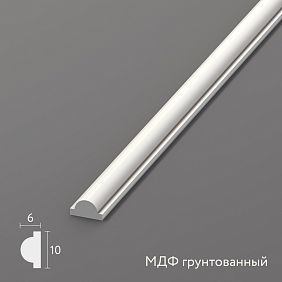
A store window works as the first external screen: Moldings made of polyurethane they highlight the glass and the entrance, Facade molding makes the area more expensive, decorative elements emphasize the logo, and the whole set helps the business look more noticeable and solid even before the client enters.
This article is exactly about that. About how to design a commercial facade properly: with precise calculation, good material, and an understanding of what exactly and why.




Why the storefront should look more expensive than the renovation itself
There is a paradox in retail and the service sector: they spend much more on interior renovation than on the facade. Inside — expensive flooring, quality furniture, beautiful lighting. Outside — painted plaster and a sign.
But the client sees from the outside. It is the external facade that forms the primary price signal. It is what tells which price segment the business operates in.
A telling example. Two neighboring cafes. One — with neat molding framing of the storefront, a cornice above the door, and delicate facade stucco made of polyurethane in monochrome white. The other — with the same furniture inside, but with a bare facade and a simple sign. The first is perceived as more expensive automatically. Not because it is better. But because it is architecturally declared.
That is why stucco for a store This is not decoration. It's an investment in price positioning.
Our factory also produces:


Who this is especially important for
For which businesses does decorating a storefront with stucco molding and facade decor work most effectively:
-
Boutiques and clothing stores — the visual status of the facade directly affects the perceived cost of goods.
-
Beauty salons and cosmetology clinics — the client pays for care, so the establishment itself must look well-groomed.
-
Jewelry stores — the highest degree of necessity: here the facade and storefront are trust.
-
Coffee shops and restaurants above average level — an architectural facade increases the average check.
-
Interior design studios, furniture showrooms — how you design your own space is how the client will perceive what you offer them.
-
Premium segment clinics and medical centers — trust begins with the first glance.
-
Showrooms and B2B offices in street retail — corporate image is formed at the facade.
Get Consultation
Moldings around the display window: a frame that turns glass into an exhibition
A window without framing is just a large window. A window with a molding frame is an exhibition space. Architecturally designed, intentional, expensive.
Why molding around display window glass
In most commercial spaces, display window glass occupies a significant part of the facade — sometimes from floor to ceiling, sometimes from 80 to 200 cm in height. This is a large plane. And if it is simply "inserted" into the wall without framing, it looks like a structural hole, not an architectural element.
Moldings made of polyurethane along the contour of the display window, three things are done simultaneously:
-
Visually "insert" the glass into the facade like a painting into a frame.
-
Create a shadow — due to the relief of the profile. The shadow makes the glass "deeper", and the space behind it more mysterious and attractive.
-
Give the facade rhythm — the horizontal and vertical lines of the molding create an architectural grid that organizes the facade.
How to choose a molding profile for a display window
The key parameter is the profile width. And here the rule of visibility applies: the display window is viewed from a distance of 5–15 meters, not up close. This means the molding must be wide enough to be readable from that distance.
-
Molding 20–30 mm is too delicate for a display window. It will get lost. This is an interior format.
-
Molding 40–60 mm is the working range for display windows of small shops and coffee shops.
-
Molding 60–100 mm is for large display windows of boutiques, furniture showrooms, and showrooms.
-
Composite profile (two moldings of different widths) — for the richest framing. Wide molding on the outside, narrow on the inside. Creates a "multi-level" frame.
How to connect the display window and the entrance door
This is a fundamental point. The display window and the entrance door are two parts of one "entrance scene." If you only decorate the window and leave the door without decor, the facade looks unbalanced.
A horizontal molding belt at the level of the top line of the window, continuously transitioning through the doorway — this is a "stitch" that unites both elements into one horizontal zone. The eye moves smoothly from the window to the door along this line.
Vertical molding along the ends of the window — left and right edges — "closes" the frame and gives it completeness.
buy polyurethane moldings For a display window — means choosing a profile with good projection (15–25 mm from the facade plane). It is the projection that creates shadow and volume. A flat molding with a 5 mm projection does not work on the facade — it is invisible.
Cornice above the entrance: the main element of a prestigious entrance area
A cornice above the front door is the architectural "eyebrow" of the facade. It performs three roles simultaneously: architectural (completes the portal), functional (protects the door from precipitation), and image-related (creates a sense of "entering" a significant space).
How to choose a cornice for the entrance area of a store
The cornice above the entrance should be visible from a distance. This means:
-
Projection from the facade plane — at least 50–80 mm. Only then does the cornice create an expressive shadow.
-
Profile width — 80–150 mm. For a commercial facade, modesty is inappropriate.
-
Profile — classic cornice with several levels: lower "drip" (weep), middle part, upper "crown". This creates a multi-level relief.
Cornice as the boundary of the "entrance stage"
A horizontal cornice above the door sets the upper boundary of the entrance area. If you add vertical moldings on the sides of the door, you get a full portal: two "pillars" and a lintel above them.
Facade decoration made of polyurethane For this assembly: cornice 100–130 mm + vertical moldings 40–60 mm. This minimal set makes the entrance an architectural portal.
Facade stucco molding: when not just a frame is needed, but an image
Moldings provide structure. A cornice gives completeness. But Polyurethane molding allows creating a stylish and presentable exterior of a house, while the material retains its qualities in any weather conditions. — decorative overlays, ornamental elements, relief decor — that's already an image. Character. A brand expressed in architecture.
Which business needs an image, not just a frame
Not every store needs lavish stucco. There are businesses that need strictness — and there, monochrome moldings do their job. But there are categories where store window decor with stucco elements is a must.
Jewelry boutique. Stucco is luxury in an architectural sense. It creates the feeling that behind the glass are treasures, not just merchandise. Classic elements: framing from moldings with a profile frame, a decorative keystone above the window, a cartouche above the door.
High-end pastry shop or coffee house. Stucco creates a "Parisian" or "Viennese" image — a café worth lingering in. Floral decorative overlays, a horizontal band with an ornamental frieze, a cornice with a pronounced profile are relevant.
Beauty salon or SPA. The image is care, elegance, a touch of luxury. Stucco: delicate molding frames, a medallion or rosette above the entrance, monochrome execution in soft tones.
Interior design studio or furniture showroom. The facade is a portfolio. If you do interiors, your own facade must demonstrate the level. facade decor here is direct advertising of expertise.
A medical clinic or dentistry. Trust begins before entering. A neat, architecturally balanced facade says: "Professionals work here." Stucco molding: strict, clean, without excessive ornament. White decor on a white or light gray facade.
Which stucco molding to choose for a commercial facade
For commercial use buy decorative moldings is made of rigid two-component polyurethane — a material intended for exterior use.
Medallions and cartouches — above the entrance door, in the center of the facade field above the display window. Size for a commercial facade: 150–250 mm.
Decorative frieze — a horizontal ornamental band between the display window and the sign area. Creates an architectural "layering" of the facade into zones.
Consoles — decorative brackets under the cornice or sign. Imitate a "load-bearing" structure. Give the cornice architectural credibility.
Corner overlays — at the intersection points of horizontal and vertical moldings. These are the "brackets" of the system.
Logo area: how stucco molding works with branding
Here lies the most subtle issue of the entire topic. The logo and sign are the brand. They require a "clean field" around them. A facade overloaded with decor can compete with the logo rather than work for it.
The "clean field" principle
Around the logo and sign, there must be a decor-free zone. At least 20–30 cm on each side. Stucco frames this zone — but does not intrude into it.
A frame of moldings around the logo zone — a rectangular frame that "inserts" the logo into the architectural context. The logo ends up inside the frame like a painting — this enhances it, rather than weakening it.
A decorative element above the sign — a small overlay or cartouche strictly above the center of the logo. This is the brand's "crown." It only works in one case: if the decorative element is significantly smaller than the logo itself.
Buy Moldings On the sides of the logo zone — symmetrical side overlays that "embrace" the logo from both sides. Floral scrolls, medallions, palmettes. Distance from the logo: at least 30–40 cm.
When decor near the logo is not needed
If the brand is built on minimalism — Apple, Chanel, any hi-tech brand — decor around the logo will conflict with the identity. Here, stucco moves to the periphery: it frames the outline of the window and entrance, but does not approach the logo zone closer than 50–80 cm.
Color and painting: how to paint stucco on a window correctly
For a commercial facade, there are three working color approaches.
Monochrome
All decor — moldings, cornices, stucco elements — is painted in the same color as the facade. Relief works only through shadow. This is maximally modern and prestigious. Suitable for minimalist boutiques, studios, medical facilities.
Best colors for a monochrome commercial facade: deep bottle green, anthracite, dark blue (for the facade) with white decor. Or all white. Or light gray.
Contrast "dark facade — light decor"
Dark facade (anthracite, green, blue, dark brown) + white or cream moldings and stucco. This is a classic scheme that works well for boutiques and cafes. The decor literally glows against the dark background.
Neutral facade with accent decor
Light gray or beige facade + decor half a tone darker or warmer. Nuanced contrast, almost invisible from a distance but felt up close. Refined but not loud.
Technical requirements for facade stucco for commercial properties
Climate Resistance
A commercial facade is located in an active urban environment: exhaust fumes, temperature fluctuations, snow, rain, frost. Facade decoration made of polyurethane Withstands a temperature range from −40 to +80 °C. Does not absorb water. Does not deteriorate when freezing.
For commercial properties with high service intensity (cafes, restaurants), an additional requirement: the decor must withstand accidental mechanical impact — a cart bump, a ladder brushing against it during sign maintenance.
Adhesion to various substrates
Showcases are often located on different types of substrates: plaster, concrete, brick, metal structures. The mounting adhesive must ensure adhesion to all these surfaces.
Recommended adhesive: hybrid mounting adhesive (polyurethane + acrylate) for outdoor use. Additional mechanical fixation: anchor bolts with wide washers for large elements (cornice, large moldings).
Foundation Preparation
-
Cleaning from dust, oils, and loose particles.
-
Priming with deep-penetration acrylic primer.
-
On metal surfaces — anti-corrosion primer.
-
For smooth substrates — sanding with coarse sandpaper (80 grit).
Five showcase design scenarios: from minimum to maximum
Scenario "Coffee Shop": a light, elegant facade
Set:
-
Moldings made of polyurethane 40–50 mm along the showcase contour.
-
Horizontal belt on the top line of the showcase.
-
Cornice above the entrance door 80 mm.
-
Small medallion or cartouche above the door.
Color: dark green facade + white moldings and decor.
Scenario "Jewelry Boutique": status and luxury
Set:
-
Composite molding (two profiles) along the showcase — 50 + 25 mm.
-
Cornice 120 mm with consoles above the entrance.
-
Keystone above the showcase.
-
Side overlays next to the logo.
Color: monochrome — the entire facade is deep dark gray, all decor is half a tone lighter.
Scenario "Beauty Salon": femininity and elegance
Set:
-
Moldings 40 mm along the contour of the showcase with floral corner overlays.
-
Cornice 80 mm above the entrance.
-
Rosette or medallion above the door.
Color: powder pink facade + white decor. Or white facade + golden decor.
Scenario "Interior Studio": professionalism and style
Set:
-
Moldings 60 mm — strict rectangular profile.
-
Horizontal belt across the entire width of the facade.
-
Cornice 100 mm with a pronounced overhang.
-
No ornamental overlays — only clean lines.
Color: anthracite or dark blue facade + white moldings.
Scenario "Medical Clinic": trust and professionalism
Set:
-
Moldings 40–50 mm along the display window contour in monochrome.
-
Cornice 80 mm above the entrance.
-
No ornamental elements — only a clean architectural profile.
Color: white facade + white decor (monochrome). Decor works solely through shadow.
Installation of stucco on the display window: professional work sequence
A commercial facade does not tolerate mistakes. Everyone sees it every day.
Marking
Laser level is mandatory. Even a minimal misalignment of a horizontal molding by 2–3 mm is clearly visible from the sidewalk. Vertical axes — by plumb line.
All key points are marked in advance: the central axis of the display window, the center of the entrance door, the height of the top molding line.
Cutting
Miter saw with a clean blade. 45° angle cuts for frame moldings. Joints on a single horizontal line — strictly 90°. Diagonal cuts at intersection points — 45°.
Installation on an exterior facade
Installation temperature: from +5 to +30 °C. At temperatures below +5 °C, the glue loses its adhesive properties. In strong wind, elements are secured with tape until the glue is completely dry (24 hours).
Sealing
All joints, abutments to the display window profile and door frames — elastic acrylic sealant. The joint of the decor with the display window aluminum profile — special sealant for dissimilar surfaces.
What to buy for the display window and entrance area: final table
| Task | What to purchase |
|---|---|
| Highlight the display window | Moldings made of polyurethane 40–60 mm |
| Make the entrance more expensive | Facade molding + cornice above the door |
| Design the logo area | Frame from moldings + a decorative element |
| Emphasize the door portal | Vertical moldings + cornice 80–120 mm |
| Make the boutique more noticeable | Facade decoration made of polyurethane + accent stucco molding |
| Create a "coffee" look | Moldings + cornice + medallion above the entrance |
| Assemble a complete set | Buy molding + moldings + cornice + glue + paint + 15% spare |
Frequently asked questions
How to design a store window?
The window is designed polyurethane moldings along the contour, with a horizontal belt on the top line, a cornice above the entrance door and decorative molding at accent points — above the door, next to the logo, in the corners of the frame.
Can polyurethane molding be used on a storefront facade?
Yes. Rigid two-component polyurethane is designed for exterior use, withstands temperatures from −40 to +80 °C, and does not absorb water. Important: installation with special exterior adhesive, surface preparation, painting with facade paints.
What to buy for the store entrance area?
Vertical moldings on the sides of the door 40–60 mm, a cornice above the doorway 80–120 mm, if necessary — Buy Moldings for an accent element above the door. Plus adhesive, sealant, primer, facade paint, 15% spare.
How not to overload the display window with molding?
The "clean field" rule: around the logo and signage — a zone without decor. Moldings — only along the perimeter of the display window and door. Buy decorative stucco — one or two accent elements, no more. Painting all decor in monochrome — if you do not want a contrasting solution.
How does display window design affect sales?
There is no direct connection — this is not a marketing study, but an architectural solution. However, the indirect connection is obvious: a neat, prestigious facade creates an initial price signal and attracts the target audience with corresponding expectations and solvency.
Is additional mechanical fixation needed for facade stucco molding?
For large elements — cornices, wide moldings — it is desirable. Dowels with a wide washer through the body of the element, putty over the heads. Small overlays are held by glue.
STAVROS: a kit for your commercial facade
Storefront design is a task with a high cost of error. An incorrectly selected profile, an incorrectly calculated scale, insufficient cornice overhang — and all the work goes to waste. That is why it is important to work with a manufacturer who understands architectural logic, not just sells parts.
STAVROS manufactures Polyurethane Items for facade and interior work. Full range for commercial facade design: moldings of all profiles, Decorative stucco for accent zones, cornices and horizontal belts for facade systems. All elements are made of rigid two-component polyurethane, resistant to outdoor use.
Buy moldings for a store, boutique, salon or showroom window — in the STAVROS catalog. Delivery throughout Russia. Pickup in Moscow and St. Petersburg.
Your facade is the first contact with the client. Make it right.