





































Article Contents:
- What the buyer actually chooses: not a plank, but an architectural system
- Why people want an interior without baseboard
- Where minimalism ends and the feeling of incompleteness begins
- Why baseboard is needed: five functions that are often underestimated
- Covers the joint between floor and wall
- Protects the lower part of the wall
- Hides the technological gap
- Gathers the bottom line of the interior
- Helps connect floor, doors, walls, and furniture
- For minimalism
- For modern classic
- For premium interiors
- For wet and high-traffic areas
- B90V1L — for modern classics and a striking bottom line
- BE100 — for a minimalist premium interior
- B110V1 — for high ceilings and large spaces
- Can you make an interior without baseboards?
- Why is skirting needed?
- Why can a floor without baseboards look unfinished?
- Which is better: hidden baseboard or regular baseboard for painting?
- Which baseboard to choose for modern classic style?
- Why do you need a ceiling baseboard or cornice?
- Should you install moldings together with baseboards?
- How to calculate the amount of baseboard?
- Can you paint baseboards the same color as the wall?
- What to buy together with baseboards?
- Where to buy STAVROS skirting boards, cornices, and moldings?
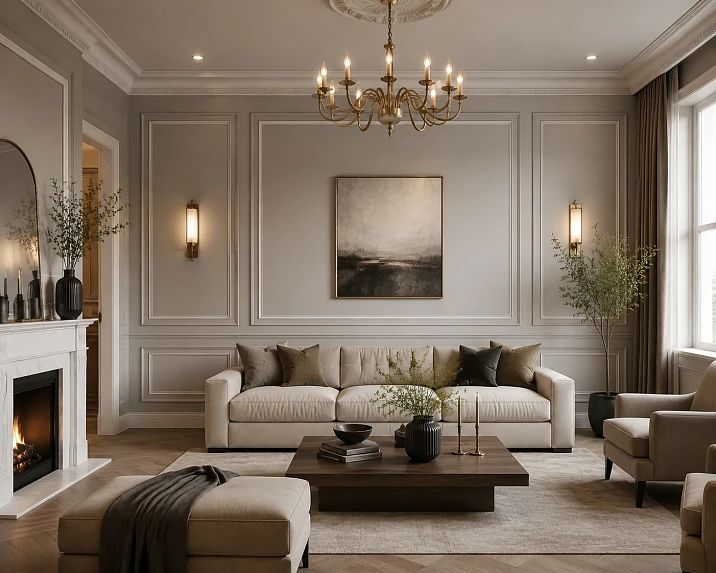
An interior without a skirting board looks beautiful in individual photos: a clean wall, an even floor, no extra line at the base. But in a real apartment or house, such a solution often turns out not to be minimalism, but a technically complex unit that requires a precise design, level walls, the correct gap, careful installation of the flooring, and well-thought-out protection of the lower part of the wall. If all this is not done in advance, abandoning the skirting board quickly becomes a visual and practical mistake.
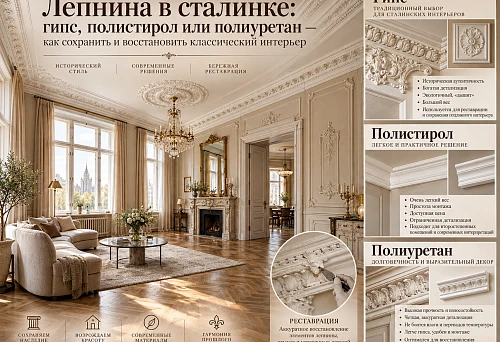
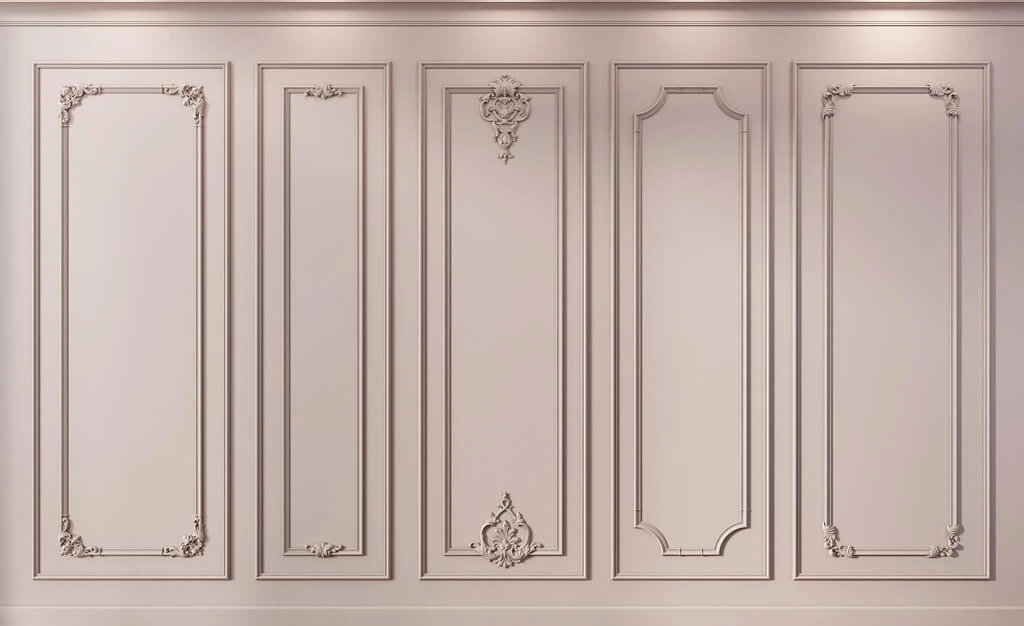
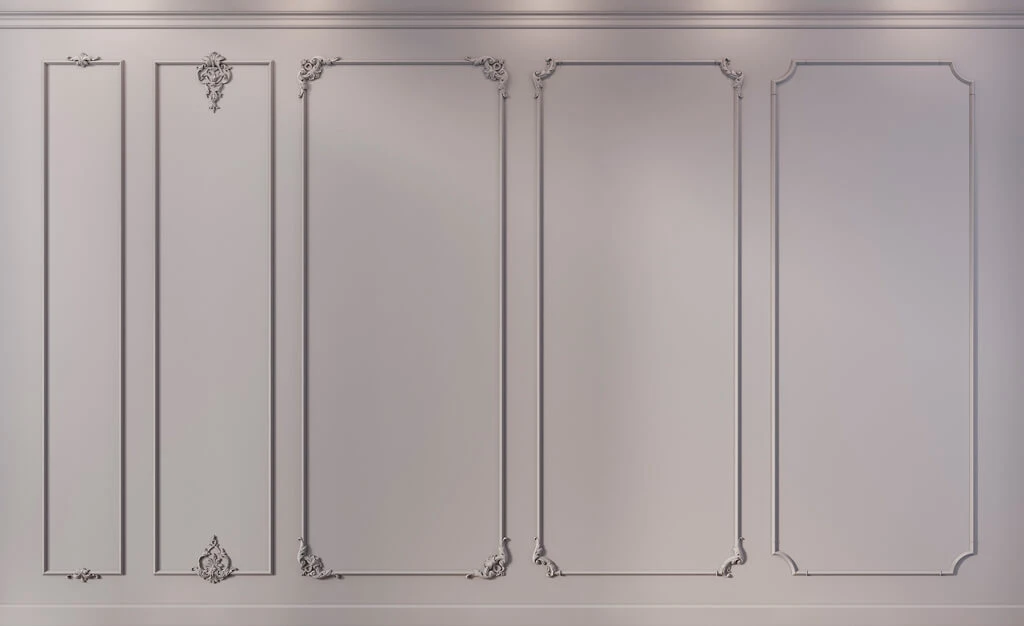
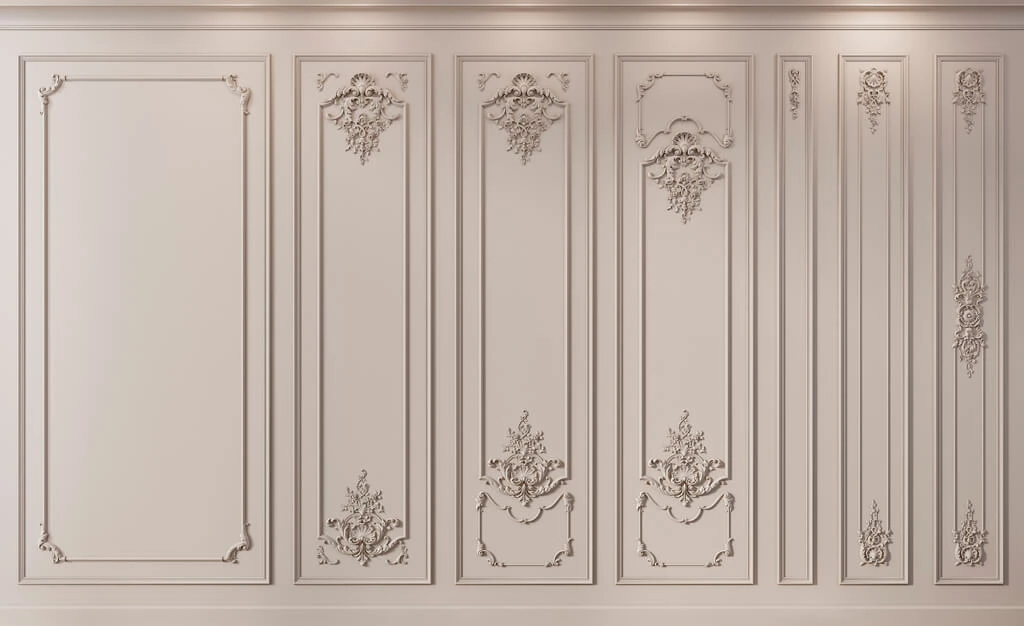
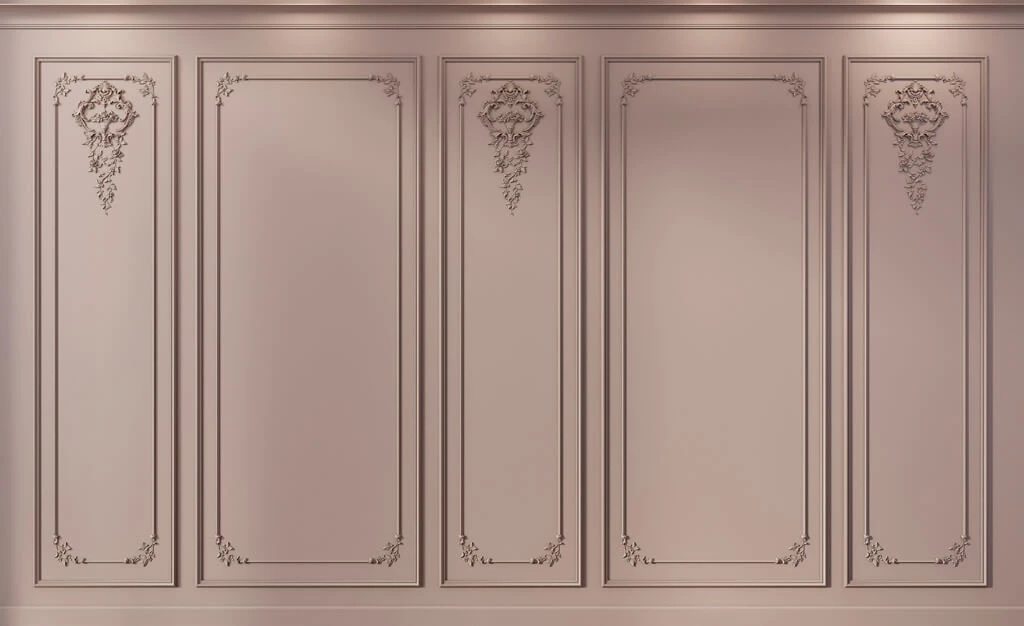
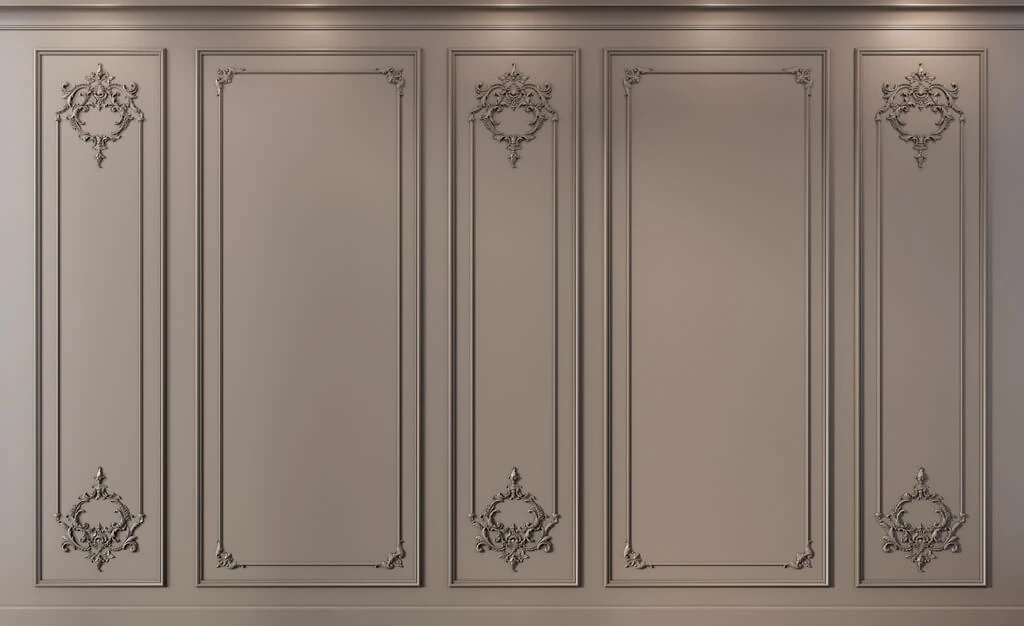
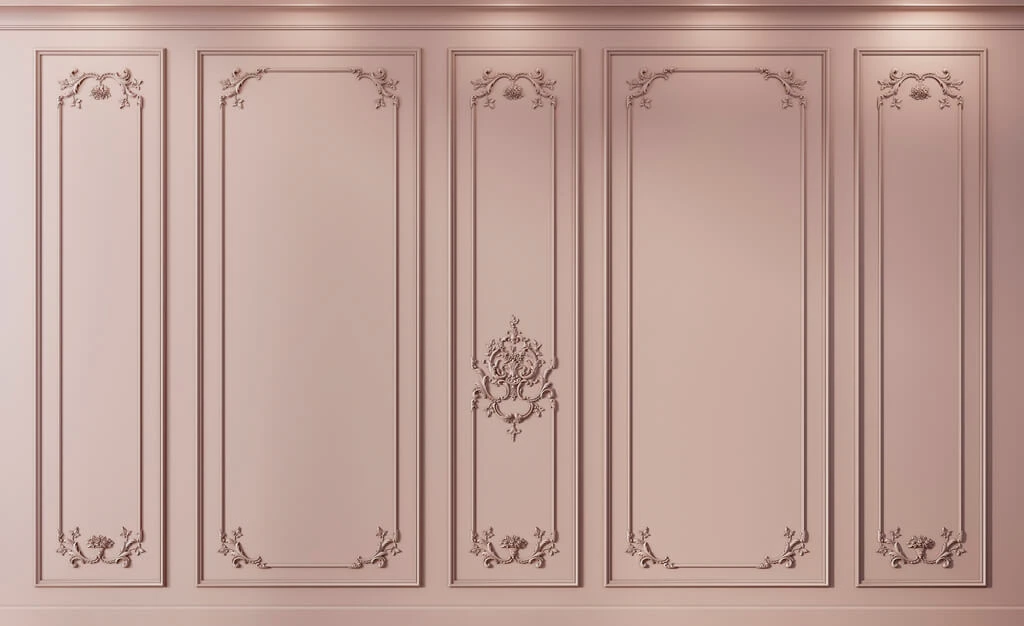
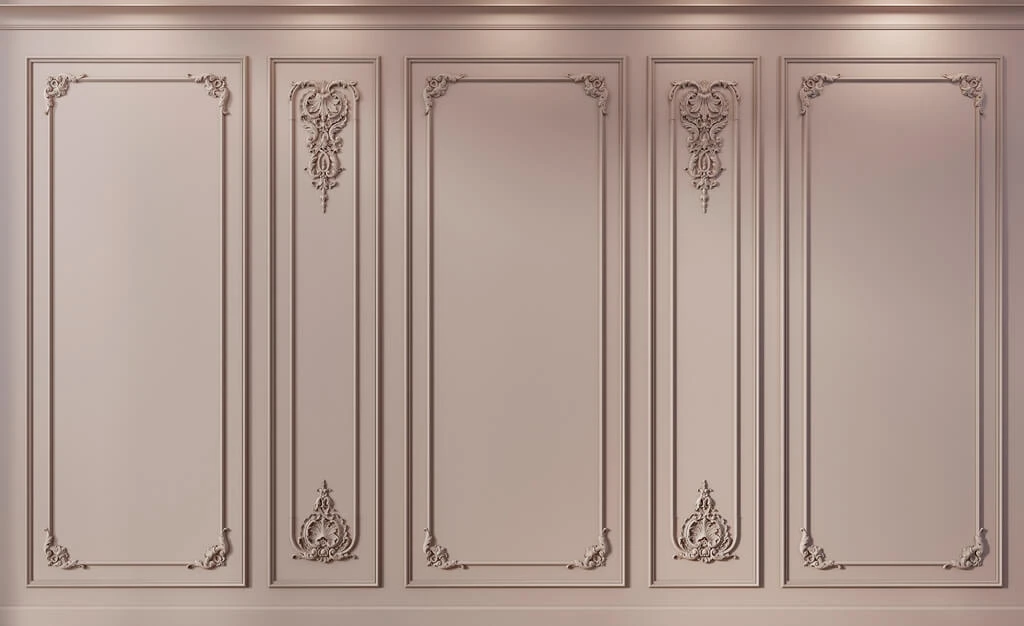
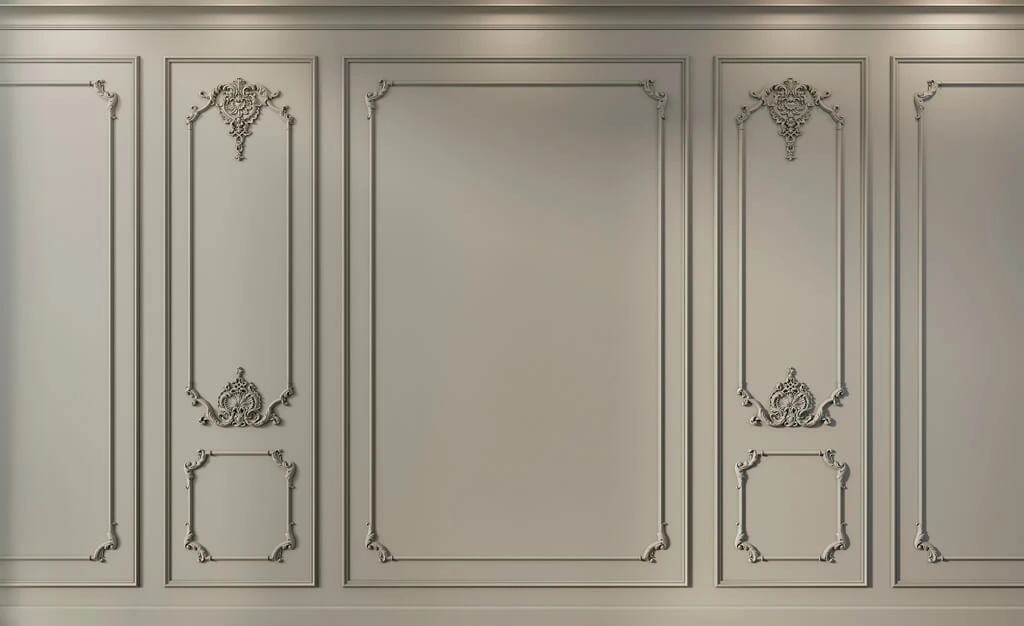
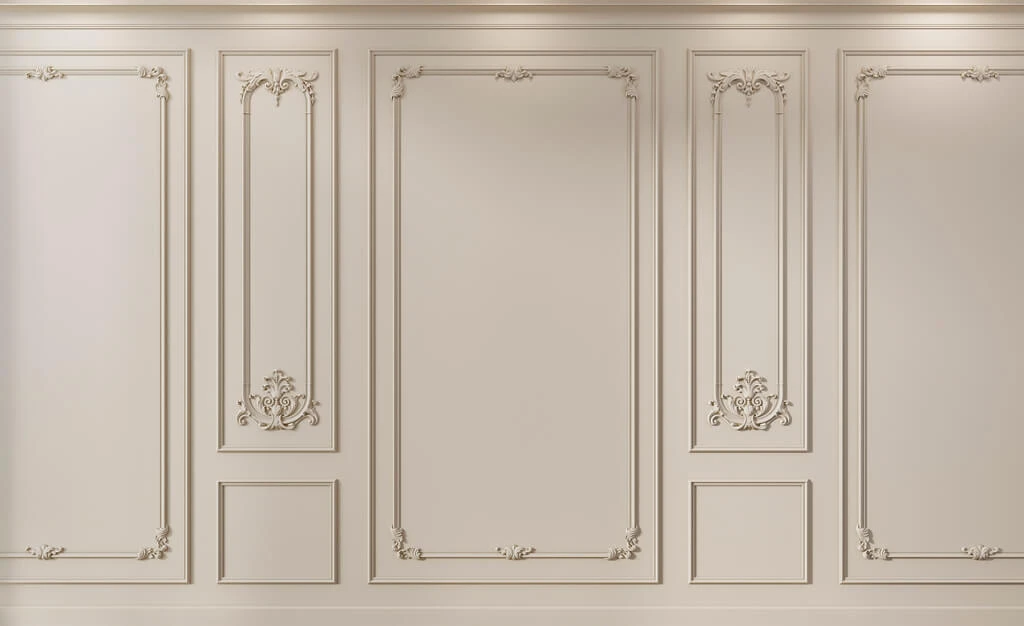
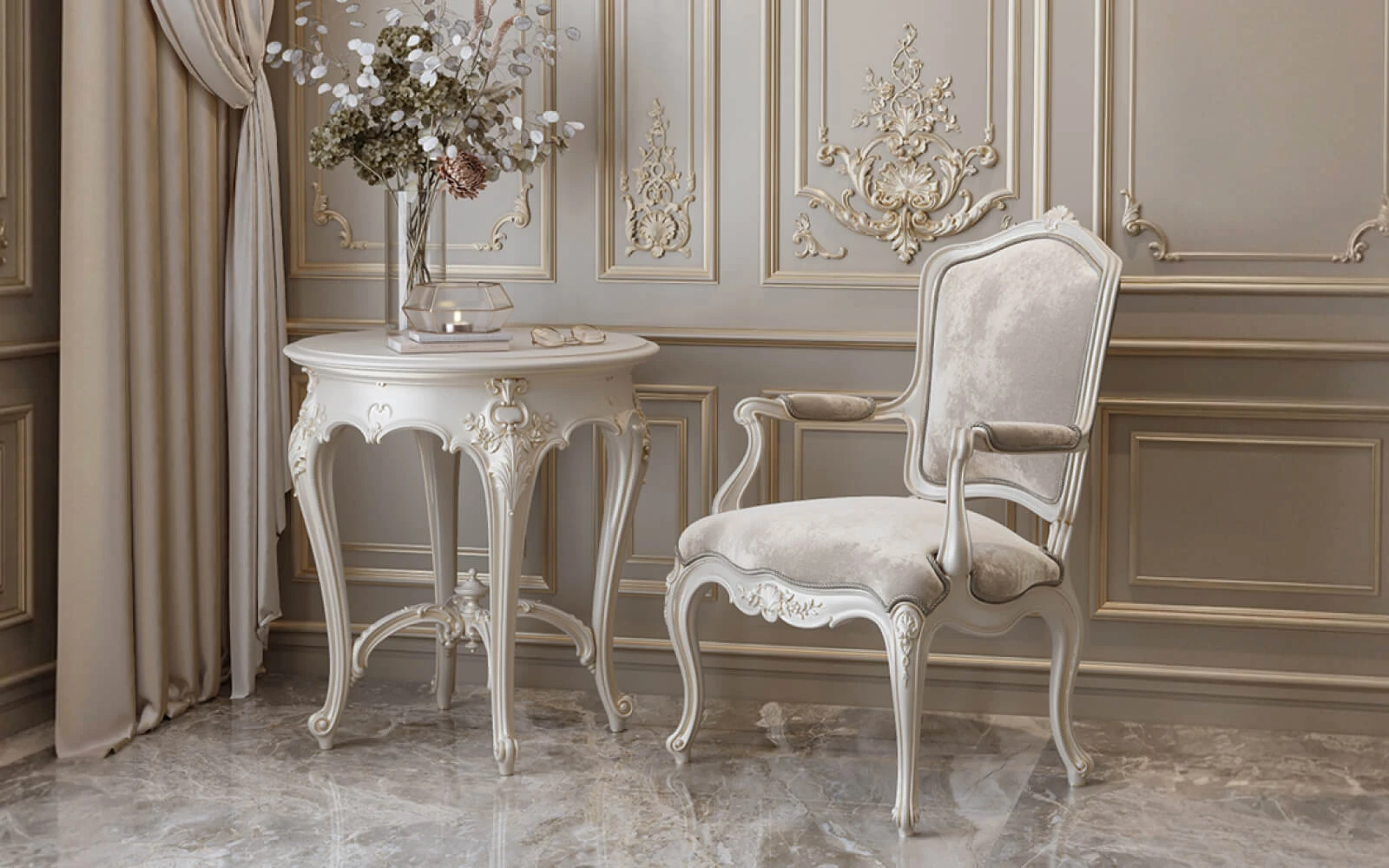
A skirting board is needed not only to close the gap between the floor and the wall. It gathers the bottom line of the room, protects the finish from impacts, and helps connect the floor, doors, walls, and furniture. And if the interior is built in modern classicism, neoclassicism, calm art deco, or soft minimalism, the skirting board works together with the cornice and molding as an architectural system: the bottom, middle, and top of the wall get clear boundaries.
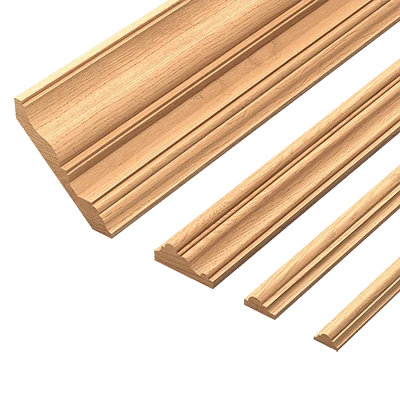
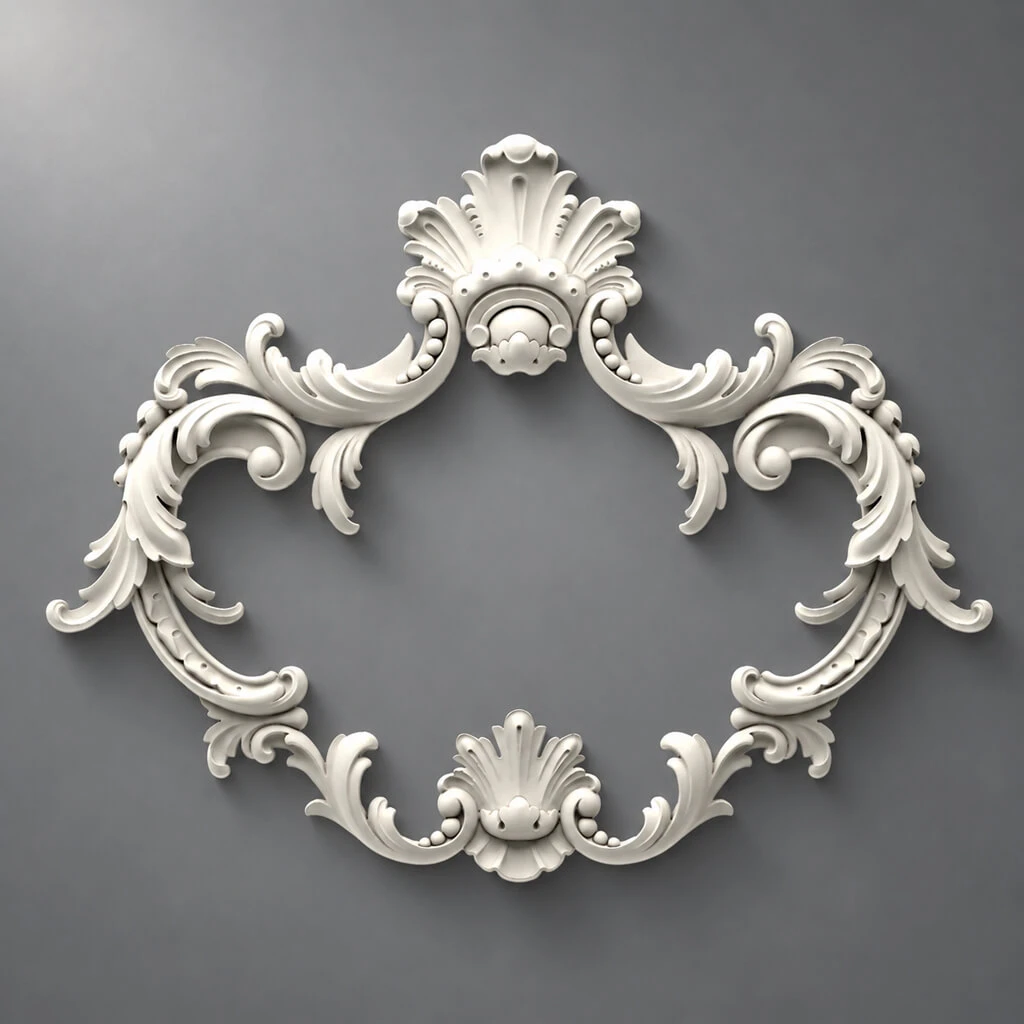
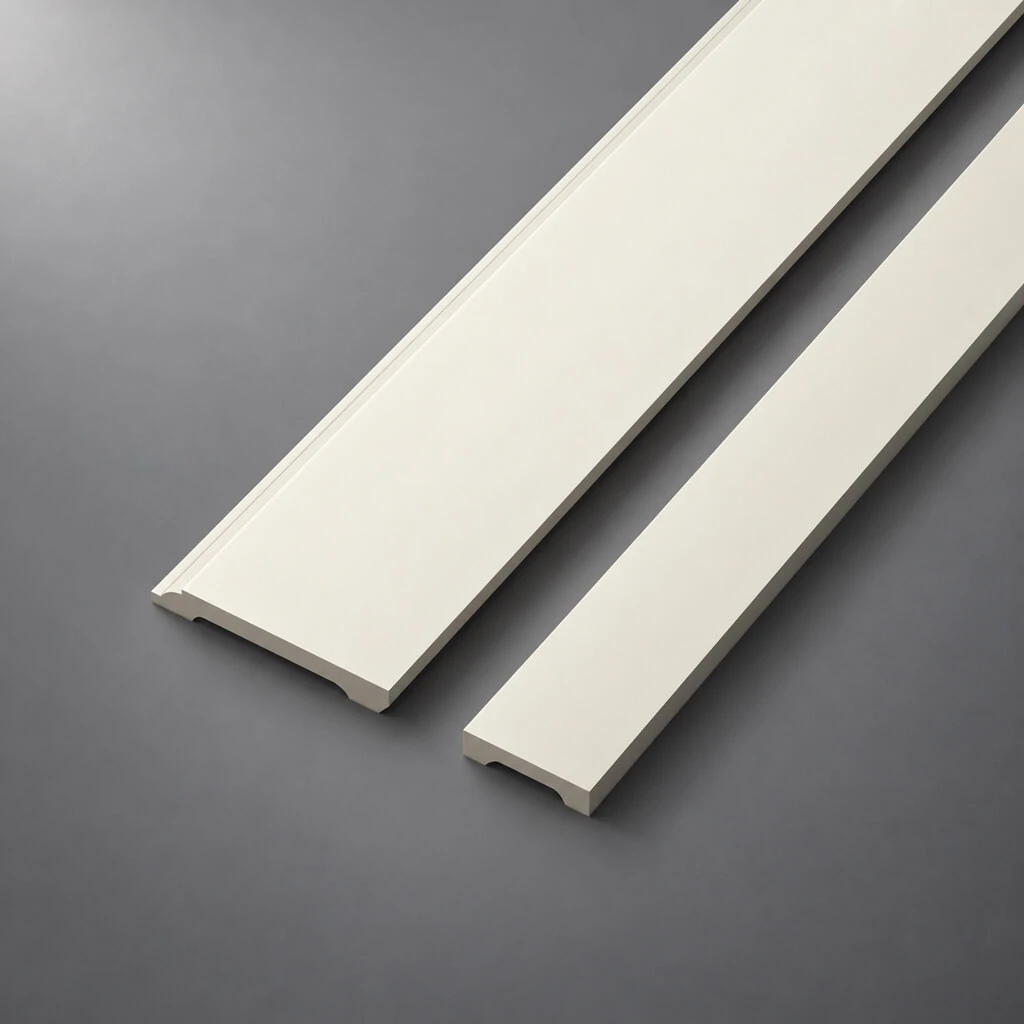
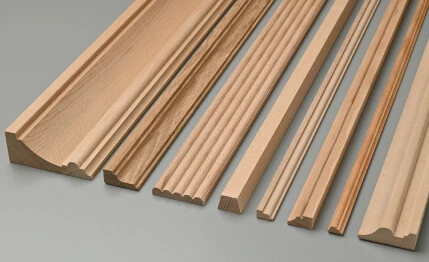
STAVROS offers interior profiles that help solve this task not randomly, but systematically. In the section HI WOOD STAVROS skirting boards you can choose floor profiles for painting for different scenarios: from a calm modern apartment to a more expressive classic interior. To continue the line on the walls and ceiling, you can use STAVROS Moldings, Cornices, and Baseboards, and to complete decorative compositions — Decor for Molding.
This article will help you understand when an interior without a skirting board is truly possible, and when it's better not to take risks. We'll break down why a floor skirting board is needed, why a ceiling cornice completes the room, how molding makes a wall architectural, what mistakes are made when abandoning the profile, and how to choose the STAVROS system for a modern interior without visual overload.
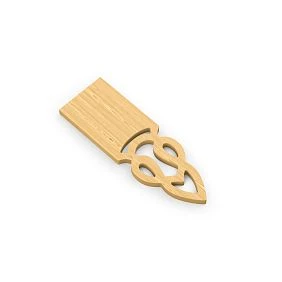
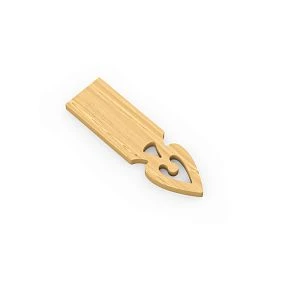

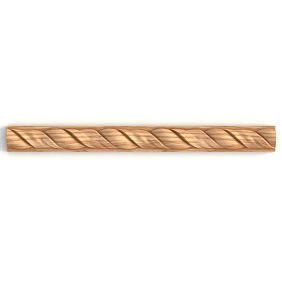
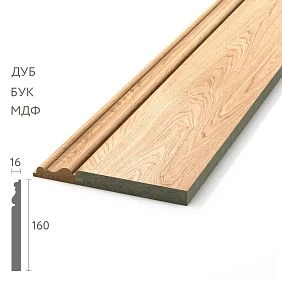

What the buyer is actually choosing: not a strip, but an architectural system
When a person asks whether it's possible to have a floor without a skirting board in an interior, they are usually thinking about the appearance. They want a clean wall, minimalism, an even floor line, the feeling of an expensive renovation. But in practice, the choice is not between a "skirting board" and "nothing." The choice is between several ways to finish the joint between the floor and the wall.
The first method is to leave an open joint. It looks neat only with a perfectly prepared base and precise installation. The second method is to create a hidden or shadow joint. This requires planning before finishing, special solutions, and high precision work. The third method is to use a decorative skirting board for painting, which covers the joint, protects the wall, and does not conflict with a modern interior. For most residential spaces, the third option turns out to be the most rational.
The skirting board should not look like a random plastic strip. In a modern interior, it can be calm, smooth, painted in the color of the wall or door. In a classic interior, it can be taller and more expressive. In neoclassicism, it should be neat, proportional, and connected to moldings. In premium finishes, it is part of a unified system where the floor profile is supported by a ceiling cornice and wall frames.
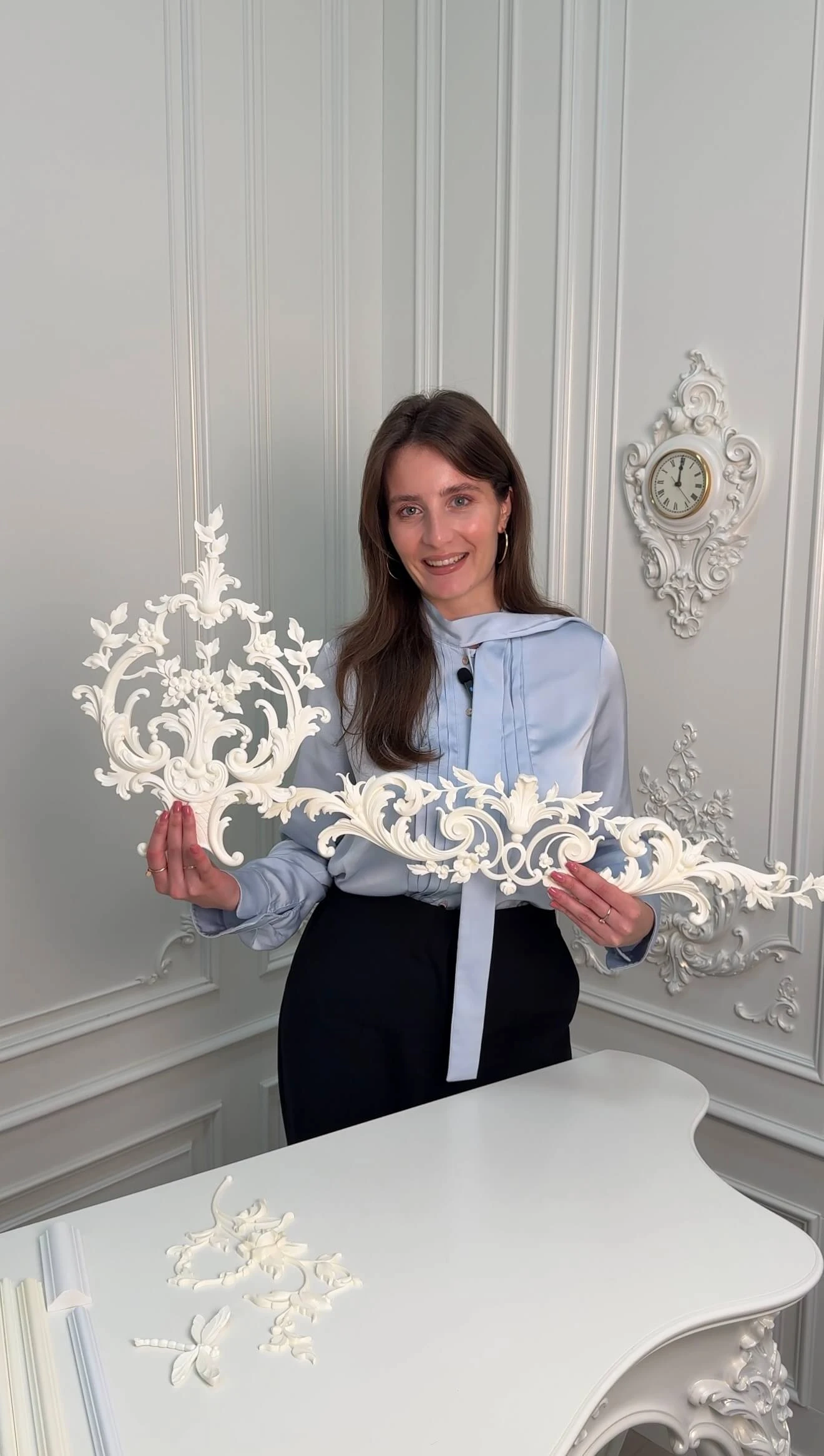
Therefore, the product base of the article is not a single skirting board, but a set of STAVROS products: HI WOOD floor skirting boards, moldings, cornices, and decorative elements for moldings. Such a system helps make the interior complete but not overloaded.
| Model / Group | Product Type | Confirmed Size | Material | Finish | Purpose | Features | Order Conditions |
|---|---|---|---|---|---|---|---|
| HI WOOD STAVROS skirting boards | Floor skirting board category | The category includes profiles with heights from 58 to 140 mm; check the product card for the exact size | Polystyrene HI WOOD | For painting; check current options in the product card | Closing the floor-wall joint, protecting the lower part of the wall, completing the lower line of the interior | Moisture-resistant floor profiles for different interior scenarios | Check availability, configuration, and order conditions in the product card or with a STAVROS manager |
| B90V1L | Floor skirting board | 90×14×2000 mm | Polystyrene HI WOOD | For painting; check the product card for current parameters | Modern classic, spacious apartment, interior with expressive bottom line | Profile with decorative relief | Please check availability, color options, configuration and ordering conditions before purchase |
| BE100 | Floor skirting board | 100×13.5×2000 mm | Polystyrene HI WOOD | For painting; check the product card for current parameters | Laconic premium interior, modern classic, walls for painting | Smooth surface, convenient for a calm architectural line | Please check availability and ordering conditions in the product card or with a STAVROS manager |
| B110V1 | Floor skirting board | 110×16×2000 mm | Polystyrene HI WOOD | For painting; check the product card for current parameters | High ceilings, large rooms, expressive bottom line of the wall | Higher profile with relief for large-scale interiors | Please check availability, configuration, and ordering conditions before purchase |
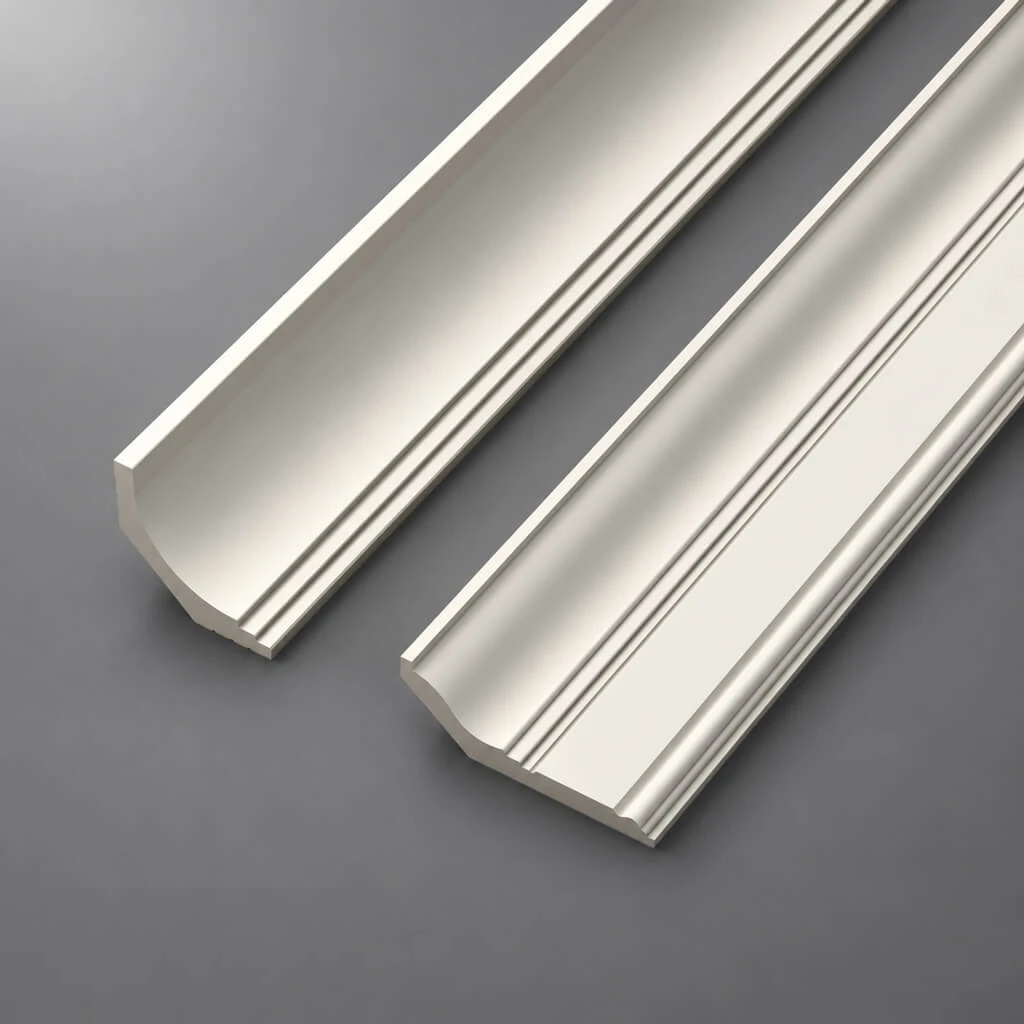
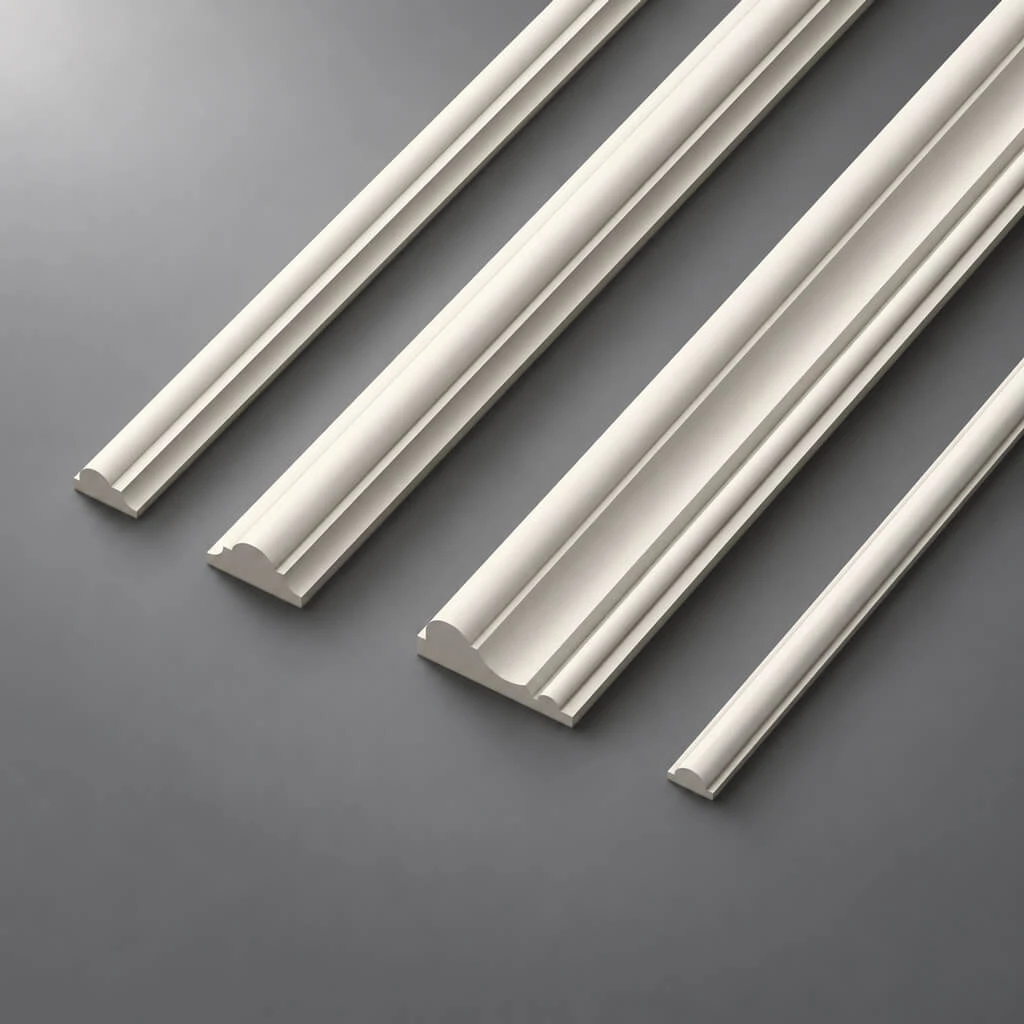
| STAVROS moldings, cornices, and baseboards | Category of interior profiles | Size depends on the model | Polyurethane; exact material check in the product card | For painting; check current options in the product card | Top line, wall frames, decorative wall division, connection with baseboard | Help to assemble the bottom, middle, and top of the room into a unified system | Parameters of the specific model check in the product card |
| Decor for STAVROS moldings | Decorative elements for moldings | Size depends on the model | Polyurethane; exact material check in the product card | Check the product card for current options | Completion of frames, corners, central accents on the wall | Adds decorativeness where not just a line is needed, but a composition | Check compatibility with the selected molding before ordering |


Why people want an interior without baseboards
The desire to abandon baseboards is understandable. Many are tired of rough plastic profiles that noticeably differ from the floor, wall, and door. Such a baseboard can indeed ruin the interior: it cuts the wall, looks technical, draws attention to itself, and often doesn't match any element of the room. After such an experience, you want to remove the bottom strip entirely.
The second reason is the trend toward minimalism. A visually clean interior feels calmer. In pictures without baseboards, the walls seem to continue straight to the floor, and the room looks more strict. The so-called floating walls without baseboards in the interior look especially appealing: a shadow appears between the floor and wall, the bottom line becomes light, and the room looks almost like a gallery.
The third reason is the desire to make renovations 'like in the project.' Design visualizations often show interiors with thin shadow gaps, hidden doors, flat surfaces, and no visible joints. But the visualization doesn't show the cost of preparation, installation complexity, wall requirements, or operational risks. In real life, the bottom part of the wall gets dirty, hit by vacuum cleaners, furniture, shoes, children's toys, bags, and boxes.
The fourth reason is the fear of classic style. The buyer thinks: if you install a baseboard, the interior will become old-fashioned. In reality, it's not the baseboard itself that makes it old-fashioned, but the wrong choice: a low random profile, unsuitable color, poor matching with architraves, rough material, or lack of connection with the rest of the finish. A good paintable baseboard can look modern and calm.
That's why the question 'to make an interior without baseboards or not' is better replaced with another: which method of finishing the bottom line suits your room, budget, floor covering, walls, and style. Sometimes abandoning baseboards is justified. But more often, the buyer needs not abandonment, but the right profile.
Our factory also produces:


Where minimalism ends and the feeling of incompleteness begins
Minimalism is not the absence of details. It's the precision of details. If a floor without baseboards in the interior is done properly, it has a design solution: a shadow profile, calculated gap, even wall, neat covering junction, prepared bottom edge, and thoughtful protection. In that case, the absence of baseboards can indeed look expensive and calm.
But if you simply remove the baseboard from a regular renovation, a problem arises. The joint between the floor and wall becomes visible. Even a small gap starts to stand out. The lower part of the wall looks cut off. The floor seems to lack completion. Any unevenness, dust, a mark from cleaning, or a micro-damage ends up in plain sight.
Visually, the room loses its lower boundary. This is especially noticeable in rooms with active flooring: parquet, engineered wood, laminate, or porcelain stoneware with a pronounced texture. The floor has a color, pattern, and laying direction. The wall has its own plane. A transition is needed between them. The baseboard makes this transition clear.
Without a baseboard, the interior can look unfinished also because the connection with doors is lost. Architraves, door frames, furniture plinths, and the floor line must somehow interact. If there is no baseboard, the architrave often "hangs" near the floor, and the doorway looks detached from the lower part of the room.
Good minimalism is not afraid of baseboards. It simply chooses a calm profile. For example, a smooth baseboard for painting can be made in the color of the wall. Then it does not create unnecessary graphics, but covers the joint and protects the surface. This is not a compromise, but a practical architectural detail.
Get Consultation
Why a baseboard is needed: five functions that are often underestimated
The question "why is a baseboard needed" seems simple, but it hides all the logic of finishing. The baseboard performs not just one, but several functions at once. If you remove it, each function will still have to be replaced with something.
Covers the joint between the floor and wall
The joint between the floor and wall without a baseboard in the interior is rarely perfect. Even if the walls are leveled and the covering is laid neatly, a line of abutment remains between the materials. It can be technical, uneven, too sharp, or simply unfinished.
The baseboard covers this transition. It creates a clean boundary between the horizontal and vertical planes. Visually, this is similar to a frame around a painting: without it, the image may look accidental, but with it, it gains completion. The floor and wall are also two different planes, and the baseboard helps them meet neatly.
This is especially important in rooms where the floor has a natural texture: wood grain, pronounced texture, complex shade. Without the lower profile, the floor can look like a material that was simply brought to the wall and stopped. The baseboard makes the transition meaningful.
Protects the lower part of the wall
The lower part of the wall endures more than it seems. It gets bumped during cleaning, rearranging furniture, bringing in boxes, bags, suitcases, strollers, and shoes. Vacuum cleaners, mops, robot vacuums, chairs, armchair legs — all of these come into contact more often with the lower zone of the wall rather than the middle.
The baseboard takes on some of this load. If the walls are painted, especially in a light color, protection at the bottom becomes even more important. Without a baseboard, marks appear faster. A damaged wall is harder to restore neatly than to locally refresh or repaint the profile.
For hallways, corridors, kitchen-dining rooms, children's rooms, dressing rooms, and high-traffic areas, a baseboard is especially useful. It's not just about aesthetics, but everyday practicality. You can skip unnecessary decor in an interior, but you shouldn't skip protection where it truly works.
Conceals the expansion gap
Many flooring types require an expansion gap at the wall. This is due to material properties, possible expansion, installation method, and usage. If this joint is closed incorrectly or left open, the bottom line will look rough.
The baseboard helps close the gap and maintain a neat appearance. At the same time, it should not prevent the flooring from working within acceptable limits. Specific requirements depend on the floor, subfloor, and installation method, so they should be clarified with flooring specialists. But the general principle is clear: the baseboard covers what should not remain visible.
That's why an interior without baseboards cannot be decided at the end of a renovation. If you want to forgo the profile, it needs to be planned in advance. If the decision is made after the floor is laid, it often turns out that the joint cannot be shown beautifully without a baseboard.
Defines the bottom line of the interior
The baseboard works as an architectural feature. It runs along the perimeter of the room and ties the space together. Even if the profile is painted the same color as the wall and barely stands out, it creates shadow, thickness, and a clear boundary.
Without this line, the room can look visually "cut off." Especially if the ceiling is finished with a cornice, doors have architraves, furniture stands on a plinth, and the lower part of the wall remains empty. The baseboard balances the composition. It holds the bottom just as the cornice holds the top.
This is clearly noticeable in modern classics. There is no need to overload the walls with stucco, but proportions are needed. The baseboard at the bottom, the molding on the wall, and the cornice at the ceiling create a calm architectural rhythm. The room looks not decorated, but assembled.
Helps connect the floor, doors, walls, and furniture
The baseboard is often chosen separately from everything else, and this is a mistake. It should interact with door architraves, wall color, floor material, ceiling height, furniture, and even light. If the profile is chosen correctly, it connects the elements of the room.
For example, a white baseboard can support white doors and a ceiling cornice. A baseboard in the color of the wall creates a calm, modern plane. A taller profile helps connect classic doors, moldings, and furniture. A smooth profile suits minimalism and modern classics, while a relief profile suits a more expressive interior.
In STAVROS, it is convenient to select not only the baseboard but also adjacent elements. The floor line can be connected with the molding on the wall and the ceiling cornice. Then the interior is perceived as a whole, rather than as a set of separate purchases.
When an interior without a baseboard is truly possible
Abandoning the baseboard is possible, but only under several conditions. First — perfectly prepared walls. The lower part of the wall must be smooth, durable, neatly finished, and ready for use. Any wave, chip, or unevenness near the floor will be visible.
The second condition is a pre-calculated junction point. You cannot simply lay the floor and decide that a baseboard is not needed. You need to understand how the joint will look, where the gap will go, how the edge of the wall will be protected, how cleaning will be handled, and what will happen in case of minor damage.
The third condition is suitable flooring and professional installation. Some coverings require expansion gaps, some are sensitive to abutment, some need special care at the edge. If the covering has already been laid with the baseboard in mind, abandoning it may reveal an unsightly technical joint.
The fourth condition is readiness for more complex maintenance. A wall without a baseboard near the floor requires careful cleaning. Any impact or dirt appears directly on the finish. If there are children, pets, an active hallway, frequent wet cleaning, or furniture rearrangement in the house, the risks increase.
The fifth condition is consistency with the style. An interior without a baseboard works best in very strict modern spaces where every line is thought out. If the room has classic doors, cornices, paneled furniture, decorative panels, or a pronounced floor texture, the absence of a baseboard may look not like minimalism, but like a break in the system.
Therefore, the honest answer is this: an interior without a baseboard can be done, but it is not a universal solution. For most apartments and houses, a baseboard for painting, selected by height and style, will be more practical, calmer, and more durable in perception.
Why classic is modern
Modern classic is not heavy curls, not an overload of ornament, and not an imitation of a palace. It is about working with proportions. In such an interior, lines are important: bottom, middle, top. The baseboard holds the base of the wall. The molding divides the plane. The cornice completes the transition to the ceiling. Together, they create the architectural grammar of the room.
An empty wall does not always look modern. Sometimes it just looks empty. Especially if the room is tall, the furniture is classic or neoclassical, the doors have architraves, and the ceiling requires completion. Molding and baseboard help add rhythm without unnecessary decor.
Classic becomes modern when everything superfluous is removed from it and the structure is left. It is not necessary to use many ornaments. A neat baseboard, a calm cornice, and one or two molding rectangles on the wall are enough. Such a scheme can look very fresh if the profiles are painted the color of the wall and do not conflict with the furniture.
That is why the baseboard should not be considered an outdated element. What can be outdated is an unsuitable baseboard: too low, too plastic in appearance, of a random color, poorly joined with the door. But a correctly selected profile remains relevant because it solves not a fashionable, but an architectural task.
Modern classic in interior design is built on respect for proportion. If the ceilings are high, the baseboard should not be too low. If the walls are simple, molding can add depth. If the ceiling seems unfinished, a cornice helps close the top line. In this sense, the baseboard, cornice, and molding are not decoration, but a way to make the room mature.
Baseboard, cornice, and molding: three lines that bring the room together
The interior can be perceived as a composition of planes and lines. The floor, walls, and ceiling are large surfaces. Baseboards, moldings, and cornices help these surfaces meet beautifully.
| Line | Element | Role in the interior | What happens without it |
|---|---|---|---|
| Bottom of the wall | Floor skirting board | Covers the joint between floor and wall, protects the finish, sets the lower boundary | The floor and wall may look ragged, the joint becomes vulnerable |
| Middle of the wall | Molding | Divides the plane, creates frames, rhythm, and architectural depth | The wall may seem empty or flat |
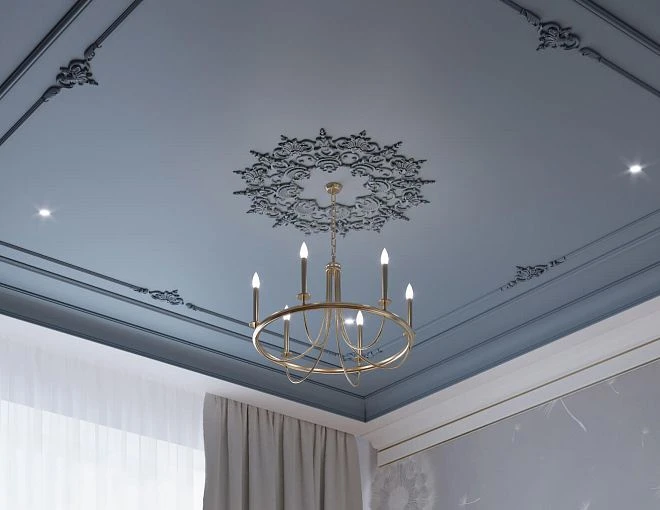
| Top of the wall | Cornice or ceiling skirting | Completes the transition from wall to ceiling, softens the corner, supports the height | The top line of the room can look sharp or unfinished |
When these three lines are connected, the interior looks calmer. They don't have to be equally active. In minimalism, the baseboard can be almost invisible, the molding can be absent, and the cornice can be very simple. In modern classic, the baseboard and cornice can be more expressive, while the molding can create frames on the wall. In a more formal interior, decorative relief is acceptable, but only if it matches the scale of the room.
The problem arises when one line is present and another is accidentally missing. For example, the ceiling is finished with a cornice, the walls are decorated with moldings, the doors have classic architraves, but there is no baseboard at the floor. The lower part of the room looks weak. Or vice versa: there is a rough baseboard, but no connection with the top and walls. Then the profile seems alien.
STAVROS allows you to select elements with a single logic. You can start with a floor baseboard, then choose a molding for the wall and a cornice for the top line. This is especially important in interiors where you want not just to close the joint, but to create a cohesive atmosphere.
How to choose a skirting board to match the interior style
Choosing a baseboard starts with three parameters: ceiling height, room style, and wall character. The higher the room, the more confident the profile can be. The calmer the interior, the simpler the shape should be. The more active the walls and furniture, the more carefully you need to choose the relief.
For modern minimalism, a smooth baseboard for painting is best. It can be painted in the color of the wall so that the bottom line is clean but not intrusive. This option helps maintain visual lightness while closing the joint.
For modern classic, profiles about 80–100 mm high work well. They are already noticeable but do not look excessive. If the walls are painted in a calm color, the baseboard can be made white, in the color of the wall, or in the shade of the doors. The choice depends on what exactly needs to be emphasized: the height of the wall, doorways, or the overall plane.
For interiors with high ceilings, taller profiles can be considered. For example, B110V1 size 110×16×2000 mm is appropriate where the bottom of the wall should be expressive. But a tall baseboard requires space. In a small room with a low ceiling, it can look heavy.
For a laconic premium interior, a smooth profile is interesting, for example BE100 size 100×13.5×2000 mm. It does not overload the wall with pattern but provides good height and a calm architectural line. Such a baseboard is especially appropriate where walls are painted, doors are simple, and the interior relies on the purity of planes.
For a more decorative modern classic, consider the B90V1L in size 90×14×2000 mm. The relief helps connect the baseboard with door trims, cornices, or moldings. But it's important not to overload the room: if there are already active frames on the walls, the baseboard should support them, not compete with them.
What to choose instead of a baseboard-free interior
If you wanted a baseboard-free interior only because you don't like the rough plastic strip, you don't have to completely abandon the lower profile. There are several more practical solutions.
For minimalism
Choose a smooth baseboard for painting. It can be made the color of the wall to almost disappear. The height depends on the room, but for a standard apartment, a calm profile without active relief is often sufficient. The main thing is that the baseboard is not random, but connected to the doors and walls.
This option preserves the purity of minimalism but covers the floor-wall joint. The interior doesn't look cluttered, and cleaning and maintenance become easier.
For modern classic
A baseboard 80–100 mm high, painted in the color of the wall, doors, or ceiling cornice, will work. If the interior is calm, you can choose a smooth profile. If more classic notes are needed, a neat relief is appropriate.
Modern classic loves balance. The baseboard should not be too low, because then it will get lost next to moldings and doors. But an excessively high profile without sufficient ceiling height can look heavy.
For a premium interior
In spacious rooms with high ceilings, you can choose baseboards 100–140 mm if they match the scale of the room. A tall profile makes the bottom line expressive and helps the interior look complete.
But premium doesn't mean overloaded. A smooth tall baseboard sometimes looks more expensive than a complex embossed one. It all depends on the doors, walls, furniture, and lighting.
For wet and high-traffic areas
In hallways, corridors, kitchen-dining rooms, and other active areas, practicality and resistance to daily use are important. The STAVROS category features moisture-resistant polystyrene baseboards HI WOOD for painting. It's best to check the specific model and usage conditions in the product card or with a STAVROS manager.
Here it's especially important not to leave the wall unprotected. The lower part of the wall in such rooms gets the most contact: shoes, bags, cleaning, furniture, children's items, wet cloths. The baseboard helps maintain a neat finish.
STAVROS models for different scenarios
It's more convenient to choose a baseboard not by the principle of 'which is prettier,' but by the task. One profile is needed for a standard apartment, another for modern classics, a third for high ceilings.
B90V1L — for modern classics and an expressive bottom line
Baseboard B90V1L has dimensions 90×14×2000 mm. This profile can be considered for interiors where the bottom line should be noticeable but not excessive. The height of 90 mm is well suited for modern classics, calm neoclassics, living rooms, bedrooms, studies, or hallways, if the scale of the room supports it.
Decorative relief helps the baseboard not look too utilitarian. It can support wall moldings, door trims, cornices, or furniture with classic details. At the same time, the profile does not have to be contrasting. In the color of the wall, it will work softer, and in the color of the doors, it will be more graphic.
Before purchasing, you need to check the product card: current availability, finish, installation recommendations, compatibility with the base, and ordering conditions.
BE100 — for a laconic premium interior
Baseboard BE100 has dimensions 100×13.5×2000 mm. This is a smooth profile for painting, which is well suited for interiors where a clean line without excess relief is important.
BE100 is appropriate in modern classics, minimalism with warm architecture, calm apartments, bedrooms, studies, and living rooms. Its advantage is height and restraint. It does not look like a random technical strip, but it also does not overload the wall with pattern.
This profile is especially good if the walls are painted in a complex shade. The baseboard can be painted the same color, and then the bottom line will be visible due to volume, not contrast. This is a good way to maintain modernity and at the same time close the joint.
B110V1 — for high ceilings and large spaces
Baseboard B110V1 has dimensions 110×16×2000 mm. It should be considered for rooms where a regular low baseboard will look weak: high ceilings, a spacious living room, a wide hall, a study, a large bedroom, a country house.
An expressive profile helps maintain scale. If the room is large, the bottom line should be confident. A baseboard that is too low in such a space can get lost and look random. The B110V1 creates a more architectural base for the wall.
But a tall profile requires careful coordination. You need to consider the height of door trims, furniture bases, wall color, cornices, and moldings. If the other elements are too simple or low, the baseboard can end up visually heavier than necessary.
Materials and finishes: polystyrene, polyurethane, wood, and paint
It is important to separate materials in the article. Floor baseboards HI WOOD in the specified STAVROS category are presented as polystyrene profiles for painting. Moldings, cornices, and decorative elements in related categories may be made of polyurethane; the exact material should always be checked in the specific model's card. Wooden products are a separate group with their own logic of selection, wood species, texture, and finish.
Polystyrene baseboard for painting is convenient for modern interiors because it can be integrated into the color scheme. It doesn't have to be white. It can be painted to match the color of the wall, doors, or other profiles. This helps avoid the feeling of an "applied strip" and makes the bottom line part of the architecture.
Polyurethane moldings and cornices are convenient for walls and ceilings. They allow you to create frames, cornice lines, decorative fields, accents, and connections with the baseboard. If the floor profile holds the bottom, the molding helps organize the middle of the wall, and the cornice organizes the top.
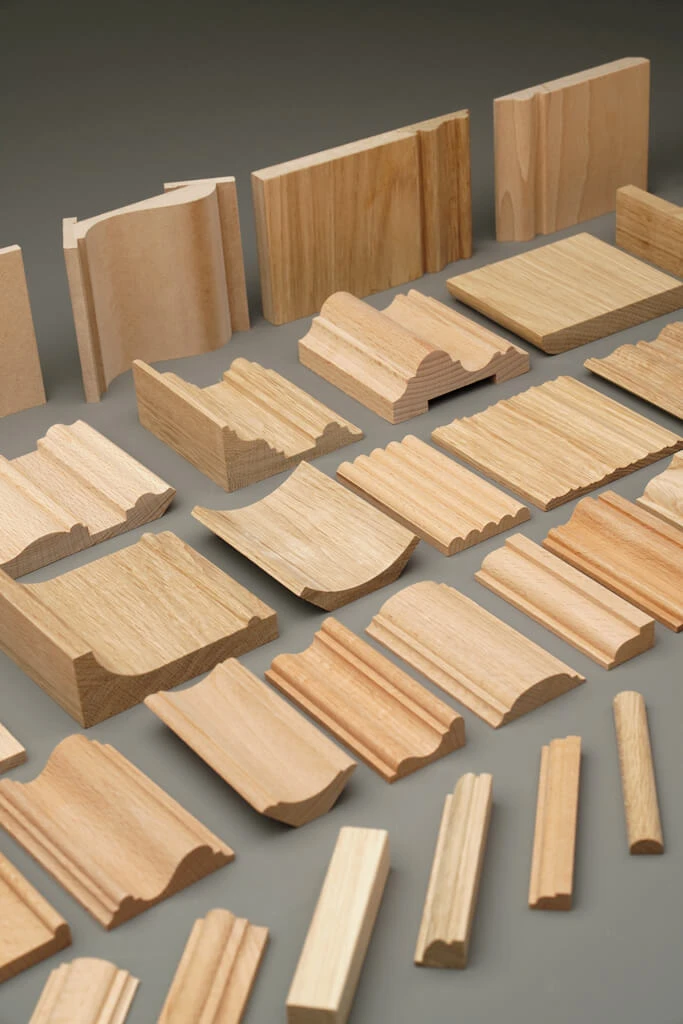
A wooden baseboard works differently. It has a natural texture, wood species, possible tinting, and a connection to the parquet, doors, or furniture. If a buyer chooses a wooden profile, you need to consider the wood species, room humidity, coating, installation method, and combination with the floor. You cannot automatically transfer the parameters of polystyrene or polyurethane to wood.
Painting is the main tool for adapting a profile. The same baseboard can look different. A white profile provides classic graphics. A baseboard in the color of the wall makes the interior calmer. A baseboard in the color of the doors connects the openings. A contrasting option requires caution: it must be supported by other elements, otherwise the bottom line will be too active.
How to choose skirting board height
The height of the baseboard should correspond to the ceiling height and the scale of the room. A low profile does not always make the interior modern. Sometimes it just looks weak. A too high profile is also not always good: in a small room, it can visually weigh down the bottom of the wall.
For standard apartments with ceilings around 2.5–2.7 m, calm profiles of medium height are often chosen. If the interior is minimalist, the profile can be smooth and painted in the color of the wall. If the interior is closer to modern classic, the height can be increased so that the baseboard does not get lost next to doors and furniture.
For ceilings above average, a 90–110 mm baseboard looks more confident. For example, B90V1L or BE100 may suit an interior where a balance between restraint and architecturality is needed. B110V1 should be considered for larger spaces.
There is a simple practical test: make a paper or painter's tape marking on the wall at the height of the future baseboard. Look at it next to the door, furniture, and floor. This makes it easier to understand whether the chosen profile is too low or too high.
You should not choose the height based only on fashion. In one room, a 100 mm baseboard looks calm, in another, it looks too large. Proportions decide everything.
How to connect the baseboard with doors and architraves
One of the most noticeable mistakes is a baseboard that is not coordinated with the door architrave. The architrave reaches the floor, the baseboard approaches it from the side, and the junction immediately shows the quality of the solution. If the height, thickness, color, and shape do not logically match, even expensive materials look random.
The baseboard can match the color of the architrave. Then the door and the lower line of the room form a single graphic system. This works well with white doors, classic openings, and light interiors.
The baseboard can match the color of the wall. Then the architrave remains a separate element, and the lower line becomes calmer. This option suits modern interiors where you don't want an extra contrasting strip near the floor.
The baseboard can complement the floor, but caution is needed. A profile matching the floor color can visually 'spread' across the wall and weigh down the bottom. This option isn't always appropriate, especially if the floor is dark or has an active pattern.
Before purchasing, it's important to look not only at the baseboard itself but also at the junction near the door. If the profile is tall, it should gracefully meet the architrave. If the thickness is noticeable, the joint needs to be thought out. If the color differs, the transition should look intentional, not accidental.
Ceiling baseboard and cornice: why finish the top of the room
If the floor baseboard holds the bottom, the ceiling baseboard or cornice completes the top. Without it, the transition from wall to ceiling can look too abrupt, especially if there are small unevennesses, a stretch ceiling, complex painting, or classic furniture.
A ceiling without a baseboard in an interior can be appropriate in strict minimalism. But in modern classics, the top line is often better covered with a cornice. It softens the angle, adds shadow, supports the height, and connects the ceiling with the walls.
The cornice does not have to be massive. For a modern interior, you can choose a restrained profile. Its task is not to show stucco, but to complete the plane. The calmer the profile, the easier it fits into different rooms.
If the interior already has a high baseboard, the ceiling cornice helps balance it. The bottom and top begin to work together. If you add a molding to the wall, you get a complete architectural system. This is how modern classics look assembled without unnecessary decor.
In the category STAVROS moldings, cornices, and baseboards You can select elements for the upper and middle lines of the room. The specific profile should be chosen based on ceiling height, style, and adjacent details.
Wall molding: why it is needed together with the baseboard
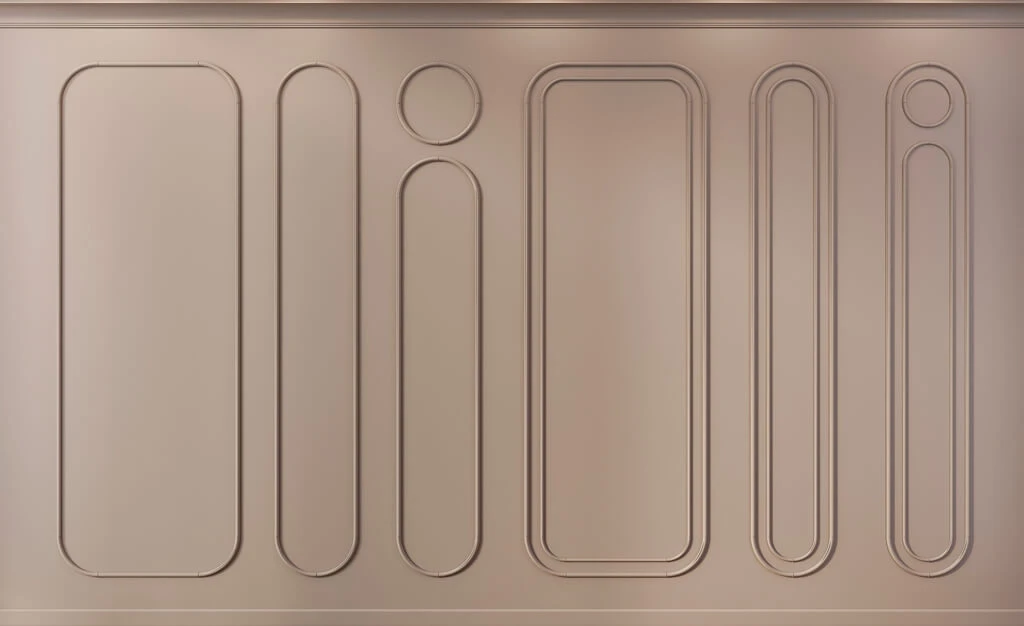
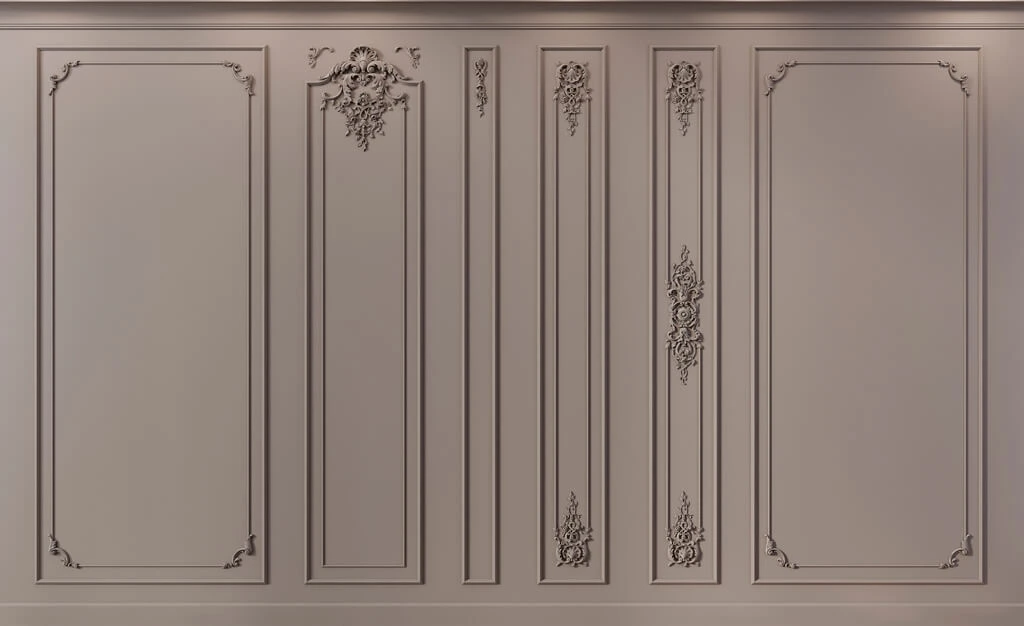
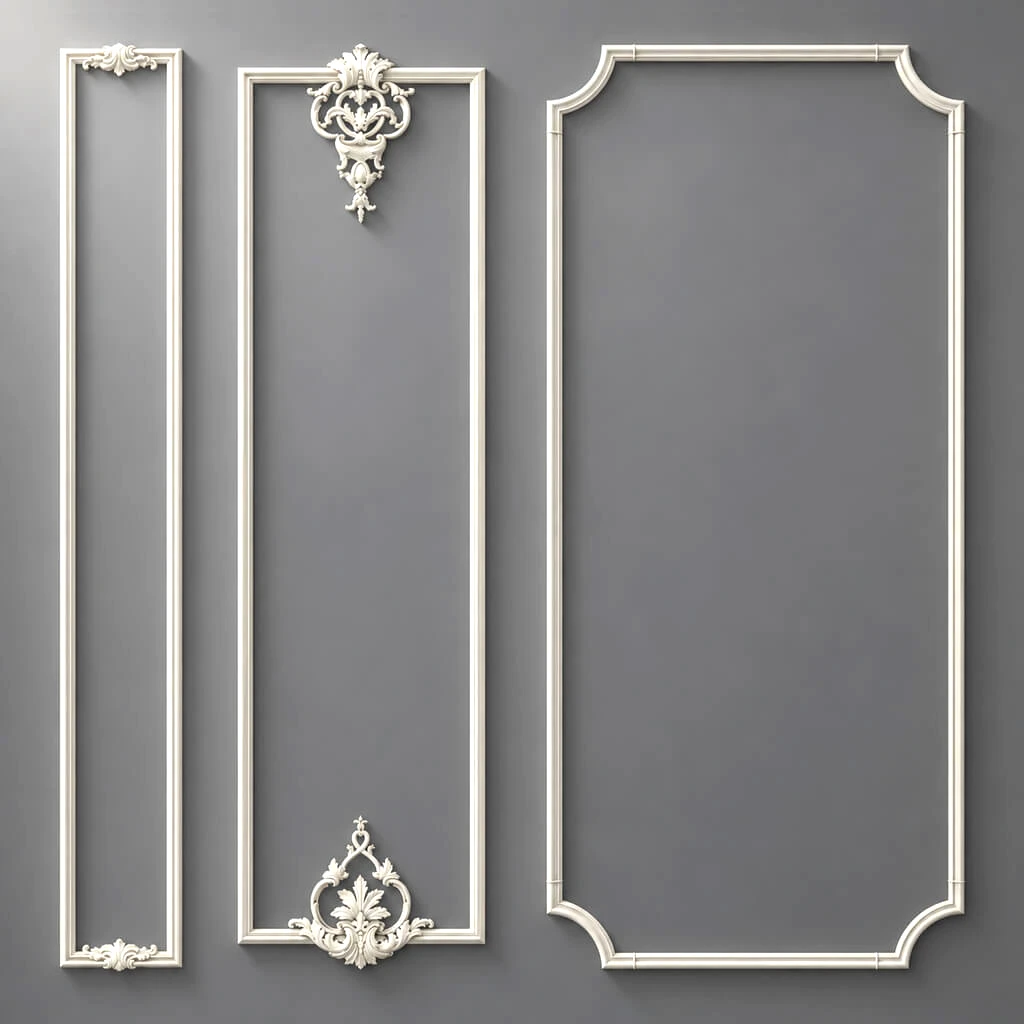
Molding is not a mandatory element in every interior. But if the walls seem empty and you want to add depth without paintings, shelves, and extra decor, molding works very well. It creates frames, verticals, horizontals, panels, and rhythm.
In combination with the baseboard, molding helps raise the architecture of the wall higher. The baseboard covers the bottom, the molding divides the middle, the cornice completes the top. The room gets structure. This is especially important in the bedroom, living room, study, hallway, and dining room.
For example, in the bedroom, you can make a high baseboard, calm molding frames behind the headboard, and a restrained ceiling cornice. In the living room, decorate the wall behind the sofa. In the hallway, create vertical panels along a long wall. In the study, emphasize the workspace area.
If the interior is modern, the molding can be painted the same color as the wall. Then it will only be visible through shadows. If the interior is classic, the molding can be white or slightly contrasting. But it's important not to overload: not every wall needs frames.
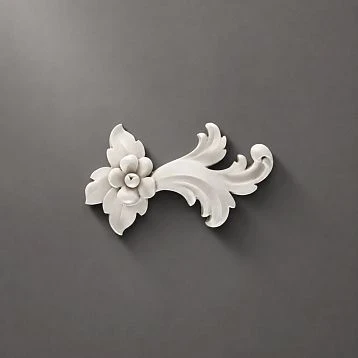
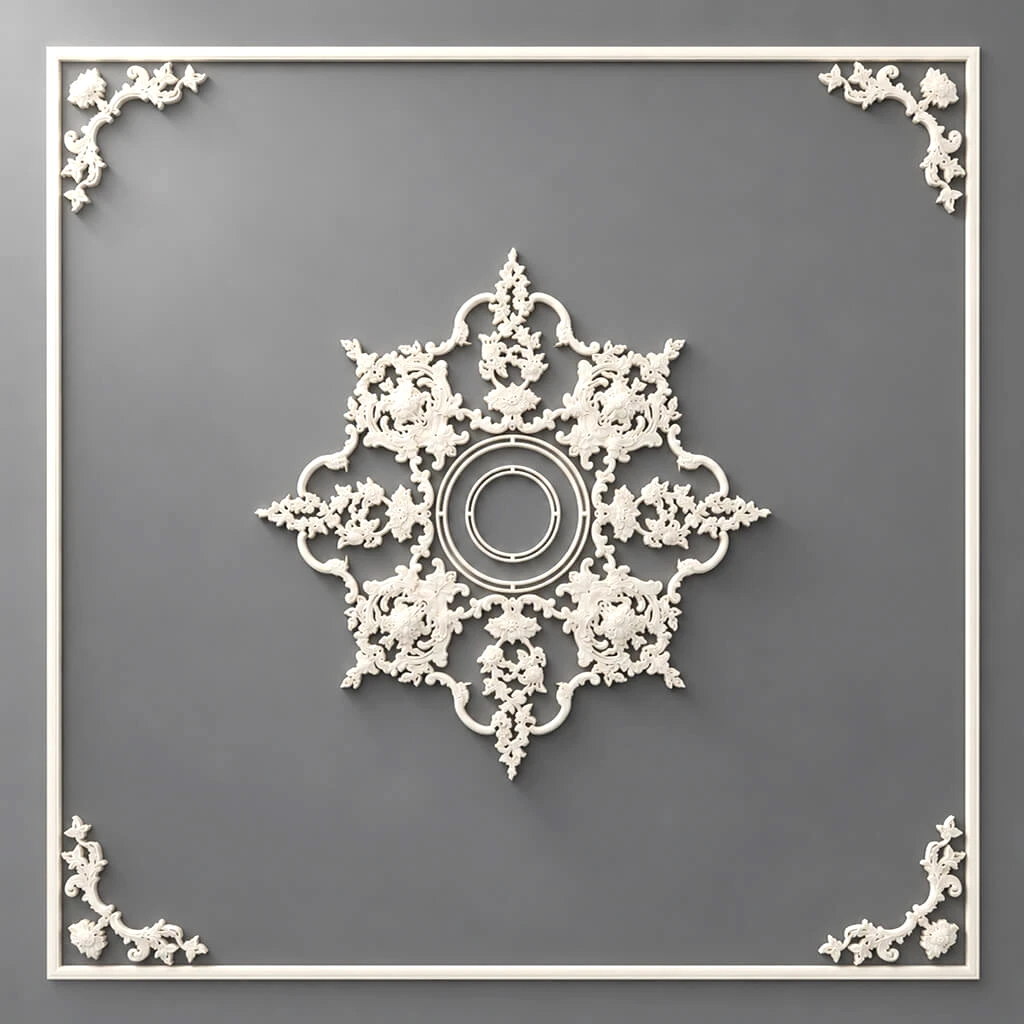
For more decorative solutions, you can use Decor for STAVROS moldings. Corners and central elements help make the composition more expressive. But compatibility with the chosen molding must be checked before ordering.
Where to use the baseboard + cornice + molding system
In the living room, such a system helps to assemble the main wall. The baseboard holds the bottom, moldings can frame the sofa or TV area, and the cornice completes the top. If the room is large, without such lines the walls may look empty. If the room is small, it's better to keep the profiles simple and paint them the color of the walls.
In the bedroom, the baseboard protects the lower part of the wall and connects the floor with the furniture. Molding can be used behind the headboard. The cornice will add a soft finish to the ceiling. This scheme works especially well when there is little decor in the bedroom, but you want a feeling of completeness.
In the hallway, a baseboard is almost always needed. This is an area of active contact: shoes, bags, cleaning, outerwear, boxes. Skipping the baseboard here often leads to quick damage to the lower part of the wall. Molding can be used carefully — for example, for vertical division of the wall or framing a mirror.
In the study, the baseboard and molding help create a calm, collected atmosphere. Excessive decorations are not needed here. Strict lines and correct proportions are enough. Profiles in the color of the wall look especially appropriate.
In the children's room, the baseboard performs a practical protective function. The lower walls receive more impacts than in other rooms. If you want to maintain a modern look, choose a paintable profile without extra decorativeness.
In a country house, the system
If the room is 4×5 m, the net perimeter is 18 m. If there is a doorway of 0.8 m, 17.2 m remains. With a reserve, approximately 19–20 m is needed. If the chosen baseboard has a length of 2000 mm, about 10 planks will be required. The exact calculation depends on the layout, corners, joints, and features of the room.
Stock is especially important if there are many internal and external corners. Material is consumed during trimming. If you make a mistake while cutting, a short piece cannot always be used on a visible wall. It's better to have a reasonable stock than to later search for a single plank of the same model.
If the room is complex, with niches, columns, bay windows, or built-in furniture, it's better to calculate based on a plan. Separately mark areas where baseboard is not needed: behind a built-in wardrobe, under a kitchen unit, behind stationary furniture. But do not exclude an area just because 'it's barely visible': when rearranging furniture, the absence of baseboard can become a problem.
Installation logic: what to consider before installation
Even a good baseboard can be ruined by improper installation. First, check the walls. If the lower part is very uneven, the profile may not fit tightly. Gaps will be noticeable, especially after painting. In such a case, first address the base issue, then install the baseboard.
The second point is joints. They should be neat, especially on long visible walls. It's better to avoid joints in the most noticeable spot, if possible, move them closer to a corner, furniture, or a less lit area. But don't do this at the expense of strength and evenness.
The third point is corners. External corners in high-traffic areas receive more contact. They need to be done especially carefully. If the corner is uneven, the profile will show it. Internal corners also require precision: gaps in them collect dust and spoil the appearance.
The fourth point is painting. If the baseboard is for painting, you need to understand in advance whether it is painted before installation, after installation, or in two stages. This depends on the material, base, chosen paint, and installation method. You cannot universally invent a scheme; it's better to clarify current recommendations in the product card or with a STAVROS manager.
The fifth point is wet areas and cleaning. If the baseboard is installed in a hallway, kitchen, or other active area, it's important to select the material and finish considering usage. Specific usage conditions should be checked in the product card.
Care for baseboard and profiles
The baseboard is in the area of constant cleaning, so its care should be simple. The main rule is not to use aggressive agents without checking compatibility with the coating. If the profile is painted, care depends not only on the baseboard material but also on the paint.
Dust is best removed with a soft, dry or slightly damp cloth. Traces from shoes, vacuum cleaners, or furniture should be removed carefully without damaging the finish. If a scratch appears on the surface, the possibility of local repair depends on the finish.
A baseboard for painting is convenient because it can be refreshed along with the wall or separately, if the coating allows. But before repainting, the surface needs to be prepared: cleaned, problem areas sanded if necessary, and joints checked.
Moldings and cornices require a similar approach. Dust can settle on them, especially if the profile is textured. The more complex the texture, the more careful maintenance is needed. Therefore, in interiors where complex cleaning is not desired, it is better to choose smoother profiles.
Mistakes when refusing baseboards
The first mistake is to skip baseboards without a plan. If the floor-to-wall joint is not calculated in advance, an open seam almost always looks worse than expected. Minimalism requires preparation, not just removing a detail.
The second mistake is confusing a baseboard-free interior with an expensive shadow gap solution. Photos may show a hidden profile, complex preparation, and precise installation. In a regular renovation without these conditions, the result is not the same effect, but an open problematic line.
The third mistake is not accounting for expansion or the characteristics of the flooring. If the flooring requires an expansion gap, it needs to be covered or properly finished. Simply leaving the gap visible is a poor solution.
The fourth mistake is forgetting about wall protection. The lower part of the wall quickly gets signs of wear, especially in the hallway, children's room, kitchen, corridor, and near furniture.
The fifth mistake is choosing a baseboard that is too low for a high ceiling. Such a profile does not solve the architectural task and looks random. In a spacious room, it is better to consider a more substantial height.
The sixth mistake is installing baseboards without coordinating with door casings. The joint near the door is always noticeable. If the profile is not matched in color, thickness, and style, the interior loses its coherence.
The seventh mistake is not connecting the baseboard with the cornice and moldings. If there is an upper decorative line in the room, the lower one should also be thought out. And vice versa: an expressive baseboard is better supported by other elements.
The eighth mistake is choosing a profile only by price or the first photo. The baseboard lives in the interior for years. It is visible every day. It comes into contact with cleaning, furniture, doors, and walls. Therefore, you should choose based on size, material, style, and compatibility, not just the external picture.
Who is a paintable baseboard suitable for
A paintable baseboard is suitable for those who want a modern interior without a rough lower strip. It can be made the color of the wall, and it will look calm. This is a good option for apartments where you want visual cleanliness, but there is no desire to risk an open floor and wall joint.
It is suitable for modern classics. The profile can be coordinated with doors, cornices, and moldings. In such an interior, the baseboard not only covers the gap but becomes part of the architecture.
It is suitable for family spaces. If there are children, pets, an active hallway, or frequent cleaning in the house, the lower part of the wall needs protection. The baseboard helps maintain neatness.
It is suitable for those who plan to repaint walls. A paintable profile is easier to adapt to a new palette if the coating and technology allow it.
It is suitable for interiors where integrity is important. You can choose a floor baseboard, molding, and cornice in a unified logic so that the room looks complete.
Who an interior without a baseboard may not suit
An interior without a baseboard will not suit those who are doing a regular renovation without a pre-designed floor-to-wall junction unit. In such a case, abandoning the profile almost always exposes technical issues.
It is not suitable for rooms with uneven walls. The bottom line will show all defects, especially with side lighting.
It is not suitable for high-traffic areas unless other wall protection is provided. A hallway, corridor, and children's room will quickly reveal the weak points of such a solution.
It is not suitable for interiors with classic doors, moldings, and cornices if the bottom line remains empty. The system loses balance.
It is not suitable for those who want easy maintenance. A wall without a baseboard near the floor requires more careful handling.
It is not suitable if the flooring has already been laid with a baseboard in mind. In this case, the open joint may look unsightly, and fixing it will be more difficult.
How to buy STAVROS baseboard, cornice, and molding
It's best to start your purchase with the floor line. Open the section HI WOOD STAVROS skirting boards and select a profile by height, shape, material, and purpose. First, determine the room style and ceiling height. Then decide whether you need a smooth or textured profile.
If the interior is modern and calm, pay attention to smooth profiles for painting, such as BE100. If you need modern classics with a more expressive line, consider B90V1L. If the room is large and the ceilings are high, look at B110V1.
After choosing the baseboard, think about the top line. In the section STAVROS moldings, cornices, and baseboards You can select elements for the ceiling and walls. If you plan to use wall frames, decide in advance how many there will be, how wide the margins should be, and how they relate to the furniture.
If you need a decorative composition, study Decor for Molding. But do not add decorative elements automatically. Corners, central details, and overlays should match the room's style and the chosen molding.
Before ordering, clarify:
- current availability of selected models;
- exact size and material of a specific product;
- installation recommendations;
- compatibility with paint and substrate;
- package contents;
- order conditions;
- possibility of use in a specific room;
- compatibility of baseboard, molding, and cornice.
Practical Selection Scenarios
If you are renovating a standard apartment and want a visually clean bottom of the wall, you don't have to give up the baseboard. Choose a smooth profile for painting and make it the color of the wall. This way the interior will remain modern, and the joint will be covered.
If you have modern classic style, choose a baseboard about 90–100 mm high, if the room scale allows. Add a calm cornice and, if necessary, moldings on one accent wall. Do not overload all surfaces at once.
If you have high ceilings, a low baseboard may get lost. Consider a taller profile, such as B110V1, and check how it looks next to doors and furniture. The height should be justified by the space.
If you have a hallway, it's better not to leave the wall unprotected. Here, the baseboard works not only decoratively but also practically. Choose a profile that can be easily maintained and updated if necessary.
If you want to completely abandon the baseboard, first discuss the junction point with the craftsman before laying the floor and finishing the walls. If this stage has already been completed, it is safer to choose a neat profile than to try to hide an unprepared joint.
FAQ
Can you make an interior without a baseboard?
It is possible, but only if this decision is made in advance: the walls are prepared to be level, the floor and wall joint is calculated, a shadow or hidden junction is thought out, and a suitable method of covering installation is chosen. In a regular renovation, simply omitting the baseboard often looks unfinished.
Why is a baseboard needed?
The baseboard covers the joint between the floor and wall, protects the lower part of the wall, hides the expansion gap, gathers the lower line of the interior, and helps connect the floor, doors, walls, and furniture. It is not only a decorative but also a practical detail.
Why can a floor without a baseboard look unfinished?
Because the architectural boundary between the floor and wall disappears. If there is no shadow gap, perfectly flush joint, and protection for the lower part of the wall, the room often looks cut off at the floor.
What is better: a hidden baseboard or a regular baseboard for painting?
A hidden baseboard is suitable for complex minimalist renovations where the joint is planned in advance. A paintable baseboard is easier to select, easier to maintain, and easier to fit into most interiors. It can be painted the color of the wall to maintain a calm appearance.
Which baseboard should you choose for modern classic style?
For modern classic style, profiles about 80–100 mm high are often suitable. They should be coordinated with doors, cornices, and moldings. You can choose a smooth profile for a calmer interior or a textured one if you need to support classic details.
Why is a ceiling baseboard or cornice needed?
A ceiling baseboard or cornice completes the upper line of the room, covers the transition from wall to ceiling, adds shadow, and helps the interior look cohesive. This is especially important in modern classic style and rooms with high ceilings.
Is it necessary to install moldings together with the baseboard?
Not always. But if the walls look empty or the interior is built in a modern classic style, moldings help create rhythm and architectural depth. The baseboard holds the bottom, the molding organizes the wall, and the cornice completes the top.
How to calculate the amount of baseboard?
Measure the perimeter of the room, subtract openings where baseboard is not needed, and add a margin of 10–15% for cutting, corners, and possible errors. Then divide the total length by the length of one plank of the chosen model.
Can I paint the baseboard the color of the wall?
Yes, this is one of the most successful ways to make an interior modern and calm. A skirting board in the color of the wall covers the joint and protects the surface without creating an unnecessary contrasting strip. The specific paint and preparation must be selected based on the material and product recommendations.
What to buy together with the baseboard?
Along with the baseboard, it is worth considering wall moldings, a cornice or ceiling baseboard, decorative elements for moldings, mounting materials, and means for preparing joints. The exact set depends on the project, the base, and the chosen profiles.
Where to buy STAVROS skirting boards, cornices, and moldings?
Floor profiles can be selected in the section HI WOOD STAVROS skirting boards. For walls and ceiling, see STAVROS Moldings, Cornices, and BaseboardsFor decorative accents, elements from the section are suitable decoration for moldings.
Conclusion
An interior without a skirting board can look impressive, but only when it is planned in advance and executed with high precision. In most real apartments and houses, the skirting board remains not an unnecessary detail, but an important finishing element. It covers the joint between the floor and wall, protects the lower part of the surface, hides the technical gap, and makes the room complete.
A modern interior does not require rough plastic profiles. You can choose a paintable skirting board, make it the color of the wall, and tie it in with doors, cornices, and moldings. Then the bottom line will be neat, and the room will maintain cleanliness and modernity.
STAVROS helps to assemble such a system consciously: a floor baseboard for the bottom line, a molding for the wall architecture, a cornice for finishing the ceiling, and decorative elements where an expressive composition is needed. Before purchasing, it is important to check the dimensions, material, compatibility, ordering conditions, and installation recommendations. Then the baseboard will not be a random plank near the floor, but will become part of a well-thought-out interior.