






































Article Contents:
- Product basis: what exactly to use to close the gap
- Why does a gap appear between the wall and ceiling
- How to close the gap: five working solutions
- Sealant: for a small and even gap
- Ceiling plinth: for neat joint closure
- Cornice: when you need not just to close, but to design
- Molding: for a thin horizontal line
- Decorative system: cornice + molding
- A70V1 — an easy solution for a neat joint
- A70V2 — a universal option for standard and medium ceiling heights
- A100 — for high ceilings and a more expressive top line
- When it's better to choose a molding instead of a cornice
- How to close the gap between the wall and ceiling?
- How to close the gap between a stretch ceiling and a wall?
- What is better: a cornice or a ceiling plinth?
- Can the gap be closed with a molding?
- Which cornice to choose for a ceiling of 2.6–2.9 m?
- Which cornice to choose for a ceiling above 3 m?
- Can a cornice be used in a modern interior?
- What to buy together with the cornice?
- How to calculate the amount of cornice?
- Can the gap between the wall and ceiling in a wooden house be closed with a cornice?
- Do I need to paint the cornice after installation?
- Where to buy a cornice for the joint between the wall and ceiling STAVROS?
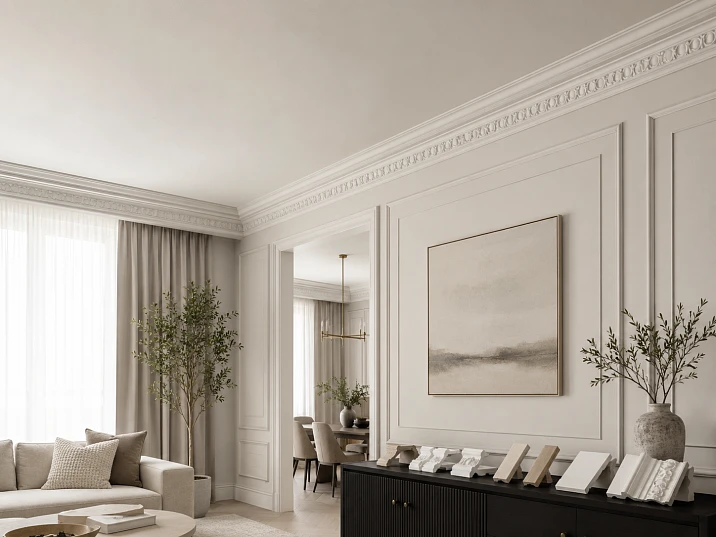
How to close the gap between the wall and ceiling is a question that often arises after renovation, when the walls are painted, the ceiling is installed, the furniture is almost chosen, but the top joint suddenly looks uneven, empty, or technical. The room seems ready, but the eye keeps catching on the line under the ceiling: somewhere there is a visible gap, somewhere the wall meets the ceiling unevenly, somewhere after a stretch ceiling a technological gap remains. It can be closed in different ways: with sealant, ceiling plinth, cornice, molding, or a decorative system of several profiles.
The main mistake is choosing a solution based solely on the principle of "the faster to cover up." A small, even gap can indeed be closed with sealant and paint. But if the joint is noticeable, uneven, runs throughout the room, or is located near a stretch ceiling, simple filling often looks temporary. In such cases, it is better to think not only about masking but about an architectural line: a cornice or ceiling plinth closes the gap and turns a problem area into a finished interior element.
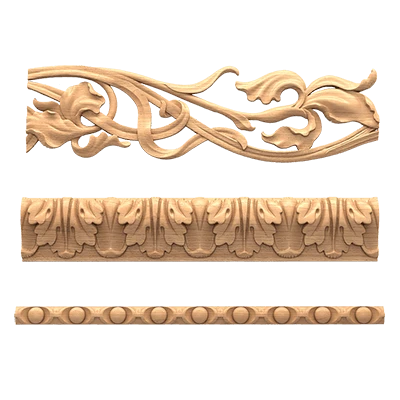
STAVROS offers for this task HI WOOD cornices, ceiling plinths, moldings, and decorative profiles that help design the top line of the room neatly and expressively. In the section HI WOOD STAVROS cornices you can choose a profile according to the ceiling height, room scale, and joint size. If a thinner line or a system for walls and ceiling is needed, it is worth looking at STAVROS Moldings, Cornices, and Baseboards.
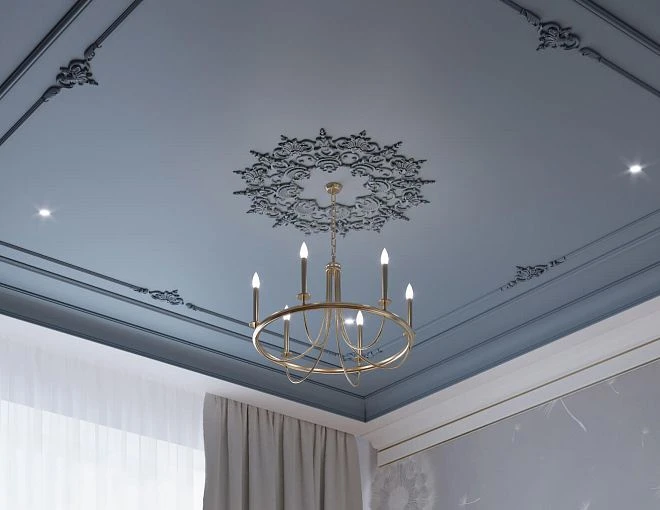
A well-chosen cornice does not just hide the gap. It gathers the top of the room, softens the transition from wall to ceiling, supports the room's style, and helps connect the ceiling, walls, doors, furniture, and baseboard. In modern classic, neoclassicism, calm minimalism, and interiors with high ceilings, this is especially important: the top line of the room should be as well-thought-out as the floor, doors, and furniture.
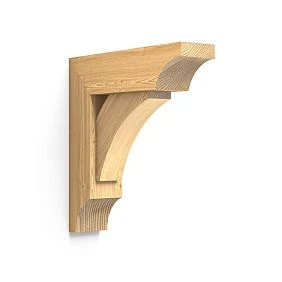
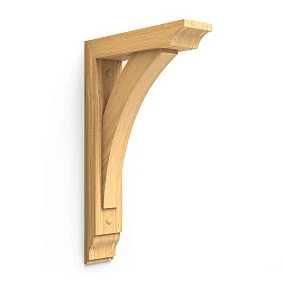
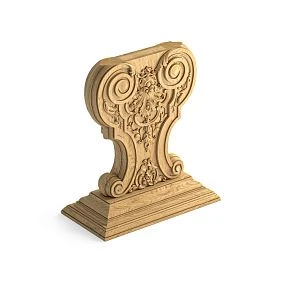
Product basis: what exactly to use for closing the gap
If the task is to close the gap between the wall and ceiling, the product basis revolves around the top joint. The main solution is a cornice or ceiling plinth. Additional solutions are molding, joint sealant, mounting adhesive, finish paint, and, if the interior requires a more complex composition, decorative elements for moldings.
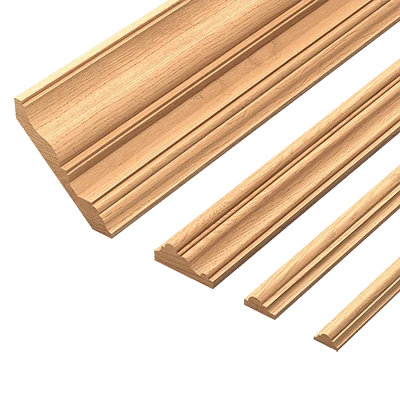
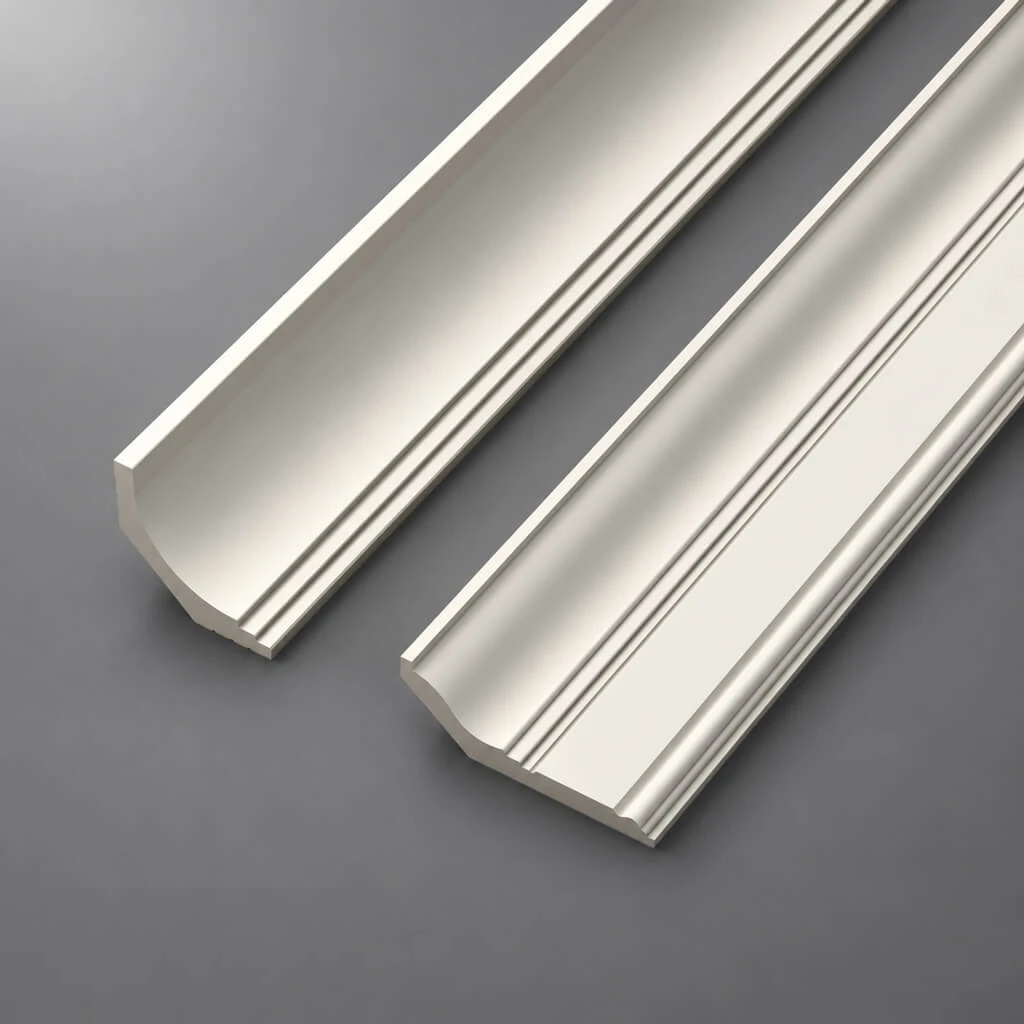
On the STAVROS website, the main category for such a task is HI WOOD polystyrene cornices. The cornice covers the transition between the wall and ceiling and creates a decorative line around the perimeter of the room. Unlike a simple technical insert or thin putty, it works as an architectural profile: it adds volume, shadow, finish, and a visual boundary.
If the gap is small and the interior is modern and restrained, lighter profiles can be considered. If the ceilings are high or the joint is noticeably uneven, a larger profile is needed. For a standard apartment, moderate cornices are usually suitable; for rooms higher than 3 meters, more expressive models are appropriate. With a stretch ceiling, it is important to additionally consider the ceiling structure, the profile location, and ensure the decorative element does not interfere with the fabric and fastening.
| Model / Group | Product Type | Confirmed Size | Material | Finish | Purpose | Features | Order Conditions |
|---|---|---|---|---|---|---|---|
| HI WOOD STAVROS cornices | Ceiling cornice category | Size depends on the model | HI WOOD polystyrene; check the specific product card for exact material | For painting; check current options in the product card | Covering the joint between the wall and ceiling, decorating the top line of the room | Suitable for decorative finishing of ceilings and walls | Check availability, configuration, and order conditions in the product card or with a STAVROS manager |
| Cornice A70V1 | Ceiling cornice | 70×21×2000 mm | Polystyrene HI WOOD | For painting; check the product card for current parameters | Easy closing of the wall-ceiling joint, standard rooms | Small projection, neat top line | Please check availability, configuration, and ordering conditions before purchase |
| Cornice A70V2 | Ceiling cornice | 70×37×2000 mm | Polystyrene HI WOOD | For painting; check the product card for current parameters | Standard and medium ceiling heights, closing of noticeable joint | More pronounced profile at moderate height | Availability, configuration and ordering conditions check in the product card |
| Cornice A100 | Ceiling cornice | 100×53×2000 mm | Polystyrene HI WOOD | For painting; check the product card for current parameters | High ceilings, spacious rooms, expressive top line | Larger in scale, suitable for more architectural design | Please check availability, configuration, and ordering conditions before purchase |
| STAVROS moldings, cornices, and baseboards | Category of decorative profiles | Size depends on the model | Material depends on the model; check the product card for exact specifications | For painting; check current options in the product card | A thin line under the ceiling, decorative wall division, connection with the cornice | Can be used for a calmer or more complex composition | Check size, material, compatibility, and order conditions |
| Decor for STAVROS moldings | Decorative elements | Size depends on the model | Material depends on the model; check the product card for exact specifications | Check the product card for current options | Finishing of decorative frames, corners, central accents | Used when you need not just to close a gap, but to assemble a decorative system | Check compatibility with the selected molding with a STAVROS manager |
A cornice or ceiling plinth should not be chosen 'by eye'. You need to consider the gap width, joint unevenness, ceiling height, room style, wall color, ceiling type, and adjacent elements: doors, floor plinth, moldings, furniture, lighting. Then the profile will not be a random overlay, but part of the interior.


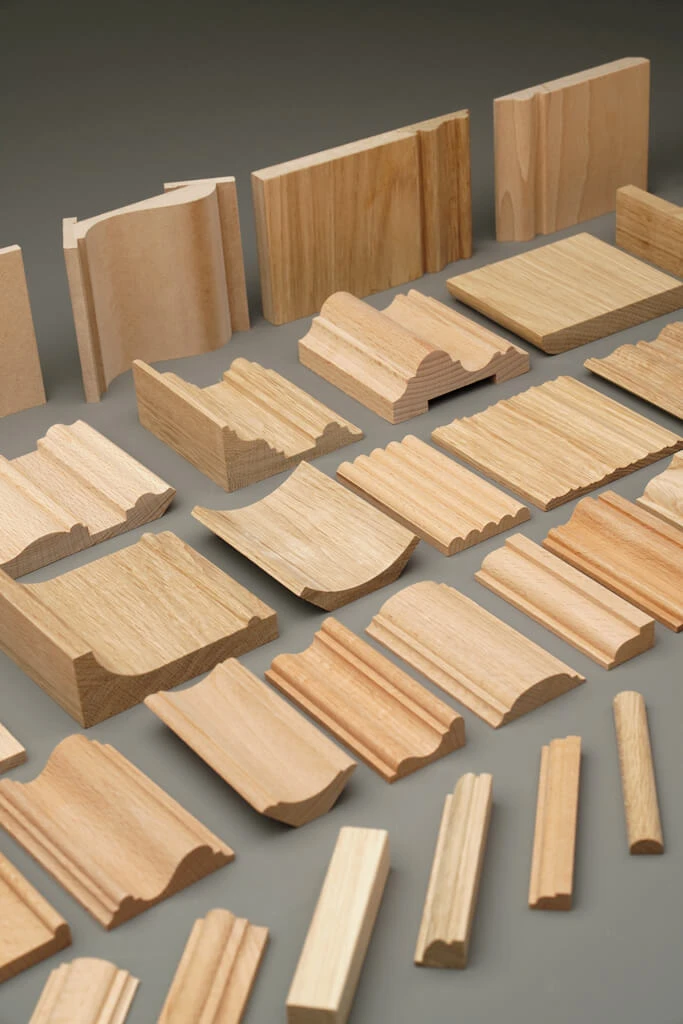

Why a gap appears between the wall and ceiling
A gap between the wall and ceiling does not always mean poor renovation. Sometimes it is a consequence of technology, sometimes of room geometry, sometimes of material properties. To understand how to close the gap between the ceiling and wall, you first need to determine the cause.
One common cause is an uneven room corner. Even after plastering and puttying, the line where the wall meets the ceiling may not be perfect. This is especially noticeable on a long wall: somewhere the corner is tight, somewhere a gap appears, somewhere the line is slightly wavy. If the wall and ceiling are painted in different colors, the unevenness becomes even more noticeable.
The second reason is the junction of different materials. The wall may be plastered and painted, while the ceiling may be stretch, drywall, wooden, painted, or finished in another way. Each material has its own installation logic and behavior. A technical gap often appears at the boundary, which cannot simply be ignored.
The third cause is house settlement or base movement. In new houses, wooden houses, country buildings, attics, and rooms with complex structures, gaps may appear not immediately but over time. If the gap is small, it can be treated with sealant. If the line is noticeable and runs along the perimeter, a decorative profile looks neater.
The fourth reason is a stretch ceiling. A technological gap often remains between the stretch ceiling and the wall, which is closed with an insert or decorative element. If the standard insert seems too simple, you can consider a cornice, but with mandatory consideration of the ceiling structure.
The fifth reason is an installation or finishing error. For example, the ceiling covering is not brought evenly to the wall, the wall has unevenness, the corner is not aligned, the final layer has cracked, or the paint has highlighted the unevenness. In this case, it is important not only to close the gap but also to understand whether it will increase.
The question of how to close the gap between the wall and ceiling is not only aesthetic. If the gap is related to an active crack, moisture, deformation, or a serious base defect, the technical cause must be addressed first. A decorative cornice closes the visible line but should not mask a problem that requires repair.
Our factory also produces:



How to close the gap: five working solutions
There is no one universal method for all cases. A small even gap, an uneven corner, a technical gap of a stretch ceiling, and a wide joint in a wooden house require different solutions. Below is the practical logic of choice.
Get Consultation
Sealant: for a small and even gap
Sealant is suitable when the gap is small, even, and does not require decorative closure. Usually, this is a thin line that can be carefully filled, leveled, and painted. This option is appropriate if the wall-ceiling joint is generally even and the gap is not conspicuous.
But sealant should not be seen as a replacement for a cornice. If the gap is wavy, wide, runs along an uneven corner, or is noticeable from a distance, simple filling can emphasize the defect. A thick layer of sealant around the perimeter of a room often looks rough. After painting, the line may remain uneven, and with base movement, cracks may appear.
Sealant is good as an auxiliary material: for neat treatment of joints between planks, small gaps near the wall, and preparation for painting. But if an aesthetic top line is needed, it is better to consider a ceiling plinth or cornice.
Ceiling plinth: for neat closure of the joint
The ceiling plinth covers the corner between the wall and ceiling and creates a cleaner transition. This is a good option for a standard apartment where a large cornice is not needed, but you want to hide unevenness and finish the top of the room.
The plinth can be simple, smooth, paintable, with minimal relief. Its task is not necessarily to decorate the ceiling, but to neatly close the joint. In a modern interior, the ceiling plinth can be painted the color of the ceiling or wall so that it does not look like a contrasting strip.
If the gap is 3–10 mm and the joint is not too crooked, a ceiling plinth often works better than sealant. It physically covers the gap, provides a straight line, and helps hide small differences. But if the room is high or the joint is very uneven, a more expressive cornice may be needed.
Cornice: when you need not just to close, but to design
The cornice is the main commercial solution for cases where the top joint should become part of the interior. It closes the gap and simultaneously forms an architectural line. Unlike thin putty, the cornice creates volume and shadow. Unlike a too simple plinth, it can support modern classics, high ceilings, furniture, doors, and wall moldings.
If you don't know how to close the gap between the wall and ceiling in a room with a noticeable joint, the cornice often turns out to be the most expressive and neat option. It is especially useful when the corner is wavy, the ceiling is slightly 'moving', the walls are imperfect, or you need to visually assemble the top of the room.
In STAVROS, for such a task, you can consider HI WOOD cornices: A70V1 for easier solutions, A70V2 for universal tasks, A100 for high rooms and a more prominent top line. The specific model should be chosen based on room size, ceiling height, and interior style.
Molding: for a thin horizontal line
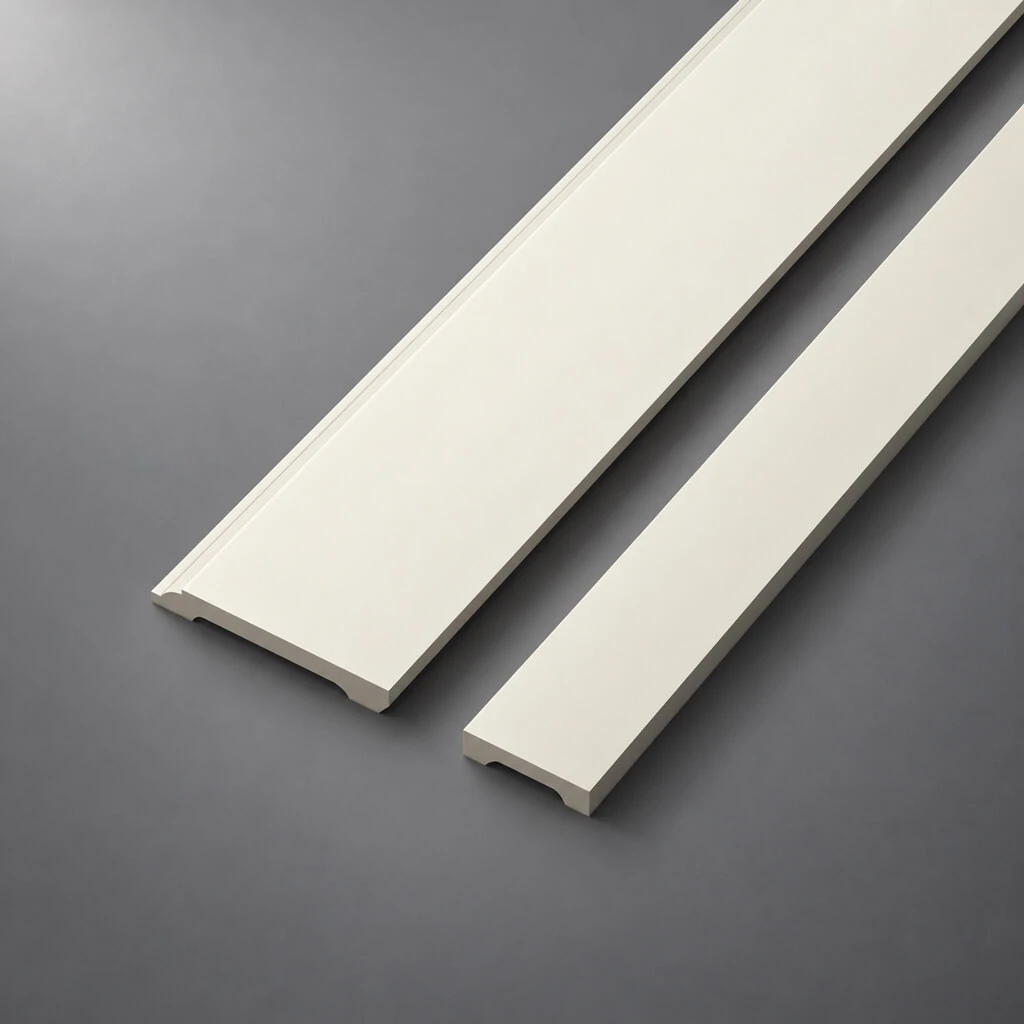
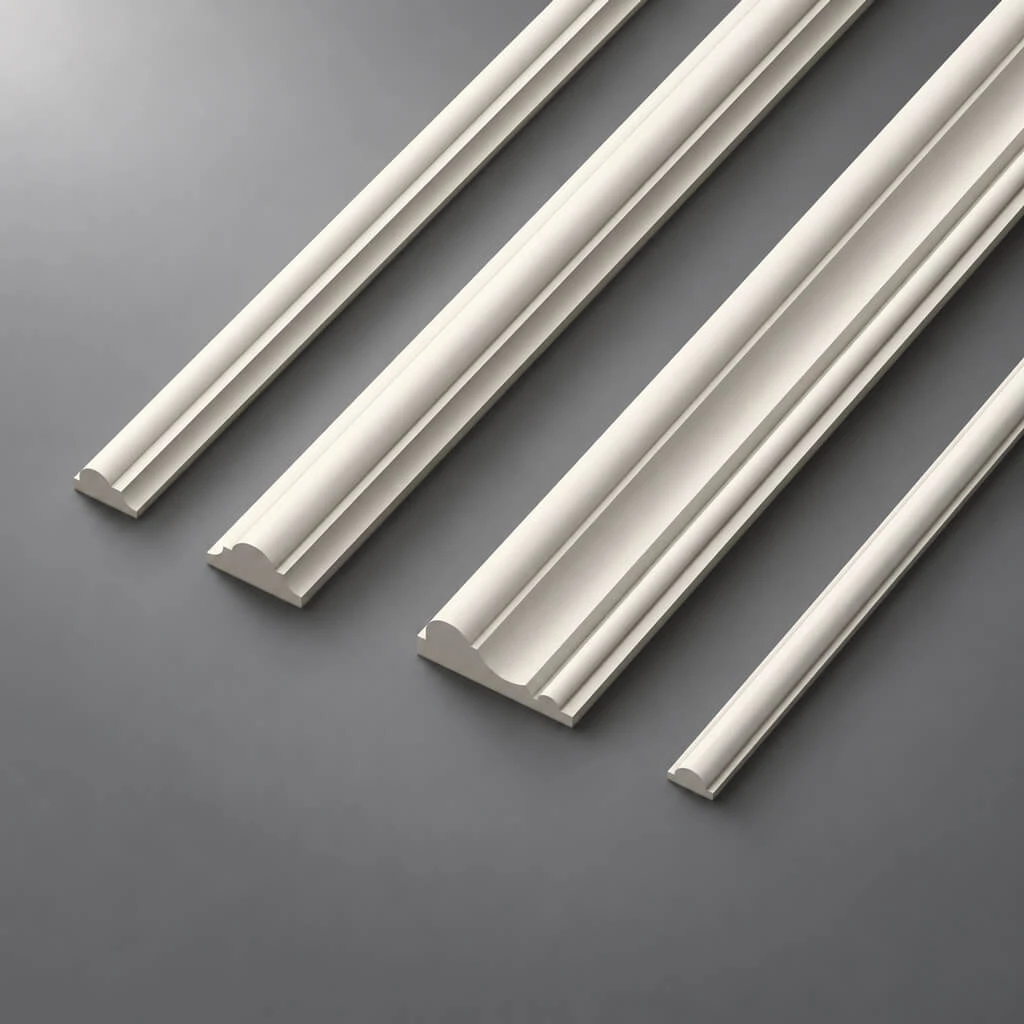
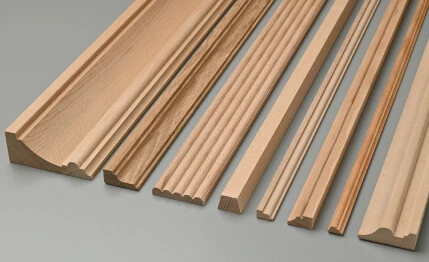
Molding can be used if the gap is small and a bulky cornice is not needed. It creates a thin decorative line under the ceiling, can cover a small uneven area, or become part of a wall composition. For example, molding can be placed slightly below the joint if you need to visually separate the top of the wall without overloading the ceiling.
Molding is especially appropriate in modern interiors where a cornice seems too large. It helps create a clean horizontal line and support other lines in the room: door trims, wall frames, floor baseboards. However, for a wide or uneven gap, molding may be insufficient. It will not always physically cover the problem.
Choose molding in the section STAVROS moldings, cornices, and baseboards, checking the size, material, profile, and installation conditions in the specific product card.
Decorative system: cornice + molding
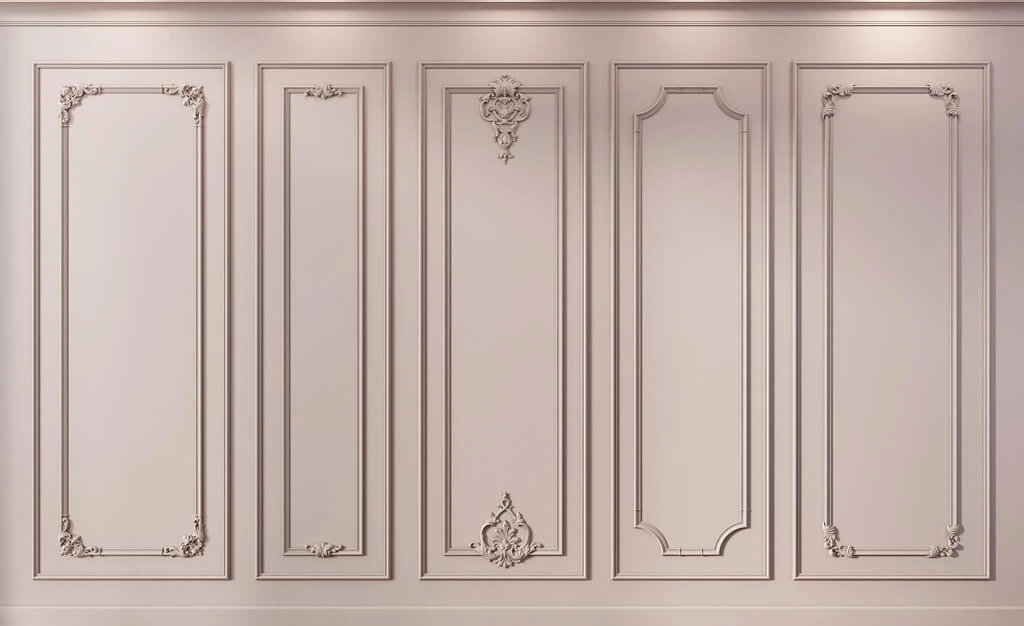
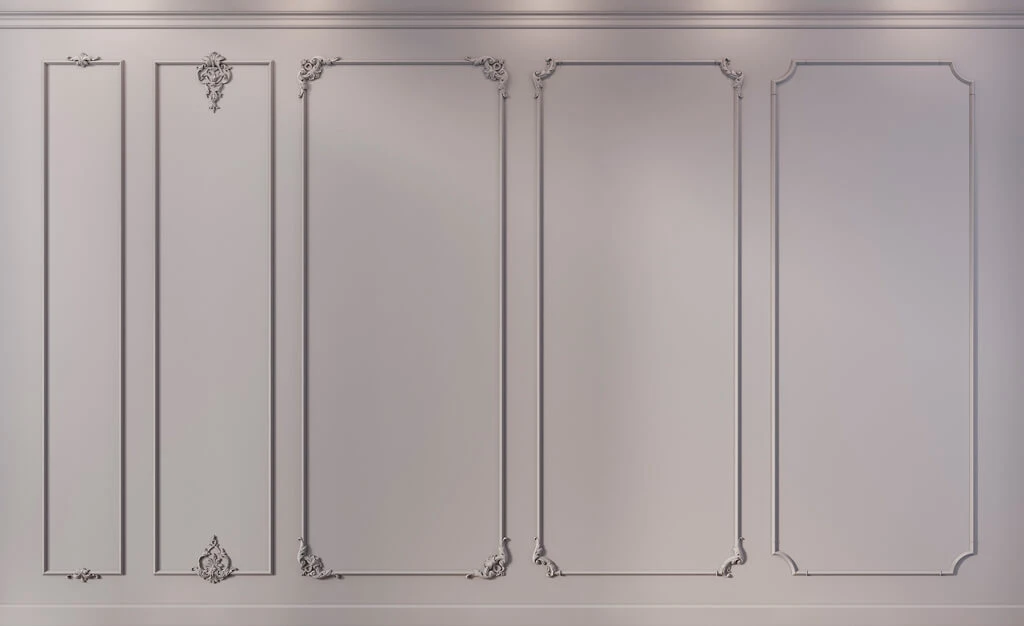
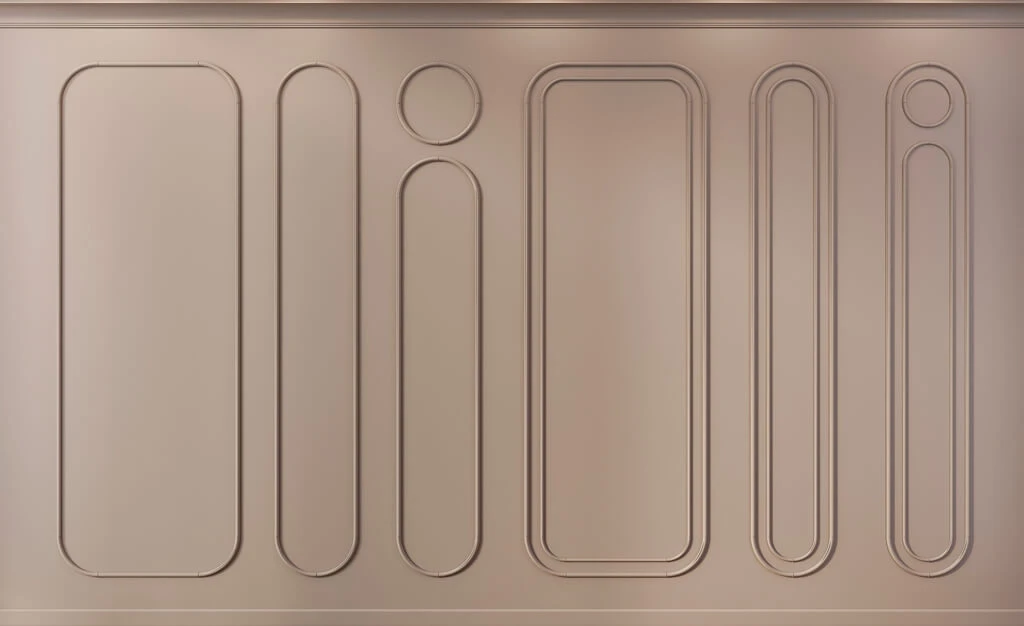
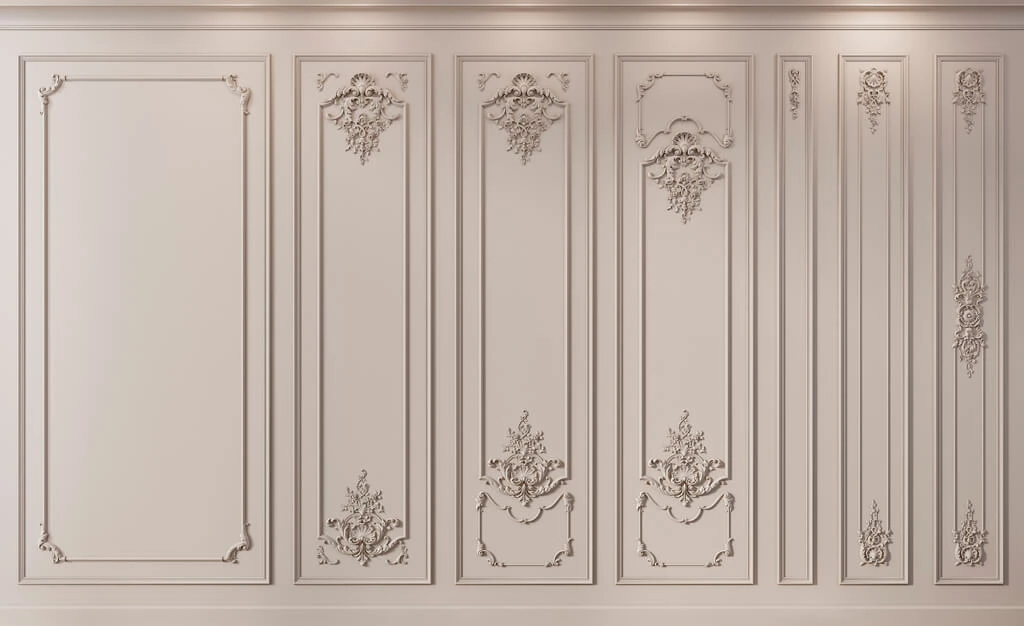
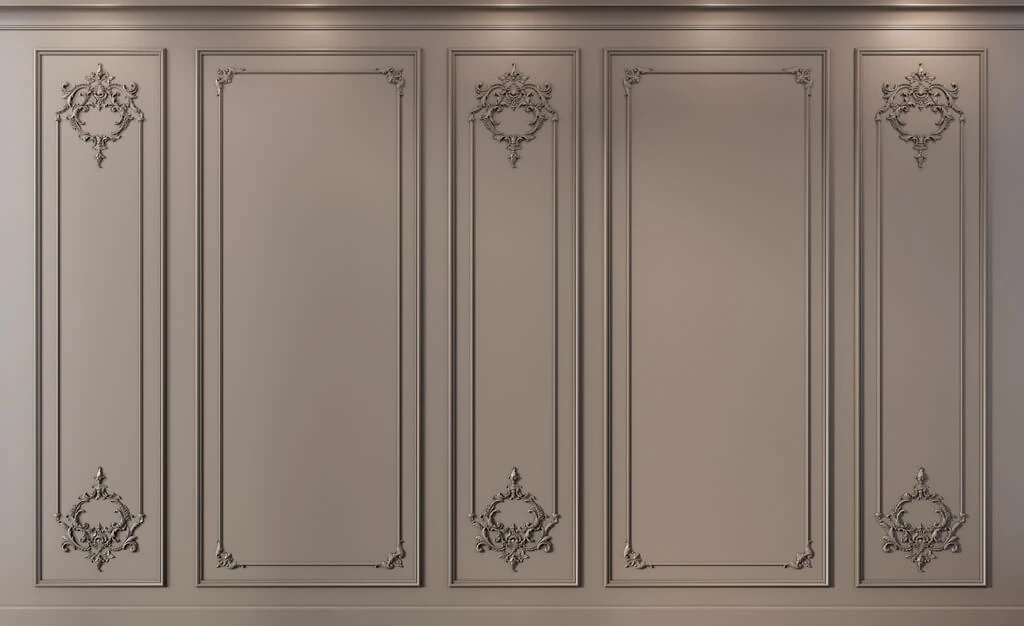
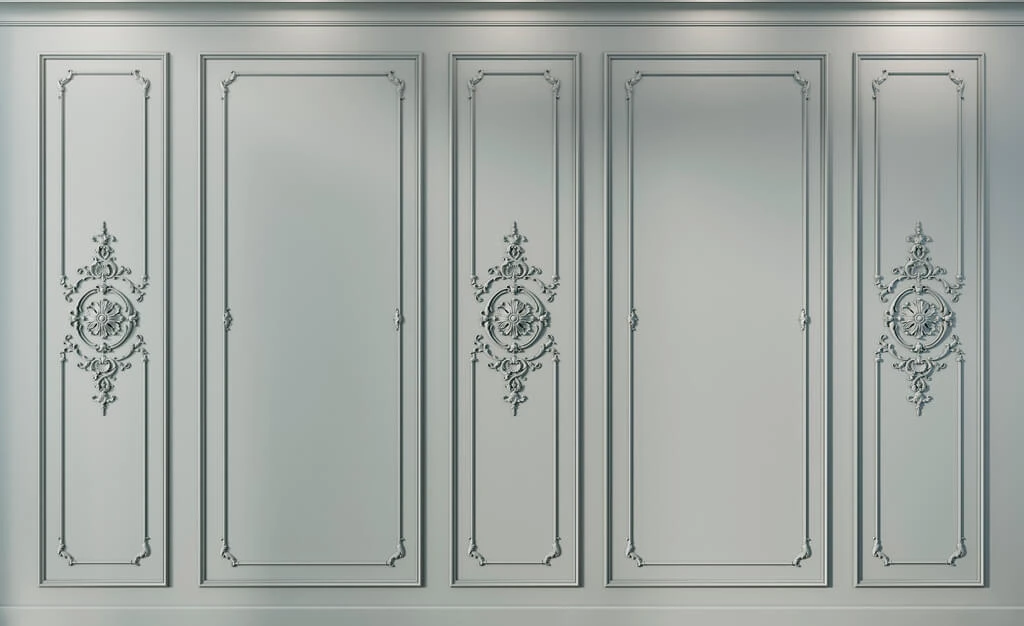
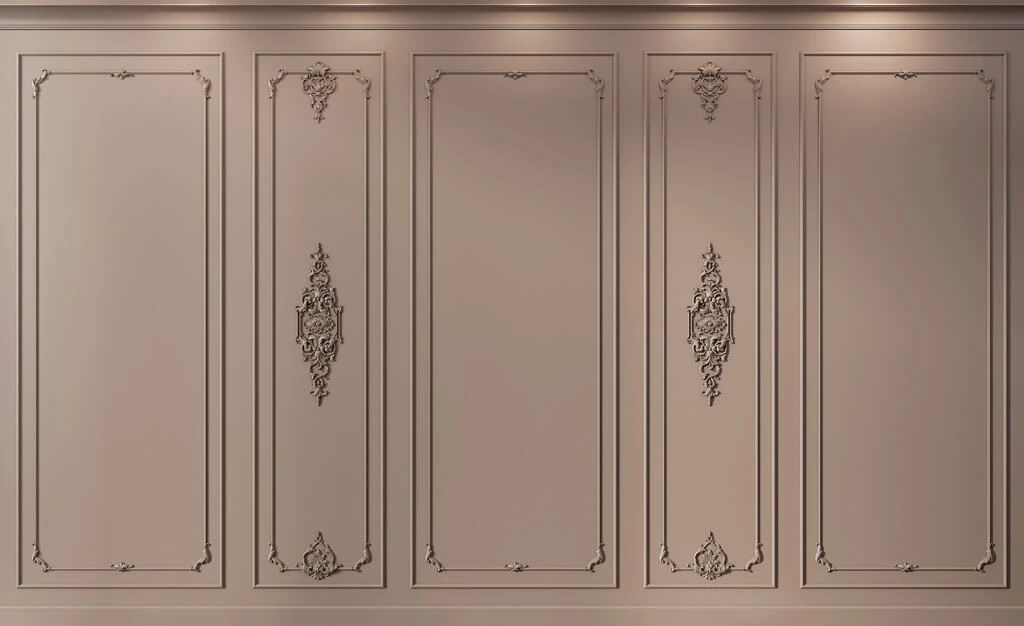
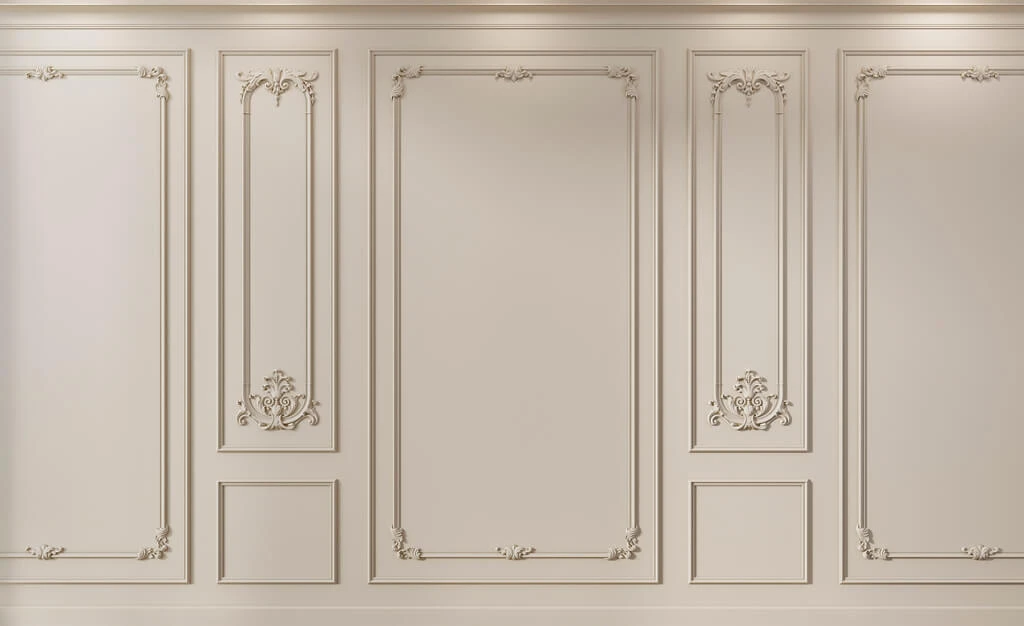
If the task is broader than just covering a gap, you can assemble a decorative system. The cornice covers the top joint, the molding organizes the wall below, and the floor baseboard holds the bottom line. This scheme works especially well in modern classic and neoclassical styles.
For example, in a living room, you can cover the gap between the wall and ceiling with a cornice, create neat rectangles from molding below, and use a paintable baseboard at the bottom. The room gets three levels: top, middle, and bottom. Even without bright decor, the interior becomes more cohesive.
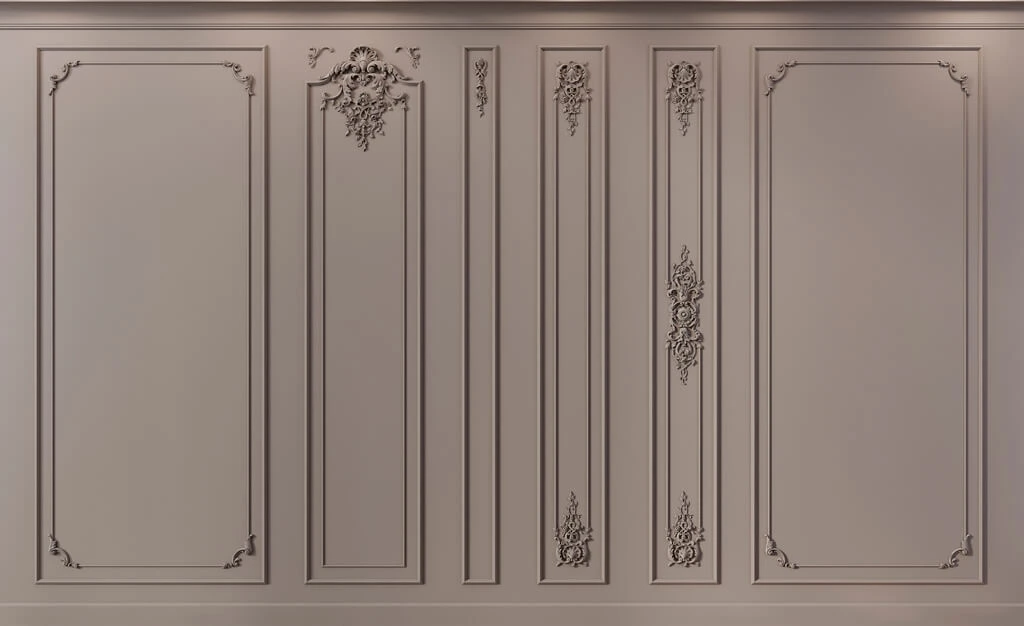
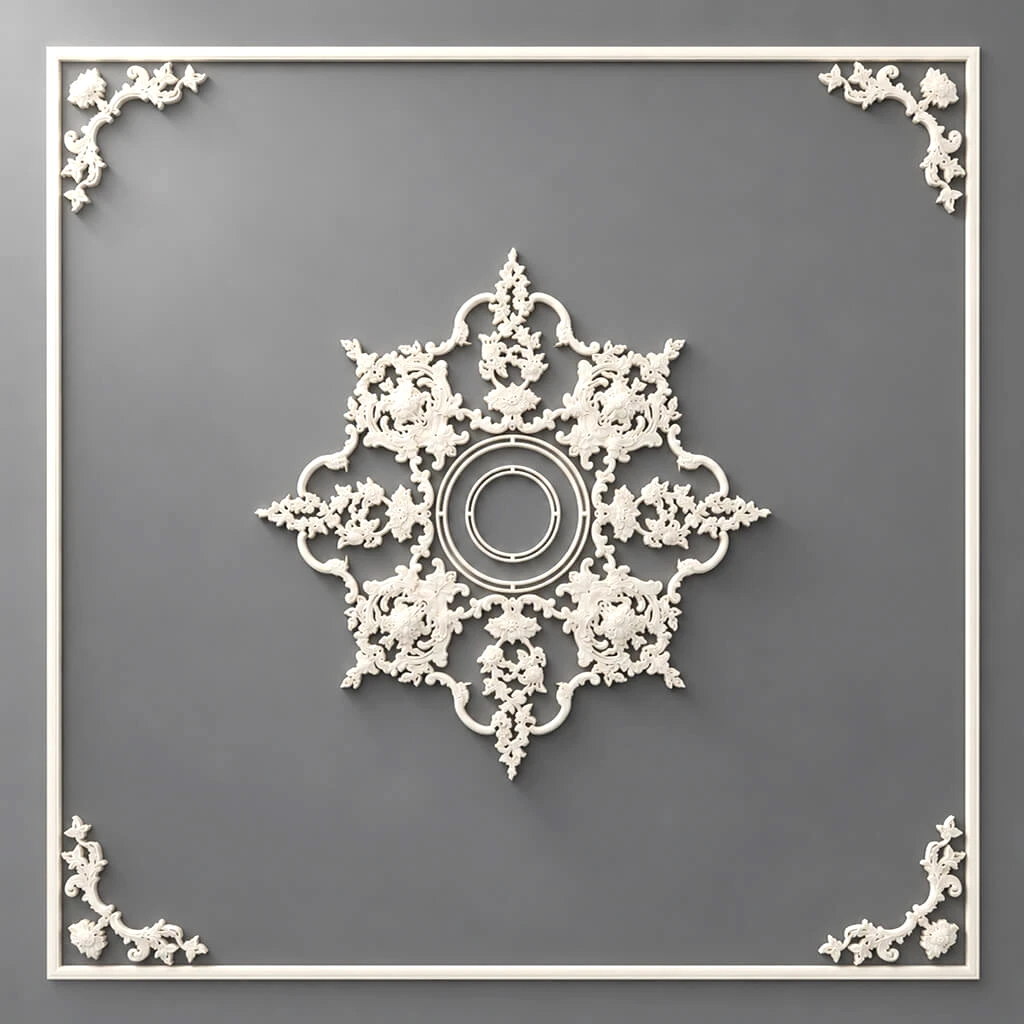
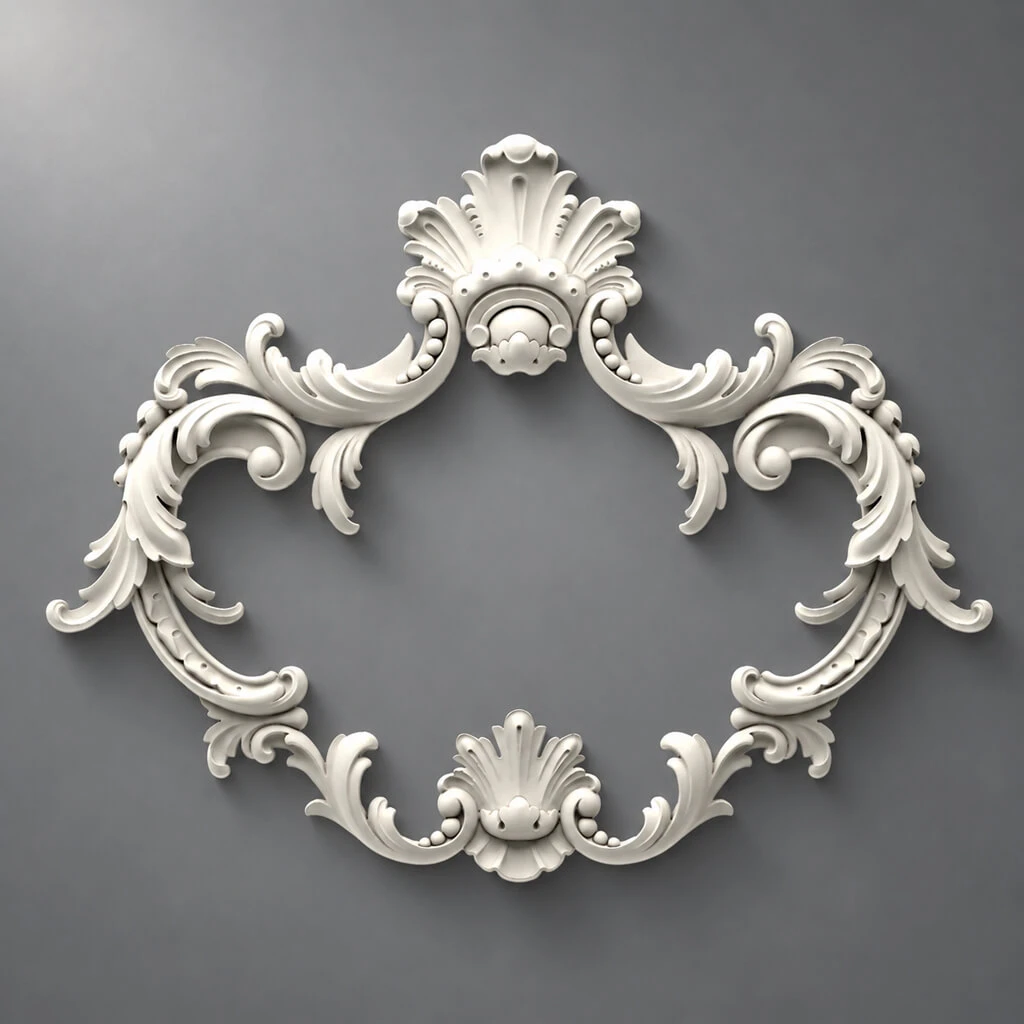
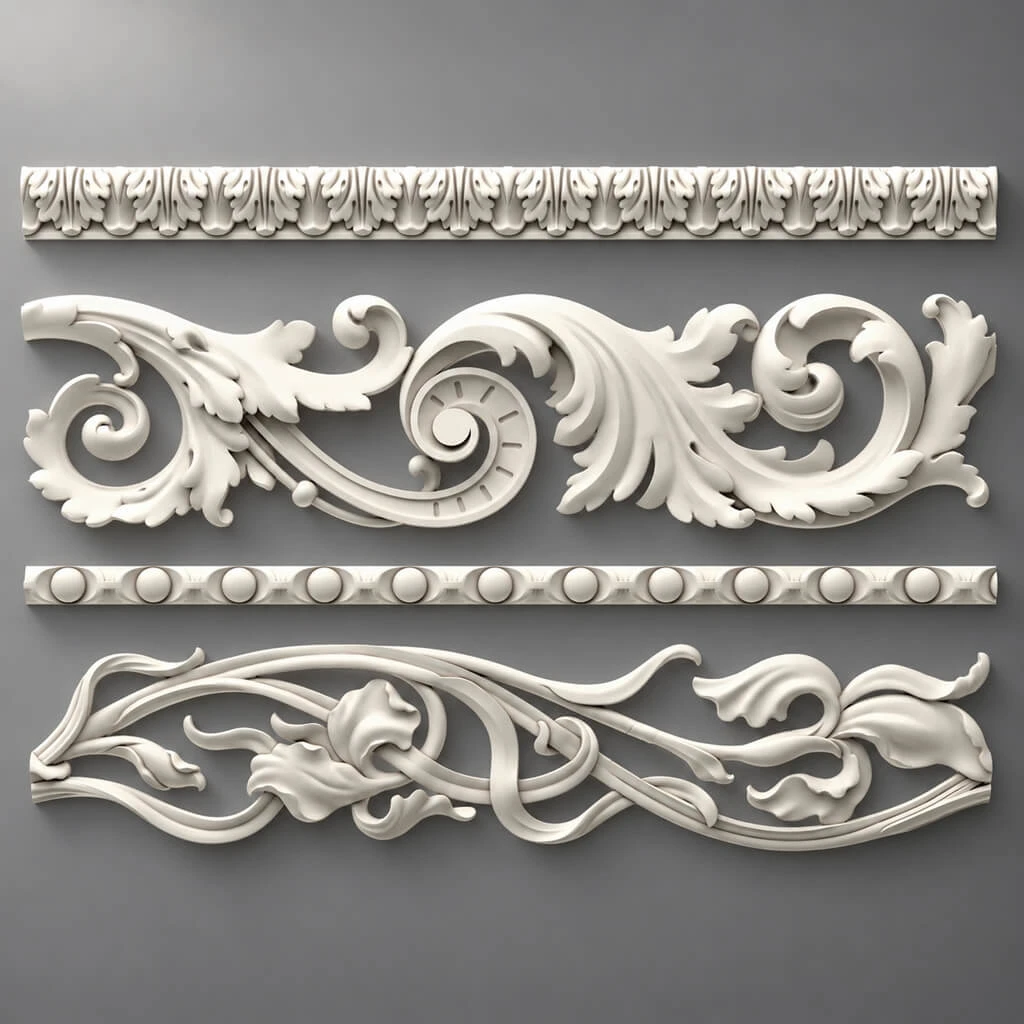
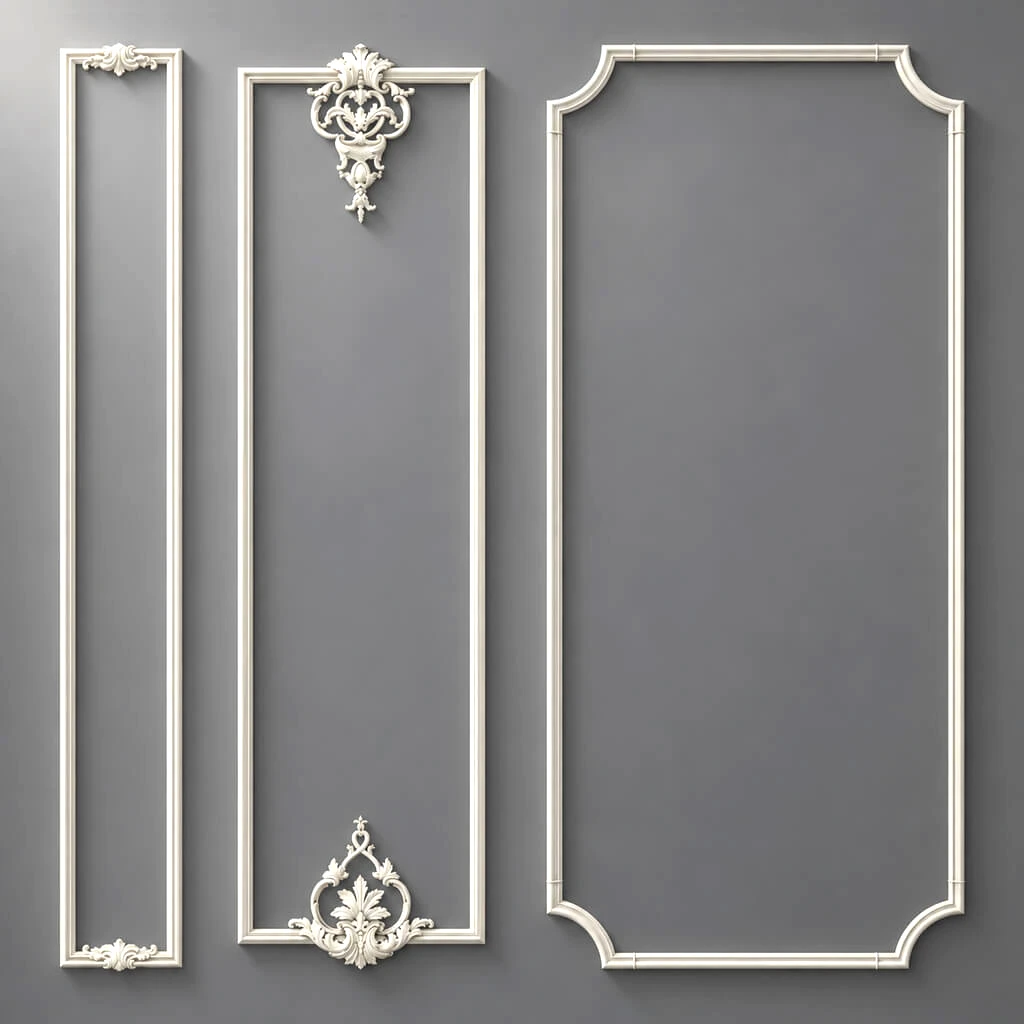
If a more decorative composition is needed, you can use Decor for STAVROS moldingsBut it's important not to overload the wall: decorative elements should match the room's style, ceiling height, and chosen profile.
How to close the gap between a stretch ceiling and a wall
A separate situation is the gap between a stretch ceiling and a wall. A stretch ceiling often has a technological gap related to the installation of the fabric and profile. It can be closed with a standard insert, but it doesn't always look expressive enough. In interiors where architectural completeness is important, a decorative cornice is considered instead of a simple insert.
How to close the gap between a stretch ceiling and a wall depends on the ceiling design. You cannot choose a cornice based solely on appearance. You need to consider where the mounting profile is located, whether there is access to the fabric, whether the cornice will interfere with maintenance, whether fixation to the wall is allowed, what gap needs to be covered, and how the profile will look after painting.
A standard insert solves a technical task. It closes the gap but remains simpler in visual effect. A cornice solves both a technical and decorative task: it closes the top joint and makes the ceiling more complete. This is especially noticeable in living rooms, bedrooms, studies, and rooms where a stretch ceiling coexists with classic furniture, moldings, or an expressive floor plinth.
With a stretch ceiling, it's better to choose the profile carefully. A too large cornice in a low room can weigh down the top. A too thin one may not cover the gap or look weak. For standard ceilings, moderate models can be considered, for example A70V1 or A70V2. For higher rooms — A100, if the scale of the room justifies it.
Before purchasing, be sure to check with a STAVROS manager and the ceiling installer whether the chosen profile can be used in your structure. It's important that the decorative solution does not interfere with the operation of the stretch ceiling and does not create problems during maintenance.
How to choose a solution based on gap size and ceiling height
The gap size is just one parameter. No less important are the evenness of the joint, ceiling height, interior style, and how noticeable the top line should be. A small gap can be closed almost invisibly. A large or uneven gap is better covered with a profile.
| Size / Issue | What to choose | Solution Logic | What to clarify before purchase |
|---|---|---|---|
| Gap 1–3 mm, joint even | Sealant + painting | It is enough to carefully fill the line if there is no decorative purpose | Compatibility of sealant with base and paint |
| Gap 3–10 mm | Thin ceiling plinth or lightweight cornice | The profile closes the gap without visual overload | Profile size, installation method, final paint finish |
| Uneven joint around the perimeter | Cornice 50–70 mm or a profile of similar scale | The cornice covers the wavy line and creates a new straight edge | Wall evenness, abutment, need for trimming |
| Standard ceiling 2.6–2.9 m | Moderate cornice, for example A70V1 or A70V2 | The top line becomes neat but not heavy | Proportion of the profile with doors, walls, and furniture |
| High ceiling from 3 m | Larger cornice, for example A100 | A small profile may get lost; scale is needed | Ceiling height, room area, interior style |
| Stretch ceiling | Cornice with mounting profile | Need to close the technical gap and not interfere with the fabric | Ceiling structure, attachment point, maintenance |
| Gap in a wooden house | Flexible solution after assessing movements | Settlement and seasonal changes are possible | The reason for the gap, base stability, permissible installation |
| Need modern minimalism | Smooth profile for painting | The line is closed but does not look decoratively overloaded | Wall color, ceiling color, paint type |
If you are torn between a thin baseboard and a cornice, hold a paper strip of the approximate profile height against the wall or mark it with painter's tape. Visually, it will become clear whether the element looks too large. It is especially useful to look not from up close, but from the usual entry point into the room.
Which STAVROS cornices are suitable for different scenarios
Choosing a cornice should answer three questions: what gap needs to be covered, what is the ceiling height, and what is the room's style. Below is the practical logic for selection based on confirmed models from the product database.
A70V1 — a lightweight solution for a neat joint
Cornice A70V1 has dimensions 70×21×2000 mm. It can be considered when you need to cover the joint between the wall and ceiling without a strong decorative effect. This profile is suitable for standard rooms where the top line should become neater but should not attract too much attention.
A70V1 is appropriate in a bedroom, hallway, study, small living room, children's room, or entryway if the gap is not too wide and a large cornice is not required. It creates a clear transition but remains light in perception.
This profile is good for modern interiors where the cornice should work quietly. It can be painted in the color of the ceiling, wall, or another finish option can be chosen if confirmed by the product card and suitable for the project. Current parameters, installation recommendations, and availability should be clarified before ordering.
A70V2 — a universal option for standard and medium ceiling heights
Cornice A70V2 has dimensions 70×37×2000 mm. This is a more expressive solution than a very lightweight profile, but still suitable for standard and medium ceiling heights. It can be used when you need to cover a noticeable joint and make the top of the room more finished.
A70V2 is suitable for a living room, bedroom, study, hallway, or dining area. It helps hide an uneven line between the wall and ceiling and create a neat architectural shadow. If the wall and ceiling are painted in different colors, the cornice can serve as a boundary between them. If everything is painted in similar shades, the profile will work more softly.
This option works well for modern classics without being overloaded. It is noticeable enough to support the floor baseboard and moldings, but does not appear overly heavy for an ordinary apartment. Before purchasing, it is important to check the product card, order conditions, and installation recommendations.
A100 — for high ceilings and a more expressive top line
Cornice A100 has dimensions 100×53×2000 mm. This profile should be considered for rooms with high ceilings, spacious living rooms, halls, studies, dining rooms, and country houses where a small cornice can get lost.
A100 does not just close the gap. It forms a noticeable top line and helps the room look more cohesive. In a high room, the ceiling often seems detached from the walls, especially if the walls are smooth and without decorative division. The cornice returns scale to the upper zone.
But a large profile requires caution. In a low room, it can visually lower the ceiling. In an interior with a lot of decor, it can add unnecessary heaviness. Therefore, A100 is best chosen where the height and area truly allow for a larger cornice.
When it's better to choose a molding instead of a cornice
Sometimes a cornice is not needed. If the gap is small and the task is only to create a thin horizontal line, you can use a molding. It is suitable for modern interiors where the top should be clean, without a voluminous profile. The molding can run under the ceiling, create a decorative border, or connect the top of the wall with other frames.
Molding is worth considering if the room is low, the furniture is minimalist, the walls are smooth, and a cornice seems too classic. But if the gap is wide, the joint is uneven, or you need to cover the technological gap of a stretch ceiling, a cornice is usually more reliable as a visual solution.
Why a cornice is not outdated classic
Many buyers are wary of cornices because they recall old coves, heavy ceiling decorations, or overloaded stucco. But a modern cornice can look completely different. It doesn't have to be complex, contrasting, or palatial. Its job is to make the transition from wall to ceiling neat and architectural.
Modern classicism is built not on the amount of decor, but on proportions. A cornice in the upper zone, a baseboard at the bottom, and a molding on the wall create structure. If the profiles are chosen restrainedly and painted in calm colors, the interior does not look old-fashioned. On the contrary, it becomes more cohesive.
Even in minimalism, a cornice can be appropriate if it is smooth, laconic, and painted in the color of the ceiling or wall. It does not attract attention, but covers the uneven joint and adds a clean line. This is especially useful in apartments where it is difficult or expensive to perfectly align the angle between the wall and ceiling.
A cornice becomes outdated not by itself, but when it is chosen without connection to the room. A too large profile in a low room, an active ornament next to minimalist furniture, a contrasting color without support, poor joints—these are what spoil the impression. And a correctly chosen profile looks calm and modern.
How to connect a cornice with a baseboard, doors, and moldings
A cornice shouldn't be the only decorative profile that randomly appeared under the ceiling. It works better when connected with other interior lines. Below there might be a floor baseboard, on the wall — a molding, by the doors — architraves, on furniture — facade frames or carved decor. All these elements should speak the same language.
If the room has a tall floor plinth, a top cornice helps balance the composition. Without a cornice, the bottom may appear heavier than the top. If there is a cornice but no well-thought-out bottom line, the room also loses balance. Therefore, during a major renovation, it is useful to think about the system: top, middle, bottom.
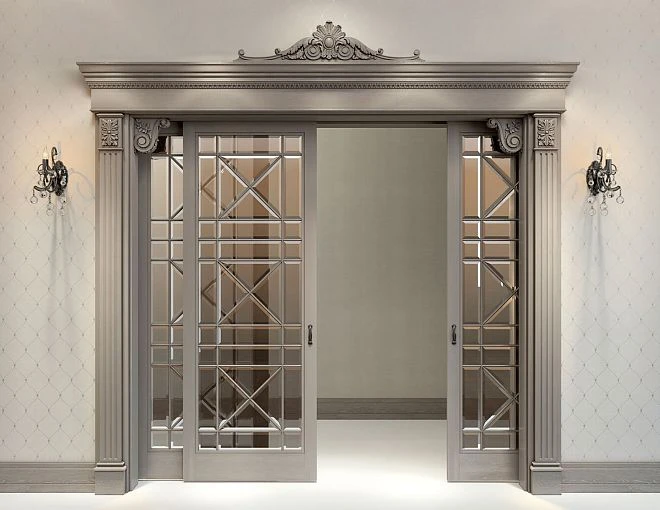
Doors and architraves are also important. If the doorway is classic, with a pronounced architrave, a too simple upper joint may look poor. The cornice helps connect the door line with the ceiling. If the doors are hidden and the walls are minimalist, it's better to choose a smooth and calm cornice.
Wall moldings can support the cornice. For example, in the living room, you can cover the gap with a cornice and make frames from molding below in the sofa area. In the bedroom — a cornice around the perimeter and moldings behind the headboard. In the study — a top cornice and strict vertical wall divisions.
If you need a more complex decorative system, look at Decor for STAVROS moldings, but use it sparingly. The smaller the room, the more careful you need to be with adding corners, overlays, and central elements.
Materials and finishes: polystyrene, polyurethane, wood, and paint
HI WOOD cornices from the STAVROS product base are presented as polystyrene profiles for painting. This is convenient for interiors where you need to adapt the top line to the color of the ceiling, wall, or overall finish. The profile can be made visually calm or more noticeable — depending on the project and the chosen coating.
Polyurethane moldings and decorative elements are used for a wider range of interior tasks: wall frames, ceiling lines, decorative accents. The exact material of a specific model should be checked in the product card, because within sections there may be different products and different parameters.
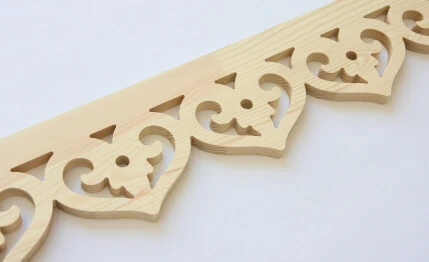
Wooden profile is a separate story. In a wooden house or interior with natural wood, there may be a desire to close the gap with a wooden strip, cornice, or trim. This option is possible but requires consideration of the wood species, humidity, seasonal changes, coating, fastening, and style. Wood behaves differently than polystyrene or polyurethane. If the gap is related to the shrinkage of a wooden house, you first need to understand if the joint is stable, and then choose a decorative solution.
Painting affects perception more than it seems. A white cornice on a colored wall creates classic graphics. A cornice in the color of the ceiling makes the top lighter and calmer. A cornice in the color of the wall visually raises the wall and softens the transition to the ceiling. A contrasting profile should be used carefully: it must be supported by doors, furniture, lights, or other details.
If painting is planned after installation, it is important to prepare the joints. Gaps between planks, glue marks, uneven corners, and untreated junctions will become more noticeable after painting. Therefore, the final result depends not only on the chosen cornice but also on the quality of preparation.
How to calculate the amount of cornice
The calculation of the cornice begins with the perimeter of the room. Measure the length of all walls where the profile will be installed. If the cornice runs along the entire perimeter, calculate the full length of the room. If it is only needed on one wall or in a separate area, calculate the specific sections.
Basic formula:
perimeter of the room + 10–15% reserve for trimming, corners, and possible errors.
Example: a room 4×5 m. The perimeter is 18 m. If the length of one cornice is 2000 mm, purely mathematically you need 9 planks. But it is not worth buying without a reserve. For corners, trimming, and possible errors, it is better to add 10–15%. So, it is reasonable to consider 10–11 planks, depending on the layout and complexity of the room.
If the room has many protrusions, niches, columns, bay windows, or complex corners, the reserve may be larger. Each external and internal corner requires precise trimming. An error in cutting often makes the part unsuitable for a visible area.
For a stretch ceiling, it is better to calculate after understanding the installation scheme. The cornice can go along all walls or only where it is needed to close the visible gap. But if the profile is installed only on part of the room, you need to think about how it ends. A broken cornice without logic looks worse than the absence of a cornice.
If you plan to combine a cornice with a molding, calculate each profile separately. Do not mix the consumption of cornice, molding, and decorative elements into one total length. Each product has its own length, its own corners, and its own installation scheme.
Mounting logic: what to consider before purchasing
Before buying a cornice, you need to look not only at the gap but also at the base. Where will the profile be attached: to the wall, to the ceiling, or to both surfaces? Is the wall level? Is the stretch ceiling in the way? Is there space for the chosen projection? Does the cornice interfere with a ventilation grille, cabinet, built-in furniture, or curtain rod?
If the gap appeared due to an uneven corner, the cornice can hide the line, but it does not always completely eliminate the problem. On a very uneven wall, the profile may not fit tightly. Before installation, you need to assess the differences and understand whether additional preparation is required.
If the room has a built-in cabinet up to the ceiling, the cornice must be coordinated with its height. Otherwise, the profile may hit the furniture or end unexpectedly. If curtains are planned, it's important not to confuse a decorative ceiling cornice with a curtain rod. This article refers to a decorative profile for the wall-ceiling joint, not a curtain suspension system.
If the ceiling is suspended, installation must be coordinated with particular care. The cornice should not damage the fabric, interfere with the mounting profile, or hinder maintenance. In some cases, the profile is attached only to the wall, but the specific scheme depends on the design and the chosen product. Unconfirmed parameters should not be invented: they need to be clarified with the installer and the STAVROS manager.
Marking is mandatory. Even if the cornice seems simple, the line under the ceiling must be straight. Any misalignment will be noticeable because the profile runs along the room's perimeter. Before gluing, it's useful to dry-fit the elements, check corners and joints, and evaluate the appearance from different angles.
What to buy together with the cornice
The cornice is only the main element. For a neat result, accompanying materials are needed. Their set depends on the base, chosen profile, and installation method, but in most cases, you should plan for glue, sealant for joints, cutting tools, painter's tape, and finishing paint.
Mounting glue is needed to fix the profile. It must be selected considering the material of the cornice and the base. You cannot use a random compound without checking compatibility. Aggressive glue can damage the material or provide poor adhesion.
Sealant or joint compound is needed to treat connections between strips and wall junctions. Even with careful cutting, small gaps may remain. If not prepared, they will be noticeable after painting.
Painter's tape helps temporarily fix the profile, protect the surface, and achieve neat painting. It is especially useful if the cornice is painted after installation.
Paint is selected according to the project. The cornice can be made in the color of the ceiling, wall, doors, or another profile. If the exact compatibility of the paint with the material is not specified, it should be clarified before work.
If the task is not only to close the gap but also to assemble an interior system, along with the cornice, it is worth considering moldings and floor skirting boards. The top line will look more convincing if the room has a well-thought-out bottom and middle.
Where to use a cornice to close a gap
In the living room, the cornice helps complete the top line and hide unevenness, which is especially noticeable with a large perimeter. If the room has a chandelier, sconces, moldings, cornice niches, or classic furniture, the top profile connects the elements together.
In the bedroom, the cornice makes the ceiling softer. It works especially well with moldings behind the headboard and the floor baseboard. If the interior is calm, it's better to paint the profile the color of the ceiling or wall so it doesn't become too active.
In the hallway and corridor, the cornice helps correct the feeling of a long "box." The top line becomes neater, and the wall looks more finished. But in a narrow corridor, you shouldn't choose a profile that is too large: it can visually compress the space.
In the study, the cornice adds a sense of order. Strict and moderate profiles without excessive decorativeness work best here. The top line should support the working atmosphere, not distract.
In the children's room, a cornice is appropriate if the interior is based on a calm architectural foundation rather than temporary decor. A profile for painting can be matched to the wall color to maintain a clean look.
In a country house, the cornice is often especially useful. High ceilings, complex angles, wooden elements, large living rooms, and halls require a more confident design of the top line. But if the house is wooden or new, possible movements and shrinkage need to be considered.
How to cover a gap in a wooden house
In a wooden house, the gap between the wall and ceiling may be related not only to finishing but also to the movement of the structure. Wood reacts to humidity, temperature, seasonal changes, and shrinkage. Therefore, simply closing the gap with a rigid compound is not always correct.
If the gap appeared due to shrinkage or movement, you first need to understand whether the structure has stabilized. Otherwise, the decorative profile may eventually come loose, crack at the joints, or stop fitting evenly. In such situations, it's better to consult a specialist in wooden houses and not choose a solution based solely on appearance.
For decorative covering, you can consider a cornice, molding, or wooden profile, but each option has its own requirements. A cornice for painting creates a neat line in a more modern interior. Wooden trim can better complement natural walls, beams, or paneling. But the material, fastening, and mobility of the base need to be considered in advance.
If the ceiling is finished with paneling and the wall is made of a different material, the joint can look particularly noticeable. The question of "what to use to close the gap between the wall and the ceiling with paneling" is solved by choosing a profile that matches the style and covers the gap. This could be a wooden element or a paintable cornice, if the interior allows such a combination. The specific product should be selected based on dimensions, base, and desired appearance.
Mistakes when closing the gap between the wall and ceiling
The first mistake is closing a wide gap only with sealant. If the gap is noticeable, the layer will be thick and uneven. After painting, the line may look rough, and cracks will appear over time.
The second mistake is choosing a profile that is too thin for an uneven joint. A thin molding does not always cover the problem. If the corner is wavy, it is better to consider a cornice that will create a new straight line.
The third mistake is taking a large cornice in a low room. A profile that is too large visually lowers the ceiling and makes the top heavy. For standard height, it is better to choose moderate models.
The fourth mistake is not considering a stretch ceiling. The decorative cornice must be compatible with the structure. You cannot glue or attach the profile in a way that interferes with the fabric, profile, or maintenance.
The fifth mistake is not leaving a margin for trimming. The cornice runs along the corners, and corners require precise cutting. Without a margin, you can easily face a shortage of one plank.
The sixth mistake is gluing without marking. The top line must be straight. If the cornice goes wavy, it won't hide the defect but will create a new one.
The seventh mistake is not sealing the joints between strips. After painting, the joints become more noticeable. They need to be prepared before the final coat.
The eighth mistake is painting before the materials are completely dry. If the glue or sealant is not ready for painting, the surface may develop defects.
The ninth mistake is not tying the cornice to the interior. The profile should support the ceiling height, furniture style, floor baseboard, doors, and moldings. Otherwise, it will look like a random overlay.
The tenth mistake is not clarifying product parameters. Size, material, ordering conditions, availability, compatibility with the base, and installation recommendations should be checked in the product card or with a STAVROS manager.
Who is a cornice for closing a gap suitable for
The cornice is suitable for those whose wall and ceiling joint is noticeably uneven or looks unfinished. Instead of endlessly leveling the line with sealant, you can cover it with a profile and get a neat finish.
The cornice is suitable for apartment owners with a stretch ceiling if the standard insert seems too simple. It is only important to check compatibility with the ceiling structure in advance.
A cornice is suitable for modern classics. It helps make the top of the room architectural but does not necessarily overload the interior. It is enough to choose a restrained profile and proper painting.
The cornice is suitable for high ceilings. In spacious rooms, the top line often requires scale. A small baseboard may get lost, while a larger profile helps bring the room together.
A cornice is suitable for those who want to connect the ceiling, walls, and baseboards into a single system. If there is already an expressive baseboard at the bottom and moldings are planned on the walls, the top cornice will support the overall composition.
When it's better not to use a cornice
A cornice is not always necessary. If the gap is small, the joint is even, and the interior is extremely minimalist, sealant or a thin profile is sufficient. A large cornice in such a situation may look unnecessary.
If the ceilings are low, a too large cornice can weigh down the top. In this case, it is better to consider lightweight models or a thin ceiling plinth.
If the gap is associated with an active crack, moisture, structural movement, or another technical issue, the cause must be addressed first. The decorative profile should not mask a defect that will continue to develop.
If built-in furniture, ventilation, lighting lines, or a complex curtain are installed near the ceiling, you need to check if there is space for the cornice. Sometimes the profile interferes with other elements.
If the interior is built on perfectly smooth junctions and hidden nodes, a visible cornice may contradict the concept. But even in such a case, it is worth assessing whether the joint is actually executed well enough to remain exposed.
How to buy a STAVROS cornice for closing a gap
It's best to start the purchase with measurements. Determine the perimeter of the room, the approximate size of the gap, the ceiling height, and the nature of the joint. Then open the section HI WOOD STAVROS cornices and compare profiles by size.
If you need a lightweight line for a standard room, consider A70V1. If the joint is more noticeable and you need a more versatile profile, look at A70V2. If the ceiling is high and the room is spacious, compare A100 with other large profiles in the category.
After selecting a model, calculate the quantity: perimeter plus a margin of 10–15%. Don't forget about corners, trimming, possible errors, and complex areas. If the room is non-standard, it is better to calculate based on a plan.
Before ordering, clarify:
- current availability of the selected cornice;
- exact size and material;
- installation recommendations;
- compatibility with a stretch ceiling, if present;
- suitable mounting adhesive;
- materials for joint treatment;
- possibility of painting and surface preparation;
- terms of ordering and receiving the product.
If you want not just to close the gap but to assemble the upper part of the interior, additionally select moldings and baseboards. On the STAVROS website, you can also explore the material about choosing a ceiling plinth, cornice, or molding for the wall and ceiling joint and an article about ceiling cornice, profile and lighting options. They will help you take a broader view of decorating the top line of the room.
Practical Selection Scenarios
If after renovation a thin, even gap appears between the wall and the painted ceiling, start by evaluating the sealant. A neat fill and paint job might be enough. But if the line is wavy, it's better not to try to make a decorative element out of sealant.
If you have a standard apartment with a ceiling of about 2.6–2.8 m and the joint is visible around the perimeter, consider a light or medium cornice. A70V1 will give a calmer effect, A70V2 a slightly more pronounced line.
If the ceiling is higher than 3 m and the room is spacious, a small profile may get lost. In this case, A100 will look more proportionate, but it still needs to be evaluated next to doors, furniture, and the floor plinth.
If there is a stretch ceiling, do not choose a cornice without coordinating with the structure. First, clarify where the mounting profile is, what gap needs to be covered, and whether the decorative element can be installed without risk to the fabric.
If the interior is modern and you are afraid of 'classics', choose a smooth profile and paint it the color of the ceiling or wall. The cornice will work as a clean line, not as a decorative ornament.
If the interior is neoclassical, you can tie the cornice with wall moldings and the floor baseboard. This way the room will look complete not due to extra decor, but due to proportions.
FAQ
What to cover the gap between the wall and the ceiling with?
If the gap is small and even, it can be sealed with sealant and painted. If the joint is uneven, wide, or noticeable around the perimeter, it's better to use a ceiling plinth or cornice. For a more expressive result, HI WOOD STAVROS cornices are suitable.
What to cover the gap between the stretch ceiling and the wall with?
Usually, such a gap is closed with a special insert, but if a more finished interior look is needed, a decorative cornice can be considered. Before purchasing, it's important to check compatibility with the stretch ceiling structure so that the profile does not interfere with the fabric and fastening.
What is better: a cornice or a ceiling plinth?
A ceiling plinth is simpler and lighter in perception. A cornice is more expressive: it closes the gap and simultaneously forms an architectural top line. For a standard apartment, a moderate profile is suitable; for high ceilings, a larger cornice is better.
Can the gap be closed with a molding?
Yes, if the gap is small and a thin decorative line is needed. Molding is suitable for modern interiors where a bulky cornice is not desired. But for a wide or uneven gap, it's often better to choose a cornice.
Which cornice to choose for a ceiling height of 2.6–2.9 m?
For a standard ceiling height, moderate profiles are usually suitable. You can consider A70V1 or A70V2, comparing them by size, projection, and visual effect. Before ordering, it is worth checking the product card and evaluating the profile in the scale of the room.
Which cornice to choose for a ceiling above 3 m?
For high ceilings, larger profiles can be considered, for example A100 with dimensions 100×53×2000 mm. It better matches the scale of a spacious room, but it needs to be coordinated with furniture, doors, moldings, and the overall style.
Can a cornice be used in a modern interior?
Yes. A modern cornice does not have to be complex or decoratively overloaded. A smooth or moderate profile for painting can look calm, especially if made in the color of the ceiling or wall.
What to buy together with the cornice?
Usually, together with the cornice, you need mounting adhesive, sealant or joint compound, painter's tape, paint, and a 10–15% spare profile for trimming. The exact set depends on the base, the chosen cornice, and the installation method.
How to calculate the amount of cornice?
Measure the perimeter of the room and add 10–15% extra for corners, cutting, and possible errors. For example, for a room 4×5 m, the perimeter is 18 m. With a cornice length of 2 m, you need at least 9 planks, but with extra, it's better to consider 10–11.
Can the gap between the wall and ceiling in a wooden house be closed with a cornice?
It is possible, but first you need to understand the cause of the gap. In a wooden house, shrinkage and seasonal movements are possible. If the structure is unstable, the decorative profile may eventually come off or crack at the joints. It is better to choose a solution after assessing the base.
Do I need to paint the cornice after installation?
In many cases, a cornice intended for painting is painted after installation and joint treatment to achieve a seamless line. However, the specific scheme depends on the material, base, chosen paint, and product recommendations. It is best to clarify these parameters in the product card or with a STAVROS manager.
Where to buy a cornice for the wall-ceiling joint STAVROS?
Suitable profiles can be selected in the section HI WOOD STAVROS cornicesFor thinner lines and decorative systems, see STAVROS Moldings, Cornices, and Baseboards.
Conclusion
The gap between the wall and ceiling can be closed in different ways, but a good solution starts not with masking, but with understanding the task. A small, even gap can be treated with sealant. A small joint in a standard room is covered by a ceiling plinth. An uneven or noticeable line is better finished with a cornice. If the interior requires a calmer graphic, a molding can be used. If a modern classic is needed, it is worth assembling a system: a cornice on top, a molding on the wall, a plinth at the bottom.
HI WOOD STAVROS cornices help turn a technical joint into a neat architectural line. A70V1 is suitable for a light solution, A70V2 for a universal scenario, A100 for high ceilings and a more expressive top. Before purchasing, it is important to check the size, material, ordering conditions, installation recommendations, and compatibility with the specific ceiling.
STAVROS offers not just a separate profile, but the ability to assemble an interior system: close the gap between the wall and ceiling, support the room's style, connect the top line with moldings, plinths, doors, and furniture. Then the cornice looks not like a way to hide a defect, but like a well-thought-out part of the interior that makes the room complete, calm, and visually cohesive.