






























































Article Contents:
- Decorative Revolution: From Utility to Beauty
- Birth of Street Aesthetics
- Psychology of Decorative Impact
- Material Basis of Decorative Art
- Wood: The Soul of Nature in Architecture
- Polyurethane: Technological Breakthrough
- Composite Solutions of the Future
- Stylistic Panorama of Modern Decor
- Neoclassicism: Eternal Values in a New Form
- Modernism: Organic Forms in Stone and Metal
- Ethnic Motifs: Roots and Traditions
- High-Tech: Technological Aesthetics
- Functional Aspects of Decorative Elements
- Protection from Atmospheric Effects
- Thermal Properties
- Acoustic Characteristics
- Production and Installation Technologies
- Modern Manufacturing Methods
- Installation features
- Regional Characteristics and Adaptation
- Climate Factor
- Architectural Traditions of Regions
- Design of Decorative Finishing
- Analysis of the Object
- Compositional principles
- Economic Aspects of Decoration
- Investment Planning
- Impact on property value
- Innovations and the Future
- Digital technologies
- Smart materials
- Maintenance and care
- Regular Technical Maintenance
- Restoration and renewal
- Answers to Frequently Asked Questions
- What material is better to choose for outdoor decoration?
- How much does facade decoration cost?
- How long does outdoor decoration last?
- Can Decoration Be Installed by Yourself?
- Is permission required for decoration?
- How to choose a decoration style?

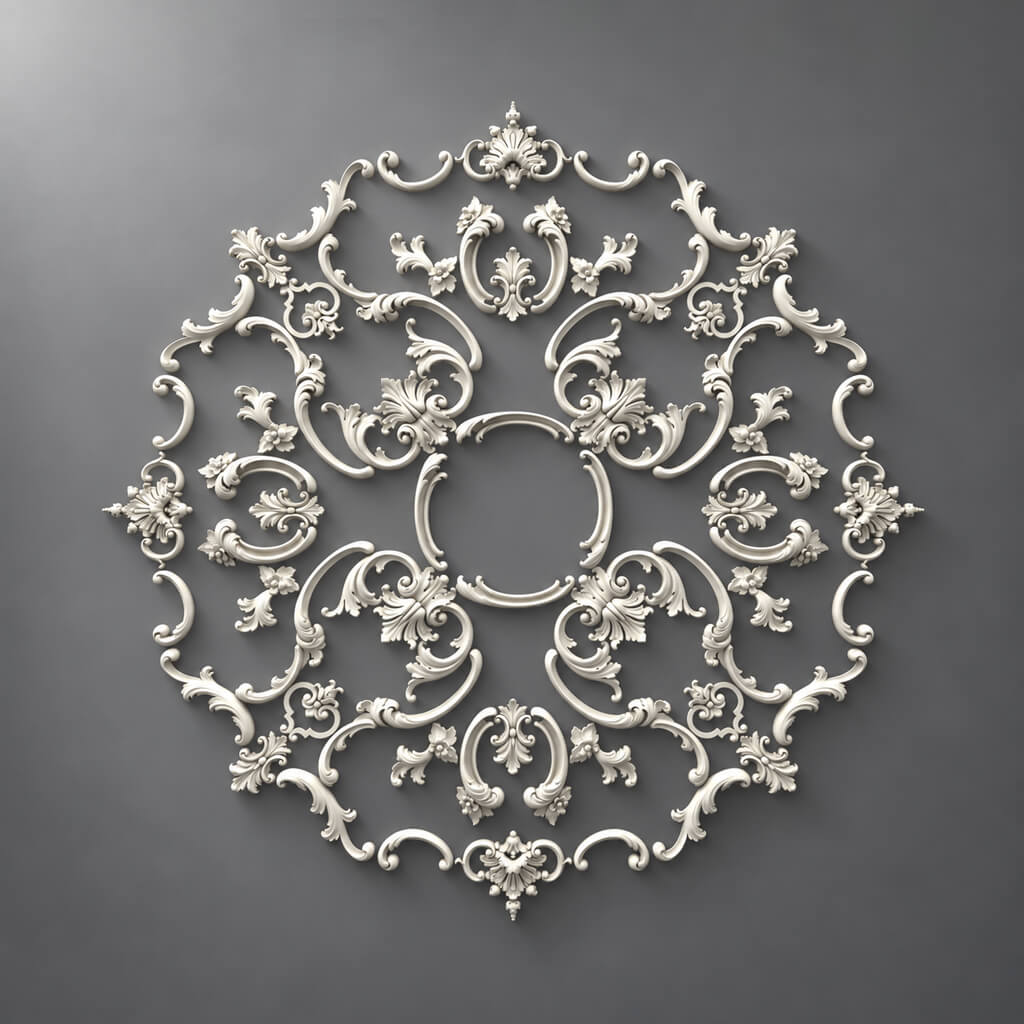
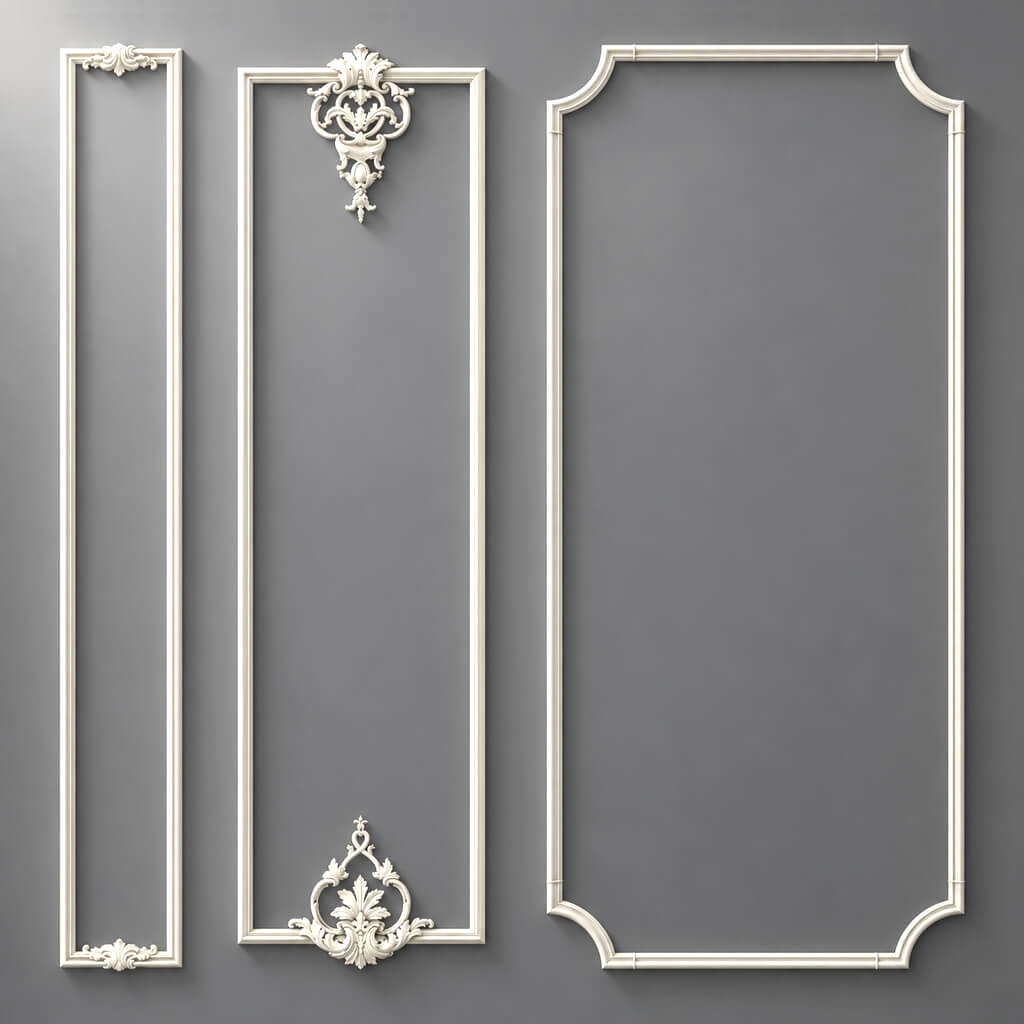
Imagine a street where each house tells its unique story through the language of architectural details. Where carved window casings whisper about the craftsmanship of their creators, and elegant cornices dance in the rays of the setting sun.Outdoor decoration elementsare not just facade ornaments, but a philosophy of beauty embodied in material.
In the modern world, where standardized construction threatens to swallow up architectural individuality, decorative elements become weapons of creative resistance. They transform soulless boxes into works of art, giving buildings soul and character. Every detail, every ornament swirl carries the energy of human creativity.
What makes us stop in admiration before a beautifully decorated facade? Why do some buildings pass by unnoticed, while others compel us to pull out our cameras and capture the moment of meeting beauty? The answer lies in the magic of decorative elements, which transform architecture into an emotional experience.

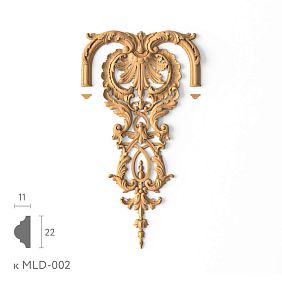
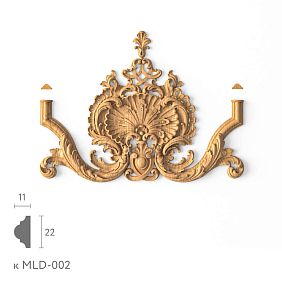
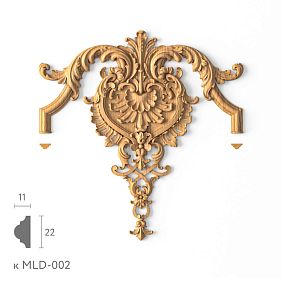
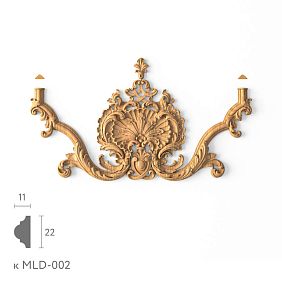
Decorative revolution: from utility to beauty




Birth of street aesthetics
The history of outdoor decoration goes back to deep antiquity, when the first masters understood: a house is not just shelter, but a reflection of its inhabitants' souls. From primitive petroglyphs on cave walls to exquisite reliefs of ancient temples — humanity has always sought to adorn its dwellings.
In Russia, the tradition of facade decoration reached incredible heights during the era of wooden architecture.Facade Decorationof that time amazed the imagination: carved window casings, pilasters, and cornices turned every house into a fairy-tale palace. Master woodcarvers passed down their art from generation to generation, creating entire dynasties of creators of beauty.
But why, in the era of high technology and minimalism, are we once again turning to facade decorative design? The answer is simple: the human soul craves beauty. After decades of functional austerity, we are once again rediscovering the joy of contemplating beauty.
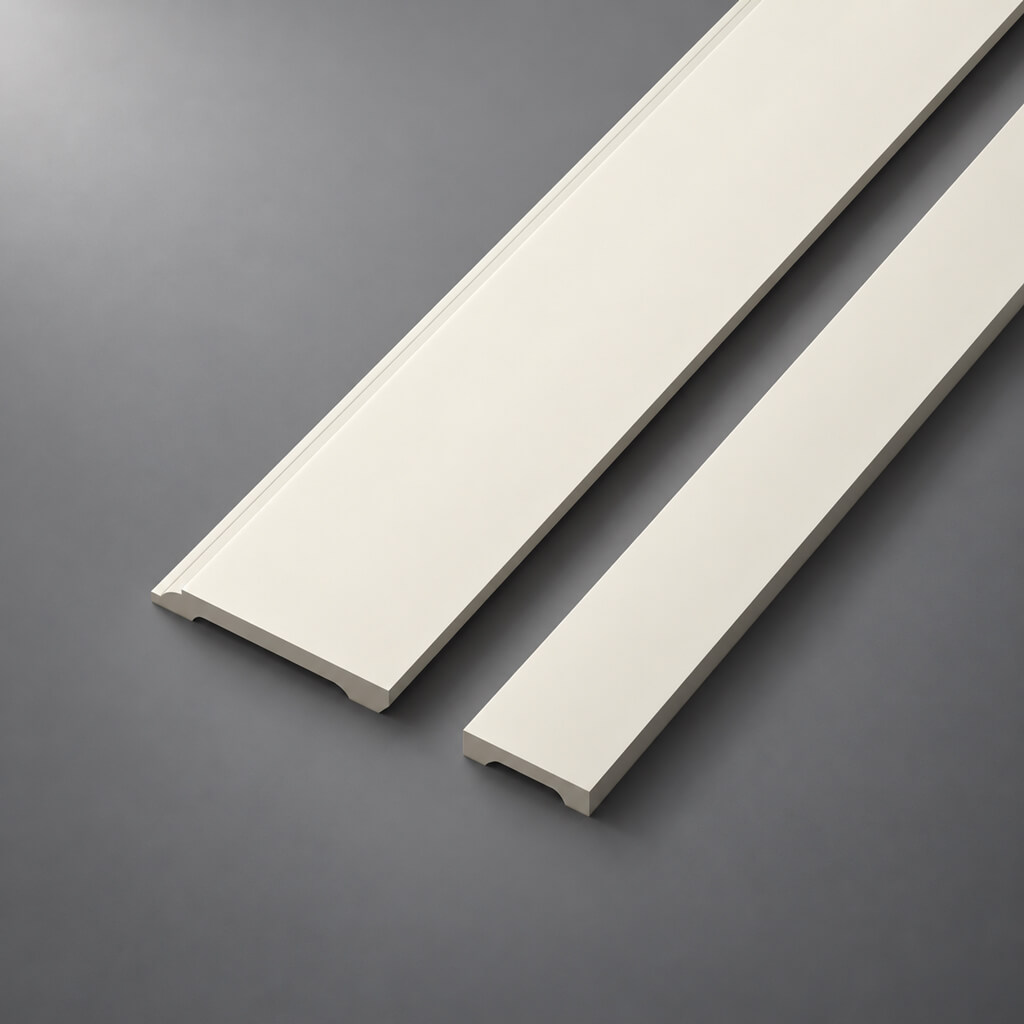
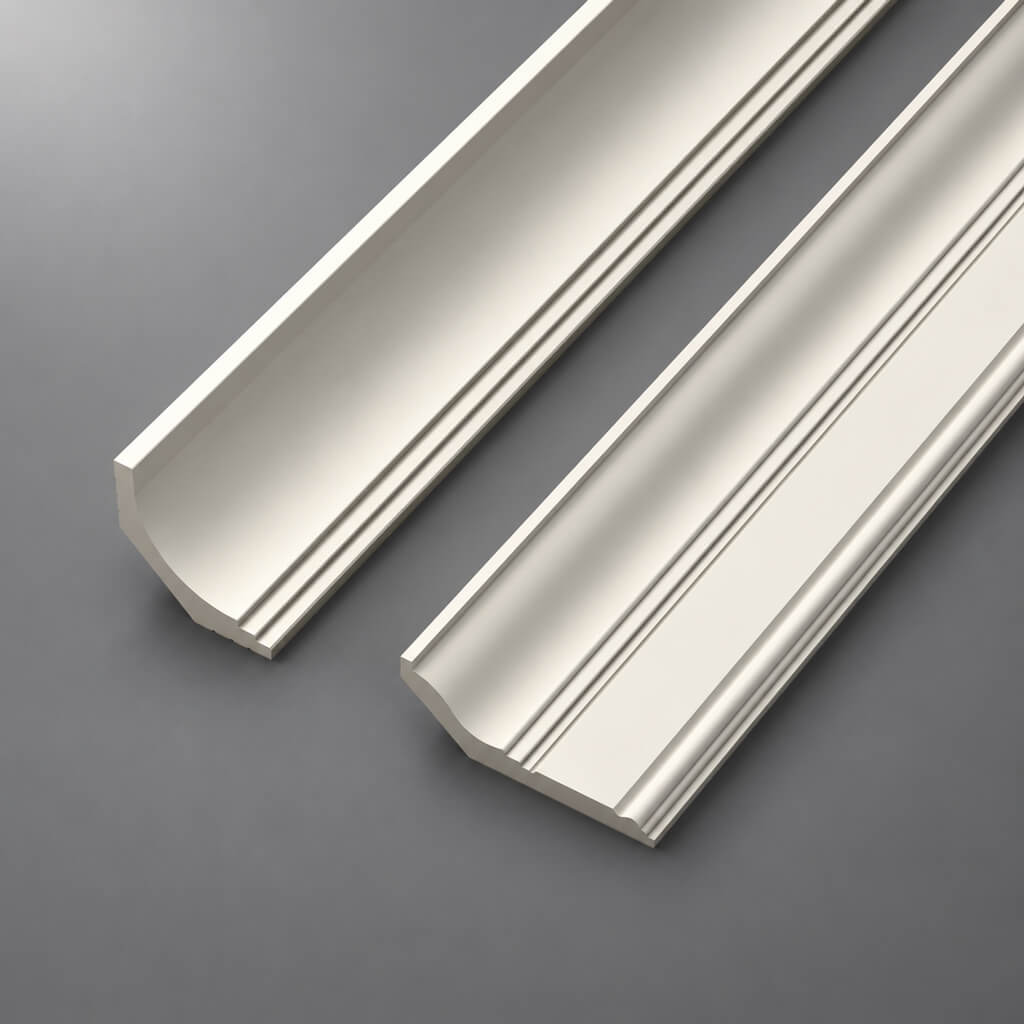
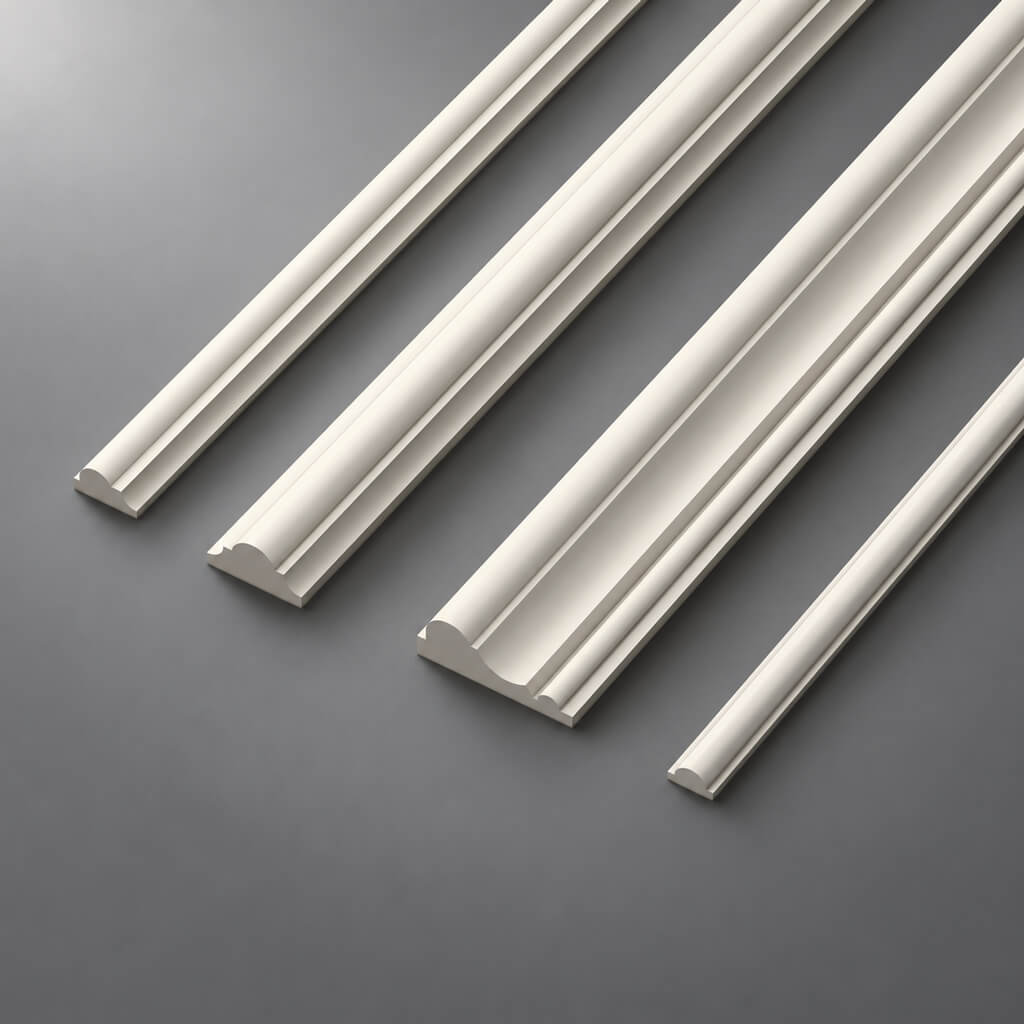
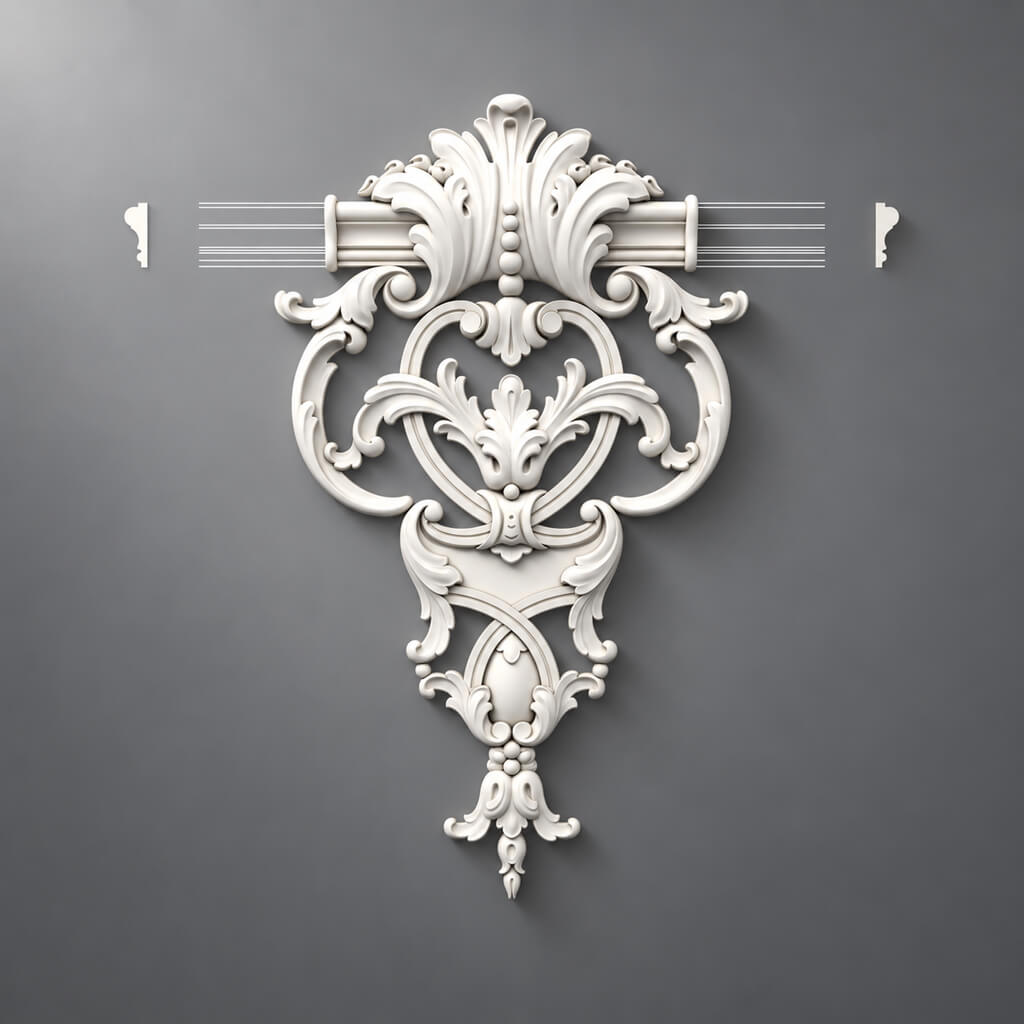
Our factory also produces:


Psychology of decorative impact
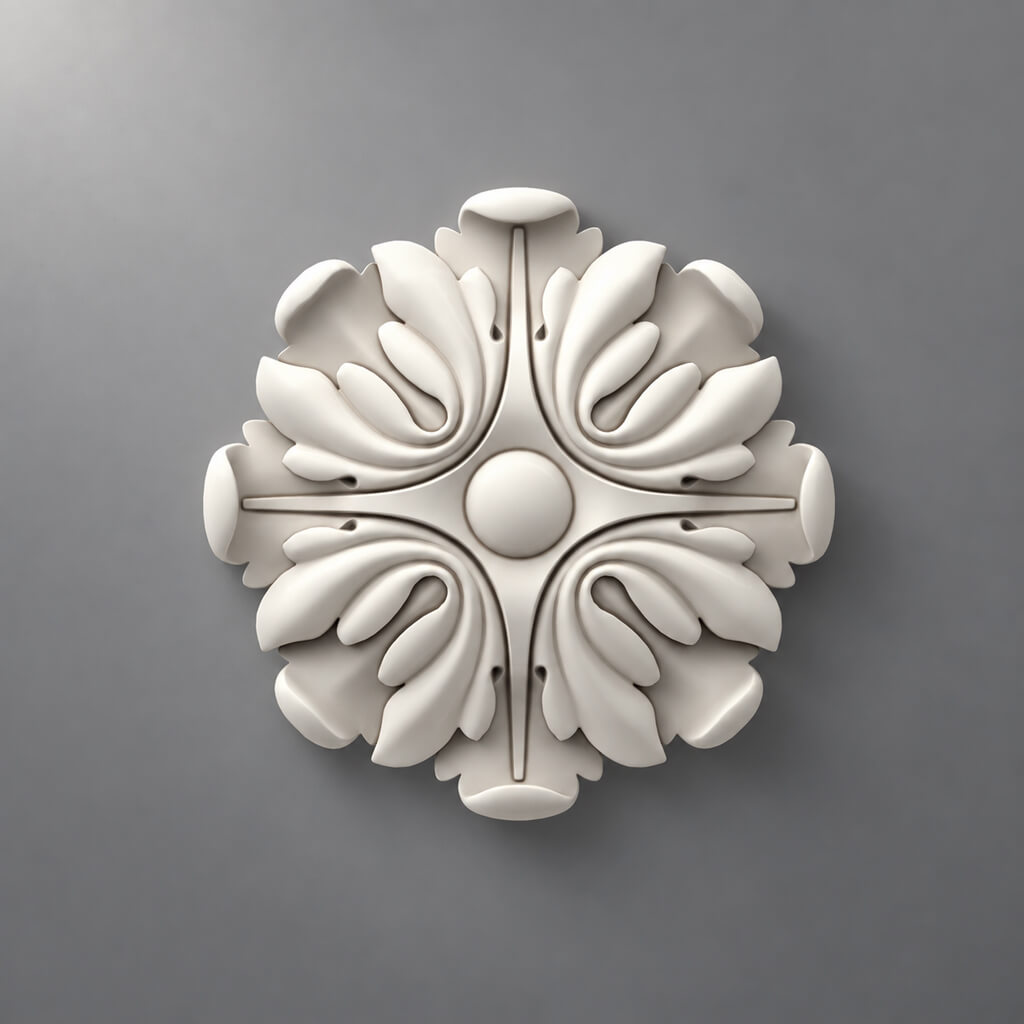
Scientific research convincingly proves: a beautifully decorated environment positively affects a person's mental state.Outdoor decoration elementswork subconsciously, creating a sense of harmony and aesthetic comfort.
Color, form, rhythm, proportions — all these characteristics of decorative elements affect our perception of space. Warm tones of carved wood create a sense of coziness and hospitality. Strict geometric shapes of polyurethane moldings emphasize respectability and solidity. Play of light and shadow on relief surfaces adds liveliness and dynamism to the facade.
Size also matters! Large decorative elements are perceived from afar and form an overall impression of the building. Small details are designed for close inspection and create an intimate connection between the observer and architecture.
Get Consultation
Material basis of decorative art
Wood: the soul of nature in architecture
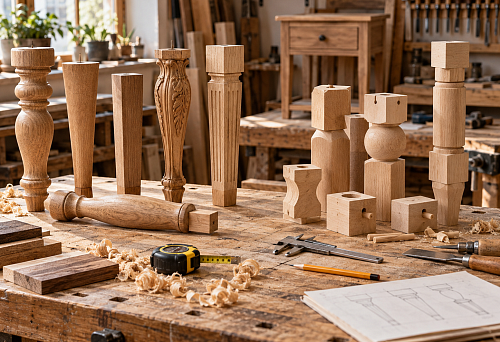
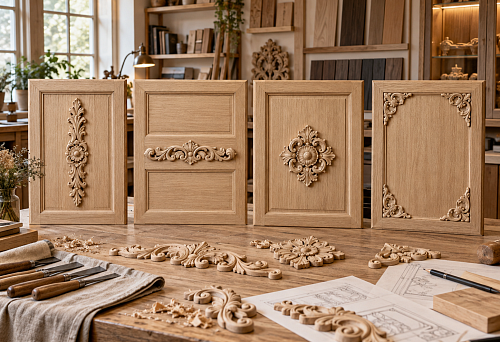
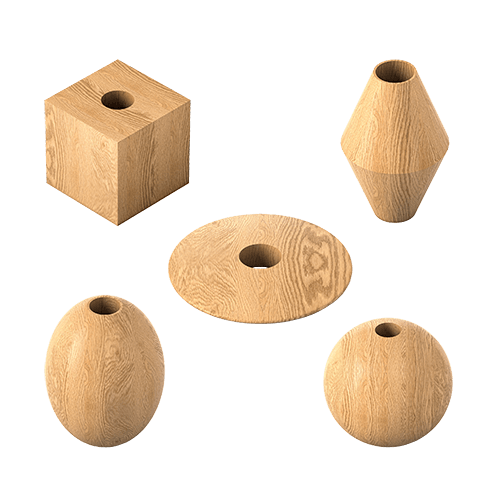
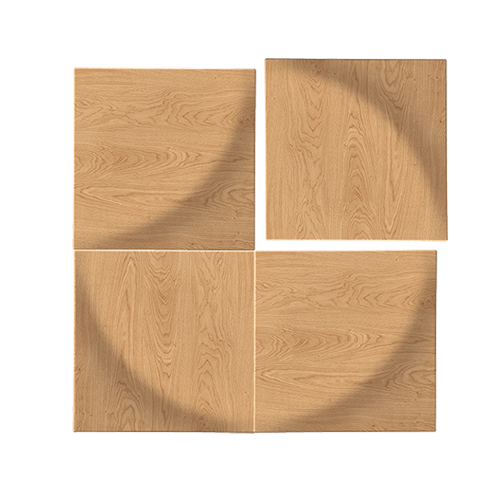
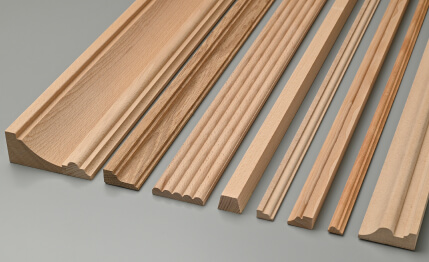
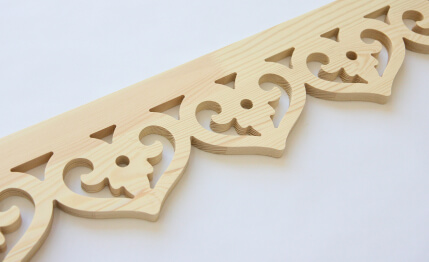
Wood remains an unmatched material for creating outdoor decoration. Its natural texture, warmth, and workability make wood an ideal choice for those who value naturalness and eco-friendliness.Decorative solid wood overlayscan turn the simplest facade into a work of folk art.
Each wood species has unique properties. Oak impresses with its strength and durability, beech delights with the nobility of its texture, larch surprises with its resistance to atmospheric influences. Modern wood processing technologies allow significantly extending the service life of wooden elements without losing their natural beauty.
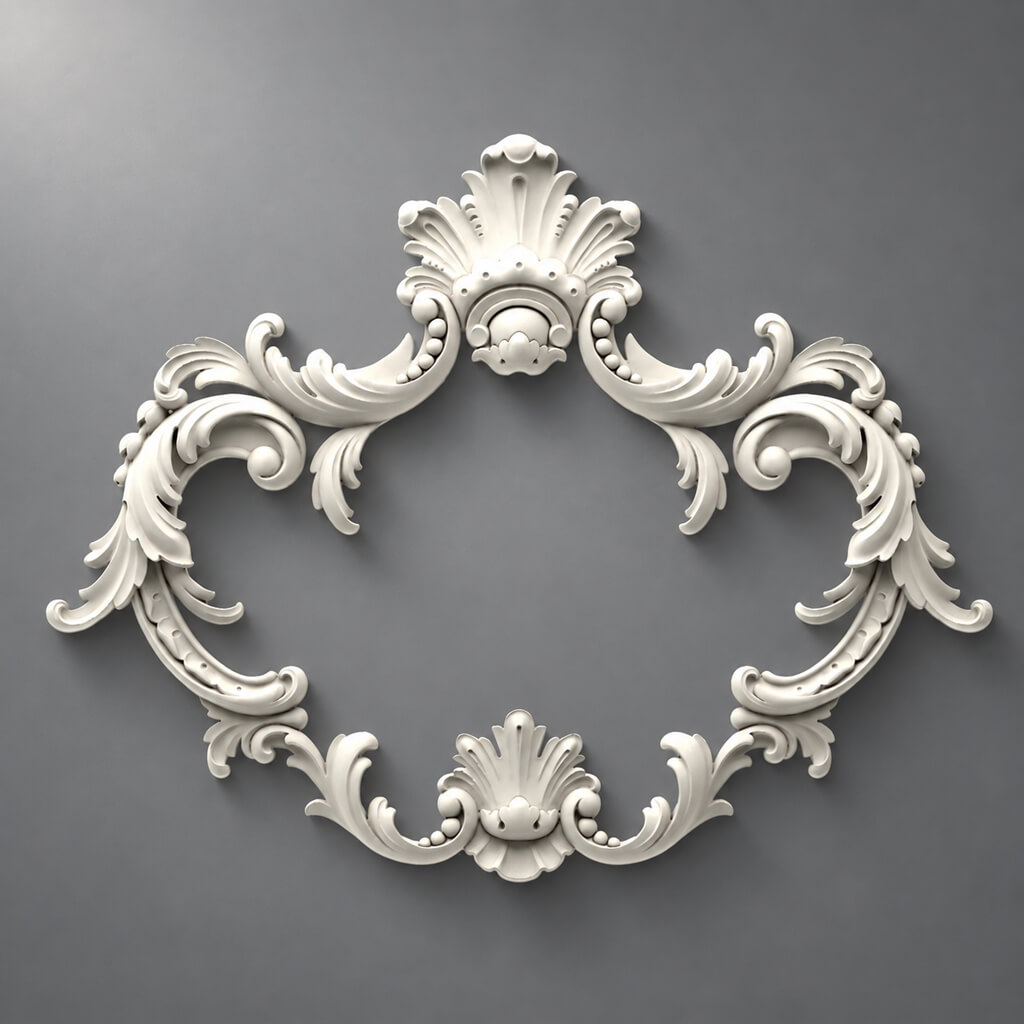
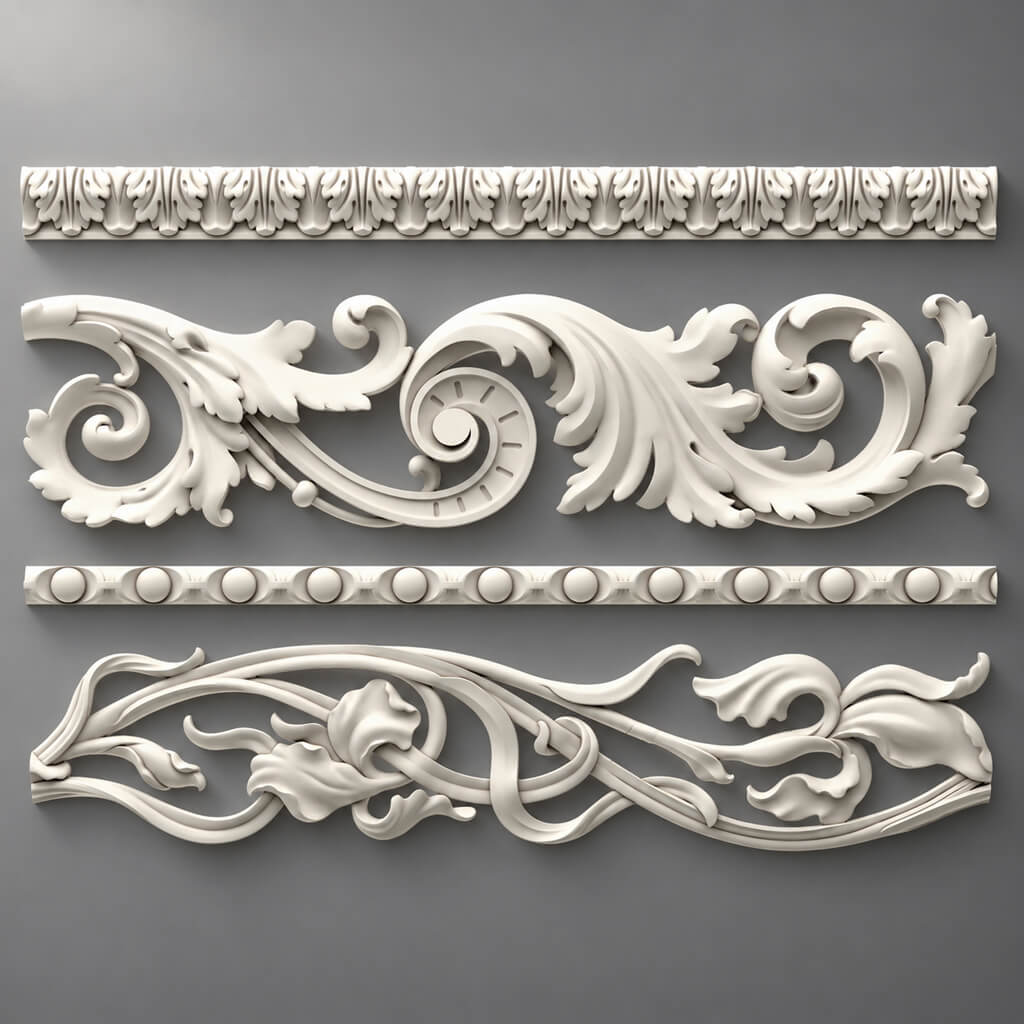
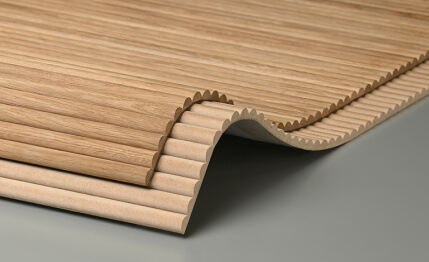
Wood carving is a whole universe of creative possibilities. From simple geometric ornaments to complex floral compositions — the master can realize any fantasy in wood.Carved decorative itemsopen up boundless possibilities for creating unique facade compositions.
Polyurethane: a technological breakthrough
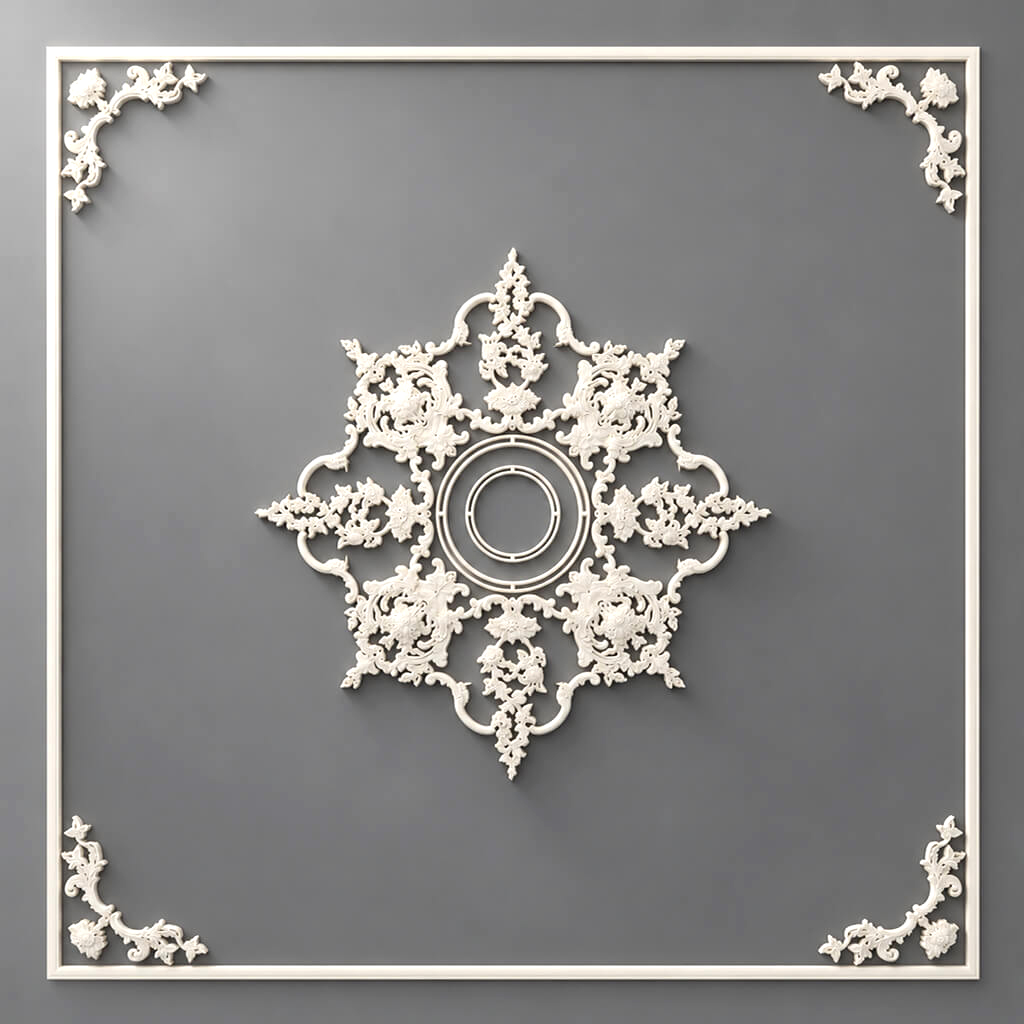
The appearance of polyurethane in the decorator's arsenal has brought about a true revolution in facade design. This material combines the lightness of polystyrene, the strength of plastic, and the detail of plaster.Polyurethane Itemsare not afraid of moisture, frost, heat, and ultraviolet radiation.
The technology for producing polyurethane elements allows reproducing the finest details of historical samples. Computer modeling and high-precision molding ensure perfect quality of each item. At the same time, the cost of polyurethane decoration is many times lower than that of natural stone or wood analogs.
Installation of polyurethane elements does not require special equipment. The lightweight nature of the items allows them to be installed even on light frame structures. The ability to paint in any colors opens up unlimited possibilities for design creativity.
Composite solutions of the future
Modern chemical industry offers new materials for outdoor decoration. Glass fiber composites, polymer concrete, ceramic granite with textured surface — each material has its advantages and areas of application.
Nanotechnologies allow creating self-cleaning coatings that retain their original appearance for decades. Photocatalytic materials not only decorate facades but also purify air from harmful impurities. Thermochromic coatings change color depending on temperature, creating a dynamic, "living" decoration.
Stylistic panorama of modern decoration
Neoclassicism: eternal values in a new embodiment
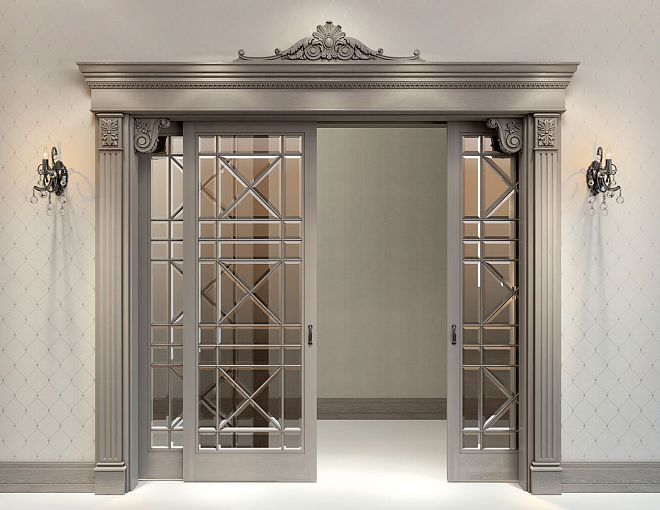
Classic style never loses its relevance. Strict proportions, harmonious forms, noble restraint create a sense of reliability and prestige.Facade solutionsin classical style include columns, pilasters, cornices, pediments, and other elements of the order system.
Modern interpretation of classicism does not blindly copy historical samples but creatively reinterprets them. Simplification of details, use of new materials, adaptation to modern construction technologies — all this allows creating "classicism of the 21st century."
The color palette of neoclassicism tends toward neutral shades. White, cream, gray, beige — these colors create a sense of nobility and elegance. Contrasting accents are used sparingly, highlighting key compositional elements.
Modern: organic forms in stone and metal
The modern style gave architecture a cult of natural forms. Botanical ornaments, flowing lines, asymmetrical compositions create a sense of organicness and naturalness. Decoration in the modern style is especially popular among admirers of original design.
Floral motifs are the hallmark of modernism. Stylized flowers, leaves, branches intertwine in whimsical compositions. Fauna is also reflected in decoration: butterflies, dragonflies, birds become ornamental elements.
The color palette of modernism is often borrowed from nature. Green shades of foliage, golden tones of autumn, delicate hues of flowers create a harmonious unity with the surrounding landscape.
Ethnic motifs: roots and traditions
Globalization paradoxically has increased interest in national traditions. Ethnic motifs in outdoor decoration allow highlighting cultural affiliation and historical memory. Russian carved patterns, Caucasian ornaments, Scandinavian runes — each tradition has its own visual system.
Modern interpretation of ethnic motifs requires delicacy and deep understanding of cultural context. Mechanical copying of historical samples may lead to stylization and loss of authenticity. Creative reinterpretation of traditions, on the contrary, gives them new life.
High-tech: technological aesthetics
The high-tech style in facade decoration is based on the aesthetics of modern technologies. Metallic structures, glass panels, LED lighting create an image of a house of the future. This style is especially popular in commercial architecture.
Geometric forms, clear lines, contrasting material combinations — main principles of decoration in the high-tech style. Functionality here is not hidden but emphasized and aestheticized. Engineering communications become elements of design.
Functional aspects of decorative elements
Protection against atmospheric influences
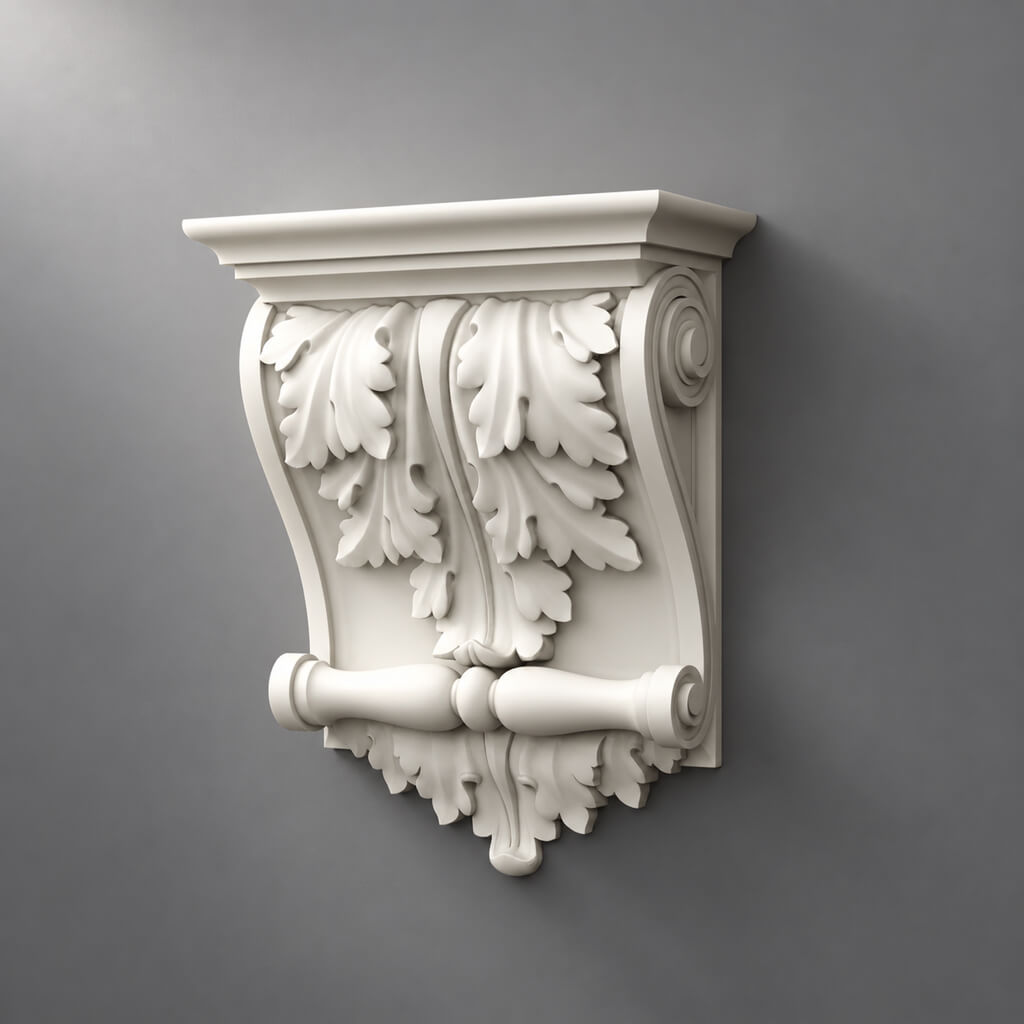
Outdoor decoration elementsperform not only an aesthetic but also a protective function. Projected cornices divert rainwater from walls, preventing its penetration into structures. Sill protect joints between window frames and walls from air infiltration.
Properly designed decoration can significantly extend the service life of the facade. Overhangs above entrances protect doors from precipitation. Sill bands prevent capillary moisture rise. Ventilated suspended systems ensure condensate drainage.
Thermal properties
Decorative elements can affect the thermal regime of a building. Protruding details create shaded areas that reduce wall overheating in summer. Dark elements absorb solar heat, while light-colored ones reflect it.
Some decorative systems combine aesthetic and insulating functions. Thermopanels with decorative surfaces simultaneously improve the appearance and thermal insulation characteristics of the facade.
Acoustic characteristics
A textured surface of a decorated facade absorbs sound waves better than a smooth one. This is especially relevant for buildings located near highways or in dense urban areas.
Specialized perforated panels can significantly reduce external noise levels. At the same time, they retain their decorative qualities and often gain additional expressiveness due to the interplay of light and shadow in the holes.
Production and installation technologies
Modern manufacturing methods
The production of decorative elements today is based on high-tech processes. 3D modeling allows creating elements of any complexity with precision down to fractions of a millimeter. CNC machines ensure ideal processing quality.
Casting into silicone molds allows reproducing the finest details of the master model. This technology is especially effective for polyurethane products. Each element undergoes a multi-stage quality control.
Production automation does not exclude manual labor by artisans. Final finishing, artistic painting, patination — these operations require human craftsmanship and an appreciation of beauty.
Installation features
The quality of installation largely determines the durability and appearance of the decoration. Foundation preparation, selection of fasteners, sealing of joints — each stage requires a professional approach.
Regional climatic conditions influence the choice of installation technology. In northern regions, special attention is paid to the frost resistance of adhesive compositions. In southern regions, resistance to ultraviolet radiation becomes critical.
Regional characteristics and adaptation
Climate factor
The Russian climate, with its harsh winters and hot summers, imposes special requirements on outdoor decoration. Materials must withstand significant temperature fluctuations without losing strength or appearance.
Snow loads in northern regions can reach critical levels. Horizontal decorative elements must be designed with this factor in mind. Proper slopes prevent snow from accumulating in dangerous quantities.
The humidity of a marine climate requires special attention to the corrosion resistance of fasteners. The use of stainless materials becomes not a luxury, but a necessity.
Regional architectural traditions
Each region of Russia has its own architectural traditions, reflected in outdoor decoration. Northern provinces are renowned for carved window casings with geometric patterns. Southern regions prefer floral ornaments and bright colors.
Modern interpretation of regional traditions requires a deep study of historical samples. Simple copying leads to stylization, while creative reinterpretation leads to the revival of traditions.
Design of decorative finishes
Analysis of the object
Every building is unique, and decorative finishes should highlight its individual features. Architectural style, facade proportions, wall material, surrounding buildings — all these factors influence the choice of decorative elements.
The scale of the building determines the size of decorative details. Fine decoration on a large building simply 'disappears,' while overly massive elements on a small house will look inappropriate.
Compositional Principles
Creating a harmonious composition requires adherence to certain principles. Rhythm, proportions, contrast, nuance — all these artistic expressive means are applicable to facade decoration.
The main facade usually receives the most elaborate decoration. Side facades are treated more modestly but must harmonize with the main one. The rear facade may remain undecorated or receive minimal decoration.
Economic aspects of decoration
Investment planning
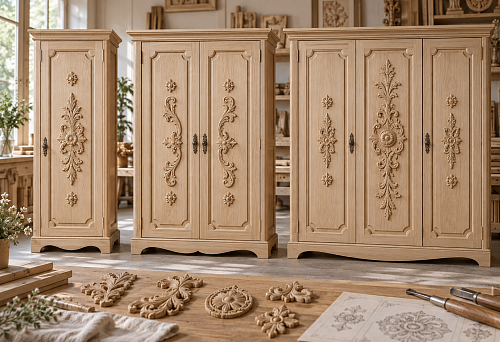
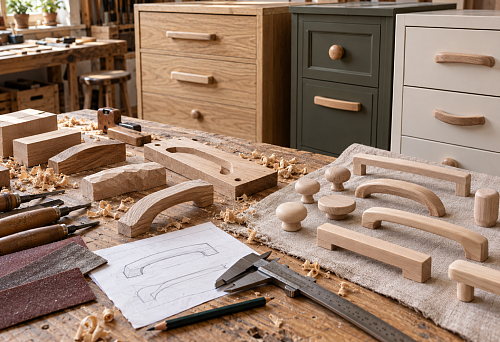
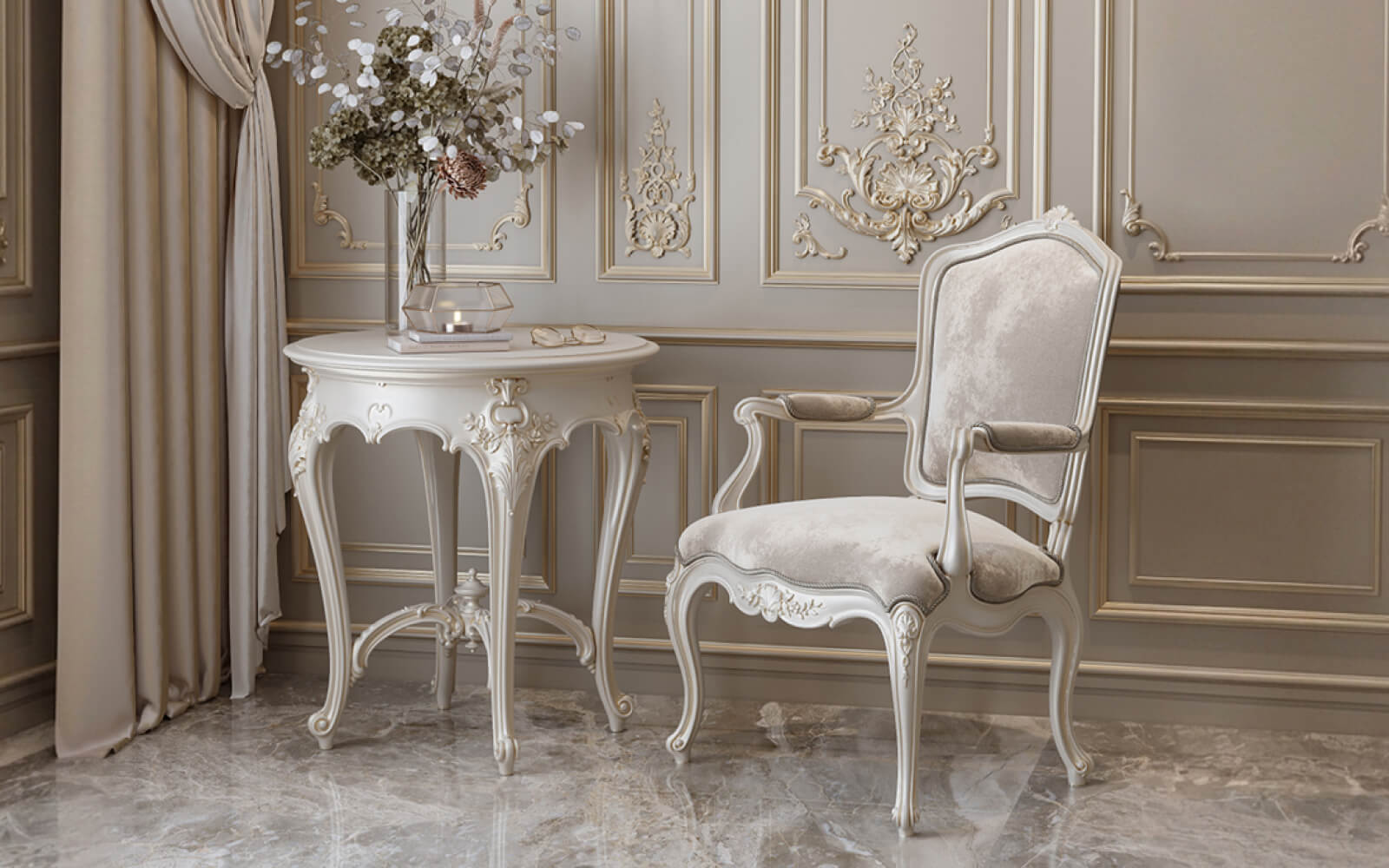
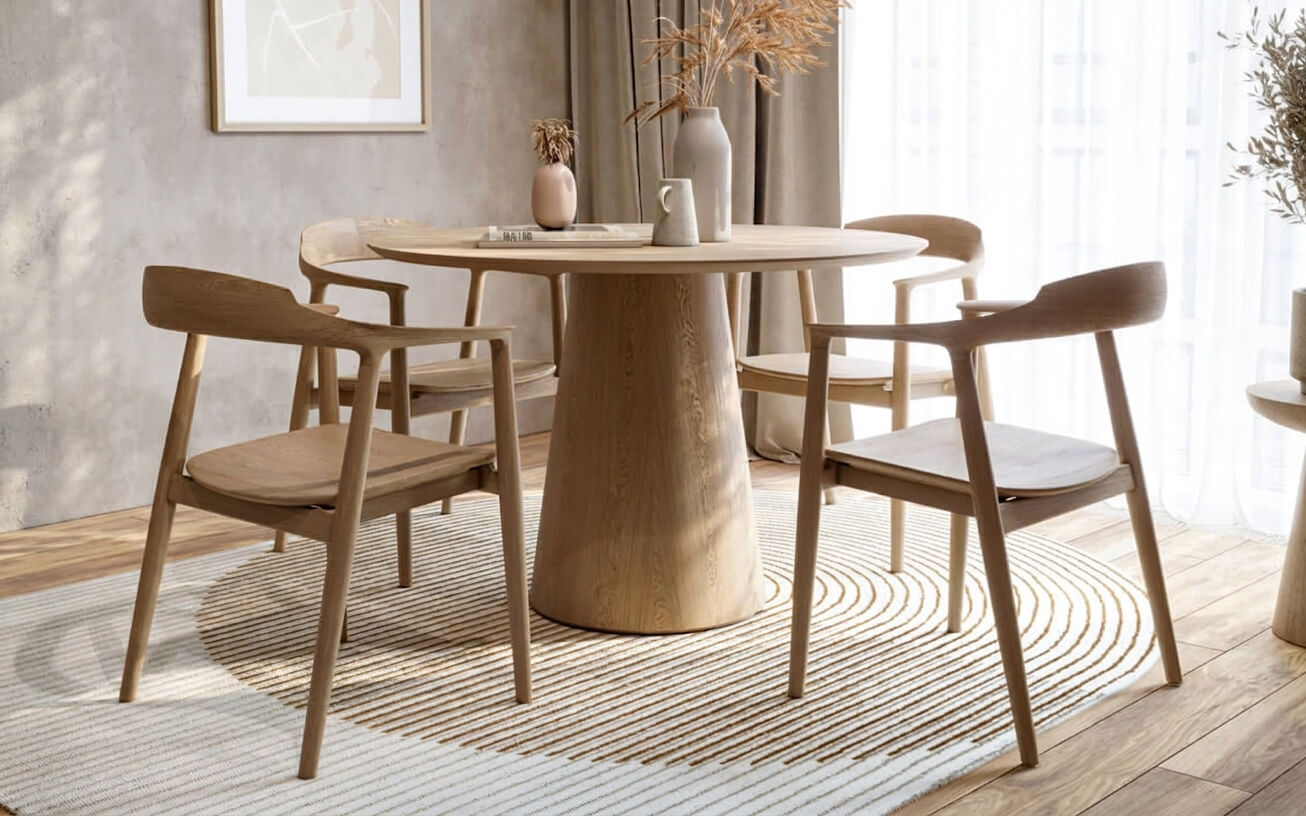
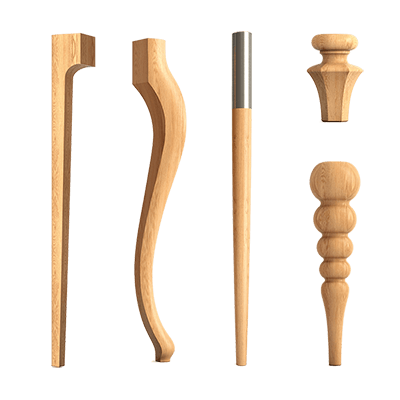
The cost of decorative finishing can vary within very wide limits. Proper budget planning allows achieving maximum effect at reasonable costs.Furniture and interior itemsmay also include decorative elements to create a unified style.
Step-by-step implementation of the project makes it more accessible. One can start with the most noticeable elements and gradually enhance the composition. The choice of materials significantly affects the overall cost.
Impact on property value
Quality decorative finishing significantly increases the market value of real estate. An attractive facade creates a positive first impression and distinguishes the property from standard buildings.
The uniqueness of the architectural solution attracts buyers willing to pay a premium for individuality. Properly executed decoration becomes a long-term investment.
Innovations and the Future
Digital technologies
Virtual and augmented reality allow you to "try on" decoration on the facade even before starting work. This helps avoid mistakes and make adjustments during the design phase.
Parametric design accelerates the creation of individual solutions. Changing one parameter automatically recalculates the entire geometry of the element.
Smart Materials
Advancements in materials science open up new possibilities. Self-cleaning coatings reduce operating costs. LED elements transform decoration into an architectural lighting system.
Photocatalytic materials not only decorate but also purify the air. Thermochromic coatings create a dynamic, changing decoration.
Care and Maintenance
Regular Technical Maintenance
Any decoration requires periodic care. Cleaning from dirt, checking fasteners, renewing protective coatings — these activities extend the lifespan of the decoration.
Wooden elements require more careful maintenance. Regular treatment with protective compounds prevents rotting and damage from insects.
Restoration and renewal
Over time, any decoration may require restoration. Modern technologies allow for precise reproduction of damaged elements or the creation of exact copies of lost details.
Updating decoration can become an opportunity to modernize the entire facade. New materials and technologies allow not only to improve the appearance but also the operational characteristics.
Frequently Asked Questions
What material is better to choose for outdoor decoration?
The choice of material depends on many factors: climate, budget, architectural style, personal preferences. Polyurethane provides the optimal price-to-quality ratio. Wood creates a warm atmosphere but requires maintenance. Composite materials combine durability with variety of forms.
How much does facade decoration cost?
The cost depends on the area, complexity of decoration, and selected materials. Simple decoration with polyurethane elements costs from 1500 rubles per square meter. Exclusive projects with hand-carved details may cost dozens of times more.
How long does outdoor decoration last?
The lifespan depends on the material and operating conditions. Quality polyurethane lasts 30-50 years. Wood, with proper care, lasts 20-30 years. Composite materials may last up to 100 years.
Can decor be installed by oneself?
Simple elements can be installed independently if one has the skills and tools. Complex structures require professional installation. Installation errors may result in damage to the decoration and facade.
Is permission required for decoration?
For private homes, permission is usually not required if the decoration does not alter the building's dimensions. In historic centers and for multi-apartment buildings, approval may be required.
How to choose a decoration style?
The style should harmonize with the building's architecture and surrounding structures. Classic decoration suits most cases. Modern styles require more cautious application.
Outdoor decoration elementsDecorative elements are a powerful tool of architectural expression, capable of transforming any building into a work of art. From material selection to composition design — each stage requires a professional approach and creative vision. Modern technologies open up limitless possibilities for creating unique decorative solutions that combine beauty with functionality.
STAVROS remains a leader in the production of high-quality decorative elements for facades. Our production combines advanced technologies with traditional craftsmanship, enabling clients to create truly outstanding architectural masterpieces. Choosing STAVROS products means investing in beauty, quality, and longevity that will delight the eye for many years.