































Article Contents:
- Why Add Molding to a Flat Interior Door?
- What Applied Door Molding Changes
- Doors That Are Often Suitable
- Doors That Require Additional Evaluation
- Inspect the Door Before Starting
- Door Panel Molding
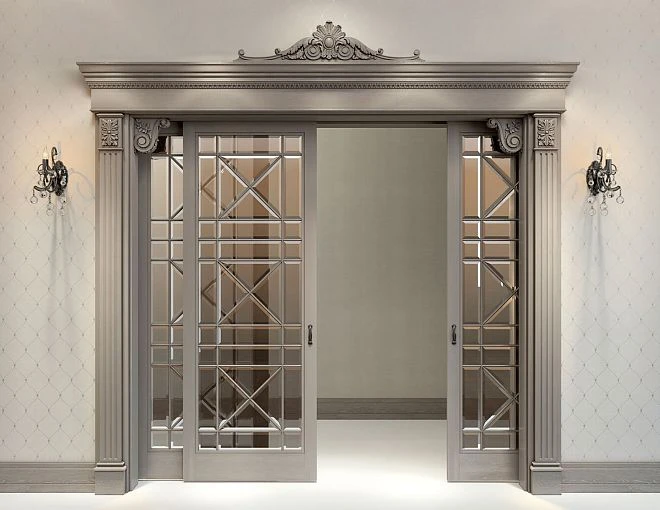
- Door Casing
- Decorative Door Onlays
- How the Elements Work Together
- Polyurethane Door Molding
- Solid Wood Molding
- MDF Molding
- Material Comparison
- 1. One Large Rectangular Frame
- 2. Traditional Two-Panel Door Molding
- 3. Three-Panel Neoclassical Door
- 4. Two Narrow Vertical Frames
- 5. Shaker-Inspired Door With Flat Trim
- 6. French-Inspired Door With Decorative Onlays
- 7. Door Molding With Decorative Corner Rosettes
- 8. Tall Door Molding With a Vertical Center Accent
- 9. Two-Panel Door With Contrasting Molding
- 10. Door Molding That Matches the Wall
- Start With the Door's Overall Geometry
- Keep the Margins Consistent
- Coordinate With the Door Casing
- Suggested Starting Points
- Why Profile Thickness Matters
- Example: A 30 × 80-Inch Interior Door
- Measuring the Handle Clearance
- Marking the Frame
- Calculate the Length of One Frame
- Account for Stock Lengths and Cutting Waste
- Tools and Materials
- Step 1: Inspect the Door
- Step 2: Check the Existing Finish
- Step 3: Remove or Protect the Hardware
- Step 4: Draw the Complete Layout
- Step 5: Cut the Molding
- Step 6: Dry-Fit the Frames
- Step 7: Prepare the Bonding Surfaces
- Step 8: Apply the Adhesive
- Step 9: Position and Hold the Molding
- Step 10: Fill the Joints
- Step 11: Prime the Door and Molding
- Step 12: Paint the Finished Door
- Choose the Right Sheen
- Paint the Molding and Door Together
- Consider Warm White and Off-White
- Test the Color in the Room
- Coordinate the Profile Shapes
- Repeat the Architectural Rhythm
- Use Consistent Paint Colors
- Repaint the Door Slab
- Replace the Door Handle
- Update the Door Casing
- Add a Decorative Onlay
- Coordinate With Baseboards
- STAVROS MLDPU-001: Narrow Polyurethane Molding
- STAVROS MLDPU-002: A Defined Decorative Frame
- STAVROS MLDPU-003: A Broad Architectural Profile
- STAVROS MLD-019: Solid Wood Molding
- STAVROS NPU-300: Compact Polyurethane Onlay
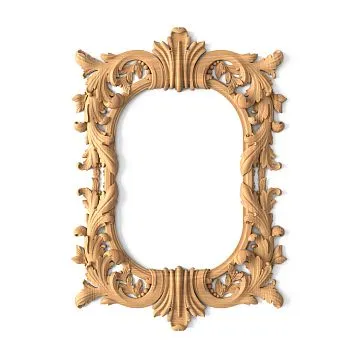
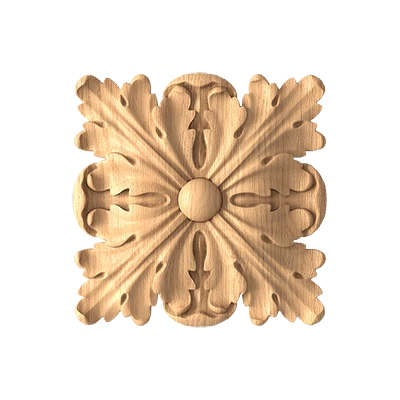
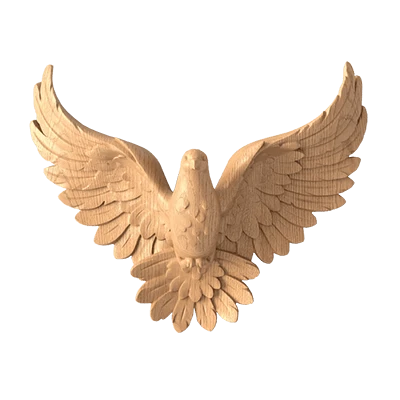
- STAVROS N-498: Carved Wooden Onlay
- How to Select the Right Combination
- 1. Installing Without a Complete Layout
- 2. Choosing an Oversized Profile
- 3. Ignoring the Door Handle
- 4. Forgetting the Door Swing
- 5. Using an Incompatible Adhesive
- 6. Driving Nails Into a Hollow-Core Door
- 7. Using Wood Filler on Every Material
- 8. Ignoring the Existing Surface Finish
- 9. Combining Too Many Ornamental Styles
- 10. Painting Before the Adhesive and Filler Are Ready
- 11. Assuming Every Door Can Be Modified
- 12. Replacing Door Function With Decoration
- Can you add molding to a flat interior door?
- What type of molding is best for flat doors?
- Can you add molding to a hollow-core door?
- Will door molding make a hollow-core door look like a solid wood door?
- How wide should molding be on a 30-inch door?
- What is the easiest interior door molding design?
- Should the door and molding be painted the same color?
- Can I add decorative appliqués to a door?
- Can door molding match the wall molding?
- Can I add molding to a laminate door?
- How much molding do I need for a two-panel door?
- Should I remove the door before adding molding?
- How long does a door molding makeover take?
- Can you add molding to a fire-rated door?
- Is it cheaper to add molding or buy a new paneled door?
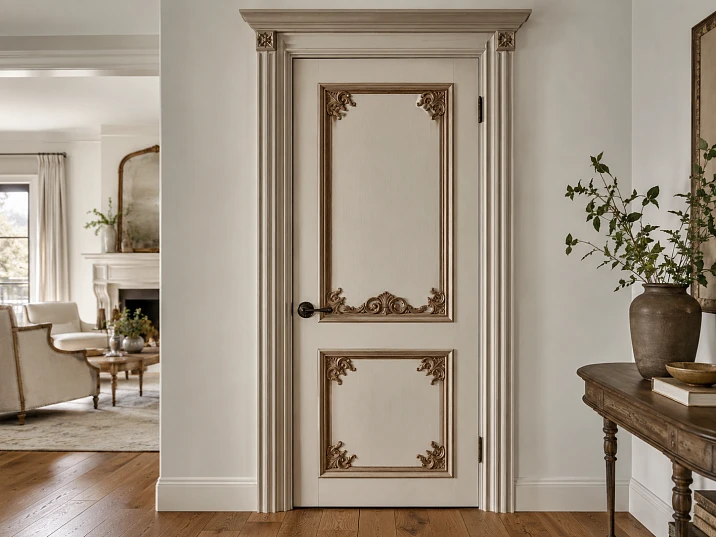
A beautifully renovated room can still feel unfinished when one architectural detail does not belong.
The walls may be freshly painted, the baseboards carefully selected, and the furniture arranged with precision. Yet an ordinary flat interior door can interrupt the visual harmony of the space, particularly when the surrounding walls feature decorative molding, paneled finishes, or traditional trim.
The problem is not necessarily the door's quality. A plain flush door can be perfectly functional. It simply may not have the architectural character needed to complement the rest of the interior.
Fortunately, replacing the entire door is not always necessary.
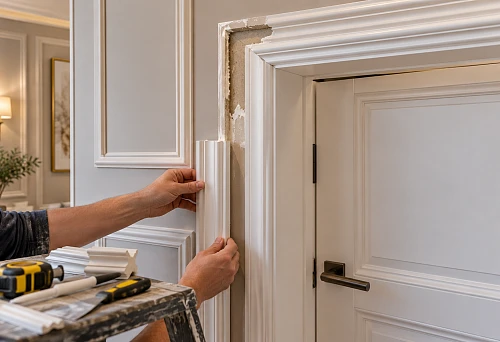
Adding molding to a door can transform a smooth surface into something resembling a traditional paneled door, complete with raised frames, carefully arranged proportions, and decorative accents.
With the right materials, a flat hollow-core or solid-core interior door can acquire the appearance of a custom millwork feature without removing the existing door frame.
This approach works particularly well for homeowners seeking a more refined interior on a renovation budget. It can also be used to coordinate doors with wall panel molding, baseboards, door casings, and architectural decorations throughout the house.
However, successful results depend on more than attaching a few strips of trim.
The design must suit the proportions of the door. The molding should be thin enough to avoid interfering with the hardware or door swing. The adhesive must be compatible with the existing finish. And the completed door should look like a deliberate architectural feature rather than a collection of decorative strips.
In this guide, we explain how to add molding to flat interior doors, explore ten practical door molding ideas, compare polyurethane, wood, and MDF trim, and provide a detailed installation process adapted to American homes.


Why Add Molding to a Flat Interior Door?
Interior doors occupy a surprisingly large portion of a room's visible wall area.
A typical American interior door measuring 30 × 80 inches has approximately 16.7 square feet of surface area on each face.
That makes it one of the most noticeable vertical elements in many rooms.
When the door has no decorative detail, it may contrast sharply with an otherwise carefully designed interior.
This is particularly apparent in rooms featuring:
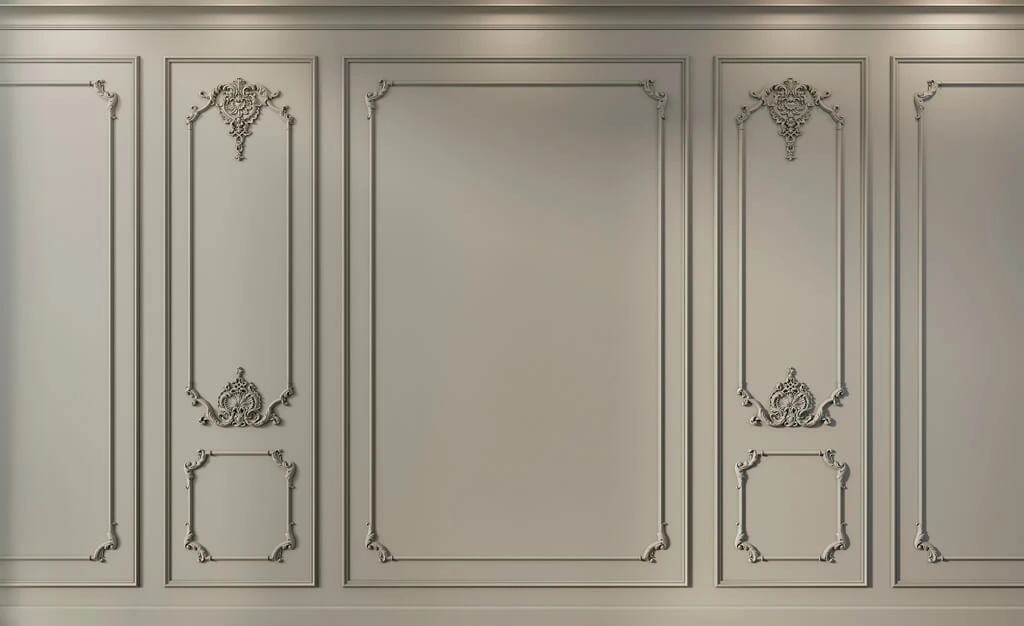
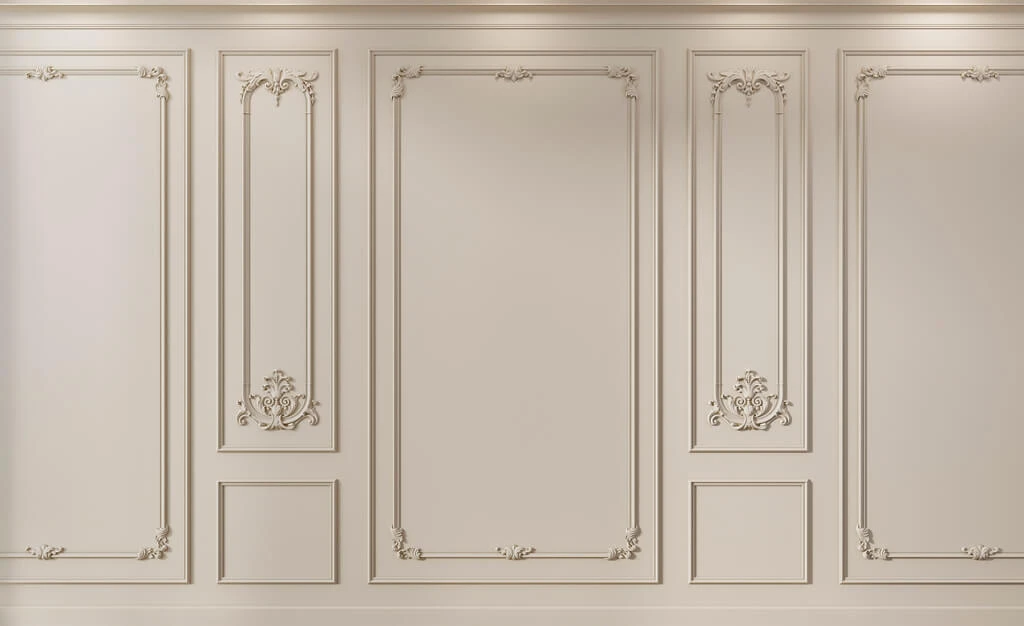
Decorative picture-frame wall molding
Traditional baseboards and door casings
Raised or recessed wall panels
Neoclassical furniture
Ornamental architectural trim
Painted wainscoting
Detailed crown molding
A flat door is not inherently unattractive. In minimalist interiors, its simplicity may be exactly what the design requires.
But in transitional, traditional, French-inspired, or neoclassical interiors, a completely plain door can look disconnected from the surrounding architecture.
Door panel molding introduces raised lines and carefully arranged frames that establish a relationship between the door and the rest of the room.


What Applied Door Molding Changes
Decorative molding creates several visual effects.
Architectural depth. Raised profiles cast small shadows, making the door appear more dimensional.
Panel definition. Rectangular frames suggest the organization of traditional stile-and-rail doors, even though the original door remains flat.
Visual proportion. Tall or carefully divided panels can influence how the door's width and height are perceived.
Material continuity. Painted trim can connect the door to nearby casing, baseboards, and wall moldings.
Custom appearance. A door with precisely installed molding and a consistent paint finish can resemble a more elaborate factory-produced design.
The objective is not to disguise a damaged or structurally unsuitable door.
It is to give a sound, functional door a new decorative identity.
Наша фабрика также производит:


Смотреть весь Каталог продукции
Can You Add Molding to an Existing Interior Door?
In many cases, yes.
A flat interior door is often a suitable surface for applied decorative molding, provided that the door is structurally sound and its finish is compatible with the proposed installation.
However, not every door should be modified.
Получить консультацию
Doors That Are Often Suitable
Common candidates include:
Painted hollow-core interior doors
Painted solid-core flush doors
Certain MDF-faced doors
Previously painted flat wood doors
Some laminate-faced doors, when an appropriate bonding system is verified
Each material presents different installation considerations.
For example, a hollow-core door generally has a thin outer skin surrounding a lightweight internal structure.
That means nails or screws placed in the middle of the door may have little material to grip.
For this type of door, a compatible adhesive-based installation may be preferable when approved for the selected molding and surface.
Doors That Require Additional Evaluation
Use particular caution with:
Fire-rated doors
Doors between a residence and an attached garage
Doors subject to building security requirements
Doors containing glass or specialty panels
Factory-finished doors with difficult-to-bond coatings
Damaged or delaminating door slabs
Doors with inadequate operating clearances
A fire-rated door is part of a tested assembly. Adding combustible decorative material, altering the surface, or changing the hardware may affect its certification.
Do not modify a fire-rated or other regulated door without approval from the manufacturer and the applicable authority.
Inspect the Door Before Starting
Close and open the door several times.
Confirm that it swings freely, latches correctly, and does not rub against the jamb.
Inspect the surface for peeling finishes, swelling, warping, or damaged veneer.
Check the existing clearances around the frame, hinges, and handle.
If the door already operates poorly, adding decorative trim may make the problem worse.
Correct the underlying issue before beginning the decorative work.
Door Molding vs. Door Casing: What's the Difference?
The phrase door molding can refer to more than one type of architectural trim.
This distinction matters when choosing products and planning the installation.
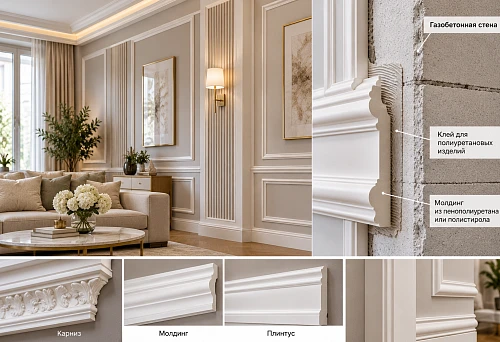
Door Panel Molding
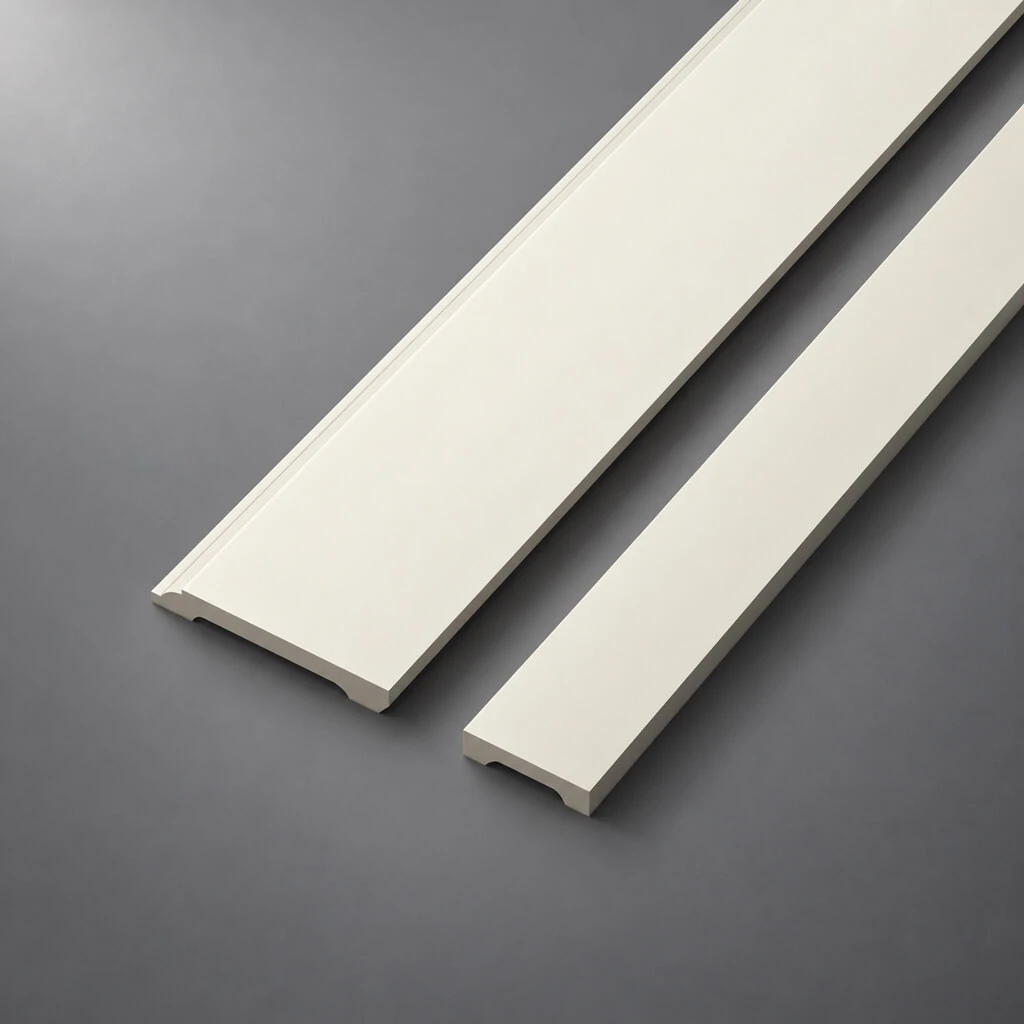
Door panel molding is applied directly to the face of the door slab.
It is used to form decorative rectangles, create raised panel effects, or frame ornamental details.
This is the main material used in a flat-door makeover.
Door Casing
Door casing is the trim surrounding the door opening on the wall.
Its purpose is to finish the junction between the door frame and the surrounding wall.
Door casing does not normally form part of the moving door slab.
Decorative Door Onlays
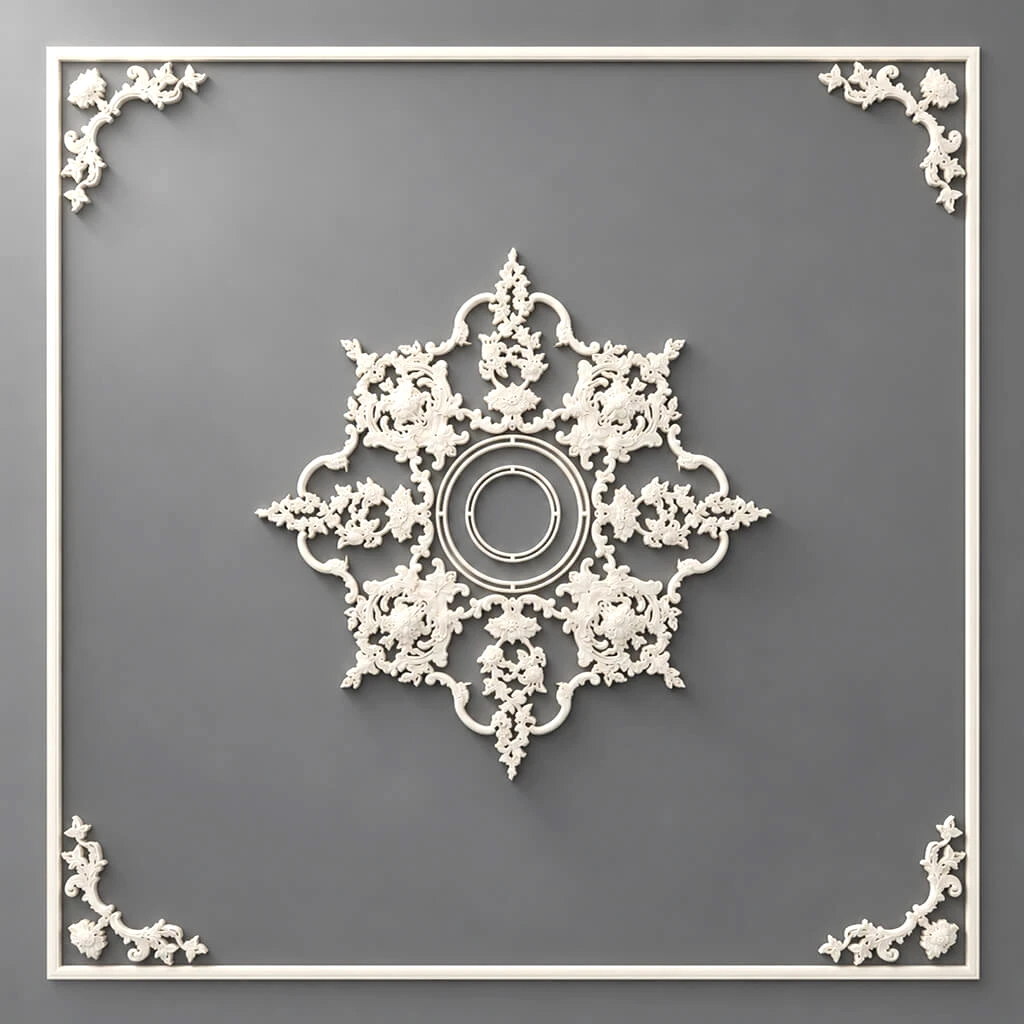
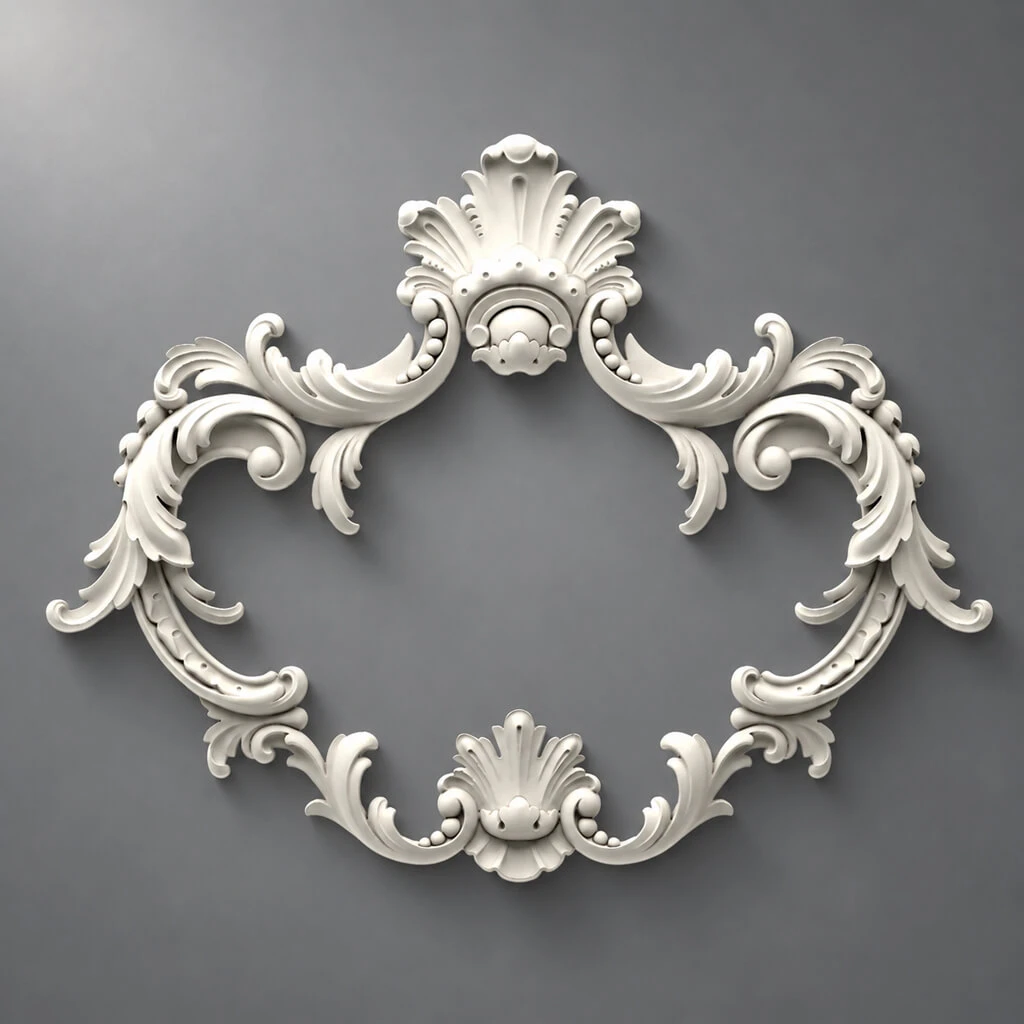
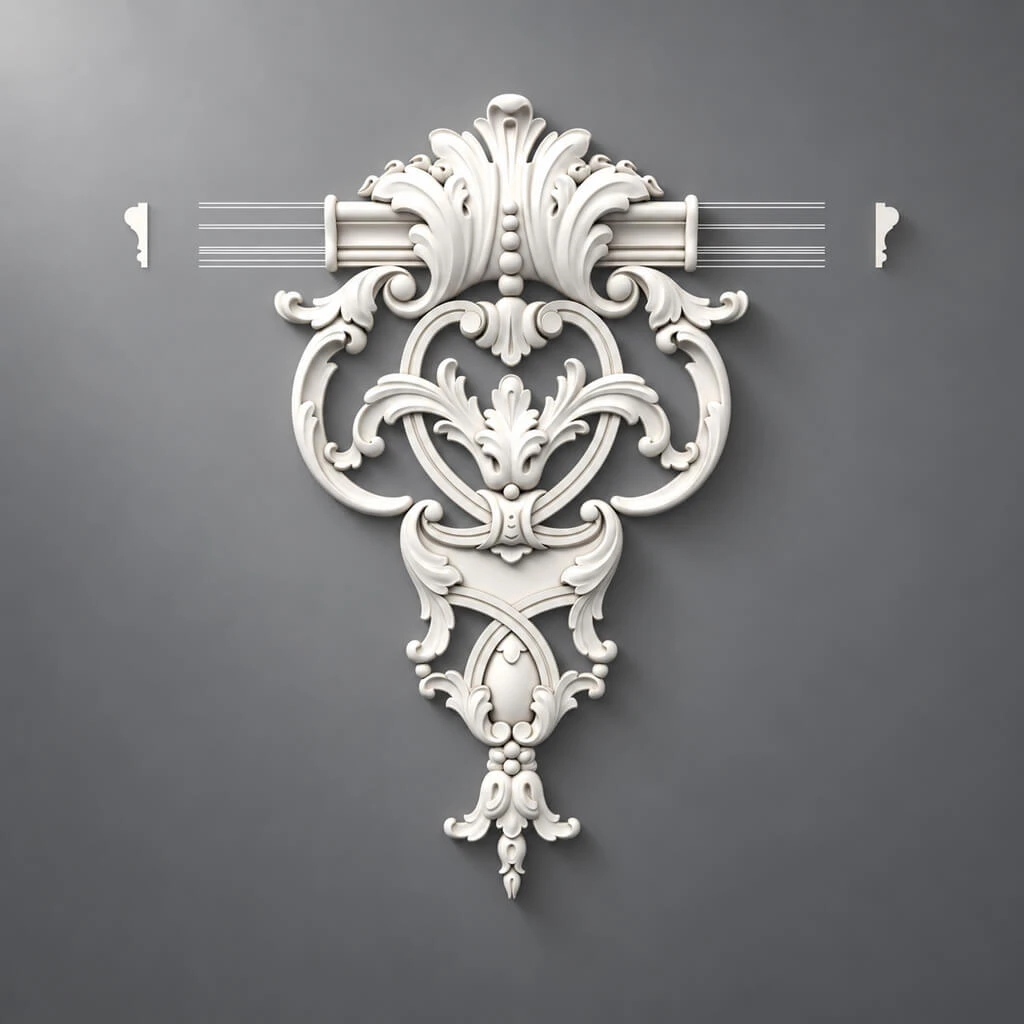
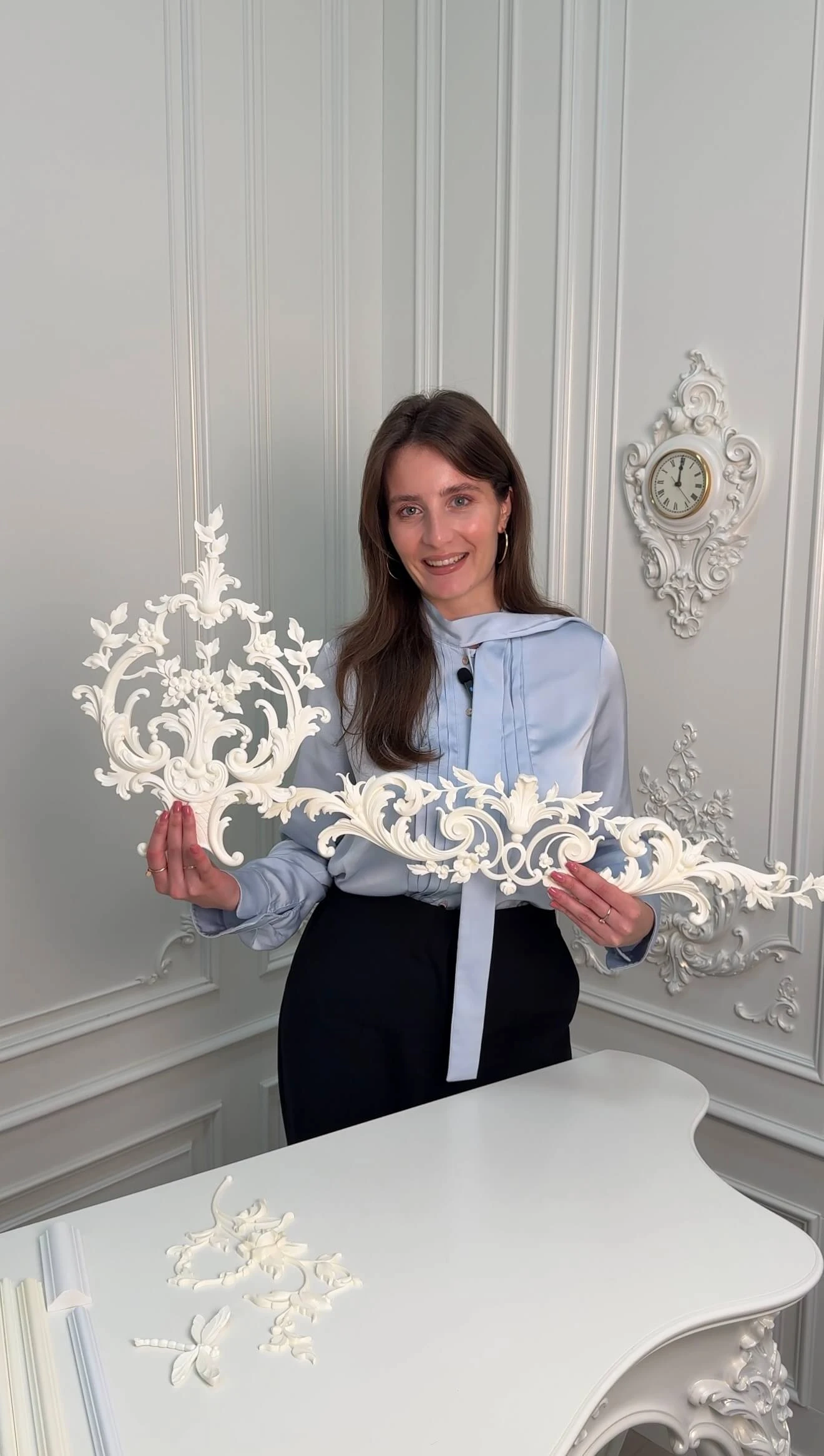
Decorative onlays, also called appliqués, are individual ornamental elements.
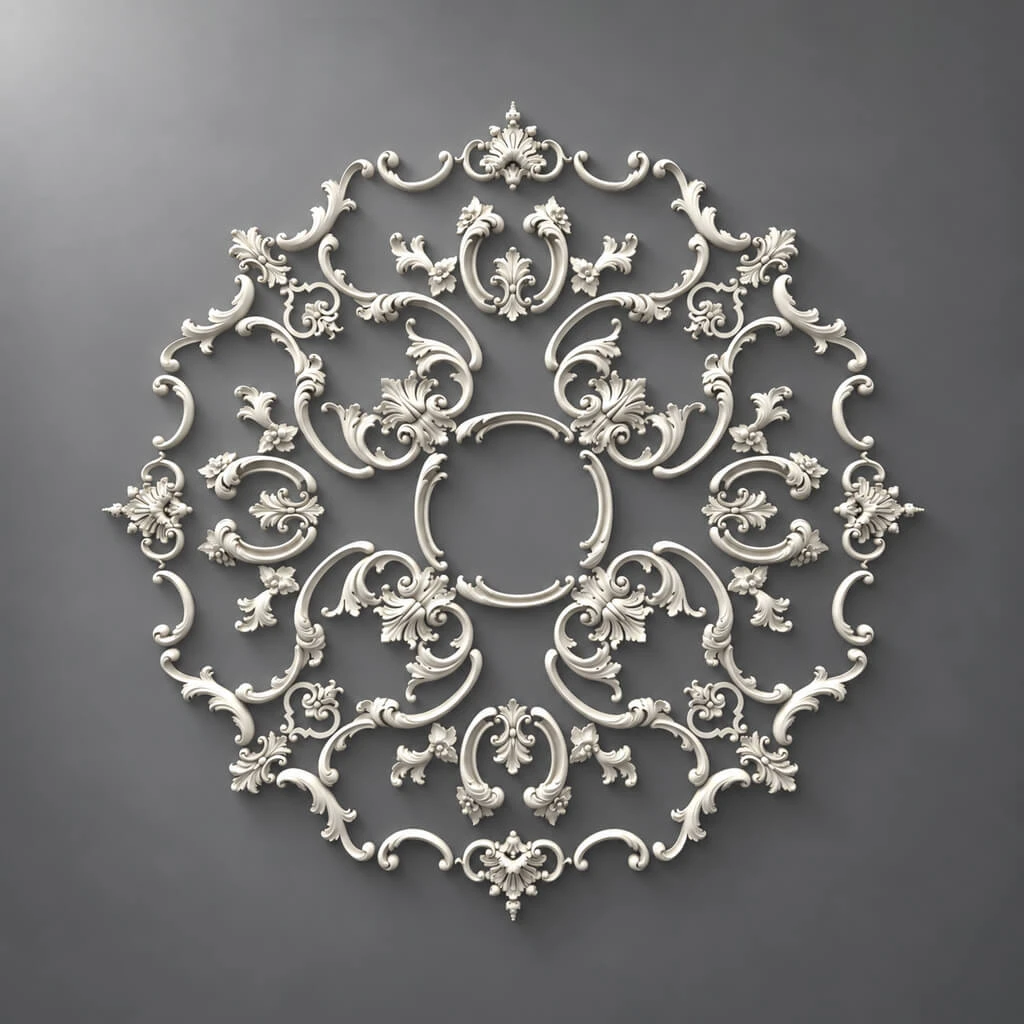
They may feature leaves, scrollwork, rosettes, shells, or other raised patterns.
Unlike linear molding, which establishes the geometry of a frame, an onlay provides a focal accent.
How the Elements Work Together
A coordinated door design may combine all three elements.
The door slab receives decorative panel molding.
An ornamental onlay is positioned inside one of the frames.
The casing surrounding the doorway complements the door's profile and color.
When these elements are proportioned correctly, the door appears integrated into a larger architectural composition.
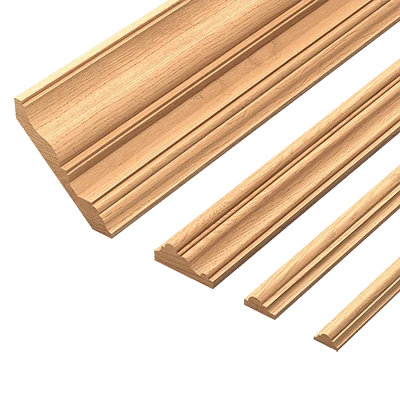
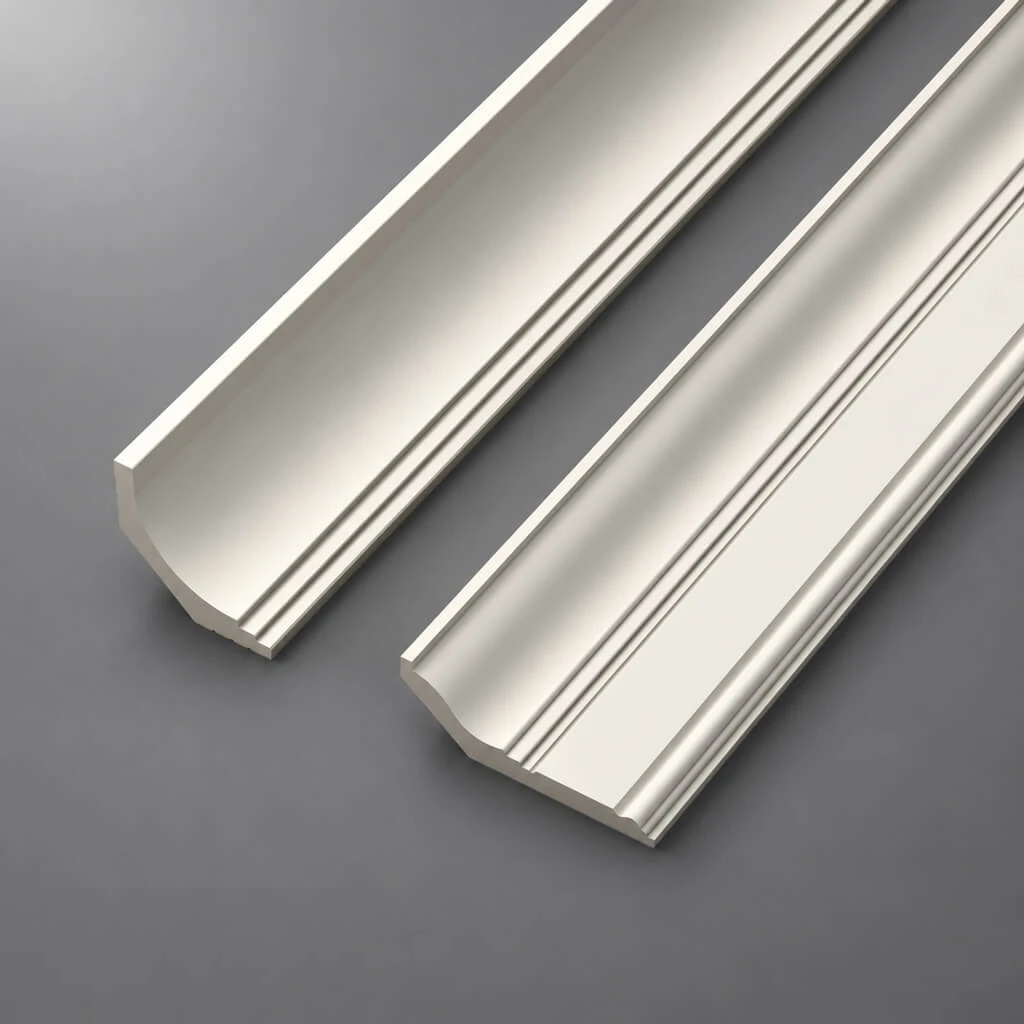
For material selection, compare the STAVROS polyurethane molding profiles with the company's solid wood and MDF architectural trim.
Choosing the Best Material for Interior Door Molding
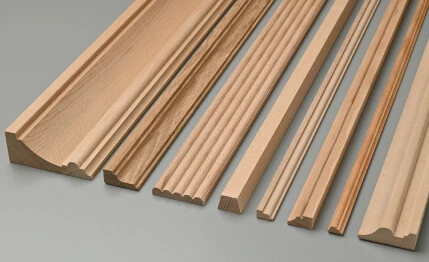
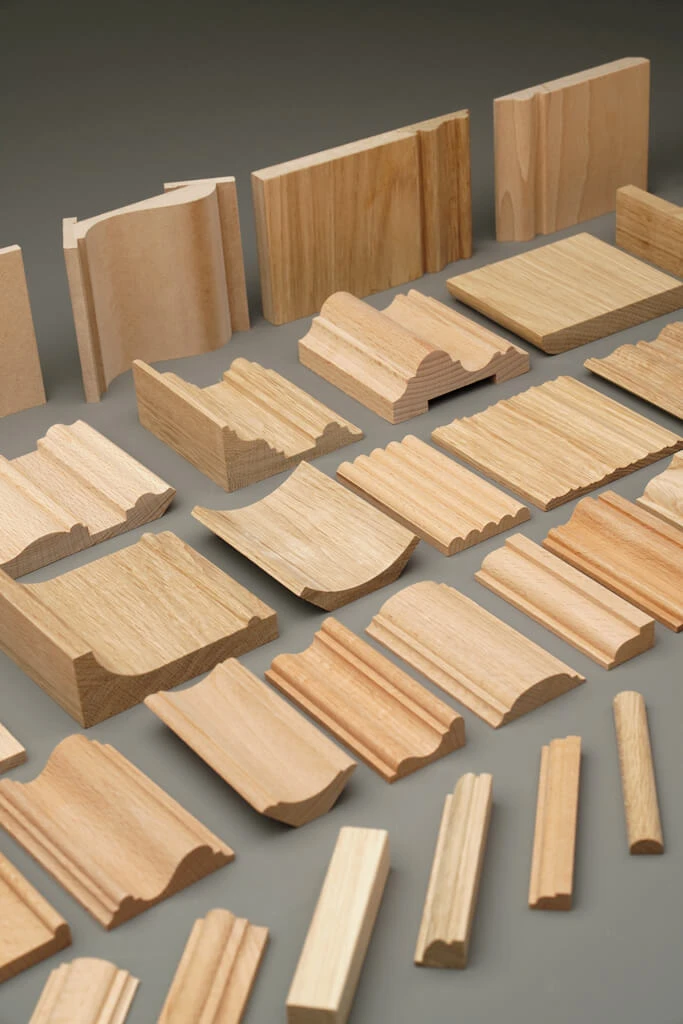
Decorative door molding can be made from wood, polyurethane, MDF, and other suitable manufactured materials.
Each has advantages and limitations.
The best option depends on the desired appearance, door construction, finishing method, and installation requirements.
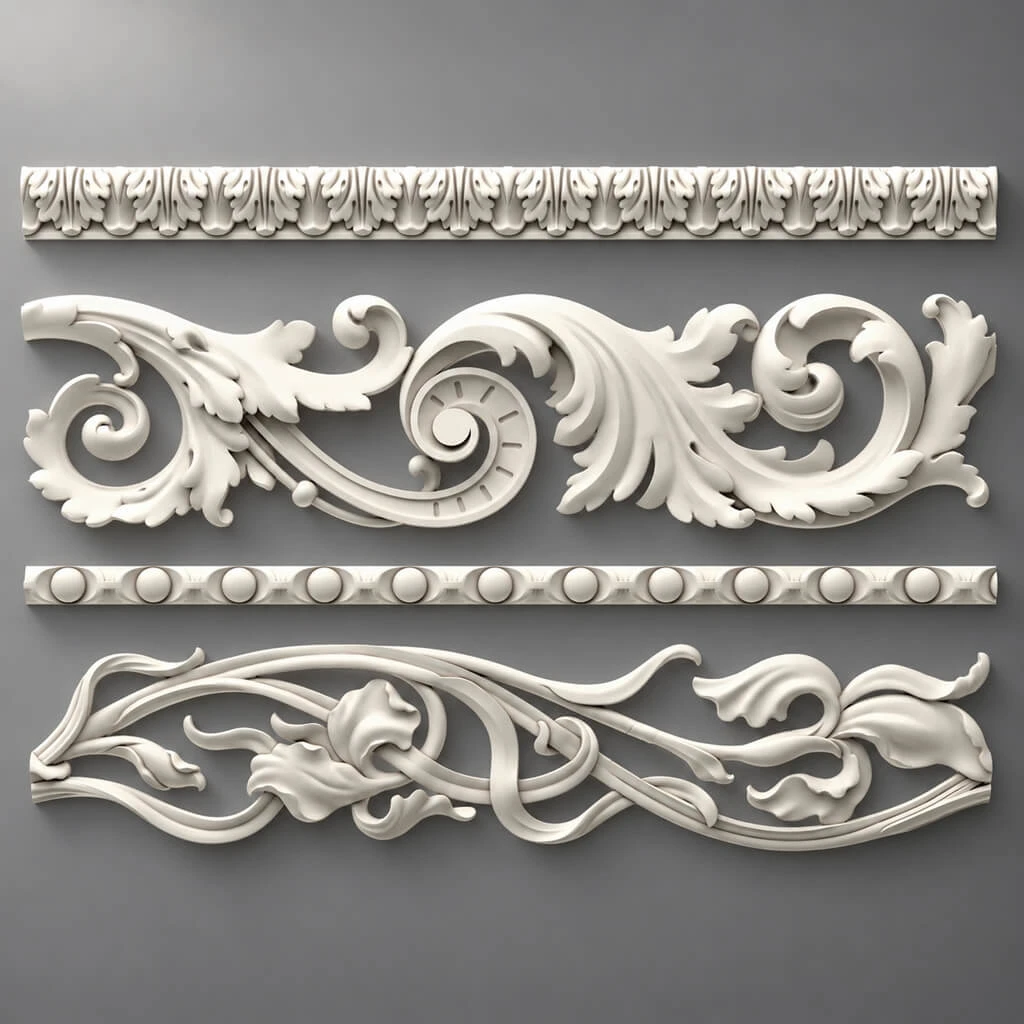
Polyurethane Door Molding
Polyurethane is an engineered polymer used for decorative architectural profiles and molded ornaments.
For flat interior doors, suitable polyurethane molding can provide a crisp, repeated decorative contour with relatively manageable weight.
It is especially interesting when the design requires a paintable profile that can be coordinated with polyurethane wall molding.
Advantages include:
Consistent manufactured profiles
Available narrow and wider decorative contours
Paintable finishes when compatible coatings are used
Detailed molded shapes
Options for coordinating with polyurethane appliqués
However, polyurethane is not one material with one universal set of properties.
A rigid profile should not be forced into a curve, and the selected adhesive and primer must be compatible with the actual product.
For flat doors, profile thickness is particularly important because the molding moves with the door.
A deep profile may interfere with the door frame or nearby wall when the door opens.
Solid Wood Molding
Solid wood is a traditional choice for applied millwork.
It offers natural grain and can be painted, stained, or finished with a clear coating.
This makes it especially appropriate when the room already features solid wood casings, traditional millwork, or exposed wood furniture.
Wood is also a strong option when authentic material character is important.
However, wood responds to changes in humidity and temperature.
The selected species, moisture content, finish, and attachment method should be appropriate for the door and indoor conditions.
STAVROS offers solid wood molding profiles that can be considered for painted or natural wood decorative projects.
MDF Molding
MDF is widely used for paint-grade trim in American interiors.
Its smooth manufactured surface can produce a uniform finish.
For painted door decoration, relatively narrow MDF profiles may be practical where moisture exposure is limited.
However, standard MDF is susceptible to swelling when exposed to water, particularly along unfinished edges.
Cut edges should be properly sealed and primed.
Material Comparison
| Property | Polyurethane | Solid Wood | MDF |
|---|---|---|---|
| Natural wood grain | No | Yes | No |
| Suitable for painted designs | Often | Yes | Yes |
| Ornamental profile options | Extensive | Extensive | Mostly machined profiles |
| Moisture behavior | Formulation-dependent | Expands and contracts | Standard grades can swell |
| Stain-grade finish | Generally unsuitable | Excellent | Generally unsuitable |
| Best application | Decorative painted profiles and onlays | Traditional millwork and stained or painted details | Smooth paint-grade designs |
For a neoclassical white door, either polyurethane or compatible wood molding may produce an attractive result.
For a door intended to retain visible oak grain, solid wood is the more appropriate material.
For a budget-conscious painted design, MDF may be worth comparing.
The most important factors are compatibility, proportions, and finishing quality—not a universal ranking of materials.
10 Interior Door Molding Ideas That Transform Flat Doors
There is no single ideal layout for a decorative door.
The best composition depends on the dimensions of the slab, the room's architectural style, and the position of its hardware.
The following interior door molding ideas provide starting points for different styles.
1. One Large Rectangular Frame
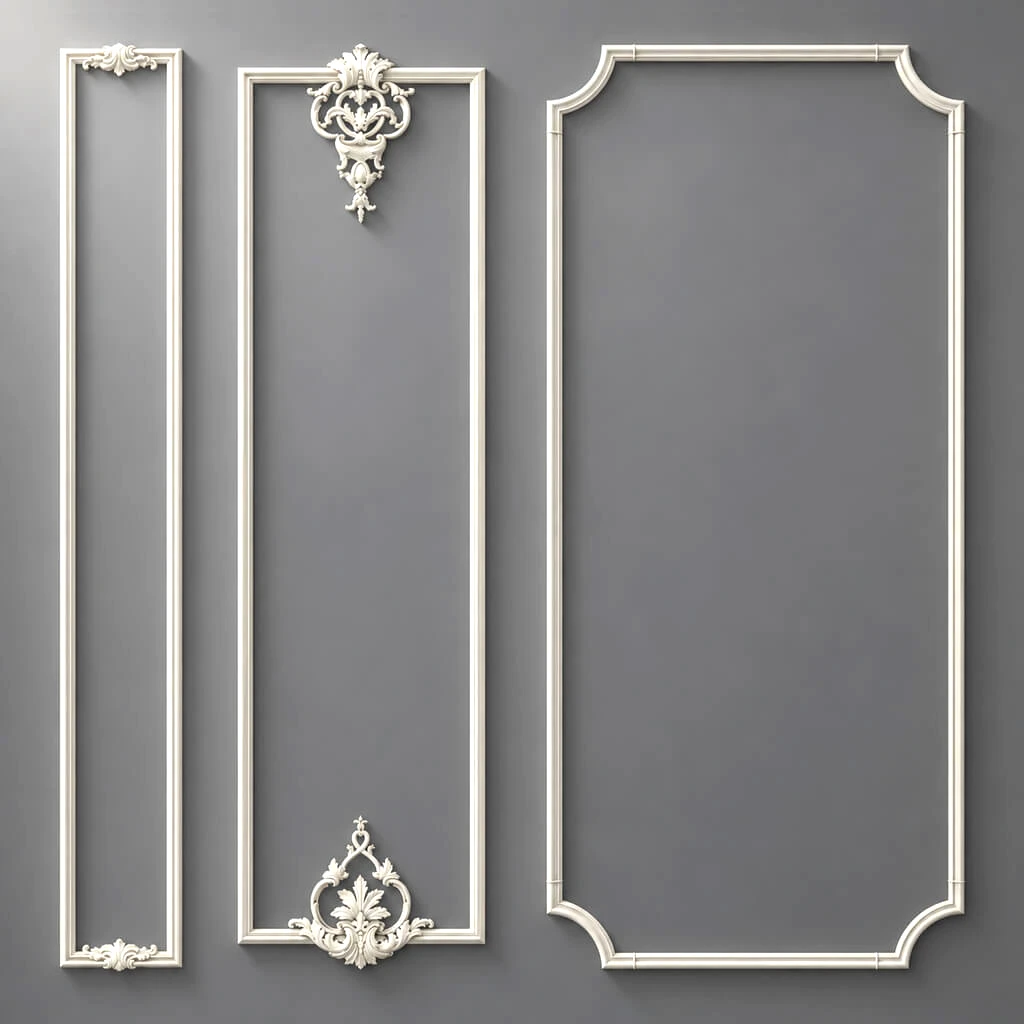
The simplest approach is to install one large rectangular molding frame on the door.
The frame follows the overall shape of the slab, leaving a consistent margin around its perimeter.
This creates a clean architectural outline without dividing the door into multiple sections.
It is particularly effective for contemporary, transitional, and restrained neoclassical interiors.
A narrow profile produces a subtle result.
A broader shaped profile makes the frame more prominent.
For a door painted in one color, the molding becomes visible through shadow rather than color contrast.
2. Traditional Two-Panel Door Molding
A two-panel layout is one of the most versatile ways to transform a flush door.
Two rectangular frames are arranged vertically, one above the other.
The upper and lower sections can be equal or intentionally different in height.
This approach resembles the visual organization of traditional paneled doors.
It works especially well with Shaker-inspired, transitional, farmhouse, and neoclassical interiors.
A two-panel design is also useful when the existing handle sits between the upper and lower decorative sections.
3. Three-Panel Neoclassical Door
A three-panel composition introduces more visual rhythm.
The door may feature a smaller upper panel, a larger central panel, and a lower panel.
This layout can be attractive on taller doors, particularly those measuring 84 or 96 inches high.
The additional horizontal divisions create a more formal appearance.
However, three panels can become visually crowded on a short or narrow slab.
Use a restrained profile and carefully consider the proportions.
4. Two Narrow Vertical Frames
Instead of dividing the door from top to bottom, the design can use two tall, narrow rectangular frames placed side by side.
The arrangement introduces a strong vertical rhythm.
It is particularly suitable for wider doors where the composition has sufficient horizontal space.
A tall, narrow frame layout can also complement modern and Art Deco-inspired interiors.
For standard narrow door slabs, confirm that the resulting frames will not appear too compressed.
5. Shaker-Inspired Door With Flat Trim
Shaker-inspired design emphasizes simple proportions, clean geometry, and restrained detailing.
A flat rectangular molding profile can be used to create a straightforward panel arrangement without elaborate ornamentation.
Paint the molding and door slab in the same color.
The result is understated and architectural.
This approach works well in modern farmhouse interiors, transitional bedrooms, and homes with simple painted cabinetry.
It also coordinates with flat or minimally profiled wall trim.
6. French-Inspired Door With Decorative Onlays
For a more ornamental appearance, combine rectangular molding frames with sculpted appliqués.
A small floral or scrollwork accent can be placed inside the upper panel.
Alternatively, paired corner elements can emphasize the frame's geometry.
This approach works well in traditional, French-inspired, and formal interiors.
The key is to balance ornamentation with negative space.
If the molding profile is already highly decorative, additional appliqués may be unnecessary.
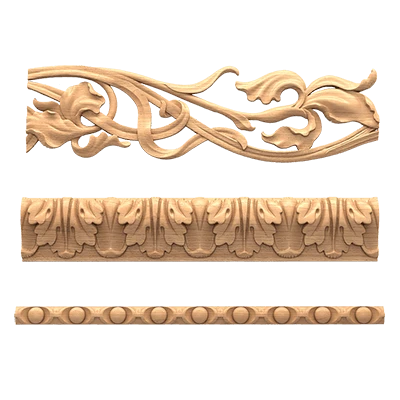
Explore the STAVROS collection of polyurethane decorative onlays and appliqués for examples of ornamental forms.
7. Door Molding With Decorative Corner Rosettes
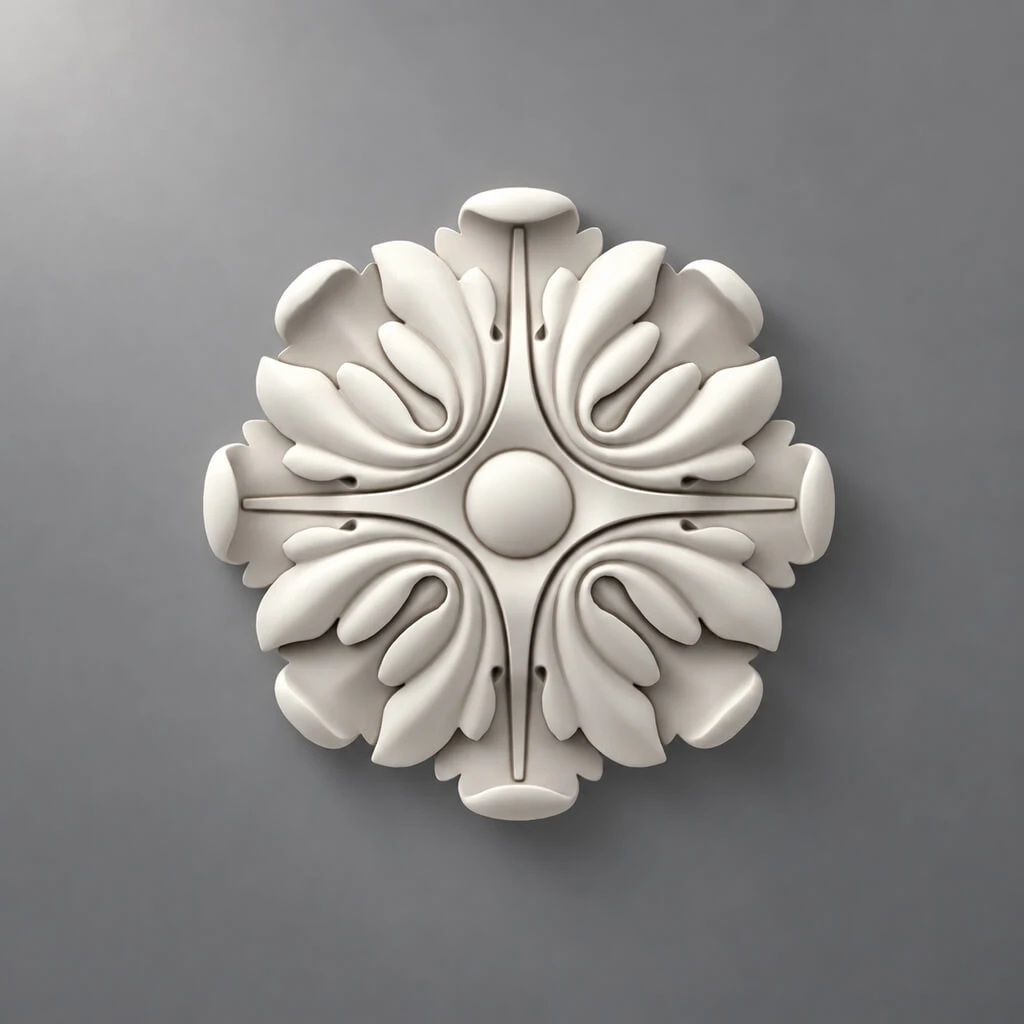
A rectangular frame can be enhanced by small decorative corner blocks or rosettes.
The rosettes act as visual markers where the horizontal and vertical portions of the composition meet.
This technique is associated with traditional decorative joinery and classical millwork.
The corner elements must be selected to fit the width and shape of the molding.
An oversized rosette can overwhelm a narrow frame.
For more traditional designs, compare STAVROS carved wooden rosettes in different shapes and sizes.
8. Tall Door Molding With a Vertical Center Accent
A tall central molding arrangement can make a door feel more formal.
Instead of covering the entire slab with several frames, the design focuses attention on one vertical axis.
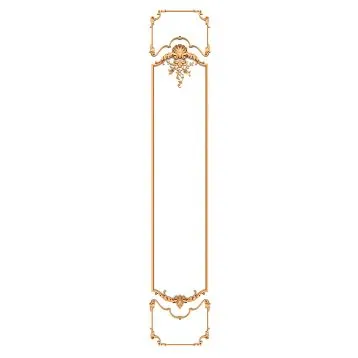
A narrow decorative molding frame may be combined with a carefully selected central appliqué.
This is an effective option for studies, libraries, and formal hallways.
It can also introduce a more distinctive look without requiring extensive ornamentation.
9. Two-Panel Door With Contrasting Molding
Most traditional painted doors use a single color for both the slab and applied molding.
However, contrasting finishes can create a more graphic result.
For example, a dark green door might feature slightly lighter molding.
A warm white door could use a restrained charcoal or muted bronze accent.
This approach can work in eclectic and contemporary interiors where the door is intended to become a decorative feature.
The contrast should be deliberate.
Too many different colors or finishes can make the door appear fragmented.
10. Door Molding That Matches the Wall
One of the most sophisticated options is to paint the door, molding, and surrounding wall in the same color.
The door visually recedes into the wall, while its decorative profiles remain visible through shadows.
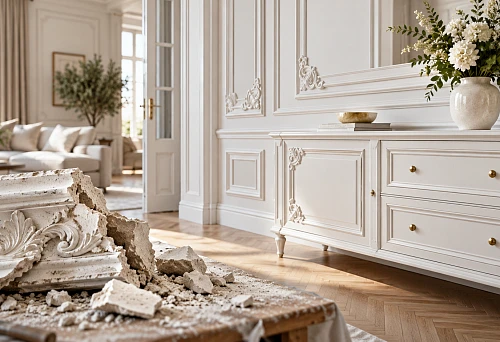
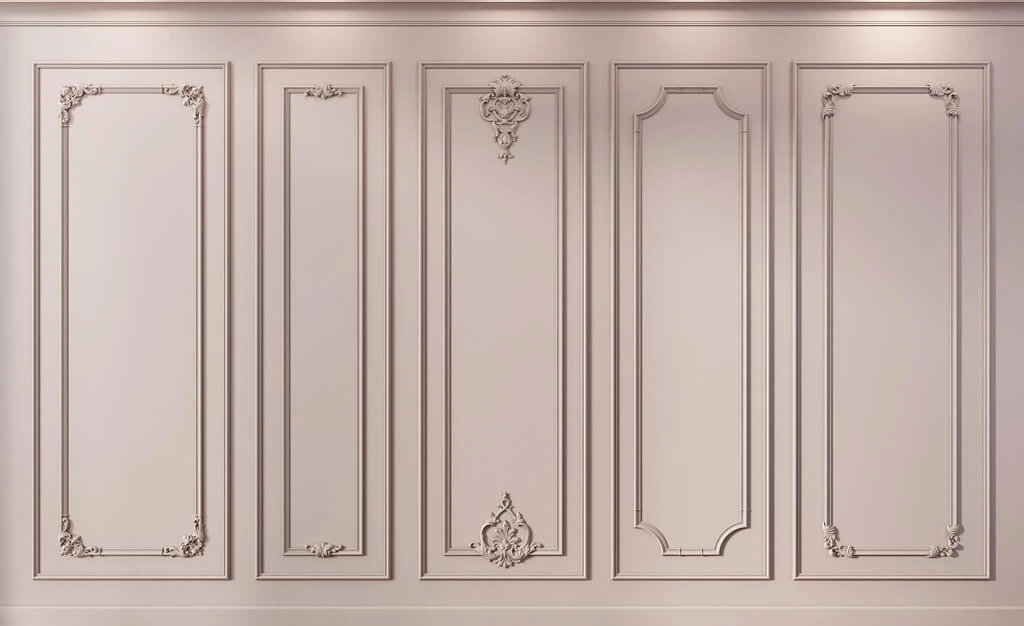
This technique is particularly useful in rooms featuring picture-frame wall molding.
The wall composition can continue onto the door, creating an almost uninterrupted architectural rhythm.
For the strongest effect, coordinate the frame heights, molding widths, and overall proportions.
The goal is not to conceal the door's function, but to make it part of the surrounding design.
How to Design a Neoclassical Interior Door
Neoclassical interior design emphasizes symmetry, proportion, and architectural restraint.
These principles make it particularly suitable for applied molding.
A neoclassical door does not necessarily require elaborate carved ornamentation.
Often, two carefully proportioned frames and a uniform paint finish are enough.
Start With the Door's Overall Geometry
Measure the slab before selecting the molding.
A standard American interior door is often 80 inches high, but widths vary.
Common widths include 24, 28, 30, 32, and 36 inches.
The decorative composition should relate to the actual size rather than a generic drawing.
For a narrow door, a single frame or two stacked panels may be preferable.
A wider slab offers more room for elaborate arrangements.
Keep the Margins Consistent
One of the most noticeable signs of poor workmanship is inconsistent spacing.
Measure from the same reference edges and establish the frame locations before cutting material.
A perimeter margin of approximately 2.5–4 inches may provide a useful starting point on many standard doors.
However, this is a design guideline, not a universal requirement.
The proper spacing depends on the door width, trim profile, hardware, and desired composition.
Coordinate With the Door Casing
The casing around the doorway has its own profile and visual weight.
A highly ornate casing paired with very plain applied molding can look inconsistent.
Conversely, a broad decorative door profile may compete with a narrow, minimalist casing.
The details do not need to be identical, but they should share a compatible architectural character.
For related ideas, see the STAVROS guide to wooden door casings for interior doors.
How Wide Should Door Panel Molding Be?
Molding width changes the perceived scale of the door.
A narrow profile creates a fine decorative outline.
A medium-width profile produces a more pronounced panel effect.
A wide profile makes the molding itself a central design feature.
Suggested Starting Points
| Door Width | Molding Face Width to Consider | Visual Character |
|---|---|---|
| 24–28 inches | Approximately 3/8–3/4 inch | Delicate and restrained |
| 30–32 inches | Approximately 1/2–1 inch | Balanced decorative framing |
| 34–36 inches | Approximately 3/4–1 3/8 inches | Stronger architectural presence |
These are suggested design ranges rather than manufacturing standards.
Profile shape also matters.
A 7/8-inch molding with a rounded center may appear softer than a flat profile of the same width.
A stepped or deeply contoured molding may produce stronger shadows.
Why Profile Thickness Matters
Face width determines how much of the door surface the molding occupies.
Projection determines how far it protrudes from the door.
For a functioning interior door, projection can be critical.
A profile that fits visually may still contact the jamb, wall, or adjacent trim during the door swing.
Before purchasing, temporarily position a sample on the door and open it through its full range.
Pay special attention to the hinge side and the available clearance near the door stop.
How to Measure a Flat Door for Molding
Accurate measurement is the foundation of a professional result.
Before selecting a layout, record the door's actual width and height.
Do not rely on its nominal size.
Also measure the handle position and check the distance between the door face and surrounding frame.
Example: A 30 × 80-Inch Interior Door
Consider a flat door slab measuring 30 inches wide and 80 inches high.
For a two-panel design, one possible layout uses:
3.5-inch side margins
A 6-inch top margin
An upper rectangular frame 23 inches wide × 33 inches high
A 7-inch gap between the frames
A lower frame 23 inches wide × 22 inches high
A 12-inch bottom margin
The vertical dimensions add up to 80 inches.
This arrangement places the gap between the frames in an area that may accommodate the handle hardware on some doors.
However, hardware positions vary.
Treat this as an illustrative layout and adjust the dimensions to the actual door.
Measuring the Handle Clearance
Before finalizing the layout, identify the entire footprint of the hardware.
Include the rosette or backplate, lever movement, latch hardware, and any nearby fasteners.
A rectangular molding frame should not intersect the handle assembly.
It is also important to consider future hardware replacement.
A design that leaves too little clearance may make it difficult to install a different handle later.
Marking the Frame
Use a tape measure, square, and pencil to mark the proposed outer edges of each molding frame.
Check that the opposite sides are parallel.
Measure both diagonals of each rectangle.
If the diagonal measurements match, the frame is square.
Use low-tack painter's tape to create a full-size outline and evaluate the appearance before making the final cuts.
How Much Molding Do You Need for a Door?
A decorative layout requires more than estimating the door's perimeter.
Each rectangular frame contains four separate pieces.
The number of frames, their dimensions, and the cutting method determine the material requirement.
Calculate the Length of One Frame
For a rectangular frame, use:
Molding length = 2 × (frame width + frame height)
For the example upper frame:
2 × (23 + 33) = 112 inches
For the lower frame:
2 × (23 + 22) = 90 inches
The total nominal requirement is:
112 + 90 = 202 inches
That equals approximately 16 feet 10 inches of molding.
These dimensions assume the frame sizes are measured consistently to the outer long points of the mitered pieces.
Account for Stock Lengths and Cutting Waste
STAVROS polyurethane molding profiles in the MLDPU collection are commonly supplied in 2,600 mm lengths.
One piece is approximately 102.36 inches, or 8.53 feet.
Two full pieces provide only slightly more than 202 inches before accounting for cutting losses and fitting.
Therefore, ordering only two lengths would be impractical for the example.
Three full lengths provide a more workable allowance, subject to the final cutting plan.
Always prepare a piece-by-piece cut list.
The total linear footage alone does not guarantee that all required lengths can be cut efficiently from the available stock.
How to Add Molding to a Flat Door: Step-by-Step DIY Installation
The following process applies to ordinary non-fire-rated interior doors where the proposed materials and installation method are suitable.
The manufacturer's instructions for the molding, adhesive, primer, and paint take priority over general guidance.
Tools and Materials
For a typical decorative door makeover, you may need:
Polyurethane, wood, or MDF molding
Tape measure
Pencil
Combination or framing square
Level
Low-tack painter's tape
Fine-tooth saw and miter box, or a suitable miter saw
Compatible construction adhesive
Manufacturer-approved filler
Fine-grit sandpaper
Appropriate primer
Interior door and trim paint
Small paintbrush or foam roller
Protective equipment
Additional tools may be necessary depending on the selected material and installation method.
Step 1: Inspect the Door
Confirm that the slab is flat, stable, and free from damage that would affect the finished result.
Check that the door opens and closes correctly.
If it rubs against the frame, correct the issue first.
Also determine whether the door has a special fire, security, or other performance rating.
If modification is not approved, do not proceed.
Step 2: Check the Existing Finish
Painted wood, MDF, veneer, and laminate surfaces can behave differently when exposed to adhesives and primers.
Clean a small test area and follow the adhesive manufacturer's requirements for the specific surface.
Some glossy or low-energy factory coatings are difficult to bond.
Do not assume that standard construction adhesive will work equally well on every door finish.
If the door was painted in a home built before 1978, evaluate the risk of lead-based paint before sanding or disturbing the coating.
Step 3: Remove or Protect the Hardware
Remove the handle or protect it carefully before painting and installation.
Keep all hardware components organized for reassembly.
If the door has a closer, specialty latch, or other regulated hardware, do not modify the assembly without appropriate guidance.
Step 4: Draw the Complete Layout
Transfer the approved design onto the door.
Mark the centerline, perimeter margins, frame dimensions, and hardware clearances.
Use a square to establish accurate corners.
Check both the left and right margins.
The layout should be confirmed before cutting any material.
Step 5: Cut the Molding
For conventional rectangular frames with square corners, mitered 45-degree cuts are a common solution.
Cut each piece according to the approved measurements.
When measuring a mitered frame, use a consistent reference such as the outer long point of each cut.
Label the pieces to avoid confusing similar lengths.
Test the saw settings on scrap material before cutting the final profiles.
Step 6: Dry-Fit the Frames
Position all molding pieces on the door without adhesive.
Check that the miters meet correctly.
Inspect the spacing and overall composition.
Open and close the door carefully to confirm that the proposed molding does not interfere with the frame, wall, or hardware.
This is the best opportunity to correct errors without damaging the door finish.
Step 7: Prepare the Bonding Surfaces
Clean the molding and door according to the adhesive manufacturer's instructions.
Some products require lightly abrading the existing coating.
Others need a specialized primer or surface treatment.
Do not use aggressive solvents on polyurethane or factory-finished surfaces without confirmed compatibility.
Allow the preparation materials to dry or cure as required.
Step 8: Apply the Adhesive
Use an adhesive approved for both the molding and the door surface.
Apply the recommended amount to the appropriate bonding surfaces.
Too little adhesive can produce an unreliable bond.
Too much adhesive may squeeze out around the edges or create an uneven installation.
For hollow-core doors, avoid relying on ordinary finish nails driven into unsupported portions of the thin outer skin.
If mechanical fastening is proposed, it must be appropriate for the door construction and approved installation method.
Step 9: Position and Hold the Molding
Carefully align each piece with the marked layout.
Press it into position according to the adhesive instructions.
Use suitable low-tack tape or other approved temporary holding methods while the adhesive cures.
Avoid excessive clamping pressure that could damage a thin door skin or deform the molding.
Do not assume that every adhesive reaches full strength after exactly 24 hours.
Follow its stated working and curing times.
Step 10: Fill the Joints
After the molding is securely attached, inspect the miter joints and perimeter.
Use a compatible paintable filler or caulk where appropriate.
Different materials may require different joint-treatment products.
For example, a wood filler intended for solid wood is not automatically the best choice for polyurethane trim.
Apply the minimum amount necessary for a clean appearance.
Avoid obscuring delicate decorative contours.
Step 11: Prime the Door and Molding
The primer must be compatible with the door's existing finish and the applied molding.
For a previously painted door, the correct preparation depends on the coating's condition and chemistry.
Bare wood or exposed MDF edges may require additional sealing.
Apply the recommended primer and allow it to cure.
A consistent primed surface helps reduce differences in paint appearance between the door and its applied details.
Step 12: Paint the Finished Door
Apply a durable interior paint suitable for doors and trim.
Use thin, even coats.
Paint the detailed molding carefully before finishing the larger flat areas.
Avoid excessive paint buildup along miter joints and raised edges.
Allow the paint to cure sufficiently before returning the door to regular use.
A surface may feel dry while the coating has not yet developed its full resistance to sticking, marking, or abrasion.
Reinstall the hardware and check the door's operation.
The result should appear as one coordinated architectural surface.
How to Paint a Door With Applied Molding
The quality of the paint finish can determine whether the project looks like a carefully manufactured paneled door or an improvised decorative upgrade.
Choose the Right Sheen
Common paint finishes include matte, satin, semi-gloss, and gloss.
For a traditional interior door, satin or semi-gloss may offer a practical balance between appearance and cleanability.
Matte finishes can look elegant but may be less suitable for frequently handled surfaces unless the particular coating is designed for such use.
Gloss finishes emphasize detail but can also reveal surface imperfections.
Select a coating specifically suitable for doors and trim rather than relying on ordinary wall paint.
Paint the Molding and Door Together
For a unified paneled effect, paint the entire slab and applied molding in one color.
This helps the different materials read as a single composition.
A consistent color also allows shadows to define the profile.
In many neoclassical interiors, this is more effective than using a contrasting color for every raised edge.
Consider Warm White and Off-White
Warm white, ivory, and soft neutral tones can complement traditional door casings and baseboards.
These colors work well with oak flooring, brass hardware, warm gray walls, and other classic finishes.
For contemporary interiors, a deeper neutral or muted color can create a more distinctive effect.
Test the Color in the Room
Paint colors respond differently to natural and artificial light.
A warm white may look neutral during the day but slightly yellow under certain lamps.
A gray-green or blue-gray door can change significantly between morning and evening.
Test the color beside the existing wall and trim finishes before painting the full slab.
Matching Door Molding With Walls, Baseboards, and Casings
A successful door makeover should be considered part of a larger interior composition.
The applied molding may be attractive on its own, but the finished room will look more intentional when its architectural details are coordinated.
Coordinate the Profile Shapes
A door with traditional rounded or stepped molding may work well beside similarly detailed wall frames.
A geometric flat-profile door usually coordinates better with simple contemporary wall trim.
Profiles do not need to match exactly.
They should, however, share a related level of ornamentation and visual weight.
Repeat the Architectural Rhythm
When a wall contains decorative rectangular frames, consider aligning the door's panel heights with nearby horizontal divisions.
For example, the top of an applied lower door panel may correspond with an established wall molding line.
Such alignments create subtle continuity.
Use Consistent Paint Colors
One approach is to paint the door, casing, and baseboards in the same color.
Another is to paint the door and wall in one color while retaining a contrasting casing.
Both can work.
The important decision is which elements should visually connect and which should stand apart.
For more ideas about architectural continuity, explore STAVROS polyurethane wall moldings and decorative profiles.
Updating an Old Interior Door Without Replacing It
Adding molding is only one way to refresh an existing door.
For a more complete makeover, consider several related elements.
Repaint the Door Slab
An outdated or discolored finish can make even a good door look tired.
A carefully prepared and repainted slab may provide a substantial visual improvement.
The surface condition determines whether painting alone is sufficient.
Replace the Door Handle
Hardware influences the appearance of the entire door.
For a traditional door, a restrained brass or bronze finish may complement raised molding.
For a contemporary door, simple black, stainless steel, or other understated hardware may be more appropriate.
Ensure that the replacement hardware is compatible with the existing door preparation and functions correctly.
Update the Door Casing
If the existing casing is damaged or inconsistent with the desired style, replacing it may help complete the renovation.
This is a separate project from decorating the slab.
It involves the surrounding wall opening rather than the moving door surface.
Add a Decorative Onlay
A small ornamental detail can strengthen a classical composition.
For example, a floral appliqué in the center of an upper panel may provide enough decoration without making the entire door ornate.
Coordinate With Baseboards
Baseboards, casings, and door panels define different architectural edges.
When their proportions and finishes work together, the room feels more consistent.
Consider the entire trim system before purchasing individual components.
Polyurethane and Wooden Door Molding From STAVROS
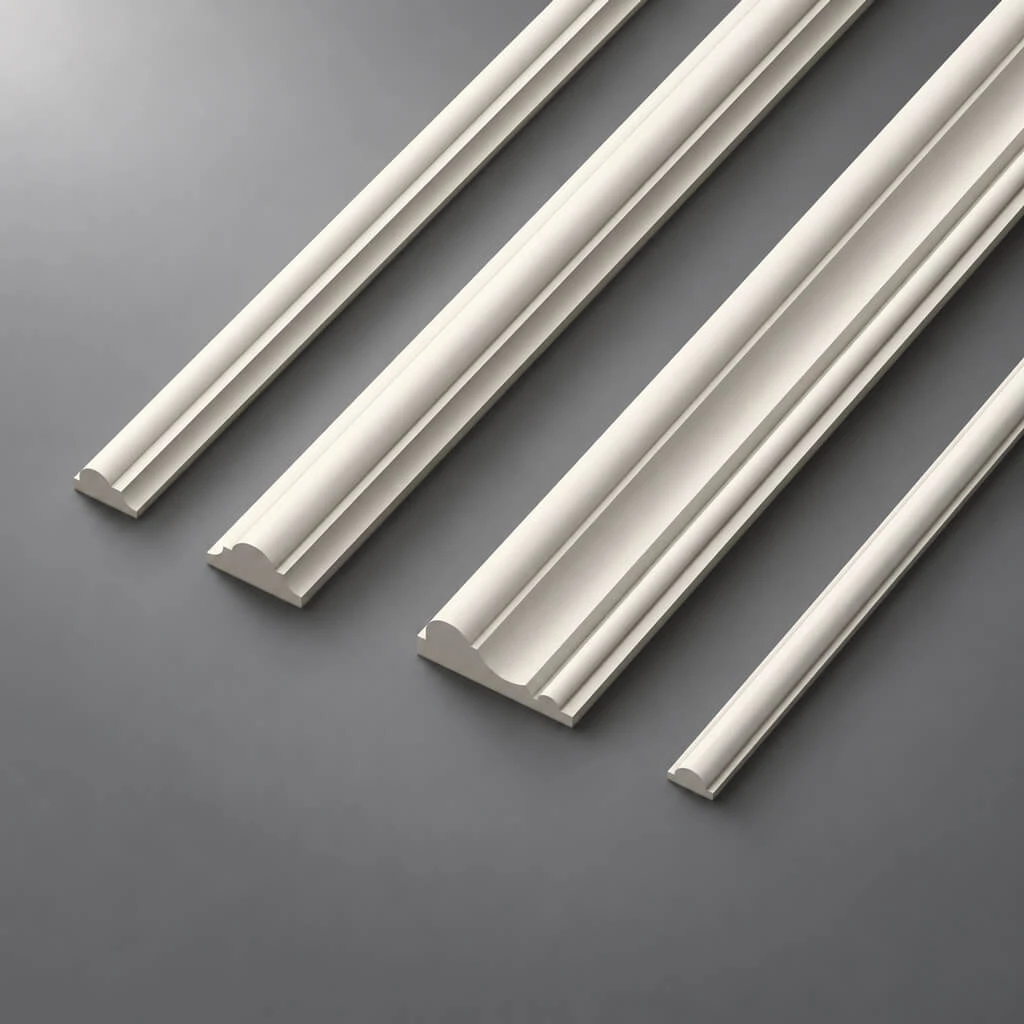
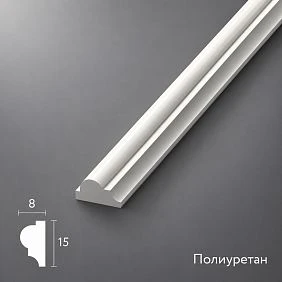
The STAVROS catalog includes both polyurethane and solid wood architectural details that can be evaluated for decorative door projects.
Different profiles serve different design goals.
For flat interior doors, the primary considerations are face width, thickness, overall proportions, and compatibility with the door finish and installation method.
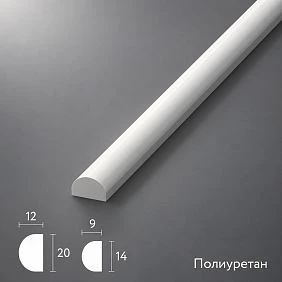
STAVROS MLDPU-001: Narrow Polyurethane Molding
Explore STAVROS MLDPU-001 polyurethane molding
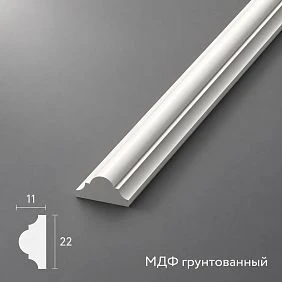
This profile measures approximately 0.39 inch wide × 0.24 inch thick, with a length of 102.36 inches.
Its narrow rounded contour is suitable for evaluating delicate decorative frames.
It may be particularly appealing for smaller door slabs or restrained contemporary compositions.
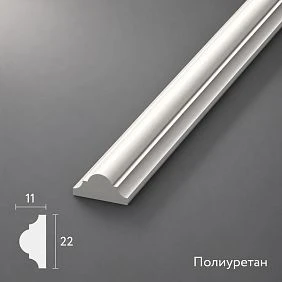
STAVROS MLDPU-002: A Defined Decorative Frame
View STAVROS MLDPU-002 polyurethane molding
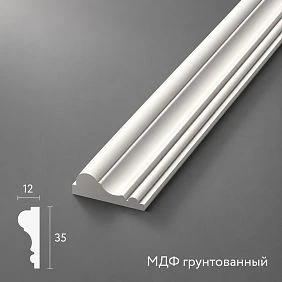
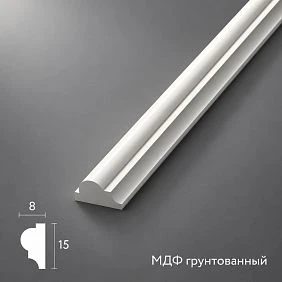
MLDPU-002 measures approximately 0.87 inch wide × 0.43 inch thick, with a length of 102.36 inches.
The profile features a rounded central detail and shaped edges.
It creates a more pronounced decorative outline than the narrow MLDPU-001.
This makes it an option to compare for traditional and neoclassical painted door designs.
Before selecting it, verify that its projection will not interfere with the door's movement or hardware.
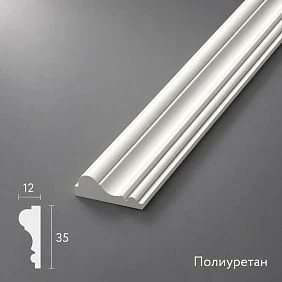
STAVROS MLDPU-003: A Broad Architectural Profile
Explore STAVROS MLDPU-003 polyurethane molding
This wider profile measures approximately 1.38 inches wide × 0.47 inch thick, with a length of 102.36 inches.
Its broader contour can produce a stronger architectural statement.
It may suit a larger door slab or a composition designed around substantial decorative frames.
Because a wide profile occupies more of the door's surface, the inner panel dimensions must be calculated carefully.
STAVROS MLD-019: Solid Wood Molding
View STAVROS wooden molding MLD-019
MLD-019 is a solid wood decorative molding profile.
It can be considered for projects where wood is preferred over synthetic trim.
For stained or natural-finish designs, wood provides a material appearance that polyurethane does not reproduce directly.
The selected dimensions, species, finish, and installation method should be confirmed before ordering.
STAVROS NPU-300: Compact Polyurethane Onlay
Explore STAVROS NPU-300 decorative appliqué
NPU-300 is a compact polyurethane ornament measuring approximately 2.17 × 3.50 × 0.31 inches.
Its small vertical format may be useful as a carefully positioned central accent inside a decorative door panel.
The ornamental scale is more restrained than that of a large carved centerpiece.
STAVROS N-498: Carved Wooden Onlay
Explore STAVROS N-498 carved wooden decoration
N-498 is a carved wooden ornament featuring a vertical botanical composition.
One listed size measures approximately 1.61 × 12.09 × 0.43 inches.
Its elongated silhouette makes it worth considering for formal, traditional, or classical door-panel compositions.
Because it is made from solid wood, its finishing and attachment requirements differ from those of polyurethane ornaments.
How to Select the Right Combination
For a restrained door makeover, one molding profile may be enough.
For a traditional neoclassical design, a moderately sized molding can be combined with one small central ornament.
For a more elaborate classical door, a broader molding and carved decorative details may be appropriate.
However, adding more ornamentation does not automatically improve the design.
The composition should remain proportionate to the door and surrounding architecture.
Explore the STAVROS polyurethane decorative onlays collection and solid wood trim catalog to compare materials and design options.
Product availability, finish options, and shipping arrangements should be confirmed for the intended destination.
Common Mistakes When Adding Molding to Interior Doors
A decorative door makeover can be straightforward, but several mistakes can compromise the finished appearance or the door's function.
1. Installing Without a Complete Layout
Guessing at frame positions often creates uneven margins and distorted proportions.
Mark the entire composition before cutting or attaching molding.
2. Choosing an Oversized Profile
A wide profile may look attractive in isolation but overwhelm a narrow door.
Compare its face width and depth with the slab dimensions.
3. Ignoring the Door Handle
Molding should not cross the handle's mounting area or interfere with lever movement.
Mark all hardware locations before designing the frames.
4. Forgetting the Door Swing
The molding moves with the door.
A deep profile installed too close to the hinge side may contact the jamb or surrounding wall.
Test the clearance with a full-size sample.
5. Using an Incompatible Adhesive
Not every construction adhesive bonds effectively to every door finish or molding material.
Check compatibility and test when necessary.
6. Driving Nails Into a Hollow-Core Door
A hollow-core door may have a thin outer skin with limited material behind it.
Ordinary nails may fail to obtain sufficient grip.
Use an appropriate attachment method for the door construction.
7. Using Wood Filler on Every Material
Joint treatments must be compatible with the molding.
A filler developed for wood may not be ideal for polyurethane or other polymers.
8. Ignoring the Existing Surface Finish
Glossy paint, plastic laminate, and factory-applied finishes may require specialized preparation.
Improper bonding can cause the trim to detach over time.
9. Combining Too Many Ornamental Styles
A heavily carved Baroque appliqué may not complement a minimalist door profile.
Choose decorative elements that share a coherent architectural language.
10. Painting Before the Adhesive and Filler Are Ready
Rushing the finishing process can lead to visible joints, poor coating adhesion, or movement between components.
Respect the curing requirements of the installation products.
11. Assuming Every Door Can Be Modified
Fire-rated, security, and other regulated doors may have restrictions on surface modifications.
Verify whether the proposed changes are permitted before starting.
12. Replacing Door Function With Decoration
A beautiful door must still open, close, latch, and operate safely.
Never sacrifice those functions for visual appearance.
Frequently Asked Questions About Interior Door Molding
Can you add molding to a flat interior door?
Yes, many ordinary flat interior doors can be upgraded with compatible applied molding.
The door must be structurally sound, the attachment method appropriate, and the finished design clear of hardware and operating surfaces.
Fire-rated and other regulated doors require special approval before modification.
What type of molding is best for flat doors?
The answer depends on the intended appearance and door construction.
Polyurethane can provide detailed paintable profiles.
Solid wood is appropriate for natural or traditional millwork.
MDF can be useful for simple painted designs.
Profile thickness and installation compatibility are especially important.
Can you add molding to a hollow-core door?
Often, yes, provided the door is suitable for modification.
Because hollow-core doors have relatively thin skins, adhesive-based installation may be appropriate for some lightweight decorative products.
Avoid relying on unsupported nails or screws in the hollow areas.
Will door molding make a hollow-core door look like a solid wood door?
Applied molding can create the visual impression of a paneled door.
However, it does not change the internal construction, weight, acoustic properties, or structural performance of the original slab.
It is an aesthetic upgrade rather than a structural conversion.
How wide should molding be on a 30-inch door?
A molding face width of approximately 1/2–1 inch can be a useful design starting point.
The best choice depends on whether the door uses one large frame, two stacked panels, or another composition.
The profile's projection and the door's operating clearance must also be considered.
What is the easiest interior door molding design?
A single rectangular frame is generally one of the simplest layouts.
It requires four molding pieces and a straightforward set of measurements.
A two-panel arrangement is another practical option and can create a more traditional appearance.
Should the door and molding be painted the same color?
For a cohesive paneled appearance, painting the molding and door slab in the same color is often effective.
Contrasting finishes can also work when they are intentional and compatible with the room's design.
Can I add decorative appliqués to a door?
Yes, suitable decorative onlays can create a focal point inside or around applied molding frames.
Polyurethane and carved wood options are available.
Choose a size and relief depth that will not interfere with the door's operation.
Can door molding match the wall molding?
Yes. Coordinated profiles can create a unified architectural composition.
A door painted the same color as its surrounding wall may become visually integrated with nearby picture-frame molding.
Can I add molding to a laminate door?
Possibly, but laminate and other factory-finished surfaces can be difficult to bond.
The selected adhesive and surface preparation must be suitable for the actual finish.
Test the system before committing to the complete project.
How much molding do I need for a two-panel door?
Calculate the perimeter of both rectangular frames.
Add the lengths, then prepare a cutting plan based on the available stock lengths.
Allow for miter cuts, fitting, and mistakes.
Should I remove the door before adding molding?
Removing the door can make measuring, cutting, and painting more convenient.
However, some projects can be completed with the door in place.
The decision depends on available working space, door weight, hardware, and the chosen installation method.
Ensure that the door is supported safely during any work.
How long does a door molding makeover take?
The hands-on work may be completed relatively quickly for a simple design.
However, total project time depends on surface preparation, adhesive curing, filler drying, primer, painting, and final coating cure.
A project should not be treated as complete until the door can operate normally without damaging the new finish.
Can you add molding to a fire-rated door?
Do not add molding to a fire-rated door without confirming that the modification is permitted.
A fire-rated door forms part of a tested and certified assembly.
Unapproved surface additions can affect its fire-performance classification.
Is it cheaper to add molding or buy a new paneled door?
Adding molding may be less expensive when the existing door is in good condition and only its appearance needs updating.
However, the total cost depends on the selected profiles, finishing products, labor, and existing surface condition.
A severely damaged door or a project requiring extensive repairs may justify replacement.
Final Thoughts: Give an Ordinary Door Architectural Character
A flat interior door does not always need to be replaced to become an attractive part of a carefully designed room.
With accurate measurements, appropriate materials, and thoughtful proportions, adding molding to a flat door can transform its appearance while preserving the existing door slab and frame.
The most effective designs do not depend on excessive ornamentation.
A simple rectangular frame may be enough for a contemporary room.
Two carefully proportioned panels can introduce a traditional architectural character.
Decorative onlays, carved wooden accents, and coordinated door casings can create a more elaborate composition when the surrounding interior calls for it.
The essential principle is consistency.
The door should relate to the walls, baseboards, casing, furniture, and overall architectural style.
Material selection matters as well.
Polyurethane provides molded decorative profiles and appliqués. Solid wood offers natural grain and traditional craftsmanship. MDF supplies another paint-grade option for suitable projects.
Choose according to the actual door, desired finish, and installation requirements.
Above all, preserve the door's safe and reliable operation.
A successful makeover should improve the appearance of the room without compromising the function of one of its most frequently used architectural elements.
Discover the STAVROS collection of polyurethane molding profiles, explore decorative polyurethane appliqués, and compare solid wood architectural trim to plan a door design that feels intentional, balanced, and integrated with your home.
A well-designed door is more than a functional opening. It is part of the architecture that gives a room its character.