






























Article Contents:
- Why it's better to frame a mirror with a wooden frame
- Where mirrors in wooden frames are used: from hallway to restaurant
- Entry Hall
- Bedroom
- Walk-in closet
- Living Room
- Bathroom
- Office and Library
- Beauty salon
- Boutique and showroom
- Restaurant and hotel
- How to choose frame width: from thin slat to monumental baguette
- Narrow frame: 20–40 mm
- Medium frame: 40–80 mm
- Wide frame: 80–150 mm and above
- Carved frame without strict width limitation
- Which baguette to choose: characteristics and usage scenarios
- Smooth wooden frame
- Shaped profile with rounding or cove
- Classic stepped profile
- Wide architectural profile
- Carved frame
- Frame for painting
- How to choose a wooden frame for your interior style
- Classic and neoclassic
- Baroque and Empire
- Art Deco
- Modern and minimalist style
- Provence and Country Style
- Scandinavian Style
- Mirror frame for specific rooms: detailed breakdown
- Mirror frame for hallway
- Mirror frame for bedroom
- Mirror frame for walk-in closet
- Wooden mirror frame for bathroom
- Wooden framed mirror for restaurant and salon
- Wood species: oak, beech, or something else
- Oak
- Oak
- Other Species
- What to pair with a wooden frame: interior decor system
- Frame formats: rectangular, oval, round, custom
- Rectangular frame
- Oval frame
- Round frame
- Arched frame
- Non-standard shapes
- Mistakes when choosing a mirror frame: practical analysis
- DIY frame assembly from molding: when it makes sense
- Caring for a wooden frame: how to preserve its beauty for a long time
- How to buy a wooden frame or order custom manufacturing
- FAQ: Answers to Popular Questions
- About the Company STAVROS

There are things that are present in every home and yet almost never receive proper attention. A mirror is one of them. It hangs in the hallway, bedroom, or bathroom, reflects the interior and people, honestly does its job — and still remains a nameless rectangle of glass with an unfinished edge. Or worse — with a plastic frame from the nearest hardware store.
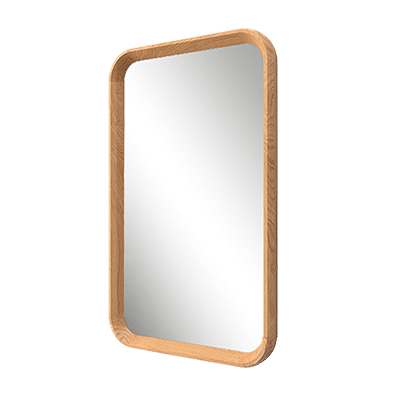
And yet Mirror wooden frame — this is not a luxury or a whim. It is the very element that turns a functional object into a full-fledged interior piece. A properly chosen frame — and the mirror becomes a wall accent, connects furniture with architecture, adds character to the space. A poorly chosen one — and the mirror looks random. Or simply nothing.
Let's break down the details: how to choose the profile, width, style, and wood species for a mirror in a specific room.


Why it's better to frame a mirror with a wooden frame
The question seems rhetorical, but behind it lies a specific functional and aesthetic logic. A mirror without a frame is a tool. A mirror in a frame is an interior object. It sounds simple, but the difference in perception is enormous.
The frame protects the edge of the mirror sheet. An open cut of the mirror darkens over time, especially in rooms with high humidity — in the hallway and bathroom. A wooden frame covers this cut, isolates the edge from environmental exposure, and extends the mirror's life.
Wood adds warmth. A mirror is a cold material: smooth, reflective, detached. A wooden frame neutralizes this coldness: the warm texture of wood, natural shades, tactile surface — all this creates a balance that makes the mirror a comfortable element of a living space.
The frame connects the mirror with its surroundings. In a well-thought-out interior, no object exists in isolation. Mirror wooden frame made from the same profile as door trims or baseboards, or in the same style as the furniture — creates a visual connection. The mirror ceases to "hang by itself" and becomes part of the architectural statement.
The frame profile sets the style. A wide carved profile — classic and baroque. A thin geometric strip — minimalism and Scandinavian style. A stepped profile with dark wood — art deco. A figured profile with smooth transitions — neoclassicism and Provence. The choice of frame is a choice of style. The mirror in it simply reflects what has already been decided by the design.


Where to use mirrors in wooden frames: from hallways to restaurants
A mirror in a wooden frame is a versatile element. It works in both private homes and commercial interiors. The requirements differ in each case.
Our factory also produces:


Entryway
Here, the mirror is one of the key interior items. In the hallway, people look into it before leaving to assess their full outfit. The frame in the hallway should be durable and visually match the front door, trim, shoe cabinet, and floor molding. The mirror size is typically medium to large: from 60×80 to 90×120 cm and larger.
Get Consultation
Bedroom
In the bedroom, the mirror creates an interior accent—especially above a dresser, console, or vanity table. The wooden frame in the bedroom should harmonize with the furniture in color, wood type, and style. For a classic bedroom, soft curved profiles are suitable; for a modern one, minimalist frames with minimal decor.
Walk-in closet
Here, the mirror is a working tool: to assess the look from different angles. The frame should match or complement the dressing room furniture. For a built-in storage system in a classic style—a wooden frame with a molding profile. For a modern dressing room—a thin straight frame in the color of the facades.
Living Room
In the living room, a mirror in a wooden frame often becomes the main decorative accent on the wall. It is hung above the fireplace, above a console, or between windows. Here, you can afford a more expressive profile: wide, carved, with rich relief. wooden frame In the living room, it is not just a mirror frame, but an artistic object.
Bathroom
In the bathroom, the mirror is a primary functional item. The wooden frame here requires special attention: wood in conditions of constant humidity and temperature changes deforms and darkens without protective coating. Choice: solid wood with several layers of varnish or enamel to ensure moisture resistance. The profile is typically medium or small width.
Office and library
In the study, the mirror shapes the space: adds depth, reflects bookshelves, visually doubles interior items. The wooden frame should match the overall style of the study: dark oak with stain for a classic style, light beech with oil for a modern one.
Beauty salon
Here, the mirror is a professional tool and simultaneously a branding element. Beautiful wooden frames in a consistent style throughout the hall create an atmosphere that the client subconsciously perceives. Medium-sized frames with a well-thought-out profile are an investment in the establishment's image.
Boutique and showroom
In a retail space, a mirror in a wooden frame is a sales tool: fitting rooms, accent zones, display windows. Wide decorative frames with carved details create the atmosphere of an upscale store. Minimalist profiles in light wood convey modern elegance.
Restaurant and hotel
This is a category where mirror frame it works as a full-fledged art object. Large mirrors in carved wooden frames are a classic of restaurant and hotel interiors. They add depth, light, and that tangible level of quality to the space that you can't put into words but feel immediately.
How to choose the frame width: from a thin strip to a monumental molding
Frame width is perhaps the most important selection parameter after style. It determines the mirror's proportions in the interior, its visual weight, and its degree of decorativeness.
Narrow frame: 20–40 mm
A thin frame minimally interferes with the perception of the mirror surface. This is a solution for modern, Scandinavian, minimalist interiors. The mirror 'peeks out' through a thin wooden strip, which merely marks the boundary without creating a decorative statement.
A thin frame is chosen for small and medium mirrors: 40×60, 50×70, 60×80 cm. For large mirrors, a thin profile gets lost and looks inappropriate—like a too-small frame for a large painting.
Medium frame: 40–80 mm
A universal range. A medium frame width combines decorativeness and functionality: the frame is noticeable, creates relief and shadow, but does not dominate the mirror surface.
This is the most popular choice for hallways, bedrooms, and bathrooms. The medium profile allows working with different shapes and styles: it can be smooth, shaped, with a simple rounded profile — and in each case it looks good.
Wide frame: 80–150 mm and above
Wide profile — for large mirrors, classic interiors, accent zones. This is a decorative statement of full volume: the frame becomes almost an equal element in relation to the mirror. It is wide frames that are used for mirrors above fireplaces, in living rooms, restaurants, and hotels.
For small mirrors, a wide frame is a mistake: it "eats" the canvas and creates a feeling of disproportion.
Carved frame without strict width limitation
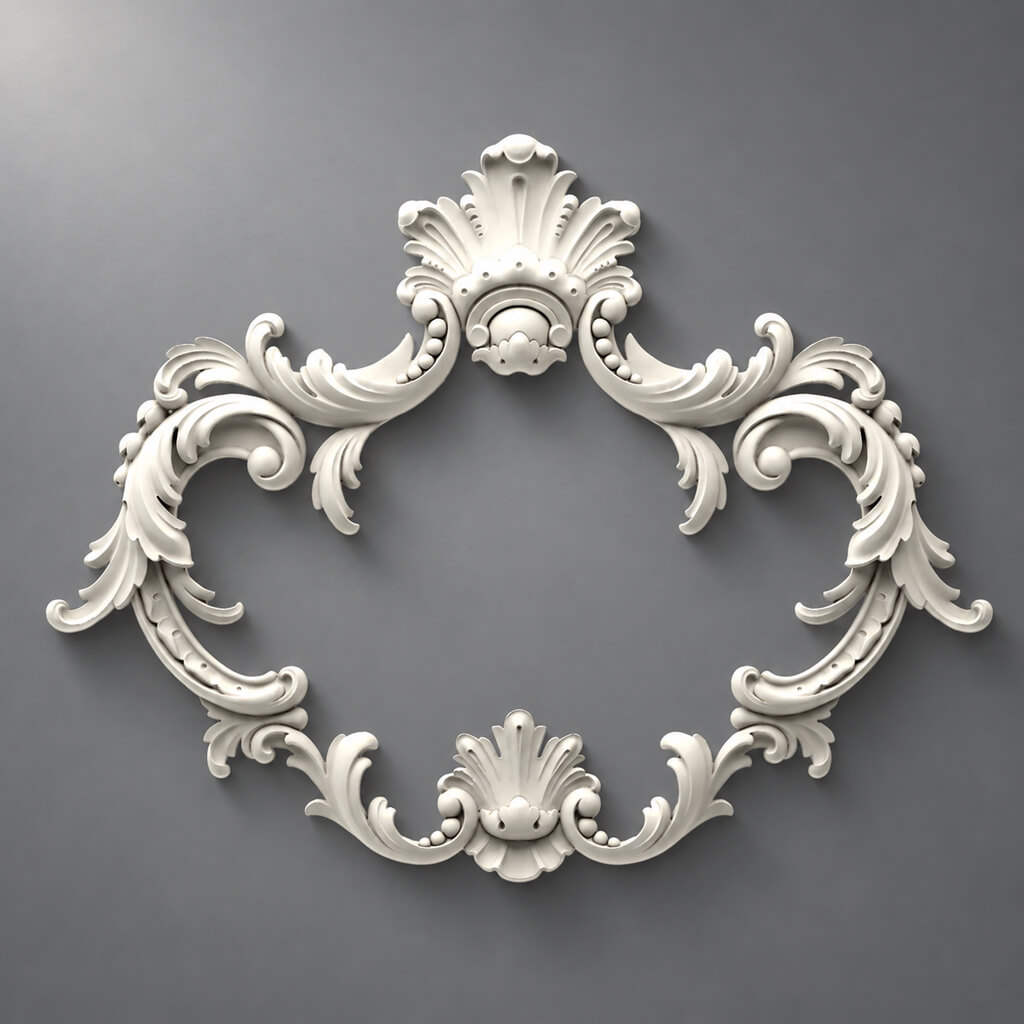
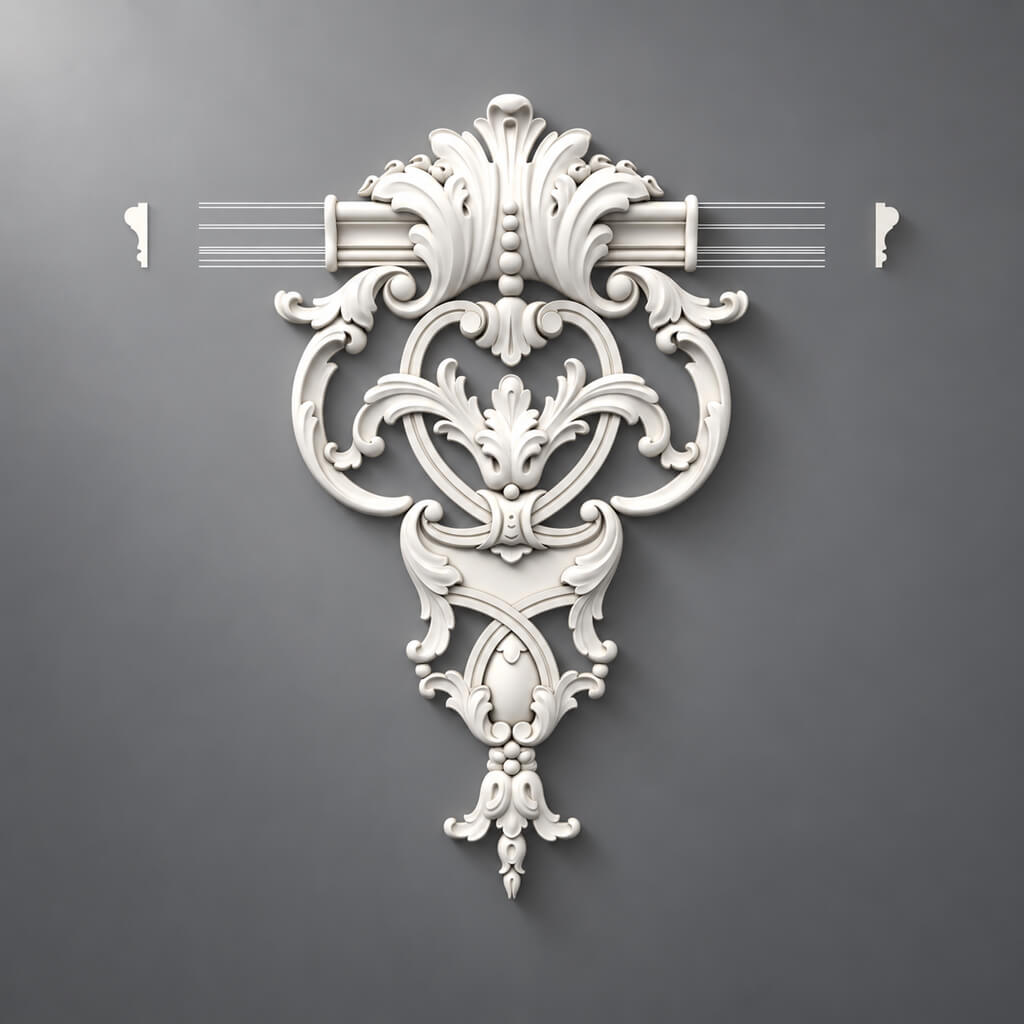
A carved wooden frame is a special category. Its characteristics are determined not only by the profile width but also by the complexity of the relief: overlay elements, three-dimensional carving, gilding, patination. Such frames can have variable width — corner decorative elements are wider than straight sections.
A solid wood frame with carving — this is already an object of art, not just a mirror frame.
Which baguette to choose: characteristics and usage scenarios
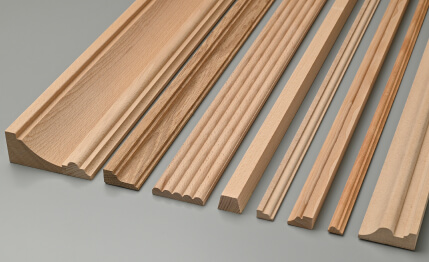
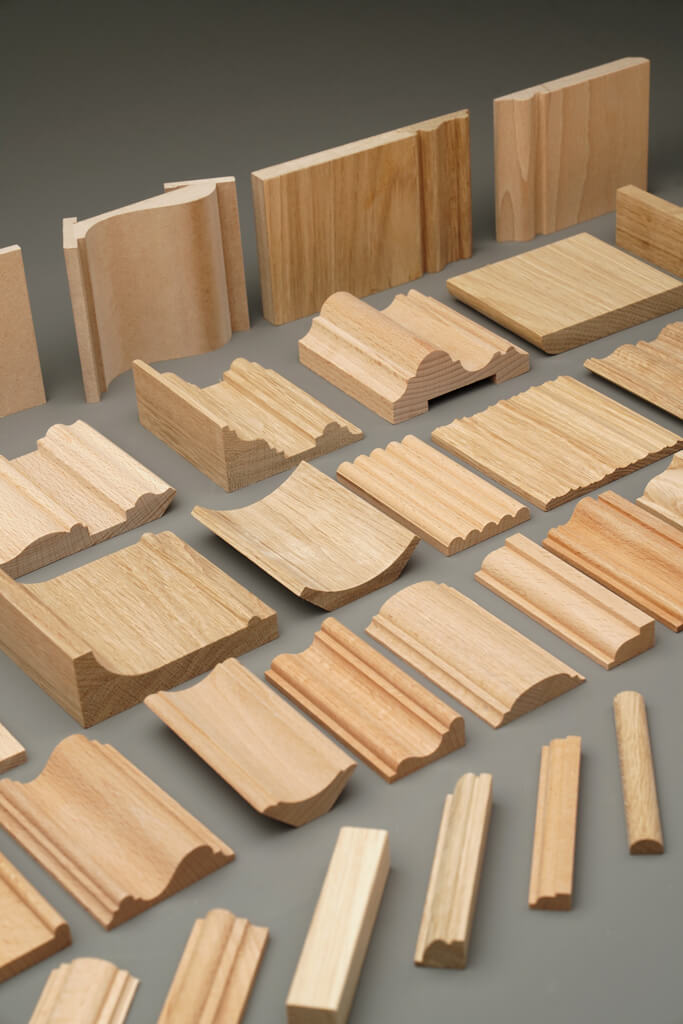
Wooden Picture Frame — this is a profiled wooden slat from which the frame is assembled. It is the cross-sectional shape (profile) of the baguette that determines the character of the frame and its stylistic affiliation.
Smooth wooden baguette
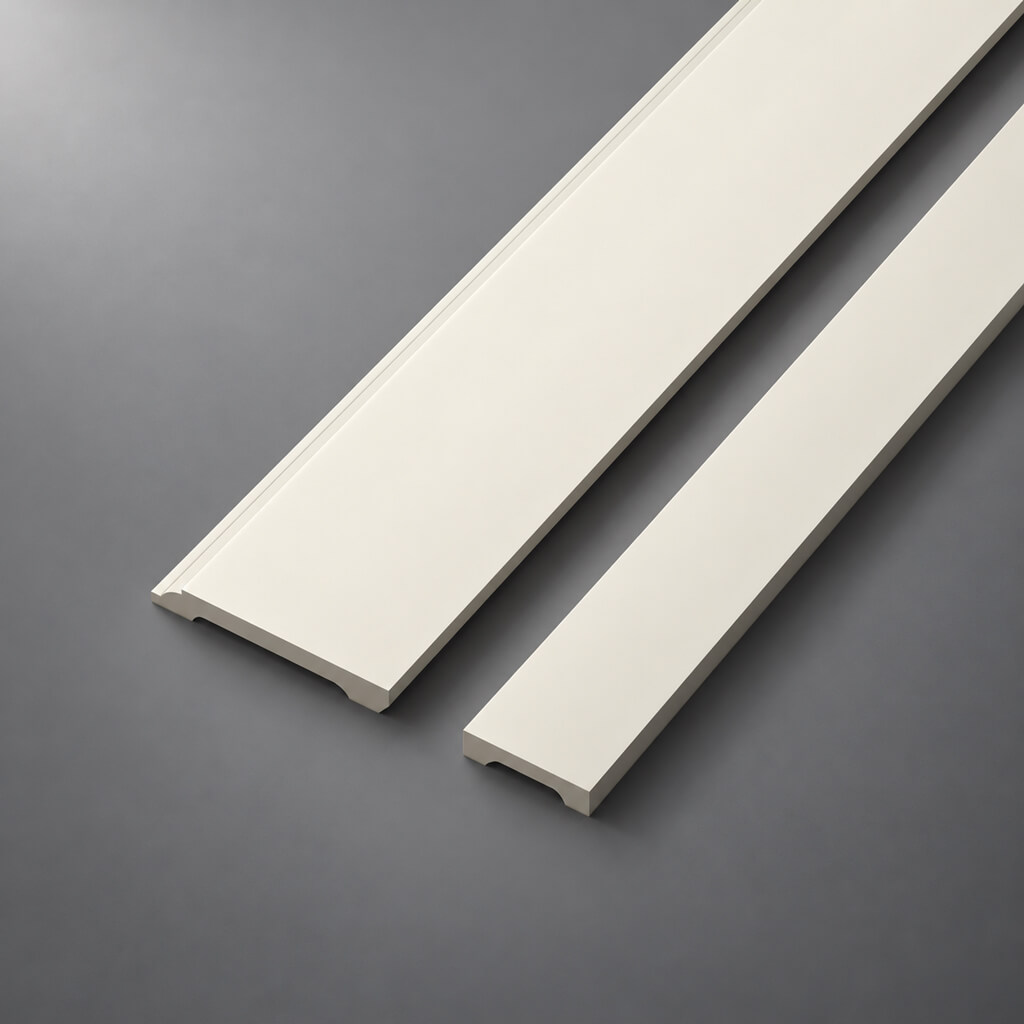
Rectangular or square cross-section without relief. Minimalism in its pure form. This baguette is suitable for modern interiors, lofts, Scandinavian style, and minimalism. It allows the wood to speak for itself — through the texture, color, and grain of the species.
For a smooth baguette, the type of wood is especially important: the expressive texture of oak with wide fibers, the thin and uniform surface of beech — two different characters with the same simple profile shape.
Shaped profile with rounding or cove
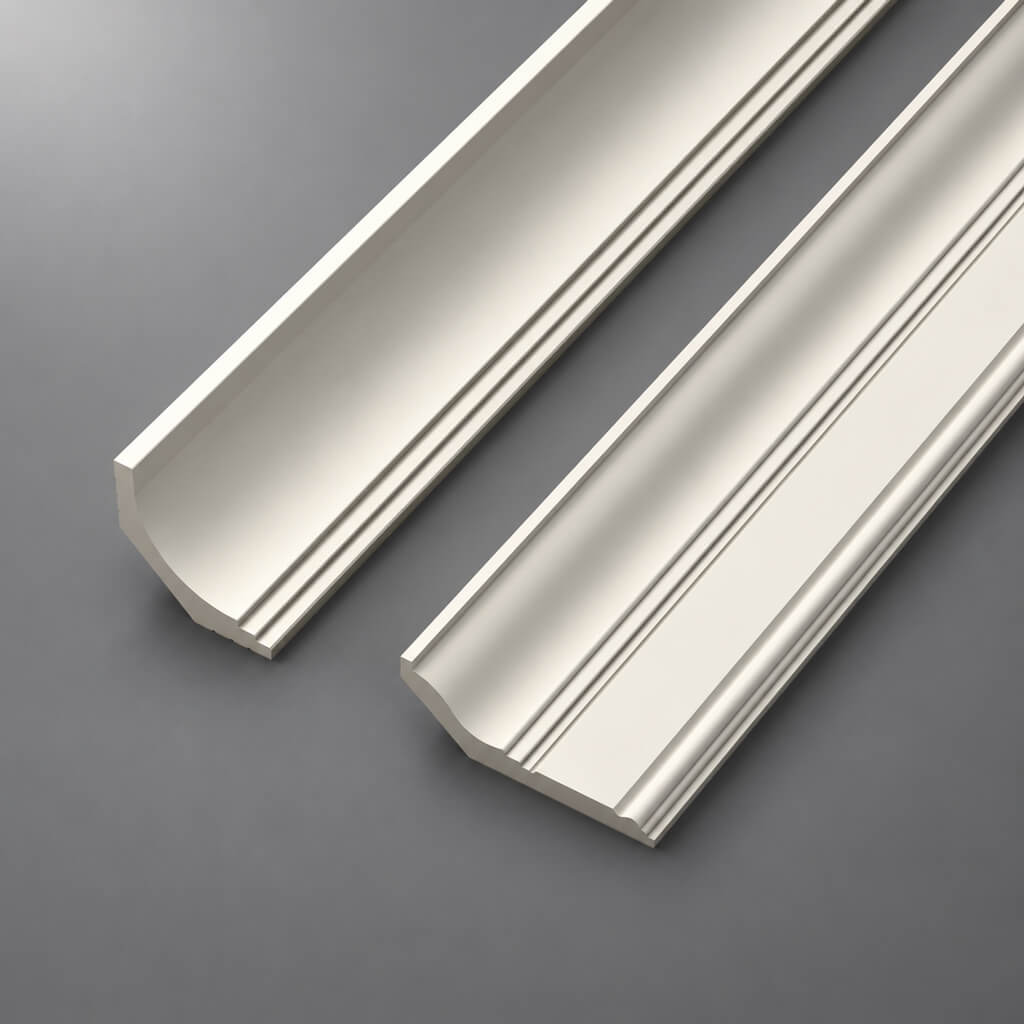
This is a transitional form between strict minimalism and a classic profile. A slight rounding or cove on the end of the baguette adds softness, creates a shadow along the frame, and gives the mirror a more "lived-in" and cozy character.
This profile works well in neoclassical, Provencal interiors, and bedrooms with soft-shaped furniture.
Classic stepped profile
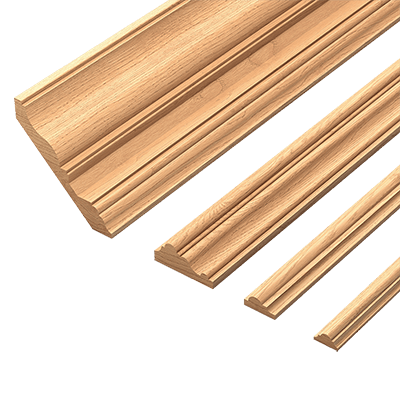
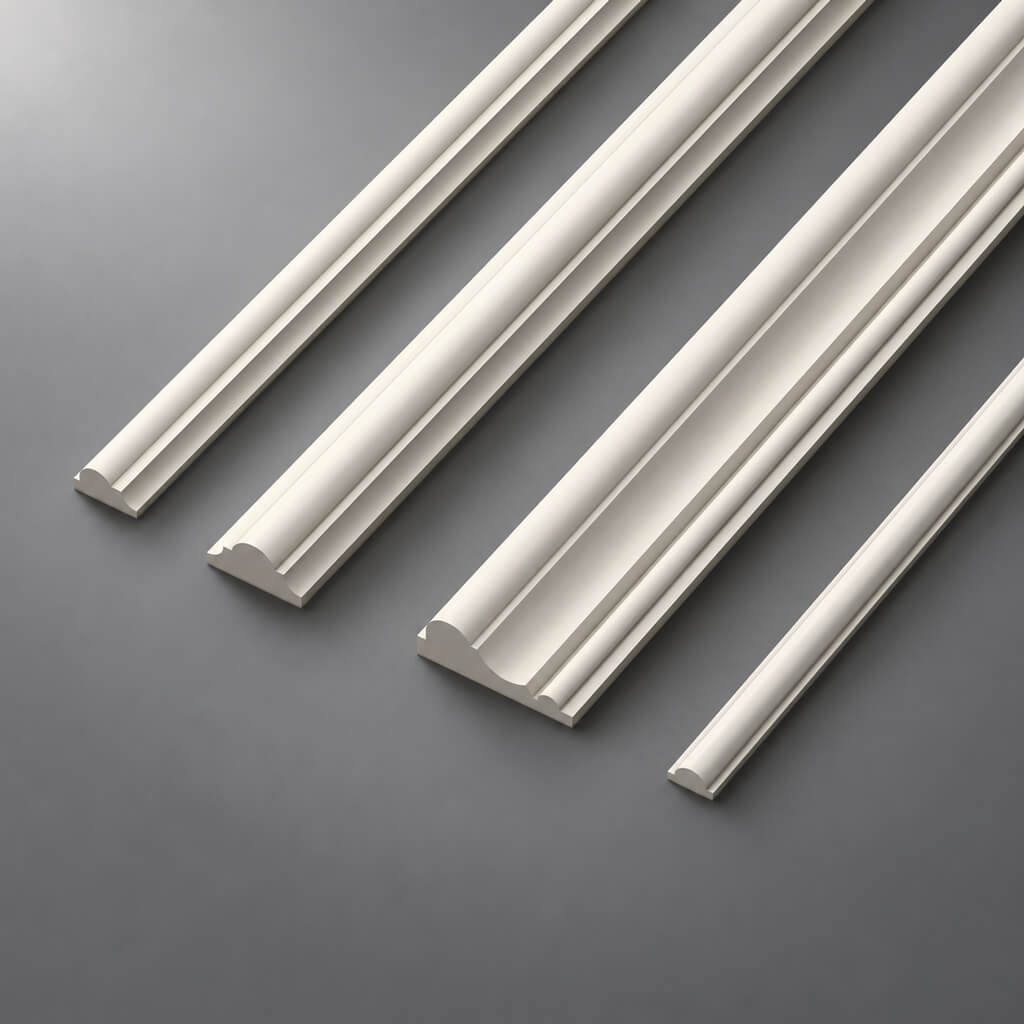
Several ledges and transitions in the cross-section create a play of light and shadow along the entire length of the frame. This is a standard classic profile — widely used, time-tested. The frame turns out expressive but not overloaded with decor.
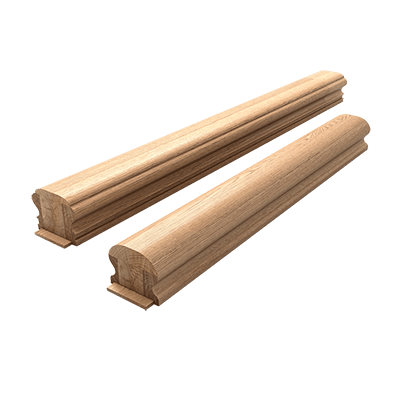
Suitable for classic and neoclassical furniture, for interiors with wooden panels, architraves, and shaped-profile baseboards. This type of baguette is often used as Wooden trim when assembling the frame yourself.
Wide architectural profile
For large mirrors in classic interiors. Profile width 80–120 mm, cross-section with several steps, coves, and straight sections — this is almost an architectural element. This profile is used for fireplace mirrors, mirrors in hallways and grand halls.
Carved baguette
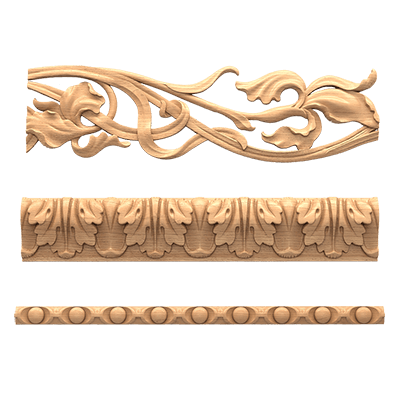
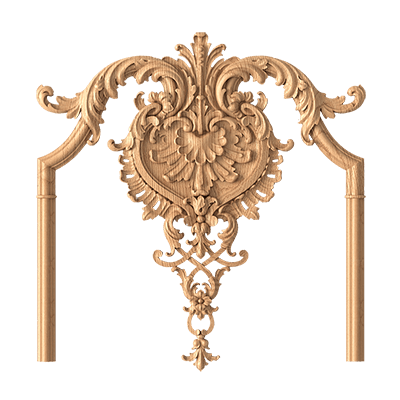
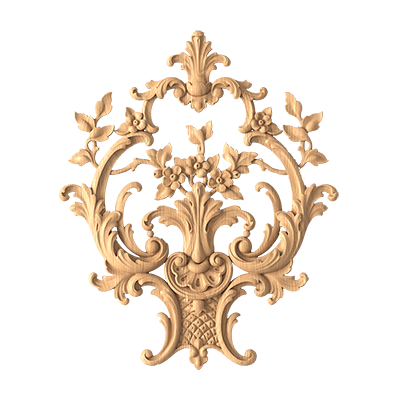
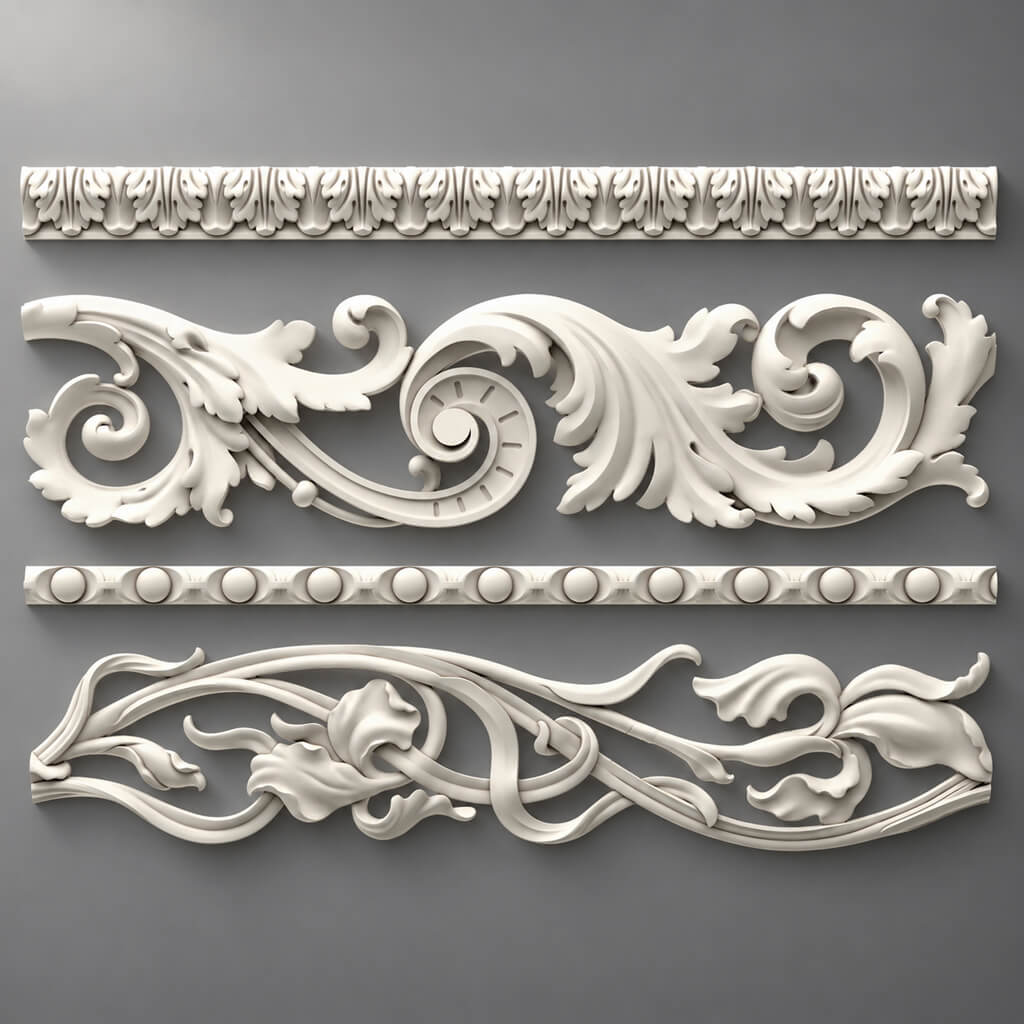
Not just a profiled strip, but a full-fledged decorative piece with three-dimensional carving along its entire length. Relief ornament, floral motifs, meander, rocaille — depending on the interior style and the required level of decorativeness.
Carved Wooden trim For a frame — this is no longer just a mirror framing. It is an artistic statement that requires an appropriate context: classic, baroque, empire, rich eclectic interior.
Baguette for painting
Wooden baguette for painting is one of the most popular options on the market. It is made from solid wood with a clean surface, ready for primer and enamel application. Such a baguette allows you to paint the frame in any RAL color — to match furniture, wall color, or contrast.
For a classic interior — white or cream enamel with patina. For a modern one — matte enamel in gray or anthracite shade. For Provence — milky or blue.
How to choose a wooden frame for the interior style
This is a key question. The frame is not a universal element. It works only when it fits into the overall stylistic logic of the space.
Classicism and neoclassicism
Wide profile with soft transitions, possibly with carved corner overlays made of wooden carved decoration. Coating: white or cream enamel, patina possible (gold, silver, dark). Frame shape: rectangular with clear corners or oval — one of the most expressive classic formats.
In classic design, the mirror frame should rhyme with the frames of other mirrors and paintings in the space, with door trims, and with wall moldings. More about the logic of classic design can be found in the article on classic furniture.
Baroque and Empire
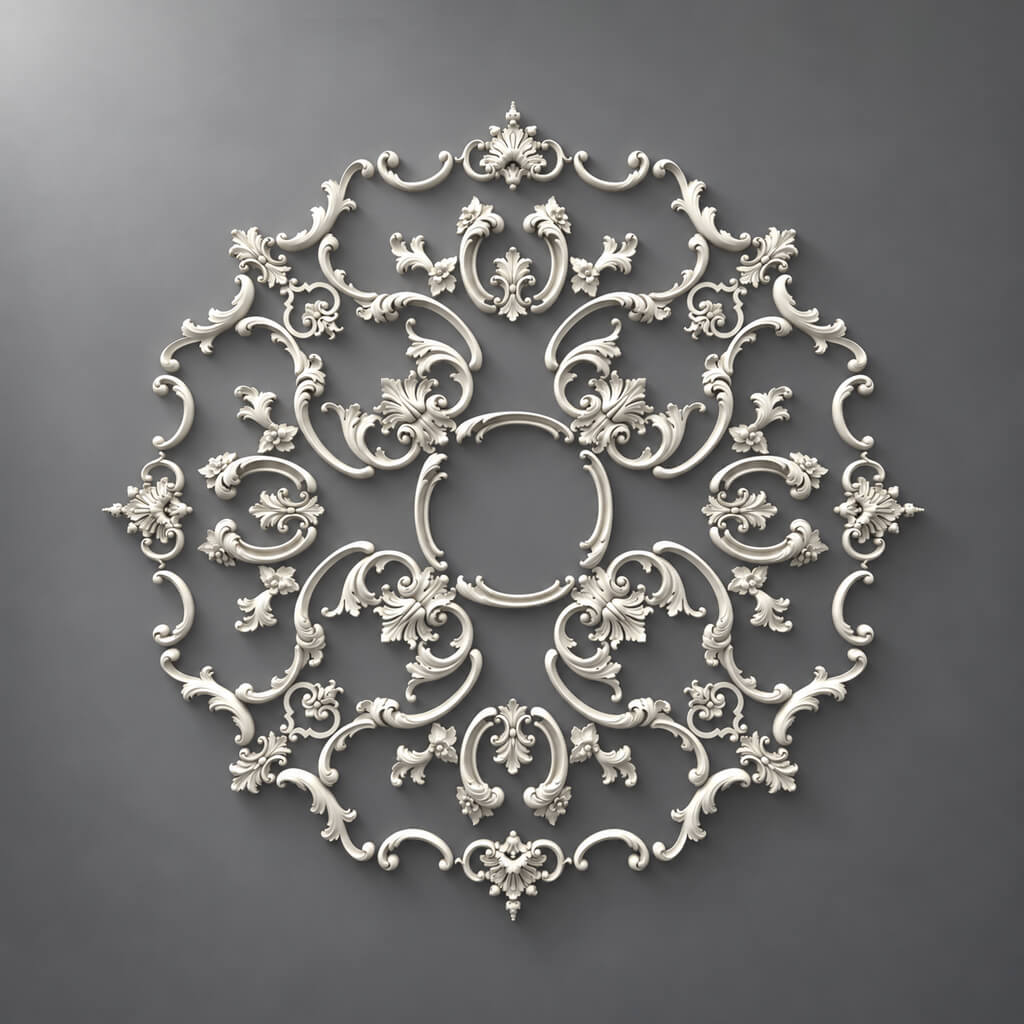
Maximum decor. Volumetric carving, complex relief ornament, patination, gilding. In a Baroque interior, the frame is an art object comparable in significance to the mirror itself. Corner decorative elements can extend beyond the rectangular outline.
For such a solution, you need Carved Decor of the highest level: acanthus leaves, cartouches, rocaille, volutes. More about Baroque-style furniture can be read in a separate article on Baroque furniture.
Art Deco
Strict geometry — no rounding or plant motifs. A stepped profile with clear horizontal edges, contrasting wood color — dark walnut on a light background or vice versa. The frame shape is rectangular, possibly with truncated corners.
Modern and minimalist style
Thin smooth profile 20–40 mm wide. Natural wood with oil or matte varnish. No overlays, no relief. The frame marks the boundary of the mirror and does not attract attention.
Provence and country
Brushed surface with open pores, deliberately uneven color, aged appearance. Coating — milky or gray-blue enamel. Shape — rectangular or with rounded corners. This format of a wooden frame works perfectly in a country interior with natural materials.
Scandinavian style
Light oak or beech with oil, very thin profile, simple rectangular shape. No excess. The wood texture is the main visual element.
Mirror frame in specific rooms: detailed analysis
Mirror frame for the hallway
The hallway is the first and last thing a person sees at home. This space forms the first impression for guests and sets the mood for the owners. A mirror in the hallway is a mandatory element, and its frame should work in the context of the entire space.
In the hallway, the mirror usually faces the front door, shoe cabinet, or coat rack. The wooden frame should match the material of the door and trim, as well as the cabinet facades. If the door is made of dark wood, a frame in the same tone will create a stylistic connection. If the hallway interior is light and minimalist, a white painted frame is suitable.
For the hallway, a frame made of durable material is needed: A solid wood frame oak or beech will withstand daily contact, accidental impacts, and regular wiping.
The height of the mirror in the hallway is from 80 to 150 cm, width from 50 to 80 cm. Larger formats are used in spacious hallways where the mirror is a full-fledged interior element, not just a utilitarian item.
Frame for a mirror in the bedroom
A mirror in the bedroom serves several functions at once: morning and evening routines, visual space expansion, decorative accent. It can hang over a vanity table, over a dresser, be built into a wardrobe door, or stand separately as a floor model.
The wooden frame for a mirror in the bedroom should harmonize with the furniture: if the bedroom is in "white enamel" color, the frame should be white or cream. If the furniture is in dark walnut, the frame should be in the same tone or a slightly lighter shade for contrast.
A feature of the bedroom: you can afford a more expressive profile than in the hallway. A figured classic or neoclassical profile, soft relief, corner overlays made of decorative appliqués for wooden furniture — all of this is appropriate.
Frame for a mirror in the dressing room
In the dressing room, the mirror should be large (human height) and have good lighting around the perimeter or nearby. The frame in the dressing room is an interior detail chosen to match the furniture. For a built-in dressing room with white facades, a white or cream frame with a thin profile. For a classic dressing room, a figured profile in the color of the facades.
Wooden frame for a bathroom mirror
The bathroom is a challenging area for wood. Humidity, temperature changes, steam—all these create conditions where unprotected solid wood deforms within a few years. Therefore, a wooden frame in the bathroom must have a multi-layer moisture-resistant coating: polyurethane-based varnish or enamel.
The profile is chosen based on the bathroom style. For a classic white bathroom, a white frame with a soft figured profile, possibly with gilded details. For a modern one, a thin straight frame in natural wood or dark lacquer.
The size of the mirror in the bathroom is usually small or medium: 60×80, 70×90 cm. A medium-width frame is optimal here.
Mirror in a wooden frame for a restaurant and salon
In commercial interiors, a framed mirror is no longer a household item but an element of the design concept. It should match the style of the establishment and enhance the atmosphere.
For a classic-style restaurant, wide wooden frames with rich relief and patination. For a modern cafe, laconic frames made of dark wood. For a beauty salon, frames in a uniform style throughout the hall, creating a recognizable visual rhythm.
In commercial projects, several identical frames are often ordered—this is a requirement for the manufacturer: the ability to replicate one design in the required quantity.
Wood species: oak, beech, or something else
A solid wood mirror frame is a specific type of wood with specific characteristics. The choice of wood affects durability, color, texture, and suitability for various types of processing.
Oak
The most popular solution for premium frames. Oak is dense, durable, and has a pronounced texture with wide pores and characteristic annual rings. It accepts stain, oil, wax, and varnish well — the wood's texture is emphasized, not hidden.
An oak frame is a material with character. It is slightly heavier than a beech frame, but also more substantial in the literal sense. For a large mirror, this is important: the frame must bear the load and not deform.
Beech
A more uniform structure, lighter than oak, accepts tinting and enamel well. Beech is the choice for frames to be painted: its surface is smooth, without large pores, ensuring a clean result when applying enamel.
For classic frames with white enamel or patina, beech is the ideal base. Uniform density allows for precise milling of complex profiles without chips or unevenness.
Other wood species
In some cases, poplar, linden (for carved elements), and ash (for frames with a pronounced wavy texture) are used. But for most tasks, oak and beech cover the entire range of requirements.
What to pair a wooden frame with: an interior decor system
A wooden frame does not exist in a vacuum. It works best when integrated into a system of wooden interior elements.
With wooden door casings. The profile of the casing and the profile of the mirror frame can belong to the same stylistic family. Not necessarily identical — but close in terms of relief degree and character.
С furniture moldings on furniture. If a wardrobe or chest of drawers has molding frames, the mirror frame should be in the same decorative register.
С with wooden carved overlays on furniture and doors. Carved corner elements of the frame rhyme with the overlays on furniture facades — creating a sense of a unified designer interior.
With the baseboard. The horizontal line of the lower profile should visually match the height of the mirror's hanging. In classic interiors, the lower edge of the frame is often aligned with the top edge of the baseboard or with the furniture's horizontal line.
С wooden decor for furniture. Overlays on a chest of drawers or console above which the mirror hangs should stylistically match the frame. This rule works especially clearly in classic and neoclassical interiors.
With wooden frames for paintings. In an interior where there are several framed items — paintings and mirrors — all frames should belong to the same style code. This doesn't mean 'identical': just one level of decorativeness and one type of wood.
Frame formats: rectangular, oval, round, non-standard
Rectangular frame
Classic without compromise. Works in any interior, with any profile. Sizes — from small (40×60 cm) to monumental (120×200 cm and more).
Oval frame
The oval shape is one of the most aristocratic formats for mirrors. It is softer than a rectangle, creating a sense of baroque or renaissance elegance. For hallways, bedrooms, living rooms — especially in classic interiors. Oval wooden frames are more complex to produce: curved molding requires special treatment.
Round frame
A trendy format for modern interiors. A round mirror in a thin wooden frame — laconic, expressive, versatile. Works well in hallways, bathrooms, living rooms. For a classic interior, it's an atypical choice, but in an eclectic space it looks interesting.
Arched frame
Arched frames — for interiors with arched openings, for Mediterranean and Italian classics. The frame follows the architectural logic of the space and creates a visual connection with the room's architecture.
Unconventional Shapes
STAVROS offers custom frame manufacturing based on individual sketches: unique profile, non-standard size, complex shape. This is in demand in design projects where the standard range does not meet the requirements.
Mistakes when choosing a frame for a mirror: a practical analysis
Each of these mistakes occurs regularly — and each one costs either money or rework.
Frame too thin for a large mirror. A mirror 100×150 cm in a 20 mm wide frame looks as if there is no frame at all. A large format requires a substantial profile — at least 50–60 mm, and for a classic interior 80–100 mm.
Frame too massive in a small room. A narrow hallway 1.2 meters wide with a huge mirror frame in Baroque style — this is a theatrical effect that can only work in a very well-thought-out context. In most cases, it simply overwhelms.
Frame does not match door trims and furniture. If the hallway has white doors with light trims, and the mirror is in a dark carved frame with gilding — the contradiction is obvious. The frame should converse with its surroundings, not argue with them.
Unsuitable coating for the bathroom. An open solid wood surface without varnish or enamel in the bathroom guarantees deformation within 1–2 years. No compromises: only moisture-resistant coating.
Random frame color. Choosing a wooden frame based on the principle 'beautiful on its own' without considering the interior is a mistake. The frame lives in the space, not in the store. It needs to be matched to a specific room.
Weak mounting. A mirror is a heavy object, especially in a solid wood frame. The mounting must be rated for the weight with a margin. For mirrors over 10 kg, anchor bolts in a load-bearing wall are needed, not just self-tapping screws in drywall.
Cheap profile in an expensive interior. If the entire interior is made of natural materials — wood, stone, plaster — a plastic or MDF frame will be a foreign element. Mirror wooden frame made of solid wood — a mandatory condition for an interior of the appropriate level.
Assembling a frame from baguette yourself: when it makes sense
Ready-made frames are the most convenient solution. But sometimes a non-standard size, non-standard format, or a specific profile from the molding catalog is needed. In that case, the frame is assembled from a wooden baguette yourself.
The principle is simple: four profile pieces, cut at 45 degrees at the ends, are joined into a rectangle. For joining — special corner brackets, wood glue, or countersunk screws.
Important: for self-assembly, you need a precise miter saw or a hand saw with a device for angled cuts. An error of even 1 degree at the corner joint gives a noticeable gap after assembly.
Wooden trim solid wood in the STAVROS assortment — a good basis for self-assembly of the frame. You can choose the desired profile and the desired length.
Caring for a wooden frame: how to preserve its beauty for a long time
A wooden frame is not an eternal item without care. It requires minimal but regular attention.
Wiping. The frame surface is wiped with a soft, slightly damp cloth, then dried. Abrasive products are strictly prohibited: they damage the varnish or enamel coating.
Coating renewal. If the frame is coated with oil or wax, the coating is renewed once every one to two years: a thin layer of oil is applied, left to sit, and then polished. Varnished and enamel surfaces are less demanding for renewal.
Scratch repair. Small scratches on a varnished surface are touched up with a suitable marker or a special restoration pencil. Deep damage requires local repainting.
Humidity. Sharp changes in humidity cause micro-movements in the solid wood. To prevent the frame from cracking or warping, avoid placing the mirror near heating radiators or in direct streams of hot air.
How to buy a wooden frame or order custom manufacturing
The choice is clear: either a ready-made frame from the catalog — fast, with clear dimensions and price — or custom manufacturing according to individual size and design.
Ready mirror frames Suitable for standard tasks: if the right size and style are available, we order, receive, and hang. Catalog models range from compact to monumental, from minimalist modern to ornate baroque.
For non-standard sizes, special shapes, or custom projects — order from production. For batches of several pieces (for a restaurant, salon, hotel), this is also the optimal path.
Full catalog wooden products — frames, moldings, millwork, carved decor, overlays — covers all tasks related to wooden interior design.
FAQ: Answers to popular questions
Which wooden frame to choose for a large mirror?
For a large mirror — from 80×120 cm and above — a profile with a width of at least 50–70 mm is needed. In a classic interior — 80–120 mm and above. A thin frame on a large mirror gets lost and does not create the desired visual effect. Guideline: the frame width should be 5–10% of the smaller mirror dimension.
Can a picture frame molding be used as a mirror frame?
Yes, if the profile is deep enough to hold the mirror glass and the structure can support the weight. For mirrors heavier than 5–7 kg, a reinforced frame structure is needed. Technically, frame for a painting and a mirror frame are the same product if the requirements for seating depth and strength are met.
Which frame is suitable for a mirror in the hallway?
Average profile width 40–70 mm, durable solid oak or beech, finish matching the trim or furniture. If the hallway is light and airy — a frame in light shades or white enamel. For a strict dark hallway — dark oak or walnut under varnish.
Can a wooden mirror frame be installed in the bathroom?
Yes, provided there is a moisture-resistant coating. The frame must be coated with polyurethane varnish or enamel in 2–3 layers. The bottom edge of the frame should not touch the surface of the sink or countertop — a minimum gap of 2–3 mm prevents the wood from getting wet from below.
Which is better — a smooth or carved mirror frame?
Depends on the task. A smooth frame works in modern, Scandinavian, minimalist interiors — it does not distract, but accentuates. carved wooden frame — for classic, baroque, empire, expensive commercial interiors. It itself is a work of decorative art.
Can I order a custom-sized frame?
Yes. STAVROS produces frames to custom sizes and designs. This is in demand both for private clients (non-standard mirrors) and for commercial projects (reproduction of one model).
Which profile should I choose for a frame if I want to paint it white?
For painting with white or cream enamel, the best base is beech or MDF. The surface is uniform, without large pores, and accepts primer and enamel evenly. Choose the profile based on style: shaped for classic and neoclassical, simple rectangular for modern.
How to hang a heavy mirror in a wooden frame?
For mirrors weighing more than 10–15 kg, installation on anchor dowels into a load-bearing wall is required. In drywall — special dowels with enhanced load-bearing capacity. The frame must have reliable hinges — preferably metal, screwed into the frame body, not just nailed.
About the company STAVROS
A mirror in a beautiful wooden frame is not just an interior item. It is a point where function and aesthetics, material and craftsmanship, tradition and modern taste intersect.
STAVROS is a Russian manufacturer of wooden decor, frames, moldings, and carved products from solid oak and beech. The company's catalog includes wooden mirror frames in dozens of styles and formats: from laconic modern to lush baroque, from small wall-mounted to monumental floor-standing. Also here — Solid wood frames, wooden moldings and picture frames for self-assembly, Moldings, Carved Decor и Decorative Inserts.
STAVROS works with private clients and with professional designers, furniture workshops, restaurant and hotel projects. Production is in St. Petersburg, showrooms are in Moscow and St. Petersburg, delivery is throughout Russia and CIS countries.
If you are looking for where to buy a wooden frame for a mirror, the STAVROS catalog will fully answer this question. Not just one option, but a selection system: the desired style, the desired size, the desired material — and the possibility of manufacturing according to your sketch if the standard solution is not enough.