



























Article Contents:
- What is a capital and why is it needed
- Where Wooden Capitals Are Used
- Columns in Interior Design
- Pilasters
- Doorways
- Fireplace Portal Frames
- Furniture: Libraries, Cabinets, Sideboards, Display Cases
- Studies, Libraries, Halls, Formal Areas
- Country houses and cottages
- How a Capital Differs from a Pilaster and a Column
- How to Choose the Size of a Capital
- Matching the Width of the Column or Pilaster
- Height of the Capital
- Projection of the Capital (Profile Overhang)
- Table of approximate sizes
- How to choose a capital style
- Tuscan and Doric order
- Ionic Order
- Corinthian Order
- Composite order
- Furniture and simplified capital
- Russian style
- Carved or smooth capital: which to choose
- Carved capital
- Smooth or profiled capital
- Combined approach
- Column capital: how to build a cohesive vertical composition
- Wall-mounted and freestanding columns
- Connection with cornice and ceiling
- Wooden capital and moldings
- Capital for pilaster: nuances of working with a flat element
- Connection with a horizontal belt
- Pilaster with capital as part of a door portal
- Capital for furniture and portal: non-obvious but powerful scenarios
- Built-in libraries
- Sideboards and display cabinets
- Fireplace portal
- Material and coating of a wooden capital
- Oak
- Oak
- Spruce and pine
- Coating: how to avoid mistakes
- How to combine a capital with other decorative elements
- Capital + column base
- Capital + carved decor
- Capital + wooden moldings
- Capital + moldings
- Color: unity or contrast
- Mistakes when choosing a wooden capital
- Care for wooden capitals
- Where to buy a wooden capital
- FAQ: Answers to Popular Questions
- About the manufacturer
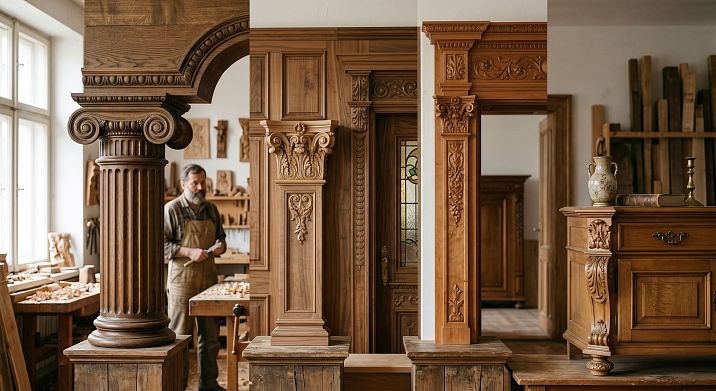
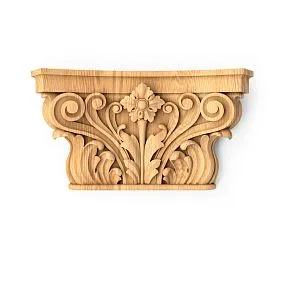
Architectural decor is structured like a language. It has words, grammar, and syntax. And if you have ever stood before a classic interior with columns, pilasters, and cornices, not understanding why it all looks so cohesive and majestic, the answer is likely in the details. In those very details that most people do not consciously notice, but which subconsciously create a sense of completeness. One such detail is wooden capital.
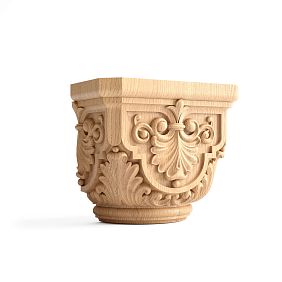
A capital is the upper decorative element of a column or pilaster. Small in size, but colossal in significance. It completes the vertical accent, transitions from the upright to the horizontal plane of the ceiling or cornice, and gives the entire architectural composition its final meaning. Without a capital, a column is just a beam. With it, it becomes an architectural statement.
This article is for those who choose a wooden capital consciously: for a column in the hall, a pilaster in the study, a door portal, a furniture library, or a fireplace area. We will cover everything: typology, sizes, styles, materials, finishes, typical mistakes, and rules for combining with other decorative elements.




What is a capital and what is its purpose
The word "capital" comes from the Latin caput — head. Literally: the head of a column. And this is the most accurate metaphor: the capital is precisely the head, the top completion that defines the "face" of the entire vertical structure.
In classical architecture, the capital performs three functions simultaneously. The first is structural: it distributes the load from the beam or architrave onto the column shaft. The second is transitional: it visually connects the vertical of the post with the horizontal of the ceiling, softening this transition. The third is decorative: it carries ornamentation, stylistic expression, and the artistic character of the entire composition.
In modern interiors, the load-bearing function has taken a back seat — wooden capitals today are more often decorative. But their transitional and decorative functions remain in full force. buy a capital means acquiring an element that completes the interior idea. Without it, a column or pilaster remains an architectural blank.
A wooden capital can be part of a fixed structure — an embedded pilaster, a built-in bookcase cabinet, a fireplace portal, or a door frame. Or it can be an independent overlay element attached to an existing surface. It is the second option that is most common in modern interior projects: it provides freedom in planning and ease of installation.
Where wooden capitals are used
The scope of application for wooden capitals is much broader than most people think. It is not just "something for palaces and columns." Let's break down specific scenarios.
Our factory also produces:




Columns in interiors
Freestanding or wall-mounted columns in a hall, living room, restaurant, hotel, or office — a classic place for a capital. Here it performs all three functions: visually completes the column, connects it to the ceiling cornice, and carries decorative ornamentation. a capital for a column in this case, it is chosen in proportion to the diameter and height of the post.
Get Consultation
Pilasters
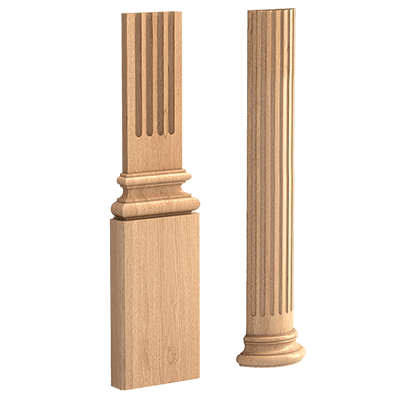
A pilaster is a "flat column," an applied vertical element on a wall. It imitates an architectural order: a base at the bottom, a shaft, and a capital at the top. pilasters and columns Without a capital, they are unfinished. It is the capital that makes a pilaster architecturally complete, finishes its vertical line, and connects it to a horizontal cornice or molding.
Door Portals
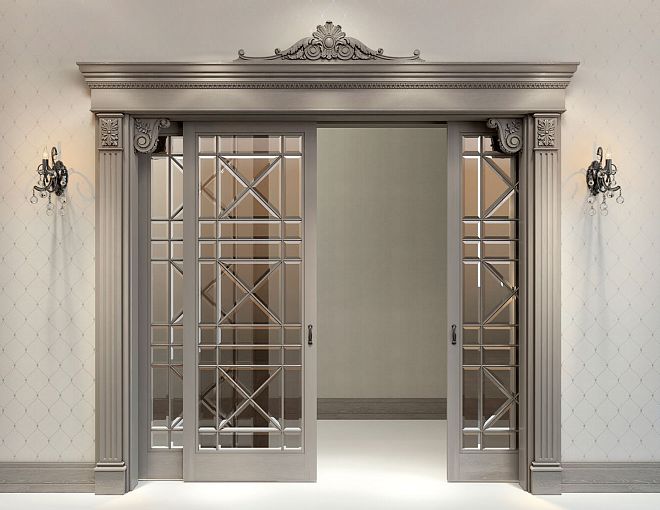
A portal is an architectural framing of a doorway. In classical portals, pilasters on the sides of the opening are topped with capitals, which support a horizontal entablature or pediment. A wooden capital for a door portal is an integral element of this structure. It gives the portal solemnity and architectural logic.
Fireplace Entrances
A fireplace in a classical interior is almost always framed by a portal: vertical pilasters on the sides, an entablature on top. The capital here is a transitional element between the pilaster and the upper shelf. In the fireplace area, the capital should be particularly expressive: it is at the eye level of a seated person.
Furniture: bookcases, cabinets, sideboards, display cases
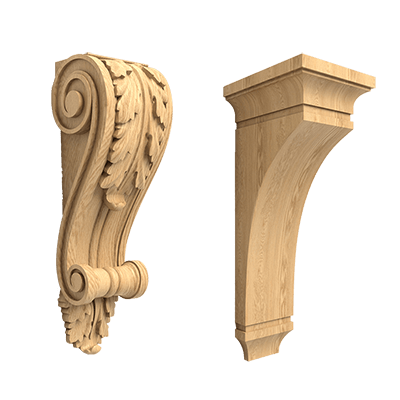
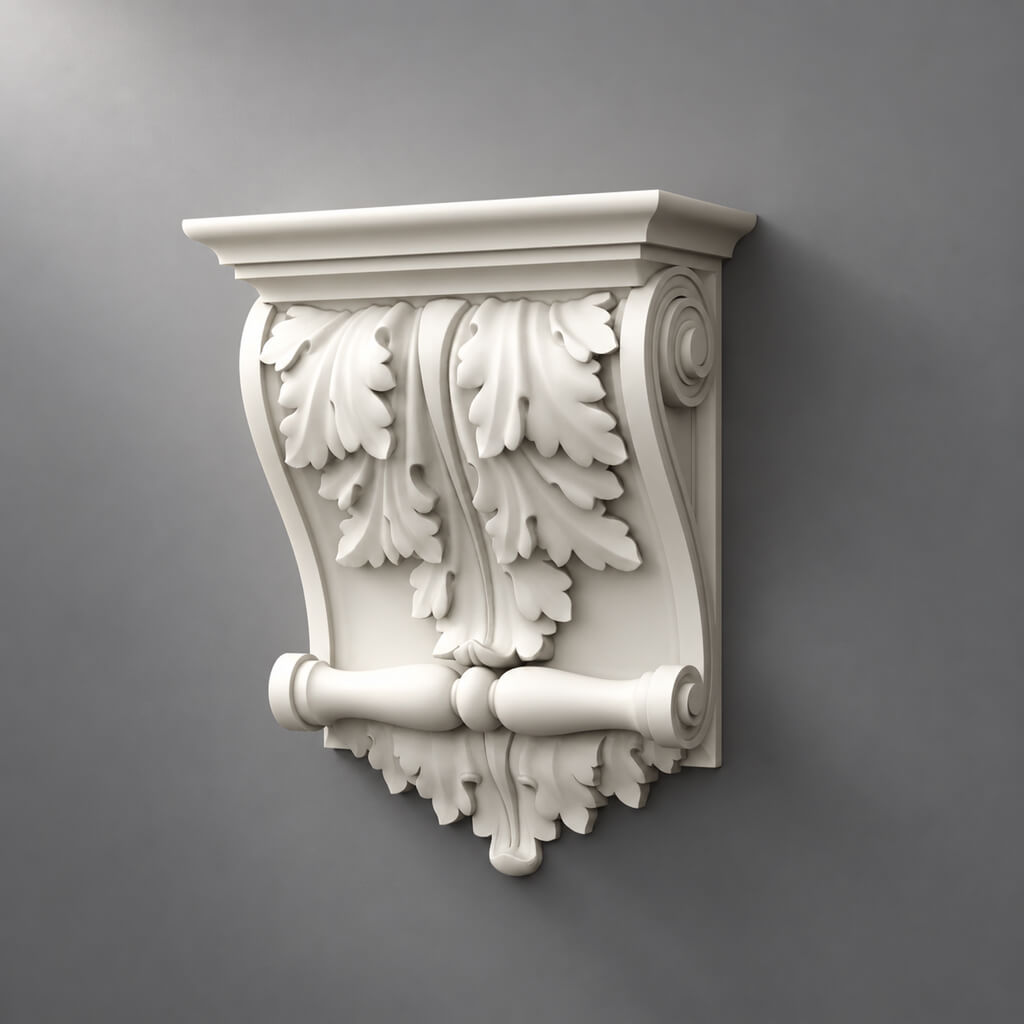
A furniture capital is a less known but highly sought-after scenario. A built-in bookcase with wooden uprights, a cabinet with decorative pilasters, a sideboard with small columns on the sides — all of them need an upper finish. A small decorative wooden capital on a furniture upright adds an architectural character to the piece and elevates it from the category of "cabinet" to the category of "furniture architecture."
Studies, libraries, halls, formal areas
These are spaces where architectural decor is most justified. Here people receive guests, work, and present themselves. In such a context, a capital is a detail noticed by professionals and subconsciously perceived by everyone else.
Country Houses and Cottages
In a country house with high ceilings, open spaces, and wooden finishes, a wooden capital is organic like nowhere else. It continues the language of natural wood, adding architectural refinement to an interior that, without such details, risks looking like "just a log cabin with furniture."
How a capital differs from a pilaster and a column
This question arises for many who first encounter the topic of architectural decor. Clarifying it means eliminating most mistakes when choosing.
A column is a vertical support, cylindrical or close to it in shape. It has three parts: base (lower foundation), shaft (trunk, fust), and capital (upper completion).
A pilaster is the same column, but flattened and embedded into the wall. It creates the illusion of a column on a plane and also consists of three parts: base, shaft, and capital.
Capital for a pilaster — this is, therefore, not an independent decorative item, but part of a system. However, this part has the greatest decorative expressiveness: it is visible from a frontal view, ornament is concentrated on it, and it is at eye level.
An important practical conclusion: you cannot choose a capital in isolation from a column or pilaster. Their sizes must be proportional. Their styles must match. Their finishes must form a unified ensemble.
How to choose the size of a capital
Size is the most technically critical parameter of choice. An error here cannot be corrected without reworking the entire structure.
Correspondence to the width of the column or pilaster
In classical architectural order, the width of the capital is always greater than the width of the column shaft — approximately 1.2–1.4 times. This creates an "opening" at the top and a visual sense of stability. A capital that is too narrow looks like a cork in a bottle. One that is too wide looks like a mushroom on a thin stem.
Practical rule: capital width = column shaft width × 1.3. If the pilaster width is 80 mm, the capital should be about 100–105 mm wide.
Capital height
Height depends on two factors: ceiling height and the total height of the entire vertical structure. For standard ceilings of 2.7–3.0 m, the capital height is usually 80–150 mm. For rooms with ceilings of 3.5–5 m, it is 150–250 mm and higher.
A capital that is too low with high ceilings gets lost and is not "readable." One that is too high with low ceilings feels oppressive and disrupts proportions.
Capital projection (profile overhang)
Projection is how far the capital extends forward relative to the front plane of the pilaster or column. For applied decorative capitals, the projection is usually 20–60 mm. It should correspond to the projection of the cornice or molding with which the capital borders above.
Table of approximate sizes
| Pilaster width | Recommended capital width | Recommended capital height |
|---|---|---|
| 60–80 mm | 80–110 mm | 70–100 mm |
| 80–120 mm | 100–155 mm | 100–140 mm |
| 120–160 mm | 155–210 mm | 130–180 mm |
| 160–220 mm | 210–285 mm | 170–230 mm |
| 220 mm and above | As per project | As per project |
How to choose a capital style
Style is a key parameter that determines how organically the capital will fit into a specific interior. In classical architecture, there are five orders — Tuscan, Doric, Ionic, Corinthian, and Composite. Each has its own capital shape.
Tuscan and Doric order
The strictest and most laconic. The Tuscan capital is a simple round cushion (echinus) with a square slab (abacus) on top. Almost without ornament. The Doric is slightly more complex, with ring-shaped bands at the base. Both options are appropriate in austere, strict interiors: a study without excess, a wooden country house, a hunting interior, laconic classics.
Ionic order
Recognizable curls — volutes — on the sides. Ornament of medium complexity. Elegant and refined. Works well in libraries, classic-style bedrooms, studies with a more graceful character.
Corinthian order
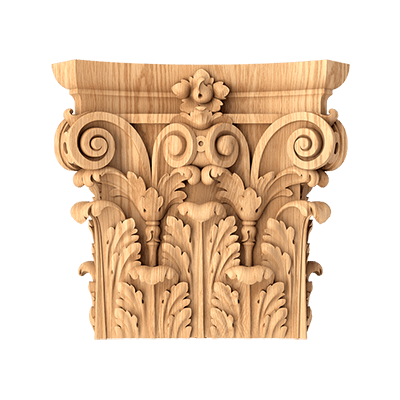
The most decoratively rich: acanthus leaves, complex relief, high protruding ornament. A Corinthian capital made of wood is a work of applied art. Appropriate in formal areas, ceremonial living rooms, halls, high-end restaurants. Requires space and high ceilings — in a small room, such a capital will overload the interior.
Composite order
Combines elements of the Ionic and Corinthian orders: volutes and acanthus leaves together. The most decoratively saturated option. For the most ceremonial and formal interiors.
Furniture and simplified capital
For furniture — cabinets, libraries, sideboards — simplified forms are used: a small profiled cornice, a smooth transition from the post to the horizontal shelf, light ornament. This is not a pure classical architectural order, but its furniture interpretation. Less relief, stricter lines, proportionality to furniture scale.
Russian Style
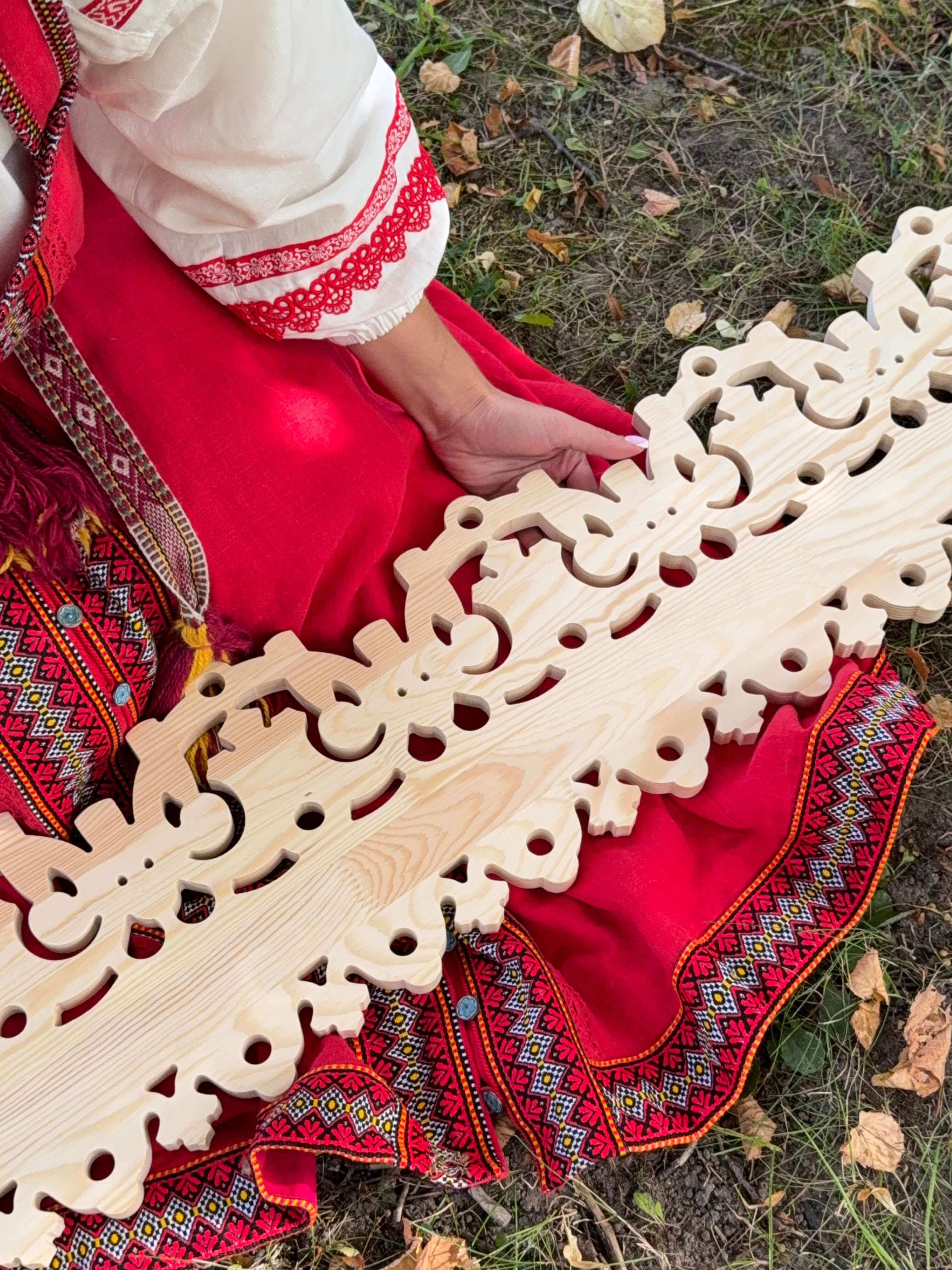
In interiors oriented toward the Russian architectural tradition, the capital may feature folk ornamental motifs: geometric braiding, plant shoots, berry branches. This is appropriate in country houses with a pronounced national character.
Carved capital or smooth: what to choose
This is one of the most common questions. The answer depends on the interior, the scale of the element, and the role the capital should play.
Carved capital
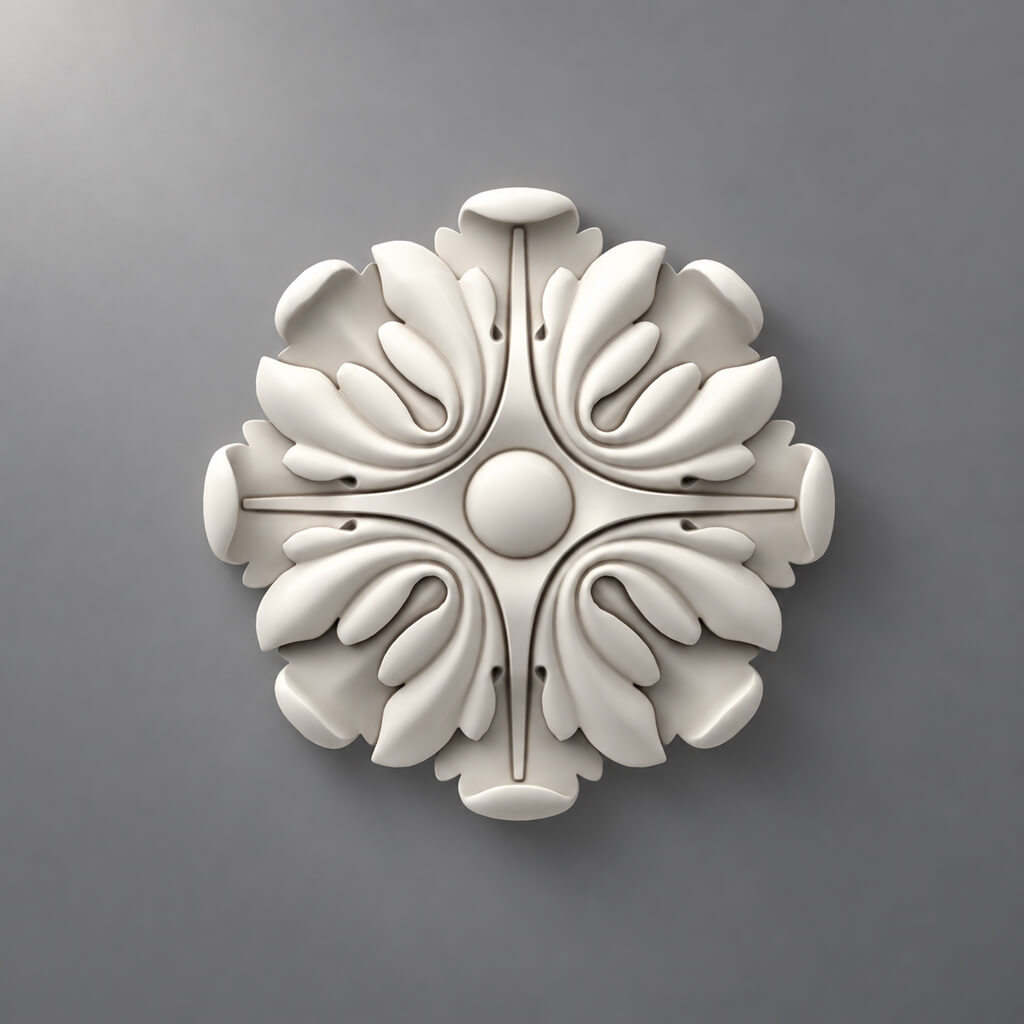
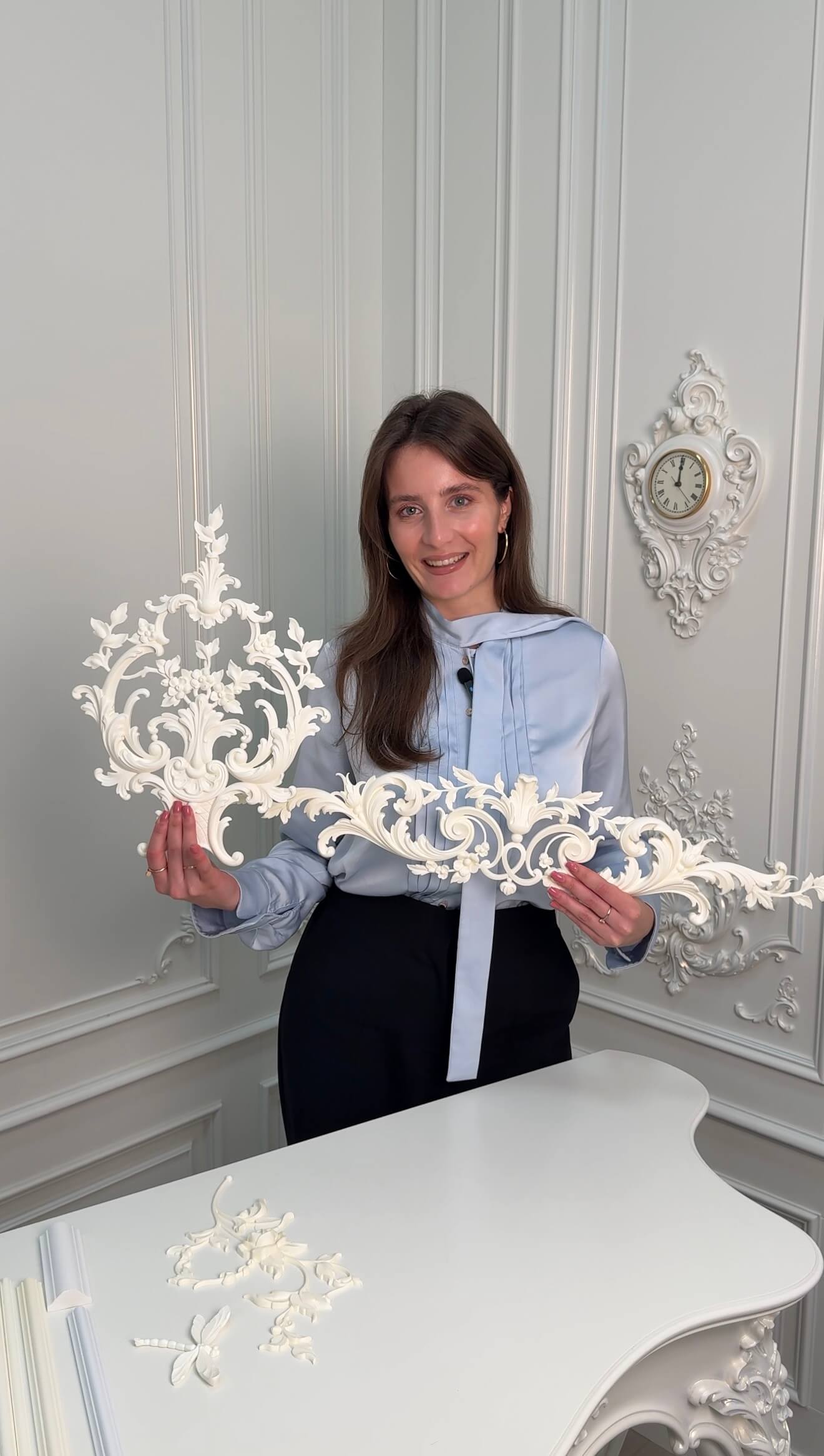
Carved wooden capital with detailed ornamentation — acanthus leaves, volutes, geometric moldings — it is an element of maximum decorative expressiveness. It creates a play of light and shadow that changes depending on the angle of light. With candlelight or directional lighting, the ornament literally "comes to life."
A carved capital is appropriate where the interior is rich enough to support its expressiveness: classic living rooms, grand halls, studies with high ceilings, fireplace areas. If the surroundings are modest — smooth walls, simple furniture, absence of other decorative elements — rich carving will look lonely and out of place.
Smooth or profiled capital
A strict capital with clean profile lines and minimal ornamentation — for cases where an architectural accent is needed without decorative noise. Neoclassical interior, furniture classics, modern classics, minimalist country setting — here a laconic capital with good proportions works better than one overloaded with ornament.
A smooth capital is also preferable if painting is planned: complex ornamentation under enamel loses clarity and becomes "muddy," while clean profile lines under paint look impeccable.
Combined approach
Light ornamentation on a profiled base is the golden mean. Small leaves around the perimeter, relief moldings, an accent central element — such a capital is both decoratively expressive and does not overload the space. It is good for most classic and country interiors.
Capital for a column: how to build a cohesive vertical composition
A column in an interior is a vertical architectural "phrase." And like any phrase, it must be grammatically correct: beginning (base), development (shaft), completion (capital).
Wooden column capital It is chosen in pair with the base. The base and the capital form a frame into which the column shaft is inserted. They must be of the same style, the same finish, and proportionally match each other. The classic rule: the height of the base and the height of the capital are approximately equal, or the capital is slightly taller.
Wall-mounted and freestanding columns
For a wall-mounted column pressed against the wall, the capital is usually applied — it attaches to the column shaft and the wall. It is visible from the front and sides. For a freestanding column, the capital must be circular: the ornament is present on all sides.
Connection with the cornice and ceiling
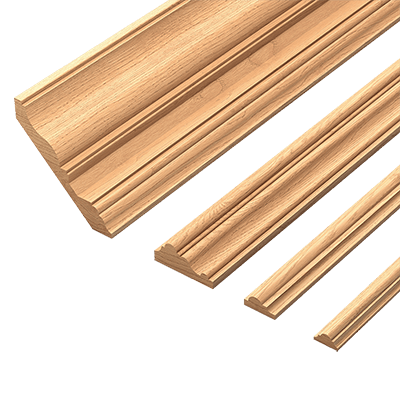
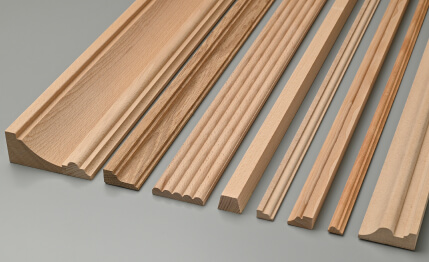
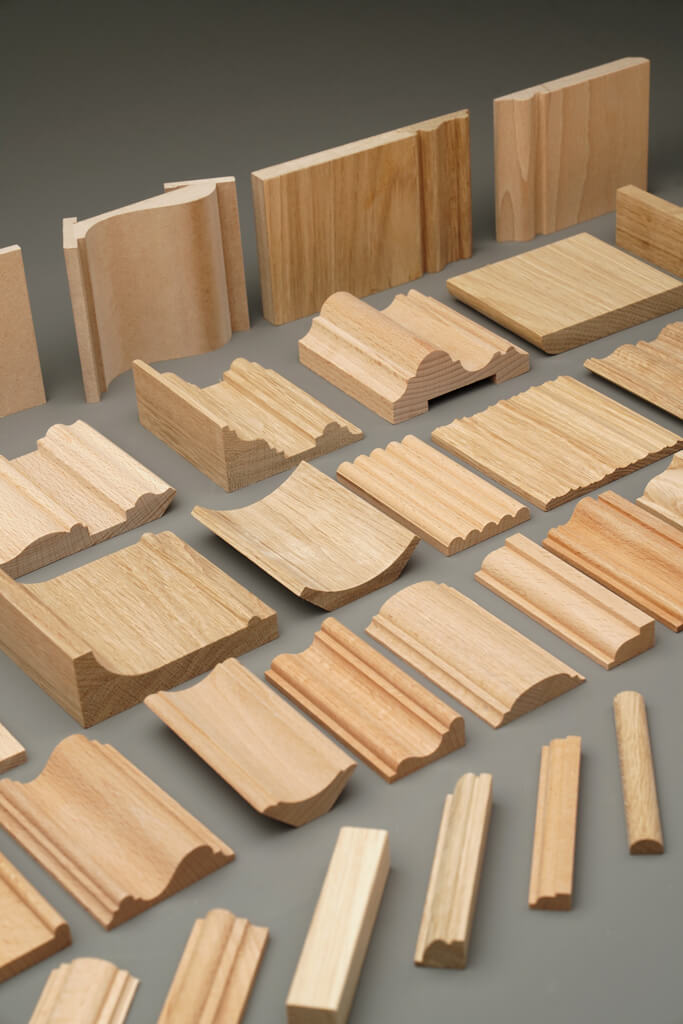
The capital completes the column, but in a classic interior, it is not the endpoint: above it is a horizontal element — an architrave or cornice. Wooden Pogonazh iz massiva — cornices, moldings, bands — should pick up the theme set by the capital. One type of wood, one finish, one style register.
Capital and Wooden moldings
At the level where the capital ends and the horizontal plane begins, a molding — ceiling or wall — often runs. The molding should 'accept' the capital's theme: the same tone, the same profile complexity. If the capital has leaf ornamentation, the molding may also feature a light botanical motif. If the capital is strict and profile-based, the molding is also laconic.
Capital for a pilaster: nuances of working with a flat element
A pilaster is a flattened version of a column. Its difference from a full column is that it is always pressed against the wall and has a rectangular cross-section. Accordingly, the capital for a pilaster is an applied element with a flat back base.
Installing such a capital is simpler: it is attached to the wall and the pilaster body with glue and fasteners. It is important to achieve a tight fit to the surface — any gap will be visible and disrupt the impression of solidity.
Connection with the horizontal belt
When pilasters run along a wall in a row — for example, in a hall with several openings — their capitals must be at the same height. This creates a horizontal visual rhythm: a row of capitals fixes the line on which the ceiling or cornice "rests." Capitals of different heights in the same row is a gross mistake that destroys the architectural order.
Pilaster with capital as part of a door portal
As part of a portal, a pilaster with a capital is a load-bearing vertical on which the entablature above the door "rests." The capital here is the most noticeable element of the framing, at eye level. Its ornament, proportions, and finish set the character for the entire portal. If you want to create a grand door portal with a wooden frame, start with choosing the capital.
Capital for furniture and portal: non-obvious but powerful scenarios
Furniture capital is a topic that most catalogs avoid. And it's a shame. It is in furniture that a small wooden capital can produce the greatest effect relative to its size.
Built-in libraries
If a living room or study wall is occupied by built-in bookshelves with decorative vertical posts, each such post needs a finish. A small capital on top of the post turns an ordinary cabinet into furniture architecture. The height of such a capital is usually 60–100 mm — it is proportionate to the furniture scale.
Sideboards and display cabinets
A sideboard with columns on the sides and capitals on top is a classic image of furniture in the neoclassical or Provence style. A small, light capital with Ionic scrolls or a simple leaf ornament — and the sideboard turns into a piece of furniture art.
Fireplace portal
It was already mentioned above — but here we add an important practical point: the capital for a fireplace portal must be of particularly high quality because it is located close to the heat emission level. Use hardwoods — oak, beech — with a high-quality lacquer coating resistant to temperature fluctuations.
Material and coating of the wooden capital
The material determines both durability, visual character, and finishing possibilities. Let's consider the main options.
Beech
A dense, homogeneous species with a fine texture. It holds clear ornament lines perfectly. It paints and tints well in any color. The optimal material for capitals that will be painted: the surface is smooth, enamel lays evenly, ornament lines remain sharp. Most capitals made of wood for furniture and interior applications.
Oak
Hard, heavy, with an expressive coarse texture. An oak capital is monumentality and weightiness. It looks good under natural varnish or with dark stain. For studies, hunting interiors, dark classic rooms.
Spruce and pine
Soft coniferous species. Light, warm, with an amber tone. Good for country houses and interiors with a rustic character. Less durable under mechanical loads, but sufficient for applied decorative capitals.
Coating: how not to make a mistake
Clear varnish — preserves the natural color and texture of the wood. Ideal for oak with expressive fiber structure. Matte varnish — for classic and country style. Semi-gloss — for more elegant interiors.
Stain and tinting — change color without losing texture. Dark walnut, wenge, light ash, bleached oak — a wide palette. Tinting allows you to precisely match the tone of adjacent elements: moldingtrim, furniture.
White and colored enamel is a popular choice for neoclassical interiors. A white capital on a white wall with a lightly tinted relief creates the effect of stucco molding at an incomparably lower cost. Important: for enamel, choose a capital with clear, unblurred ornament lines — paint hides small details.
Patina — a dark base with highlighted relief protrusions. The ornament "emerges" from the darkened surface — a very beautiful and noble effect. It is especially good for Corinthian and Ionic capitals with leaf ornament.
A capital for painting is a blank without coating, primed or sanded. It is chosen when you need to match the interior color exactly. You can paint it yourself or give it to a painter for professional finishing.
How to combine a capital with other decorative elements
A capital never lives in isolation. It is part of a system — architectural or furniture. The final result depends on how correctly it is integrated into this system.
Capital + column base
The base and capital must be of the same style and, as a rule, the same finish. If the capital is Corinthian with leaves, the base should have a similar ornamental register or be stricter, but not contradictory. Mixing a Baroque capital with a Tuscan base is an architectural mistake.
Capital + Carved Decor
If the interior features carved decor — on walls, furniture, doors — the capital should support its ornamental language. The same carving style creates a visual ensemble. A mix of ornaments destroys it.
Capital + Wooden trim
Cornices, rods, and bands on the ceiling are the horizontal "continuation" of vertical elements. Their profile and complexity should match the style of the capital. A complex Corinthian capital with a simple rectangular cornice is a dissonance. A laconic Doric capital with a heavy stucco cornice is also a mismatch.
Capital + Moldings
Molding — a horizontal rod on the wall — should run at the level of the upper edge of the capital or slightly above. This creates a horizontal "belt" that fixes the height of the capitals and gives the space a classical order. The style of the molding should be the same as that of the capital.
Color: unity or contrast
Two approaches: monochrome and contrast. The monochrome option — all wooden elements (capitals, moldings, pilasters, doors) are the same tone. The interior looks cohesive and calm. The contrast option — capitals are lighter or darker than the walls and moldings. Creates an accent and visual rhythm. Both approaches are correct, but each requires consistent application: principles cannot be mixed within one space.
Mistakes when choosing a wooden capital
Let's list the most common ones — not for criticism, but for prevention.
Buying a capital without measuring the column or pilaster. A capital that is wider or narrower than the shaft in the wrong proportion destroys the architectural logic. Always measure the width of the body and calculate the size using the formula.
Mixing different styles. A Corinthian capital next to a Tuscan base is not eclecticism, it's a mistake. All elements of the vertical structure must belong to the same order or at least the same stylistic register.
Choosing too large an element for a low ceiling. A tall capital with a ceiling of 2.5 m "eats up" space. Proportions are important: the lower the ceiling, the more laconic the capital should be.
Not considering the column base. Buying a capital separately without thinking about whether there is a base at the bottom and how it relates to the top element means getting a half-column with a "head" and without "legs".
Do not buy a capital separately from the pilaster. The most correct purchase is a set: pilaster, base, capital from the same series. If buying separately, carefully check the dimensions and style.
Do not overlook the color of the finish. A dark capital on a dark wall without sufficient accent lighting "sinks" and becomes unreadable. A light one on a white wall blends in. Think about contrast in advance.
Do not forget about adjacent moldings and cornices. The capital is not an independent island. It is part of a system. If moldings and cornices in the interior are already chosen, the capital must match them.
Do not buy one capital as a "test" without a reserve. If multiple pilasters are planned, buy the entire set at once. Products from different batches may differ slightly in wood tone. In a row of six pilasters, one "foreign" capital will be noticeable.
Care for wooden capitals
Overlay wooden capitals do not require specific care, but a few rules will ensure their long life.
Dust in the ornament. Relief carving accumulates dust in the recesses. Use a soft brush—artistic or decorator's—to clean the ornament. No hard brushes.
Wet cleaning. For capitals with a lacquer finish, a soft damp cloth is acceptable. Wipe dry immediately. For capitals with a wax or oil finish, only dry cleaning.
Refinishing. Capitals with a wax finish should be renewed every 1–2 years. Lacquer finish—every 5–10 years as needed. This maintains wood protection and restores color saturation.
Temperature and humidity. Humidity fluctuations are the enemy of wood. In rooms with central heating, maintain humidity at 40–60%. This prevents cracking.
Where to buy a wooden capital
Choosing a manufacturer or supplier is no less important than choosing the capital itself. Here you need to focus on specifics: the manufacturer must specify the type of wood, exact dimensions, method of attachment, and coating.
In the STAVROS catalog Wooden capitals are presented in several style options and standard sizes. Here also — pilasters and columns for a complete purchase of vertical structures, Moldings и Wooden trim for a horizontal ensemble, Carved wooden decoration for walls and furniture — everything in a single catalog, all from one material.
This is important: when the entire architectural system — from the capital to the molding — is purchased from one manufacturer, you get a guaranteed match of tones, proportions, and styles. This stitches the interior into a cohesive whole without visual seams.
If you need a wide selection wooden products for interiors — from architectural decor to furniture fittings — everything is collected in a single STAVROS catalog.
FAQ: Answers to popular questions
What is a capital?
A capital is the upper decorative element of a column, pilaster, or furniture post. It completes the vertical structure, visually connects it with horizontal elements — cornice, shelf, entablature — and carries architectural ornament.
Where are wooden capitals used?
On columns and pilasters in interiors, in door and fireplace portals, on furniture posts of built-in libraries, sideboards, cabinets, and display cases. In studies, living rooms, halls, country houses, and commercial interiors.
What distinguishes a capital from a pilaster?
A pilaster is a vertical element, the body of the structure. A capital is its upper completion. These are different parts of one architectural system: a pilaster without a capital looks unfinished.
How to choose the size of the capital?
The width of the capital should be approximately 1.3 times the width of the column body. The height depends on the ceiling height: for 2.7–3 m — 80–150 mm, for ceilings above 3.5 m — from 150 mm and above. The proportion table is provided above.
Is a wooden capital suitable for furniture?
Yes, and this is one of the expressive techniques in furniture design. Small capitals on the posts of a library, cabinet, or sideboard give furniture an architectural character.
Can a capital be used in a door portal?
Yes. In a classic door portal, pilasters on the sides of the opening are topped with capitals, on which the horizontal element of the portal — entablature or pediment — "rests." This is architecturally correct and a very expressive solution.
Which is better: carved or smooth capital?
Depends on the interior. Carved — for rich classical and baroque spaces with high ceilings. Smooth profiled — for neoclassicism, furniture, modern classics, and cases where painting is planned.
Can a wooden capital be painted?
Yes. Capitals without coating are specifically designed for self-painting. The scheme: sanding → primer → enamel or tinting → finishing varnish. Choose beech — it accepts paint best.
How to combine a capital with a column and base?
The base and capital should be of the same style and coating. The width of the capital is about 1.3 times the width of the shaft. The height of the base and the height of the capital are approximately equal, or the capital is slightly taller. All three elements form a single ensemble.
Where to buy a wooden capital?
The STAVROS catalog features wooden capitals in several styles and sizes. Go to: Wooden capitals.
About the manufacturer
STAVROS is a Russian manufacturer of wooden architectural and decorative elements for interiors. The company's range includes Capitals, pilasters and columns, Moldings, Wooden trim and a wide assortment wooden carved decoration. All products are made from stabilized solid wood with professional finishing. If you are looking for a wooden capital for a column, pilaster, portal, fireplace area, or furniture — in the catalog STAVROS you will find a solution that exactly matches your style, size, and task.