

























Article Contents:
- Why mirror panels need framing
- Why polyurethane moldings are better than traditional baguette
- Basic schemes for designing mirror panels with moldings
- Scheme 1. One mirror panel in a molding frame
- Scheme 2. Mirror wall made of several panels in a unified molding system
- Scheme 3. Mirror panel with decorative overlays
- Scheme 4. Beveled mirrors in a molding system
- Scheme 5. Mirror inserts between moldings without a perimeter frame
- Scheme 6. Mirror above a console or chest of drawers in a molding decor system
- Where to use mirror panels with moldings: by room
- Entryway and hallway: mirror as a first impression
- Hall: monumental mirror panel
- Bedroom: mirror by the bed and in the dressing area
- Living room: mirror panel behind the sofa and in the dining area
- Dressing room: mirror panels in the fitting area
- Commercial spaces: salons, boutiques, hotels
- How to choose moldings for a mirror wall
- By interior style
- By Profile Width
- By color
- How to combine mirror panels with baseboards, cornices, doors, and furniture
- Baseboard as the lower horizontal
- Cornice as the system completion
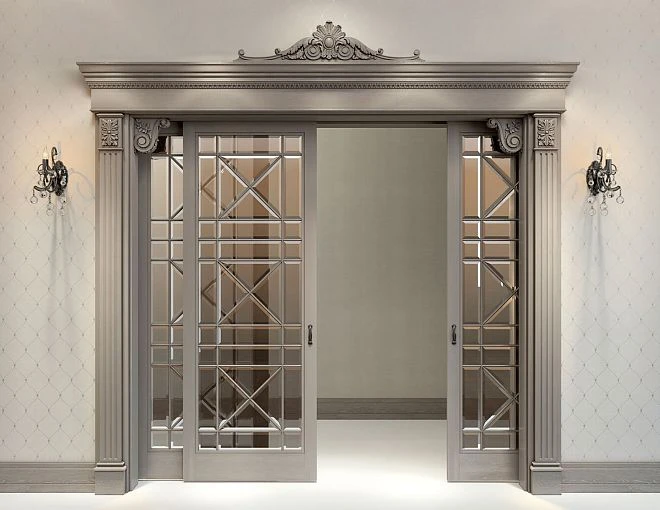
- Door casings: stylistic unity
- Sconces along the frame axes
- Technology: what to know before installation
- Marking is the foundation of everything
- What is installed first: mirror or moldings
- Adhesive and fasteners
- Joint of molding and mirror
- Mistakes when decorating mirror panels with moldings
- What to buy for a mirror wall with molding framing
- Answers to popular questions
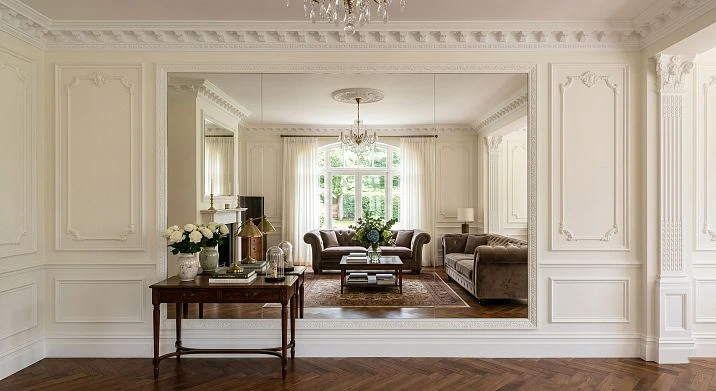
A mirror on the wall is not just a reflection. It is light, it is air, it is an illusion of space that physically does not exist. Mirror panels in interiors have long ceased to be an attribute exclusively of bathrooms and fitting rooms. Today, they work in the living room, bedroom, hallway, dressing room, and dining area. They multiply light, visually expand the room, and create depth where there is none.
But here is the paradox: mirror panels installed without an architectural frame often look cold and random. A shiny plane without a frame is not design; it is just the mirror installer came and left. A feeling of incompleteness haunts such an interior, no matter how expensive the mirror itself is.
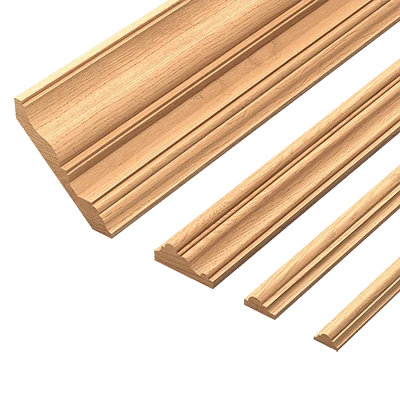
This is whereMoldings made of polyurethane. They do what no baguette can do: create a three-dimensional architectural frame that turns mirror inserts into a full-fledged wall panel with character, style, and meaning.
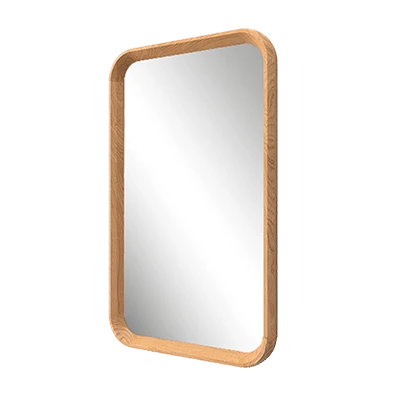
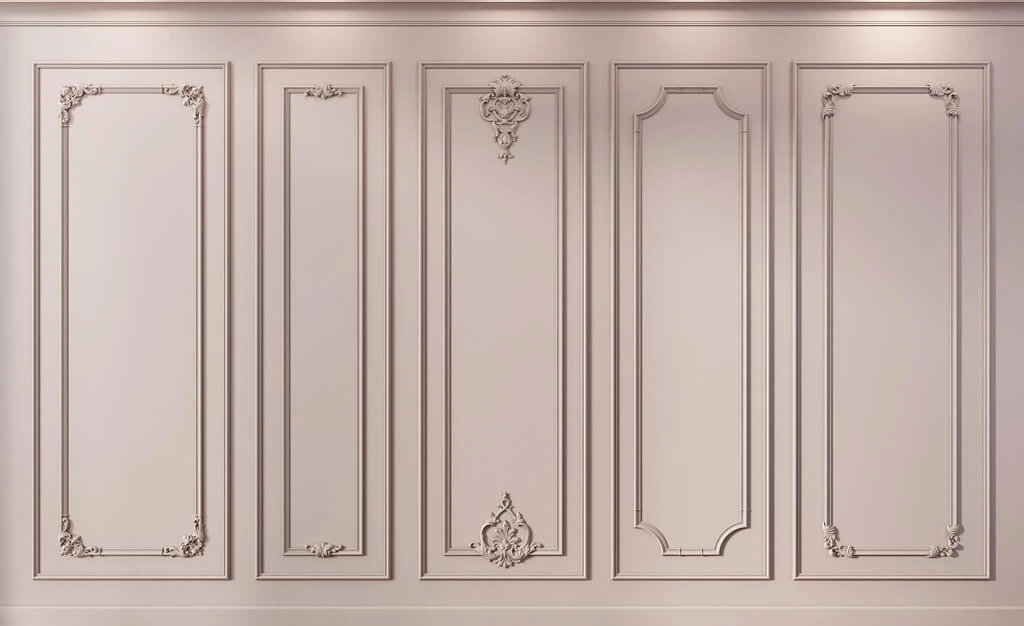
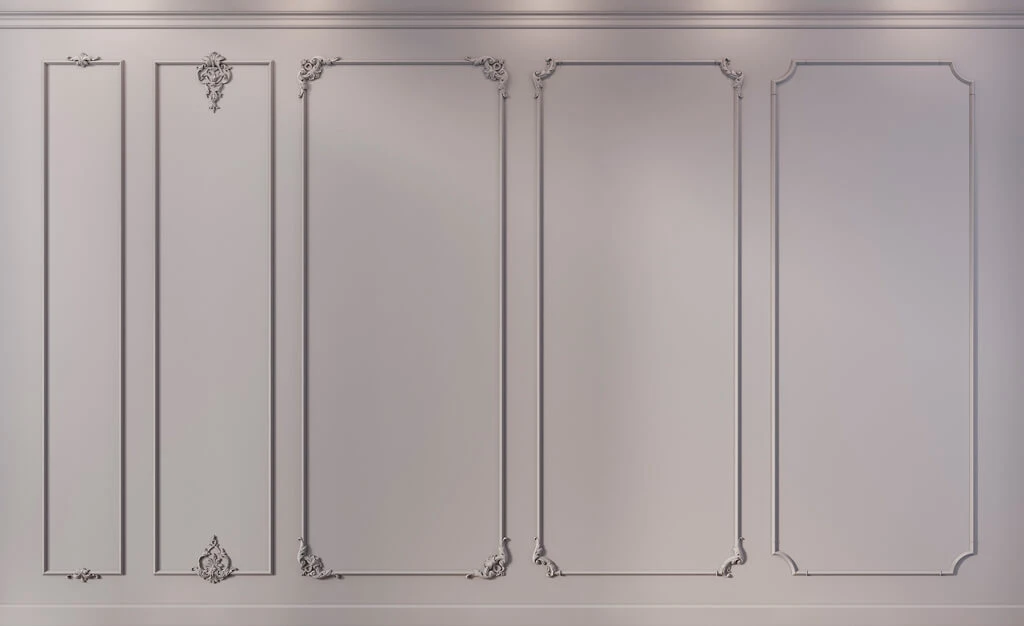
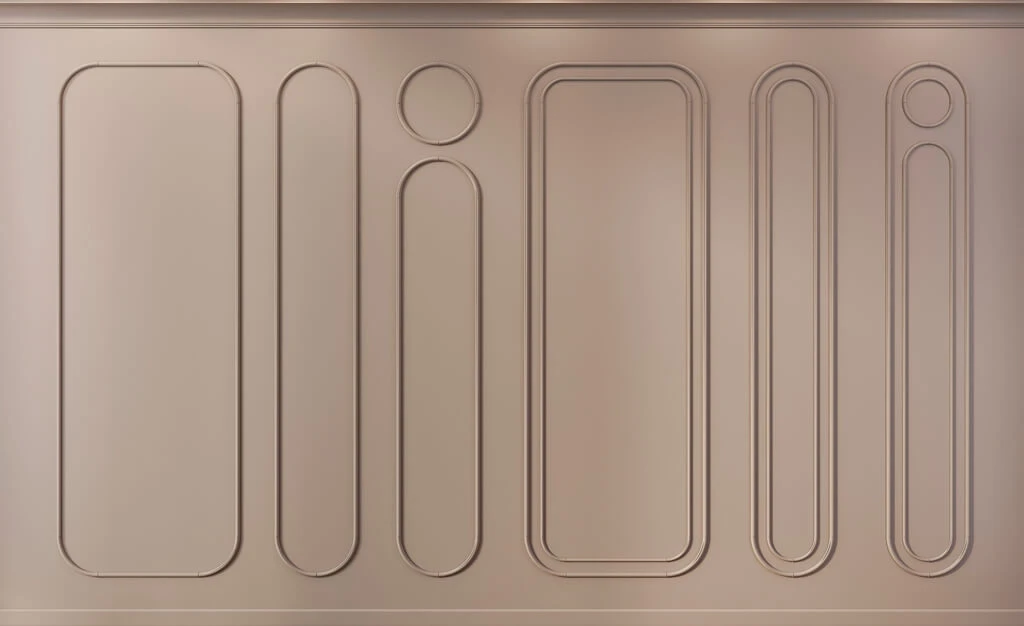
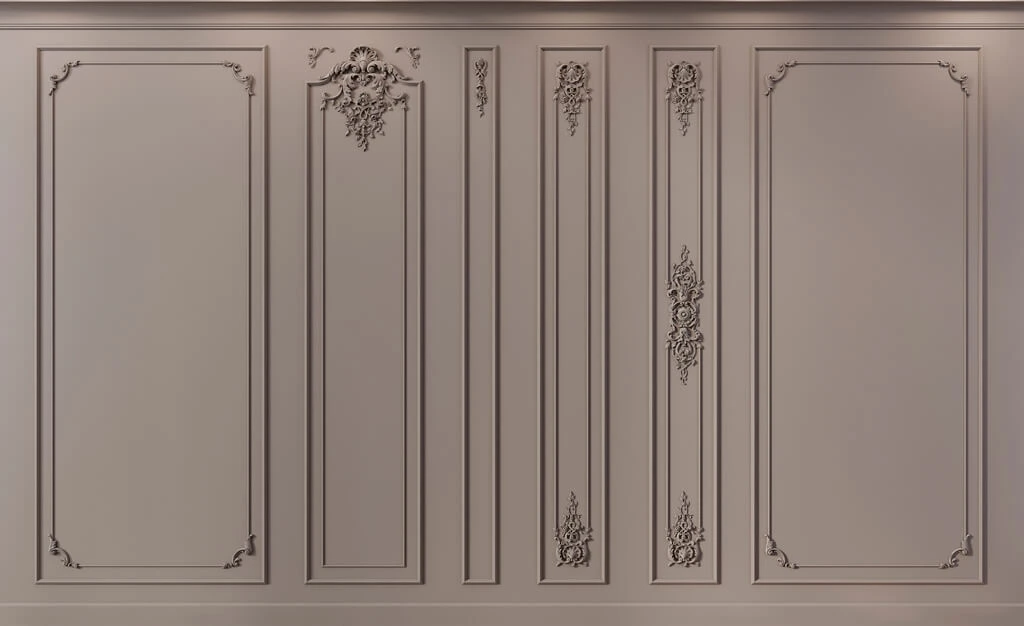
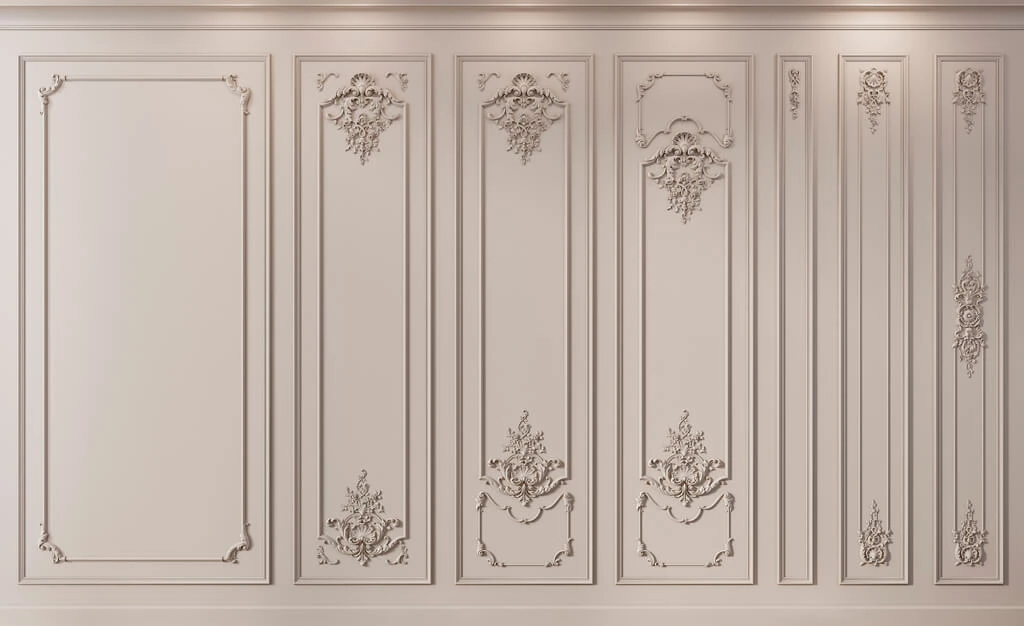
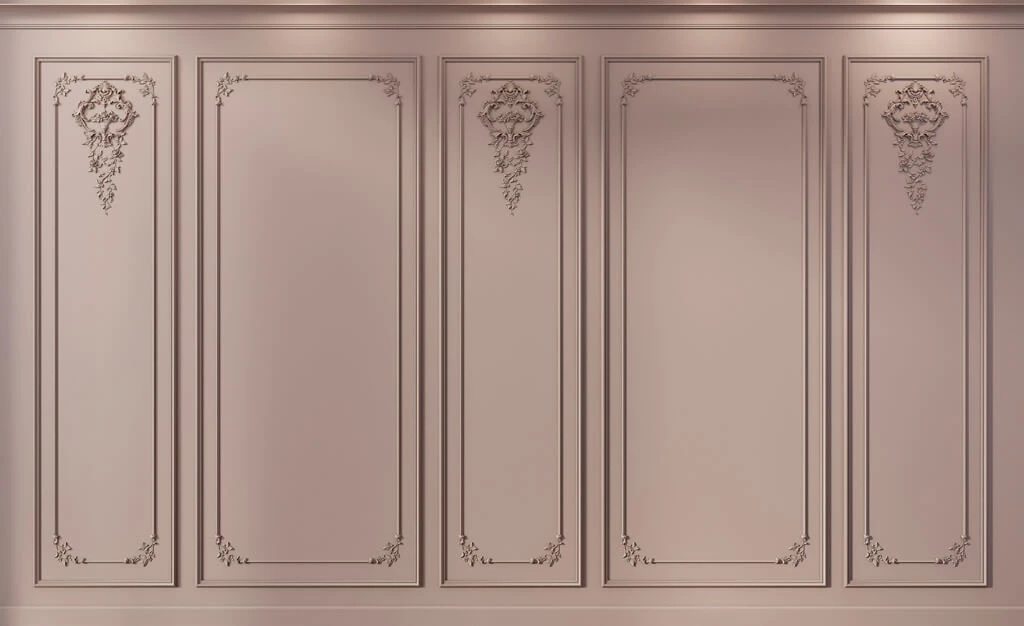
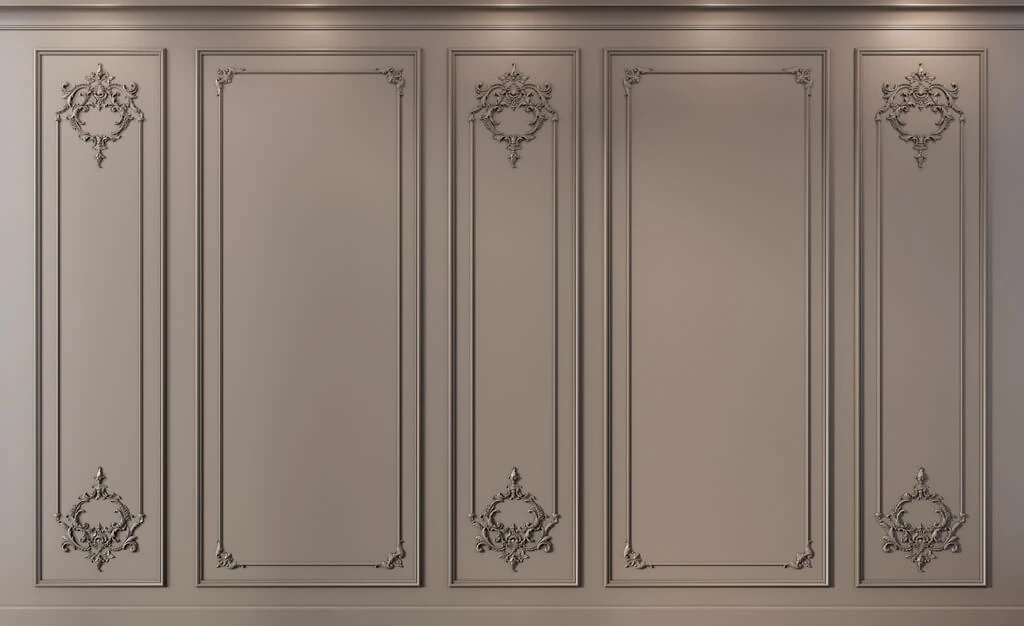
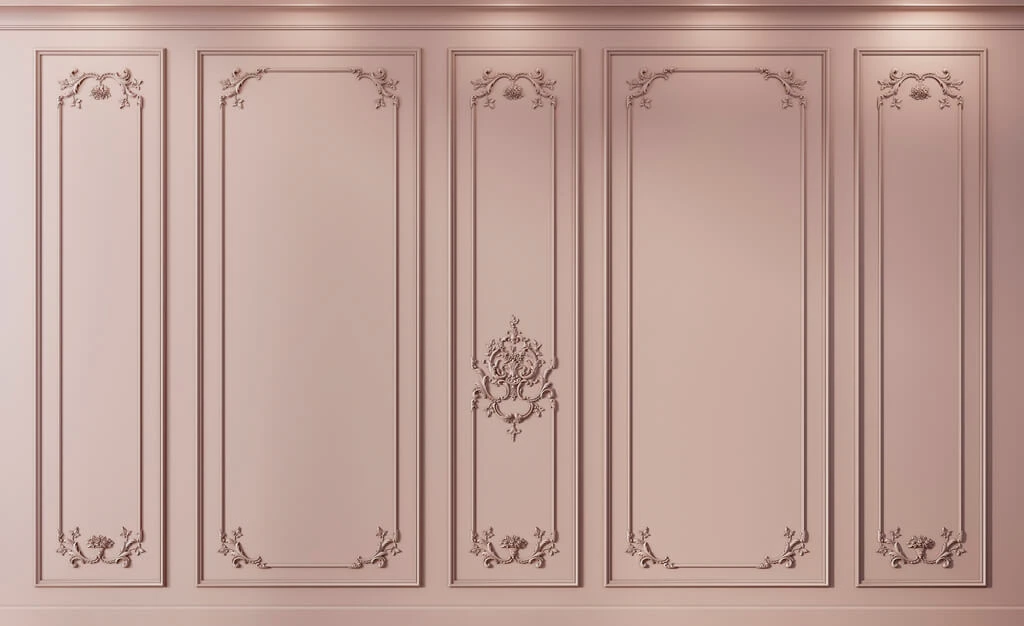
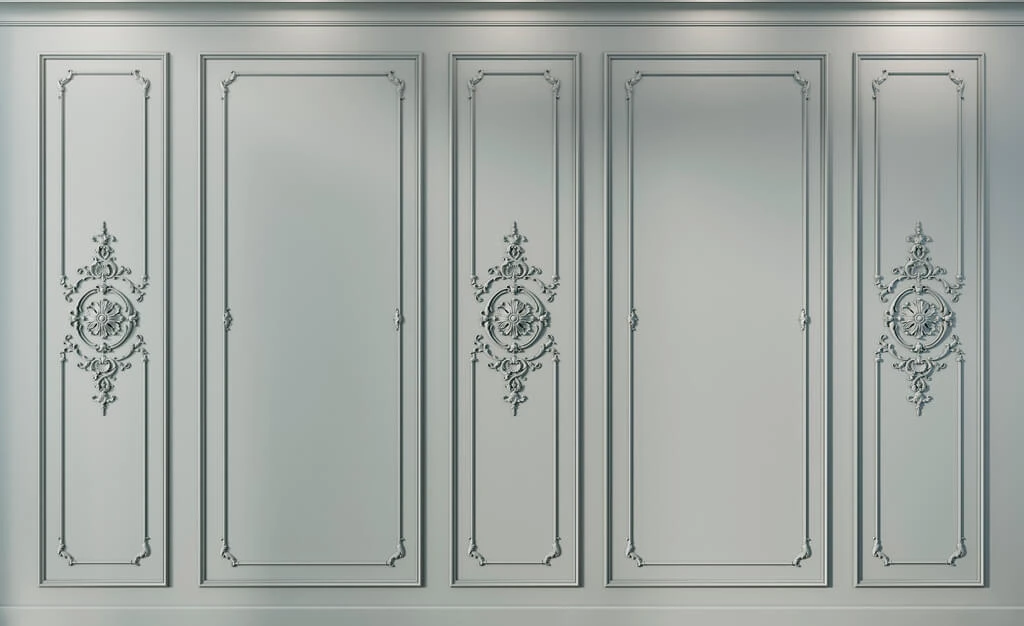
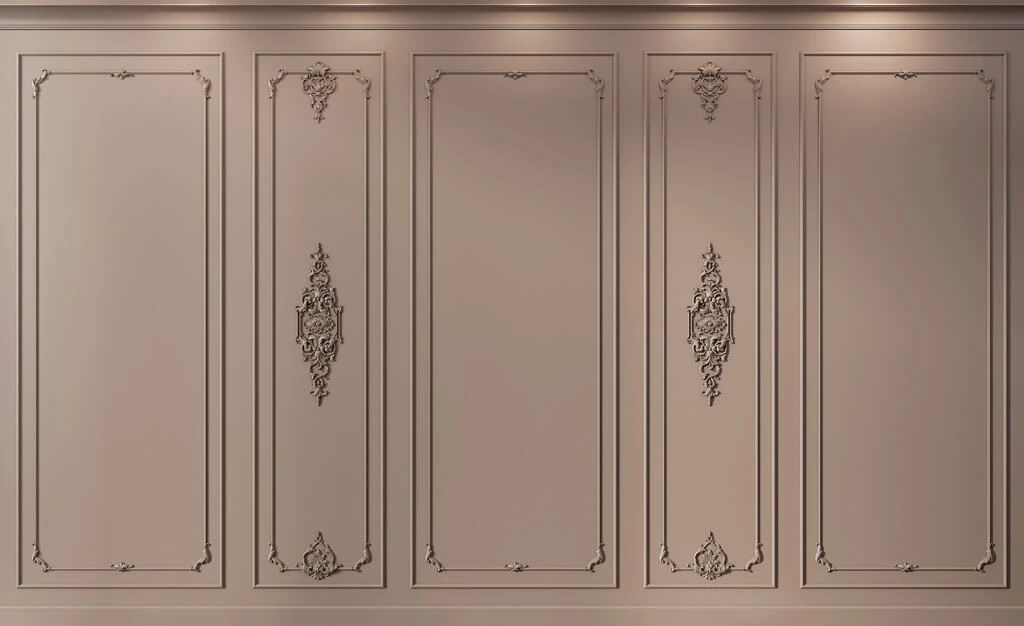
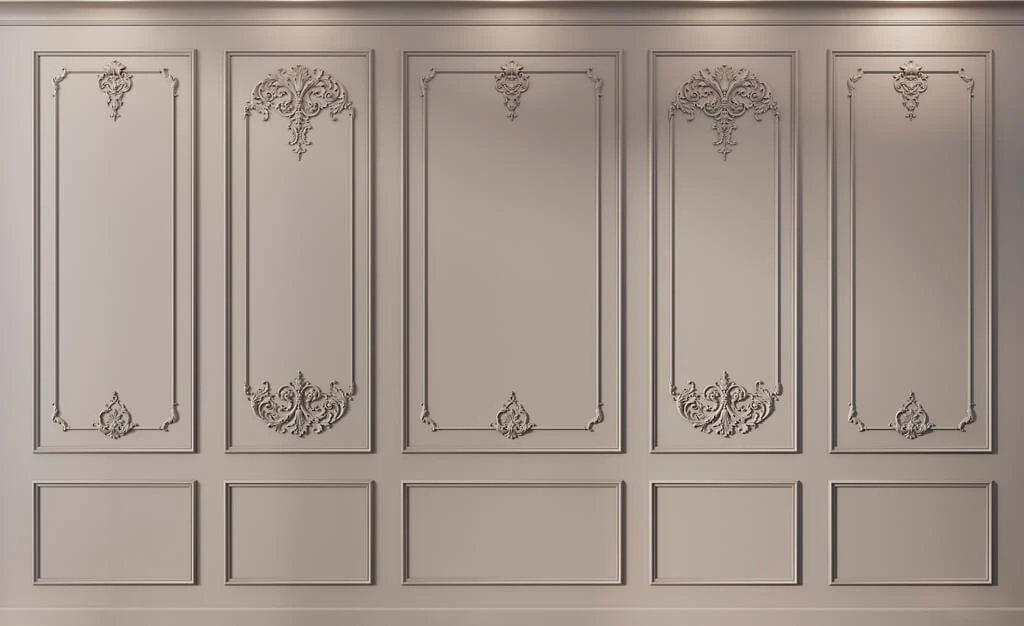
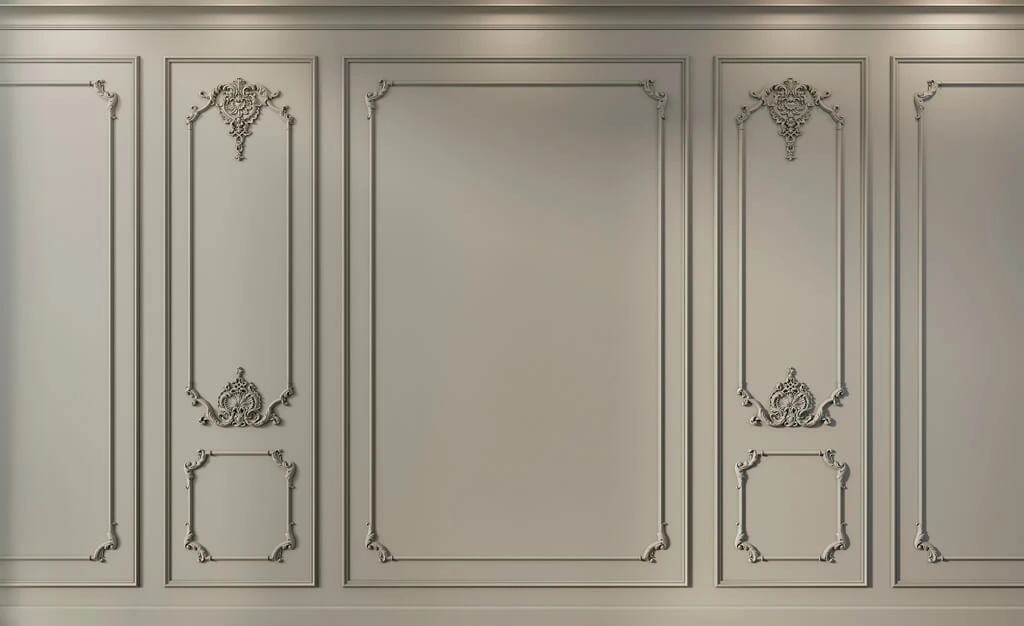
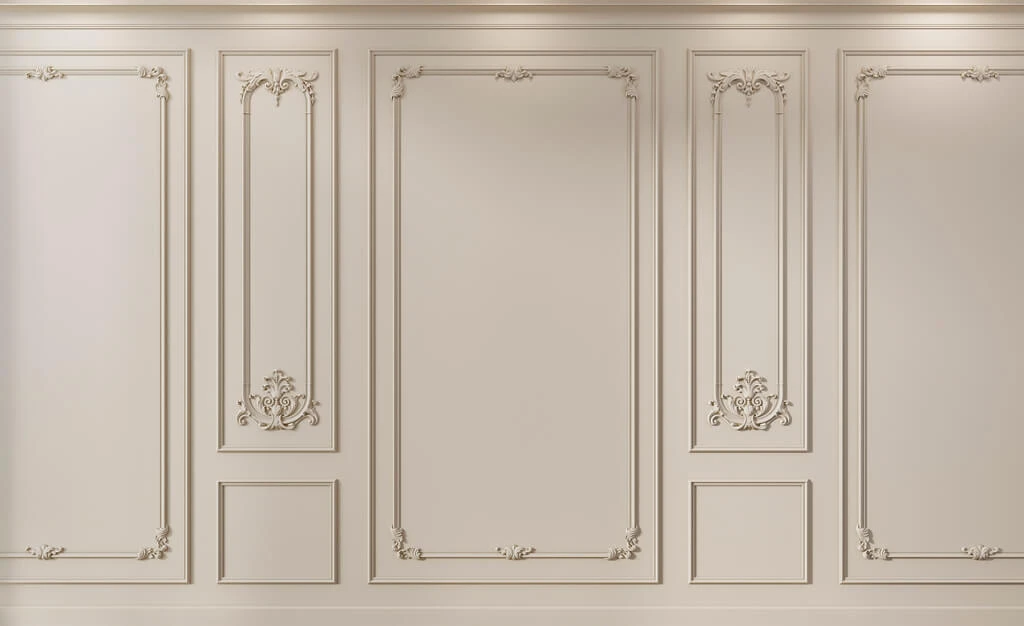
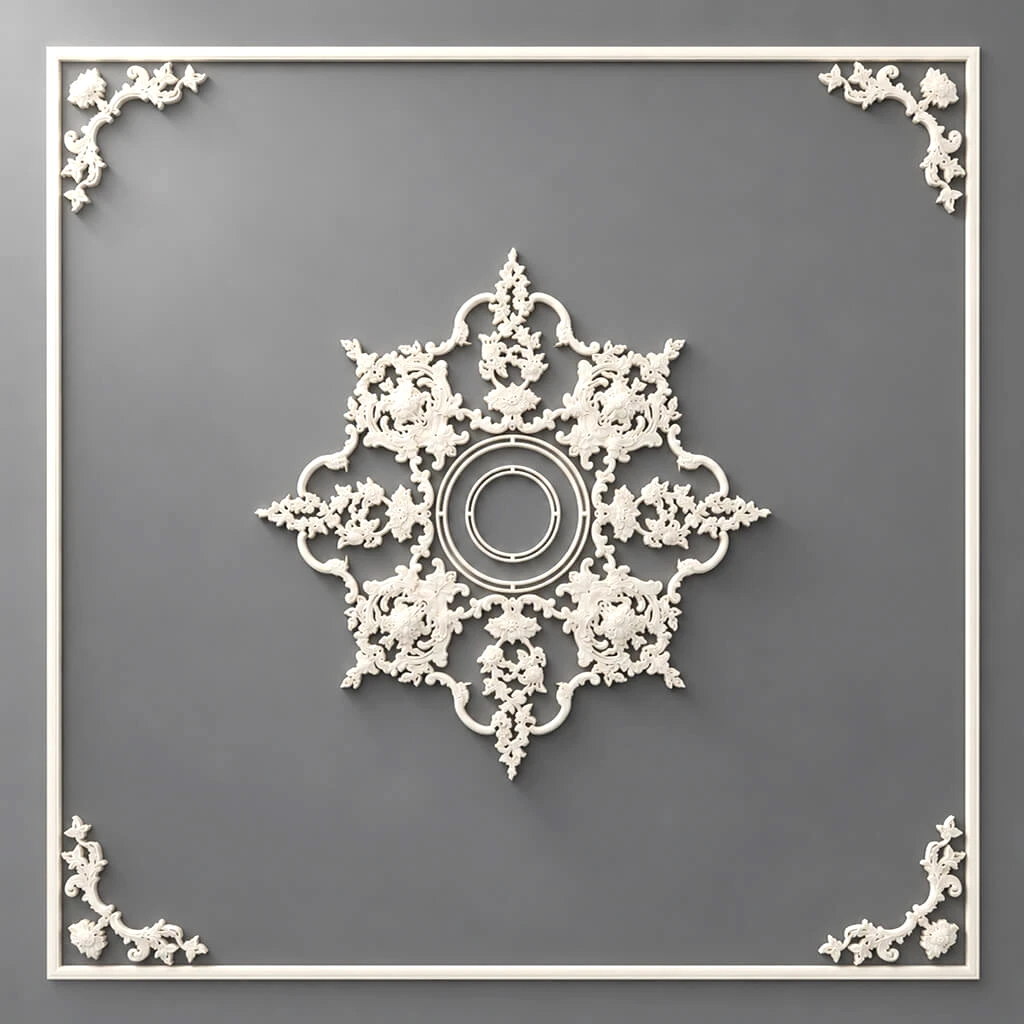
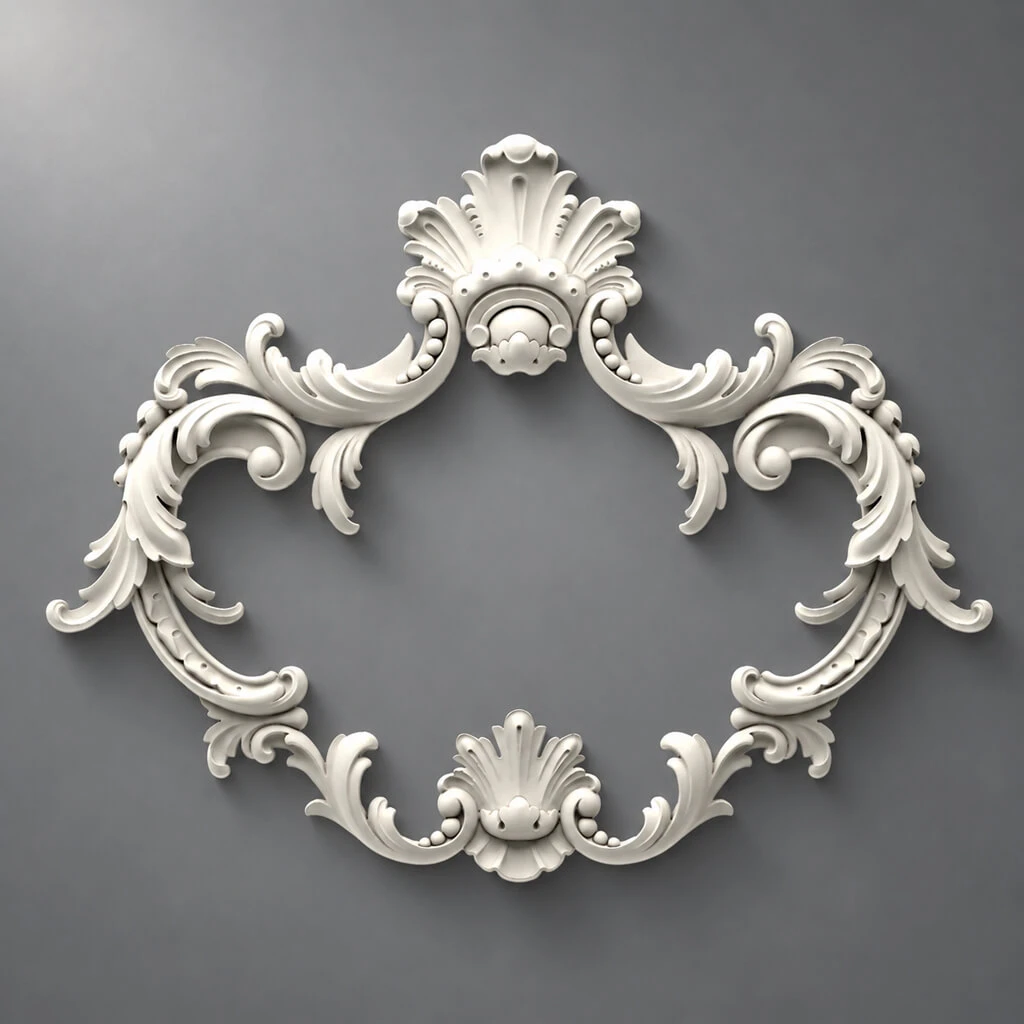
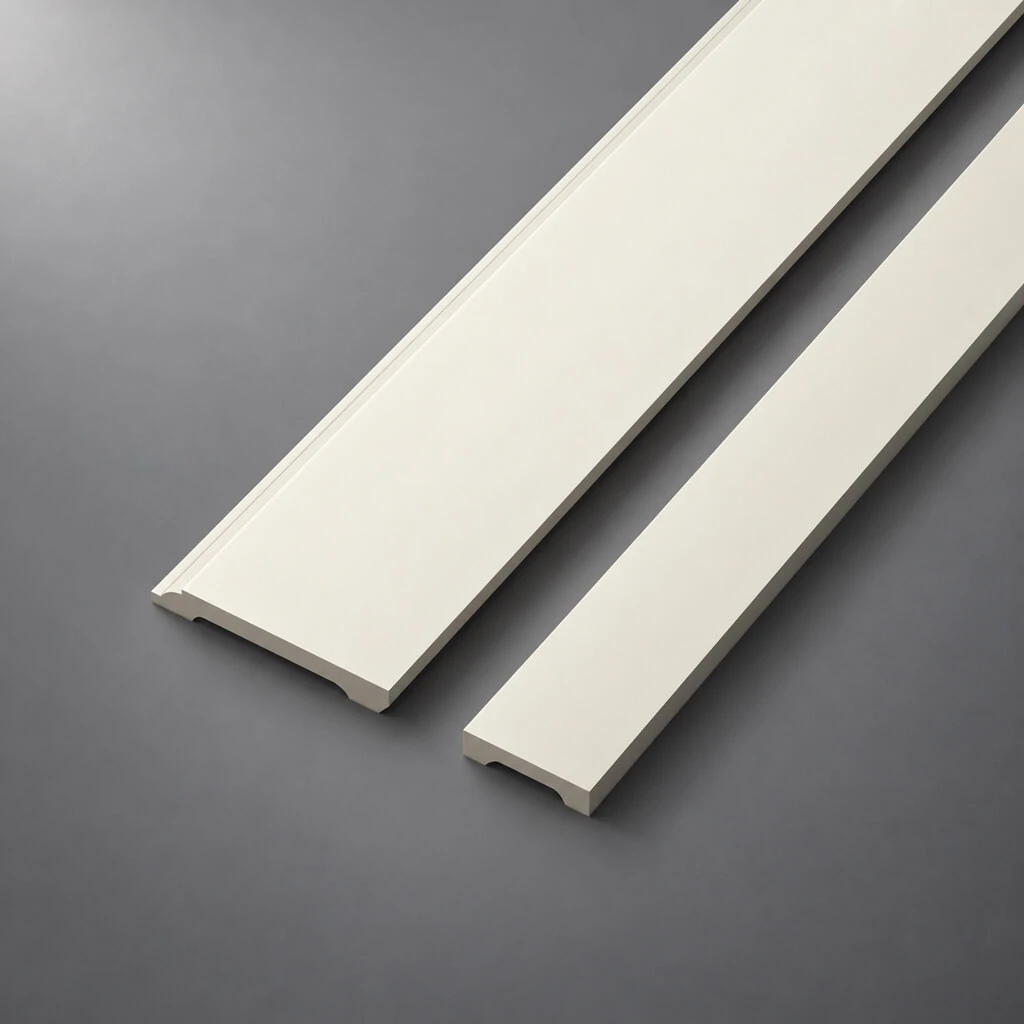
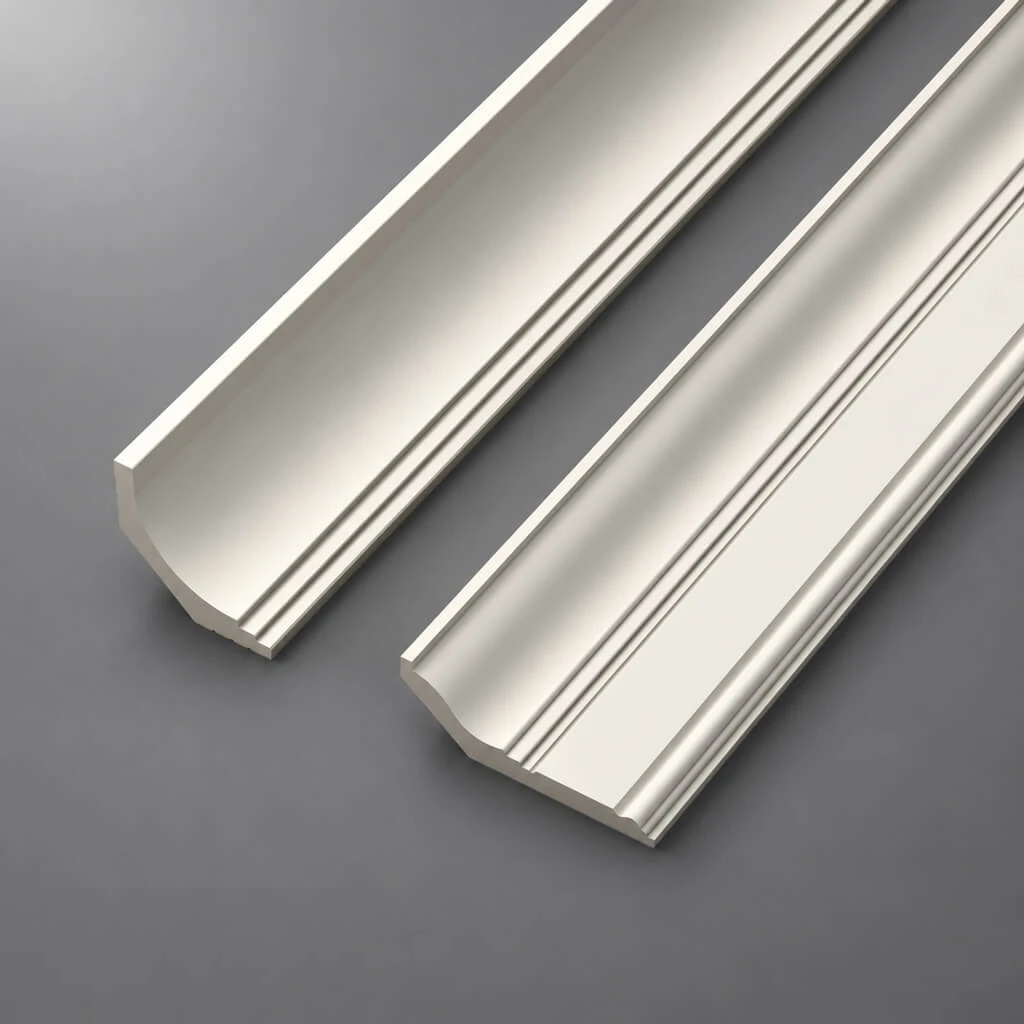
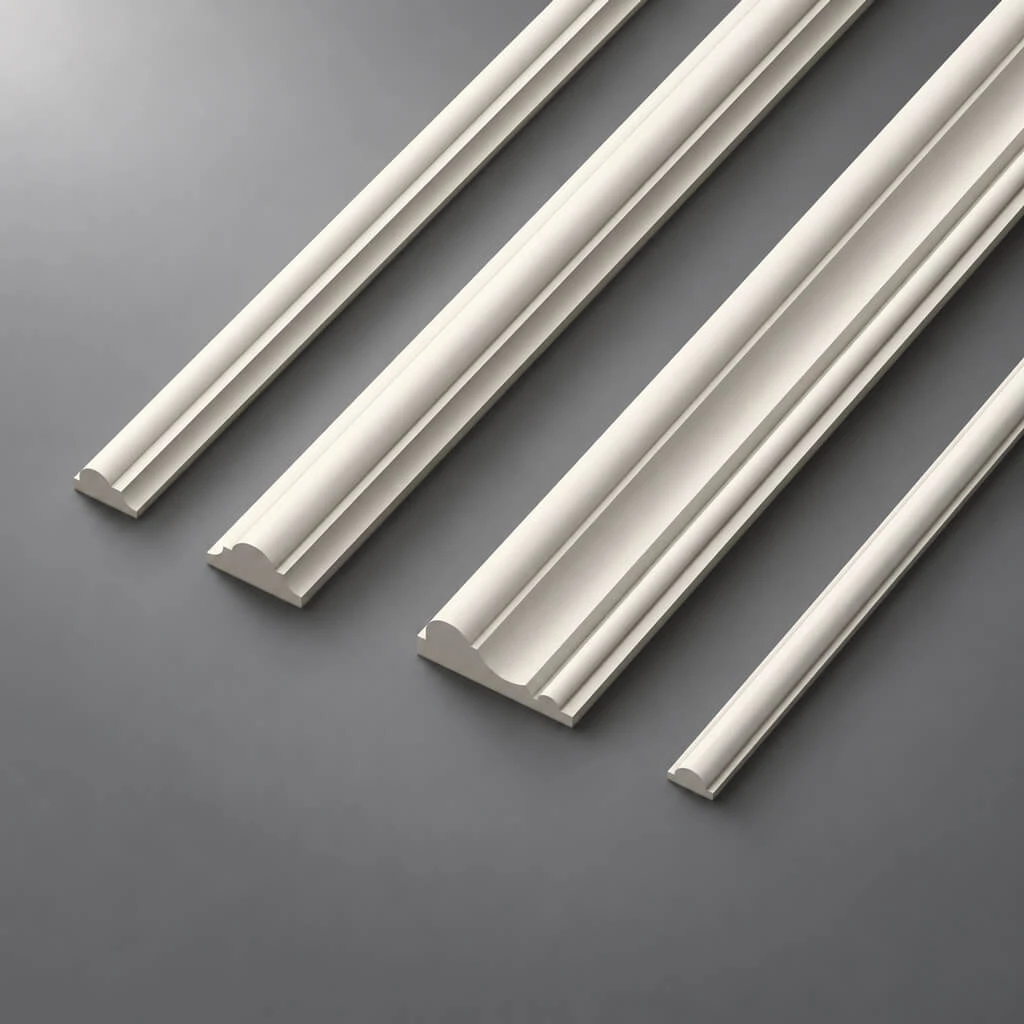
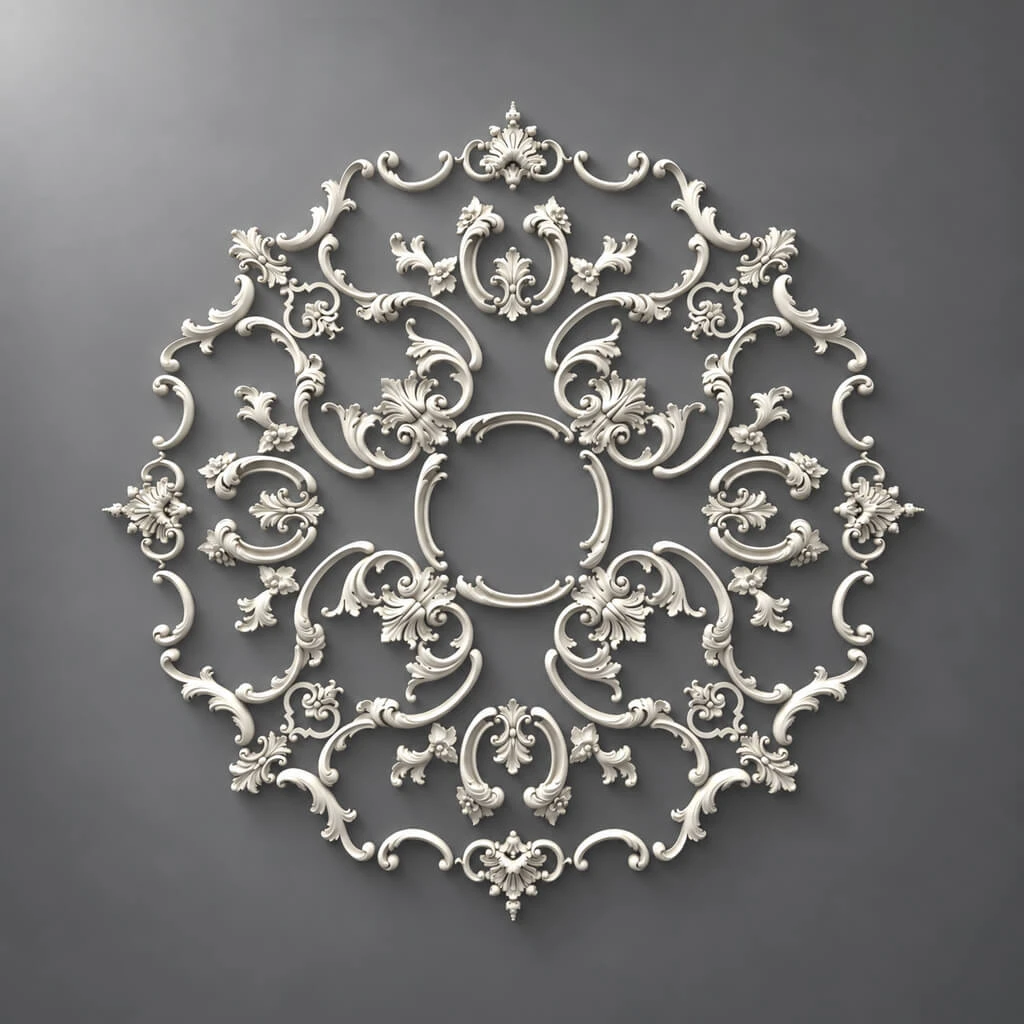
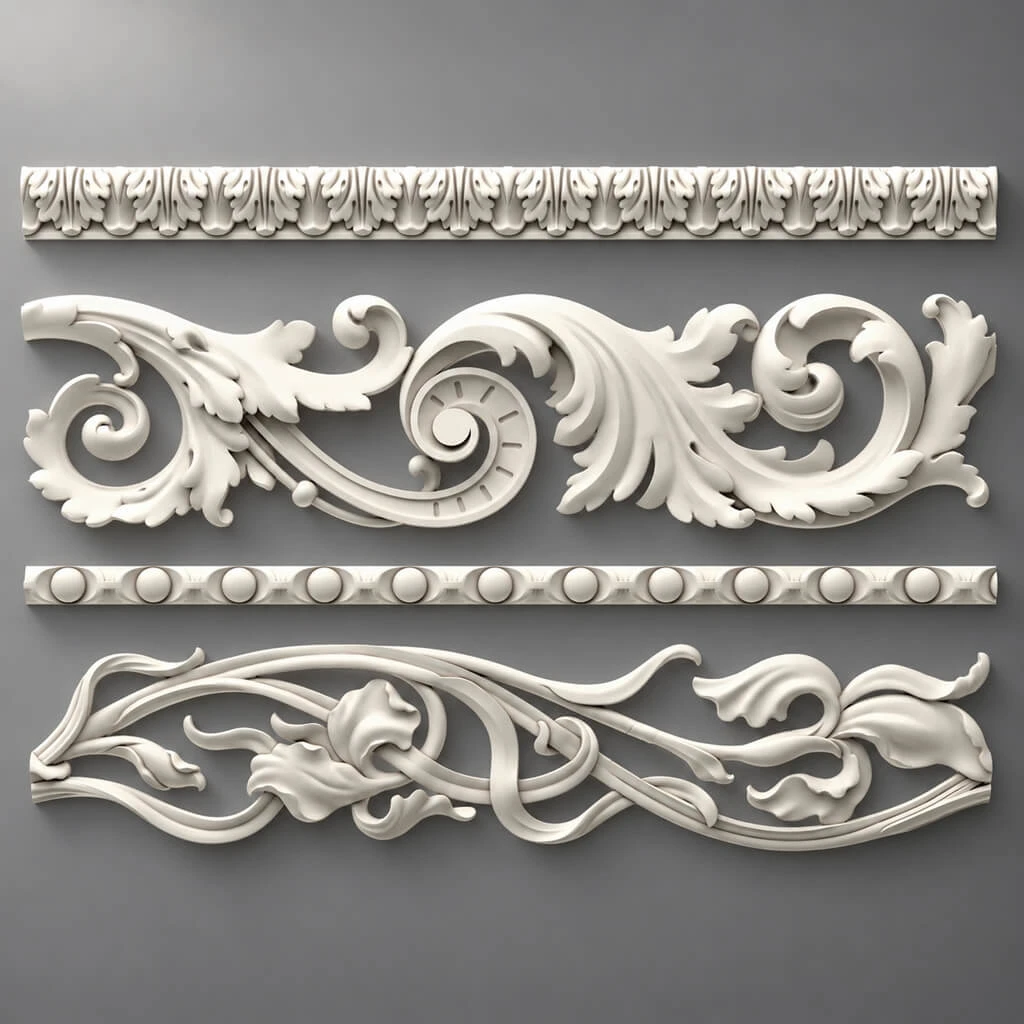
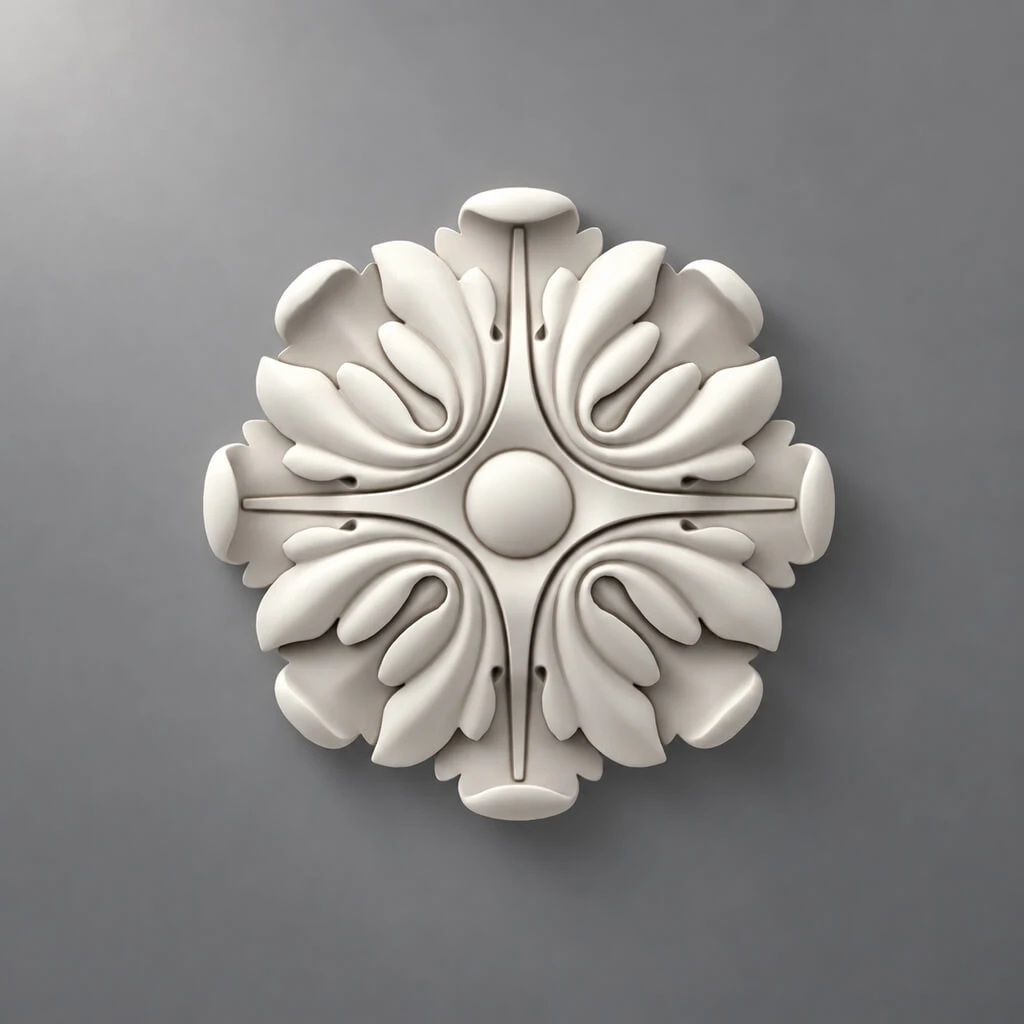
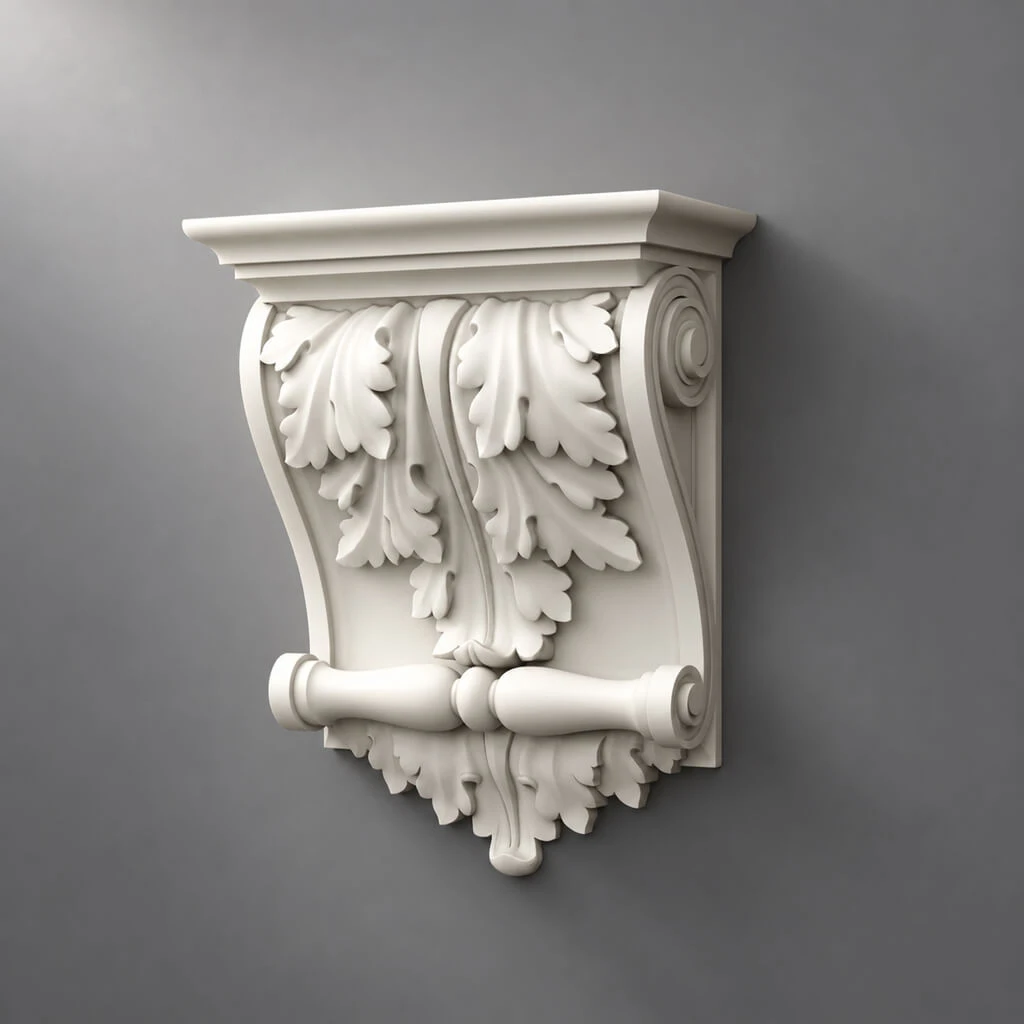
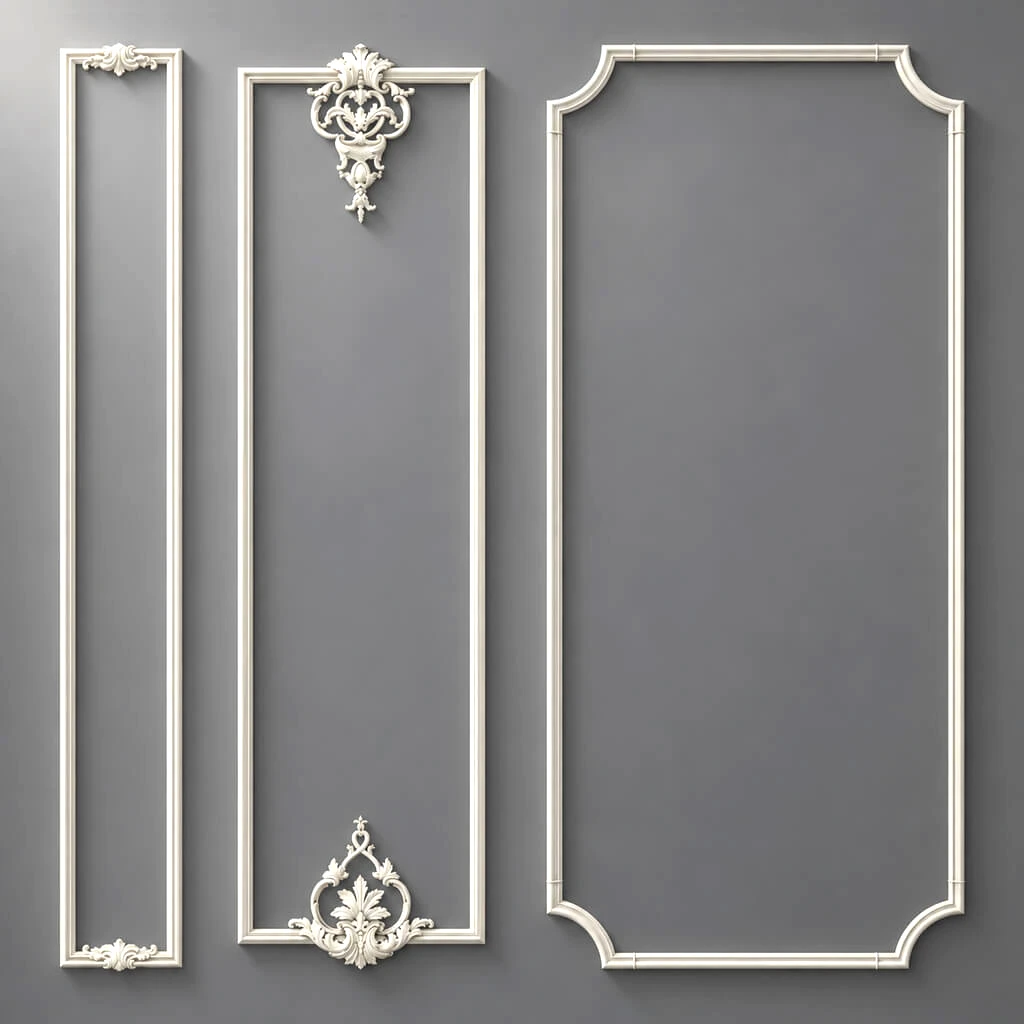
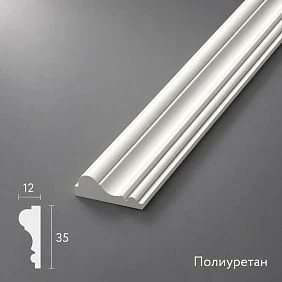
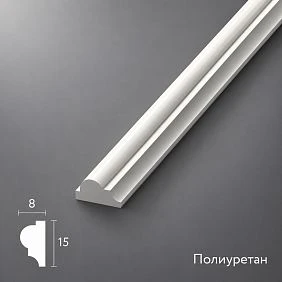
Mirror panels visually expand the room, but without an architectural frame, they can look cold and random.Polyurethane moldingsSTAVROS help frame mirror inserts as a full-fledged wall panel.
Why mirror panels need framing
This is a question not everyone asks — and in vain. The mirror surface itself is active: it reflects everything in the room, multiplies light streams, and creates a sense of additional space. But it is precisely this activity that requires a clear frame.
Without a frame, a mirror panel is a hole in the wall. Visually, it 'falls through' the surface: there is no boundary between what is real and what is reflected. A molding frame provides this boundary. It says: here is the wall, and here is the mirror panel. These are two different layers of reality, and between them there is a clear architectural accent.
The second argument is stylistic. A mirror without a frame is a neutral object. A mirror in a frame made ofpolyurethane wall decor— this is an interior statement. A classic profile with corner inserts — and you have neoclassicism. A smooth, laconic 20 mm profile matching the wall color — and this is already modern classic or minimalism. The frame shape defines the style of the space no less than the furniture.
The third argument is practical.wall decor with a polyurethane mirrorallows you to hide the edges of the mirror sheet: mounting adhesive, gaps, not perfectly straight edges — all of this is concealed under the molding. The frame is not only beauty but also a technological cover.

Why polyurethane moldings are better than traditional baguette
A logical question: why moldings if there is baguette? Let's break it down honestly.
Traditional wooden or plastic baguette is flat. It creates a frame but does not create volume. Polyurethane molding is voluminous: it protrudes from the wall, casts a shadow, creates a play of light and shadow, and has a complex cross-section. This is not framing — it is an architectural detail.
The second difference is scale. Baguette is a frame format: it works around a single mirror.Moldings for mirror panels— a systemic tool: they can frame one panel, several, create horizontal and vertical belts, and build a full architectural wall system.
The third is integration. Polyurethane molding can be painted in any color. It can match the wall color (and then the mirror panels 'grow' directly from the wall), be white, contrasting, or have a metal imitation. Baguette does not offer such flexibility.
Fourth is weight. Polyurethane is lightweight.Polyurethane Itemsweigh several times less than plaster counterparts and do not create additional load on the wall. Installing moldings next to mirror panels is fast, clean, without a hammer drill.
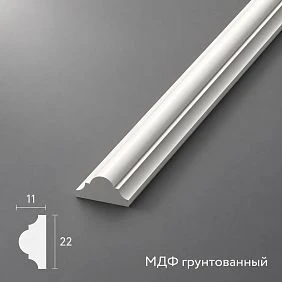
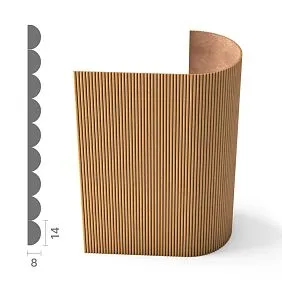
Our factory also produces:
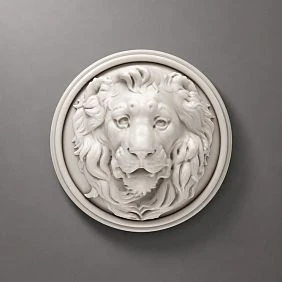
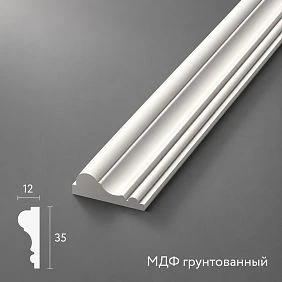
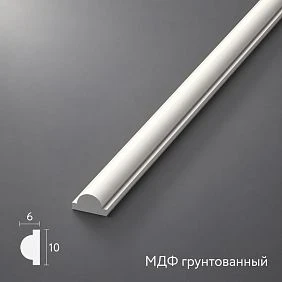
Basic schemes for decorating mirror panels with moldings
Get Consultation
Scheme 1. One mirror panel in a molding frame
A classic and most straightforward scheme. A single rectangular mirror panel is framed with moldings around the perimeter. The profile is mounted flush with the edge of the mirror or with a slight overlap (5–8 mm) onto the mirror surface.
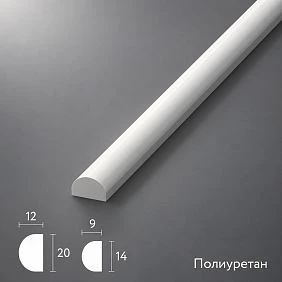
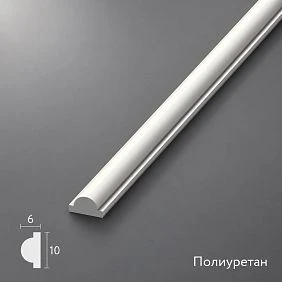
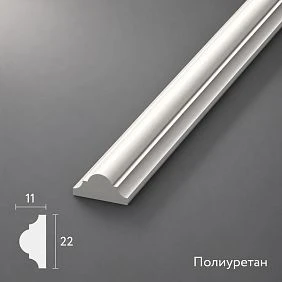
The frame size strictly matches the mirror size. Profile width: 25–50 mm depending on the panel scale. Small mirror (up to 80 × 80 cm) — profile 20–30 mm. Large panel (from 1 × 1.5 m and above) — profile 35–55 mm.
This scheme works everywhere: in the hallway above a console, in the bedroom above a vanity table, in the living room on an accent wall, in the foyer on an end wall.Stucco decor for a wall with a console and a chest of drawers— about the principles of attaching the frame to furniture and the mirror.
Scheme 2. Mirror wall made of several panels in a unified molding system
Several mirror panels on one wall — each in a separate frame, united into a single architectural system. This is no longer just "mirrors on the wall" — it is a mirror wall with character.
The system is constructed as follows: the overall perimeter of the wall is marked by a cornice at the top and a baseboard at the bottom. Inside, vertical molding belts divide the wall into equal sections. In each section, there is a mirror panel. Between the panels, there are gaps filled with the wall. The width of the gaps is the same.
It is precisely thismirror wall in modern classic or neoclassical style that looks like an expensive architectural element. Not like glued mirrors, but like an integrated architectural system.symmetric polyurethane wall decor — about the principles of symmetry and rhythm in systematic molding walls.
Scheme 3. Mirror panel with decorative overlays
Mirror panel in a molding frame — plusDecor for Molding at the corners andPU overlay at the center of the top crossbar. This is a formal scheme that works well in a hallway, in a living room with high ceilings, in a bedroom with a neoclassical interior.
Corner inserts are the node where horizontal and vertical profiles meet. In a minimalist frame, this corner is made at 45° without an insert. In classic and neoclassical versions, there is a decorative corner insert with a geometric or floral motif. This is a small detail that fundamentally changes the character of the frame.
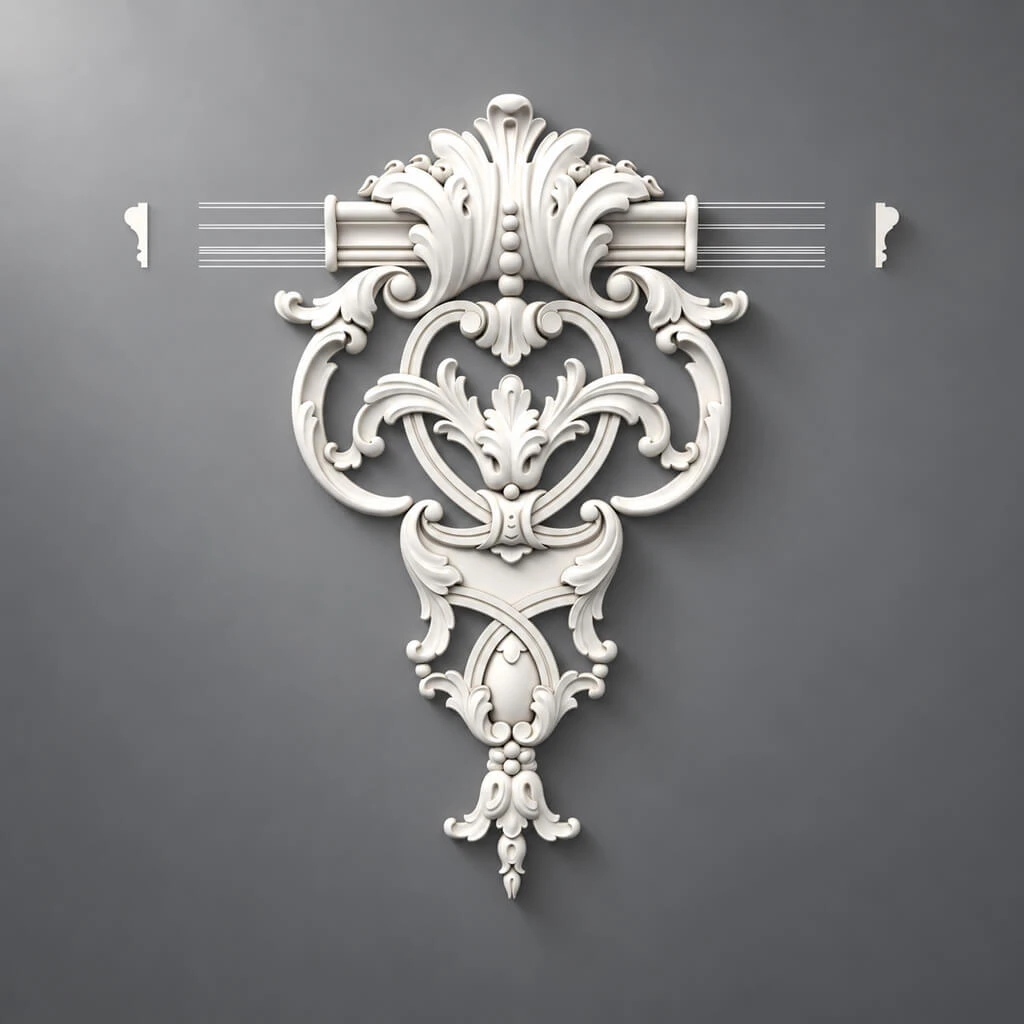
Polyurethane decorative appliquesa medallion, cartouche, or geometric element in the center of the top crossbar adds monumentality to the frame. It works especially well in formal spaces: the hall of a country house, a study, a bedroom with high ceilings.
Scheme 4. Beveled mirrors in a molding system
A beveled mirror — a mirror with a processed beveled edge — is itself a decorative element. The bevel provides additional light refraction, giving the mirror an expensive, jewelry-like appearance.
Moldings for beveled mirrorsare mounted slightly set back from the edge of the mirror so that the bevel is visible: overlapping the molding onto the beveled mirror covers its decorative edge, which is unacceptable. The profile's offset from the edge of the mirror panel is 8–15 mm to keep the bevel strip exposed.
Beveled mirrors in neoclassicismis a very organic combination: the classic molding profile and the shiny beveled edge of the mirror work in the same direction — creating a sense of richness, refinement, and architectural depth.
Scheme 5. Mirror inserts between moldings without a perimeter frame
An alternative scheme for modern interiors: mirror panels are inserted between vertical moldings that run from the baseboard to the cornice. There are no horizontal crossbars — only verticals. The mirrors seem to grow out of the wall, bounded by vertical profiles on the sides.
This is a modern, minimalist solution, close to the principles of Japandi or contemporary minimalism.Moldings and decor in the Japandi style— profiles specifically for such concise vertical systems.
Scheme 6. Mirror above a console or chest of drawers in a molding decor system.
A mirror above a console or chest of drawers is one of the most common situations in the hallway, living room, and bedroom. Here, moldings work on two levels: the frame around the mirror and the decorative system on the wall around the entire area.
Mirror frame — profile 28–40 mm, classic or modern. Wall around: a horizontal belt at the level of the console or chest of drawers lid (divides the wall into functional zones), vertical lines on the sides of the furniture. All together — a single architectural composition: console + mirror + molding system.
Stucco decor for a wall with a console and a chest of drawers— detailed breakdown of schemes for the zone with a console, mirror, and wall sconces.
For mirror panels, you can use Moldings made of polyurethane, Decor for MoldingandPU overlays. This way, the wall gets not only reflection and light but also an expressive architectural frame.
Where to use mirror panels with moldings: by room.
Hallway and corridor: mirror as the first impression.
The hallway is the first thing a guest sees and the last thing you see when leaving home. A mirrored wall with moldings in the hallway is a powerful technique that solves several tasks at once.
Functional: the mirror allows you to see yourself at full height or check your appearance before leaving. Decorative: the mirror surface visually expands a narrow space, adds light, makes the hallway more spacious. Architectural: the frame made ofmoldings for mirror panels turns the mirror into an interior accent.
In the hallway, vertical formats work well: a tall mirror panel (160 to 220 cm high) in a classic or modern frame. On the sides — sconces that symmetrically frame the area.Stucco decor and wall sconces — about how to combine moldings, a mirror, and sconces into a single architectural system.
For a narrow corridor — several vertical mirror panels with molding belts between them. The reflection multiplies the space, the moldings provide rhythm.Wall decor in the entryway and hallway made of polyurethane — about systemic solutions for narrow spaces.
Hall: monumental mirror panel
In the grand hall of a private house or in a spacious apartment, a mirror wall with moldings is an architectural gesture. A monumental mirror panel on the end wall, framed by a classic frame made ofstucco decoration, creates depth where there is none physically.
For a hall, more expressive profiles are appropriate: 40–60 mm, with corner decorative inserts, with an overlay above the top crossbar.Classic decor for a mirror wall— ceremonial profiles for monumental mirror panels in halls and living rooms.
Bedroom: mirror by the bed and in the dressing area
In the bedroom, mirror panels work in two scenarios. The first is a mirror as a decorative wall element by the bed. Not above the headboard (reflecting the bed is psychologically uncomfortable), but on the side wall or the wall opposite. Frame: profile 25–35 mm, delicate, matching the wall color or white.
The second scenario is mirror panels in the dressing area inside the bedroom. Here the mirror is functional: trying on clothes, evaluating the outfit. Moldings turn a functional object into a decorative one.Stucco decor for walls in a dressing room— about systems with mirror inserts and molding framing in the dressing room space.
Living room: mirror panel behind the sofa and in the dining area
A mirror wall with moldings in the living room is one of the most expressive decorative techniques. The mirror panel behind the sofa reflects the opposite wall, windows, light — and doubles the living room space.
The frame of the mirror panel is aligned with the sofa's axis: the center of the frame coincides with the central axis of the sofa. Width: matching the sofa width ±15–20 cm. Height: from 30–40 cm above the floor to 30–40 cm below the ceiling.polyurethane wall decor behind the sofa — with analysis of schemes for mirror panels in the sofa area.
In the dining area, a mirror on the wall behind the table is a traditional classic technique: there is always something to reflect behind the dining table — beautiful table settings, guests, the light of the chandelier.Wall decor in the dining area — about the principles of decorating the wall behind the dining table with mirrors and moldings.
Walk-in closet: mirror panels in the fitting area
A walk-in closet is a space where mirrors are inherently functional. But functionality does not mean abandoning aesthetics. Mirror panels in the fitting area, framed withthin polyurethane moldings, turn the walk-in closet from a utilitarian room into a space with character.
Scheme: three mirror panels side by side (central and two side panels at an angle) or one wide full-length panel with a molding frame. On the sides — vertical profiles, on top — a horizontal band. Lighting above the top crossbar of the frame.
Commercial spaces: salons, boutiques, hotels
Mirror panels with moldings are actively used in commercial interiors. In a beauty salon — mirrors in classic or modern frames create a premium space atmosphere. In a boutique — mirror panels with molding systems form the brand's visual identity. In a hotel — mirrored walls with stucco decor in the lobby and rooms set the level of service before a word is spoken.
Polyurethane molding for interior— a complete catalog of profiles suitable for commercial spaces: from minimalist modern to classic grand styles.
How to choose moldings for a mirror wall
By interior style
This is a key criterion. The profile defines the style, so choosing a molding is a choice of design stance.
Modern Classic and Neoclassic Light. Smooth profile 25–40 mm with a clear rectangular cross-section. Without ornament or with minimal decorativeness.Light decor for a mirror wall— the Neoclassic Light collection from STAVROS: minimalist profiles for modern interiors with mirrors.
Neoclassicism. Profile 35–55 mm with an expressive cross-section, corner inserts with floral or geometric ornament, possible overlay in the center of the top crossbar.Mirror panels and moldings in neoclassicism— system solutions specifically for classic interiors.
Versailles Light. More ornate profiles with a rich cross-section, corner inserts with ornament,molding decorative elementsFor grand halls and living rooms with ceiling heights from 2.8 m.Versailles Light stucco decor — a collection for interiors where a mirror panel should look monumental.
Japandi and minimalism. Profile 12–22 mm, smooth, without ornament. Strictly matching the wall color. The mirror seems to grow out of the wall — without visible framing, but with a clear thin border.Mirror panels and moldings in Japandi style — a collection of delicate profiles for minimalist mirror systems.
Art Deco. Geometric profiles with a clear rectangular cross-section, possible gold or bronze paint shades, symmetrical systems with rhythmic repetition. A mirror with a bevel is an ideal partner for an Art Deco molding.
By profile width
| Mirror panel size | Recommended profile width |
|---|---|
| Up to 60 × 80 cm | 18–28 mm |
| 60 × 80 — 100 × 150 cm | 28–40 mm |
| 100 × 150 — 150 × 220 cm | 35–55 mm |
| Large panels from 150 × 220 cm | 45–70 mm |
Regarding color
Tone-on-tone with the wall. The frame is delicate, unobtrusive. The mirror dominates. Works well with bright, large mirror panels that are active on their own.
White molding. Works with most interiors. A white frame on a light wall is a soft, calm option.Mirror panels and white moldings — a classic combination for modern and neoclassical spaces.
Gold or bronze molding. Polyurethane is easily painted in metallic shades. A gold frame around a mirror panel is Art Deco, Neoclassicism, Versailles Light.Mirror panels and gold decor — PU overlays with gold trim for formal mirror panels.
Contrast dark molding. A graphic, modern technique. A dark gray or anthracite profile around a mirror panel on a light wall — for modern and Art Deco interiors. Used in spacious rooms.
For a mirrored wall in neoclassical, modern classic, or light contemporary style, you can use ready-made STAVROS collections. They help select moldings and decorative elements in a unified logic:Neoclassical, Neoclassic Light, Japandi, Versailles Light.
How to combine mirror panels with baseboard, cornice, doors, and furniture
Baseboard as the lower horizontal
The baseboard sets the lower boundary of the entire architectural system. If the mirror panel starts from the floor level, the baseboard serves as the lower frame of the mirror. It should be of the same style and similar cross-section as the molding frame.
If the mirror starts above the baseboard (e.g., a mirror above a console or dresser), the lower part of the wall with the baseboard is an independent zone. It can be decorated with a horizontal molding band at the level of the console top: this separates the functional lower zone from the decorative upper one.
Cornice as the completion of the system
The cornice is the upper horizontal. It completes the architectural system and prevents mirror panels from 'floating' toward the ceiling. In neoclassical interiors, the cornice is a mandatory element: without it, the system looks unfinished.
Moldings made of polyurethane — a catalog including cornice profiles of various scales: from 45 mm for modern spaces to 120 mm for grand halls.
Door casings: stylistic unity
Door casings in the same space should echo the molding frame of the mirror. This does not mean 'the same profile' — but it means 'the same style'. Classic casings and classic moldings around the mirror are a unified story. Modern thin casings and a laconic mirror frame profile are another, but equally consistent story.
Sconce on the frame axis
Sconces are an integral part of the mirror area. They are mounted on both sides of the mirror at the same height — symmetrically relative to the central axis of the frame. Or — one sconce on the frame axis at the top.Stucco decor and wall sconces — about the principles of combining molding systems with wall lights.
Error: sconces installed asymmetrically or randomly ruin the entire composition, no matter how good the moldings and mirror are.
Technology: what is important to know before installation
Marking is the foundation of everything
Before attaching the first molding, you need to make precise markings with a laser level. The horizontals and verticals of the frame must be strictly level. Any deviation is visible along the entire length of the profile.
The central axis of the frame must be strictly aligned with the axis of the furniture. If the axis of the sofa is shifted relative to the center of the wall, the frame is tied to the sofa, not to the center of the wall.
What is mounted first: the mirror or the moldings
Optimal sequence: first marking, then installation of the mirror panel, then installation of the moldings. This allows you to precisely fit the profiles to the edges of the mirror.
If the moldings are installed before the mirror, the mirror is inserted into the finished frame. This option is technically more complex: the mirror panel must be precisely manufactured to fit the opening size of the frame.installing polyurethane molding — complete instructions with a description of the installation sequence.
Glue and Fasteners
Mirror panels are mounted using special mirror adhesive (without solvents that damage the amalgam) or double-sided foam tape. Moldings are mounted using construction adhesive (liquid nails for polyurethane) and, if necessary, additionally secured with finishing nails, which are then puttied.
Caution: adhesive for moldings must not come into contact with the mirror surface. Traces of adhesive on the mirror are difficult to remove.
Joint of molding and mirror
The gap between the edge of the molding and the mirror surface should be minimal — no more than 1–2 mm. For this, polyurethane paint of the desired color is applied in a thin layer to the back side of the molding at the edge adjacent to the mirror.installation of polyurethane molding — practical guide for craftsmen.
Mistakes when decorating mirror panels with moldings
Profile too thin for a large panel. A 14 mm molding around a 1.5 × 2 m mirror is an invisible thread around a large surface. The frame should be proportionate to the mirror.
Profile too heavy for a small mirror. A 60 mm profile around a 50 × 70 cm mirror — the frame visually consumes the mirror. Proportionality is the key word.
A lush classic frame in a modern minimalist interior. An ornamental profile with curls in a laconic white space — a stylistic conflict.Minimalist stucco decor for walls — about the principles of choosing a profile according to the interior style.
No alignment with the furniture axis. The frame is shifted relative to the sofa, bed, or console — and the entire decor looks random. Axis — always.
Sconces are installed asymmetrically. One sconce on the right, another to the left or at a different height. This destroys the symmetry of the entire composition.
No cornice and baseboard. The frame "hangs in the air" without horizontal lines at the top and bottom. A system without a cornice and baseboard is unfinished.
The mirror overloads the wall together with the moldings. Two active elements — a large bright mirror and heavy ornamental moldings — compete. One should be leading, the other supporting.
Moldings are painted in too contrasting a color for a small room. A dark frame in a small room — and the space "collapses."
What to buy for a mirror wall with molding framing
Practical list of STAVROS elements:
-
Moldings made of polyurethane — profiles of different widths (18–70 mm) for frames around mirrors, horizontal belts, vertical systems
-
Polyurethane wall decor— ready-made systems and sets for mirror accent walls
-
Decor for Molding— corner inserts for classic frames with mirror panels
-
PU overlays— central accent elements for formal mirror panels
-
Ready-made molded decor kits— system sets for framing mirror walls
-
Polyurethane molding for interior— baseboards, cornices, architraves for a unified system
By style:
-
Neoclassicism —Neoclassic Collection
-
Modern classic —Neoclassic Light collection
-
Minimalism and Japandi —Japandi collection
-
Classic formal —Versailles Light collection
Answers to Popular Questions
Can mirror panels and polyurethane moldings be combined?
Yes, and this is one of the most harmonious combinations in modern interiors. Moldings give the mirror an architectural frame, turning it from a utilitarian object into an interior panel.
Which moldings should I choose for a mirror wall?
It depends on the interior style and the scale of the mirror. For modern spaces — profiles 20–35 mm without ornament. For neoclassical — 35–55 mm with corner inserts. For Japandi and minimalism — 12–20 mm strictly matching the wall color.
How to frame a mirror with moldings?
Mark the frame with a laser level, cut the moldings with a 45° miter at the corners, mount the mirror with mirror adhesive, then mount the frame around the mirror's perimeter with a minimum gap of 1–2 mm.
What should be mounted first: the mirror or the moldings?
Ideally, start with the mirror, then add moldings around its perimeter. This makes it easier to maintain the gap and precisely fit the profile to the edge of the mirror panel.
Are moldings suitable for beveled mirrors?
Yes, but considering the bevel: the profile is installed with an 8–15 mm offset from the mirror edge so that the bevel strip remains open and visible. Overlapping the molding onto the beveled edge is not allowed.
How to design a mirror wall in a hallway?
A vertical mirror panel in a molding frame on the wall opposite or beside the entrance. Sconces symmetrically on both sides. A horizontal molding band at console level. A cornice at the top. All in a unified stylistic logic.
What can replace an expensive baguette around a mirror?
Polyurethane moldings. They provide volume (which baguettes lack), are easily painted in any color and metallic shade, are mounted with glue without complex fasteners, and are significantly cheaper than expensive wooden baguettes.
How to avoid overloading a wall with mirrors and stucco?
One of the two elements should be dominant. If the mirror is large and active, the frame should be delicate, in the wall color, without ornament. If the frame is expressive, the mirror should be without bevel, of a calm format. Two strong elements on one wall require a large space and a confident design concept.
Which STAVROS elements are suitable for a mirror panel?
Polyurethane moldings (linear profiles),Decor for Molding (corner inserts),Polyurethane decorative appliques (central accents), baseboards and cornices to complete the system. The choice of specific profiles is based on the collection that matches the interior style.
Can moldings be used around mirror panels in the bedroom?
Yes — this is a delicate and elegant technique. A mirror on a side wall or the wall opposite the bed, framed in moldings matching the wall color or white, with lights on the sides, creates a finished zone that works as both a decorative and functional accent.Ready-made molding frames for the wall — about system solutions for the bedroom, hallway, and living room with mirror inserts.