


























Article Contents:
- What Are the Royal Doors and Why They Are Not Just Doors
- Where Carved Wooden Doors Are Used: Scenarios and Scales
- Orthodox Church
- Chapel
- House Church and Prayer Room
- Restoration of a Historical Iconostasis
- New Iconostasis
- Ready-Made Doors or Custom Manufacturing: How to Make a Decision
- When Ready-Made Carved Doors Are Suitable
- When custom manufacturing is needed
- Material of the Royal Doors: oak, beech or linden
- Oak
- Oak
- Linden
- How to properly choose the size of the Royal Doors
- Measuring the opening
- Proportions relative to the iconostasis
- Width and scale of the passage
- Decorative extensions and finials
- Carving and ornament: the language of the door's decorative program
- Floral ornament
- Relief Carving
- Applied Carving
- The cross as the pinnacle of the composition
- Symmetry and design of the doors
- What should be combined with the royal doors: the system of church decor
- Columns and capitals
- Carved icons
- Cross above the doors
- Wall-mounted decorative elements
- Wooden icon case
- How to check the quality of carving before purchase
- Clarity of lines and depth of relief
- Symmetry and geometry
- Surface for coating
- Structural reliability
- Coverage and finishing of wooden gates
- Clear varnish
- Toning
- Painting
- Imitation gilding
- Mistakes when choosing the Royal Doors: analysis of typical scenarios
- Home iconostasis: a separate scenario
- Where to buy carved Royal Doors and church decor
- How to place an order: step-by-step logic
- FAQ: answers to popular questions about the Royal Doors and church decor
- About the Company STAVROS
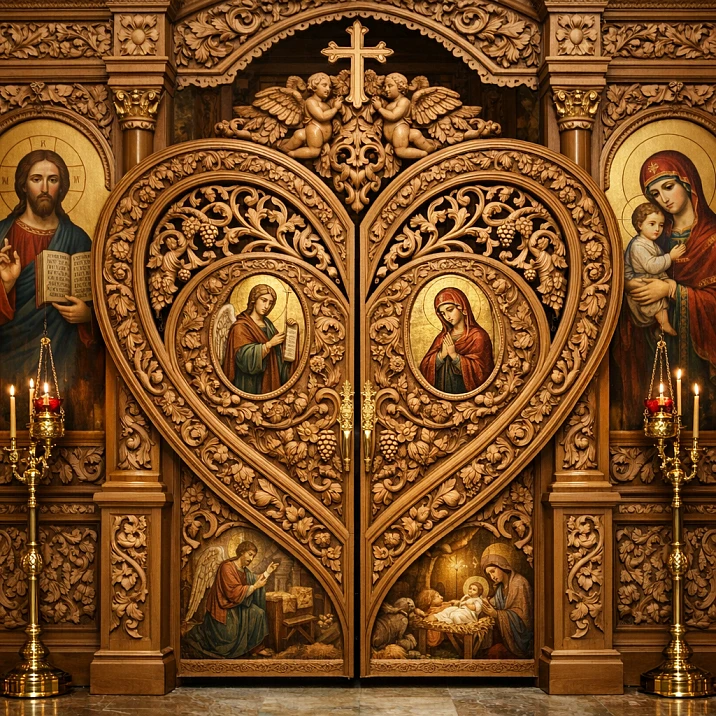
In an Orthodox church, there is a moment when the eye stops gliding along the walls and freezes. This happens inevitably, because the architectural concept of any church space subordinates all its decoration to one attraction — the center of the iconostasis. It is there, in the crosshairs of the doors, reliefs, and carved ornaments, that the Royal Doors are located. Not as a random detail, not as a functional passage from the narthex to the altar — but as the semantic and artistic axis of the entire space.
That is why buy Royal Doors — means making one of the most responsible decisions when arranging a church, chapel, or home church. Size, material, nature of carving, compatibility with adjacent columns and capitals, type of coating — all of this matters not only from an aesthetic point of view, but also from the point of view of the canonical dignity of the space.
This article is a detailed professional analysis of how to make this decision wisely.
What are the Royal Doors and why they are not just doors
Before discussing the choice, one must understand the nature of the object. The Royal Doors are the central double doors of the iconostasis, leading to the altar in the sanctuary of the church. Their name derives from symbolism: they represent the Heavenly Kingdom, the entrance to which opens during the divine service. This is not an artistic metaphor—it is a stable canonical tradition that shapes the requirements for the product's appearance.
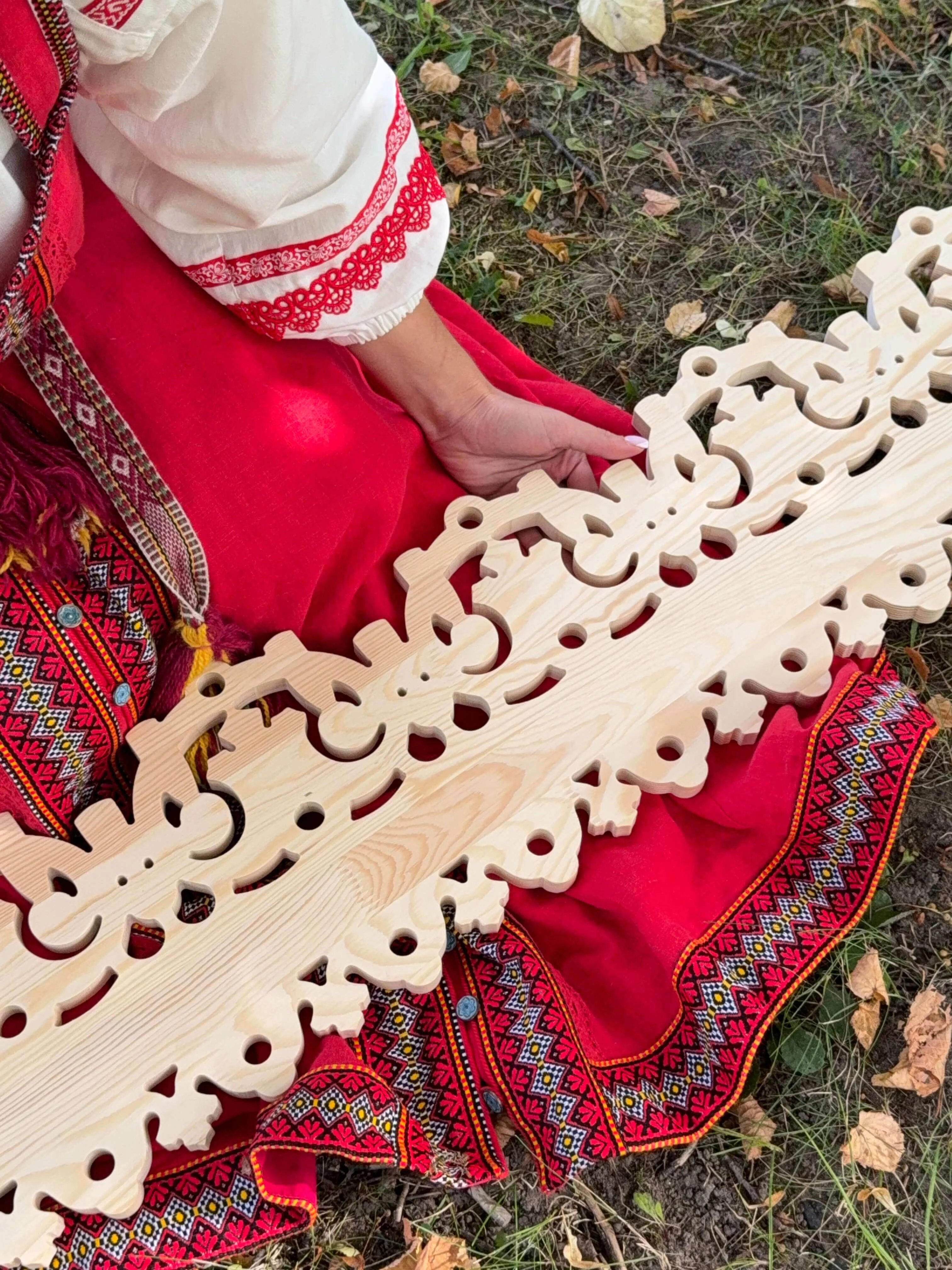
Wooden Royal Doors in a classic design are decorated with carving—floral ornament, bands, scrolls, a cross. The symmetry of the doors here is not just a design technique but a reflection of the principle of duality: the Annunciation and the Evangelists were traditionally depicted on the doors in the form of medallions or icon inserts. In carved wooden execution, this program can be realized through ornamental fields with geometric and floral carving, through vertical pylons with applied columns, through the crowning cross as the apex of the composition.
That is why wooden Royal Doors are fundamentally different from ordinary carved doors. This is not a utilitarian object—it is an element of the sacred interior, living in a system with the iconostasis, columns, capitals, crosses, and all the church furnishings. Any choice made without understanding this system risks disrupting the integrity of the space.
Where carved wooden doors are used: scenarios and scales
The task determines the scale. This rule works in any project—especially in church decoration, where the range of scenarios is vast: from a large cathedral church to a small home prayer room.
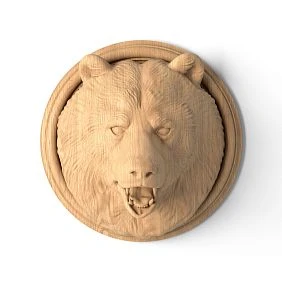
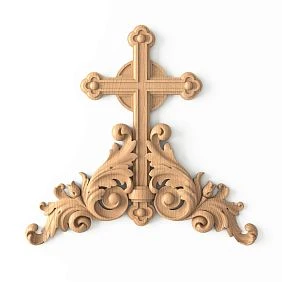
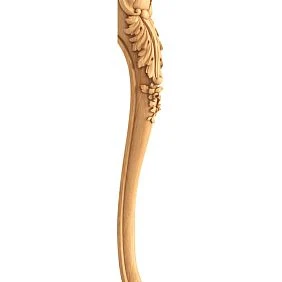
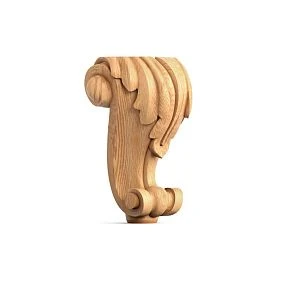
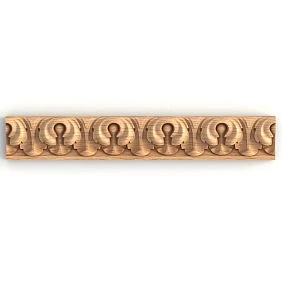
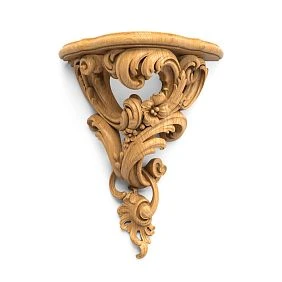
Our factory also produces:
Orthodox church
A full-fledged church space with regular worship requires doors that match the scale of the iconostasis and the height of the altar opening. Here, the principle of architectural proportion applies: the doors should not be lost against the overall height of the iconostasis, but they should not overwhelm neighboring elements—the deacon's doors, icon rows, columns, and cornices. Church utensils for the temple is chosen in a unified stylistic and scale key.
Get Consultation
Chapel
A chapel is an intimate space, often without regular services. The scale here is smaller, but expressiveness should not suffer. Small carved gates for a chapel may have a more delicate carving relief, a more restrained ornament — yet remain the main accent of a modest iconostasis. It is in chapel interiors that ready-made solutions are often used, which do not require complex custom fabrication for a non-standard opening.
House church and prayer room
A house church is a full-fledged liturgical space in a private home or monastery complex. A prayer room is an interior for personal prayer without regular services. Both options allow the use of wooden carved gates, but on a different scale. For a house church, the same solution as for a small chapel is appropriate. For a prayer area, a lighter version, more decorative than functional, is suitable.
Restoration of a historical iconostasis
This is a separate scenario requiring a special approach. Here, compatibility of the new product with the existing style, ornament, carving character, and proportions of the original iconostasis is important. Fabrication for a specific opening, taking into account historical examples, is a task for a professional manufacturer who understands the language of church decor.
New iconostasis
If an iconostasis is being designed from scratch, it is best to choose the gates first — they set the tone for the entire system. The height, width, carving character, and decorative program of the gates become the starting point for selecting carved columns for church decor, church capitals, bases, cornice belts and all other decorations.
Ready-made gates or custom manufacturing: how to make a decision
This question arises in almost every project. The answer depends on three factors: the dimensions of the opening, stylistic requirements, and budget.
When ready-made carved gates are suitable
A ready-made solution is justified if the dimensions of the altar opening are close to standard, the style of decoration does not require a unique decorative program, and the deadlines are tight. Carved Royal Gates STAVROS in the ready-made version — this is a product with specific proportions that can be organically integrated into a standard iconostasis by selecting matching columns, capitals, and a cross. This is a good starting point for a customer who is not ready for lengthy coordination of an individual project.
Ready-made gates also make sense to consider when equipping chapels, prayer rooms, and small house churches — spaces where a non-standard opening is rare and artistic requirements are less strict than in a large cathedral church.
When custom manufacturing is needed
Non-standard opening is the first and main argument in favor of custom manufacturing. If the height or width of the altar gates deviates from standard parameters, the only correct solution is manufacturing according to a drawing. The same applies to historical interiors with a stable decorative program: here, it is not just a "beautiful" product that matters, but a product that corresponds to the specific ornamental language of the existing decor.
A complex carved program with icon medallions, multi-level ornamentation, columns, and a ciborium-style top is also a reason for custom manufacturing. Custom item manufacturing allows the realization of any decorative task considering the specific project and existing decor.
Material of the Royal Gates: oak, beech, or linden
Choosing the wood species for carved gates is not just an aesthetic issue. The material affects durability, surface treatment characteristics, carving possibilities, and the final appearance of the product under coating.
Oak
Oak is status and longevity. Its expressive texture with a large ray pattern, high density, and resistance to deformation and humidity make it one of the preferred materials for church items. Oak gates look impressive even without carving—the wood's texture itself carries artistic value. Under varnish or transparent tinting, oak acquires a special noble depth of tone.
Among the limitations: oak is difficult for fine openwork carving with small ornaments. Its material is better suited for large and medium reliefs—applied and relief carving with clear geometric and plant motifs.
Beech
Beech is a stable, homogeneous material with an almost imperceptible grain pattern. This neutrality makes it an ideal choice for products intended to be painted or patinated. Wooden carved crosses and applied elements made of beech perfectly accept any finishing coatings—from white enamel to imitation gilding.
Beech is somewhat easier to work than oak, allowing for higher detail in carved ornament. This is a valuable property when working with ornamental programs requiring fine lines and complex relief transitions.
Linden
Linden is a traditional material for icon painters and carvers. Soft, uniform, with a light cream tint, it is ideal for fine openwork and relief carving. If the task is maximum detail of ornament, openwork fragments, complex transitions between relief levels — linden remains an unsurpassed choice.
Limitation of linden: lower mechanical strength compared to oak and beech. For gates in conditions of regular worship, it is important to consider that hinges, overlay elements, and areas of greatest load must be structurally reinforced.
How to properly choose the size of the Royal Doors
The size issue is both practical and fundamental. An error in proportions is immediately noticeable: doors that are too narrow for the iconostasis lose significance; too wide disrupt the balance with adjacent elements.
Measuring the opening
The first step is an accurate measurement of the altar opening. The height of the clear passage and the width between the posts are measured. To these dimensions, the necessary overlap for hanging is added — typically 20–40 mm on each side. It is also important to account for the threshold: the doors must open and close without touching the floor.
Proportions relative to the iconostasis
The height of the Royal Doors should correlate with the total height of the iconostasis. Traditionally, the doors occupy about 60–70% of the height of the lower tier of the iconostasis. If the upper part of the doors is decorated with a finial, ciborium, or cross, the total height of the decorative composition can reach up to 80–85% of the height of the first tier. The doors should in no case be visually lower than the deacon's doors — this violates the hierarchy of space.
Width and scale of the passage
The width of one leaf for the liturgical passage should not be less than 40–45 cm. With a standard opening of about 100–120 cm, each leaf has a width of 50–60 cm. Wider gates are appropriate in large cathedral spaces where corresponding monumentality is needed.
Decorative extensions and finials
If the design includes a decorative element above the gates — a cross, a ciborium, an ornamental arcature belt — its size should be coordinated with the width and height of the main leaves. It is important to avoid a situation where the finial is significantly wider than the gates themselves: this creates visual instability. STAVROS carved decor includes a wide range of applied elements from which an organic finishing system can be assembled.
Carving and ornament: the language of the gates' decorative program
The ornament on the Royal Gates is not decoration in the everyday sense. It is an artistic language that conveys a semantic program in a visual image. And that is why the choice of carving and ornament type must be approached with understanding.
Floral ornament
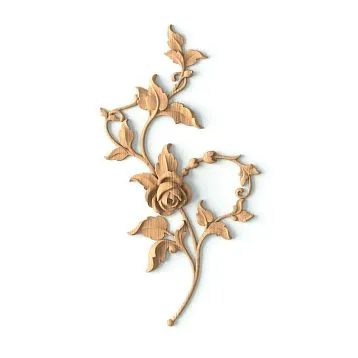
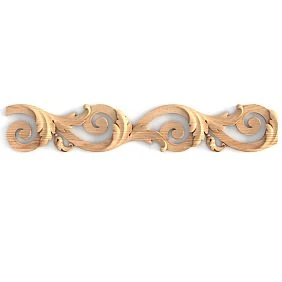
Vine, acanthus leaf, fruits, floral scrolls — the classic language of church decor. Floral ornament is symbolically linked to themes of life, fertility, and spiritual growth. This is the most common type of carving for Royal Gates — flexible, expressive, scalable from delicate to lush depending on the task.
Openwork carving
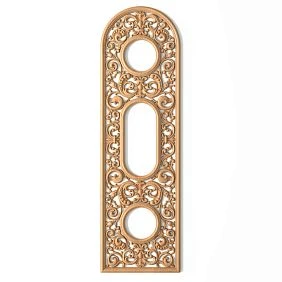
Through, openwork carving creates an effect of light shining through the ornament. This is one of the most striking techniques for interiors with back or side lighting: light passing through carved scrolls and leaves forms a living play of light on the plane of the wall or iconostasis. Openwork carving requires a soft, dense wood with a uniform structure — and this is where linden becomes indispensable.
Overlay carving
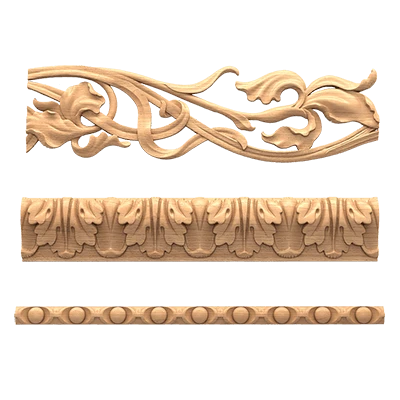
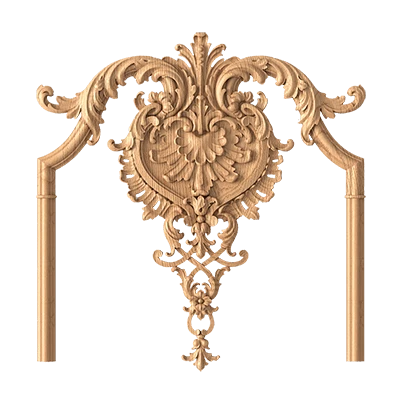
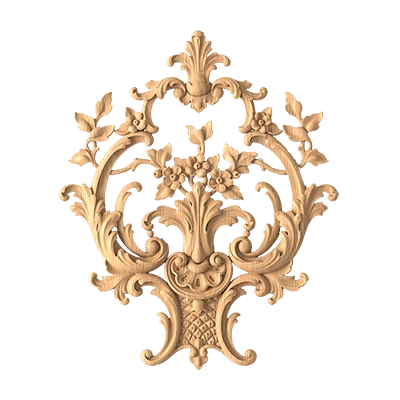
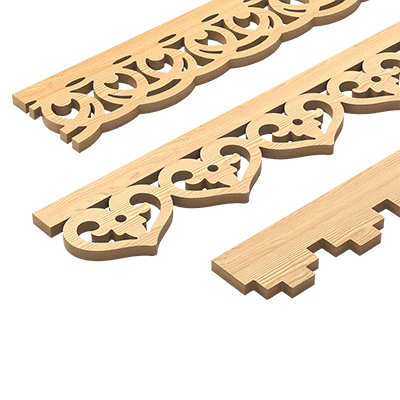
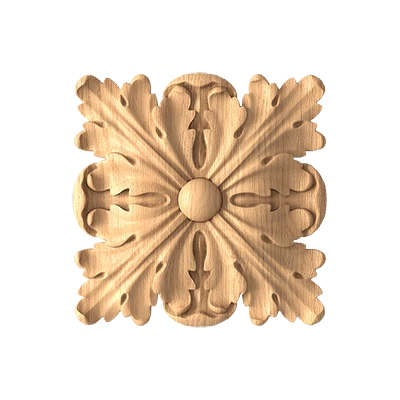
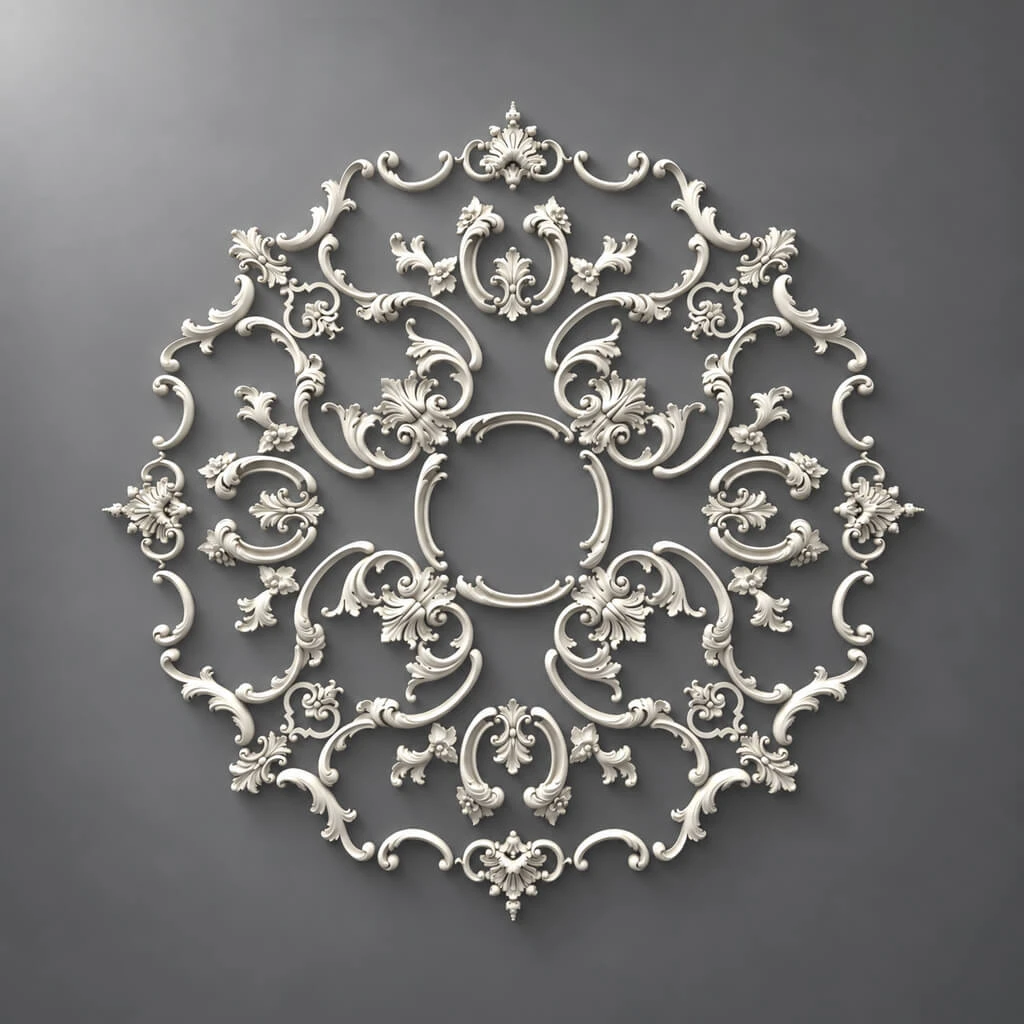
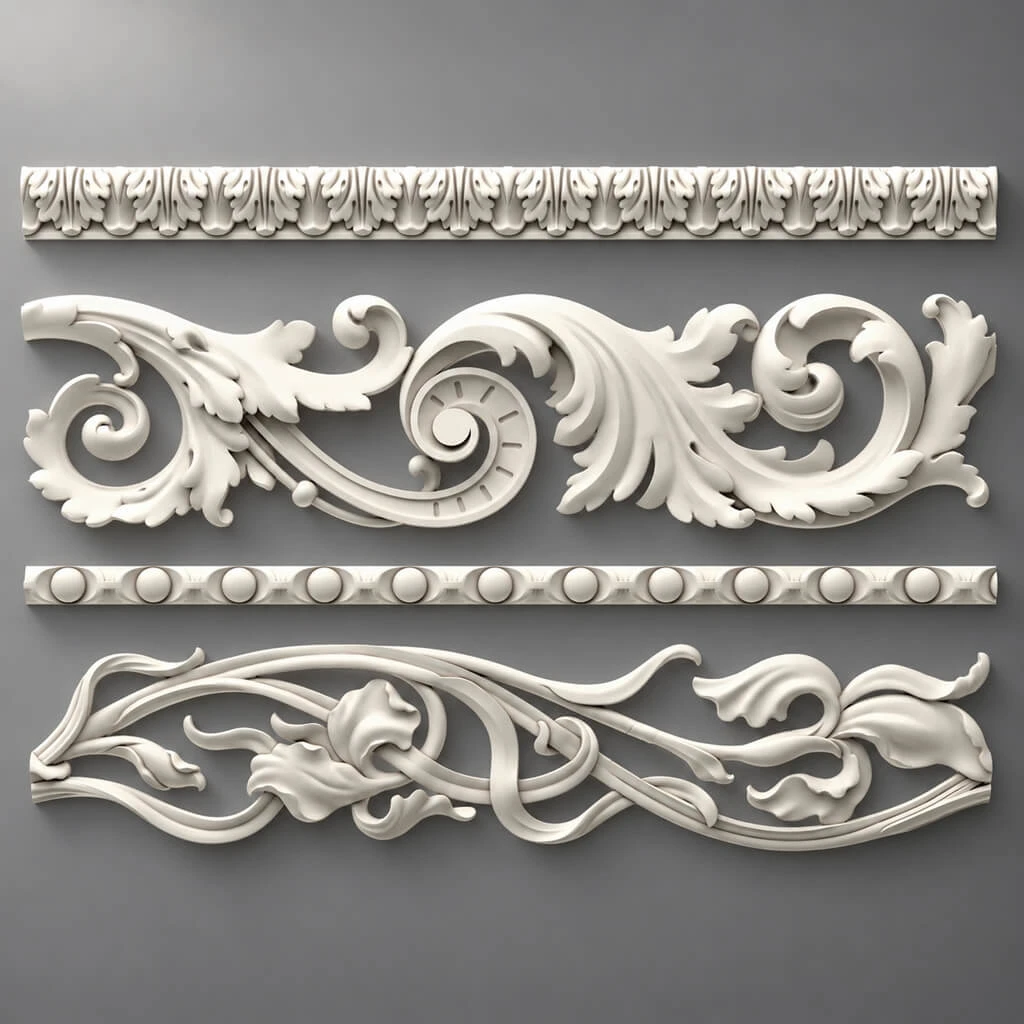
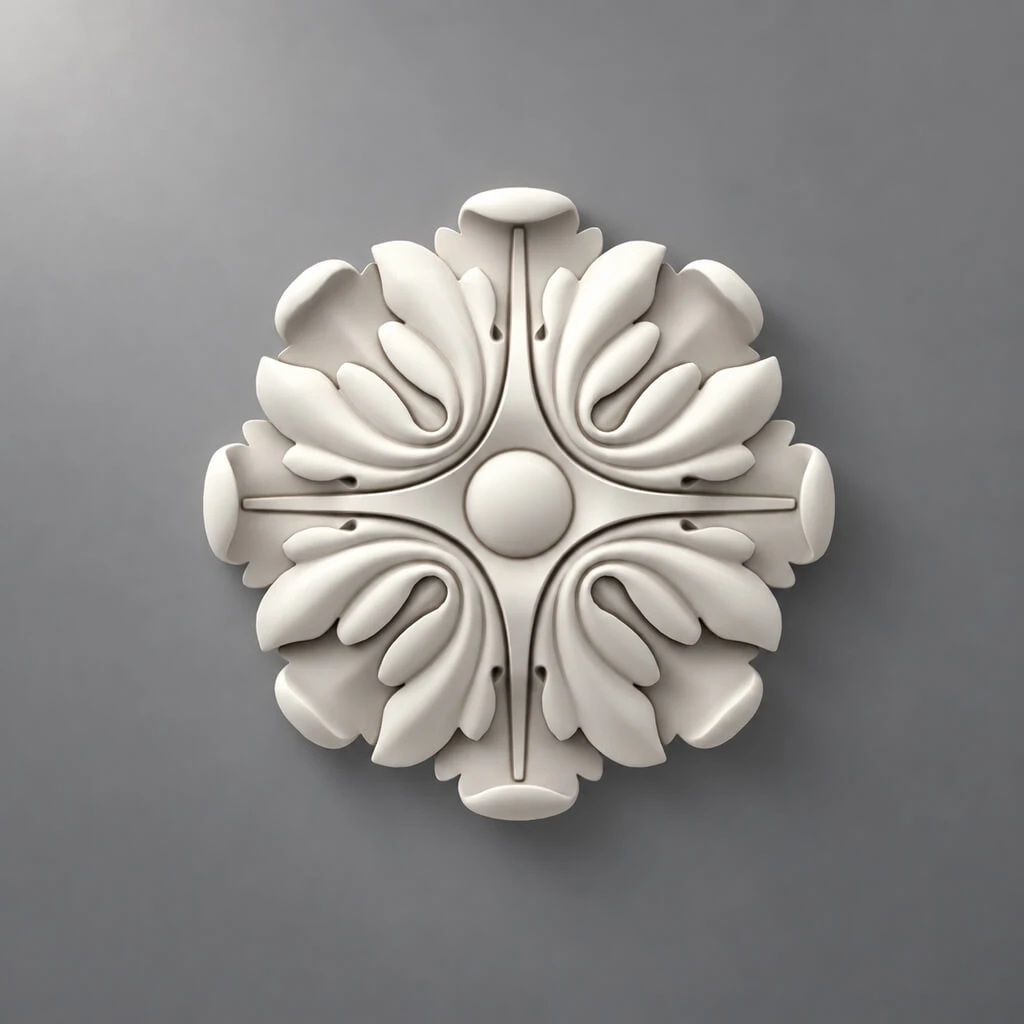
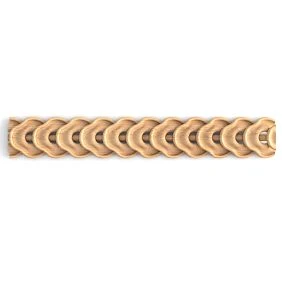
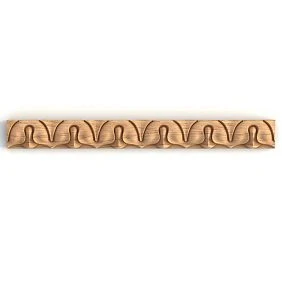
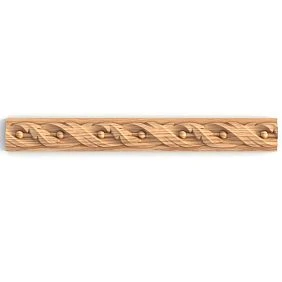
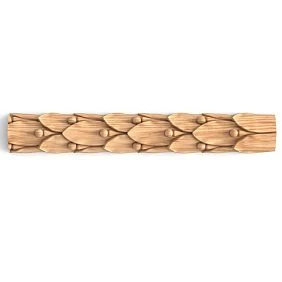
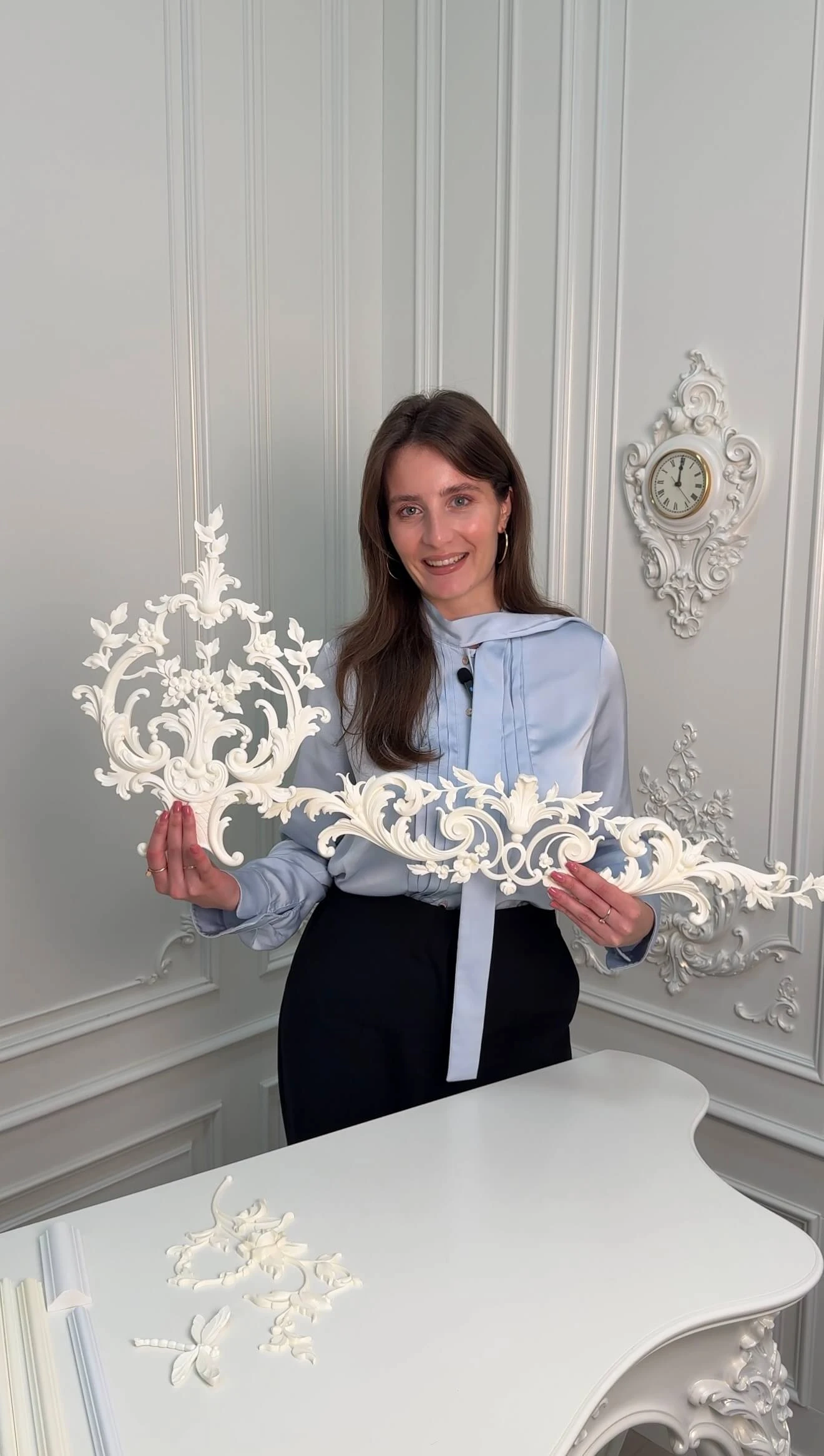
Applied carved elements — ornamental bands, medallions, capitals, corner blocks — are attached to the supporting base of the leaf. This technique allows for creating multi-level decorative programs, combining a wooden base with applied carved details. Carved overlays for church decor allow saturating the decorative program of the gates without complex through carving.
The cross as the apex of the composition
The cross above the gates is not just a decorative finish, it is the semantic apex of the entire decorative axis of the iconostasis. Carved wooden crosses are available in the STAVROS assortment in several versions — from strict laconic forms to richly ornamented three-dimensional compositions. The cross must match the scale of the gates and the width of the iconostasis: too small gets lost, too large disrupts the proportion.
Symmetry and pattern of the doors
Both doors must form a single mirror-symmetrical composition. The ornament flowing along one door must logically continue and mirror on the second. Breaking symmetry is a fundamental mistake that no coating can fix. When working with ready-made gates, symmetry is already built in by the manufacturer; when made to order, it is a matter of project documentation that needs to be controlled.
What should be combined with the Royal Gates: the system of church decor
The gates never exist in space by themselves. They are the central element of the system, and that is why a competent choice of decor around them is as important as the choice of the gates themselves.
Columns and capitals
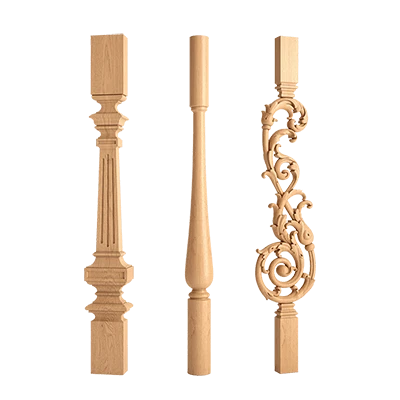
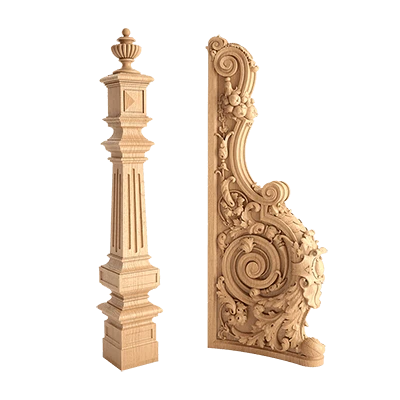
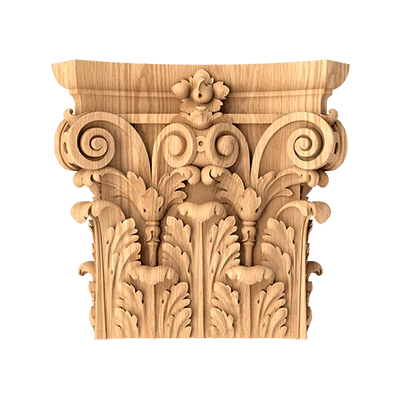
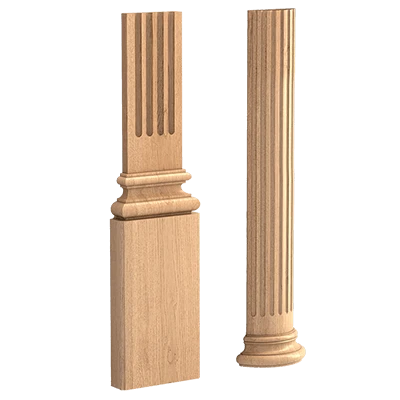
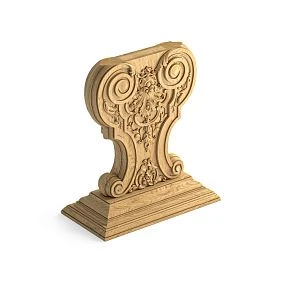
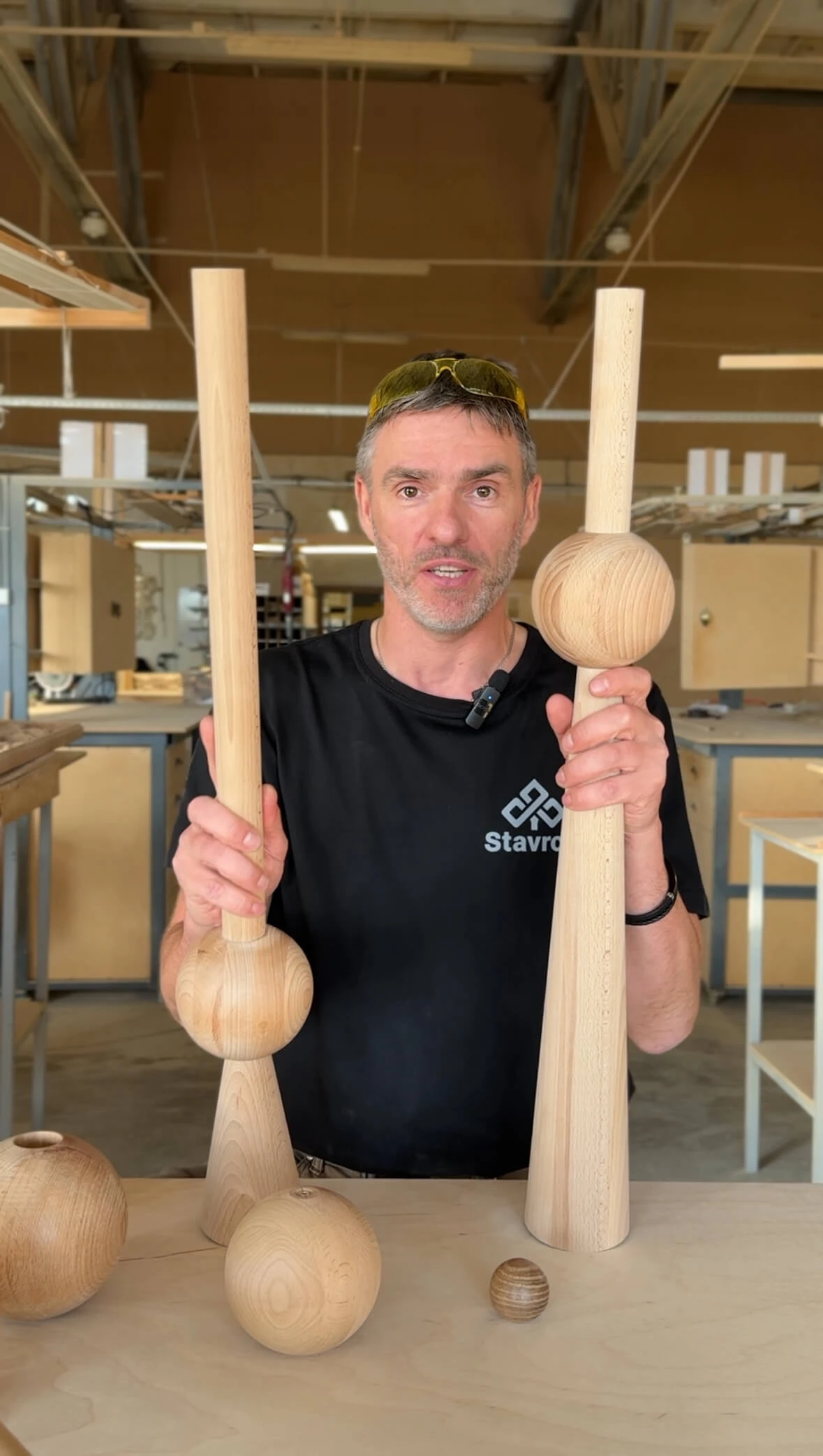
The vertical of the iconostasis is formed by columns. Carved columns for church decor set the rhythm of the iconostasis divisions and create a frame for the gates. Church capitals complete the columns from above, creating a transition to the horizontal belts. The type of ornament on the capitals should be consistent with the decorative program of the gates: if the gates bear a floral ornament, capitals with similar motifs will create a unified language.
Carved icons
Carved icons in the iconostasis fill the icon row on the sides of the gates. They must be made of the same material and with the same degree of detail as the gates themselves. A gap in quality between the central gates and the side icons immediately catches the eye and disrupts the artistic integrity.
Cross above the gates
The already mentioned cross as the completion of the vertical axis is a mandatory element of most classical iconostases. It should be selected in proportion to the width of the gates and the height of the decorative tympanum above the opening.
Wall-mounted decorative elements
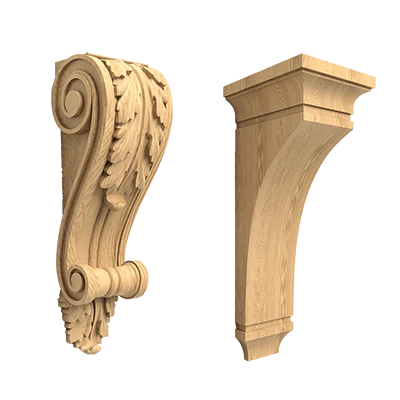
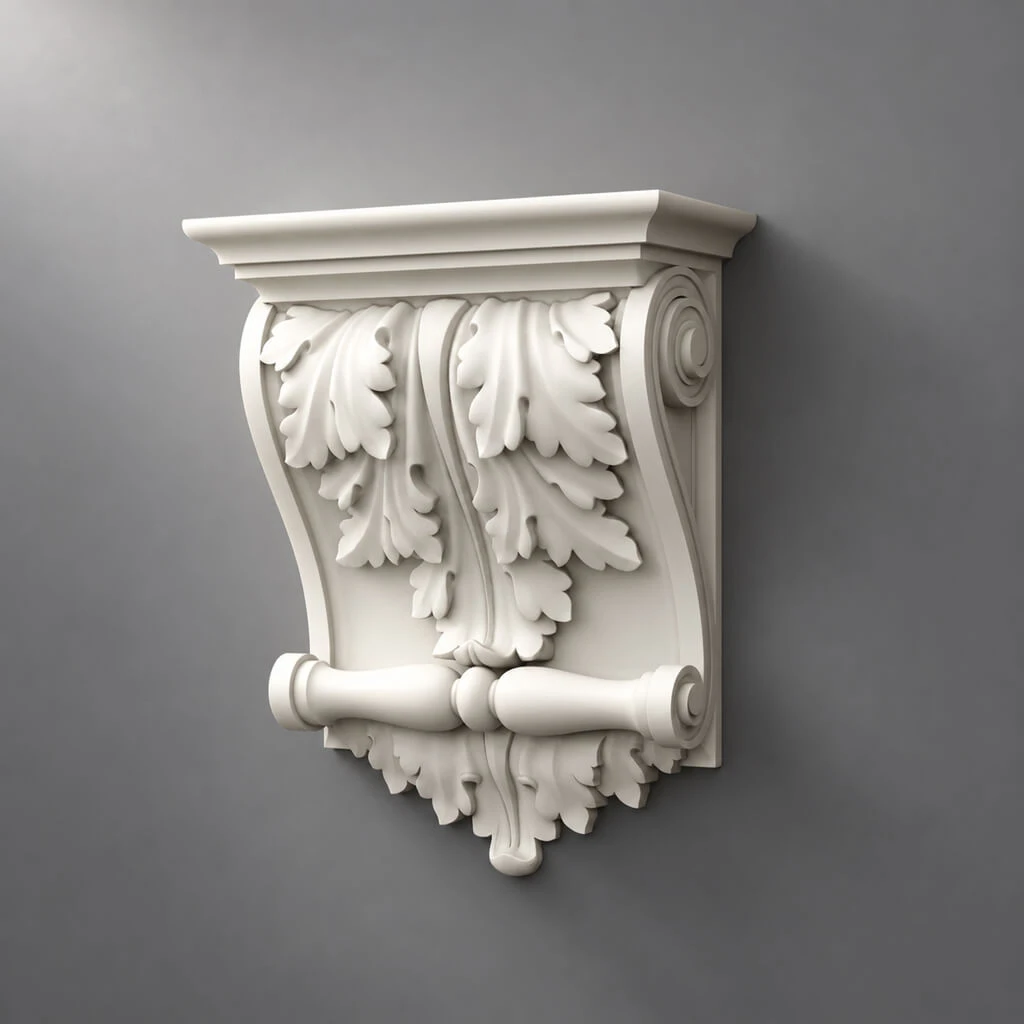
Ornamental belts, corner blocks, medallions, mascaron — all this Wooden church decor, which saturates the iconostasis with details and creates a richness of texture. It is important not to overdo it here: overly saturated decor turns the iconostasis into decorative noise, where the main axis — the gates — is lost in the abundance of ornament.
Wooden icon case
For the scenarios of a house church and a prayer area, it is logical to add a wooden icon case to the gates — a frame for the icon. Buy a wooden icon case and correctly select additional carved elements for it — means creating a cohesive space even in a small prayer room.
How to check the quality of carving before purchase
The quality of a carved product is determined by several parameters, each of which has direct significance for durability and artistic value.
Clarity of lines and depth of relief
Good carving has clear transitions between relief levels, not blurred or rounded without carving. Leaves and curls should have pronounced three-dimensionality, shadows inside the ornament should work, creating visual depth. A blurry, indistinct relief is a sign of either low quality of execution or mechanical processing without manual finishing.
Symmetry and Geometry
Apply a visual vertical axis to the gates and assess how mirror-symmetrical both leaves are. Deviations in symmetry are immediately visible and cannot be corrected by coating. Pay special attention to the joints: the edge of the leaf along the center line must be precise, without gaps or geometric distortions.
Surface for Coating
The treated surface of wooden gates must be smooth, without lint, without tool marks on flat fields. If the gates are supplied without a finish coating, it is important to ensure the quality of sanding — it determines how evenly paint, varnish, or patina will be applied.
Structural Reliability
Hinges and the hanging system are a critically important assembly. Gates bear cyclic loads: in a liturgical space, they are opened and closed multiple times during each service. Hinges must be secured into the solid wood, not just into the decorative layer. Decorative overlay elements must not interfere with the mechanism's operation.
Coating and Finish of Wooden Gates
The finish coating is the final artistic decision that determines how the gates will look in the light of the temple.
Clear varnish
Preserves the natural texture and color of the wood. Suitable for oak and walnut, where the texture itself is an artistic merit. Matte varnish creates a subdued noble glow; semi-gloss creates a more lively effect sensitive to lighting.
Toning
Stain or tinting varnish allows changing the shade of the wood without hiding the texture. Tinting can age the material, give it depth, and achieve the effect of wood darkened by time. This is especially relevant in restoration or when creating a new iconostasis in the spirit of classical decoration.
Painting
White or colored paint is a common option for beech gates in interiors with a unified color scheme. Painted gates with gilded accents on the ornament create a classic "white iconostasis" — light, solemn, and bright.
Imitation gilding
One of the most sought-after finishes for church decor is applying a golden coating to ornamental reliefs. This can be gold leaf (the most expensive and traditional option), imitation gold leaf, or special acrylic compounds with a golden hue. Gilded carving must be especially clear: the gold coating accentuates every transition of the relief and makes any flaw in the carving highly noticeable.
Mistakes when choosing the Royal Gates: analysis of typical scenarios
Years of experience working with church decor allow us to highlight several mistakes that occur repeatedly.
Mistake one: choosing gates in isolation from the iconostasis. The most common mistake. Beautiful gates on their own are not a solution. If they are not coordinated in height, width, style, and ornamental language with the other elements of the iconostasis, the result will be eclectic and artistically inconsistent.
Mistake two: ignoring measurements. Buying gates based on an "approximate" size means a high probability of getting something that doesn't fit. A difference of 3–4 cm in width completely changes the fit of the product. Measurements are taken at the construction site, not "from memory."
Mistake three: carving that is too fine for a large church. A delicate openwork ornament designed to be viewed from a meter away simply becomes unreadable in a large interior volume. The scale of the carving must correspond to the distance from which the gates are perceived by parishioners.
Mistake four: overloading with ornament. A chapel or small prayer room requires delicate decor. Heavy, richly decorated gates with large relief and a complex program overwhelm a small space, creating a feeling of excess.
Mistake five: incompatibility of finishes. Gilded gates next to icons with a clear varnish finish represent different color systems that conflict. The final finish of all elements of the iconostasis must be coordinated at the design stage.
Mistake six: neglecting the cross. Very often, the cross above the gates is acquired "later" — and as a result, it either does not match in scale or does not align in ornament. The cross is part of a unified decorative program, and it should be chosen simultaneously with the gates.
Mistake seven: focusing only on price. The minimum price and decent quality of a carved solid wood product are incompatible things. Church decoration requires skill, time, and material; trying to save on gates that will become the center of the sacred space for decades is a strategically wrong decision.
Mistake eight: purchasing without coordination with the rector or architect. In the case of an active church, the choice of decoration is always a joint decision. The rector has an understanding of canonical requirements, the architect — of the spatial context. A unilateral decision bypassing these participants often leads to alterations.
Home iconostasis: a separate scenario
For those who are looking buy iconostasis for a home prayer area, it is worth understanding the difference of this scenario from the church one. A home iconostasis is not a reduced copy of a church one. It is an independent type of spatial solution for personal prayer at home.
In a home iconostasis, the royal gates are rarely used — this is an element of the liturgical space. Nevertheless, in well-equipped house churches that assume regular home prayer and may include worship, the gates are appropriate as a semantic and decorative accent. In this case, the scale is chosen based on the ceiling height and the size of the allocated area.
For a home prayer area without a liturgical function, it is more correct to consider wooden icon case, Carved icons and decorative frames without carved gates. This is a more organic solution for a living space.
Where to buy carved royal gates and church decor
Finding a reliable supplier is a separate task. The church decor market is heterogeneous: alongside products from professional manufacturers, there are many items of questionable quality made by mechanical milling without manual finishing. Several criteria help distinguish one from the other.
First, having your own production. A manufacturer who makes products themselves, rather than reselling, is responsible for the quality of each element. Second, the ability to produce custom orders. This is direct evidence that the company can handle non-standard tasks, not just standard items. Third, the completeness of the assortment: a supplier who has gates, columns, capitals, crosses, and icons can provide a complete solution for the iconostasis — without needing to assemble church decor from different suppliers.
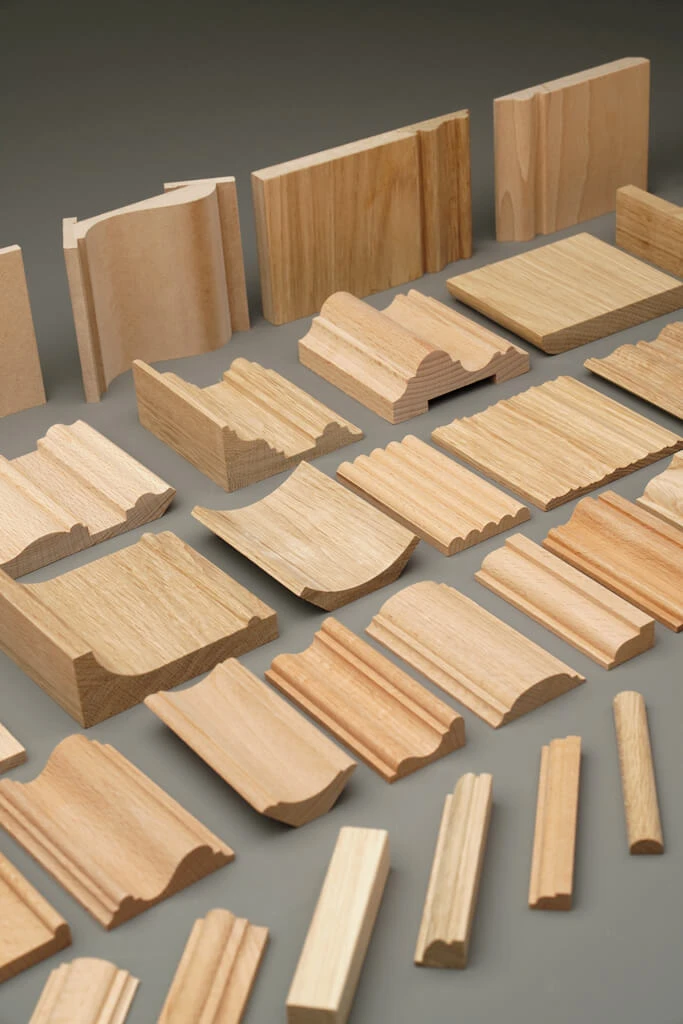
STAVROS carved decor covers all main categories of church decor: gates, crosses, icons, columns, capitals, overlays. Products made from solid wood and MDF complement the line with molding and structural elements. Custom item manufacturing allows solving non-standard tasks — from restoration to a full project order.
How to place an order: step-by-step logic
Once the decision is made, it remains to structure the order correctly — to get not a set of beautiful but scattered details, but a complete system of decoration.
Step one: determine the type of room. A large church, chapel, house church, or prayer area — these are fundamentally different scales and different levels of decor.
Step two: take accurate measurements. Height and width of the altar opening, height of the iconostasis or planned installation location, distance from floor to ceiling in the gate area.
Step three: choose a style. Classic Russian iconostasis, neo-baroque program, restrained neoclassicism — the style determines the character of the carving and ornament.
Step four: choose a material. Oak for a status order with clear varnish, beech for painted options, linden for fine openwork carving.
Step five: determine the finish. Varnish, tinting, white paint, or gilding — the coating is selected simultaneously for all elements of the iconostasis.
Step six: select accompanying decor. Cross, Carved columns for church decor, Church capitals, carved appliqués, Carved icons.
Step seven: agree on deadlines. Carved solid wood products are not a warehouse stock item with instant shipping. Clarify the production time, especially if the project involves custom execution.
Step eight: place an order. A comprehensive order including all elements of the iconostasis from one manufacturer is always preferable to piecemeal assembly from different suppliers — both in terms of style consistency and communication.
FAQ: answers to popular questions about the royal doors and church decor
What are the royal doors?
The royal doors are the double-leaf central doors of the iconostasis, symbolically representing the entrance to the Heavenly Kingdom. In wooden execution, they are decorated with carving, ornament, and a cross, and are coordinated with the overall decorative program of the iconostasis.
Can I buy ready-made wooden royal doors?
Yes. Ready-made Carved Royal Gates STAVROS are suitable for standard openings and standard solutions. For non-standard sizes or complex decorative programs, custom manufacturing is provided.
What type of wood is best for carved gates?
Oak — for a status order with a transparent coating, beech — for painted options with high detail of the ornament, linden — for fine openwork carving.
How to correctly choose the size of the Royal Doors?
Take an accurate measurement of the altar opening in height and width, account for the overlap for hinges, coordinate the proportions with the height of the iconostasis and the width of the decorative frame. The height of the doors is typically about 60–70% of the height of the lower tier of the iconostasis.
What to buy together with the Royal Doors?
For a complete iconostasis you need: a cross above the doors, carved columns, capitals, bases, applied decorative elements, carved icons for the side rows. All elements must be coordinated in material, style, and finish coating.
How are carved church doors different from ordinary decorative doors?
Carved church doors are a canonical element of the iconostasis with a stable symbolic program. They must meet the requirements of the liturgical space in terms of proportions, orientation, and decorative language — which fundamentally distinguishes them from household or decorative doors.
Where to buy church utensils and wooden church decor?
Wooden church decor — icons, crosses, columns, capitals, overlays, gates — presented in the STAVROS catalog with Contact us to confirm shipping to your destination.
How to check the quality of carving?
The clarity of ornament lines, depth of relief, symmetry of doors, surface smoothness for coating, and structural strength of hinge areas are assessed. Blurred relief and geometric distortions are signs of low quality.
Is a wooden carved cross needed for the gates?
The cross is a mandatory finishing element of the decorative axis of the iconostasis. Carved wooden cross It is selected in proportion to the width of the gates and coordinated in ornament with the overall decoration program.
Can I order gates of a non-standard size?
Yes. Custom item manufacturing Allows for any dimensional and decorative requirements, including non-standard openings, historical styles, and complex carving programs.
About the company STAVROS
STAVROS is a Russian manufacturer of carved wooden decor with over twenty years of experience. The company produces church decor from solid wood: royal gates, carved crosses, icons, columns, capitals, overlay elements for iconostases. The production facility has its own capabilities for manual finishing of carvings and manufacturing custom orders. STAVROS products adorn Orthodox churches, chapels, house churches, and private prayer areas throughout Russia, and are also exported to several European countries and the USA. For work with church objects, a full catalog of decor is provided with consultation on selecting iconostasis elements.