


























Article Contents:
- Tsarga in furniture — what it is in simple words
- Where the tsarga is located in different types of furniture
- In the table
- In the chair
- In the armchair
- In the bed
- Table tsarga: why it is important for the underframe
- Bed tsarga: how it differs from the side panel
- Tsarga and leg: what's the difference
- Specifications table: STAVROS frames and underframes
- How to tell if a frame is made correctly
- How to choose a frame for your task
- Interior application: where a frame with tsargas solves a real problem
- Materials and finishes: what an experienced buyer pays attention to
- What to buy with the frame: the logic of the set
- Practical side of choice: dimensions, installation and preparation
- Mistakes when choosing a frame
- When such a frame is really needed
- Buying a frame or underframe on the STAVROS website
- Conclusion
- Frequently Asked Questions
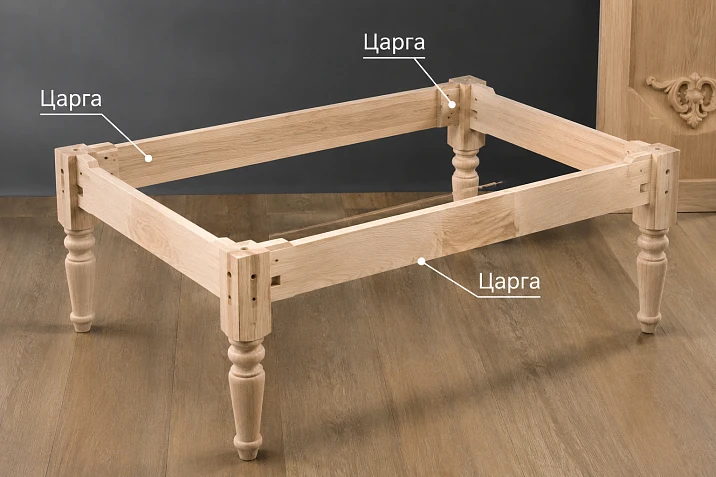
The word "tsarga" appears in furniture descriptions much more often than it seems, but it is rarely explained. If you look into it, what is a tsarga in furniture, the answer turns out to be simple: it is a horizontal connecting part of the frame that links the legs or side elements of the structure and prevents the furniture from loosening over time. For the buyer, this is not an abstract term from a carpentry reference book, but a very practical guide: it is by the quality of the tsarga belt that you can tell whether a table, chair, or bed will last fifteen years or start creaking after just one season of active use.
This article is written for those who choose furniture consciously and want to understand the construction, not just the appearance. We will break down what a tsarga is in a table, chair, armchair, and bed, how it differs from a leg and a stretcher, and how to apply this knowledge in practice when choosing a frame or underframe from STAVROS. Understanding the tsarga belt directly influences the purchase decision: knowing what to look for makes it much easier to distinguish a reliable construction from a beautiful but short-lived one.
A discussion about the tsarga inevitably leads to a discussion about the frame as a whole, because the tsarga never works on its own—it is part of a system that includes legs, joints, and, if we are talking about a table, the tabletop attachment. Therefore, we will go from the term to specific product solutions: table frames, chairs, armchairs, beds, and STAVROS underframes, where tsargas are already engineered into the construction, not added as a random detail.
Tsarga in furniture — what it is in simple words
If explained without carpentry terms, a tsarga is a beam or plank that connects the legs of furniture to each other in a horizontal plane. It works like a power belt: without it, the legs are held only by attachment to the tabletop, seat, or base, and the entire structure becomes noticeably less rigid.
What a tsarga is in a bed is easiest to understand with a comparison: imagine a bed without side connections between the headboard and footboard—the frame would spread apart under the weight of the mattress and person. The tsarga takes this load upon itself, connecting the main parts of the frame into a single rigid frame. The same thing happens in a table and a chair: the tsarga is not visible at first glance, but it is precisely what ensures the furniture does not wobble during normal use.
It is important to immediately distinguish between two similar but different concepts. A tsarga is not a decorative overlay or a carved element for facade decoration, but rather a structural connection incorporated into the product's load-bearing scheme. It is easy to confuse it with a decorative strip if you only look at photos, but in practice the difference is huge: a decorative part can be removed without consequences for strength, but a tsarga cannot.
Where the tsarga is located in different types of furniture
The location of the tsarga depends on the type of furniture, and in each case it solves a slightly different task.
Our factory also produces:
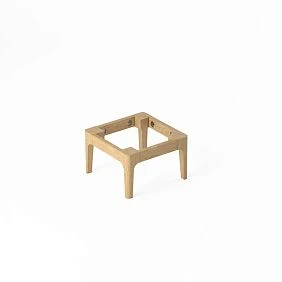
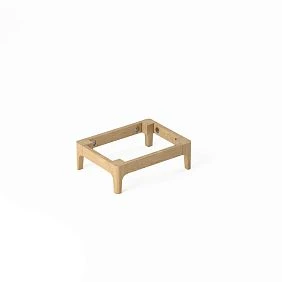
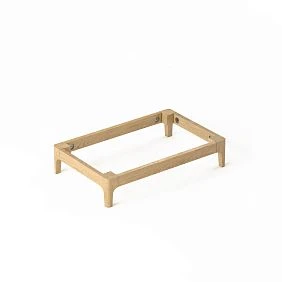
In the table
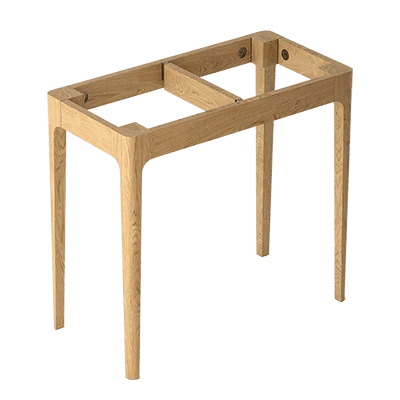
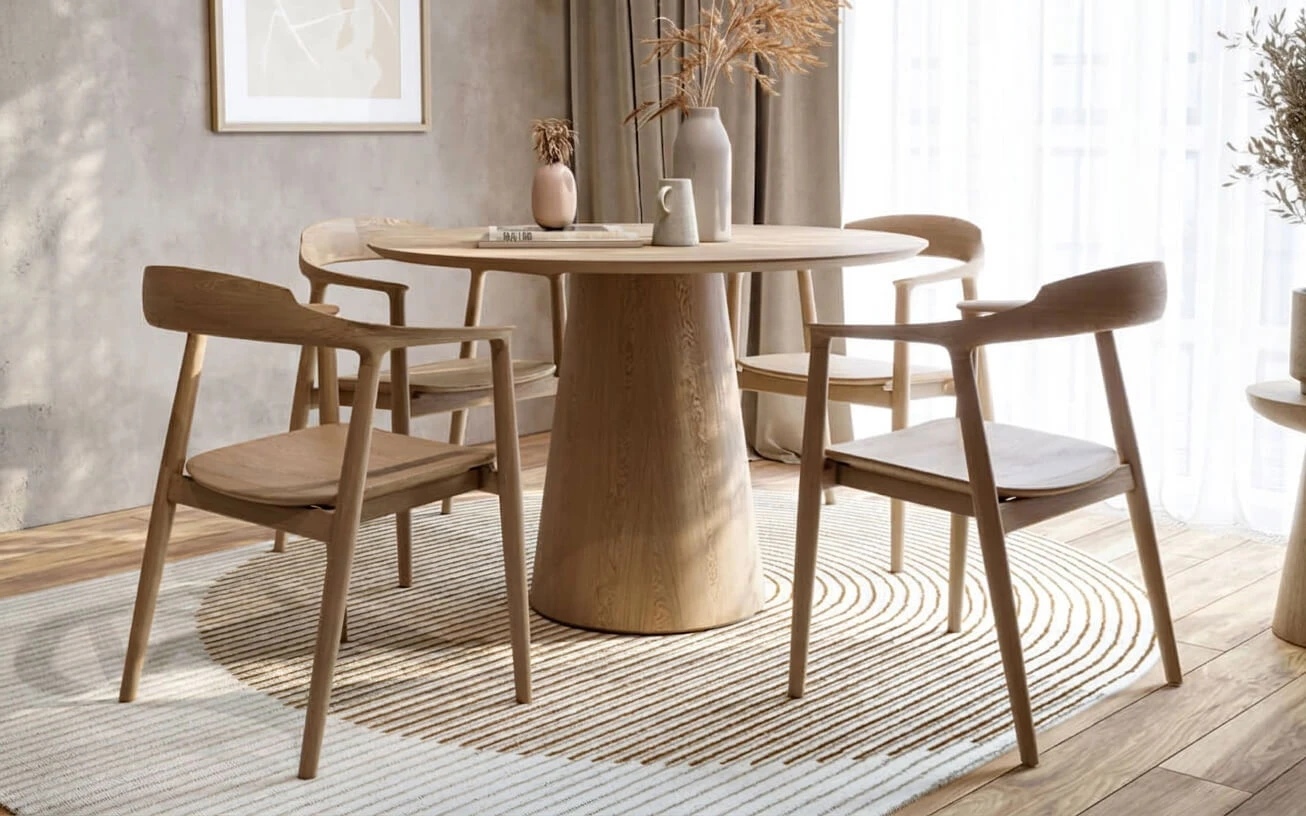
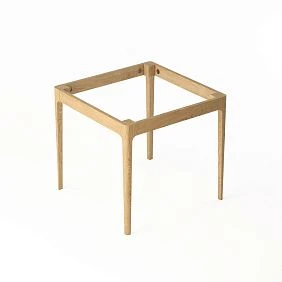
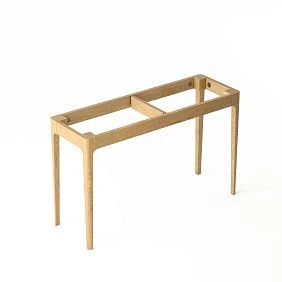
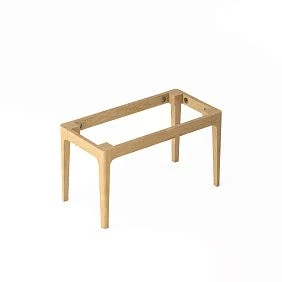
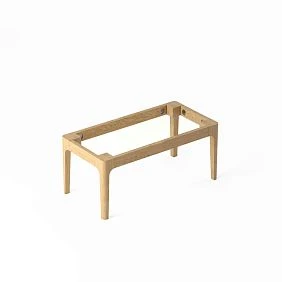
In the table, what a tsarga is in furniture is explained by its position: it is located directly under the tabletop and connects the legs to each other along the perimeter or in the form of a cross. It is the tsarga belt of the table that maintains the geometry of the underframe and prevents the legs from spreading apart under the weight of the tabletop. In some designs, the tabletop itself is attached through the tsarga — holes for screws or fasteners are located precisely in this part.
Get Consultation
In the chair
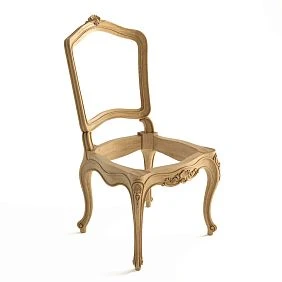
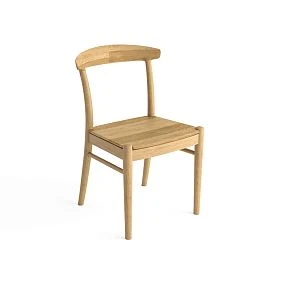
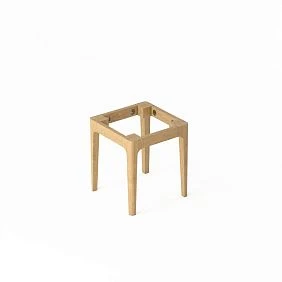
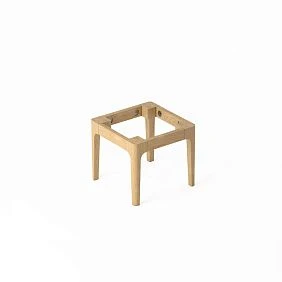
We have figured out what a tsarga is in table furniture, but for a chair the logic is similar: tsargas connect the front and back legs, and sometimes the side pairs, forming the lower power contour of the seat. The chair experiences significant load with each use — a person sits down, stands up, leans back — and without strong tsargas, this quickly affects the stability of the frame.
In the armchair
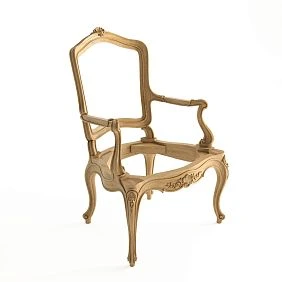
In the armchair, tsargas perform the same function as in the chair, but the structure is usually more massive due to the larger size of the seat and armrests. Here, the tsarga belt works as part of the lower power frame, distributing the load across the entire support frame, rather than only at the connection points with the legs.
In the bed
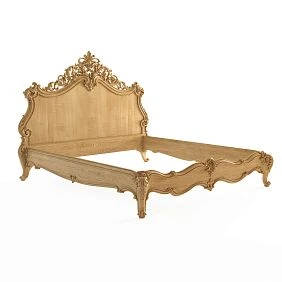
What a tsarga is in bed furniture is a question asked more often than others, and the answer here is related to the side connections of the frame. The bed tsargas connect the headboard and footboard, form the frame for the mattress base, and take on the main static load. Their rigidity directly determines whether the bed will creak and how even the frame will remain after several years of active use.
Table tsarga: why it is important for the underframe
What a table tsarga is in furniture is not an idle question if you understand the structure of the underframe: it is the tsarga belt that turns four separate legs into a single rigid structure. Without it, the underframe is held only by point attachment to the tabletop, and such a connection becomes loose over time, especially with frequent moving of the table or its active use.
What a tsarga is in furniture becomes even clearer when you look at the real load: a solid wood tabletop weighs a lot, and without a strong horizontal connection between the legs, the structure starts to work at a breaking point with every slight push. The stability of the tabletop, therefore, is determined not only by the thickness of the legs, but also by how well the apron belt is designed — its cross-section, the method of connection to the legs, and the presence of additional mounting holes under the tabletop.
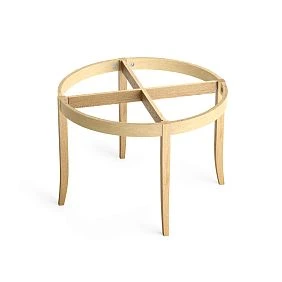
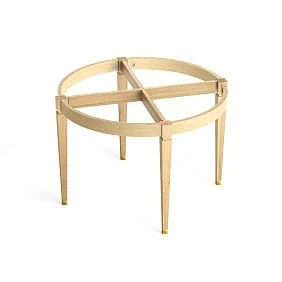
The card of the STL-031 table frame includes semi-circular tsargas along with holes for attaching the tabletop — this is a convenient example of how a tsarga solves two tasks at once: it maintains the geometry of the underframe and simultaneously provides a technological attachment point for the upper part of the table. This design eliminates the risk that the table will eventually "spread" at the corners or start wobbling when working at it.
It is worth mentioning separately the STL-021 underframe, where in addition to the main tsargas connecting the legs, an additional cross tsarga is added — it reinforces the structure where the load on the table is particularly high, for example, with a long tabletop. This is a good indicator of what a well-thought-out, rather than minimally sufficient, frame looks like.
Bed tsarga: how it differs from the side panel
What a bed tsarga is in furniture is often confused with the side panel of the frame, although this is not always the same thing. The side panel can be a decorative element of the bed upholstery, while the tsarga is precisely the power connection that links the headboard and footboard and holds the mattress frame in correct geometry.
What a tsarga is in furniture becomes clearer if you imagine the assembly process: without a rigid side connection, the bed frame relies only on corner joints, and such nodes eventually "loosen" from cyclic loading — a person gets in and out of bed dozens of times a week. The tsarga takes on this load and distributes it evenly along the entire length of the frame, rather than only at four points at the corners.
The influence of the tsarga on bed squeaking is often underestimated: it is precisely the weak or loose connection of the tsarga to the headboard or footboard that becomes a source of extraneous sounds at the slightest movement. Therefore, when choosing a bed, it is important to look not only at the design of the headboard or the type of upholstery, but also at how the power frame under the mattress is designed — how tightly and securely the side tsargas are fastened.
Tsarga and cross stretcher: what is the difference
The tsarga is often confused with the cross stretcher, although they are located differently and solve slightly different tasks. The tsarga is located in the upper part of the frame, directly under the tabletop, seat, or base, and works as the main power belt. The cross stretcher is located lower, usually closer to the floor, and connects the legs in the lower third of their height, adding additional stability where the legs are particularly long or thin.
In high tables, bar counters, and chairs with elegant legs, the cross stretcher often complements the tsarga rather than replaces it — the structure gets two points of rigid connection instead of one, which noticeably increases the stability of the entire product. If both a tsarga and a cross stretcher are mentioned in the product card, this is usually a sign of a more well-thought-out frame designed for serious load.
Characteristics table: STAVROS frames and underframes
| Parameter | Value |
|---|---|
| Product group | STAVROS furniture frames and underframes |
| Product type | table frames, underframes, chair frames, armchair frames, bed frames |
| Example of a table frame | STL-031, semi-circular aprons, holes for tabletop attachment |
| Example of an underframe | STL-021, connection of legs with aprons and an additional cross apron |
| Example of a chair frame | STU-005 |
| Material | solid wood (species and exact parameters are specified in the product card) |
| Finishing | depends on the model, current options are specified in the product card or with the STAVROS manager |
| Purpose | power base of a table, chair, armchair or bed |
| Compatibility | selection of tabletop, seat or mattress base according to frame size |
| Configuration and delivery times | specified in the product card or with the STAVROS manager |
| Category on the website | Furniture frames and underframes STAVROS |
The table shows the general logic, but each model has a specific design solution, and it is worth understanding it at the level of individual categories — bed frames, chair frames and under-table frames.
How to understand that the frame is made correctly
Frame evaluation starts not with appearance, but with material: solid oak, beech or another declared species must be indicated in the product card, not assumed by default. Dense, well-dried wood is less prone to deformation, meaning the belt frame maintains its geometry longer without drying out and cracking.
The thickness and shape of the belts are the next sign to look at carefully. A thin, decoratively turned belt may look elegant, but it is not always able to withstand serious load without additional reinforcement, while a more massive cross-section, as in the case of the semicircular belts of the STL-031 frame, usually indicates a design for real use, not just aesthetics.
The method of connecting the apron to the legs determines how long the structure will maintain rigidity. A tight fit with secure fastening works for years without play, while a weak connection begins to loosen within the first months of active use. The presence of mounting holes for the tabletop, seat, or bed base is another practical point: if such holes are provided structurally, installation is precise and requires no additional on-site adjustment.
Cross reinforcements, such as an additional apron in the STL-021 underframe, add a margin of strength where the load on the structure is above average—for example, with a long tabletop or a heavy stone tabletop. Finally, the quality of sanding and surface preparation for finishing shows how thoroughly the frame is brought to a finished state: careful processing means that tinting or varnish will lay evenly, without streaks or stains.
How to choose a frame for your task
Choosing a frame for a table, chair, armchair, or bed starts not with design, but with understanding the load the structure will have to bear. A dining table for a large family and a compact table for two require different apron cross-sections and different numbers of connection points—and this should be clarified in the product card before ordering, not discovered after assembly.
It is important to match the frame material not only with aesthetics but also with operating conditions: solid wood behaves differently depending on the humidity and temperature of the room, and this should be considered when choosing a frame for the kitchen, where temperature and humidity fluctuations are more noticeable than in the bedroom or study.
The room style influences the choice of apron and leg shapes: modern frames typically feature laconic straight lines of the apron belt, while classic designs more often use profiled or semicircular aprons with more complex geometry. On the STAVROS website, it is convenient to navigate directly by style collections—you can view modern frames and underframes or, if traditional aesthetics are closer, classic frames and underframes, and in both categories, the apron belt is designed for the corresponding visual language.
Compatibility of the frame with the tabletop, seat, or mattress base is a separate issue that should be checked before ordering: the dimensions of the apron belt must match the size of the upper part of the product, otherwise the fastening will be unreliable or require additional modification. If the frame is selected for an existing tabletop or mattress, it is wise to verify the exact dimensions in the product card in advance, rather than relying on approximate matching.
Application in the interior: where a frame with aprons solves a real problem
In the living room, a table frame with a strong apron belt is especially important if the table becomes a center of attraction for guests—frequent use, pulling up chairs, leaning on elbows require a stable structure without the slightest play. In the kitchen, a similar story: the dining table here is used daily, and it is the quality of the aprons that determines whether the frame will serve without complaints for many years.
In the bedroom, a bed frame with reliable side aprons directly affects sleep comfort: a loose frame creates creaking with every movement, while a rigid structure remains silent even after years of use. In the study, a desk with a well-designed underframe supports the weight of equipment, documents, and the constant load from working at the desk without losing its geometry over time.
In a children's room, furniture stability becomes even more important due to more active use — children often rock on chairs and lean on tables, so a frame with a strong apron is not a luxury but a practical necessity. In commercial interiors — cafes, restaurants, hotels — furniture is used even more intensively than at home, and here the quality of the frame directly affects the service life of the entire establishment's furnishings.
Materials and finish: what an experienced buyer pays attention to
STAVROS frames and underframes are made from solid wood, and the specific type — for example, oak or beech — as well as the exact finish options should be clarified directly in the product card or with a manager, as these parameters may vary depending on the frame model. Solid wood generally provides the frame with load resistance and allows for a wide range of finish coatings — from varnish and oil that preserve the wood texture to dense enamel if the project requires a uniform furniture color.
Surface preparation for finishing is directly related to how carefully the frame was sanded during production: the smoother the wood is prepared, the better the final layer will lay and the lower the risk that the tinting will reveal processing flaws. If the frame is ordered unpainted for subsequent independent finishing, it is worth planning in advance what composition will be used and, if necessary, clarifying with a STAVROS manager recommendations for surface preparation for a specific type of coating.
What to buy with the frame: the logic of the set
A frame is rarely purchased completely separately from the rest of the furniture, and here it is worth keeping several logical connections in mind. If it's about a bed, it makes sense to immediately look at bed frames — there you can match the size and model with the required sleeping area width and finish material.
For chairs, the situation is similar: it is convenient to navigate in the chair frames section, where models with different apron geometries are collected, and, for example, pay attention to the STU-005 chair frame as a specific example of a well-thought-out design. If the project involves a table, it is worth studying the STL-031 table frame with its semicircular aprons and ready-made holes for the tabletop, and for a more complex, reinforced structure — the STL-021 underframe with an additional cross apron.
After choosing the frame itself, it makes sense to look into STAVROS furniture fittings, where fasteners for assembly and installation are collected, as well as materials for installation and finishing, if the frame is purchased unpainted and requires final processing on site. This approach avoids the situation where the frame is already bought, but suitable fasteners or finishing compounds have to be searched for separately and at random.
Practical side of choice: dimensions, installation and preparation
Before ordering a frame, it is worth matching its dimensions not only with the planned tabletop or mattress, but also with the room space as a whole: a too massive apron visually weighs down light, compact furniture, while a too thin frame may look unreliable under a large stone or thick solid wood tabletop.
Frame assembly depends on the specific model: some models have pre-drilled holes for attaching the tabletop, like the STL-031, while others require additional hardware that should be clarified in advance. Load calculation is another practical point often overlooked: the weight of a solid wood or stone tabletop should be matched with the cross-section of the aprons and their connection method to the legs, ensuring the structure operates with a safety margin rather than at its limit.
If the frame is ordered unfinished, preparation for finishing includes checking the surface smoothness after sanding and selecting the appropriate coating—varnish, oil, or enamel—depending on the desired result. Storage of the finished frame before assembly is best organized in a dry room without sharp humidity fluctuations, as solid wood is sensitive to such conditions and may slightly change its geometry if stored improperly.
Mistakes when choosing a frame
Only looking at the shape of the legs is a common mistake that causes the buyer to miss the main point: it is the apron system, not the shape of the supports, that determines the actual stability of the furniture. A beautiful turned leg alone does not guarantee strength if the horizontal connection between the supports is weak or absent.
Not checking for a rigid apron system is the second most common mistake, especially when ordering furniture from a photo without studying the product card. In such a situation, the buyer only learns about the design flaw when the table or chair starts wobbling after several months of use.
Not considering the weight of the future tabletop is a mistake directly related to the load on the frame: a heavy stone or thick solid wood tabletop requires a more substantial apron cross-section than a light thin board tabletop, and this should be verified before ordering, not after delivery.
Not looking at the connection between the leg and the apron—many buyers evaluate the apron itself, forgetting that the connection point with the leg is equally important: it is at this point that play most often appears due to poor assembly.
Confusing the apron with a decorative trim is a mistake that leads to incorrect expectations of the product: a decorative element can be removed or replaced without consequences for strength, whereas the apron is part of the structural system, and its absence or weakness affects the entire construction.
Choosing a frame without understanding the actual load—for example, ordering a lightweight frame for a table that is planned to be used daily by a large family or in a commercial space with high traffic. In such cases, it is better to check with a STAVROS manager in advance which frame model is designed for such intensity of use.
Not checking the mounting holes is a mistake that turns the installation of the tabletop or base into on-site improvisation. If the product card indicates pre-drilled holes for attachment, as in the STL-031, installation proceeds without unnecessary complications.
Mixing different materials without a unified finish — for example, ordering a frame from one type of wood and a tabletop from another without color coordination. In this case, the final result may look uneven even with high-quality finishing of each individual element.
Not considering future painting or tinting — the customer orders an unpainted frame but does not plan in advance how and with what it will be treated, which delays the completion of the project and sometimes leads to an unfortunate color combination with the rest of the furniture.
Buying a "beautiful" frame without analyzing the construction — perhaps the most common and most frequent mistake: the visual appeal of the model does not replace checking the material, cross-section of the aprons, connection method, and compatibility with other furniture elements.
When such a frame is really needed
A durable frame with a well-thought-out apron belt is especially important for furniture that is used intensively: dining tables in families with children, chairs in cafes and restaurants, beds for everyday sleep. In these scenarios, saving on the frame construction leads to faster wear and the need for a repeat purchase within a few years.
For light decorative furniture that is used rarely — for example, a side table in a guest room — the requirements for the cross-section of the aprons can be more modest, and here it is more important to balance the appearance with reasonable, rather than excessive, structural strength. If furniture is ordered for a specific project with non-standard tabletop, seat, or bed base dimensions, it is better not to rely on standard frame parameters, but to coordinate individual sizes and construction in advance with a STAVROS manager.
Purchasing a frame or underframe on the STAVROS website
It is convenient to start the selection from the general section of STAVROS furniture frames and underframes, where all product groups are collected — from table frames to underframes and bed frames. In the card of a specific model, it is worth carefully checking the material, size, presence of mounting holes, and construction features, including the type and location of the aprons.
If the frame is selected for an already finished tabletop, seat, or mattress of a non-standard size, it is wise to check compatibility with a STAVROS manager in advance, rather than relying on approximate parameter matches. This approach is especially important for complex projects where the frame becomes part of a larger furniture composition — for example, a dining group or a bedroom set assembled from several STAVROS models.
Ordering a frame on STAVROS is convenient because the construction is already engineered: the apron belt, connections, and fastening units are thought out in advance, rather than assembled from random parts. This saves the customer from having to independently assess the structural strength — it is enough to check the confirmed parameters in the product card.
Conclusion
Understanding what a tsarga is in furniture helps the buyer look at a table, chair, armchair, or bed not only from a design perspective but also from the standpoint of actual structural strength. The tsarga belt is an element that rarely catches the eye, but it is precisely what determines whether the furniture will last for years without loosening or creaking.
STAVROS offers table frames, underframes, chair frames, armchair frames, and bed frames where tsargas are engineered into the structure — with well-thought-out cross-sections, reliable connections, and, where the model provides, ready-made mounting holes for the tabletop or base. An informed choice of frame begins with a careful study of the product card, and for complex or non-standard projects — with a consultation from a STAVROS manager, which helps select a structure for the actual task, rather than at random.
Frequently asked questions
What is a tsarga in furniture?
A tsarga is a horizontal connecting part of the frame that links legs, posts, or side elements of furniture and increases the rigidity of the entire structure.
What is a table tsarga?
A table tsarga is an underframe element located under the tabletop that connects the legs together. In some frames, such as STL-031, the tabletop attachment is additionally organized through the tsarga.
What is a bed tsarga?
In a bed, the tsarga most often refers to the side element of the frame that connects the headboard, footboard, and the frame for the mattress base.
Why does a chair or armchair need a tsarga?
Tsargas connect the legs of a chair or armchair and form a lower power belt that helps the frame withstand regular load without loosening.
How does a stretcher differ from a crosspiece?
The stretcher is located in the upper part of the frame, closer to the tabletop or seat, while the crosspiece is lower, closer to the floor. In some models, they complement each other to enhance stability.
How can you tell if a table or bed frame is made reliably?
Pay attention to the material, the cross-section of the stretchers, the method of their connection to the legs, the presence of mounting holes, and, if necessary, additional transverse reinforcements, as in the STL-021 underframe.
Do I need to look for a stretcher as a separate item?
No, it is better to choose not a separate part, but a ready-made frame or underframe, where the stretchers are already part of a well-thought-out design — for example, from the STAVROS furniture frames and underframes section.
Can I order a frame for a custom tabletop or mattress size?
Yes, for non-standard sizes, it is better to check compatibility and possible options with a STAVROS manager in advance, rather than relying on an approximate match with standard parameters.
Why does a table or chair start to wobble over time?
Most often, the reason is a weak stretcher belt or an unreliable connection of the stretcher to the legs — over time, such joints lose their fit density under regular load.
Can I use an unpainted frame for my own finishing?
Yes, the frame can be prepared for painting, tinting, or varnishing on your own, but it's better to check the composition and application technique in the product card or with a STAVROS manager.