































Article Contents:
- A dresser doesn't have to be replaced: it can be reimagined
- Why small details change the perception of furniture
- What a designer sees: silhouette, facade, legs, handles
- When an upgrade is better than buying a new piece
- Handles — the first visual and tactile accent
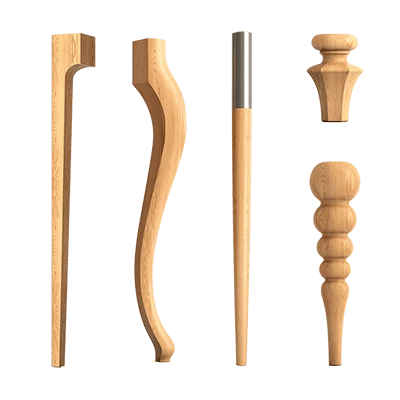
- Legs — height, lightness, and style
- Carved overlays — facade decor and character
- Wooden handles without coating
- Coated handles
- Button Handles
- Antique and retro-style handles
- When it's better to choose a calm shape
- Low legs for stability
- Higher legs for lightness
- Legs with finish to match the existing interior
- Unpainted legs for custom finishing
- How to check height, load, and attachment
- Central overlay on the facade
- Paired overlays on the edges
- Corner Overlays
- Vertical decorative elements
- How not to overload a facade
- Chest of drawers in classic style
- Neoclassical dresser
- Provence-style dresser
- Dresser with a vintage character
- Modern dresser with a wooden accent
- Quick update: only handles
- Change silhouette: legs for the dresser
- Make the facade expressive: carved overlays
- Full designer upgrade
- Need to make a dresser for the bedroom
- Need to design a dresser for the hallway
- Need to make a dresser for a salon or showroom
- Need to make a modern dresser without extra decor
- Buying handles only by photo
- Ignoring old holes
- Legs not for their intended purpose
- Too high upgrade
- Overlays without measuring the facade
- Finishing without a common idea
- Waiting for a ready new dresser
- Can you change a dresser only by replacing handles?
- What changes a dresser more: handles or legs?
- Can carved overlays be used on the dresser facade?
- What to choose for a classic-style dresser?
- What to choose for a modern dresser?
- Are knob handles suitable for a large dresser?
- What to check before buying legs?
- Can handles and legs be painted the same color?
- When is it better to buy handles with a coating?
- Are overlays needed for a Provence-style dresser?
- Can an old dresser be updated at home?
- Does STAVROS sell ready-made dressers?
- What to buy together with handles?
- How not to overload a dresser with decor?
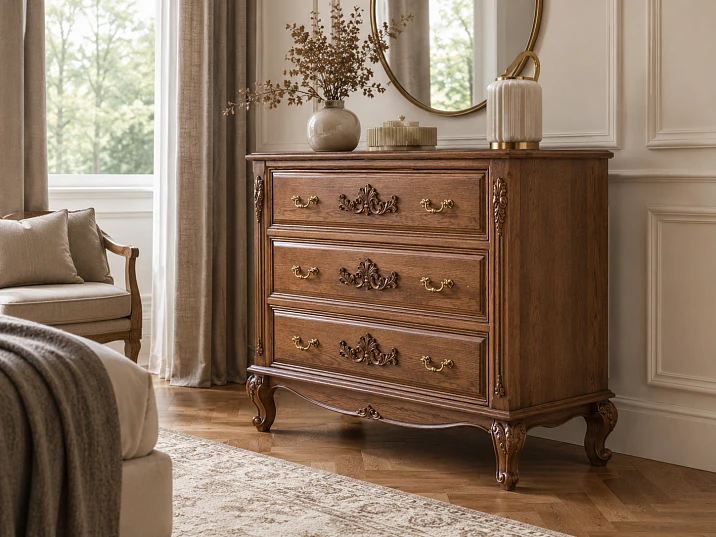
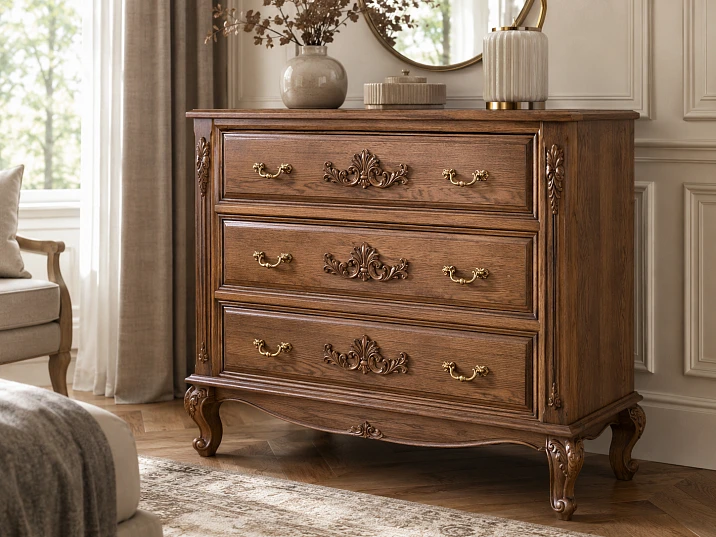
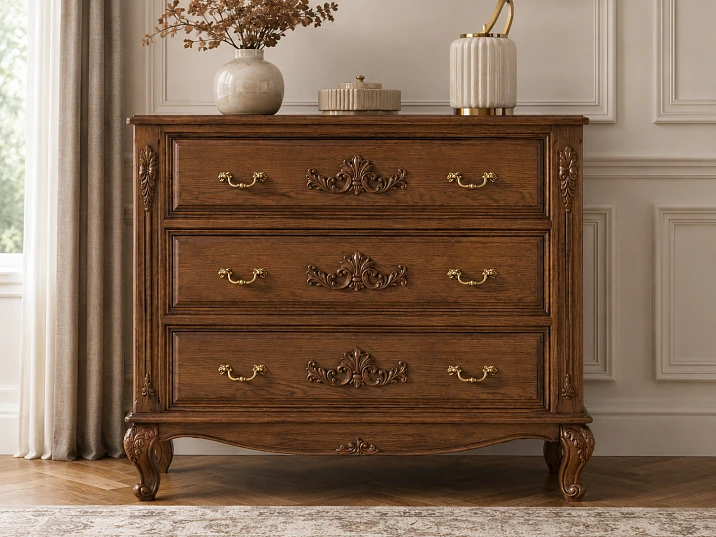
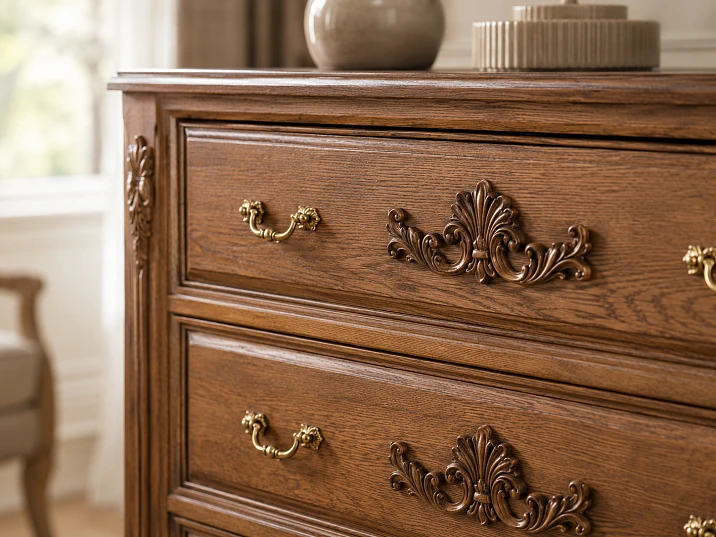
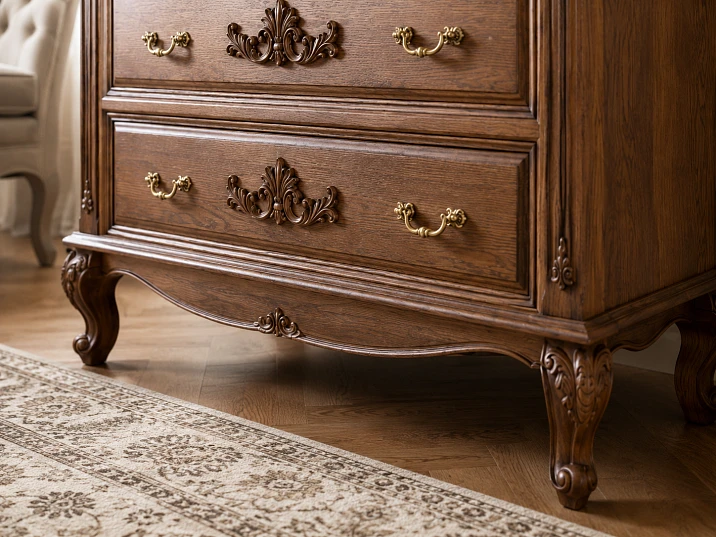
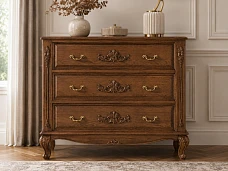
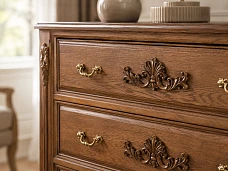
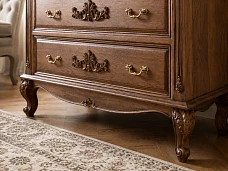
You can buy handles for a dresser in a few minutes, but a good designer upgrade doesn't start with a quick replacement of hardware, but with understanding what role the dresser should play in the interior. The same piece can remain an ordinary storage drawer, or it can become expressive furniture for a bedroom, hallway, living room, dressing room, salon, or showroom. The difference is often hidden in the details: handles, legs, overlays, finishes, and proportions.
An old dresser doesn't always need to be thrown away. Simple mass-produced furniture doesn't have to remain faceless either. If the body is sturdy, the fronts are intact, the drawers work, and the dimensions fit the room, the piece can be reimagined. Wooden handles change the facade and the feel of touch. Legs lift the body, add lightness, or, on the contrary, emphasize solidity. Carved overlays turn a flat facade into a decorative surface with character. That's why upgrading a dresser with STAVROS components is interesting not only for craftsmen and restorers, but also for designers, decorators, salon and showroom owners, and ordinary customers who want to get custom furniture without buying a new piece.
The main mistake is to look at a handle, leg, or overlay separately. In a store, each detail may be appealing on its own, but on a dresser they start working together. The handle should match the scale of the facade. The leg should support the body and not break the height. The overlay should decorate, not hinder opening drawers. The finish should tie all elements together, not turn the dresser into a set of random details. Therefore, it's convenient to start with a basic commercial route: choose buy handles for a dresser, then evaluate legs, decorative overlays, and the future finish.
This article is for those who look at furniture more broadly than just a finished product from a showroom. For a designer, a dresser is volume, facade, silhouette, supports, handles, and decor. For a craftsman, it's the body, fastening, material, fit, and finish. For a private customer, it's an opportunity to update an old item without losing storage convenience. If you bring these perspectives together, it becomes clear: a designer upgrade of a dresser is not a cosmetic trifle, but a full-fledged project.
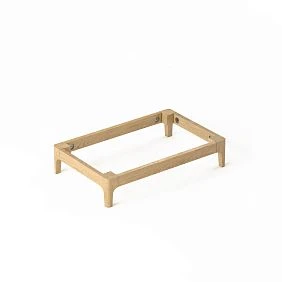
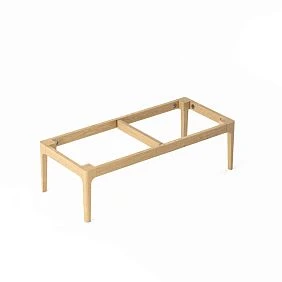
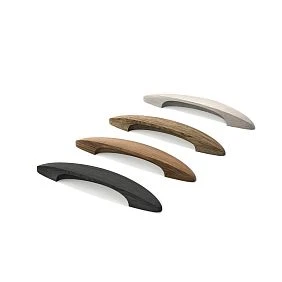
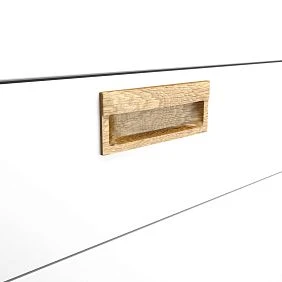
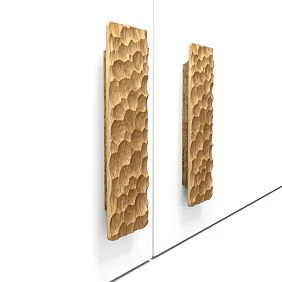
The dresser doesn't have to be replaced: it can be reimagined
When a person types "how to restore a dresser" into a search, they are most often faced with a choice: buy new furniture or try to update the old one. But restoration doesn't always mean complex work with a historical piece, removing old coatings, restoring veneer, and a full-fledged workshop. Sometimes the buyer needs something else: make a boring dresser more beautiful, replace plastic handles with wooden ones, add legs, decorate the facade with carved overlays, and choose a unified color.
A dresser is convenient for such an upgrade because it has several visible zones at once. The facade is the first thing a person sees. The handles are in the spotlight because they are used every day. The bottom of the body is noticeable by its silhouette: whether the furniture stands as a heavy block on the floor or looks lighter on supports. The sides and top can be calm, but the facade and base almost always set the character.
If the furniture body is sturdy, an upgrade is often more sensible than buying a new piece. A new dresser may not fit in size, color, style, height, or material quality. The old piece is already in its place, integrated into the room, and its functionality is clear. It doesn't have to be completely replaced, but improved where it looks visually outdated.

Why small details change the perception of furniture
Furniture is perceived not only by its overall shape. A person sees proportions, gaps, handles, supports, facade relief, material, color, and tactile details. Even a small handle can change the feel of a dresser. Plastic hardware often makes furniture simpler. Metal hardware can give it a colder, more technological look. A wooden handle adds warmth, texture, and a connection to solid wood furniture, veneer, doors, floors, or decorative elements.
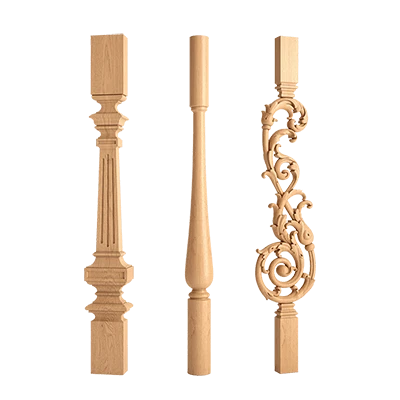
Legs work differently. They change not the facade, but the piece's placement in the room. A dresser without legs looks heavy, especially if it sits directly on the floor. Low legs provide neat support and make cleaning easier. Higher legs visually lift the body off the floor, add airiness, and can change the entire silhouette. Turned legs give a classic or vintage character. Geometric ones give a modern one.
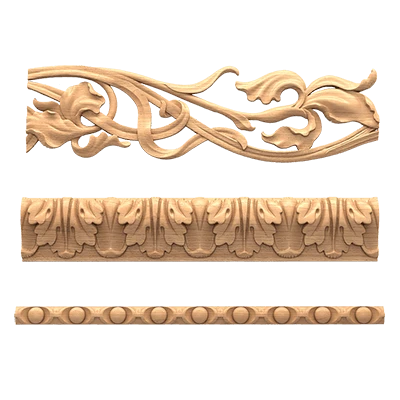
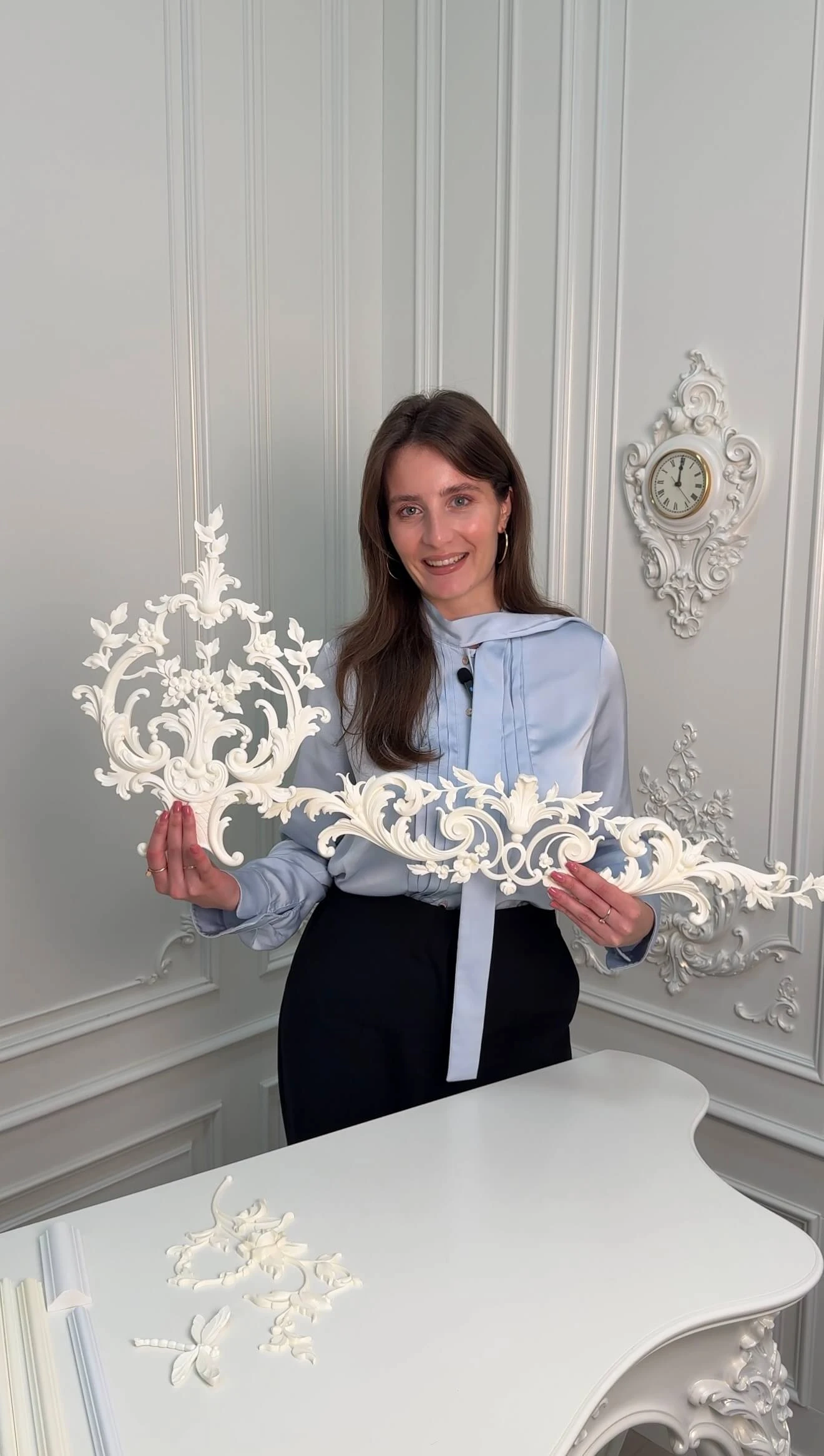
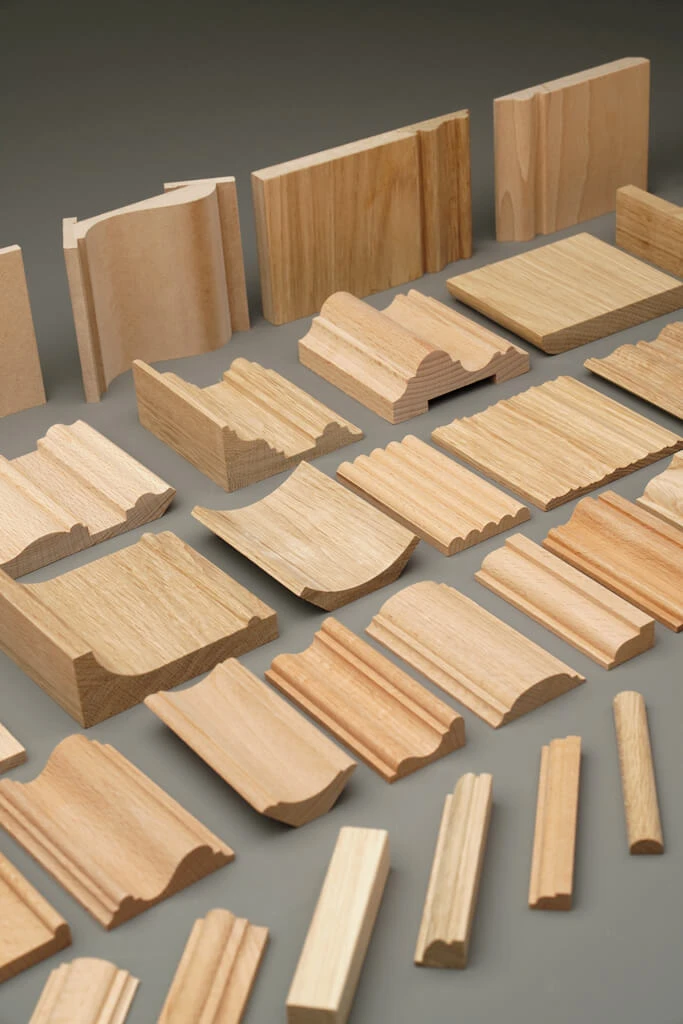
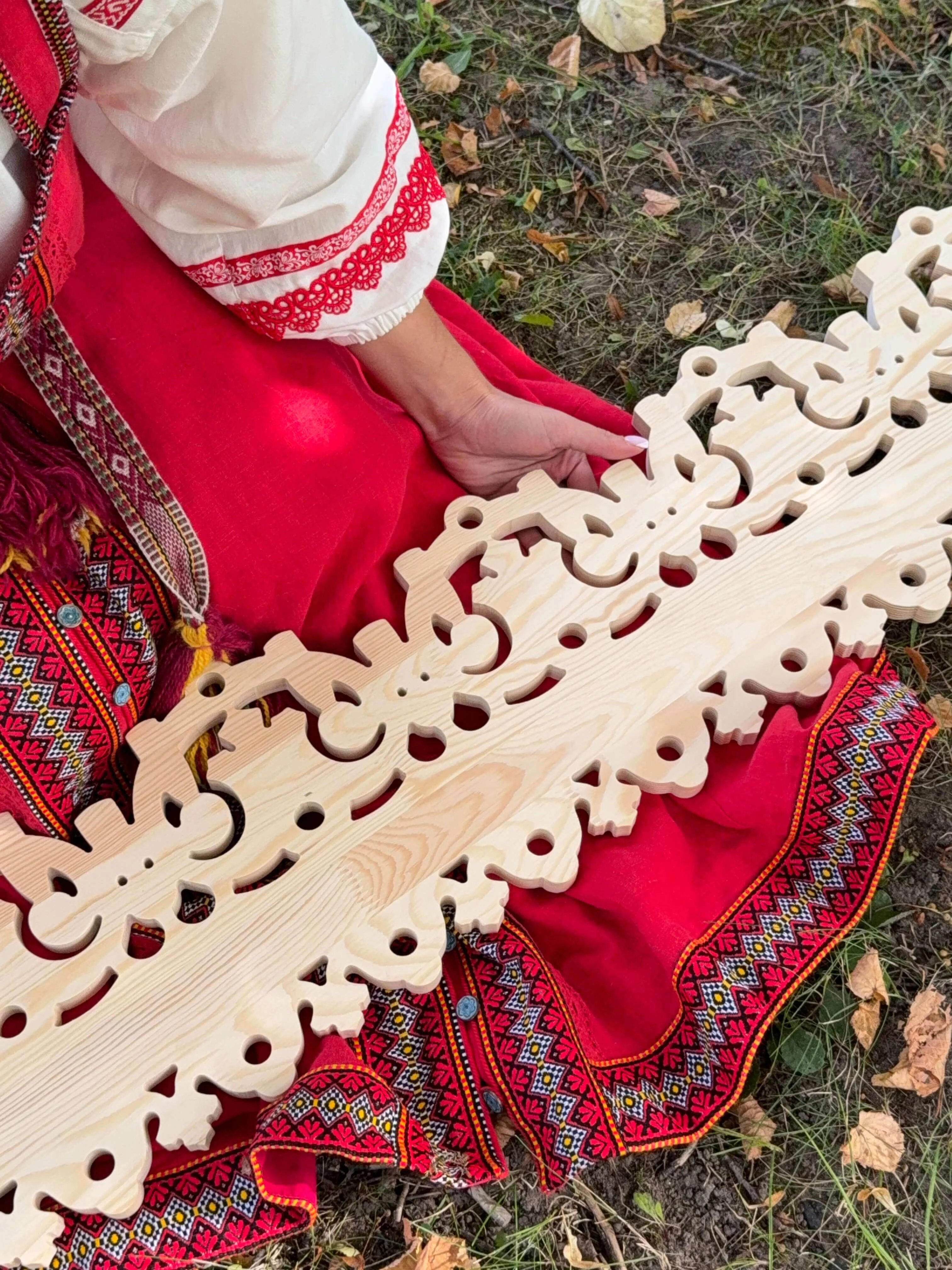
Carved overlays are responsible for the facade's appearance. A flat drawer can look boring, even if painted in a good color. An overlay adds relief, a central motif, corner detailing, or a vertical decorative accent. This is especially useful for dressers in classic, neoclassical, Provence, vintage projects, and custom furniture.
Our factory also produces:
What a designer sees: silhouette, facade, supports, handles
A designer doesn't look at a dresser as "furniture with drawers." They break it down into parts. First, they assess the silhouette: is it low or high, heavy or light, wide or narrow. Then they look at the facade: smooth, paneled, framed, flat, with active drawers or without. Next, they check the handles: are they visible, comfortable, and do they match the style. After that, they evaluate the bottom: are there legs, what size are they, does the dresser look squat.
This approach helps avoid doing unnecessary work. Sometimes it's enough to replace the handles. Sometimes the dresser lacks height and needs work on the legs. Sometimes the facade is too flat, and without a carved overlay, the piece will still look boring. And sometimes you need to assemble a set: handles, legs, overlays, and a unified finish.
Get Consultation
When an upgrade is better than buying a new piece
An upgrade is better than buying a new dresser if the body is sturdy, the dimensions fit the room, the drawers work, and the problem is only with the appearance. For example, a dresser made of good wood may look outdated due to its handles and dark finish. A mass-produced dresser may be functional but too plain. A piece from an old apartment may have a good shape but not fit the new interior. In such cases, details offer a chance to preserve convenience and add individuality.
An upgrade is especially good for design projects where furniture needs to match a specific palette and mood. A ready-made dresser from a store may not fit the style. But an existing piece can be repainted, placed on new legs, have its handles replaced, and have relief added to the facades. This creates furniture that looks like a piece from the project, not a random purchase.
But an upgrade does not save a destroyed body. If the drawers are warped, the sides are damaged, the facades don't hold fasteners, the base is weak, and the material is crumbling, structural issues are addressed first. Decor should not mask dangerous or unusable furniture.
Three areas that change a dresser the most
A dresser can be updated in different ways, but the strongest areas are always the same: handles, legs, and facade decor. These are three points that a person sees immediately and interacts with every day.
Handles are responsible for contact. They are grasped by hand, and through them, style and quality are perceived. Legs are responsible for the piece's stance: heavy or light, old-fashioned or modern, squat or elegant. Overlays are responsible for the facade's decorativeness: smooth furniture or furniture with a pattern, a flat body or a piece with depth.
Handles are the first visual and tactile accent
Handles seem like a small detail only until they are replaced. On a dresser with several drawers, they repeat many times and create a rhythm. If the handles are too small, the facade looks empty. If too large, it looks overloaded. If the shape doesn't match the style, the entire piece loses its integrity. Therefore, the request "buy handles for a dresser" should be understood more broadly: the buyer is choosing not just hardware, but the face of the facade.
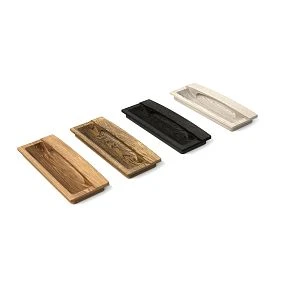
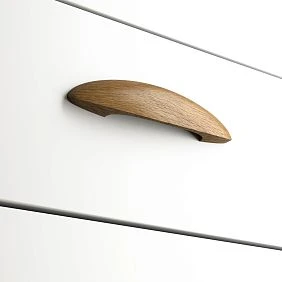
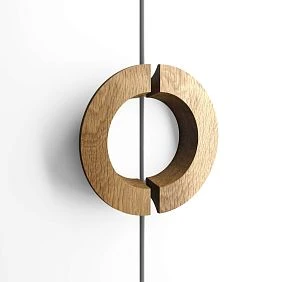
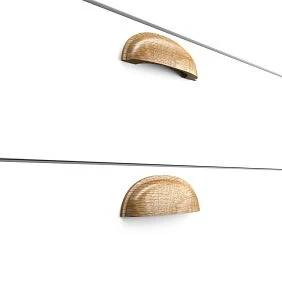
Wooden handles are good because they provide a warm touch and can be part of the overall furniture look. They are suitable not only for classic styles. In modern interiors, a wooden handle can create a soft contrast to a smooth facade. In a children's room, it can make furniture more pleasant and safer to the touch. In a bedroom, it can support a calm, natural palette. In a hallway, it can connect a chest of drawers with doors, floor, or a wooden bench.
Legs — height, lightness, and style
Legs change a chest of drawers more than it seems. An item that stood as a heavy block on the floor can become lighter after installing supports. A gap appears, the furniture starts to 'breathe', proportions change. This is especially noticeable in small rooms, where heavy furniture visually eats up space.
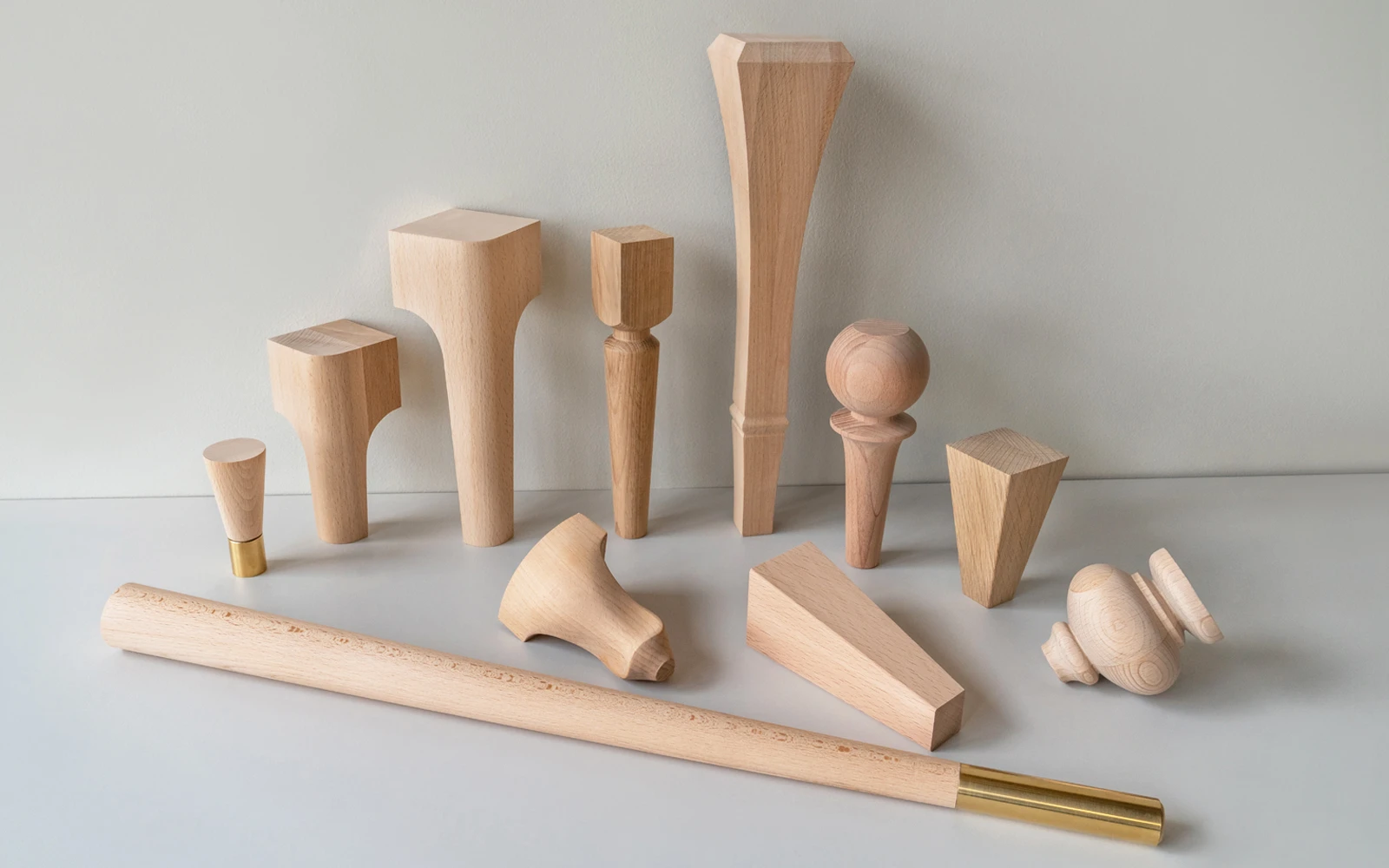
For an upgrade, it's important to look not only at the beauty of the legs but also at their purpose. Legs for a chest of drawers, wardrobe, and cabinet must match the case furniture. They cannot be automatically replaced with legs for a table or chair. A chest of drawers has drawers, contents, dynamic load when opening, and a risk of warping. Therefore, it's better to start with the section buy wooden legs for a chest of drawers and choose supports by application, height, shape, and method of future finishing.
Carved overlays — facade decor and character
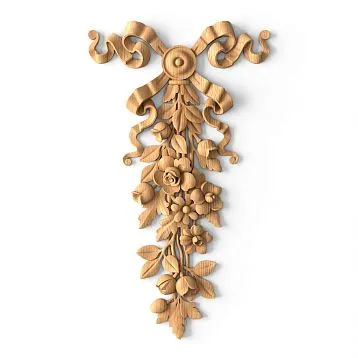
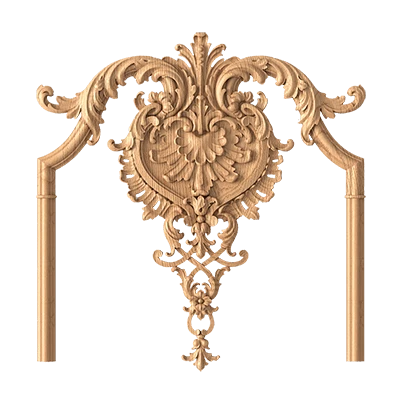
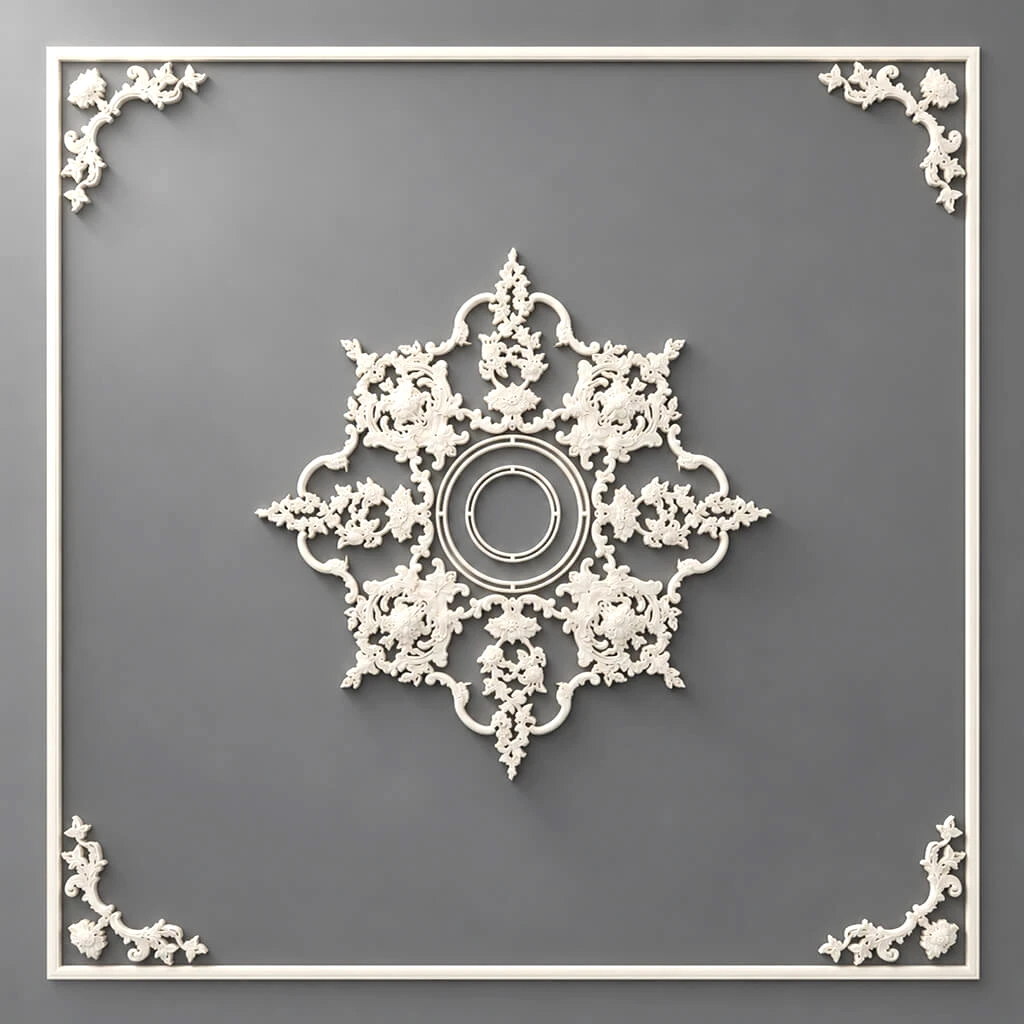
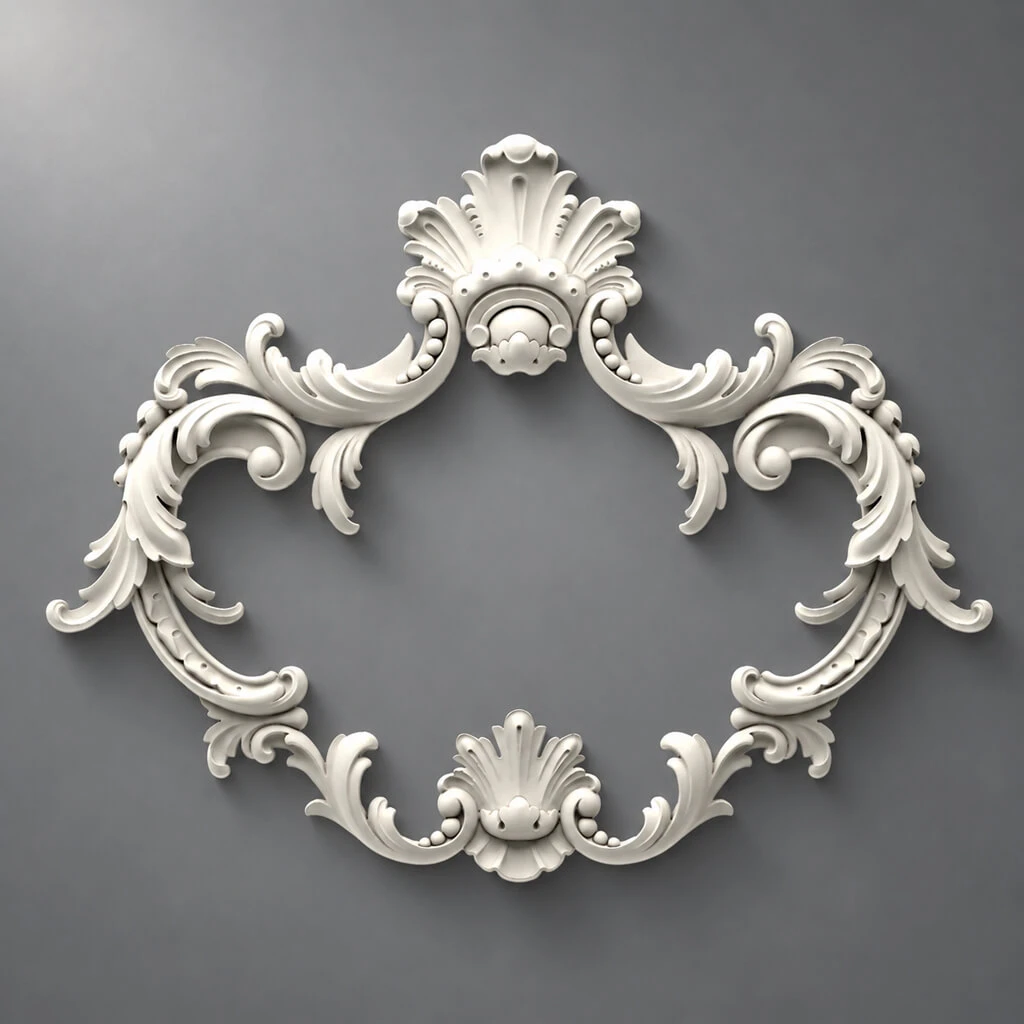
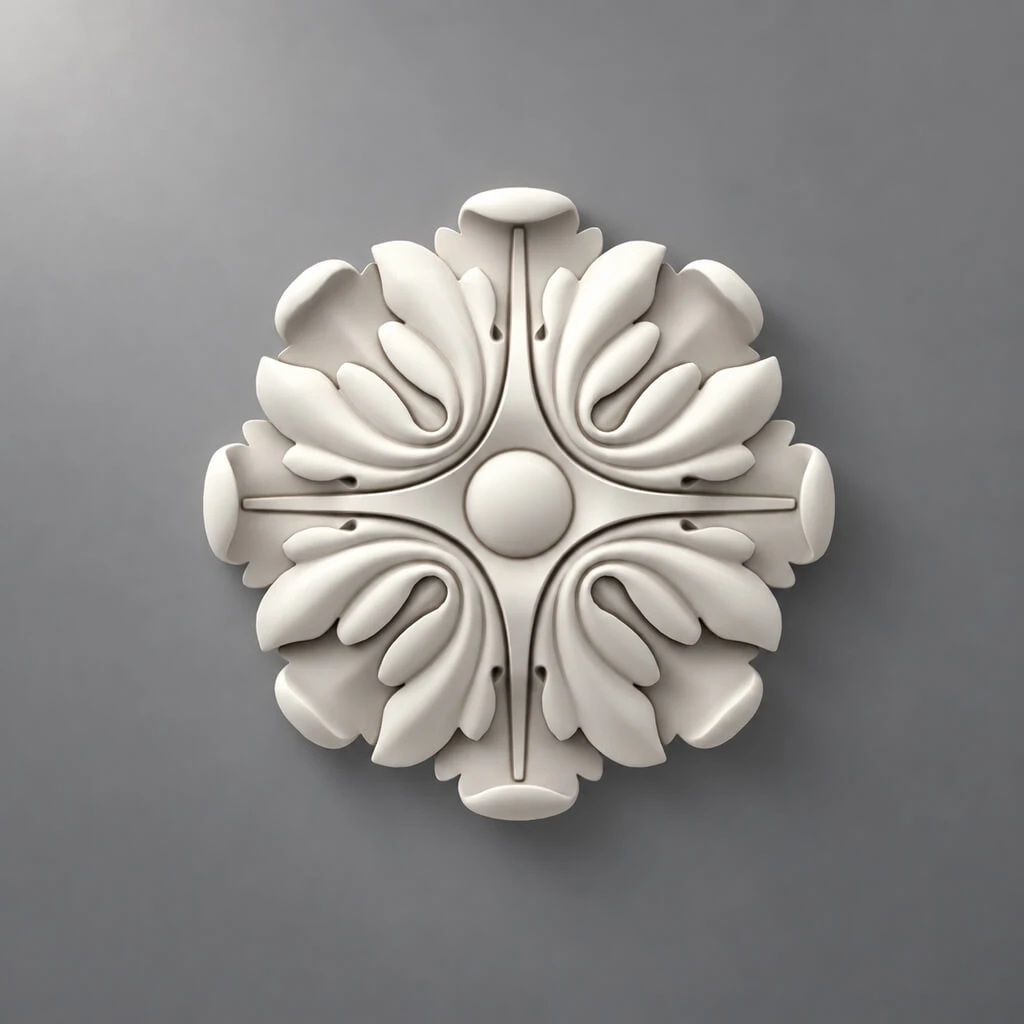
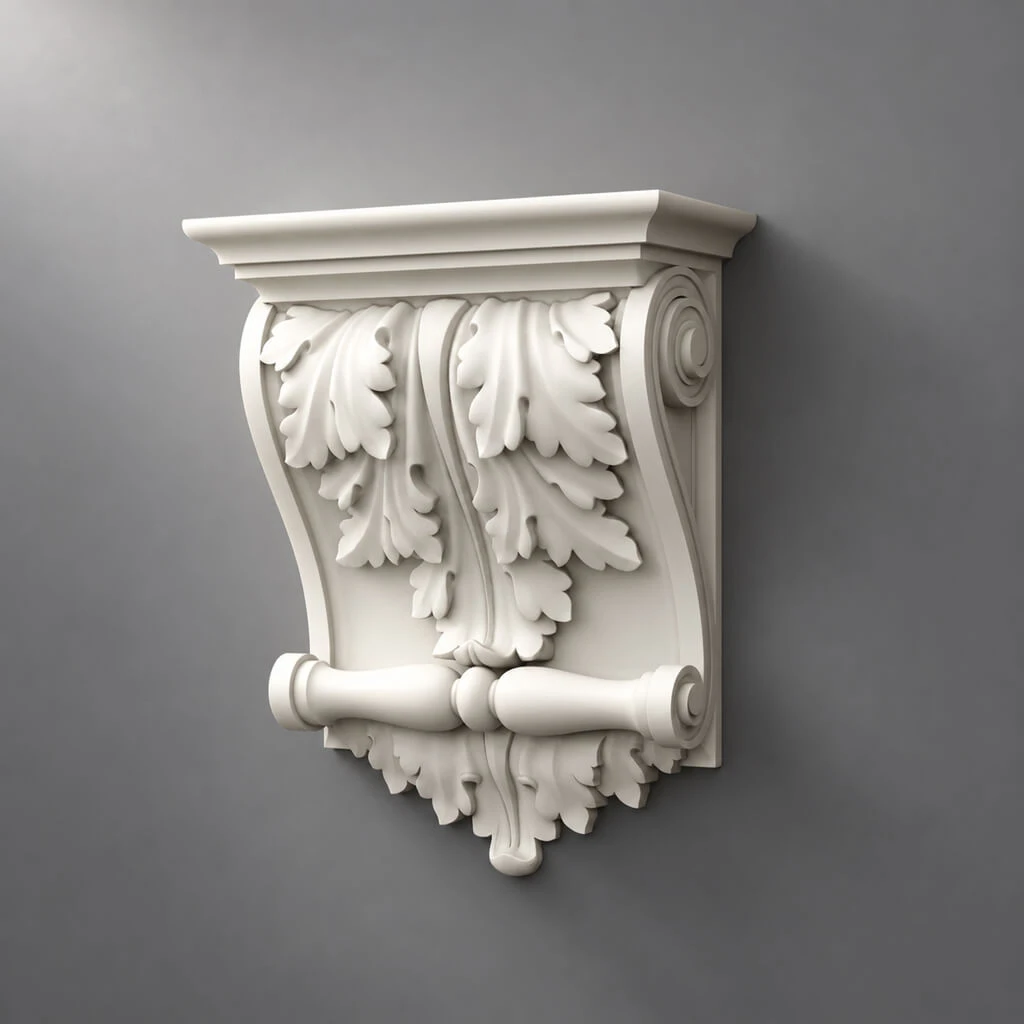
Carved overlays are needed when the facade lacks expressiveness. They help create a central motif, frame corners, add vertical elements, emphasize a panel composition, or make furniture closer to classic, neoclassical, Provence, or vintage styles. If the chest of drawers is flat, an overlay can give it architectural depth.
But overlays require caution. The facade of a chest of drawers is not a limitless surface. It has drawers, gaps, handles, sometimes panels and edges. The overlay should not interfere with opening. It must fit in size, thickness, shape, and style. Therefore, before purchasing, you need to measure the facade, understand the placement of handles, and decide in advance whether the decor will be central, corner, paired, or vertical.
What you can buy for a chest of drawers upgrade
| Dresser zone | What we change | Which products to look at | What to check before ordering |
|---|---|---|---|
| Facades and drawers | Handles | buy handles for a dresser | Size, shape, handle type, quantity, mounting method |
| Facades for painting | Unpainted handles | Wooden furniture handles without coating | Material, size, future finish, compatibility with facade |
| Ready interior | Handles with finish | furniture handles with coating | Color, texture, combination with the facade and other furniture |
| Small drawers | Knob handles | Wooden knob handles for a chest of drawers | Ease of grip, drawer size, number of handles |
| Silhouette and support | Uncoated legs | buy wooden legs for a chest of drawers | Height, load, fastening, finish |
| Quick ready-made look | Legs with coating | Legs with coating for dresser and nightstand | Color, style, compatibility with the body |
| Flat front | Carved overlays | Carved decorative inserts for furniture | Size A/B/C, shape, ornament, installation location |
| Large front accent | Large carved decor | Large wooden decor N-175.1 for fronts | Front scale, material, thickness, order, finish |
| Corners and frame composition | Corner overlays | Corner overlays for furniture composition | Side, symmetry, angle size, facade thickness |
This table helps to see the upgrade not as a chaotic set of parts, but as a system. First, choose what exactly needs to be changed: the facade, silhouette, decorativeness, or the entire look. Then select the product group. After that, check the dimensions, mounting, material, and finish.
Handles for a dresser: how to choose without randomness
Handles are the fastest way to update a dresser. If the body and facades are in good condition, sometimes it's enough to remove the old hardware and install new wooden handles. But a quick method doesn't mean a random one. The handle must match in scale, style, ergonomics, and mounting.
On a dresser, handles repeat. If there are three, four, or six drawers, each handle reinforces the overall pattern. Therefore, the shape must be well thought out. Large handles make the facade more graphic. Small knobs look neat and don't compete with the decor. Long handles stretch the drawer horizontally. U-shaped and bracket handles add a more furniture-like, functional character. Shell handles can support vintage, Provence, or softer classic styles.
Unfinished wooden handles
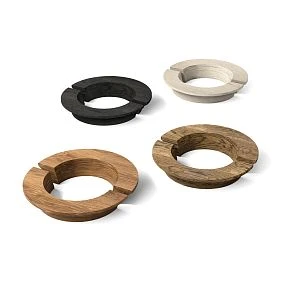
Wooden furniture handles without coating are especially useful when the dresser is being completely repainted. If the facades are to be painted in a new color, the handles can be finished together with them or made contrasting. This is convenient for designers and craftsmen: there's no need to adjust to a ready-made hardware shade.
Unpainted handles are also good for restoring an old dresser. For example, if the furniture was dark and they want to make it light, the handles can be coated to match the facade. If you want to preserve naturalness, they can be finished with a transparent or semi-transparent coating, if such an option suits the specific model. Before ordering, you need to check the material, dimensions, and recommendations in the product card.
Handles with finish
furniture handles with coating are suitable when a quicker result is needed. If the dresser is already painted, the facades are in good condition, and the buyer does not plan complex finishing, ready-made handles help to assemble the look faster. Here it's important to match the color and style: the handle should not look separate from the furniture.
Handles with coating are convenient for finished interiors. For example, in a bedroom that already has nightstands, a bed, and a wardrobe, a dresser needs to be updated so it doesn't clash with the other pieces. In such cases, choose a shape and color that support the overall palette. If the furniture is varied, a handle can become a unifying element.
Knob handles
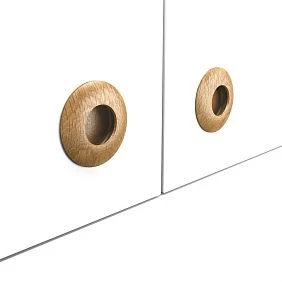
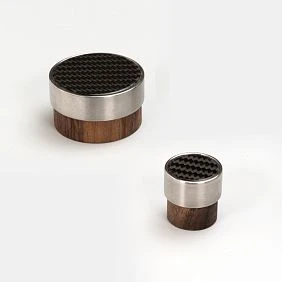
Wooden knob handles for a chest of drawers are suitable for small drawers, compact furniture, children's rooms, nightstands, top dresser drawers, and facades where a long horizontal accent is not needed. They look neat and help avoid overloading the facade.
A knob handle is especially good if the facade already has a carved overlay. A long pull may clash with the decor, while a knob often looks calmer. However, it has a limitation: for heavy, large drawers, a small handle may be less convenient. Therefore, you need to consider not only the appearance but also the weight of the drawer, frequency of use, and ease of grip.
Antique and retro-style handles
Queries like "buy antique-style handles for a dresser," "buy antique handles for a dresser," "buy retro handles for a dresser" are often not about actual antique restoration but about creating a vintage look. The buyer wants the dresser to appear not as a new mass-produced item but as a piece with history.
Wooden handles help achieve this more softly than a rough imitation of antiquity. They can be combined with tinting, patina, calm enamel, carved overlays, and slightly aged finishes. But it's important not to overdo it. If you install overly prominent handles, add large overlays, dark finishes, heavy legs, and decorative corners, the dresser may become theatrical. Vintage works best in moderation.
When to choose a calm shape
A calm handle is needed if the facade is already active. For example, if it has panels, carved overlays, pronounced wood texture, contrasting paint, or a complex pattern. In such a case, the handle should help use the drawer and support the style, not compete with the facade.
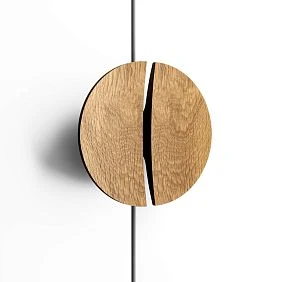
A calm shape is also chosen for modern dressers. If the goal is to add a natural wooden accent without leaning into classic style, you should look at minimalist models. A good example of this approach is Furniture handle Proun HL-053-1It has a confirmed size of 28 × 28 × 29 mm, materials beech and oak, unpainted appearance, and fastening with metal screws. This handle is interesting for a modern dresser where geometry is needed but heavy decorativeness is not.
Legs for a dresser: how to change the silhouette of furniture
Legs determine how the dresser stands in the space. They are not only a support but also a visual boundary between the body and the floor. If the dresser looks heavy, low, or outdated, replacing the legs can change it more than repainting.
When choosing legs, you cannot focus only on appearance. The dresser has weight, drawers, contents, and load when opening. The legs must be suitable specifically for case furniture. In the catalog, it is convenient to look at the category by application: buy wooden legs for a chest of drawersThis approach reduces the risk of choosing a beautiful but unsuitable support.
Low legs for stability
Low legs are suitable when you need to slightly lift the dresser but maintain a calm stance. They are especially appropriate for heavy bodies, wide dressers, cabinets, and furniture where stability is important. A low support does not make the item airy but helps remove the feeling of a solid block on the floor.
For restoring an old dresser, low legs can be a rational choice. They improve the appearance, provide a neat gap, and do not radically change the height of the furniture. This is important if the dresser is already placed under a mirror, painting, TV, or shelf, and changing its height is undesirable.
Higher legs for lightness
High legs give a different effect. The dresser becomes lighter, a gap appears, and the furniture looks more modern or elegant. This technique works well in the bedroom, living room, hallway, dressing room, and showroom. Especially if the item previously stood directly on the floor and looked too massive.
But a high support requires stability testing. The higher the legs, the more attention must be paid to the body width, depth, weight distribution, and fastening. You cannot place a tall, heavy chest on random thin legs just for aesthetics. Design should not conflict with safety.
Legs with a finish for a ready-made interior
Legs with coating for dresser and nightstand are useful when you need to fit furniture into an existing space faster. If the chest is already painted or the buyer does not want to deal with finishing the supports, a ready-made finish shortens the path from idea to result.
Such legs should be matched to the facade, handles, floor, and neighboring furniture. Sometimes the color of the supports is better matched to the body to make the chest look cohesive. Sometimes it should be contrasting to emphasize the silhouette. In any case, the legs should not look as if they were placed separately from the project.
Unpainted legs for custom finishing
Unpainted legs are good for a complete upgrade. If the chest is being repainted, handles are changed, the facade is decorated with overlays, the supports can be finished along with the other parts. This gives a cohesive result. Especially useful for designers and workshops working with a specific palette.
For example, you can make the body in soft enamel, handles in natural wood, legs matching the handles, and highlight the overlays with a light patina. Or vice versa: cover the body and overlays with one color, leaving the handles as a wooden accent. The main thing is to determine the role of each part in advance.
How to check height, load, and fastening
Before ordering legs, you need to measure the current height of the chest and decide what height the item should be after the upgrade. If the chest is next to a bed, console, sofa, or under a mirror, height is especially important. Even a few centimeters can change convenience.
Then check the body. Is there space for fastening? Is the base strong enough? Do drawers, guides, plinth, or old supports interfere? If the chest is heavy, it is better not to install legs without load assessment. For complex cases, it is reasonable to discuss fastening with a craftsman or STAVROS manager.
Carved overlays: when the facade needs decor
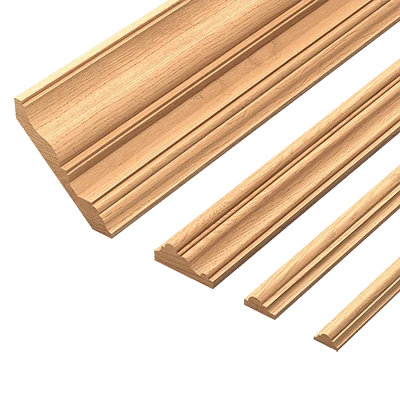
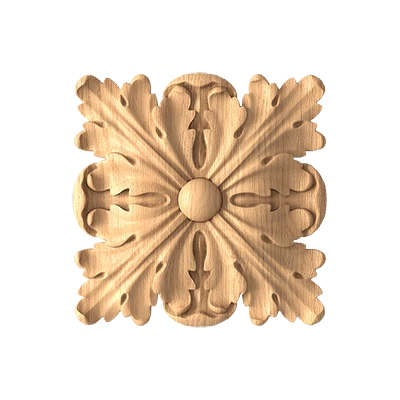
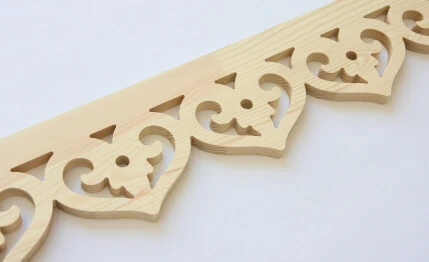
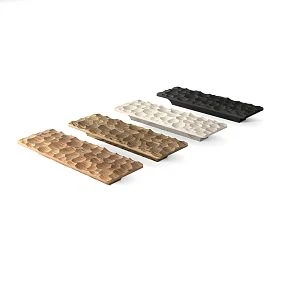
Carved overlays work where the facade is too flat. They add relief, ornament, a central motif, or a corner finish. This is not hardware for opening or a load-bearing part. It is a decorative element that must be integrated into the facade composition.
If a buyer is looking for "carved wooden overlays for furniture," they most often want to make the furniture more expressive. A chest of drawers is better suited for this than many items because it has repeating facades. Overlays can be placed on the central drawer, on several facades, in the corners, vertically on the sides, or as part of a frame composition. But each option requires measurements.
Central overlay on the facade
A central overlay is suitable for a large drawer or door where there is enough free space. It works as a medallion or the main decorative motif. This technique looks good in classic, neoclassical, Provence, and vintage projects.
It is important that the overlay does not interfere with the handle. If the handle is centered, the decor needs to be shifted, the handle shape changed, or a different composition chosen. Sometimes it is better to use knob handles on the sides so that the central part of the facade remains free for the overlay.
Paired overlays on the edges
Paired overlays help to design the facade symmetrically. They work well on wide drawers where a single central element might look too lonely. Paired details on the edges create a frame effect and support the classic logic.
A mistake is to choose too large paired overlays. On a small facade, they will interfere and look heavy. Before ordering, you need to lay out the dimensions on a drawing or at least on paper: facade width, gaps, handle, overlay, distance to the edge.
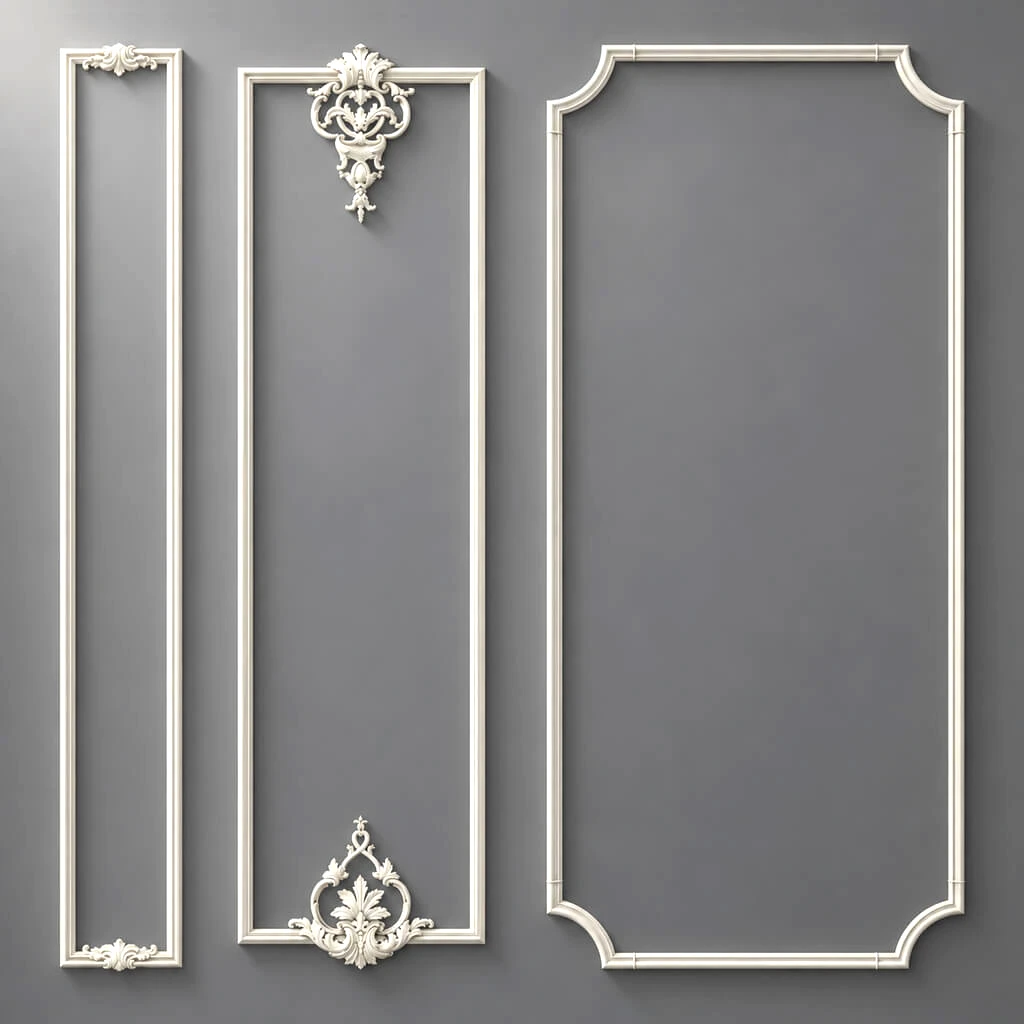
Corner overlays
Corner overlays for furniture composition are needed when the facade is built as a frame. They help to finish the corners, support the decorative contour, and make the composition neat. A corner overlay does not replace the central decor. Its strength lies in the finish.
Such details are especially appropriate if the chest of drawers receives a paneled or framed look. For example, the fronts are painted in one color, while the corners are emphasized with carved decor. This adds depth to the furniture without overloading the center.
Vertical decorative elements
Vertical overlays help elongate the chest of drawers and emphasize the side areas. They are suitable for tall items, narrow fronts, side posts, or decorative dividers between drawers. It is important not to place them where they will interfere with opening or visually fragment the front.
Vertical decor is especially good if the chest of drawers needs to be made more architectural. It helps connect the top and bottom, support the legs, and create the feeling of a cohesive piece of furniture, rather than just a cabinet with drawers.
How not to overload the front
The more active the overlay, the simpler the handles should be. The more complex the handles, the more cautious the decor should be. If you use large carved overlays, massive handles, shaped legs, and contrasting finishes all at once, the chest of drawers may lose its style. A good upgrade is built on hierarchy: one main area, the rest support it.
If a strong front accent is needed, you can consider Large wooden decor N-175.1 for fronts, but only for a sufficiently large surface. This model has confirmed dimensions of 988 × 500 × 13 mm, 1185 × 600 × 16 mm, and 1450 × 734 × 19 mm, materials beech and oak, options for enamel and tinting. For an ordinary small chest of drawers, such a scale may be excessive, but for a large furniture panel or front composition, it is appropriate.
Comparison of upgrade options
| Upgrade option | What changes | When it fits | Risk of error |
|---|---|---|---|
| Only handles | Facade, tactility, style | Good body, furniture looks boring | Choose handles not matching drawer size |
| Only legs | Silhouette, height, lightness | Chest is heavy, low, outdated | Not checking load and fastening |
| Only overlays | Facade relief, decorativeness | Facades are flat, need classic or vintage character | Overload the facade or close the opening areas |
| Handles + legs | Facade and seating | Need to quickly change the overall look | Do not match the shapes with each other |
| Handles + overlays | Facade design | Need to make the furniture more expressive | Handles and decor compete for the center |
| Legs + overlays | Silhouette and character | Need a deeper project | The facade is beautiful, but the handles remain old |
| full set | Handles, legs, facade, trim | Designer or workshop project | No unified idea on style and color |
The fastest option is to replace the handles. The most noticeable in silhouette is to replace the legs. The most decorative is to add overlays. The strongest is to assemble a set, but it requires more preparation. The more details are changed, the more important it is to determine the style, color, size, and sequence of work in advance.
Design scenarios: what kind of dresser you can get
Classic style dresser
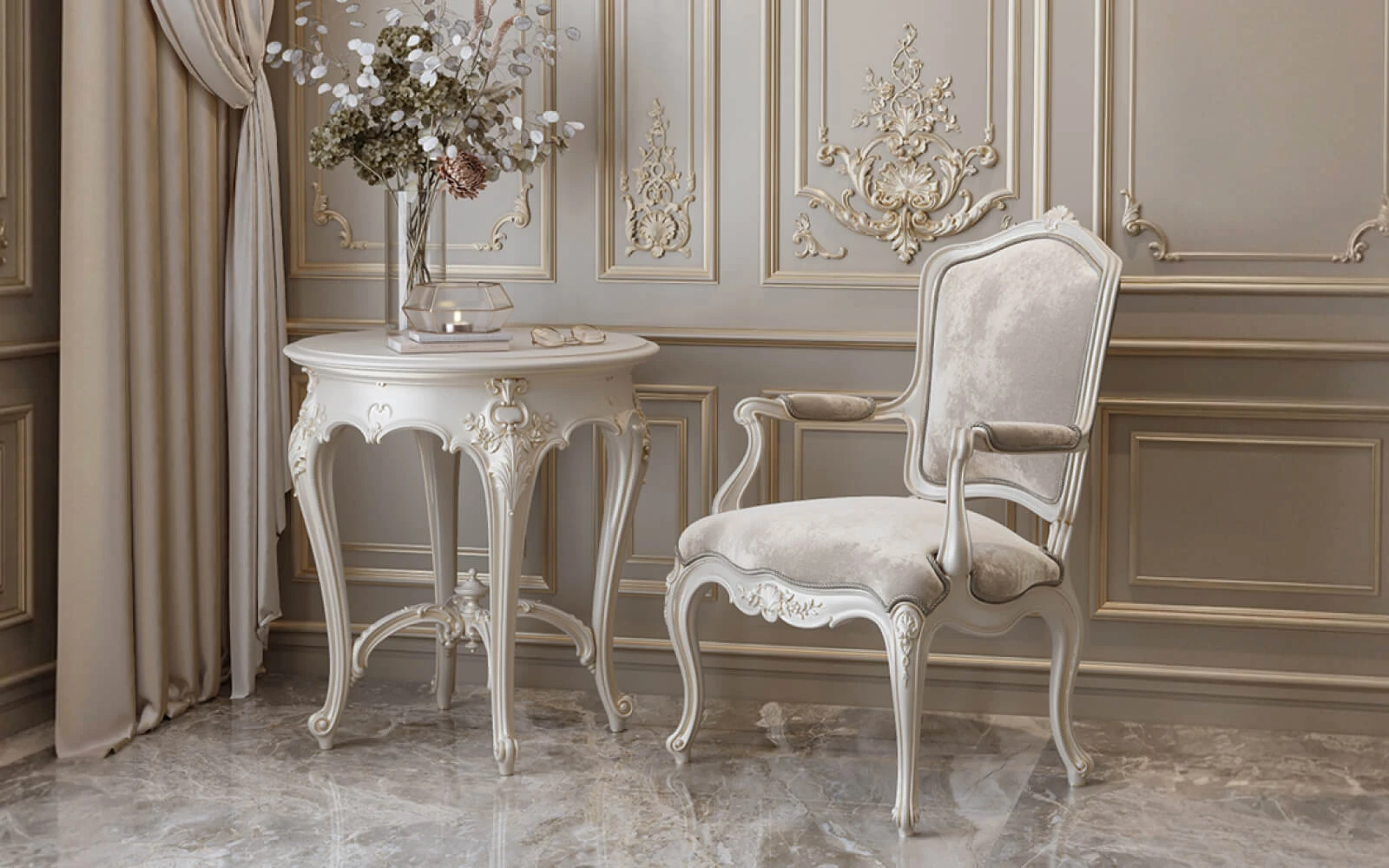
For a classic style, wooden handles, turned or carved legs, neat overlays on the facades are suitable. The color can be calm: milky, beige, warm gray, deep brown, tinted wood. In a classic style, it is important not to break the symmetry. The handles should be straight, the overlays should repeat logically, the legs should match the weight of the body.
A classic dresser doesn't have to be heavy. If you use moderate carving and calm trim, it will look noble but not old-fashioned.
Neoclassical dresser
Neoclassicism loves clean facades, clear form, and restrained decor. Knob handles, calm wooden handles, low legs, and small overlays work well here. Color often plays a bigger role than the amount of carving. You can make the body in light enamel, the handles in natural wood, and the overlays to match the facade.
In neoclassicism, it's dangerous to overload furniture. If the facade is small, it's better to choose one type of decor. For example, handles and legs, but without overlays. Or knob handles and corner overlays, but without a large central motif.
Provence style dresser
Provence readily accepts wooden handles, soft forms, light finishes, a slight vintage effect, and small carved overlays. The dresser can look cozy, slightly antique, but not rough. Antique-style handles are appropriate here, as long as they don't look theatrical.
For Provence, softness is important. A too geometric handle can clash with the image. Too heavy legs will make the furniture bulky. It's better to choose details with smooth lines and not overload the facade with large decor.
Dresser with vintage character
A vintage upgrade doesn't have to copy antiquity. It's enough to create the feel of an object with history. Wooden handles, toning, slightly expressive legs, carved overlays, and a calm color palette are suitable for this. You can leave some wood texture or use a soft enamel.
It's important not to confuse vintage with artificial aging for the sake of aging. If every detail screams 'retro', the item can look unnatural. It's better to choose two strong features: for example, antique-style handles and toned legs. Or overlays and a soft paint finish.
Modern dresser with wooden accent
A modern dresser can be sleek but not boring. In such a design, minimalist wooden handles, geometric legs, and minimal carved decor work well. If you need one accent, you can use the Proun HL-053-1 handle or a similar model, and leave the overlays for other furniture.
Modern style is especially demanding of proportions. Handles must be in their place, legs not too decorative, and finish clean. Here, fewer details are better, but more precisely selected.
Commercial choice: what to buy for the task
Quick update: handles only
If the dresser is in good condition but looks boring, start with the handles. This is the fastest way to change the facade. Suitable for a rented apartment, bedroom, children's room, hallway, cottage, showroom, where you need to quickly refresh an item. In this scenario, it's important to buy furniture handles for the dresser in the required quantity and check the distance between mounting holes in advance if the old holes remain.
If the old holes don't match, you'll have to fill them, drill new ones, or choose a different type of handle. Therefore, handles cannot be bought just by photo.
Change the silhouette: legs for the dresser
If the dresser looks heavy, low, or outdated, it's worth looking at legs. They change the item's stance. Low supports provide stability. Higher ones add airiness. Turned legs suit classic and vintage styles. Geometric ones suit modern projects.
Before purchasing, you need to check the base of the body. Sometimes an old dresser is not ready for new legs without reinforcement. In that case, first solve the mounting, and only then choose the shape.
Make the facade expressive: carved overlays
If the facade is flat and the project requires character, you need Carved decorative inserts for furniture. They are suitable for classic, neoclassical, Provence, vintage, and decorative projects. Overlays are especially useful when a dresser is being repainted: the decor can be finished together with the facade to achieve a unified look.
Before ordering, it's important to measure the facade and understand where the handles will go. The overlay should not interfere with opening and should not fall into the gaps between drawers.
Full designer upgrade
A full upgrade includes handles, legs, overlays, and a unified finish. This scenario is suitable for designers, workshops, and buyers who want not mass-produced furniture but a unique piece. Here, it's important to start not with buying parts but with a sketch. Even a simple draft helps to see proportions and avoid chaos.
First, decide on the style. Then choose the main detail. If the handles are the main feature, keep the overlays simpler. If the facade decor is the main feature, keep the handles simpler. If the legs are the main feature, the facade should not conflict with the base. This logic makes the dresser cohesive.
What not to make from scratch if there are ready-made STAVROS elements
The query 'how to restore an old dresser at home' often leads a person to think that everything will have to be done themselves: cut out decor, find blanks, adjust handles, invent legs, sand complex shapes, try to replicate carving. But in a designer upgrade, you don't have to start from scratch.
Ready-made elements allow you to focus on selection, finishing, and assembly. You don't need to cut out a complex overlay yourself if you can choose one that fits in shape and size. You don't need to make handles by hand if there are ready-made wooden models. You don't need to install random supports from other furniture if there are legs for dressers, cabinets, and nightstands.
This is especially important for private buyers. DIY restoration can be a pleasant process, but it quickly becomes a problem if you lack tools, experience, and precise parts. Ready-made components reduce the risk. The buyer chooses the shape, material, size, finish, and can focus on making the furniture beautiful and functional.
For craftsmen and designers, ready-made elements are also useful. They save time on repetitive details and allow for more accurate project calculations. Instead of making each handle and overlay from scratch, you can select ready-made items, check the cards, and assemble a set for the task.
What to buy together
Upgrading a dresser is rarely limited to one detail. If you only replace the handles, the dresser may look better, but the old legs will still give away its age. If you install new legs but keep the plastic handles, the look will be incomplete. If you add overlays but don't consider the handles, the front may become overloaded.
Therefore, before ordering, it's better to assemble a set. For a simple update, handles are enough. For a noticeable change — handles and legs. For a designer project — handles, legs, overlays, and a unified finish. If the fronts are flat, overlays will add depth. If the dresser is heavy, legs will change the silhouette. If the piece seems faceless, handles will provide the first visual contact.
| Main product | What to buy together | Why | For which scenario |
|---|---|---|---|
| buy handles for a dresser | buy wooden legs for a chest of drawers | To change both the front and the silhouette | Quick but noticeable upgrade |
| Wooden furniture handles without coating | Unpainted legs for cabinet furniture | To paint the details in one color | Complete repainting of the dresser |
| furniture handles with coating | Legs with coating for dresser and nightstand | To quickly assemble a finished look | Update without complex finishing |
| Legs for a dresser | Carved decorative inserts for furniture | To maintain the style at the bottom and on the facade | Classic, vintage, Provence |
| Carved overlays | Wooden knob handles for a chest of drawers | To make the facade look cohesive and not overloaded | Decorative facades |
| Handles for a retro look | Overlays with classic ornament | To create a vintage character | Old or stylized dresser |
| Furniture handle Proun HL-053-1 | Geometric legs | To assemble a more modern item | Minimalism, constructive style |
The set should be assembled not by the principle of "everything beautiful at once," but by the task. If the dresser should feel calm and expensive, choose less decor and more precise form. If an expressive item is needed, you can add overlays, but then the handles should be made more restrained.
How not to confuse similar products
Furniture handles are functional fittings. They are used to open drawers and doors. They should be comfortable, sturdy, and appropriate in size and quantity. Carved overlays are decor. They do not replace handles and are not designed to be pulled to open a drawer.
Legs for a dresser are supports for case furniture. They cannot be automatically replaced with legs for a table, chair, or stool. Each item has its own load, height, attachment, and stability. If you need a support specifically for a dresser, wardrobe, or cabinet, choose the appropriate section.
Legs with coating and legs without coating also solve different tasks. Coated ones are convenient for a finished interior. Unpainted ones are for individual finishing, repainting, tinting, workshop work.
Need to make a dresser for the bedroom
In the bedroom, calmness and tactility are important. Handles should not be too aggressive. Legs can be low or medium height. Overlays should be moderate. Soft shades, natural wood, and calm geometry work well.
If there is already a bed, nightstands, and wardrobe nearby, the dresser should support them, not argue. Sometimes wooden handles and neat legs are enough. Carved decor is only needed when the bedroom can handle such expressiveness.
Need to design a dresser for the hallway
The chest of drawers in the hallway is immediately visible. Here you can make a more noticeable upgrade: handles, legs, a mirror above the chest, lighting, a decorative wall. The handles should be comfortable because the drawers are often used for small items. The legs must withstand the load and not interfere with cleaning.
If the hallway is narrow, do not overload the facade with large overlays. It is better to choose expressive handles and neat legs. If the hall is spacious, you can allow more decor.
You need to make a chest of drawers for a salon or showroom
In a commercial interior, furniture works to create an impression. The chest of drawers can be not only storage but also part of the image. A bolder design is appropriate here: handles, overlays, interesting legs, thoughtful finishing. But practicality remains important. The handles must withstand frequent use, the facades must not be afraid of regular contact, and the legs must ensure stability.
For a salon or showroom, it is better to assemble the entire set in advance. Scattered purchases often give a random result. If the chest of drawers will be in a photo zone, the facade and handles are especially important: they end up in the frame.
You need to make a modern chest of drawers without unnecessary decor
For a modern chest of drawers, choose laconic wooden handles, geometric legs, and calm finishing. Overlays can be omitted or use one very restrained element. Here, a clean line, good proportion, and material work best.
If you want wood but not classics, handles like Proun HL-053-1 help provide a natural accent without ornamental heaviness. This approach is suitable for minimalism, a modern bedroom, study, hallway, and living room.
Preparation, installation, finishing, and care
Before starting the upgrade, you need to disassemble the chest of drawers as a project. Remove the old handles, measure the facades, check the holes, assess the condition of the base. If the old holes do not fit the new handles, decide how to close them. If the facade will be repainted, the holes can be puttied and new markings made. If the coating is preserved, it is better to choose handles with suitable fastening.
Legs are more complicated. You need to turn the dresser over, check the bottom, see if there's space for mounting, if old elements interfere, and if the base can handle the load. If the dresser is heavy, it's better not to experiment without a professional. The leg must stand stable, not just look nice.
With overlays, marking is important. Before gluing or attaching, it's helpful to lay out the decor on the front, check distances, and verify symmetry. If an overlay is crooked, it will be visible every day. If it falls on the gap between drawers, it may interfere with opening.
The finish should match the material. If parts are unpainted, decide in advance whether they will match the front, contrast, or preserve the wood texture. Don't mix too many wood shades on a small dresser. If the body is one, handles a second, legs a third, and overlays a fourth, the furniture will look random.
Care depends on the coating and operating conditions. A dresser in a bedroom and a dresser in a hallway live differently. The hallway has more dust, moisture, and contact with hands and items. In a salon or showroom, there's more frequent use. Therefore, when choosing the coating and details, you need to consider the actual load.
Mistakes when buying components
Buying handles only by photo
A handle may be beautiful but inconvenient for a specific drawer. A small button on a heavy bottom drawer will be annoying. A long handle on a small front will look rough. Before ordering, you need to measure the front and understand how often the drawer will be opened.
Ignoring old holes
If old handles were attached with two screws and new ones have a different mounting, the holes may not match. This is not a problem with a full repaint, but it is a problem when preserving the coating. The buyer must decide in advance whether to cover the old holes or choose handles to match the existing layout.
Legs not for their intended purpose
A beautiful table leg does not mean a suitable support for a dresser. Case furniture has different loads. A dresser has drawers, contents, and the risk of weight shifting. Therefore, supports must be chosen based on application.
Too high of an upgrade
Sometimes a buyer wants to immediately make furniture look "more expensive" and adds everything: large handles, high legs, carved overlays, active finishing. As a result, the dresser becomes overloaded. A good upgrade doesn't have to be complex. It must be precise.
Overlays without measuring the facade
A carved overlay may not fit, may land on a gap, cover the handle location, or disrupt symmetry. Before purchasing, you need to measure each facade, especially if the drawers are of different heights.
Finishing without an overall concept
If handles, legs, and overlays are finished differently, the dresser may look like a collection of parts. It's better to choose a palette in advance: all in one color, wood as an accent, contrasting legs, overlays matching the facade. The decision should be deliberate.
Expecting a ready-made new dresser
This topic is not about buying a ready-made dresser, but about components for an upgrade. STAVROS offers parts that help change furniture: handles, legs, overlays, and decor. The final result depends on the body, finishing, installation, and the work of the craftsman or the buyer themselves.
Who this upgrade is suitable for and who it is not
For interior designers, upgrading a dresser helps create pieces for a project. It's not always necessary to search for ready-made furniture of the right size and style. Sometimes it's easier to take a suitable body and modify it through details.
For furniture makers, this approach provides flexibility. You can work with the client's existing furniture, update facades, change supports, add decor, select handles and finishes. This expands possibilities without making the entire item from scratch.
For decorators and restorers, components are useful for styling. They help create a classic, vintage, Provencal, or modern look without carving every detail by hand.
For salon and showroom owners, upgrading is suitable if you need to make furniture part of the interior. A dresser can become a storage counter, decorative zone, part of a photo space, or an accent near the entrance.
For private buyers, this path is suitable if you want to update furniture without buying a new item. Especially if the dresser is convenient, sturdy, and already fits in size.
You should not take on an upgrade if the body is destroyed, facades do not hold fasteners, the base is weak, drawers do not work, there is no understanding of the style, or you need a completely ready new item without selecting parts. Also, this path is not suitable if only the minimum price matters, and the visual result and quality of details are not important.
How to buy components at STAVROS
Start with handles. Open the section buy handles for a dresser and select the type: overlay handles, brackets, knobs, handles without coating or with coating. If the dresser will be repainted, look at Wooden furniture handles without coating. If you need a ready color, go to furniture handles with coating.
Then evaluate the legs. If the dresser needs to be raised, lightened, or stylistically changed, see buy wooden legs for a chest of drawers or Legs with coating for dresser and nightstand. Before ordering, check the height, shape, attachment, and base of the furniture.
If the facade requires decoration, see Carved decorative inserts for furniture. For corner solutions, there is Corner overlays for furniture composition. For a large facade accent, you can explore Large wooden decor N-175.1 for fronts, but only after precise measurement.
Before ordering, prepare a list: how many handles are needed, what size the facades are, what height the legs need to be, whether repainting will be done, whether overlays are needed, who will perform the installation. If the project is complex, it is better to clarify the parameters with a STAVROS manager in advance.
FAQ
Can a dresser be changed only by replacing the handles?
Yes. If the body and facades are in good condition, replacing the handles can noticeably change the appearance of the furniture. This is the fastest upgrade option.
What changes a dresser more: handles or legs?
Handles change the facade and tactile feel, legs change the silhouette and height. The best combination is handles + legs if you need to noticeably change the item without complex decor.
Can carved overlays be used on the dresser facade?
Yes, if the facade is strong enough, fits in size, and the overlay does not interfere with opening drawers. Overlays are used as a decorative element, not as a handle or load-bearing part.
What to choose for a classic-style dresser?
For classic style, wooden handles, turned or carved legs, moderate carved overlays, and calm finishes are suitable. It is important to maintain symmetry and not overload the facade.
What to choose for a modern dresser?
For a modern dresser, it is better to choose minimalist wooden handles, geometric legs, and minimal decor. If one accent is needed, it is better to make it through the handle or the shape of the supports.
Are knob handles suitable for a large dresser?
They are not always suitable. For small and medium drawers, knob handles are convenient and neat. For heavy bottom drawers, a more comfortable grip may be needed.
What to check before buying legs?
Check the height, purpose, load, fastening, base of the dresser, and installation location. The legs must be suitable specifically for cabinet furniture, not just pleasing in shape.
Can the handles and legs be painted the same color?
Yes, if unpainted parts are chosen and the material is suitable for the selected finish. This technique helps assemble the dresser into a cohesive piece.
When is it better to buy handles with a coating?
Handles with a coating are convenient if the dresser will not be completely repainted and a quick ready result is needed. They are matched to the color of the facade, floor, furniture, and other interior details.
Are overlays needed for a Provence-style dresser?
Often yes, but in moderation. For Provence, soft shapes, small carved elements, wooden handles, and light finishes work well. Too large decor can overload the furniture.
Can an old dresser be updated at home?
Yes, if the body is sturdy, the facades hold the fasteners, and the work does not require complex structural repairs. It's best to start with the handles, then assess the legs, and only then add overlays.
Does STAVROS sell ready-made dressers?
This article is not about ready-made dressers, but about upgrade components: handles, legs, and decorative overlays. These parts help modify existing furniture or assemble a custom project based on a suitable cabinet body.
What to buy together with handles?
Most often, along with handles, you should look at legs and overlays. Handles change the facade, legs change the silhouette, overlays change the decorativeness. Together, they give a more cohesive result.
How not to overload a dresser with decor?
Choose one main zone. If handles are active, keep overlays calmer. If overlays are large, keep handles simpler. If legs are expressive, the facade should not compete with the base. Balance is more important than the number of details.
Conclusion: you don't always need to buy a new dresser
A designer upgrade of a dresser is a way to turn old, simple, or mass-produced furniture into a unique piece. Sometimes it's enough to replace the handles. Sometimes you need to raise the body on new legs. Sometimes the facade requires a carved overlay. And in a strong project, all three zones work together: handles provide contact, legs change the silhouette, overlays create character.
STAVROS helps approach such an update not randomly, but through specific components. You can choose wooden handles, select legs for the dresser, look at carved overlays, think through the finish, and assemble a set for the task. Before ordering, it is important to measure the facades, check the fastening, understand the load, choose the material, and decide what style the furniture needs.
If the body is sturdy and the dimensions fit the interior, do not rush to buy a new dresser. Open the section buy handles for a dresser, evaluate the legs and overlays, assemble a clear set, and turn an existing item into furniture with character.