

























Article Contents:
- Carved wooden icon for sale
- What is a carved wooden icon and how to choose it
- Relief: from flat to three-dimensional
- Material: board, timber, slab
- Types of carved wooden icons
- Hand-carved icon
- CNC carved icon
- Name icons: Saint Nicholas, Peter and Fevronia, Our Lady of Kazan
- Where are carved wooden icons used
- Carved icon for home: red corner and home iconostasis
- Carved icon for a church
- Carved icon as a gift
- What affects the price of a carved wooden icon
- How to choose a carved icon before buying: a practical checklist
- Mistakes when buying a carved wooden icon
- Carved icon and church decor system: how to create a cohesive design
- Where to buy a carved wooden icon in Moscow, St. Petersburg, and across Russia
- FAQ: answers to popular questions about carved wooden icons
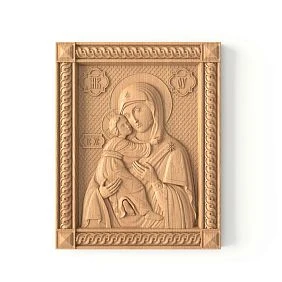
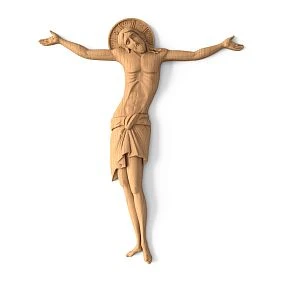
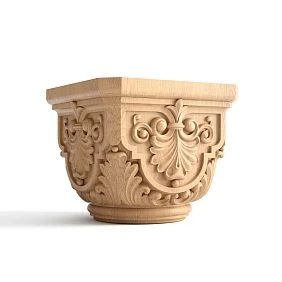
Buy a carved wooden icon
Wood and image. Two principles that have coexisted in Russian tradition for a thousand years. A carved icon is not just an object of religious art. It is the point where the carver's skill, the theological meaning of the image, and the living breath of the material converge. There is no paint on paper, no printing, no impersonal mass production. Here — the hand of a person, a chisel, wood, and intent.
Buy a carved wooden icon — a request behind which stand very different people. Someone is looking for an image for a home prayer corner. Someone is equipping a church. Someone is choosing a gift for a wedding or baptism. Someone is restoring an old iconostasis. Someone simply wants to have an object in the house that carries both beauty and meaning at the same time.
This article is not a catalog or a theological treatise. It is a practical guide for those who want to make an informed choice: understand what types of carved wooden icons exist, how handwork differs from CNC carving, how to choose size, material, coating, and why the price of a carved icon can differ twentyfold with an outwardly identical result.
What is a carved wooden icon and how to choose it
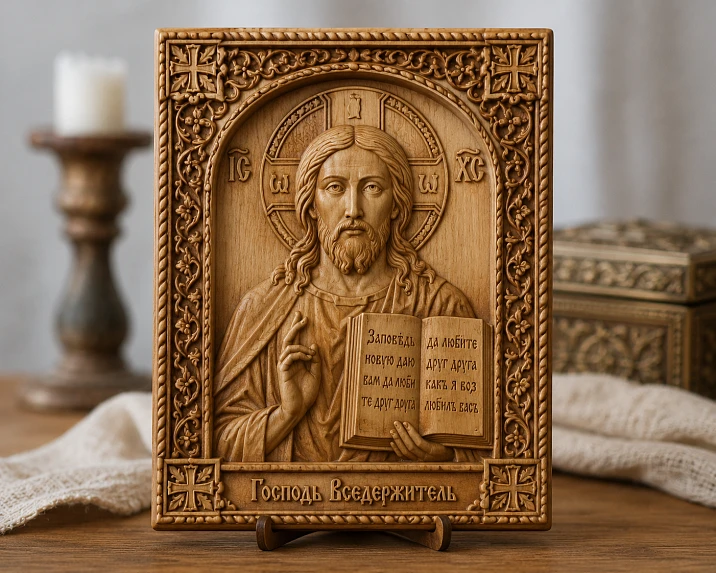
A carved wooden icon is a three-dimensional relief image carved directly into a wooden board or panel. Unlike a traditional icon painted with tempera or oil, a carved one does not have a paint layer as a base: the image exists in relief, in the play of light and shadow on the wood surface.
Buy a carved wooden icon — choose an item that:
-
is not afraid of fading, like a painted icon
-
does not require restoration of the paint layer
-
exists in a material that ages gracefully
-
carries sacred meaning in the form itself, not just in the color
Buying a carved wooden icon means answering several questions before ordering: which image, what size, for what purpose (home, church, gift), which technique (hand or CNC), whether a kiot is needed, and which coating is preferred.
Our factory also produces:
Relief: from flat to voluminous
Carved icons differ in the depth of relief.
Low-relief icon — minimal relief of 3–8 mm. The image is outlined with contours and a slight elevation of the main forms above the background. Laconic, restrained, for minimalist design.
Mid-relief — relief of 10–25 mm. The main elements of the image — halo, vestments, hands — are worked out in volume, with transitions and depth. The most common format.
High-relief — relief of 30–60 mm or more. The figure is almost separated from the background. The halo can be fully three-dimensional. For large church icons and ceremonial gifts. Requires significantly more material and time.
High relief / volumetric icon — the forms protrude from the plane by more than half. This is already a sculptural work on an iconographic theme. Found in monumental church interiors, rarely for a home corner.
Get Consultation
Material: board, beam, plate
Buying a carved wooden icon also means choosing the material. This is not only about aesthetics but also durability.
Linden is a traditional material for icon boards and carved icons in the Russian tradition. Soft, uniform, it cuts well both along and across the grain. Ideal for fine-relief work. Under oil or tinting, it has a warm light tone.
Oak is hard, durable, with an expressive texture. Optimal for monumental images with deep relief. A carved oak icon from solid wood is a piece for generations.
Ash is light, with a beautiful pattern. Organic for icons with ornamental framing.
Cedar is a rare and symbolically significant material: cedar is mentioned in the Holy Scriptures, has a pleasant aroma, and resistance to moisture and pests. A traditional choice for particularly significant images.
In the church decor STAVROS Products made from natural wood are presented, crafted by masters with restoration experience. Production has been ongoing since 2002, based on artists who worked on objects of state significance.
Types of carved wooden icons
The variety of carved wooden icons is vast. They can be classified by technique, iconography, size, and purpose. Let's focus on the key formats that determine the choice when purchasing.
Hand-carved icon
A hand-carved icon is a piece in which every line, every relief transition, every ornamental curl is created by the carver's hands. Tools include chisels (straight, angled, semicircular of various profiles), a knife-jamb, and a graver. Time ranges from several days to several weeks depending on size and complexity.
Buying a hand-carved icon means acquiring a one-of-a-kind item. The master makes decisions along the way: where to deepen the shadow, where to soften the transition, what depth to give the halo. This is not a file reproduction—it is an interpretation.
Signs of genuine handcraft:
-
light liveliness of lines: they are not perfectly mathematically straight, but that is precisely what gives them organicity
-
individual character of the surface: traces of the chisel, carefully left as texture
-
unrepeatable details: two copies of the same handcrafted icon always differ slightly
Buying a hand-carved wooden icon means investing money in craftsmanship. And this is a fundamentally different value than that of a mass-produced item.
CNC carved icon
Buying a CNC carved wooden icon means getting a product cut by a numerically controlled milling machine. The CNC works from a digital model, repeating specified parameters with precision down to tenths of a millimeter.
Advantages of CNC carving:
-
perfect precision: symmetry, smooth contours, repeatability
-
possibility of batch production: the same icon is produced in consistent quality
-
more affordable price compared to a fully handmade product
CNC Limitations:
-
the machine does not make artistic decisions. The result is determined by the quality of the 3D model and the skill of the programmer
-
after CNC milling, manual finishing is often required: cleaning corners, refining details, deepening shadows
-
a product with manual finishing after CNC is a compromise between machine precision and the liveliness of handwork
For large orders — equipping a temple, a series of identical images — CNC carving with manual finishing is the gold standard: replication accuracy + artistic liveliness.
Name icons: Saint Nicholas, Peter and Fevronia, Our Lady of Kazan
Name icons in carving are a separate and highly sought-after commercial segment. Three images lead in requests.
A carved icon of Saint Nicholas is one of the most requested images. Saint Nicholas the Wonderworker is the patron of travelers, sailors, children, and an intercessor in difficult circumstances. Buying a carved icon of Saint Nicholas means acquiring an image with a thousand-year iconographic tradition: frontal pose, right hand in blessing, left hand holding the Gospel, halo, bishop's vestments. In carving, the halo is usually given with an ornamental wooden pattern, the vestments with large relief folds.
Carved icon of Peter and Fevronia — an image for a wedding gift, a symbol of family, love, and fidelity. Peter and Fevronia, saints of Murom, are the patrons of marriage. Buy a carved icon of Peter and Fevronia — this is an item for a gift at a wedding, marriage anniversary, blessing of the newlyweds. A two-figure composition in carving requires significantly more complexity than a single-figure image: two halos, two faces, a joint pose.
Carved icon of the Kazan Mother of God — one of the most venerated images of the Theotokos in Russia. Half-length: Mother of God with the Child. For a home corner, for a wedding, for a church — a universal and significant image. The iconographic tradition of the Kazan icon is strict frontality, the Child with the Gospel. In carving — special attention to the folds of the maphorion (veil) and halos.
Where are carved wooden icons used?
Carved icon for home: red corner and home iconostasis
A home prayer corner is the most common scenario. The tradition of the red corner — a special place in the home where icons are kept — was not interrupted in Orthodox culture even during difficult periods of history.
Carved icon for home iconostasis: size 15×20 cm — 30×40 cm. These are compact images, proportionate to the interior of an apartment or house, convenient for wall placement. For a home iconostasis — several images in a unified style and size range: the Savior, the Theotokos, especially venerated saints.
Icon for the red corner: traditionally — the largest image in the group, which is placed in the center, the others — smaller in size around it. A carved icon for the red corner — the central decorative and sacred element of the corner.
Icon in a wooden icon case — a design that completes the image: a hand-carved wooden icon or a CNC image placed in a carved wooden icon case — this is an artistically complete system. The icon case protects the icon, frames it, creates a space for it.
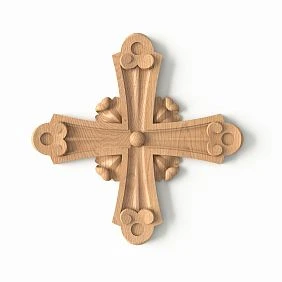
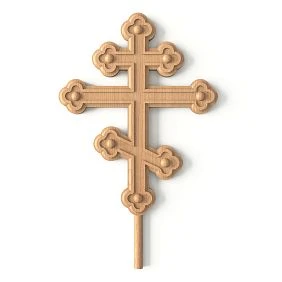
For a home iconostasis, it is recommended to select icons and church decor in a unified decorative program. Carved cross above the iconostasis, Solid wood frames for secondary images — this is a system, not a random set of objects.
Carved icon for the church
A church icon made of wood — a different scale, different requirements, different aesthetics.
Large images are typical for a church: 50×70 cm, 80×100 cm, 100×150 cm and larger. For a pillar, for an iconostasis, for a side altar, for a choir — each place requires its own size.
A carved icon for a church iconostasis is part of an architectural program. It is coordinated with the height and width of the icon slots, the overall decorative program of the iconostasis, the color scheme, gilding or tinting.
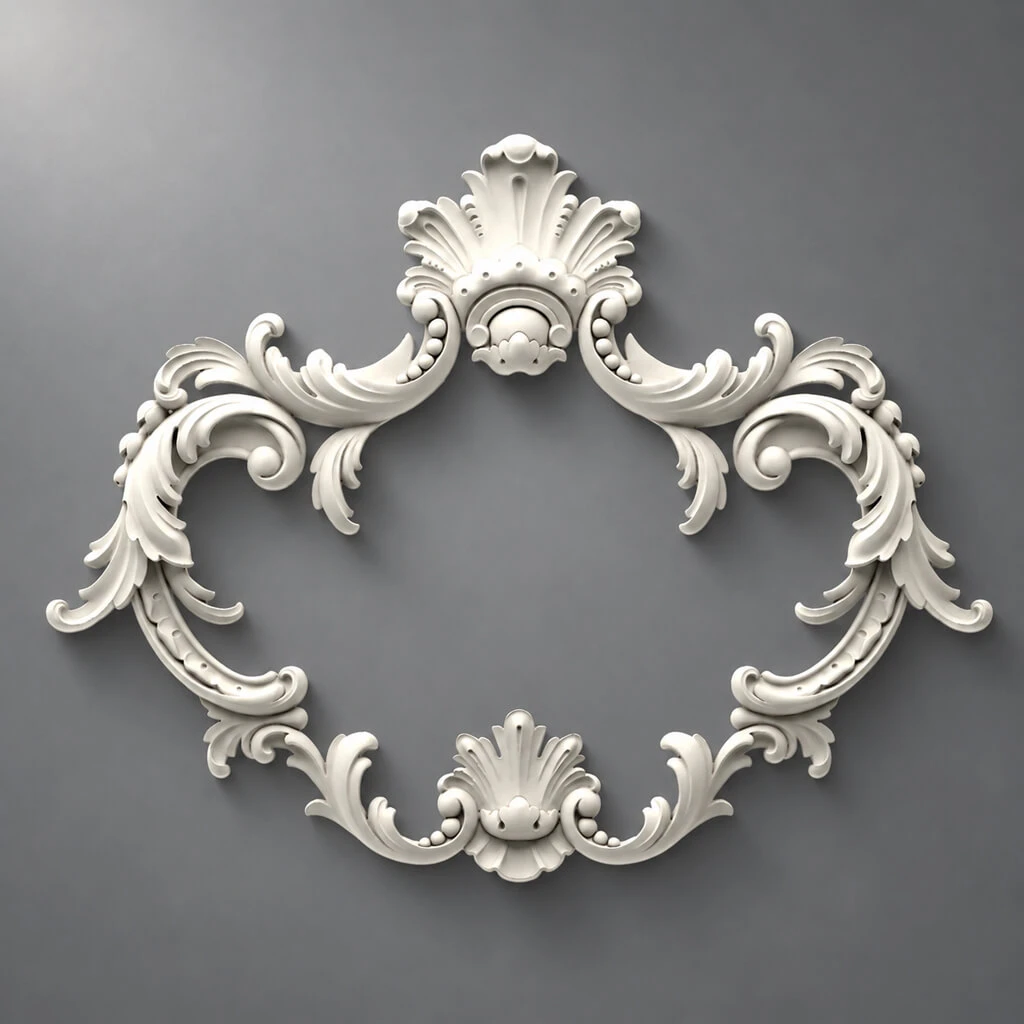
For an Orthodox church — the tradition of high relief with ornamental fields and halos in gold or ochre. Carved wooden ornament – this is an art that preserves traditions of the past and finds its place in modern interiors. It can decorate any space, adding style, elegance, and individuality. Use wooden ornaments to create expressive accents, decorate facades, furniture, and walls, and you will transform your space, making it unique and irreplaceable! in the framing of the icon — palmettes, grapevine, cherubs, lilies — this is the language that church art has spoken for a thousand years. Each motif carries a symbolic meaning: the vine — Eucharistic, the lily — Theotokos, the palmette — triumph and eternity.
For the arrangement of a large church — a systematic approach is necessary. Church decor STAVROS, including carved crosses, icons, and icon covers, allows you to create a unified decorative program from natural wood for the entire space.
Carved icon as a gift
A handmade wooden icon as a gift is a category that requires special discussion. This is not a souvenir. This is an item that a person will keep and possibly pass on to their children.
Important for a gift:
-
a personal image (the name of the celebrant, the saint — patron of the recipient)
-
appropriate size (not too small to seem insignificant; not too large to create placement difficulties)
-
good packaging: a box with soft inserts protecting the relief during transportation
A carved icon from solid wood — for a meaningful gift for baptism, wedding, anniversary — is a choice that speaks of respect, attentiveness, and understanding. Such a gift cannot be confused with an ordinary souvenir.
What affects the price of a carved wooden icon
Carved icon buy price — a question asked among the first. Range: from 2,500–3,500 rubles for a small CNC icon without coating to 80,000–150,000 rubles and above for a large handmade image made of oak with gilding and a carved frame.
The difference is real and explainable. Let's break down the price structure for each factor.
Icon size. The most direct factor. A 15×20 cm icon — one amount of material and time. A 50×70 cm icon — eight to ten times more. Material, tools, carver's time — everything scales with size.
Wood species. Linden — affordable. Oak — more expensive. Cedar — significantly more expensive. For the same icon made of linden and oak — the difference in material is twofold or more.
Relief depth. A low-relief icon — the amount of work is several times less than a high-relief one. Every millimeter of depth is the volume of removed material and the carver's time.
Image complexity. A single-figure image (St. Nikita the Wonderworker full-length, frontal) — one level of labor intensity. A multi-figure composition (Trinity, Deesis, Crucifixion with those present) — significantly higher. Facial detailing is the most complex element: eyes, nose, lips — each detail requires an experienced hand.
Handwork or CNC. A CNC icon without manual finishing — the most affordable option. CNC with manual finishing — more expensive. Fully handcrafted — significantly more expensive. Price difference for a medium-sized icon: CNC — 5,000–15,000 rubles, handwork — 20,000–60,000 rubles.
Presence of a carved frame. An icon with carved ornamental framing — this is a separate decorative element. A frame with acanthus leaves or a vine — several more hours of work on top of the image itself.
Coating, tinting, patina, gilding. Bare wood without coating — base level. Oil with wax — a small surcharge. Tinting + varnish — higher. Gilding (imitation gold or gold leaf) — a significant surcharge. Gilding of the halo and ornament on a medium-sized icon — from 5,000 rubles extra.
Presence of a kiot or glass. An icon embedded in a carved kiot or framed under glass is a system. The cost of the kiot is an additional 8,000 to 40,000 rubles depending on size and complexity.
Custom order. An icon with non-standard parameters (size, iconographic variant, ornament according to your sketch) is a project work. Includes time for developing a 3D model or sketch, approval, and a sample. Surcharge to the standard price — 20–50%.
Delivery and packaging. A carved icon is a fragile product with a protruding relief. Packaging: bubble wrap around the relief, soft inserts, rigid box. For large icons and church orders — wooden crate. Delivery cost from Moscow and St. Petersburg — according to the transport company's rates.
How to choose a carved icon before purchase: a practical checklist
Before placing an order — go through this list. It will save time and prevent disappointments.
1. Determine the image. Which saint? Which iconographic type? Our Lady of Kazan is not the same as Our Lady of Vladimir or Our Lady of Tenderness. Clarify the iconography before ordering.
2. Choose the size. For a home corner — 15×20 — 30×40 cm. For a church — from 40×60 cm. For a gift — 20×30 — 30×40 cm (significant enough, convenient for transport).
3. Determine the placement location. Home, church, gift? The location determines the relief height, material, coating, presence or absence of a kiot.
4. Clarify the technique. Handmade, CNC with manual finishing, or fully CNC? Determine what is more important: uniqueness and liveliness (handmade) or precision and a more affordable price (CNC).
5. Choose the material. For most home icons — linden or oak. For a significant gift or church — oak or cedar.
6. Resolve the coating issue. Without coating (natural wood, allows self-finishing). Oil-wax (warm natural tone). Tinting (color to match the desired wood species). Gilding of the halo.
7. Resolve the icon case issue. An icon without a case is independent. An icon in a case is protected and framed. If framing is important for the red corner or iconostasis — wooden icon case is the finishing element.
8. Coordinate the style with the decor. If next to the icon there will be Carved cross — the carving style must match. If there are wooden ornament — the icon framing should be related to it.
9. Check the packaging for delivery. Ask how the icon will be packaged. For a CNC icon without framing — bubble wrap is sufficient. For high-relief handcrafted work with an ornamental frame — a rigid box and separate fixation of the relief are needed.
10. Clarify the timeline. Ready-made icons — immediate shipping. Custom orders — from 2 to 8 weeks depending on complexity. Clarify the timeline before ordering, especially if the icon is needed by a specific date.
Mistakes when buying a carved wooden icon
Mistakes in this category are not just about losing money. They are also about the disappointment of mismatched expectations and results. Here are eight mistakes that occur most often.
They buy an icon without understanding the size. A "small icon" for one person is 15×20 cm, for another it's 30×40 cm. Centimeters matter. Take measurements of the place where you plan to hang the image — before ordering.
They don't consider the placement location. An icon for a home corner and an icon for a church column are fundamentally different items. If you order a home-sized icon for a church, the image will be lost. If you order a monumental relief for a home, the item will overwhelm the space.
They don't check the material. "Wood" is too broad a category. Pine, linden, oak — different service life, different durability, different reaction to moisture. For rooms with high humidity (church narthex, bathroom, loggia) — oak or cedar with a wax coating is needed.
They only compare price, not the quality of carving. Two items for 5,000 rubles and 25,000 rubles may look similar in photos. The difference is in the depth of relief, the detailing, the quality of the face, the hand-finishing of the ornament. Look at the details, request additional photos.
They don't clarify whether it's handwork or CNC. "Carved" is not yet information about the technique. A CNC icon with minimal finishing and a handcrafted icon by a master look different. Directly ask about the execution technique.
They don't think about the icon case, frame, or glass. An icon mounted on the wall without framing is acceptable but unfinished. To form a complete prayer corner — A solid wood frame or a wooden icon case is an integral part of the design.
They don't coordinate the icon with other church decor. If nearby there is Carved cross in the academic tradition, and the icon is in a folk style, the visual disconnect will be noticeable. A unified decorative tradition is a sign of professional design.
They do not check the packaging for delivery. A carved icon with deep relief is a fragile item during transportation. Impact or compression can damage protruding elements. Clarify exactly how the item will be packaged, especially for long-distance delivery.
Carved icon and church decor system: how to create a cohesive design
A carved wooden icon is a central element, but not the only one. A decorative program is built around it — for a home or a church.
Carved cross — above or next to the icon. It completes the vertical axis of the prayer space.
Solid Wood Frame — for secondary images next to the carved icon. Several images in frames, one central one in a carved frame or icon case, a cross above all.
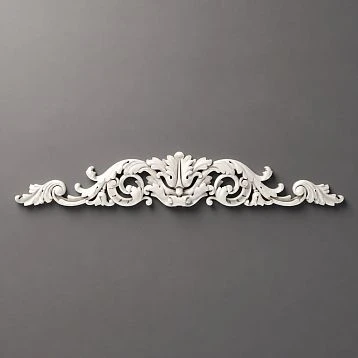
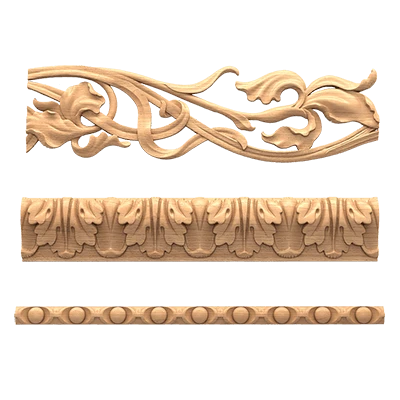
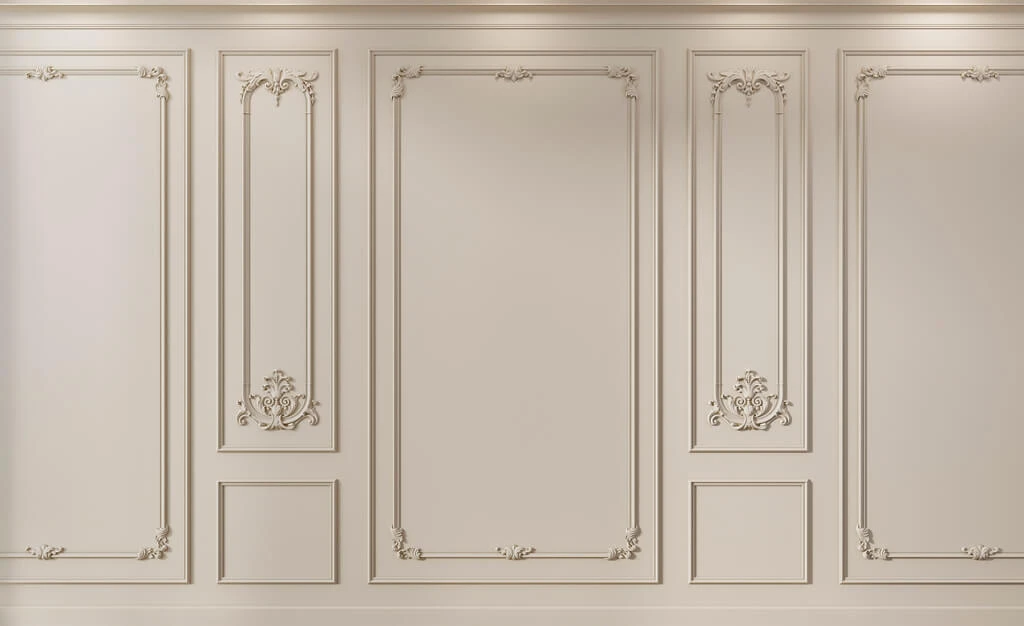
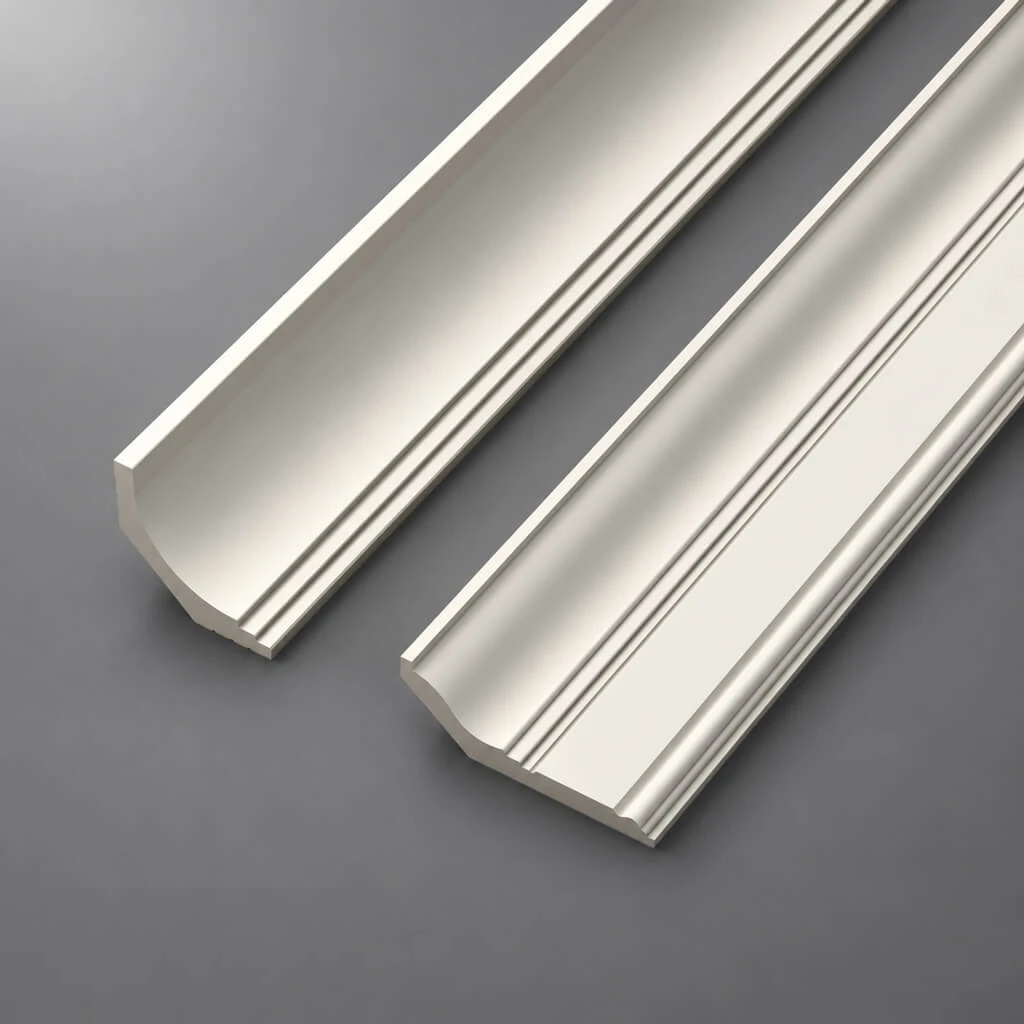
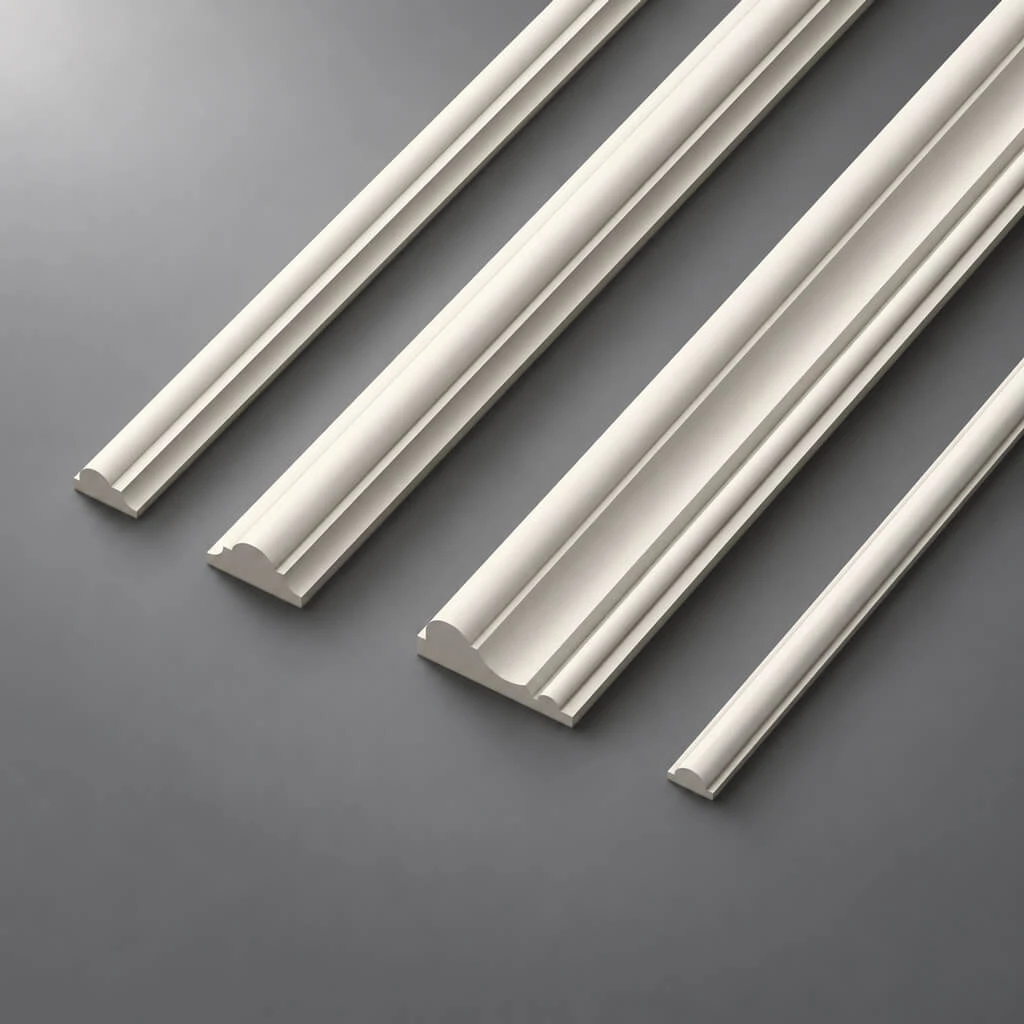
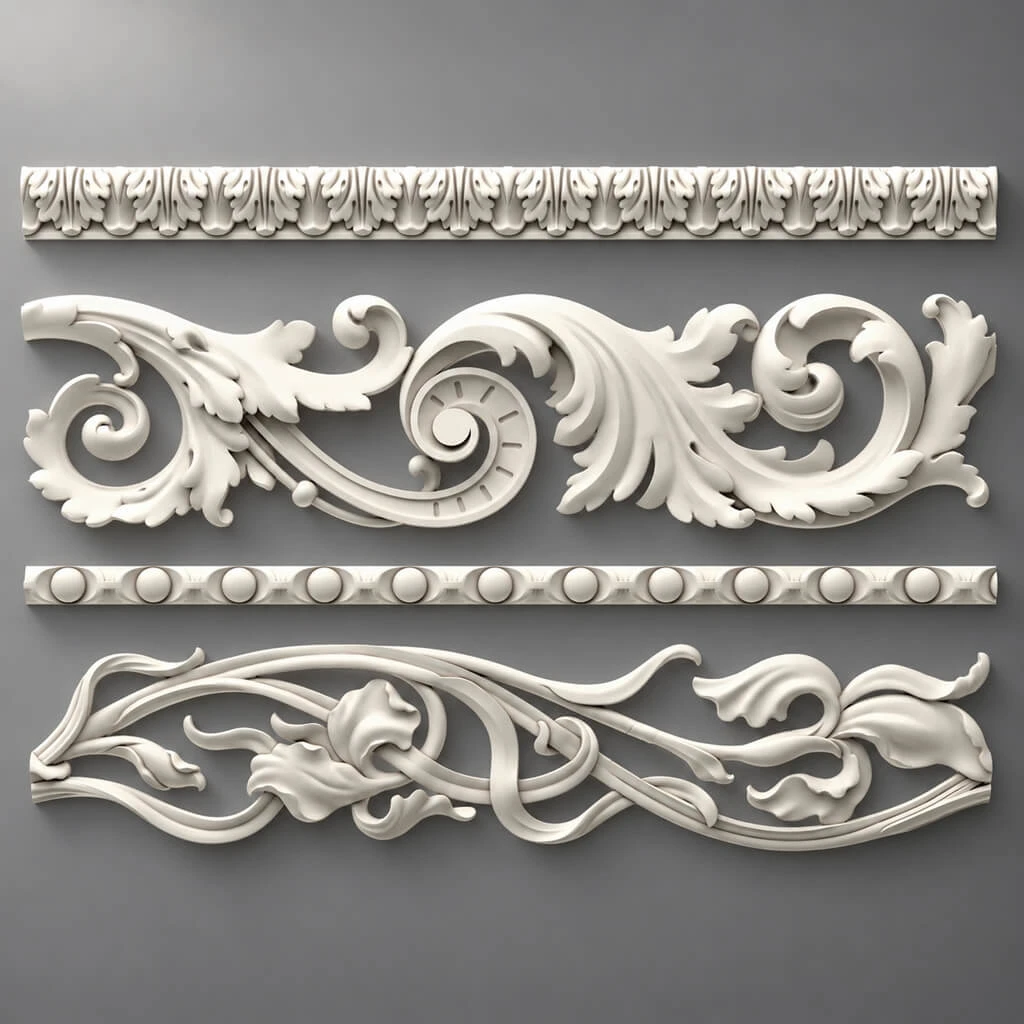
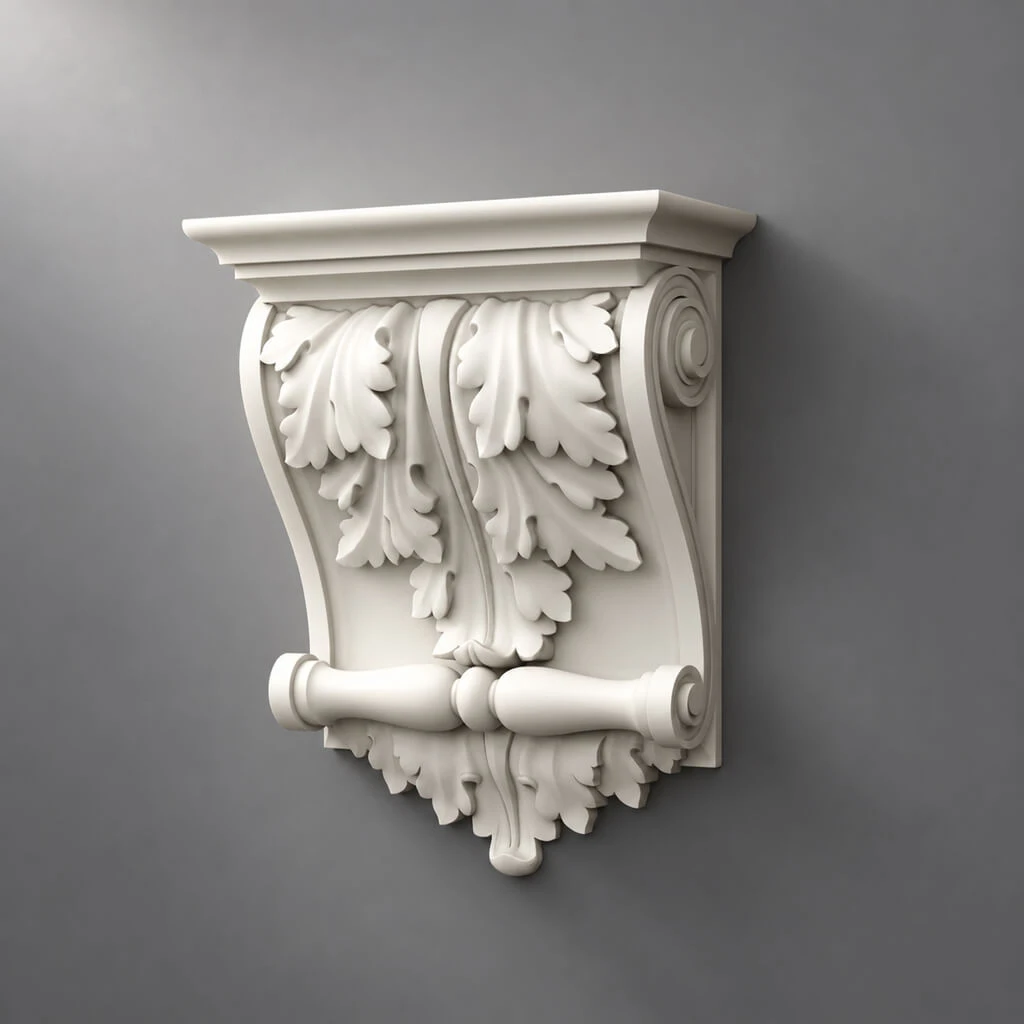
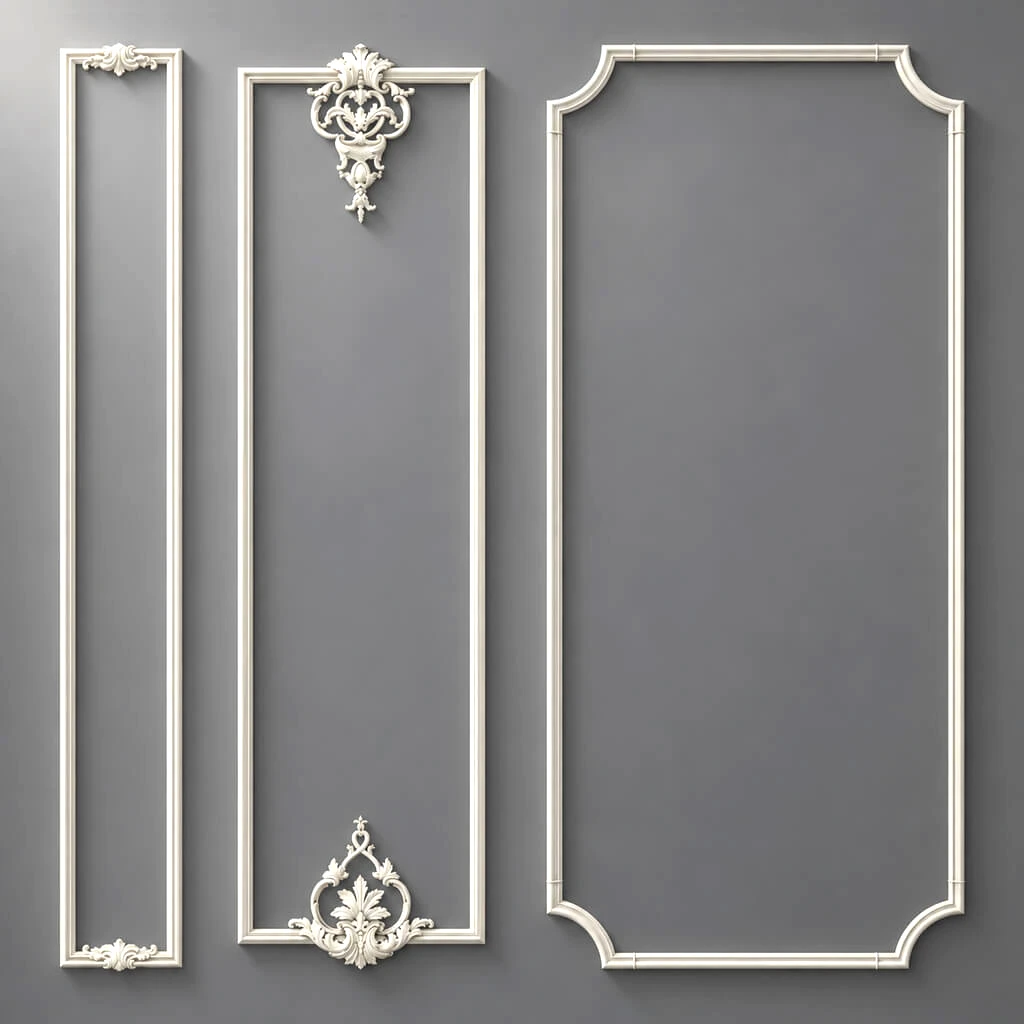
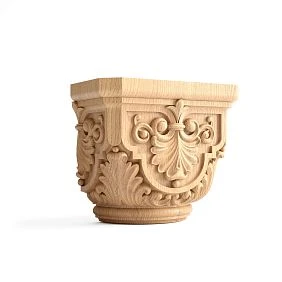
wooden ornament in the design of a prayer wall — carved overlays, moldings, cutters — create an architectural frame for the iconostasis group.
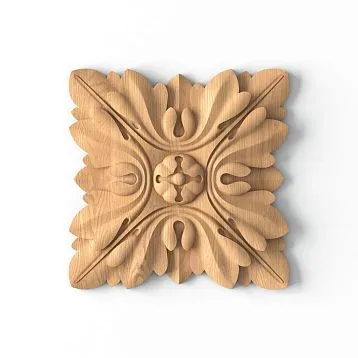
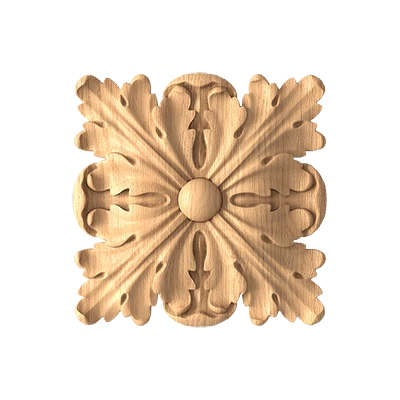
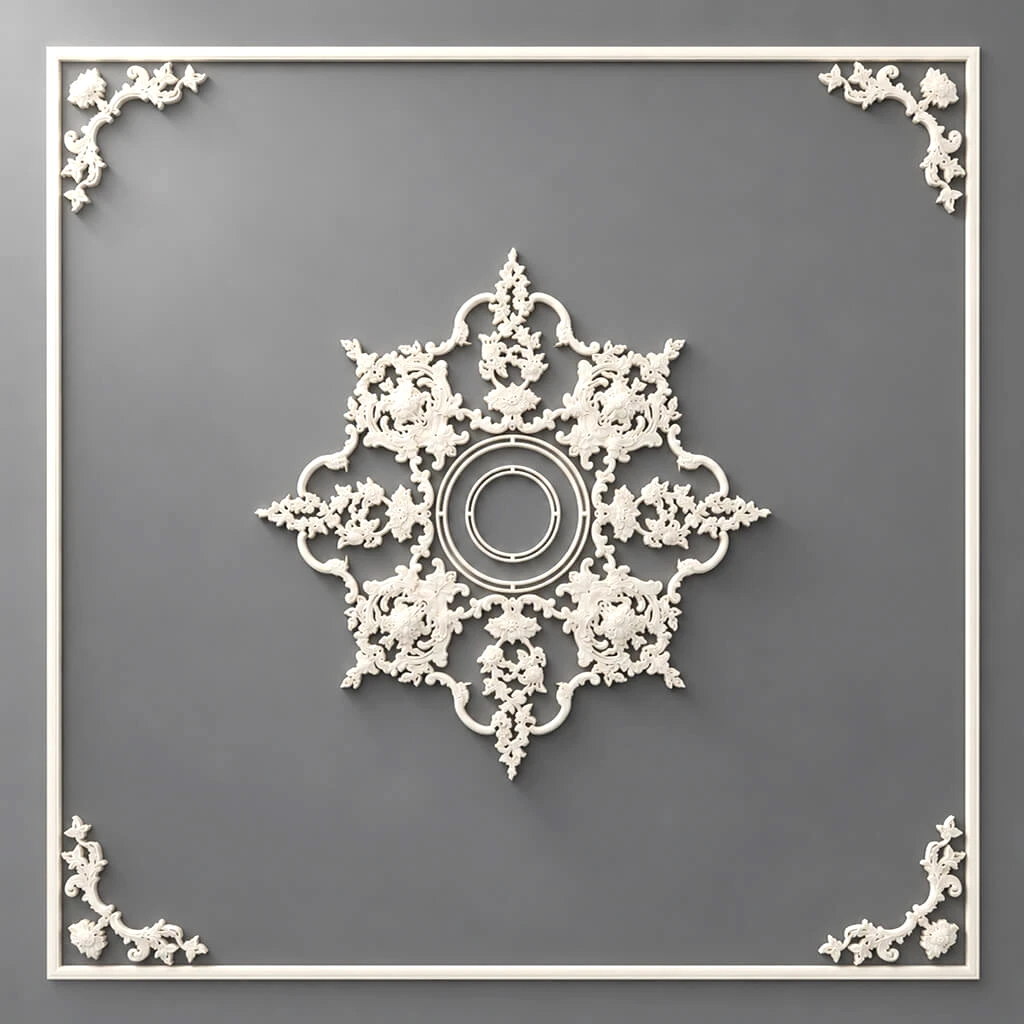
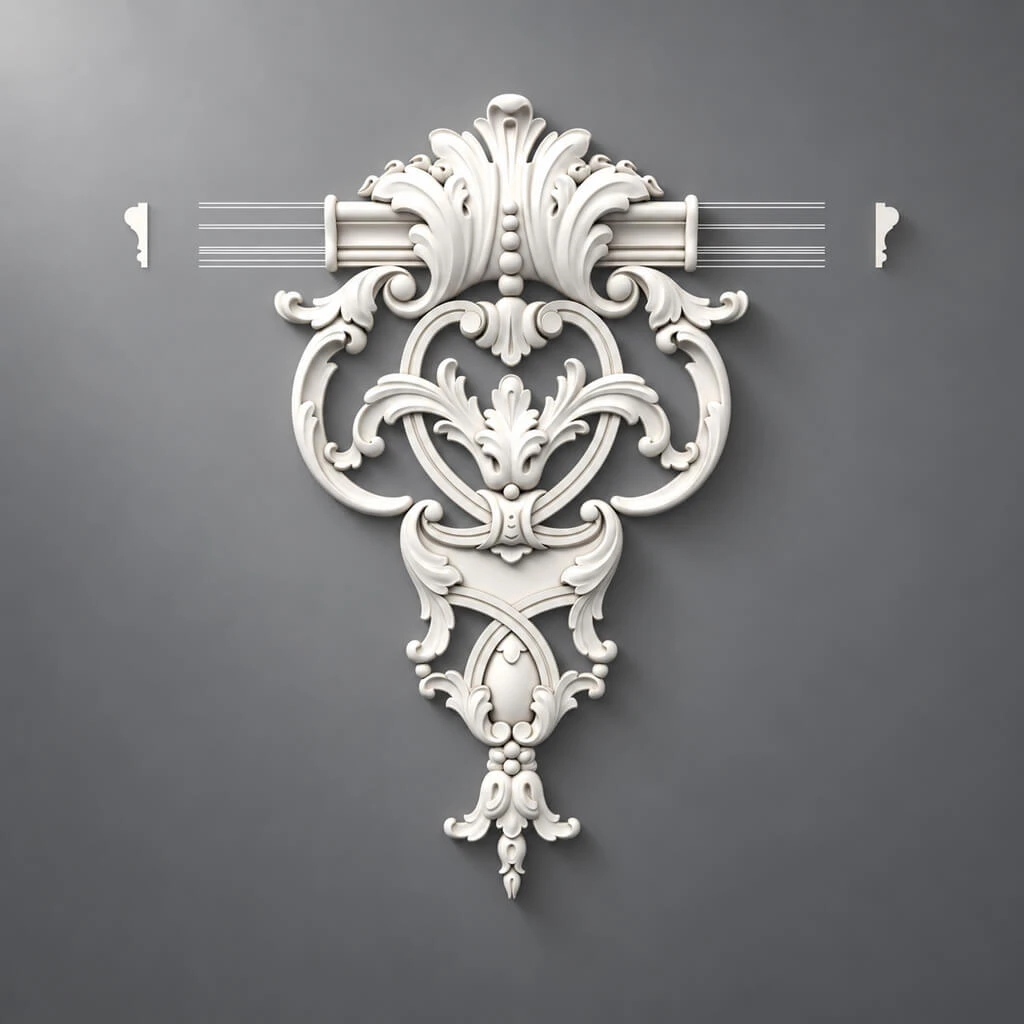
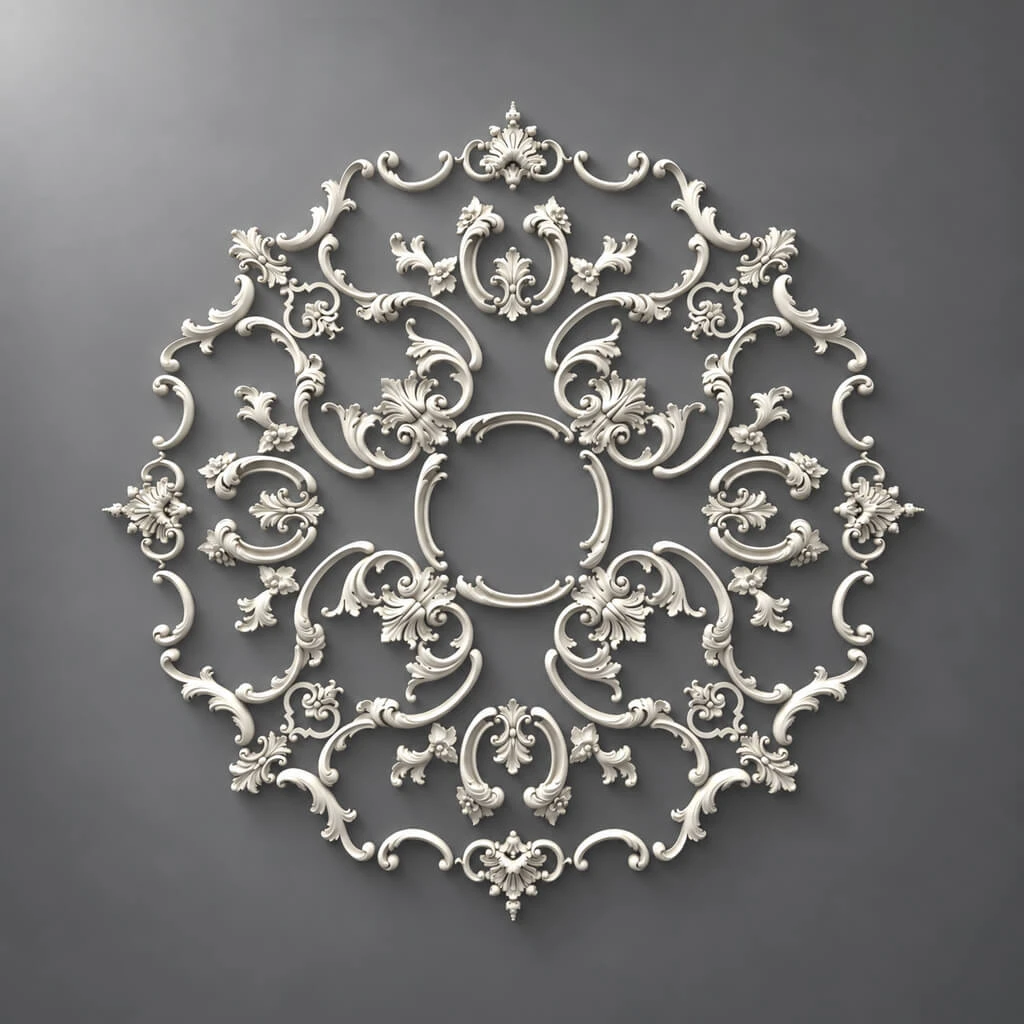
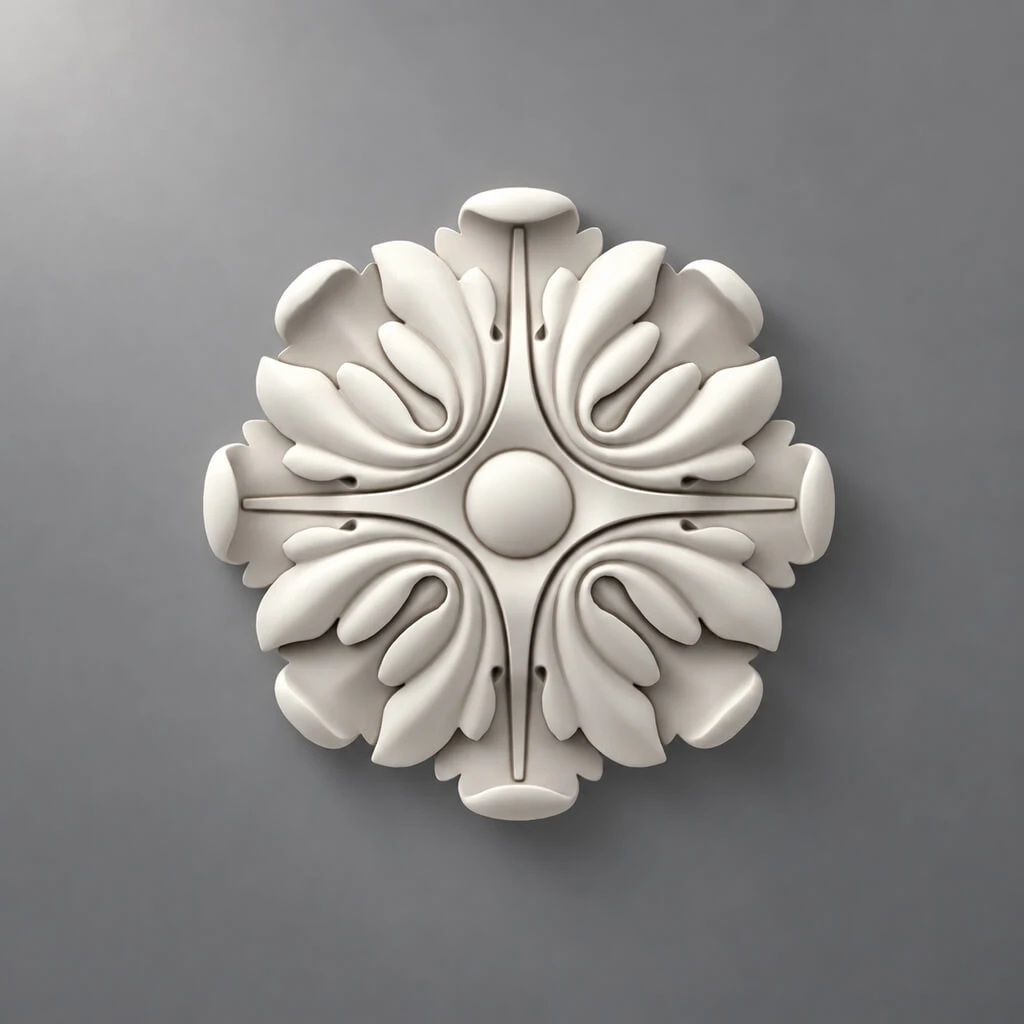
Carved wooden decoration — for framing a prayer corner: overlay elements with floral ornamentation at the corners, rosettes in the fields, bands above and below the icons.
wooden ornament in the tradition of church decor — it is not just decoration, but a meaningful symbolic program. Grapevine, lilies, cherubs, palmettes — everything carries meaning rooted in a thousand-year tradition.
Where to buy a carved wooden icon in Moscow, St. Petersburg, and across Russia
Buy a carved icon in Moscow and St. Petersburg — from a manufacturer with professional church and restoration experience.
STAVROS has been producing wooden church decor since 2002. The foundation of production is artist-restorers with experience working on state-owned historical sites. This is not a craft workshop "for tourists" — it is a production that understands church art as a living tradition, not as a commercial type.
Where to buy a carved icon in the regions of Russia: delivery throughout the country via transport companies. Packaging is individual, with relief protection. Delivery to Nizhny Novgorod, Yekaterinburg, Novosibirsk, Krasnodar — via transport services with the possibility of cargo insurance.
Buy a carved icon in St. Petersburg — with pickup or courier delivery within the city.
Custom carved wooden icon — according to individual parameters: specific image, non-standard size, unique ornament, gilding, icon case. Specify the parameters — and get an item made just for you.
FAQ: answers to popular questions about carved wooden icons
Where to buy a carved wooden icon?
In the church decor STAVROS — carved icons from solid wood, crosses, and church utensils. Contact us to confirm shipping to your destination., Belarus, pickup from St. Petersburg.
How is a carved icon different from a regular one?
A regular (painted) icon is a paint layer on a wooden base. A carved icon is a relief image directly in the wood. A carved icon does not require restoration of the paint layer, is not afraid of fading, and carries the image in the material itself.
What is better: hand carving or CNC?
CNC provides precision, repeatability, and an affordable price. Handcrafting offers uniqueness, liveliness, and an author's character. The best result is CNC with manual finishing: the precision of the machine and the liveliness of the master. The choice depends on the budget and the task.
How to choose the size of a carved icon?
For a home corner — 15×20 to 30×40 cm. For a church — from 40×60 cm. For a gift — 20×30 to 30×40 cm. Measure the installation location before ordering.
What affects the price of a carved wooden icon?
Size, wood species, relief depth, iconography complexity, technique (handcrafted/CNC), presence of a carved frame, coating (oil, tinting, gilding), individual parameters, delivery.
Is a kiot needed for a carved icon?
For a home iconostasis — recommended: a kiot protects the image and creates a finished design. For a gift — optional. For a church — depends on the installation location. wooden icon case and an icon made from the same material in a unified decorative program — this is a complete ensemble.
Which name-day icon to choose as a gift?
The icon of the birthday person's heavenly patron — by the name given at baptism. For a wedding — a carved icon of Peter and Fevronia or the image of the Kazan Mother of God. For a newborn — the patron by date of birth or the Guardian Angel.