








































































Article Contents:
- Buy slatted wall panels for interior decoration: price, photos and selection for the interior
- Which slatted wall panels for interior decoration to buy: where to start
- MDF slatted wall panels for interior decoration: a reliable choice
- What is MDF for slatted panels
- Main advantages of MDF panels for interior decoration
- Slatted wood-look panels for interior decoration: when a natural tone is needed
- Wood-look panels are not "cheap wood"
- When wood-look panels are preferable to solid wood
- Tonal solutions in the "wood-look" series
- Slat panels for painting for interior decoration: freedom of color
- Wooden slat panels for interior decoration: naturalness as a concept
- Comparison table: which slat panels to choose for interior decoration
- Where to use slat panels for interior wall decoration
- Living room: TV area, sofa wall, accent surface
- Hallway: protection, rhythm, first impression
- Bedroom: natural silence and deep rest
- Study: structure, concentration, representativeness
- Commercial interior: interior as a brand tool
- Photo and price: how to choose slat panels correctly
- What the photo shows and what it doesn't
- Why the color in the photo always differs
- How to calculate the total cost, not just the panel price
- What affects the price of slatted wall panels for interior finishing
- Material and base density
- Finish
- Slat width and profile depth
- Panel size
- Order volume
- Cutting allowance
- Trim elements
- Installation and delivery
- How to calculate the number of panels: a foolproof method
- Step 1. Measure the finishing area
- Step 2. Account for the baseboard height
- Step 3. Subtract openings
- Step 4. Determine the area of one panel
- Step 5. Calculate the quantity
- Step 6. Add a margin
- Step 7. Calculate the trims
- Step 8. Account for electrical
- Practical Load Calculation Example
- Slat wall finish in interior: visual principles
- Vertical slats: architecture of height
- Horizontal slats: emphasis on width
- Slat width: proportion and scale
- Slat panels for room zoning
- Mistakes when buying slat wall panels for interior finishing
- Where to buy slatted wall panels for interior finishing
- About the Company STAVROS
- FAQ: questions and precise answers
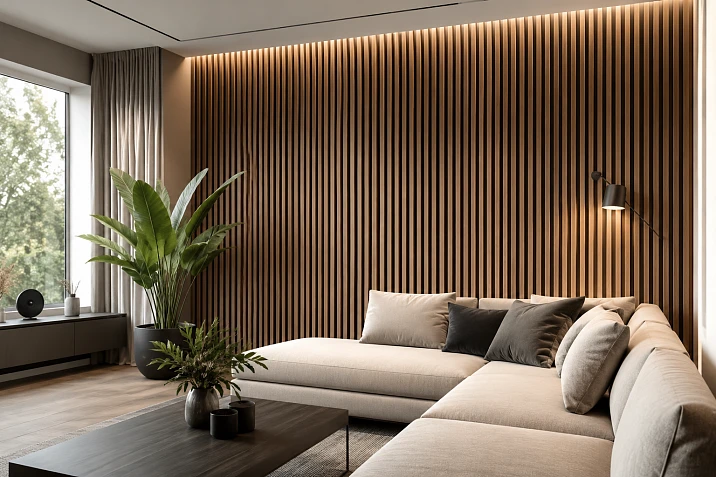
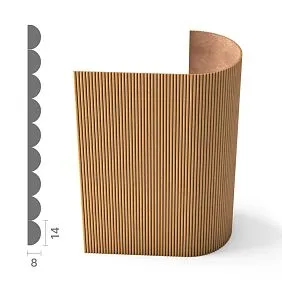
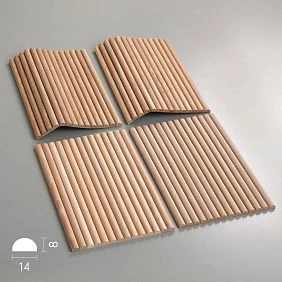
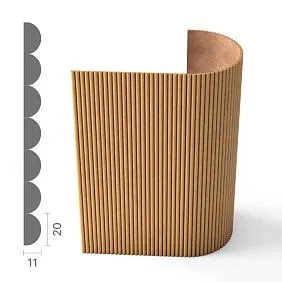
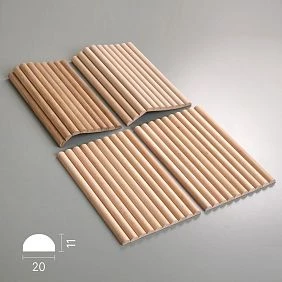
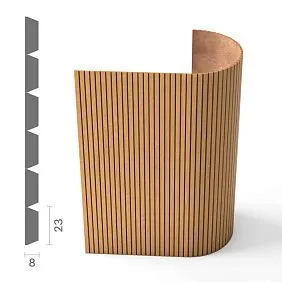
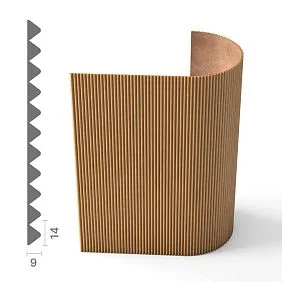
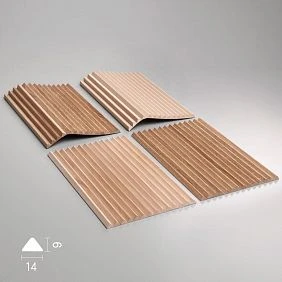
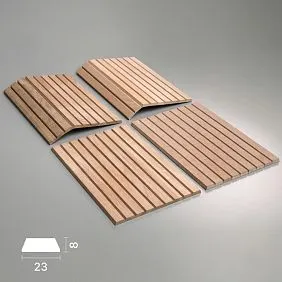
Slat wall panels for interior decoration buy: price, photos and choice for interior
Renovation doesn't start with finding a crew or buying paint. It starts with a decision — what the space should be like. What feeling it should give. What a person will feel entering the room a year after all work is finished.
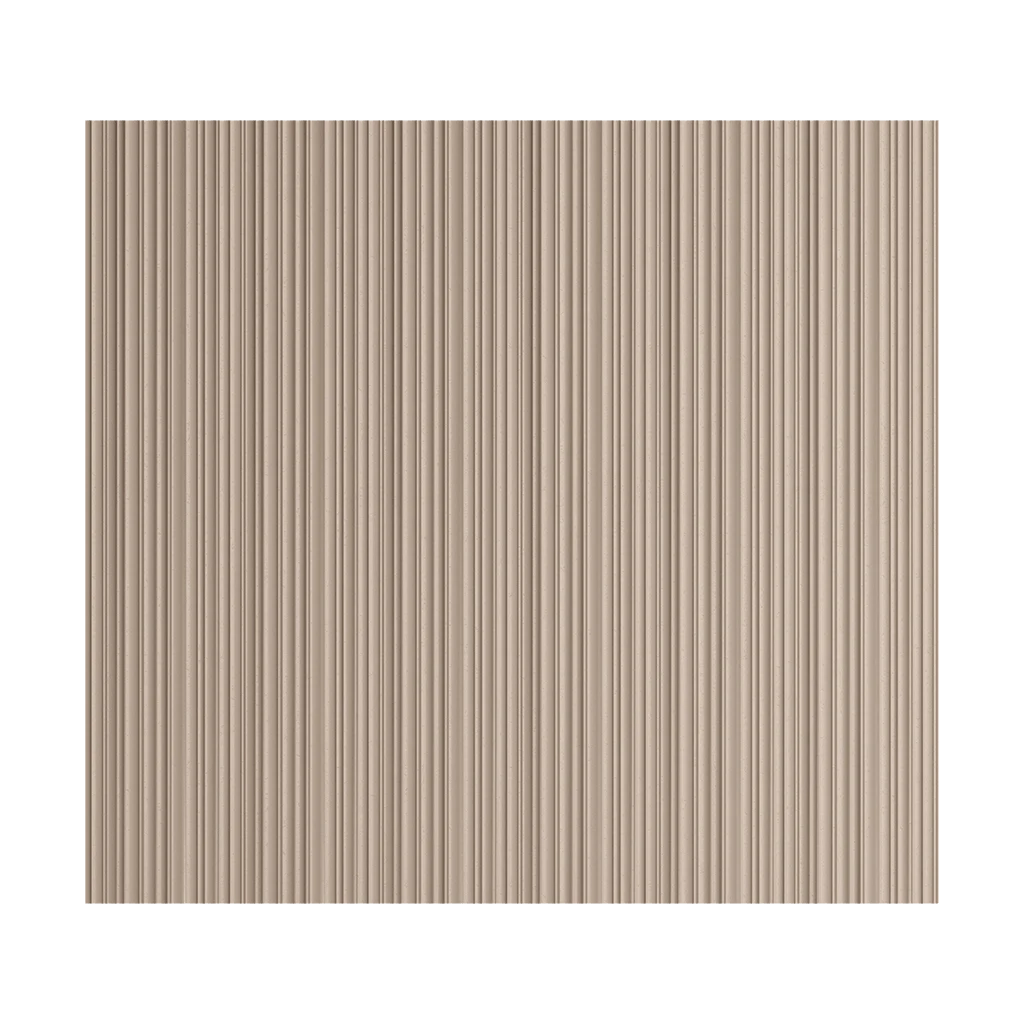
This is the question behind the query slat wall panels for interior decoration buy. Not just "what to put on the wall", but — how to make the interior alive, structured, architecturally complete. A slat panel is not wallpaper or paint. It is a three-dimensional element that works with shadow, light and the proportion of space.
Here — a complete guide: on materials, scenarios, price, typical mistakes and calculation method. No fluff, no general phrases. Only what you really need to know before buying.


Which slat wall panels for interior decoration to buy: where to start
First of all — the question is not "which are prettier", but "what exactly needs to be done with the wall". The task determines the choice of material, series, color and format.
If you are looking to buy slat wall panels for interior decoration — it means we are talking about a room: apartment, country house, office, commercial space. Indoor conditions differ from outdoor conditions, and this directly affects the choice of material.
Interior decoration has its own requirements:
-
Visual quality of the surface — the panel will be close, within reach, under good lighting. Any profile defect, coating unevenness or tone mismatch will be noticeable.
-
Stability in central heating conditions — low winter humidity (20–35%) in Russian apartments — is a serious strain on natural wood. MDF handles it significantly better.
-
Compatibility with additional elements — baseboards, moldings, decor — that form a complete finishing system.
-
Surface practicality — the hallway and corridor require a coating resistant to touch. The living room and bedroom are less stressed areas.
Buy MDF slatted wall panels for interior decoration — this is the choice of the majority in residential and commercial spaces. But wooden panels, wood-look panels, and the paintable series each have their place. Let's break it down in detail.
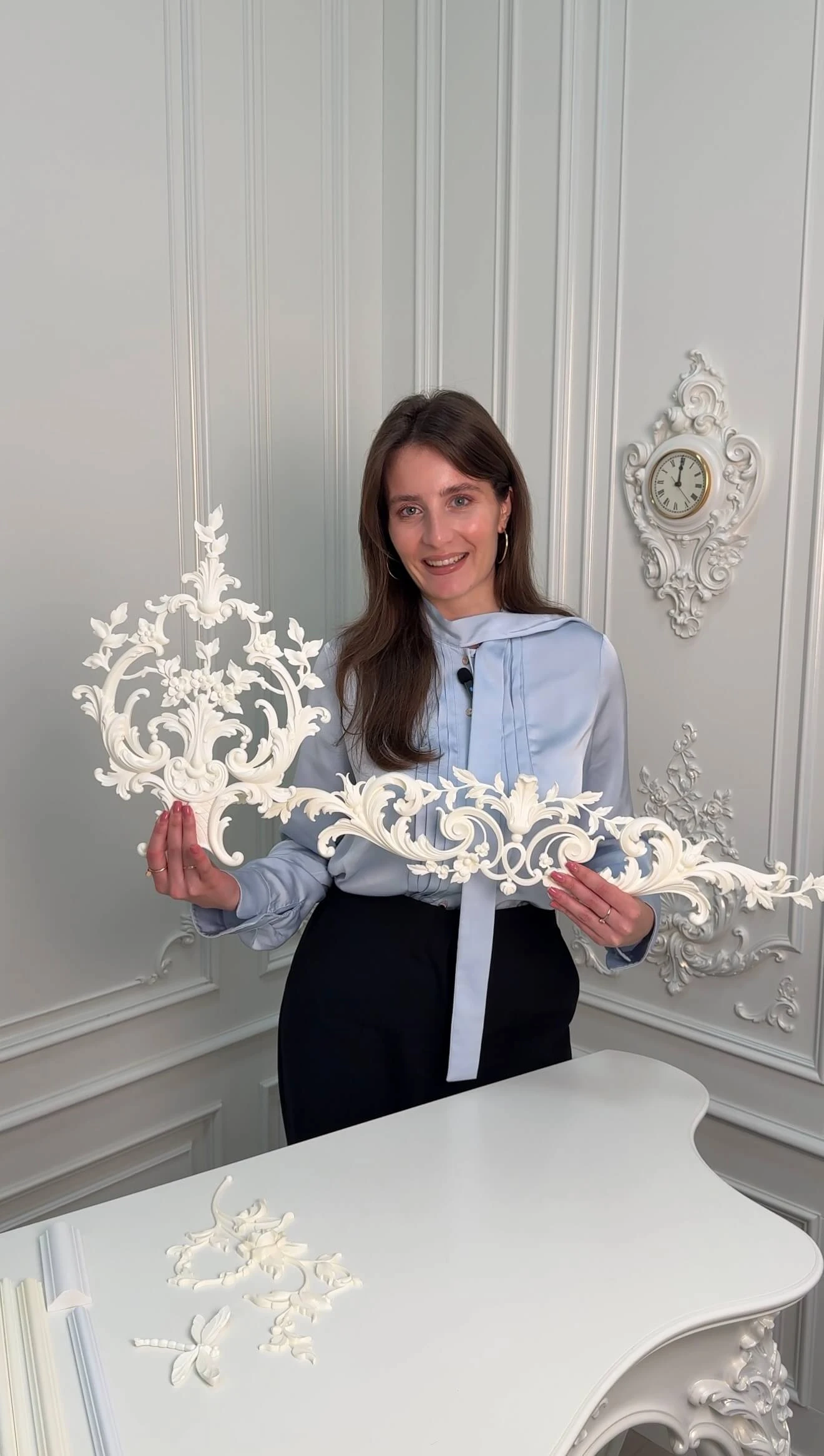
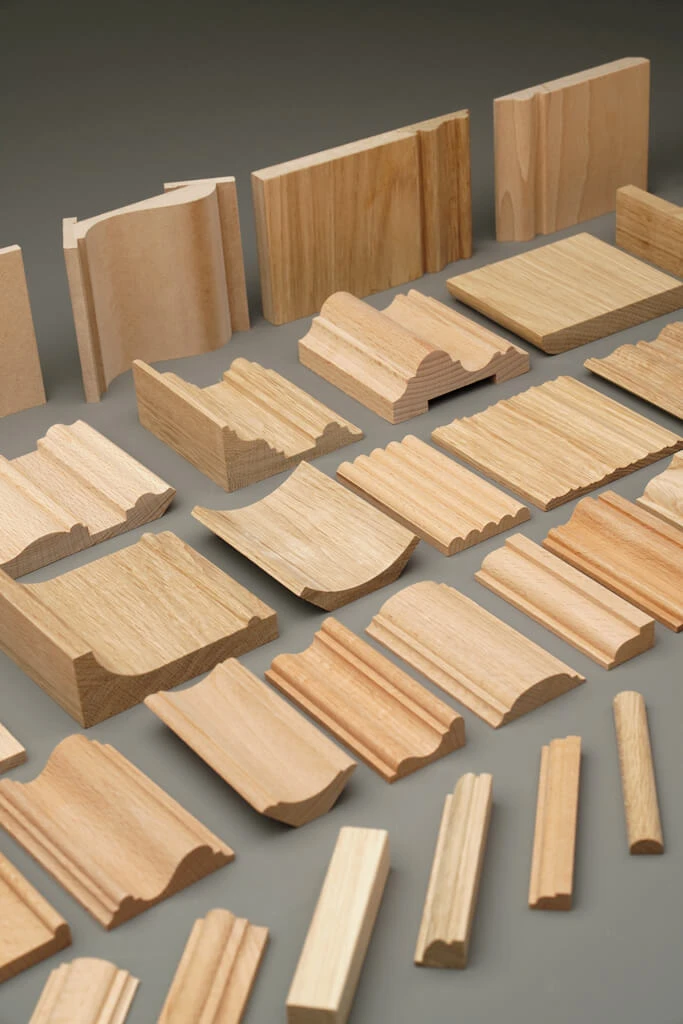
Our factory also produces:
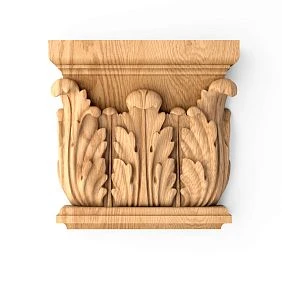
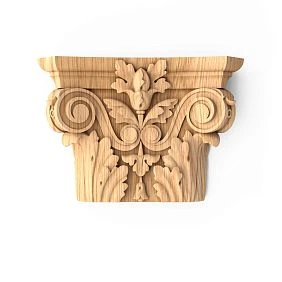

MDF slatted wall panels for interior decoration: a reliable choice
MDF slatted wall panels for interior decoration are the leading category on the market. Why? Not because it's a "budget option," but because the engineering characteristics of MDF perfectly match the tasks of interior decoration in apartments, houses, and commercial spaces.
Get Consultation
What is MDF for slatted panels
MDF (Medium Density Fiberboard) is a board made of pressed fine wood fibers with added binding resins, compressed under high pressure and temperature. For slatted panels, material density is critical: 720–880 kg/m³. Only at this density does the milled profile produce sharp, clear edges — without chips or "fuzziness" at the edges.
Low-density MDF (below 650 kg/m³) is a softer material; during milling, the edges "flow." This means the slat looks not like an architectural element, but like a craft piece. The difference is immediately visible.
STAVROS products are made from high-density MDF with a mandatory stage of manual finishing sanding "Prestige" — an additional operation that provides the surface with a level of smoothness comparable to paint and varnish production.
Main advantages of MDF panels for interior decoration
Geometric stability. Each panel in a batch is identical to the previous one — without random shape deviations. This is especially important when installing an accent wall, where uneven spacing of the slats is immediately visible.
Behavior under humidity fluctuations. MDF is significantly less sensitive to seasonal humidity changes than natural solid wood. In apartments with central heating, this is a key advantage: the panel does not warp, crack, or detach from the base.
Variety of coatings. Basic primer for subsequent painting, double "Prestige" primer with hand sanding, decorative coating with wood grain embossing, matte and semi-matte tinted series — the choice of coating determines the visual result.
Ease of installation. Adhesive installation on a smooth prepared base or frame installation on a metal profile — both options work predictably.
Application without restrictions on room type: living room, hallway, bedroom, children's room (with appropriate coating), study, meeting room, reception — everywhere.
Slatted wall panels made of MDF is not a compromise. It is an engineering solution chosen by professional designers precisely because it works.
Slatted wood-look panels for interior finishing: when a natural tone is needed
Slatted wall panels with a wood look for interior finishing are a separate and highly sought-after category. Let's be honest: what it is, the strength of this solution, and when wood imitation is preferable to solid wood.
Wood-look panels are not "cheap wood"
This is an MDF base with a multi-layer decorative coating that reproduces the texture and tone of natural wood: surface embossing mimics the pore pattern, tinting conveys depth and tonal transition. The result is a surface that convincingly looks like wood, but without the instability of natural material.
That is why wall slat panels for interior decoration with a wood finish are one of the most sought-after options today. Especially in projects where a warm, natural tone is needed, but the operating conditions leave no room for the whims of solid wood.
When wood-look panels are preferable to solid wood
Apartments with central heating. The Russian winter reduces humidity in apartments to 20–30%. This is critical for solid wood: without humidification, the wood dries out, microcracks appear, and the ends dry out. MDF with a decorative coating does not have this problem.
Commercial spaces. Offices, meeting rooms, reception areas — here there is no possibility to annually renew the oil coating of solid wood. Wood-look panels require minimal maintenance.
Projects with budget constraints. wood-look slatted panels provide a natural visual effect at a more affordable price than solid wood.
When tone reproducibility is important. Natural wood of each board is unique — this is an advantage, but also a challenge: two pieces of oak from different batches can differ noticeably in tone. Wood-look panels provide a stable, reproducible tone from batch to batch.
Tonal solutions in the "wood-look" series
Light ash — natural neutrality, works in Scandinavian, Japandi, and minimalist interiors. Warm oak — the basic tone of most interiors. Stained oak — deep, rich, for mature, prestigious solutions. Choosing a tone — always with a sample in hand under your lighting.
Slat panels for painting for interior decoration: freedom of color
Paintable lath panels This is a series for projects where color is an author's decision, not limited by the manufacturer's line.
Double primer "Prestige" with hand sanding is the perfect base for any acrylic enamel. Paint in any shade from any catalog — RAL, NCS, Farrow & Ball, Benjamin Moore. Color matching is precise.
Why is this needed?
Monochrome interior — panels in the color of the wall. Relief is present, color is unified — the space breathes, the surface structure is read through the play of light and shadow, not through contrast. This is one of the most sophisticated techniques of modern design.
Corporate color — for offices that want to integrate a brand tone into the finish, not just hang a logo on a white wall.
Author's palette — for interiors where the designer works with non-standard color solutions. Terracotta, indigo, deep green, dusty rose — all of this is achievable.
Wooden slatted panels for interior finishing: naturalness as a concept
wooden lath panels made from solid wood is the highest category. The living unique pattern of each board, natural tactility, the aroma of wood — everything that no imitation can fully reproduce.
Who is this solution for? For those who make a conscious choice: a country house with a meaningful connection to nature, a city apartment with a premium interior, a project where the naturalness of the material is not an option but a concept.
Wood species:
-
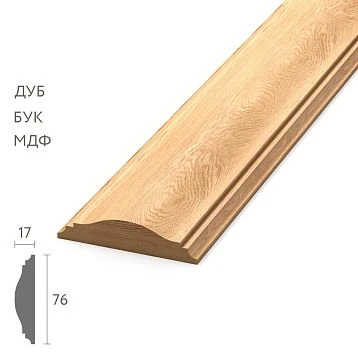
Oak — dense, with a pronounced pattern, tinted in a wide range
-
Ash — lighter, fine pore pattern, soft texture
-
Walnut — dark, rich, for prestigious interiors
-
Pine — affordable wood with a lively knot pattern, for country and eco-interiors
Operating requirements: acclimatization 48–72 hours before installation, humidity 40–60%, care with oil or wax 1–2 times a year.
Comparison table: which slatted panels to choose for interior finishing
| Series | Base | Finish | Stability | Application | Price level |
|---|---|---|---|---|---|
| MDF basic primer | MDF 720–880 kg/m³ | Primer | High | Universal | Base |
| Wood-look MDF | MDF + decorative texture | Embossing + tinting | High | Warm interiors | Medium |
| MDF for painting | MDF + double primer | For acrylic enamel | High | Design projects | Medium |
| Solid wood | Oak/ash/walnut solid | Oil or wax | Requires maintenance | Premium, countryside | High |
Where to use slat panels for interior wall cladding
Interior cladding with slat panels isn't just about living rooms with a TV. It's about any space that needs a structural, expressive, and durable finishing element.
Living room: TV area, sofa wall, accent surface
The living room is the most obvious and most rewarding space for a slat panel. Three scenarios, each with its own logic.
TV zone. A screen on a slatted background is not a "TV on the wall." It is an architectural composition. The rhythm of vertical slats creates context for the screen, not just a mounting surface. Neutral tones: warm oak, light ash, neutral beige — do not compete with the image.
Sofa wall. The wall behind the sofa is the second most popular scenario. A slatted background behind upholstered furniture creates depth in the space: the sofa is not "leaning against a surface" but is integrated into the interior structure.
Accent surface. The wall opposite the living room entrance. The first one you see. A slatted panel on it is a statement. Architectural, deliberate.
slatted panels for walls in the living room — paired with system polyurethane moldings — create a complete architectural system that works for decades.
Hallway: protection, rhythm, first impression
The hallway concentrates load in a small area. Here people touch walls, lean against them, pass through with bags, clothes, children in a confined space. The wall surface must be practical — and look like a full-fledged interior element.
Slatted panels for hallway finishing solve both.
Practicality: MDF with lacquer or enamel coating is resistant to touch, easily cleaned with a damp cloth, and does not lose its appearance during use.
Visual: the vertical rhythm of the slats visually stretches the space upward. In a narrow corridor 90–120 cm wide, this is especially noticeable. The eye moves along the slats — the perceived width of the corridor increases.
Panel height in the hallway: full height from floor to ceiling (maximum effect) or "lower zone" up to 1200–1400 mm (protection of the lower part of the wall).
Slat panels for hallway finishing combined with a high baseboard and molding along the top edge — a complete system for a hallway of any size.
Bedroom: natural silence and deep rest
The bedroom requires one thing — that surfaces do not shout. Everything here should work as a backdrop: support a state of calm, create a feeling of shelter and warmth.
Slat panels for bedroom finishing — this is a vertical textured rhythm that is perceived as an architectural headboard, not as a decorative detail.
Bed headboard. Panel width — matching the bed width or slightly wider. Height — from floor to ceiling or up to 1400–1600 mm. For low ceilings of 2.4–2.6 m, it is better to go up to 1400–1500 mm: a full-height panel can "bring the ceiling closer."
Tone for the bedroom: light ash, warm natural oak, cream, soft gray-beige. wood-look slatted panels in the bedroom — one of the most harmonious choices.
Hidden LED strip 2700K behind the upper molding of the headboard — atmospheric evening lighting. Dimmer is mandatory.
Study: structure, concentration, representativeness
The wall behind the desk is a background for video calls, mental work, and meetings. It should convey 'concentration' and 'order'.
Slatted panels for finishing the study in a neutral tone or paintable create a structural working background: relief is present but not distracting. Working next to such a surface is comfortable.
Polyurethane decorative appliques Paired with the slatted panel — pilasters, trims, vertical accents — give the study architectural scale. molding decorative elements At the intersections of the frames, they complete the system.
For video conferences. A slatted panel behind the workspace in a neutral tone — a professional background. Structural, tidy, without distracting details. Much more convincing than a virtual background or a random fragment of an apartment.
Commercial interior: interior as a brand tool
An office is never 'neutral'. Every surface says something — consciously or not. A slatted panel on the wall of a meeting room, reception, or waiting area is a conscious statement about the company's values and level.
Reception. Wall behind the counter. The first visual contact of a client or partner. Paintable lath panels A corporate tone or a neutral slatted background with the company logo is a professional level that is instantly recognizable.
Meeting room. The wall behind the speaker. Moderate relief, neutral tone — a working atmosphere without pressure.
Waiting area. Slatted background plus warm lighting plus soft furniture — an environment that reduces psychological tension. Medical clinics, legal companies, financial organizations — it works everywhere.
Photo and price: how to choose slatted panels correctly
One of the most important and least obvious aspects of selection is working with visual references. You look at photos in a catalog or on a website, see a beautiful wall — and want "just like that." But a photo is not a panel. A photo is a photo.
What the photo shows and what it doesn't
Shows: interior style, tonal solution, overall layout concept, approximate slat width.
Does not show: the actual surface color under your lighting; depth of relief (shadow in the photo depends on the shooting angle and lighting setup); surface texture (smoothness or embossing); joints between panels; molding system in detail.
Why the color in a photo always differs
A monitor is not a material. Each screen reproduces colors differently. Professional studio photography additionally adjusts the tone. What looks like "warm ash" on the screen will be "honey" in your hallway under 3000K bulbs, and grayish-beige under cool daylight.
The conclusion is one: a sample in your hands, in your room, under your lighting is the only reliable way to make a color decision.
How to calculate the total cost, not just the panel price
Wall slat panels for interior decoration photo and price — a combination that appears in search queries for a reason. A person looks at a beautiful wall and wants to know how much it will cost. But the "panel price" and the "cost of the finished wall" are different numbers.
The cost of the finished wall includes:
-
Panels (with a reserve of +12–20%)
-
Moldings along the top edge
-
Baseboard along the bottom edge
-
Decorative corner elements
-
Primer and surface preparation (if needed)
-
Installation (adhesive or frame)
-
Delivery
-
Painting (if the series is for painting)
Only by adding up all these items do you get the real project budget. Comparing offers from different suppliers based solely on the panel price is like choosing a car based on the price of one wheel.
What affects the price of slatted wall panels for interior decoration
The price of slatted wall panels for interior decoration is formed by specific factors, each of which can be understood and used when planning a budget.
Material and base density
MDF 720 kg/m³ — basic price point. MDF 880 kg/m³ with manual sanding "Prestige" — higher. Solid wood (oak, ash, walnut) — 2–4 times more expensive than MDF depending on the species and processing.
Finish
Cost hierarchy (from lowest to highest):
-
Basic primer
-
Double primer "Prestige" with sanding
-
Decorative wood grain with embossing
-
Factory tinting or painting
Slat width and profile depth
The rule "narrow is cheaper" does not apply. The number of milling passes per meter of surface is what affects the price. For narrow slats, there are more passes per m². A deep profile requires slower, more precise milling. Calculate in rubles per m², not per piece.
Panel size
Standard length 2700 mm is optimal in price. Non-standard format (non-standard room height, special width requirements) means custom production with a markup.
Order volume
One accent panel (4–6 m²) per unit is more expensive than ordering full finishing for several rooms (25–50 m²). If possible, plan all areas you want to decorate at once.
Margin for trimming
12–20% of the calculated quantity is a mandatory item, not optional. This is not "overinsurance", it is the practice of any professional installation.
Fitting elements
Moldings made of polyurethane, Decorative corner and wall elements, overlays and products made of polyurethane — in a branched molding system, they can account for up to 30–40% of the cost of panels.
Installation and delivery
Adhesive installation on a flat prepared base is cheaper. Frame installation with leveling is more expensive but necessary for significant wall irregularities. Delivery of long goods is a separate item, check for your region.
How to calculate the number of panels: a foolproof method
Calculating the quantity is not higher-level math. It is a sequence of steps, and if followed, the result will be accurate.
Step 1. Measure the finishing area
Each area separately. Width × height in millimeters. Measure at several points; if the walls are uneven, take the maximum.
Hallway: 1400 × 2700 mm. TV wall: 3600 × 2700 mm. Bed headboard: 1800 × 2500 mm (up to the mark, not to the ceiling) — each measurement is recorded separately.
Step 2. Account for the baseboard height
Baseboard 80 mm → working wall height: 2700 - 80 = 2620 mm. Baseboard 120 mm → 2700 - 120 = 2580 mm. This affects the cutting length of each panel.
Step 3. Subtract openings
Door 900 × 2100 mm. Window 1200 × 1400 mm. Record each opening and subtract from the total area.
Step 4. Determine the area of one panel
Length × width of the module. Check the catalog for the specific series.
Step 5. Calculate the quantity
Net finishing area ÷ area of one panel = quantity (round up to integer).
Step 6. Add a reserve
-
Simple area without openings: +12%
-
Area with openings, bypasses, niches: +15%
-
Complex geometry, diagonal installation: +20%
Round up.
Step 7. Calculate trims
-
Top molding: perimeter of top edge × 1.10
-
Bottom baseboard: perimeter of bottom edge × 1.10
-
Side moldings of frame system: × 1.10
-
Corner elements: by number of external and internal corners and intersections
Step 8. Consider the electrical work
Sockets, switches, TV bracket, lighting attachment points — all of this is moved or built into the panel before installation, not after. Mark them on the wall diagram before starting work.
Practical example of calculation
Task: finish the TV wall in the living room. Wall size 3600 × 2700 mm. Door in the wall 900 × 2100 mm. Baseboard height 100 mm.
Net wall area: 3.6 × 2.7 = 9.72 m².
Door opening: 0.9 × 2.1 = 1.89 m².
Net finishing area: 9.72 – 1.89 = 7.83 m².
Panel 2700 × 120 mm = 0.324 m².
Quantity: 7.83 ÷ 0.324 = 24.2 → 25 panels.
15% reserve: 25 × 1.15 = 28.75 → 29 panels.
Top molding: 3.6 × 1.10 = 3.96 → 4.0 m.
Bottom plinth: 3.6 × 1.10 = 3.96 → 4.0 m
Side vertical moldings: 2.7 × 2 × 1.10 = 5.94 → 6.0 m
Slat wall finishing in interior: visual principles
Knowing which panels to buy is half the task. The other half is understanding how the slatted surface works in the space.
Vertical slats: architecture of height
The vertical rhythm of slats is the most common option for interior finishing. The eye moves from bottom to top along the slats — the perceived ceiling height increases. This is especially valuable in rooms with ceilings of 2.5–2.7 m.
Vertical slats work in any room: living room, hallway, bedroom, study.
Horizontal slats: emphasis on width
Horizontal installation is for rooms with low ceilings (up to 2.4 m), where you need to create a sense of width and freedom. The eye moves along the slats horizontally — the space visually expands.
Used less often, but effective in wide living rooms and open-plan layouts.
Slat width: proportion and scale
A key parameter that determines the "rhythm" of the surface. A fractional rhythm (narrow slats 50–70 mm) on a large wall creates visual noise. A wide rhythm (120–160 mm) on a small surface looks rough.
Rule: the larger the wall area, the wider the slat. For an accent wall — 60–80 mm. For a TV wall — 100–140 mm. For a large living room — 120–180 mm.
Slat panels for room zoning
A slat panel can divide space functionally, not physically. A dining area and a living area in an open plan — a slat column or wall visually separates them, maintaining air and light flow.
Slat panels for room zoning — a solution actively used in open-plan design in recent years.
Mistakes when buying slat wall panels for interior finishing
Each of these mistakes is someone else's experience. Read carefully.
They only compare the panel price, not counting the system. Moldings, baseboards, decor, installation, delivery — all of this doubles or triples the final cost. Calculate the full wall cost.
They don't calculate the entire wall area. "We'll buy as much as needed" — without measuring. As a result, they order too little, reorder from a new batch, and the shade doesn't match.
They don't account for trimming. Minimum margin +12%. Without it — material shortage at the finish.
They don't check the joint with the baseboard. Baseboard from a different series, different profile — result: visible gap or tone mismatch. A system order from one manufacturer guarantees compatibility.
They don't match the color to doors and floor. Slat panel is an adjacent element to doors, flooring, and furniture. Tone conflict is not style, it's a mistake. Check the sample under natural and artificial lighting.
They don't consider lighting. Window direction, lamp type, lighting intensity — all of this changes the perception of the panel's tone. A north-facing room and a south-facing room with the same panel will look different.
They don't plan for electrical. Socket behind the panel, switch, TV bracket — all of this must be accounted for before installation. Moving it later means removing the panels.
They choose based on a photo without a sample. A photo doesn't convey the real tone, relief, and texture. A sample is mandatory.
Where to buy slatted wall panels for interior finishing
If you want to buy wall slatted panels for interior finishing with confidence in quality, system compatibility, and precise alignment with your interior task — start with the STAVROS catalog.
Slatted wall panels — several series: For painting for custom color solutions, wood-like for a warm natural effect, solid wood — for projects with naturalness as a concept.
System add-on elements:
-
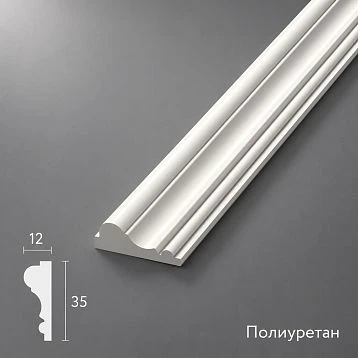
Polyurethane moldings and cornices — for top junctions and frame systems
-
decorative corner elements — for frame intersections
-
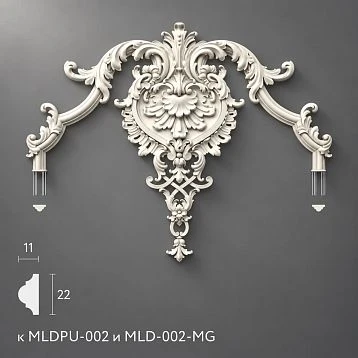
Polyurethane overlays and decor — for architectural accents
Everything is geometrically compatible, tone-matched, and tested on real projects.
About the company STAVROS
STAVROS is a St. Petersburg manufacturer of decorative interior products since 2002. The company's history began with federal-level restoration projects: the Hermitage, Konstantinovsky Palace, Alexander Palace. These projects set the standards — architectural precision, systematic solutions, coating quality.
Today STAVROS is manufacturing in St. Petersburg, a full line of slatted panels in several series, system moldings and decorative elements, the ability to order samples, and free calculation based on your measurements.
Want to buy slatted wall panels for interior finishing with St. Petersburg quality and confidence in the result? The STAVROS catalog is your starting point.
FAQ: Questions and precise answers
Which slatted wall panels should I buy for interior finishing?
The choice depends on the room and the task. MDF is a universal choice for any residential and commercial spaces. Wood-look for a warm natural tone. Paintable for custom color solutions. Wooden for naturalness as a concept.
Why are MDF panels convenient for interior finishing?
Stable geometry, resistance to humidity fluctuations, wide range of coatings, easy installation, compatibility with system moldings and baseboards. Optimal quality-to-price ratio for most projects.
What affects the price of slatted wall panels?
The material and its density, type of coating, slat width and profile depth, order volume, panel size, cutting allowance, additional elements, installation, and delivery. Evaluate the cost of the finished wall, not just the panels.
How to choose panels based on photos and price?
The photo shows the style, but not the actual tone and texture. Before purchasing, get a sample in your room under your lighting. Price — calculate the total cost: panels + moldings + installation + delivery.
Which panels are better: wood-look, paintable, or MDF?
Wood-look is for a warm interior effect without the maintenance hassles of solid wood. Paintable is for an exact custom color. MDF is for stable geometry and universal application.
Are moldings needed for slatted panels?
Absolutely. A molding along the top edge and a baseboard along the bottom edge form the minimum system for an architecturally complete look. Without them, the slatted area appears unfinished regardless of the quality of the panels themselves.
How to calculate the number of panels yourself?
Area of the finishing zone (minus openings) ÷ area of one module = quantity, round up. Add a reserve of 12–20%. Calculate moldings and baseboards separately along the perimeter of the zone.
Can I order samples before purchasing?
Yes. STAVROS provides samples for evaluating tone, texture, and relief. This is the only way to make a color decision with confidence.