































Article Contents:
- An interior item and architectural decor are two different levels of design
- Function first, style second
- How to measure the space before buying an interior item
- Clear passage matters more than attractive dimensions
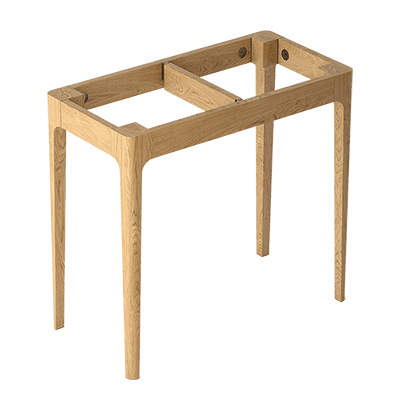
- A console is an item on the boundary between furniture and architecture
- Console in hallway
- Console in the hallway
- Console in the living room
- Wall section between windows
- Area under the mirror
- Rectangular mirror
- Oval mirror
- Round mirror
- Large-format mirror
- Carved frame
- Entry Hall
- Bedroom
- Walk-in closet
- Living Room
- Painter's tape
- Paper or cardboard template
- 3D model
- Mistake: buying first, finding a place later
- Mistake: choosing a console and mirror independently
- Mistake: judging size from a photo
- Mistake: buying the entire collection
- Scenario 1. A narrow hallway and the desire to place a console
- Scenario 2. A large wall section in the living room
- Scenario 3. A finished renovation and a carved mirror you like
- Where to buy interior items for your home?
- Which interior items do you need for a living room?
- How to choose a console for a hallway?
- How to match a mirror to a console?
- How to choose a coffee table?
- How to choose the right size of a bench?
- Which interior items are suitable for the bedroom?
- Can classic furniture be combined with a modern interior?
- How to choose items from the same collection?
- What to check before buying furniture online?
- How to match furniture to moldings and wall panels?
- Can I order an item first and figure out the place later?
- What matters more — the collection or the material?
- How to tell when an item is superfluous?
- How to choose designer interior items without a designer?

A decorative object may look great in a photo and completely fail in a real room. A console turns out to be too deep for the hallway, a mirror too small for the wall, a coffee table blocks the passage, and a bench takes up the space needed to open a wardrobe. That is why it is better to choose interior items for the home not by asking "do I like it or not", but by the function and real dimensions of a specific zone.
If the task is formulated as "buy interior items", it is useful to immediately translate it into a chain: room → zone → function → item type → dimensions → material → finish → composition → SKU → price → order. This order filters out beautiful but unsuitable furniture before purchase.
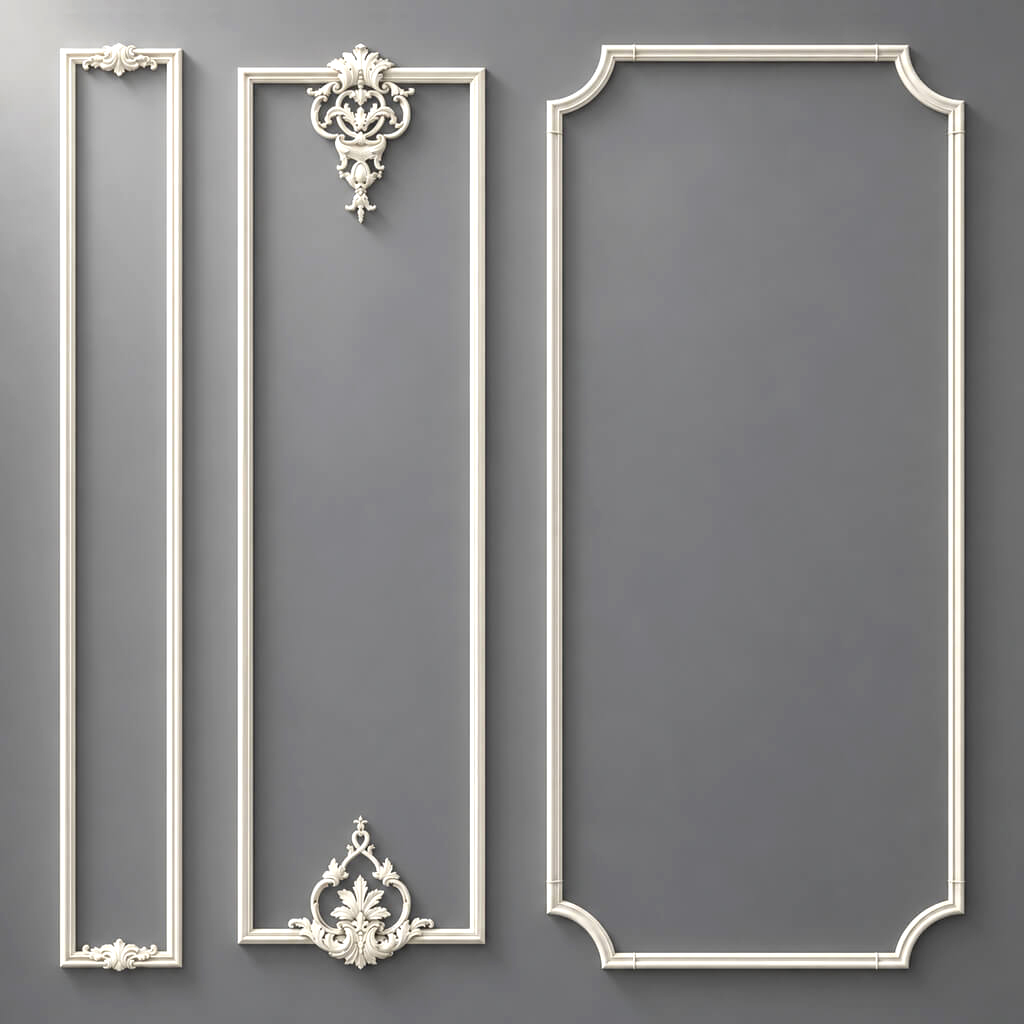
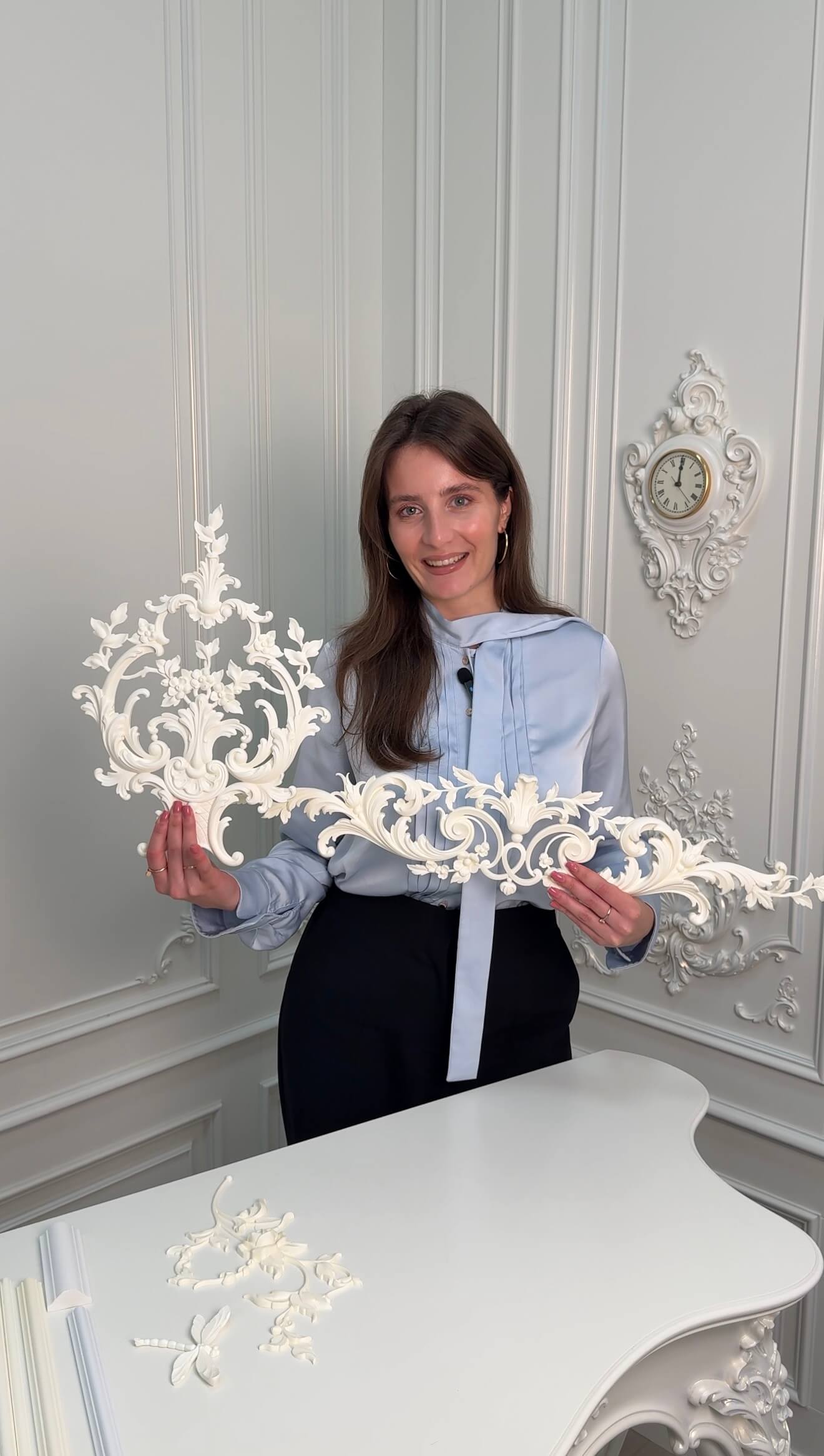
This article focuses specifically on ready-made functional STAVROS items: consoles, mirrors and frames, shelves, coffee and cocktail tables, benches, poufs, clocks and other products from the furniture section. Skirting boards, mouldings, cornices and panels are considered only as the architectural environment with which a ready-made piece must harmonize.


An interior item and architectural decor are two different levels of design
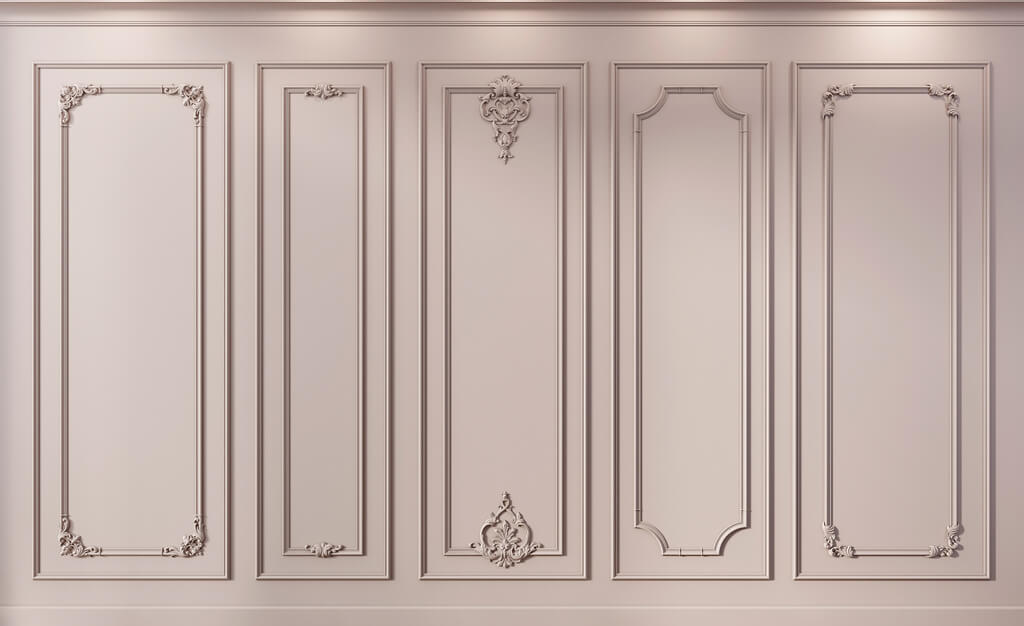
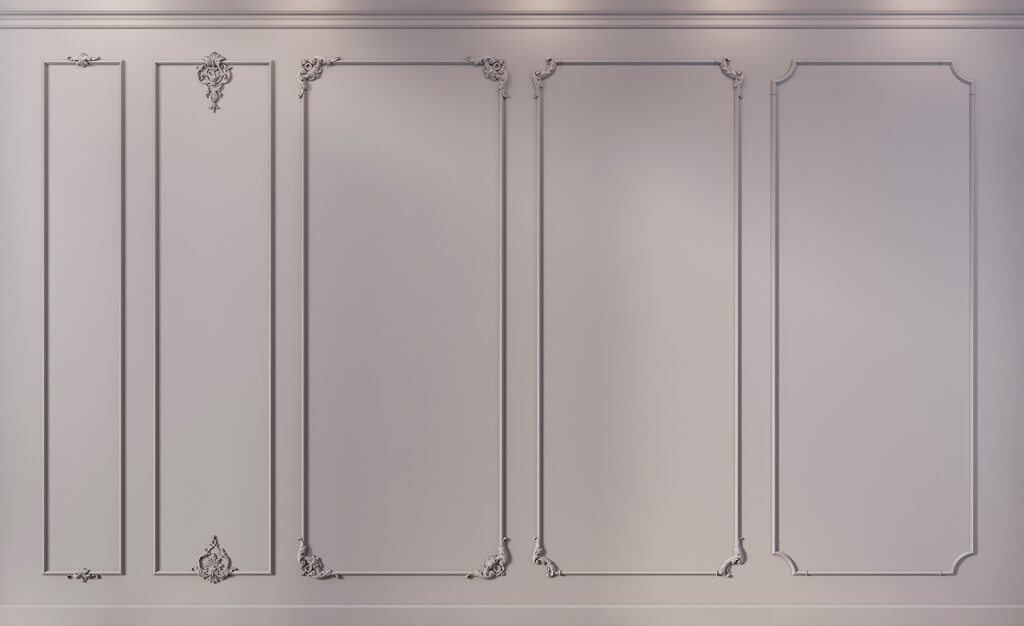
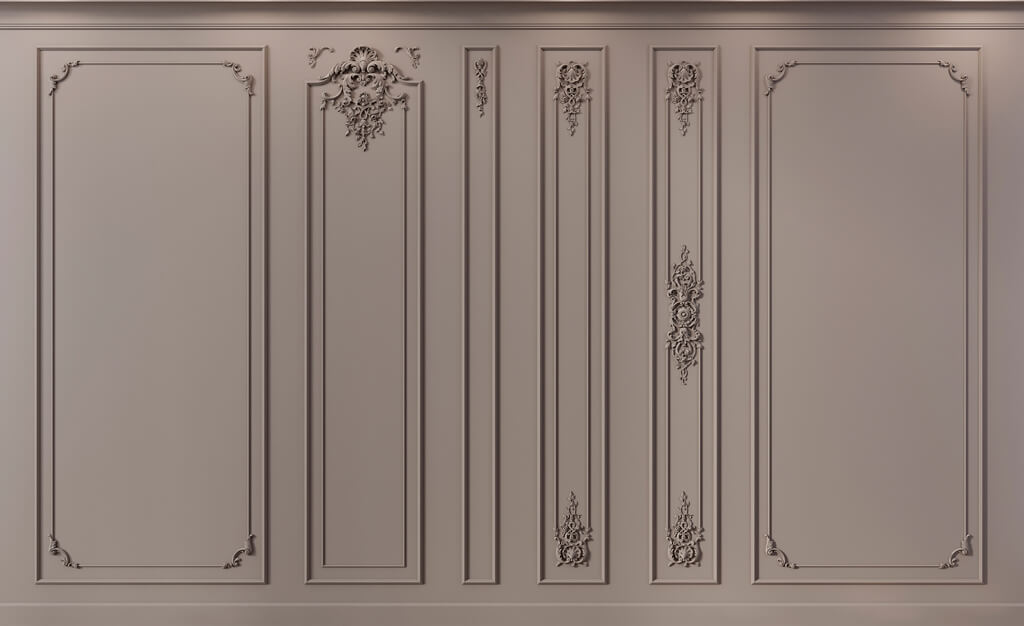
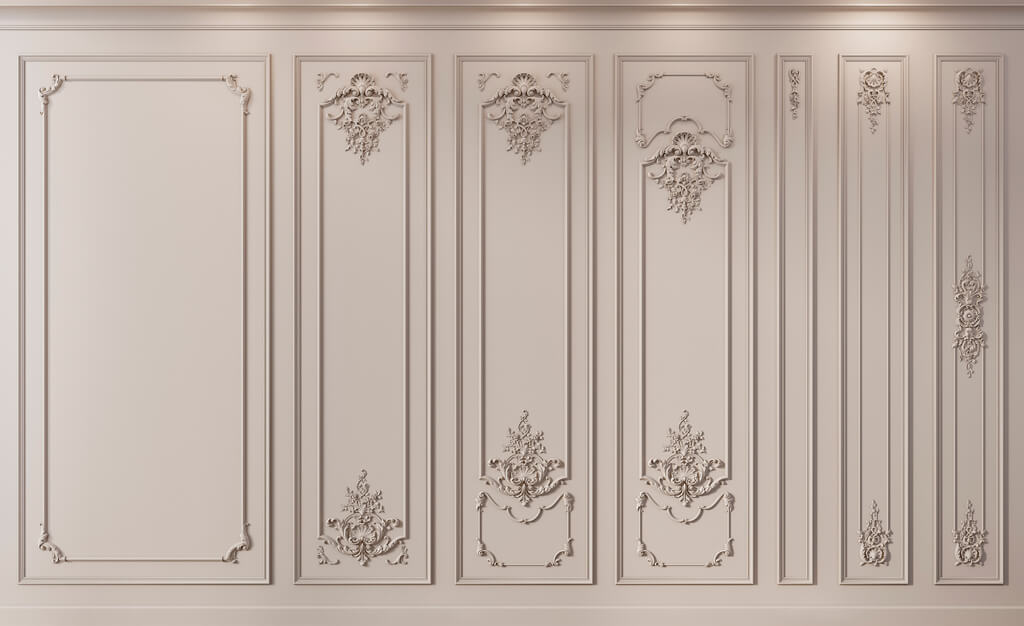
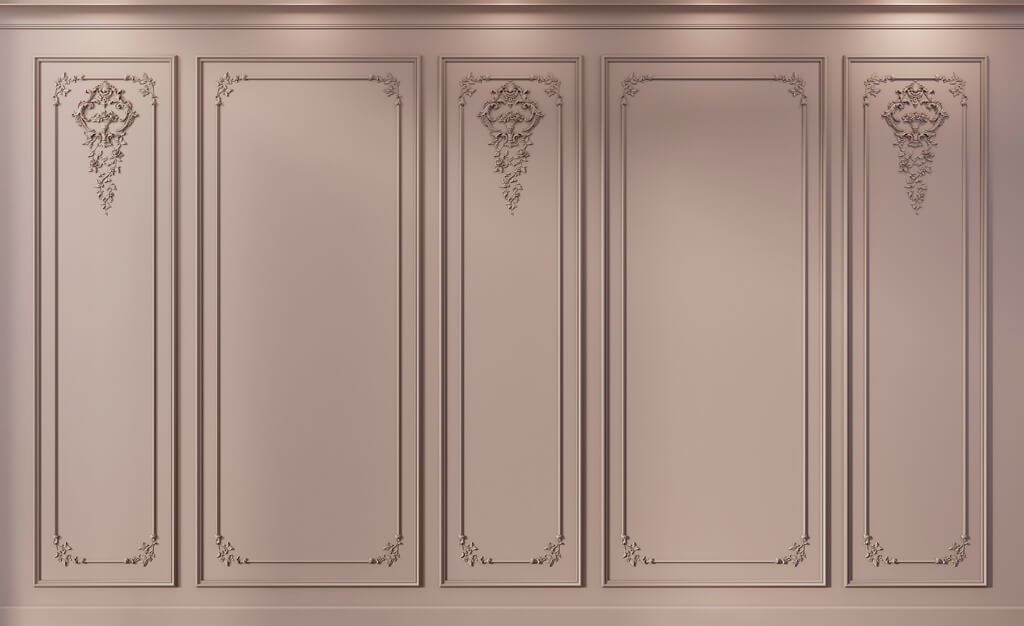
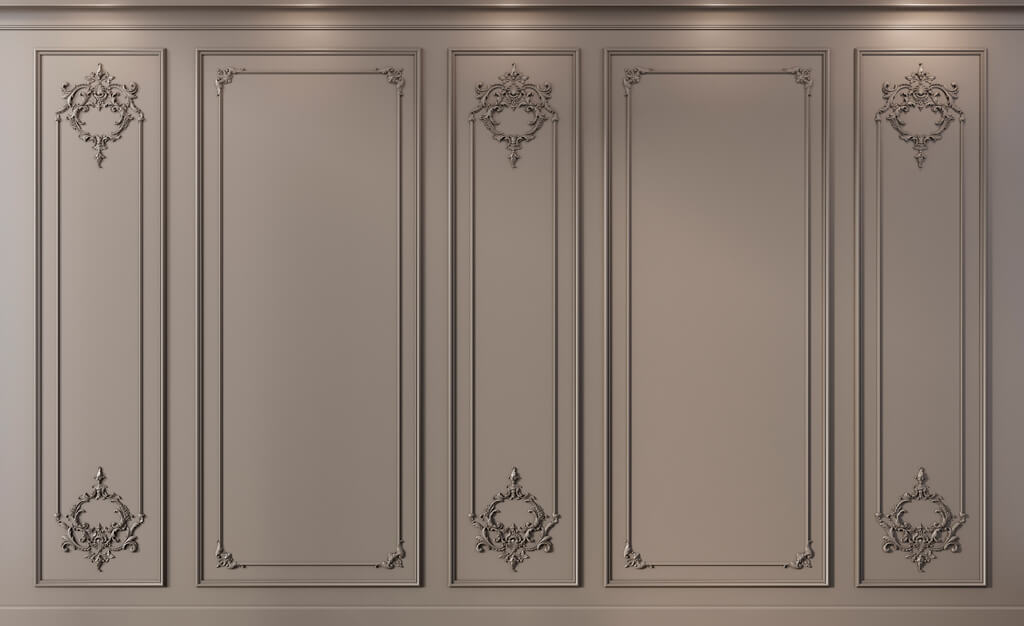
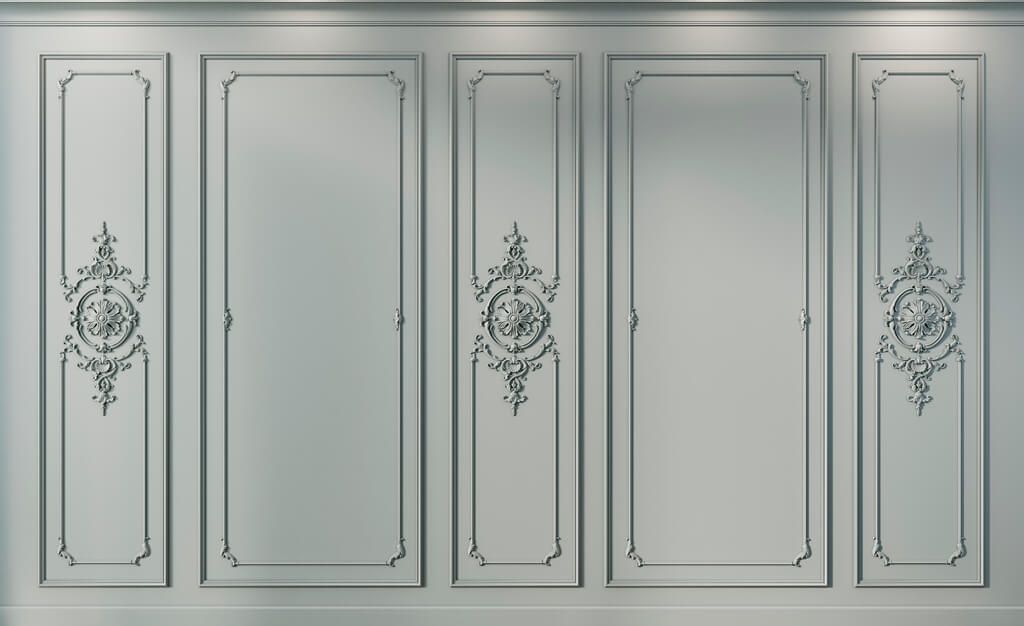
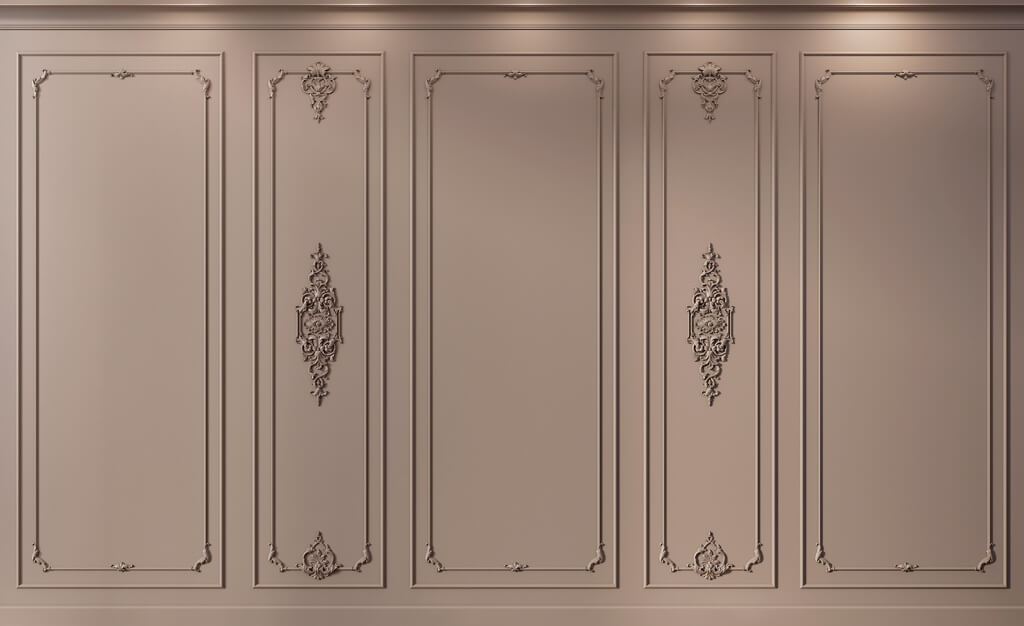
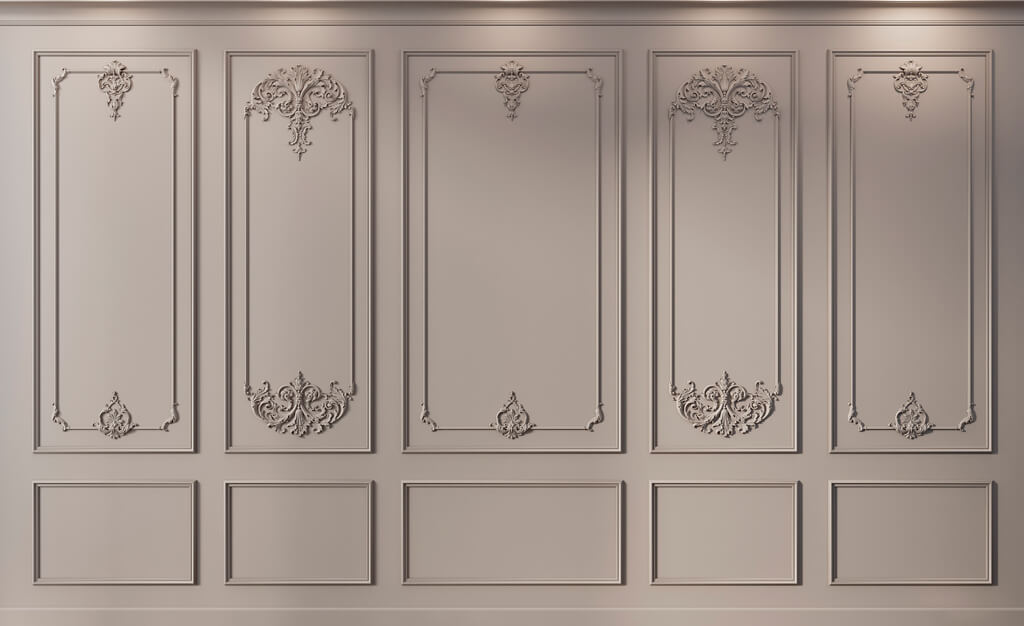
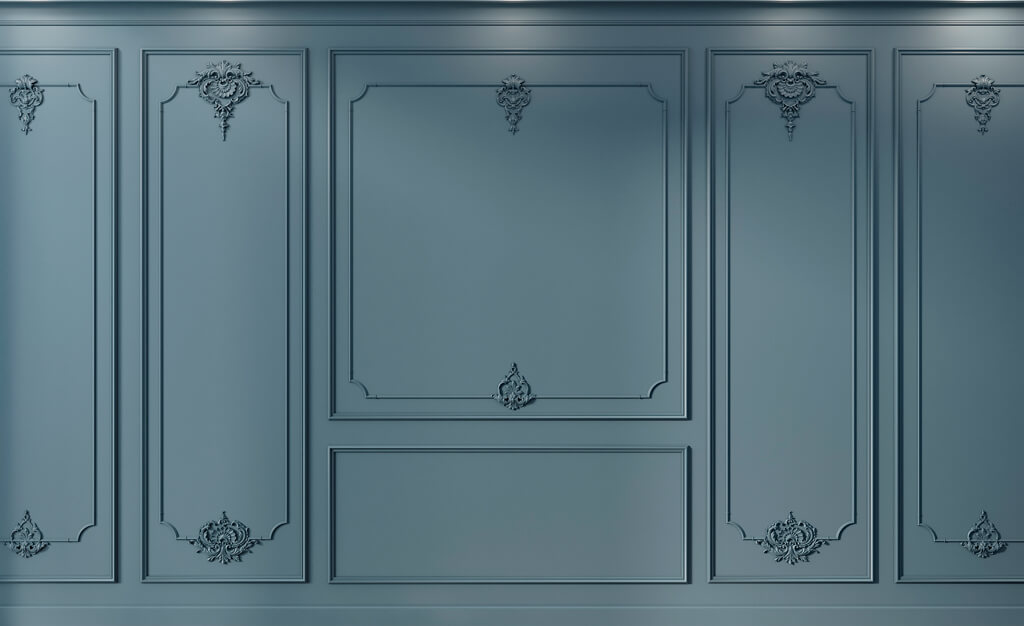
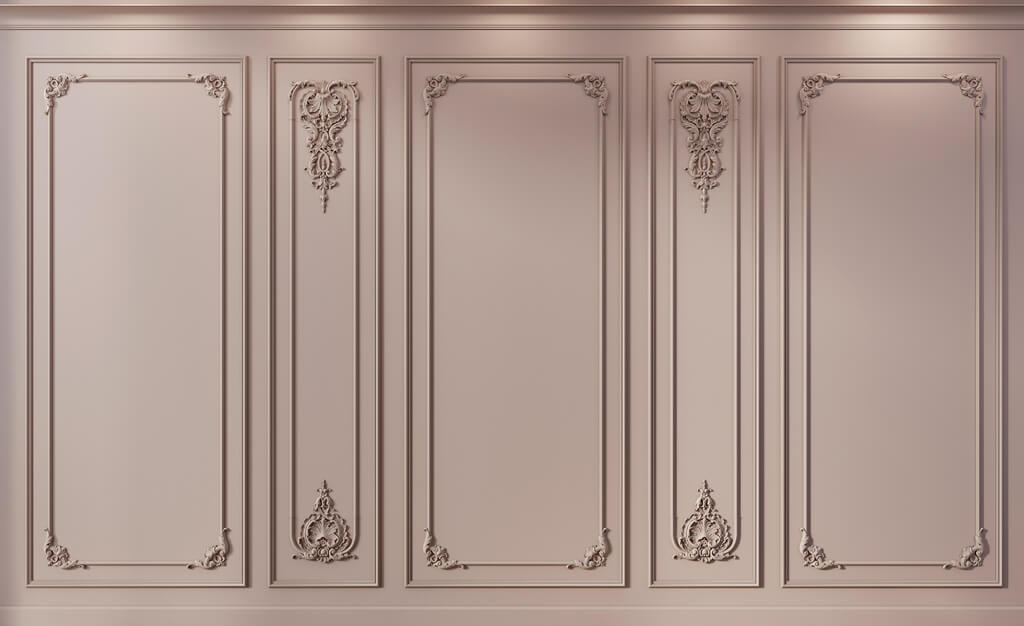
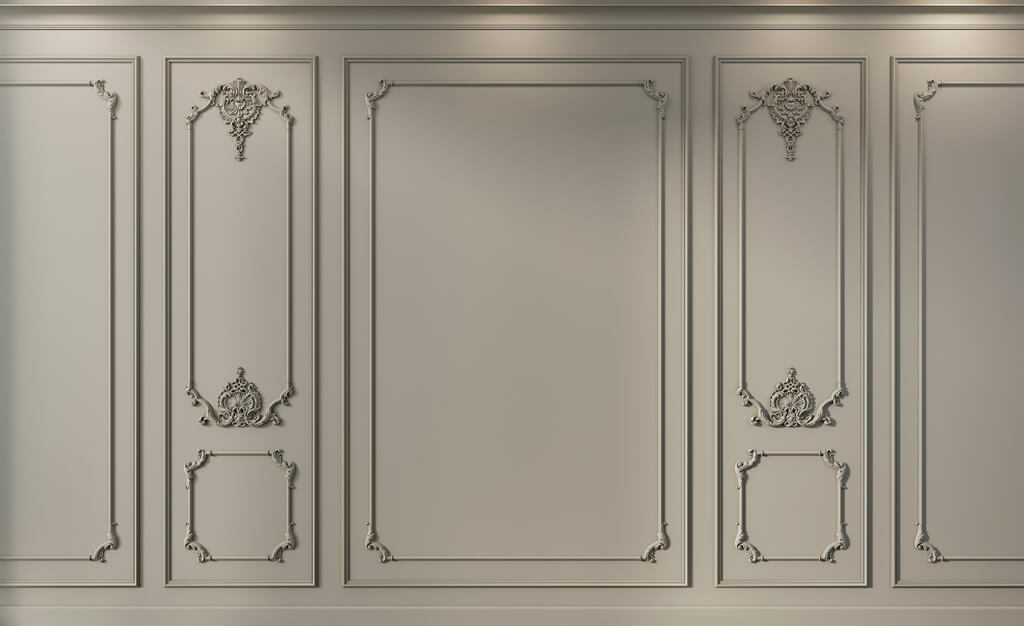
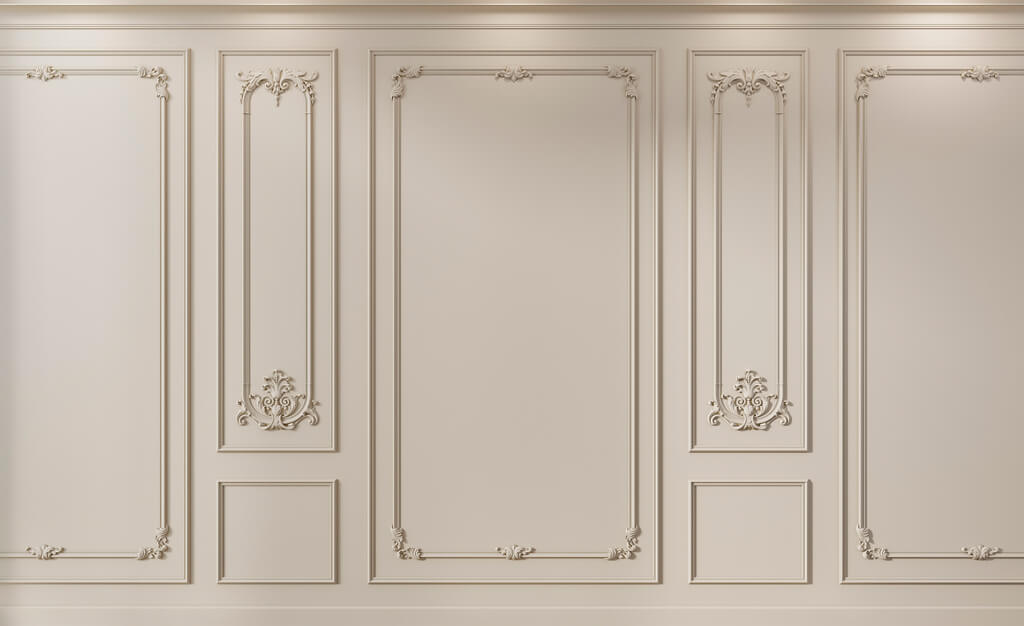
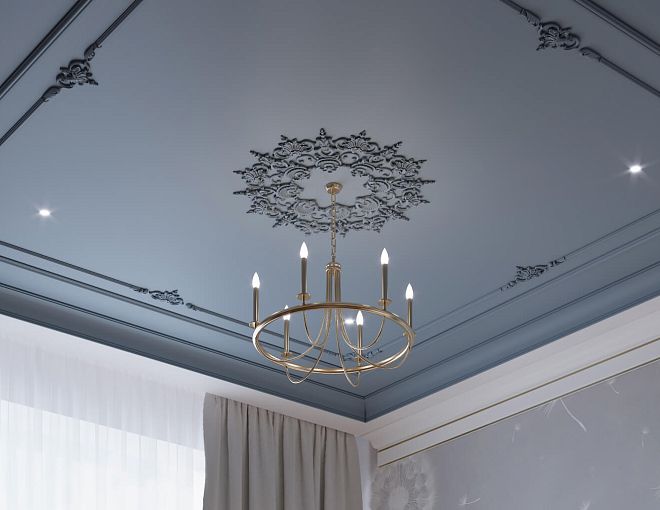
This distinction needs to be made right at the start. Architectural decor is tied to the surfaces of the room: a skirting board finishes the wall at the floor, a cornice at the ceiling, a moulding forms frames, panels create rhythm or relief on the wall. Such products are designed together with the architecture of the room itself.
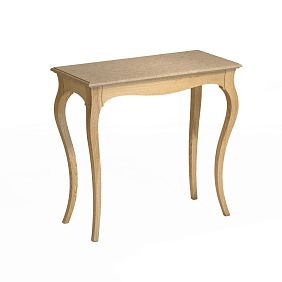
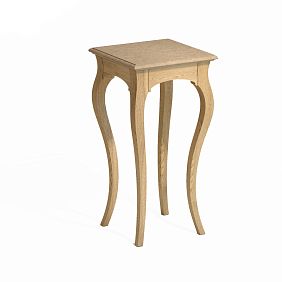
An interior item is a self-contained physical object that can be placed, hung or moved: a console, table, shelf, mirror, bench, pouf, clock. It interacts with the architecture, but is not its continuation in the same sense.
| Level | Examples | The main question of choice |
|---|---|---|
| Architectural decor | Skirting board, moulding, cornice, panel | How the element works with the surface and joints |
| A finished interior piece | Console, mirror, side table, shelf, bench | Whether the piece suits a specific zone in function and dimensions |
This distinction protects against a typical mistake: trying to solve an architectural problem with a furniture purchase. For example, an overly empty wall section sometimes really does call for a console and mirror, and sometimes for a wall frame of a different proportion. First the task of the zone is defined, then the level of the solution is chosen.


Function first, style second
The phrase “I want a beautiful console” does not yet define a purchase. It is stronger to ask: what should happen in this zone? A temporary surface for keys and a bag? An accent under the mirror? A narrow piece in the hallway? The compositional center of a long wall?
| Task | Item | What to check before the catalog |
|---|---|---|
| A temporary surface in the entryway | Console | Depth and passage |
| Accent above the console | Mirror | Wall width and composition height |
| Additional seat | Bench or pouf | Clearance for passage |
| Surface near the sofa | Coffee table | Seating group and traffic paths |
| Small decorative storage | Shelf | Wall pier width and mounting height |
| Vertical accent | Mirror or clock | Wall scale |
Only after function does it make sense to filter by style: classic, neoclassic, art deco, modern, or a contrasting classic piece in a contemporary interior. This is especially important when the user is looking for designer furniture: designer value is not the amount of carving, but the precision of the piece's role in a specific composition.
Our factory also produces:




How to measure the space before buying a furniture piece
The size of a piece is determined not by the area of the room, but by the specific installation zone. A large living room may have a very narrow wall section, while a compact hallway may have a long free wall. Therefore, measurements are taken locally.
Before opening the product pages, record:
- the width of the wall or wall section;
- the height of the room and the available height for the composition;
- the maximum allowable depth;
- the door opening trajectory;
- the width of the passage;
- the nearest furniture;
- the baseboard protrusion;
- outlets, switches, and wiring points;
- position of moldings and panels;
- axes of existing furniture.
It is useful not just to write down the numbers, but to make a diagram of the zone. For a console — a rectangle in plan; for a mirror — an outline on the wall elevation; for a bench — the footprint on the floor; for a side table — the spot between the sofa and the armchairs.
Get Consultation
Free passage matters more than a beautiful dimension
A product card may show a convincing console or side table, but the buyer sees the item in isolation. In a room, the piece always competes for space with the passage, door opening, drawers, and seating area.
Practical test: on the plan, draw not only the item itself but also the usage zone. In front of a console, a person must stop and put something down. In front of a bench — sit down and stand up. Around a side table — walk past. At a wardrobe — open the door.
If an item fits geometrically but using the zone becomes inconvenient, it is too large. This simple rule is more reliable than any universal formula.
A console is an object on the boundary between furniture and architecture
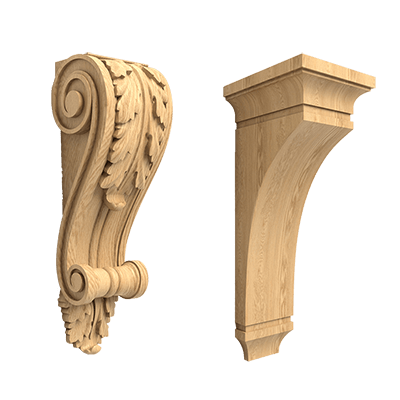
A console is especially sensitive to its surroundings: it often stands against a wall, under a mirror, inside a molding frame, or in a narrow passage space. Therefore, choosing it by style alone is risky.
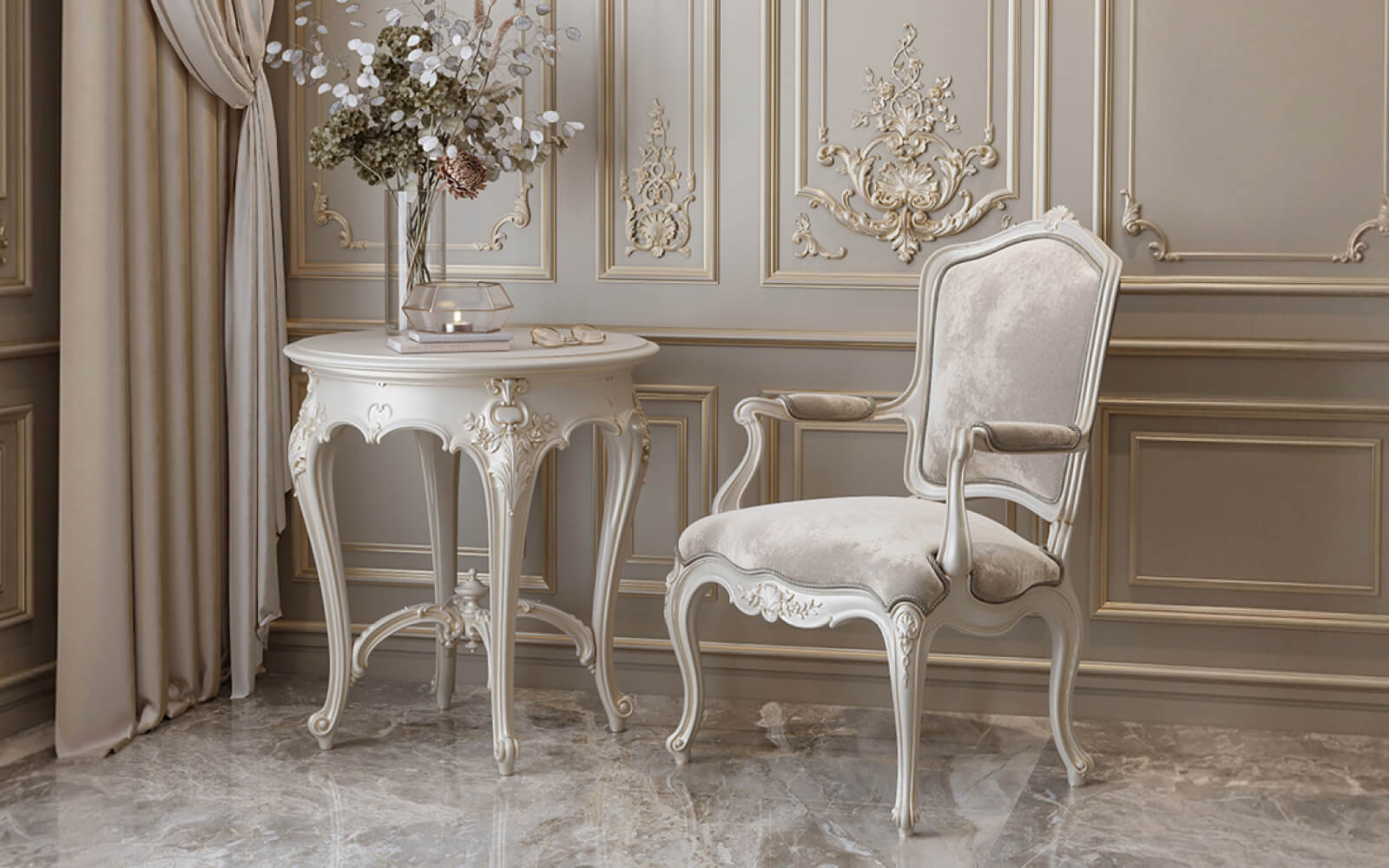
The current STAVROS catalog includes ready-made classic consoles, including Versailles 006‑001 and Marseilles models. For the buyer, what matters more is not the collection name itself, but the actual dimensions and finish of the specific SKU.
Console table in the entryway
The main constraint is depth. Even a beautiful console table becomes inconvenient if it visually and physically narrows the passage. Additionally, the door, mirror, switches, and baseboard are checked.
Console table in the hall
In a large hall, scale comes to the fore. An item that is too small will get lost on a long wall. Here the console table often serves as the foundation of the entire composition with a mirror, tabletop decor, and lighting.
Console table in the living room
It can become a decorative surface behind the sofa, in a wall niche, or near the entrance to the room. It is important to understand whether it is a functional item or just an accent: this affects the requirements for depth and access.
Wall niche between windows
The position is dictated by the axes of the openings. The console table and mirror should be centered relative to the architectural zone, not the entire wall, if the windows already create a visual frame.
Area under the mirror
Here it is better to choose the console table and mirror at the same time. The width of one item changes the perception of the other.
You can view the actual models in the section classic STAVROS consoles.
Example: why a console's product page matters more than a photo
The Versailles 006‑001 console measures 905 × 1385 × 534 mm and comes in beech and oak versions. Even without evaluating a specific price, it's clear why photos alone aren't enough: a depth of 534 mm is a significant figure for a narrow hallway, and a width of 1385 mm requires a sufficiently large wall.
If a buyer first sees a photo and only then measures a 1200 mm wall section, the model no longer fits by width. If the available depth of the area is about 400 mm, the piece will also need to be reconsidered. So the process should be reversed: area → allowable dimensions → catalog.
The model name also doesn't fully define the purchase configuration: the product page includes material and finish options. The specific chosen version is confirmed before ordering.
The console and mirror should be treated as a single composition
A typical mistake is to buy the console first and then look for a "matching mirror." Sometimes this works, but for an architecturally cohesive interior it's better to design the pair together.
The following relationship is checked:
console width → mirror width → vertical spacing → total composition height → position on the wall.
Options can vary. A mirror noticeably narrower than the console creates more free space. A width close to the console makes the composition denser. A vertical frame stretches the wall. A large carved frame becomes an accent in itself and calls for a calmer console.
You don't need rigid percentages. It's better to build two or three rectangles to scale and compare them on the layout.
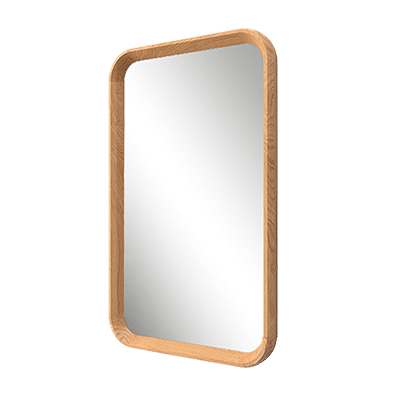
A mirror as a standalone interior piece
A mirror serves several functions at once: reflection, working with light, visual scale, and decorative accent. That's why shape and size matter no less than the frame.
STAVROS has a separate category of mirror frames with filters by height, width, thickness, shape, and collection. The catalog includes round, oval, rectangular, and vertical options, as well as carved solid wood frames.
Rectangular mirror
Convenient for strict compositions, console areas, and vertical wall sections.
Oval mirror
Softens the geometry of the wall and works well where there are many straight lines of furniture and moldings around.
Round mirror
A strong standalone center. Requires careful alignment with the width of the wall and the furniture beneath it.
Large-format mirror
It should be perceived almost as an architectural object: it affects the scale of the wall and should not accidentally intersect with moldings or furniture.
Carved frame
Adds a pronounced decorative layer. The more active the frame, the calmer the neighboring elements can be.
The category can be viewed in the mirror frames section and separately in solid wood frames.
Why mirror size cannot be judged from a photograph
A catalog photograph deliberately shows the item up close. In a room, it may be perceived quite differently. Therefore, before buying a mirror in a wooden frame, you need to check the actual A, B, and C from the product card or drawing and understand the orientation of the dimensions.
For a carved frame, the width of the decorative profile also matters: the outer dimension and the usable mirror surface are not the same thing. Two frames of the same outer size can provide different amounts of mirror and different visual mass.
The best quick test is a paper template or painter's tape on the wall. In five minutes it becomes clear whether the scale works.
Coffee table and cocktail table: similar names, but you should choose by scenario
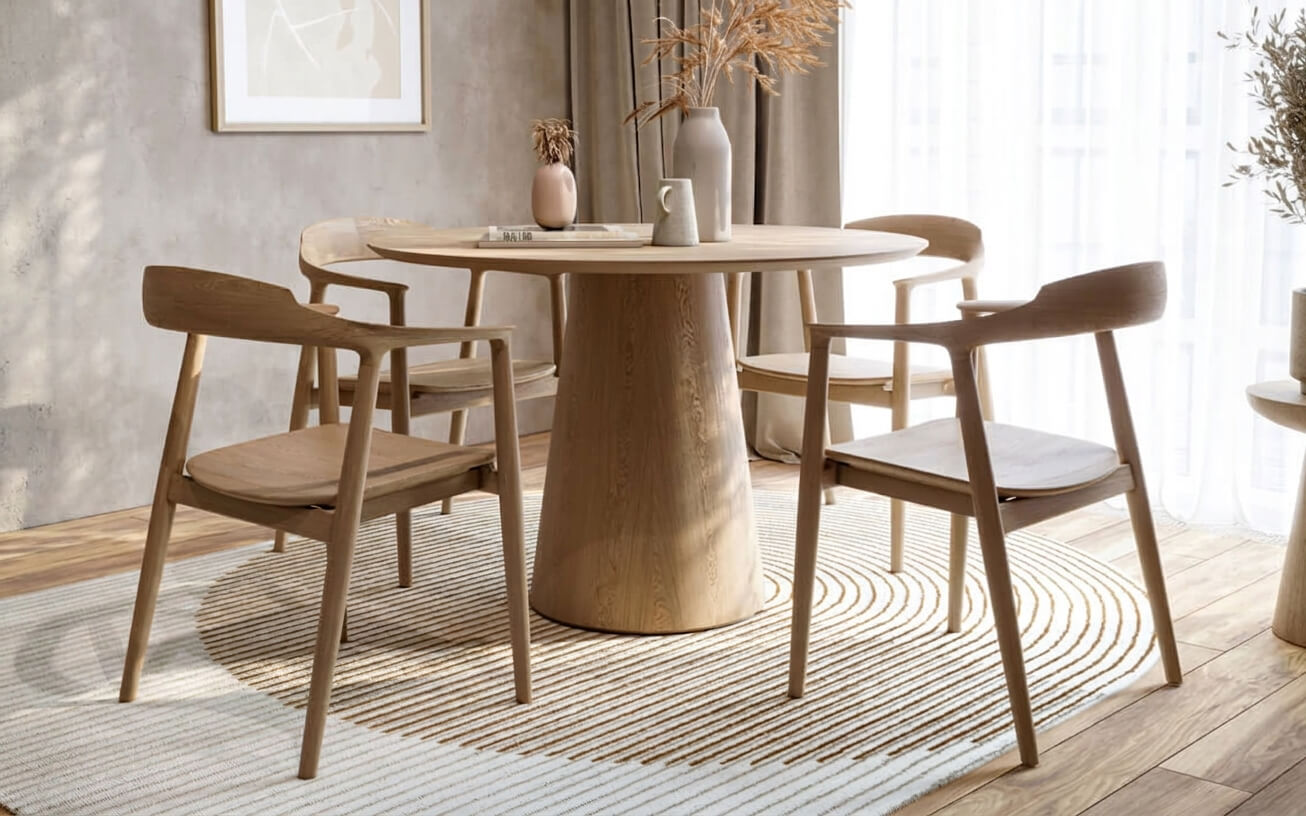
The STAVROS catalog features coffee and cocktail tables as ready-made items. In practice, what matters more to the buyer is not the type name, but how the item will be used. One table becomes the center of a soft seating group, another works beside an armchair, and a third serves as a standalone decorative accent.
Before buying a coffee table, lock in four things: the height of the sofa, the width and depth of the seating group, the actual walking path, and the spot from which someone will reach toward the tabletop. A tall but compact coffee table and a low, wide coffee table are different scenarios even when the style is similar.
You can view actual items in the section dining tables, coffee tables, and cocktail tables.
How to determine the table size relative to the seating group
A rigid formula here often gets in the way more than it helps. In one living room, the sofa stands alone; in another, it forms a group with armchairs and a pouf; in a third, the main walking path runs between the sofa and the TV.
Working algorithm:
- Arrange the sofa and armchairs to real scale.
- Mark the zones that must remain clear for passage.
- Mark where a person should be able to reach the table from.
- Determine the maximum allowable rectangle or circle.
- Compare actual SKUs only within this geometry.
If the table fits into the free spot, but after that the passage turns into a sideways squeeze, it is too large. If the surface is so far from the sofa that it is inconvenient to reach, the item is too small or incorrectly positioned.
Coffee table as a separate accent
A compact coffee table can work not in the center of the soft group, but next to an armchair, near a window, or in a small relaxation area. Here it is especially important to understand whether a functional surface or a decorative object is needed.
If the task is to place a cup and a book, they look primarily at height and stability. If the table is used as an accent, one can work more with shape and carved decor, but still check the passage and proximity to the armchair.
A buyer who wants to buy a coffee table benefits from the same approach: not choosing "from a picture in a vacuum," but first defining the place and scenario.
Shelf: a small item that requires a precise wall
A shelf looks like a less risky purchase than a console or table, but it is precisely the shelf that often conflicts with the real wall. A doorway, switch, sconce, molding frame, or furniture below can make even a compact shelf inappropriate.
Before buying a wooden shelf, check:
- width of the wall section;
- installation height;
- items under the shelf;
- door swings;
- light placement;
- moldings and wall decor;
- the scale of the items intended to be placed on the shelf.
A classic piece with pronounced decor requires more free space around it than a neutral smooth shelf. If the wall is already saturated with carving and frames, an additional active element can overload the composition.
Bench and pouf: they must be chosen together with the passage
A bench and a pouf solve the functional task of seating, but almost always occupy part of the passage area. Therefore, their selection begins not with fabric and carving, but with the plan.
Hallway
They check whether a person can sit down and stand up without blocking the entrance door and without preventing someone else from passing.
Bedroom
A bench often appears at the foot of the bed. It is necessary to check the passage around the bed and the opening of wardrobes or doors.
Wardrobe
The seat should help with changing clothes, not occupy the central passage. It is convenient to model it together with open doors and pulled-out drawers.
Living room
A pouf can become part of a soft group or an additional mobile seat. It is important to decide in advance whether it should always stand in one place or move around.
The classic STAVROS furniture catalogue presents poufs and benches alongside other ready-made pieces. If you want to buy a bench, your choice should be based on a real usage scenario, not just on style matching.
Clocks as an architectural accent
Interior clocks are a ready-made item, but in terms of compositional role they often work almost like a wall panel. A large object needs to be correlated with the wall width, ceiling height, moulding grid and neighbouring furniture.
If the clock hangs above a console, it becomes part of a vertical composition. If it stands alone in a wall pier, it sets the centre itself. If there is already a large mirror or an active wall panel nearby, the clock may compete for attention.
Therefore, the query “buy interior clocks” is reasonably translated into a specific question: where exactly will they hang and what visual weight already exists in that area.
Designer interior pieces: not a random set of beautiful things
Designer interior pieces are not distinguished by necessarily having a lot of decoration. Designer value arises when an item has a clear function, scale and place in the composition.
A good item answers at least four questions:
- what does it do;
- why it belongs exactly here;
- why its size matches the zone;
- how it relates to the architecture and neighboring furniture.
If the answer to all four questions is "I just liked it," the purchase has not yet become a design decision.
One accent piece is stronger than five competing ones
Imagine a wall that already has a carved mirror, a richly decorated console, and an intricate molding frame. Adding a clock, a shelf, a sculptural lamp, and active accessories is technically possible, but the visual hierarchy will disappear.
A zone needs a leader. It can be a mirror, a console, a painting, or an architectural panel. The other pieces either support it or recede into the background.
That is why interior items for the home are better assembled not on the principle of "the more interesting things, the richer the interior," but by role. Sometimes removing one item is more useful than buying another.
How to combine a console with wall moldings
A strong STAVROS composition can be built like this: molding frame → console → mirror. But for this, the three elements need to be designed simultaneously.
Checked:
- center of the frame;
- frame width;
- console width;
- countertop height;
- top point of the mirror;
- outer edges of decorative profiles.
If the console is wider than the inner field of the molding frame, the composition may look accidental. If the mirror is too high relative to the console, the pairing falls apart. If the molding runs directly behind the carved frame, unnecessary competition of reliefs arises.
Molding for such coordination can be found in the section moldings, cornices, and baseboards, but the article remains about ready-made items, not about designing moldings.
How to place furniture in front of a wall panel
The wall panel already creates a rhythm. Ready-made furniture in front of it should take this rhythm into account, not accidentally overlap it.
For a console or bench, check where the vertical axes of the panel run. It is good when the center of the furniture coincides with a clear axis or is deliberately offset. It is bad when the edge of the console overlaps a decorative module by a few centimeters and creates a sense of error.
If the panel is very active, the item can be calmer. If the wall is neutral, the furniture gets more freedom to be an accent. This is the same principle of visual hierarchy, only at a different level.
Collection or standalone piece
STAVROS organizes part of its assortment into collections. For the customer, this is a convenient way to see pieces that share a common stylistic language. The classic furniture section features related models such as Versailles, Marseilles, and other series.
A collection is useful when high stylistic consistency is needed. For example, a console and mirror from the same line are easier to bring together into a cohesive composition. But this does not mean the room has to be bought entirely as a "set."
A standalone piece makes more sense when a single accent is needed. A modern room can feature a classic console without classic chairs, a bed, and a clock from the same series.
For an initial style search, you can use STAVROS collection.
How to avoid the furniture set effect
Even if several pieces belong to the same collection, you don't have to place them all in one small room. A table, console, mirror, chair, and bench with the same decorative detailing can make the space too predictable.
It's better to choose the functionally necessary pieces, and assemble the remaining layers more calmly. For example, the console and mirror from one classic line, while the upholstered furniture is more neutral.
A collection should make coordination easier, not force the interior to replicate a catalog display.
A classic piece in a modern interior
Classic furniture does not have to live only in a fully classic room. One expressive piece can work in a modern interior as a deliberate focal point of the composition. But the contrast must be controlled.
A working scenario: a calm modern wall, a clean-lined floor, and one classic console with expressive carving. Or a neutral soft seating group and a carved mirror. In that case, the piece reads as an accent, not as a random item from another interior.
The problem begins when five more pieces are gradually added to one classic object: a carved bench, an elaborate table, a clock, a richly decorated frame, and active molding. The contrast disappears, and the interior turns into a themed decoration.
If you need stylish home decor items, it is useful to determine where the accent will be and where the background will be. Style is defined by a system of relationships, not by the amount of decor.
Solid wood: what to check before buying
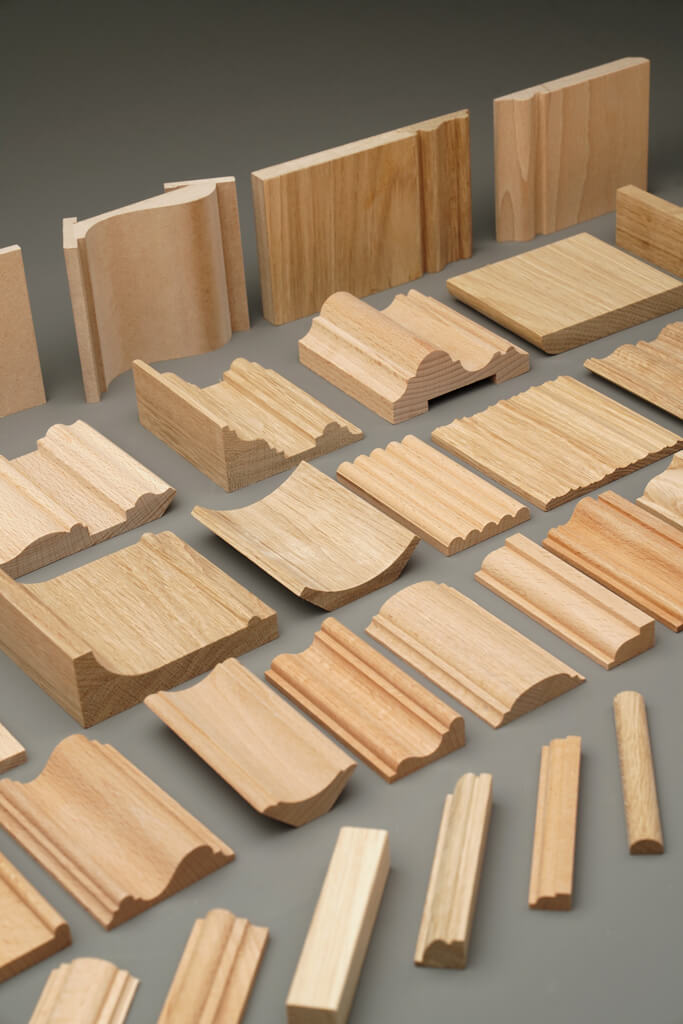
The phrase “natural wood” by itself is not a sufficient basis for a purchase. What matters is the specific material, workmanship, size, finish, and how that surface interacts with the rest of the interior.
The Versailles 006‑001 console, for example, comes in beech and oak versions and several finish options. This means that the model name alone does not determine the final product. To order, you need to choose the actual configuration.
Before you buy solid wood furniture, check:
- type of wood;
- actual dimensions;
- finish option;
- color and degree of gloss;
- how the material combines with the floor and doors;
- how it looks next to wooden trim;
- production time or availability;
- the price of the specific finish selected.
Natural wood variation is part of the material. If a project requires near-laboratory color matching of several wooden elements, a physical sample matters more than a verbal description.
Color and tinting must be coordinated with the architectural decor
Particular care is needed in areas where wooden baseboards, casings, moldings, mirror frames, and furniture are located next to each other. If all elements must be perceived as a single system, the words "walnut," "cherry," or "brown" are not enough.
You need to compare the specific finish. Two items with similar marketing names may differ in tone, saturation, and sheen. If a difference is intentional, it should be noticeable and deliberate. If unity is required, it is better to coordinate actual samples.
How to read a product page for a finished interior item
The product page is the final source of verification before purchase. Beautiful photos are needed to understand the look, but the decision is made based on specific fields.
- SKU. Links the item to the actual product.
- Dimensions. They should be clear from the A × B × C orientation.
- Material. Beech, oak, or another finish.
- Color / finish. The specific available option.
- Price. It is checked specifically for the selected configuration.
- Lead time. Availability and production are variable data.
- Drawing. Needed if the item is part of a precise composition.
- Order terms. Delivery, packaging, and other parameters.
A buyer who wants to buy home interior items online is especially dependent on this check: they cannot rely on a sense of scale in the showroom.
Size A × B × C: why the orientation needs to be understood
For a console, side table, shelf, and frame, dimensions A, B, and C may denote different directions depending on the product page and drawing. You cannot automatically assume A is width just because that is the usual convention.
Always check the labels or the drawing. An orientation error of 300–500 mm can completely change the solution: an item that seemed suitable in width may actually have that dimension in height or depth.
For mirror frames this is especially important, because the external height and width determine the composition on the wall, while the thickness determines how far it protrudes. For a console, depth affects the passage no less than width.
How to check an item in the room before ordering
There are three levels of checking, and each is useful at its own stage.
Painter's tape
Mark the actual dimensions of the item on the floor and wall. For a console — width and depth. For a mirror — the outer contour. For a bench — the footprint.
Paper or cardboard template
Especially useful for mirrors and shelves. A 1:1 scale template quickly shows whether there is enough free space around the item.
3D model
It is needed in a designed interior, where the item must be coordinated with moldings, panels, lighting, and other furniture. But 3D does not replace checking real dimensions.
STAVROS technical materials can be found in the section of catalogs, DWG, and 3D. The downloads page also includes a PDF catalog of furniture and interior items.
When a designer needs DWG or 3D
For a regular console purchase, DWG may be excessive. For a project interior, it becomes useful if the item is part of a precise architectural composition.
DWG or 3D is needed for:
- visualizations;
- checking dimensions;
- wall elevation;
- coordination with moldings;
- alignment with lighting;
- comparing several variants of the item;
- checking clear passage.
For professional work, STAVROS has a separate page for designers and architects.
How to buy interior items for the whole room without unnecessary things
Buying "for the room" doesn't mean buying a lot. It's better to map out zones and assign a function to each item.
| Zone | Function | Main item | Is an additional one needed |
|---|---|---|---|
| Hallway | Temporary surface | Console | Mirror — if needed |
| Sofa | Surface | Side table | No, if the function is covered |
| Bedroom | Installation | Ottoman | No |
| Pier | Vertical accent | Mirror | Console — if functionally necessary |
| Small wall | Decorative storage | Shelf | not required |
This way, interior decorations and functional furniture don't blend into a chaotic jumble. First, function is addressed, then the decorative layer is added.
What to buy first
It's worth making decisions first about items that affect the architecture and layout.
These include:
- large consoles;
- custom-made items;
- mirrors around which the molding composition is built;
- tables that determine the arrangement of the soft seating group;
- benches in narrow passage areas.
Small standalone accents can be left for a later stage. This reduces the risk of buying an item that later doesn't fit into an already formed composition.
When it's better to postpone the purchase
There are situations when even a much-loved item shouldn't be ordered right away.
- the actual dimensions of the area haven't been confirmed;
- the furniture layout is still changing;
- it's unclear whether there will be a panel or molding on the wall;
- the material or finish hasn't been chosen;
- there's no understanding of how the item will be used;
- there's a conflict with door opening;
- the price refers to a different configuration;
- delivery of a large item hasn't been thought through.
Postponing a purchase for a few days is cheaper than later looking for a place for an item that doesn't work in the room.
How to choose interior items for the hallway
The hallway is one of the most difficult areas for ready-made furniture: there is little depth, many passages and doors, and items must be functional. That is why interior items for the home in this area are chosen especially carefully.
A minimal set may include a console, a mirror, and a bench. But not necessarily all three. If the passage is narrow, the console can give way to a compact shelf. If there is a built-in wardrobe with mirrored fronts, a separate mirror may be unnecessary. If seating is not needed, the bench only takes up space.
Before buying, check the entrance door, wardrobe doors, baseboard, sockets, switches, and the path of movement with outerwear. The hallway quickly shows whether the principle of "function first" works in practice.
How to choose items for the living room
In the living room, items compete for attention more than anywhere else. The seating group, TV or fireplace, windows, console, tables, and mirrors already create several focal points.
It is useful to define one main accent and two or three supporting ones. For example, the main area is the sofa and coffee table; the secondary one is the console with a mirror; the remaining surfaces stay calm.
If you want to buy original interior items, choose originality selectively. One expressive table or carved mirror is more noticeable than five active pieces next to each other.
How to choose items for the bedroom
A bedroom requires more free space around its core functions: the bed, the walkway, the wardrobe, and the bedside areas. A bench at the foot of the bed or a dressing table can be appropriate, but only if they don't obstruct movement.
A mirror should be evaluated not only for its decorative value but also in terms of what it reflects: what exactly will be visible from the bed, from the door, and in natural light. A shelf or console should have a clear function, otherwise the bedroom quickly accumulates unnecessary surfaces.
How to choose items for a home office
In a home office, ready-made interior items often become more restrained. What matters here are the work area, storage, and a backdrop for meetings or video calls.
A console can serve as an auxiliary surface, a shelf as a place for books and decor, and a clock or mirror as a vertical accent. But decorative objects shouldn't compete with the desk if it is the main piece in the room.
How to create an "interior pair" instead of a random assortment
Instead of buying five items, try putting together one strong pair. For example:
- console + mirror;
- bench + mirror;
- armchair + coffee table;
- shelf + clock;
- coffee table + soft seating group.
A pair works when the objects are connected by function or a shared zone. If there is no connection, even stylistically similar items can look random.
How to evaluate proportions without a professional design project
Even if the buyer does not have a designer, a simple proportional check can be done. Take a photo of the wall strictly from the front, measure its actual width and height, then overlay a rectangle of the item to scale. This will not replace 3D, but it will show how much of the wall a console or mirror occupies.
For items on the floor, a plan is also needed. A single front view does not show that a console may protrude half a meter into the walkway.
The main goal of such a check is to remove the effect of a catalog shot, where an item always looks like the perfect size.
The price of an item and the cost of a finished zone are not the same thing
A buyer often compares two consoles by price, even though one requires an additional mirror, while the other is already a strong accent on its own. Similarly, an inexpensive table may require replacing the rug or rearranging furniture because of its scale.
For a finished zone, it is useful to calculate:
main item + related item + delivery + installation / hanging if needed + possible finishing.
Not every purchase needs to become a budget estimate, but this approach helps compare real scenarios rather than individual price tags.
How to work with a room budget
Divide the budget into main and accent pieces. If the console and mirror form the main composition of the hallway, they may account for most of the decorative budget for the zone. There is no need to then try to "top up" with a few more things just because there is money left.
For each item, it is convenient to have a status:
- MUST — functionally necessary;
- ACCENT — creates the look;
- OPTIONAL — can be added later.
This way, when the budget is reduced, OPTIONAL items go first, not the key piece around which the composition was built.
What "buying designer furniture" means in practice
For a buyer, designer furniture is not just an authored or formally complex piece. In practical terms, it must pass four checks: function, proportion, material, and compatibility with the interior.
If a piece is expensive but blocks a passage or does not fit within a moulding frame, its design value does not help. Therefore, buying designer furniture is a poorly defined task without a specific zone.
Online store of interior items: what to check besides photographs
Buying online increases the risk of a scale error. A good home decor store should give the buyer not only photographs, but also the SKU, dimensions, material, finish options, the price of the specific configuration, and clear ordering terms.
Before payment, check:
- is there an exact SKU;
- are the overall dimensions complete;
- is the orientation of the dimensions clear;
- has the material been selected;
- has a specific finish been selected;
- does the displayed price apply to it;
- what timeframe is indicated;
- how delivery is organized.
If you are looking for designer interior pieces in an online store, having technical information is more useful than a large number of interior photos.
How to check delivery of a large item before ordering
Sometimes an item fits in the room but cannot make it along the delivery route. For a large console, side table, or mirror, you need to check the entrance door, elevator, staircase, corridor turn, and the ability to bring the piece in safely.
For mirrors and carved frames, packaging and a place for temporary storage are also important. If the space is still under renovation, early delivery can increase the risk of damage.
Current STAVROS terms should be verified in the section payment and delivery before placing an order.
How to read the production timeframe
The timeframe in the product card refers to the item, not necessarily to the entire chain of “payment → production → delivery → installation.” For a project, you need to add time for approving the execution and the logistics itself.
If the item is to be part of a moulding composition, it is better to choose it earlier: the actual dimensions will be needed before the wall is finished.
What to check before placing an order
| Check | Why it is needed |
|---|---|
| Location determined | The item has a specific function |
| Dimensions checked | No scale error |
| Passage preserved | The room remains comfortable |
| Product code selected | Purchase is clear |
| Material selected | Clear configuration |
| Finish selected | Color and finish defined |
| Composition verified | No conflict with mirror, molding, panel |
| Price matches the required version | The correct item is being compared |
| Delivery is clear | The item can be safely received |
Common mistakes when buying ready-made interior items
Mistake: buy first, find a place later
Cause: the item was liked on its own. Consequence: it blocks the passage or doesn't fit in scale. Prevention: start with the zone and dimensions.
Mistake: choosing a console and a mirror independently
Cause: purchases were made at different times. Consequence: the composition falls apart. Prevention: check them on a single elevation.
Mistake: judging size from a photo
Cause: a catalog shot doesn't show the real room. Consequence: the item turns out to be too large or too small. Prevention: a 1:1 template or 3D.
Mistake: buying the entire collection
Cause: it seems that a collection guarantees harmony. Consequence: the room resembles a matched furniture set. Prevention: take only funct
STAVROS is easier to perceive not as an endless feed of decor, but as a structured store of interior products. In one place there is ready-made furniture, mirror frames, collections, architectural decor, and technical materials.
But the buyer must stay focused. If the task is to buy a console, there's no need to simultaneously choose moldings and panels just because they're nearby in the catalog. First the specific zone is decided, then the related architectural context.
How to compare two items if both fit the style
When two options are visually equally appealing, the comparison needs to move from taste to parameters. For example, two consoles may both be classic, but one is deeper and more substantial, while the other is narrower and lighter. For a hallway, this is a fundamental difference.
Compare:
| Parameter | Option A | Option B |
|---|---|---|
| Function | What it solves | What it solves |
| Width | By card | By card |
| Depth | By card | By card |
| Height | By card | By card |
| Material | specific configuration | specific configuration |
| Finishing | Selected option | Selected option |
| Compatibility with the area | Passage / wall / adjacent furniture | Passage / wall / adjacent furniture |
| Price | Specific configuration | Specific configuration |
If both options pass the geometry check, the choice returns to the realm of aesthetics. If one does not fit in depth or overlaps the molding, the dispute is already resolved technically.
How to assemble a room from items of different styles
Not all furniture has to be from the same stylistic family. A modern coffee table can stand next to a classic armchair, and a carved mirror can be in a calm modern bedroom. But a common linking parameter is needed.
This could be:
- overall color temperature of the wood;
- repeated material;
- a unified degree of decorativeness;
- one dominant geometry;
- connection with architectural decor;
- repeating finish color.
If there is not a single connection between the objects, the interior begins to look like a collection of purchases from different periods.
How to use an original piece without overloading the room
The query "buy original interior pieces" often leads to choosing items with a very strong character. This is fine if the piece gets space.
An original console requires a free wall. A carved mirror requires a calm background. An unusual coffee table requires a more neutral soft group. The stronger the character of the piece, the less it needs competitors.
Practical test: if removing one active piece makes the composition better, then there were too many of them.
How to work with interior pieces in an already finished renovation
If the architectural finish is already complete, the pieces must adapt to the existing constraints. You cannot change the molding grid, baseboard, or door portal without additional renovation.
Therefore, in the finished interior, the buyer measures:
- the inner fields of the molding frames;
- the height of the baseboard;
- the projection of the architraves;
- free wall sections;
- sockets and switches;
- the already installed lighting;
- the passages.
The choice becomes narrower, but this is a useful constraint: unsuitable items are filtered out faster.
How to work with interior items at the design project stage
At the design stage, there is more freedom. If a console is to become the center of the wall, its actual dimensions can be incorporated into the molding grid before installation. If the mirror is large, the correct field and lighting can be formed for it in advance.
3D and drawings are especially useful here. But even with a model, the final choice must be tied to a real product card and SKU, not to a conventional object from the visualizer's library.
What to do if the item you like is too large
Don't try to "squeeze" it in just because you like the model. There are three options:
- find another model with a similar character;
- move the item to a more suitable area;
- abandon the idea and fulfill the function with a different type of item.
For example, instead of a deep console in a narrow hallway, you can use a shelf or a more compact item. This is better than sacrificing the walkway for a specific model.
What to do if the item is too small
A small item on a large wall often looks "lost." But buying a larger piece is not the only solution.
You can enhance the composition:
- add a mirror or a frame;
- incorporate the item into a molding frame;
- add a wall light;
- group it with another functional item;
- use a larger rug or background.
Thus, a small console can become part of a larger architectural zone rather than a standalone object.
How to check items from the same collection against each other
Even if the pieces belong to the same collection, their dimensions may be designed for different rooms. Therefore, a collection helps with style, but it does not override geometry.
Before purchasing several items, compare:
- actual dimensions;
- the scale of the decor;
- the repetition of the finish;
- the number of active carved elements;
- the function of each item.
If two items serve the same role, one may end up being redundant.
Home interior items: how to avoid buying "just in case"
Ready-made furniture and large decorative items are poorly suited for impulse stockpiling. Unlike a small accessory, a console or bench requires a specific place.
Therefore, it is better to buy home interior items for an existing area. If the place is not yet determined, save the item code to a collection rather than placing an order.
This is especially relevant during renovation, when walls, openings, and furniture may still change.
Three practical selection scenarios
Scenario 1. A narrow hallway and the desire to place a console
The wall allows for placing a beautiful console along its width, but the passage after it becomes inconvenient. In this case, the function of "a surface for keys and small items" remains, but the type of item can be changed. Instead of a deep console, a more compact model or a wall shelf would work. The mistake would not be in choosing a style, but in trying to make a specific type of furniture work where there is not enough depth.
Scenario 2. A large wall section in the living room
A small console technically fits, but visually gets lost. You don't necessarily need to look for a model twice as large right away. First, you can test the composition of "console + large mirror + wall light" or incorporate the furniture into a molding frame. If the overall composition fills the wall convincingly, the console itself can remain relatively compact.
Scenario 3. Finished renovation and a carved mirror you like
The wall already has a molding grid. The outer dimensions of the frame are slightly wider than the inner field. Buying a mirror and hoping to "hang it somehow" is risky: the carved frame will intersect the profile. It's better to either choose a different frame or a different wall. After a completed renovation, architectural geometry becomes the main filter.
When a furniture piece isn't needed at all
An empty wall isn't always a problem. Free space can work as a pause between accents. If the area already has an expressive wall panel, a large molding pattern, a painting, or an active doorway, an additional console may not add function and will only complicate the composition.
It's rational not to buy a new item if:
- it has no separate function;
- the passage becomes worse;
- it duplicates an existing surface;
- the wall already has a strong architectural accent;
- an item is bought only because "the place is empty";
- until the final room layout is determined.
For a commercial buyer's guide, this is an important principle: a good purchase is not the maximum number of items, but the precise fit of an item to the task.
Decision tree: what to look for in the catalog
If the choice starts too broadly, you can go through a short sequence.
- Need a surface by the wall? Consider a console or a shelf.
- Need a surface within a soft seating group? Look at side and coffee tables.
- Need extra seating? A bench or an ottoman.
- Need a vertical visual center? A mirror, a frame, or a clock.
- Need only a decorative effect without function? First check whether the task is already solved by existing architectural decor.
After choosing the type, return to the geometry again. This protects against the mistake where the user has found a suitable category but chooses an item of the wrong scale within it.
How to check a new purchase against items you already have
Before ordering, take inventory of the nearest large objects: sofa, armchair, wardrobe, bed, table, mirror, console. The new item should either cover a missing function or strengthen a specific composition.
If there is already a table and a mirror against the wall, an additional console will almost certainly duplicate the surface. If there are already two side tables next to the sofa, a third coffee table is needed only if it serves a different function. This kind of control is especially useful for those who are gradually assembling an interior and buying items at different times.
Buying several items: how to separate essential from secondary
If several purchases are planned at once, rank them by their impact on the room:
1. Large functional items → 2. Related compositional pairs → 3. Additional accents.
For example, for a hallway, the console is chosen first based on the allowable depth. Then the mirror for the actual width and height. And only after that is it decided whether a bench is needed. This order reduces the risk that a secondary purchase will take space away from the main function.
How to create a short list before buying
When five to seven suitable options have been found in the catalog, there is no need to continue an endless search. Create a shortlist of two or three models and compare them in the actual space.
For each item, record:
- SKU and a link to the product page;
- width, height, and depth;
- material and finish;
- the price of the selected configuration;
- the deadline;
- what exactly you like about the model;
- what risk remains: depth, clearance, scale, combination with a mirror or wall.
After that, one option often falls away without a subjective argument. For example, you like two consoles equally, but one takes up an extra 120 mm of depth in the hallway. A technical constraint outweighs a matter of taste.
If the task is to buy furniture for the home in several rooms at once, make a separate shortlist for each zone. Don't compare a hallway console and a living room side table in one shared "beauty table": they have different functions and constraints.
What to keep after ordering
After purchase, it's useful to keep the item code, the chosen finish, the receipt or order, and a link to the product page. For a designer interior, add a photo of the installed item and, if a drawing was used, the final elevation.
This will come in handy when buying again, moving the item to another room, or selecting a related piece from the same collection. Then the next purchase starts not with searching for "what was that console called," but with precise identification of the model already installed.
FAQ: buying furniture
Where to buy home interior items?
For STAVROS, ready-made items are collected in the furniture and interior items section, while classic pieces are in a separate classic furniture category. It is best to start with the required type of item and only then compare models by dimensions, material, and finish.
What interior items are needed for the living room?
The minimum set is determined by the room's scenario. Usually there is a main soft seating group and a surface next to it — a coffee table. Additionally, there may be a console, mirror, or decorative accent if there is a separate zone for it. It is not necessary to buy all categories.
How to choose a console for the hallway?
First measure the wall width, maximum depth, and free passage. Then check door opening, baseboard, and switches. Only after that choose the SKU. Depth for a hallway is often more important than decorativeness.
How to match a mirror to a console?
Compare the console width and the outer frame size, then check the vertical interval and the overall height of the composition. A rigid percentage is not needed: it is better to make a template on the wall or a layout.
How to choose a coffee table?
Arrange the soft furniture, leave passages, determine the available area, and only then compare real tables. The height and shape should match the usage scenario, not just the sofa style.
How to choose the size of a bench?
Check the area it occupies and the additional space a person needs to sit down and stand up. In the bedroom, separately check the passage by the bed; in the hallway, the door and the wardrobe; in the dressing room, the pull-out elements.
Which interior items are suitable for the bedroom?
Those that support the functions of the bedroom: a bench, a dressing table, a mirror, bedside items. There is no need to add furniture just to fill an empty space. Free space is also part of the composition.
Can classic furniture be combined with a modern interior?
Yes. One classic piece can become a deliberate accent against a modern background. For this, it is better to limit the number of competing decorative objects and to support the piece with material, color, or an architectural axis.
How to choose items from the same collection?
Use the collection as a stylistic filter, not as a mandatory set. Check the function and dimensions of each item. In a small room, two related pieces are often enough.
What should be checked before buying furniture online?
The item code, actual dimensions, the A × B × C orientation, the material, the selected finish, the price of this configuration, and the delivery time and terms. Photos do not replace this data.
How to match furniture to moldings and wall panels?
Check the item on the wall elevation. The console and mirror should align with a clear axis of the molding frame, and furniture in front of a panel should respect its rhythm. If the architectural background is busy, it's better to keep the item calmer.
Can I order an item first and figure out the place later?
For large furniture, that's risky. The dimensions and depth may not fit any free zone. It's better to first define the function and place, then buy a specific item.
What matters more — the collection or the material?
These are different parameters. The collection helps tie the style together, while the material defines the texture and finish. The final decision is made based on a specific model, its dimensions, and its place in the room.
How do I know an item is unnecessary?
If it has no separate function, duplicates another piece, or competes with the main focal point. In that case, leaving the item out may improve the interior more than buying it.
How to choose designer interior pieces without a designer?
Use the same sequence: function → dimensions → composition → material → SKU. Painter's tape, a room plan, and photos of the wall help verify scale even without professional 3D.
Final purchase route
If you reduce the entire buyer’s guide to a single sequence, it looks like this:
- Identify the room and the specific zone.
- Define the function.
- Choose the type of item: console, mirror, side table, shelf, bench, or another object.
- Measure the available width, height, and depth.
- Check walkways and clearances.
- Select several suitable SKUs.
- Compare material and finish.
- Check the item together with the architectural surroundings.
- Create a template or 3D if the risk of error is high.
- Make sure the price applies to the correct configuration.
- Check the lead time and delivery.
- place the order.
So the query "interior items to buy" stops being a search for pretty pictures. It turns into a specific choice of a ready-made piece that serves a function, fits the size, and becomes part of the room without random conflicts.
You can start your selection with the catalog of STAVROS furniture and interior items, and then move on to specific categories and product pages. The main thing is not to assemble a random set. Good designer interior pieces work not individually, but within the system of the room: place, scale, material, architecture, and function are interconnected.