






























Article Contents:
- Polystyrene and polyurethane: which products are used on furniture facades
- Polystyrene moldings come in different types
- What polyurethane furniture decor is
- Why furniture requirements are stricter than those for wall moldings
- What durability means in real-world use
- What affects the neatness of painting
- What is the advantage of a ready-made system of parts
- The relief creates volume without milling the door
- Consistency matters for cabinets with multiple doors
- A single enamel ties the overlay and the base together
- How to match the profile to the door width
- When a large overlay is not suitable
- Consistency of elements is not the same as identical material
- Project No. 1. A thin frame on a smooth cabinet door
- Project No. 2. Tall wardrobe with a classic decorative frame
- Project No. 3. Vertical ornamental inserts on the dresser
- Moisture and frequent cleaning
- Facade near the sink
- Area of the hob, oven and other heating appliances
- Protrusion and ease of use
- Repairability also influences the choice
- MDF for enamel, wood and laminated board
- Preparation and adhesive selection
- Installation and painting sequence
- Polystyrene or polyurethane — which is better for furniture decor?
- Which moldings to choose for a cabinet to be painted?
- Can polyurethane overlays be glued to MDF?
- Are polyurethane moldings suitable for the kitchen?
- Which is stronger: high-impact polystyrene or polyurethane?
- What is the difference between a decorative overlay and a molding?
- Can moldings be painted together with a furniture facade?
- How can a smooth cabinet be updated without milling?
- How to choose STAVROS polyurethane decor and not make a mistake with the set?

You want to turn smooth cabinet doors into facades with neat frames and embossed ornament. There is no need to change the furniture carcass: decorative strips and overlays can be installed on top of a suitable base and then the entire surface can be painted. But already at the purchase stage a fork appears. Polystyrene molding is often cheaper, while a polyurethane profile of similar shape is offered nearby. Will the difference be noticeable on the finished cabinet?
For a simple frame in a place that is hardly touched, a quality polystyrene profile may be sufficient. For furniture with bulky overlays, complex ornament and several identical facades, it often makes sense to consider a polyurethane system. The point is not that one polymer is always stronger than another. On a door, what matters is the compatibility of the parts, the relief projection, the behavior of the paint, the reliability of fastening and the freedom of movement of the leaf.
Furniture is not a wall: doors are constantly opened, traces of touch remain near handles, and facades are wiped clean of dirt. Therefore, decor should be chosen based on operating conditions and the project as a whole, not on the cost of a single white strip.


Polystyrene and polyurethane: which products are used on furniture facades


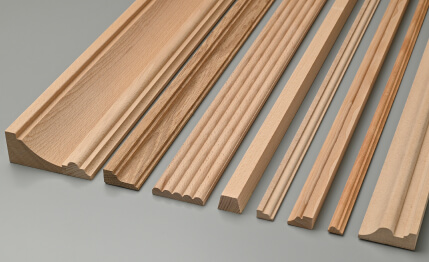
Polystyrene moldings come in different types
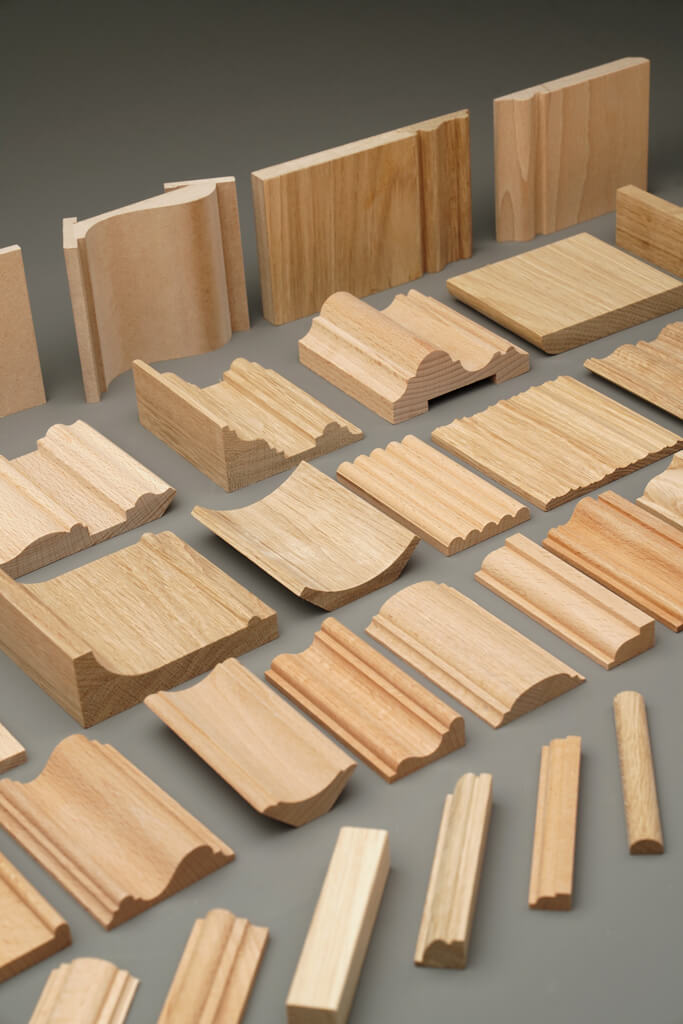
The word “polystyrene” on a price tag describes neither the density nor the actual durability of the profile. Lightweight expanded polystyrene foam, denser extruded material and impact-resistant polystyrene compositions differ noticeably from one another.
Lightweight foam decor usually appeals with its low price and weight. It is suitable for certain interior work, but on furniture its thin edges and protruding areas can be vulnerable to dents. Dense polystyrene molding behaves differently: individual products offer good impact resistance and are designed for regularly used surfaces. Without data from a specific manufacturer, one cannot transfer the properties of the softest profile to the entire group.
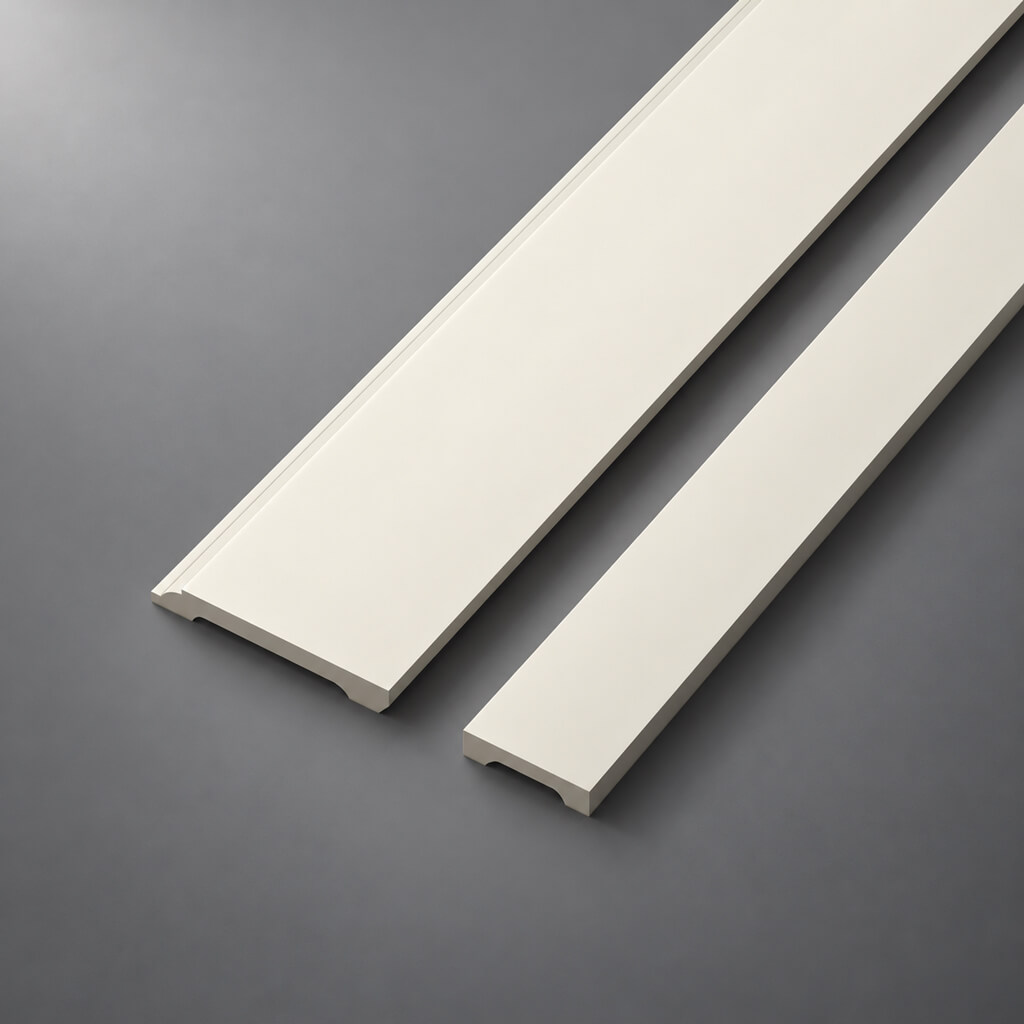
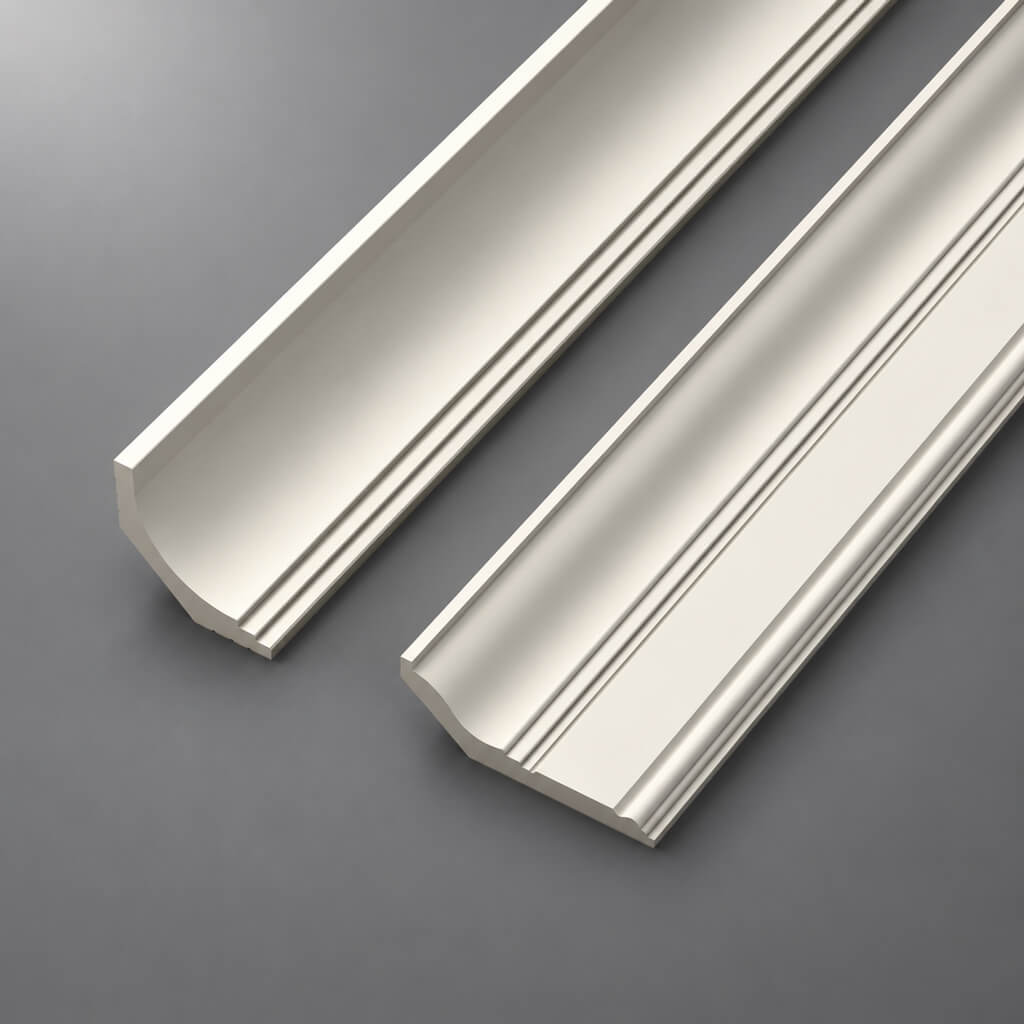
There is another difference as well. A simple smooth strip, a complex floral ornament, and a three-dimensional corner piece are three different products. The ability to manufacture each of them is determined by the technology and product range of a specific brand, not just by the name of the plastic.
Our factory also produces:


What polyurethane furniture decor is
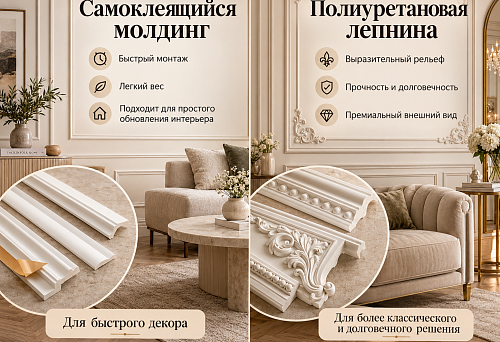
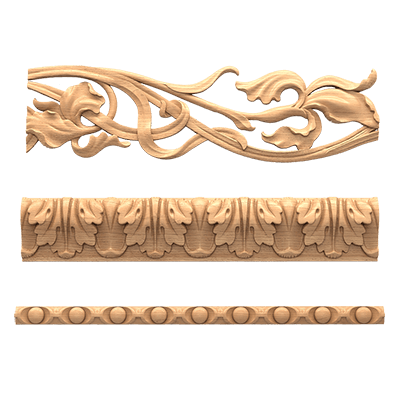
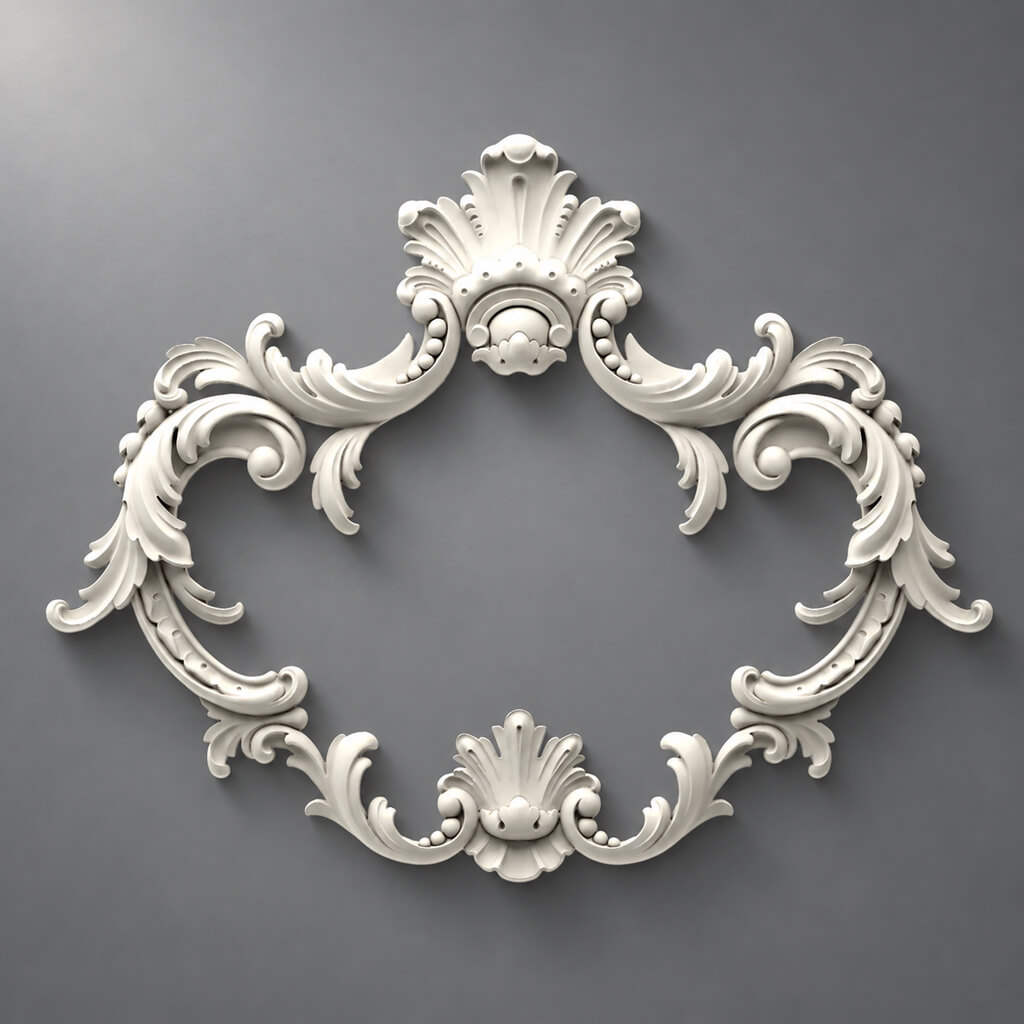
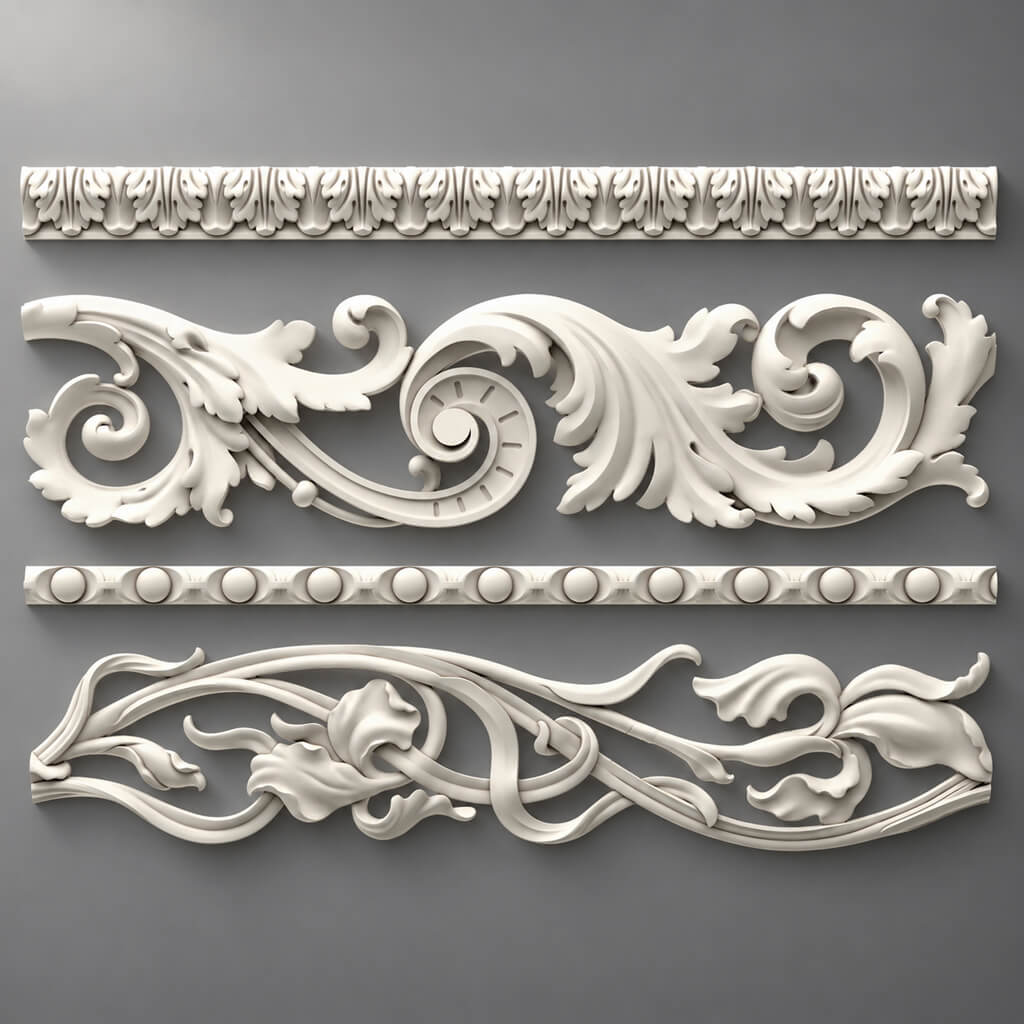
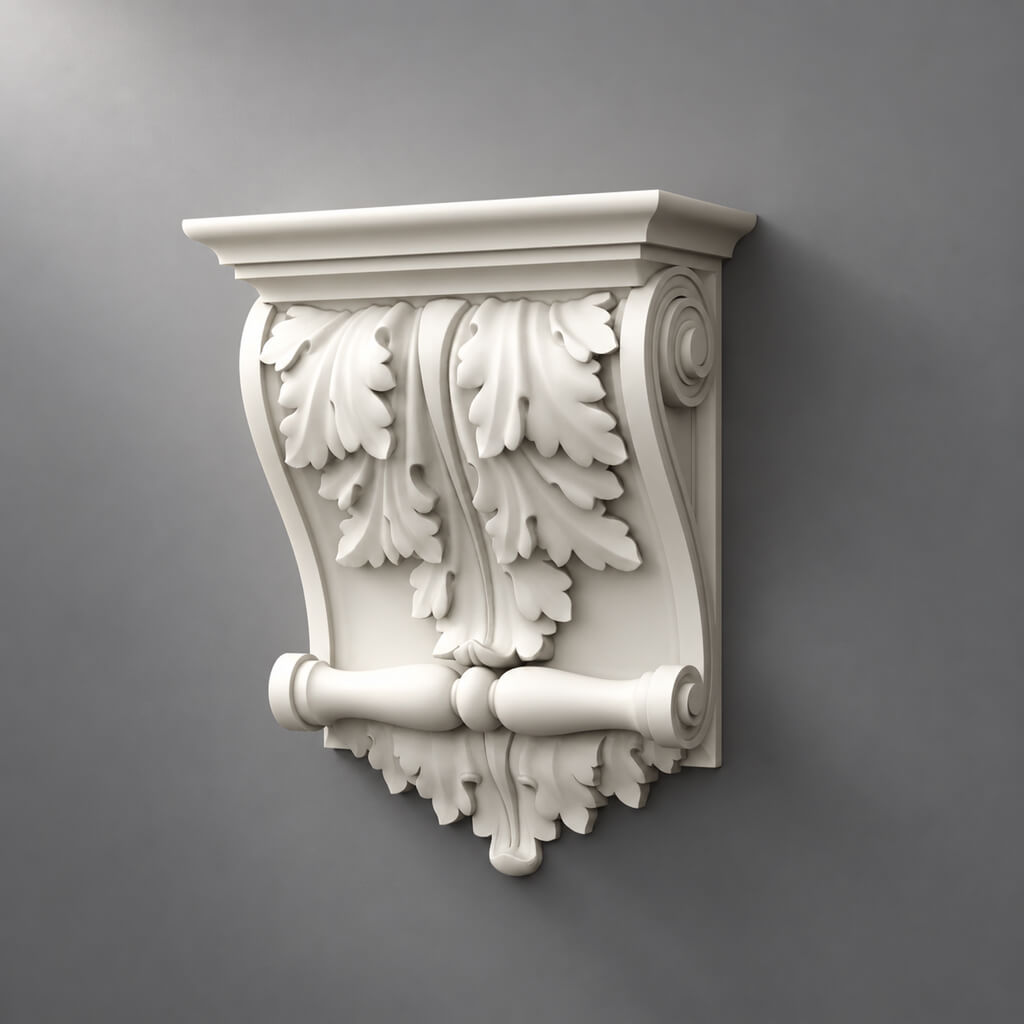
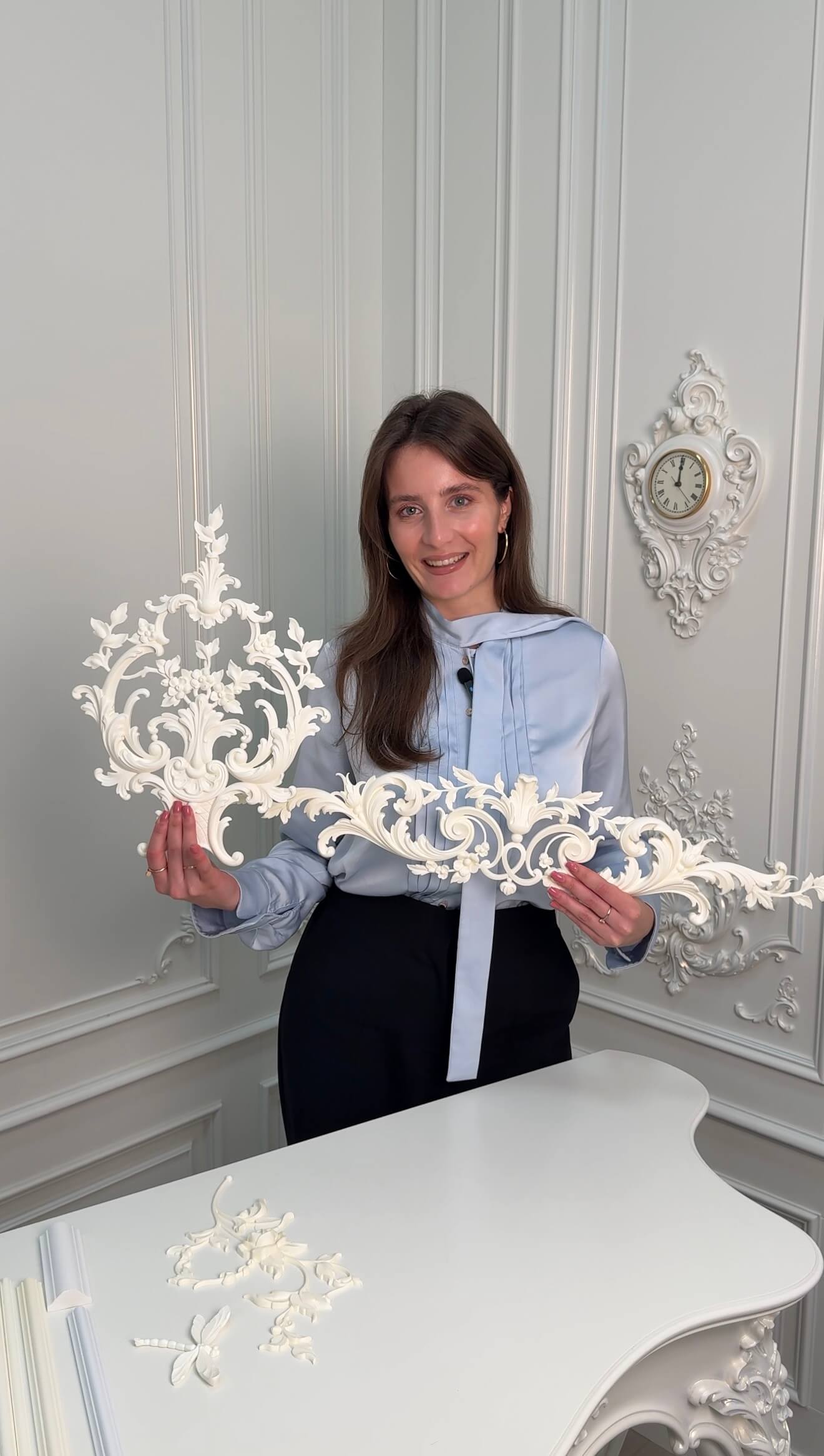
Rigid molded polyurethane compounds are used for decorative elements. A profile or overlay with a repeatable pattern is produced from a prepared mold. This production method is especially convenient for symmetrical leaves, scrolls, cartouches, and small relief details that need to be reproduced on several doors.
STAVROS offers straight polyurethane moldings for furniture decor, overlay ornaments, and elements for decorative frames. The buyer can first design the facade and then select details of suitable width and scale. This is a practical advantage of the range, not proof that any polyurethane is unconditionally stronger than impact-resistant polystyrene.
Molded polyurethane also requires careful handling. A thin protruding part of the ornament can be damaged by impact; an unsuitable solvent can ruin the surface; a weak adhesive bond will not save even a quality product.
Get Consultation
Why furniture requirements are stricter than those for wall moldings
On a wall, molding can remain out of reach for years. On a cabinet, it ends up next to a handle, a moving door, and an adjacent door. Therefore, four checks are added to the usual appearance questions:
- whether the profile prevents the handle from being grasped and the door from being opened;
- whether its edge catches on the adjacent front when the door swings on its hinges;
- whether the texture can be safely wiped and its recesses cleaned;
- whether the decorative element will hold on a specific surface of MDF, wood or furniture board.
Overlays that protrude above the front surface should be checked especially carefully. The door opening angle and the actual path of the handle matter more here than a nice image on the product page.
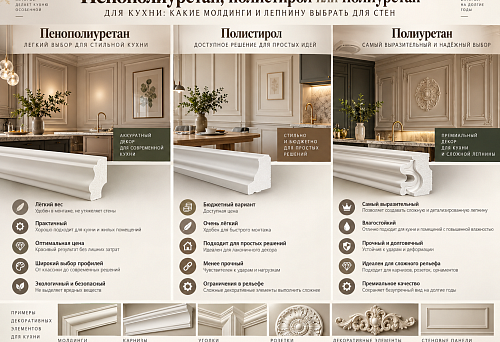
Polystyrene or polyurethane for furniture: a comparison by key criteria
| Criterion | Polystyrene decor | Polyurethane decor |
|---|---|---|
| Initial cost | Simple lightweight profiles are often cheaper | Complex molded elements may cost more |
| Impacts and dents | Highly dependent on density and formulation; impact-resistant options are available | Depends on the composition, cross-section and shape of the protruding parts |
| Complex terrain | Options depend on manufacturing and product range | There is a wide selection of molded three-dimensional ornaments |
| Repeatability on doors | Possible with stable geometry of the selected products | Convenient to select identical elements from the same series |
| Surface Quality | Depends on the product and its factory preparation | A smooth surface prepared for painting is possible |
| Paint and primer | A compatible system without damaging solvents is required | A compatible system is required, taking into account the factory coating |
| Fastening to MDF | Possible with suitable adhesive and surface preparation | Possible if the same substrate requirements are met |
| Care, humidity and heat | Determined by the product, finish, joints and conditions | Also determined by the entire system and permissible operating conditions |
| Complex framed composition | You need to look for mutually compatible elements | STAVROS has straight profiles and matching decorative elements from selected collections |
What durability means in real-world use
Near the drawer handle, the main risk is not the destruction of the entire long strip. Usually, the vulnerable areas are the edge of the profile, the protruding ornament leaf, and the spot that is constantly bumped by fingers or objects. If the compared moldings are made of dense polystyrene and rigid polyurethane, without comparable tests it is impossible to declare a winner in impact resistance.
However, the construction can be checked. A low, smooth profile that fits tightly to the surface protrudes less into the path of the hand. A large figured overlay creates a pronounced relief but requires free space. Therefore, for a working kitchen door, it is sometimes better to choose a restrained molding, while for a tall cabinet in the living room, a full ornamental composition is appropriate.
What affects the neatness of painting
After enameling, two profiles can look almost identical if prepared and painted correctly. The difference shows in the details: how even a cut can be achieved at the corner, whether the front line matches on adjacent elements, whether pores or joint marks remain, and whether the thin ornament loses its pattern under a thick layer of paint.
With clear varnish, there is another limitation: a polymer overlay does not acquire the natural texture of wood. If oak furniture is intended to be left under a clear finish, it is more reasonable to consider wooden carved decor. Polyurethane is especially interesting where the entire facade will be painted with opaque enamel.
What is the advantage of a ready-made system of parts
A pronounced ornament is beautiful only when it matches the frame. An overlay of too large a scale, random corner elements, and a narrow molding may each look good individually, but on a single door they can create an inconsistent composition.
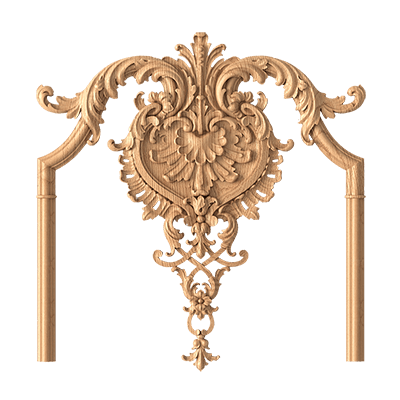
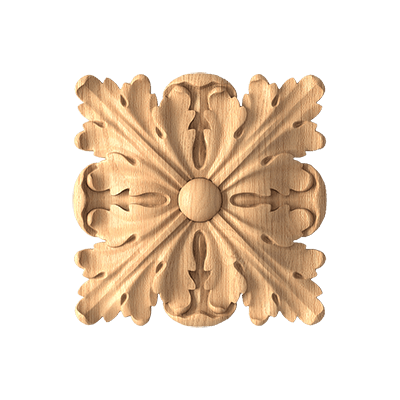
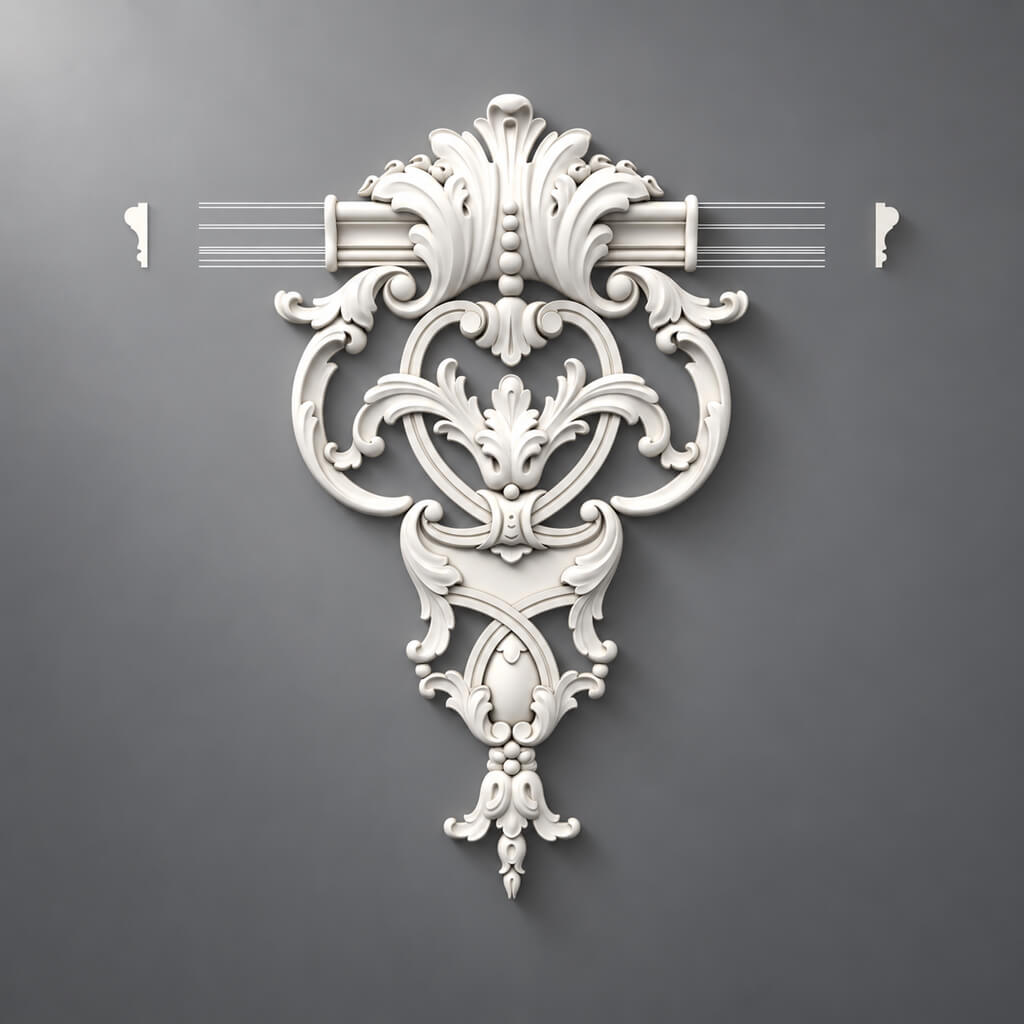
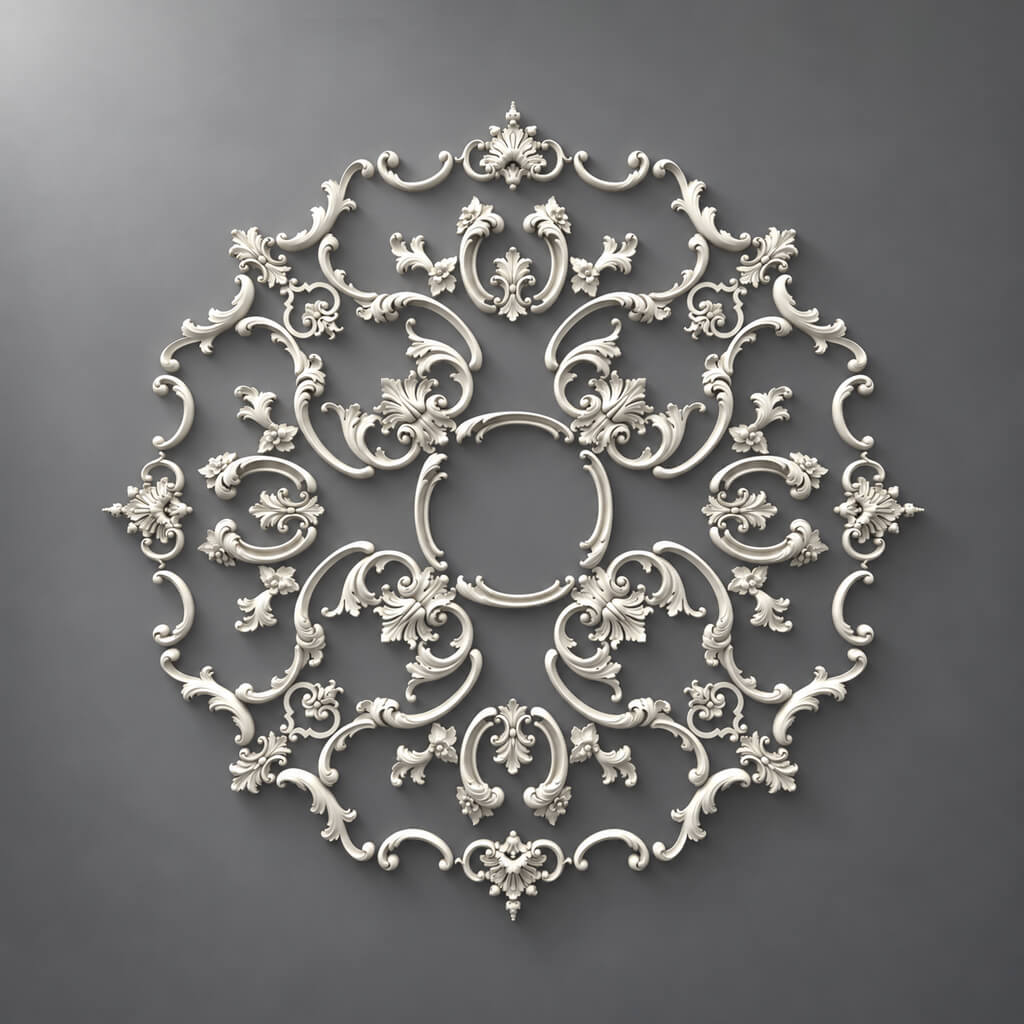
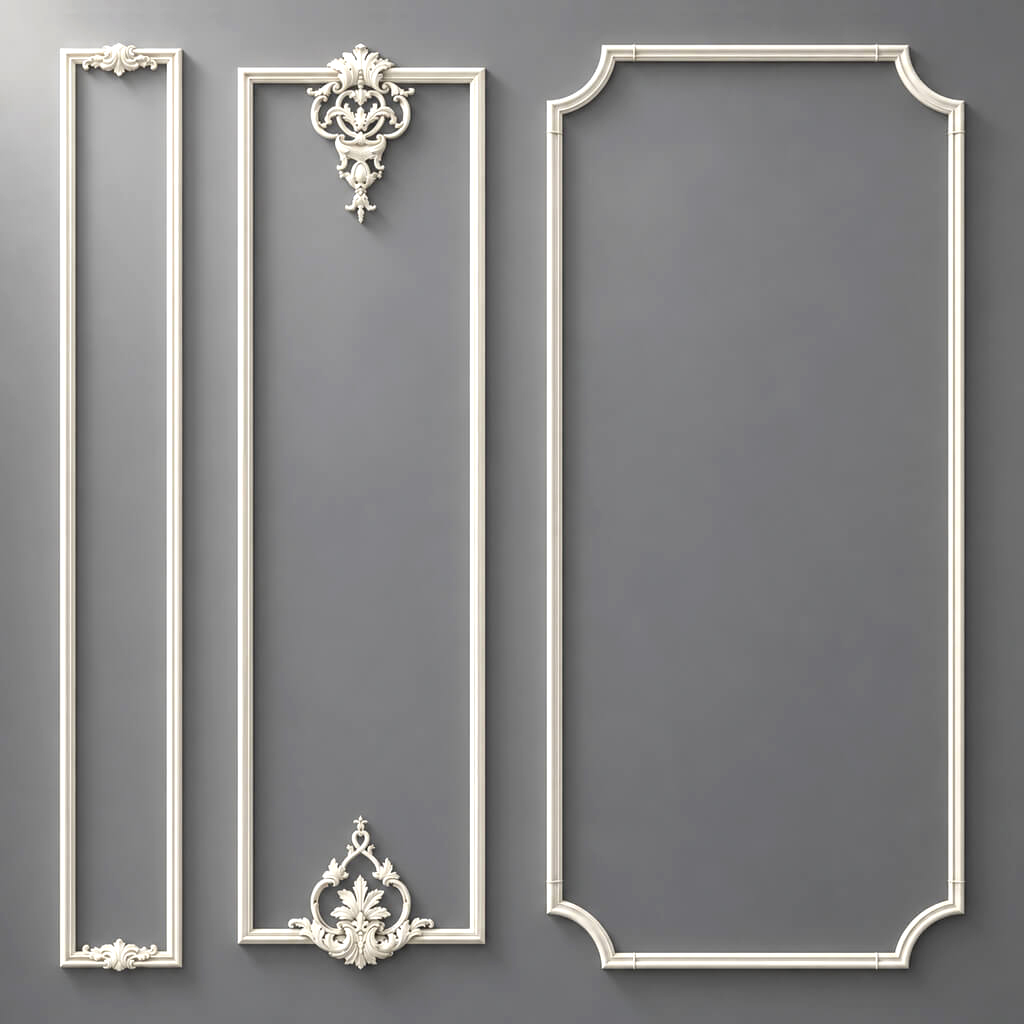
STAVROS offers Polyurethane decorative appliques in various formats. For some moldings, special corner and center elements are provided. This reduces the need to select decorative details by eye, although their compatibility with a specific article and facade dimensions still needs to be checked.
Why polyurethane overlays are suitable for complex furniture design
The relief creates volume without milling the door
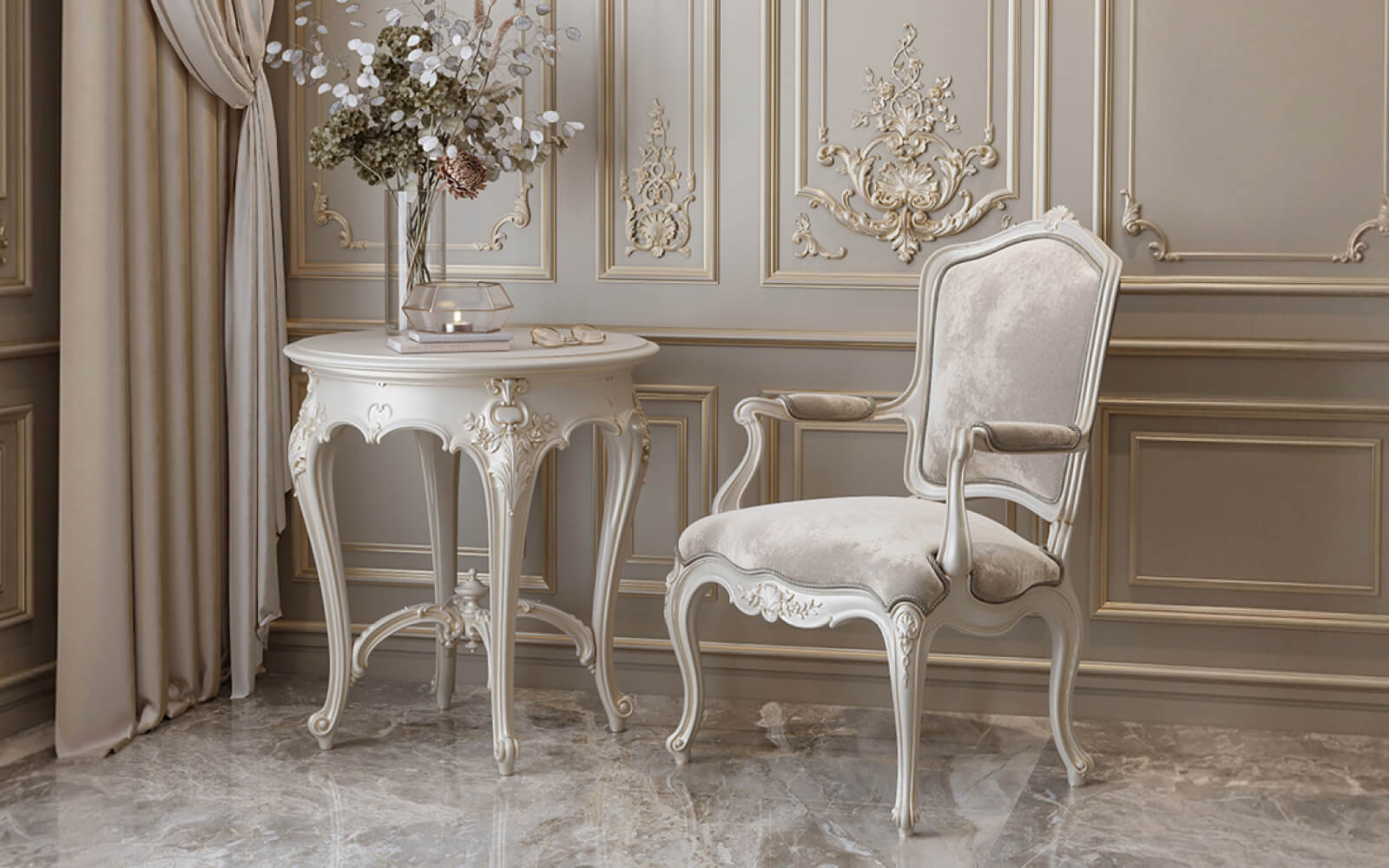
On a smooth MDF facade, the moulding forms the outer contour of the frame, while the overlay introduces a second level: a leaf, scroll or central cartouche projects forward and casts a shadow. In side lighting, the decorative surface no longer looks flat.
For such a result, there is no need to cut the floral pattern directly into the door. The overlay can be installed on a prepared surface. However, structurally it remains applied decor rather than a true panel: it does not reproduce the joints and the workings of the parts of a traditional frame-and-panel door.
Repeatability matters for cabinets with multiple doors
Imagine a cabinet with four identical doors. Each is planned with a frame and two small ornaments. The decorative elements must match in dimensions, relief depth, position of the axis of symmetry and direction of the pattern.
A system of identical moulded parts makes it possible to calculate the set in advance and distribute the elements across the facades. But even ready-made products do not eliminate marking out: a slight offset of the overlay relative to the handle will repeat on all doors and will be noticeable when looking at the cabinet as a whole.
A single enamel ties the overlay and the base together
When the polymer and the furniture facade are painted with a compatible opaque system, the difference in the original materials visually recedes into the background. The silhouette and shadow come to the fore. This is especially noticeable on white, graphite and light beige facades.
There is one condition: the primer, adhesive and finish coating must be suitable for both polyurethane and the door material. Painting will not fix a poorly glued corner, a noticeable step at the joint or peeling old film.
Which STAVROS mouldings and overlays to choose for a furniture facade
| Product | Dimensions, mm | Possible task | What to check before ordering |
|---|---|---|---|
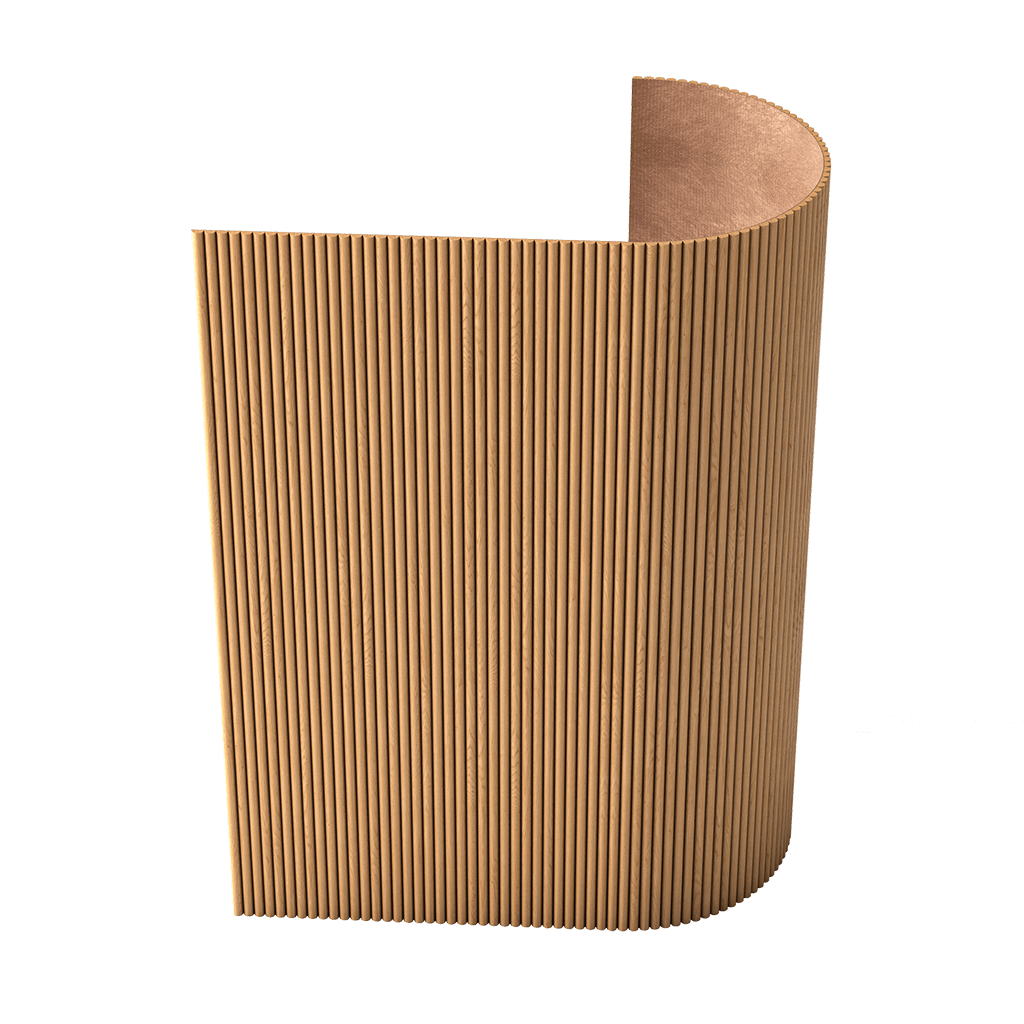
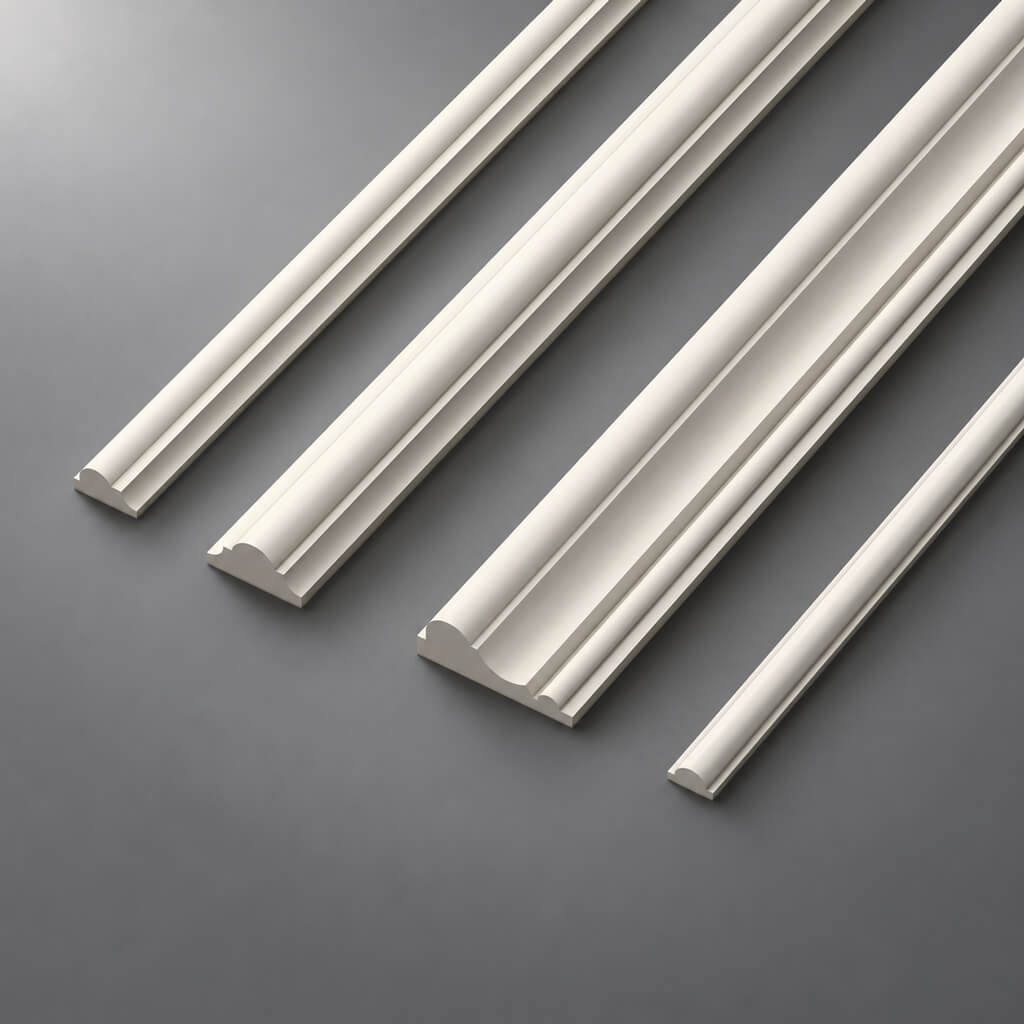
| MLDPU-001 | 10 × 6 × 2600 | Thin frame of a small facade | Edge offset, evenness of the cut |
| MLDPU-004 | 15 × 8 × 2600 | More noticeable cabinet outline | Scale relative to door width |
| MLDPU-002 | 22 × 11 × 2600 | Pronounced classic frame | Space for ornament and handles |
| NPU-506 | 12 × 205 × 5 | Narrow ornamental insert | Pattern orientation and available length |
| NPU-507 | 392 × 336 × 18 | large central accent | Facade height and width, protrusion, opening |
Dimensions are given according to the STAVROS product cards. For mouldings, the profile width, projection and length are specified; for overlays, the overall dimensions are given in the order shown on the cards. For overlay elements, it is especially important to clarify which side is considered the height in the working orientation.
How to match a profile to the door width
Suppose the door is 400 mm wide. If a frame with an outer edge width of 330 mm is used, the free margin on each side will be (400 − 330) / 2 = 35 mm. Here the dimension is set by the outer boundary of the frame. If you mark along the axis of the moulding, its actual edge will be closer to the edge of the door. Additional clearances may be needed near the hinges and handle.
Therefore, first mark the outer contour of the frame on paper or with masking tape, then place a section of the chosen profile against it. Assess not only the geometry but also how much the frame visually weighs down the door. The narrow MLDPU-001 does not produce the same effect as the 22 mm wide MLDPU-002.
A moderately pronounced line is often more successful for drawers and small kitchen fronts. A larger cross-section can be considered for tall cabinet doors — if it does not interfere with moving parts.
When a large overlay is not suitable
NPU-507 measures 392 × 336 × 18 mm. On a 400 mm wide front, such an overlay would leave only (400 − 336) / 2 = 32 mm on each side with perfect centering — even before accounting for the frame, handle and opening. For a typical small kitchen cabinet door, this is likely too large a decorative element.
On a spacious tall cabinet door, the conditions are different. A large decorative overlay NPU-507 can be considered as a central accent if you first verify its actual dimensions with a full-size template and leave free zones around the handle.
Consistency of elements is not the same as identical material
Two polyurethane products from different series do not necessarily match each other. Matching material does not guarantee matching profile, ornament and joint geometry.
For example, MLDPU-002 has special decorative elements of series 002. When using such parts, it is important to verify the specific article number, drawing and facade area: a large corner block designed for a wall panel does not become suitable for a small door just because it is formally compatible with the molding.
Three furniture renovation projects using polyurethane decor
Project No. 1. A thin frame on a smooth cabinet door
Initial data: a conventional door 400 mm wide and 700 mm high. A calm decorative contour without volumetric ornament is needed. We are considering polyurethane molding MLDPU-001 10 mm wide or slightly more noticeable decorative molding MLDPU-004 15 mm wide.
Let's set the size of the future frame by the outer extreme points of the cuts: 330 × 600 mm. After centering, 35 mm of free margin will remain in width and 50 mm in height. This is a geometric example, not a mandatory standard for indents for all fronts.
Total length of the four parts excluding cuts:
L = 2 × (330 + 600) = 1860 mm.
One strip 2600 mm long mathematically covers the requirement: 2600 − 1860 = 740 mm. If the saw kerf width is conventionally 3 mm and several cuts are needed for cutting, this remainder is still large enough. But the actual consumption should be clarified based on the orientation of the cuts, the quality of the ends, and the selected equipment. The specified 3 mm is only an example for calculation, not a requirement for the tool.
Work sequence:
- Remove the handle or mark the area around it where the molding must not go. Check the opening path of the leaf.
- Mark out a rectangle on the front and check both diagonals. In a true rectangle they must match.
- Make the cuts for the chosen geometry, dry-fit the four parts and assess the corner joints.
- Make sure the base material, the old coating and the mounting adhesive are compatible.
- Fasten the parts according to the chosen adhesive's technology, fix minor joint defects with suitable repair materials and apply the finish.
On two doors of the same size, the frames must share a common top level. This is especially important when the cabinet is placed near a window: side light quickly reveals any misalignment of the lines.
If there are four such doors, the clean length of the parts will be 4 × 1860 = 7440 mm. Three strips of 2600 mm give 7800 mm. With a carefully drawn cutting map, the material can fit into three strips. For example, one strip contains two parts of 600 mm and four of 330 mm — 2520 mm in total, while the other two contain three parts of 600 mm and two of 330 mm each — 2460 mm each. In all three cases, the saw kerfs, end trimming, and possible defects must be accounted for separately. Ordering "by dividing the linear meters" without such a check is not allowed.
Project No. 2. Tall cabinet with a classic decorative frame
For a tall cabinet with painted fronts, you can choose Polyurethane molding MLDPU-002 with a cross-section of 22 × 11 mm. Its profile is more prominent than that of thin moldings, so it can form the basis of a classic composition without deep MDF milling.
Let's consider a conventional frame of 460 × 1500 mm on a tall door of suitable dimensions. For the four straight sides you need 2 × (460 + 1500) = 3920 mm of molding without process waste. Two strips of 2600 mm give 5200 mm. If each holds one 1500 mm piece and one 460 mm piece, that makes 1960 mm each plus saw cuts. There remains room for trimming and test joints.
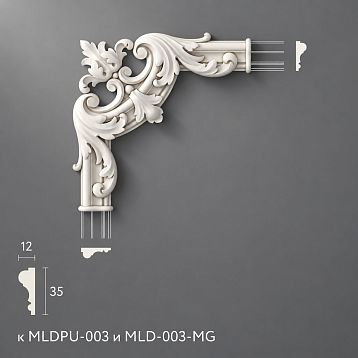
The ornament can be added not in every corner, but at a separate compositional point. For example, central decor MLDPU-2-2.1 belongs to a series coordinated with MLDPU-002. However, its dimensions and position must be checked on the full door drawing. An element that matches the cross-section of the straight strip may still turn out to be excessively large for a furniture facade.
For large wall systems of the same series there is also a corner element MLDPU-2U-1.1 measuring 210 × 210 × 18 mm. On a furniture frame 460 mm wide, two such corners would take up 210 mm horizontally on each side and leave only 40 mm between them. This is a clear example: geometric compatibility of a series does not mean compositional suitability of the product.
Before making the final choice, it is useful to assemble a full-size paper mock-up of the facade. If the three-dimensional elements compete with the handles or eat up free space, keep only the molding frame. More complex decor is not always appropriate.
Project No. 3. Vertical ornamental inserts on a chest of drawers
For three identical drawers, you want to introduce a small ornament, but not create a heavy frame around the perimeter. Here you could consider a polyurethane overlay NPU-506 with dimensions 12 × 205 × 5 mm.
The narrow relief element can be positioned as a vertical accent along the sides of the decorative field if the height and construction of the front panel allow it. But the drawer front must be tall enough for a 205 mm long element with the necessary clear margins. On a low drawer, the overlay cannot be "reduced" without altering the ornament, so it is better to abandon it or choose a different format.
For three drawers with paired inserts, you will need six identical elements: 3 × 2 = 6. Before purchasing, mark the center lines of each drawer, the handle positions, and the placement of the inserts on a paper template. If the central handle occupies the same zone, you cannot shift one overlay separately from the others — the entire layout will need to be changed.
On a dresser, the decorative effect is often determined not by the number of details, but by their repetition. Two symmetrical lines on each drawer can look more cohesive than three different ornaments selected without a common axis.
Polystyrene or polyurethane for the kitchen: where the limits of use lie
Moisture and frequent cleaning
In the kitchen, the decorative coating is constantly in contact with a damp cloth, detergents, grease, and dirt near the handles. Neither polystyrene nor polyurethane in finished furniture can be assessed solely by the resistance of the polymer itself to water: the weak point is often in the bond between the decor and the front, the seam, or damaged enamel.
For kitchen furniture to be painted, you should choose not only the moulding but also a coordinated system of priming, adhesion and protective finishing. The coating must withstand the intended care regimen. A product with a beautiful photo but no information on permitted cleaning and temperature should not automatically be considered suitable for the kitchen.
Facade near the sink
The lower cabinet next to the sink receives more accidental splashes, and water can linger at the joints. Before installation, check the MDF edges, the condition of the existing coating and how tightly the joints fit. If the base has swollen or the old film is peeling off, an adhesive overlay will not restore its strength.
In this location, small smooth profiles with a surface that is easy to wipe are especially useful. A deep floral relief with many recesses will require more labor-intensive care.
Area of the hob, oven and other heating appliances
Do not place decor at random near a heat source. Polyurethane and polystyrene products may have different permissible temperatures, and the actual heating depends on the kitchen layout and household appliances.
The furniture instructions, the documentation for the selected decorative element and the appliance manufacturer's requirements all matter. No universal safe distance can be specified without this data. If there is no confirmation, it is better to move the composition further from the hot zone or avoid a polymer overlay in this location.
Protrusion and ease of use
A profile with a protrusion height of 6–8 mm and an overlay with an 18 mm relief have completely different space requirements. Before ordering, open the door to a working angle and check the path of its outer surface relative to adjacent facades, the side panel and handles.
If the decor ends up in the area where a hand reaches or catches on the adjacent door, a calmer frame without large overlays will be more beneficial than a complex ornament.
Why the price of a single strip does not equal the cost of a finished facade
A simple polystyrene molding may win on initial price. But to decide on a purchase, you need to calculate the entire decorative system.
| Cost item | Simple frame | Frame with ornamental elements |
|---|---|---|
| Straight profiles | Four segments per facade | Four segments, sometimes with additional sections |
| Corner and center pieces | Usually not needed | Selected separately based on compatibility and scale |
| Trimming | Four sides and joints | Trimming plus alignment of joints with overlays |
| Adhesive installation | Fixing straight parts | Marking and fastening of each relief element |
| Preparation and painting | Finishing of joints and the entire frame | Additional painting of recesses, relief inspection |
| risk of rework | Inaccurate angle or weak base | Scale or ornament orientation error, incompatible elements |
It is more convenient to use a calculation formula without invented savings percentages:
Total cost = profiles + overlays + consumables + preparation + installation + painting + possible corrections.
A conditional example. For four identical doors with frames of 330 × 600 mm, sixteen straight segments are required, not four. If you additionally install two overlays on each door, you get eight more separate elements with eight placement and fixing operations. Their installation and painting take time regardless of the moulding material.
When you need one simple contour in an inconspicuous place, overpaying for a complex system makes no sense. When a cabinet must have coordinated relief frames, you compare the cost of the finished solution rather than the meter of a single profile. Current prices and availability are checked in specific product listings before ordering.
Repairability also influences the choice
A small scratch on a painted moulding can sometimes be removed with local touch-up painting. A broken ornament protrusion may require replacing the overlay. At the same time, a strong adhesive seam can damage old enamel or cladding during removal.
Check in advance whether it is possible to buy exactly the same item later, whether its size remains available, and how the finish coating will be restored. A relief installed under a durable overall paint is not always replaceable invisibly in one go.
How to prepare a facade for installing polyurethane decor
MDF for enamel, wood and laminated board
MDF for painting is convenient for a unified composition of the base, mouldings and overlays. But the edges and damaged areas of the board must be prepared in accordance with the priming system. Do not glue decor to a dusty sanded surface without checking adhesion.
Painted wood requires an assessment of the old coating. Even a suitable adhesive will not hold the decor reliably if the varnish or paint is peeling. In addition, wood changes dimensions with humidity fluctuations, and this must be taken into account in the design of the joint.
Laminated furniture board may have a smooth, low-absorbency surface. Not every mounting compound is designed for such a substrate. Compatibility is checked according to the manufacturer's instructions, and then a test bond is made. If the lamination or film adheres poorly to the board itself, fixing the overlay on top of it will not remedy the situation.
A film-faced front is especially sensitive to the condition of the facing and possible heating. For old film with bubbles, cracks and peeling, decorating does not replace repair or the manufacture of a new front.
Preparation and adhesive selection
The substrate must be dry, clean and sufficiently strong. Remove grease and dirt with products approved for the given coating. Aggressive solvents must not be used without testing: they can damage both the front facing and the decor itself.
When choosing a mounting compound, read not the general phrase "for decorative elements" but the list of compatible substrates. Confirmed suitability for polyurethane and the specific front surface at the same time is required. An adhesive for porous plaster does not automatically become suitable for laminated board. The application method, fixation during setting and readiness for painting are determined by the instructions of the selected system.
Before mass installation, it is useful to glue a small unnecessary piece to a sample of the same front, wait the time specified by the manufacturer and check the bond without damaging the working door. For a questionable substrate, it is this test that decides whether the technology is permissible.
Installation and painting sequence
- Take exact dimensions of the front and mark all areas occupied by handles, hinges and adjacent doors.
- Place the paper overlay templates and actual molding samples. Open and close the leaf several times.
- Cut the strips and do a dry assembly. Check symmetry on all doors before applying glue.
- Prepare the base and the back sides of the products in accordance with the instructions for the selected materials.
- Glue the parts and secure them using an approved method. Do not load the joints before the specified time.
- Once the glue has cured, treat small joints with compatible materials, prime the necessary areas and paint the entire composition.
If the decor has already been painted separately, the transition between it and the front may be more noticeable. For furniture under a single enamel, a common finishing layer is often more convenient, but it can only be applied after the joints have been prepared. Thick enamel does not replace proper installation: it only fills in the details of the relief and makes the pattern less distinct.
Seven mistakes when choosing decor for furniture
1. Comparing materials by price only. They take the cheapest profile without checking whether it is lightweight expanded polystyrene or a dense impact-resistant material. After installation, damaged edges or an unsuitable appearance are discovered. The solution is to compare real samples by shape, finish, application conditions and availability of additional elements.
2. Choosing a molding that is too wide. On a 300–400 mm door, a heavy frame may leave too little free field. Correct the mistake before purchase with full-size marking; a narrow profile often looks more convincing than a wide one.
3. Not checking the handle and the movement of the leaf. The overlay falls within the grip area, and the corner of the frame catches the adjacent front. Check opening with a temporarily attached template, not only on a closed door.
4. Using a random mounting adhesive. The composition may not hold on smooth laminate or may damage the polymer. Before work, check both contacting surfaces, the instructions and the result of a test bond.
5. The ornament is filled with a thick layer of paint. The recesses lose definition and drips appear. Paint is applied according to the chosen system in thin, controlled layers, checking the pattern under side lighting.
6. Adjacent doors are decorated without a unified scheme. The frames differ in height, and the overlays are offset relative to the handles. Marking is done across the entire set of fronts at once, with a single baseline and symmetry checks.
7. The product is placed next to a heat source without checking the conditions. Even a carefully painted decor may prove unsuitable for a specific temperature. Operating requirements are verified before ordering; when in doubt, choose a different location or material.
Frequently asked questions
Polystyrene or polyurethane — which is better for furniture decor?
For a thin, smooth frame in a calm area, a quality polystyrene profile is suitable if it is designed for the required conditions and is compatible with painting. For a front with three-dimensional ornament, several repeating overlays and coordinated frames, it is convenient to choose a polyurethane system. One cannot declare a material the winner as a whole without the characteristics of specific products: dense impact-resistant polystyrene and rigid polyurethane come in different versions.
Which moldings should I choose for a cabinet to be painted?
Start with the scale of the door. On a small front, it is appropriate to compare profiles 10 and 15 mm wide; on a larger one, 22 mm. Then check the offsets, the position of the handle, the thickness of the protrusion and the possibility of cutting all frames identically. Choosing only from a front-facing photo is inconvenient: it is useful to look at a cross-section drawing and place a short sample against the front at full scale.
Can polyurethane overlays be glued to MDF?
Yes, with suitable MDF preparation and a compatible adhesive. However, a sanded board intended for future painting, an already painted front and a laminated surface require different solutions. Before installation, check the strength of the coating, the absence of dust and the recommendations of the adhesive manufacturer. On an old front, a test on a sample is useful: even a quality overlay holds only as reliably as the weakest layer of the bond.
Are polyurethane moldings suitable for the kitchen?
They can be considered for kitchen furniture intended for painting if the compatibility of the material, adhesive, primer and finish with the actual operating conditions has been confirmed. Near the sink, edge protection and the finish's resistance to cleaning are important; near the stove, the permissible temperature matters. You cannot extend the general moisture resistance of the polymer to the entire furniture assembly or declare any product suitable for the heating zone.
Which is stronger: high-impact polystyrene or polyurethane?
There is no universal answer. Strength depends on the specific formulation, density, wall thickness, cross-sectional shape and the nature of the impact. One material may better withstand a certain type of impact, while another may have a more suitable geometry of protruding elements. For furniture, it is more useful to compare the characteristics of the selected products and assess the installation location: the load near a handle and on a protruding corner differs from that on the central part of a calm facade.
How does a decorative applique differ from a molding?
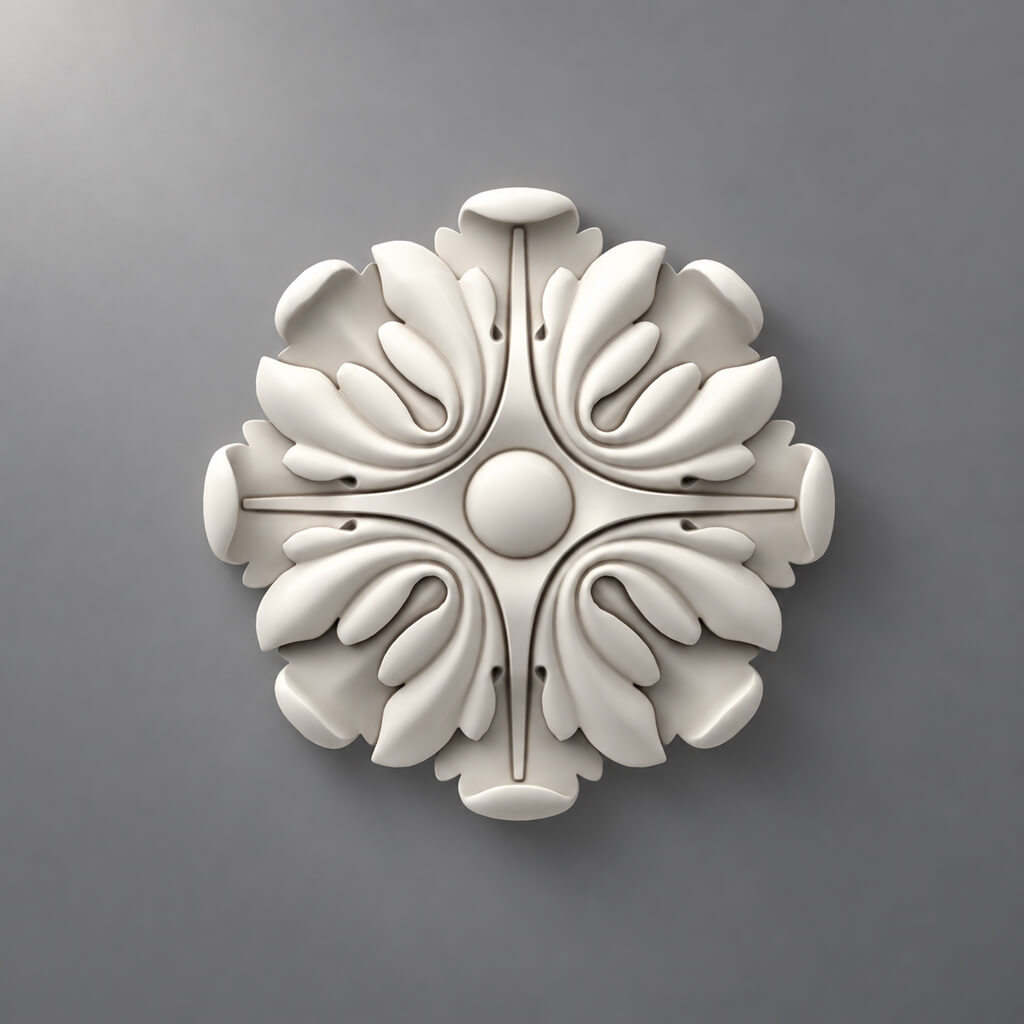
A molding is an extended profile used to form a line, frame or transition. An applique is a separate ornamental element of specified dimensions: a leaf, cartouche, rosette or other relief decoration. Their functions can be combined, but they are not interchangeable. For example, the frame around a door panel is assembled from straight moldings, while the central point is decorated with an applique only if there is sufficient space and a suitable style.
Can moldings be painted together with a furniture facade?
Yes, if the decorative elements are fixed, the joints are prepared, and the paint and primer are compatible with both materials. A common coat of opaque enamel helps visually unite the facade and the relief. But first you need to complete the adhesive work and observe the conditions specified by the manufacturer. Paint does not hide large gaps or strengthen loose areas; excessively thick layers impair the legibility of fine ornament.
How can a smooth cabinet be updated without milling?
Take the dimensions of the doors, choose the height and width of the frame, calculate the required linear footage of molding and make a full-size layout. After checking that the leaves open, cut the parts, do a dry assembly, glue them to the prepared facade and paint. Relief appliques can be added separately, but this is an optional step. The door base itself remains smooth: the volume is created by the applied elements.
How to choose STAVROS polyurethane decor and get the set right?
Draw up a diagram of each facade with dimensions and free-space zones. For straight frames, determine the suitable profile, and for ornament, the overall dimensions of each overlay and the degree of protrusion. If corner or center inserts are needed, verify that the article numbers are compatible with the selected molding specifically. Order quantities according to the cutting map and the number of doors, not by the approximate length of the cabinet. For coordinated solutions, the catalog presents corner and center elements from individual series.
What to choose for your furniture project
If the task is to create one simple decorative line on an inexpensive cabinet, a quality polystyrene molding may well meet the requirements. There is no need to pay extra for a more complex product just because of the material's name.
A different situation is a cabinet with four identical facades, relief frames, and symmetrical overlays. Here the value lies not in an individual strip, but in the ability to assemble the entire composition from elements of the right scale, position them correctly near the handles, calculate the cutting, and obtain a single painted surface. For such projects, STAVROS polyurethane moldings and overlays provide a specific choice, including decor for polyurethane moldings.
Before purchasing, take measurements, lay out the paper templates, check the movement of the doors, and determine a compatible installation and painting system. After that, choosing decor is much easier: it is clear which products are actually needed, how many of them will be required, and which striking but unsuitable details are better to abandon.