Article Contents:
- What is a furniture glide and why is it needed
- When should you buy a furniture glide
- To protect the floor from scratches
- To reduce noise when moving furniture
- To level or stabilize furniture
- To extend the service life of wooden legs
- To neatly finish furniture assembly
- Self-adhesive furniture glides
- Plastic foot pads
- Furniture glides with nail
- Adjustable glides
- Furniture glides for chairs, tables and case furniture
- Leg diameter and shape
- Floor material
- Furniture weight
- Mounting type
- Glide thickness and height
- Compatibility with wooden legs
- How to prepare the surface
- How to install self-adhesive glides
- How to install a glider with a nail
- What to check after installation
- Chairs scratch laminate flooring
- Table makes noise when moved
- Wooden legs need protection on the bottom
- Furniture is assembled from scratch
- Need to protect the floor in a cafe, salon, or office
- Choose a furniture glide without measuring the leg
- Do not consider the floor material
- Assume that the furniture glide will fix a poor leg attachment
- Stick a self-adhesive furniture glide onto a dirty surface
- Place different furniture glides on the same piece of furniture
- Confuse a furniture glide with a mounting plate
- Do not check the product card
- Where to buy furniture glides?
- How to install furniture glides?
- How to properly install furniture glides on wooden legs?
- Which glide to choose for wooden legs?
- How is a glider different from a mounting plate?
- What to buy together with gliders?
- Is a self-adhesive glide suitable for chairs?
- Can a glider be installed on old furniture?
- Will a glider help if the table wobbles?
- How to know if an adjustable glider is needed?
- Can a glider be used instead of a furniture leg?
- Why does the furniture glide peel off?
- Do I need to install furniture gliders on furniture that isn't moved?
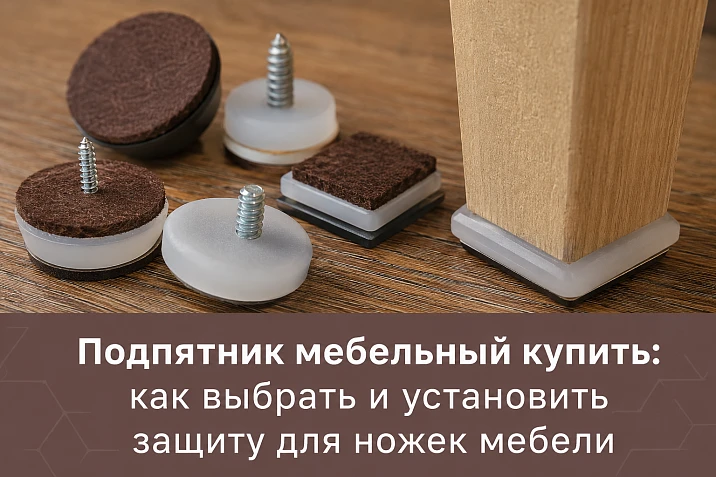
Furniture hardware has a peculiarity: the smallest elements are often remembered last. First, the body, legs, tabletop, handles, and fasteners are chosen. Then it turns out that the furniture stands directly on the finished floor, the legs rub against the covering, an unpleasant sound appears when moving, and the lower part of the support gets dirty and damaged faster. Therefore, it is better to choose a furniture glide not after the first scratch, but in advance — together with the legs, mounting hardware, and assembly materials.
Furniture fittings have a peculiarity: the smallest elements are often remembered last. First, you choose the body, legs, tabletop, handles, and fasteners. Then it turns out that the furniture stands directly on the finished floor, the legs rub against the covering, an unpleasant sound appears when moving, and the lower part of the support gets dirty and damaged faster. Therefore, it's better to choose a glide not after the first scratch, but in advance — together with the legs, mounting hardware, and assembly materials.
For the buyer, it's important here not just to find any pad for the leg. You need to understand which furniture glider is suitable for the specific furniture: self-adhesive, plastic, with a nail, adjustable, round, thin, taller, for chairs, tables, cabinets, wooden legs, or case furniture. A mistake in diameter, type of fastening, or floor material can render the benefit useless: the part will peel off, interfere with stability, leave marks, or look out of place.
At STAVROS you can buy a furniture glide in the furniture fittings section and choose it as part of a normal kit for assembly, repair, or furniture renovation. In this article, we'll break down when a glide is really needed, what options exist, how to choose the size and type of fastening, how to install a furniture glide without misalignment, and what to buy together if the furniture is assembled with wooden legs.

What is a furniture glide and why is it needed
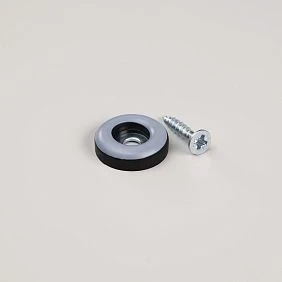
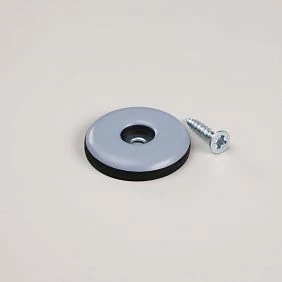
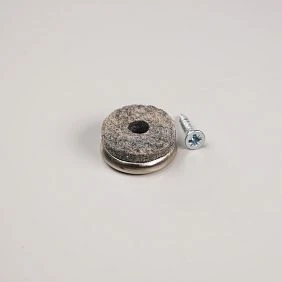
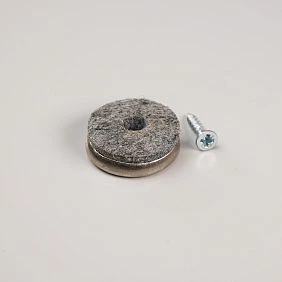
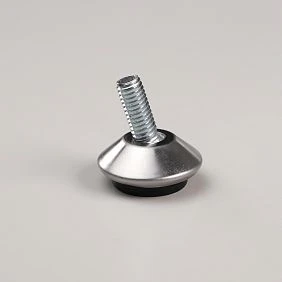
A furniture glider is a small protective part that is placed on the lower part of a leg, support, or base of furniture. It creates an intermediate layer between the furniture and the floor. Thanks to this, the leg does not rub directly against laminate, parquet, tile, or other covering, makes less noise when moved, and looks neater from below.
The simplest household scenario is a chair in the kitchen or dining room. It is constantly moved: sitting down, standing up, pushing back, pulling closer to the table. If the leg touches the floor directly, scratches, scuffs, noise, and marks appear over time. The glider softens the contact and takes part of the load. Therefore, it is often bought for chairs, stools, tables, nightstands, consoles, dressers, under-table supports, and furniture with wooden legs.
But floor protection is not the only task. A furniture glide helps cover the end of the leg, especially when it comes to a wooden support. The bottom part of a wooden leg most often comes into contact with dust, moisture after cleaning, abrasives from the floor, sand grains, and accidental impacts. The protective part reduces wear in this area. This is especially important for furniture that is moved or stands in a high-traffic area: kitchen, hallway, living room, cafe, salon, office, showroom.
There is also a visual aspect. When furniture is assembled neatly, not only the fronts and handles are considered, but also the bottom. The glider helps complete the assembly. It should not be conspicuous but must be matched to the size and type of leg. Too large will protrude beyond the edge, too small will not fully protect the end, too high may alter the furniture's fit, and an unsuitable attachment will quickly lose effectiveness.




When to buy a furniture glide
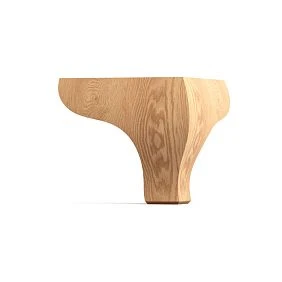
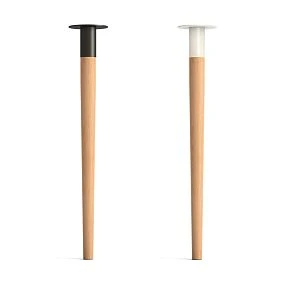
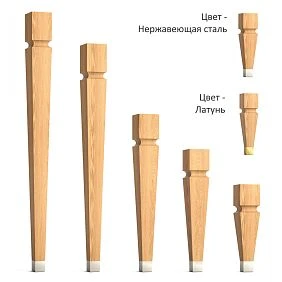
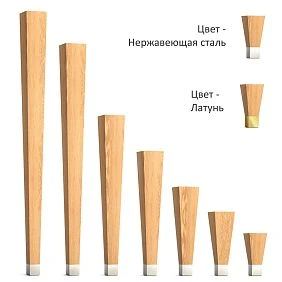
Our factory also produces:

To protect the floor from scratches
The main reason to buy a glide for furniture legs is floor protection. Laminate, parquet, engineered wood, tile, and even durable commercial flooring can suffer from constant friction. Chairs, stools, tables, lightweight cabinets, and furniture that is periodically moved are especially dangerous. Just one grain of sand under a leg can leave a noticeable line when moving.
On parquet and laminate, scratches are especially unpleasant: they are visible in side light, collect dust, and spoil the feeling of a neat renovation. The glider does not make furniture weightless but reduces the rigidity of contact. The leg no longer presses against the floor with a sharp wooden or plastic edge but rests through a protective layer.
For a new apartment or house, it is better to buy furniture glides in advance. When the finished floor is already laid and the furniture is just being assembled, this is the most convenient time for protection. Later, you will have to turn over chairs, remove cabinets, move tables, and deal with the consequences of already appeared marks.
Get Consultation
To reduce noise when moving furniture
The noise from chairs and tables is more annoying than it seems. In the kitchen, dining room, office, cafe, or meeting room, furniture is moved dozens of times a day. If the legs slide on tiles, laminate, or hard flooring, the sound is sharp. A furniture glide helps make the contact softer and quieter.
This is especially noticeable on chairs. When the lower part of the leg has no protection, every movement produces a squeak, knock, or harsh friction. A round furniture glide for legs helps reduce this effect. For furniture in a commercial space, this is not just a matter of comfort but part of the interior impression. Even an expensive table and beautiful chairs can be perceived worse if they scrape loudly against the floor with every movement.
This is also important for the home. Kitchen chairs, stools at the island, a living room table, children's furniture, a desk chair without wheels — all these items can be noisy. A furniture glide does not solve issues of poor assembly or misalignment, but it reduces the unpleasant sound from direct contact of the leg with the floor.
To level or stabilize furniture
Sometimes a furniture glide is purchased not only as protection but also as a way to improve the fit of the furniture. If one leg has a slight height difference, if the floor is not perfectly level, if old supports vary slightly in height, the protective part can partially smooth the contact. For serious leveling, special adjustable solutions are needed, but even a regular furniture glide helps make the support more precise.
Here it is important not to expect from the leg cap what it is not designed for. A self-adhesive option does not replace full adjustment. A leg cap with a nail will not fix a weak leg or a misaligned body. But it can reduce unpleasant wobbling if the problem is minor and specifically related to the lower contact. Before purchasing, you need to understand exactly what is happening: the floor is uneven, the legs are of different heights, the fastening is loose, or the lower part of the support is damaged.
If the furniture wobbles significantly, first check the structure: the leg attachment, the condition of the body, the presence of mounting plates, studs, threaded inserts, and screws. Only then select furniture glides. Otherwise, you might mask the symptom but not solve the cause.
To extend the service life of wooden legs
A wooden leg looks beautiful and makes furniture feel warmer, but its lower part needs protection. It contacts the floor, wet cleaning, dust, sand, and household loads. If the furniture is moved, the end can wear out faster. If the leg stands on tiles or hard flooring, the contact is particularly active.
The foot pad helps separate the wood from the floor. This is useful for tables, chairs, consoles, nightstands, dressers, benches, and other furniture with wooden legs. If you are buying wooden furniture legs, foot pads should be considered a natural addition to the order, not an unnecessary extra. The leg is responsible for height, style, and support, while the foot pad protects its lower part and the floor.
For wooden legs, size is especially important. The glider must match the bottom platform. If it is too small, part of the end will remain unprotected. If it is too large, the edge will be noticeable and may snag. Therefore, before purchasing, you need to measure the lower part of the leg and compare it with the size of the selected part.
To neatly complete the furniture assembly
When furniture is assembled from scratch, the glider completes the bottom assembly. It helps cover the contact point and makes the product more thoughtful. This is especially important for furniture that is made to order or assembled independently: tables, table bases, consoles, cabinets, chairs, benches, small designer items.
The buyer often thinks about large elements: legs, tabletop, fasteners, body. But it is the small fittings that show how carefully the item is assembled. If everything is thought out from below, the furniture does not scratch the floor, does not make noise, and does not look unfinished. If there are no gliders, even a beautiful item can cause everyday inconveniences.
Main characteristics of a furniture foot pad
In the SEO scheme for the article, a specific card is highlighted — self-adhesive foot pad FUR-042. From the card name, important parameters are confirmed: it is a self-adhesive round glider with a diameter of 25 mm. This format is convenient for simple installation on the lower part of the leg if the size matches the support and surface.
| Parameter | What is known and how it helps to choose |
|---|---|
| Product | Self-adhesive glider FUR-042 |
| Type | Furniture glider for protecting the bottom of the leg |
| Shape | Round |
| Size | Diameter 25 mm |
| Mounting method | Self-adhesive |
| Main task | Protection of the floor and the lower part of the furniture leg from direct contact |
| For which furniture | Chairs, tables, cabinets, consoles, furniture legs of suitable diameter |
| What to check before buying | Diameter of the lower part of the leg, floor material, furniture weight, frequency of movement, surface condition |
| Where to look | https://www.stavros.ru/products/furnitura-dlya-mebeli/furnitura/podpyatnik-samokleyashchiysya-d-25-mm-kruglyy-fur-042/ |
Such a table helps to quickly understand the product, but does not replace checking the product card. Before ordering, you need to verify the current specifications, make sure the diameter fits the leg, and understand whether the self-adhesive attachment is sufficient for your furniture. For light chairs, cabinets, and items with moderate load, the self-adhesive format is often convenient because it does not require complex installation. For heavy furniture or active commercial use, a different type of attachment may be required, or additional consultation with a specialist.
What types of furniture gliders are there
Self-adhesive gliders
A self-adhesive furniture glider is one of the most convenient options for quick installation. It is chosen when you need to protect the floor without drilling, nails, or complex preparation. The bottom of the leg is cleaned, degreased if necessary, the glider is applied to the center and pressed firmly. This format is especially convenient for chairs, lightweight tables, cabinets, consoles, and furniture where you do not want to interfere with the leg structure.
The main advantage is simplicity. No separate fasteners are needed, no holes to drill, no risk to the end of a wooden leg. If the size is chosen correctly, the glide neatly covers the contact area and helps protect the floor.
But the self-adhesive version has its own requirements. The surface must be clean, dry, and sufficiently flat. If the bottom of the leg is covered with dust, old glue residue, peeling varnish, or unevenness, adhesion will be worse. Therefore, surface preparation here is more important than it seems. A good glider can be ruined by poor installation.
Plastic furniture glides
Plastic furniture glides are used as protective and support elements for furniture. They can come in different shapes, heights, and attachment methods. They are chosen when a more rigid contact part is needed that separates the leg from the floor and takes on everyday wear and tear.
The plastic option is often perceived as more technical. It can be useful for cabinet furniture, tables, chairs, and work areas. But when choosing, it's important to look not only at the material but at the specific task: will the furniture be moved, what is the floor covering in the room, will the plastic leave marks, does the shape fit the leg, does it lift the furniture too high.
You shouldn't think that a plastic glide is always better or worse than a self-adhesive one. These are different solutions. The self-adhesive one is convenient to install. The plastic one may be suitable where a more rigid support is needed. The adjustable one is for when height adjustment is required. The nail-on glide is for when mechanical fastening to a wooden leg is needed.
Nail-on gliders
A furniture glide with a nail is mechanically fixed into the bottom of the leg. It is used for wooden supports when the self-adhesive layer is insufficient or when the furniture is actively moved. This option requires care: the nail must go in centered, not split the leg, and not go in at an angle.
The advantage of this solution is more secure fixation compared to a simple adhesive contact. The disadvantage is that precise installation is required. If the glider is driven in crookedly, the furniture may stand unevenly. If you choose the wrong diameter or hit too close to the edge of the wooden leg, you can damage the end. Therefore, before installation, you need to mark the center and make sure the leg is suitable for this type of fastening.
For expensive or decorative furniture, it's better not to rush. If in doubt, it's worth checking with a craftsman or manager which type of furniture glide is suitable for a specific leg. Self-installation should be careful, especially if the supports are made of wood and remain visible.
Adjustable glides
An adjustable furniture glide is needed not only for protection but also for height adjustment. It is used where furniture must stand level on an uneven floor: tables, cabinets, cupboards, work surfaces, furniture in commercial spaces. This option helps compensate for slight differences and improves stability.
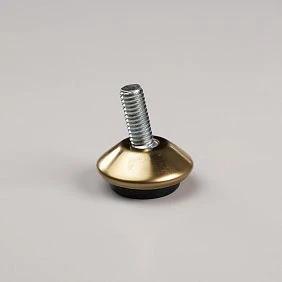
But an adjustable glide requires compatibility with the structure. It cannot simply be glued onto any leg. You need to understand how it attaches, what assembly is used, whether there is a thread, whether the lower part of the support is suitable, and whether the furniture body can withstand the load. For furniture with wooden legs, you often need to plan in advance for a threaded connection, insert, or other mounting element.
If a buyer is specifically looking for an adjustable option, it is important not to limit themselves to the word "adjustable." They need to check the adjustment range, installation method, height, diameter, thread type, and compatibility with the furniture. For ordinary protection of parquet or laminate, such an option is not always necessary. Sometimes a self-adhesive round furniture glide of a suitable diameter is sufficient.
Glides for chairs, tables, and case furniture
For chairs, the most important factors are noise, floor protection, and stability during frequent movement. A chair is constantly moved, so the glide must hold well and not catch on edges. For tables, the support area and the absence of tilting are important. For cabinets and chests of drawers, floor protection, a neat bottom, and stable seating are key. For case furniture that is rarely moved, the glide can be simpler in function, but the size must still match the base.
If the furniture is new, it's easier to select glides right away. If the furniture is old, first inspect the legs: check for chips, unevenness, delamination, or traces of old pads. Sometimes the lower part needs to be prepared so that the protective part sits evenly.
How to choose a furniture glide
Leg diameter and shape
The first thing to check is the lower part of the leg. The furniture glide must match the shape and diameter of the support. For a round leg, it is logical to choose a round glide. For a square or rectangular one, look for an option that covers the contact area without excessive protrusion. If the glide is too small, it will not protect the edge of the leg. If it is too large, it will be noticeable, may catch on things, and look untidy.
For the FUR-042 card, a round format with a diameter of 25 mm is confirmed. This means that before purchasing, you need to measure the lower diameter of the leg and determine if this size is suitable. Do not choose "by eye." A difference of a few millimeters can be noticeable, especially on thin wooden legs of a chair or console.
Floor material
The floor dictates the requirements for the glides. On parquet and laminate, protection from scratches and soft contact are important. On tiles, noise and sliding are often important. On wooden floors — marks, indentation, and care. In commercial spaces, the frequency of furniture movement is added: chairs and tables can move all day.
If the floor is new or expensive, it is better to install glides before active use of the furniture. This is cheaper and less stressful than fixing scratches later. This is especially true for chairs around the dining table, stools at the kitchen island, and furniture in the hallway.
Furniture weight
The heavier the furniture, the more carefully you need to consider the type of glide. A light chair and a heavy chest of drawers require different approaches. A self-adhesive glide is convenient, but it must match the load and usage conditions. For heavy items, it is important to check whether the protective part will shift, compress, or lose grip.
Weight is not just the mass of an empty body. A dresser is filled with things, a cabinet may hold appliances, a table receives load from the tabletop and items on it, chairs experience dynamic load when someone sits down. Therefore, a glide is chosen not only for the shape of the leg but also for the real-life use of the furniture.
Attachment type
The attachment type determines how easy it is to install the glide and how securely it will hold. A self-adhesive option is convenient for quick protection. A nail-in option provides mechanical fixation but requires careful installation. Adjustable glides require a more thought-out assembly. Plastic options may have different attachment methods.
For DIY repairs, self-adhesive glides are often chosen: less risk of damaging the leg, easier installation, no tools needed. For a workshop or furniture assembly from scratch, more complex solutions can be considered if they suit the design.
Glide thickness and height
The glider can slightly change the height of furniture. For one chair, this is almost unnoticeable, but if you put different gliders on different legs, a tilt will appear. For a table or cabinet, even a small difference can be unpleasant. Therefore, gliders should be installed as a set and of the same thickness on all supports.
If the furniture is already at the desired height, you should not choose a too tall protective element. If you need to slightly raise the support or eliminate a light touch, height can help. But serious leveling is better handled with adjustable elements or by adjusting the fastening.
Compatibility with wooden legs
Wooden legs require careful handling. If the bottom part is clean, smooth, and dry, installing a self-adhesive glider is easier. If the end is uneven, has old coating, chips, or glue residue, preparation is needed first. For a glider with a nail, it is important not to split the wood and to hit the center.
If you are assembling furniture with new wooden legs, it is worth buying gliders right away. This way, the bottom of the support will be protected from day one, and the floor will not get extra marks. When selecting a set, it is useful to look not only at gliders but also at furniture leg hardware, because floor protection and leg fastening belong to the same furniture component.
Comparison of glider options
| Type of glide | When it fits | Strong point | What to Check |
|---|---|---|---|
| Self-adhesive | Quick protection of legs without complex installation | Easy installation, no drilling required | Surface cleanliness, size, adhesion to the base |
| Plastic | Case furniture, chairs, tables, technical tasks | Rigid protective support | Floor material, height, shape, movement marks |
| With nail | Wooden legs, active furniture movement | Mechanical fixation | Center installation, risk of splitting, leg diameter |
| Adjustable | Need to compensate for a small floor height difference | Height adjustment capability | Thread type, mounting node, furniture compatibility |
| Round | Round legs for chairs, tables, consoles | Neatly follows the shape of the support | Diameter of the lower part of the leg |
| Thin protective | Furniture already has the correct height | Almost does not change the seating position | Is the floor protection sufficient |
| Higher | Need to slightly lift the leg off the floor | Can improve contact and protection | Will there be any misalignment or extra height |
This table shows the main thing: a furniture glide is chosen not abstractly, but for a specific scenario. For a kitchen where chairs are moved daily, wear and noise are important. For a console in the hallway, a neat appearance and floor protection are important. For a heavy cabinet, stability is important. For wooden legs, gentle contact and the correct diameter are important.
How to install a furniture glide
How to prepare the surface
Installation begins not with gluing or hammering, but with preparing the bottom of the leg. The surface must be clean, dry, and smooth. If there is dust, sand, old glue, felt residue, or unevenness on the end, the glide will hold worse. On a wooden leg, check for chips or delamination.
Before installation, it is better to turn the furniture over or position it so that the legs are accessible and not under lateral load. If it is a heavy item, work carefully to avoid damaging the body or injuring yourself. For chairs and small cabinets, it is simpler, but preparation is still important.
If the glide is self-adhesive, the surface is especially sensitive to contamination. The adhesive must contact the base, not dust. Therefore, the lower part of the leg needs to be wiped and allowed to dry. Do not stick the protection immediately after wet cleaning or on a cold, damp surface.
How to install a self-adhesive glider
The self-adhesive glider is installed in the center of the bottom of the leg. First, apply it without removing the protective layer and check the size. It should not noticeably protrude beyond the edge and should not be too small. Then remove the protective layer, align the glider with the center, and press firmly.
It is important not to shift the part after gluing. If you glue it crookedly, removing and re-gluing may be worse: the adhesive layer will lose some of its grip. Therefore, it is better to determine the center in advance. For a round leg, you can use the diameter as a guide; for a square leg, use the intersection of the diagonals.
After installation, do not immediately move the furniture actively. Allow the adhesive layer to properly bond with the surface. The exact time depends on the specific product and conditions, so it is best to refer to the recommendations in the product card or clarify the parameters before ordering.
How to install a glider with a nail
A furniture glide with a nail requires greater precision. First, you need to mark the center of the bottom part of the leg. Then, carefully install the glide and secure it strictly along the axis. Do not hammer it in at an angle: the furniture may end up standing unevenly, and the part itself will perform worse.
For a wooden leg, it is important not to damage the end. If the leg is thin, dry, has cracks, or a complex shape, installation with a nail can be risky. In such cases, it is better to choose a different type of furniture glide or consult a specialist for a suitable solution.
Do not drive the glider in excessively hard. The goal is to securely fasten the protective part, not to deform the bottom of the support. If the leg is uneven after installation, it is better to fix the problem immediately rather than leave the furniture in a skewed position.
What to check after installation
After installation, the furniture needs to be placed in position and checked for stability. All legs should touch the floor evenly. The chair should not wobble, the table should not "walk", and the cabinet should not tilt. If one glider is installed crookedly or differs in thickness, it will immediately show.
Then, carefully move the furniture and observe how it behaves on the floor. Check for any sharp sounds, edges catching, the glide shifting, or marks being left. For chairs, it is better to perform the check several times, as they are moved most often during actual use.
If the glide peels off or shifts, the cause may be an unprepared surface, incorrect size, excessive load, or too much furniture movement. In this case, you need not just glue a new one but understand why the first one didn't hold.
Commercial choice: what to buy for your task
| Task | What to buy | Why this is suitable |
|---|---|---|
| Protect parquet or laminate | Self-adhesive furniture pad | Quickly attaches to the bottom of the leg and reduces direct friction |
| Reduce noise from chairs | Round glide for legs | Helps soften contact during frequent movement |
| Close the end of the wooden leg | Suitable diameter foot cap | Protects the bottom of the support from wear and dirt |
| Simple installation required | Self-adhesive foot pad FUR-042 | No complex tools required and suitable for quick protection if size matches |
| Assembly of furniture with legs required | Set of fittings and mounting elements | Allows you to plan fastening and protection together |
| Need to reinforce the leg attachment | Mounting plate, stud, FUR set | It helps solve not only the contact with the floor, but also the fastening unit itself |
If the task is simple — to protect the floor from chairs or cover the lower part of the leg, you can start with a self-adhesive glide of the appropriate size. If the furniture is being assembled from scratch, it is better to buy the glide together with the fasteners and mounting elements. If the leg is poorly secured, the glide will not solve the problem: first, a reliable mounting unit is needed.
For simple floor protection, it is worth looking at self-adhesive foot pad FUR-042. For broader furniture assembly and repair, it is useful to open the section where STAVROS furniture fittingsis collected, and immediately assess which elements will be needed along with the gliders.
What to buy together with glides
A glider rarely exists separately from a furniture unit. If the furniture is already finished and only floor protection is needed, it is enough to select suitable protective parts. But if you are assembling furniture, changing legs, or reinforcing the fastening, you will need accompanying elements. Otherwise, a strange situation will arise: the floor is protected, but the leg itself is weakly fastened.
If wooden supports are purchased, it is worth selecting glides along with them. The leg is responsible for height and appearance, the glide for the lower contact with the floor. If the furniture is being assembled from scratch, additionally look at mounting plates, studs, threaded inserts, screws, and hardware kits. The specific set depends on the design.
For attaching legs, you can consider the FUR-001 hardware kit for attaching legs or kit FUR-012 with mounting plate, if this format fits your furniture. If you need a separate plate, there is a selection scheme Mounting Plate FUR-031. Before ordering, check compatibility with legs, body, tabletop, and assembly method.
| What to add to the purchase | Why this is needed | Which scenario it suits | What to pay attention to |
|---|---|---|---|
| Furniture glides | Protect the floor and the lower part of the leg | Chairs, tables, cabinets, consoles, furniture with legs | Diameter, shape, type of attachment |
| Furniture legs | Needed as the main support for furniture | Assembly or furniture update | Height, material, mounting area |
| Leg mounting hardware kit | Helps secure the support to the furniture | New furniture, repair, replacement of supports | Compatibility with the body and leg |
| Mounting plates | Create a support node for mounting | Tables, cabinets, consoles, furniture with legs | Size, holes, mounting type |
| Studs and threaded inserts | Needed for threaded connection | Knockdown furniture, legs with thread | Thread diameter, installation depth |
| Structural screws | Fix the node details | Furniture assembly and reinforcement | Length, base material, load |
| Wooden underframes and frames | Needed when assembling a table or base | Tables, consoles, designer furniture | Design, dimensions, compatibility with hardware |
This approach helps not to forget important details. The foot cap protects the floor but does not attach the leg to the body. The mounting plate attaches the leg but does not protect the floor. The stud and insert create a connection but do not replace the protective cap. Each element does its job.
How not to confuse a glider with similar hardware
Furniture fittings often look similar, especially when it comes to small parts for legs and supports. But the foot cap should not be confused with the mounting plate, stud, insert, or screw. A mistake here leads to an incorrect purchase: a person wanted to protect the floor but bought a fastener; wanted to secure the leg but ordered a protective cap.
| Element | What it does | How it differs from a glider |
|---|---|---|
| Thrust bearing | It is placed on the lower part of the leg and protects the floor | It works at the point of contact between the furniture and the floor |
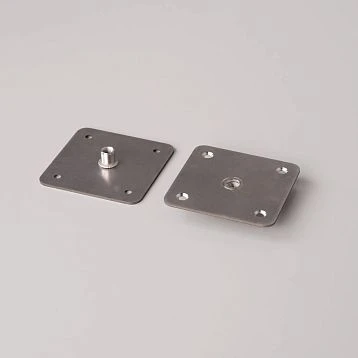
| Mounting plate | It attaches the leg to the body or tabletop | It is located on top of the leg, not on the bottom |
| Screw | It creates a threaded connection | It is needed for fastening but does not protect the floor |
| Threaded insert | It receives the thread and reinforces the connection | It works inside the assembly, not on the floor |
| Self-tapping screw | Captures details | Does not soften the contact of the leg with the covering |
| Furniture leg | Carries the furniture body | This is the main support, and the glider is a protective part for its lower part |
The most common mistake is to think that a glider will help secure a loose leg. It won't. If the leg is wobbly, the fastening needs to be checked: plate, pin, insert, screws, body condition. The glider is placed on the bottom and solves a different problem: protects the floor, reduces noise, and covers the contact area.
The second mistake is using a self-tapping screw or a random pad instead of a proper glider. A screw secures but does not protect the floor. A random pad may peel off, protrude beyond the edge, or leave marks. For neat furniture, it's better to choose hardware for its intended purpose.
Practical selection for different situations
Chairs scratch laminate
First, check the bottom of the legs. If they are round and match the diameter, you can choose round self-adhesive gliders. For chairs, it's important to install them identically on all legs. If you put protection on only one or two, a tilt and an unpleasant feeling when sitting will appear.
Before sticking, you need to clean the ends of the legs. Old chairs often have traces of old pads, dust, lint, glue. If you stick a new glider on a dirty surface, it will come off quickly.
Table makes noise when moved
For a table, it is important to check not only the gliders but also stability. If the table only makes noise when moving, protective elements will help soften the contact. If it wobbles, you need to check the leg fastening and floor levelness. A glider can improve contact but will not replace repair of the assembly.
For a table, it's especially important that all gliders are the same thickness. Otherwise, the tabletop will get a slight tilt, which will be annoying during use.
Wooden legs need to be protected from the bottom
If you are buying new wooden legs, do not postpone the glides. The lower part of the support will start contacting the floor immediately after installation. The protective part helps keep the end neater and reduces the risk of marks on the surface.
For wooden legs, measure the bottom diameter or support area. If the leg is round, it is convenient to look at round options. If the shape is complex, you need to select protection based on the actual contact area.
Furniture is assembled from scratch
When assembling furniture, glides are chosen together with the hardware. You need to understand in advance how the leg attaches to the body, whether a mounting plate is needed, whether there will be a threaded connection, which screws are suitable, and how the furniture will stand on the floor. The glide is the last bottom element, but it is better to choose it at the planning stage.
This approach is especially useful for tables, cabinets, consoles, and custom items. When all parts are selected in advance, the furniture is assembled more neatly.
Need to protect the floor in a cafe, salon, or office
In commercial spaces, furniture is moved more often than at home. Chairs, tables, armchairs, display cabinets, and consoles receive constant load. Here, glides help not only protect the floor but also reduce noise. This affects the comfort of visitors and staff.
For such tasks, it is especially important to check the attachment and wear carefully. If furniture is moved daily, a weak adhesive layer may lose grip faster. Sometimes it is worth considering a more reliable type of fixation or checking the condition of the glides more often.
Mistakes when buying furniture glides
Choose a glide without measuring the leg
The simplest and most common mistake is buying by eye. In the photo, the glide seems suitable, but on the leg it turns out to be smaller or larger than needed. If it's smaller, the edge of the leg remains unprotected. If it's larger, it protrudes and gets in the way. Before buying, you need to measure the bottom part of the leg.
Not considering the floor material
The same glide can behave differently on laminate, parquet, tile, or commercial flooring. To protect an expensive floor, it's especially important not to buy a random part. You need to think about friction, noise, marks, and the frequency of furniture movement.
Thinking that a furniture glide will fix a loose leg attachment
If the leg wobbles, the glide won't solve the problem. It is located at the bottom and protects contact with the floor. Attaching the leg to the body is solved with mounting plates, studs, threaded inserts, screws, and proper assembly.
Sticking a self-adhesive glide onto a dirty surface
Even a good self-adhesive glide will hold poorly if stuck onto dust, old glue, or a damp end. The surface needs to be prepared. This takes a few minutes but greatly affects the result.
Using different glides on the same piece of furniture
If one leg has a thin glide and another has a taller one, the furniture may wobble. For chairs, tables, and cabinets, it's better to use an identical set. This is especially important for items with four legs.
Confusing a glider with a mounting plate
A glider is placed on the bottom. A plate is needed on top to attach the leg to the furniture. These are different components. If you need floor protection, buy a glider. If you need to secure a leg, look for fasteners and mounting kits.
Not checking the product card
The name gives a general understanding, but you need to open the product card before ordering. It is important to check the size, shape, attachment method, current specifications, and compatibility with the task. This is especially important if the furniture is non-standard.
Who is a furniture foot pad suitable for
A furniture foot pad is suitable for furniture workshops that assemble tables, cabinets, chairs, consoles, and other furniture on legs. For a workshop, this is not a small detail but part of a neat assembly: the client receives furniture that does not scratch the floor and does not look unfinished from the bottom.
It is suitable for those who buy wooden furniture legs. A new support needs protection at the bottom, especially if the furniture will stand on laminate, parquet, or tile. The foot pad helps maintain the neat appearance of the leg and reduces household wear.
It is suitable for owners of chairs, tables, consoles, and cabinets. If furniture is moved, if the floor is precious, if noise or marks appear, the floor protector solves a common household problem without major furniture modifications.
It is suitable for those who assemble furniture themselves. During self-assembly, it is easy to forget small hardware, but later it affects convenience. It is better to include foot pads in the kit right away along with legs and fasteners.
But the floor protector is not suitable for those who need to replace the furniture leg itself. If the support is broken, cracked, or does not hold the body, a new leg or repair of the attachment is needed. The floor protector is not suitable for those looking for a decorative element: its function is functional, not decorative. It is also not suitable for those who are not willing to check the leg diameter and attachment type before purchasing. Here, accuracy is more important than speed.
How to buy a floor protector and hardware at STAVROS
It's best to start a purchase with the task. If you just need to protect the floor, look for a furniture glide of the appropriate size. If it's a self-adhesive round option with a diameter of 25 mm, you can go to the FUR-042 card and check the parameters. If the furniture is assembled with legs, it's worth opening the general hardware section and selecting related components.
For a complete assembly, it's useful to look not only at gliders but also at fasteners. In the furniture fittings section, you can select elements for attaching legs, mounting kits, and plates. This is important because floor protection and leg attachment are adjacent but different tasks. Good furniture should not only be protected from below but also properly assembled.
Before ordering, check four things: the diameter of the lower part of the leg, the floor material, the weight of the furniture, and the type of attachment. If you choose a self-adhesive furniture glide, assess the surface condition. If you choose an option with mechanical fastening, check if it is suitable for a wooden leg. If you are assembling furniture from scratch, coordinate the glides with the legs and mounting hardware in advance.
STAVROS is convenient because the buyer can assemble not a random set of small items, but a clear furniture kit: gliders, legs, fittings, mounting plates, and fastening elements. This is especially useful for workshops, designers, furniture manufacturers, and those who update furniture on their own.
FAQ: frequently asked questions about furniture gliders
Where to buy a furniture glide?
A furniture glider can be purchased in the STAVROS fittings catalog: buy a furniture glide. Before ordering, you need to check the size, shape, type of attachment, and compatibility with the furniture leg.
How to install a furniture glide?
First, clean the lower part of the leg, then select a glide by size. The self-adhesive version should be applied to the center, remove the protective layer, and press firmly. The glide with a nail is carefully fixed in the center of the leg to avoid misalignment.
How to properly install a furniture glide on a wooden leg?
You need to measure the bottom part of the leg, clean the end, mark the center, and choose the appropriate type of attachment. If the glider is self-adhesive, the surface must be dry and clean. If a nail is used, it is important not to split the wood and not to shift the attachment to the edge.
Which glider to choose for wooden legs?
For wooden legs, the glider is chosen based on the diameter or shape of the lower part of the support, the weight of the furniture, and the floor material. If simple protection is needed, a self-adhesive round option of the appropriate size is convenient. If the furniture is moved frequently, it is worth carefully evaluating the reliability of the attachment.
How is a glider different from a mounting plate?
The glider protects the floor and the lower part of the leg. The mounting plate attaches the leg to the furniture body, tabletop, or base. These are different parts: one works from below, the other at the attachment point.
What to buy together with gliders?
If furniture is being assembled from scratch, along with gliders, it is worth buying furniture legs, mounting plates, studs, threaded inserts, screws, and a suitable set of fittings. The specific set depends on the furniture design and the method of attaching the legs.
Is a self-adhesive glider suitable for chairs?
Yes, if the size matches the lower part of the leg and the surface is prepared. For chairs, it is important to install gliders on all legs as a set and check that no misalignment occurs. Also, keep in mind that chairs are often moved, so the adhesion must be reliable.
Can a furniture glide be installed on old furniture?
It is possible if the lower part of the leg remains sufficiently even and strong. Before installation, remove old pads, glue, dirt, and dust. If the leg is damaged or wobbles, first address the support and fastening issue.
Will a furniture glide help if the table wobbles?
If the wobbling is minor and related to the leg's contact with the floor, a glider may help. If the table wobbles due to weak fastening, frame misalignment, or uneven leg heights, first check the structure. A glider does not replace fastening repair.
How do I know if an adjustable furniture glide is needed?
An adjustable glider is needed when furniture must stand level on a floor with slight unevenness. It is useful for tables, cabinets, work surfaces, and commercial furniture. However, it must be selected based on the type of fastening, thread, and compatibility with the leg.
Can a furniture glide be used instead of a furniture leg?
No. A furniture leg supports the body, while a glider protects the lower part of the leg and the floor. If the leg is broken, the support needs replacement or fastening repair. A glider is not designed to serve as a main leg.
Why does a furniture glide peel off?
Most often, the cause is an unprepared surface, dust, moisture, old glue, incorrect size, or excessive load. Before installation, clean the leg end and choose a glider that matches the furniture and usage conditions.
Do I need to install furniture glides on furniture that isn't moved?
Yes, if you need to protect the floor and the lower part of the supports. Even stationary furniture puts pressure on the covering, and during cleaning or accidental shifting, it can leave marks. For heavy furniture, it is especially important to choose the right type of protective part.
Conclusion: why it's better to choose a furniture glide in advance
A furniture glide is a small part that protects a big result. It helps preserve the floor, reduce noise, cover the lower part of legs, extend the neat appearance of wooden supports, and complete furniture assembly. It is almost invisible, but the absence of a glide is often noticed very quickly: through scratches, knocking, squeaking, marks, and wear on the lower part of the legs.
You need to choose a glide based on the task: for chairs — considering frequent movement, for a table — considering stability, for wooden legs — considering diameter and end protection, for new furniture — together with fasteners and mounting elements. A self-adhesive glide is convenient for simple installation, options with mechanical fastening require more precision, and adjustable solutions are suitable for leveling tasks.
At STAVROS, you can select glides, furniture fittings, mounting kits, and wooden legs as parts of one furniture solution. Before ordering, it is worth checking the size, type of fastening, floor material, and furniture design. Then the purchase will not be a random trifle, but a neat completion of furniture assembly or renovation.