










































































Article Contents:
- Why you need a furniture baseboard: three functions of one detail
- Where to use furniture baseboard: all scenarios
- Kitchen set
- Built-in wardrobes
- Commodes and cabinets
- Libraries and office cabinets
- Walk-in closets
- Showcases and TV cabinets
- Wall-to-wall furniture compositions
- How furniture baseboard differs from floor baseboard: clearing up the confusion
- What types of furniture baseboard are available
- Wooden furniture baseboard
- MDF profile
- Base profile
- Decorative profile for furniture
- How to choose the height of a furniture baseboard
- Furniture baseboard height table
- How to match baseboard height with legs
- How to choose color and material: coordination with the interior
- Three color strategies
- Natural wood: shade matching principle
- Painted profile
- Baseboard for specific items: detailed breakdown
- For Kitchen
- For a built-in wardrobe
- For a classic-style dresser
- For a library and cabinet
- For a walk-in closet
- How to combine furniture baseboard with other details
- With furniture handles
- With furniture legs
- With carved overlays
- With wooden moldings
- With carved solid wood decor
- Comparison of furniture baseboard options
- Mistakes when choosing a baseboard for furniture
- What to buy together with furniture plinth
- How to buy furniture plinth without mistakes: an algorithm
- About the Company STAVROS
- FAQ: Answers to Popular Questions

There are details that don't catch the eye — but they determine whether furniture looks expensive or not. Furniture plinth is one such detail. A thin strip at the very bottom of a cabinet, kitchen, chest of drawers, or built-in structure. It's hardly noticed when it's in place. But its absence — or wrong choice — is immediately visible: a gap at the floor, an open technical clearance, a "cut off" lower line of furniture that seems not to stand on the floor but to hang above it without support.
Furniture plinth is not a minor strip bought at the last moment. It's a detail that connects furniture to the floor, coordinates it with the floor plinth, handles, legs, and facades, completing the look of the entire structure. Choosing it correctly means making the furniture whole.
This article covers everything about how to choose furniture plinth: wooden or MDF, for a kitchen or classic cabinet, by height, color, material, and style. Plus mistakes to avoid and a purchase algorithm without unnecessary returns.



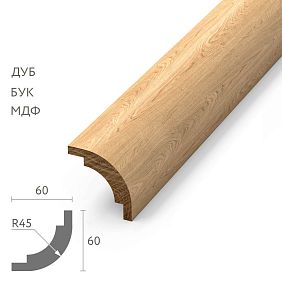
Why furniture plinth is needed: three functions of one detail
Before choosing, you need to understand what exactly this detail should do in a specific case. Furniture plinth has three functions, and they can work simultaneously or separately.
The first is technical. To close the gap between the bottom of the furniture and the floor. This gap almost always exists: furniture is installed with a technological clearance from the floor for ventilation, level adjustment, and routing of communications (in the case of a kitchen). Without a profile, this gap is visible — and looks unfinished.
The second is protective. The bottom part of furniture is the most vulnerable area in terms of mechanical damage, moisture, and dirt. This is especially relevant for kitchen units, where humidity, grease vapors, and crumbs concentrate near the floor. The profile creates a barrier and reduces wear on the body.
The third is decorative. Furniture skirting In a classic interior, it's not just a closed gap. It's the architectural bottom line of the structure. A tall wooden baseboard under a bookcase cabinet, a profiled plinth under a baroque-style chest of drawers, a neat wooden strip under a built-in wardrobe in the bedroom — in each case, the plinth makes the furniture visually complete and expensive-looking.




Where furniture plinth is used: all scenarios
Think about it: which piece of furniture doesn't have a bottom line? Right — almost every one has or should have one. Let's break down the scenarios.
Our factory also produces:
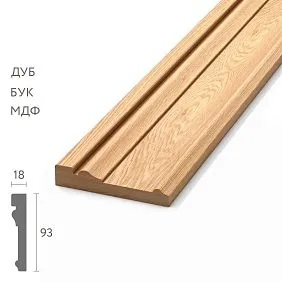

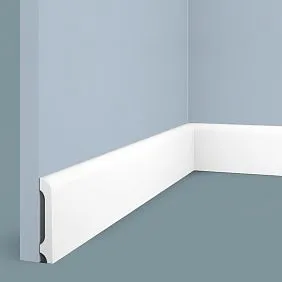
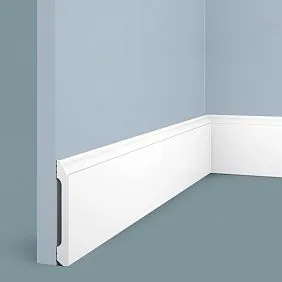
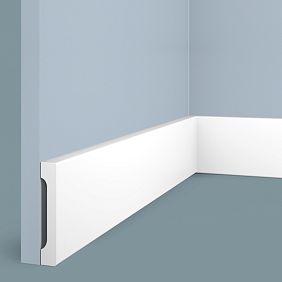
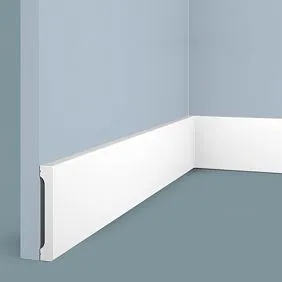
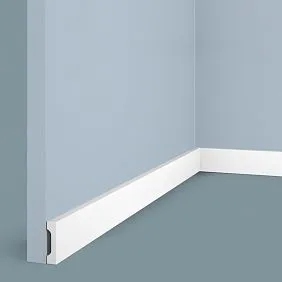
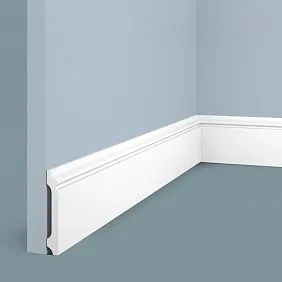
Kitchen set
The kitchen is the most common scenario for using furniture plinth. The lower rows of kitchen cabinets are installed on adjustable supports, which are hidden by a baseboard strip. This is the furniture plinth in its kitchen version.
For the kitchen, the following are important: profile height (standard is 10 cm), moisture resistance of the material or coating, and the ability to precisely adjust the length. Wooden plinth for furniture In the kitchen version, it must be painted or varnished — untreated wood in the kitchen quickly loses its appearance.
Get Consultation
Built-in wardrobes
A sliding wardrobe or built-in wardrobe installed from wall to wall has a bottom gap between the floor and the body. This gap is either closed with a baseboard strip — and the wardrobe looks like part of the architecture, or it remains open — and the wardrobe looks like a temporary structure.
Wooden furniture baseboard For a built-in wardrobe in a classic interior, it should match the floor plinth. One wood tone, one profile character — and the wardrobe fits into the room organically.
Chests of drawers and cabinets
A chest of drawers and a bedside table have a choice: legs or a plinth. Legs give lightness and air under the piece — that's one character. A plinth profile gives solidity and connection to the floor — that's another character.
For classic furniture — a chest of drawers in the neoclassical or baroque style — a high profiled plinth made of wooden trim enhances the architectural image.
Libraries and office cabinets
A bookcase, built-in library, floor-to-ceiling shelving — here the furniture plinth plays a special role. It makes the lower part of the structure more massive and solid, visually "grounds" the tall structure and gives it completeness.
For library furniture in a classic study — solid wood baseboard with a height of 10–15 cm and an expressive profile.
Wardrobes
A built-in wardrobe system is a multi-section structure that occupies an entire wall or room. Here, the furniture plinth unites all sections into a single bottom line, hides supports, and creates the feeling that the entire system is a single piece, not a set of separate cabinets.
Showcases and TV cabinets
A display cabinet in the living room, a TV stand under the panel, a sideboard in the dining room — all these items benefit from a properly selected lower profile. For a classic display cabinet — a profiled wooden base. For a modern TV stand — a thin, neat strip.
Furniture compositions from wall to wall
When furniture occupies the entire wall — several cabinets, shelves, sections — a single lower profile turns all of this into an architectural system. It is through Pogonazh iz massiva a horizontal line is created that holds the entire composition together.
How furniture baseboard differs from floor baseboard: clearing up the confusion
This is a question that is asked often — and the confusion here is not at all funny: the wrong choice means either a gap between the profile and the floor, or an overloaded lower zone where two different baseboards compete with each other.
The floor baseboard covers the joint between the wall and the floor. It is attached to the wall and pressed against the floor. Its task is architectural: to define the lower perimeter of the room.
The furniture baseboard covers the lower part of the furniture. It is attached to the furniture body or to special holders. Its task is to cover the technical gap and complete the lower line of the product.
When furniture stands against the wall, two baseboards end up nearby — the floor baseboard and the furniture baseboard. They should visually match: a similar wood color, a coordinated profile scale, a common stylistic character. This does not necessarily mean 'identical' — it means 'from the same system.'
If solid wood skirting a 12 cm high classic profile, and the furniture baseboard is a thin metal plate — that's a conflict. And vice versa: a classic wooden cabinet with a high profiled base against a wall with a thin aluminum baseboard — also a mismatch.
What are the options for furniture baseboards
The market offers several options — let's review each honestly, without advertising.
Wooden furniture baseboard
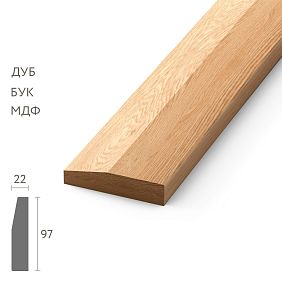
Wooden baseboard — the best choice for solid wood furniture, classic cabinets, chests of drawers, libraries, and any items in classic or neoclassical style. Natural wood provides warmth, tactility, the ability to tint to any shade, and pairs well with wooden fronts, handles, legs, and decor.
Advantages of wooden furniture baseboard:
-
possibility of painting, varnishing, tinting with stain;
-
consistency with other wooden furniture elements;
-
durability with proper treatment;
-
high decorative value of profiled wood.
MDF profile
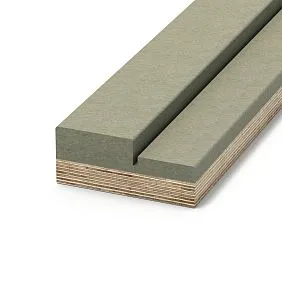
MDF Skirting Board — a good solution for painted furniture fronts, modern furniture for painting, and budget solutions where expensive natural material is not required. MDF paints well, is easy to process, and has a clear profile.
MDF is inferior to solid wood in durability and moisture resistance — in a kitchen or bathroom area, it requires a high-quality coating.
Baseboard profile
This is a technical furniture plinth used in built-in furniture systems and kitchen sets. It is manufactured to the standard kitchen base height and is attached to plastic holders that are fixed on the adjustable legs of the cabinets.
For a kitchen with classic fronts, a wooden baseboard profile made of solid wood trim is the right choice: it simultaneously performs a technical function and creates a classic look for the lower line of the set.
Decorative profile for furniture
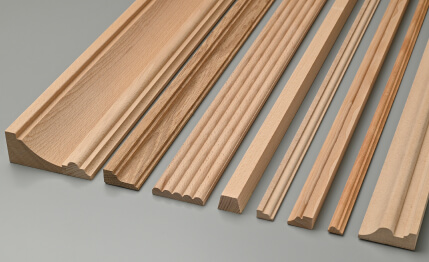
Decorative Wooden profile for furniture is no longer just about "closing the gap," but about making furniture visually more expensive. A profiled wooden base with a cove, straight groove, semicircular protrusion, or classic profile is an architectural detail that adds plastic depth to the furniture.
For a classic-style chest of drawers, a library in a study, or a display cabinet in a living room — it is precisely this decorative profile that creates the difference between "furniture" and "interior."
How to choose the height of a furniture plinth
Height is the first parameter to determine. The scale of the furniture in the space, functionality, and style all depend on it.
Furniture baseboard height table
| Profile height | Purpose | Character |
|---|---|---|
| Up to 5 cm | Modern furniture, thin cabinets | Laconic, minimalist |
| 5–8 cm | Universal option | Neutral, works with most styles |
| 8–12 cm | Kitchens, built-in cabinets | Standard kitchen baseboard |
| 12–16 cm | Classic cabinets, libraries | Architectural baseboard, premium look |
| Above 16 cm | Baroque furniture, tall classic cabinets | Formal, expressive base |
Important: the height of the furniture plinth must match the scale of the furniture itself. A tall classic cabinet with a 5 cm plinth looks as if its lower part has been "cut off." A 60 cm high cabinet with a 15 cm plinth looks overloaded.
How to correlate the height of the plinth with legs
If the furniture stands on legs, a furniture plinth is usually not needed: the legs themselves create the lower architectural line. If the furniture is without legs, a plinth is mandatory. If the furniture has small, almost invisible supports, a plinth can hide them and create a monolithic base appearance.
Solid wood furniture legs and the furniture plinth are different design solutions that are not combined on one item but work within the same stylistic system of the room.
How to choose color and material: coordination with the interior
This is the point where mistakes are most often made. The plinth is chosen "to match the furniture" — and then it conflicts with the floor plinth. Or it is chosen "to match the floor" — and it gets lost under the furniture. In reality, the logic of choosing the color of the furniture plinth is multi-level.
Three color strategies
First: plinth in the color of the furniture. The plinth visually becomes part of the furniture body and extends it downward. This creates a monolithic look — especially good for classic chests of drawers, cabinets, and bookcases.
Second: the plinth matches the color of the floor plinth. The furniture and floor plinths form a single lower line of the room. This is an architectural approach — furniture becomes part of the overall horizontal line. It works well in interiors with a clearly structured architectural program.
Third: the plinth matches the color of the floor. The furniture "dissolves" at the floor, the base is not emphasized. This approach is good for modern interiors where furniture should be as visually light as possible.
Natural wood: the principle of coordinating shades
If there are several wooden elements in the interior — floor plinth, furniture plinth, doors, furniture handles, decorative overlays, legs — they should all be from a coordinated system of shades. Not necessarily identical, but from the same "family" of tones.
Dark oak on furniture + light ash on the plinth + walnut on the doors — three different shades without a system. This is noticeable, even if each element is beautiful on its own.
For coordination, it is recommended to choose Pogonazh iz massiva in the same wood species or with the same tinting as the main furniture. If the furniture is light birch — the plinth is light birch. If the furniture is tinted oak — the plinth is tinted oak of the same shade.
Painted profile
For painted furniture — in white, cream, gray, or another color — MDF Skirting Board for painting is a standard solution. It is painted in the same color as the facades.
Baseboard for specific items: detailed analysis
For Kitchen
Kitchen furniture baseboard is an independent system. The height of a standard kitchen plinth is 10 cm. This is due to the height of the adjustable legs on which the lower sections of the unit stand.
What is important when choosing:
-
The profile height must exactly cover the gap between the floor and the cabinet body.
-
The material must be moisture-resistant or have an appropriate coating.
-
The color should match the facades or be in tone with the countertop and doors.
For a classic-style kitchen — a wooden profile made of solid wood trim with an expressive cross-section, painted to match the facades. This is a detail that transforms the kitchen from a "unit" into an "interior solution."
For a built-in wardrobe
A built-in cabinet requires a neat bottom closure. Important parameters:
-
The profile depth must match the depth of the cabinet.
-
The baseboard must fit tightly to the floor — especially if the floor is uneven (cut to level).
-
In corner areas, precise joining is needed — cut the strip at 45 degrees or use corner connecting elements.
If the built-in wardrobe is in a classic style — Wooden baseboard with an expressive profile. If the wardrobe is modern — a thin MDF strip matching the facades.
For a chest of drawers in a classic style
A wooden chest of drawers on a plinth creates a completely different image than one on legs. The plinth makes the piece more monumental, connects it to the floor, and enhances its architectural character.
For a chest of drawers in a classic style, the plinth height is 8–12 cm. The profile should be consistent with carved overlays on the facades, wooden handles and the overall decorative language of the piece.
For a library and study cabinet
Library furniture is one of the most rewarding items for working with a plinth. A tall wooden plinth (12–16 cm) with a profiled section makes a library cabinet resemble an item from a noble estate archive — even if it is made in modern production.
Material — only solid wood baseboard. MDF in this context does not create the desired tactile and visual effect.
For the dressing room
In the dressing room, decorativeness is not as important as the unity of the bottom line. All sections must have the same profile of the same height — this creates a sense of system. For a dressing room in a neutral style — a thin, neat profile in the color of the cabinets. For a dressing room in a classic style — a wooden profile with a clear horizontal line.
How to combine furniture plinth with other details
This is where the real work of creating a cohesive image begins. The plinth is part of the system, not a separate detail.
With furniture handles
Wooden furniture handles on the facades and the wooden plinth at the base must be coordinated in color and style. Carved handles with a floral motif + a strict geometric plinth — dissonance. Carved handles + a profiled wooden base with a fillet — a unified classic language.
With furniture legs
Legs for solid wood furniture and furniture plinth are alternative solutions for the lower part of the item. If one section of the chest of drawers stands on legs, and another on a base with a plinth, this is a mismatch. Choose one solution for all furniture in the room.
With carved overlays
carved decorative overlays on the facades and the wooden plinth at the base — vertical and horizontal components of a unified decorative system. For classic furniture, it is important that the ornament of the overlays and the profile of the plinth "speak" the same language.
With wooden moldings
Wooden moldings on the walls, baseboard and a furniture plinth — three horizontal elements that should form an architectural system. This is especially important in a classic living room or bedroom where furniture stands against a wall with molding frames.
With carved solid wood decor
Decor for furniture made of carved solid wood on the facades of a chest of drawers or wardrobe requires a corresponding base — profiled, wooden, with sufficient height. A decorative facade on a thin metal strip at the bottom is a scale error.
Comparison of furniture plinth options
| Parameter | Solid wood | MDF | Polyurethane |
|---|---|---|---|
| Appearance | Natural wood | For painting | For painting |
| Durability | High | Medium | Medium |
| Moisture resistance | Requires coating | Requires coating | Good |
| Processing | Varnish, tinting, stain | Paint | Paint |
| Style | Classic, modern classic | Modern, painted | Any |
| Consistency with solid wood furniture | Good | Satisfactory | Good |
For classic solid wood furniture — definitely solid wood baseboardFor modern painted furniture — MDF or polyurethane.
Mistakes when choosing a plinth for furniture
We analyze what should be avoided.
Choosing a profile without considering furniture height. A thin cabinet with a large base — a disproportion that is immediately visible. A high base is for tall wardrobes and dressers.
Not checking the thickness and depth of the profile. The plinth should fit tightly to the floor, not protrude beyond the facade line, and join correctly at corners. If the profile is too deep, it protrudes forward and interferes with opening drawers.
Choosing a color separately from the floor plinth. Two different plinths next to each other — furniture and floor — should match. If the wooden floor baseboard the floor plinth is dark, and the furniture plinth is light, the lower area becomes fragmented and restless.
Using too simple a profile for classic furniture. A rectangular strip without a profile under a classic dresser with carved overlays and wooden handles — a mismatch. Wooden trim with an expressive profile — the correct scale.
Overloading small furniture with a large base. A bedside table 50 cm high with a 15 cm base looks squat and heavy.
Not considering facade opening. If dresser drawers open forward, the bottom drawer should have a gap relative to the base. The plinth should not block the drawer's movement.
Do not leave technological gaps. In the kitchen under the sink or near pipes, you need to be able to remove the baseboard without disassembling the entire kitchen. Use a clip-on system, not an adhesive one.
Buy the profile without a reserve. Trimming at corners, joints, and fitting to uneven floors consumes 10–15% of the material. A reserve is mandatory.
What to buy together with the furniture baseboard
A smart approach is not a single baseboard, but a complete set of parts that form a cohesive look for the furniture.
-
Pogonazh iz massiva — wooden profiles for the furniture base, decorative moldings, cornices for the upper part of cabinets.
-
solid wood baseboard — floor baseboard coordinated with the furniture baseboard.
-
MDF Skirting Board — for painted facades and modern furniture.
-
Wooden moldings — for the upper part of the cabinet, cornice, decorative belt.
-
Solid wood furniture legs — if a solution on legs is chosen instead of a base.
-
Wooden furniture handles — in a style coordinated with the baseboard and facades.
-
Carved decorative inserts for furniture — for decorative enhancement of facades.
-
Decor for furniture made of carved solid wood — for classic and baroque furniture.
-
Solid Wood Items — a complete catalog of wooden elements for creating a cohesive furniture look.
How to buy furniture baseboard without mistakes: an algorithm
1. Identify the furniture piece: kitchen, wardrobe, chest of drawers, library, dressing room, cabinet.
2. Measure the length of the furniture's bottom line — this is the total profile length plus a 15% allowance.
3. Measure the gap between the floor and the bottom of the body — this is the required minimum profile height.
4. Choose the baseboard height considering the style and scale of the furniture.
5. Determine the material: solid wood for classics, MDF for painted facades.
6. Choose the color: matching the furniture, matching the floor baseboard, or an intermediate coordinated shade.
7. Check the profile depth — it should not protrude beyond the facade line.
8. Coordinate with handles, overlay panels и wooden moldings — all details from the same style family.
9. Account for corners, joints, and fitting — add 15% allowance.
10. Go to the catalog solid wood trim и wooden baseboard STAVROS — choose a profile for your project.
About the company STAVROS
Details make all the difference. STAVROS produces Pogonazh iz massiva, solid wood baseboard, MDF Skirting Board, Wooden moldings, Furniture legs, Handles, carved appliqués and the entire range of solid wood for furniture and interiors — all from natural wood, all from our own production facility in St. Petersburg, operating since 2002.
The STAVROS catalog features a complete system of wooden profiles for furniture: from a thin decorative strip to a tall classic baseboard. Our own milling workshop, strict control of geometry and surface quality, shipment from 1 piece, delivery across Russia. Custom production — a profile of the required cross-section in the desired wood species.
FAQ: Answers to popular questions
What is a furniture baseboard?
A furniture baseboard is a decorative or plinth profile that covers the lower part of furniture, the technical gap between the body and the floor, and makes the structure visually complete.
Where is furniture plinth used?
In kitchens, built-in cabinets, chests of drawers, libraries, wardrobes, nightstands, display cases, and wall-to-wall furniture compositions.
How does furniture plinth differ from floor plinth?
Floor plinth covers the joint between the wall and the floor, while furniture plinth covers the lower part of the furniture body. They should be coordinated in color and style.
Can wooden plinth be used for furniture?
Yes, it is the best option for solid wood furniture, classic cabinets, chests of drawers, libraries, and classic-style furniture. The wooden profile can be painted, tinted, and varnished to match any interior.
What is important to check before buying furniture plinth?
You need to check the length of the furniture's bottom line, the height of the gap under the body, the width and depth of the profile, color, material, compatibility with floor plinth, handles, overlays, and the furniture style.
How to calculate the amount of furniture plinth?
Measure the total length of the furniture's bottom line in linear meters and add 15% for cutting, joints, and corners.