

























Article Contents:
- What furniture legs can you buy in Moscow: assortment overview
- By Profile Shape
- By height
- What furniture needs wooden legs: nine applications
- Chests of drawers
- Chests of drawers
- Wardrobes and sideboards
- Sofas and armchairs
- Armchairs
- Beds
- Benches and poufs
- TV cabinets
- Restored furniture
- How to choose the height of furniture legs: proportion, convenience, stability
- Height and proportions of furniture
- Height and ease of cleaning
- Height and stability
- Leg height and seating height of upholstered furniture
- Material of furniture legs: beech, oak and other species
- Oak
- Oak
- Birch
- Why not metal or plastic
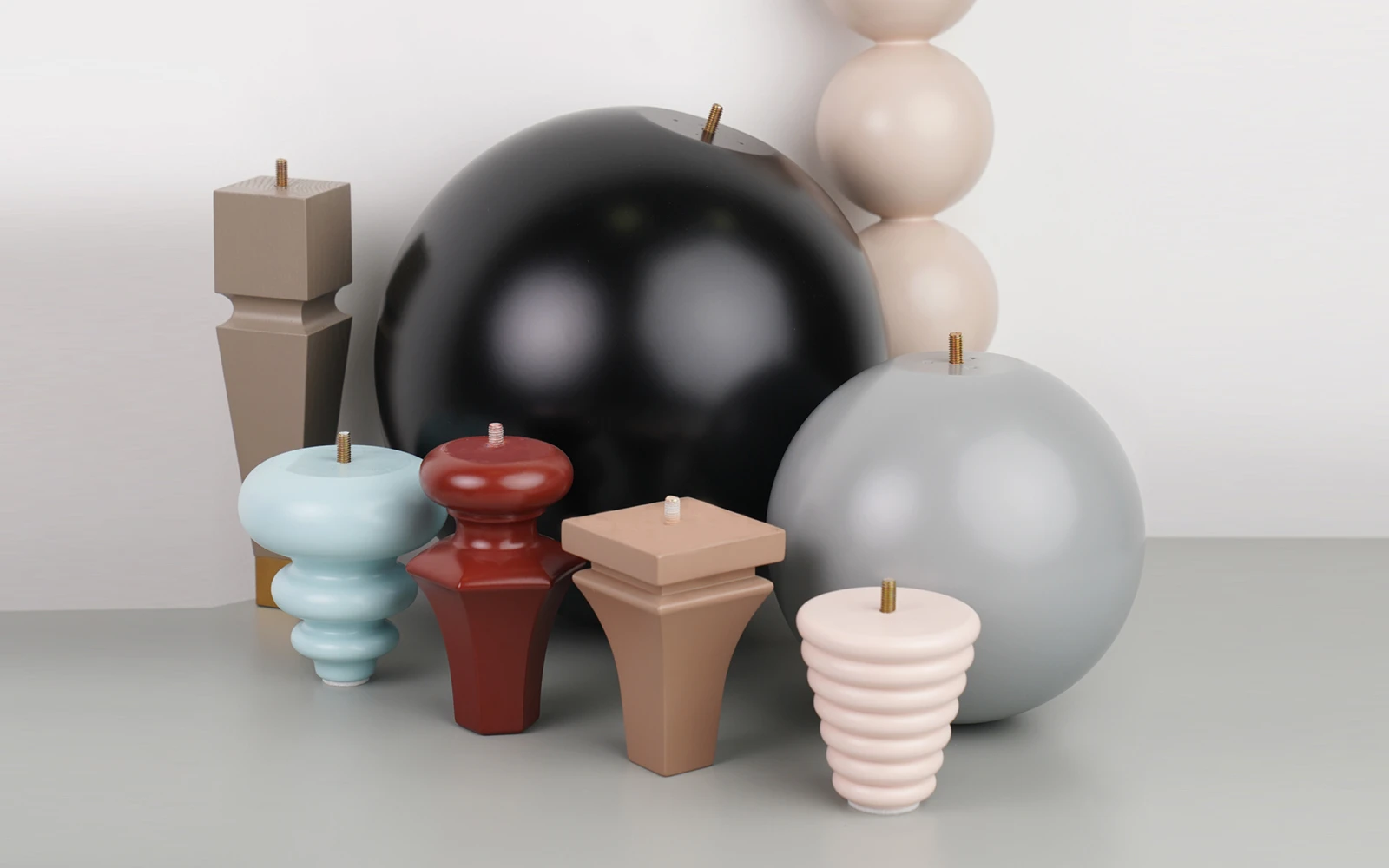
- Legs without coating or with coating: two different approaches
- When choosing legs without coating
- When choosing legs with coating
- Types of furniture leg covers
- How to choose legs for a cabinet and chest of drawers
- Style and shape
- Number of legs for a cabinet and chest of drawers
- Height of legs for a cabinet and chest of drawers
- How to choose legs for a wardrobe and sideboard
- Load and cross-section
- Visual logic
- Legs for a built-in wardrobe
- How to choose legs for a sofa and armchair
- Load: counting correctly
- Height of sofa legs and seating comfort
- Matching with upholstery
- Armchairs: leg shape as the character of the item
- How to choose legs to match furniture and interior style
- Classicism and Baroque
- Neoclassicism
- Scandinavian Style
- Art of installation: installing trims
- Modern classicism
- Mistakes when choosing furniture legs: ten cases from practice
- Compatibility of legs with other wooden decor elements
- Furniture legs in Moscow: what to consider when ordering with delivery
- Check dimensions before ordering
- Samples and online ordering
- Quantity and reserve
- Delivery to Moscow and timelines
- FAQ: main questions about buying furniture legs
- STAVROS: legs that hold
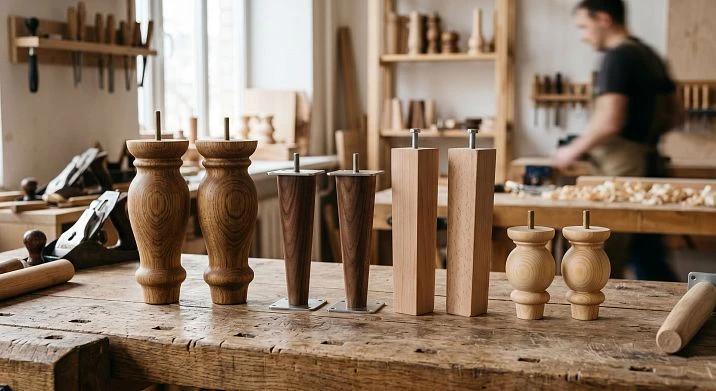
A leg holds everything. Literally. It is the only furniture element that simultaneously bears the load, sets the height, shapes the proportions, and creates the first visual impression of the piece. The right leg — and a cabinet looks ten thousand more expensive. The wrong one — even an expensive sofa seems "made in a hurry."
When looking for where buy furniture legs in Moscow, most often mean one of two things: either replacing broken or unattractive supports on existing furniture, or outfitting new ones — during production or restoration. In both cases, a mistake in selection is costly: rework is more difficult and expensive than making the right choice the first time.
This article is a practical guide to choosing wooden furniture legs for any type of furniture: from a cabinet to a sofa, from a chest of drawers to a classic sideboard. No fluff — only parameters, logic, and specific solutions.
What furniture legs can be bought in Moscow: assortment overview
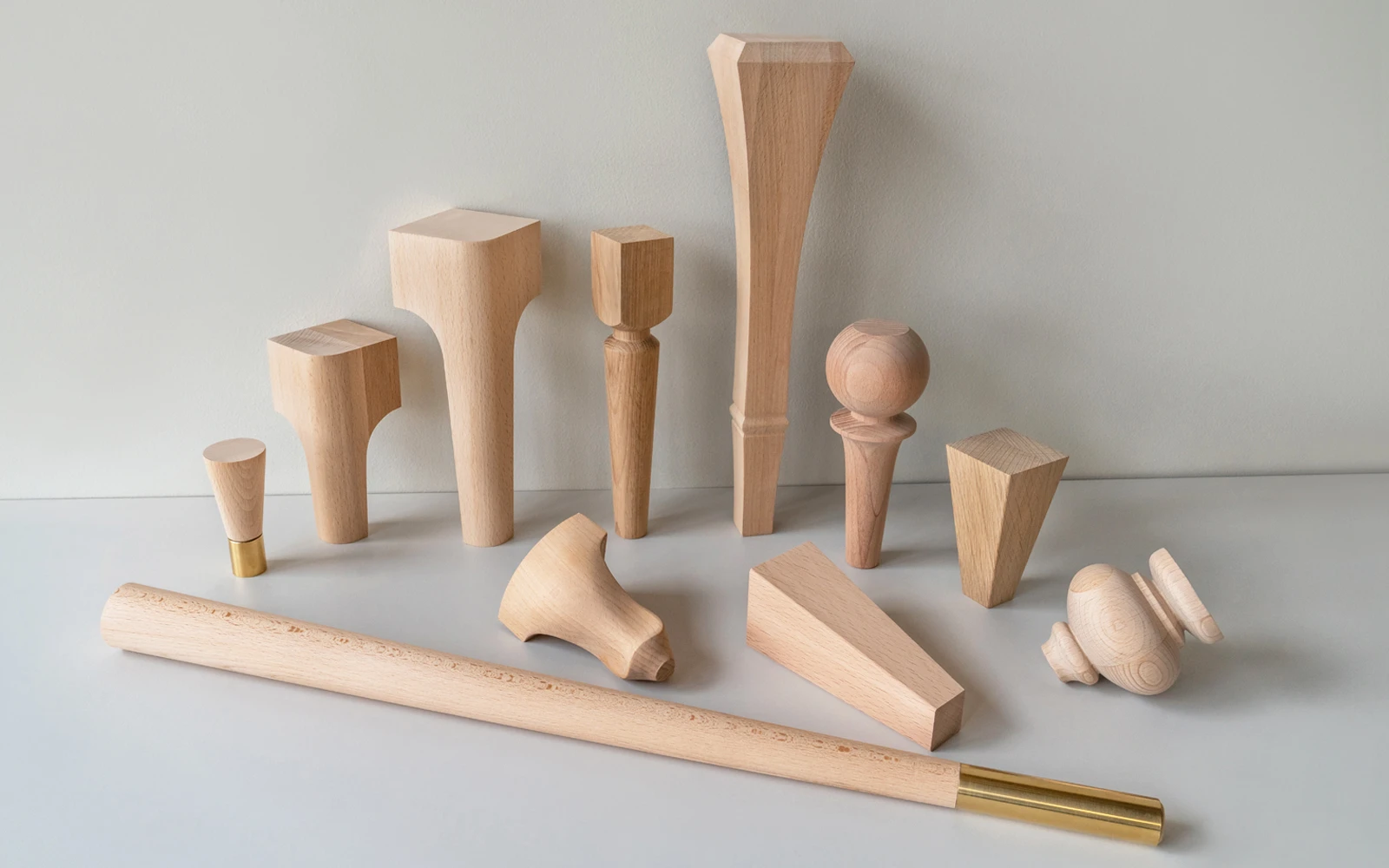
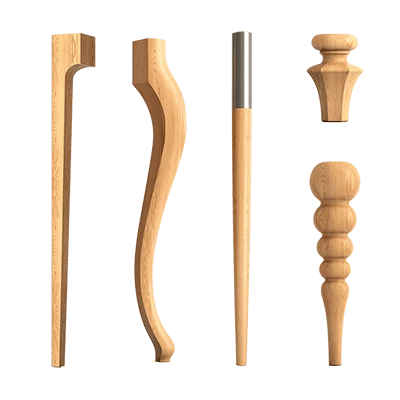
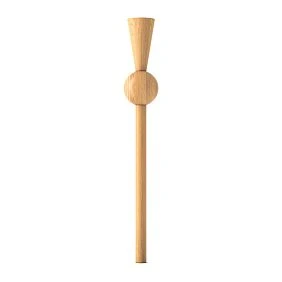
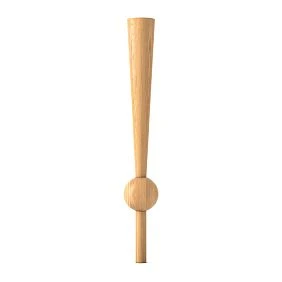
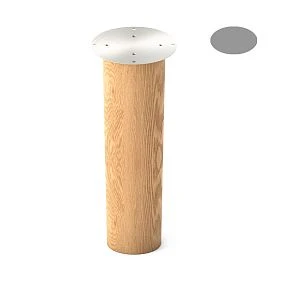
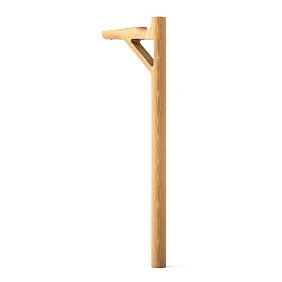
The market for wooden furniture supports is wider than it seems at first glance. furniture legs Wood legs are divided by several key parameters: profile shape, height, material, coating, and attachment method.
By profile shape
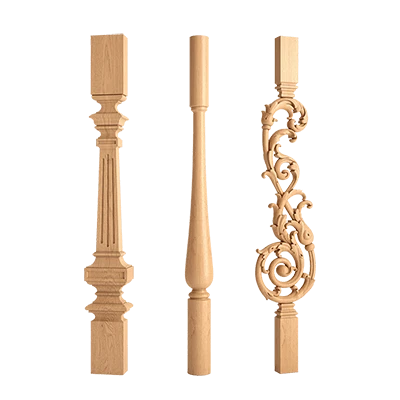
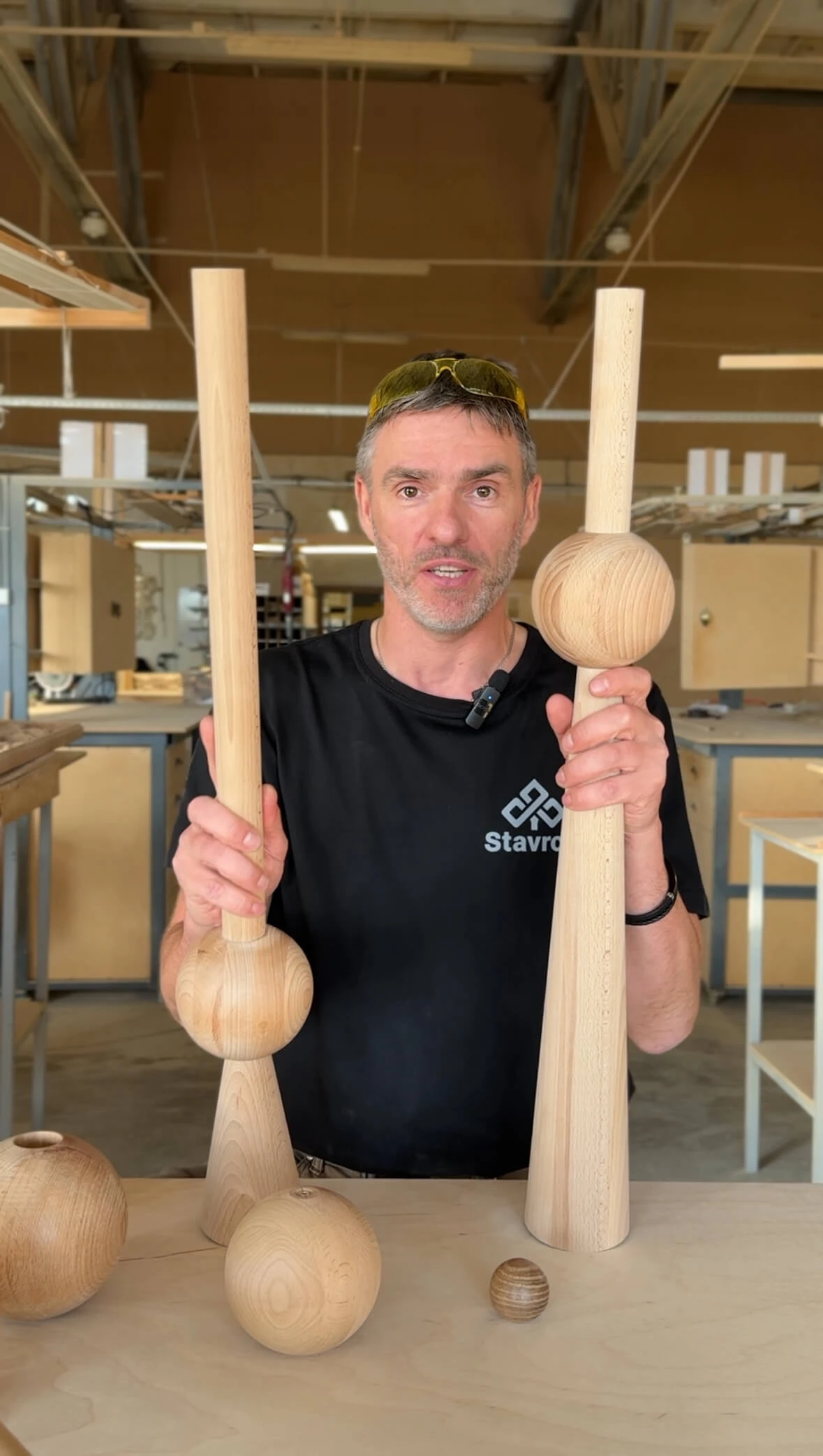
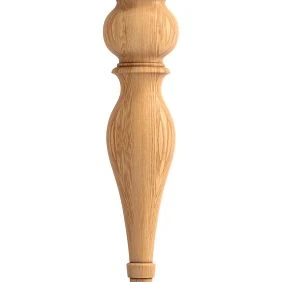
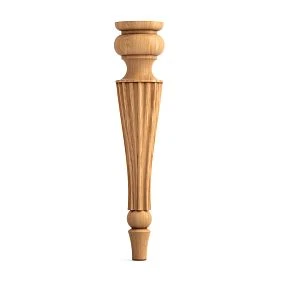
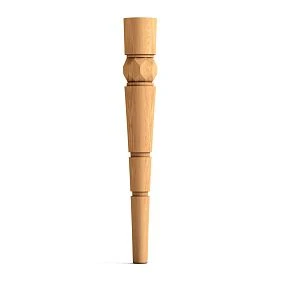
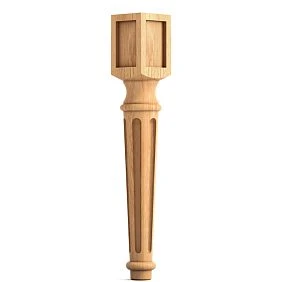
Turned classic legs. Turned on a lathe: have a pronounced relief — thickenings, grooves, fillets, conical transitions. For classic, neoclassical furniture, furniture in Provence and country style.
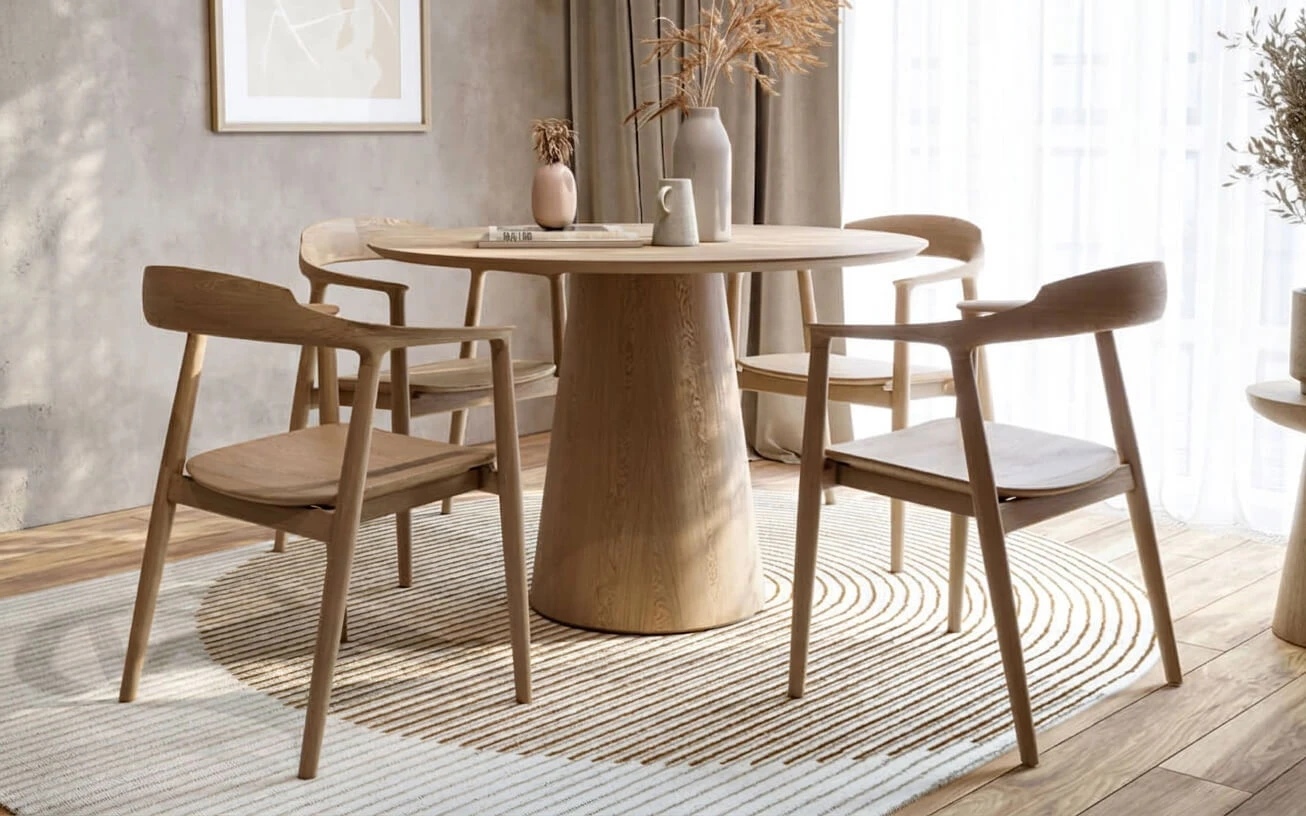
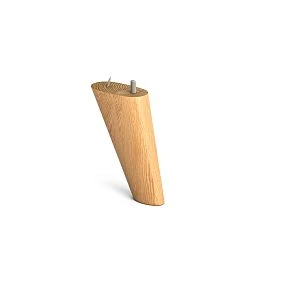
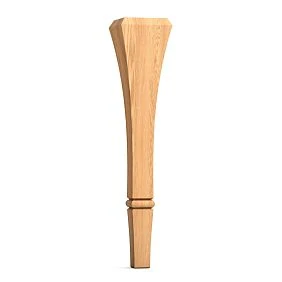
Conical straight legs. Smooth cone without decoration. Clean, laconic shape. For Scandinavian furniture, modern classics, minimalist cabinets and tables.
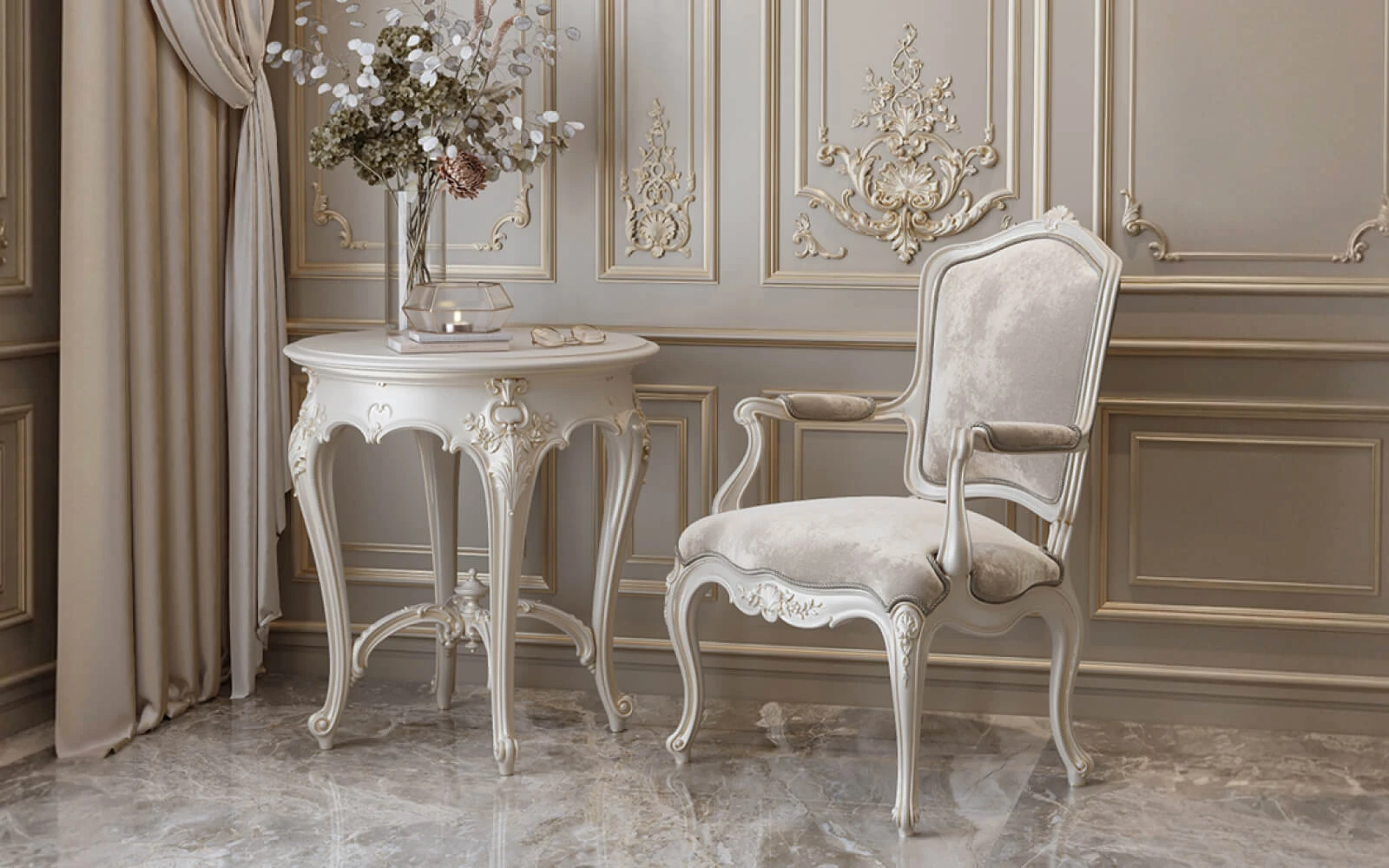
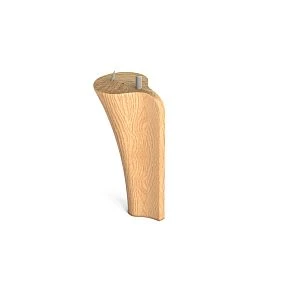
Cabriole legs. S-shaped curve, characteristic of French classics and Baroque. For armchairs, ottomans, sofas, consoles.
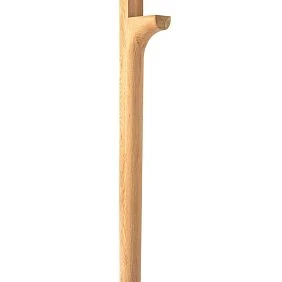
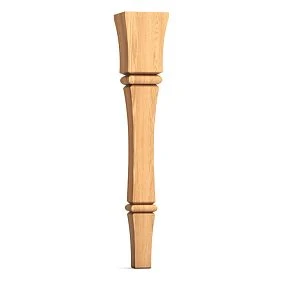
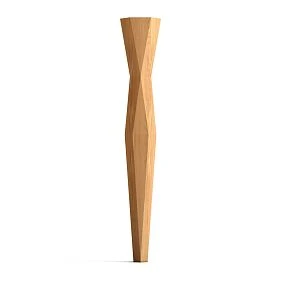
Square and rectangular legs. Strict rectangular or square cross-section, without turning. For modern furniture, minimalist style cabinets, kitchen modules.
Legs with decorative carving. Turned base with added carved ornament: leaves, rocaille, acanthus. For Baroque and classic furniture of the high price segment.
Low support bobbins. Very small height (30–60 mm). For sofas, beds, TV cabinets where minimal lift above the floor is needed while maintaining a wooden accent.
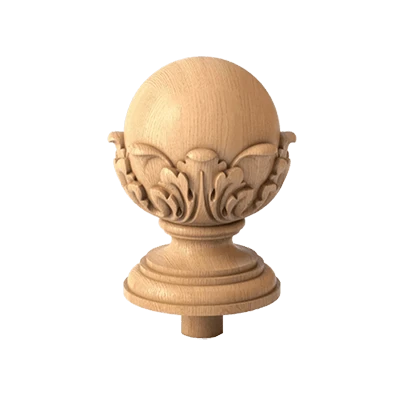
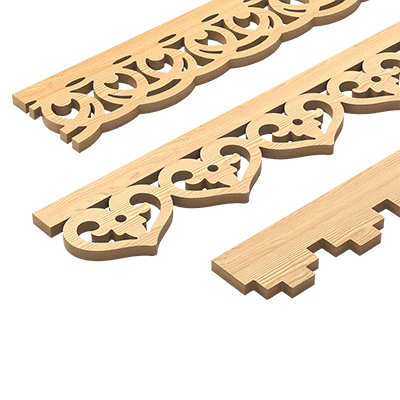
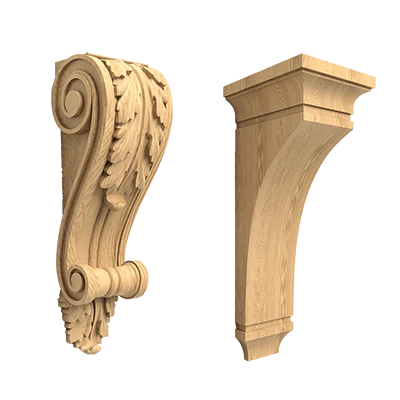
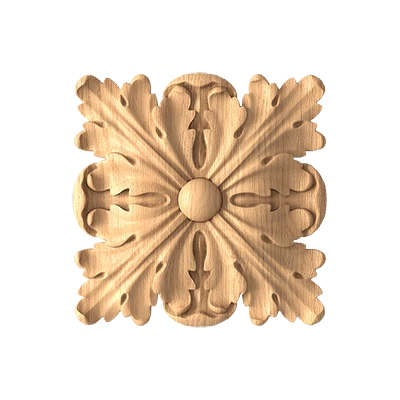
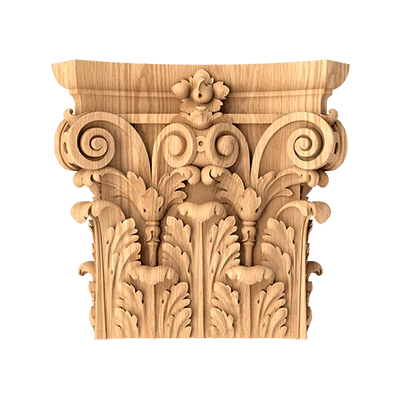
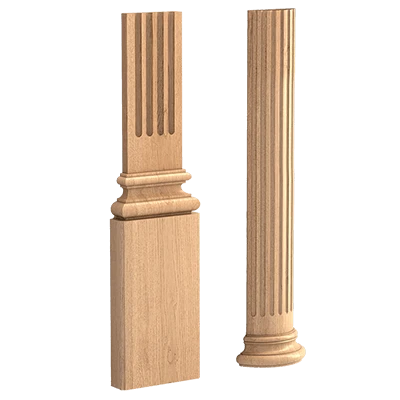
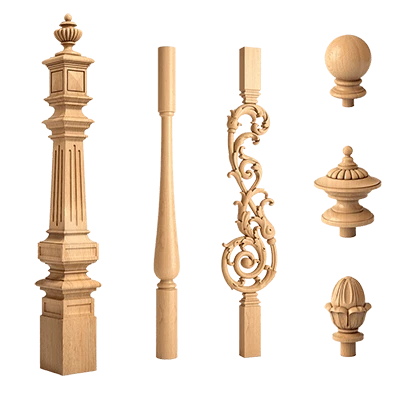
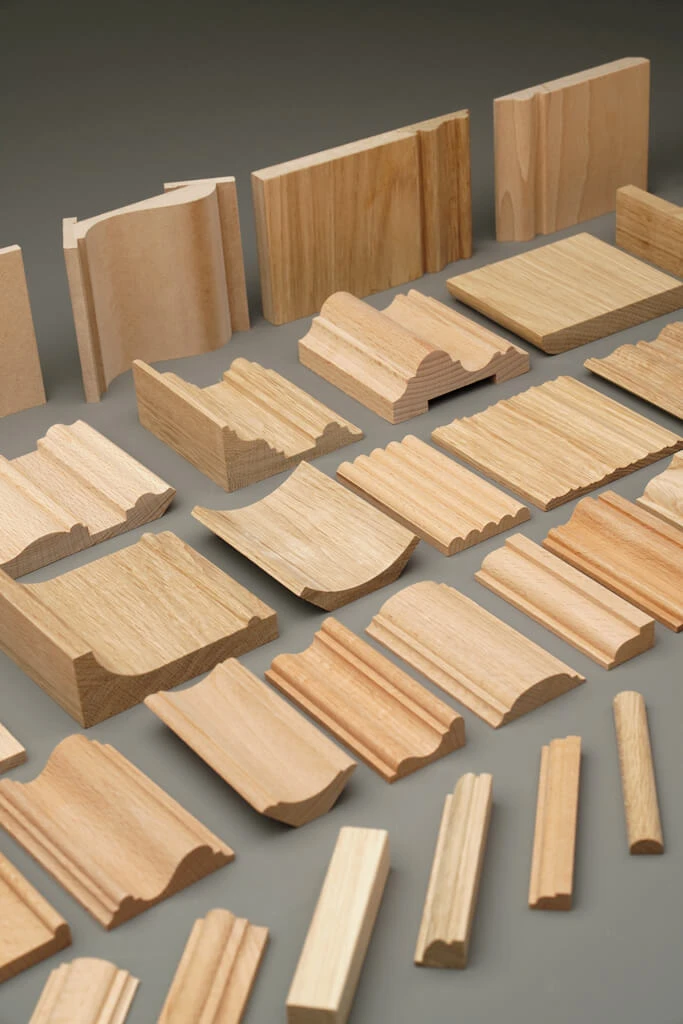
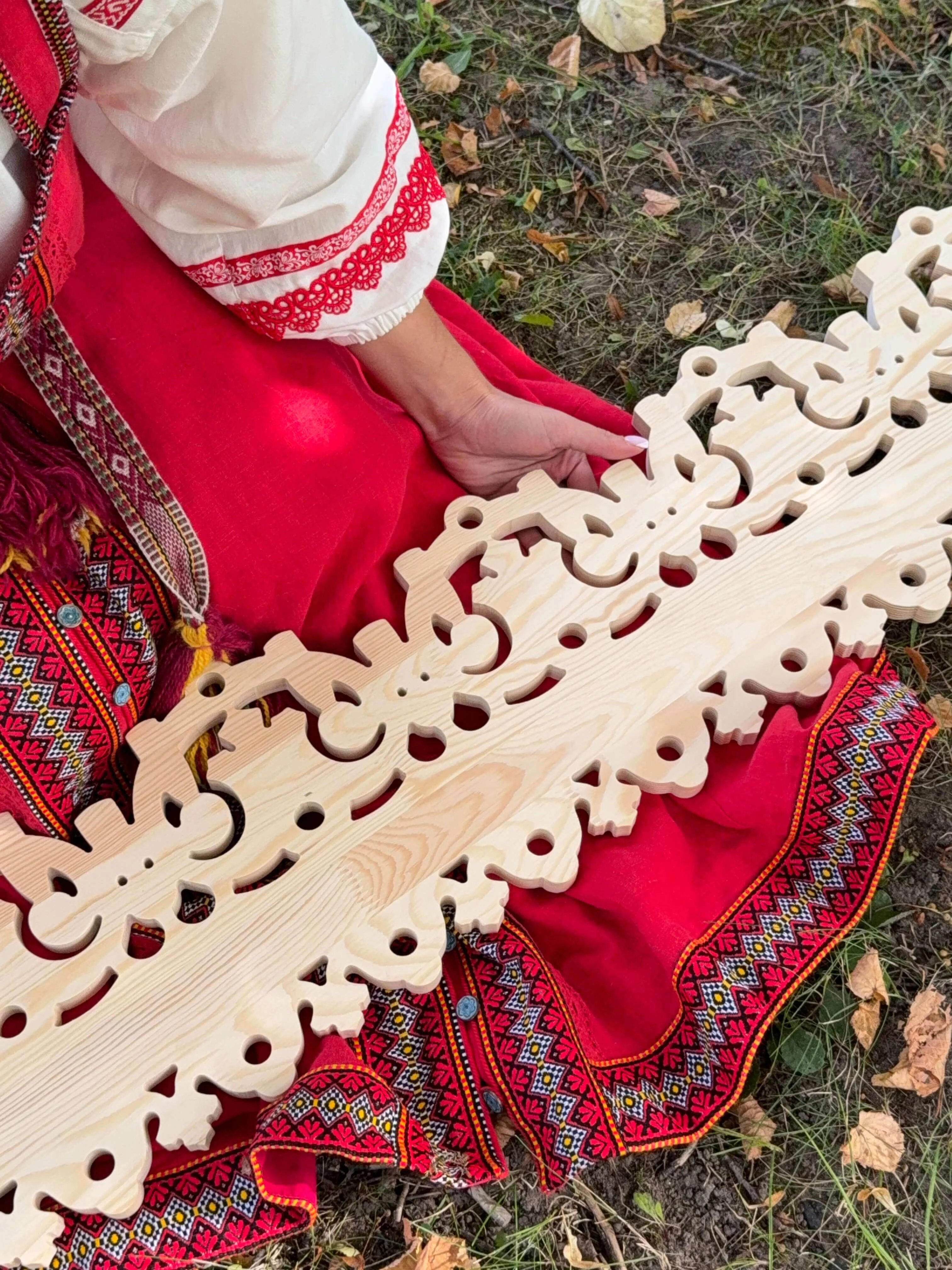
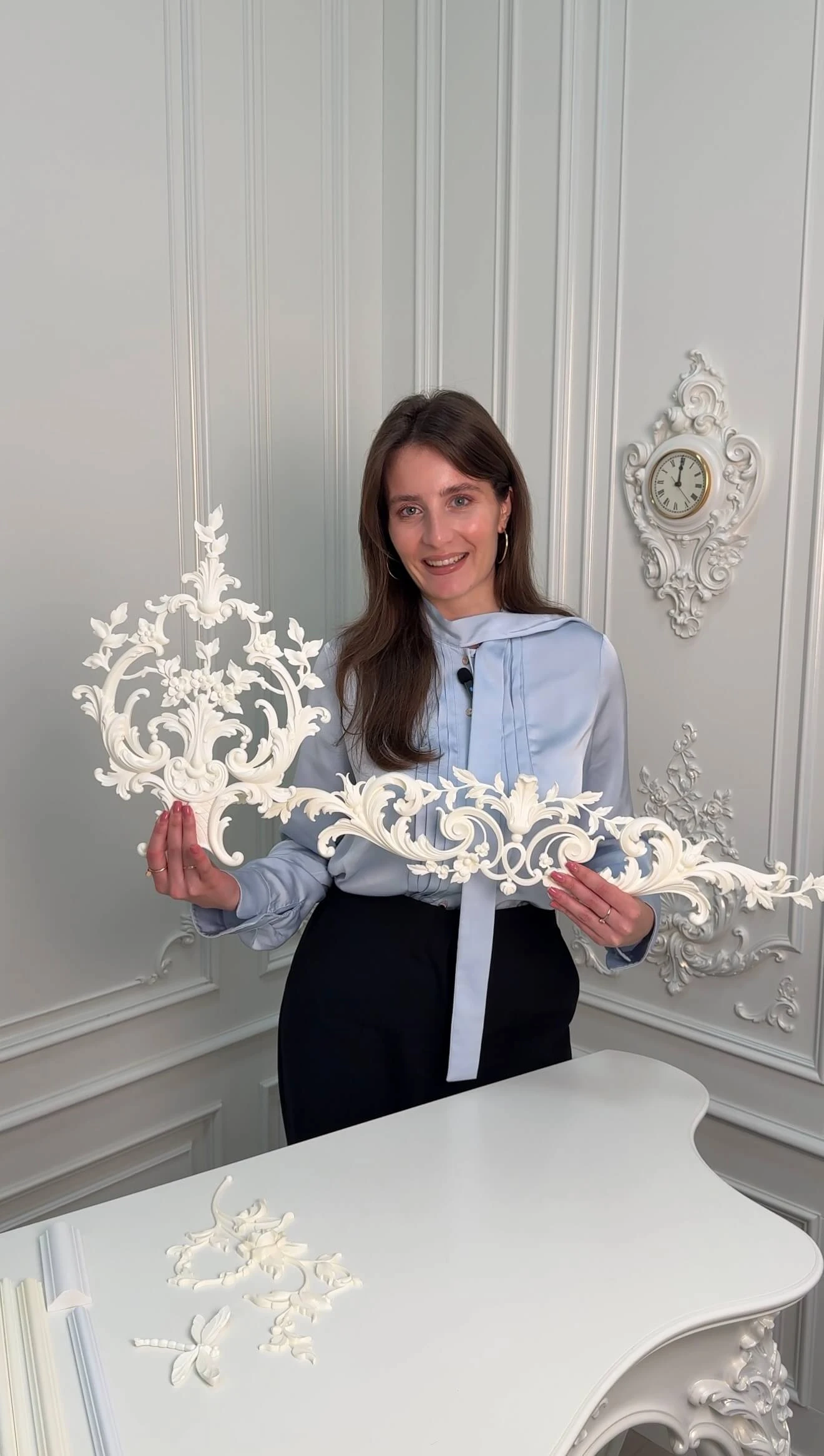
Our factory also produces:
By height
| Height | Application |
|---|---|
| 30–70 mm | Sofas, beds, TV cabinets |
| 70–120 mm | Cabinets, chests of drawers, small wardrobes |
| 120–200 mm | Buffets, tall chests of drawers, bookcases |
| 200–300 mm+ | Consoles, dining tables, desks |
Get Consultation
What furniture needs wooden legs: nine uses
Nightstands
Nightstands, entryway cabinets, vanity cabinets — all need legs that visually "lift" the piece off the floor and allow easy cleaning underneath. For a nightstand, the optimal leg height is 70–100 mm. The style should match the bed legs.
Important: a cabinet on legs looks significantly lighter and "airier" than one without legs. This is especially valuable in small bedrooms where every centimeter of floor is visible.
Chests of Drawers
A chest of drawers on legs is a classic piece, existing since the French boudoirs of the 18th century. The legs "lift" the heavy body off the floor, creating a feeling of weightlessness. Height: 80–120 mm for a standard chest of drawers 85–95 cm tall.
The style of the legs should match the handles: if the chest of drawers has wooden furniture handles in a classic style — the legs are also classic turned, in the same finish.
Wardrobes and buffets
A cabinet on legs looks much more noble than a cabinet on a plinth. Especially in a classic style. Legs for a cabinet: more massive, wide base, height 80–150 mm.
For a sideboard — legs with a pronounced classic profile, tinted to match the main body color. The load on the lower tier of the sideboard is significant — beech or oak is needed, base cross-section at least 40×40 mm.
Sofas and armchairs
Sofa legs are the most loaded type of furniture supports. The total load on four sofa legs: 150–300 kg. Material — only hardwoods: beech, oak, ash. Height: 50–150 mm depending on seat height. Fastening — threaded, via screw or tie into the wooden block of the frame.
A sofa on wooden legs made of natural wood gives a completely different feeling than a sofa on plastic supports. The legs are visible from the side, their shape and shade work as a decorative accent of the entire piece.
Armchairs
For armchairs — cabriole or turned legs in a classic style. Height: 100–180 mm (the seat height of the armchair from the floor depends on the leg height + seat height with cushion). Load per armchair leg: up to 80 kg.
Beds
A bed on wooden legs is a bed that can be cleaned under. Bed leg height: 100–200 mm. For a classic-style bed — legs are coordinated with the headboard profile.
Benches and poufs
Low load, but high decorativeness. For a bench in the hallway — legs 150–200 mm, tapered or cabriole. For a pouf — short, stable, with a wide base.
TV cabinets
Low TV stands on small legs 30–60 mm are a modern style. Bean-shaped legs create a minimal gap above the floor and make it easy to clean under the stand.
Restored furniture
When restoring Soviet dressers, antique sideboards, old sofas — replacing legs dramatically changes the item's appearance. New turned beech legs with a "dark walnut" stain turn a shabby Soviet dresser into a worthy interior piece.
How to choose the height of furniture legs: proportion, convenience, stability
Leg height is not just "how many centimeters from the floor to the body." It is a proportional decision that affects three things: the furniture's appearance, ease of use, and stability.
Furniture height and proportions
The rule of proportion: leg height should not exceed 30–35% of the furniture body height. For a cabinet 60 cm high — legs up to 180–200 mm. For a dresser 90 cm high — legs up to 250–270 mm. Exceeding these limits creates a feeling of "furniture on stilts."
On the other hand, legs that are too low — less than 5–7% of the body height — visually "ground" the furniture, making it look heavy and squat.
The optimum for most cases: 12–20% of the body height.
Height and cleaning convenience
Legs 80 mm and higher open up space under furniture for a vacuum cleaner. Below 80 mm — cleaning under furniture is only possible with a flat mop.
For apartments where ease of cleaning is important, recommend legs from 100 mm. For furniture in niches or against a wall, where cleaning underneath is not intended, height is less critical.
Height and stability
The higher the leg with the same base, the less stable the item. For tall furniture (cabinet, sideboard, bookcase) on legs, the base width of the leg should be proportionally larger. Legs for a cabinet: base 40–60 mm with leg height 100–150 mm.
For sofas and armchairs, legs with the widest possible contact base: at least 50–60 mm per side. A thin turned leg under a heavy sofa is unstable and quickly loosens.
Leg height and seating height of upholstered furniture
For a sofa: comfortable seat height from the floor is 42–48 cm (average parameter for an adult of average height). Seat height = leg height + sofa height from base to seat. If the cushion part of the sofa is 30 cm, legs 12–18 cm will give the required 42–48 cm.
Material of furniture legs: beech, oak, and other species
A wooden support made of solid wood is not just 'beautiful'. It is durable, repairable, and tactilely convincing. A metal leg is cold. A plastic one 'speaks' of budget. A wooden one speaks of the character of the item.
Beech
Beech is the king of furniture legs. Hardness: 3.8 on the Brinell scale. Density: 680–750 kg/m³. Strong in compression, does not split when turned, holds shape well under load. Fine, uniform texture allows for a clear, smooth profile of a turned leg without pores or irregularities.
The color of natural beech is a warm beige with a pinkish tint. After tinting, it can take on any shade from light oak to dark wenge.
Application: everything that bears a load. Sofas, armchairs, chests of drawers, sideboards, cabinets. Beech is a versatile material for furniture legs of any style.
Oak
Heavier and denser than beech (density up to 750–850 kg/m³), with a pronounced coarse texture. A turned oak leg has a clearly visible fiber pattern — this is its decorative advantage over beech.
For legs with an open surface under oil or clear varnish — oak is more expressive. For legs under paint or enamel — beech is preferable due to its smoother surface.
Application: legs for classic furniture, oak furniture, premium segment.
Birch
Softer than beech (density 600–650 kg/m³), with a neutral texture. For unloaded or lightly loaded supports — cabinets, poufs, decorative benches. For legs under a heavy sofa — not recommended.
Why not metal or plastic
Metal legs — used in industrial style, loft, minimalism. For classic, neoclassical, Scandinavian interiors — a dissonance.
Plastic legs — a technological replacement where appearance is not important. For furniture that is seen and noticed — unacceptable.
The wooden leg is pleasant to the touch: the hand does not feel cold, there is no sense of "cheap production." In a classic interior, this is of fundamental importance.
Legs without coating or with coating: two different approaches
Furniture legs without coating — this is not an "unfinished product." It is a professional tool for those who need precise control over the final color.
When choosing legs without coating
Furniture for painting in a single color. The legs are included in the general painting cycle: sanding → primer → enamel. Legs, facades, and body — in one shade, without visible difference.
Tinting to a specific shade. When precise matching to the color of existing furniture is needed — stain + varnish. Ready-made legs with coating almost never perfectly match the shade of specific furniture from a specific batch.
Restoration. When restoring old furniture — legs without coating allow reproducing the original color.
Oil or wax coating. For natural interiors — oil or wax is applied after installation, emphasizing the wood texture.
When choosing legs with coating
Turnkey ready solution. If a standard shade is needed (dark walnut, light oak, white enamel) and there is no desire or equipment for painting — legs with coating are installed immediately.
Replacing one leg. When replacing a broken leg on existing furniture, you need a ready-made color that matches the original.
Contrast accent. Dark legs on a light body — intentional contrast, an effective design technique. Legs with a "dark walnut" finish on a white sofa — a classic, always working solution.
Types of furniture leg finishes
-
Tinting + varnish: the most common option. Desired shade + protection.
-
Enamel: white, gray, beige — for legs to be painted to match the body.
-
Oil: natural matte surface, emphasizes the wood texture.
-
Stain + varnish: for imitating specific wood species: "wenge", "oak", "walnut".
How to choose legs for a cabinet and dresser
A cabinet and dresser are "home" items: they stand in the bedroom or living room, are seen every day, and are approached closely. The legs here are not just a support, but a decorative element that is immediately visible upon entering the room.
Style and shape
For a classic-style cabinet: turned legs with a profile — a conical vase with a spherical thickening at the top, finish in "walnut" or "dark walnut". Consistency with wooden furniture handles is mandatory.
For a neoclassical-style cabinet: a straight conical leg without decoration, height 80–100 mm, coating to match the body.
For a Scandinavian-style TV cabinet: thin-profile conical legs, height 100–150 mm, matte varnish in a natural shade.
Number of legs for cabinet and dresser
Small cabinet (base up to 60×40 cm) — 4 legs, at the corners.
Standard dresser (90–120 cm width): 4–6 legs. For width over 100 cm — 6 legs (4 corner + 2 along the center of the long side) for even load distribution.
Load on a dresser leg when drawers are fully loaded: 15–30 kg per leg. Beech easily handles this load.
Height of legs for cabinet and dresser
Bedside cabinet: 70–100 mm (the work surface of the cabinet should align with the mattress level).
Chest of drawers: 80–120 mm — creates lightness, allows cleaning under the chest.
TV cabinet: 50–80 mm — minimal lift above the floor.
How to choose legs for a wardrobe and sideboard
Wardrobe and sideboard are large, heavy items. Their legs bear a different load and serve a different visual role.
Load and cross-section
Wardrobe 220 cm tall with contents: total load 80–150 kg. On four legs — 20–40 kg each. For wardrobe legs: beech or oak, base at least 40×40 mm, height 80–130 mm.
Sideboard with dishes: total load 100–200 kg. Sideboard legs — massive, with a wide base (50×50 mm), turned classic profile.
Visual logic
A wardrobe on legs looks lighter and more "classic" than one standing directly on the floor. Legs create a "gap" — space between the body and the floor, which visually "lightens" a massive item.
For a classic wardrobe with wooden moldings on the fronts and carved decoration — legs with a matching decorative profile create a unified system from the top cornice to the bottom supports.
Legs for a built-in wardrobe
A built-in wardrobe «from wall to wall» — typically on adjustable supports that are covered by a furniture plinth. But for a freestanding built-in wardrobe in a niche — wooden legs are possible and appropriate if the design calls for them to be visible.
How to choose legs for a sofa and armchair
A sofa leg is the most loaded element in the range of furniture supports. And at the same time — the most decoratively significant, because a sofa with legs is visible from all sides.
Load: calculating correctly
Two-seater sofa: sofa weight 60–80 kg + two adults 150–180 kg + dynamic load when sitting (×1.5–2). Total: up to 350–400 kg total load.
For 4 legs: 85–100 kg per leg. This is a serious load.
Material requirements: beech or oak, base at least 50×50 mm, threaded fastening through a metal nut in a wooden frame block.
What cannot be used for a sofa: soft woods (pine, poplar, linden), thin turned legs with a cross-section less than 35 mm at the base, legs on a single screw without metal reinforcement.
Sofa leg height and seating comfort
Comfortable sofa seat height from the floor: 42–48 cm. Measure the height of your sofa base from the floor to the seat (without cushion) — this is the leg height needed for the desired seating level.
Sofas with low legs (50–80 mm): low seating, lounge style, youthful interior.
Sofas with high legs (120–180 mm): high seating, more formal character, classic interior.
Matching with upholstery
Light upholstery → dark legs (dark walnut, wenge): contrast.
Dark upholstery → light legs (natural beech, light oak): balance.
Neutral-toned fabric → legs in natural wood shade: harmony without contrast.
Brown leather upholstery → legs in the same shade: unified leather-wood look.
Armchairs: leg shape as the character of the piece
A chair with cabriole legs has a French classic character. A chair with tapered straight legs has a Scandinavian, Danish style. A chair with turned classic legs has an English, traditional look.
The shape of a chair's leg defines the "origin" of the piece no less than the shape of the backrest. And that is why its selection should be taken just as seriously.
How to match legs to furniture and interior style
A leg is a style detail, not just a technical support. Different styles require different shapes, and mixing is always a mistake.
Classical and Baroque
Turned legs with a developed profile: cup-shaped thickenings, tapered transition, spherical elements. Dark tinting: walnut, wenge, patina. Height: medium and high.
Matches with: carved decorative appliqués for furniture, overlays on facades, classic moldings, furniture handles in a classic style.
Neoclassicism
A tapered straight leg or turned with a moderate profile — without ornament, without decorative beads. Tinting: medium, neutral — "oak", "ash", "walnut".
Scandinavian style
Thin tapered legs. Natural shade of beech or oak — oil without tinting. Height: 100–150 mm. Cross-section at the base: 30–35 mm.
Country and Provence
Turned legs with a "handmade" character — slightly less perfect than in strict classics. Tinting: stain in a natural shade + matte varnish or wax.
Modern classic
Square or rectangular legs, sometimes with a thin taper. White enamel or "oak" tint. Minimalist character with a wooden material.
Mistakes when choosing furniture legs: ten cases from practice
They choose "pretty" ones without checking the load. A thin, elegant leg on a heavy sofa is aesthetics until the first year of use. Then it loosens, then it breaks.
They don't measure the required height. They buy 100 mm legs, attach them — and discover that 130 mm was needed for the correct seat height. Rework.
They buy legs without considering the style of the facades. Baroque profile legs under a cabinet with minimalist flat facades — a style conflict.
They don't check the mounting method. Legs with a hole for a "herringbone" screw won't fit furniture with threaded inserts. Before ordering — clarify the type of fastening unit.
They mix different wood shades. "Dark walnut" legs + "wenge" handles + natural beech decor — three different wood colors on one piece.
They buy without a reserve. Legs often break during active use. A reserve of 1–2 pieces per set — insurance that is expensive when needed.
They use high legs for unstable furniture. A tall, narrow sideboard on 200 mm legs without wall mounting — risk of tipping over.
They buy soft wood for load-bearing. A pine leg under the sofa delaminates or cracks at the attachment point within a year.
They paint legs over varnish without sanding. The paint does not lay evenly on the varnished surface — it flakes. Before painting: sand with P180, wipe off dust, prime.
During restoration, they install "random" legs. A Soviet dresser + IKEA legs in Scandinavian style is not an "upgrade," it's a mismatch. For classic furniture — turned classic legs.
Compatibility of legs with other wooden decor elements
A furniture leg is not an isolated item. It is part of a system of wooden elements, and its choice must be coordinated with all other decor.
Legs + handles. Turned legs with a classic profile + solid wood pull handles with the same stain = a unified look. Turned legs + chrome metal handles = dissonance.
Legs + overlays. If on the facades Furniture Decoration from Wood there are ornamental overlay elements — then the legs should be from the same stylistic "family." Minimalist conical legs next to baroque overlays — inconsistency.
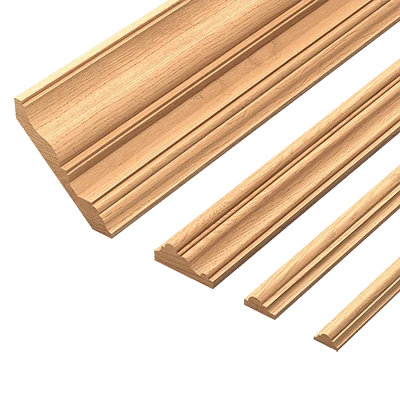
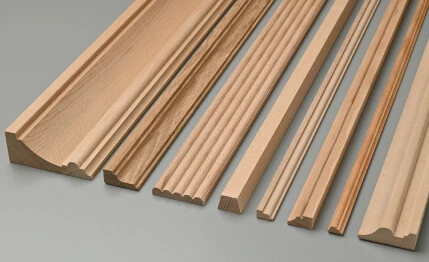
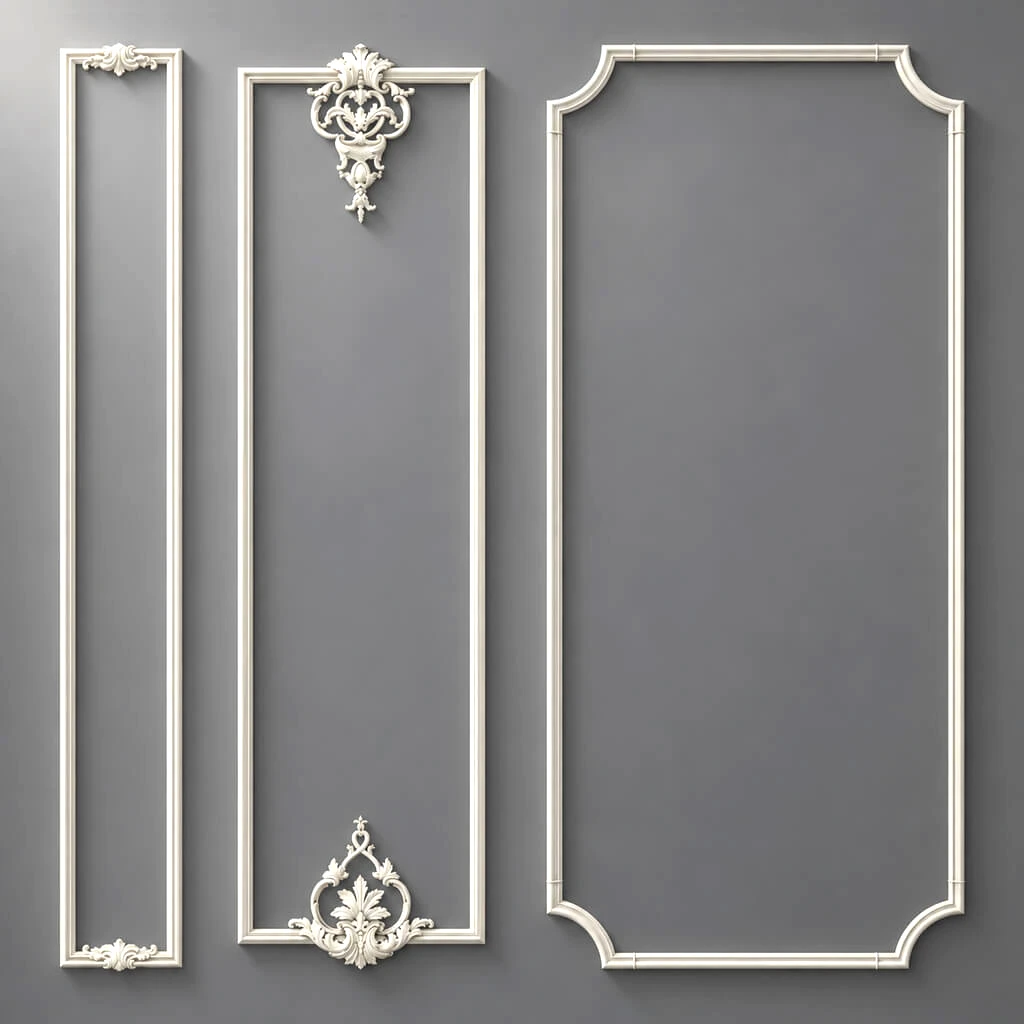
Legs + moldings. Moldings on facades + moldings as a decorative belt + legs — must be the same shade. For white furniture with white moldings — white legs (for painting or white enamel).
Legs + classic furniture. If choosing Classic Furniture with pronounced wooden decor — legs for individual items (cabinets, benches, poufs) should match the overall style system.
Furniture legs in Moscow: what to consider when ordering with delivery
Moscow and the Moscow region — a market with its own specifics. There is a high density of furniture manufacturers, design studios, and private craftsmen. And high demands on deadlines and quality.
Check the dimensions before ordering
It seems obvious — but half of the mistakes when buying furniture legs happen right here. Measure:
-
The required leg height from the floor to the bottom edge of the body
-
The base size (mounting plate)
-
The diameter or cross-section of the threaded insert or screw hole
-
Type of fastener (screw, bolt, threaded stud)
These four parameters are the mandatory minimum for a correct order.
Samples and online ordering
When ordering wooden legs online, the coating color on the screen always differs from the real one. If color accuracy is important: order a sample before the batch. For one or two legs during restoration — it's better to order one first, check the color match, then the rest.
Quantity and reserve
Standard number of legs:
-
Cabinet/ottoman — 4 pieces
-
Chest of drawers — 4–6 pieces
-
Sofa — 4–6 pieces (depending on the frame design)
-
Armchair — 4 pieces
-
Bed — 4 pieces (corner) + sometimes 2 center pieces
Add 1–2 extra legs beyond the required quantity: reserve for defects during installation and future replacement.
Delivery to Moscow and timelines
STAVROS works with delivery in Moscow and to regions. Wooden legs are a compact product that withstands transportation well when properly packaged. For large batches — transport companies.
FAQ: main questions about buying furniture legs
Where to buy furniture legs in Moscow?
The STAVROS catalog features a full range of wooden furniture legs in several profiles and heights. Delivery in Moscow and to regions.
Which legs are best to choose for a dresser?
Classic turned beech legs 80–120 mm high. Tinting to match the handles and decor of the dresser. Quantity — 4–6 pieces depending on the width of the body.
Are wooden legs suitable for a sofa?
Yes. Beech is the optimal material. The base should be at least 50×50 mm. Threaded fastening through a metal insert in the frame. Height — according to the required seating height.
How to choose furniture leg height?
For cabinets and dressers — 80–120 mm. For sofas — depends on the required seating height. Guideline: seat height 42–48 cm = required leg height.
What is better: legs without coating or with coating?
Without coating — if the furniture is painted or tinted in a single cycle. With coating — if a ready standard color or contrasting accent is needed.
Which furniture legs are suitable for classic furniture?
Turned with a developed profile made of beech or oak, tinted in "dark walnut" or "patina". Coordinated with moldings, handles, and carved decoration in a unified style.
Can wooden legs be painted independently?
Yes. Uncoated legs — specifically for this purpose. Sanding P180 → primer → desired coating (enamel, stain + varnish, oil).
How to choose legs to match the color of furniture?
Either "matching" — legs are painted in the color of the body. Or contrasting — dark legs on light furniture or vice versa. The main thing: one color of legs on the entire item.
How many legs are needed for a cabinet or chest of drawers?
Cabinet — 4 pieces. Chest of drawers up to 100 cm wide — 4 pieces. Chest of drawers wider than 100 cm — 6 pieces. With a spare of 1–2 pieces.
Is there delivery of furniture legs to Moscow?
Yes. STAVROS delivers to Moscow and regions. Details — on site.
STAVROS: legs that hold
Furniture rests on details. Literally — on legs. And the legs you choose determine whether your chest of drawers will last a year or twenty years, whether the sofa will be stable after five years of active use, whether the cabinet will look expensive or cheap — with the same facades.
STAVROS offers a full range of wooden furniture legs made of beech and oak solid wood — in several profiles, heights, and coating options. Uncoated legs — for productions with a single painting cycle. Coated legs — for ready-made solutions. Next — wooden furniture handles, applique, Moldings и Carved Decor — everything for a single wooden furniture piece.
Delivery in Moscow and to the regions. We work with manufacturers, workshops, and private clients.
STAVROS — because good furniture stands on the right legs.