Article Contents:
- What is stucco and why is it needed in interior
- Where stucco is used
- Stucco on Walls
- Stucco on Ceilings
- Stucco on the facade
- Stucco on doors and windows
- Stucco for fireplace portal
- Stucco for furniture and facades
- Main types of stucco decor
- Moldings
- Cornices
- Ceiling Rosettes
- Corner Elements
- Capitals and brackets
- Casing and trimmings
- Materials: which stucco to choose
- Polyurethane relief
- Gypsum molding
- Duropolymer stucco
- Wooden stucco and carved decor
- Stucco imitating wood
- How to choose molding to match the interior style
- Classic
- Baroque
- Modern Interior
- Interior with white, gold, and relief stucco
- How to choose the size and placement of stucco
- How to attach stucco
- Mistakes when choosing stucco
- Where to buy stucco and decorative elements
- FAQ: Answers to popular questions about stucco molding
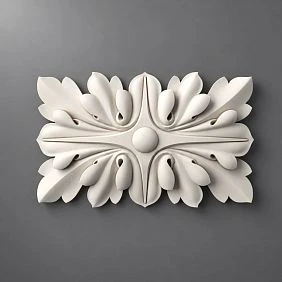
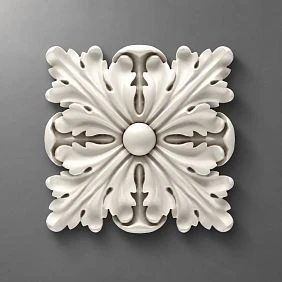
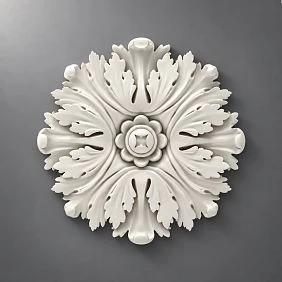
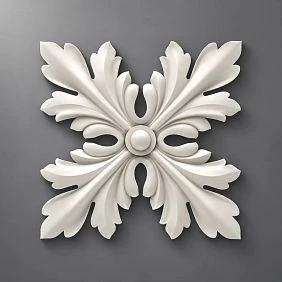
What is stucco and why is it needed in interior design
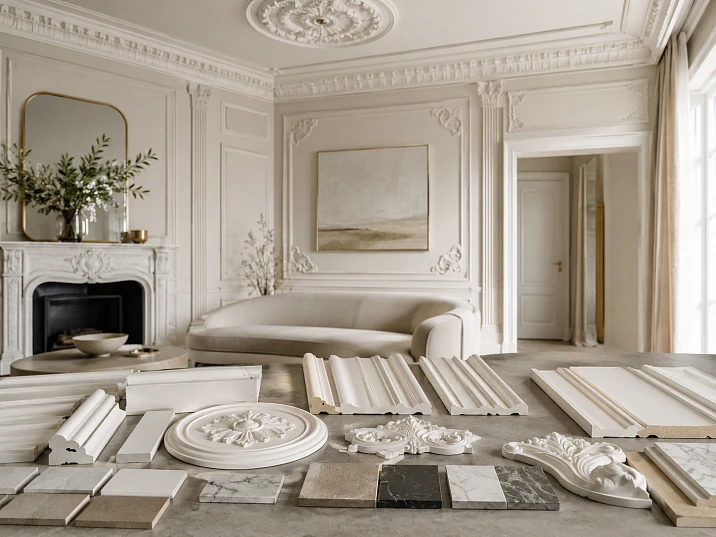
Decorative stucco is one of the oldest architectural tools that humans have used to transform spaces long before the advent of wallpaper, stretch ceilings, and modular kitchens. Just look at the grand halls of St. Petersburg palaces, the facades of Vienna mansions, or the interiors of Italian villas to understand: stucco is not just decoration, it is the language of architecture spoken by walls, ceilings, and portals.
But today, stucco in interiors is no longer a privilege of palaces and country estates. Modern materials—polyurethane, duropolymer, MDF—have made this decor accessible to any living space: from city apartments to country houses. At the same time, the aesthetics have not suffered one bit. On the contrary—the precision of shapes, the quality of relief, and the ability to choose an element for any style are higher today than ever before.
Stucco in interiors performs several functions at once. It visually structures the space, sets rhythm and scale, and accentuates architectural elements—transitions between wall and ceiling, door and window openings, fireplace portals. In addition, stucco defines the stucco style of the interior: with its help, an ordinary rectangular room becomes a complete, well-thought-out space with character.
Why does stucco never lose relevance? Because relief is a living element. It changes with lighting, creates shadows and highlights, and adds depth to surfaces. No paint, no pattern can achieve the effect that a three-dimensional molding or a carved rosette under a chandelier creates. That is why classic stucco does not disappear even in the era of minimalism—it simply becomes thinner, more laconic, more restrained.




Where stucco is used
Our factory also produces:
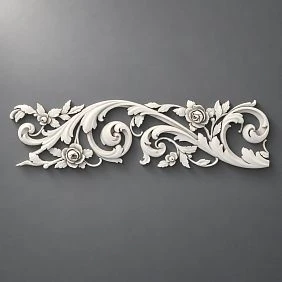
Stucco on the wall
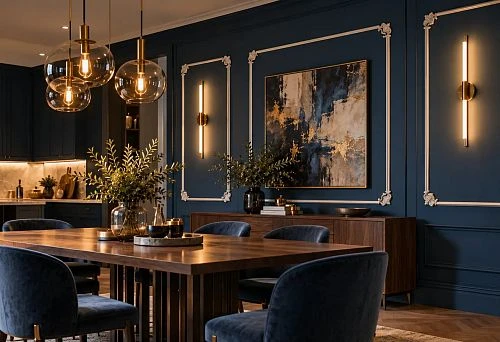
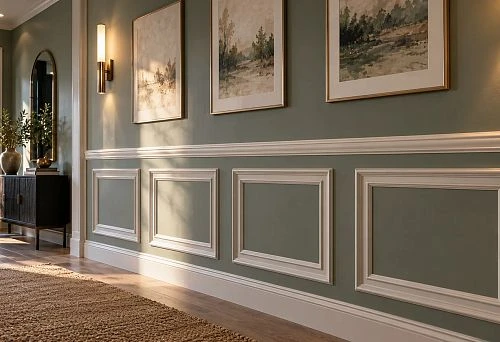
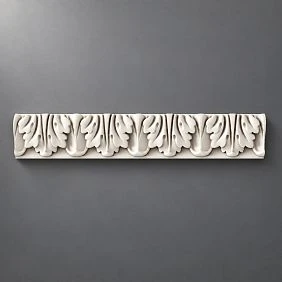
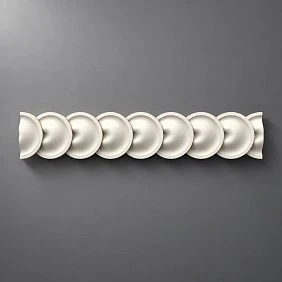
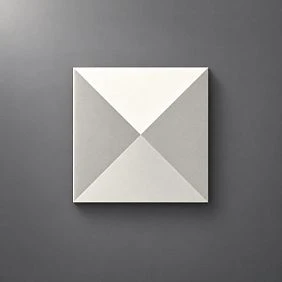
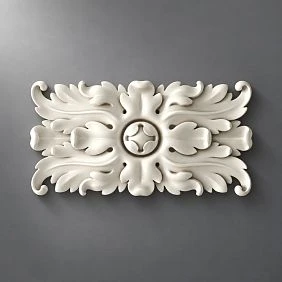
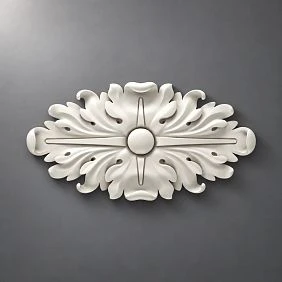
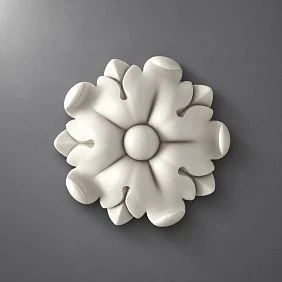
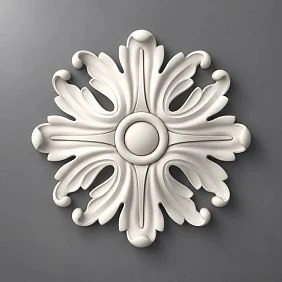
Wall decor made from stucco elements is perhaps the most expressive direction. Stucco on the wall can be used as a horizontal band at the frieze level, as vertical pilasters dividing the wall into panels, as individual medallions, cartouches, or frames for mirrors and paintings. Molding on the wall creates the effect of inset panels—a classic technique characteristic of Classicism and Neoclassicism.
Stucco for walls is especially effective in living rooms and bedrooms, where it turns an ordinary plane into an architectural statement. White stucco on a contrasting wall is one of the most popular techniques in modern interiors: strict, clean, with character. Frames made of moldings filled with textured paint or wallpaper give the same effect as expensive finishes, but are much simpler to implement.
Wall stucco also includes corner elements—special overlays that decorate internal and external wall corners, creating a continuous decorative contour. Corner stucco is a detail often underestimated, but it is precisely what gives a room that completeness so lacking in many interiors.
Get Consultation
Stucco on the ceiling
Ceiling stucco molding has historically been the most prestigious place for decoration. In a classic interior, the ceiling is the "fifth facade," requiring as much attention as the walls. Ceiling stucco molding includes cornices around the perimeter, ceiling lamps, coffered elements, central rosettes for chandeliers, and decorative beams.
Stucco molding under the ceiling in the form of a cornice is a functional element that hides the joint between the wall and ceiling. A good cornice sets the scale of the room, visually raising or lowering the ceiling depending on its height and profile. A deep three-part cornice with an ogee and cyma is classic; a thin, smooth profile is a modern interpretation.
Ceiling stucco rosettes are a special topic. A chandelier rosette serves three purposes: it hides the electrical connection, visually centers the chandelier, and completes the ceiling composition. The size of the rosette is chosen proportionally to the diameter of the lampshade and the ceiling height. Stucco for a chandelier can be a modest flat disc with ornamentation or a lavish Baroque medallion—it all depends on the interior style.
Stucco on the facade
Facade stucco is already an architectural theme in the full sense of the word. Exterior stucco decorates window casings, interfloor bands, cornice overhangs, corner rusticated blocks, decorative pediments, pilasters, and brackets. Architectural stucco on the facade makes a house recognizable, giving it an individual character and stylistic identity.
The key requirement for facade stucco is resistance to the external environment: temperature fluctuations, humidity, and ultraviolet radiation. That is why polyurethane or durapolymer are most often used for facades—materials that are not afraid of frost, summer heat, or rain. Stucco on the facade made from these materials lasts for decades without deformation or destruction.
Facade decor assumes a certain logic of placement: bands run horizontally and divide the facade into tiers, stucco casings frame window and door openings, cornices complete the top edge of the wall, and brackets support cornice overhangs and balcony slabs. Facade stucco decor is not chaotic embellishment but a clear system based on architectural principles.
Stucco on doors and windows
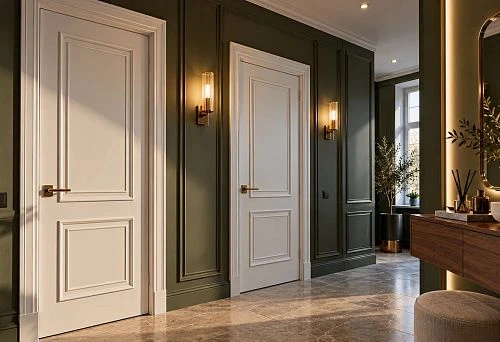
Door stucco and window stucco are elements that "frame" openings and give them significance. Casings with stucco elements turn an ordinary door into a grand entrance. Stucco above a window—in the form of a sandric, small pediment, or decorative keystone overlay—accentuates the opening, making it the center of the wall.
Stucco on a door can include pilasters on the sides, a capital at the top, a decorative frieze, or an archivolt. In a classic interior, such a door frame creates the effect of a portico. Interior stucco for doorways is one of the most effective ways to give an ordinary apartment an almost palatial feel.
Stucco molding on windows in the interior works as a mirror reflection of the exterior decor: pilasters, cornices, architraves, and frames turn windows into full-fledged architectural elements. Arched stucco for arched openings is a special genre requiring special flexible or segmental elements.
Stucco for a fireplace portal
Stucco elements for a fireplace portal are the decor with the greatest visual weight in any room. The stucco portal includes posts, a shelf, a frieze, capitals, and decorative panels. It is through the portal that the style of the entire interior is revealed: strict Empire, lush Baroque, or laconic Neoclassicism.
Fireplace stucco requires special attention to heat resistance: elements located near the firebox must withstand temperature loads. When using polyurethane decor, it is important to maintain distances from the source of open flame and areas of strong heating. Upper shelves, pilasters, and decorative overlays of the portal, when properly placed, serve for a long time and without problems.
Stucco for furniture and facades
Furniture decor from stucco elements is a relatively young but very dynamic direction.decorative inlays for furnitureallow you to radically transform the facades of cabinets, bedside tables, chests of drawers, and kitchen sets. Thin applied carving turns mass-produced furniture into designer pieces.
Stucco for furniture includes overlays, rosettes, moldings, and corner elements that are glued to the facades. A wall panel with stucco and furniture inserts creates a unified stylistic system in the room. Stucco on furniture facades is especially effective in classic-style kitchen sets: it turns a standard MDF set into something worthy of an interior design magazine.
Main types of stucco decor
Moldings are linear profiles used to create framed compositions, zone walls, and frame openings. They come in various widths (from 20 to 150 mm) and relief complexity — from smooth to richly decorated.
Molding is the basis of stucco decor. It is a linear profiled element used for horizontal and vertical division of a surface. Stucco moldings can be smooth, ornamental, classic with traditional profiles like "astragal", "reverse ogee", "ogee", and modern with minimal relief.
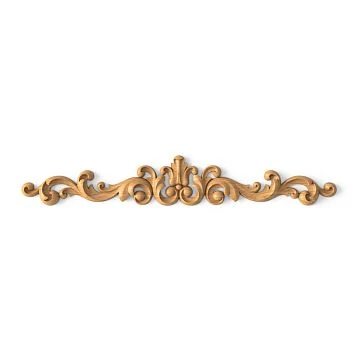
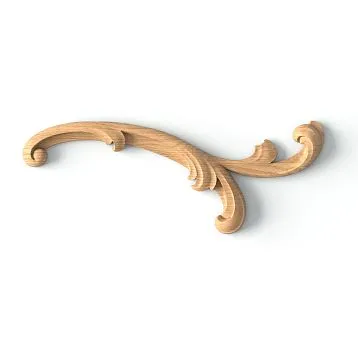
Carved wooden molding— the pinnacle of furniture and architectural millwork. Oak or beech molding with hand or CNC machining creates the effect of genuine antique trim. Polyurethane moldings are easier to install and more affordable, but also deliver excellent results.
Moldings are used to create framed panels on walls, to finish ceiling joints, to decorate door panels, furniture fronts, niches, and arches. Decorative accessories for moldings — corner pieces, end caps, and connectors — make working with millwork professional and complete.
Crown mouldings
A cornice is a horizontal profiled element that separates the wall and ceiling or creates a visual boundary between facade tiers. A cornice molding can be two-part or multi-part, with or without a shelf for lighting, smooth or ornamental.
Polyurethane ceiling cornices— the most common solution for residential interiors. They are lightweight, durable, easy to paint, and require no complex installation. A ceiling cornice is selected by projection height: for rooms with ceilings up to 2.7 m, a cornice height of 60–80 mm is sufficient; for high ceilings, a three-part cornice with a total height of 120–200 mm can be used.
A facade cornice differs from an interior one in its more complex profile and larger dimensions. The facade cornice sets the horizontal rhythm of the building and protects the upper wall areas from water runoff. The Stavros catalog includes both interior and facade polyurethane cornices with a ready-made primer coating.
Ceiling Rosettes
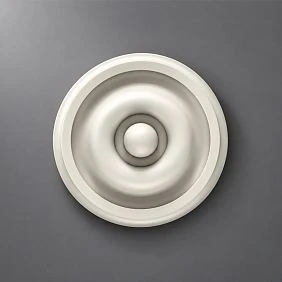
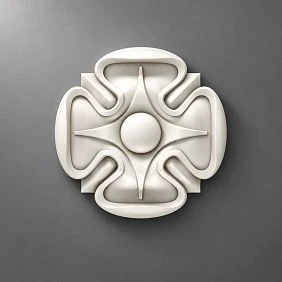
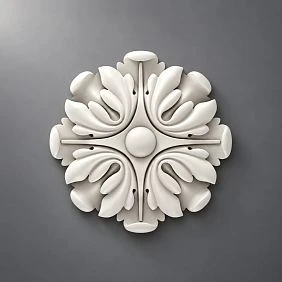
Ceiling molding rosettes are round or oval decorative elements installed in the center of the ceiling under a chandelier or light fixture. A molding rosette can be flat overlay or three-dimensional relief, smooth or ornamental, small (from 15 cm in diameter) to large (up to 80 cm or more).
Ceiling rosettes are selected based on several parameters: the rosette diameter should be proportional to the chandelier shade diameter and the ceiling area. For a room of 16–20 sq. m, a rosette with a diameter of 35–50 cm is optimal. A ceiling rosette for a chandelier must have a central hole or a special mounting element for the wire.
In addition to central ones, there are decorative ceiling rosettes for corner accents, for niche design, and for creating a coffered ceiling — in this case, several smaller rosettes are arranged in a grid or checkerboard pattern.
Corner elements
Corner molding is a group of elements designed for finishing internal and external corners. Corner molding exists for ceiling cornices (special corner blocks), for molding frames, and for external corners of facade moldings.
Without properly selected corner elements, any decor will look unfinished. Stucco corners connect horizontal and vertical linear elements, forming a continuous contour. There are ready-made 90-degree corners and universal corner blocks that are cut to the required angle.
Capitals and brackets
A stucco capital is the finishing element of a column or pilaster, a transition node between the vertical support and the horizontal ceiling. In interiors, capitals are used to decorate semi-columns on walls, door pilasters, corner posts, and decorative columns.Carved wooden capitals — a benchmark of classical craftsmanship, combining sculptural precision and the natural warmth of the material.
Decorative brackets made of wood and polyurethane — elements that support cornice overhangs, shelves, balcony slabs, and canopies. A bracket is that decorative element where form and function are fused together. A properly selected bracket adds logic and persuasiveness to the space.
Casing and trim
Stucco architraves are frame elements for window and door openings. Carved wooden architraves are a tradition dating back to Russian wooden architecture. Polyurethane architraves are a modern interpretation, resistant to the environment and not requiring regular painting.
Window stucco and door stucco create an important architectural accent: an opening without framing looks bare and unfinished. The richer the profile of the architrave, the more ceremonial the door or window opening becomes. Stucco frame is a general name for all types of framing elements, including cartouches, frames, and medallions.
Materials: which stucco to choose
Polyurethane moldings
polyurethane moldings — the undisputed leader of the modern decor market. This material combines lightness, strength, precision of shapes, and an affordable price. Polyurethane stucco is produced by injection molding into precision molds, ensuring perfect reproducibility of the most complex ornaments.
High-density polyurethane (200–250 kg/m³) is not the lightweight foamed material associated with packaging. It is a structural decorative material, stable at temperatures from −40 to +80 °C. Decorative polyurethane molding is not afraid of moisture, does not rot, does not crack in frost, and does not deform in heat — which is why it is suitable for both interiors and facades.
Polyurethane molding is easy to buy: it comes as ready-made elements with a primer coating, ready for painting with any interior and facade paints. Installation is done with liquid nails or special acrylic glue, without complex tools or special skills.
Among the key advantages: lightness (5–7 times lighter than gypsum molding), moisture resistance, precision of detailing, versatility of painting, durability, and the possibility of use on facades. The only nuance is that before installation, the surface should be degreased and the correct glue should be used.
Gypsum molding
Gypsum molding is a classic of the genre, used in architecture for millennia. Gypsum provides exceptional precision and whiteness of form, paints well, does not cause allergies, and is a completely eco-friendly material. Gypsum molding is the choice of those who value traditional materials and are willing to pay for the weight and feel of naturalness.
The main disadvantage of gypsum is fragility and heaviness. Gypsum elements require more careful installation with metal dowels and reinforcing inserts, especially for large cornices and heavy rosettes. Gypsum molding is categorically unsuitable for facades and wet rooms: moisture destroys gypsum, causing cracking and crumbling.
Gypsum molding is used mainly in historical restoration projects, palace interiors, and projects with special requirements for material authenticity. For ordinary residential construction, it is increasingly giving way to polyurethane.
Duropolymer molding
Duropolymer molding is a material that occupies an intermediate position between polyurethane and gypsum. Duropolymer is a high-density resin reinforced with mineral fillers. Decorative molding made of duropolymer is somewhat heavier than polyurethane, but has increased hardness and resistance to mechanical impacts.
Duropolymer molding can be bought in specialized decor stores. The material is well sanded, processed with a cutter, and painted. Unlike gypsum, duropolymer is less brittle, although it is inferior to polyurethane in flexibility and ease of installation. It is used where increased surface strength is needed — on stairs, in public spaces, in areas with mechanical loads.
Wooden molding and carved decor
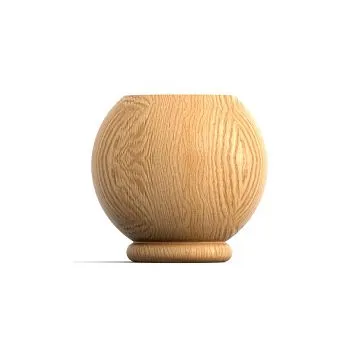
Wooden carved decor from wood— is a completely special category. Wood stucco is not cast elements, but products created by a carver or a high-precision CNC machine from solid oak, beech, linden, or pine. Wood stucco carries natural warmth, unique texture, and the feel of a living material that no polymer can provide.
Carved wooden decor is used for furniture, door trims, staircases, fireplace portals, and wall panels. Each wooden product is a unique piece, even if produced on CNC equipment: the grain pattern of each element is one of a kind. Buying wood stucco from the manufacturer means getting a product with documented material quality and dimensional accuracy.
From a practical standpoint: wooden decor requires regular maintenance, protection from moisture, and sudden humidity changes. For facades, wood stucco is used only with a high-quality protective coating and regular renewal of the latter.
Stucco under wood
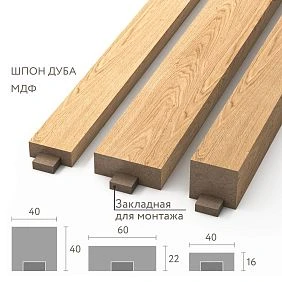
Stucco under wood refers to polyurethane or MDF elements with a textured surface imitating wood. This decor allows creating the feel of wooden beams on the ceiling, wooden moldings on walls, and frames on furniture without extra weight and without the need for protective coatings.
This option is especially in demand in styles like Provence, rustic, Scandinavian classic, and neoclassical with wooden accents. Stucco under wood blends organically with both natural wooden elements and laminate, parquet, and furniture with textured film. It is important to match the tone and texture of the decor to the overall wooden palette of the interior to make the imitation look convincing.
How to choose molding to match the interior style
Classic
Classic style is the natural environment for stucco decor. Classic stucco is based on the order system: columns with capitals, entablature with architrave, frieze, and cornice, pilasters, rosettes, and moldings with traditional profiles. The color is white or ivory on light walls, or contrasting gilding on a white background.
In a classic interior, stucco must adhere to strict proportions. The height of the cornice is at least 1/20 of the room height. Molding frames on walls should be in the golden ratio relative to the wall height. The ceiling rosette is strictly centered. Any deviation from symmetry in classic style is perceived as a mistake.
Baroque
Baroque stucco is maximalism, opulence, and movement. Scrolls, cartouches, garlands, mascaron, shells, clouds, and putti are all attributes of baroque decor. Baroque stucco knows no moderation: it fills surfaces, creating a sense of excessive, festive grandeur.
In modern interiors, Baroque elements are used sparingly—as accents rather than continuous coverage. A few Baroque cartouches on the wall, a lush rosette under the central chandelier, a portal with rich ornamentation—this is enough to create a sense of style without turning the apartment into an opera set.
Gold stucco is the main color attribute of Baroque. Gold leaf, worn gilding, patinated surfaces—all of this works in tandem with Baroque relief, creating a sense of fairy-tale opulence.
Modern interior
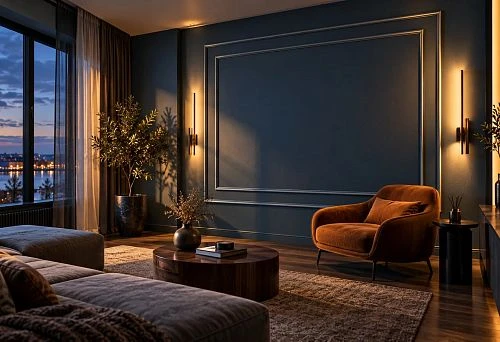
Stucco in modern interiors is about conciseness, geometry, and restraint. Thin rectangular moldings, simple flat frames, minimalist cornices without ornamentation—modern stucco abandons historical forms but retains the principle of architectural space division.
In the modern classic and neoclassical style, stucco occupies an intermediate position: slightly more relief than in minimalism, but without the opulence of historical styles. A thin smooth molding in the wall color, a barely noticeable cornice, discreet corner elements—this restraint is precisely the modern approach to stucco decor.
Stucco in a modern-layout apartment is often used only in specific zones: around the TV, along the perimeter of the bedroom, on an accent wall in the living room. This creates a focal point without overloading the space.
Interior with white, gold, and relief stucco
White stucco on a white ceiling is a classic technique that creates volume through shadows. White stucco on a colored wall is a bolder solution, where the decor becomes a visual anchor. White stucco on dark, saturated walls—anthracite, deep blue, green—is especially striking.
Gold stucco is used in both historical interiors and modern glamorous styles. It's important not to overdo it: gilding works as an accent, not a background. A few gold rosettes, capitals, or frame elements on a neutral white or cream background provide a luxurious effect without vulgarity.
Relief stucco with ornaments—medallions, friezes, cartouches—creates surface richness, especially with side lighting. That's why in interiors with cornice lighting, wall sconces, or floor lamps, the volumetric decor reveals itself in all its beauty.
How to choose the size and placement of stucco
Correct stucco dimensions are the key to a harmonious interior. The main principle: decor should be proportionate to the room. For a small room with a 2.5 m ceiling, a cornice height of 60–70 mm and a rosette diameter of 25–35 cm are suitable. For a spacious hall with a ceiling height of 3.2 m or more, a cornice of 120–180 mm and a rosette of 50–70 cm are appropriate.
Stucco under the ceiling — in the form of a cornice band — is mounted flush against the ceiling plane or with a small gap (if lighting is planned). The ceiling stucco rosette is placed strictly in the center of the ceiling plane. If the room is of an irregular shape, the center is determined by the optical center — taking into account the arrangement of furniture and main viewpoints.
Stucco around the chandelier — a rosette with an opening — should be at least twice the diameter of the upper part of the lampshade. This is an important ratio: if the rosette is smaller than the chandelier, it looks like a decorative spot without meaning. Stucco for the chandelier is also selected for style compatibility: a baroque chandelier requires an ornamental rosette, a minimalist light fixture — a smooth or geometric one.
Molding frames on walls are placed with an indentation from corners of at least 100–150 mm. The height of the lower row of frames is at the level of the top of the door opening or higher. An equal gap is maintained between frames. The stricter the geometry of placement, the more convincing the result looks.
How to attach stucco
Installation of polyurethane stucco decor is a task accessible for DIY. The main thing is to properly prepare the surface, follow the sequence of operations, and use suitable materials.
Surface preparation. The wall or ceiling must be dry, level, and dust-free. Traces of grease, silicone, or peeling paint must be removed. It is recommended to prime the surface with acrylic primer — this will improve adhesive bonding.
Marking. Before applying glue, perform full marking: mark the installation lines, check symmetry, and test-fit all elements together — cornices, corners, rosettes. Marking is convenient to do with a pencil on painter's tape to avoid leaving marks.
Glue. For polyurethane stucco, use acrylic-based liquid nails or special mounting adhesive for polyurethane products. Silicone sealant is not suitable — it does not provide sufficient adhesion and cannot be painted. Apply glue in a zigzag pattern on the back surface of the element, press it against the surface, and hold for 30–60 seconds.
Joints. The joints of elements are filled with acrylic putty or filler. After drying, sand with fine sandpaper. With proper treatment, joints become almost invisible.
Painting. Polyurethane stucco molding is supplied primed. After installation and puttying of joints, it is painted in one or two coats with the same paint as the ceiling or wall, or in a contrasting color. Acrylic paints, water-based emulsions, and alkyd enamels — all are suitable.
Do-it-yourself stucco molding is realistic if the technology is followed. One person can install a standard-size cornice around the perimeter of a room in 4–6 hours. It is more difficult to install large rosettes and heavy decorative elements — it is advisable to work in pairs here.
Mistakes when choosing stucco molding
Knowing typical mistakes helps to avoid them. Here is what most often goes wrong when choosing and installing stucco decor.
Too large decor for a small room. This is perhaps the most common mistake. A massive cornice of 150 mm on a ceiling of 2.4 m visually "eats up" the height, making the room oppressive. For low rooms, thin profiles with a height of 40–60 mm are needed.
Mixing styles without a system. Baroque curls next to a geometric molding in the Art Deco style is a conflict, not eclecticism. Chaotic mixing of styles makes the interior vague. If you want to combine different eras, a professional concept is needed.
Wrong material for wet areas. Gypsum stucco molding in a bathroom or on an open facade is a direct path to cracks and crumbling within a few years. For wet rooms and outdoor use, only polyurethane or duropolymer is needed.
Lack of a unified collection of elements. A cornice from one manufacturer, a rosette from another, moldings from a third — if the profiles and ornamentation are not coordinated, the result will be disjointed. Always try to choose elements from one collection or, at least, of the same scale of decorative language.
Ignoring joints and corners. If corner elements are not selected or the cornice is simply cut at 45 degrees without a special corner — the joints will be unsightly. Use ready-made corner blocks or special overlays for connections.
Installation without surface preparation. If the surface is not degreased or not primed, the glue may not hold. The stucco molding will come off over time, especially in places with vibration.
Where to buy stucco molding and decorative elements
One of the key questions when implementing an interior or facade project is where to buy stucco molding reliably, with quality assurance and in the required quantity. Polyurethane stucco molding can be purchased with Contact us to confirm shipping to your destination. today without leaving home — the main thing is to choose a manufacturer, not a reseller.
Buying from the manufacturer is fundamentally important: the manufacturer guarantees dimensional accuracy, collection completeness, and availability of all components — corner elements, tips, decor for moldings. Buying stucco molding from the manufacturer's online store is easier and cheaper than assembling elements from different suppliers.
STAVROS is a Russian manufacturer of decor from polyurethane, wood, and MDF, working for private clients, designers, and construction companies. The catalog features all key categories of stucco and carved decor.
Polyurethane moldings — the main section of the catalog. It includes cornices, moldings, baseboards, ceiling rosettes, stucco decor for walls and ceilings, decor for moldings, rosettes, and brackets with capitals. The entire range is supplied with a primer coating, ready for painting. Buy polyurethane stucco molding in Moscow and with Contact us to confirm shipping to your destination. — through the STAVROS catalog, specifying the required article number, size, and quantity.
Carved wooden decoration — a collection of wooden stucco decor for furniture, interiors, and facades. Overlays, capitals, brackets, rosettes, architraves, pilasters, wooden baguettes, and moldings — everything for those who choose natural material with character. Buying carved wooden decor from the manufacturer means getting a product made of oak or beech with documented quality.
decorative inlays for furniture — a section for those who want to transform furniture facades. Thin wooden overlays with relief ornamentation are glued onto the facades of cabinets, dressers, kitchen sets, turning mass-produced furniture into custom pieces.
Wooden moldings and cornices — linear products from solid oak and beech for decorating walls, ceilings, doors, and furniture. Carved molding with hand or CNC processing is a level that immediately sets the interior apart.
wooden brackets — decorative and functional supports for shelves, cornice overhangs, fireplace portals, and architectural niches. Carved oak brackets add architectural logic and natural warmth to the interior.
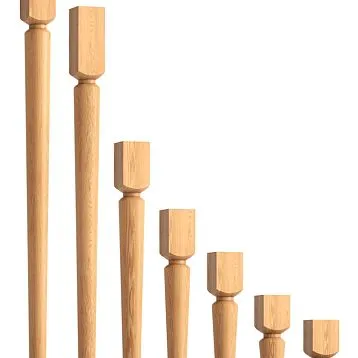
Wooden pilasters and columns — for creating grand door portals, classic interiors, and facade solutions. Wooden pilasters set the vertical rhythm of the wall, giving the room monumentality.
Stucco sales at STAVROS are conveniently organized: a full catalog on the website with photos, sizes, and prices, the option of self-pickup in Moscow and St. Petersburg, or delivery by transport companies across Russia. For designers and construction companies — wholesale terms and technical support.
FAQ: Answers to popular questions about stucco
What is the stucco on the ceiling called?
Ceiling stucco includes several elements with their own names: cornice — a horizontal profile along the perimeter of the ceiling; rosette — a round decorative element in the center of the ceiling under the chandelier; ceiling panel — a frame surrounding the central area of the ceiling; frieze — a horizontal strip of ornament; cove — a curved transition between the wall and the ceiling.
What is the stucco on the facade called?
Facade architectural stucco has different names depending on its purpose and location: string course — a horizontal profile element; pediment — a decorative canopy above a window or door; rusticated block — an imitation of stone masonry; architrave — the framing of a window or door opening; keystone — a decorative wedge-shaped element above an arch or lintel; pilaster — a flat half-column on the wall.
What types of stucco are there?
By material: polyurethane, gypsum, durapolymer, wood, MDF. By application: ceiling, wall, facade, furniture. By purpose: cornices, moldings, rosettes, brackets, capitals, architraves, corner elements, decorative overlays, baseboards.
Which is better: polyurethane or gypsum stucco?
For most residential interiors, polyurethane stucco is preferable: it is lighter, stronger in bending, does not crack during transportation and installation, and is suitable for wet rooms and facades. Gypsum stucco makes sense in restoration projects and where a natural mineral material is fundamentally important.
How to attach stucco to a wall or ceiling?
Polyurethane decor is mounted using acrylic glue or liquid nails: the surface is primed, marked, glue is applied to the back of the element, the product is pressed and held for 30–60 seconds. Joints are filled with acrylic putty. Large heavy elements are additionally secured with dowels.
How much does molding cost?
The price depends on the material, complexity of the shape, and size. Polyurethane cornices range from 200–300 rubles per linear meter for simple profiles to 1500–3000 rubles per meter for complex ornamental ones. Ceiling rosettes range from 400 to several thousand rubles depending on diameter and complexity. Wooden carved overlays and capitals range from 640 rubles for a corner element to several thousand for a large product.
Can stucco be used in modern interiors?
Yes, and very effectively. Modern stucco molding consists of thin geometric moldings, laconic frames, restrained cornices without ornaments. In interiors in the neoclassical, modern classic, and transitional styles, it looks organic and adds architectural completeness to the space.
Is polyurethane stucco molding suitable for facades?
Yes, polyurethane is specifically manufactured for outdoor use. It withstands temperatures from −40 to +80 °C, does not absorb moisture, does not rot, and does not deform. Facade decor made of polyurethane is painted with facade paints and lasts for decades.
How do moldings, cornices, and rosettes differ?
A molding is a linear profiled element for horizontal and vertical division of surfaces. A cornice is a larger-scale horizontal profile that separates the wall and ceiling or facade tiers. A rosette is a round or oval decorative element for the center of the ceiling, doors, or walls.
Can stucco molding be combined with wooden carved decor?
Not only is it possible — it is one of the best techniques in classical and neoclassical interiors. Polyurethane stucco molding around the perimeter of walls and ceiling with wooden carved overlays on furniture, wooden brackets, and architraves creates a harmonious system where natural and polymer materials complement each other. The main thing is to coordinate the scale of the ornament and the stylistic direction.
STAVROS is a Russian manufacturer of stucco and carved decor with a full production cycle, own collections, and a wide range of elements for any interior and facade tasks. The catalog features thousands of items: polyurethane stucco molding and carved wooden decor, cornices and moldings, ceiling rosettes and brackets, capitals and architraves, decorative overlays for furniture and facades. STAVROS works with private clients, designers, architects, and construction companies throughout Russia — with delivery, technical support, and the option to choose in showrooms in Moscow and St. Petersburg.