





























Article Contents:
- Why a console with a mirror is the best solution for the hallway
- Visual weight and space
- Functionality without overload
- Decorative completeness
- Wood as a material
- Where to place a console with a mirror in the hallway
- Wall opposite the front door
- Side wall between openings
- Niche at the entrance
- Hall in a private house
- How to choose the size of a wooden console for the hallway
- Console width
- Console depth
- Console height
- Console and mirror ratio
- Which mirror to choose above the console in the hallway
- Mirror Shape
- Mirror frame
- Mirror lighting
- Console for a narrow hallway — specific solutions
- Depth first
- Legs instead of a solid base
- Light wood or painting
- Vertical mirror
- Minimal decor on the countertop
- Classic style console: how to create a grand entryway
- Carved legs are the main sign of classic style
- Moldings around the mirror
- Symmetry
- Warm wood tones
- Connection with architraves and baseboards
- Wall decoration above the console — from mirror to decor system
- Mirror + molding frames on the wall
- Mirror + sconces
- Mirror + decorative overlays
- Mirror as part of a wall panel
- What to place on a console in the hallway — from function to decor
- Functional items
- Decorative Items
- The 'three-item' principle
- Console with drawers or without — which is more practical
- Console without drawers
- Console with a drawer
- Console with a shelf
- Console on legs or a wall-mounted console
- Hallway with wooden decor — how to create a unified system
- Wooden baseboard
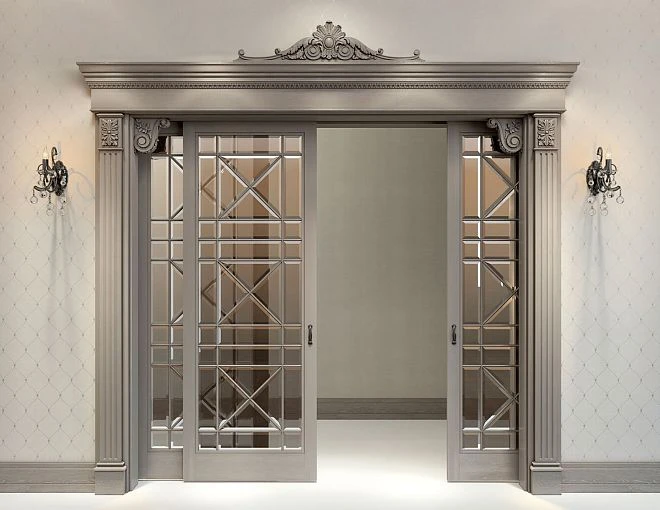
- Wooden architraves and door portal
- Molding panels on walls
- Comparison: console vs. cabinet vs. chest of drawers in the hallway
- Mistakes when choosing a console with a mirror — an honest review
- What to check before buying a console with a mirror
- FAQ — answers to popular questions about a console with a mirror for the hallway
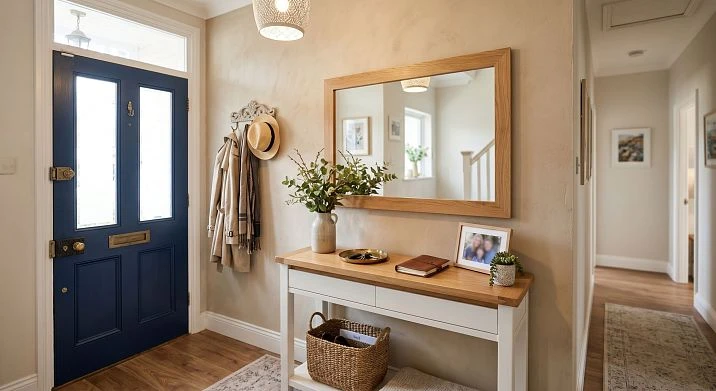
The hallway is the first impression of a home. Five seconds after the door opens, it shapes the feeling of the entire interior. And it is in this area that people most often make the same mistake: they hang a coat rack, put a cabinet, toss keys on a shelf — and think it's done. But there is a solution that turns a functional corridor into a full-fledged entry zone with character.
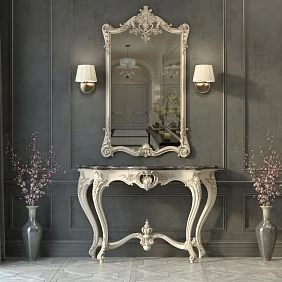
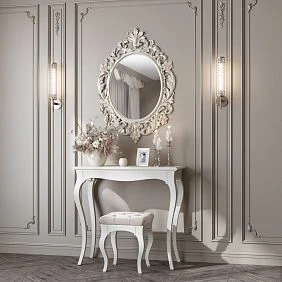
A console with a mirror for the hallway is not just a piece of furniture and not just a mirror on the wall. It is a ready-made composition that visually organizes the space, adds a sense of thoughtfulness, and makes the entrance to an apartment or house truly beautiful. A properly selected set — a wooden console, an expressive mirror in a frame, and a well-designed wall — creates an effect unattainable in any other way.
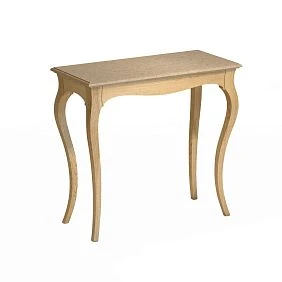
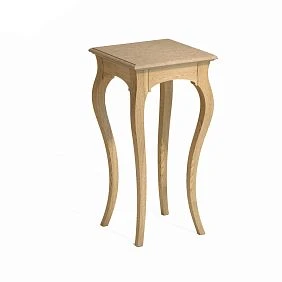
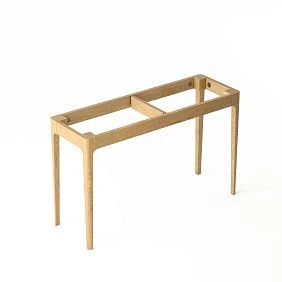
View consoles and frames for the hallway STAVROS — in the catalog.
Why a console with a mirror is the best solution for the hallway
There are many ways to arrange a hallway: a cabinet, a chest of drawers, a sliding wardrobe, built-in closets. Each solution has its own logic. But a console table in the hallway holds a special place, and here's why.


Visual weight and space
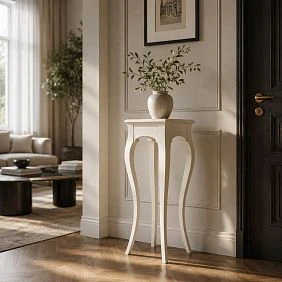
A cabinet is a dense volume. A chest of drawers is even denser. A console table on legs is a light, airy structure that doesn't "sink" into the corridor space. The floor is visible underneath it, and air remains around it. For a narrow corridor, this is fundamentally important: every extra centimeter of visual volume feels oppressive.
A mirror above the console works on the same principle: it doubles the light and space. The reflection of a doorway, window, or lamp creates an illusion of depth — the hallway feels more spacious than it actually is.
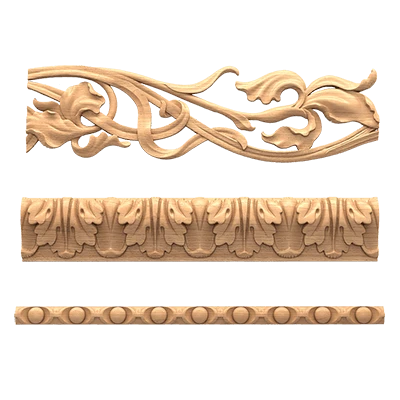
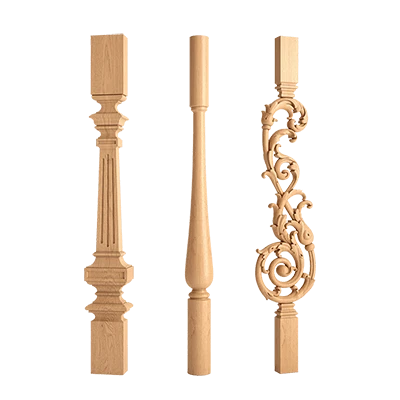
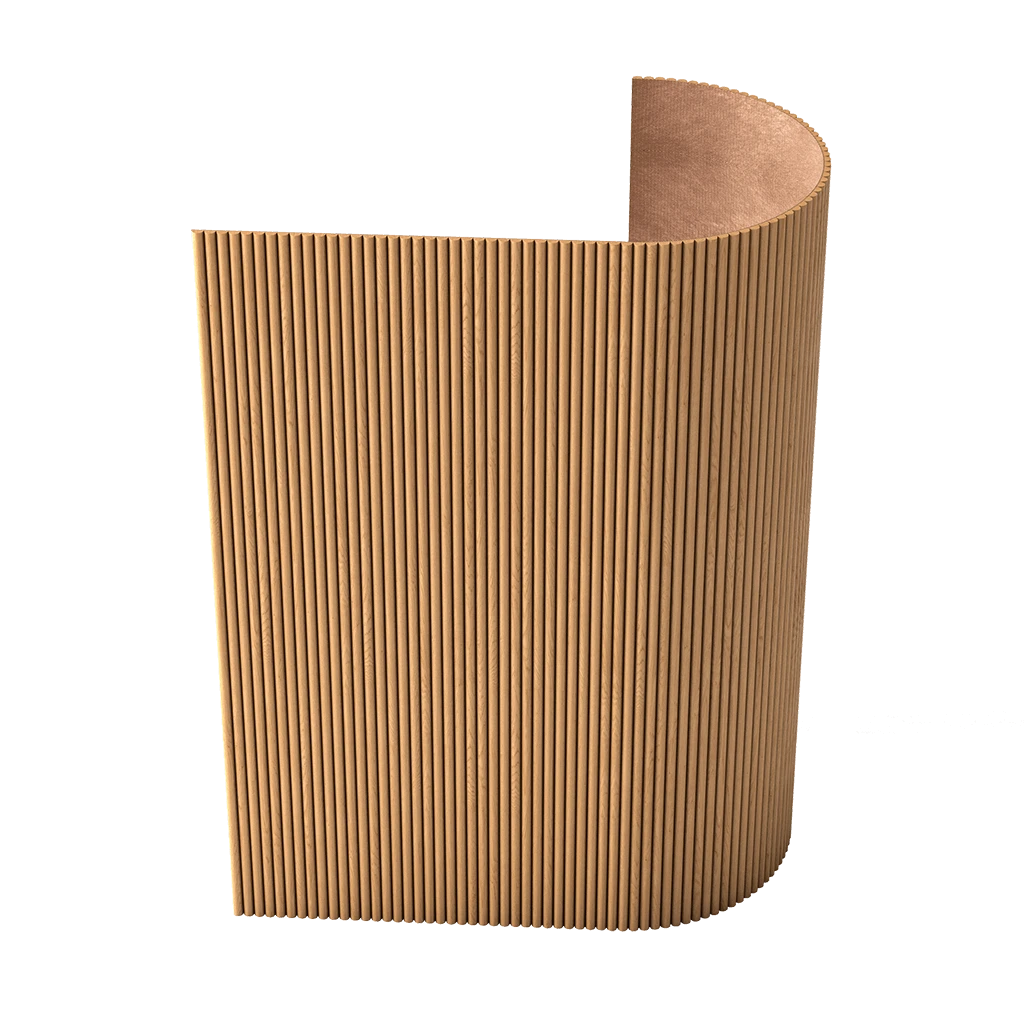
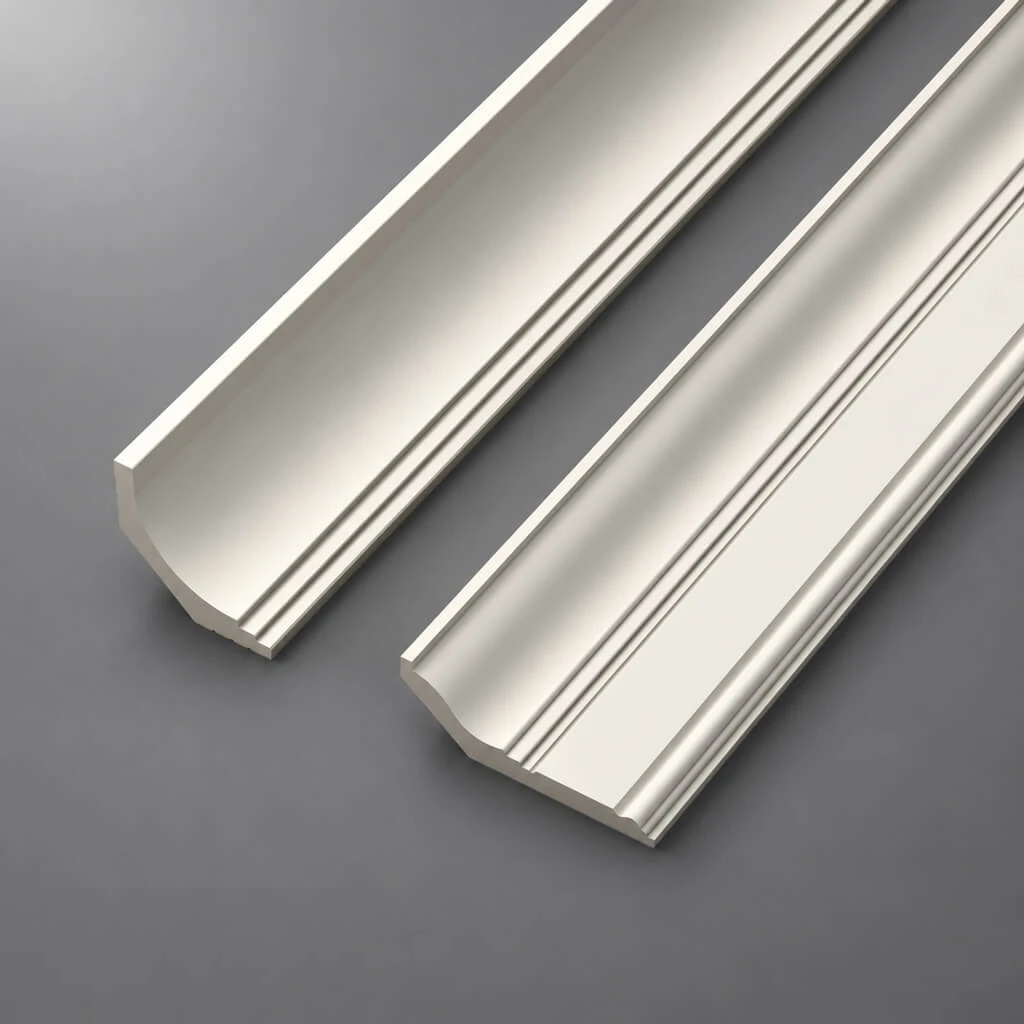
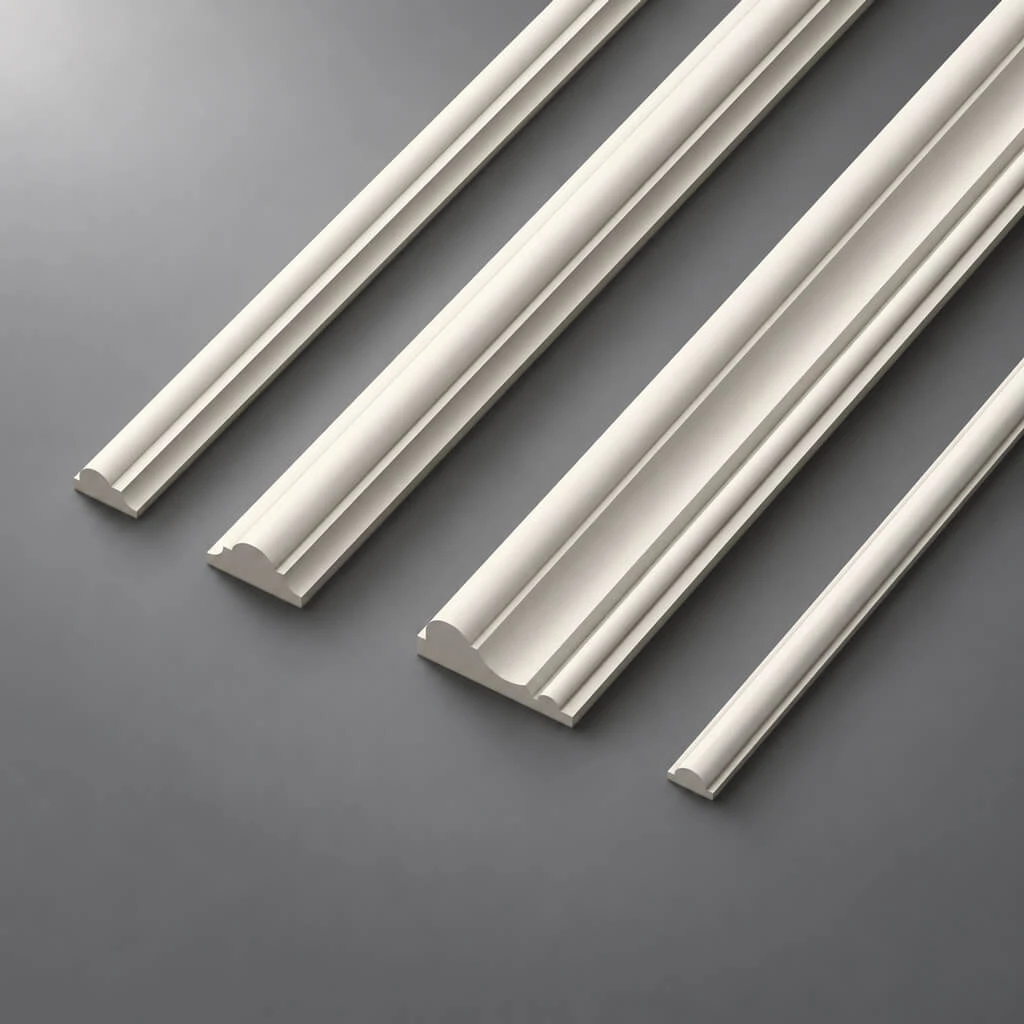
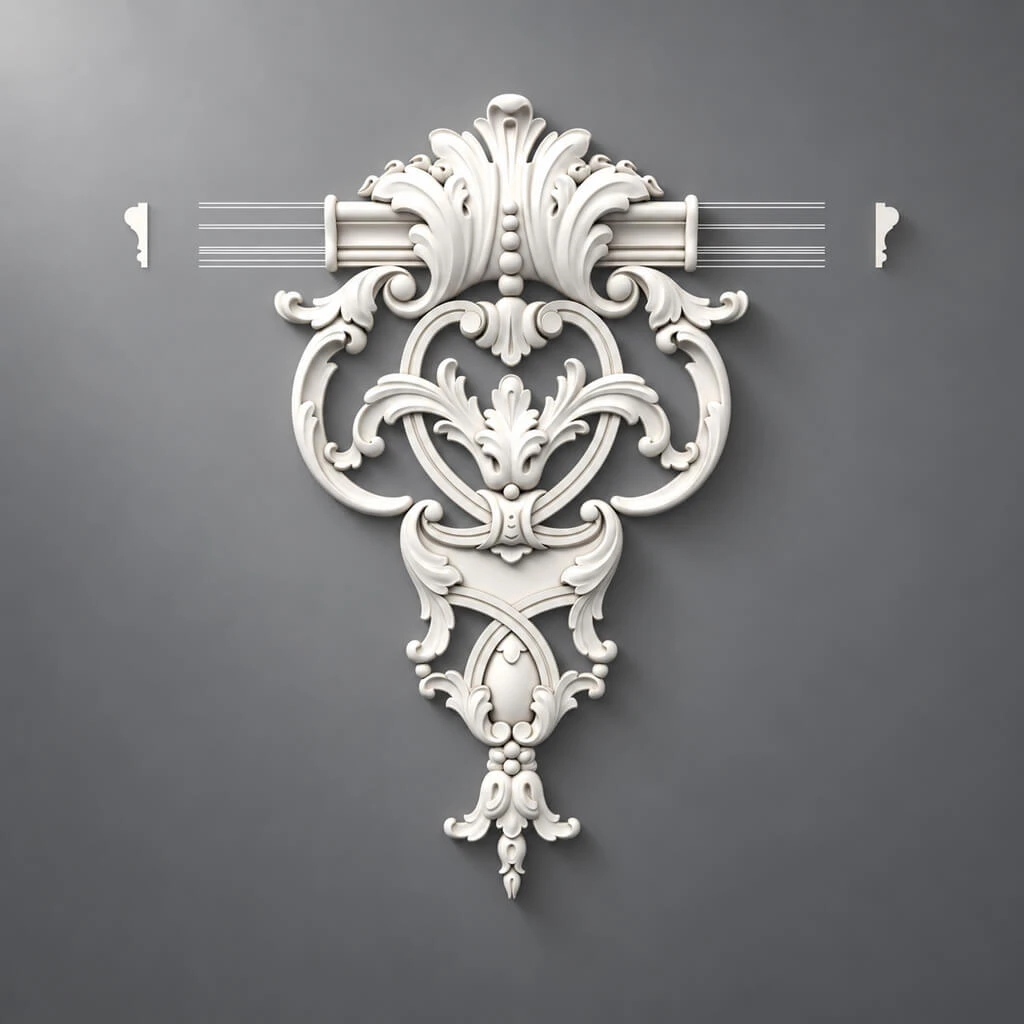
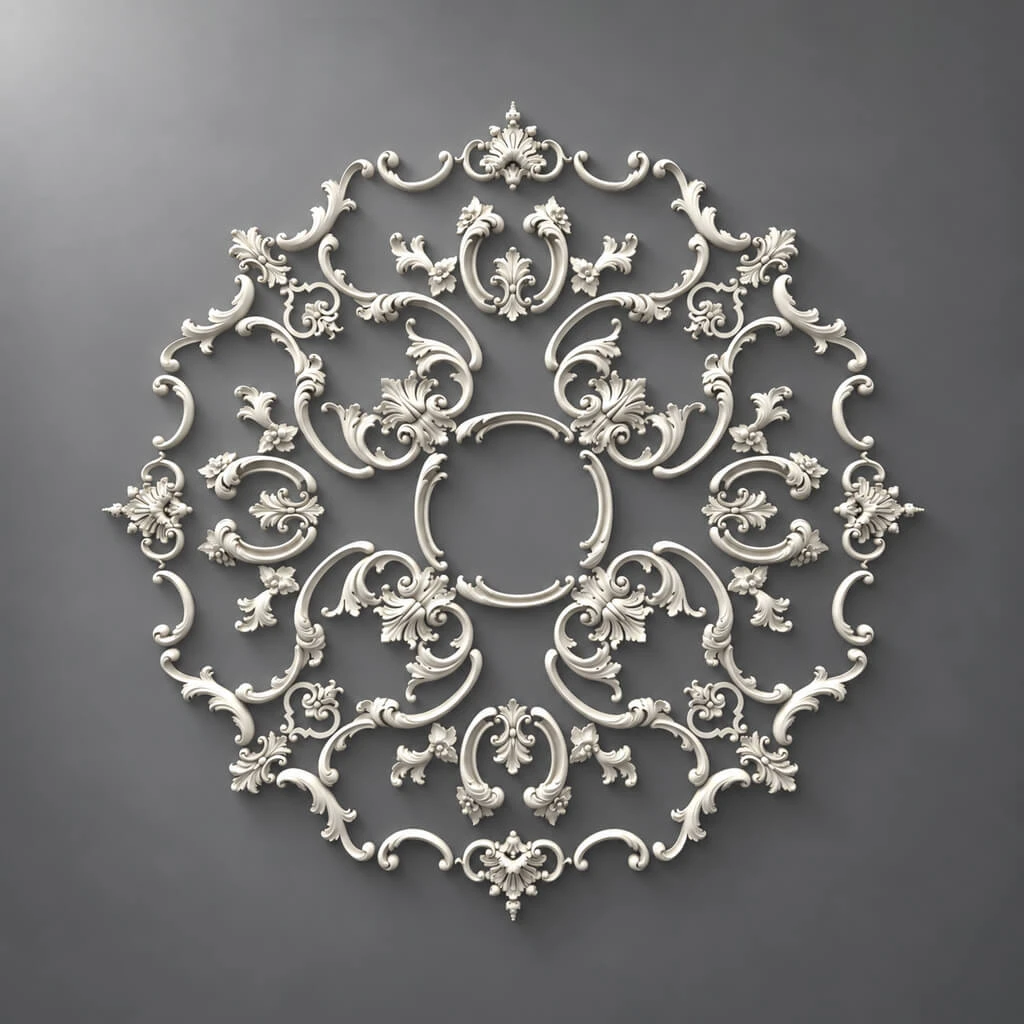
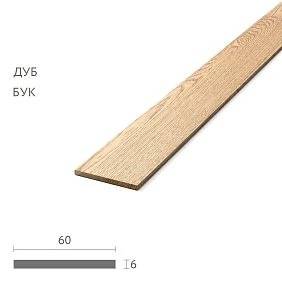
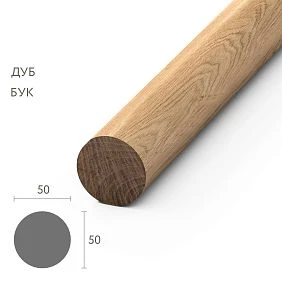
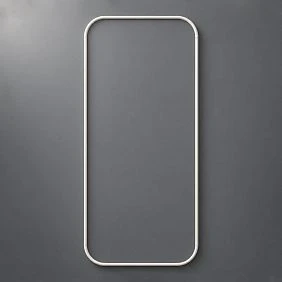
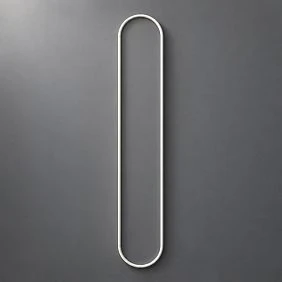
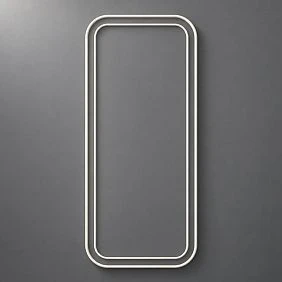
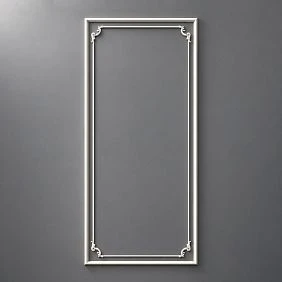
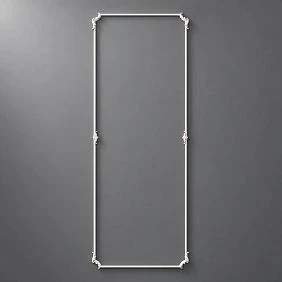
Our factory also produces:
Functionality without overload
It's convenient to leave keys, a phone, or small items from your pocket on the console. Above it, there's a mirror to check yourself before leaving. Nearby, a lamp or sconce provides soft, proper lighting. This is a compact functional "hub" that works every day.
Get Consultation
Decorative completeness
A console and mirror for the hallway form a ready-made symmetrical composition. It requires no extra effort: no need to hang a painting, pick a shelf, or create something from nothing. Console + mirror + proper frame = already beautiful. Everything else is just an addition.
Wood as a material
Wooden console table for the hallway brings warmth that is often missing at the entrance. Cold tiles, metal coat racks, gray laminate — and suddenly a solid wood console with a live wood texture. The contrast always works in favor of wood.
Where to place a console with a mirror in the hallway
Before choosing the size and style, you need to understand where exactly the console will stand. Everything depends on this.
Wall opposite the front door
The best position. You walk in — and immediately see the console with a mirror. The reflection of the door, hallway, space — everything doubles. The mirror works at its maximum here: adds depth where there is none. This is especially valuable if the hallway is small.
Side wall space
If the wall opposite the door is occupied (wardrobe, passage to a room) — the console is placed on a side wall. Here it is important that the distance from the end of the console to the nearest passage leaves a comfortable gap for movement — at least 60–70 cm.
Niche at the entrance
In some apartments, there is a small niche at the entrance: a former pantry, a technical opening. A narrow console for the hallway, 25–30 cm deep, in such a niche is an ideal built-in that looks like it was designed from scratch.
Hall in a private house
For a house with an entrance hall, a console with a mirror becomes the main accent. Here you can afford a larger scale: a wider console, a larger mirror, an expressive carved framedecorative moldings around the mirror, sconces on the sides.
How to choose the size of a wooden console table for the hallway
Size is not "smaller" or "larger". It is an exact relationship with the space.
Console width
The width of the console should match the wall section it stands on. If the wall section is 120 cm — the console is 80–100 cm. If the wall section is 80 cm — the console is 60–70 cm. A console that extends beyond the wall section or is too small for the wall creates a sense of randomness.
Rule: console width = 60–80% of the wall or wall section width.
Console depth
This is the most critical parameter for a hallway. Console depth directly affects the width of the passage. Standard console depth is 25–40 cm. For a very narrow hallway (less than 120 cm), it is better to choose consoles with a depth of 20–25 cm. For a spacious hall — 35–40 cm.
Check before buying: stand at the wall where the console will be, and extend your arm perpendicular to the wall to the planned console depth. Imagine this is the tabletop. How comfortable is it to walk past?
Console height
Standard console tabletop height is 75–90 cm. Optimal for "working" height: to leave keys, pick up a phone. A console that is too low (less than 70 cm) looks like a coffee table and is uncomfortable to use while standing. A console that is too high (more than 100 cm) loses functionality.
Good working height: 80–85 cm from floor to tabletop.
Console and mirror ratio
The mirror above the console should be proportional, not arbitrary. The width of the mirror should be 70–90% of the console width. A mirror significantly narrower than the console looks "lost." A mirror wider than the console creates imbalance.
Mirror height: from the lower edge (10–15 cm above the tabletop) to the top — usually 60–100 cm, depending on ceiling height and wall size.
View wooden console in the STAVROS catalog.
Which mirror to choose above the console in the hallway
The mirror is half of the entire solution. An incorrectly chosen mirror will ruin even the most beautiful console.
Mirror shape
Rectangular mirror — a classic above the console. Clear angles, vertical or horizontal orientation. A vertical rectangular mirror visually raises the ceiling. A horizontal one expands the wall. For a hallway with a low ceiling — only vertical.
Round mirror — softens the composition. Works well above a console with straight, strict lines: the contrast of geometry creates interest. For modern neoclassicism and Scandinavian style — an excellent choice.
Oval mirror — softer than rectangular, but retains verticality. For classic and romantic interiors. Especially appropriate paired with a console on curved legs.
Arched mirror (with a semicircular top) — an architectural form that works well in a classic and neoclassical hallway. It adds a sense of grandeur to the entry area.
Mirror frame
The frame is the connecting link between the mirror and the console. It should 'unite' them.
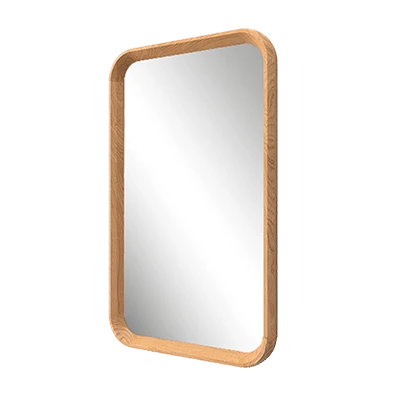
If the console is wooden, the frame should be made of the same material or have the same stain finish. mirror in wooden frame above a wooden console — it's a cohesive, organic pair.
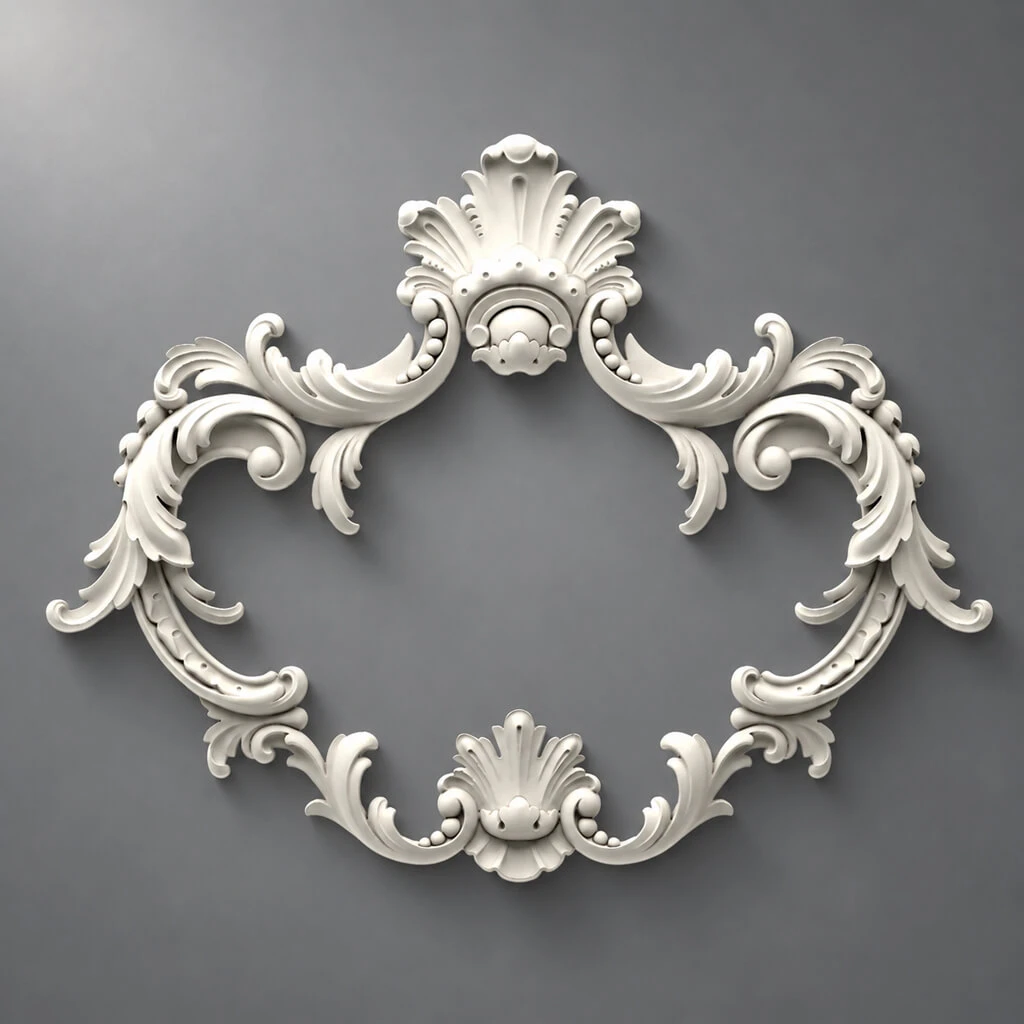
Carved frame for mirror — a more expressive option. For a classic hallway, for a home foyer, for interiors with decorative richness — a carved frame makes the mirror a standalone decoration.
Frame width: for a small mirror in a narrow corridor — a frame of 3–5 cm. For a large mirror in a spacious hall — a frame of 8–12 cm or more.
Mirror lighting
A mirror without proper lighting is a half-mirror. The best solution: two sconces symmetrically on either side of the mirror at a height of approximately 170–180 cm from the floor. This is the 'Hollywood' lighting principle, which evenly illuminates the face without shadows from below.
If sconces on the sides are not possible — top lighting along the perimeter of the mirror. Or a floor lamp next to the console. But not overhead directional ceiling light from above: it creates harsh shadows under the eyes.
Console for a narrow hallway — specific solutions
A narrow corridor is not a death sentence, but a problem with a solution. Here's how it's solved.
Depth first
A narrow console for the hallway is a console with a depth of 20–25 cm. It doesn't 'eat up' the passage but provides space for functionality. You can place a small vase, put keys, or set up an organizer on it. That's all you need.
Legs instead of a solid base
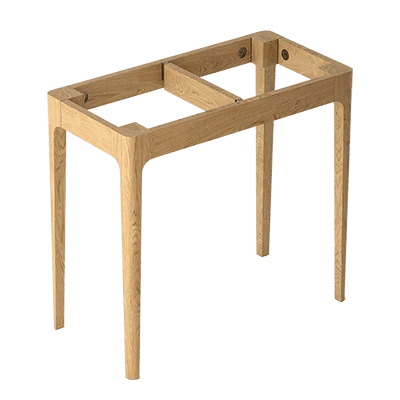
A console on four legs is visually lighter than one with a solid base or a cabinet with doors. The floor is visible underneath it — the corridor appears longer and wider. For a narrow hallway, this is a fundamental choice.
Light wood or paint
A dark console in a narrow corridor feels oppressive. Light wood — birch, ash, beech in natural color — or a console painted white, cream, or ash gray visually expands the space. If you want a dark shade, it's better to keep it for the mirror frame and choose a lighter console.
Vertical mirror
For a narrow hallway, a vertical mirror is a must. It works two effects simultaneously: it raises the ceiling and enlarges the space. A tall, not too wide mirror in a wooden frame above a compact console is the perfect pair for a small corridor.
Minimum decor on the countertop
In a narrow hallway, the countertop should not be overloaded. Two or three items: a small vase, a candle, a key holder — maximum. Clutter on the console in a narrow entryway is psychologically oppressive.
Classic-style console: how to create a formal entryway
Classic and neoclassical — the main context for a wooden console with a mirror. This is no coincidence: historically, the console was part of classic interiors — entryways, living rooms, formal halls of palaces and mansions.
Carved legs are the main sign of classic style
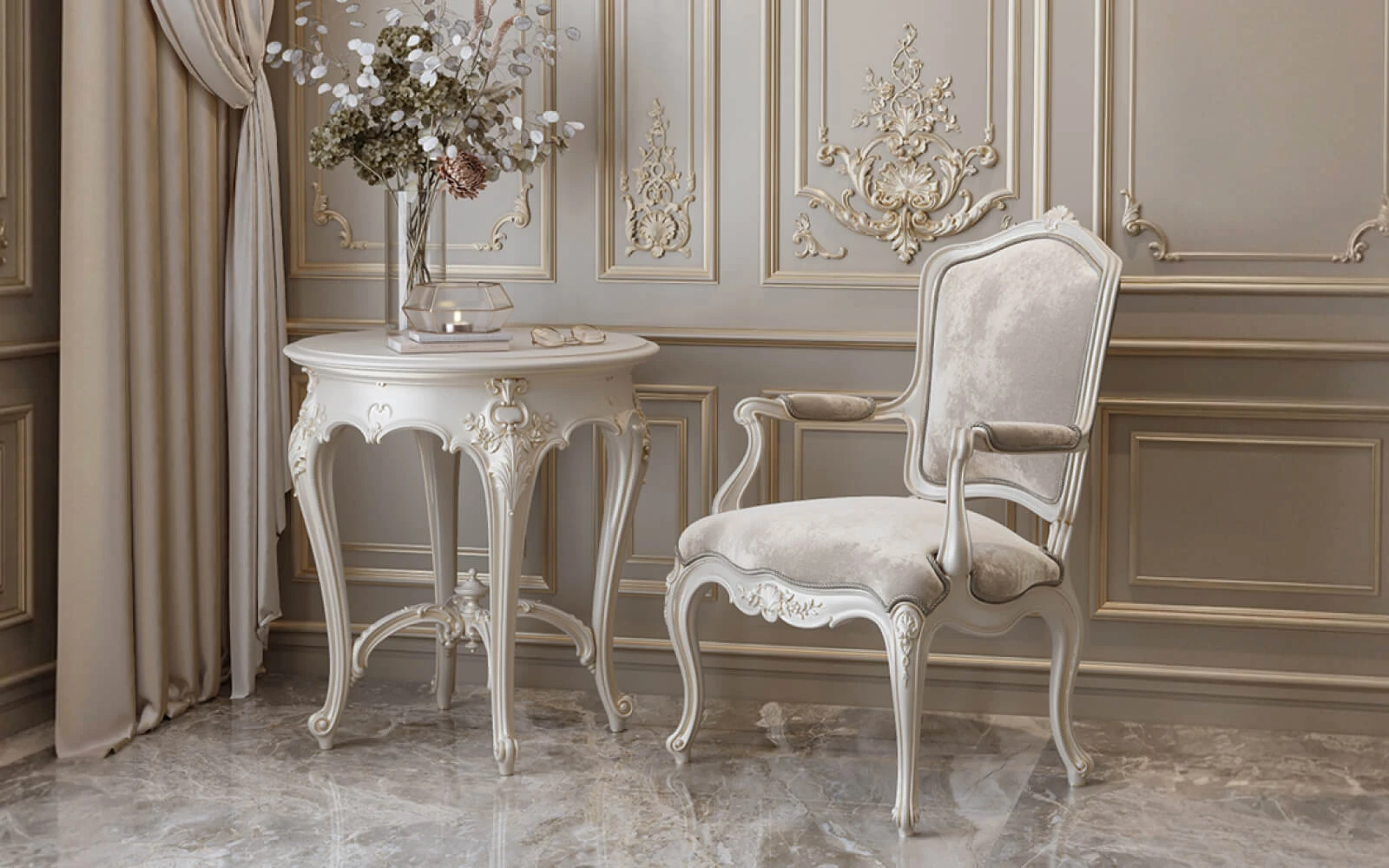
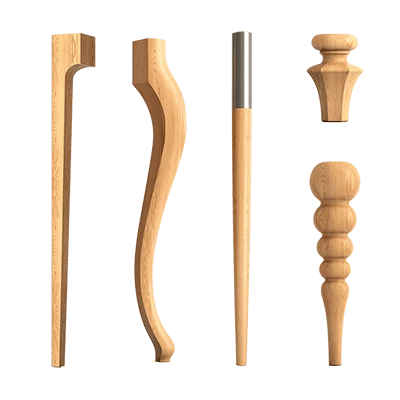
Classic console stands on carved legs. Turned, with decorative grips, with carved ornament — the legs set the style of the entire piece of furniture. They make the console not just a table, but a piece of furniture art.
Paired with a carved leg — a carved mirror frame. The ornaments can be similar: acanthus leaves, scrolls, floral garlands. A unified decorative language of the console and frame is a sign of a professionally designed entry area.
Moldings around the mirror
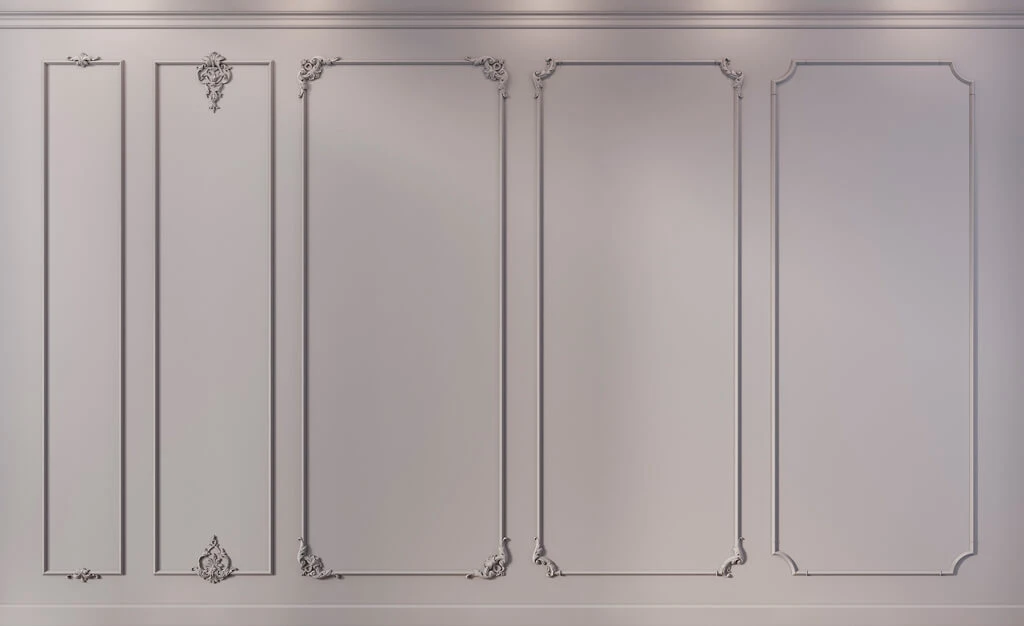
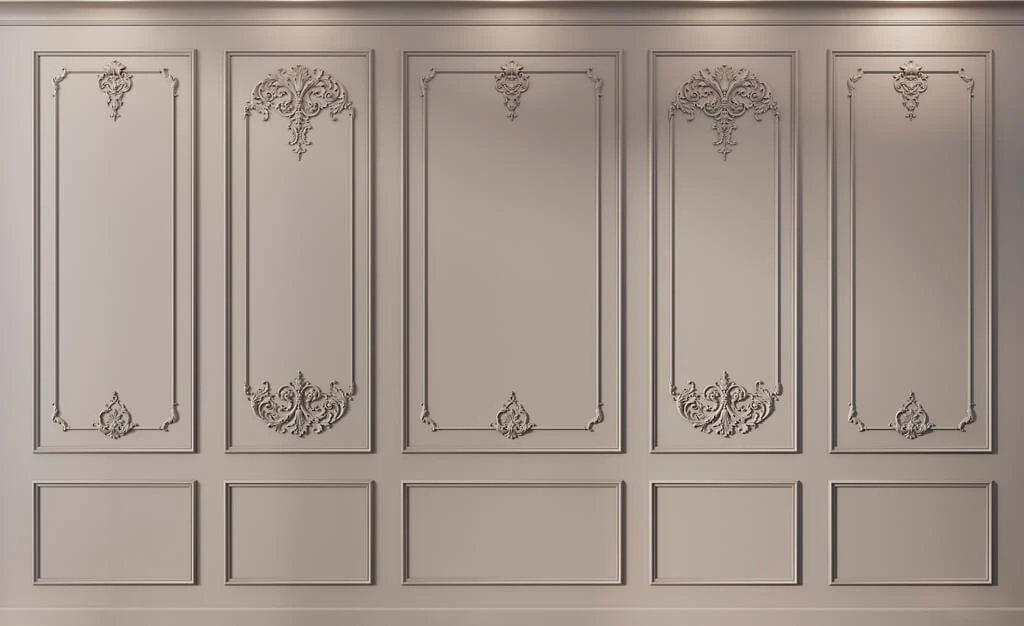
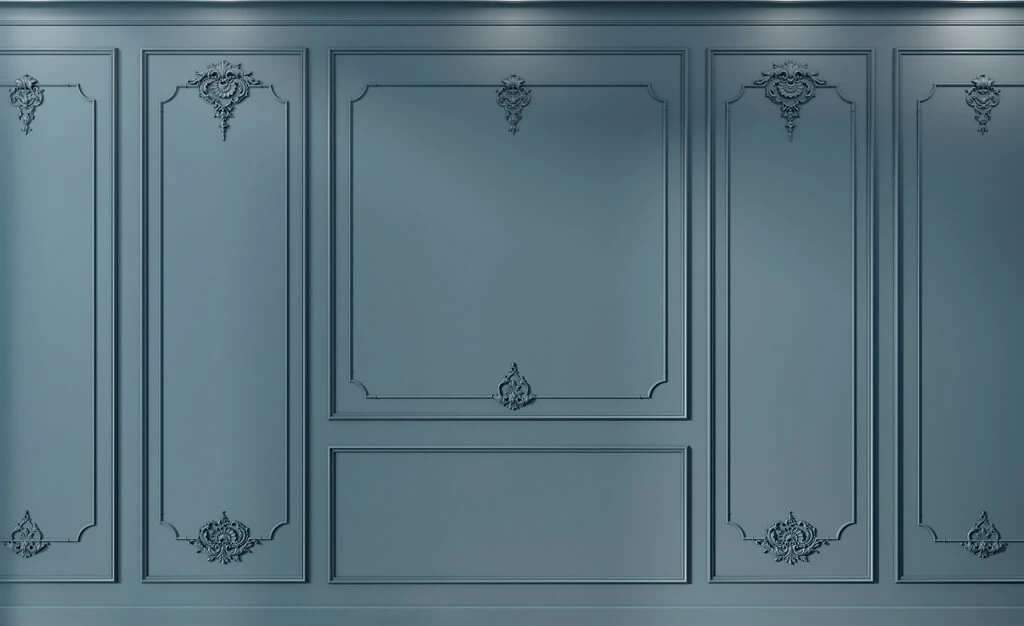
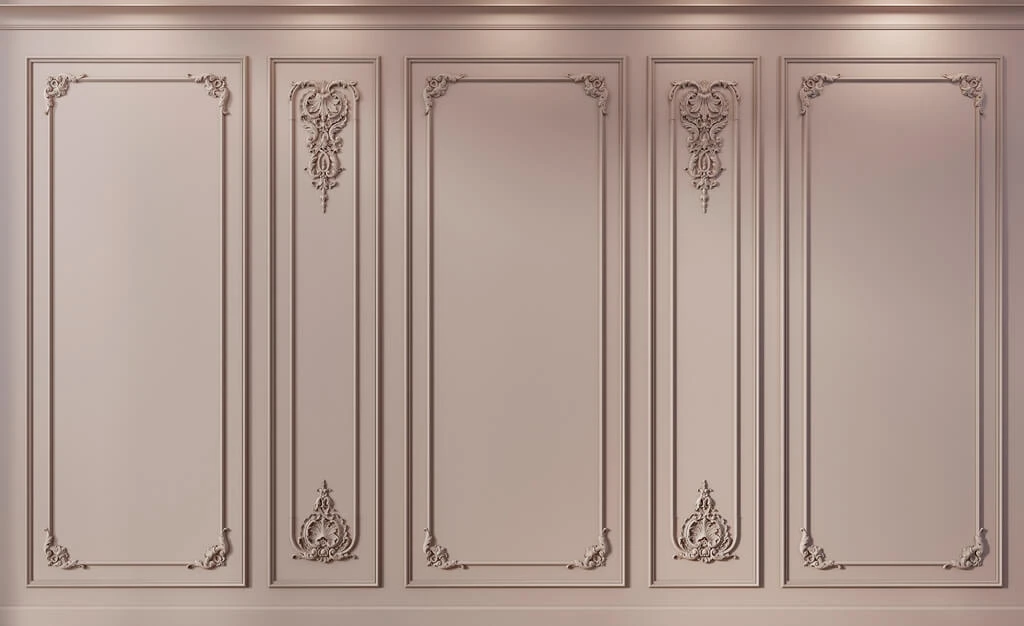
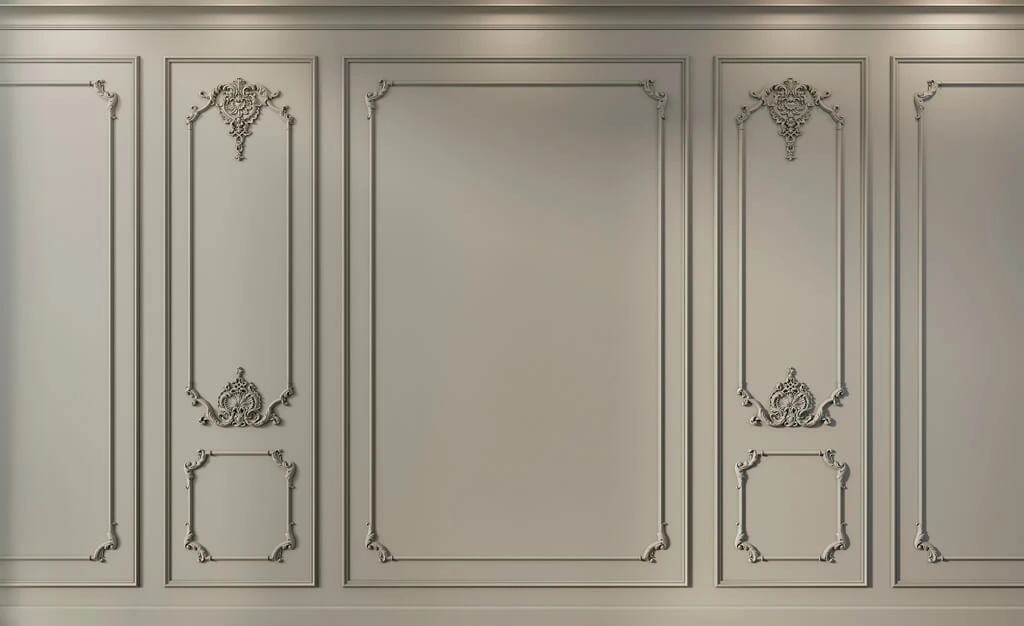
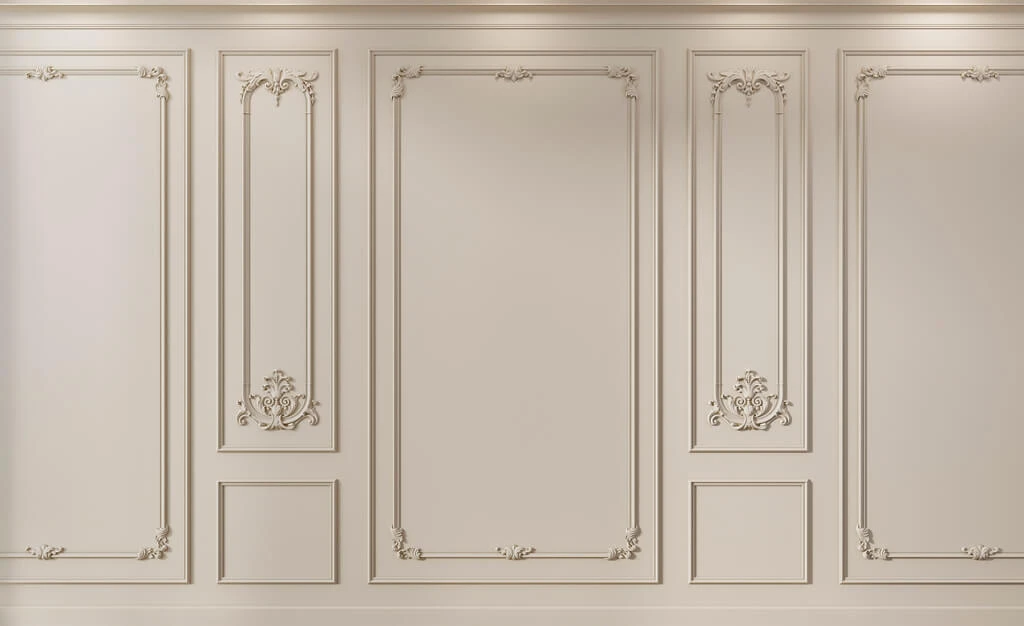
A mirror in a classic-style entryway rarely just hangs 'on the wall.' Around it — a molding frame. Wooden moldings for wall decoration create a rectangular or arched 'mat' around the mirror, visually integrating it into the wall's architecture.
This turns a simple mirror into a "mirror portal" — an architectural element, not a hanging accessory. Moldings repeat the proportions of the frame, create depth and a sense of thoughtful classic decor.
Symmetry
In a classic hallway interior, everything is symmetrical: the console in the center, the mirror strictly above it, sconces mirrored on both sides. On the tabletop — symmetrical decor: two vases, two candles, a pair of items. Symmetry is visual calm and a sense of order.
Warm shades of wood
Oak in "walnut," "dark oak," "light oak with a golden tint" finishes — these are classic colors for a hallway console. They pair well with white walls, wallpaper in warm neutral shades, and dark doors.
Important: the console's shade should echo the doors wooden skirting board and trim. If the doors are dark walnut — the console and mirror frame in the same finish. If the doors are white — the console is white or in natural light wood.
Connection with trim and baseboards
The hallway is an area where the maximum number of wooden elements are concentrated: doors, trim, baseboards. The console and mirror frame should fit into this system. A single wood species and a single finish turn the hallway from a set of items into a cohesive interior.
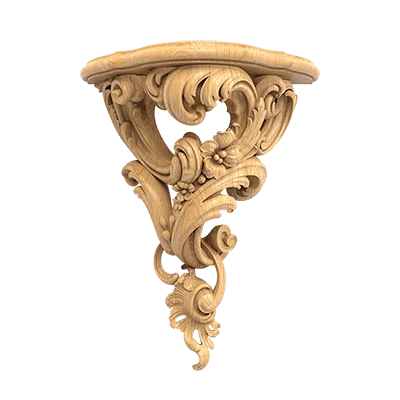
View console in the classic Versailles style — an example of a thoughtful classic solution.
Decorating the wall above the console — from a mirror to a decor system
The mirror is the starting point. But the wall above the console can be decorated more broadly and richly.
Mirror + molding frames on the wall
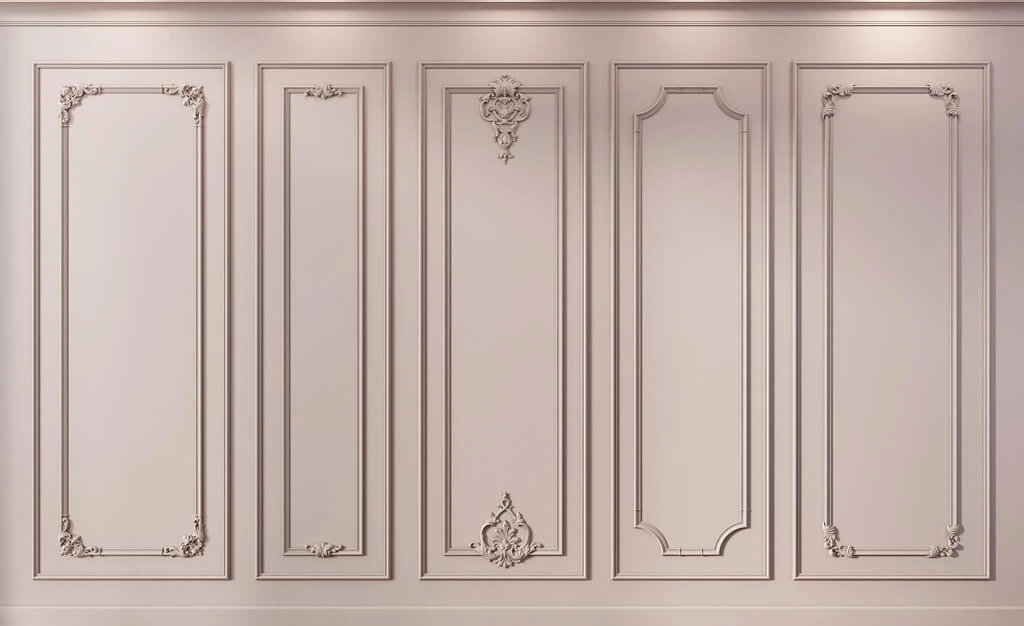
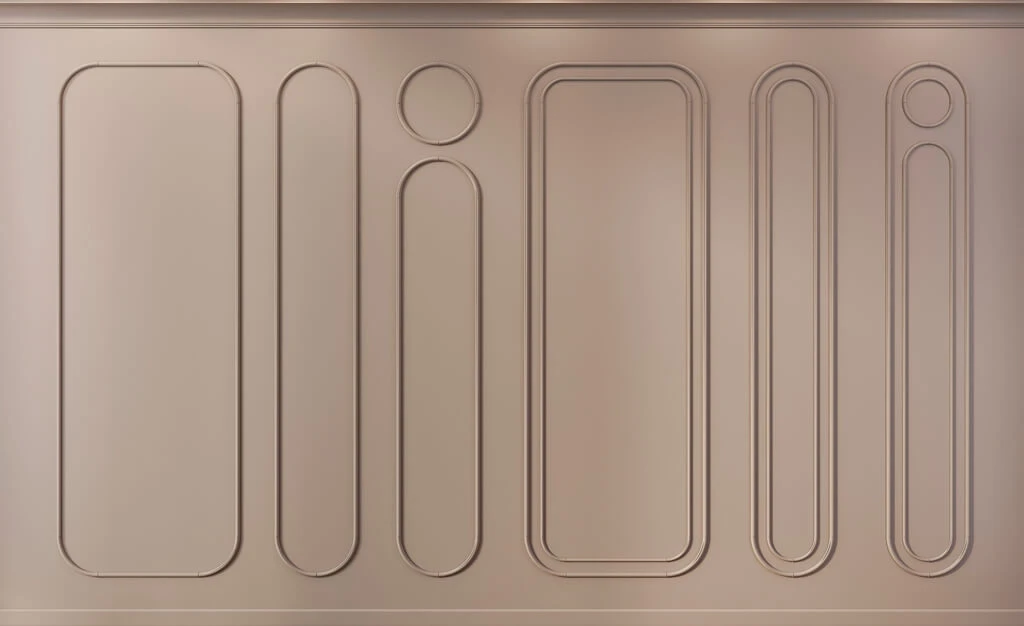
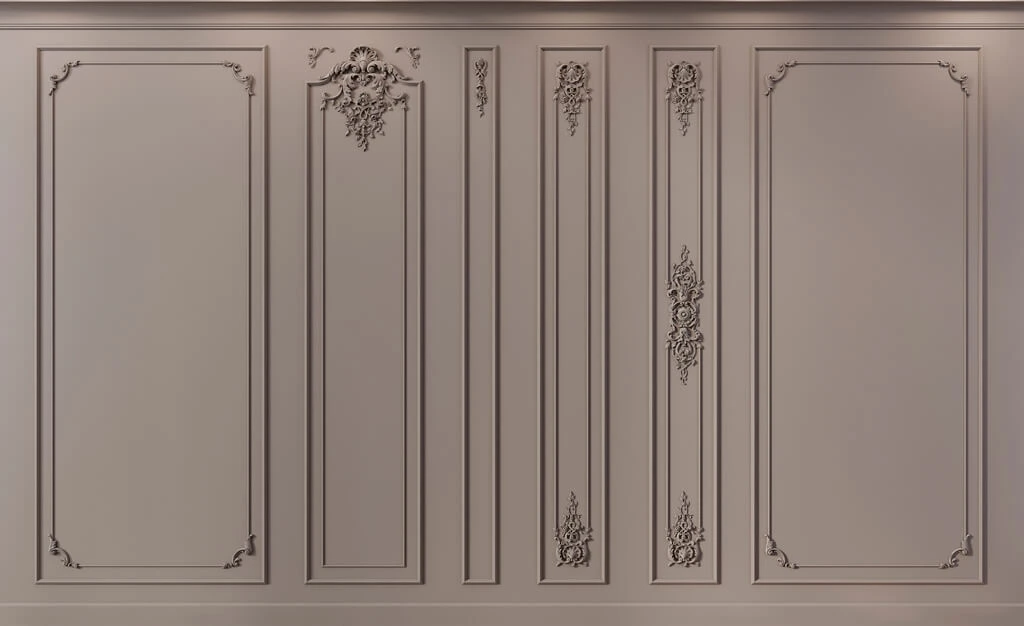
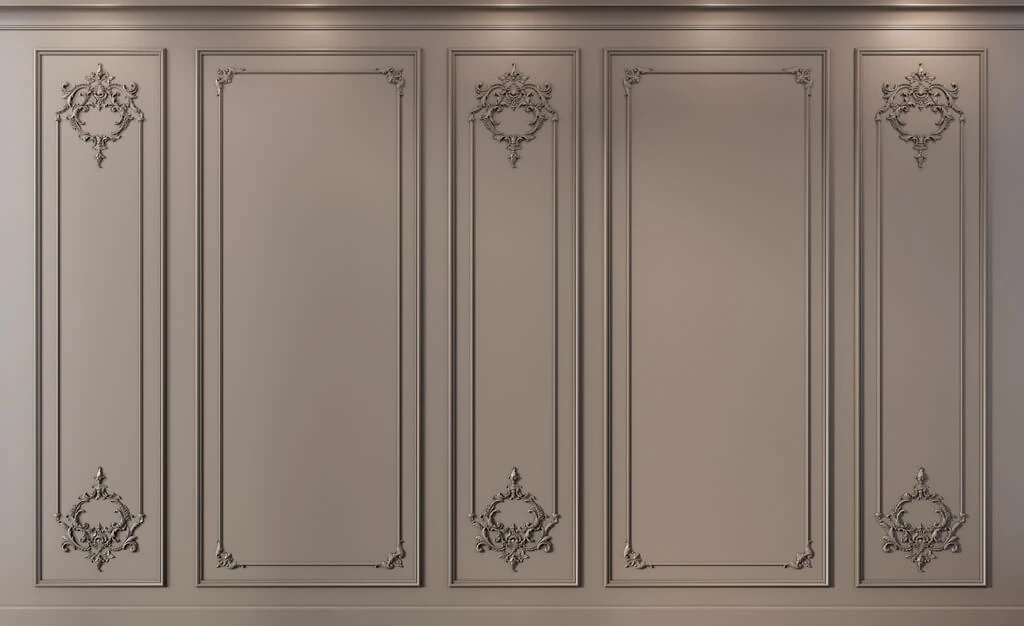
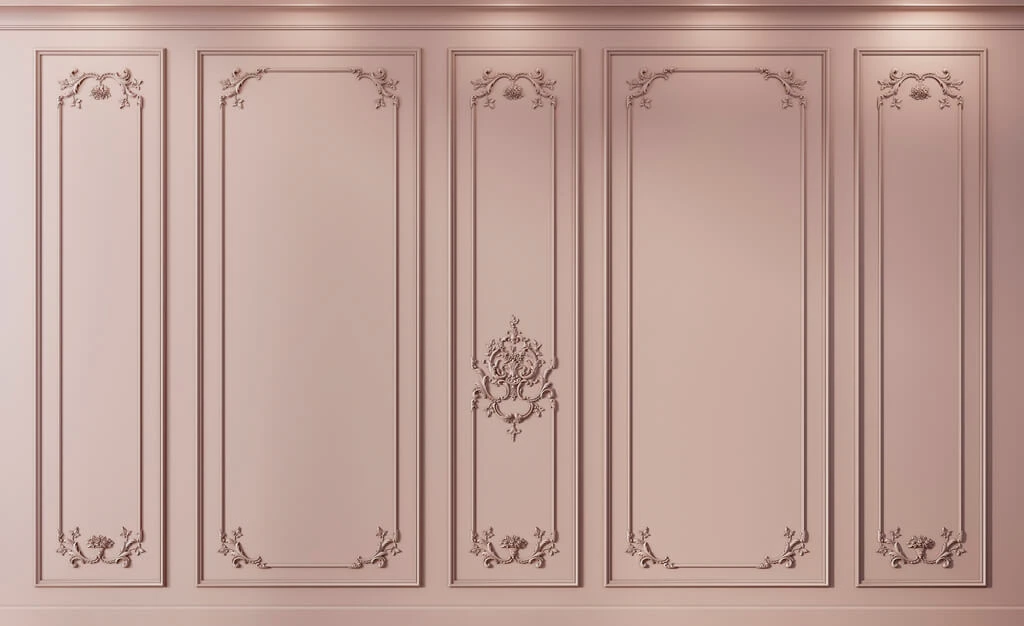
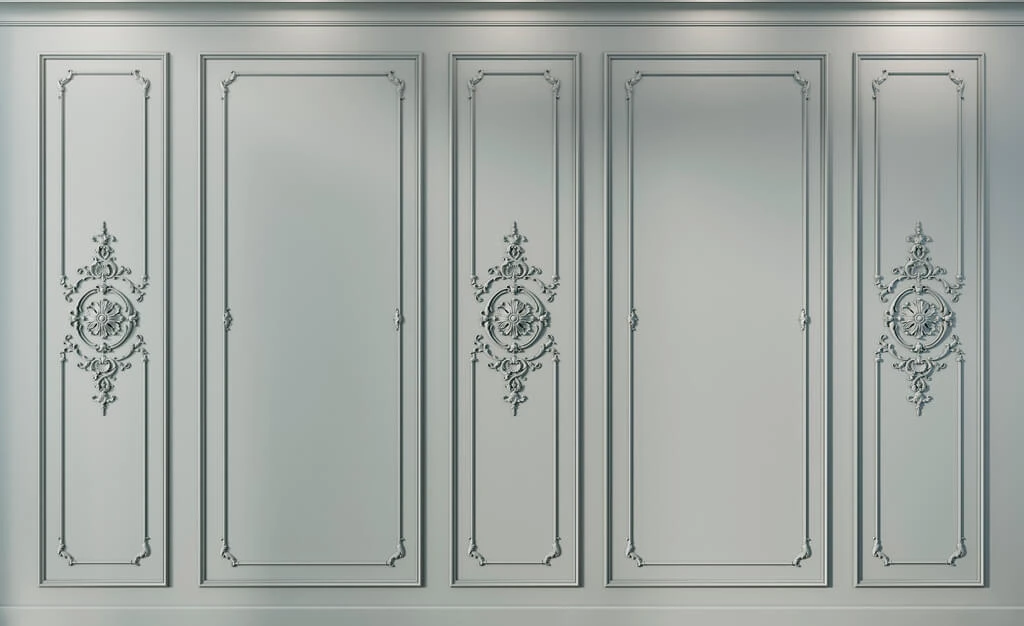
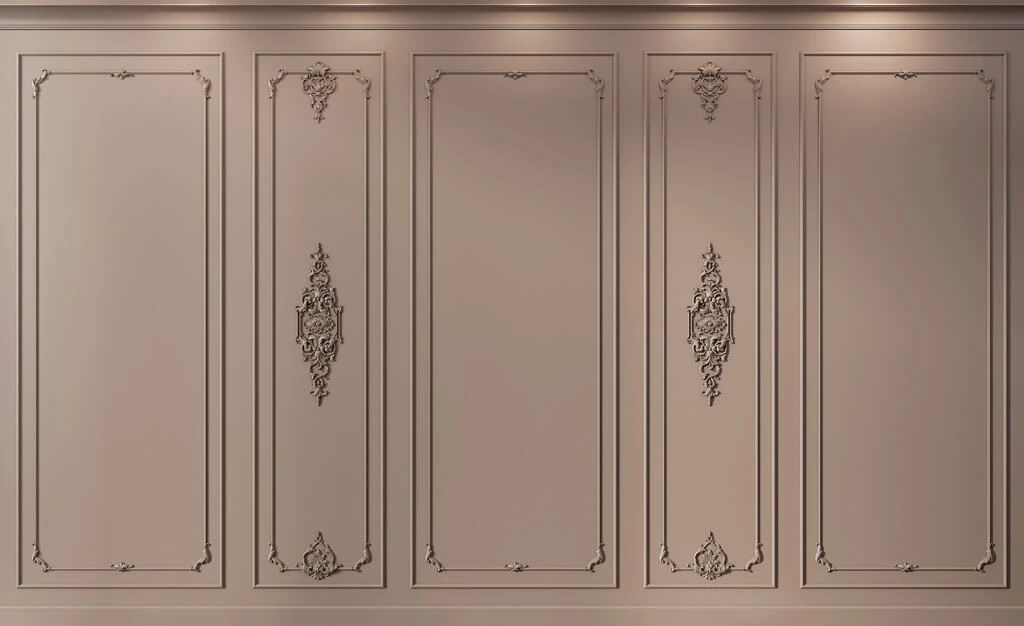
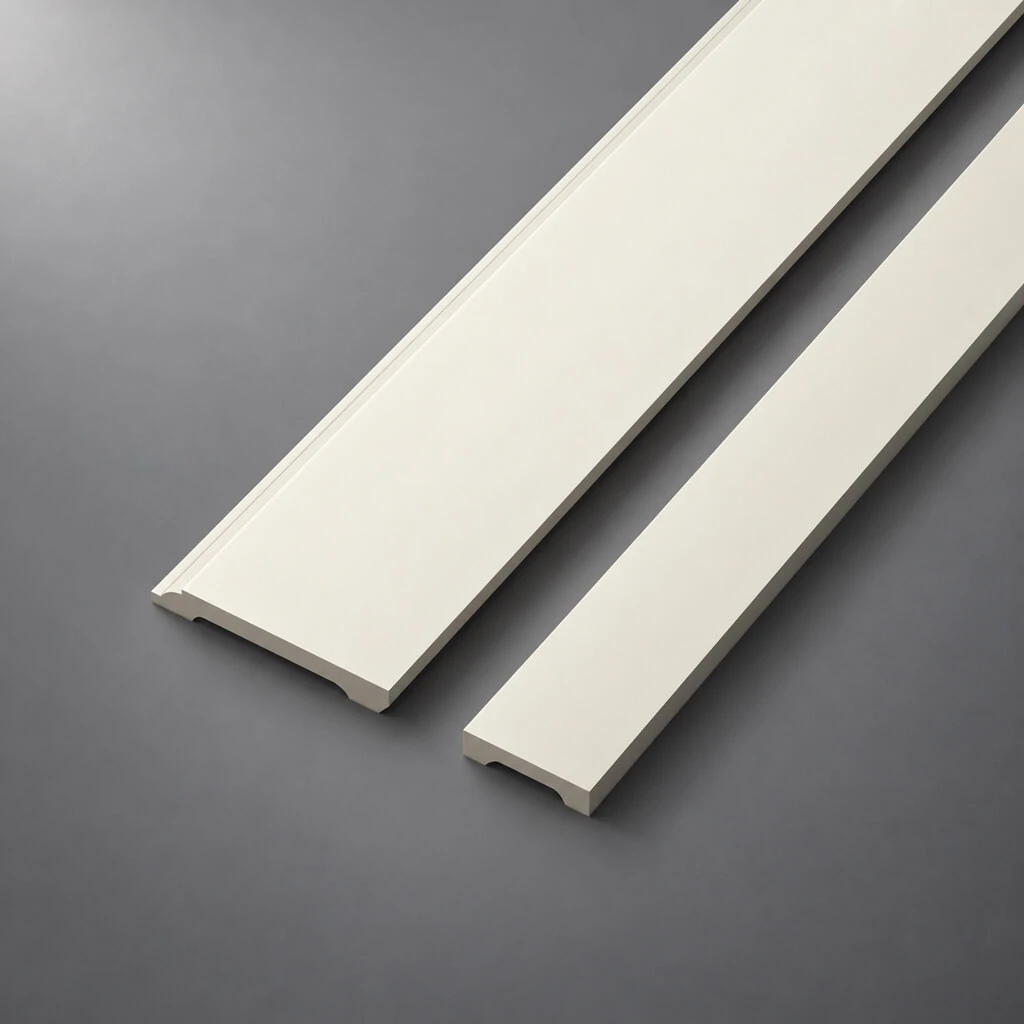
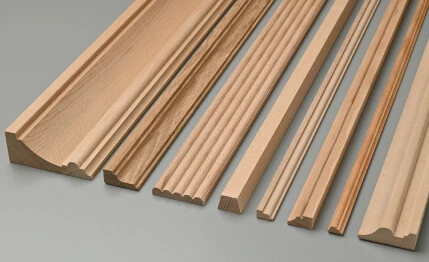
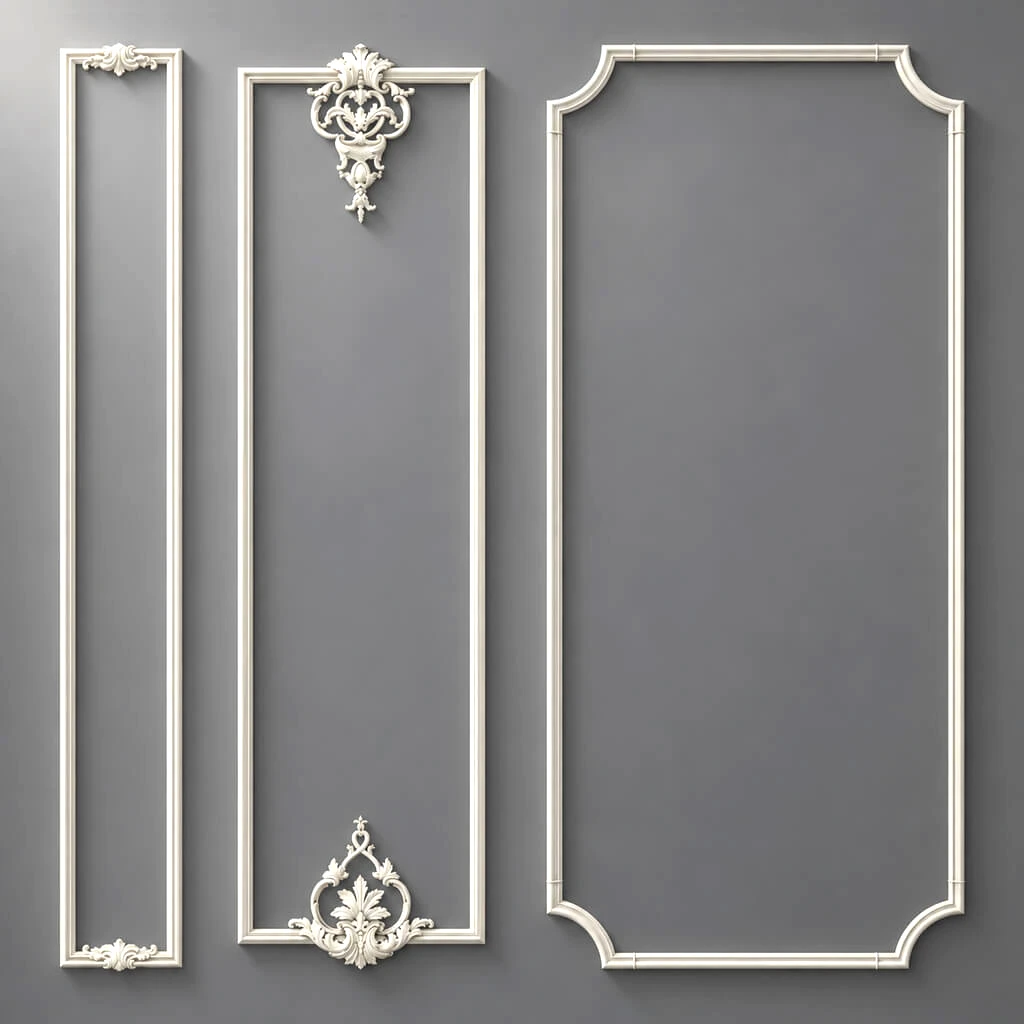
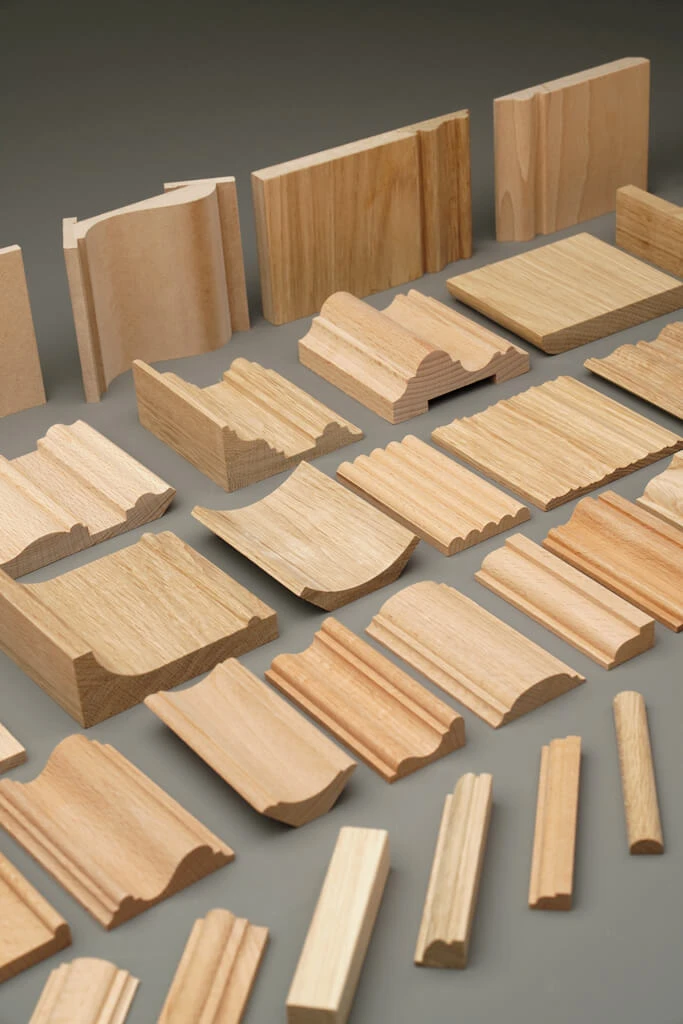
Molding frames on the wall around the mirror and on its sides create a 'classic panel'. This is a simple and effective technique: Wooden moldings they are glued to the wall along the perimeter of rectangles, forming decorative fields. Inside these fields — a mirror, decor, sconces.
Mirror + sconces
Two sconces symmetrically on the sides of the mirror — this is not only lighting but also a decorative element. The shape of the lampshades and the material of the sconces should match the style of the console: bronze + wood, matte gold + oak, white metal + whitewashed console.
Mirror + decorative overlays
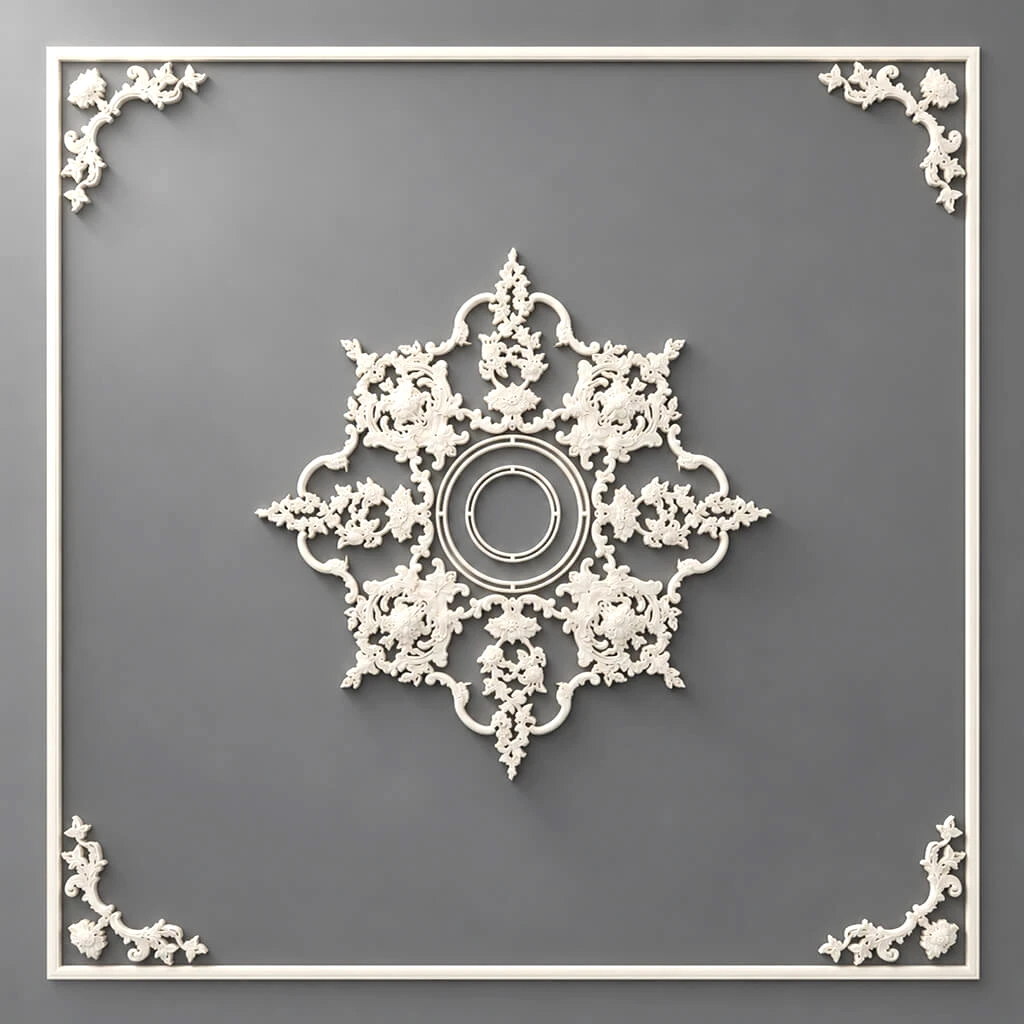
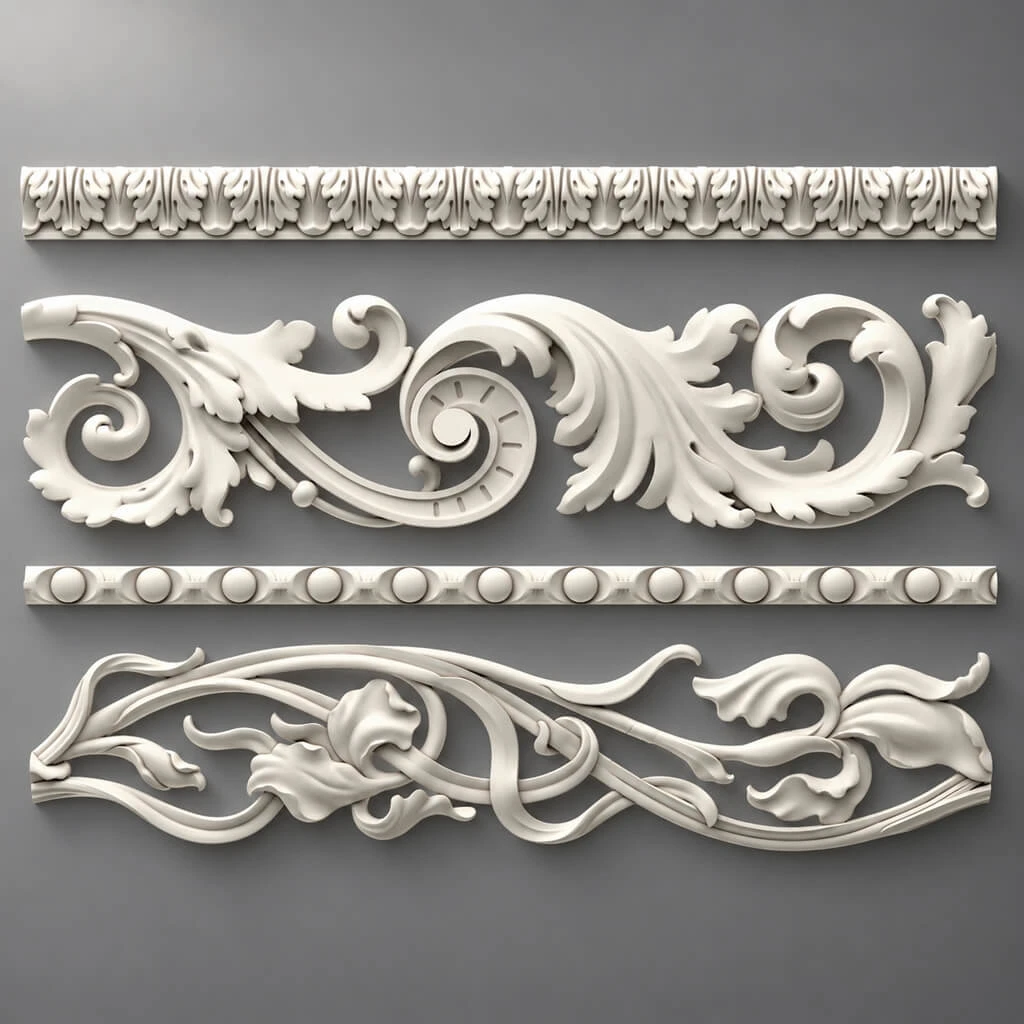
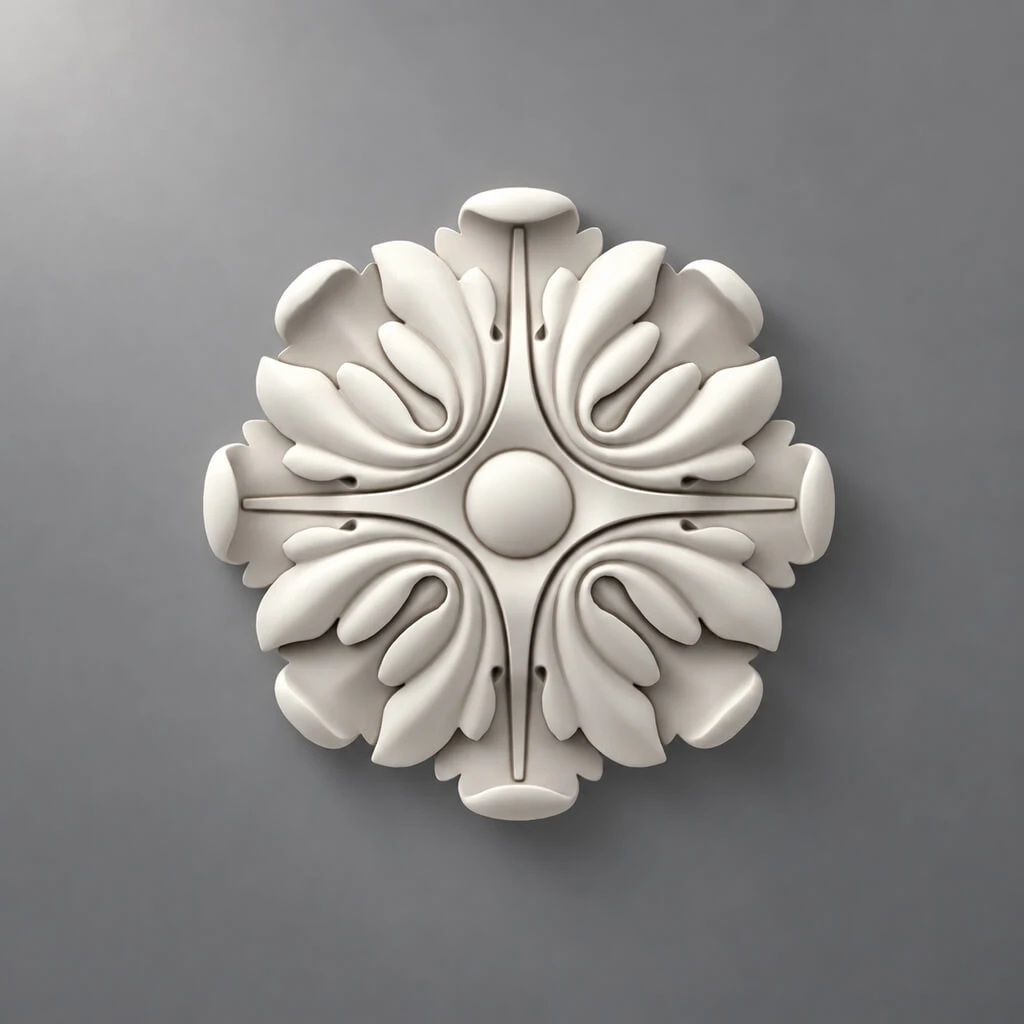
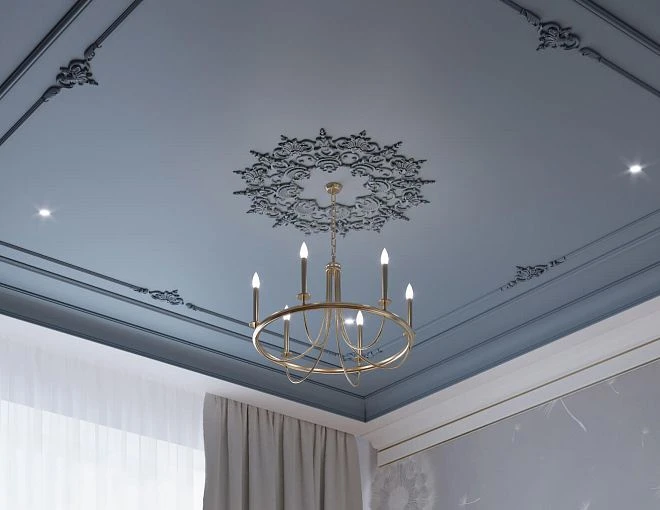
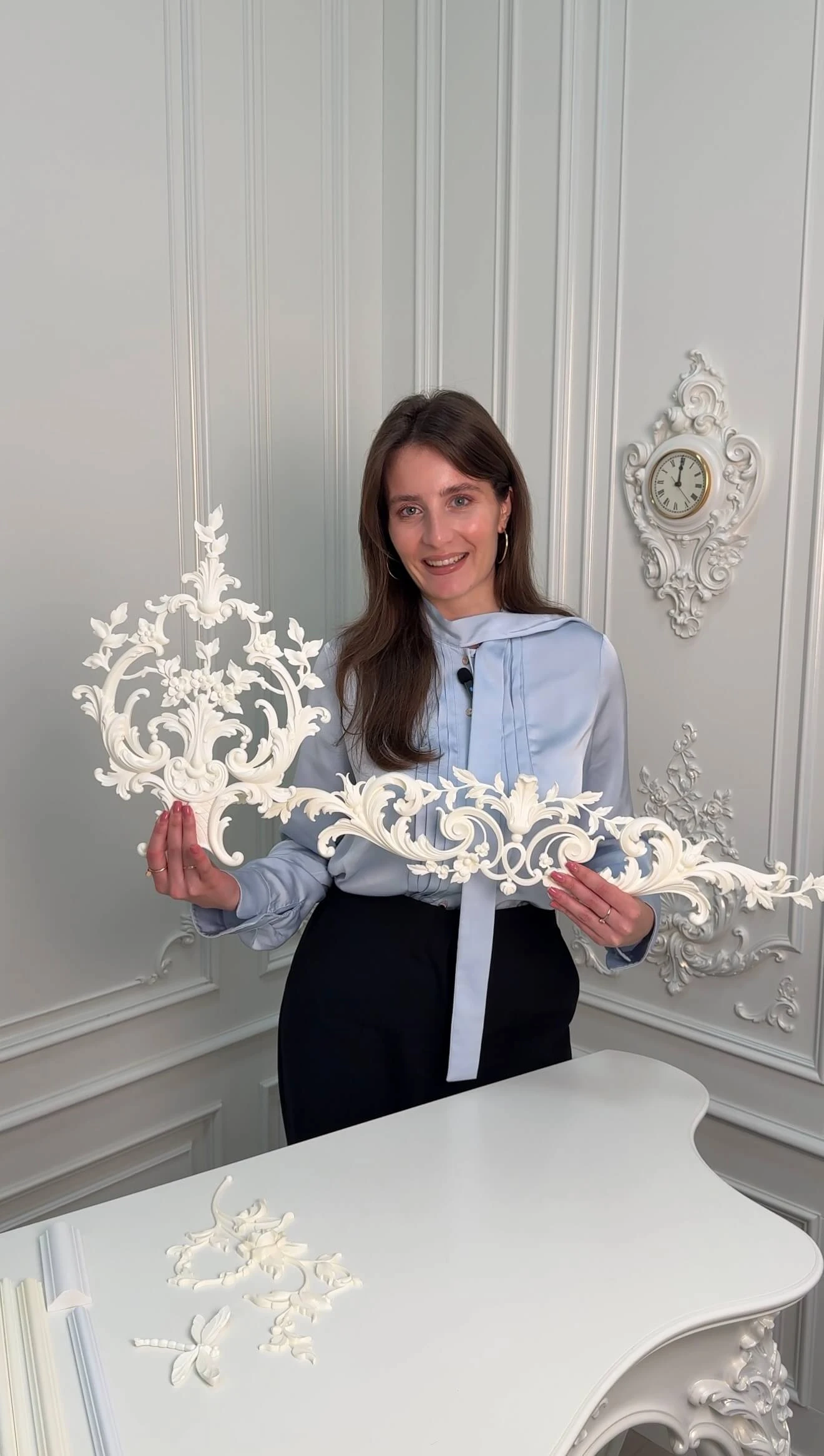
decorative overlays for furniture and walls — another way to decorate the area above the console. Corner overlays in the corners of the molding frame around the mirror, a central rosette above the top edge of the mirror — details that are immediately noticeable and speak to the quality of the interior.
Mirror as part of a wall panel
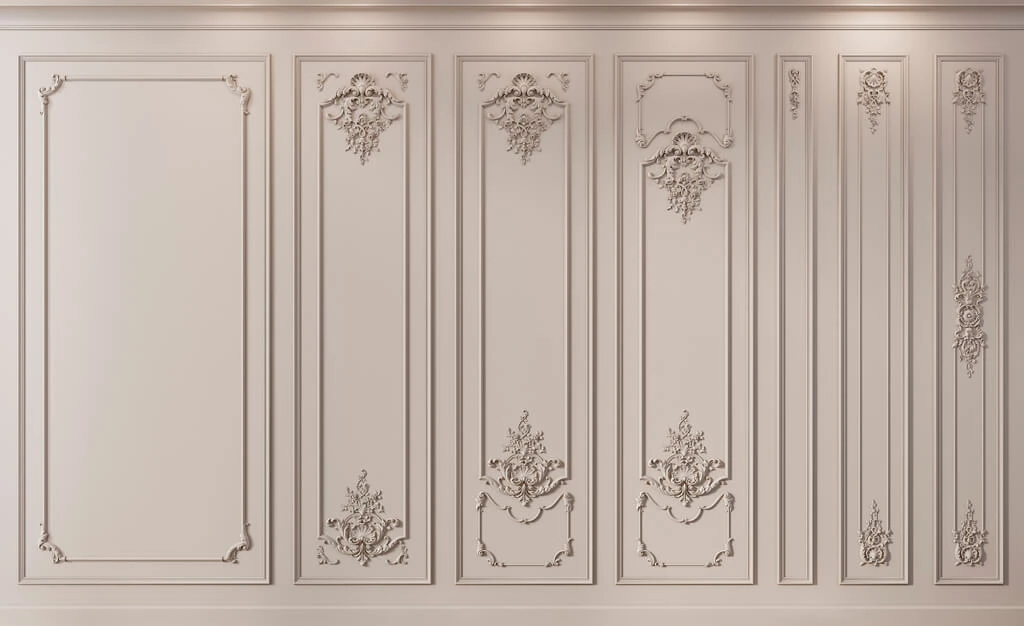
In a spacious hall, the wall above the console can be designed as a full decorative panel: moldings, frames, inserts, a rosette, and a mirror in the center. This is the most saturated option — for a classic or neoclassical home, where every detail contributes to the overall image.
What to place on the console in the hallway — from function to decor
The console tabletop is a stage. It should have a few 'actors,' but not a crowd.
Functional items
Key holder or key tray. A small decorative tray, wooden or ceramic bowl — a place where keys are always put. This is one of the main arguments for a console: there should be a specific spot for keys at the entrance, otherwise every morning starts with a search.
Organizer or small basket. For small items, glasses, gloves, chargers. A woven or wooden basket looks neat and functional at the same time.
Decorative items
Vase. A classic decorative object on the console. A vase with fresh flowers or branches changes the look of the entryway by season. A vase without flowers is a minimalist decorative accent.
Table lamp or candle. A lamp on the console creates warm light at the entrance — especially nice in autumn and winter. Candles in glass holders are classic decor that works in any style.
Small sculpture or decor item. A figurine, stone, book, or item brought from a trip — a personal object that speaks about the owners. The hallway is the place of first impressions, and one such detail makes it lively.
The 'three items' principle
A professional designer's trick for countertops: three items of different heights, different shapes, but a unified style. A tall vase + a flat tray with keys + a small candle. That's enough. Everything else is overload.
Console with or without drawers — which is more practical
This is a question that almost always arises. And the answer depends on the task.
Console without drawers
A classic console is an open structure: a tabletop on legs, without drawers or doors. Light, airy, visually minimal. For a decorative function and storage "on display" — it's ideal.
Downside: everything you put on it is visible. There's no way to hide something "out of sight."
Console with a drawer
One narrow drawer under the tabletop is a practical addition. It stores things that shouldn't be in sight: small items, documents, gloves. At the same time, a console with one drawer still retains lightness. Two or more drawers — it's already closer to a cabinet.
Console with a shelf
Sometimes classic consoles have a lower shelf. It holds decor, baskets, small items. The shelf adds storage capacity without weighing down the structure.
Tip: for a small hallway, a console without drawers is better — it looks visually lighter. For a spacious hall or hallway with lots of small items, a console with a drawer is more convenient.
Console on legs or wall-mounted console
Wall-mounted console (on the wall) — a less common option, but worth attention.
A wall-mounted console is attached to the wall without legs. The floor underneath is completely open — this provides maximum visual lightness. It looks good in modern interiors, minimalism, and Scandinavian style.
Limitation: for a heavy solid wood console, wall mounting requires a reliable wall base. Drywall is not the best option for hanging a heavy item.
Console on legs — a classic. A stable, independent structure that can be moved. For a solid wood console — almost always the right choice.
Hallway with wooden decor — how to create a unified system
A console with a mirror is the starting point. Around it, you can assemble a complete system of wooden decor for the hallway.
Wooden skirting board
skirting made of solid wood in the hallway — the first step to creating a unified decorative context. If the baseboard is the same shade as the console, the hallway begins to read as a single whole.
For a classic interior, a baseboard 12–18 cm high made of oak or beech looks substantial and expensive.
Wooden architraves and door portal
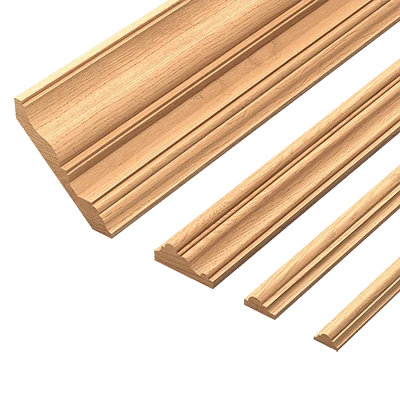
Architraves and the entrance door portal — the architectural frames of doorways — set the decorative tone for the entire hallway. Wooden moldings and cornices like architraves, molding frames around the mirror, and the console profile — all of this should speak the same language.
Molding panels on walls
In a classic hallway, walls are often made "paneled": the lower third of the wall is decorated with wooden panels or molding frames. This creates the feel of a palace interior even in a city apartment.
The console with mirror integrates organically into this system: it stands in front of the paneled wall, and the mirror frame continues the decor.
Comparison: console vs cabinet vs chest of drawers in the hallway
| Parameter | Console | Cabinet | Chest of drawers |
|---|---|---|---|
| Depth | 20–40 cm | 30–50 cm | 40–60 cm |
| Storage | Minimum (open) | Doors / drawers | Many drawers |
| Visual weight | Lightweight | Medium | Heavy |
| Suitability in narrow hallway | ✓ | Partially | No |
| Decorativeness | High | Medium | depends on the model |
| Price segment | Medium–high | Budget–mid-range | Budget–mid-range |
| Style | Classic, neoclassic | Any | Any |
Conclusion: a console is the best choice where aesthetics, lightness, and style matter. A chest of drawers and a dresser are where more storage is needed.
Mistakes when choosing a console with a mirror — an honest analysis
A console that is too deep for a narrow hallway. A console 40 cm deep in a hallway 100 cm wide leaves a 60 cm passage. Uncomfortable, cramped, constant feeling of being squeezed. Measure the width of the passage before purchasing.
The mirror is hung too high. The lower edge of the mirror should be no higher than 155–165 cm from the floor for an average-height person. A mirror 'under the ceiling' looks nice in photos but is inconvenient in real life.
The mirror is narrower than the console. A small mirror above a wide console looks like an accident. The mirror should be 70–90% of the console's width.
Different wood shades without logic. A console in 'light oak' + a mirror frame in 'wenge' + a baseboard in 'birch' = three different woods that conflict. You need either a single shade or a deliberate contrast with one detail.
An overloaded tabletop. More than five items on the console is chaos. This makes the hallway look unkempt, working against everything invested in it.
Outlets and switches not accounted for. Before purchasing and installing, check that the console or mirror frame does not block a switch or outlet. This is a technical detail that often comes up later.
Lack of connection with the door style. Doors in the hallway are the dominant element. A console that does not echo the doors in material and finish looks random.
What to check before buying a console with a mirror
Final checklist — go through it before placing your order:
-
Width of the wall section where the console will be placed.
-
Width of the passage next to the console.
-
Planned depth of the console — considering the passage.
-
Required height of the tabletop.
-
Style of doors and baseboards — the tint is chosen to match them.
-
Mirror shape — rectangle, circle, oval, arch.
-
Whether a wooden frame or carved frame is needed — and what width.
-
Whether moldings around the mirror on the wall are needed.
-
Where the lighting will be — sconces on the sides, top lighting.
-
Is there a drawer or shelf under the console — are they needed.
-
Countertop decor — plan 2–3 items in advance.
-
Wood shade — matching or contrasting with the rest.
FAQ — answers to popular questions about a console with a mirror in the hallway
Which console is suitable for a narrow hallway?
A narrow wooden console 20–25 cm deep on four legs is the optimal choice. The floor is visible underneath, it does not block the passage, and provides space for keys and decor. View consoles in the catalog.
Which mirror should be hung above the console?
The mirror should be proportional to the console: width — 70–90% of the console's width. For a classic hallway — a mirror in a wooden or carved frameShape — vertical rectangular or oval.
Can I place a console instead of a cabinet?
Yes. A console is visually lighter and takes up less space. It doesn't provide closed storage, but it creates an open, airy area at the entrance. For a hallway with a coat rack or a nearby dressing room, it's ideal.
At what height should I hang a mirror above a console?
The bottom edge of the mirror should be 10–15 cm above the console's tabletop. The top edge should be no higher than 220–230 cm from the floor. The center of the mirror should be approximately at eye level of a standing person.
Is a frame needed for a mirror above a console?
A frame unites the mirror and console into a single composition. Without a frame, the mirror 'hangs' rather than 'stands'. wooden mirror frames made from the same solid wood as the console — the right solution for classic and neoclassical interiors.
Are moldings needed around the mirror?
In a classic interior — yes. Wooden moldings create a frame around the mirror on the wall, integrating it into the architecture. In modern minimalism, moldings are optional.
The hallway is a few square meters that form the first and last impression of the home. They are memorable. This is where a console with a mirror works at its best: both aesthetically and practically. A well-thought-out entryway speaks volumes about the owners' taste, much more than the most expensive living room.
STAVROS offers wooden consoles in a classic style, mirrors in wooden and carved frames, Wooden moldings and cornices, Decorative Inserts and ready-made solutions for entryways — consoles and frames as a set. Own production from solid oak and beech, full range solid wood products, Contact us to confirm shipping to your destination. STAVROS — because the hallway deserves real wood.