
























Article Contents:
- Short answer: what classic furniture consists of
- What distinguishes classic furniture from ordinary
- Which elements shape the style of classic furniture
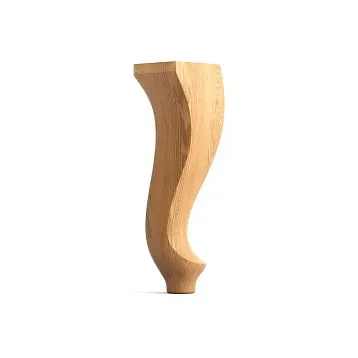
- Wooden legs
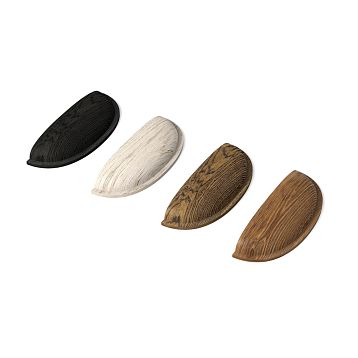
- Wooden Handles
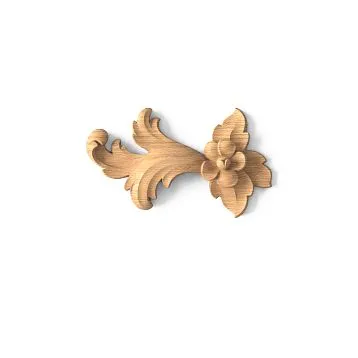
- Decorative appliqués
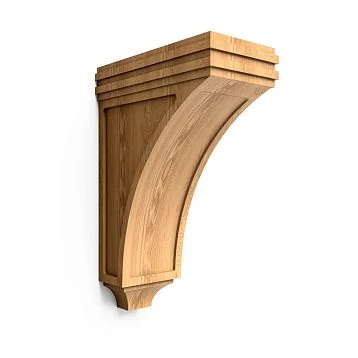
- Brackets
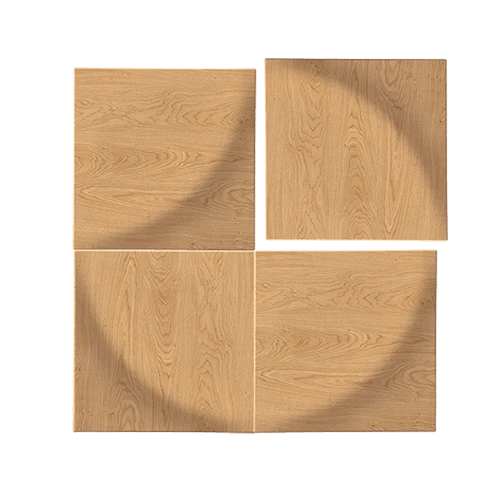
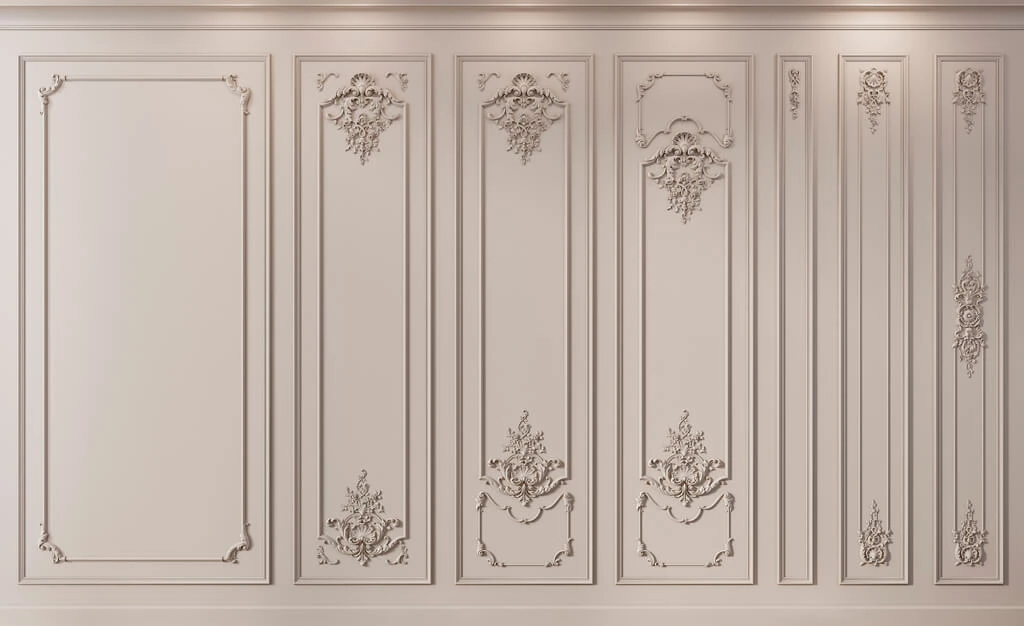
- Coffers and Panels
- How to choose wooden legs for classic furniture
- How to choose handles for classic furniture
- Decorative overlays: how not to overload furniture
- Cornice, molding and bracket in classic furniture
- Color of classic furniture: light, dark or natural wood
- Modern classic furniture: how to avoid overload
- How to combine classic furniture with interior design
- Mistakes when choosing decor for classic furniture
- What to buy for classic furniture
- FAQ: Answers to Popular Questions
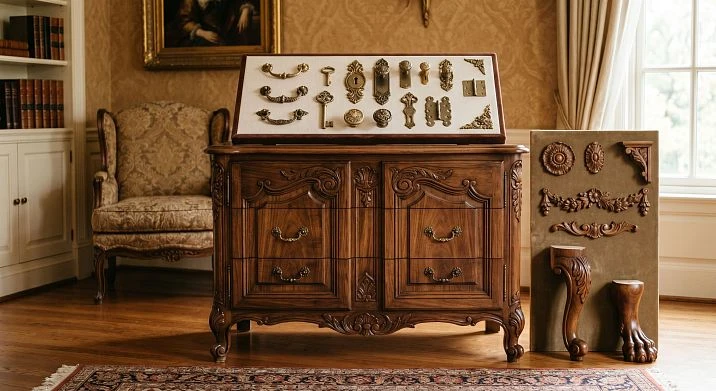
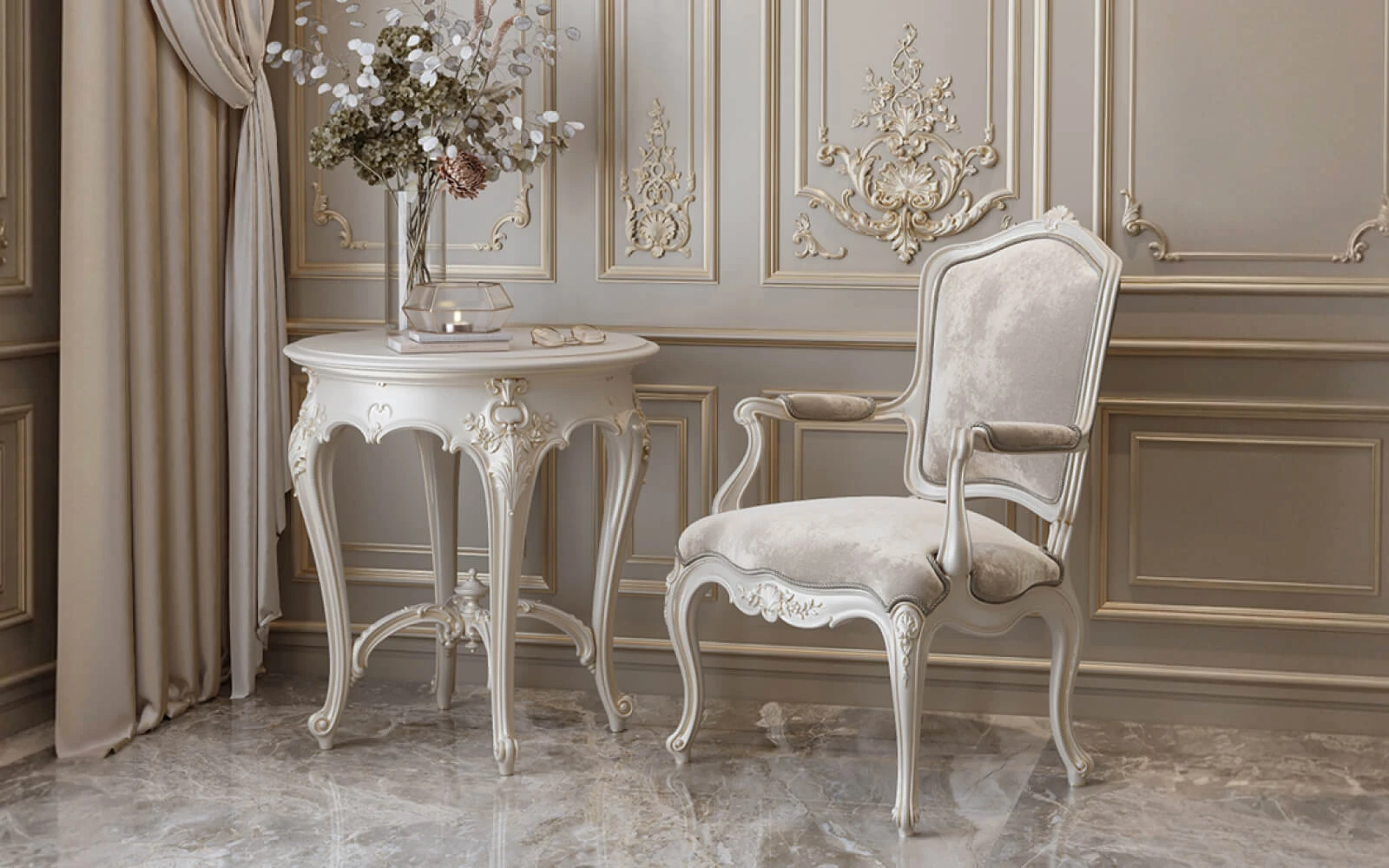
Imagine: you open the door to the living room, and your gaze immediately stops at the dresser. Not because it's huge. Not because it's brightly lit. But because it's assembled correctly. Every detail is in its place. The legs define the silhouette. The handles work as the final period in a sentence. The overlays add relief without unnecessary noise. The cornice completes the top without pretension or timidity. This is Classical furniture made of wood in its ideal embodiment — holistic, alive, thought out to the last detail.
It is in this integrity that the main secret of classics lies. It cannot be created with one beautiful facade alone. It is built from a system of elements that support each other in style, scale, tone, and rhythm. And this article is about how to assemble such a system.
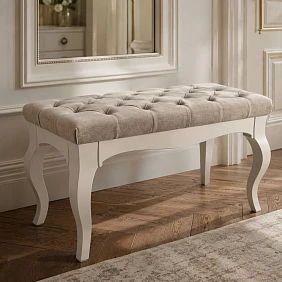
Short answer: what classic furniture consists of
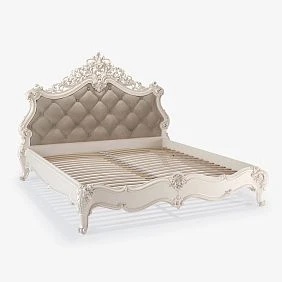
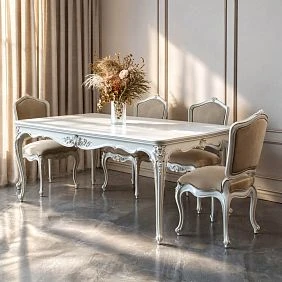
When people say 'classic furniture,' many imagine a heavy oak cabinet with carved facades or a white dresser with gold hardware. These are particular cases. Classics are broader and richer than any single image.
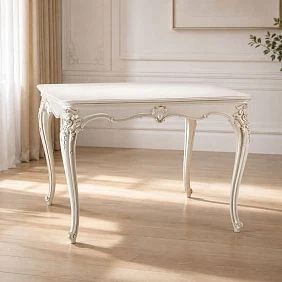
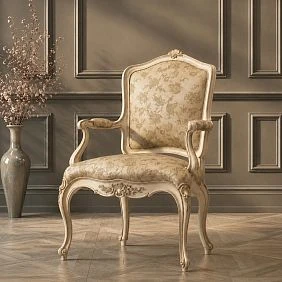
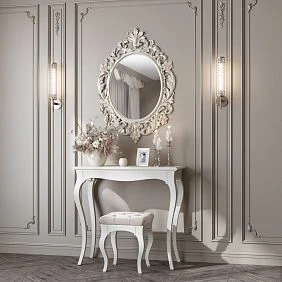
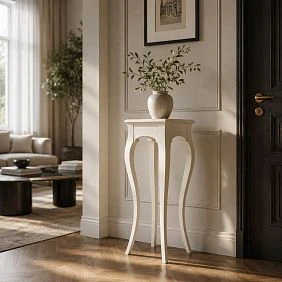
Classical furniture in interior design looks holistic not only because of the body shape. The silhouette of the furniture is determined by the legs. The tactile image — by the handles. The depth of the facade — by decorative overlays. The scale and completeness — by cornices, moldings, and brackets. The horizontal connection with the interior — by baseboards and wall decor.
Five key rules for the systematic selection of classic decor:
-
Decor should repeat in style — carving to carving, turned profile to turned profile
-
The scale of elements should match the scale of the facade
-
Color and finish must be coordinated before installation begins
-
You cannot mix too many different patterns — one carving style, one profile type
-
If the furniture is for enamel, all wooden parts should be selected from one group and painted simultaneously
What distinguishes classic furniture from ordinary furniture
This is a question that is better seen once than explained a hundred times. But let's try to describe it precisely.
Ordinary furniture is functional. Classic furniture is functional and architectural. It doesn't just store things or support surfaces. It organizes space visually, creates rhythm and verticals, and carries decorative load alongside structural load.
Symmetry. A classic cabinet with two doors is symmetrical about the central axis. Handles are mirrored, overlays are mirrored, molding frames are identical. Symmetry is the foundation of calm and order in a classic look.
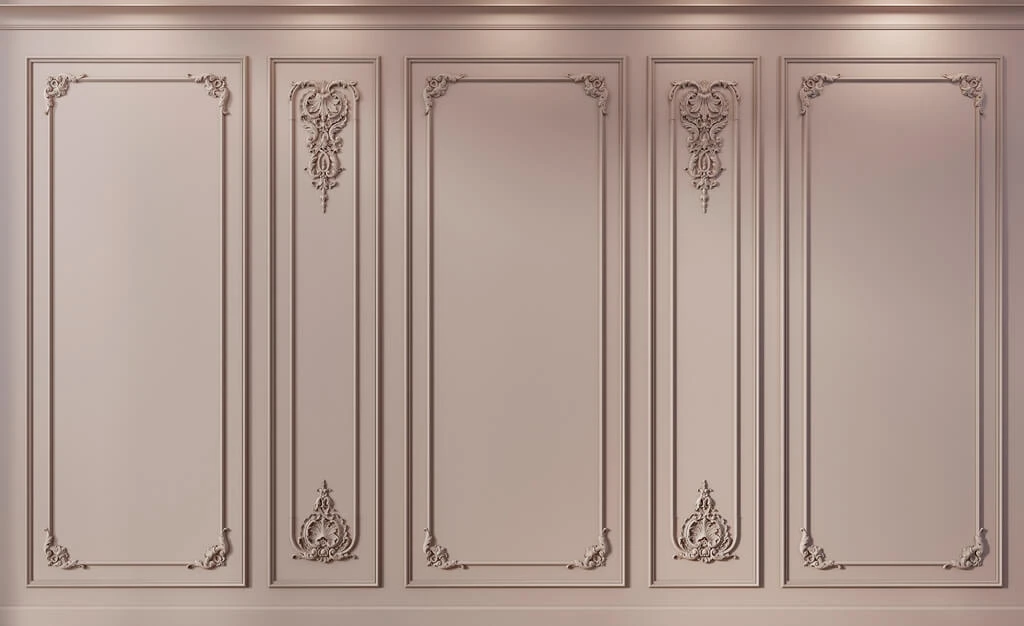
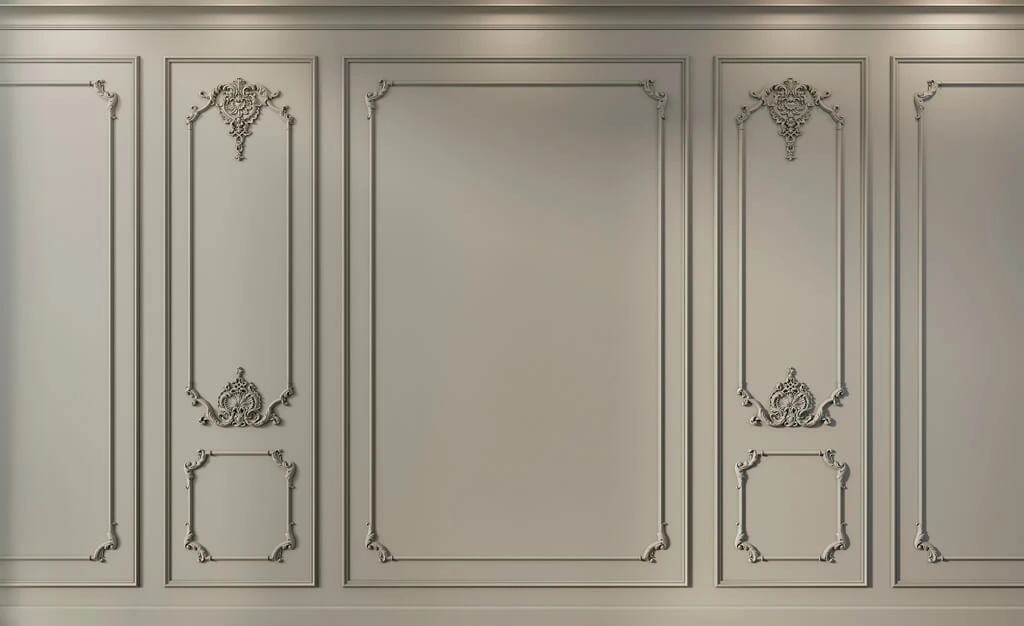
Expressive facades. The facade of classic furniture is not a flat panel. It is a relief surface: molding frames create a "field" and a "frame", overlays add volume at key points, door edge profiles cast shadows.
Decorative handles. wooden furniture handles — is not just a fastener to pull on. It is an accent point of the facade. A good handle on a classic facade is like a button on a coat from a good tailor: unnoticeable on its own, but without it the image falls apart.
Shaped or turned legs. They lift the body off the floor, create "air" under the furniture, and give the piece lightness — even if the body is massive. A cabinet on four turned legs and the same cabinet without legs, standing directly on the floor, are two different architectural statements.
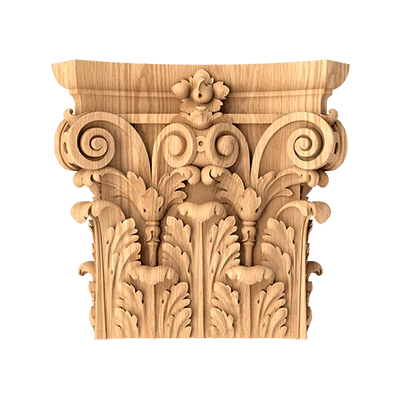
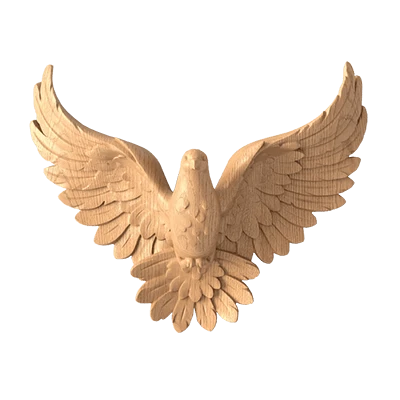
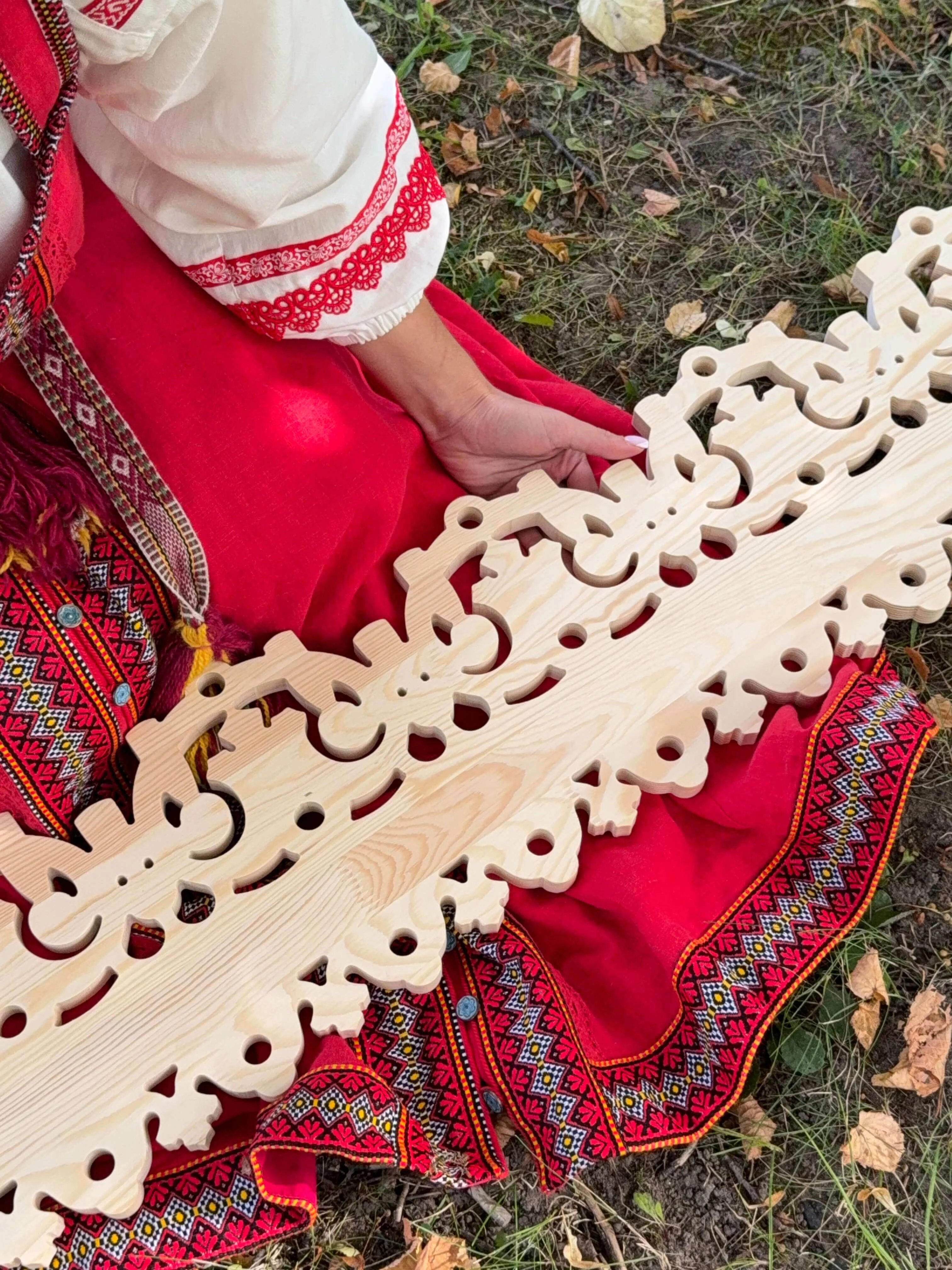
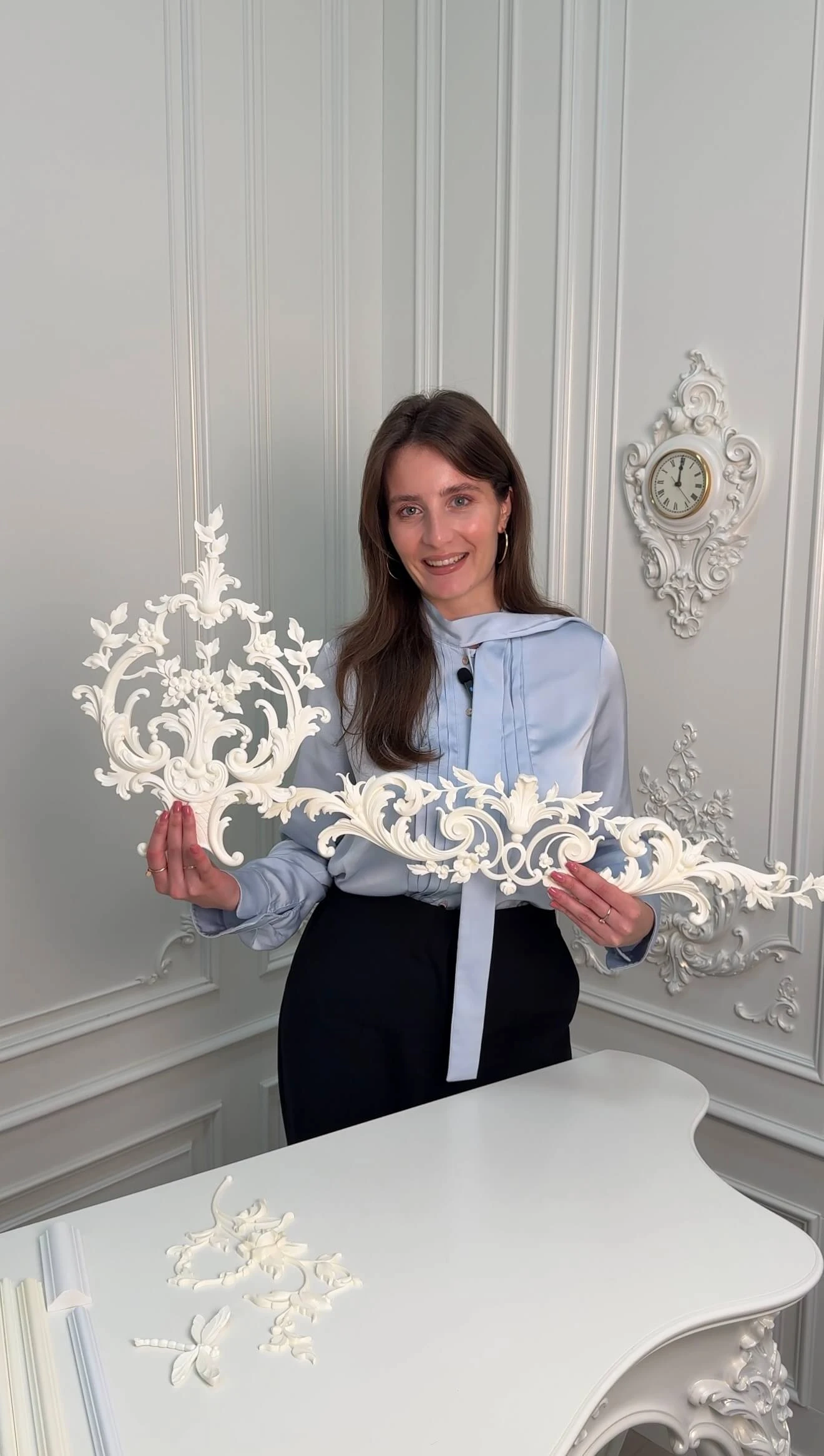
Wooden overlays. Applied ornaments on facades are the third dimension of classics. A flat facade is decorated with point volumes: rosettes, pilasters, leaves, arcades. Wooden decoration on a cabinet facade distinguishes production furniture from a joinery product.
Cornices, moldings, and brackets. The top part of a cabinet without a cornice looks "chopped off". The cornice completes the vertical and creates a horizontal accent, comparable in scale to cornices on the room ceiling. Moldings form frames and divide the facade into zones. Brackets support shelves and consoles, adding volume and classic character.
Our factory also produces:
Which elements form the style of classic furniture
Get Consultation
Wooden legs
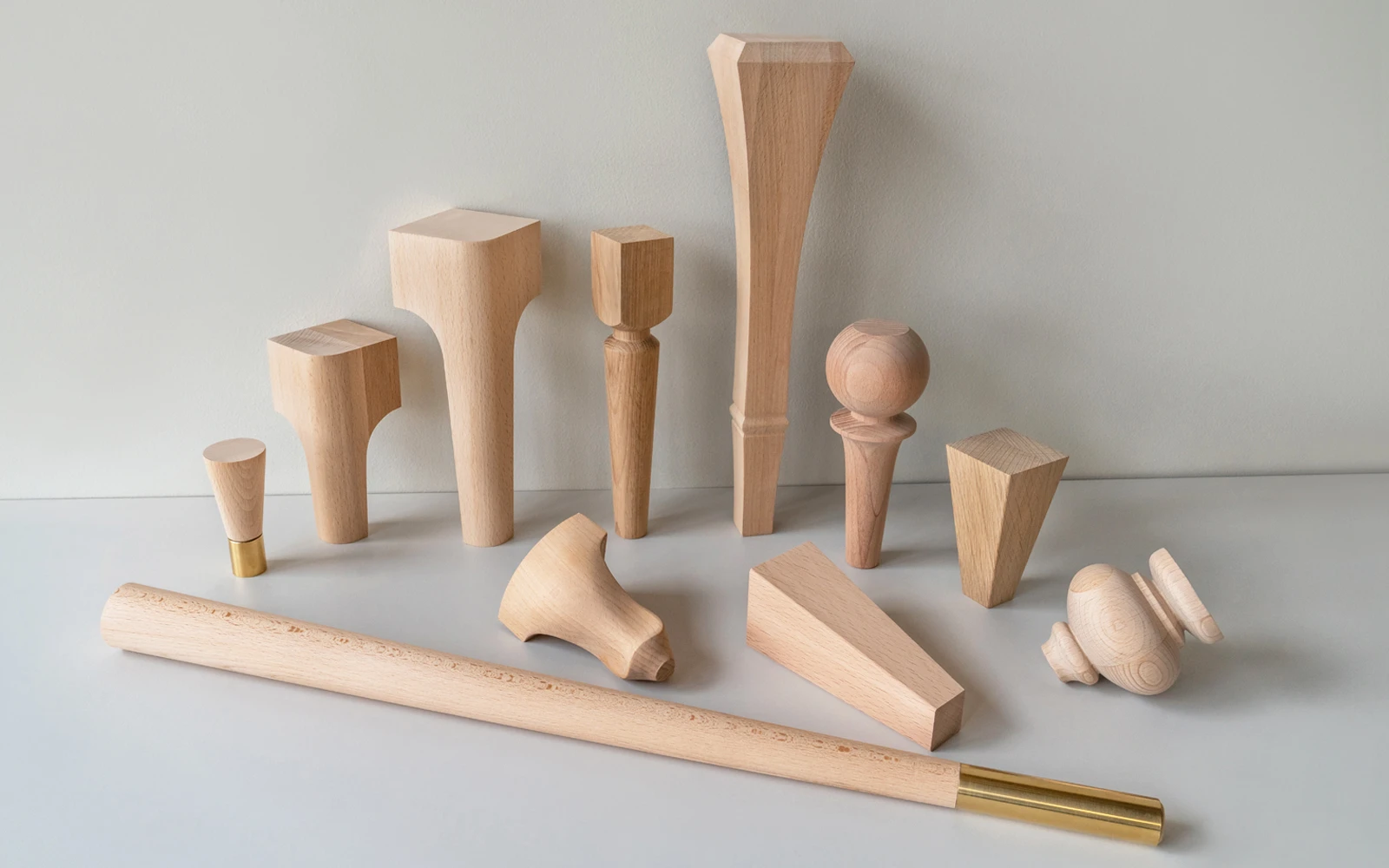
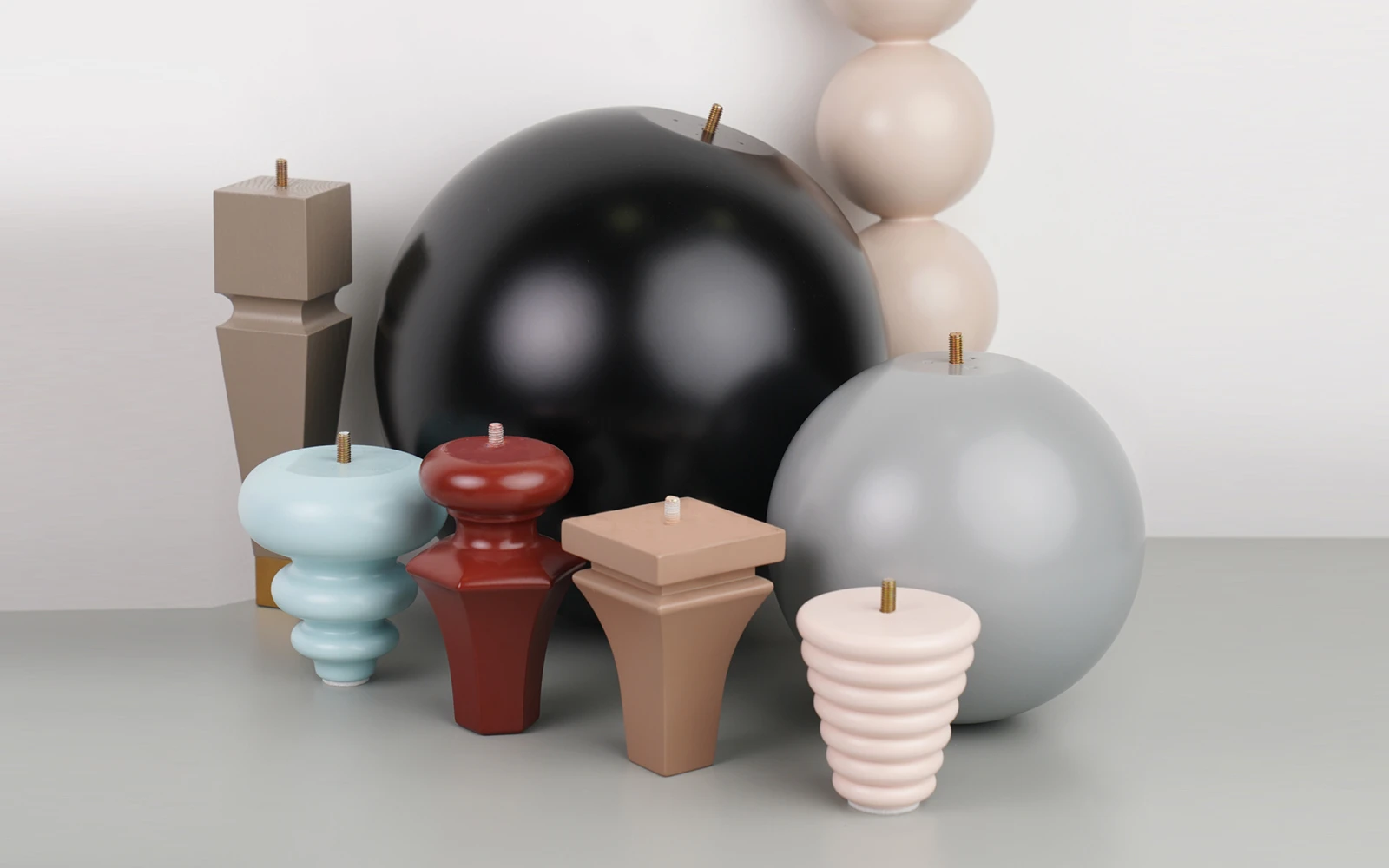
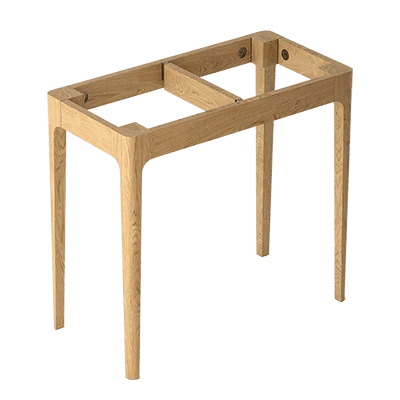
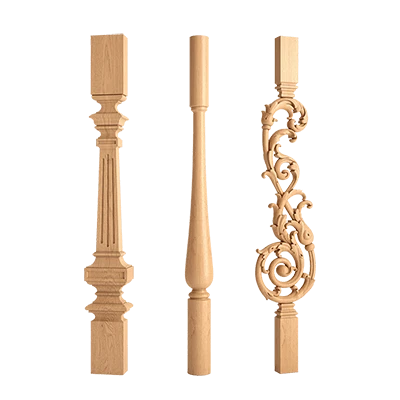
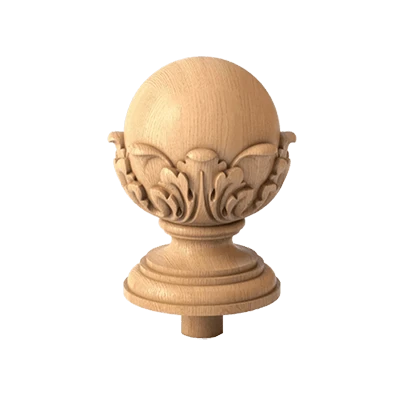
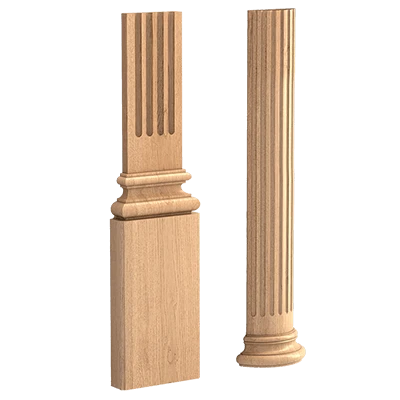
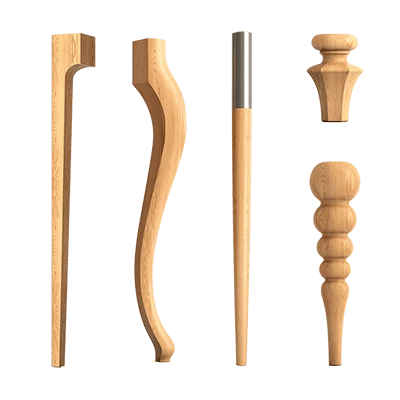
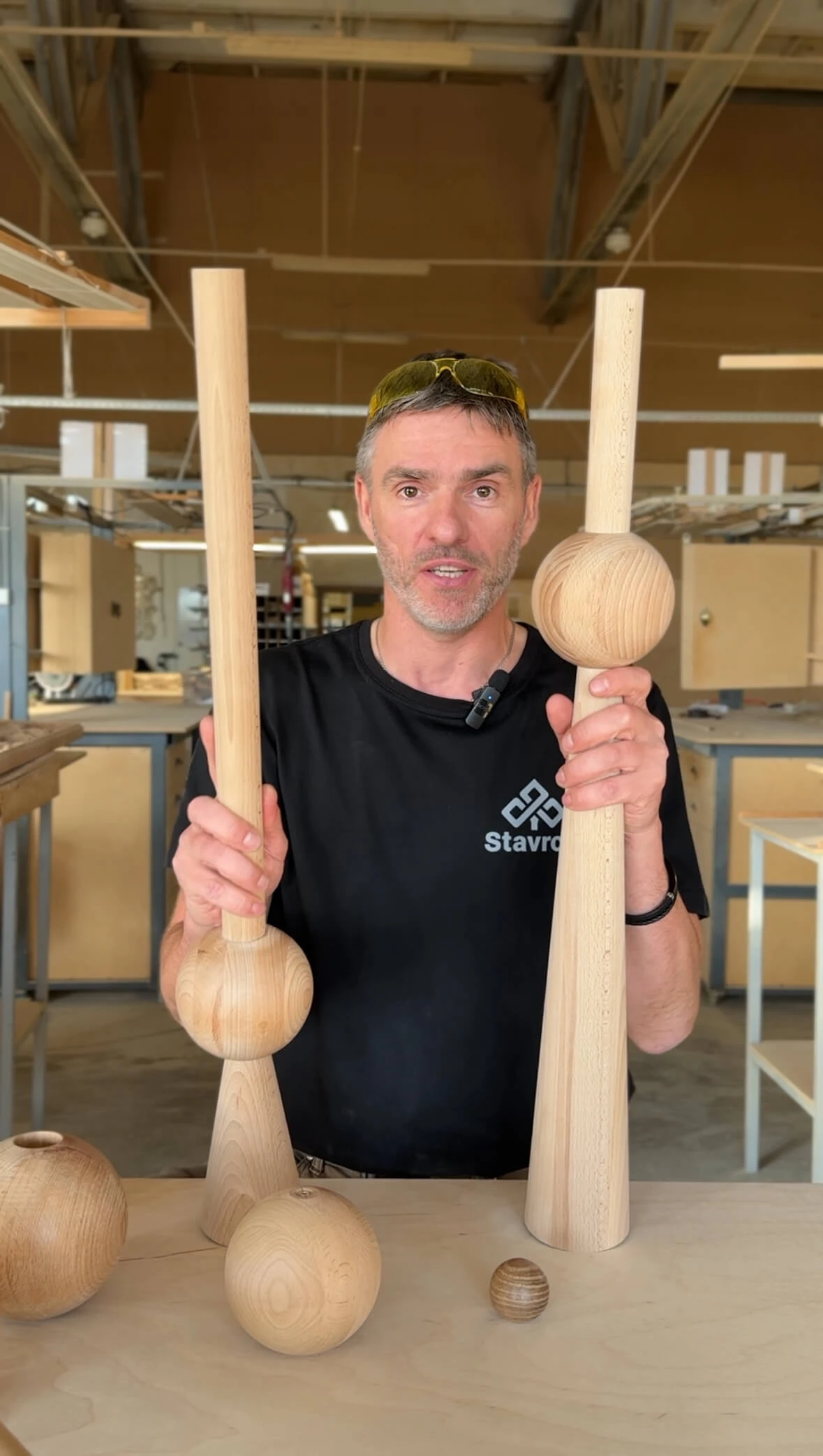
Wooden legs for classic furniture — these are primarily turned and shaped models. The turned profile with belts, thickenings, and conical tapers is the language of classic joinery, understandable without translation.
For a chest of drawers in a classic bedroom — legs 80–120 mm high with a turned profile: they create the correct gap between the body and the floor, giving the furniture a feeling of lightness that is so valued in a classic interior. For a bedside table — legs 60–80 mm, elegant and proportionate.
For armchairs and sofas — legs designed for significant load: cross-section from 50×50 mm, height 80–150 mm. The shape can be either straight or slightly tapered — with a slight bevel from top to bottom.
An important principle: the shape of the leg should echo the profiles of handles and overlays. If the handles are rounded, soft, with flowing lines — legs with round belts. If the handles are geometric, with facets — legs with a stricter profile. This is a rhyme of forms that brings the furniture together into a single image.
Wooden handles
Handles are the most tactile part of furniture. They are touched every day, and they create the feeling of quality upon first contact.
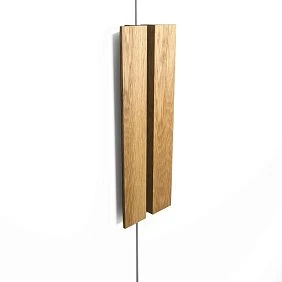
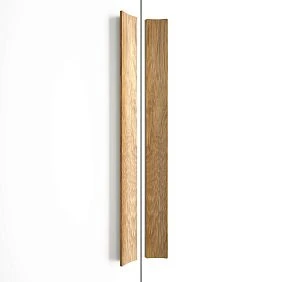
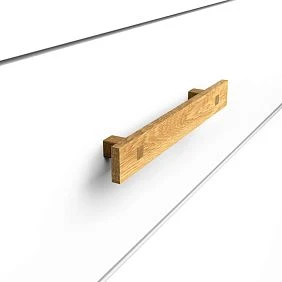
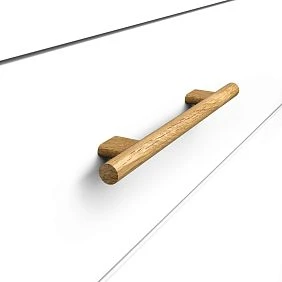
wooden furniture handles for classics are divided into three main types:
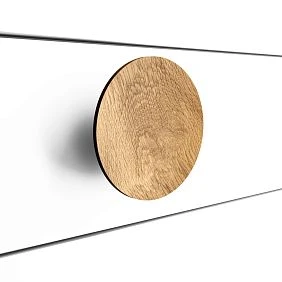
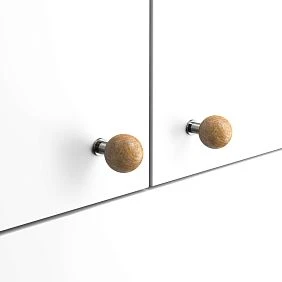
with a rounded body — soft classic, suitable for the bedroom and living room. wooden button handle with a rounded body — soft classic, suitable for the bedroom and living room.
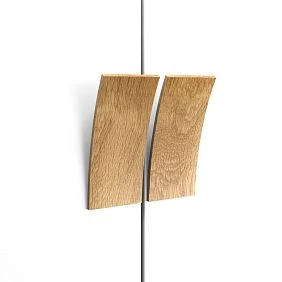
Handle-bracket — an elongated element that is attached at two points. Convenient for wide fronts and cabinet doors: the bracket allows you to grasp it with your entire palm. wooden hook handle with a coating creates a complete neat look on any classic facade.
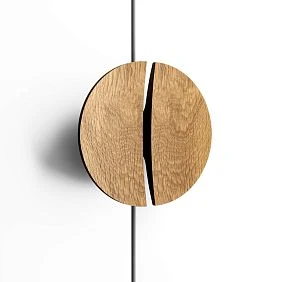
Figurative handle — a decorative bracket with a complex profile. Used as an accent element, replaces the function of an overlay on a small facade. For sideboards, display cabinets, library cabinets — where the handle should "speak" with the facade decor.
Scale rule: a button handle with a diameter of 30–40 mm on a drawer 400 mm wide is correct. The same button on a door 600 mm wide will be lost and look random. For large facades — a bracket 96–128 mm long or more.
Decorative appliqués
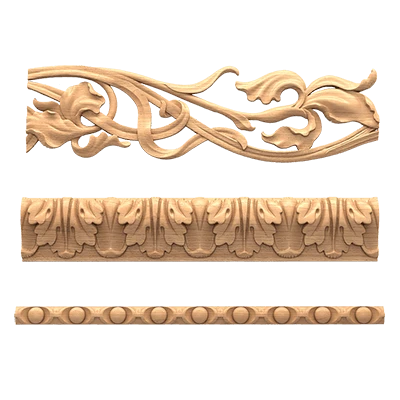
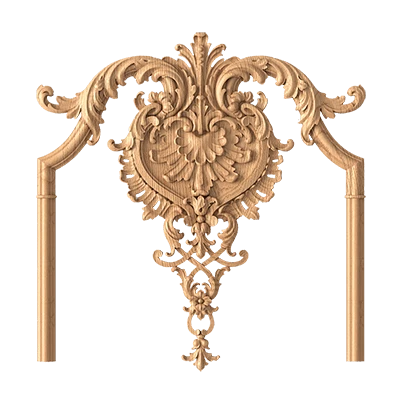
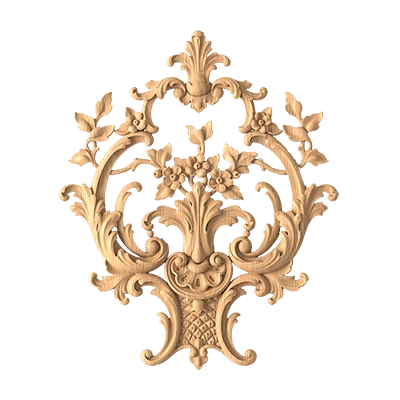
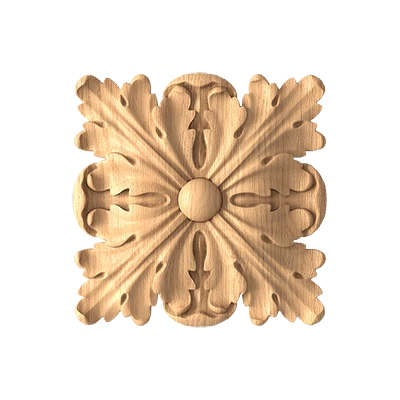
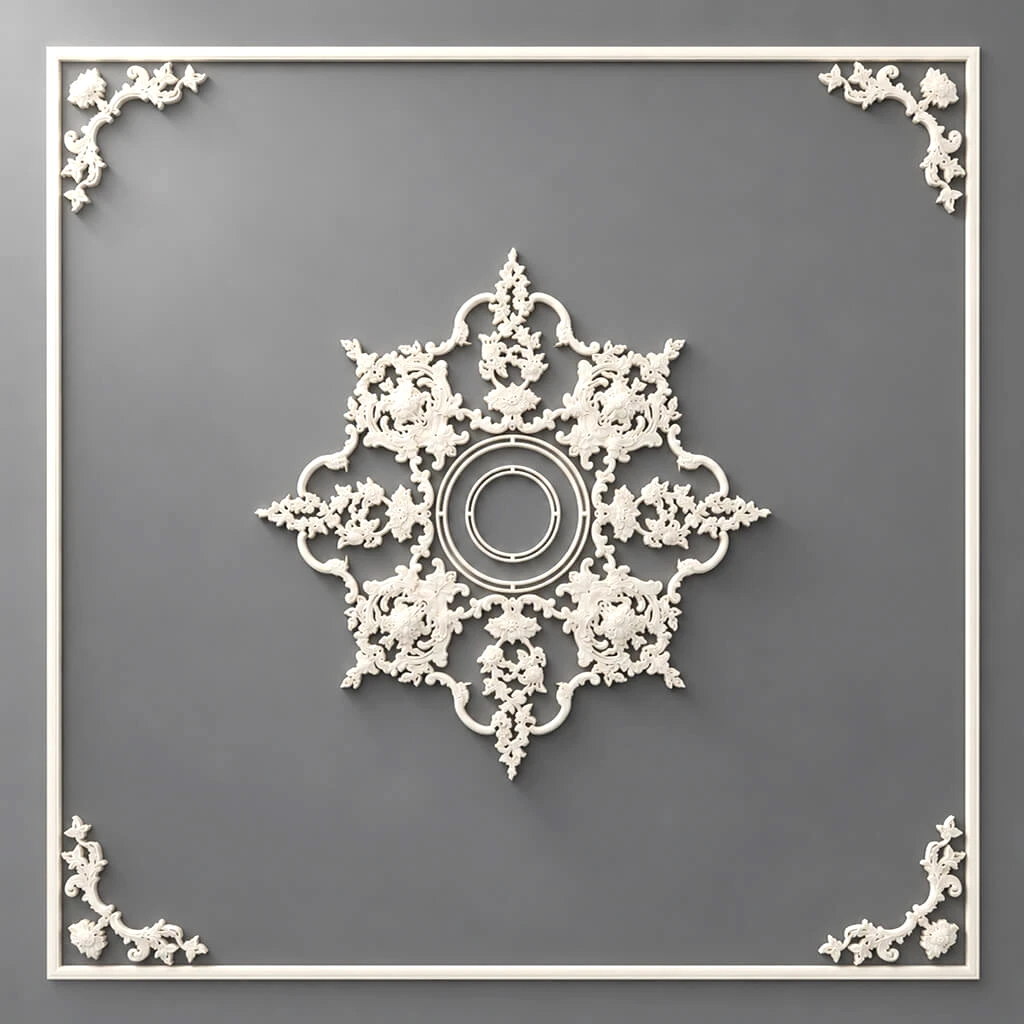
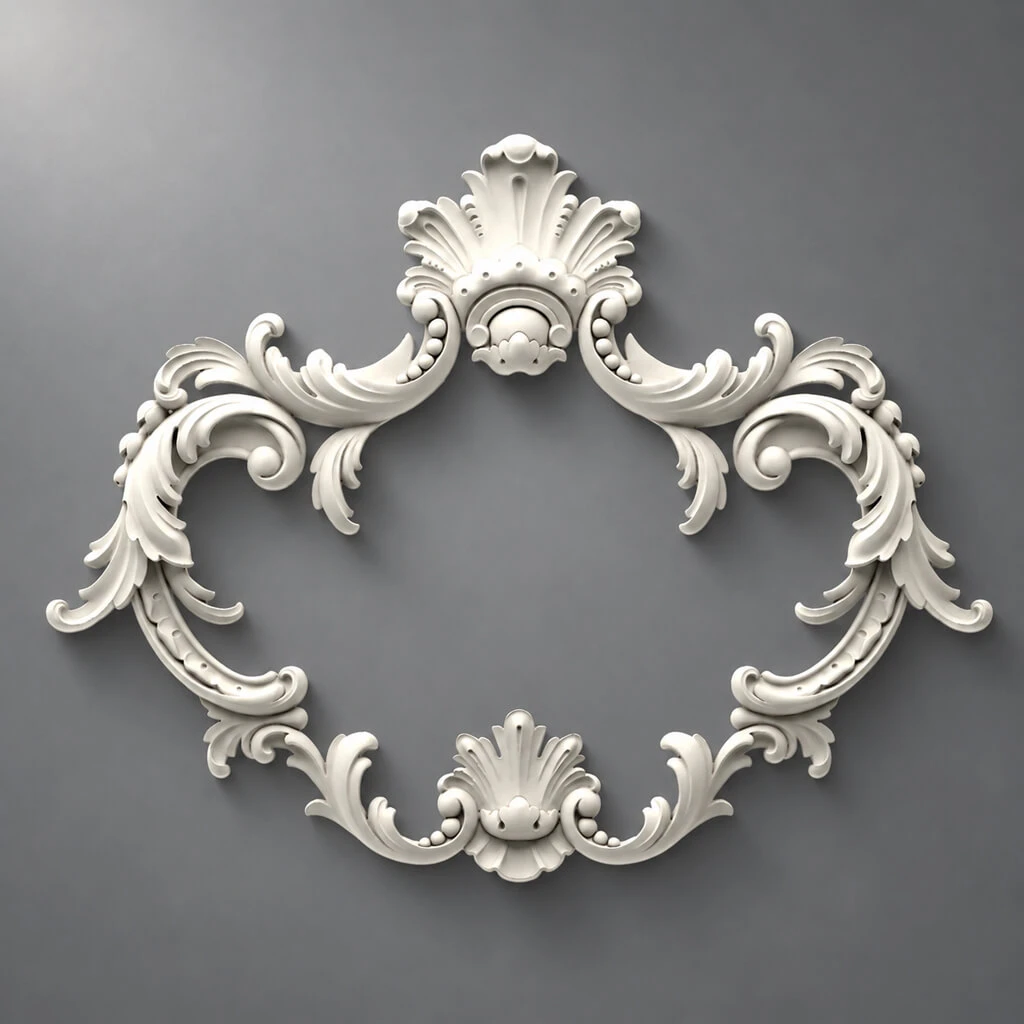
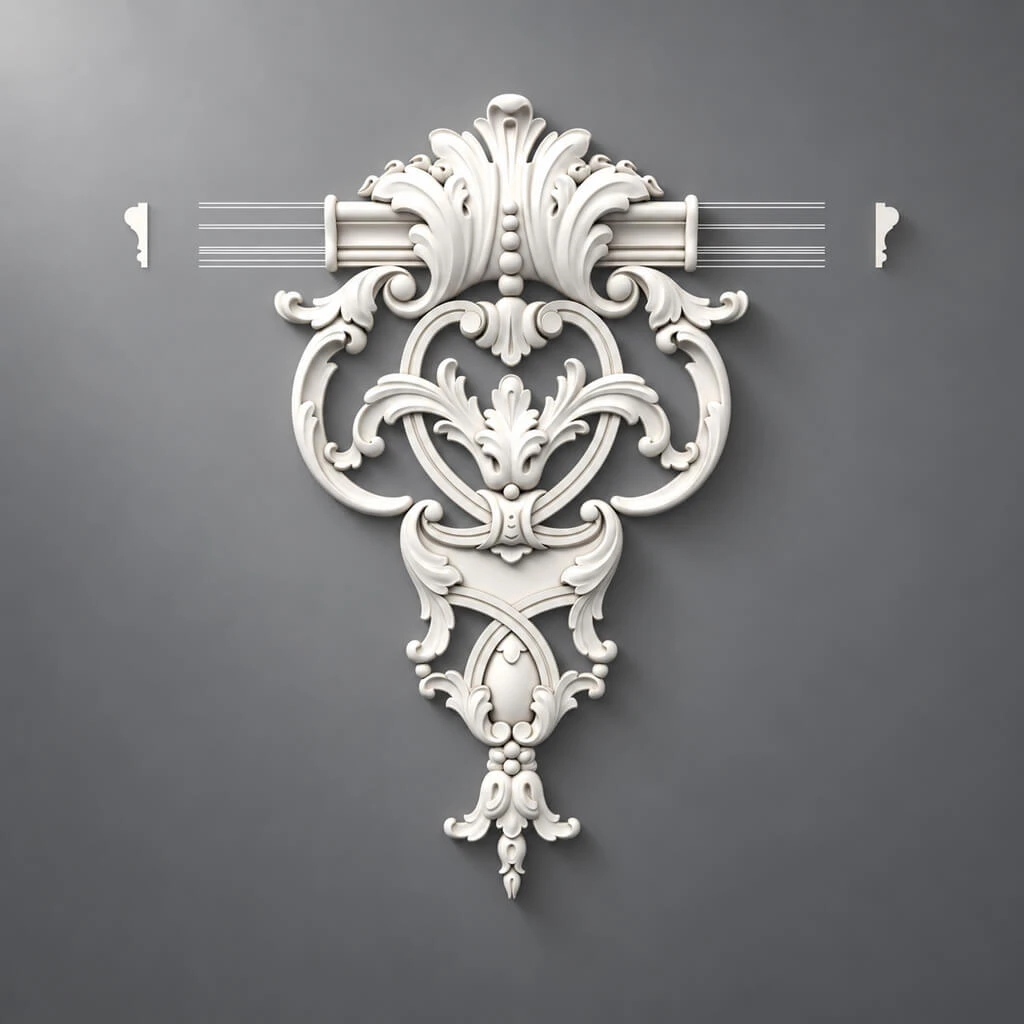
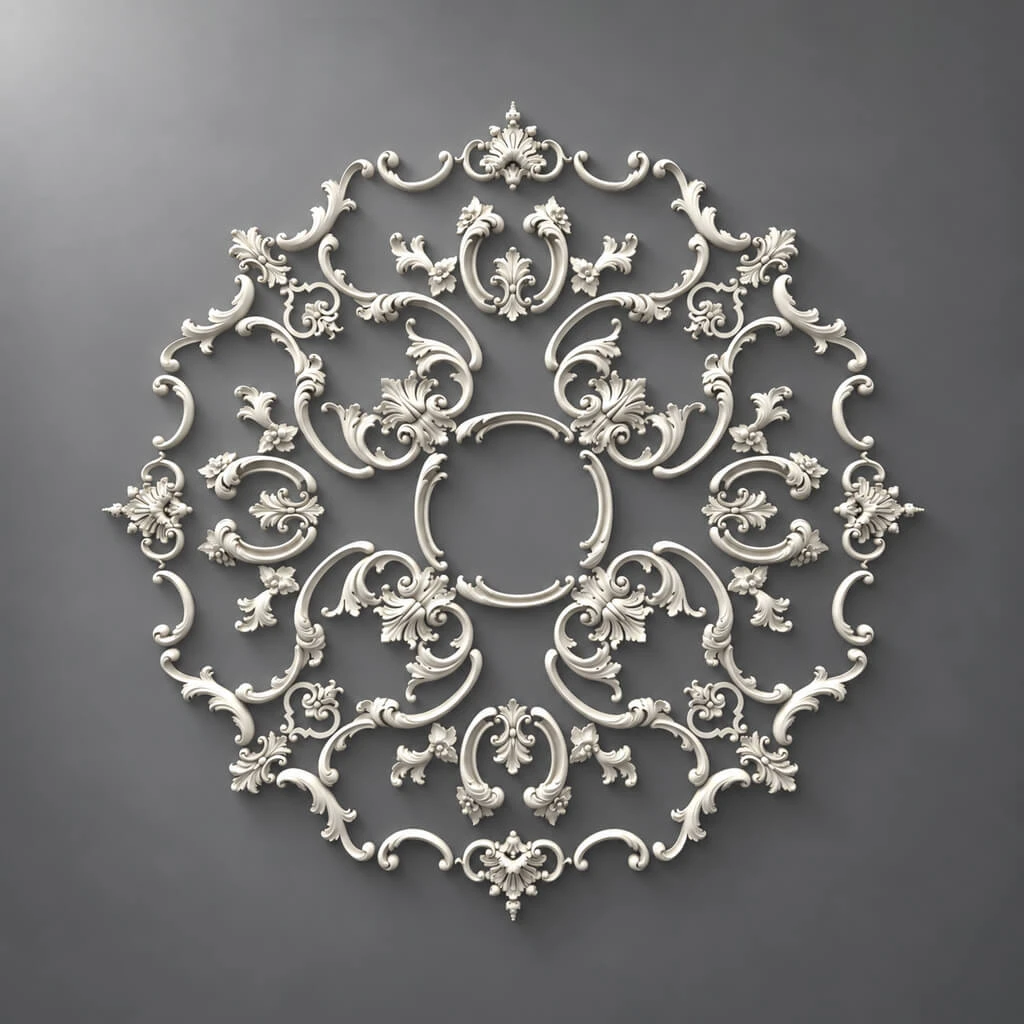
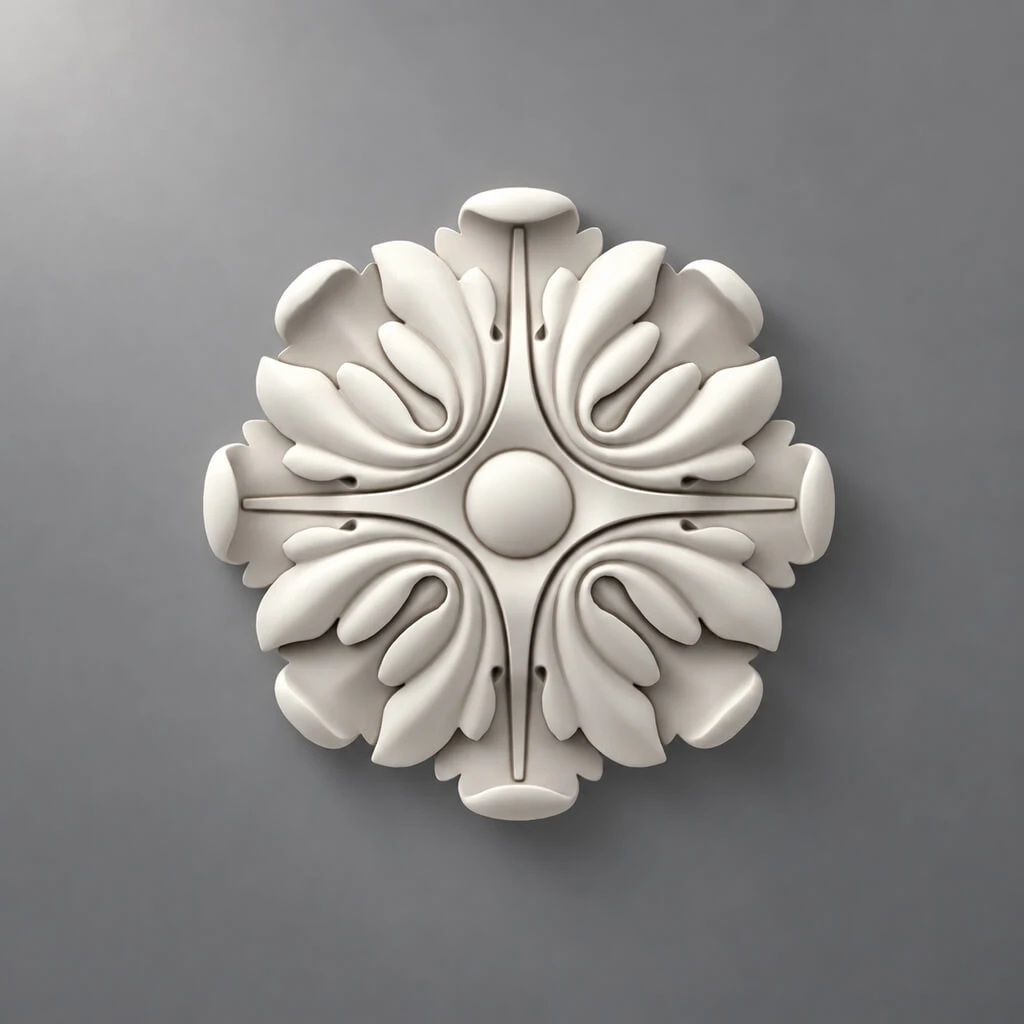
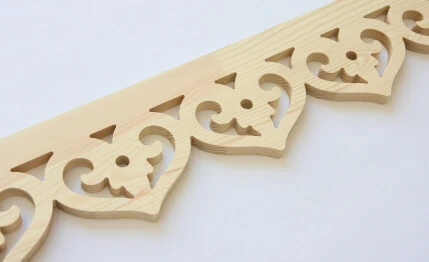
decorative elements for furniture — this is what turns mass-produced furniture into a piece with character. An overlay socket made of solid wood in the center of the door, a pilaster on the side edge of the facade, leaves or shells in the corners of the frame — each of these elements adds depth and history.
Overlays are glued or attached with screws. Important: before applying the overlay, the facade must be perfectly prepared — sanded and primed. An overlay glued to an unprepared facade will come off at the first change in humidity.
For wooden facades — overlays from the same wood species or from a neutral material for a uniform coating. For facades under white enamel — overlays from beech or pine for uniform painting: under enamel, the shape is important, not the wood species.
Brackets
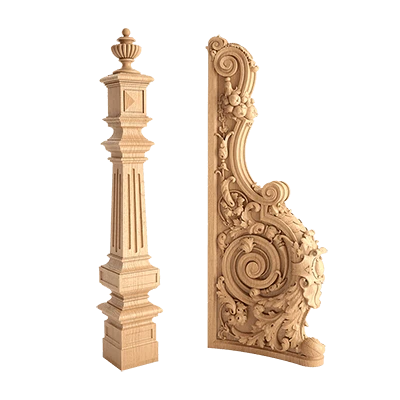
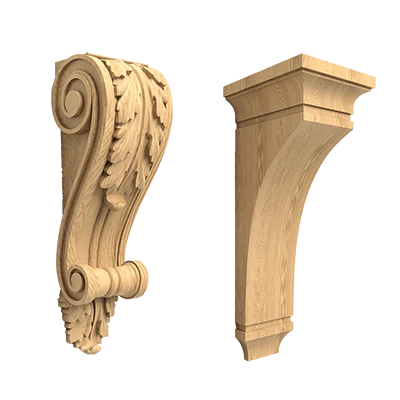
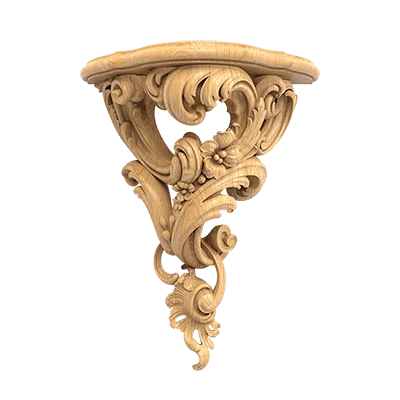
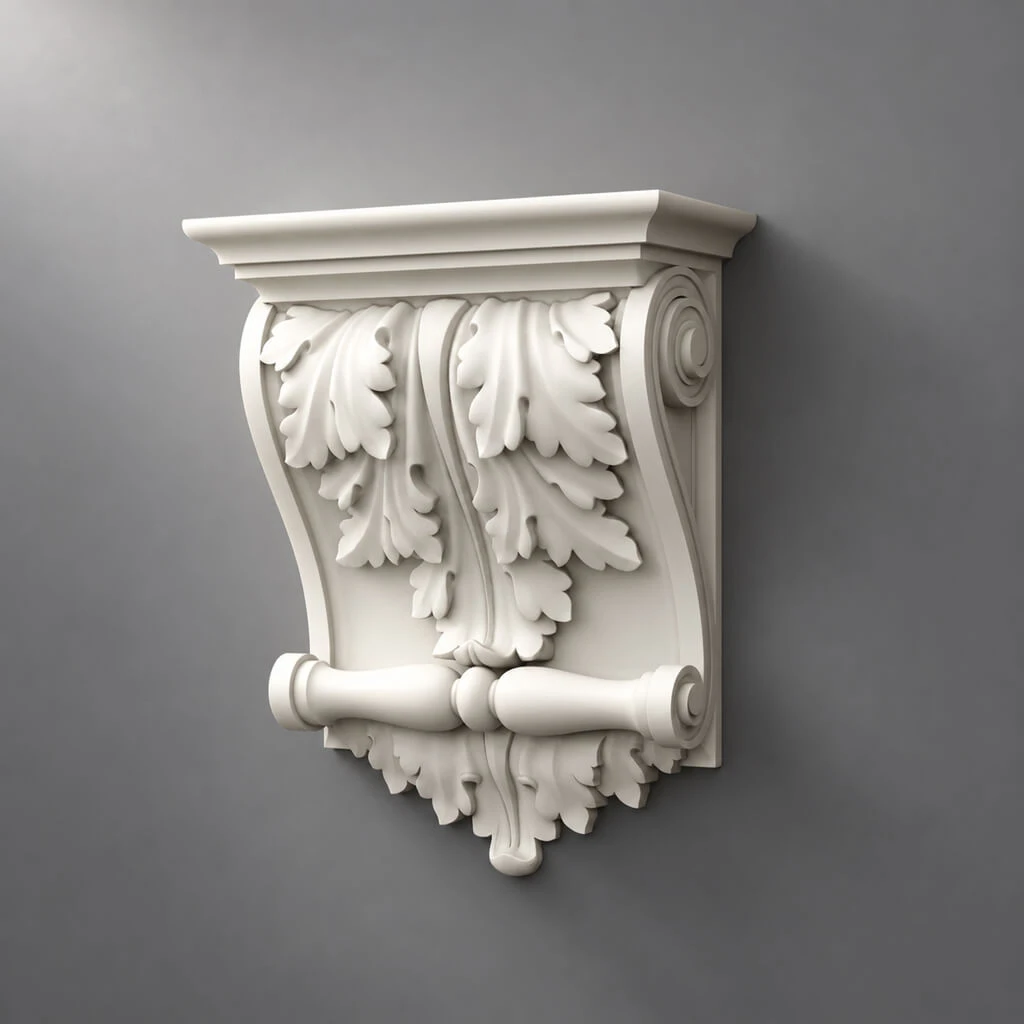
Decorative Bracket in classic furniture — this is not just a fastener. It is a three-dimensional element that adds "shoulders" to a cabinet, supports an open shelf, and creates architectural relief at the base of the cornice.
A wooden bracket with a profiled edge under the kitchen cornice is what distinguishes a classic-style kitchen from a kitchen with simple straight tops. It takes up little space but adds as much architectural expressiveness as no overlay can.
For library cabinets — brackets under shelves with rounded or shaped profiles. For kitchen upper cabinets — brackets under the cornice. For open console shelves in the living room — large wooden brackets made of oak or ash.
Cornices and moldings
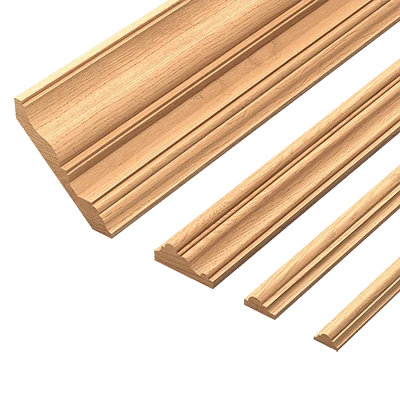
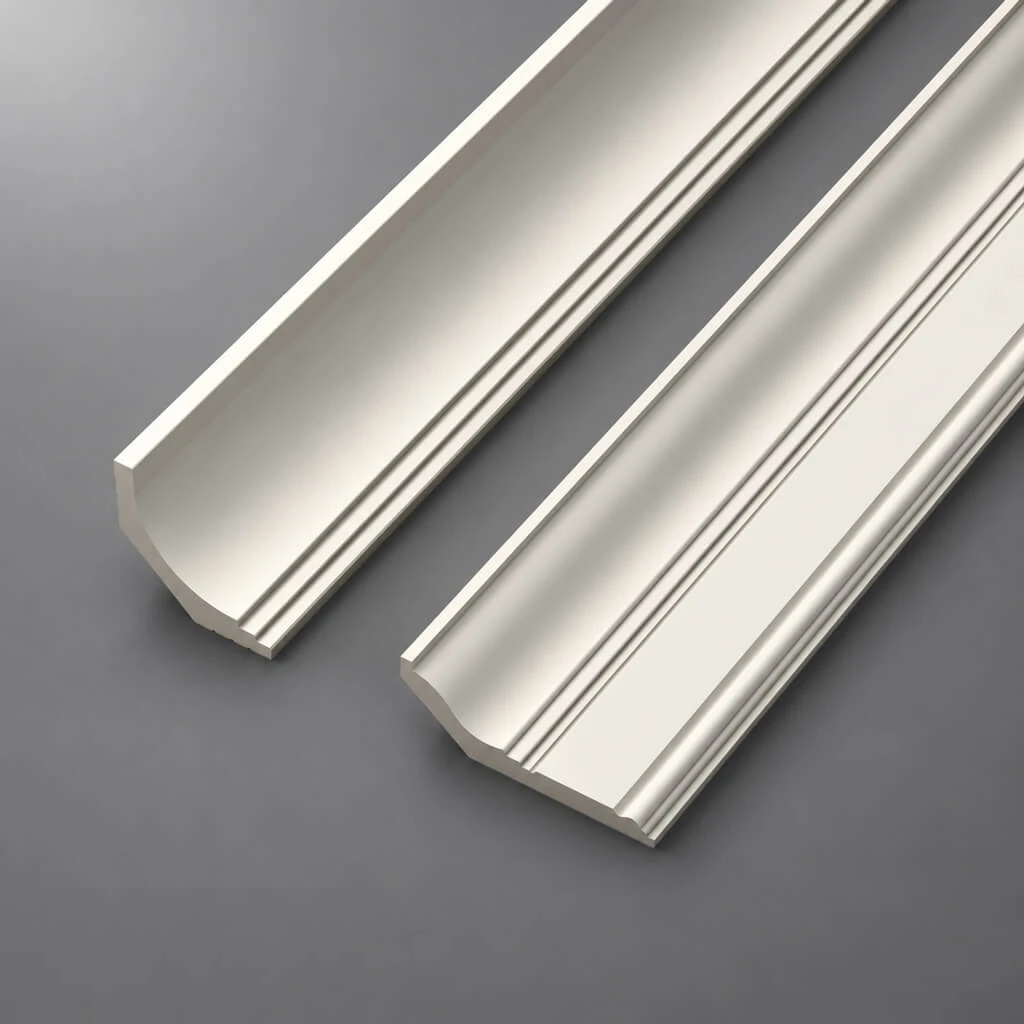
wooden cornice — a horizontal profile element that is mounted along the top part of furniture. Its task is to create a visual "overlap," complete the vertical growth of the furniture, and connect it with the horizontals of the room: the ceiling, curtain cornices, and upper wall moldings.
Without a cornice, a tall cabinet looks like an unfinished structure. With a cornice, it looks like an architectural object, deliberately designed.
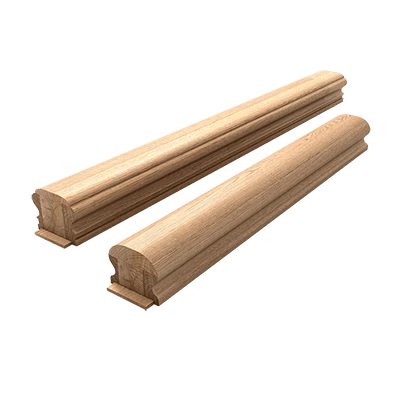
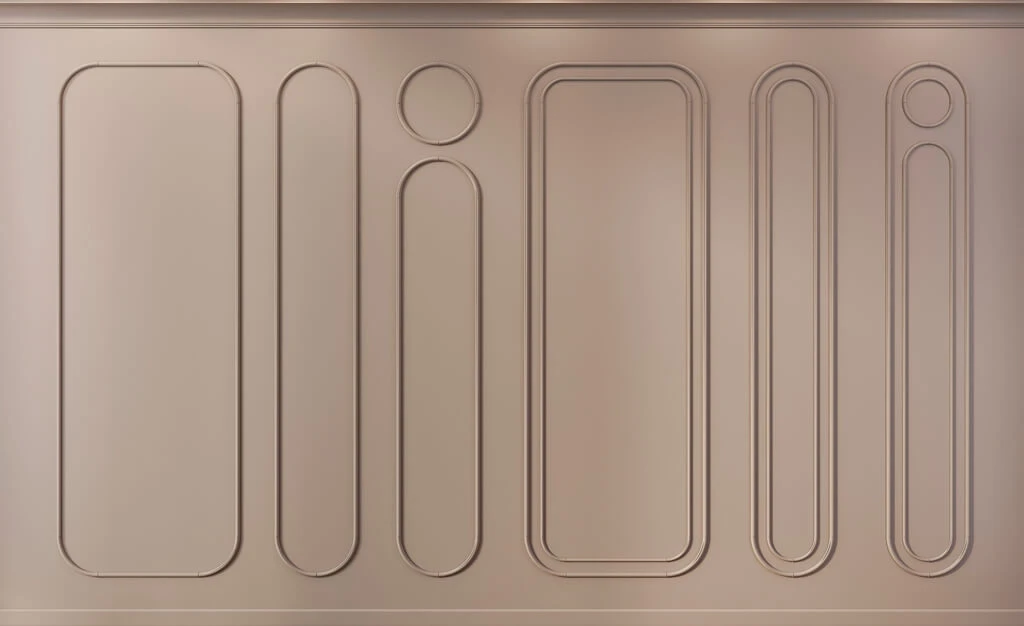
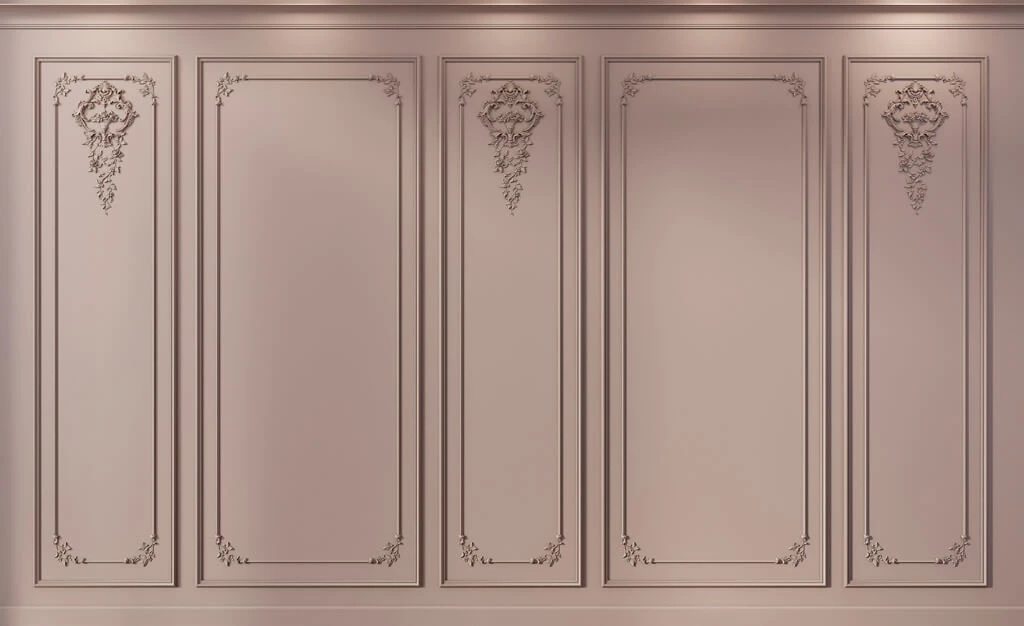
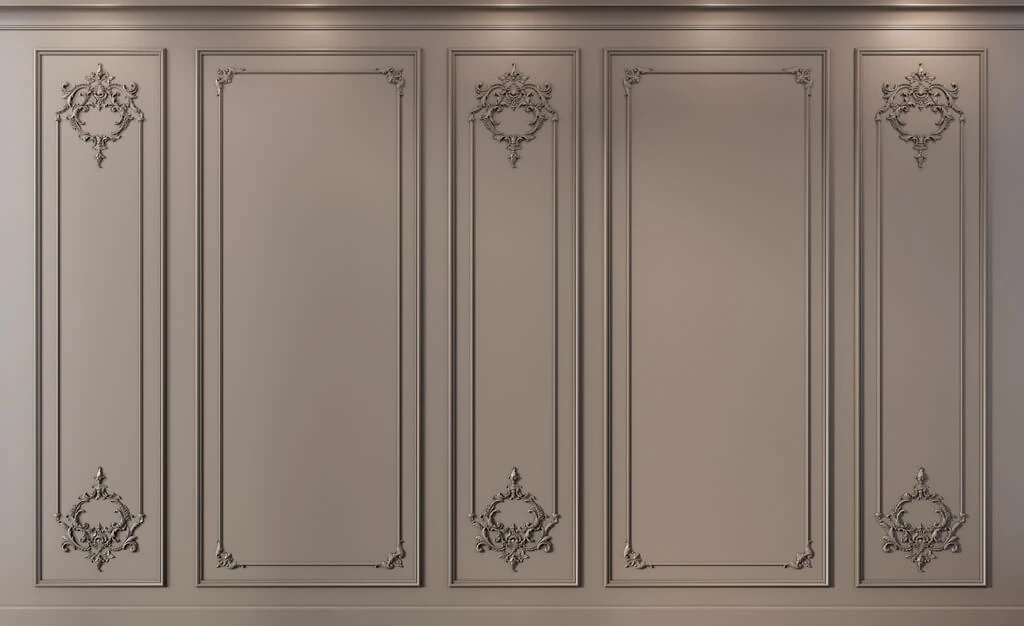
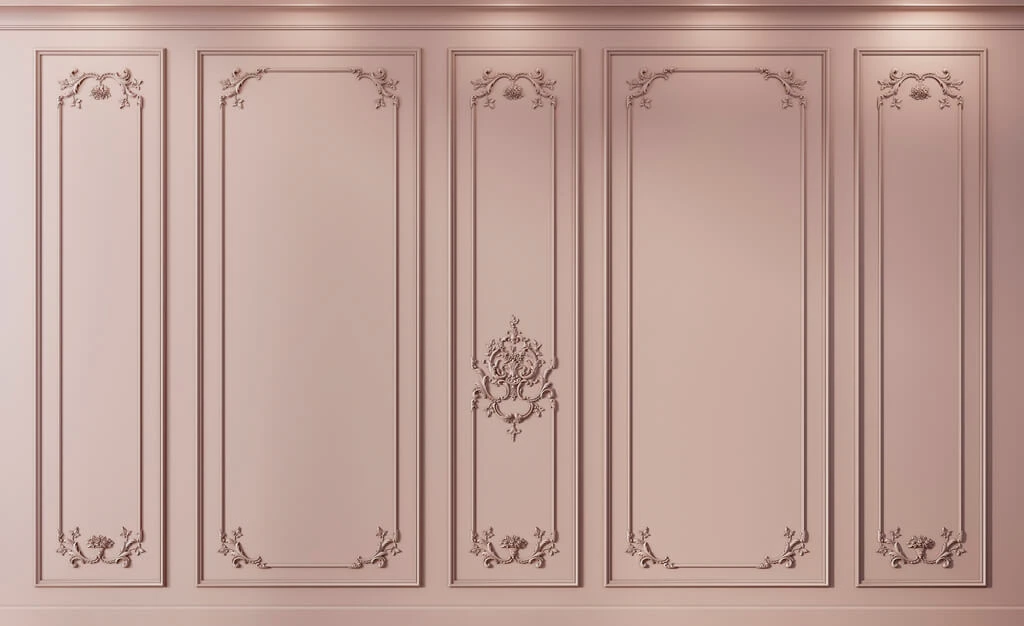
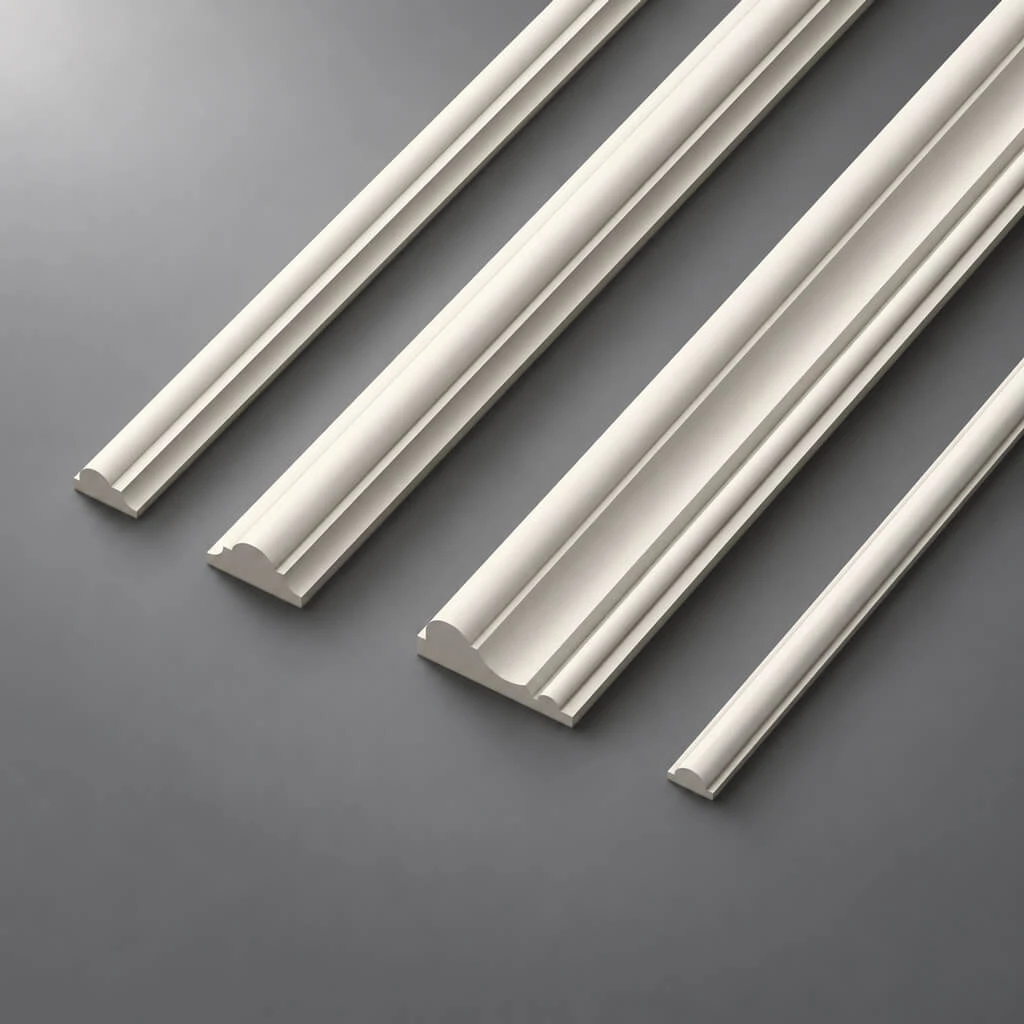
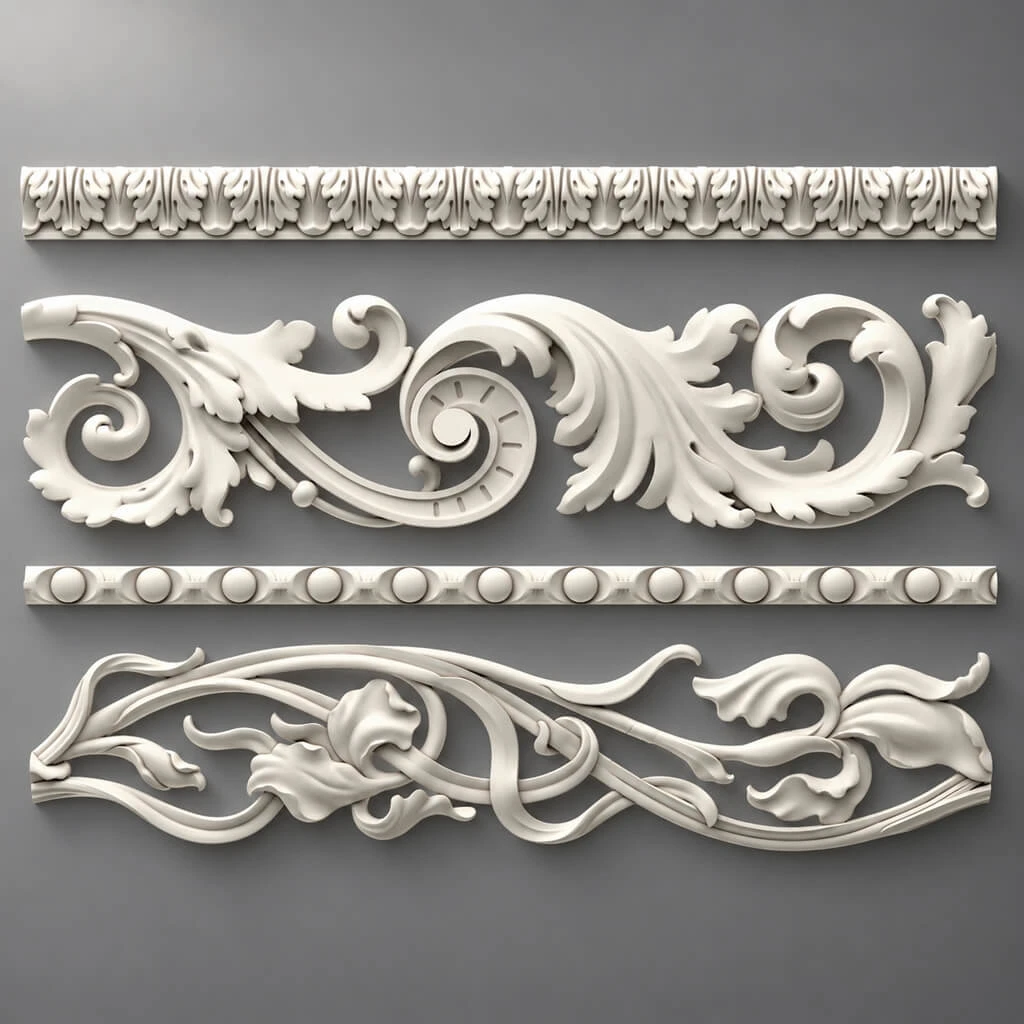
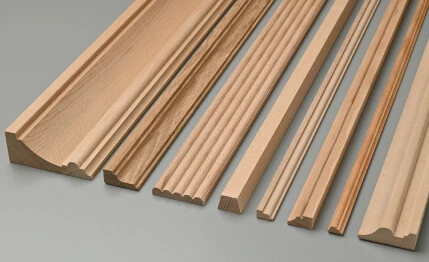
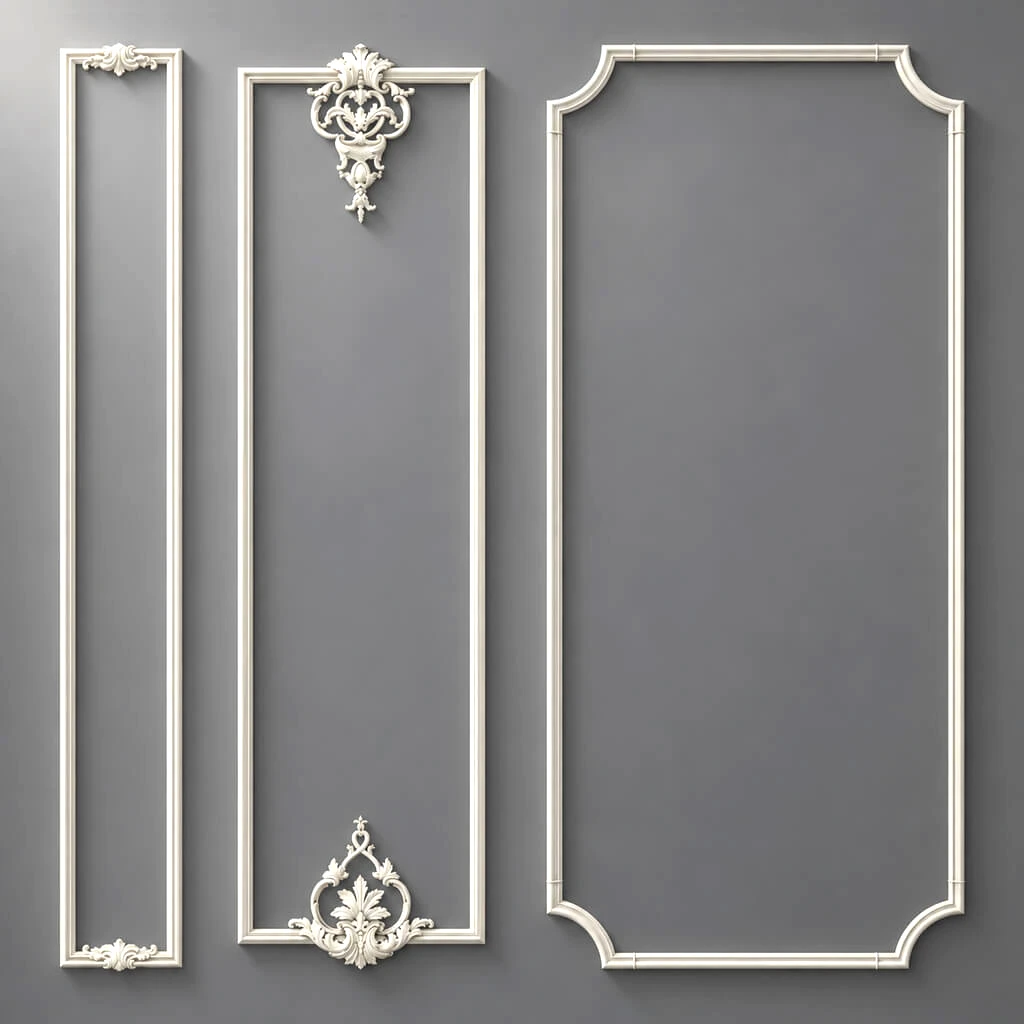
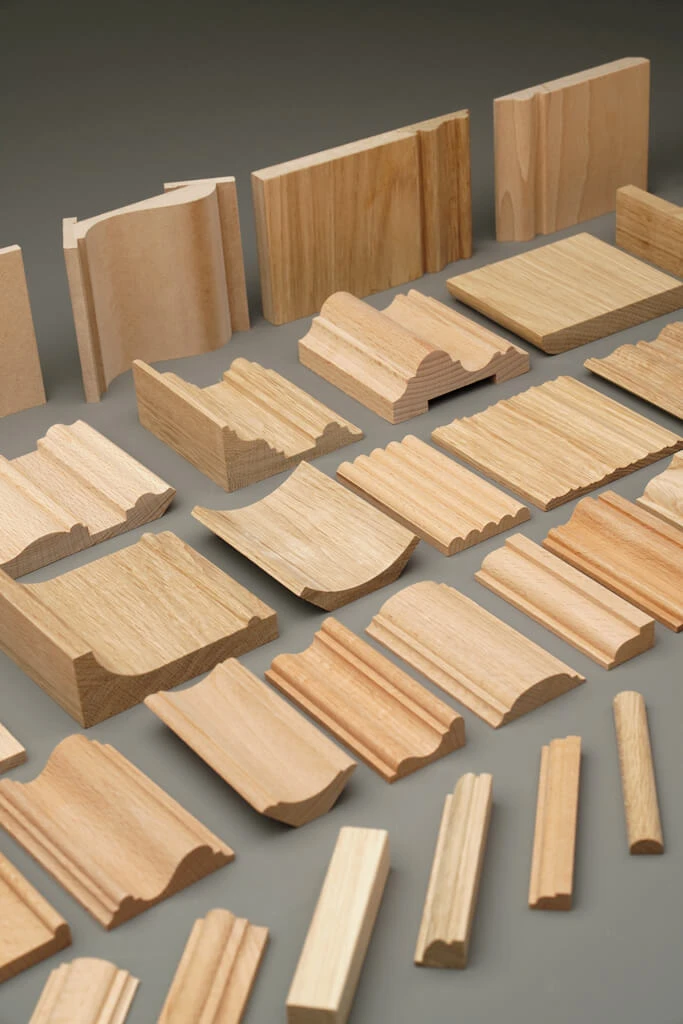
Moldings from solid wood — linear profile elements that are used to divide the facade into zones, to create molding frames on doors and drawers, and to decorate horizontal lines of furniture. A molding frame on a door creates a "field" and a "border" — a classic division of the facade plane, dating back to Renaissance architecture.
How to choose wooden legs for classic furniture
Different pieces of furniture — different tasks for legs. Let's break it down by type.
Chest of drawers and bedside table. For a chest of drawers 800–900 mm high — legs 80–130 mm. Turned shape with a characteristic widening at the top and a conical taper to the heel. The leg should not be higher than 1/6 of the total body height — otherwise the furniture will look "long-legged."
For a bedside table 550–600 mm high — legs 60–90 mm. A more elegant shape: a thin cone or a small turned profile. Too massive legs under a bedside table is a typical proportional mistake.
Table. For a dining table in a classic dining room — Wooden legs cross-section 70–100 mm, height 700–720 mm to the tabletop. A turned profile with belts is a tradition that should not be violated in a classic interior. For a desk — legs slightly thinner, more slender, but with the same classic profile.
Wardrobe and sideboard. A wardrobe is a heavy item. Legs for a wardrobe should be: stable, with a wide heel or mounting plate, proportionate to the body height. Leg height for a wardrobe — 50–100 mm (lifting above the floor for ventilation and cleaning). Shape — straight or with minimal turned decor: the wardrobe is tall, its legs are poorly visible, so an ornate profile is not needed here.
Upholstered furniture. For a sofa and armchairs in a classic style — legs 60–120 mm high. Under the load of the entire body with people — cross-section at least 50×50 mm. Shape — turned or conical; stability is important.
Unified system. When a room has a chest of drawers, a small table, a pouf, and a sofa — all legs should belong to the same stylistic group. Not necessarily identical — but made in the same character. This creates the feeling of a furniture ensemble, not a random set of items.
How to choose handles for classic furniture
The handle is the final touch on a finished facade. And often it is what decides whether the furniture will look complete or not.
Matching the facade style. A smooth white facade with molding frames — both a minimalist button and an elegant handle will suit it. A facade with carved overlays and a complex profile — it needs a handle with the same decorative character: a figured handle or a turned button with an ornamental detail.
Wooden handles under enamel. If all furniture is white — wooden handles under a single white enamel. The shape of the handle is then perceived as relief, not as a separate material accent. This is an elegant mono-style solution: a single surface with volumetric decor.
Wooden handles under varnish. If the furniture is under natural varnish or stain — wooden handles from the same wood species with the same coating create an organic unity. Or — a contrasting option: dark handles on light facades, which creates an accent without breaking the style.
Arrangement of handles. On dresser drawers — in the center. On double doors — on the outer side of each door, symmetrically. On a single door — closer to the opening edge, at a height convenient for the hand (900–1,100 mm from the floor).
Center-to-center distance of handles. Standard sizes: 64, 96, 128, 160 mm. Check which distance matches the existing holes in the facade (when replacing handles). For new installation — choose based on the facade proportions: on a wide facade of 600 mm — a handle with a distance of 96–128 mm looks correct.
Decorative overlays: how not to overload furniture
This is where it gets most delicate. Overlays are a tool to enhance the image. But any tool, if used carelessly, produces the opposite result.
The principle of 'one main accent'. On each facade, there should be one expressive decorative accent — either a handle, an overlay, or a molding frame. When all three elements compete for attention — the facade looks overloaded and unsettling.
Scale of the overlay — scale of the facade. A large rosette 150×150 mm on a door 400×800 mm — correct proportion. The same rosette on a drawer 300×150 mm — a disaster. decor for furniture should be proportionate to the field on which it is placed.
Symmetry of paired facades. On a double-door cabinet, identical overlays on both doors, mirror-symmetrical. Breaking symmetry on a symmetrical facade is a mistake that everyone notices, even without realizing it.
The pattern should not conflict with the handles. If the overlay is leaves in a naturalistic style, the handle should be in the same organic character. A geometric handle with sharp angles next to a naturalistic overlay creates a stylistic conflict.
Optimal saturation. For a small cabinet or drawer, one overlay in the center or at the corners. For a large cabinet door, an overlay in the center and, if desired, small elements at the corners of the frame. No more. More is already too much.
Overlays for a unified coating. wooden furniture appliqués They are glued before final painting so that the paint unifies the overlay and the facade in a single layer. An overlay glued after painting and painted separately always reads as a "sticker" — even with perfect execution.
Cornice, molding, and bracket in classic furniture
This is the upper tier of the decoration system. It is here that classic furniture gets its final "ceiling" — literally and figuratively.
Cornice. wooden cornice It is mounted along the top horizontal plane of a cabinet, sideboard, library shelf, or upper kitchen cabinet. Its profile should match the overall style of the decor: in complex classic interiors, a cornice with a stepped profile and transverse ribs; in neoclassicism, a calmer profile with one or two ledges.
Cornice size: its projection should be proportionate to the depth of the furniture. A cabinet 450–600 mm deep requires a cornice with a projection of 40–80 mm. A too-small cornice will get lost. A too-large one will create imbalance.
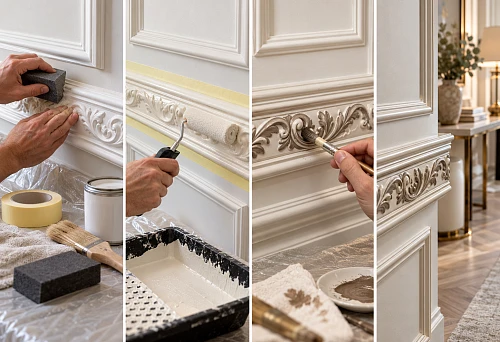
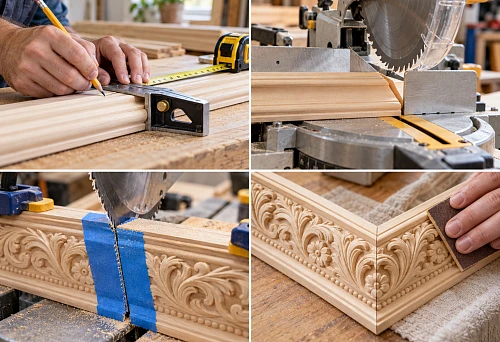
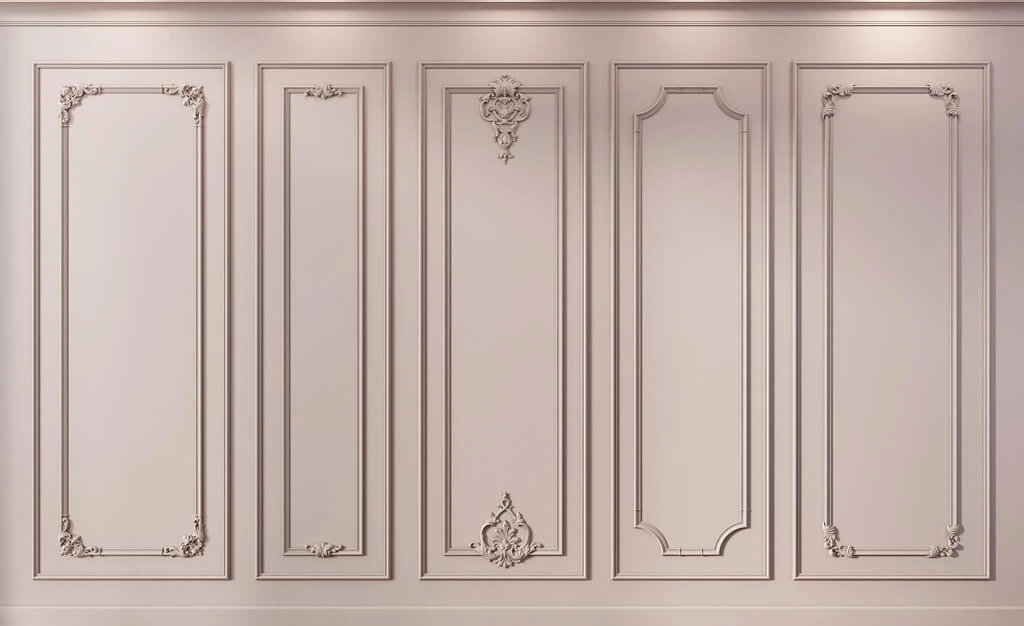
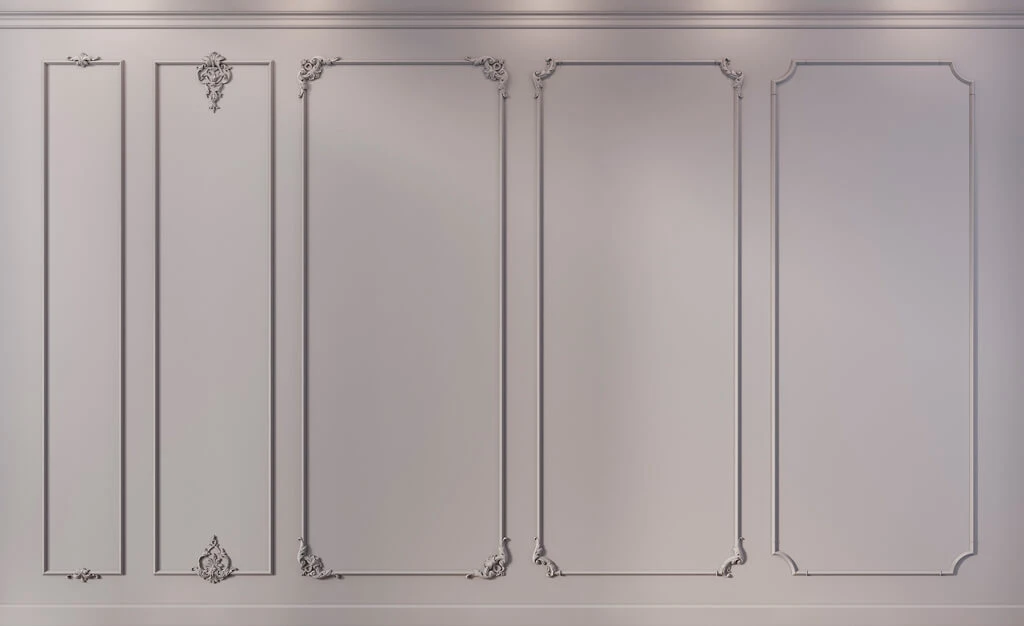
Molding on the facade. Moldings from solid wood Used to create frames on facades: the molding is laid along the perimeter of the door or drawer, forming a rectangular frame with a profiled shadow. This is one of the simplest and most effective ways to make a flat facade classic.
Molding width: for drawers — 10–15 mm; for doors — 15–25 mm; for large panels — 25–40 mm. It is important to maintain an indent from the edge of the facade: the frame should be centered or have a deliberate offset.
Bracket. Decorative Bracket In a furniture context, it is used to support open shelves (kitchen, library, living room), to decorate side posts of cabinets and sideboards, and to create classic consoles.
A bracket with a curved profile and turned details is a point architectural accent. Paired with with wooden cornices above the cabinet, it creates a system of horizontal and diagonal lines characteristic of classic European interiors.
Color of classic furniture: light, dark, or natural wood finish
Color is the first thing perceived when looking at furniture. And it is color that sets the character of the space.
Light Classic Furniture — white, cream, ivory — for small apartments, bedrooms, children's rooms, light living rooms. Light color visually enlarges the space, making it airy. White classic furniture is neoclassicism in its modern interpretation: form from tradition, color — neutral and contemporary.
Under white enamel, all wooden elements — legs, handles, overlays — are painted the same white. This creates a monostyle monochrome look, where the relief of the decor works through the play of shadow on a single surface.
Dark classic furniture — wenge, dark walnut, dark oak — for studies, libraries, large living rooms with high ceilings. Dark wood creates an image of seriousness, solidity, status. This is furniture that is bought for decades.
Under dark stain or oil, the wood grain pattern gains depth. Oak, ash, walnut are the most expressive dark species. Classical furniture made of wood Dark tones require sufficient lighting: in a dark room, dark furniture can overwhelm the space.
Natural wood. Light oak, beech, ash under clear oil or varnish — this is warm classic. It is softer and livelier than dark options, devoid of "officialness." For apartments in Scandinavian, Provencal, or "new traditionalism" style — natural wood in classic forms.
Coordinating the color of the decor with the facade. If handles and legs are painted the color of the facade, the furniture is perceived as a monolithic object. If they are contrasting, it is perceived as composite, with accent details. Both approaches work but require awareness: random contrast looks like a mistake, intentional contrast looks like a solution.
Connection with the interior. The color of the furniture should echo the color of the floor, doors, and wooden baseboard. Light parquet + white furniture + light baseboard — a unified light palette. Dark parquet + dark furniture + dark baseboard — a unified dark palette. Mixing dark floor and white furniture is acceptable, it is contrast. But then the baseboard and doors should "choose a side" — either to match the floor or to match the furniture.
Modern classic furniture: how to do it without overload
modern classic furniture — this is not a copy of the French Renaissance with gilding and carved lions. These are classic proportions and details, reinterpreted with modern restraint.
How is this achieved:
Less carving. Carved decorative motifs are used selectively — one or two accent elements per item, rather than a continuous covering of ornament.
Calm profiles. Moldings with soft rounded profiles instead of complex stepped ones. Cornices with moderate projection. Legs with turned bands, but without excessive decoration.
Neat Wooden handles. A wooden knob handle with a diameter of 30–40 mm or a 96 mm pull with a clean turned body is modern classic. Nothing extra, but with the right classic character.
Moderate overlays. One small rosette or laurel branch in the center of the door is enough. No need to fill the entire facade with ornament.
Unified color scheme. Modern classic is often monochrome: all white or all in the tone of natural wood. This simplifies perception and removes the "Victorian" heaviness.
Combination with the interior. Moldings from solid wood on the walls in the same style as the moldings on the furniture. with a classic profile creates a sense of solidity, reliability. with a moderate profile. Doors with molding frames. All this creates an environment where modern classic furniture looks organic — not like an exhibit in a modern space, but as its full-fledged part.
How to combine classic furniture with interior
This is the broadest question — and the most important. Because even perfectly assembled furniture can look strange in a space with which it is not connected.
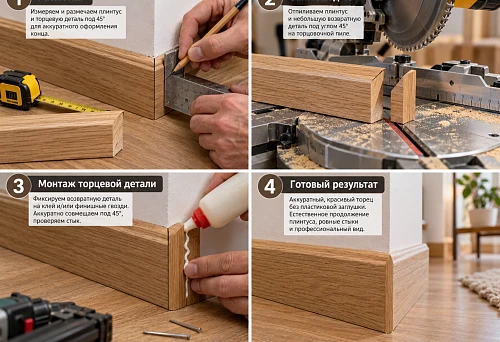
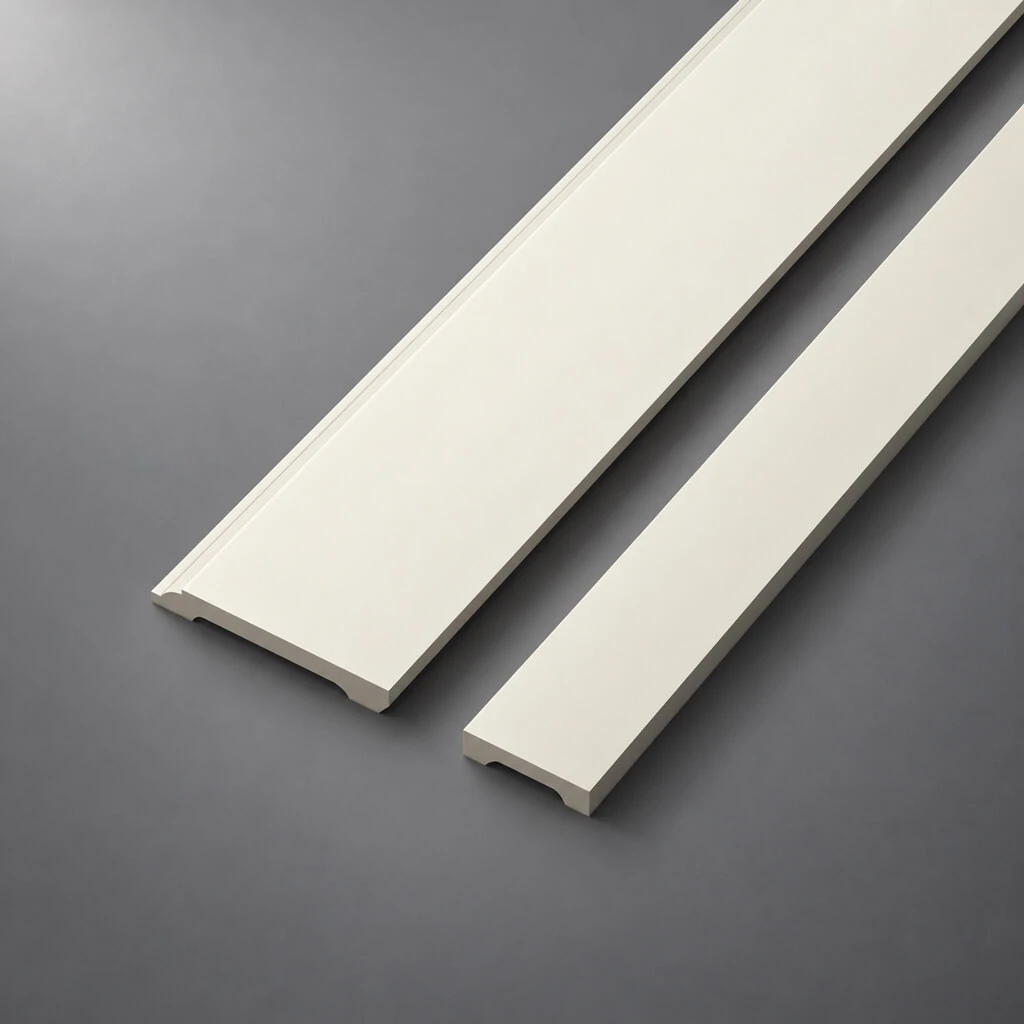
With a wooden baseboard. with a classic profile creates a sense of solidity, reliability. — this is the lower horizontal line of the interior. It should echo the legs and lower parts of the furniture. A baseboard made of the same wood and with the same finish as the furniture legs is a horizontal line that "picks up" the verticals and creates a unified wooden system.
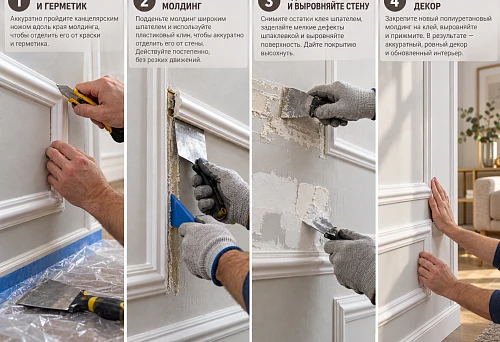
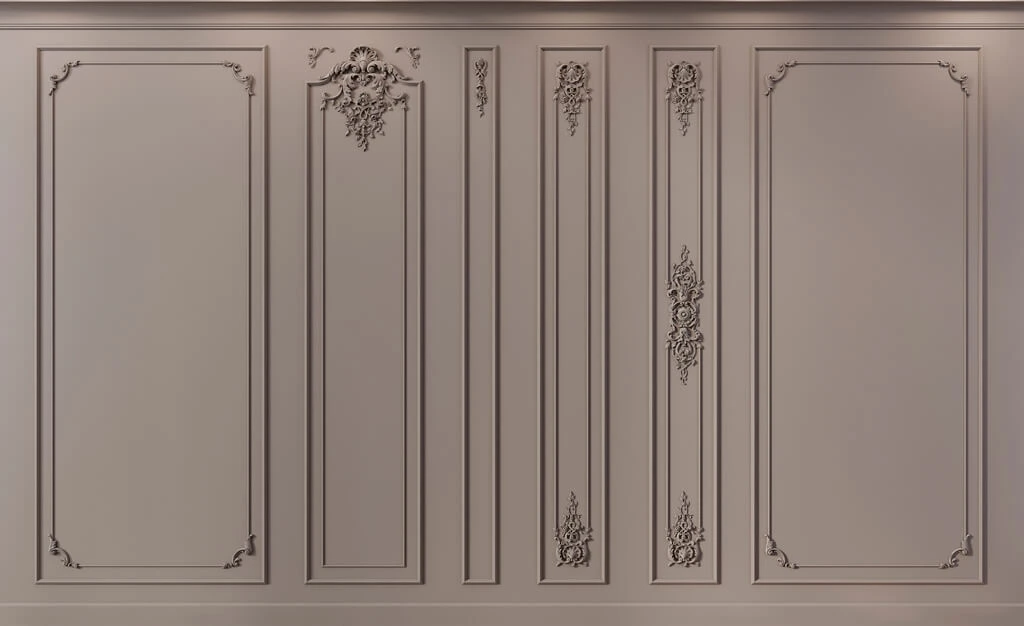
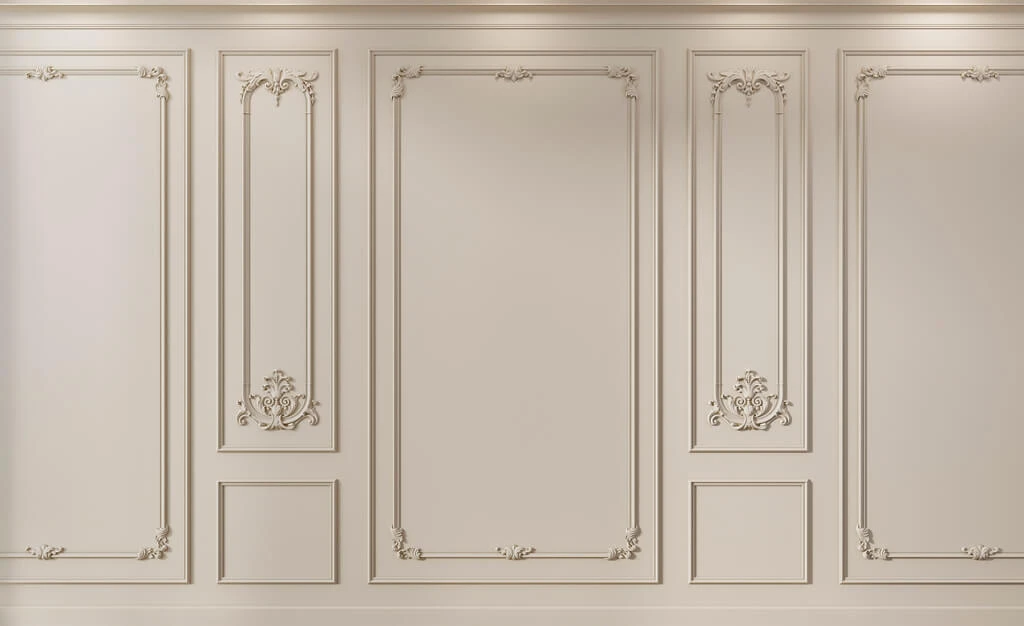
With wall moldings. Moldings from solid wood on the walls — horizontal strips that divide the wall into zones: base, main, and frieze. This is an architectural technique that came from European classicism. In a room with wall moldings Classic Furniture looks like part of a unified system — the furniture does not stand "in front of the wall," it is built into the architecture.
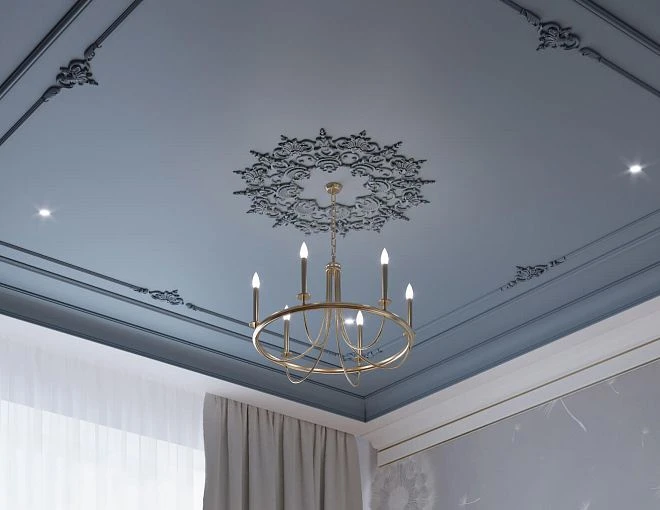
With a wooden cornice. wooden cornice on the ceiling or at the top of the walls — a horizontal line that connects the ceiling and walls. The cornice on the furniture is a horizontal line that connects the furniture and the ceiling. When both cornices are similar in profile and scale, a sense of architectural coherence of the entire space arises.
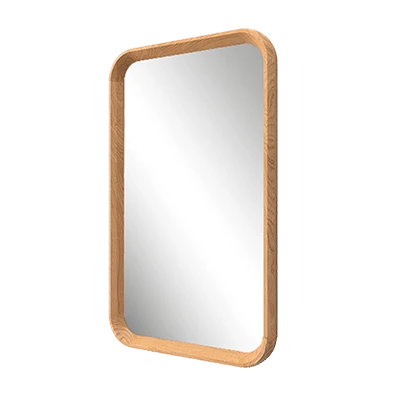
With wooden decor and baguette. Wooden Picture Frame used for decorating frames: mirrors, paintings, inset panels in furniture, openings. Made from the same wood species and with the same finish as the furniture — creating a unified wooden narrative.
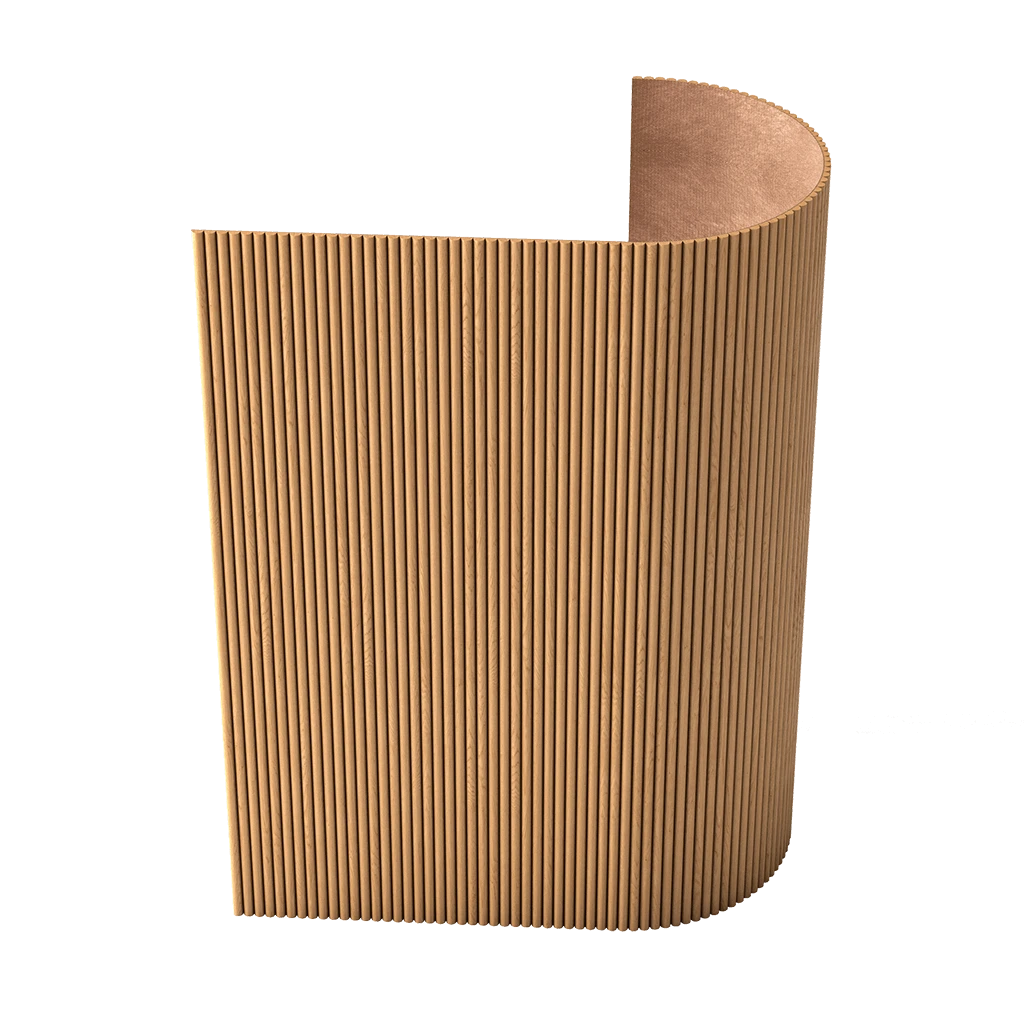
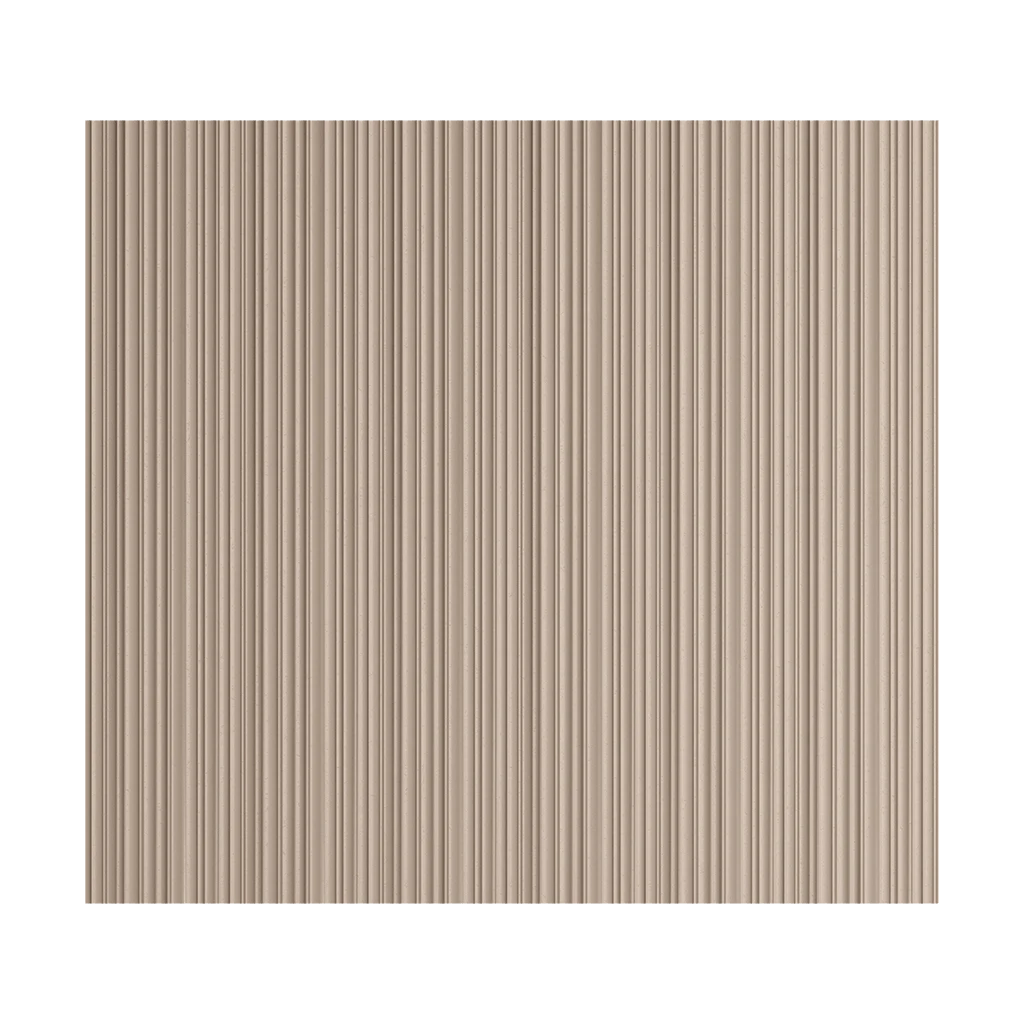
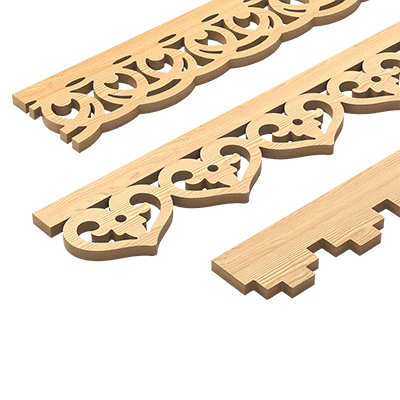
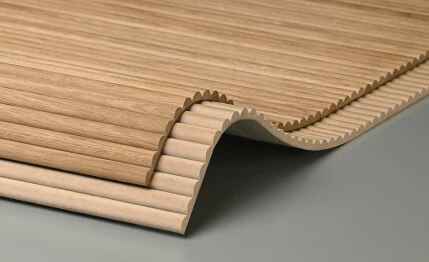
With a wooden batten. Wooden plank used in wall decor (vertical and horizontal battens), in cabinet grilles, in partitions. As an interior element, it creates a geometric wooden rhythm that works well in modern classics.
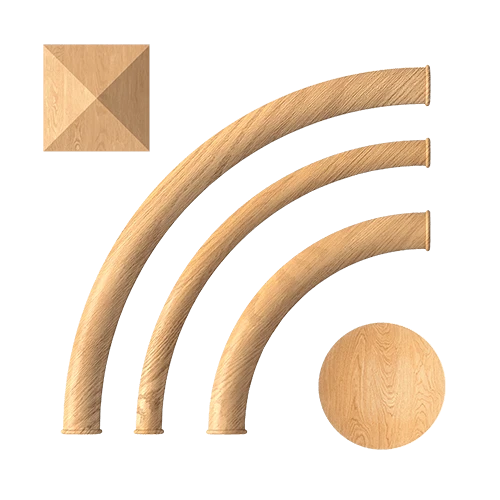
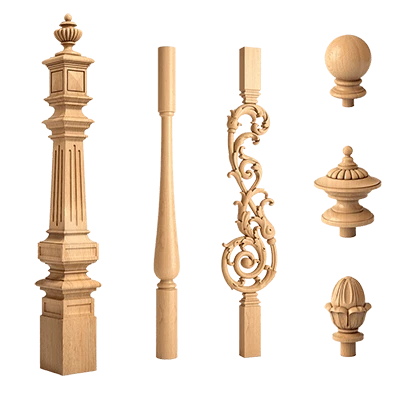
With staircase elements. In a house with a wooden staircase — posts, balusters, and handrails should be stylistically connected to the furniture. Common wood species, common coating, similar decorative profile — that's what makes an interior a unified work, not a set of purchases from different places.
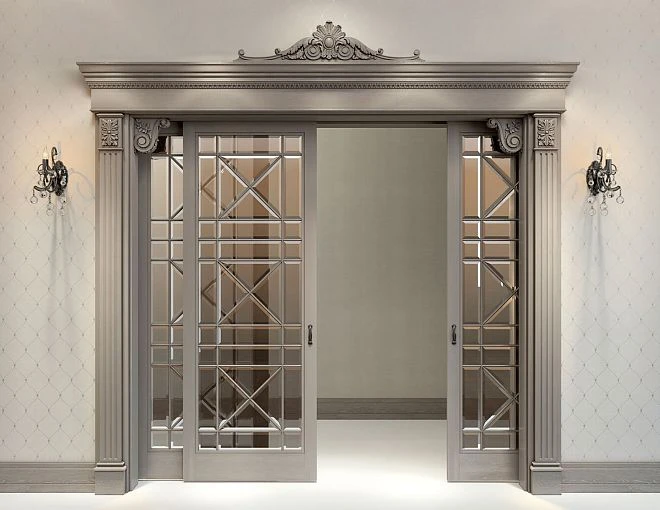
With doors and architraves. Doors with molding frames are a classic technique that rhymes with furniture facades. Wooden architraves made from the same solid wood as the furniture — another point of connection. If the doors are white, door handles and furniture handles should be coordinated in style: wooden with wooden.
Mistakes when selecting decor for classic furniture
Knowing typical mistakes is half the correct result.
Choosing handles, legs, and overlays separately from each other. Each element individually may be beautiful — but together they will clash if they do not belong to the same system. Select all details simultaneously, comparing profiles, scale, and style.
Mixing different carving styles. A baroque overlay with leaves and grapes + a geometric handle in art deco style + a turned leg with Soviet proportions — this is not eclecticism. This is chaos. The style of carving and forms should be unified.
Putting too small handles on a large facade. A knob handle with a diameter of 25 mm on a door 700×500 mm — it will get lost, the facade will look "bare" with a small dot in the middle. Proportionality is key.
Using overly massive legs on a small nightstand. Legs 100×100 mm under a nightstand 500 mm high — the nightstand turns into a pedestal. Legs 50–60 mm with an elegant turned profile for such an item — the correct scale.
Overloading furniture with overlays. Three different overlays on one door — this is not "rich decor." It is an inability to choose one accent. One good overlay in the right place is more effective than five random ones.
Forgetting about the color of the future coating. Selecting all elements by shape and forgetting about tone is a typical mistake. Beech and pine under the same varnish will give different results. If a single paint job is planned, this removes the issue of wood species but requires uniform priming and the same finish coating on all parts.
Not linking furniture with baseboards, moldings, and doors. Isolated classic furniture in a modern space without classic interior details is a "museum exhibit" placed in the wrong hall. Classics work in a system.
Choosing random decor without an overall composition. Classics are a language. When words are not connected, you get a set of sounds, not speech. First — the image, concept, color scheme. Then — details.
What to buy for classic furniture
A complete list of wooden elements for creating a classic furniture ensemble — everything from one source, in one style.
Classic Furniture — ready-made items: chests of drawers, consoles, tables, nightstands, armchairs in classic style.
Wooden legs — for chests of drawers, tables, nightstands, sofas, and upholstered furniture. Turned, shaped, tapered.
Buy furniture legs for a 200-room hotel project — this is not an ordinary deal, but a partnership requiring a special approach. — unpainted wooden legs for any coating.
wooden furniture handles — buttons, staples, shaped models for drawers, doors, and facades.
wooden hook handle — with coating for facades under varnish or enamel.
wooden button handle — for small drawers and cabinets.
decor for furniture — decorative overlays, rosettes, pilasters, ornamental elements for facades.
Decorative Bracket — for shelves, cornices, consoles, and side posts.
wooden cornice — for the top part of cabinets, sideboards, kitchens, and libraries.
Moldings from solid wood — for frames on facades, horizontal divisions, wall moldings.
with a classic profile creates a sense of solidity, reliability. — for the lower horizontal of the interior in the same wood as the furniture.
Wooden Picture Frame — for frames of mirrors, paintings, insert panels.
Wooden plank — for wall decor, grilles, partitions, and built-in elements.
FAQ: Answers to popular questions
What elements are needed for classic furniture?
For a complete classic look — Wooden legs, Wooden handles, Decorative Inserts, Brackets, Crown Molding и Moldings. It is their combination that turns case furniture into an architectural object.
Which handles to choose for classic furniture?
For small drawers — wooden button handleFor wardrobe doors — wooden hook handle 96–128 mm long. For a decorative accent — shaped models. The main thing is matching the style with the legs and overlays.
What legs are suitable for classic furniture?
Turned and shaped Wooden legs — the main choice for classics. Height — proportional to the height of the item: 1/6 for a chest of drawers, 1/4 for a bedside table. Cross-section — depending on the load. Made of oak or beech with the same finish as the body.
How not to overload furniture with decor?
One main accent on the facade: either a handle, an overlay, or a molding frame. The style of all elements is unified. Scale — proportionate to the facade. An excess of details of different nature creates chaos, not richness.
Can old furniture be updated in a classic style?
Absolutely. Replace the handles, add turned legs, add Wooden decoration and molding frames, repaint the facades in a single color — and an old wardrobe or chest of drawers turns into an item that looks like new classic furniture. This is significantly cheaper than a full replacement and gives excellent results with a systematic approach.