




























Article Contents:
- What is included in classic bedroom furniture: basic and extended set
- Basic set
- Extended set
- How to choose a classic-style bed: headboard, shape, decor
- Headboard: height and shape
- Bed material and decor
- Bed size
- Nightstands: why style unity is more important than a "beautiful" individual nightstand
- What to check when choosing a toggle switch
- Chest of drawers and wardrobe in a classic bedroom: storage without losing style
- When you need a wardrobe and when a chest of drawers is enough
- Choosing a wardrobe for a classic bedroom
- Chest of drawers in classic style
- How to choose the color of classic bedroom furniture: from white to dark
- White and light gray classic furniture
- Light furniture in natural wood shades
- Dark furniture: walnut, wenge, dark oak
- Furniture with patina
- Materials: array, MDF, veneer, and carved decor
- Solid wood
- MDF with high-quality finish
- Veneer
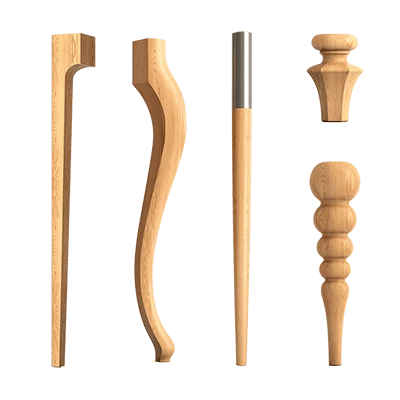
- Furniture legs and handles as part of the classic style
- Classic, neoclassical, or baroque: which option to choose
- Neoclassical in the bedroom
- Classic style in the bedroom
- Baroque in the bedroom
- How to choose classic furniture for your bedroom size
- Small bedroom (up to 14 m²)
- Bedroom 15–20 m²
- Spacious bedroom (from 20 m²) and master bedroom
- Country house
- How to arrange classic furniture in the bedroom: the logic of space
- Mistakes when choosing classic furniture for the bedroom
- Decorative details that complete a classic bedroom
- Where to buy classic bedroom furniture
- FAQ: answers to key questions about classic bedroom furniture
- STAVROS: a classic bedroom you want to wake up in
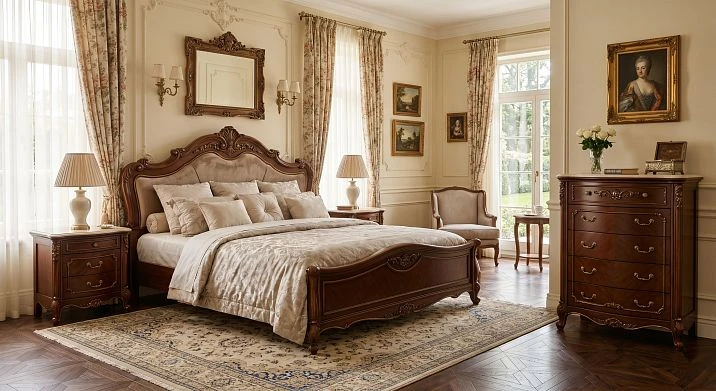
The bedroom is the only room in the house that guests don't see. And that's exactly why it says so much about its owner. Not to guests — to themselves. In the morning, when you open your eyes and the first thing you see is the headboard with carved decor, nightstands with turned legs, the gleam of warm wood on the dresser against the wall. Or you don't see it — if you rushed your choice and bought 'what fit the size.'
Classic bedroom furniture is not a style for those who like 'antique looks.' It's a choice for people who understand that well-made furniture from real wood with thoughtful decor lasts for decades, never goes out of style, and looks even more convincing with each passing year. It's an investment in the quality of sleep, the quality of space, and the quality of your own life.
But making the right choice is not easy. The market is flooded with offers where 'classic' simply means 'with a curl on the facade.' And true Classic Furniture is a system: a unified style, coordinated proportions, proper materials, and details that work as a whole.
This article is about how to assemble a classic-style bedroom so that it looks expensive, lasts long, and feels right.

What is included in classic bedroom furniture: basic and extended set
Before talking about selection, you need to understand what a classic bedroom consists of as a system. It is not just a "bed plus wardrobe" — it is a well-thought-out ensemble of items, each performing its function and simultaneously being part of the decorative composition.


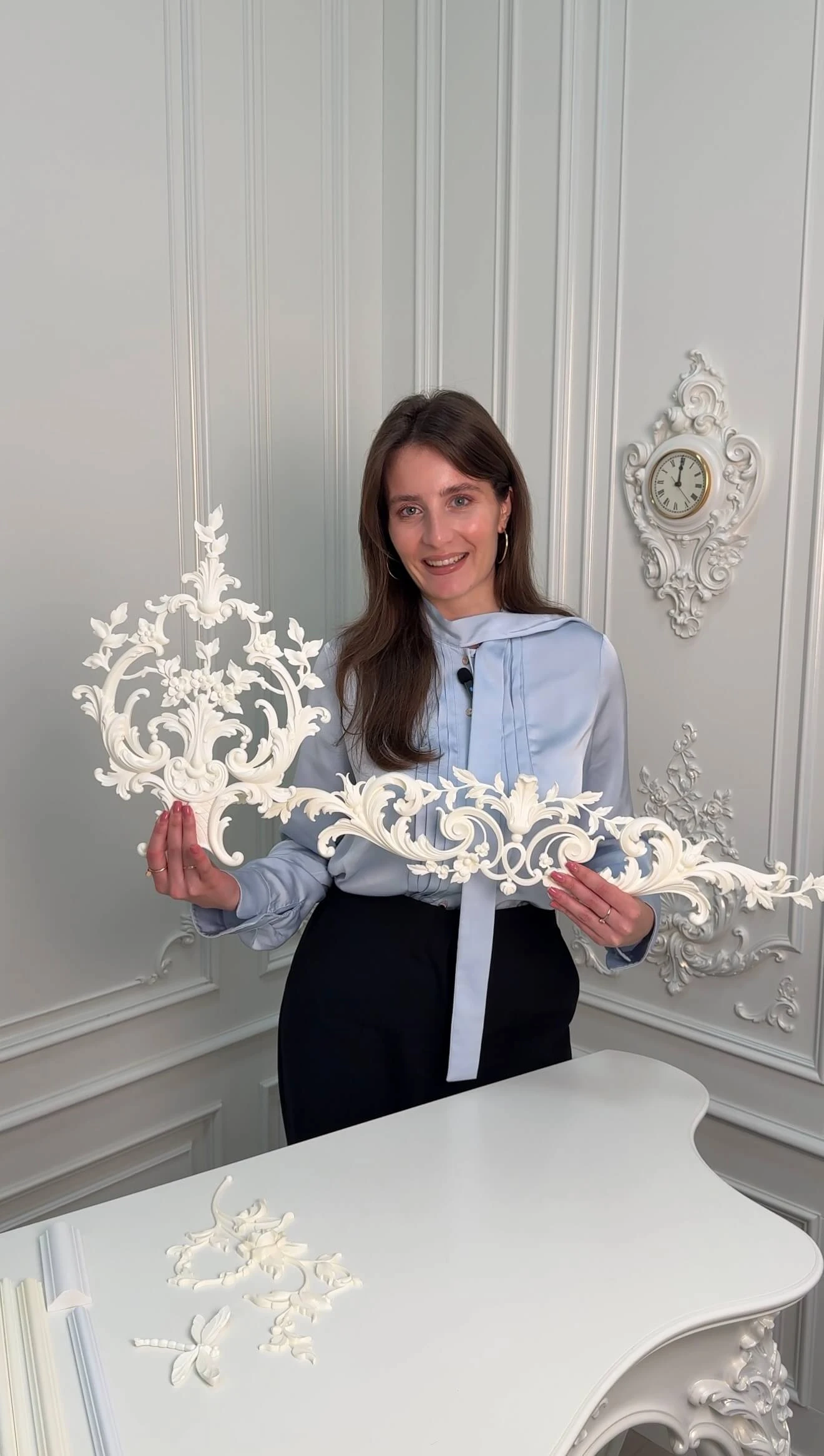
Basic set
Bed. The central item around which everything else is built. In a classic bedroom, the bed has a headboard with a pronounced profile, decor, or soft upholstery in a classic shape, plus a footboard or high legs with a turned profile.
Nightstands. Two, symmetrically on each side of the bed. They should be from the same series or the same stylistic family as the bed. Different nightstands in a classic bedroom are not an "author's approach" but a mistake.
Wardrobe. Case or hinged, with facades in a classic style — panels, moldings, decorative overlays. In a classic bedroom, a wardrobe with mirrored facades is either part of a well-thought-out solution or a compromise.
Chest of drawers. Storage for underwear, accessories, textiles — without a wardrobe or together with it. In a classic interior, the chest of drawers is also a decorative element: a mirror, decorative items, and a lamp are placed on it.
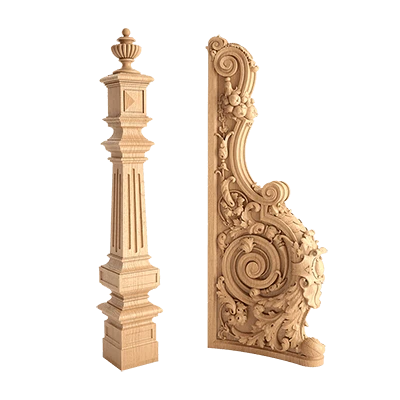
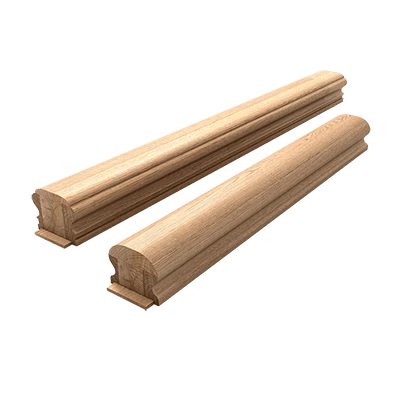
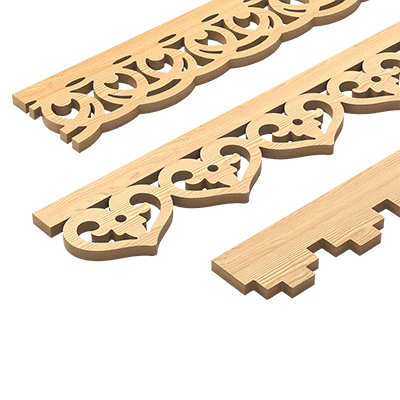
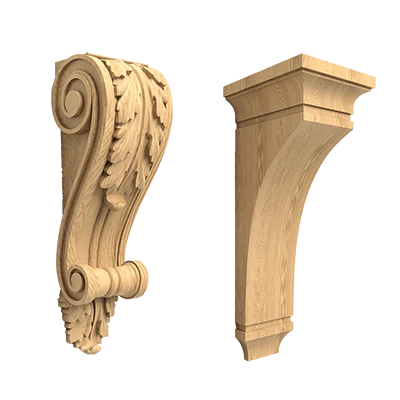
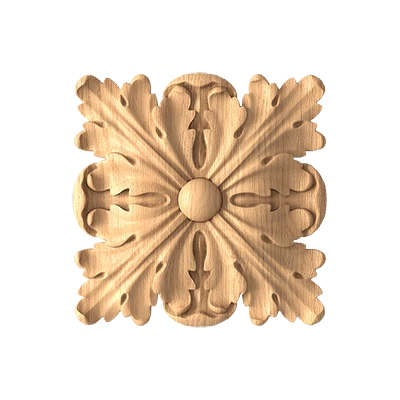
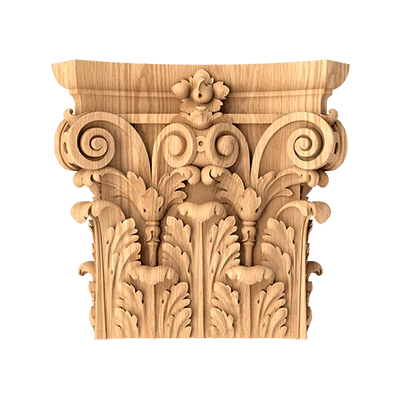
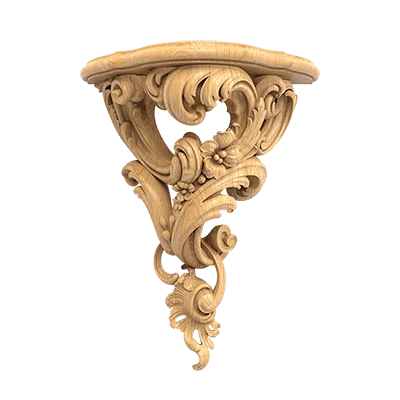
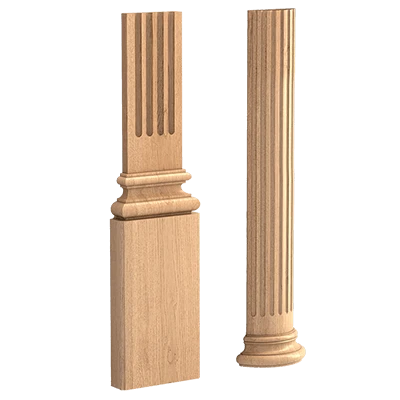
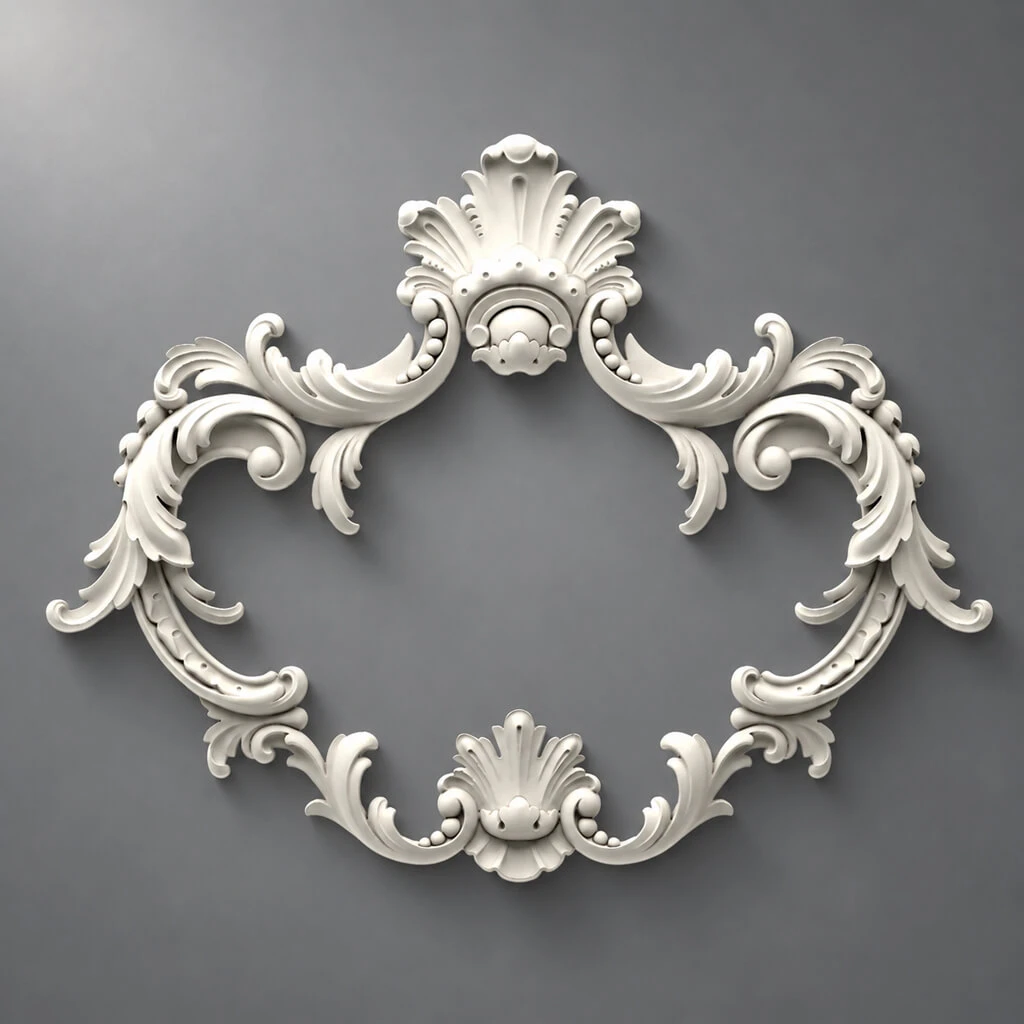
Our factory also produces:
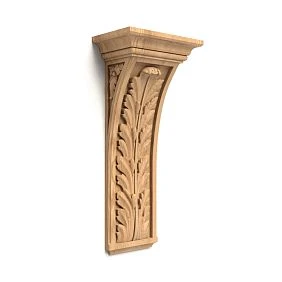
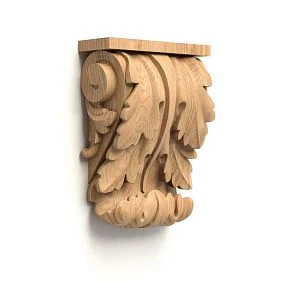
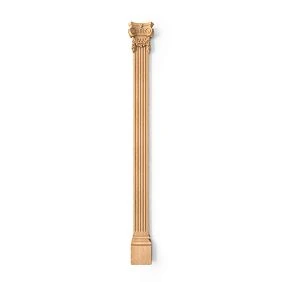
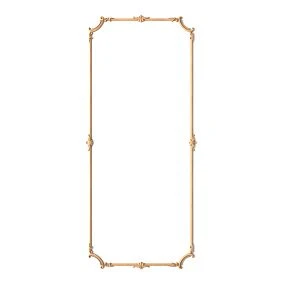
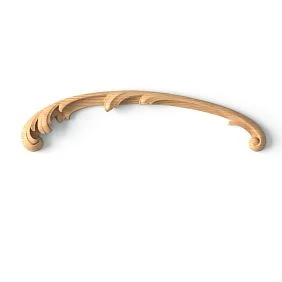
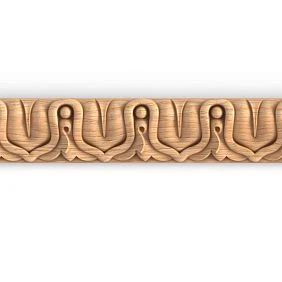


Extended set
Dressing table. In a classic bedroom — with a mirror and a drop-down lid or with a freestanding mirror. An element that adds a "boudoir" dimension to the bedroom.
Bench. At the foot of the bed. Small, upholstered, on classic wooden legs. Function — decorative and practical at the same time.
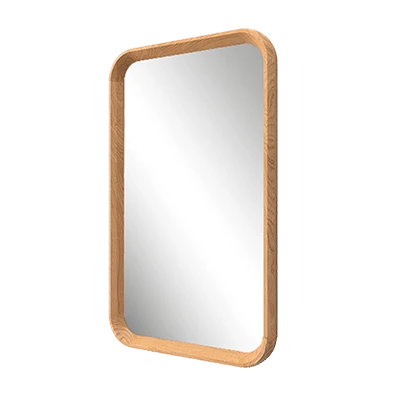
Mirror. Freestanding or wall-mounted, in a wooden frame — coordinated in style with the rest of the furniture.
Ottoman or armchair. If space allows — an armchair in the corner of the bedroom in the same style completes the look.
Understanding exactly what you need is the first step to making the right choice. The second is to figure out each item separately.
Get Consultation
How to choose a classic-style bed: headboard, shape, decor
A bed is not just a place to sleep. In a classic bedroom, it is the architectural center of the room. Everything else — nightstands, mirrors, curtains, rug — 'looks' at the bed and is arranged around it.
Headboard: height and shape
The headboard sets the 'voice' of the entire bedroom. Too low — the bed gets lost in the space. Too high — it overwhelms.
Guideline: headboard height from the floor — 120–150 cm for a standard ceiling of 2.7–3 m. For high ceilings (3.5 m and above) — 150–180 cm and higher is appropriate.
Headboard shape in a classic bedroom:
-
Rectangular with rounded top corners — the most versatile classic option
-
Arched (semicircular top) — a more solemn, baroque character
-
Rectangular with carved decor on top — strict classicism or neoclassicism
-
Soft upholstered headboard in a wooden frame — classic with elements of modern comfort
Bed material and decor
Bed made of natural wood with carved decoration — this is the standard of a classic bedroom. Carved ornament on the headboard: acanthus, floral garlands, geometric friezes — depending on the degree of "classic" style.
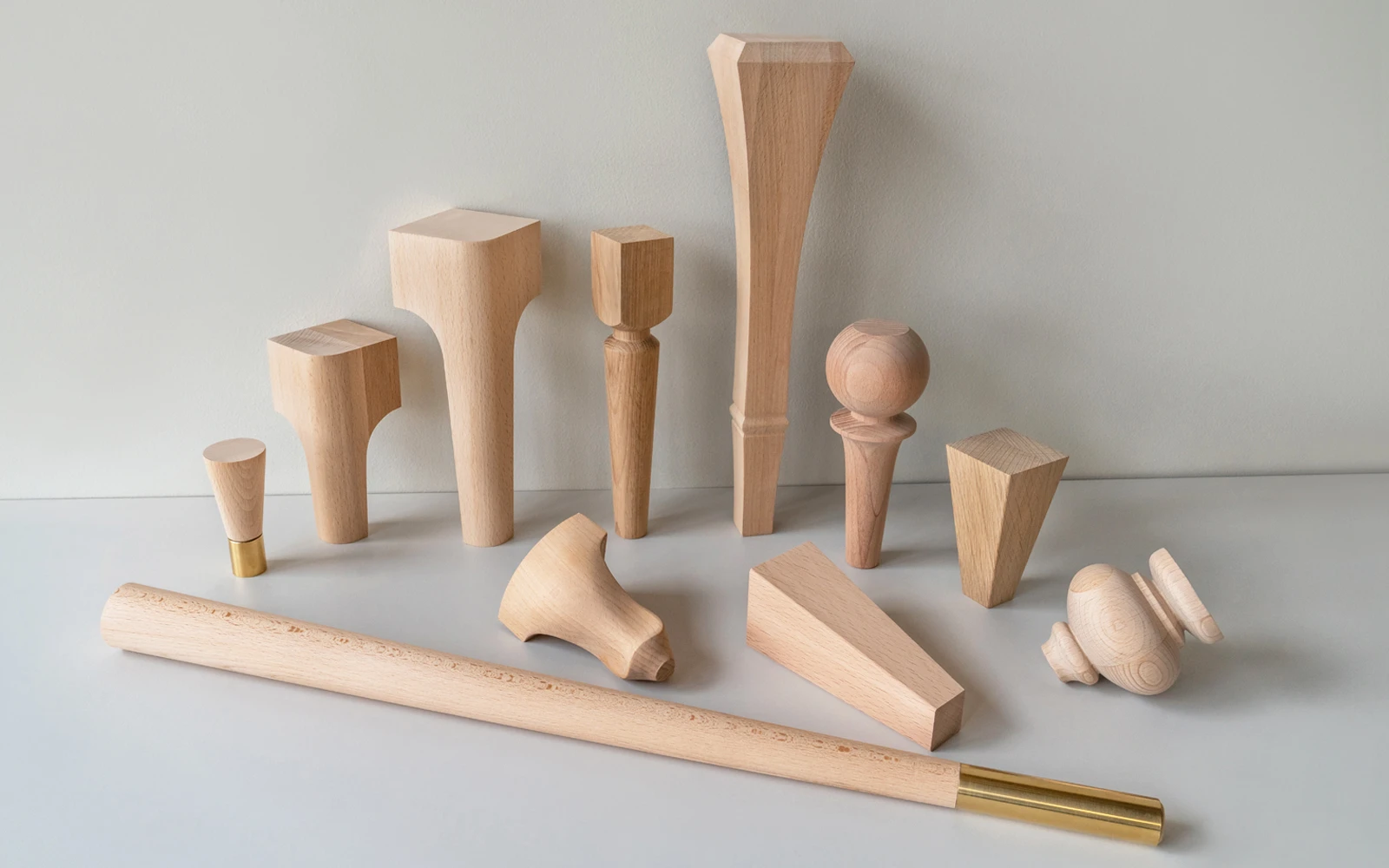
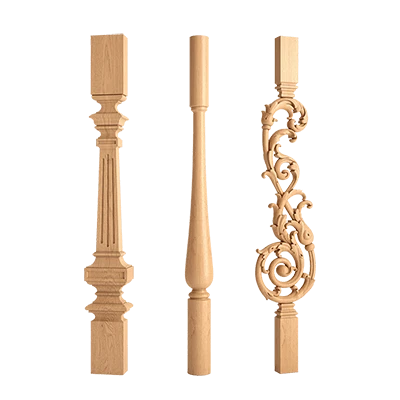
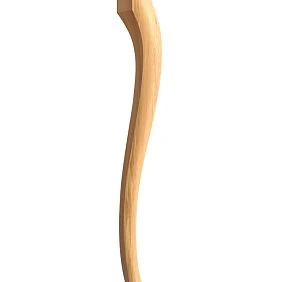
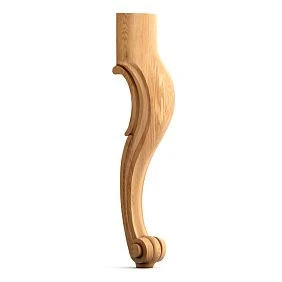
Bed legs are made of of wooden furniture legs with a turned profile. The height of the legs affects the "lightness" of the bed: tall slender legs — a more elegant character; short massive ones — a more monumental one.
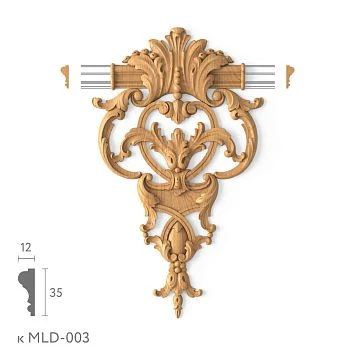
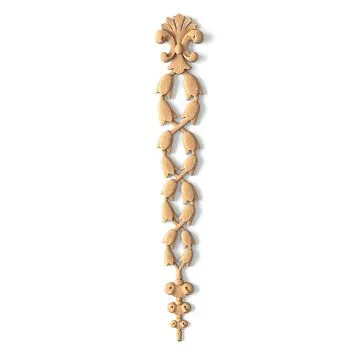
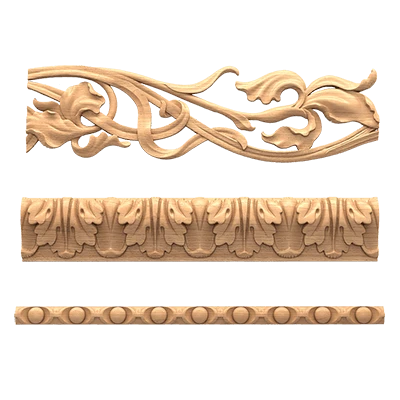
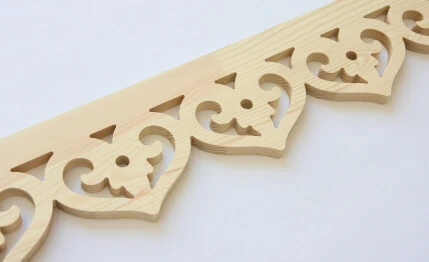
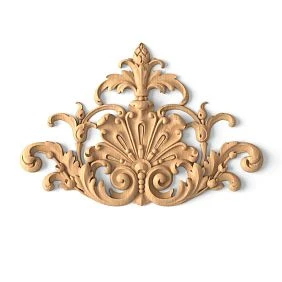
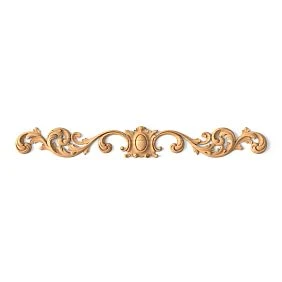
Furniture Decoration from Wood on the front planes of the bed: overlays, moldings, corner elements — this is what turns a simple wooden bed into a bed "in a classic style." It is the details that determine the difference between "similar to classic" and "true classic."
Bed size
For a classic bedroom:
-
160×200 bed — the minimum "serious" size for two
-
180×200 — standard for a comfortable classic bedroom
-
200×200 — master bedroom, spacious room
-
140×200 — for a single bedroom or small room
Important: the bed size determines the size of nightstands and remaining space. A 200×200 bed requires a room of at least 16–18 m² — otherwise there will be no free passage around it.
Nightstands: why unity of style is more important than a "beautiful" individual nightstand
Nightstands are the most often underestimated part of a bedroom set. They are chosen last, "added" to the bed with something "similar" — and it is this decision that ruins the entire look.
The rule that cannot be broken: nightstands must be from the same series as the bed. Not "the same color" — but the same series. Same leg height, same facade profile, same handles, same wood shade.
What to check when choosing nightstands
Height. The working surface of the nightstand should be at the level of the mattress or 3–5 cm higher. A mattress on a 160×200 bed is usually at a height of 60–70 cm from the floor. Therefore, a nightstand with a working surface at 62–75 cm is the right choice.
Facades. The facade of the nightstand should mirror the logic of the bed's facades: the same moldings, the same paneling, the same carved decor or its absence.
Handles. wooden furniture handles — or metal handles with wooden inserts — for a classic nightstand. The handles should match the style of the wardrobe and dresser handles. Different handles on the same side of the bedroom are always noticeable and always reduce the quality of the ensemble.
Legs. Of the same height and profile as the bed legs. If the bed has turned walnut-colored legs, the nightstand should have the same.
Practicality. The nightstand should have at least one drawer (for a book, glasses, charger) and an open shelf or closed door. In a classic nightstand, one door + one drawer is often made.
Dresser and wardrobe in a classic bedroom: storage without losing style
This is where the most serious planning challenge begins. The dresser and wardrobe are large items that take up space and "weigh down" the room. In a classic style, they cannot be chosen based on the principle of "the most spacious."
When a wardrobe is needed and when a dresser is sufficient
Only a dresser (without a wardrobe) is appropriate if:
-
The bedroom has a built-in wardrobe in a niche or a walk-in closet behind a separate door
-
The room is small (up to 14 m²), and a wardrobe physically doesn't fit
-
The owner fundamentally doesn't want any case furniture in sight
Wardrobe + chest of drawers is a standard solution for a classic bedroom of 16–20+ m².
Wardrobe only (without chest of drawers) — if the room is small, and the wardrobe is chosen to be as spacious as possible with an internal section for small storage.
Choosing a wardrobe for a classic bedroom
A classic wardrobe is a hinged or sliding case wardrobe (in the latter case, the sliding system should be hidden, not 'compartment-style'). Facades with moldings, panels, decorative overlays are a mandatory attribute of a classic wardrobe.
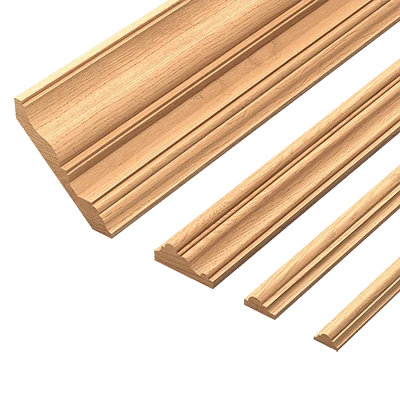
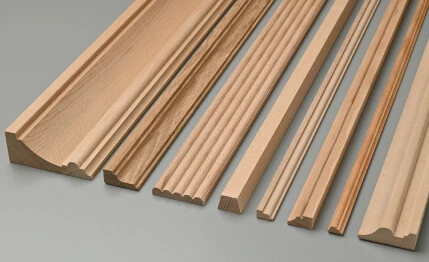
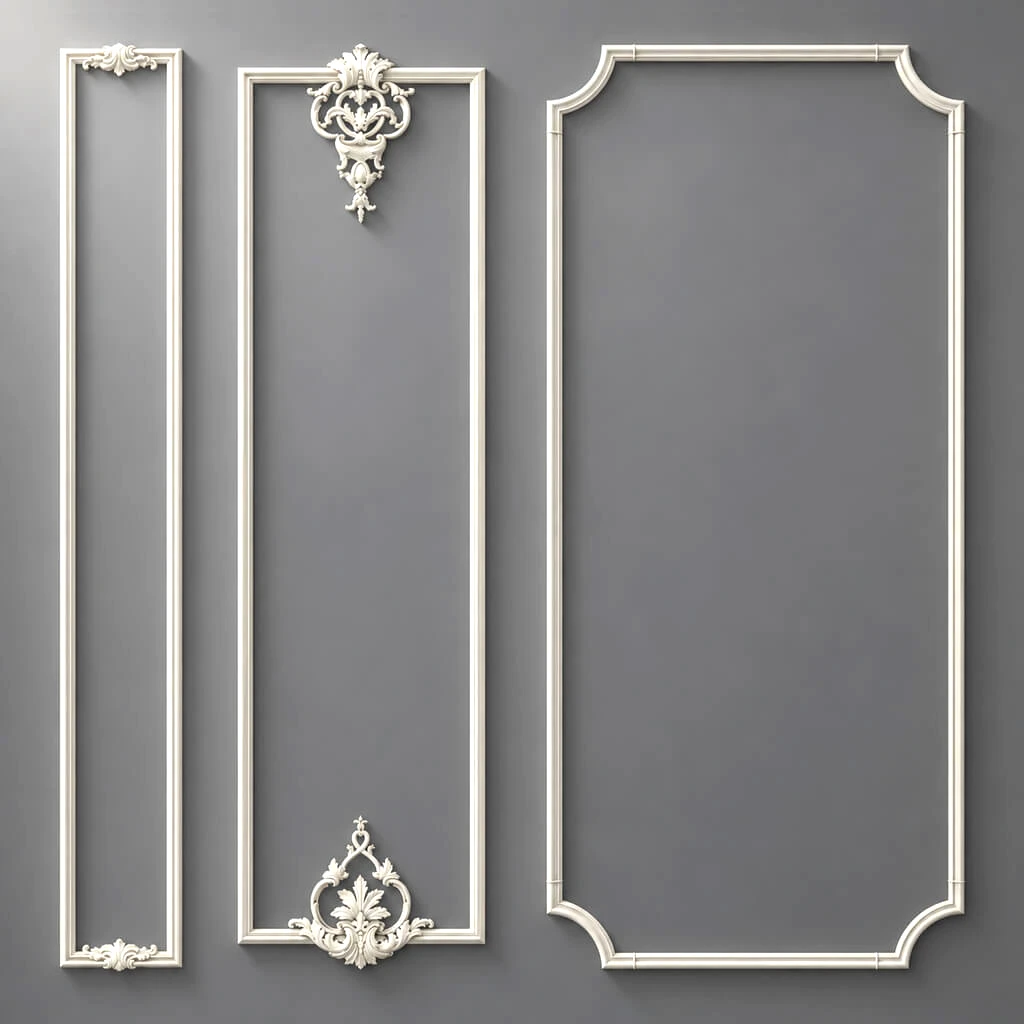
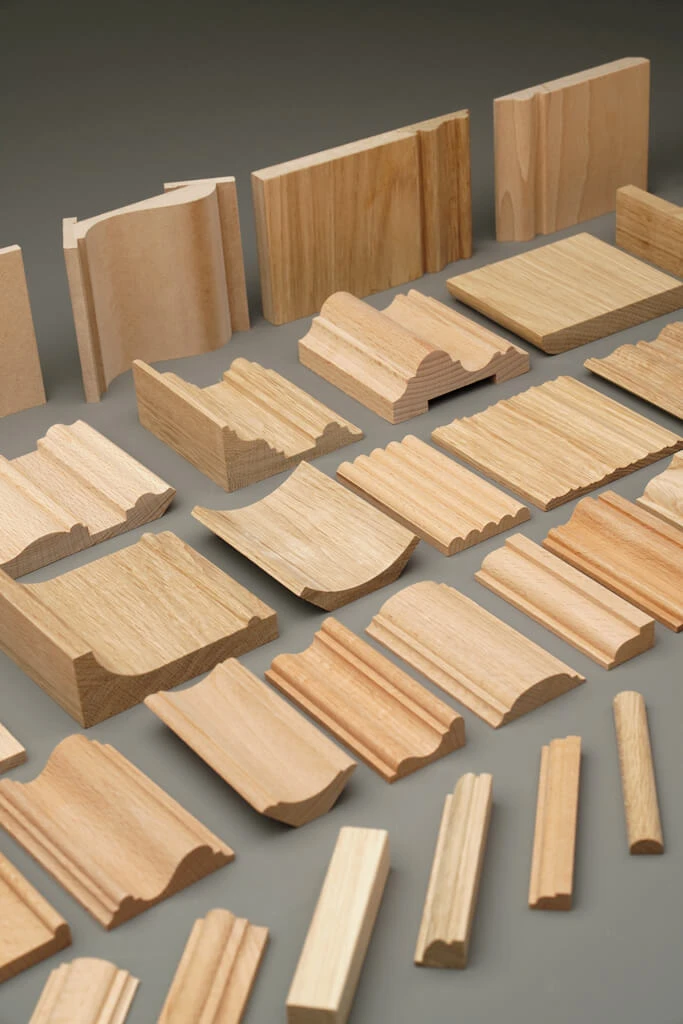
Moldings for furniture — a key element that turns the wardrobe body into 'classic'. Without moldings, a wardrobe made of natural wood is just a wooden box.
Wardrobe parameters:
-
Depth: 55–60 cm for clothes on hangers (minimum 52 cm from the back wall to the facade)
-
Width: from 100 to 240 cm — depending on the number of sections and room size
-
Height: up to the ceiling (built-in) or standard 220–230 cm (freestanding). In a tall room, a ceiling-height cabinet looks monumental and proper.
Classic style chest of drawers
The chest of drawers serves a dual function: storage + decorative piece. That is why in a classic bedroom, the chest of drawers is placed in a prominent spot — against the wall opposite the bed or on a side wall, always with a mirror above it.
Parameters of a classic chest of drawers:
-
Width: 100–140 cm (for a mirror of the same width)
-
Height: 85–95 cm (working surface at a level below the line of sight)
-
Number of drawers: 4–6
-
Legs: turned, in the style of the series
On the chest of drawers in a classic bedroom — a table lamp or a pair of symmetrical lights, decorative items (vases, a jewelry box, a photo in a wooden frame), a mirror above it. This is the little "altar" of the bedroom — the most decorative spot in the room after the headboard.
How to choose the color of classic bedroom furniture: from white to dark
Furniture color is not "what you liked", but what suits a specific room. Four variables: room size, lighting (natural and artificial), wall and floor color, personal preferences.
White and light gray classic furniture
The most popular choice for a city apartment. White Classic Furniture is not just a color. It is a concept: lightness, light, air. In a small bedroom, white furniture visually expands the space. In a large one, it sets a solemn but not dark atmosphere.
Suitable for: apartments with a lack of natural light, small bedrooms, interiors in the style of modern classic and neoclassical.
Pairs with: light gray or warm beige walls, light parquet, fabrics in neutral or pastel tones.
Important: white classic furniture requires a high-quality coating — without yellowness, without uneven gloss. Matte or semi-matte enamel looks more convincing in a classic interior than glossy varnish.
Light furniture in natural wood shades
Oak, ash, birch, cherry — warm, lively shades. This is furniture where the wood texture is visible: not "wood-like", but real wood. It is warmer than white, but lighter than dark — a universal choice for bedrooms with good natural lighting.
Suitable for: country houses, apartments with a warm palette, bedrooms with parquet in oak or walnut shades.
Pairs with: warm wall shades (vanilla, cappuccino, warm gray), copper or bronze metal elements.
Dark furniture: walnut, wenge, dark oak
Dark classical bedroom furniture — for those who are not afraid of weight and character. This is furniture that "holds" the space, creating a sense of depth and seriousness.
Suitable for: large bedrooms (from 18–20 m²), rooms with high ceilings, bedrooms with large windows and good light. In a small dark room — inappropriate.
Pairs with: dark or deep colored walls (bottle green, deep blue, graphite), light or dark parquet, leather furniture.
Furniture with patina
Patina is an artificial or intentional "aging" of the surface: uneven tone, warm golden or silvery coating, wear in the right places. In a classic bedroom, patina creates the feel of heirloom furniture — one with a history.
Pairs with: Provencal style, Italian classics, Tuscan interior, French boudoir.
Materials: solid wood, MDF, veneer and carved decor
Ask yourself honestly: are you buying furniture for 5 years or for 20? The answer determines the material.
Solid wood
The best material for classic furniture. A living texture that cannot be faked. Resistance to mechanical loads. Possibility of restoration: a scratch on solid wood can be sanded and repainted — with MDF this is impossible.
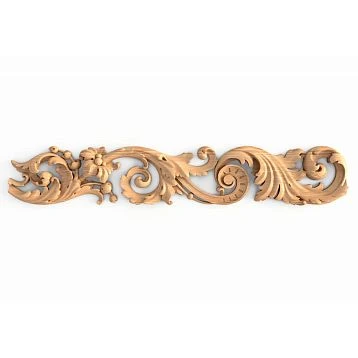
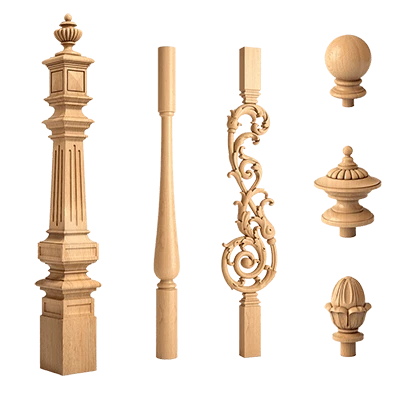
Carved furniture decor Solid wood is a piece of craftsmanship: the ornament is carved or milled from a single piece of wood. Such decor holds its shape for decades and only 'matures' along with the furniture.
The downside of solid wood: it is sensitive to humidity. In rooms with an unstable climate (temperature fluctuations, low humidity in winter), solid wood furniture requires care: air humidification, proper placement (not near a radiator, not against an exterior wall).
MDF with high-quality finishing
MDF is not an enemy of the classic style if used correctly. Stable, not afraid of humidity, holds paint and coating well. For painted white furniture or furniture with enamel, MDF is often the optimal base: a smooth surface, no knots, good for milling moldings.
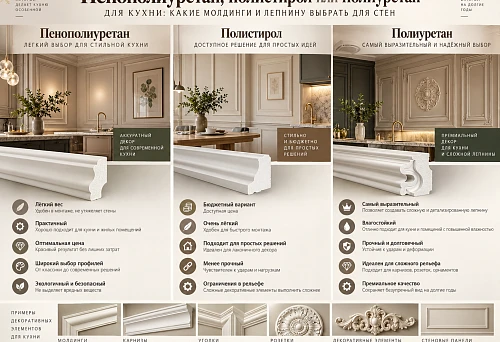
But: Furniture Decoration from Wood On MDF facades, applied moldings, carved elements, corner inserts must be made of real wood. Polyurethane or MDF overlays mimicking wooden decor lose in naturalness what they gain in ease of production.
Veneer
A thin slice of natural wood glued onto an MDF or HDF base. Looks like solid wood, costs less, more stable regarding humidity. For veneered furniture, the thickness of the veneer (from 0.6 to 4 mm) and the quality of the glue bond are important.
The downside of veneer: it is not as easily restored in areas of mechanical damage as solid wood. Chips, deep scratches require a workshop.
Furniture legs and handles as part of the classics
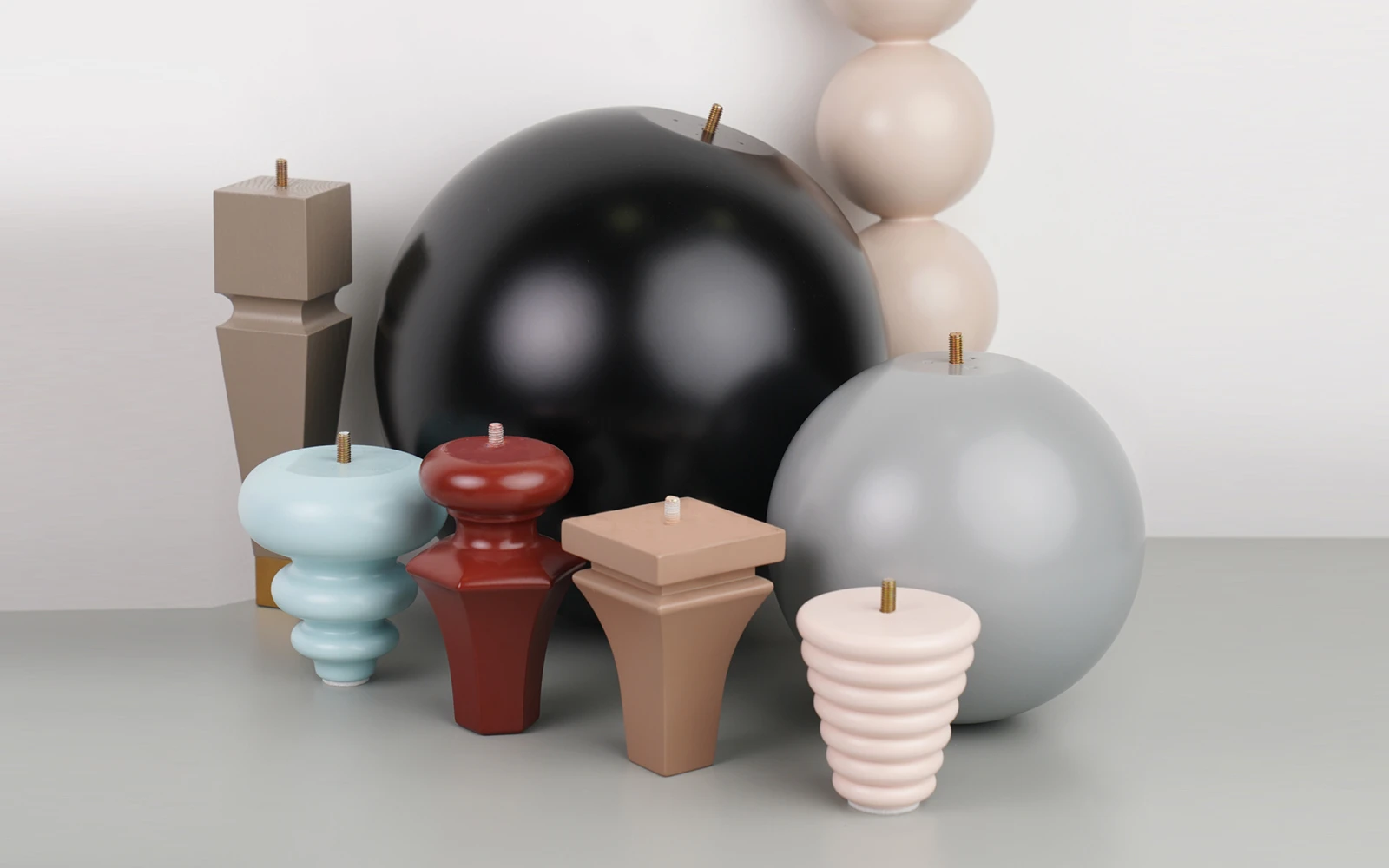
Correct wooden furniture legs — this is not a decorative trifle. It is what holds furniture above the floor and shapes its “lightness” or “monumentality.” A turned leg with a characteristic profile — a cone, a spherical support, a curved “cabriole” — is the language of classic furniture, understandable without words.
wooden furniture handles or with a metal decorative element — another critical parameter. A plastic handle on a wooden classic facade is a dissonance that is impossible to “not notice.” The handle must be from the same material world as the furniture.
Classic, neoclassical, or baroque: which option to choose
This is not an academic question. It is a practical choice that determines whether the furniture will be organic in your room or will look like “too much.”
| Style | Decorative | For which rooms | Character |
|---|---|---|---|
| Neoclassical | Moderate | City apartment, small bedroom | Strict, modern classicism |
| Modern Classic | Minimal | Apartment with modern renovation | Classic forms + clean surfaces |
| Classic | Medium | Country house, large bedroom | Rich but restrained |
| Baroque | High | Large house, master bedroom | Solemn, monumental |
Neoclassicism in the bedroom
Neoclassicism is classicism translated into a modern language: clear lines, moderate decor, correct proportions without overloading with ornament. Molding on facades is thin, without carved ornament. Legs are turned but laconic. Handles are strict, metal or wooden without excess.
For a city apartment of 12–18 m², neoclassicism is optimal. It gives a classic look without the feeling of 'moving into a museum'.
Classic style in the bedroom
More decorative: molding with profile, carved details on the headboard or dresser facades, turned legs of complex shape. Suitable for bedrooms from 18–20 m², for country houses, for interiors with stucco on the ceiling and wooden molding on the walls.
Baroque in the bedroom
This solution is for those who consciously choose solemnity. Large beds with high arched headboards, rich carved decor, massive chests of drawers, gilding, dark walnut or white patina. For an apartment — it's heavy. For a large country house with high ceilings — it's organic.
How to choose classic furniture for your bedroom size
Small bedroom (up to 14 m²)
Constraints dictate the rules. Bed no larger than 160×200. Nightstands — narrow, with one drawer. Instead of a separate wardrobe — built-in into a niche. Chest of drawers — if space allows — small, 80–100 cm wide. No vanity table.
For a small bedroom — neoclassical or modern classic: moderate decor, white or light furniture, visual lightness. A massive dark wardrobe in a small room is a guaranteed mistake.
Bedroom 15–20 m²
Standard set: bed 160–180×200, two nightstands, wardrobe 160–200 cm, chest of drawers with mirror. With good layout — a bench at the foot of the bed is possible.
Classic or neoclassical style — both are appropriate. The choice between white and natural furniture depends on lighting and wall color.
Spacious bedroom (from 20 m²) and master bedroom
Here, classic furniture unfolds in full force. Bed 180–200×200, nightstands with large fronts, large wardrobe from 200 to 240 cm, wide chest of drawers with mirror, vanity table, bench, armchair in the corner.
The space allows for dark furniture, rich carved decor, and a high headboard. A master bedroom in a classic style is a project, not the purchase of a single set.
Country house
A country house offers what a city apartment lacks: high ceilings, large areas, and the ability to use wood as a through material — from floor to ceiling, from furniture to doors and wall moldings. Buy classic bedroom furniture in the context of a country house — this is a solution where wood ceases to be a "style" and becomes a material environment.
How to arrange classic furniture in the bedroom: the logic of space
Furniture arrangement is not "as it happens" and not "by feng shui." It is the geometry of convenience.
Bed. If possible — headboard against the wall, not by the window, not by the door, not by the radiator. Ideally — centered on the long wall, leaving at least 60–70 cm of passage on each side. With a bed of 180×200 in a room 3.6 m wide — both passages are 90 cm each: comfortable.
Wardrobe. On the wall opposite the bed or on the side wall near the entrance. The wardrobe facades should be visible from the bed — this is a decorative "background" for the morning view.
Dresser. On the wall opposite or adjacent to the wardrobe. At the eye level of a standing person. Above it — a mirror, symmetrically from the center of the dresser.
Nightstands. Strictly symmetrical on both sides of the bed. Distance from the bed to the nightstand — 0–3 cm: the nightstand should be flush or with minimal gap.
Bench. At the foot of the bed, centered or slightly shifted to the side. Bench depth is 35–45 cm. It should not block the passage to the bed.
Mistakes when choosing classic bedroom furniture
They happen more often than it seems. And each mistake costs both money and nerves.
Different shades of wood in one set. A walnut bed, dark oak nightstands, a wenge chest of drawers — this is not "variety," it's chaos. All items in a classic bedroom should be the same shade or from the same series.
Unsuitable handles. Steel chrome handles on a wooden classic facade are a glaring dissonance. wooden furniture handles or handles in bronze / antique gold tone — the right choice for classics.
Too large a wardrobe in a small room. A 240 cm wardrobe in a 12 m² bedroom takes up the entire wall and leaves narrow passages. Result: a feeling of a warehouse, not a bedroom.
Overload with carving. Excessive carved decor on all items simultaneously — on the bed, nightstands, wardrobe, and chest of drawers — creates visual noise. Decor should be accent: expressive in one or two places, restrained in the rest.
Mismatched legs. The bed legs are turned and tall, the nightstand legs are short and square. Such a mismatch destroys the unity of the set.
Buying furniture "piece by piece" from different sources. The bed from one manufacturer, the wardrobe from another, the nightstands from wherever. In the end, everything is "similar" but doesn't match. In a classic style, the mismatch is especially noticeable.
Ignoring the space behind the bed. Between the bed and the wall — at least 5–10 cm (for cleaning). Between the bed and the side wall — at least 60 cm (passage).
Selection without trying on in space. Draw a room plan at a scale of 1:20 and arrange items on paper. This will take 30 minutes and save several weeks of rearranging furniture.
Decorative details that complete a classic bedroom
Furniture is chosen, arranged, all in a unified style. What's next? Details that turn 'good' into 'flawless'.
Textiles. Bed linen, bedspread, decorative pillows, bedside rug — in a classic bedroom, these are noble fabrics (cotton, linen, silk), calm or ornamental patterns without flashy prints.
Lighting. A chandelier with classic shapes above the bed or in the center of the room. Table lamps on nightstands — symmetrical, identical. Sconces on either side of the headboard — an alternative to free up nightstand surface.
Mirror. In a wooden frame, consistent in style with the furniture. Above the dresser — wall-mounted. In the corner — floor-standing in a wooden frame. A mirror in a classic bedroom is both function and decor.
Painting or decorative panel. Above the bed headboard — if the headboard is not too high. In a classic interior, one large piece in a wooden frame is better than a collection of small ones.
Where to buy classic bedroom furniture
When you understand exactly what you need, choosing a supplier becomes deliberate, not random.
What is important when choosing a manufacturer or store:
-
The opportunity to see real samples — not just photos
-
Availability of sets (bed + nightstands + dresser + wardrobe) from one source
-
Transparency of material: what exactly — solid wood, MDF, veneer
-
Ability to choose decor, legs, and handles for a specific order
-
Delivery and assembly with warranty
Buy classic bedroom furniture can be found in the STAVROS catalog — with the option to choose style, shade, and configuration. Additionally — Carved furniture decor, Furniture legs, Furniture Handles и Decorative Inserts for those who want to refine ready-made furniture to the desired level of classicism.
FAQ: answers to the main questions about classic bedroom furniture
What furniture is needed for a classic-style bedroom?
Basic set: bed, two nightstands, wardrobe, chest of drawers. Extended: plus dressing table, bench, mirror in a wooden frame, armchair. All items are from the same series or stylistic family.
How to choose a bed for a classic bedroom?
Determine the size (160, 180, or 200 cm in width), headboard type (rectangular, arched, upholstered in a wooden frame), material (solid wood, MDF, veneer), and level of decoration (from a minimalist molding to carved ornament).
What is better for a bedroom: white or dark classic furniture?
White — for small bedrooms and apartments with a lack of light. Dark — for spacious rooms with good lighting. Natural wood shades are a universal choice for most.
Is classic furniture suitable for a small bedroom?
Yes, if you choose neoclassicism or modern classic: light furniture, moderate decor, a 160×200 bed, narrow nightstands, a built-in wardrobe. Heavy dark furniture with rich decor — no.
How does neoclassicism differ from a classic bedroom?
Neoclassicism — moderate decor, thin moldings, minimalist legs, strict proportions. Classic — richer ornament, complex profiles, expressive decor. Neoclassicism suits a city apartment, classic suits a country house or a large room.
What handles are suitable for classic bedroom furniture?
Wooden or metal in bronze, gold, or antique tone. wooden furniture handles — an organic choice for wooden classic furniture.
Do you need a chest of drawers in a classic bedroom?
Yes, if there is no built-in storage and space allows. A chest of drawers is both functional and decorative: a mirror, lamp, and decorative items are placed on its surface.
How to choose a classic-style wardrobe?
Facades with moldings and panels are a must. Handles to match the rest of the furniture. Depth — at least 55 cm. Height — if possible, up to the ceiling (built-in) or standard 220–230 cm.
Can classic furniture be combined with modern renovation?
Yes, if you choose neoclassicism or modern classic: white furniture against light gray or beige walls, minimalist moldings, without overloading with decor. This works in modern apartments without stucco and complex decor.
Where to buy classic bedroom furniture?
In the STAVROS catalog — section Classic FurnitureRight here — Carved Decor, Legs и Handles for furniture, Moldings for wall and facade decoration.
STAVROS: a classic bedroom you'll want to wake up in
Properly chosen classic bedroom furniture is not a purchase. It's a decision that changes the quality of your space for years to come. Natural wood, turned legs, carved decor, proper handles, a unified style of the set — every detail matters precisely because they all work together.
STAVROS offers Classic Furniture for the bedroom, living room, and other spaces, as well as a full arsenal of decorative elements: Carved Decor, wooden furniture legs, Furniture Handles, applique и Moldings — everything you need to create a cohesive, complete classic look.
STAVROS — because a classic bedroom deserves a classic approach.