

























Article Contents:
- What is included in classic upholstered furniture: the full composition
- Sofa
- Chair
- Bench
- Pouf
- Chaise longue
- Upholstered chairs with padding
- How classic upholstered furniture differs from modern: the essence of the differences
- Five differences that are important to understand
- How to choose a classic sofa: parameters that determine comfort and appearance
- Size and Proportions
- Backrest height
- Armrest shape
- Combination with armchairs and coffee table
- Classic style armchair: choosing for a specific scenario
- Armchair for the living room
- Armchair for the study
- Armchair for the bedroom
- Rocking chair
- Ottoman and pouf in a classic interior: indispensable accents
- Ottoman by the bed
- Bench in the hallway or foyer
- Ottoman in front of the sofa
- Ottoman by the armchair
- Upholstery: fabric, color, and texture for classic upholstered furniture
- Velvet
- Jacquard
- Natural textured fabrics
- Leather
- Principle of coordinating upholstery color
- Wooden legs and carved decor: what makes upholstered furniture classic
- Wooden legs — connection with the interior
- Carved decor on upholstered furniture
- Wooden Panels
- Classic upholstered furniture for the living room: how to assemble a set
- Basic living room set
- The “one upholstery” rule
- Symmetry as a law
- Connection with case furniture
- Upholstered furniture for the office: a space of status and concentration
- Sofa or chaise lounge in the meeting area
- Armchair at the desk
- Ottoman or bench in the office
- Finishing of cabinet furniture
- Mistakes when choosing classic upholstered furniture
- Where to buy classic upholstered furniture: catalog and related categories
- FAQ: Answers to Popular Questions
- About the manufacturer
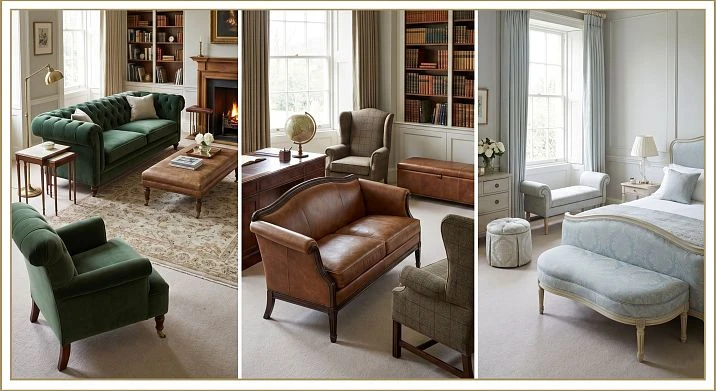
There are interiors that simply exist. And there are those you want to stay in. The difference between them is often determined not by area or budget, but by the quality of upholstered furniture and its alignment with the overall mood of the space. A classic sofa with curved armrests, a pair of high-back armchairs, a velvet-upholstered bench by the bed — these are not just objects, they are a system that creates an atmosphere.
Buy classic upholstered furniture today means choosing quality, proportions, and durability. Classic-style upholstered furniture does not go out of style: it is not tied to seasonal collections and does not lose relevance after three years. It is an investment in a space you want to use every day — in the living room, study, bedroom, or hall of a country house.
This article is a comprehensive guide for those choosing upholstered furniture in a classic style: a sofa, armchair, bench, pouf, set, or individual accent pieces. We will break down all parameters — shape, size, upholstery, legs, decor, compatibility with case furniture, and typical mistakes when choosing.
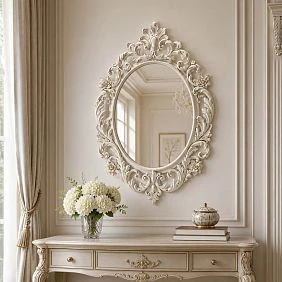
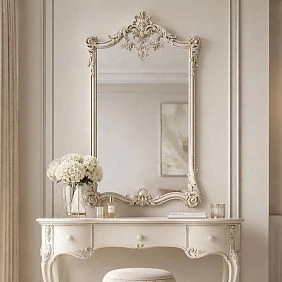
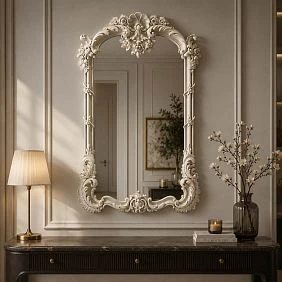
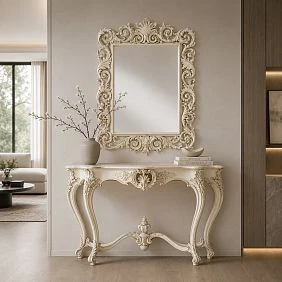
What is included in classic upholstered furniture: complete composition
Classic upholstered furniture is not just a sofa. It is a whole system of items, each performing its function in the interior and participating in the overall composition.
Sofa
The main item of the living room. In a classic interior, the sofa is the focal point of the entire space. It sets the scale, silhouette, color, and tone. Everything else is built around it.
A classic sofa differs from a modern one by several characteristic features: curved or wooden armrests, a rectangular or rounded seat shape with distinct sections, a high or medium back with decorative upholstery, and turned or carved wooden legs. It is the details — not the volume or the upholstery — that make a sofa classic.
Our factory also produces:
Armchair
In a classic interior, an armchair is not an addition to the sofa, but an independent element. A pair of armchairs on either side of the sofa or opposite it is the classic symmetry of the living room. A single armchair by the window in a study is a zone of solitude and concentration.
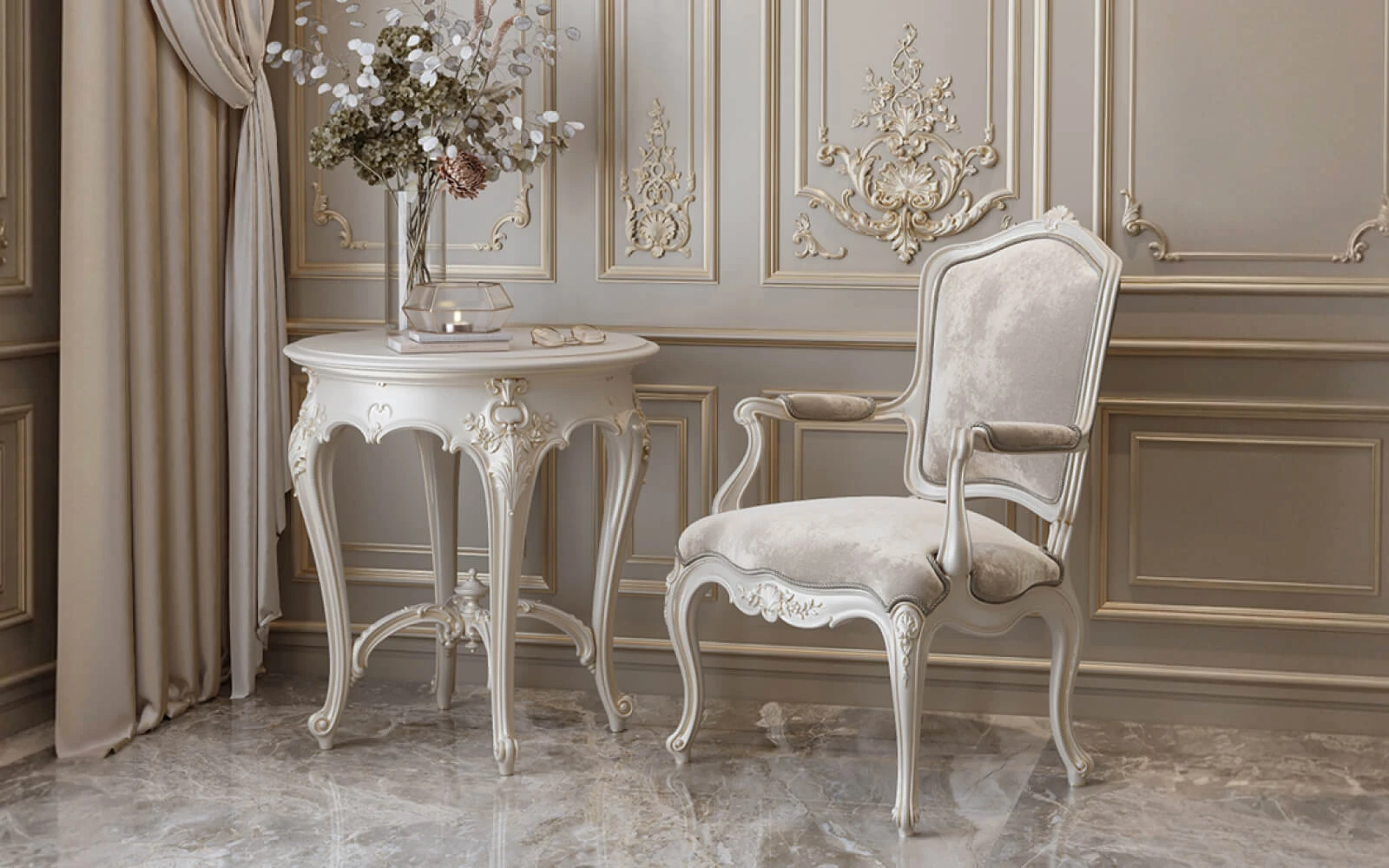
A classic armchair can be a fireside chair (with a high back and wide armrests), a club chair (with a low seat and rounded contour), an office chair (with a straight back and business-like silhouette), or a boudoir chair (light, small, with decorative legs).
Get Consultation
Bench
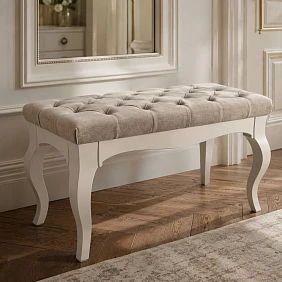
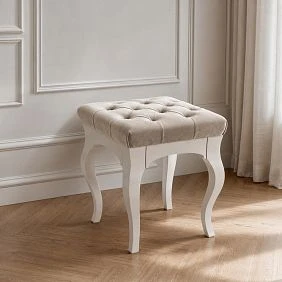
A bench is a rectangular or oval upholstered seat on legs, without a back. In a classic interior, it appears by the bed, in the entry hall, in the dressing room, or in the center of the bedroom. It is both a functional and decorative element: you sit on it, place things on it, and it completes the look of the bedroom.
A bench with carved wooden legs and velvet upholstery is a detail that speaks more about the owner's taste than all the other decor in the room.
Ottoman
A classic-style ottoman is either a large horizontal pouf placed in front of a sofa or a compact cube or cylinder next to an armchair. It serves as a footrest, an extra seat for guests, or an accent piece at the foot of a bed.
In a classic interior, the ottoman is upholstered in the same fabric as the armchair or sofa, or in a closely matching tone with contrasting trim.
Chaise longue
A chaise longue is something between a sofa and a bench: a soft surface for reclining with one armrest or none. In a classic interior, it is an element of a boudoir, bedroom, or study. A chaise longue with a curved back in the récamier style is a separate class of items, itself a work of decorative art.
Upholstered chairs
In a classic interior, chairs are also part of upholstered furniture. A chair with a soft seat and back, upholstered in the same fabric as the sofa and armchairs, creates a unified upholstery ensemble in the space. This is a technique used in formal living rooms, dining halls, and studies.
How classic upholstered furniture differs from modern: the essence of the differences
This is not just a matter of style—it is a matter of philosophy.
Modern upholstered furniture is built on principles of minimalism: minimal decor, straight lines, modularity, functionality. A sofa as a volume. An armchair as a geometric shape.
Classic Furniture is built on a different principle — on the harmony of proportions and dialogue with architecture. Here every line is meaningful, every curve is consistent with the overall silhouette, every detail — from a carved leg to a button-tufted back — carries a decorative load.
Five differences that are important to understand
Proportions. In classic upholstered furniture, height, width, and depth are calculated with visual balance in mind, not just ergonomics. A high sofa back is not just "more fabric," it is a vertical that balances a high ceiling.
Wooden elements. A classic sofa and armchair always have visible wooden details: legs, armrests, back framing. Wooden decor is what visually "holds" upholstered furniture in the context of a classic interior.
Symmetry. Classic upholstered furniture assumes a symmetrical arrangement: sofa in the center, armchairs on the sides, ottoman by the sofa. This is a principle that works regardless of room size.
Quality of upholstery materials. Velvet, jacquard, natural silk, patterned wool fabric — these are classic upholstery materials. Not artificial flock or chipboard texture, but fabric with character and visual richness.
Details and decor. Button tufting (capitonné), fringe, piping, decorative nails along the armrest perimeter, carved decor on legs — all these are signs of classic upholstered furniture that its modern counterparts lack.
How to choose a classic sofa: parameters that determine comfort and appearance
A sofa is the most significant purchase in upholstered furniture. A mistake here is costly. Let's break down each parameter.
Size and proportions
The size of the sofa should match the scale of the room. A too-small sofa in a large living room will get lost. A too-large one will "eat up" all the space.
Approximate dimensions:
-
Small sofa (two-seater): length 140–160 cm. For a small living room or study.
-
Medium (three-seater): 180–210 cm. A versatile option for a living room of 20–30 sq. m.
-
Large (three-seater with wide armrests): 220–250 cm. For spacious living rooms.
-
Corner sofa: 260–320 cm along the long side. For open-plan layouts and kitchen-living rooms.
Seat depth is a crucial parameter for seating. Standard: 50–60 cm. Deep sofa (65–75 cm) is comfortable for lying down but may be uncomfortable for short people when sitting. Shallow (45–50 cm) is convenient for use at a dining table or in a meeting area of an office.
Backrest height
In a classic interior, a high backrest is an architectural element. A sofa with a high backrest (90–100 cm from the floor) makes the living room more "formal" and visually raises the ceiling.
Medium backrest (75–85 cm) is a universal choice for most living spaces. Low backrest (60–70 cm) is a more modern interpretation of the classic.
Armrest shape
Armrests are the "face" of a classic sofa. Their shape determines its belonging to a specific style.
-
Vertical straight armrest — strict classic, Empire style.
-
"Gooseneck" armrest (slightly curved, overhanging) — French classic, Louis XVI.
-
Rounded wide armrest — English style, Chesterfield, Victoria.
-
Wooden armrest with overlay — Italian classic, Neo-Renaissance.
Armrests with wooden framing — the most common in classic furniture. The wooden insert connects the sofa with matching legs и carved decoration into a single system.
Combination with armchairs and a coffee table
A sofa without armchairs and a table is an incomplete living room. Classic proportion: one sofa + two armchairs + a coffee table. Or: sofa + one smaller sofa at an angle.
Armchairs should be from the same collection or a similar style — the same legs, the same upholstery or a related tone. Chaotic mixing of incompatible forms in a classic interior is a typical mistake.
Classic style armchair: choosing for a specific scenario
An armchair is the most personal piece of upholstered furniture. It is chosen not only by appearance, but also by usage scenario.
Armchair for the living room
In the living room, armchairs work in pairs. They stand symmetrically on both sides of the sofa or opposite it — by the coffee table. The shape of the living room armchair matches the sofa. Not necessarily identical, but coordinated: the same upholstery, the same legs, the same visual "language."
Living room armchair dimensions: width 65–85 cm, depth 65–75 cm. This is an armchair for sitting, not lounging — so the depth is moderate, the back is straight or slightly reclined.
Armchair for the study
An armchair in the study is a status item. It stands by the fireplace or by a low table, or in the study's conversation area. This is an armchair for reading, for conversation, for contemplation.
A classic study armchair is wide, with a high back, with dense deep upholstery. Dark upholstery: burgundy, dark green, blue, olive, dark brown. Leather or velvet with a characteristic texture. Wooden legs — oak or walnut.
It is here Carved wooden decoration The legs and armrests become crucial: a study armchair must be flawless in details, because it is in the study that they are examined up close.
Armchair for the bedroom
In the bedroom, an armchair is a relaxation, reading, and getting-ready zone. It stands by the window, by the dressing table, or in the corner by the wardrobe. A softer, "boudoir" shape is appropriate here: a curved back, light legs, pastel upholstery.
The size of a bedroom armchair is compact: width 60–70 cm, so as not to overload the space. The upholstery is the same as that of the bench or bedspread.
Rocking chair
A classic rocking chair is an item for a country house or a large living room. This chair is for long-term relaxation, reading, and meditative rocking. In a classic interior, it stands by the fireplace or by a large window — where there is space and silence.
Bench and pouf in a classic interior: indispensable accents
People often think about the bench and pouf last — and in vain. It is these items that complete the interior, making it lived-in, thoughtful, and 'with a story.'
Bench by the bed
A bench at the foot of the bed is one of the most beautiful techniques in a classic interior. It is practical (you can sit down in the morning while getting dressed) and visually completes the 'bed' area. Without a bench, the bed looks unfinished, especially in a large bedroom.
Choosing a bench: width = width of the bed or slightly narrower. Height: 45–50 cm (at seat level). Upholstery — the same fabric or the same tone as the headboard or bedspread.
Bench in the hallway or foyer
In a classic hallway, a bench is a must-have element. Here, people take off their shoes, wait for the elevator, and freshen up. A bench with wooden legs and a soft seat in upholstery matching the wall color is an elegant solution for the foyer.
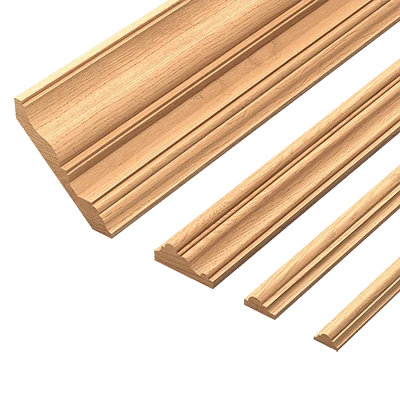
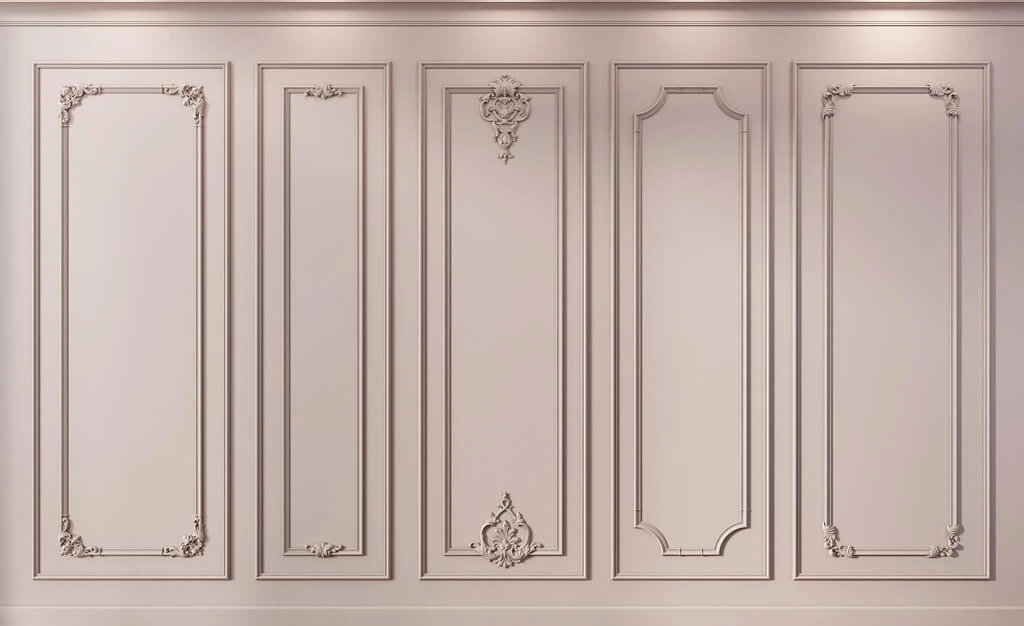
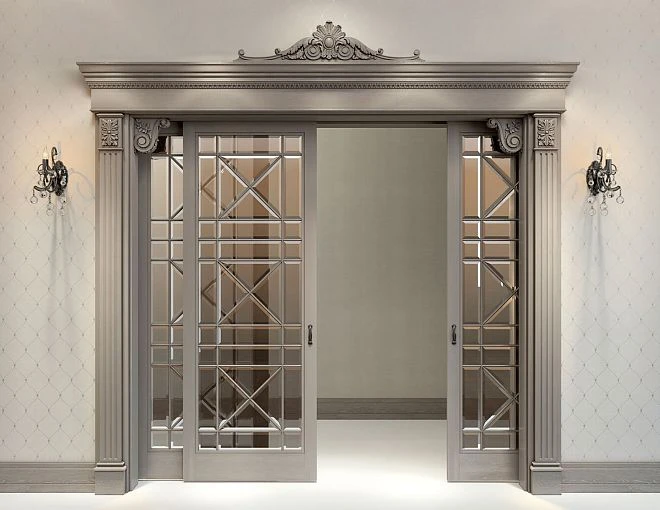
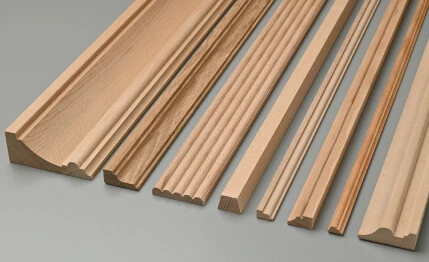
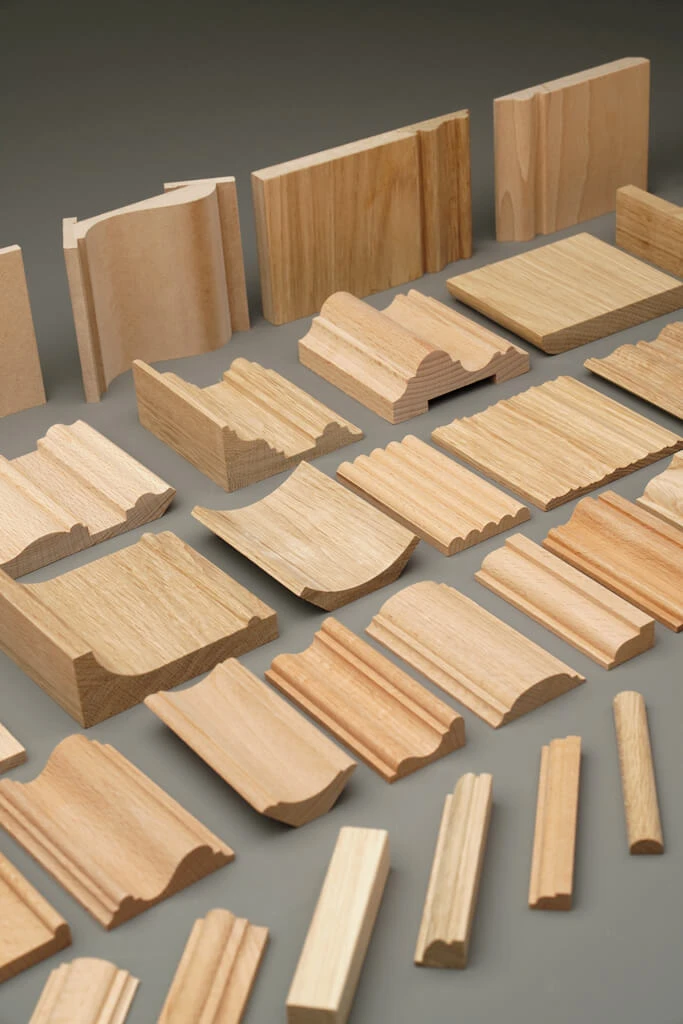
Here, the wooden legs of the banquette should match wooden molding the hallway: baseboards, door trims, moldings. A single wood — a cohesive interior.
Ottoman in front of the sofa (ottoman)
A large rectangular or square ottoman in front of the sofa is an ottoman. In a classic living room, it replaces the coffee table (or stands next to it). You put your feet on it, place a tea tray on it, or use it as extra seating.
The ottoman is upholstered in the same fabric as the sofa — or in a contrasting tone. Size: 80–120 cm in length, 50–70 cm in width, height 40–45 cm.
Ottoman by the armchair
A small round or square ottoman by the armchair creates a relaxation zone. Stretching your legs, taking off your shoes, getting comfortable — all of this is made possible by the ottoman. Paired with a classic armchair in a classic style the ottoman creates a complete zone.
Upholstery: fabric, color, and texture for classic upholstered furniture
Upholstery is what first catches the eye and last wears out (if chosen correctly).
Velvet
Velvet is the "royal" fabric of classic upholstered furniture. Thick, soft, with a directional pile — it creates a play of light: look from one side — darker, from the other — lighter. It is this effect that makes velvet furniture "alive."
Velvet holds its shape well, does not slip when sitting, and is pleasant to the touch. The downside is that it requires careful maintenance: the pile can become matted from constant contact. But this is compensated by the velvety beauty that no other material can replace.
Velvet colors for classic style: dusty rose, emerald, dark blue, bottle green, burgundy, terracotta, mustard, mocha, warm gray.
Jacquard
Jacquard is a woven material with an ornament woven into the fabric structure. It is "smart" classic: the ornament is not printed or applied, but woven — it does not wear off or fade. Jacquard sofas and armchairs are associated with palace interiors — and not without reason.
For a classic-style living room: jacquard with floral ornament (leaves, vines, cartouches), geometric pattern (arabesques, diamonds), or damask pattern (symmetrical floral design).
Natural textured fabrics
Linen, cotton, wool — in solid or melange execution. This is a calmer interpretation of classic style: without ornament, but with the texture of natural fiber. It works well in a neoclassical interior, where there is less baroque decor and more restrained elegance.
Leather
Natural leather is a classic of office interiors. A sofa in dark tobacco leather, an armchair in cognac leather, a bench in smooth black leather — all these are elements of a businesslike, prestigious, masculine classic interior.
For a living room, leather works in combination with fabric: a leather sofa + velvet armchairs. This mixing of materials is a legitimate technique of classic decor.
Principle of coordinating upholstery color
Upholstery of upholstered furniture should coordinate with three key elements of the space: walls, floor, and wooden furniture details.
Light walls + warm floor (parquet, oak) = upholstery in warm neutral tones (ivory, beige, caramel) or in noble colors (bottle green, burgundy, mustard).
Dark walls (anthracite, dark gray, khaki green) = upholstery in light tones (cream, white, light gray) — contrast works.
Colored walls (powder pink, blue, mint) = neutral upholstery (gray, beige, white) or monochrome with walls in a darker shade.
Wooden legs and carved decor: what makes upholstered furniture classic
Here lies the answer to the question 'why sofas of the same shape look different'. Details. They determine whether upholstered furniture belongs to the classic style.
Wooden legs — connection with the interior
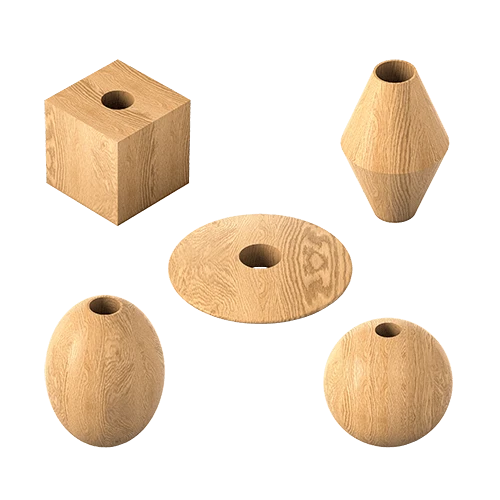
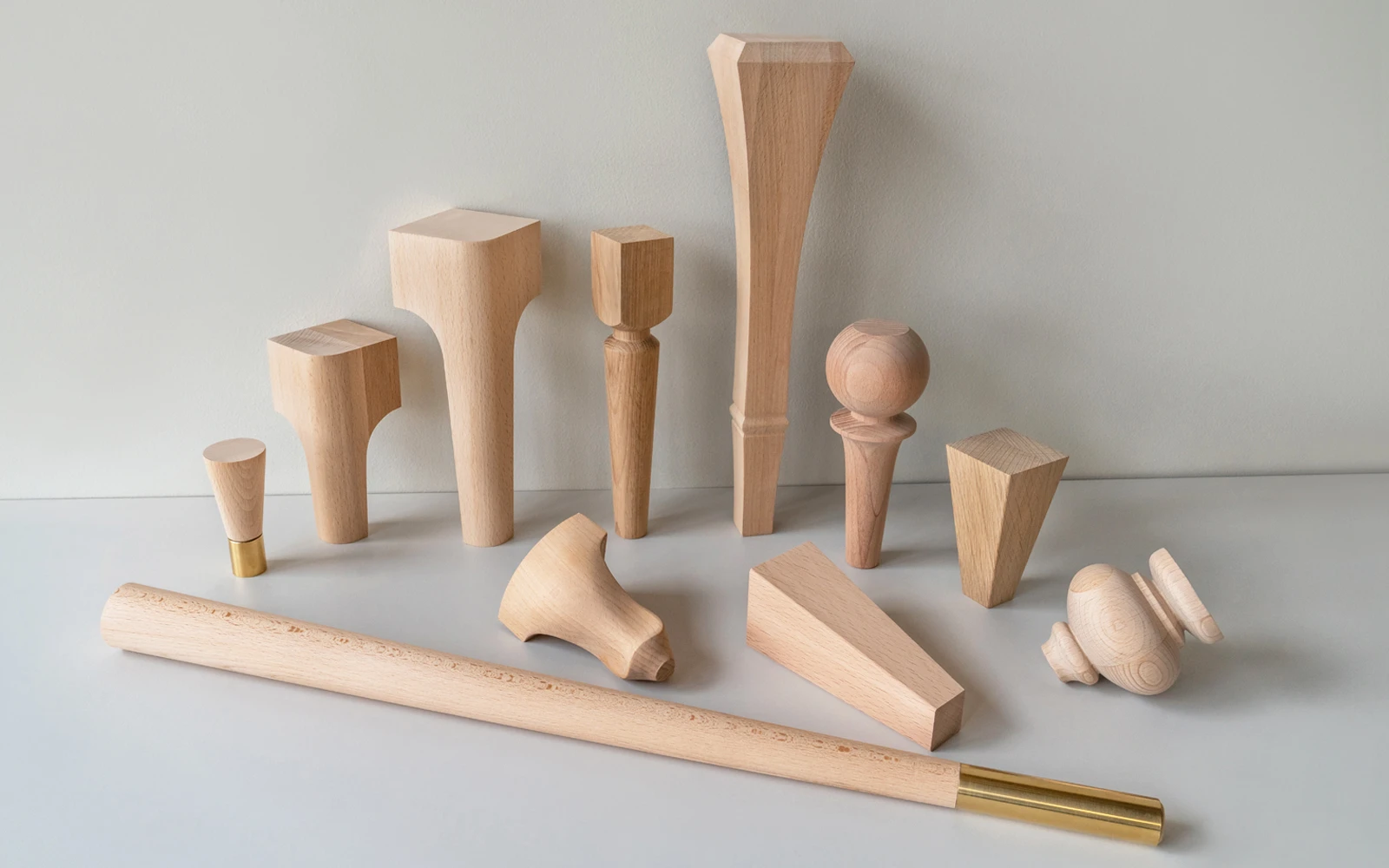
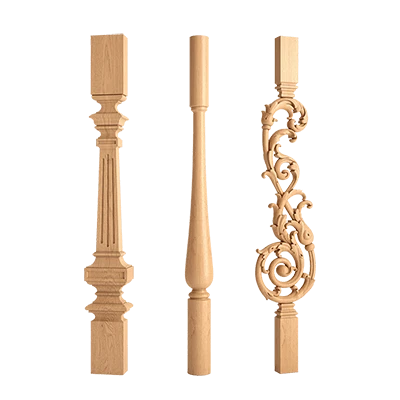
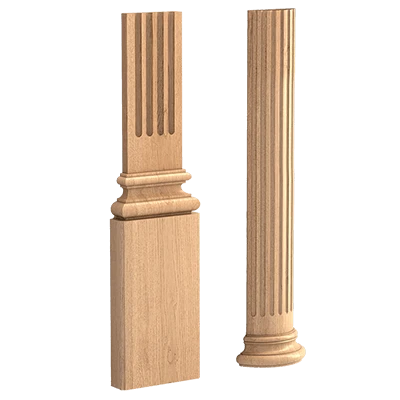
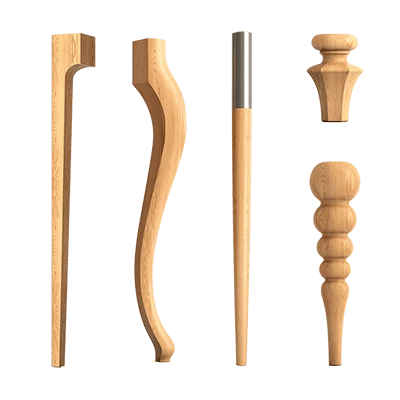
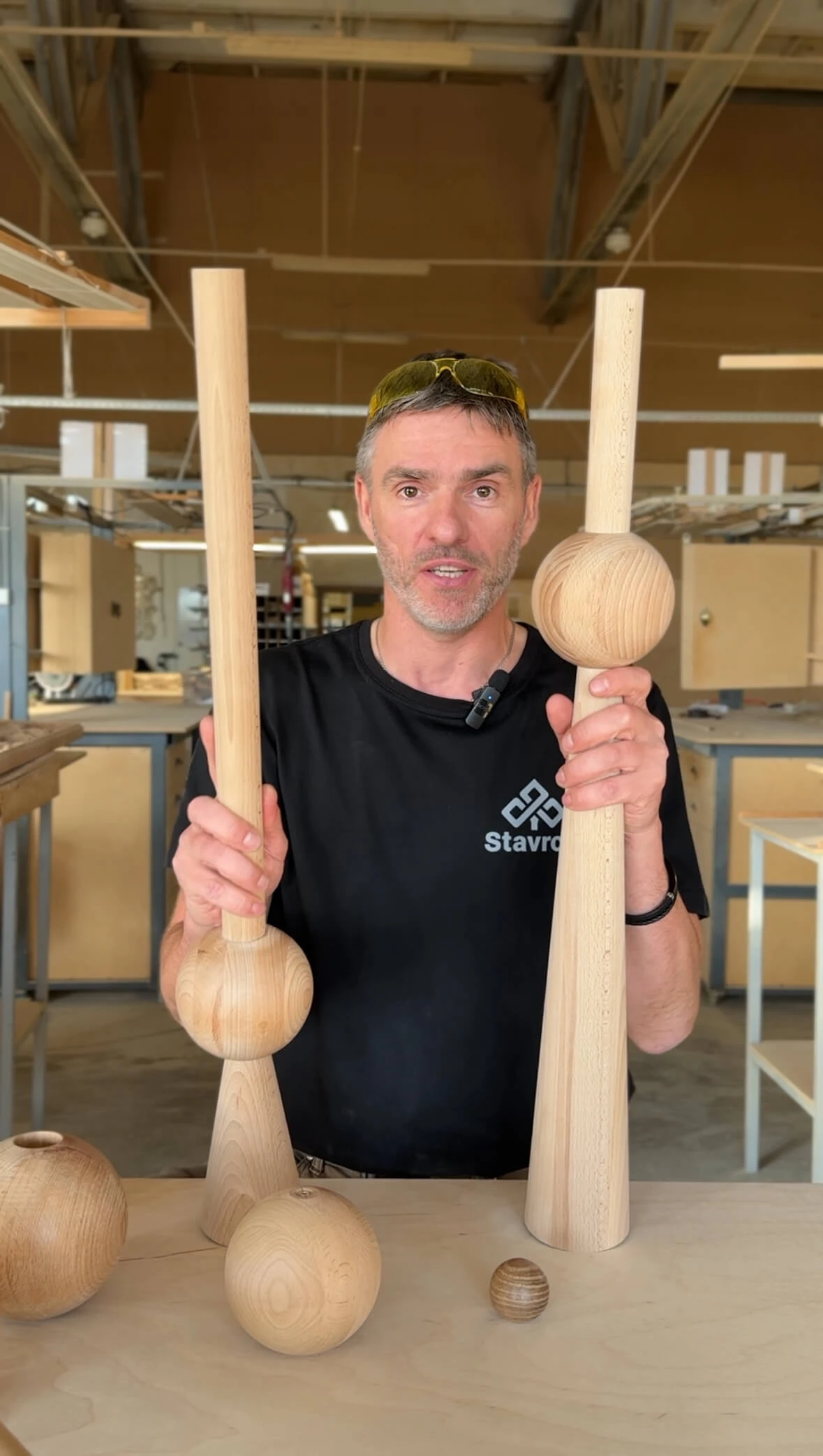
wooden furniture legs — this is the part that is seen first. Legs determine the visual "weight" of furniture: light tapered legs make a sofa airy, massive carved supports make it monumental.
In classic upholstered furniture, legs can be:
-
Turned — with variable cross-section, smooth thickenings and narrowings. Universal classic.
-
Carved — with ornamental surface treatment. For Baroque, Rococo, Renaissance.
-
Straight tapered — slightly narrowing downwards. For Neoclassicism and Louis XVI style.
-
Cabriole — S-shaped leg. Rococo, French classic.
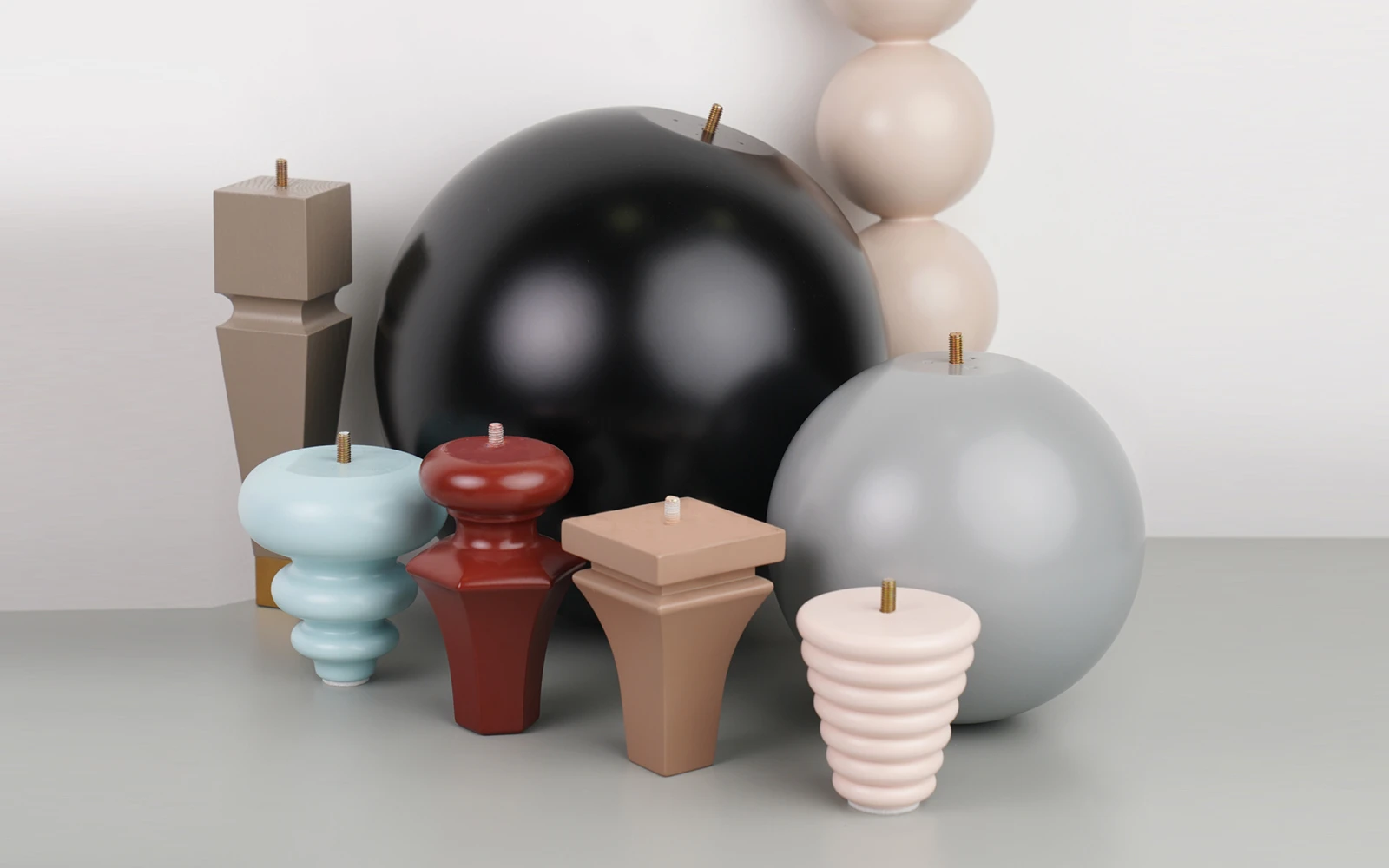
The color of the legs should match the floor, doors, and other wooden elements of the interior. For this, Uncoated legs they are tinted to the desired shade — to match the parquet, doors, or case furniture.
Carved decor on upholstered furniture
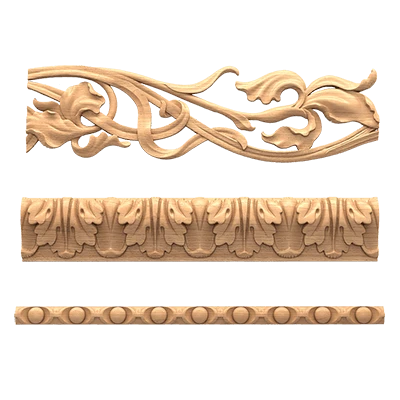
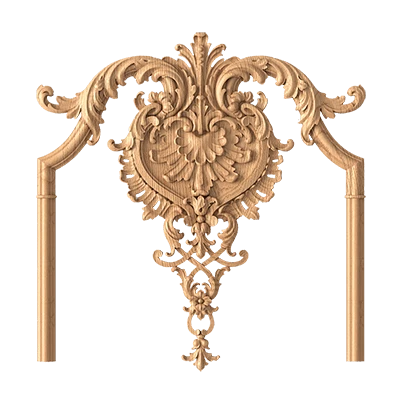
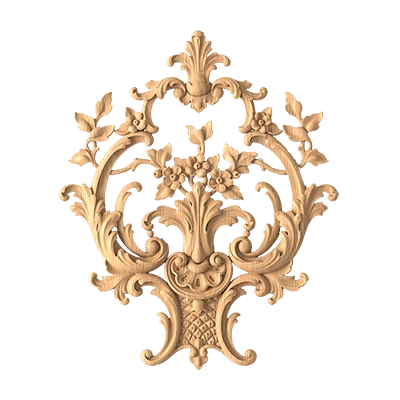
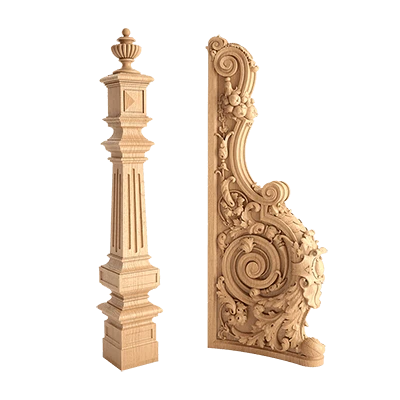
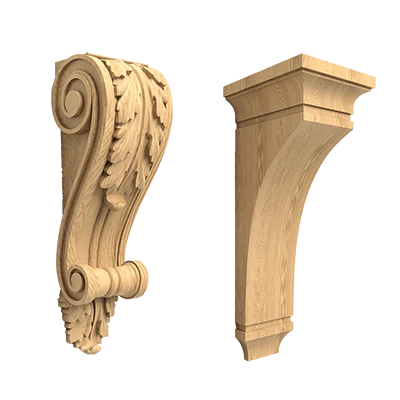
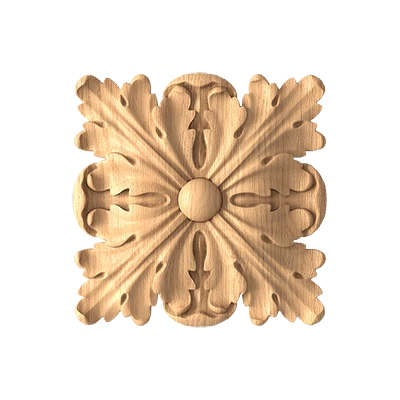
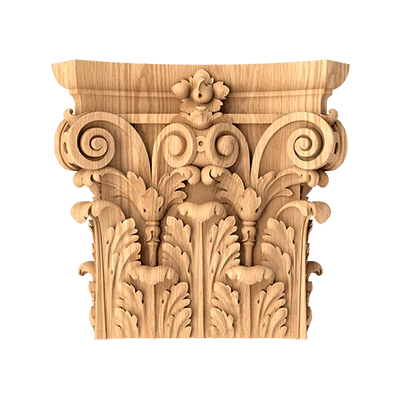
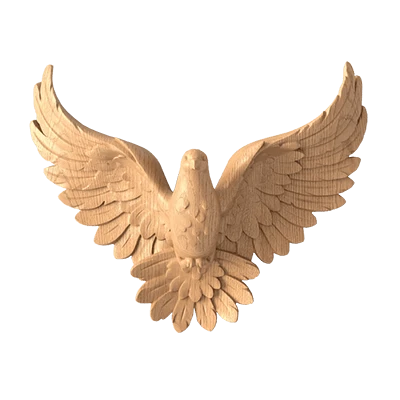
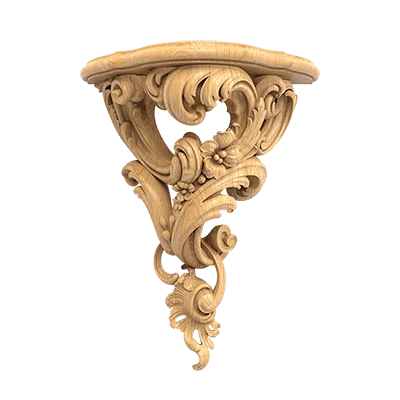
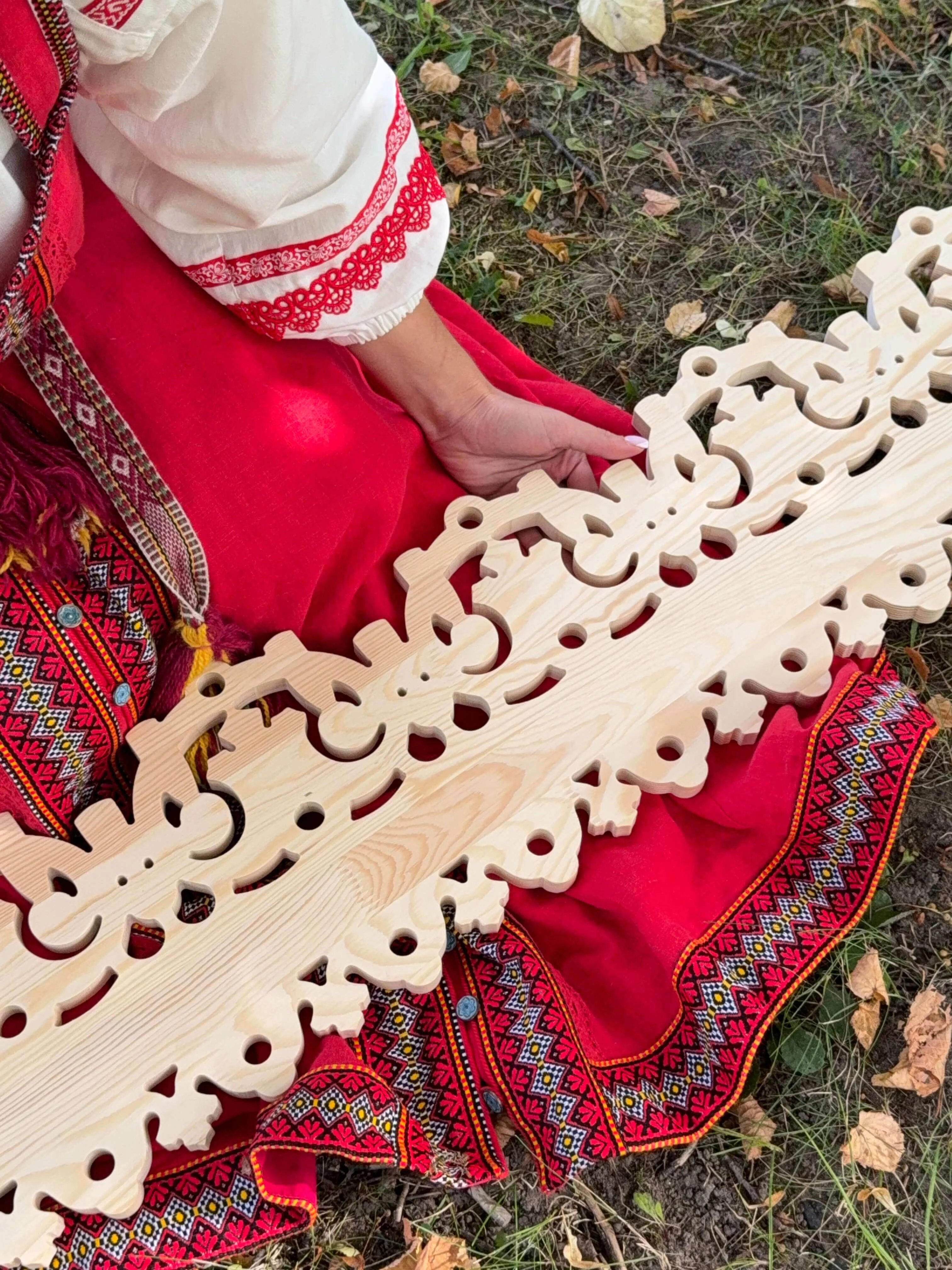
Carved wooden decoration On upholstered furniture, these are elements that are attached to the wooden frame: on the armrests, on the backrest frame, on the seat frame. These are carved rosettes, cartouches, acanthus leaves, meander, and wickerwork.
A sofa with carved decor on wooden armrests is a completely different visual level than the same sofa without it. It is precisely Furniture Decoration from Wood transforms a piece of furniture from the category of "just a sofa" into the category of "an item with character."
Wooden overlays
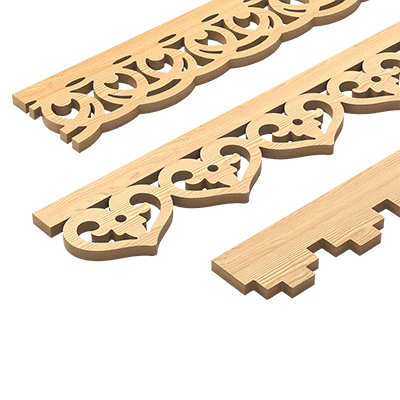
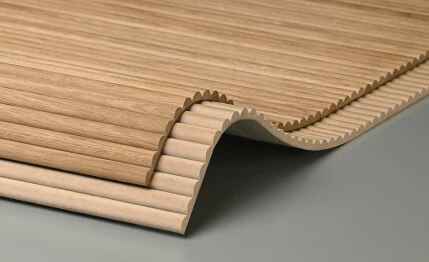
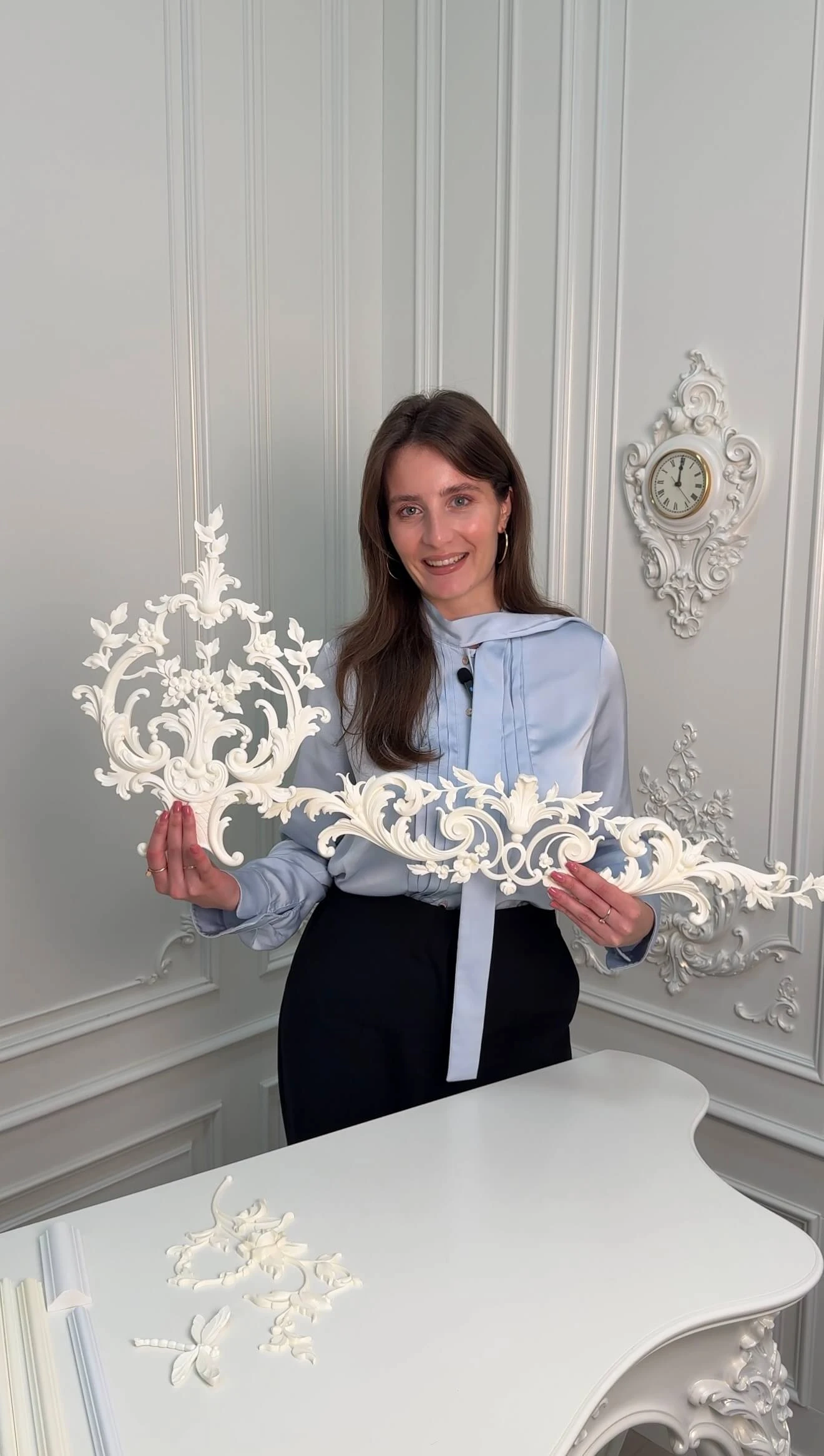
Furniture Decoration from Wood are applied wooden elements that are attached to the surface of the frame. They are used for framing the side panels of the sofa, for decorating the legs, and for creating ornamental inserts.
This is a way to turn an ordinary sofa with straight lines into a "classic" one by adding wooden details with ornamentation. This is exactly the technique used in furniture restoration and renovation.
Classic upholstered furniture for the living room: how to assemble a set
The living room is the main room of the house. It is here that classic upholstered furniture it reveals itself in full force.
Basic living room set
Minimum classic set:
-
Three-seater sofa — the center of the composition.
-
Two identical armchairs — symmetrically on the sides or opposite.
-
Coffee table — in the center of the zone, between the sofa and armchairs.
Extended set:
-
Three-seater sofa + two-seater sofa at an angle.
-
Two armchairs.
-
Ottoman pouf.
-
Console or sideboard.
-
Decorative pillows.
The "one upholstery" rule
In a classic living room, the sofa and armchairs should be in a unified upholstery system. This does not mean 'the same fabric' — it means 'a coordinated tone and character.' A sofa in dark blue jacquard + armchairs in solid dark blue velvet is a unified system. A sofa in striped fabric + armchairs in a solid fabric of the same color scheme is also unified.
Chaotic mixing of different colors, patterns, and textures in a classic living room is a mistake that is expensive to fix.
Symmetry as a law
In a classic living room, symmetry is not an option but a principle. The sofa centered on the wall (or opposite the fireplace). Armchairs symmetrically. Lighting symmetrically. Wall decor symmetrically. This is not boring — it is a rule that creates a sense of order and grandeur.
Connection with case furniture
Upholstered furniture does not exist in a vacuum — it is always in dialogue with case furniture. In a classic living room, this includes: display cabinets, sideboards, consoles, bookcases. All wooden details of upholstered furniture (legs, armrests) should match the tone of the case furniture — or be in a close shade.
If the case furniture is made of light walnut, the legs of the sofa and armchairs should also be of light walnut or a similar tone. If the furniture is made of dark oak, the legs should be dark. A mismatch in wood tone is a signal that the eye reads as 'something is wrong.'
Upholstered furniture for a study: a space of status and concentration
A study is a special space. Here people work, make important decisions, and conduct negotiations. Upholstered furniture for a classic-style study is not just comfortable furniture. It is part of the image.
Sofa or chaise lounge in the meeting area
A classic study often has an area for informal meetings: a small sofa for 2–3 people and a pair of armchairs around a low table. Here, leather or velvet upholstery in dark tones is appropriate — bordeaux, ochre, dark green, blue.
A sofa in the study should not be large: a two-seater (140–160 cm) is the optimal format. It does not dominate but creates a zone.
Armchair at the desk
In addition to the meeting area, the study has an armchair at the desk. This is a separate item — a chair for work, not for relaxation. But in a classic study, it should be made of wood and fabric or leather, not office plastic.
Ottoman or bench in the study
In the study, an ottoman or bench is placed by the fireplace or by the reading chair. This is an element that says: not only work happens here, but life is lived here too. A bench in the study upholstered in dark leather or dark velvet is a precise detail in the right place.
Finishing of study furniture
In the office Carved wooden decoration on upholstered furniture it is especially appropriate — because here it is examined up close, here there is time and reason to appreciate the details. Carved chair legs, a wooden sofa frame with ornamentation — these are elements that create the image of a serious, well-thought-out space.
Mistakes when choosing classic upholstered furniture
There are more of them than it seems. And many are discovered only after delivery and arrangement.
Choosing a sofa only from a photo. A photo does not convey proportions, seat firmness, or fabric quality. If possible — always look and try in person. If not — study the specifications as thoroughly as possible.
Do not ignore the room size. A beautiful large sofa in a small living room (15–18 sq m) results in a cramped space where you can't walk through. Always draw a room plan with furniture before purchasing. Leave at least 80–100 cm for walkways.
Do not choose overly massive furniture for a small living room. A large sofa plus two wide armchairs plus an ottoman simply won't fit physically in an apartment living room. In a small space, opt for one sofa plus one or two compact armchairs.
Do not skip checking seating comfort. A sofa that is uncomfortable to sit on is a bad sofa, no matter how beautiful it looks. Seat depth, backrest height, firmness—all of this needs to be felt in person.
Do not choose upholstery separately from walls and wood. Upholstery in a single tone with different wood and wall colors creates an immediate visible conflict. Take upholstery samples home and view them under your lighting, next to your walls.
Do not mix different leg shades. A sofa with dark legs plus armchairs with light legs creates visual imbalance. All wooden details of upholstered furniture should be in the same tone.
Do not forget about a bench or pouf. A living room without a pouf or a bedroom without a bench is an unfinished interior. These items "close" the space and give a sense of thoughtfulness.
Do not buy a sofa without coordinating with armchairs and a coffee table. Buying a sofa first, then armchairs separately, then a coffee table separately leads to a random set of items. Purchase a set or at least coordinate elements at the same time.
Do not overlook upholstery practicality. Light velvet in a family with children and pets is a risk. Dark leather in a sunny room with uncurtained windows leads to fading. Practicality and beauty must be aligned.
Where to buy classic upholstered furniture: catalog and related categories
Buy upholstered furniture in classic style important from the manufacturer or seller who offers not only ready-made items, but also all accompanying elements: legs, decor, upholstery materials.
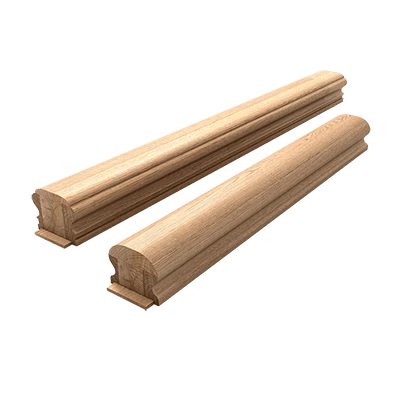
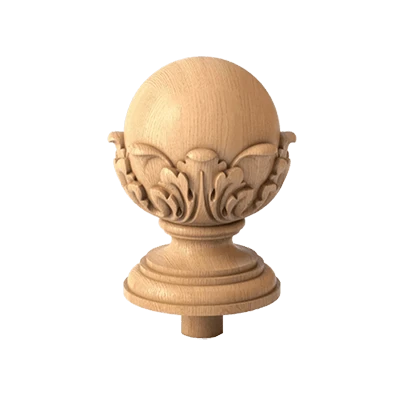
In the Stavros catalog — Classic Furniture and a full range of wooden parts for its creation and decoration: wooden furniture legs, Uncoated legs for self-staining, Carved wooden decoration, Furniture Decoration from Wood и Wooden trim for interior decoration. Everything for creating a classic space with a complete character — on the website of wooden interior products STAVROS.
FAQ: Answers to popular questions
What is included in classic upholstered furniture?
Sofas, armchairs, benches, poufs, chaise lounges, upholstered chairs. Also — ottomans, rocking chairs and compact two-seater sofas (canapés).
How to choose a sofa in a classic style?
Determine the size according to the room area. Choose the backrest height and armrest shape according to the interior style. Select upholstery to match the walls and floor. Ensure the legs are coordinated with other wooden furniture.
Which armchairs are suitable for a classic living room?
A pair of identical armchairs with a high or medium back, wooden legs, and upholstery matching the sofa. The shape features turned or carved legs with a coordinated silhouette.
Is a bench needed in a classic interior?
Yes. A bench by the bed, in the hallway, or next to an armchair is the finishing element that creates a sense of a well-thought-out space.
How to choose upholstery for classic upholstered furniture?
Velvet, jacquard, natural fabrics. Color — matching the walls or a noble contrasting shade. Take samples home and check them under your lighting.
What wooden legs are suitable for a sofa and armchair?
Turned, carved, or tapered — depending on the style. Color — matching the parquet, doors, and case furniture. Uncoated legs allow tinting to the desired shade.
How to combine upholstered furniture with classic case furniture?
Wooden parts of upholstered furniture (legs, armrests) are tinted to match the case furniture. The upholstery is coordinated with the color of the walls and trim.
Is classic upholstered furniture suitable for an apartment?
Yes. The key is the right scale: choose compact versions, don't overload the space. Neoclassicism and modern classic work great in apartments of any size.
How not to overload a room with upholstered furniture?
Rule: sofa + two armchairs + table is the basic set. Don't add more items than the space allows. Leave passages of at least 80 cm.
Where to buy classic upholstered furniture?
In the STAVROS catalog: Classic Furniture and all the necessary wooden elements for its decoration.
About the manufacturer
STAVROS — Russian manufacturer and supplier classic furniture and wooden products for the interior. In the catalog — upholstered furniture in classic style, wooden furniture legs, Carved wooden decoration, decor for furniture и Wooden trim — everything for creating a classic interior with character and details. If you want Buy classic upholstered furniture with proper legs, carved decor, and coordinated wooden framing — STAVROS offers a complete solution with Contact us to confirm shipping to your destination.