


































Article Contents:
- What a chair frame consists of: anatomy of the structure
- When it is profitable to buy a ready-made chair frame
- Dining chair frame: what matters from a seating perspective
- Upholstered chair frame: technical nuances
- Chair frame for restoration: when the old chair is not yet dead
- Chair seat height: standards and reality
- Standard dining chair height
- Bar stool height
- Soft seat and final height
- Backrest tilt and seating position
- Choosing the frame material: wood is not just "wood"
- Oak
- Oak
- Pine and birch
- Solid wood vs. composite structures
- Chair stretchers: what they are and why they matter
- Chair legs: a separate discussion
- Chair frame for cafes, restaurants, and public spaces
- Armchair frame: an adjacent category
- How to choose a frame for a specific interior
- Mistakes when choosing a chair frame
- What to check before buying a wooden chair frame
- Wooden chair frame and other furniture elements: a systematic approach
- FAQ: Answers to Popular Questions
- What is a chair frame and how is it different from a finished chair?
- Can you buy a chair frame separately?
- Which frame is best for a dining chair?
- What is more important in a chair — legs or stretchers?
- Can you put a soft seat on a wooden frame?
- What size frame is needed for comfortable seating at a dining table 75 cm high?
- What to coat a wooden chair frame with?
- About the Company STAVROS

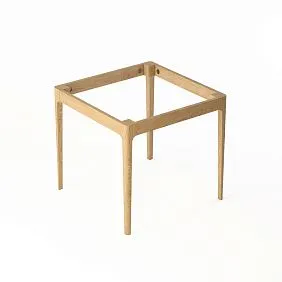
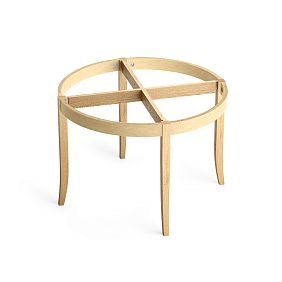
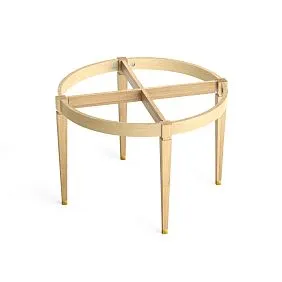
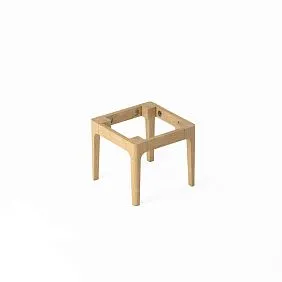
Chair frame made of wood is the load-bearing foundation on which everything depends: how stable the chair is, how comfortable the seating is, how long the furniture will last, and how organically it will fit into the interior. Choosing a ready-made wooden frame is much easier and faster than assembling a chair from scratch — and this explains the growing demand for ready-made bases among furniture workshops, restorers, and private customers.
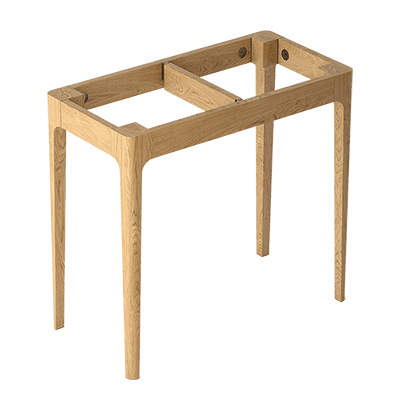
View STAVROS wooden chair frames are ready-made bases made of solid wood for upholstery, painting, or varnishing.



What a chair frame consists of: anatomy of the structure
Before choosing, you need to understand what exactly you are choosing. A chair frame is not just four legs with a seat. It is an engineering system in which each element bears its own load and affects the behavior of the entire structure.
Front legs are vertical load-bearing elements that take the main load when sitting. They must be strong, without cracks along the grain, with reliable connections at the lower and upper nodes. For a dining chair, this is the first element checked for stability.
Back legs — in most chairs, they continue above the seat level and form the side posts of the backrest. This is the only frame element that works simultaneously in two planes: it bears vertical load from below and takes lateral pressure from above when leaning back. It is the back legs that most often break during careless use.
Stretchers are horizontal crossbars that connect the legs around the seat perimeter. This is the main element of rigidity for the entire structure. It is the stretchers that prevent the legs from spreading under load and keep the frame from wobbling. Without strong stretchers, any chair will start to "wobble" within a few months of active use.
Crosspieces are additional horizontal connections between the legs, installed below the stretchers or between the back posts. They reinforce the structure and add rigidity to the lower part. They are especially important for high bar stools and for furniture that will be used in public places.
The seat base is a flat or slightly rounded platform on which a wooden seat rests or a soft cushion is attached. Its width and depth determine seating comfort. A base that is too narrow makes the chair uncomfortable, while one that is too wide makes it visually heavy.
The backrest is the upper part of the frame that provides support for the back. It can be solid, slatted, with balusters, or with a decorative carved element. The height and angle of the backrest are two key parameters that determine how comfortable the chair is for prolonged sitting.
The attachment points for the seat and upholstery are technological grooves, holes, or tenons through which the seat is fixed to the frame. For a soft seat, these are usually designated points for self-tapping screws or staple gun staples. For a wooden seat, these are tenon joints or threaded ties.
Wooden chair frame made of solid wood ensures the unity of all these elements: the wood works as a single material, and joints in solid wood are significantly more reliable than in composite structures made of chipboard or MDF.
When it is advantageous to buy a ready-made chair frame
This is a reasonable question, and it deserves an honest answer. A ready-made frame is not a compromise. It is a professional solution that, in most practical situations, turns out to be better than assembling from scratch on your own.
You need to make several identical chairs. For a kitchen, dining room, terrace, or small cafe, you need a set — four, six, eight identical chairs. Wooden chair frames from the manufacturer allow you to obtain identical bases, consistent in one size, one shape, and one material. It is practically impossible to achieve such precision on your own without professional equipment.
The old chairs broke, but I don't want to change the style. If the interior is already established and the chairs have become unusable, replacing the frames with ones similar in shape and style allows you to maintain a unified aesthetic — without buying a whole new set of furniture.
The workshop works on a custom order basis. For furniture workshops and small productions buy chair frames from a reliable supplier means saving time on turning and milling work and focusing on finishing, upholstery, and assembly.
A base for a soft seat is needed. A frame with a specially prepared base for upholstery is already a semi-finished product that just needs to be covered with fabric or leather. This is the most common scenario in upholstered furniture production.
A chair for painting or tinting is needed. Wooden chair frame for painting made of solid birch, beech, or pine accepts any paint, primer, tint, or varnish. This gives complete freedom in choosing a color for a specific interior.
Need to update a cafe, restaurant, or hotel room. For commercial spaces, both durability and delivery speed are important, as well as the ability to buy a batch at once. Wooden chair frame for a restaurant must withstand intensive daily use — and this is precisely where the quality of joints and the type of wood are of fundamental importance.
You need a sturdy base without complex joinery. Not everyone who wants to make a chair knows how to work with a chisel and gouge at a carpenter's level. A ready-made frame completely eliminates this problem: only finishing and final assembly remain.
Our factory also produces:




Frame for a dining chair: what matters from a seating perspective
A dining chair is furniture used every day. Sometimes several times a day, for decades. It is not a decorative item; it is a working tool that must be comfortable, durable, and visually harmonious at the dining table.
The main criterion is the seat height and its correspondence to the table height. The standard height of a dining table is 74–76 cm. The optimal seat height of a dining chair is 44–47 cm. At the same time, there should be 25–30 cm between the seat surface and the tabletop — this is the space for legs and thighs when seated comfortably. If the chair is too high, the shoulders will be raised, and the hands will rest awkwardly on the table. If too low, the person will sit "sunk in," and the head will be below the tabletop.
An important nuance: if you plan to install a soft seat, the final height of the chair will increase by the thickness of the foam and upholstery fabric — usually 4–8 cm. This needs to be calculated in advance when choosing the chair base. If the frame gives a height of 47 cm, and the soft cushion adds another 6 cm — the final seating height will be 53 cm, which is already at the edge of comfort for a standard table.
The seat depth for a dining chair is 38–44 cm. A seat that is too deep prevents sitting upright: the person either leans back or sits on the edge. One that is too shallow does not support the thighs, and prolonged sitting becomes uncomfortable.
The seat width is a minimum of 40 cm, optimally 44–48 cm. This provides enough space without a feeling of being "cramped."
The backrest of a dining chair should not be too low. A backrest less than 30 cm above the seat level does not support the lower back and is only suitable for short-term sitting. For comfortable dining, a minimum of 40–45 cm of backrest above the seat is required.
The stretchers of a dining chair should be high enough not to interfere with the legs and strong enough to withstand lateral loads. The standard height of a dining chair stretcher is 5–8 cm. If the stretcher is too high and close to the edge of the seat, the legs will hit it, which is uncomfortable.
The frame of a dining chair should match not only the dimensions of the table but also its style. If the table is massive, made of dark oak, a chair made of the same material will create a unified ensemble. If the table is made of light ash on thin legs, heavy turned chair legs will conflict with it.
Get Consultation
Frame for an upholstered chair: technical subtleties
An upholstered chair is a special case. Here, the frame plays the role not only of a load-bearing base but also of a technological platform for attaching the upholstery. And specific parameters that cannot be ignored are crucial here.
It is mandatory to consider the thickness of the foam. Foam for a chair comes in different densities and thicknesses. A thin layer (30–40 mm) hardly changes the seat height. A thick layer (80–100 mm) adds 6–8 cm to the seat height. Plus upholstery fabric or leather adds another 3–5 mm. All this must be taken into account when choosing the frame.
The shape of the seat base. For a soft seat, the base should be flat, without a pronounced profile along the perimeter—otherwise, the edges of the foam will "break" against the edges of the base, and the upholstery will wear out quickly. A flat base with a slight bevel along the perimeter is the optimal option.
Upholstery attachment. The upholstery is attached with a stapler to the wooden base—this is standard practice. This means the wood of the base must be dense enough for the staples to hold securely. Soft woods like alder or aspen are less preferable here than birch, beech, or oak.
Backrest tilt. For an upholstered chair, the backrest tilt is especially important: a too vertical backrest is uncomfortable for prolonged sitting, while a too reclined one creates a feeling of a "lounging" chair. The optimal tilt of the backrest uprights is 5–8 degrees from vertical. This provides natural back support without discomfort.
Do not use a too light frame for a heavy soft seat. A soft seat with thick foam and heavy upholstery fabric weighs significantly more than a wooden one. If the frame is designed for minimal load, the joints will quickly loosen. For the frame of a soft chair strong stretchers, reliable tenon or bolted joints, and sufficient thickness of load-bearing elements are needed.
The choice of upholstery material in advance affects the selection of the frame. Leather is heavier than fabric, velour is more delicate and requires careful stretching, microfiber is more practical and easier to work with. If you already know that there will be leather upholstery, choose a more massive frame. Leather plus heavy foam is a significant load.
Furniture frame for a chair for a soft seat is not just a "frame for fabric." It is a structure that determines how long the finished chair will last and how evenly the upholstery will lie.
Chair frame for restoration: when the old chair is not dead yet
Chair restoration is a separate discipline, and it is experiencing a true renaissance. The reason is simple: old chairs are often made of better wood than modern budget counterparts, and with the right approach, they can last for several more decades.
But not all old chairs are suitable for "treatment." There are situations where it is easier and cheaper to buy a new one Chair Framethan to repair an old one piece by piece.
The chair is wobbling — this is the first sign. A wobbly chair indicates loose or weakened joints. If one leg is wobbling, it can be fixed with glue and a tie. But if the entire structure is wobbling, all four corners are "moving," and the glue no longer holds — it's time to consider replacing the frame.
The crossbar is broken. A broken crossbar is a serious problem. Without this element, the chair loses lateral rigidity and starts to collapse under load. Making a new crossbar exactly to the size of the old one is a task for a well-equipped workshop. It's easier to get a new frame of the appropriate size.
The backrest post has cracked. The rear leg-post works in two planes simultaneously and experiences significant bending loads. A crack along the grain is not "slightly damaged," it's "will break completely soon." A glued chip on the back post holds unreliably under load.
The seat has collapsed or rotted. If the seat base is unusable but the other frame elements are still strong — only the seat can be replaced. But if the frame's condition is also questionable, it's more logical to take a ready-made Wooden chair frame completely.
You need to update the set while preserving the style. If out of six chairs, three are still holding up and three are broken — buying three new frames of the same size and shape allows you to keep a matching set. This is more economical than replacing all six.
One of the key arguments in favor of a new frame during restoration is the quality of the joints. In a good ready-made solid wood frame, the joints are made with glue using precisely fitted tenons and mortises. This is significantly more reliable than re-gluing old loose joints.
Chair seat height: standards and reality
The question of seat height comes up very often — and for good reason. This is one of the key ergonomic parameters on which literally everything depends: seating comfort, load on the spine, leg comfort, and the chair's compatibility with the table.
Standard dining chair height
The standard for a dining chair is 44–47 cm from the floor to the top surface of the seat. This is calculated for a person 170–180 cm tall. When sitting, feet should be flat on the floor with knees at a right or slightly acute angle, and thighs horizontal — this is the correct neutral sitting position.
For children's chairs, the height is lower: 30–36 cm for preschool age, 38–42 cm for schoolchildren.
Bar stool height
Bar stools are a completely different story. For a standard bar table (90–95 cm), stools with a seat height of 65–75 cm are needed. For a bar counter 105–110 cm, stools 75–80 cm are needed. That's why, when choosing a chair frame for a cafe, you must first determine the height of the counter or tables — only then select the frame.
Soft seat and final height
This is the most common mistake in calculations. A person chooses a frame with a height of 44 cm, adds a soft cushion 70 mm thick — and gets an actual seat height of 51 cm. This is already noticeably higher than the comfortable standard for a dining chair.
The rule is simple: subtract the thickness of the soft part from the desired final height — and choose the frame based on this calculation. If the final height needs to be 46 cm, and the soft seat adds 6 cm — you need a frame with a height of 40 cm.
Backrest tilt and seating
The height and tilt of the backrest affect how naturally a person sits on a chair. A vertical backrest at a 90° angle to the seat is a rigid "school" posture. A backrest with a tilt of 8–12° is already a relaxed dining posture. For a dining chair, the optimal backrest angle is 8–10 degrees from vertical. For an armchair or chair in a lounge area, it is 15–20 degrees.
The height of the backrest above the seat for a dining chair is 40–50 cm. This is sufficient to support the lower back and the lower part of the spine.
Choosing the frame material: wood is not just "wood"
The word "wood" in relation to furniture frames hides a huge range of differences in strength, durability, and aesthetics. The species matters — and not just in theory.
Beech
One of the most common materials for wooden chair frames. Beech is hard, dense, and easy to process and paint. It has a uniform structure without a pronounced texture — this makes it ideal for painting: the surface is smooth, without spotting. The disadvantage of beech is that it requires good drying and treatment, otherwise it may warp with changes in humidity. For furniture in heated rooms, beech is an excellent choice.
Oak
A more prestigious material. Oak is heavier than beech, has a pronounced beautiful texture, and high hardness. An oak chair frame is furniture for generations. Oak is well-suited for tinting: its pronounced texture, when properly coated with oil or tinted varnish, looks premium. The only downside is that oak is more expensive than beech.
Pine and birch
Softer woods often used in budget frames. Pine is light and warm in color, birch is slightly harder and more uniform. Both options are suitable for a chair frame for painting — paint hides texture unevenness. For country houses, children's rooms, and dachas — a worthy choice.
Solid wood vs. composite constructions
Solid wood products — this is a fundamentally different level of strength compared to frames made of glued laminated timber, plywood, or MDF. Solid wood bears the load along the entire length of the element, without weak spots at glue lines. The tongue-and-groove joint in solid wood parts works more reliably than the dowel joint in a composite product.
MDF and plywood can be used for individual parts (for example, for the seat base), but the load-bearing frame of a chair — legs, stretchers, backrest posts — is better made from solid wood.
Chair stretchers: what they are and why they are important
Stretchers are horizontal boards or bars that connect the legs of a chair under the seat. This word often raises questions for those encountering furniture terminology for the first time. Let's explain simply.
Imagine removing the stretchers from a chair. Four legs stand separately, the seat lies on top. At the first lateral load, the legs will spread apart — the structure will collapse. It is the stretchers that prevent this: they work as horizontal braces that hold the legs in place.
The strength of the stretcher depends on several factors:
-
Cross-section — a too thin stretcher will break under load; the standard for a dining chair is 20–30 mm in thickness
-
Connection to the leg — a glued tenon-and-groove or bolted connection; the first option is more reliable for stationary furniture, the second is convenient for collapsible structures
-
Wood species — hardwoods (oak, beech) hold joints significantly better than softwoods
-
Length — the longer the stretcher, the higher the bending load on it; for wide chairs, stretchers should be more massive
When choosing a ready-made wooden frame for a chair be sure to pay attention to the quality and thickness of the stretchers. They are the main indicator of the durability of the entire structure.
Crossbars between the legs (below the stretchers) — an additional element that is not found in all frames. For ordinary dining chairs, they are not necessary. For bar stools and furniture that will be used intensively, they are desirable.
Chair legs: a separate discussion
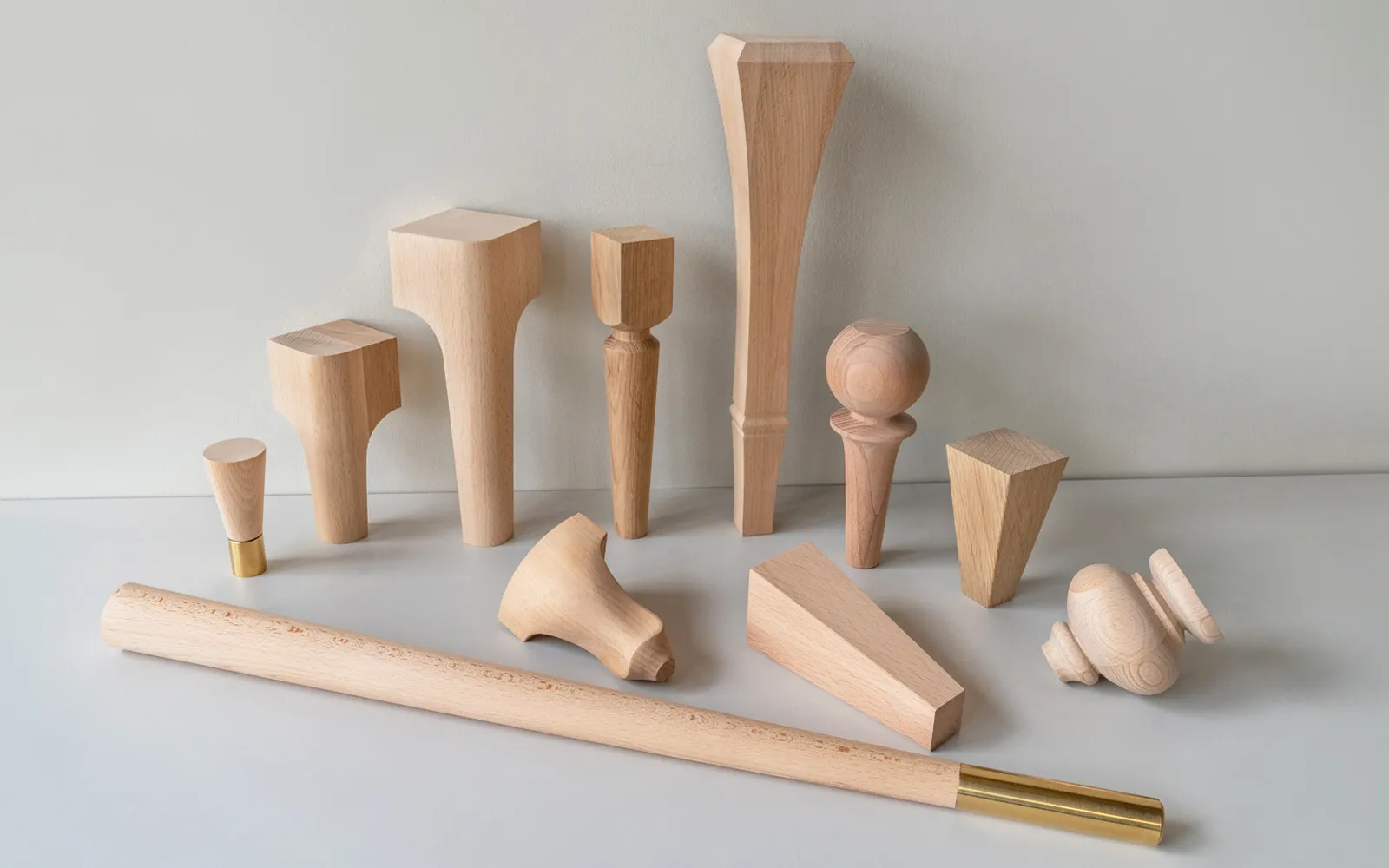
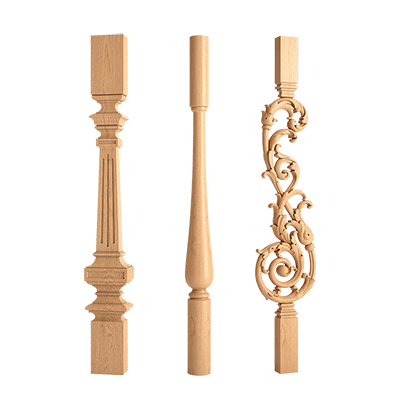
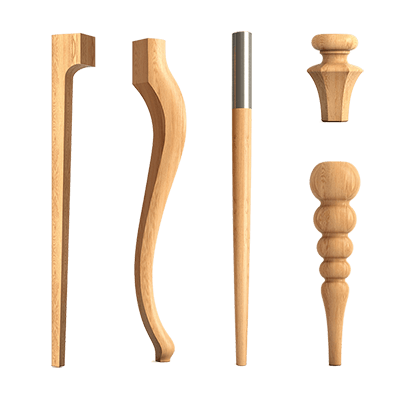
Sometimes the task is not to replace the entire frame, but only to replace or select the legs. wooden legs for a chair — an independent category that is in demand for restoration and assembly of chairs from individual elements.
The shape of the legs determines the style of the entire chair. Straight rectangular legs — modern and neoclassical style. Turned legs with a profile — classic, art deco, Provence. Tapered legs — Scandinavian style, mid-20th century, minimalism.
The angle of the leg affects stability. Legs slightly splayed outward (5–8 degrees from vertical) provide a wider base and better stability under lateral loads. Vertical legs — a more strict look, suitable for classic style.
The height of the legs directly determines the seat height. For a standard dining chair, legs are selected so that the final seat height is 44–47 cm.
wooden furniture legs STAVROS are produced in several style groups and different heights — this allows you to select legs both for a ready-made frame and for self-assembly of a chair.
Chair legs require feet — plastic or felt pads on the bottom end. They protect both the floor from scratches and the legs themselves from moisture and wear. On hard floors (parquet, tiles), glides are mandatory — without them, chair legs will wear down in a few months and start scratching the coating.
Chair frame for cafes, restaurants, and public spaces
This is a separate scenario with its own requirements — and it is fundamentally different from choosing a frame for a home kitchen.
In commercial spaces, a chair experiences loads that are several times higher than in a home. People sit on it, stand up, move it across the floor, lean on it, and sometimes place bags or children on it. Every day — dozens of load cycles.
for chair frame for a cafe are critically important:
-
Joint strength — bolted connections with the possibility of tightening are preferable to purely glued ones, since in a restaurant environment the loads are higher and the wood 'tires' faster
-
Material — oak or beech, not pine or birch; hardwoods withstand commercial loads several times longer
-
Apron design — wider and thicker aprons for a commercial chair, reinforced with additional crosspieces
-
Coating — varnish or oil with hard wax that withstands frequent cleaning without surface damage
-
Standardization — all chairs in the establishment must be from the same batch and the same series, so that after a few years similar ones can be purchased without redesigning the entire interior
It is for such tasks Wooden chair frames from the manufacturer — the optimal solution: guaranteed quality, the ability to order a batch, and a single standard for all products.
Chair frame: adjacent category
If you are involved in furniture manufacturing or restoration, the topic of chair frames inevitably overlaps with armchair frames. Structurally, these are different things, but the logic of selection is largely the same.
Armchair frame differs from a chair frame primarily in the width and depth of the seat, the presence of armrests, and, as a rule, a larger backrest angle. An armchair is furniture for long-term relaxation, not for brief sitting at a table. Accordingly, the armchair frame must provide a deep, relaxed seating position with good back support.
In the production cycle, chairs and armchairs are often made from the same series, in the same material, and with the same connection logic — this allows for production unification and the creation of coordinated furniture sets for dining rooms, offices, or living rooms.
How to choose a frame for a specific interior
A chair frame is not an abstract object. It will stand in a specific room, next to specific tables, cabinets, and floors. And this specificity is the key to the right choice.
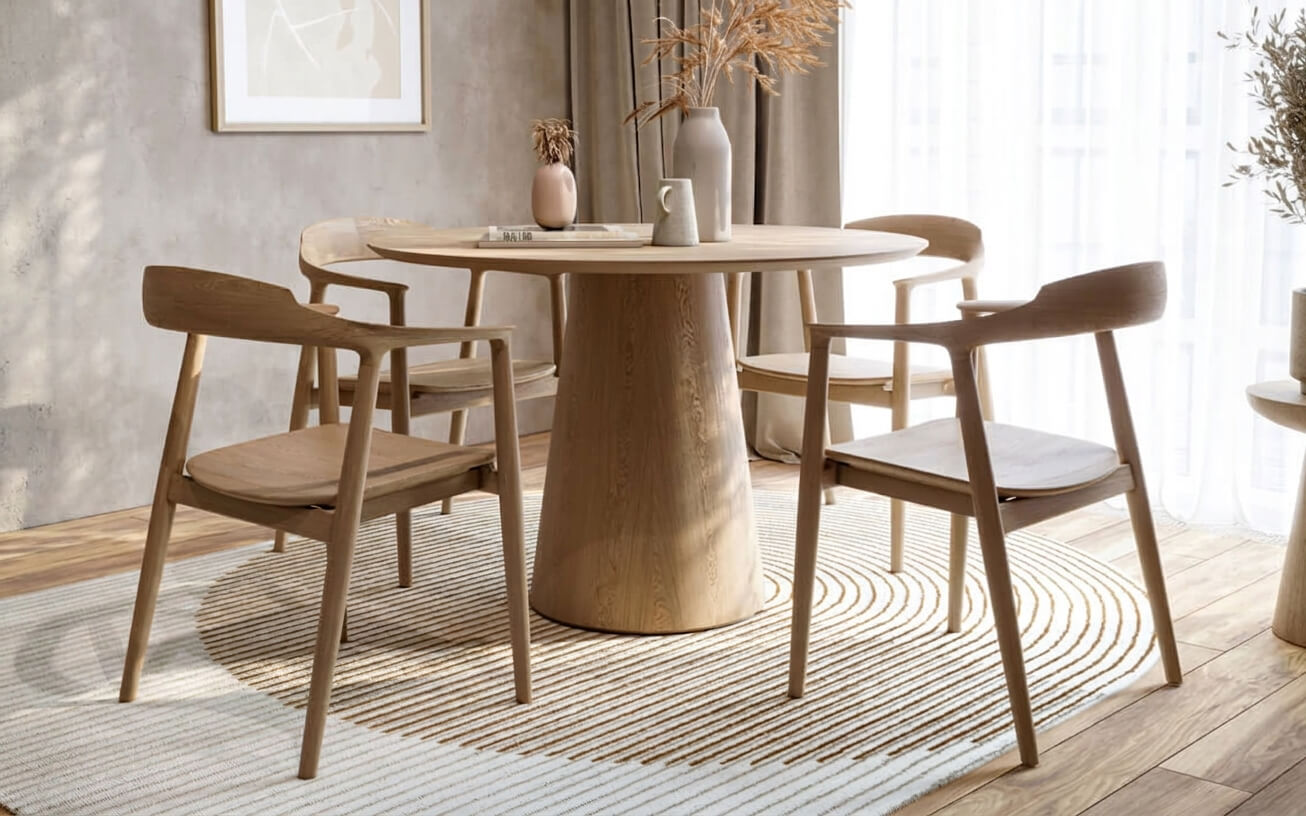
A modern-style kitchen. Here you need chairs with clean lines, without carved decor. Straight or slightly tapered legs, a laconic backrest, light wood or painting in a neutral tone. Wooden chair frame for white enamel or gray varnish — a universal solution for modern kitchens.
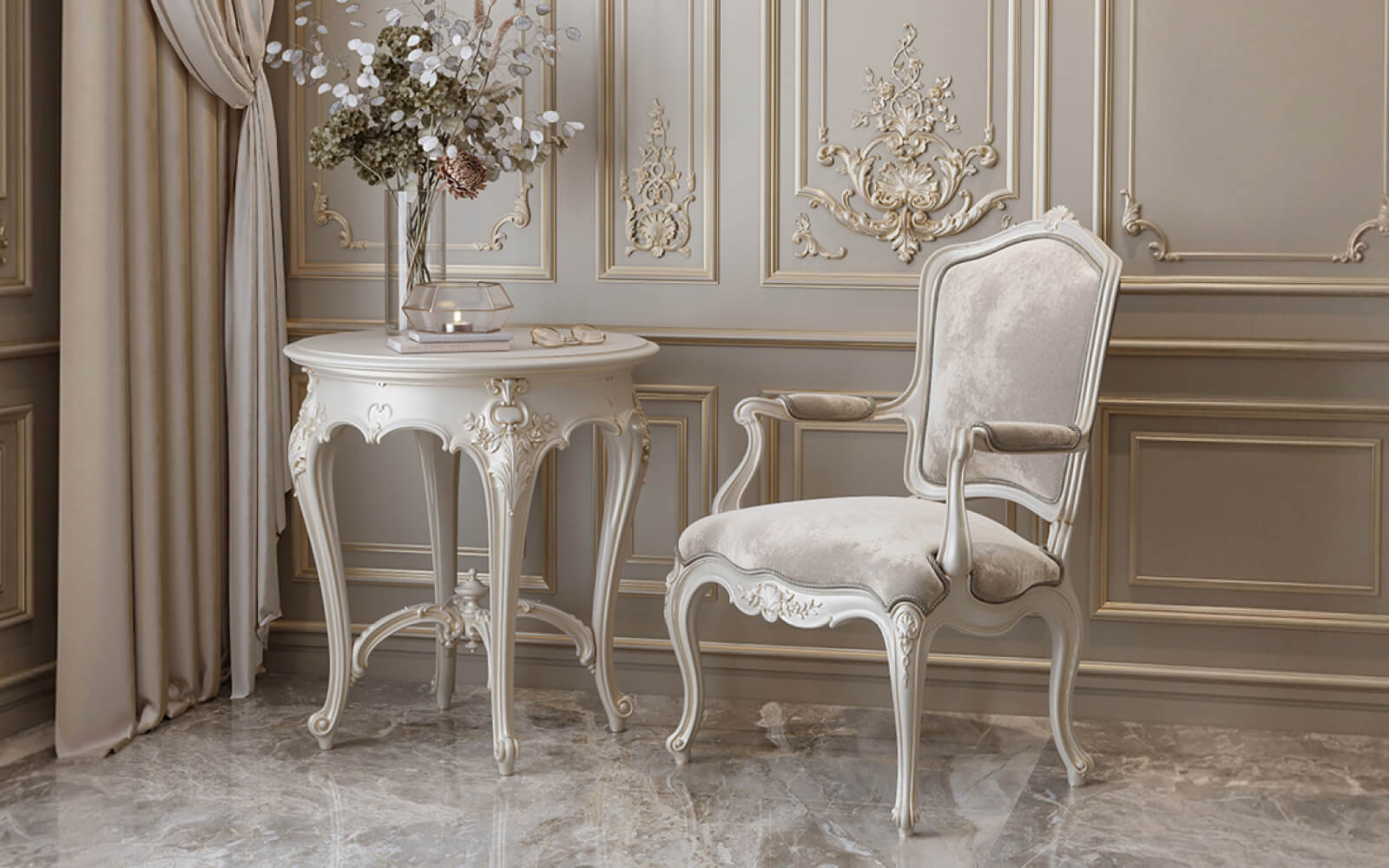
Classic dining room or living room. Turned legs with profile, carved or slatted backrest, dark walnut or natural oak. The chair should echo the profile of the table legs, the decor of the sideboard, or the moldings on the walls.
Country house or cottage. Solid pine or birch with oil or wax finish — natural tone, warm texture. Chairs can be slightly more massive and rougher in shape — this matches the spirit of a country interior.
Cafe or restaurant. Oak or beech with tinting or varnish, maximum durable joints, comfortable seating. The style is chosen according to the establishment's concept — from Scandinavian simplicity to classic restaurant decor.
Custom workshop. The logic here is different: you need a frame that accepts any upholstery and any finish. Chair frame without seat for upholstery — a standard request for furniture makers.
Mistakes when choosing a chair frame
Experience shows: most mistakes when choosing a frame are due to the fact that a person looks at the frame separately from everything else. The frame is an element of the system, and it needs to be chosen in context.
Mistake 1: buying without checking the seat height. This is the most common problem. A person looks at the photo, clicks 'buy' — and gets a chair that doesn't match the height of their table. Always check the exact size, not an approximate one.
Mistake 2: not considering the thickness of the soft cushion. We already discussed this above, but let's repeat: a soft seat adds 4 to 8 cm to the height. Calculate the final height, not the frame height.
Error 3: choosing too light a frame for daily load. A light and cheap frame made of softwood with thin rails will last a year or two with active use. For a family with children or a cafe, this is unacceptable.
Error 4: not checking the quality of joints. Tenon joints with glue are reliable. Dowel joints are less reliable. Just glue without mechanical connection is completely unreliable. Always clarify the type of joints in the nodes.
Error 5: buying a frame separately from the table and not checking the fit. A chair and table are a pair. When buying a frame for a dining chair, know the exact height of your table. Without this, the right choice is impossible.
Error 6: not considering the backrest angle. A vertical backrest is uncomfortable for prolonged sitting. If the chair will be used for dining or in an office, make sure the backrest has the correct angle.
Error 7: buying one frame when a set is needed. If you need to buy two more chairs in a month and the desired model is no longer available, you will have to buy incompatible ones. Purchase as a set right away.
Error 8: ignoring the color of the future finish. If you plan to paint in a dark color, the wood species is less important. If you plan to tint while preserving the texture, choose oak or beech with a beautiful pattern. Decide on the finish before buying the frame.
What to check before buying a wooden chair frame
Final checklist — before placing an order, go through each item:
-
Seat height — exact frame size + thickness of the soft part (if any)
-
Seat width — at least 40 cm for comfortable seating
-
Seat depth — 38–44 cm for a dining chair
-
Backrest height above seat — from 40 cm for lumbar support
-
Frame material — wood species, presence of defects, drying quality
-
Joint quality — tenon with glue, bolted, dowel
-
Presence of stretchers and their thickness — strong stretchers = long service life
-
Will there be a soft seat — and what is its thickness
-
Is painting or tinting needed — and does the selected wood species suit the desired result
-
Chair purpose — home kitchen, office, cafe, restaurant, country house
-
Is a set needed — and is it possible to order several identical frames
For commercial orders, additionally clarify: is batch delivery possible, what is the production time, is there an option to purchase similar frames in the future.
Wooden chair frame and other furniture elements: a systematic approach
A chair frame is rarely bought alone. More often, it's part of a broader task: updating a dining area, equipping a cafe, or assembling a set for a living room. In this context, it's important to think about the system, not an individual item.
Furniture Frames from Solid Wood — is a broad category that includes not only chairs but also frames for armchairs, sofas, beds, and benches. When all furniture elements in a space are made from the same material and follow the same stylistic logic, the interior gains that integrity which is hard to describe in words but easy to feel.
wooden legs for a chair, feet, armchair frames — are all elements of one system that are better selected together rather than separately.
This is the approach underlying work with the STAVROS catalog: here you can select not just one frame but a whole line of products for a specific space — in one material, one series, one style.
FAQ: Answers to popular questions
What is a chair frame and how is it different from a finished chair?
A chair frame is a load-bearing wooden base without a seat (or with a wooden seat without upholstery). It includes legs, stretchers, crossbars, a backrest, and a seat base. A finished chair is a frame with an already installed and finished seat. Buy a chair frame separately is beneficial if you plan to do your own upholstery or finishing for a specific interior.
Can I buy a chair frame separately?
Yes, this is a common practice in furniture workshops, during restoration, and for DIY assembly. Wooden chair frames from the manufacturer allow you to get a ready-made base of the desired size and style without having to make it from scratch.
Which frame is best for a dining chair?
The best choice is Wooden chair frame made of beech or oak with a seat height of 44–46 cm, strong stretchers, and glued tenon joints. It is important that the frame matches the height of your table, taking into account the thickness of the seat.
What is more important in a chair — legs or stretchers?
Both elements are equally important. The legs bear the vertical load — the weight of a person. The stretchers provide lateral rigidity and prevent the legs from loosening. Without strong stretchers, even perfect legs will not keep the chair from wobbling after a few years.
Can I put a soft seat on a wooden frame?
Yes, this is a standard solution. But you must take into account the thickness of the foam and upholstery when calculating the final height of the chair. Chair base The soft seat should be flat and dense enough to securely hold the stapler brackets.
What size frame is needed for a comfortable seating position at a dining table 75 cm high?
For a table 75 cm high, the optimal seat height is 44–47 cm. If the seat is soft and 5–6 cm thick, a frame with a height of 39–41 cm is needed. Seat depth is 40–42 cm, width is at least 43 cm.
What to cover a wooden chair frame with?
Options: acrylic or alkyd paint (for a solid color), tinting varnish (to preserve wood texture), oil with hard wax (natural look, good protection), nitro varnish (quick-drying but less durable). For commercial furniture, it is better to choose two-component varnishes — they are significantly more durable under intensive use.
About the company STAVROS
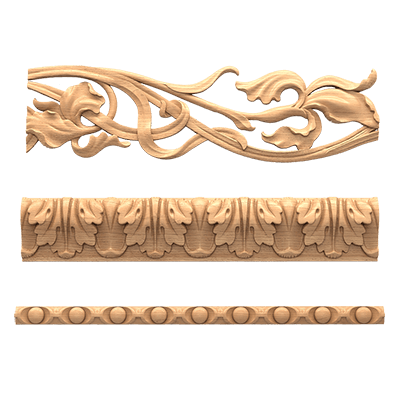
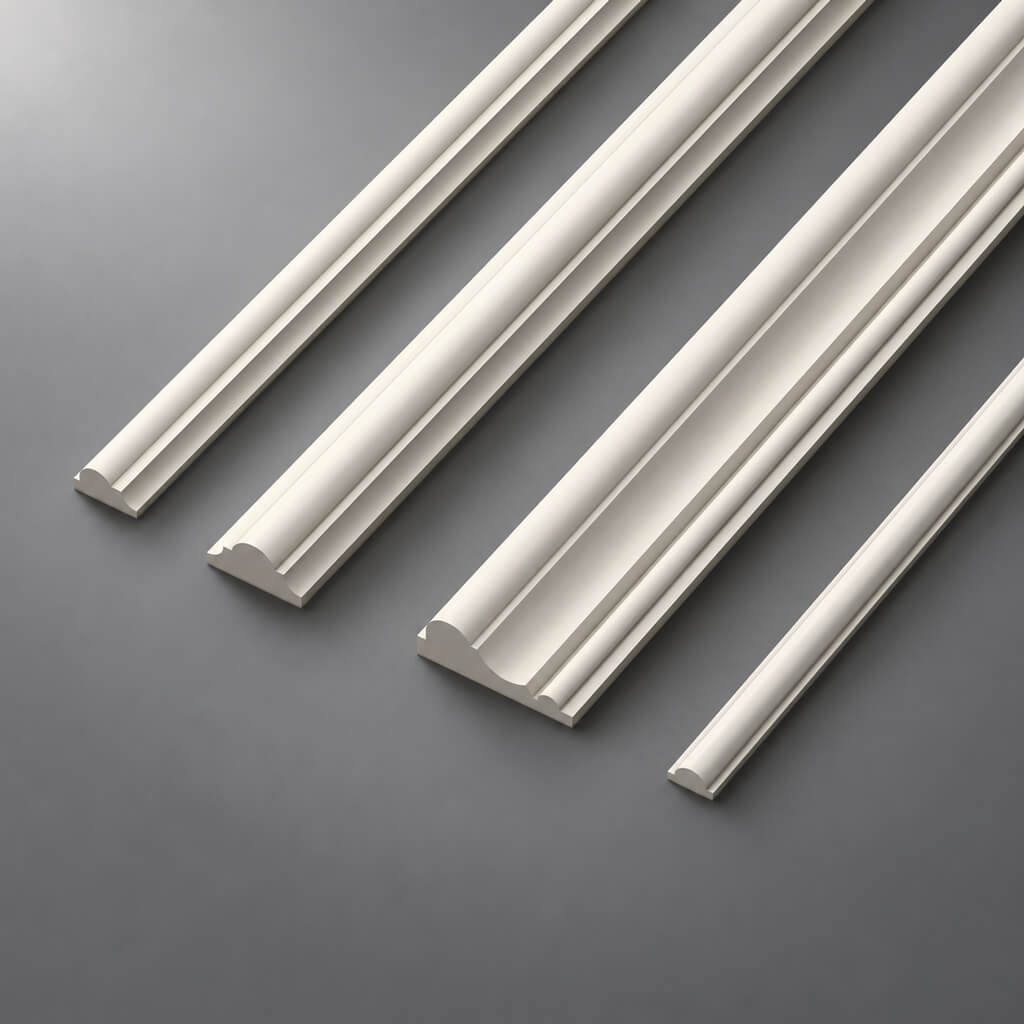
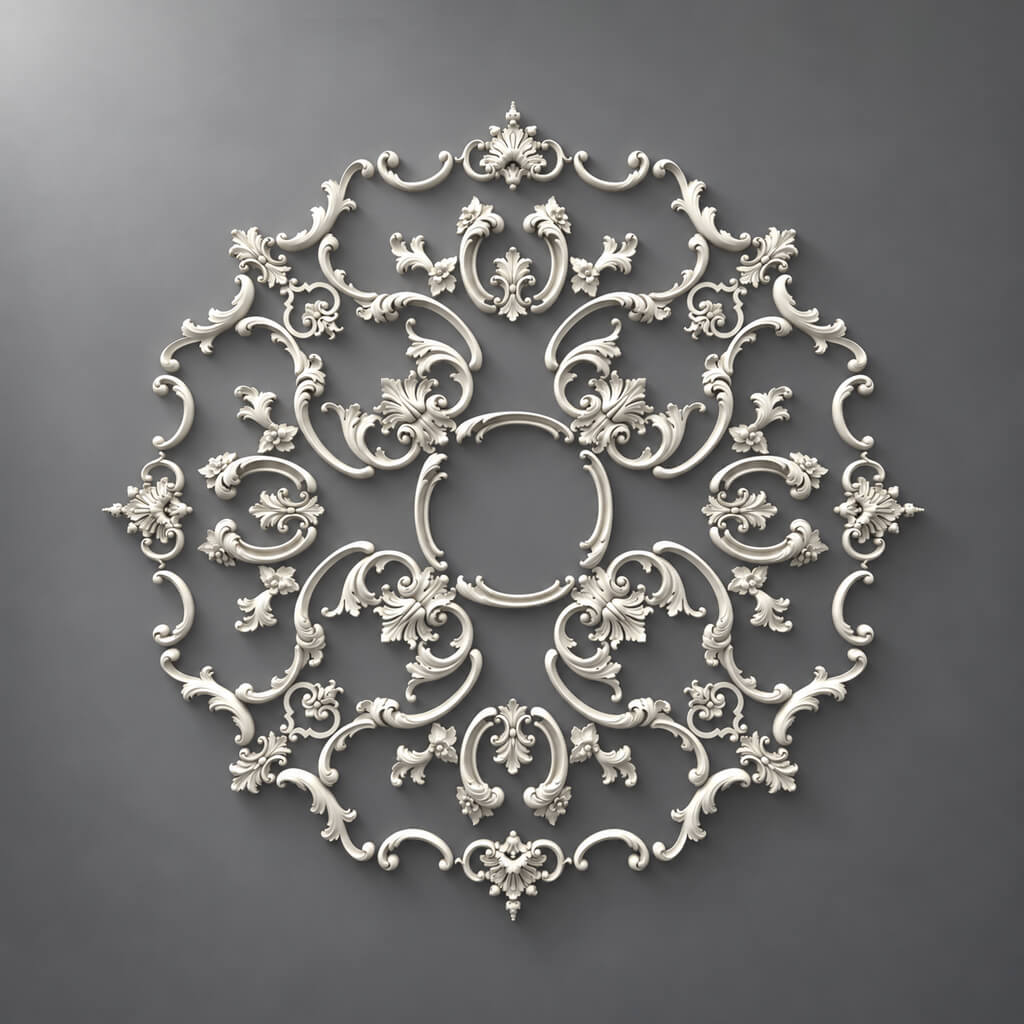
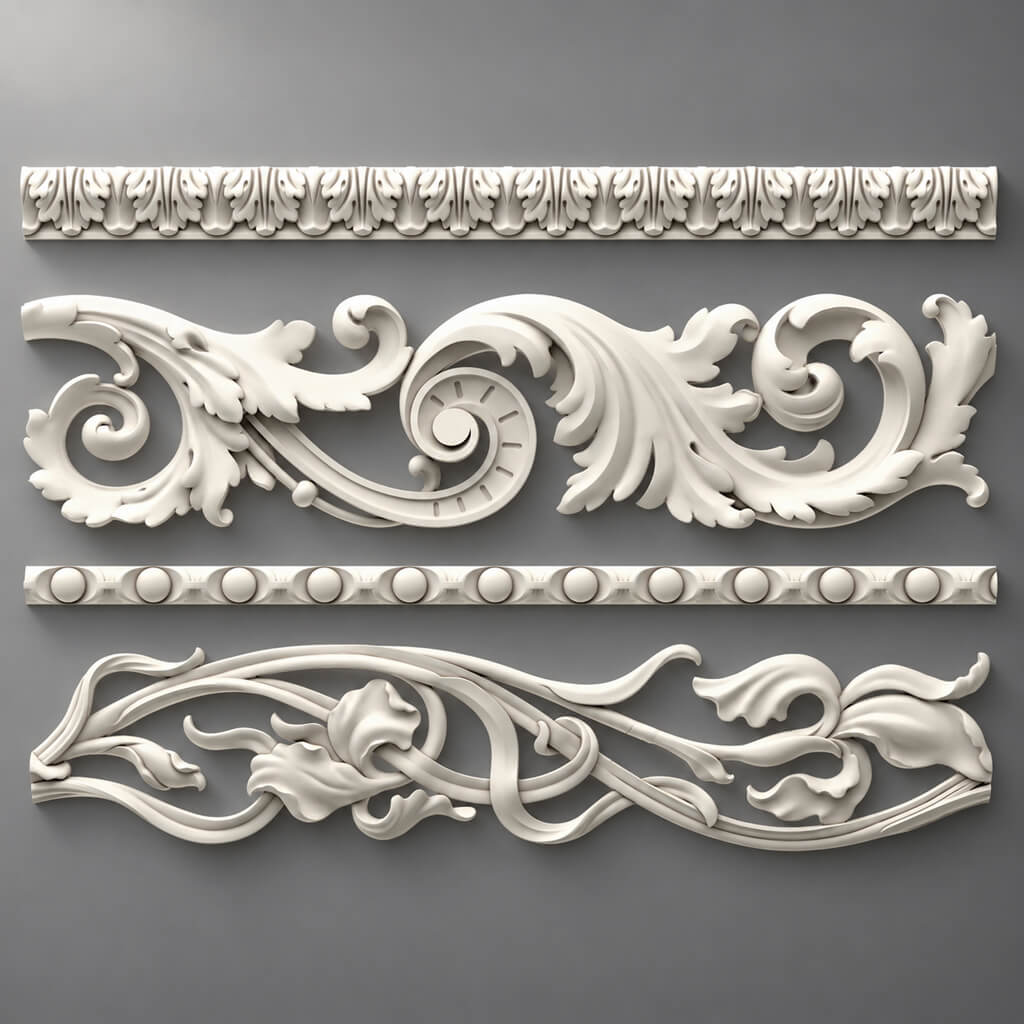
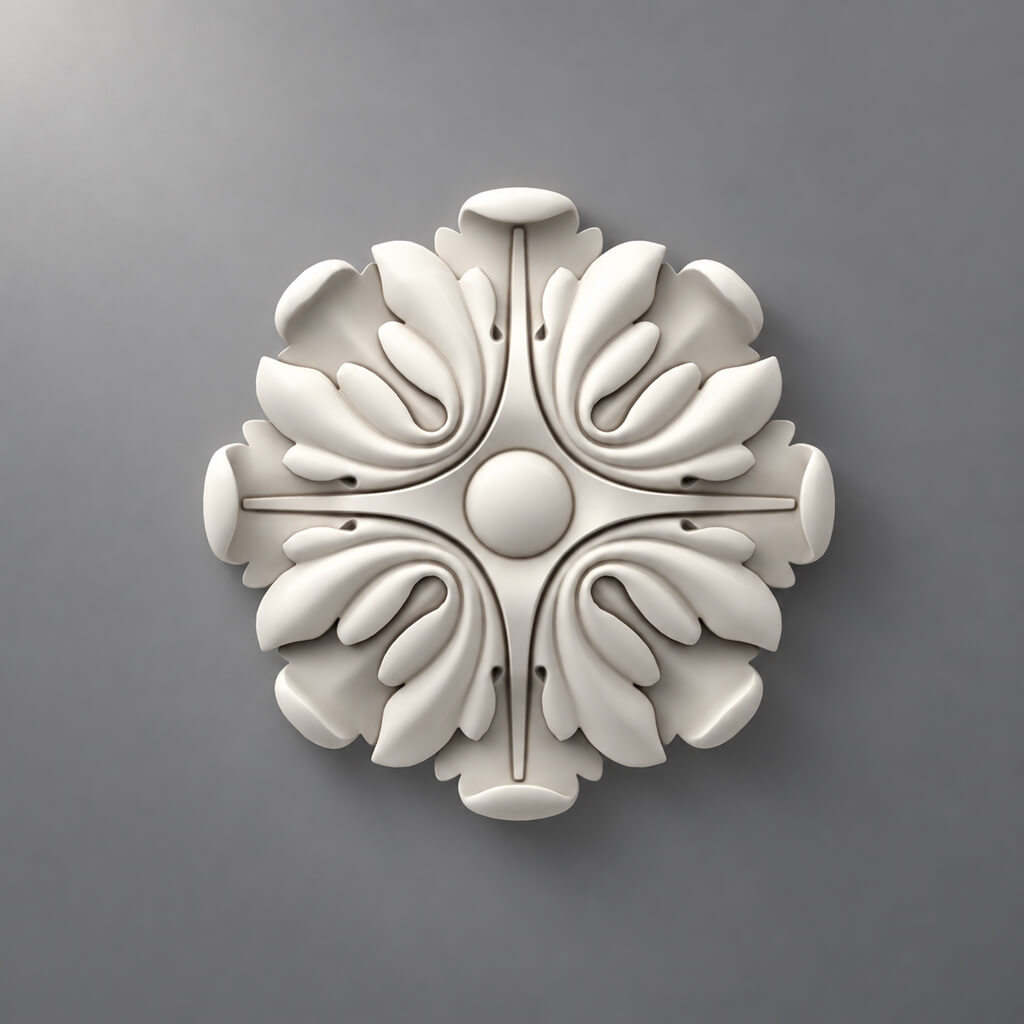
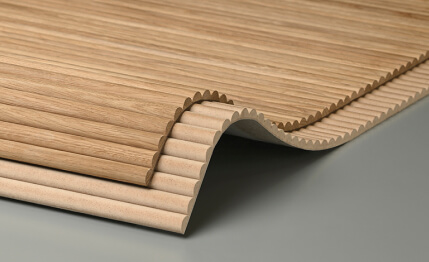
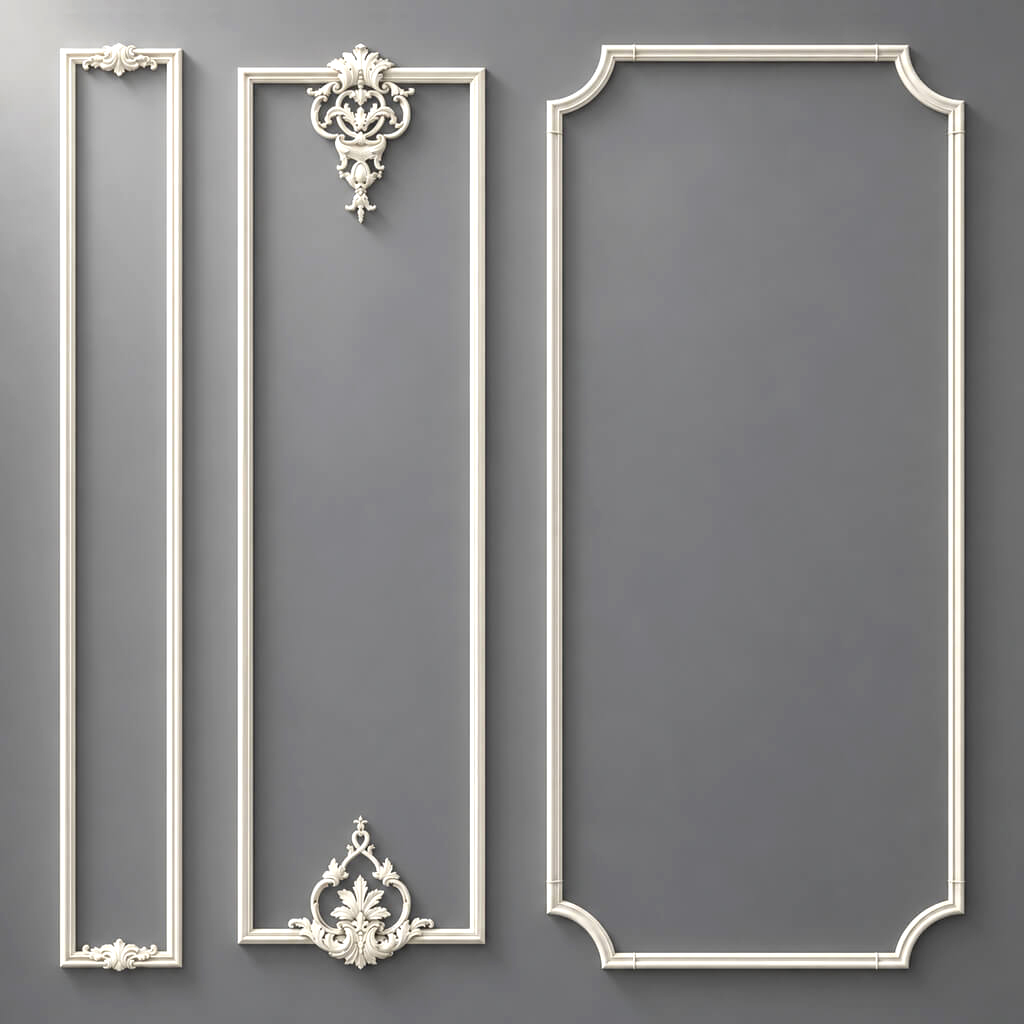
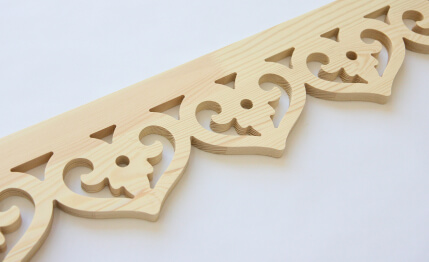
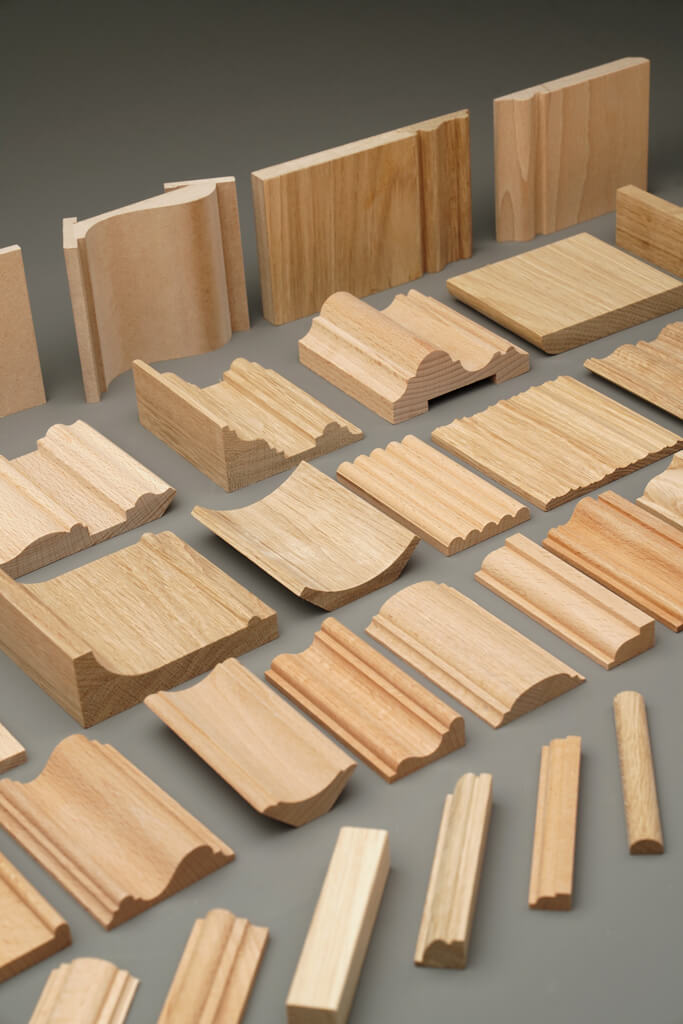
STAVROS is a Russian manufacturer of products from natural solid wood for furniture and interiors. The company's assortment includes wooden chair frames, armchair frames, wooden furniture legs, Decorative Inserts, Moldings and cornices, Rafter panels and a full range solid wood products.
STAVROS works with both private customers and furniture workshops, restorers, and commercial enterprises. Batch orders, style and size selection, and custom manufacturing for specific projects are possible. All products are made of natural wood, without the use of cheap substitutes.
If you need Wooden chair frame — for the kitchen, workshop, cafe, or restoration — the STAVROS catalog offers ready-made solutions from proven material with clear characteristics and the ability to choose by parameters.