






































































Article Contents:
- Why porch railings should be considered as a set
- What does a wooden porch railing consist of
- Quick table: what to check before buying a set
- Which STAVROS elements are needed for porch railings
- Posts: support, scale, and the start of the railing
- Balusters: safety and decorative rhythm
- Handrails: grip comfort and the top line of the porch
- Finials: neat completion of posts
- Molding, array and related parts
- If you need to design a small porch at a country house
- If the porch is wide and visible from the street
- If you need to assemble railings for an enclosed veranda
- If you want to make railings with your own hands
- If the porch is designed in a classic facade style
- If you need a restrained modern entrance
- Need to secure the dangerous edge of the steps
- Need to make the entrance more beautiful without a complete porch renovation
- Need to design the porch of a wooden house
- Need to assemble railings for a dacha
- Need to make railings for an enclosed veranda
- Need to replace the old fence
- Need to buy ready-made wooden railings for the porch, but the sizes are non-standard
- Main porch
- Side entrance
- Veranda
- Terrace by the house
- Bathhouse or guest house
- Commercial space
- Buying balusters without posts and handrails
- Not calculating the baluster spacing
- Choosing indoor logic for outdoor use
- Not protecting the ends
- Making weak support posts
- Mixing elements from different styles
- Forgetting about spare parts
- Leaving the purchase of coating for later
- Do not check product cards
- Can I make porch railings from ready-made STAVROS elements?
- What elements are needed for wooden porch railings?
- How to calculate the number of balusters?
- What height of railings is needed for a porch?
- What spacing between balusters should I choose?
- What is better for a porch: simple or carved balusters?
- Are finials needed on the posts?
- Can such elements be used on an open porch?
- What to coat wooden railings outdoors with?
- Can I buy only the balusters and pick the other parts later?
- How do wooden porch railings differ from indoor staircase railings?
- What to check before ordering from STAVROS?
- Can I assemble porch railings myself?
- What to buy together with wooden railings?
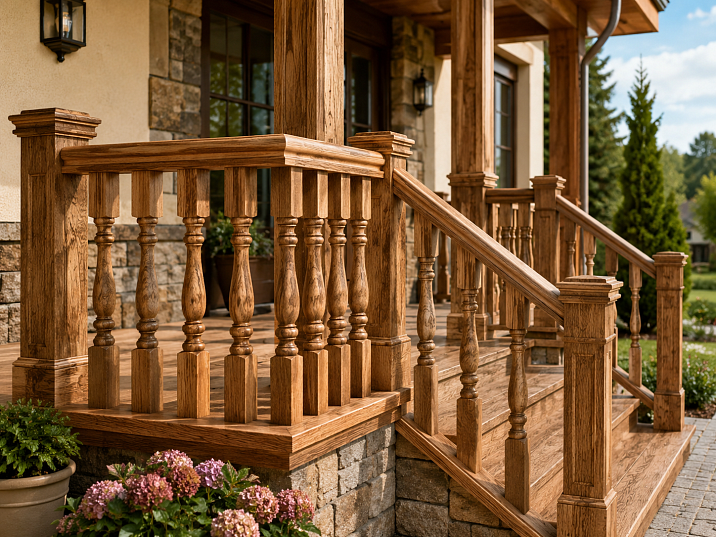
Wooden porch railings can be purchased in different ways: take a random ready-made fragment, order a complete railing from a craftsman, or assemble a neat kit from individual parts — posts, balusters, handrails, finials, and mounting materials. The latter option is especially convenient when you need to design the entrance to a house not with a faceless structure, but with a beautiful wooden system that matches the facade, steps, door, and overall style of the property.
The porch is always in sight. It is not a technical corner of the house that can be hidden with furniture or decor. The entrance group immediately reveals the character of the building: a country house, a wooden cottage, a classic mansion, a bathhouse, a guest house, a veranda, a small staircase by the terrace. Therefore, it is worth buying wooden porch railings not only for safety. They set the appearance of the entrance, help a person comfortably climb the steps, cover the open edge of the staircase, and make the facade more complete.
The error begins where railings are perceived as a single handrail. In practice, it is a system. If you buy a handrail without posts, balusters without calculating the spacing, or decorative details without understanding the installation, the structure may turn out visually weak, uncomfortable, or inconsistent. It is much more reliable to think in terms of a kit from the start: which supports hold the railing, which handrail fits comfortably in the hand, which balusters set the rhythm, which finials top the posts, how to protect the wood from the outdoors, and what to check before ordering.
For such a scenario, you can select at STAVROS Staircase components STAVROS not as a random set of parts, but as the foundation for a beautiful and practical porch railing. In this article, we will break down how to assemble wooden railings for a private home from ready-made elements, which parameters are important for outdoor use, how to calculate the kit, which mistakes most often ruin the result, and what to buy together so you don't have to go back to the selection process.



Why porch railings should be considered as a kit
Porch railings operate under more challenging conditions than indoor railings. An indoor staircase is protected from rain, snow, dirt from shoes, sharp temperature changes, and direct sunlight. The porch faces all of this every season. Therefore, not only beauty is important here, but also a well-thought-out connection of parts: stable posts, correct height, comfortable handrail, safe baluster spacing, end protection, and a finishing coating.
When a buyer looks for where to buy wooden porch railings, they often imagine a ready-made section. But a ready-made section does not always fit the span length, step height, platform width, house style, or attachment point. One porch has two short steps and a small platform. Another has a wide entrance staircase with a turn. A third has an enclosed veranda where the railing is partially protected from precipitation. A universal section may turn out too simple, short, tall, low, or mismatched in style.
The kit approach solves this problem more flexibly. First, choose the support elements, then calculate the number of balusters, select the handrail, add decorative finials and installation materials. This approach helps avoid overpaying for extras and not buying parts that cannot be neatly joined later.
It is also better to make wooden porch railings with your own hands not from scratch, but from prepared elements. You don't need to turn each baluster, manually match identical shapes, or try to make a straight handrail from a random board. Ready-made parts allow you to focus on calculation, assembly, trimming, fastening, and finishing. This is especially important if the porch should look neat not only in photos but also in real use.




What does a wooden porch railing consist of
Wooden porch railings consist of several groups of parts. Each performs its own task, and skipping even one part often makes the structure weak or incomplete.
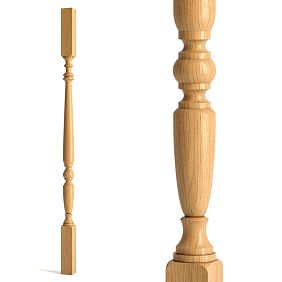
Posts bear the main load. They are placed at the beginning and end of a span, at turns, near platforms, and where rigid support is needed. If the railing is long, intermediate posts help prevent the handrail from sagging and make the structure more stable.
Balusters fill the space between posts. They are responsible not only for decor but also for safety. Too sparse a baluster spacing looks empty and can be unsafe. Too frequent spacing overloads the porch and increases the cost of the set. Therefore, balusters for the porch should be chosen together with span calculation.
The handrail forms the top line of the railing. It is held by hand, so shape, width, installation height, and grip comfort are important. The handrail should not just be a beautiful profile, but a part that is comfortable to use in winter, in rain, with bags, for children and elderly people.
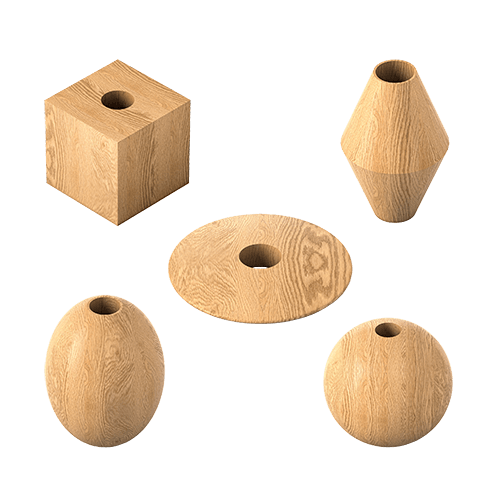
Finials cover the tops of posts and make the entrance group more expressive. They are especially noticeable on the facade because they are at eye level. Properly selected finials connect the railing with the architecture of the house: carved trim, wooden door, beams, staircase details, terrace railing.
Materials for installation and finishing are needed for assembly, fastening, surface preparation, and wood protection. Even beautiful posts and balusters will quickly lose their appearance if the ends are left open, the surface is not protected from moisture, or a coating not designed for porch conditions is chosen.
Our factory also produces:



Quick table: what to check before buying a set
| Parameter | What to check before ordering | Why this is important for the porch |
|---|---|---|
| Type of structure | Open porch, enclosed veranda, entrance staircase, terrace | This determines wood protection, fastening, and finishing requirements |
| Main elements | Posts, balusters, handrails, finials, fasteners, protective coating | Railings work as a system, not as a single decorative profile |
| Span length | Distance between the start and end of the railing | The number of posts, balusters, and handrails is calculated by length |
| Railing height | Comfort of grip and safety of ascent | Too low railings are uncomfortable, too high ones may look heavy |
| Baluster spacing | Distance between adjacent balusters | Affects safety, visual rhythm, and number of parts |
| Material | Current options should be viewed in the product card or clarified with a STAVROS manager | Material affects appearance, durability, finish, and application conditions |
| Finishing | Primer, oil, varnish, enamel, or another suitable protective compound | For outdoor use, wood cannot be left without protection |
| Compatibility | Whether posts, balusters, and handrails match in style and size | Different parts may not match in scale and visual character |
| Installation | Where posts are attached and how the handrail is fixed | A reliable base is needed, especially on an open porch |
| Reserve | Is a reserve needed for the length of the handrail and the number of parts | Trimming, joining, and possible adjustments require a reserve |
This table helps you immediately see the main thing: wooden railings for a porch in a private house cannot be chosen based only on a beautiful photo. You need to understand the structure, dimensions, outdoor conditions, and future finishing. Then the purchase turns not into a set of individual parts, but into a clear route: measure, calculate, select, check compatibility, and order.
Get Consultation
Which STAVROS elements are needed for porch railings
For the porch, you can assemble a kit from several product groups. The main task is not to mix parts randomly, but to select them so that they work together. If the house is in a classic style, too simple elements may look poor. If the facade is minimalist, overly complex carving can overload the entrance. If the porch is small, massive posts can visually "eat up" the space.
Posts: support, scale, and the beginning of the railing
Posts are the frame part of the railing. They set the height, rhythm, and feeling of strength. On the porch, posts are especially important because the railing is outdoors and can experience additional loads: a person leans on it with their hand, snow accumulates near the steps, and wood reacts to humidity.
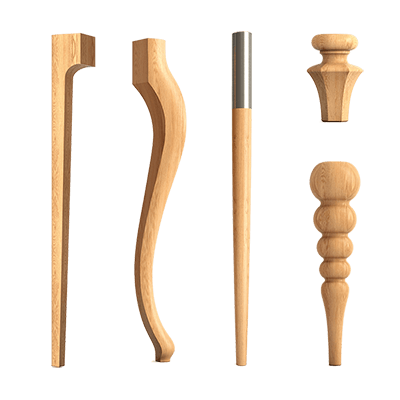
Before ordering, it is worth looking at Posts for staircase and assessing which scale is right for your porch. For a small entrance group, a too large support will look heavy. For a wide porch, thin posts may get lost and not provide the needed sense of reliability.
Posts are needed at the beginning and end of the railing. If there is a turn, landing, or long span, additional supports may be needed. It is better to calculate their quantity before purchasing balusters and the handrail, because the distance between posts affects the amount of infill and the length of the top line.
Balusters: safety and decorative rhythm
Balusters create the railing pattern. They can be calm, turned, more expressive, carved, or strict in shape. For a porch, a baluster works in two directions at once: it closes the space between supports and decorates the entrance area.
If you need to choose balusters for staircases, it's important to look not only at the shape but also at the installation step. The same profile can look different: with sparse spacing, the railing becomes light and airy; with frequent spacing, it becomes denser and more decorative. For a porch, a balance is often needed: the handrails should protect the edge of the steps but not turn into a solid fence.
Balusters for an outdoor porch are especially important to combine with protective finishing. Even if the part looks ready for installation, wood outdoors needs treatment. The weak points are the ends, attachment points, the lower part, and areas where water can accumulate.
Handrails: grip comfort and the top line of the porch
The handrail is a part that a person feels with their hand every day. It is often used to judge the quality of the entire structure. If the handrail is uncomfortable, too sharp, too wide, or poorly secured, even a beautiful railing will be annoying to use.
For the entrance staircase, it's worth looking in advance stair railings and choosing a shape that matches the posts and balusters. It's important to check not only the appearance but also the joining: how the handrail sits on the supports, where the connections will be, and how it will finish at the beginning and end of the porch.
On an open porch, the handrail should not collect water in inconvenient places. If the shape is complex, you need to be more careful with the final treatment. The more recesses and transitions, the more important it is to protect the surface well.
Finials: neat finishing of posts
A finial is a small detail, but on a porch it is more noticeable than it seems. The top of a post without a finish can look cut off. A finial adds a complete silhouette and makes the railing look like a well-thought-out architectural detail.
If the entrance group is designed in a classic, country, or decorative style, it is worth looking Wooden Caps and choosing a shape that does not conflict with the balusters. For a strict facade, a calm finish is better. For a carved porch, you can choose a more expressive option.
Finials are also useful practically: they protect the upper part of the post from visual incompleteness, help hide a simple plane, and support the overall style of the railing. But for outdoor use, they also need to be protected with a coating, especially at joints and ends.
Molding, timber, and related parts
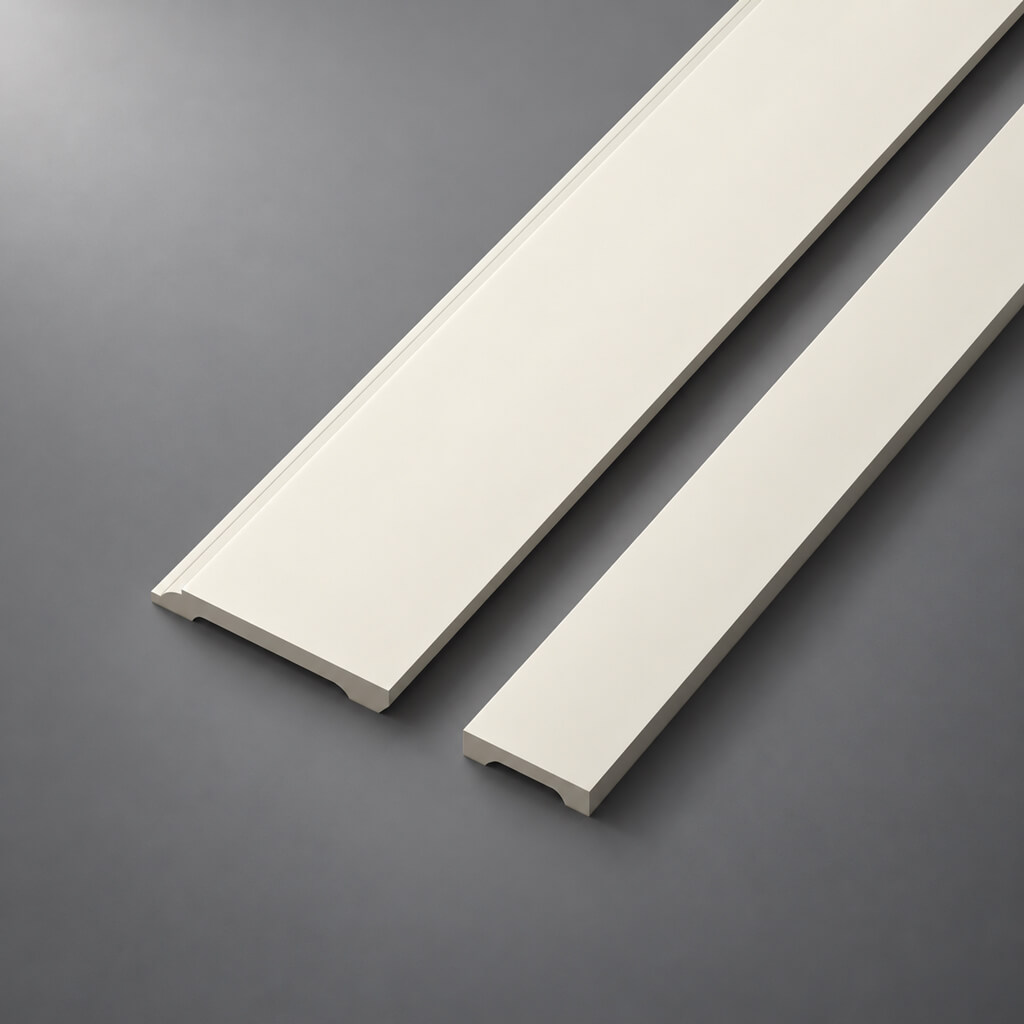
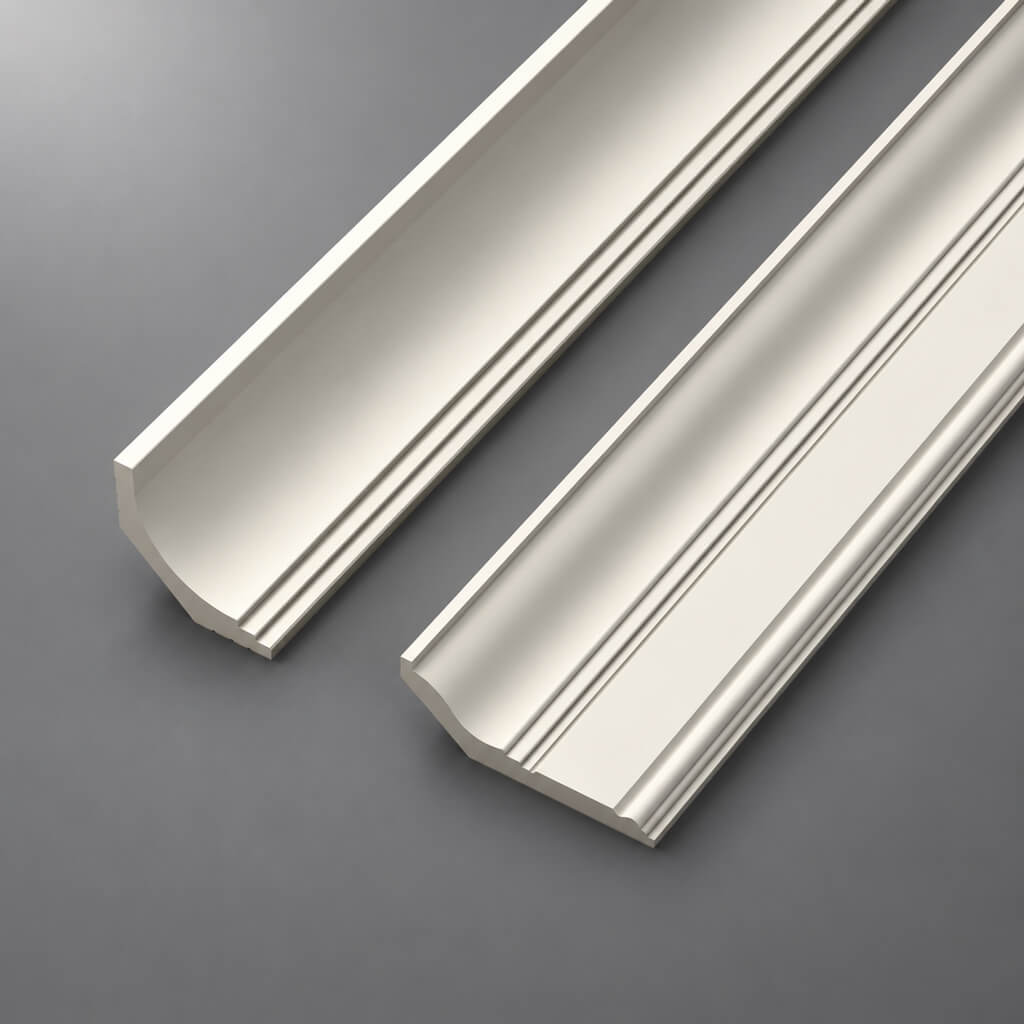
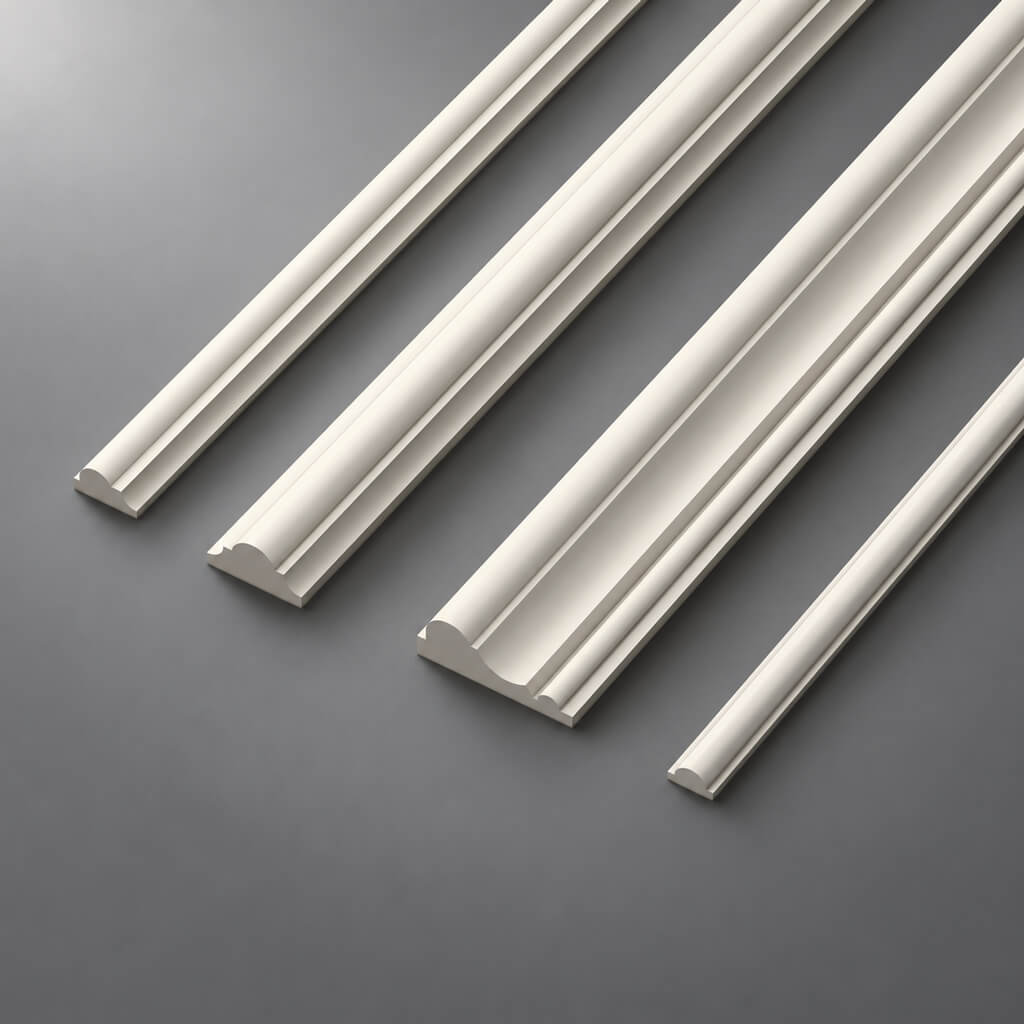
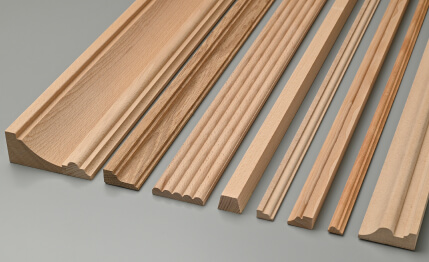
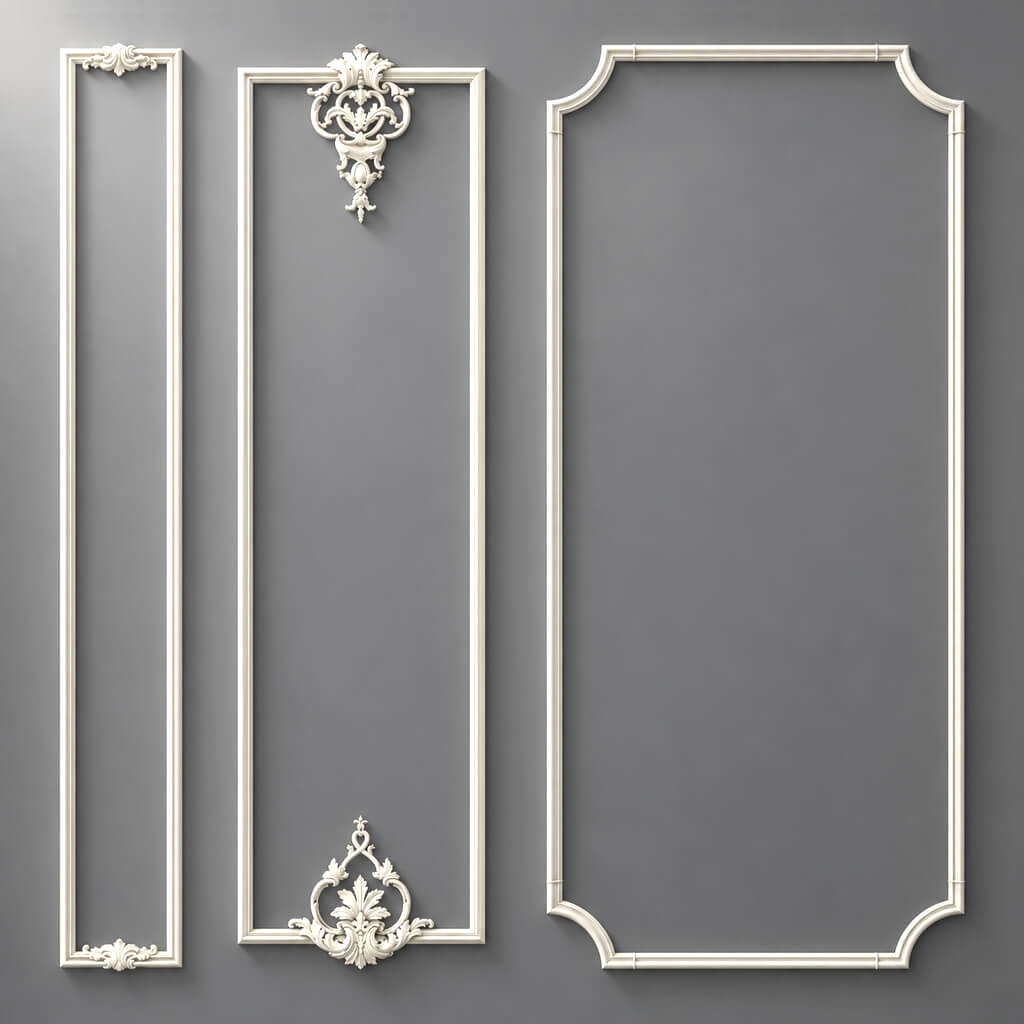
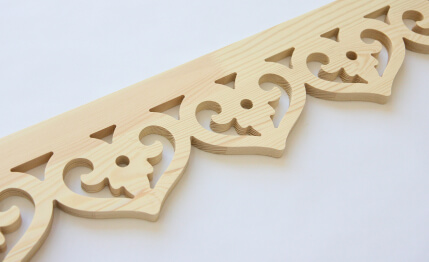
Sometimes a porch needs not only balusters and handrails. Additional wooden profiles, decorative slats, filler elements, or parts for neat joining may be required. In such cases, you can look Pogonazh iz massiva and select elements for a specific joint.
If the task is broader than a single railing, it is useful to open the section Solid Wood Items and see which wooden parts can be connected to the porch, veranda, staircase, or interior of the house. This helps maintain a unified logic: the entrance, stair elements, molding, and decorative details do not conflict with each other.
For assembly, preparation, and protection, you will need Mounting and finishing materials. Fasteners, adhesives, primers, oils, varnishes, enamels, and other materials should be selected based on the actual substrate, operating conditions, and chosen finish. Current options should be checked in product cards and clarified with a STAVROS manager.
Comparison of approaches: ready-made section, random blanks, or a kit of elements
| Approach | When it seems convenient | What is the risk | When it is better to choose |
|---|---|---|---|
| Ready-made railing section | Need to quickly close a span | May not fit in length, height, style, or mounting location | If the dimensions match completely and the appearance is satisfactory without modifications |
| Random blanks | Want to save money or do everything yourself | Different material, shape mismatch, weak decorative connection | For temporary solutions or rough structures |
| Fully handmade | Need individual work of a master | Long, difficult, depends on the performer's qualifications | For exclusive projects with a separate budget |
| Kit of ready-made elements | Need to assemble a beautiful system for a specific porch | Calculation of quantity and compatibility required | For a private house, cottage, veranda, terrace, and a neat entrance group |
The main advantage of a kit made from ready-made elements is controllability. The buyer is not dependent on a random section, but is also not forced to make every detail from scratch. You can choose posts, balusters, handrails, finials, and materials, calculate them for your porch, and get a more predictable result.
How to calculate a set of wooden porch railings
Calculation does not start with choosing the most beautiful baluster, but with measurement. First, you need to understand where exactly the railing will go: only along one side of the stairs, on both sides, around the landing, at a turn, along the edge of the terrace, or in the area of a closed veranda. The number of supports and the length of the handrail depend on this.
The first parameter is the span length. Measure the distance along the line of the future handrail. If the porch has several sections, it is better to calculate each section separately: the lower flight, landing, turn, side railing. This makes it easier to avoid mistakes with the number of posts and balusters.
The second parameter is the railing height. It should be comfortable to grip and safe when climbing. For a porch, it is important to consider not only an adult but also children, elderly people, winter shoes, and wet steps. A structure that is too low will not provide a sense of protection. One that is too high may look heavy and disrupt the proportions of the facade.
The third parameter is the number of posts. At a minimum, supports are needed at the beginning and end of the span. If the railing is long or has a turn, intermediate posts are added. The longer the span, the more carefully you need to consider the rigidity of the top line.
The fourth parameter is the baluster spacing. It depends on the span length, baluster width, desired fill density, and safety requirements. A common mistake is to buy balusters "by eye" and then find that in one span they are too close together, while in another there is an awkward gap. It is better to lay out the scheme on paper or in a simple drawing in advance.
The fifth parameter is the handrail length. The handrail should cover the span, taking into account joints, trimming, and abutment to the posts. If you buy strictly according to the measurement without a reserve, any cutting error or change in the scheme will create a problem.
The sixth parameter is decorative finishes. Caps for posts, additional wooden details, and moldings should be considered right away, not after installation. This makes it easier to choose a unified style and avoid a situation where the main structure is already assembled, but there is no suitable finish.
How to choose balusters for a porch
Choosing balusters starts with the style of the house. For a wooden house, bathhouse, or cottage, turned shapes that support the natural character of the facade are often suitable. For a classic cottage, more expressive details are appropriate. For a modern house, it is better to choose calm elements without excessive carving.
The second criterion is scale. On a wide porch, a small baluster can get lost. On a small staircase, a too large one will look bulky. Look not only at product photos but also at proportions: step height, staircase width, platform size, base height, door width.
The third criterion is repeatability. Balusters work as a group. One piece may look beautiful, but it is important to imagine a row of ten, twenty, or thirty elements. A complex shape in large numbers creates a rich pattern but can overload the facade. A simple shape gives a calm rhythm but sometimes looks too modest.
The fourth criterion is combination with the handrail. If the balusters have soft rounded shapes, it is better to choose a handrail with a smooth profile as well. If the balusters are strict, square, or minimalist, the top line can be more restrained. Inconsistency in shape is often noticeable on the porch because the entrance is viewed from the street as a whole.
The fifth criterion is operating conditions. For an open porch, wood protection is important. Balusters have many transitions, recesses, and ends, so they need to be coated thoroughly. If the porch is covered by a canopy or located on a veranda, the conditions are milder, but protection is still needed.
When a user searches for how to make wooden porch stair railings, they often start with balusters. But it is more correct to start from the entire system: first determine the supports and height, then the filling step, then the shape of the balusters, then the handrail and final finishing. This makes it easier to assemble a set without unnecessary rework.
How to choose a handrail for a porch
The handrail should be beautiful, but its main test is the hand. On the porch, you hold onto it when going up, down, in the rain, with bags, in winter when steps may be slippery. If the profile is uncomfortable, too narrow, or too wide, the appearance will not save the impression.
A comfortable handrail should provide a secure grip. Sharp edges, a too-flat top, or a poorly thought-out shape can be problematic. For a porch, it is especially important that water does not collect in recesses and that the finish protects the surface from moisture.
The handrail should be matched to the posts in scale. A thin profile on massive supports looks out of place. A too-heavy handrail over light balusters puts pressure on the structure. A good result is achieved when the top line, supports, and infill read as a unified system.
When calculating the length, consider the joints. If the handrail runs across multiple sections, plan in advance where it will connect, how it will terminate at the post, and how it will look at the turn. A careless joint ruins even expensive details.
For an open area, do not postpone protection for later. The handrail comes into contact with hands, precipitation, and sun more often than other parts. The finish coating should be selected with outdoor conditions in mind, and current materials should be checked in product cards or clarified with a STAVROS manager.
Posts and finials: why the entrance group depends on verticals
Posts make the porch architectural. Without them, the railing looks like a set of thin parts. With them, there is a beginning, an end, a turn, and support. It is the posts that help the entrance look solid, especially if the staircase is located in the center of the facade or leads to a wide door.
Finials enhance this effect. They complete the verticals and create a decorative focal point. On a simple porch, this may be the only expressive accent. On a carved facade, finials support the overall style and connect the railing with trim, cornices, wooden decor, and other elements of the house.
When choosing finials, it is important not to overdo it. A too-complex shape on small posts will look out of place. A too-simple one may get lost if the balusters already have an active pattern. It is better to look at the entire set: support, baluster, handrail, finish.
If the porch is open, the top of the post requires special attention. Moisture often collects on horizontal and transitional areas. Therefore, the finial and its connection point need to be protected with a coating no less durable than the post itself.
Materials and finishing: why wood on the porch cannot be left unprotected
A tree ages beautifully only when properly protected. On a porch, the surface faces rain, snow, UV rays, temperature changes, wet shoes, dust, and mechanical contact. Without coating, wooden railings darken faster, absorb moisture, may crack, and lose their neat appearance.
Before purchasing, you need to understand what finish is planned: transparent to preserve the wood texture; opaque to match the railings with the facade color; protective, designed for outdoor conditions. Don't choose a coating solely by shade. It's important that it suits the outdoors and complements the material of the parts.
Ends require special attention. They absorb moisture more actively than smooth surfaces. The lower parts of balusters, attachment points, handrail joints, tops of posts, and areas under finials need to be treated especially carefully.
If the porch is covered by a canopy, it reduces the load but does not eliminate the need for protection. Moisture still comes from the air, shoes, snow, and temperature changes. For a closed veranda, conditions are milder, but wood remains a living material that needs care.
Current options for materials, coatings, and compatible compounds are best checked before ordering. In the STAVROS catalog, you can view Mounting and finishing materials and select what matches the task: assembly, preparation, protection, painting, or finishing.
How to choose a kit for different customer scenarios
If you need to design a small porch for a country house
For a small porch, it's better not to overload the railing. Neat posts, calm balusters, and a comfortable handrail without excessive bulkiness will work. Not only beauty matters, but also ease of perception: the entrance should not feel cramped.
In such a scenario, it's especially useful to calculate the number of balusters in advance. On a short span, extra elements quickly create a picket fence feel. It's better to maintain an even rhythm, leave normal distances, and choose finials that complete the posts but don't clash with the facade.
If the porch is wide and visible from the street
A wide entrance group requires more expressive verticals. Here, you can use larger columns, more noticeable finials, and more decorative balusters. But even in this case, it is important not to make every detail too active. If the columns are already complex, the balusters can be calmer. If the balusters set the pattern, it is better to make the handrail confident but not overloaded.
For a wide porch, often not one line is needed, but several sections: sides, platform, turn, descent. It is better to calculate each span separately so that the baluster spacing does not "float" from section to section.
If you need to assemble railings for an enclosed veranda
An enclosed veranda protects the railing from direct rain and snow, so the conditions are milder. Here, you can work more boldly with decorativeness, but you must not forget about humidity. Wood still needs coating.
For a veranda, the connection with the interior is especially important. The railings are visible not only from the street but also from inside. They can be combined with moldings, door details, wooden panels, furniture, and wall finishes. If you need an additional wooden part for joining or decoration, it is worth looking at Pogonazh iz massiva.
If you want to make the railings yourself
The DIY approach is good when you want to control the assembly and finishing. But this does not mean that every detail needs to be turned independently. It is much more reasonable to take ready-made elements, and do the measuring, cutting, installation, sanding, painting, and assembly yourself.
This route reduces risk. A ready-made baluster will be straighter than a random blank, the handrail more comfortable than an ordinary board, the finial neater than a homemade top. The buyer retains participation in the project but does not waste effort on complex operations where mistakes are easy to make.
If the porch is designed in a classic facade style
A classic facade loves symmetry, rhythm, and neat finishes. Columns, balusters, and finials selected in the same logic work well here. It is important that the railing does not look separate from the house. They should support the door, trim, base, steps, and overall architecture.
For a classic porch, it is especially important not to skimp on finishes. The top of a column without a finial can look too simple. But the shape of the finial should be proportionate: not too small for a large support and not too heavy for a small porch.
If a restrained modern entrance is needed
A modern facade does not always require carving. Sometimes it is better to choose calmer forms, an even rhythm, and a clean top line. In this case, wood works not as rich decor, but as a warm material that softens the architecture.
Proportions and finishing are important. If the house is minimalist, a random carved baluster can look out of place. It is better to envision the entire set in advance and not mix elements from different stylistic directions.
Selection by size, material, installation location, and purpose
The size of the railing is related to convenience, safety, and appearance. You cannot choose posts, balusters, and handrails only from individual cards. The details must match in the actual scale of the porch.
For a short span, lightness is important. The smaller the staircase, the more careful you need to be with massive details. Large posts can be beautiful on their own, but on a small porch, they will steal attention and make the entrance heavy.
For a long span, rigidity is important. The handrail should not look sagging or too thin. Additional posts help divide the length into manageable sections and make the railing more stable.
Material affects appearance and finishing. If exact material options are specified in the product card, they should be verified before ordering. If the material is selected for outdoor use, additionally clarify the final treatment and compatibility with protective compounds. Do not automatically assume that any wooden part is ready for an open porch without preparation.
The installation location also changes the requirements. An open porch requires more careful protection. A porch under a canopy still needs coating, but the load is less. A closed veranda is closer to an interior area, but humidity and temperature remain important factors.
The purpose helps choose the level of decorativeness. For a technical side entrance, you can keep it simpler. For the main entrance, it's better to think through the composition: posts, balusters, handrail, finials, and finish should look like a unified solution.
What not to make from scratch if there are ready-made STAVROS elements
If the request sounds like "how to make wooden railings for a porch staircase," it's easy to get into a complex instruction: buy lumber, turn balusters, cut the handrail profile, make posts, adjust the shape, sand each part. This path is possible, but it requires experience, tools, time, and the ability to maintain consistent geometry.
Ready-made elements remove most of this burden. The buyer doesn't need to manually turn dozens of identical balusters. They don't need to try to get a comfortable handrail from a random board. They don't need to figure out the post finish if a ready-made finial can be selected. They don't need to assemble a decorative system from parts that were not originally designed for each other.
This doesn't eliminate the work entirely. Measuring, calculating, cutting, fastening, surface preparation, and finishing remain important. But efforts are directed where they are truly needed: on assembly precision and porch durability, not on artisanal manufacturing of each part.
This approach is especially useful for a private house. The owner can participate in the project, control the appearance, choose the shape and finish, but rely on ready-made wooden elements. As a result, the railings look not like a temporary DIY project, but like a well-thought-out part of the entrance group.
What to buy together with porch railings
Railings are rarely bought as a single line item. If you only take balusters, you'll later have to look for posts. If you only buy a handrail, the issue of fastening arises. If you forget about protection, the wood ends up outdoors unprepared. Therefore, it's better to immediately assemble the purchase as a set.
To start, it's worth opening Staircase components STAVROS and determining which elements your porch specifically needs. Then separately look at balusters, posts, and handrails. If you want to make the entrance more expressive, add finials. If you need additional wooden elements or neat joints, look at trim. For assembly preparation and finishing, don't forget about mounting materials and protective coatings.
Important principle: do not buy decorative parts before calculation. First measurements and diagram, then shape selection. Otherwise, you may buy beautiful elements that do not match in quantity, size, or style.
Table: what to buy together for wooden porch railings
| What to add to the purchase | Why this is needed | Which scenario it suits | What to pay attention to |
|---|---|---|---|
| balusters for staircases | Fill the span and create a decorative rhythm | Porch, veranda, entrance stairs, terrace | Calculate spacing, quantity, and compatibility with the handrail |
| Posts for staircase | Provide support and set the scale of the railing | Start, end, turn, landing | Check height, mounting location, and load |
| stair railings | Form a comfortable top line | Any porch where a secure grip is needed | Consider length, joints, shape, and protective coating |
| Wooden Caps | Finish the posts and decorate the entrance | Classic facade, dacha, cottage, veranda | Match the shape to the posts and balusters |
| Pogonazh iz massiva | Helps cover joints and complement wood trim | Veranda, complex entrance group, additional components | Check size, profile, and compatibility |
| Mounting and finishing materials | Needed for fastening, preparation, and wood protection | Open porch, enclosed veranda, DIY assembly | Select based on foundation, coating, and outdoor conditions |
| Solid Wood Items | Allow you to match adjacent wooden parts | When the porch is connected to the interior or veranda | Consider material, style, and purpose |
This table helps not to forget important elements. The buyer sees not just "railings," but a complete set: supports, infill, top rail, finials, additional parts, and assembly materials.
How not to confuse porch railings with similar solutions
Wooden porch railings can easily be confused with interior stair railings, terrace fencing, decorative fences, or a single handrail. Visually, the parts may be similar, but their purposes are different.
Interior railings work in stable conditions. They do not constantly face precipitation and temperature changes. For a porch, you need to be more careful about wood protection and attachment points. If you like a part from a stair group, you need to check if it is suitable for specific conditions and what finish it requires.
Terrace fencing is often longer and may have a more horizontal character. A porch is usually associated with steps, an entrance, and short spans. Here, posts, the beginning and end of the railing, and the comfort of grip when climbing are more noticeable.
A single handrail is not yet a railing. It can help you hold on, but it does not close the edge of the stairs or create a full-fledged barrier. If safety and a finished look are needed, the handrail must work together with posts and balusters.
Decorative balusters without calculation are also not equal to a kit. You can buy them, but without understanding the spacing, height, quantity, and method of attachment, the result will be random. Therefore, before ordering, it is better to assemble the entire scheme.
If you need general information about types of wooden fences, you can additionally check the article Buy wooden railings. And if you are specifically interested in assembly and installation, the article about Installation of Wooden Handrails and BalustersFor the current task, the buyer's path for the porch is important: which elements to choose, how to calculate the set, and what to prepare for the outdoors.
Practical selection for specific situations
Need to close the dangerous edge of the steps
Here safety comes first. Start with posts and a handrail, then calculate the infill with balusters. Do not buy only decorative parts if there is no reliable support. Check where the posts will be attached and whether the base can withstand the load.
Need to make the entrance more beautiful without a complete porch rebuild
If the porch structure already exists, you can update the railing with new balusters, handrail, and finials. It is important not to disrupt the scale. Too large details on an old base can look heavy. Before ordering, you need to check the dimensions, attachment points, and future finishing.
Need to design the porch of a wooden house
For a wooden house, integrity is especially important. The railing should match the facade, steps, door, and trim. It is better to choose elements that support the natural character of the material. If the house already has carved decor, the railing can be more expressive. If the facade is calm, it is better to choose more restrained details.
Need to assemble railing for a dacha
For a dacha, practicality, maintainability, and protection are important. It's better to avoid overly complex solutions if the porch is open and frequent maintenance is not planned. Immediately consider the coating, finish updates, and access to attachment points.
You need to make railings for an enclosed veranda
Here you can pay more attention to decorativeness. The railing is visible both from the outside and inside. Choose balusters, handrails, and moldings so that they match not only the facade but also the furniture, walls, doors, and floor of the veranda.
You need to replace the old railing
When replacing, do not automatically copy the old dimensions. Perhaps the previous railings were of an inconvenient height, the balusters were too far apart, and the handrail felt bad in the hand. It's better to take new measurements, assess safety, and assemble a new set based on real tasks.
You need to buy ready-made wooden railings for the porch, but the dimensions are non-standard
In such a situation, a ready-made section may not fit. A set of individual parts helps adapt the railing to a non-standard length, turn, platform, or different step heights. Before ordering, you need to especially carefully calculate the number of elements and the margin.
Application in different areas of the house
Main porch
The main porch is the most visible area. Here, the railings should be not only safe but also expressive. The posts set the scale, the balusters create rhythm, the handrail forms the line of movement, and the finials complete the verticals. If the entrance is located in the center of the facade, the railing should support symmetry.
Side entrance
A side entrance can be simpler. Here, practicality is often more important: a comfortable handrail, protection from moisture, reliable posts, and not too complex infill. The decorative aspect can be kept calm so as not to overload the technical area.
Veranda
On the veranda, the railings act as a boundary between the house and the street. They can be more decorative because a person sees them next to furniture, windows, doors, and wall finishes. It is important that the wood is protected and the shape does not hinder movement.
House terrace
If the porch transitions into a terrace, the railings must maintain a unified line. You cannot make the entrance staircase in one style and the terrace fencing in another if they are located nearby. It is better to use similar baluster shapes, matching posts, and a coordinated handrail.
Bathhouse or guest house
For a bathhouse and guest house, a warmer, more natural look is often chosen. Wooden railings look especially appropriate here. However, humidity and temperature changes can be significant, so the finish needs to be thought out in advance.
Commercial space
If a wooden porch frames the entrance to a cafe, guest house, salon, or small hotel, the railings influence the client's first impression. Here, neatness, repeatability of details, and a clear style are especially important. Random blanks can look cheap, even if they are inexpensive themselves. A comprehensive approach helps make the entrance more cohesive.
Mistakes when buying wooden porch railings
Buying balusters without posts and handrails
Balusters are beautiful on their own, but they don't create a railing without support and a top line. If you start buying only them, it may later turn out that a suitable handrail or posts are difficult to match in style and size. It's better to look at a set right away.
Not calculating the baluster spacing
Buying an 'approximate quantity' almost always creates a problem. Either there aren't enough parts, or there are leftovers, or the spacing becomes uneven. For a porch, uneven rhythm is especially noticeable because the railing is visible from the facade.
Choosing interior logic for outdoor use
A detail that works well inside a house is not always ready for an open porch without preparation. For outdoor use, protection, ends, attachment points, moisture, and regular maintenance are important. Before ordering, you need to consider the operating conditions.
Not protecting the ends
The ends of wood are more vulnerable than the smooth surface. If left untreated, moisture will penetrate inside faster. This especially applies to the bottom of balusters, tops of posts, cut areas, and handrail joints.
Making weak support posts
Beautiful filling won't save the structure if the posts are unstable. Supports must match the span length, attachment point, and load. On turns and long sections, intermediate posts are often mandatory.
Mixing elements from different styles
Sometimes a buyer chooses posts from one logic, balusters from another, and a handrail from a third. In the catalog, everything may look beautiful individually, but on the porch, the details start to clash. Try to select a set in a unified scale and character.
Forgetting about the reserve
It's better to calculate the handrail and additional elements considering trimming and joints. If you buy strictly to size, an error of a few centimeters can ruin the installation.
Leaving the purchase of coating for later
After installation, some areas become hard to reach. It's much more convenient to know in advance how the wood will be treated, which surfaces need protection before assembly, and which after.
Not checking product cards
Before ordering, you need to verify the current parameters: size, material, availability, finish options, configuration, and compatibility. If information is lacking, it's better to clarify details with a STAVROS manager than to buy blindly.
Who wooden porch railings are suitable for, and who should choose a different option
Wooden railings are suitable for those who want to make the entrance warm, expressive, and connected to the architecture of the house. This is a good choice for wooden houses, country houses, bathhouses, cottages, verandas, terraces, and entrance groups where natural material supports the overall style.
This solution is especially appropriate when decorativeness is important. Balusters, posts, handrails, and finials allow you to assemble not just a protective fence, but a beautiful entrance composition. Wood can easily fit into a classic, country, rustic, Russian, Scandinavian, or calm modern style.
Wooden railings are suitable for those who are ready to think in terms of a kit. If the buyer wants to choose the shape themselves, calculate spans, select the finish, and get a deliberate result, ready-made elements provide good freedom.
But wood may not be suitable for those who do not want to deal with maintenance at all. Outdoor wooden elements require protection and periodic renewal of the coating. If the goal is to completely forget about the material after installation, it is worth honestly assessing the readiness for maintenance.
Also, wooden railings may be unnecessary for a completely temporary porch, rough staircase, or utility entrance where appearance is not important. In such cases, you can choose simpler options. But for the main entrance group of a private house, wood remains one of the most expressive solutions.
How to buy railings for a porch on STAVROS without random selection
It is better to start the purchase not with the cart, but with a diagram. First, measure the porch, determine the fencing areas, count the supports and the length of the handrail. Then choose a style: calm, classic, carved, minimalist, rustic, or more formal.
After that, open the section Staircase components STAVROS and see which elements are suitable for your task. Separately check balusters, posts, handrails, and finials. If you need accompanying wooden parts, look at solid wood products and moldings. For assembly and protection, pre-select materials for installation and finishing.
Before ordering, it is important to check the product cards. Verify dimensions, material, purpose, current finish options, configuration, and application conditions. If the porch is non-standard, it is better to clarify compatibility with a STAVROS manager in advance.
This route saves time. Instead of buying one beautiful part and then matching everything else to it, you assemble the system at once. This reduces the risk of mismatch, helps avoid unnecessary purchases, and makes the result more predictable.
Extended FAQ
Can I make porch railings from ready-made STAVROS elements?
Yes, that's the convenient logic of the kit. Instead of making each part from scratch, you can select posts, balusters, handrails, finials, and mounting materials. The buyer just needs to correctly calculate the quantity, prepare the base, perform assembly, and protect the wood.
What elements are needed for wooden porch railings?
The minimum set includes support posts, balusters, a handrail, fasteners, and a protective coating. For a more expressive entrance, finials, decorative trim, and other wooden details are added if required by the design.
How to calculate the number of balusters?
First, measure the span length between the posts, then determine the desired spacing of the balusters and the width of the part itself. It's better to calculate each section separately, especially if the porch has a turn or a landing. Buying balusters by eye is not recommended.
What height of railings is needed for a porch?
The height should be comfortable for gripping and safe when climbing. The exact choice depends on the porch design, step height, landing, and users. Before ordering, consider who will use the stairs: adults, children, elderly people.
What spacing between balusters should I choose?
The spacing should be uniform, safe, and visually appealing. Too sparse an arrangement makes the railing look empty, while too frequent an arrangement overloads the porch. It's better to draw a span diagram in advance and distribute the balusters before purchasing.
What is better for a porch: simple or carved balusters?
It depends on the facade. For a minimalist house, calm shapes are better. For a classic, country, or decorative facade, you can choose more expressive balusters. The main thing is to coordinate them with the posts, handrail, and finials.
Are finials needed on the posts?
Finials are not always structurally necessary, but they greatly affect the appearance. A post top without a finish can look cut off. For the main porch, classic facade, or wooden house, finials often make the entrance look more complete.
Can such elements be used on an open porch?
Yes, if you approach wood protection and installation correctly. An open porch requires attention to moisture, end grains, attachment points, and the final coating. The relevant finishing materials should be selected based on outdoor conditions.
What should I coat wooden railings with outdoors?
The coating is selected considering the material, operating conditions, and desired appearance. It can be a transparent or opaque system, but it must be suitable for outdoor use. Before purchasing, it's better to check the available materials in the product cards or clarify with a STAVROS manager.
Can I buy only the balusters and pick the rest of the parts later?
You can, but it's risky. Later, the handrail might not fit, the scale of the posts might not match, or a suitable finial might not be found. It's better to assemble the set right away, at least at the calculation level: which supports, how many balusters, which handrail, and what to cover the tops of the posts with.
How do wooden porch railings differ from indoor stair railings?
The porch operates in outdoor conditions. Protection from moisture, temperature changes, sun, and dirt is more important here. Indoor railings more often solve safety and interior design tasks, while outdoor ones must withstand a harsher environment.
What should I check before ordering from STAVROS?
Check the dimensions, material, purpose, compatibility of parts, current finishing options, number of elements, handrail length, and the need for related products. If the porch is non-standard, it's better to clarify the details with a manager in advance.
Can I assemble porch railings myself?
Yes, if you understand measuring, fastening, cutting, and finishing. However, complex decorative elements don't necessarily have to be made by hand. Ready-made posts, balusters, handrails, and finials help reduce the complexity of the work and achieve a neater result.
What should I buy together with wooden railings?
Usually, posts, balusters, handrails, finials, fasteners, installation materials, and protective coating are bought together. If the porch is connected to a veranda or house finishing, trim and other solid wood products may be needed.
Result: how to go from idea to purchasing a kit
Wooden porch railings are not just one detail, but a well-thought-out system. To make the entrance to the house safe, convenient, and beautiful, you need to connect in advance the posts, balusters, handrails, finials, mounting materials, and protective finishes. Then the porch does not look like a random extension, but becomes part of the home's architecture.
The best result starts with calculation. Measure the spans, determine the height, count the supports, choose the baluster spacing, think through the top line and decorative finishes. After that, you can move on to selecting products, checking product cards, and ordering.
On STAVROS, it is convenient to select wooden elements not one by one, but as a kit: view balusters, posts, handrails, finials, linear elements, and finishing materials. This approach helps avoid mismatches, not forget important details, and assemble a porch that will delight not only on installation day but also during further use.