








































































Article Contents:
- Short answer: which wooden legs to choose for a sofa
- When to replace sofa legs
- How sofa legs differ from regular furniture supports
- How to choose the height of sofa legs
- How to choose the shape of wooden legs
- Straight Legs
- Turned legs
- Shaped legs
- Massive supports
- High supports
- Load and fastening: what to check before buying
- Wooden sofa legs in different styles
- How to update a sofa with wooden legs
- What to pair with wooden sofa legs
- Mistakes when choosing sofa legs
- What to buy together with sofa legs
- FAQ: Answers to Popular Questions
- About the Company STAVROS
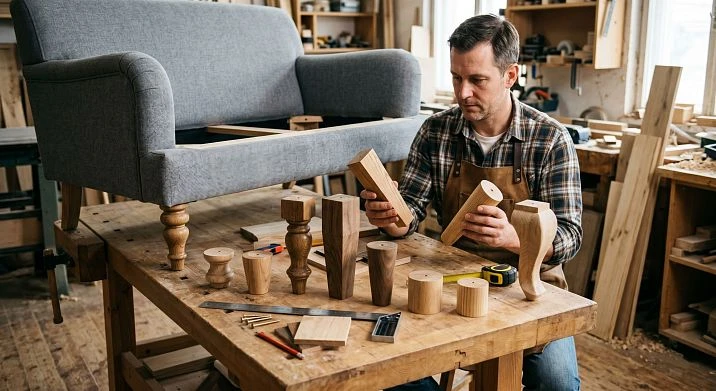
The sofa is the center of the living room. It is around it that the space is built, it is what catches the eye when entering the room. And if the main part of the upholstery remains unchanged for years, then Wooden legs for sofas — that detail that can and should be changed: during restoration, when changing the interior, when simply replacing broken supports or wanting to refresh the look of old upholstered furniture. It would seem like a trifle. But it is this "trifle" that can make the sofa light or heavy, expensive or budget-friendly, classic or modern.
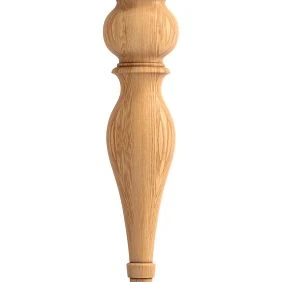
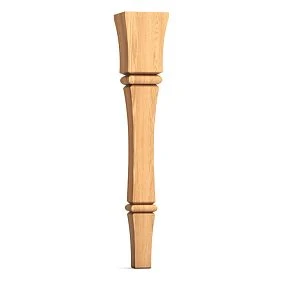
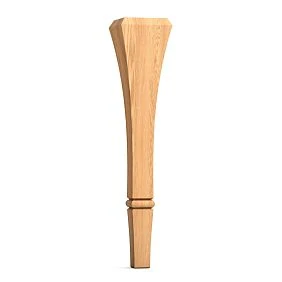
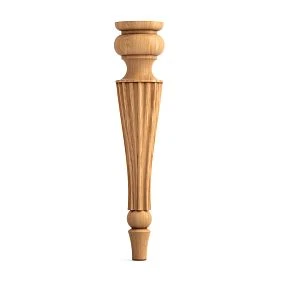
Short answer: which wooden legs to choose for a sofa
Before diving into details, let's give a direct and practical answer to those who already know what they want and are looking for specifics.
If the sofa is heavy, you need sturdy wooden furniture legs with a wide mounting plate and reliable fastening. Solid beech or oak, cross-section at least 50×50 mm, if necessary — additional central supports.
If the interior is classic — turned or shaped wooden furniture legs with a relief profile, under varnish or enamel in ivory, walnut, dark wenge.
If the sofa is modern, in minimalist or Scandinavian style — simple laconic supports of straight or slightly conical shape, natural wood or painted in white, black, gray.
If the main goal is convenient cleaning, including with a robot vacuum cleaner, the legs should be high for furniture, from 15 to 20 cm and above, providing sufficient clearance.
If restoration is underway, choose furniture leg based on the height and style of existing furniture, considering the type and location of attachment points.
If you plan to paint, take unpainted models with good surface sanding: they are ideal for enamel, stain, varnish, or oil-wax.
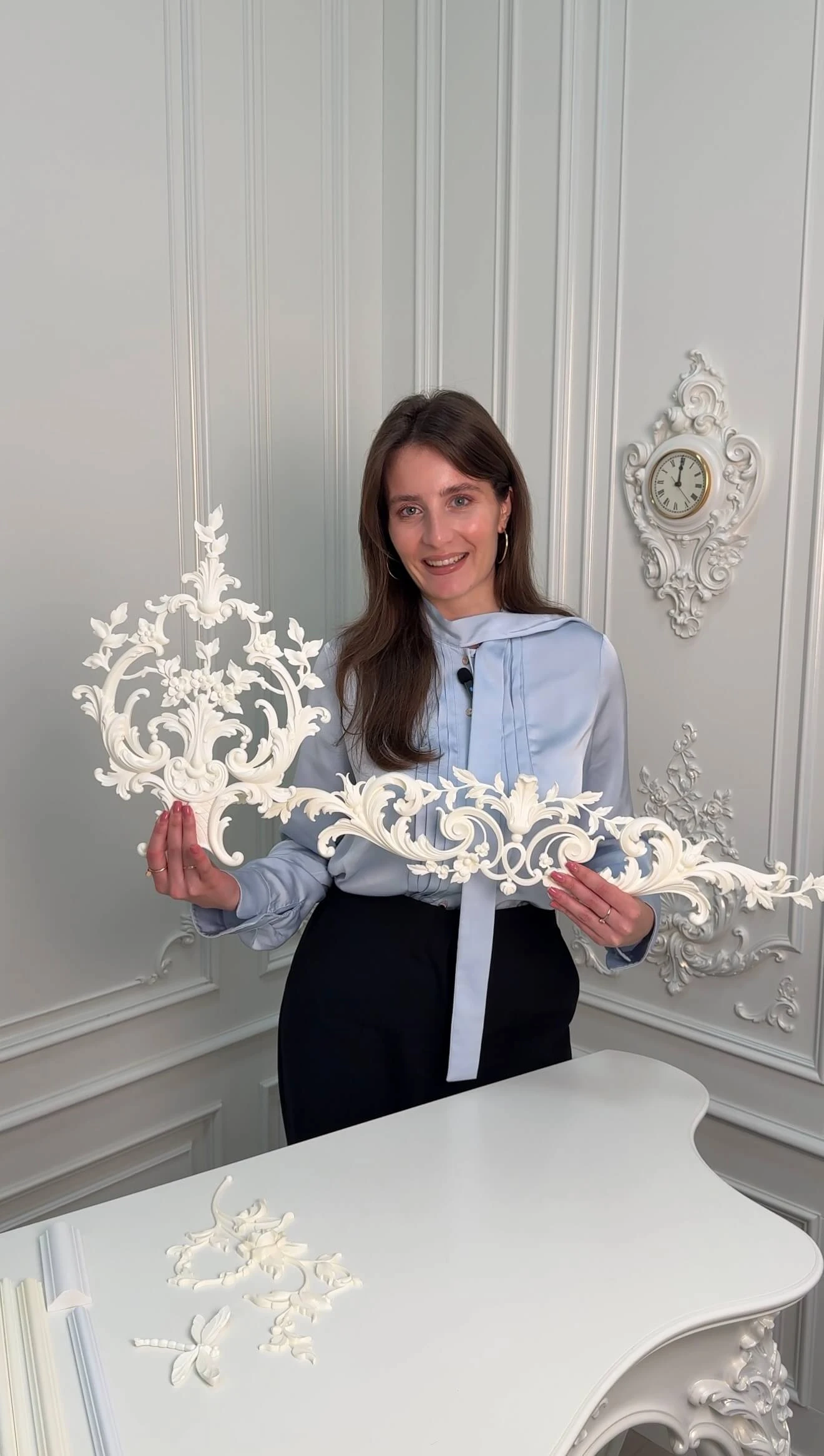
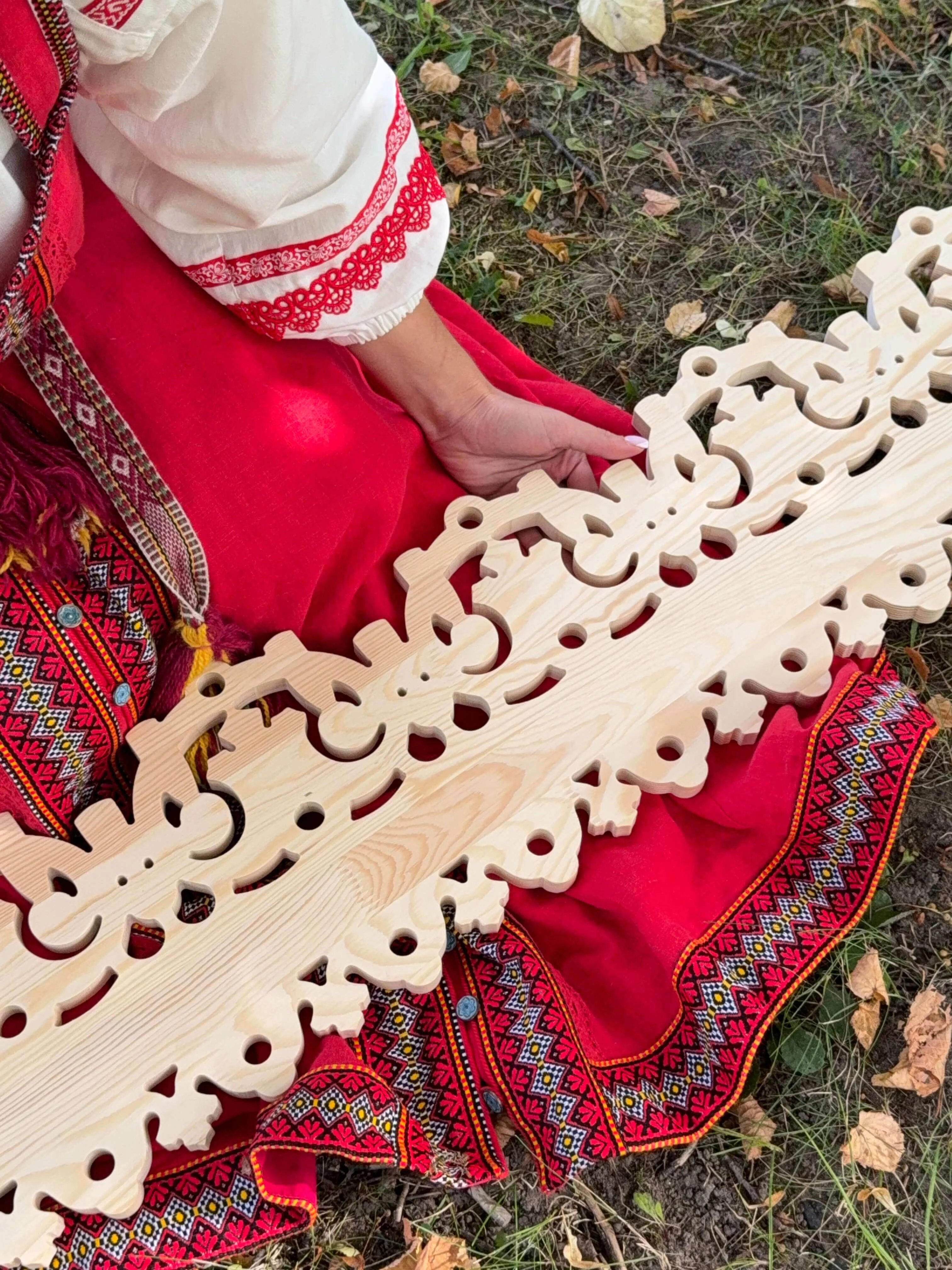
When to change sofa legs
Many people ask this question too late — when the support has already cracked or completely crumbled from the base. But there are many more reasons for replacement, and most of them are quite positive.
The most obvious is mechanical wear. Wooden legs loosen, crack, and break over time. Corner supports, which bear the main load when sitting, suffer especially. If the sofa "wanders" and creaks with every movement, this is the first sign that it's time to change the supports.
The second reason is height. Many modern sofas are too low: the seat is at a level of 30–35 cm from the floor, which is inconvenient for people with knee pain or the elderly. Installing higher legs solves the problem without replacing the entire sofa.
The third is cleaning. If there is no clearance under the sofa, you can't reach it with a mop or vacuum cleaner. Low furniture accumulates dust, pet hair, and small debris. High legs wooden furniture supports create the necessary gap — this is especially relevant for homes with robot vacuum cleaners.
Fourth is aesthetics. You like the sofa, the upholstery is intact, but the plastic or metal legs clash with the interior. Replacing them with wooden supports matching the floor covering or other furniture is a quick and inexpensive way to refresh the living room.
Fifth is restoration. The apartment is being renovated, the interior concept is changing, and the old legs no longer fit the new look. It is in such cases that Buy legs for furniture — the most reasonable solution.
Sixth is material replacement. Plastic is cheaper, but it breaks, yellows, and looks untidy. Metal is cold and not always appropriate in a residential interior. Wooden supports offer warmth, naturalness, durability, and compatibility with almost any style.
Our factory also produces:
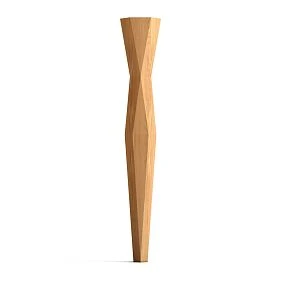
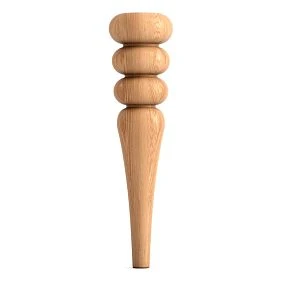
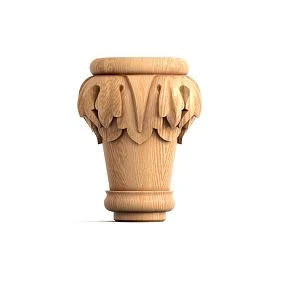
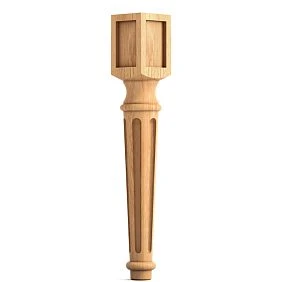
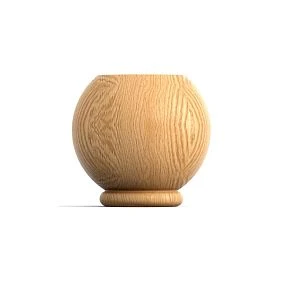
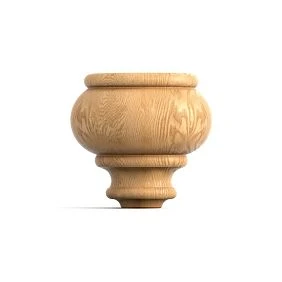
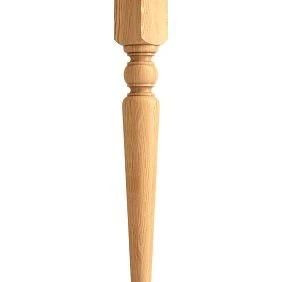
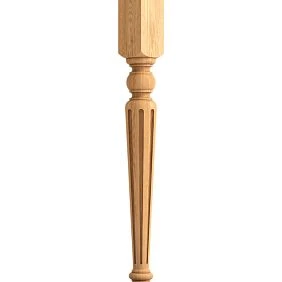
How sofa legs differ from ordinary furniture supports
A sofa is not a table or a cabinet. It has its own load specifics, and this must be understood when choosing wooden furniture legs.
First, the load is constant and uneven. The sofa stands 24 hours a day, and when someone sits down, it receives an impact load — especially if there are children in the house. The load is distributed across several support points: four corner legs and often one or two central ones.
Second, the sofa contributes significant total weight. The frame with upholstery itself weighs 80–150 kg, plus the weight of people sitting on it. The total load on the four corner legs easily reaches 300–400 kg. If Furniture support it is not designed for such a load, it will break.
Third, the attachment. For sofa legs, it must be exceptionally reliable: a tenon, bolt, or mounting plate with several fixation points. Weak attachment is the main cause of loosening.
Fourth, decorativeness should not compromise strength. An openwork turned leg with a diameter of 20 mm may look beautiful, but under a heavy sofa it will simply break. For upholstered furniture, balance is important: sufficient load-bearing capacity and a suitable appearance.
Fifth, stability when sitting. A person sits on the sofa at an angle, abruptly, from different sides — the legs experience lateral loads. This requires either a wide base or a conical shape widening towards the bottom.
Get Consultation
How to choose the height of legs for a sofa
Height is one of the key parameters when selecting supports. It affects not only ease of use but also the visual perception of the entire sofa and the living room space.
Low legs (up to 8 cm) make the sofa visually massive and heavy. They look good in spacious rooms with high ceilings but are inconvenient for people with joint problems and leave no space for cleaning.
Medium legs (8–15 cm) are the most versatile option. The seat height is usually 42–48 cm, which meets standard ergonomic norms. A moderate gap remains under the sofa.
High furniture legs (15–25 cm) visually lighten the sofa, making it "airy." Such high legs for furniture are popular in Scandinavian style, loft, and modern interiors. There is enough space under the furniture for a robot vacuum cleaner.
An important practical point: when replacing legs, do not just choose the desired height, but measure the old supports and compare them with the final seat height. Legs that are too high will raise the sofa so much that your legs will dangle in the air — this is uncomfortable. Too low — and the sofa will turn into a low platform that is difficult to get up from.
Also consider: if the sofa has a folding mechanism, make sure the new legs do not interfere with its operation. Some transformation mechanisms use the gap under the sofa or require a certain height for unfolding.
To select the optimal height, use a simple rule: seat height without legs + desired leg height = final seat height. Comfortable seating is 42–48 cm from the floor.
How to choose the shape of wooden legs
Shape is not just about aesthetics. Different leg shapes provide different load-bearing capacities, behave differently under stress, and fit differently into an interior.
Straight legs
Straight shape — minimalist, clean, concise. Straight Wooden legs look great on modern sofas, in Scandinavian interiors, and in country style. They don't draw attention to themselves and allow the upholstery fabric to remain the main accent. Straight supports with a square or rectangular cross-section are among the most structurally robust.
Turned legs
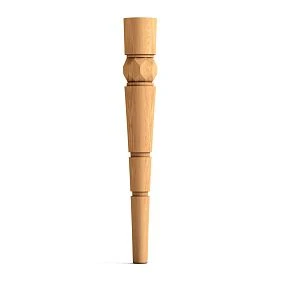
Turned decorative furniture leg is a classic of furniture design. Turning creates an elegant relief: thickenings and narrowings along the height of the leg, vase-shaped or spindle-shaped profiles. Such legs are ideal for sofas in classic, neoclassical, Provencal, and Empire styles. They instantly elevate the status of the furniture, giving it nobility. These are the types of legs often found on antique sofas, and they are exactly what is sought during restoration.
Shaped legs
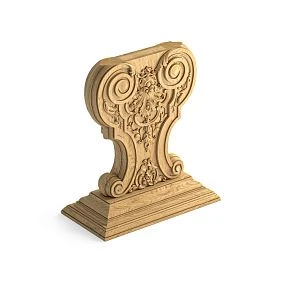
Shaped legs — for those who want expressiveness. These are supports with curves, widenings, decorative elements, and sometimes carvings. They catch the eye and add character to the furniture. They are especially appropriate in interiors with rich decor: coffered ceilings, stucco, classic solid wood furniture. For heavy sofas, it is important to ensure that the shaped form does not weaken the cross-section at critical points.
Massive supports
If the sofa is large and heavy, massive wooden legs are the only reasonable choice. A wide base, increased cross-section, and reliable fastening — all this ensures stability and durability. Such legs do not look elegant, but they hold the furniture firmly. For corner sofas, sofa beds, and three-seater sofas with a transformation mechanism — this is the option.
High legs
High wooden sofa legs are a special category. They change not only the comfort of use but also the entire atmosphere of the room. A sofa on high legs looks light, fresh, and modern. This technique is actively used in Scandinavian design and in small-space interiors: high legs create a sense of spaciousness. The main thing when choosing high legs is to ensure the reliability of the fastening: a long leg experiences greater lateral loads.
Load and fastening: what to check before buying
This is the most critical block when choosing. A mistake here — and the sofa wobbles, creaks, and the legs break. The right choice — and the furniture lasts for decades.
The weight of the sofa is the starting point. Check the product passport or ask the manufacturer. A standard three-seater sofa weighs 80–130 kg. Add the weight of people — and you get the total load on all legs.
Number of legs. Most sofas have four corner legs. But long and heavy models should have central legs — one or two along the length. If they are missing and the sofa is large, the center of the base sags, which destroys the frame.
Mounting plate area. The larger the mounting surface of the leg, the more reliable the fastening. A leg with a wide plate distributes the load evenly and does not pull out of the base under lateral loads.
Sofa base material. If the lower part of the frame is made of solid wood, tenon or bolt fastening can be used. If it is made of plywood or particleboard, mounting plates with multiple attachment points are better.
Type of mounting plate. Make sure the leg fastening is compatible with the sofa's construction. Some legs have a standard M8 bolt (euro screw), others have a tenon, and others have a mounting plate. Check the fastening type of your sofa before purchasing.
Stability when sitting. Check if the leg wobbles under lateral load. A high-quality buy furniture leg one that can be obtained from a trusted manufacturer should hold without play.
Uniformity of height. If installing a new set, make sure all legs are the same height. Even 1–2 mm of difference will cause misalignment and creaking. Use a level during installation.
Folding mechanism. For sofas with transformation, be sure to check that the new legs do not block the folding mechanism. Some designs require a specific height or placement of supports.
Wooden sofa legs in different styles
Interior style is not just a beautiful word. It is a system where every element is connected to the others. Incorrectly chosen legs destroy this system, even if the sofa itself is flawless.
A classic interior requires turned or shaped wooden legs. A profile with vase-like thickenings, a finish of varnish imitating natural walnut, dark oak, or aged wood. Such legs echo the wooden furniture handles, decorative inlays on cabinet fronts and classic furniture.
Neoclassicism is a more restrained version of classicism. Neat turned legs with enamel finish are appropriate here: white, gray, baked milk color. They harmonize with light stucco, matte facades, and light parquet.
A modern interior (contemporary) suggests simple forms. Straight or slightly tapered legs without unnecessary decoration, a finish of natural varnish or paint in neutral tones. No turning or carving.
Scandinavian style — light natural wood, a light silhouette, high supports. Beech or ash legs with a clear matte varnish look ideal. The sofa seems to be 'lifted' above the floor, creating the airiness characteristic of Scandinavian design.
Study, library, home office — dark wooden supports: wenge, black walnut, dark oak. They create a feeling of solidity, seriousness, and richness.
Living room with classic furniture — consistency is needed here. The sofa legs should match or harmonize with the legs coffee table, with color wooden baseboard and with wooden details of other furniture items.
How to update a sofa with wooden legs
Replacing legs is one of the most effective ways to update upholstered furniture without significant investment. This technique is used by interior designers, restorers, and attentive homeowners.
The first step is to honestly assess the sofa. If the upholstery is in good condition, the frame doesn't creak, and the legs are simply outdated, replacing the supports will yield visible results. New wooden legs change the entire silhouette of the furniture.
The second step is to determine the desired result. Raise the sofa? Make it visually lighter? Fit it into a new interior style? The answer determines the choice of shape, height, and color of the leg.
The third step is to choose legs that match the overall wooden decor of the room. Look at the color of the floor, baseboards, door frames, and mirror frames. If the living room has warm oak, choose oak legs. If light ash, then accordingly.
The fourth step is not to forget about armchairs and poufs. Updating just one sofa can look odd if there are chairs with plastic legs nearby. Ideally, replace the supports on all upholstered furniture at once, creating a unified ensemble.
The fifth step is to consider painting the new legs. Unpainted wooden legs allow you to independently choose the color and finish that exactly matches the interior. This is especially valuable when you need to perfectly match the tone of existing furniture.
It is this approach that allows you to turn a "tired" sofa into a stylish interior item without the costly purchase of new furniture. Investment in furniture legs — it's an investment in the overall look of the room.
What to pair with wooden sofa legs
A good interior is built on a system of repeating details. Wooden sofa legs are an element of this system, and the more other details echo them, the more cohesive the space looks.
Coffee table legs are the first thing to coordinate. The table sits right in front of the sofa, they are always seen together. Matching the shape, color, or at least the style of the legs creates visual order. Legs for coffee table in the same material and tone — an ideal solution.
Wooden furniture handles are the second key element. If installed on cabinets, dressers, and nightstands wooden furniture handles in walnut — the sofa legs should be the same shade.
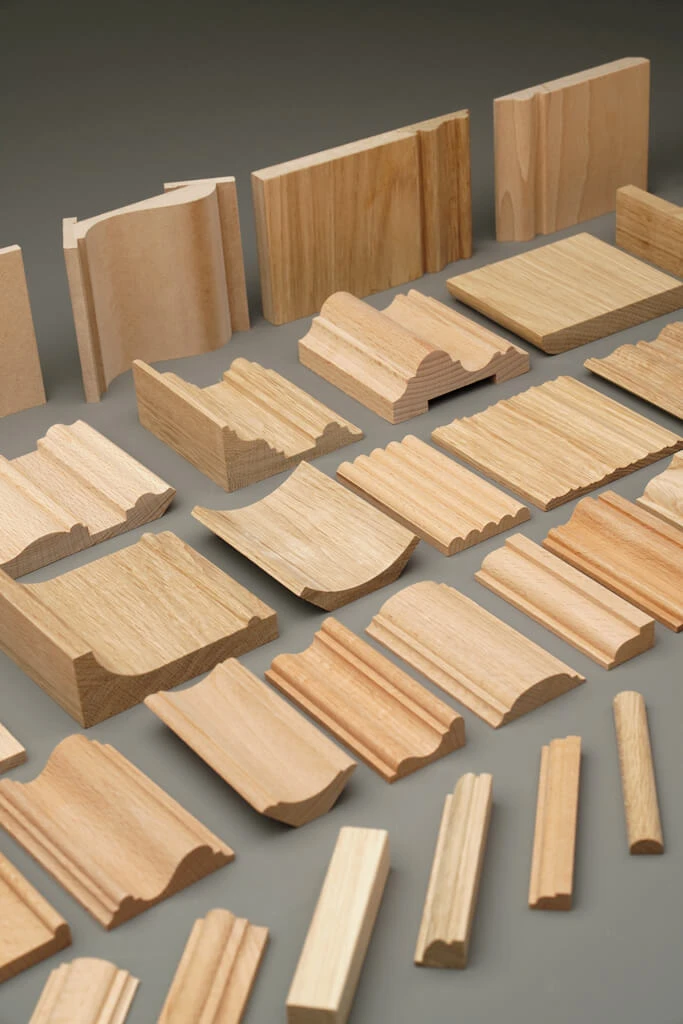
A solid wood baseboard is an important detail that is often underestimated. with a classic profile creates a sense of solidity, reliability. creates the lower visual horizon of the room. The legs of furniture placed along the walls 'continue' its rhythm. Matching in color and wood species is a sign of a professionally designed interior.
Decorative overlays and moldings on walls and facades set the tone for all wooden decor. decor for furniture from solid wood in the same style as the legs — and the interior starts working as a single organism.
Decorative brackets are another detail from the world of wooden decor. Decorative Bracket from solid wood on wall shelves or under windowsills echoes the wooden legs of furniture, creating a unified material language for the interior.
Slats, trims, moldings — all are part of wooden decor that works in tandem with furniture legs. A system of wooden details from one manufacturer guarantees matching shades and textures.
The color of the floor and doors are guidelines for choosing the tone of the legs. Warm floor color — warm wooden supports. Light doors — light legs or contrasting dark ones.
Mistakes when choosing legs for a sofa
Practice shows that most mistakes when choosing wooden supports for upholstered furniture repeat over and over. Knowing about them in advance will protect you from unnecessary expenses.
Choosing only by appearance. A beautiful leg that cannot withstand the load or does not fit the mounting type is money down the drain. Start with specifications, not photos.
Not considering the weight of the sofa. A lightweight decorative support under a heavy three-seater sofa is a direct path to breakage. Always match the load with the leg's load-bearing capacity.
Forgetting about central supports. A long sofa must have intermediate legs. Without them, the central beam of the frame sags, the upholstery deforms, and the frame cracks.
Installing too thin legs on heavy furniture. Elegant turned legs with a diameter of 25 mm are fine on a lightweight chair, but under a sofa weighing 120 kg, they will break at the first intense load.
Choosing height without considering seating. Legs that are too high raise the sofa to bar stool level. Legs that are too low make it hard to get up from the sofa. Measure, calculate, check.
Not checking the attachment method. Different sofas have different leg attachment systems: tenon, M8 bolt, mounting plate. Buying unsuitable legs will make installation impossible.
Not considering the folding mechanism. This is especially important for transformer sofas. Incorrectly chosen legs can block the unfolding mechanism.
Installing supports that don't match the rest of the furniture. Even perfectly selected legs can ruin the interior if their style and color conflict with the surroundings.
Not planning the coating before installation. It is much more convenient to paint or varnish legs before installation. After mounting, it is difficult to treat the attachment points and the bottom end.
What to buy together with sofa legs
If you are already updating your upholstered furniture, it makes sense to do it systematically. Here is what is most often bought together with wooden sofa legs.
Legs for coffee table — so that the table and sofa form a single set in the same material and style.
wooden furniture handles — for cabinets, dressers, nightstands that are in the same room. A unified wooden decor unites the space.
Decorative Inserts — for furniture facades and wall panels. Solid wood overlays made from the same wood as the legs create a harmonious decor system.
Decorative brackets — for shelves and consoles. A wooden bracket in the same style as the furniture legs is a sign of a well-thought-out interior.
with a classic profile creates a sense of solidity, reliability. made of solid wood — to create a lower decorative belt of the room that echoes the furniture legs.
Classic Furniture — if you are creating a set of upholstered furniture in a unified style, it is worth considering ready-made solutions.
Round furniture leg — a separate category of supports for upholstered furniture, poufs, and benches. The round shape looks soft and organic in a residential interior.
FAQ: Answers to popular questions
Can I replace the legs on a sofa?
Yes, you can. Most modern sofas have removable legs with bolt or tenon fastening. Replacement takes 15–30 minutes and does not require special tools. It is important to determine the type of fastening of your sofa in advance, select legs of suitable height, and ensure sufficient load-bearing capacity of the new supports. Before purchasing, it is recommended to remove one old leg and take it with you as a sample.
Which legs are best for a heavy sofa?
For a heavy sofa (over 100 kg without accounting for the load from people), strong wooden supports made of solid beech or oak with a wide mounting plate are needed. The optimal cross-section is at least 50×50 mm for square supports or a diameter of 50 mm for round ones. Be sure to check for the presence of central legs along the length of the sofa — for three-seater and corner models, this is critically important.
Are high legs for a sofa convenient?
This is a matter of habit and anatomy. For most people, a comfortable seat height is 42–48 cm. High legs (15–20 cm) with a sofa base height of 30 cm give a final seat height of 45–50 cm — this is quite comfortable. However, cleaning under the sofa becomes much easier. For people with sore knees, high legs are a real lifesaver: it is significantly easier to get up from a high sofa.
Can you paint wooden sofa legs?
Yes, and this is one of the main advantages of unpainted wooden legs. They accept any coating perfectly: alkyd or acrylic enamel, oil varnish, water-based varnish, stain, oil-wax. Before applying the coating, it is important to sand the surface with 180–240 grit sandpaper, degrease, and prime if necessary. It is recommended to impregnate the ends with primer or liquid wax to prevent cracking.
How to choose sofa legs for the interior?
Start with the color of the floor and baseboards — these are basic guidelines. If the room has warm oak parquet and Wooden baseboard — the sofa legs should be in the same tone or slightly darker. If the interior is light — white or beige legs. Be sure to match the sofa legs with the legs of the coffee table and other upholstered furniture. In a classic interior — turned wooden supports with a figured profile; in a modern one — simple geometric shapes.
How many legs should a sofa have?
A standard two- or three-seater sofa has four corner legs. For sofas longer than 200 cm, it is recommended to install one or two additional central supports. Corner sofas can have six, eight, or more support points depending on the design. The more support points, the more evenly the load is distributed and the longer the frame lasts.
How to check that the legs are installed correctly?
After installation, place the sofa on a level floor and check the horizontalness of the seat surface with a level. All legs should touch the floor without gaps. Gently rock the sofa in different directions — there should be no play or squeaking. If one corner is raised, tighten the corresponding leg or choose adjustable supports.
Which wood is best for sofa legs?
Beech and oak are the two best choices. Beech has a uniform, dense structure, is easy to turn and mill, and accepts any finish. Oak is stronger, heavier, with a pronounced texture, ideal for visible decorative legs. Both materials withstand significant loads and last for decades with proper care.
About the company STAVROS
In conclusion, it is worth mentioning those who stand behind the quality of each wooden support. STAVROS is a Russian manufacturer of solid wood products, specializing in furniture legs, decorative elements, moldings, baseboards, and handles. The company produces over 130 models wooden furniture legs from select beech and oak — from minimalist geometric supports to elegant turned classic shapes.
STAVROS manufactures products with unwavering attention to detail: each leg undergoes multi-stage sanding, geometric control, and verification of compliance with stated specifications. A wide range of heights, shapes, and mounting types allows you to select supports for any sofa, armchair, bench, or ottoman — both for replacement and for creating furniture from scratch.
If you want buy wooden sofa legs with a quality guarantee, the ability to choose a finish, and Contact us to confirm shipping to your destination. — STAVROS offers exactly what you need. Update your sofa, create a unified wooden decor in the room, and feel the difference that a correctly chosen detail makes.