































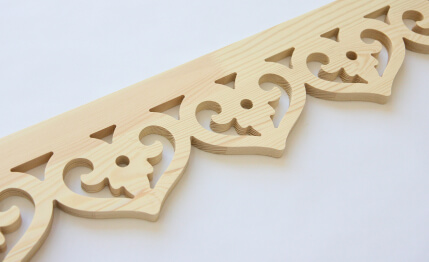
Article Contents:
- What is a wooden table base and what problem does it solve
- When should you buy a wooden table base
- For a new tabletop
- To replace an old base
- For a custom furniture project
- For a classic or modern interior
- Table base for a round table
- Base for Dining Tables
- Base for Coffee Tables
- Carved table base
- Modern minimalist table base
- Size and Proportions
- Tabletop shape
- Weight and load
- Height of the future table
- Method of mounting
- Oak
- Oak
- Solid wood
- Painting, tinting, and varnish
- For DIY table assembly
- For a furniture workshop
- For interior designer
- For cafe or restaurant owner
- For private house
- For Apartments
- Base size
- Load capacity
- Installation location
- Table purpose
- Dining Room
- Living Room
- Office
- Entrance Hall and Foyer
- Commercial interior
- Table base and ready-made table
- Table base and furniture frame
- Table base and furniture legs
- Table base for coffee table and base for large dining table
- Wooden and metal base
- There is a round tabletop, a stable base is needed
- Need to assemble a large family dining table
- Need to update an old table
- Need to make a coffee table for the living room
- Need to select tables for a cafe
- Need to make a custom table for a designer
- How to calculate a future table
- How to check proportions
- What to consider when fastening
- Preparation for finishing
- Care for a wooden underframe
- Choosing only based on a beautiful photo
- Ignoring the weight of the tabletop
- Incorrect height
- Unsuitable shape for the tabletop
- Underframe interferes with legs
- Misunderstanding of the configuration
- Purchase without a mounting plan
- Style mismatch
- Saving on the complete logic
- Refusal of consultation for a complex task
- Where to buy a wooden underframe?
- How to choose a wooden underframe for a round table?
- How does an underframe differ from furniture legs?
- Which material is better: oak or beech?
- What should you check before buying an underframe?
- Can one underframe be used for any tabletop?
- Is a wooden underframe suitable for a dining table?
- How to choose an underframe for a coffee table?
- Can a wooden underframe be painted?
- What to buy together with a wooden table base?
- Do I need to buy hardware separately?
- Is a wooden underframe suitable for a cafe or restaurant?
- Can I replace an old table base with a wooden underframe?
- How to avoid mistakes with table height?
- Why is a wooden base better than a random blank?

It is worth buying a wooden base when the table should not be random furniture "for the time being," but a full-fledged interior item: stable, beautiful, proportionate to the tabletop, and clear in design. The base takes on the load, sets the table's silhouette, affects seating comfort, supports the room's style, and helps assemble furniture for a specific task: a dining area, round table, coffee table, custom project for a home, cafe, restaurant, or office.
A mistake when choosing a base is immediately visible. The tabletop can be expensive, beautiful, made of expressive material, but a weak or unsuitable base will ruin the entire result: the table will seem unstable, visually heavy, uncomfortable for legs, or simply out of place in the interior. The opposite situation also happens: the base is beautiful in itself, but does not fit the size, height, load, or shape of the tabletop. Therefore, it is better to buy a wooden base not based on a single photo, but after checking the proportions, material, fastening, height of the future table, and the overall furniture concept.
For the buyer, a wooden base is not just "legs for a table." It is the foundation that connects the tabletop, seating, interior, and practical use. For a dining table, stability and comfort around the entire tabletop are important. For a round table, balance of the center, symmetry, and freedom of seating are key. For a coffee table, scale, decorativeness, and neat height matter. For a design project, material, finish, and the ability to combine the base with other wooden items are crucial.
At STAVROS you can Buy wooden furniture and choose a base for the future table considering the shape, purpose, material, and interior style. Below is a detailed breakdown that will help you understand which base to choose for a round, dining, or coffee table, what to check before ordering, what to pair a wooden base with, and how to avoid typical mistakes when purchasing.


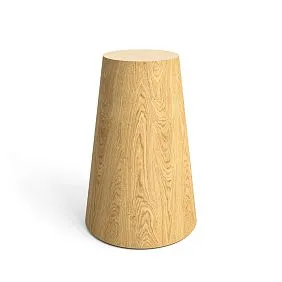
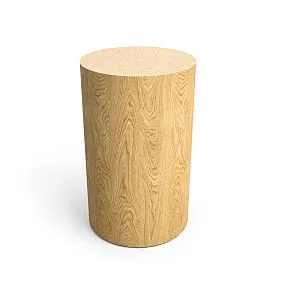
What is a wooden base and what problem does it solve?
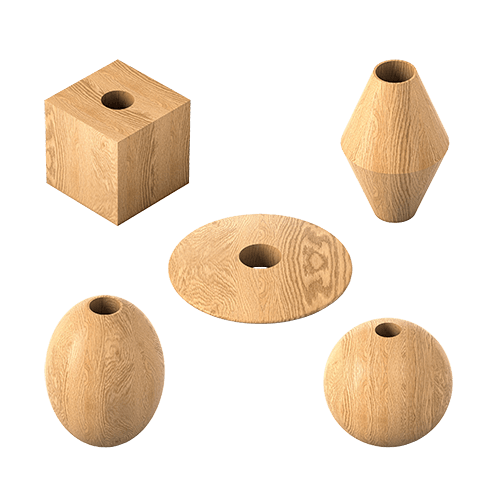
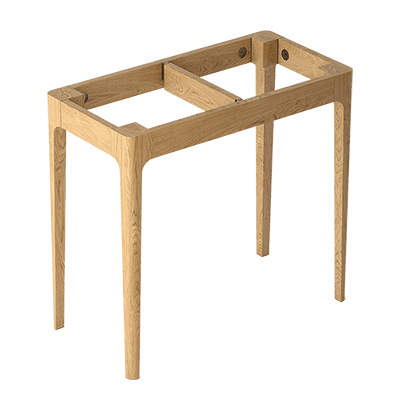
A wooden base is the foundation on which the tabletop is installed. It can be more compact or massive, carved or minimalist, designed for a round, rectangular, oval, coffee, or dining table. Unlike individual furniture legs, the base is perceived as a more integral structure: it not only supports the tabletop but also shapes the character of the entire table.
A table has two main parts: the top surface and the base. The tabletop is responsible for the work surface, size, material, and usage scenario. The base is responsible for stability, seating, external silhouette, and how convenient it is to use the table every day. If the base is chosen correctly, the table looks assembled and confident. If you make a mistake, even a good tabletop can seem like a temporary blank.
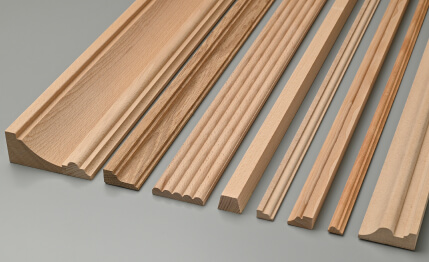
A wooden table base offers several advantages. It feels warmer in the interior than metal or plastic, and pairs well with solid wood furniture, facades, wooden panels, doors, baseboards, architraves, and decorative details. A solid wood base can serve as a calm supporting foundation or a prominent decorative element — it all depends on the shape, wood species, texture, and finish.
When a buyer is looking for where to buy a wooden table base, they should consider not only the appearance. Height, dimensions, compatibility with the tabletop, expected load, mounting method, and installation location are important. For a dining area, the base must withstand daily use. For a coffee table, it should match the low seating height and scale of the sofa group. For a round table, it should not interfere with legs or create a tipping hazard. For a commercial space, it must endure frequent use and fit the overall style of the room.
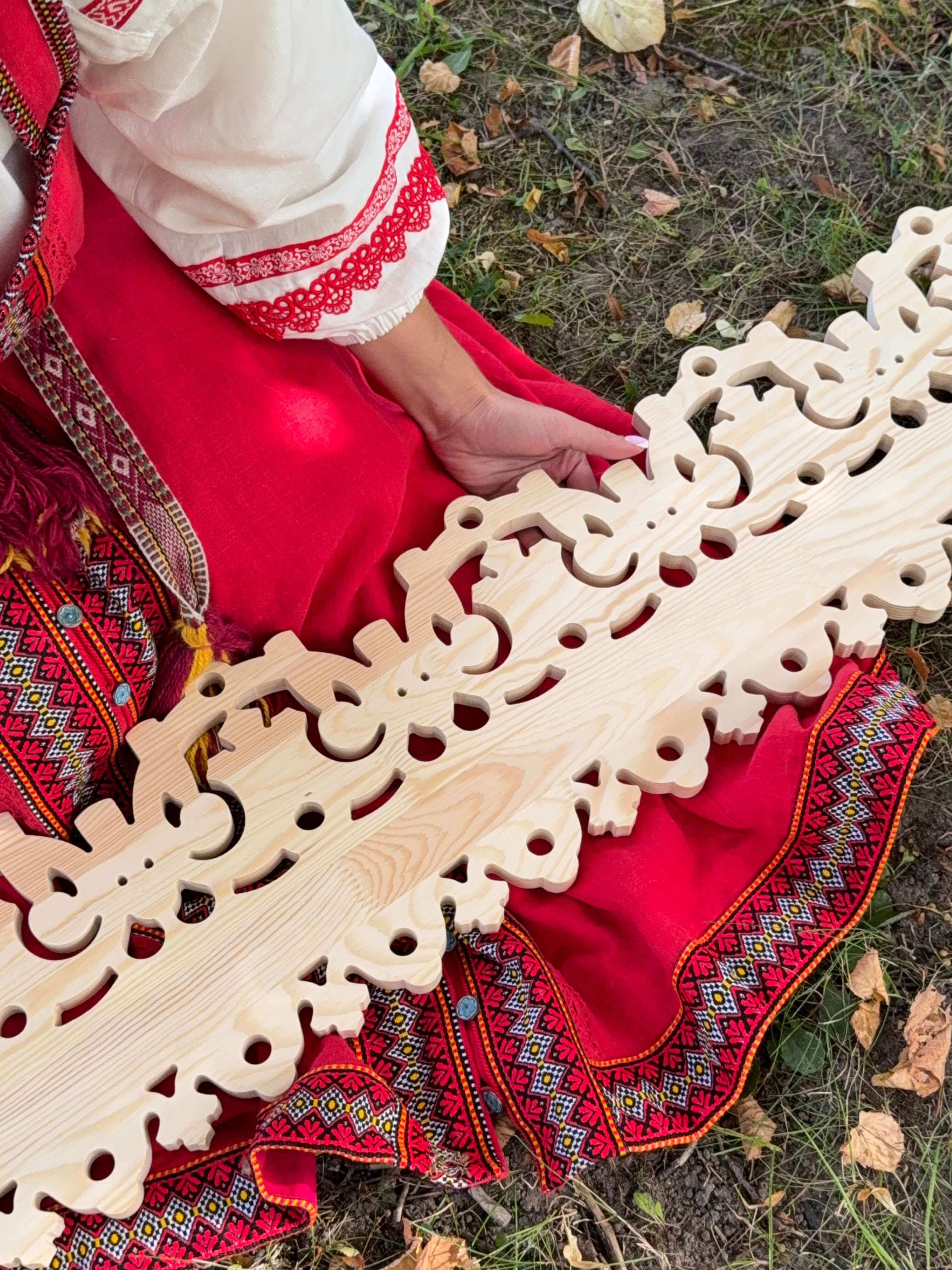

When to buy a wooden table base
A wooden table base is purchased not only for making a new table. Often, it is needed when you already have a tabletop, want to replace an old base, assemble custom furniture, design an interior in a unified style, or create a table for a non-standard size. In all these cases, the base helps avoid starting a project from scratch, instead providing a ready foundation to focus on selecting the tabletop, finish, and mounting.
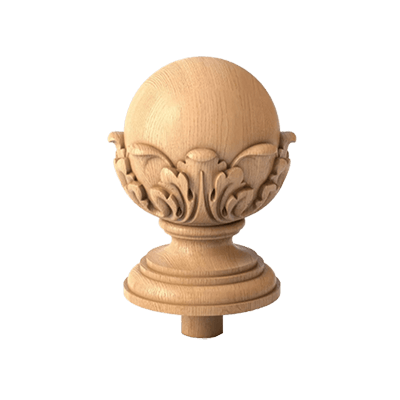
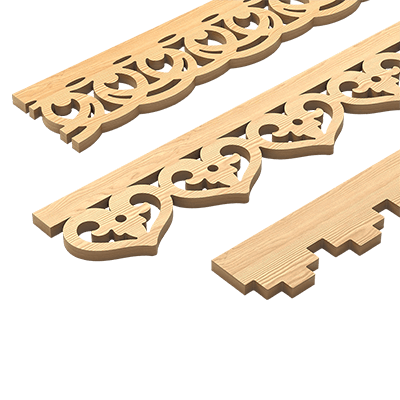
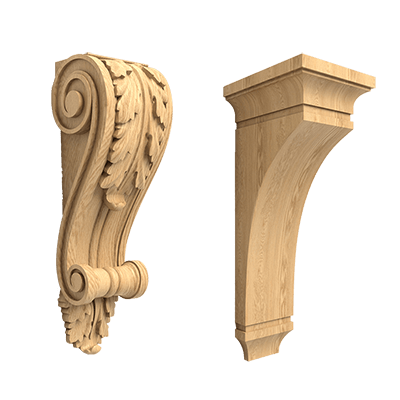
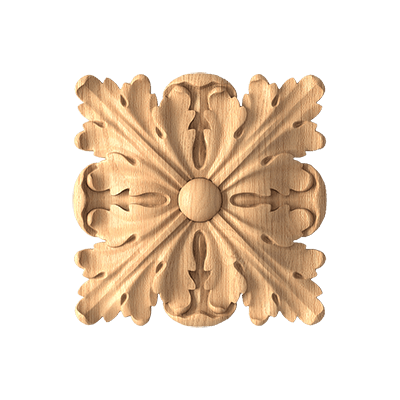
Our factory also produces:


For a new tabletop
The most straightforward scenario is having a new tabletop and needing a base to match it. This could be a round, rectangular, oval, square, or non-standard surface. The tabletop may be made of wood, stone, veneer, composite, or another material, but the base must correspond to its weight, size, and purpose.
If the tabletop is large, the base must be sufficiently stable. If the tabletop is round, it is important to properly distribute the support relative to the center. If the table will be used for dining, check the height, legroom, and seating comfort. If it is a coffee table, the base should not be too tall or visually heavy.
When choosing, it is better to think in terms of a set: tabletop plus base, rather than two separate purchases. Even a beautiful base may not fit if its scale does not match the top surface. A large dining area requires one logic, a compact kitchen another, and a decorative coffee table a third.
Get Consultation
For replacing an old base
Sometimes the tabletop is still good, but the base is outdated, wobbly, mismatched in style, or looks too plain. In such a situation, the buyer does not want to replace the entire table but wants to refresh its character. A wooden table base helps preserve the top part and replace the foundation, making the furniture more stable, expressive, and suitable for the interior.
Before such a purchase, it is especially important to check the dimensions. The old base might have been attached differently, have a different height, a different support point, and a different overhang relative to the edges. You cannot simply buy a table base you like and hope it will fit without issues. You need to check the dimensions of the tabletop, weight, mounting location, attachment method, and the future table height.
Replacing the base works well when the interior has changed. For example, the kitchen has become more classic, the tabletop remains the same, but the metal base no longer fits. Or a new wooden decor has appeared in the living room, and the old table seems too simple. In such cases, a wooden table base can tie the furniture to the other details of the room.
For a custom furniture project
Designers, furniture workshops, and private buyers often assemble a table not from a ready-made set, but from a chosen tabletop and a separate base. This provides freedom: you can select the shape, material, size, shade, decorativeness, height, and style. In such a project, the table base becomes a key part of the future piece.
A custom table can be a dining, coffee, work, side, conference, restaurant, console, or decorative table. The main thing is to understand the usage scenario in advance. For a family dining table, seating space and stability are important. For a conference area, size and solidity matter. For a cafe, ease of cleaning, practicality, and repeatability of solutions are key. For a living room, connection with the sofa, rug, armchairs, and overall furniture height is crucial.
If the project revolves around wood, it is worth looking not only at the base but also at the surrounding elements in advance. In the catalog, you can explore solid oak and beech table bases and compare them with the future tabletop, room finish, and other wooden details.
For a classic or modern interior
The table base greatly influences the style of the table. The same tabletop can look strict, classic, decorative, modern, or almost sculptural — it all depends on the base. A carved table base adds expressiveness, depth, and a traditional character. A minimalist wooden base makes the table calmer, lighter, and more modern.
For a classic interior, more prominent forms are often chosen: shaped supports, relief elements, massive geometry, decorative transitions. For a modern interior, clean lines, simple shapes, neat proportions, and restrained finishes are better suited. If you need a modern option, you can look at modern furniture frames and underframes and compare them with more decorative solutions.
The main thing is not to choose a style separately from the room. The underframe should support the interior, not argue with it. If the room already has carved decor, massive doors, wood panels, or classic furniture, a too minimalist base may look out of place. If the room is modern and light, an overloaded carved base may become too heavy.
Key characteristics of a wooden underframe
Before purchasing, it is useful to break down the underframe by parameters. This helps not to be swayed by just a beautiful photo and to understand whether a specific base suits your tabletop, load, interior, and usage scenario.
| Parameter | What it means for the buyer | What to check before ordering |
|---|---|---|
| Product type | Wooden underframe, furniture frame, or base for a tabletop | Whether the product is suitable for the specific type of table |
| Purpose | Dining, round, coffee, decorative, or custom table | Whether the purpose matches the future use |
| Material | Array base; oak and beech are considered in the selection scheme | Current materials need to be verified in the product card |
| Shape | Can be concise, carved, central, framed, more massive or compact | Does the shape match the tabletop geometry |
| Compatibility with the tabletop | The base must match the size, weight and shape of the top surface | Diameter, length, width, thickness, weight and mounting method |
| Height | Affects seating comfort and table purpose | Future height together with the tabletop |
| Load | Depends on the design, tabletop material and usage | Load capacity must be checked in the product card or with a manager |
| Finishing | Options for painting, tinting, or varnishing are available if provided for the specific product | Exact finishing options depend on the product card |
| Mounting | The base must be compatible with the tabletop fixing method | Required hardware, mounting points, and installation recommendations |
| Package contents | May vary for different products | What is included in the delivery must be checked in the product card |
| Related products | Legs, hardware, decorative overlays, and other solid wood items | Select only what fits the task and size |
| Catalog | Main STAVROS section for selecting wooden bases | Open the product card and verify current parameters before ordering |
This table is not just for formality. It shows why the underframe cannot be chosen as a decorative detail without calculation. The base must support the tabletop, not interfere with seating, match the height, align with the purpose, and fit into the interior. The heavier the tabletop and the more intensive the use, the more carefully the structure needs to be checked.
If the exact dimensions, load, completeness, or finish are not specified in the project's initial data, they cannot be invented. Before purchasing, you need to look at the product card on the STAVROS website and clarify any disputed points with the manager. This is especially important for large dining tables, tabletops made of heavy materials, and commercial spaces where furniture is used daily.
What types of wooden underframes exist
Wooden underframes differ not only in appearance. They can have different purposes, heights, load distribution methods, decorativeness, compatibility with the tabletop, and role in the interior. It is useful for the buyer to first determine the type of future table, and only then choose the shape of the base.
Underframe for a round table
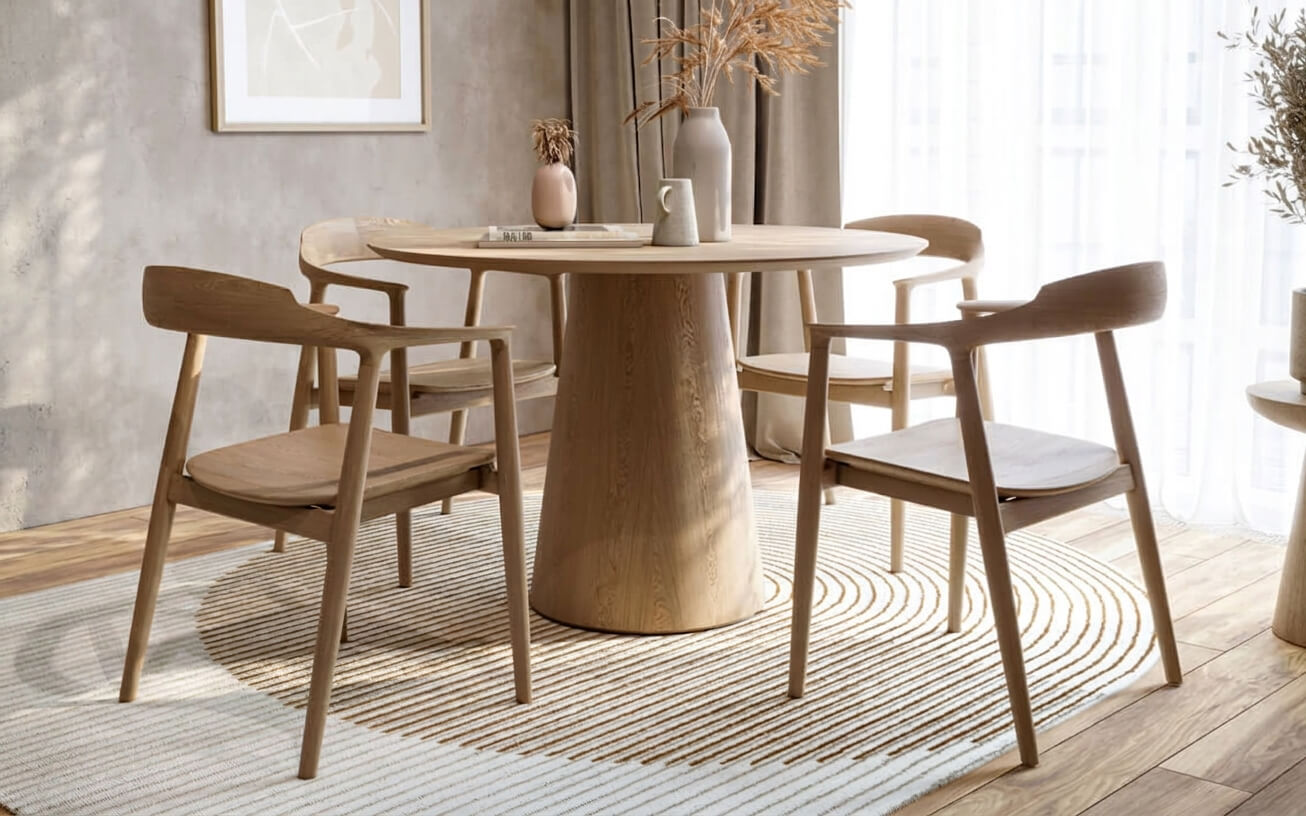
You need to buy a wooden underframe for a round table with special attention to the center of gravity. A round tabletop requires even support: the base must hold the surface confidently, not create a feeling of tipping, and not interfere with legs. If the support is too small, the table may look unstable. If it is too massive, seating will become uncomfortable.
A round table is often placed in the kitchen, dining room, living room, meeting area, restaurant, or cafe. It is loved for its soft shape and equal seating: no one sits "at the corner," communication becomes more open. But the round shape does not forgive mistakes in the base. The underframe must be proportionate to the diameter of the tabletop and the height of the future table.
For a compact round tabletop, a lighter base can be considered. For a large round dining table, a confident base is needed. If the tabletop is heavy, decorative, or non-standard, it is better to clarify the compatibility of a specific underframe with such a load in advance.
Underframe for a dining table
It is worth buying a wooden underframe for a dining table when not only the appearance but also daily comfort is important. The dining table is one of the most actively used items in the home. People eat, talk, work, gather guests, sometimes cook, lay out documents, children's assignments, or festive table settings on it. The base must withstand this rhythm.
For a dining table, height, stability, legroom, distance between supports, compatibility with the number of seats, and tabletop size are important. A beautiful but too wide base can interfere with those sitting. A too light base under a large tabletop will look weak. A too decorative shape in a small kitchen can overwhelm the space.
Here it is especially useful to think not only about the table but also about the area around it. What chairs will be nearby? How many people will sit at the table? Is there a rug? How close are the walls, windows, kitchen, and passage? The base affects all of this no less than the tabletop.
Coffee table base
A coffee table is lower than a dining table, so its base is evaluated differently. Here, proportions relative to the sofa, armchairs, rug, and overall height of upholstered furniture are important. A too high base will make the coffee table uncomfortable. A too massive one will visually weigh down the sofa area. A too light one will get lost under a large tabletop.
A coffee table often serves as a decorative centerpiece of the living room. Books, vases, trays, remotes, candles, and small decorative items are placed on it. The base should support this image. A carved base can turn the table into an accent. A minimalist base suits a calm modern interior.
When choosing for a coffee table, you need to check the height of the future product together with the tabletop. It is also worth assessing how convenient it will be to use the table from the sofa and whether the base will interfere with legs when sitting.
Carved base
A carved base is chosen when the base should be a noticeable part of the table. It suits classic, neoclassical, study, restaurant, salon, and designer interiors. Carving adds depth, shadow, plasticity, and a handmade character. Such a table does not look like a simple plane on supports; it is perceived as an object with its own silhouette.
But a carved base requires a careful environment. If the room has many active details, the carving should complement them, not compete. If the interior is very modern, a carved base can be an intentional contrast, but such contrast needs to be thought through. In a small space, a too decorative base can look heavy.
A carved base is especially well complemented by a wooden, stone, or expressive tabletop, but compatibility should always be checked by size, load, and fastening. The beauty of the form does not negate technical logic.
Modern minimalist table base
A modern wooden table base is built on a different aesthetic: clean lines, calm geometry, clear form, less decorative noise. It suits kitchens, living rooms, dining rooms, offices, cafes, and apartments where furniture should look neat but not too classic.
A minimalist base works well with rectangular and round tabletops, natural wood shades, calm paint finishes, modern facades, upholstered furniture, and neutral finishes. This option is easier to combine with different styles, especially if the interior is not overloaded with carving.
If you want to buy a wooden table base for a modern interior, it is useful to evaluate not only the simplicity of form but also its expressiveness. A base that is too simple can look like a technical frame. A good minimalist table base retains purity but does not lose its furniture character.
How to choose a table base for a tabletop
The table base and tabletop must work as a single structure. You cannot choose the base separately and then hope it will fit any top surface. The tabletop has weight, shape, thickness, size, material, and attachment method. The base has height, dimensions, support points, construction, visual mass, and usage limitations. The choice begins at the intersection of these parameters.
Size and proportions
The size of the base must match the size of the tabletop. A small base under a large tabletop creates a feeling of instability. A base that is too wide under a compact tabletop looks heavy and can interfere with seating. Proportion is especially important for round and oval tables: there are no corners to visually stabilize the shape, so the base immediately catches the eye.
For a dining table, you need to consider the number of seats. The base should not interfere with chairs and legs. For a coffee table, the relationship with the sofa and rug is important. For a desk or conference table, freedom of seating and structural confidence are key. For a decorative table, balance between expressiveness and practicality.
Before ordering, it is useful to make a simple drawing: the tabletop on top, the base below, distances to the edge, approximate position of chairs. Even a schematic drawing helps to see mistakes before purchase.
Tabletop shape
A round tabletop requires one approach, a rectangular one another, and an oval one a third. For a round tabletop, a central or symmetrical base is often chosen to maintain even seating. For a rectangular tabletop, length, width, and load distribution must be considered. For an oval one, it is important to support the smoothness of the shape and not lose stability along the long axis.
The shape also influences the style. A round table with a wooden base can look soft and welcoming. A rectangular one is more solid and functional. A coffee table with a round or oval tabletop can become the center of a lounge area. The underframe should reinforce this idea, not contradict it.
If the tabletop is non-standard, it is better not to select the base by eye. You need to clarify the dimensions, weight, attachment points, and compatibility recommendations.
Weight and load
Load is one of the most serious parameters. The tabletop can be light or heavy, thin or massive, small or large. In addition to its own weight, there is operational load: dishes, appliances, decor, people's hands, accidental impacts, daily movement of objects. For commercial spaces, the load is higher because the table is used more often and less carefully.
You cannot assume that any wooden underframe will support any tabletop. Before purchasing, you need to check the specifications in the product card and, if necessary, clarify with a STAVROS manager. This is especially true for large dining tables, heavy materials, restaurant projects, and non-standard sizes.
A good base not only supports the weight but also distributes it correctly. The table should not wobble, tilt, sag, or create a feeling of fragility. Stability is not a decorative characteristic but the foundation of comfort and safety.
Height of the future table
The table height is the sum of the underframe height and the tabletop thickness. An error of a few centimeters can make the furniture uncomfortable. A dining table should match the seating on chairs. A coffee table should match the sofa height and the usual usage scenario. A work table should match the ergonomics of the person who will sit at it.
When choosing an underframe, you cannot look only at the base height. You need to add the tabletop thickness and understand what the final result will be. If the tabletop is thick, the underframe may need to be lower. If it is thin, the base height plays a larger role.
You should also consider the hardware and the method of attachment. Sometimes fasteners, plates, or structural parts affect how the tabletop sits. Therefore, before ordering, it's useful to think through the entire assembly in advance, not just the appearance.
Mounting method
The attachment connects the tabletop and the base. Stability, service life, and ease of use depend on it. Different projects may use different solutions, so you cannot assume in advance that the attachment will be the same for all tabletops and bases.
Before purchasing, you need to understand how the tabletop will be fixed, what is needed Furniture hardware, whether the attachment points are suitable, whether the base structure interferes, and whether the installation can be done neatly. If the tabletop is heavy or non-standard, it's better to discuss the attachment with a specialist in advance.
Poor fasteners can ruin even a good base. The table will start to wobble, gaps will appear, and the fasteners may loosen. Therefore, the method of fixation needs to be thought through as carefully as the shape and material.
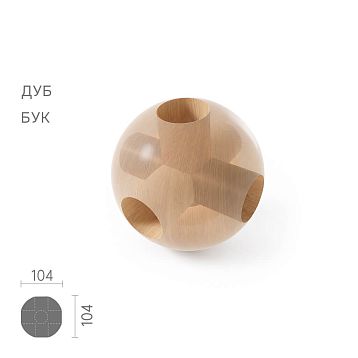
Material: oak, beech, solid wood
A wooden base is bought not only for its appearance. The material affects strength, texture, finish, the feel of the furniture, and its place in the interior. Solid wood is perceived differently than a metal or plastic base: it is warmer, more tactile, more expressive, and pairs better with other wooden finishes.
Oak
Oak is chosen when a solid character, expressive texture, and the feel of sturdy furniture are needed. An oak base is well-suited for dining tables, desk tables, large interior projects, restaurants, living rooms, and dining rooms where the base should look confident. Oak pairs well with a massive tabletop, wooden fronts, panels, doors, and classic finishes.
Visually, oak can become part of the interior's status. It doesn't have to be heavy or old-fashioned: much depends on the shape. A minimalist oak base will suit a modern table, while a carved one will suit a classic or custom project. But the availability of a specific material should be checked in the product card.
Beech
Beech is often chosen for durable furniture parts where a neat shape and the possibility of further finishing are needed. It can look good in products intended for painting, enamel, tinting, or a calm natural finish, if provided by the specific product. Beech is not always as expressive as oak, but this can be a plus: it doesn't compete with the shape and allows the focus to be on the silhouette of the base.
For a modern interior, beech can be a rational choice if a clean form without unnecessary heaviness is needed. It is also suitable for classic styles if the profile and decorative features match the project. As with oak, the exact options for material, finish, and availability should be checked on the STAVROS website.
Solid wood
Solid wood is valued for its naturalness, repairability, finishing options, and expressiveness. A solid wood underframe can be painted, tinted, varnished, or otherwise treated if provided by the product and project. It pairs well with wooden tabletops, furniture, wall panels, doors, and decorative elements.
However, solid wood requires careful attention to operating conditions. For rooms with humidity fluctuations, heavy loads, or commercial use, the material, finish, and installation must be checked especially thoroughly. You cannot choose solely based on wood species. The specific construction, joints, dimensions, and fastening are equally important.
Painting, tinting, and varnish
The final finish helps integrate the underframe with the interior. Painting is needed when the base must match furniture, walls, facades, or the overall color scheme. Tinting highlights the wood and changes its shade. Varnish helps preserve the natural appearance and protect the surface if such an option suits the project.
Before ordering, you need to clarify which finish options are available for a specific underframe. Do not automatically assume that any base can be coated with anything without preparation. The finish depends on the material, surface, technology, and operational requirements. For important projects, it is better to agree on the finish in advance.
Comparison of options for different tasks
| Task | Which underframe to look at | Why this is suitable | What to Check |
|---|---|---|---|
| Round dining table | Central or symmetrical wooden base | Helps evenly support a round tabletop | Diameter, weight, height, stability |
| Large family table | Massive stable base | Withstands active daily use | Tabletop size, seating, load capacity |
| Coffee table | Compact decorative base | Matches the low height and scale of the sofa area | Final height and proportions |
| Classic interior | Carved solid wood table base | Supports furniture, decor, and expressive finishes | Relief, material, compatibility |
| Modern interior | Concise wooden base | Provides a clean form without excessive ornamentation | Geometry, shade, finish |
| Cafe or restaurant | Sturdy practical base | Designed for frequent use | Load, maintenance, repeatability |
| Replacing the old base | Underframe to fit the existing tabletop | Allows updating the table without replacing the top | Mounting, height, support points |
| Original design | Underframe as part of a furniture composition | Helps assemble a custom piece | Material, style, adjacent elements |
This table helps quickly determine the direction, but the final choice still depends on the specific tabletop. You cannot select an underframe the same way for a lightweight coffee table and a large dining table. You cannot place a decorative base under a heavy tabletop without checking the load. You cannot choose carving just because it is beautiful if the interior requires a calm form.
Commercial selection block: what to buy for your task
| Buyer's task | What to buy | Why this option is appropriate |
|---|---|---|
| Round tabletop | Wooden base for a round table | It helps maintain symmetry, stability, and comfortable seating around the table |
| Large dining area | Massive stable table base | It is better suited for daily use, serving, and family gatherings |
| Coffee table | Compact decorative base | It supports the sofa area and does not overload the space |
| Classic interior | Carved solid wood table base | It adds expressiveness, depth, and a decorative silhouette to the furniture |
| Modern interior | Laconic table base made of oak or beech | It maintains a clean shape and pairs well with calm finishes |
| Restaurant or cafe | Sturdy wooden base | It helps create a cohesive interior and withstand frequent use |
| Replacing an old base | Base compatible with existing tabletop | It refreshes the table without replacing the entire piece of furniture |
| Designer project | Base paired with other solid wood items | It helps assemble the table as part of an overall interior composition |
A commercial choice starts with an honest answer: what kind of table are you assembling? If it's a family dining table, decorativeness should not interfere with seating. If it's a coffee table, excessive height is not needed. If it's a restaurant table, you must consider load and frequent use. If it's a designer piece, you need to think in advance about the combination of the base, tabletop, finish, and adjacent details.
How to choose a wooden table base for different customer scenarios
For DIY table assembly
DIY assembly is appealing because you can choose the tabletop, base, and finish to your liking. But it's easy to make mistakes: buy a beautiful base without checking the fasteners, without calculating the height, or without considering the weight of the tabletop. Before ordering, you need to understand in advance who will do the assembly, what tools will be required, what hardware is needed, and how the top surface will be secured.
For DIY assembly, it's especially convenient to look at a ready-made wooden base rather than trying to build a complex base from scratch. A ready-made table base saves time on shaping, fitting, finishing, and decorative details. The buyer can focus on the tabletop, finish, and careful installation.
For a furniture workshop
Workshops need a base that can be predictably used in projects. Clients come with different requests: a round table, a dining table, a coffee table, a cafe table, a table for a classic interior. Ready-made table bases help to quickly put together a proposal, show the client options, and calculate the project.
For a workshop, dimensions, material, repeatability, the possibility of finishing, and compatibility with different tabletops are especially important. If the craftsman works with wood, it's useful to look not only at table bases but also Solid wood productsto select parts in the same logic.
For an interior designer
A designer looks at the table base more broadly than an ordinary buyer. It's important to them how the base works in the room: whether it relates to doors, the kitchen, wall panels, furniture facades, lighting fixtures, decorative overlays, and the overall style. The table base can be a calm foundation or an accent, but it should help the project, not live separately.
For a classic interior, a designer might choose a carved shape. For a modern apartment, a minimalist base. For a restaurant, a series of sturdy solutions that are repeated throughout the hall. For a private home, an expressive dining table. In each case, compatibility with the tabletop and load must be checked in advance.
For a cafe or restaurant owner
In a commercial space, tables are used more intensively than at home. They are moved, wiped down, people constantly sit at them, and they hold dishes, bags, laptops, and decor. The table base must be stable, comfortable for seating, and match the style of the hall. A beautiful but uncomfortable base will quickly become a problem.
For cafes and restaurants, repeatability and maintenance are especially important. If there are several tables in the hall, it is better to choose bases so that they look like part of one system. You should also think in advance about care, coating, hardware, and the possibility of replacing individual elements if necessary.
For a private home
In a private home, the table often becomes the center of the kitchen, dining room, or living room. Here, you can afford a more expressive wooden base, especially if the interior is built around natural materials. A large dining table on a beautiful wooden base can become the main piece of the room.
But a private home also requires practicality. The family gathers at the table, guests come, and holidays happen. The base must be not only beautiful but also comfortable. You need to check the height, seating, stability, compatibility with chairs, and the number of seats.
For an apartment
In an apartment, you often have to consider the area. In a small kitchen or living room, a too-massive base can overload the space. For a compact dining area, it is better to choose a base that looks confident but does not interfere with passage and seating. For a coffee table next to the sofa, lightness and the correct height are important.
If the interior is modern, you can consider minimalist shapes. If the apartment is decorated in a classic style, the base can be more decorative, but its scale should match the room. A good choice is not always the most noticeable; sometimes a calm base with quality finishing works better.
Selection by size, load, installation location, and purpose
Base size
The size of the base should be related to the size of the tabletop. If the base is too small, the table will look unstable and may lose stability. If it is too large, it will interfere with seating, chairs, and movement around the table. For a rectangular tabletop, you need to consider the length and width. For a round one, the diameter and central support. For a coffee table, the height and proportion with upholstered furniture.
Before ordering, you should measure not only the tabletop but also the place where the table will stand. Sometimes the base fits the tabletop but does not fit the room: it obstructs passage, hits chairs, or visually overwhelms the space. This is especially important for small kitchens, narrow living rooms, and commercial halls.
Load
The load depends on the weight of the tabletop and the usage scenario. A light wooden tabletop and a heavy stone slab require different bases. A home coffee table and a restaurant dining table also work differently. You cannot rely solely on a beautiful shape.
Before purchasing, you need to check whether the selected base is designed for your task. If the product card does not contain all the information, it is better to clarify it with a STAVROS manager. Load is a parameter where assumptions can be costly.
Installation location
In the kitchen, the base should be practical and comfortable for daily seating. In the dining room, it can be more expressive. In the living room, a coffee table base should support the sofa group. In a study, the base can be more solid. In a cafe or restaurant, stability, maintenance, and repeatability are important.
The installation location also affects the finish. In a high-traffic area, the coating should be practical. In a decorative area, a more delicate solution can be allowed. In a commercial space, it is better to think in advance about frequent cleaning and contact with shoes, bags, chairs, and staff.
Table purpose
A dining table, coffee table, work table, conference table, and decorative console are different items. Each has its own height, load, and usage method. A base for one scenario cannot be automatically transferred to another.
If you are assembling a dining table, think about seating and chairs. If a coffee table, think about the sofa, armchairs, and height. If a table for a cafe, think about practicality. If a decorative item
Dining room
In the dining room, the table becomes the main piece. Here you can choose a more substantial wooden base, especially if the tabletop is large. The base should match the scale of the room and not look random. For a classic dining room, a carved shape works; for a modern one, a strict and minimalist design.
Seating is also important in the dining room. People should be able to sit freely, pull out chairs, place their feet, and use the table during meals or celebrations. The beauty of the base should not compromise comfort.
Living room
In the living room, a wooden base is most often used for a coffee table or decorative table. Here, proportions relative to the sofa, rug, and armchairs are important. The coffee table should not be too high, too heavy, or too small. Its base should support the center of the seating area.
If the living room has wooden panels, doors, a fireplace area, or decorative elements, the base can tie them together with the table. In this case, it's worth thinking as a set: base, tabletop, color, texture, and nearby decorative details.
Cabinet
In the study, the table sets the working atmosphere. A wooden base here can look particularly appropriate: it adds solidity and warmth to the furniture. For a desk or conference table, you need to check stability, height, tabletop size, and seating comfort.
The study does not like random details. If the base is too simple, the table may look temporary. If too decorative, it will be distracting. The right choice lies between status and practicality.
Entryway and Hall
In the entryway or hall, the base can be used for a console or decorative table, if such a format suits the project. Here, appearance is important because the furniture greets people upon entry. The base should match the mirror, doors, trim, lighting, and wall finishes.
If there are wooden details nearby, it's better to choose the base in the same style and finish. Then even a small table in the hall looks like a thoughtful part of the interior, not a random purchase.
Commercial interior
In cafes, restaurants, salons, showrooms, and hotels, wooden bases help create a warm, expressive, and memorable atmosphere. But commercial interiors require discipline. If there are many tables, they should look coordinated. If tables are used daily, you need to consider load and maintenance. If the base is decorative, it should not interfere with guests.
In a commercial project, the underframe often becomes part of the brand image. It can support the style of the hall, combine with the bar area, counter, wooden panels, lighting fixtures, and decorative finishes. Therefore, it is better to choose not a random single item, but a well-thought-out series of solutions.
What to buy together with a wooden underframe
The underframe is rarely purchased completely separately from other details. Even if the tabletop already exists, you will need fastening solutions, compatibility checks, sometimes decorative elements, and in some projects, additional furniture parts. If you gather everything in advance, the project goes faster and without random pauses.
Along with the base, you should look at the tabletop or the blank for the tabletop, if it has not been chosen yet. There is no separate URL for tabletops in your scheme, so we do not add a link to such an item here. But as a purchasing step, this is important: the underframe and tabletop should be selected together.
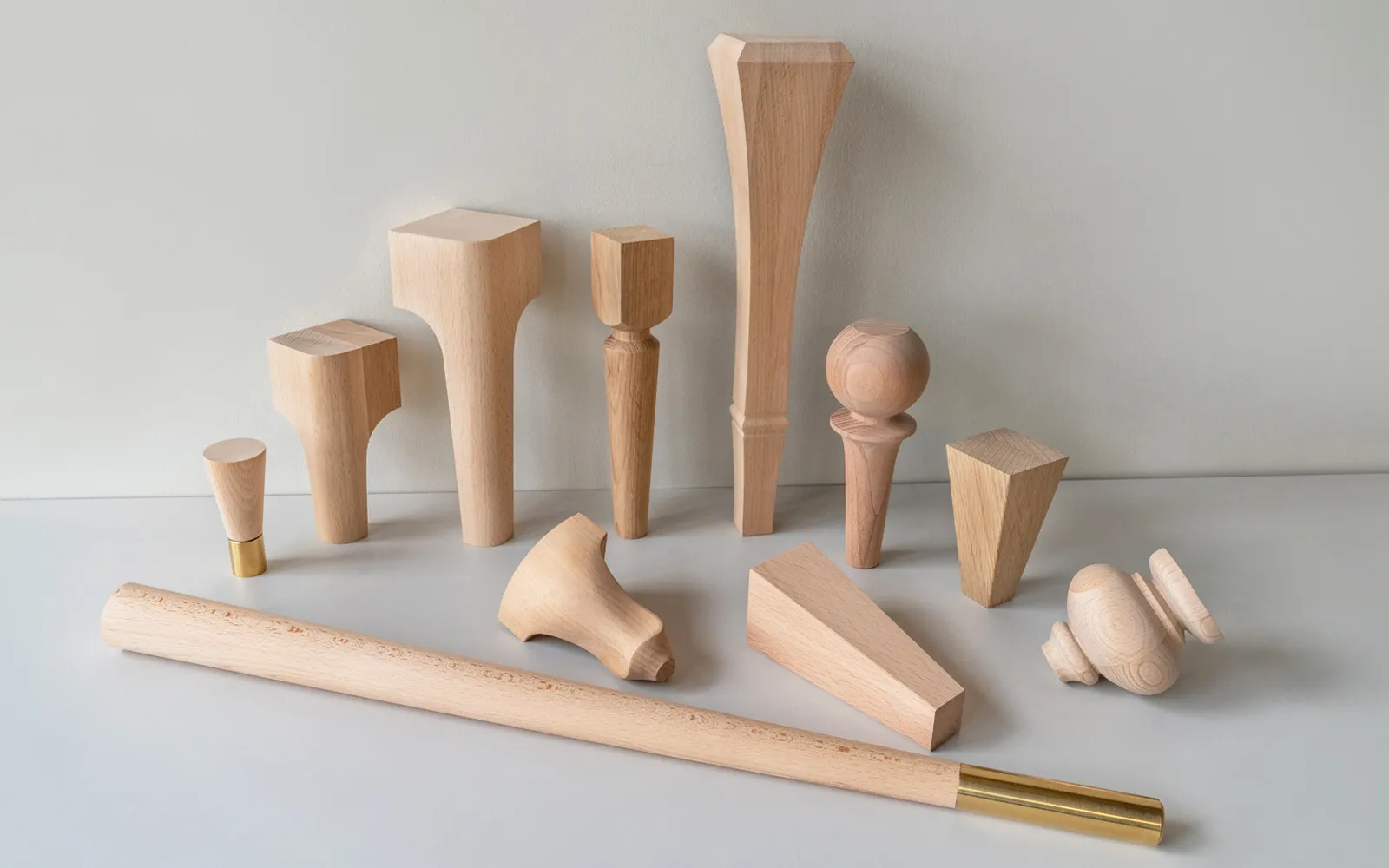
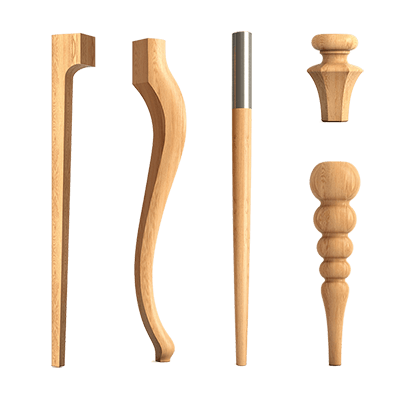
If instead of a solid base you need separate supports or additional support, you can look at wooden furniture legs. They do not replace the underframe in all tasks, but may be needed in furniture projects where the structure is built differently. For a decorative connection of the table with furniture, facades, or panels, the following are suitable Decorative wooden inlays. And for fastening and assembly, you need to select in advance Furniture hardware, if required by a specific project.
If the project is broader than one table, it is useful to look at Solid wood products. This helps to select adjacent elements in the same logic: bases, moldings, decorative details, furniture parts. This approach is especially valuable for designers and workshops.
| What to add to the purchase | Why is this needed | Which scenario is it suitable for | What to pay attention to |
| Buy wooden furniture | Choose a main base for the tabletop | Dining, round, coffee, or custom table | Size, height, material, load capacity |
| solid oak and beech table bases | Select a wooden base by material and style | Classic and modern tables | Material availability, finish, compatibility |
| modern furniture frames and underframes | Find a minimalist base for a calm interior | Modern kitchen, living room, cafe, office | Geometry, height, style |
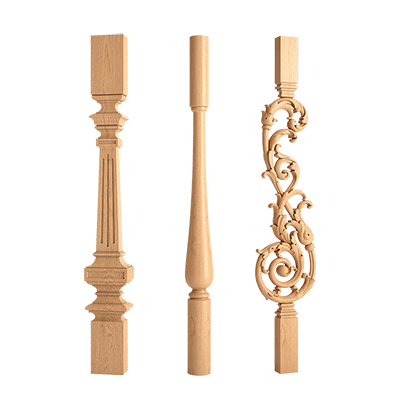
| wooden furniture legs | Use separate supports in other furniture structures | Tables, cabinets, benches, custom furniture | Do not confuse legs with a solid underframe |
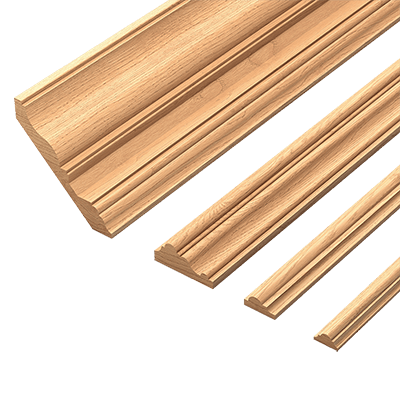
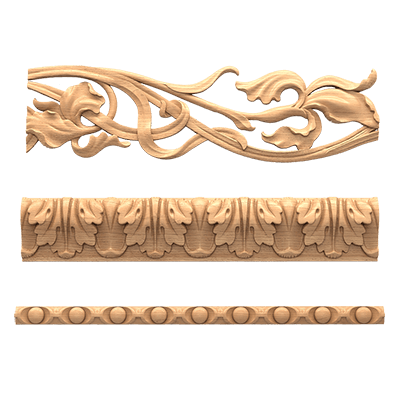
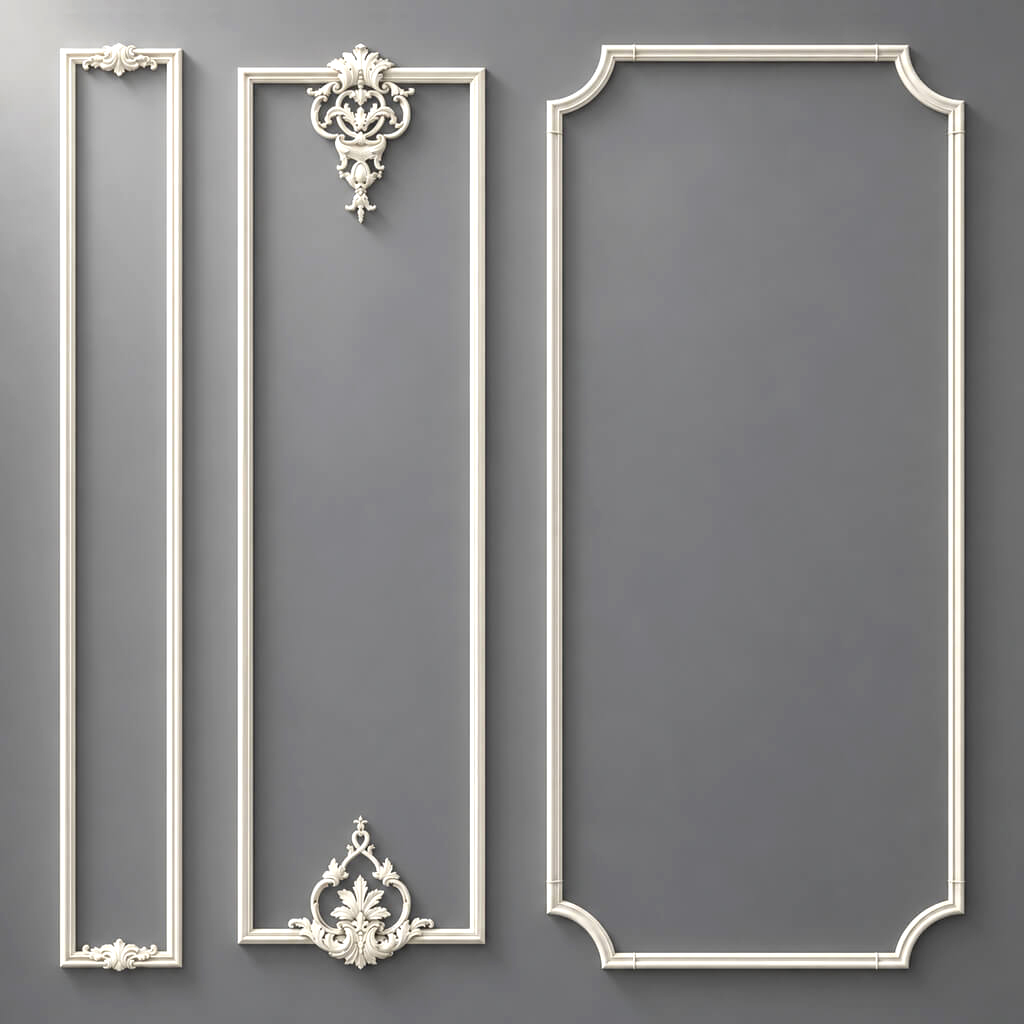
| Decorative wooden inlays | Connect the table with furniture and decor | Classic interior, facades, panels | Scale, pattern, finish |
| Furniture hardware | Prepare fastening and assembly | Tabletop installation, furniture project | Compatibility with base and tabletop |
| Solid wood products | Select adjacent wooden elements | Comprehensive interior or furniture project | Material, style, dimensions |
This block does not mean that you must buy everything listed for every underframe. The point is different: a table rarely lives alone. It is connected to chairs, furniture, finishes, fasteners, decorative details, and the interior. The earlier you assemble the complete logic, the lower the risk of mismatches.
How not to confuse an underframe with similar products
Underframe and ready-made table
An underframe is a base for a tabletop, not a ready-made table. It does not replace the tabletop and does not always include fasteners, assembly, or final finishing unless specified in the product card. The buyer needs to understand in advance that they are buying a base, not a complete "table plus top surface" set.
This mistake is common. A person sees a beautiful base and imagines a finished table, but forgets about the tabletop, fasteners, height, and compatibility. To avoid disappointment, before ordering, you need to check the configuration and purpose of the product.
Underframe and furniture frame
A furniture frame can be a broader concept. It may be used not only for a table or include a different type of construction. An underframe is specifically related to supporting the tabletop. In the catalog, these groups may be located nearby, so it is important for the buyer to look at the purpose of the specific card.
If you need a base for a tabletop, choose an underframe. If you are assembling another furniture structure, a different type of frame may be required. Here you cannot rely only on the word "frame" in the category name; you need to read the card and check the application.
Table base and furniture legs
Furniture legs are separate support elements. The table base is usually perceived as a more integral foundation that defines the structure and distributes the load. For some tables, individual legs are suitable; for others, it is better to use a ready-made base.
If the tabletop is large or the project requires an expressive silhouette, individual legs may not provide the desired visual and structural result. If the furniture task is different, such as a cabinet, bench, or small table, legs may be more convenient. Therefore, it is important not to automatically substitute one for the other.
Table base for a coffee table and base for a large dining table
A compact coffee table base cannot be chosen for a heavy, large tabletop without checking dimensions and load. A coffee table has a different height, different scale, and different usage scenario. A large dining table requires greater stability, comfortable seating, and a different structural logic.
If the base looks beautiful but is designed for a different task, it may not be suitable. Before purchasing, you need to match the purpose, height, size, weight of the tabletop, and actual use.
Wooden and metal base
For those who need a metal base, a wooden table base will not replace it in visual character. Metal gives a more industrial, technological, or graphic look. Wood is warmer, more furniture-like, and interior-oriented. The choice depends on the room style and task.
A wooden table base is well suited for those who want to connect the table with natural materials, furniture, wood finishes, and decorative elements. A metal base is appropriate in other scenarios. There is no universal winner here; there is the right solution for a specific project.
Practical selection for specific situations
There is a round tabletop, a stable base is needed
Start with the diameter and weight of the tabletop. Then determine the height of the future table. After that, check if the base will interfere with legs. For a round table, symmetry is especially important: the underframe should visually support the center and not appear too small.
If the table will be a dining table, consider the number of people. Seating around a round table is distributed differently than around a rectangular one. A central base can be convenient, but only if its dimensions do not interfere with legs. Before ordering, check the dimensions and recommendations in the product card.
Need to assemble a large family dining table
Here, the main things are stability, seating, and load. A large tabletop requires a confident base. If six, eight, or more people will be sitting at the table, it is important to check whether the underframe interferes with chairs and legs. Also consider table settings, dishes, elbows, and daily use.
For such a project, it is better not to choose a too light decorative base. It may look beautiful but not provide the needed sense of reliability. A solid wood underframe is well-suited for a family table if its parameters match the tabletop.
Need to update an old table
If the tabletop remains but the base is no longer liked, an underframe can give the furniture a second life. But before purchasing, you need to take measurements of the old table, understand the height, check the attachment points, and assess the weight of the top surface. Old holes do not always fit a new base.
Also, decide whether to change the style. If the old table was too modern, you can choose a warmer wooden base. If the interior has become calmer, it is better to look at minimalist forms. If you want a classic look, a carved underframe can completely change the furniture's appearance.
Need to make a coffee table for the living room
For a coffee table, consider the height of the sofa and armchairs. The table should not be uncomfortably high or too low. The base should match the size of the tabletop and not overwhelm the seating area. If the table is on a rug, consider visual weight: a heavy underframe can make the composition look squat.
A coffee table is a good place for a decorative base. Here, carving, an unusual shape, or expressive wood can work more strongly than in a dining table. But stability and convenience still remain the main priorities.
Need to select tables for a cafe
For a cafe, repeatability, stability, and maintenance are important. Visitors often move chairs, staff wipe tables, furniture works all day. The underframe should be not only beautiful but also practical. It is necessary to check load, fastening, care, and compatibility with tabletops.
If the hall is decorated in a warm wooden style, solid wood underframes help create a cohesive look. If the interior is modern, you can choose minimalist bases. For a classic restaurant, more expressive forms are appropriate.
Need to make a custom table for a designer
In a custom project, the underframe often becomes the basis of the image. The designer can build the table around a carved base, unusual geometry, or material. But even in such a project, one must not forget about seating and load. Beauty must work together with the structure.
First, determine the role of the table in the room. Is it the main item or supporting furniture? Is an accent needed or a calm base? Then select the tabletop, base, finish, decorative details, and hardware. For complex projects, it is better to coordinate parameters with a STAVROS manager in advance.
Installation, preparation, calculation, and care
How to calculate a future table
Calculation starts not with the underframe, but with the finished table. You need to understand the final height, tabletop size, number of seats, installation location, and usage scenario. After that, it is easier to choose the base.
For a dining table, consider seat height, tabletop thickness, and legroom. For a coffee table, consider sofa height and ease of access. For a round table, consider diameter and central stability. For commercial use, consider frequency of use and maintenance requirements.
How to check proportions
Mentally place the tabletop and base in one diagram. See how much the base occupies under the top surface, how far it recedes from the edge, whether it interferes with legs, whether it seems too small. If possible, make a simple scale drawing or mark the dimensions on the floor.
Proportions are especially important for round and coffee tables. For a round table, the base is visible from all sides. For a coffee table, it is in the center of the seating area and is often viewed from above and from the side. A mistake in scale immediately ruins the look.
What to consider when attaching
The attachment must match the tabletop and base. You need to understand what attachment points are available, what hardware is needed, whether the attachment will damage the tabletop material, and whether the joint can withstand daily load. This is especially important for heavy tabletops.
Do not start installation without checking the package contents and recommendations. If the product card does not have a complete answer, it is better to clarify the details. Proper attachment extends the life of the table and reduces the risk of loosening.
Preparation for finishing
If the base is purchased for painting, tinting, or varnishing, you need to plan the finish in advance. The base should match the tabletop, chairs, and interior. The color can repeat the furniture, contrast with the tabletop, or support the wooden elements of the room.
Before finishing, it is important to check the surface, material, and recommendations. If an exact color match is required, it is better to make a test swatch or coordinate the finish with a craftsman. This is especially important when the table will stand next to existing furniture.
Caring for a wooden base
Care depends on the finish. In most cases, wooden elements do not like aggressive agents, excess moisture, or rough mechanical cleaning. Carved bases require more careful care because dust can accumulate in the relief. Laconic shapes are easier to wipe, but they also require careful handling.
For commercial spaces, maintenance needs to be planned in advance. If the base will frequently come into contact with shoes, chairs, or cleaning equipment, the finish should be practical. Before choosing a coating, it's better to consider actual usage rather than just appearance.
Mistakes when buying a wooden table base
Choosing only by a beautiful photo
A photograph shows the shape but doesn't give a full understanding of scale. A base may look massive in a picture and small in a real interior. Or vice versa: in a photo it looks neat, but under your tabletop it might turn out too heavy. Always check dimensions, height, and purpose.
Ignoring the weight of the tabletop
The tabletop can be heavy. Especially if it's large, thick, or made of dense material. The base must match the load. If this parameter is not checked, the table may wobble, look unstable, or require modifications.
Incorrect height
The height of the future table is the sum of the base height and the tabletop thickness. If you forget about the thickness of the top plane, the table may end up uncomfortable. This is especially noticeable in a dining area: sitting will be uncomfortable, even if the table itself is beautiful.
Unsuitable shape for the tabletop
Round, rectangular, oval, and square tabletops require different bases. You cannot place the first base you like under any shape. You need to check geometry, load distribution, and fit.
The base interferes with legs
The base can be beautiful but uncomfortable. If the supports are poorly positioned, people will hit them with their legs. If the base is too massive, chairs won't be able to slide in properly. Before buying, you need to imagine the actual seating, not just the table's appearance.
Misunderstanding of the configuration
A table base is not always a finished table and not always a set with a tabletop, fasteners, or finishing. The configuration must be checked in the product card. Do not expect what is not stated in the product description.
Purchase without a mounting plan
Mounting is a weak point of many DIY projects. The buyer chooses a tabletop and a base but forgets how they will be connected. This results in gaps, instability, or the need to urgently find additional components. It is better to select hardware in advance and clarify the installation.
Style mismatch
A classic carved table base may look out of place in a minimalist kitchen. A laconic base may be too simple for a formal dining room. The style should be checked not by individual items but by the entire room.
Saving on a coordinated set logic
Sometimes a buyer chooses a table base separately, a tabletop separately, chairs separately, and decor separately. As a result, everything is beautiful individually but does not work together. It is better to plan a unified line in advance: material, color, shape, scale, and decorative elements.
Refusing consultation for a complex task
If the table is large, the tabletop is heavy, the project is commercial, or the shape is non-standard, it is better not to guess. Consulting with a STAVROS manager helps verify the parameters before purchase and avoid rework.
Who would suit a wooden underframe, and who should choose a different option
A wooden underframe is suitable for furniture workshops that assemble custom tables and want to work with ready-made bases. It is useful for interior designers because it helps create individual pieces without making a complex base from scratch. It is suitable for table manufacturers, cafe and restaurant owners, private buyers, homeowners and apartment dwellers where the table should be part of a well-thought-out interior.
Such a base is especially appropriate if you already have a tabletop or have an idea for a future table. A wooden underframe helps assemble furniture for a specific size, style, and task. It suits those who value solid wood, the possibility of finishing, and a lively furniture character.
This solution is not suitable for those looking for a fully ready-made "table plus tabletop" set without additional checks. It is not suitable for those who do not want to check size, load, height, and fastening. It is not suitable for buyers who fundamentally need a metal base, an industrial base, or a technical adjustable structure.
Also, a wooden underframe may be unnecessary if the table is needed as a temporary solution and there are no style requirements for it. But if the furniture should serve as part of the interior, a wooden underframe offers more possibilities: you can choose the shape, material, finish, and assemble the table for your project.
Where to buy a wooden underframe
When a buyer asks where to buy a wooden underframe, they need not just a store, but a clear path of choice. They need to open the catalog, look at real product cards, compare shapes, materials, purposes, check parameters, and understand whether the base is suitable for a specific tabletop.
At STAVROS you can Buy wooden furniture for a dining, round, coffee, or custom table. If you need a specialized selection by material and product type, it is worth looking at solid oak and beech table bases. For a modern interior, you can separately explore modern furniture frames and underframes.
Before ordering, open the product card and check the current dimensions, material, purpose, finish, configuration, and compatibility with the tabletop. If the tabletop is heavy, the shape is non-standard, or the project is commercial, it is better to clarify the parameters with a manager. This is a normal stage of purchase because the underframe is responsible not only for beauty but also for the stability of the future table.
How to buy from STAVROS and not make a mistake with the choice
Start with a description of the future table. Write down the shape of the tabletop, size, approximate weight, purpose, installation location, and desired style. Then go to the STAVROS catalog and choose a base not by one feature, but by a combination of parameters.
If you need a base for a round table, check the tabletop diameter, height, stability, and seating comfort. If you need a dining table, consider the number of people, chairs, and daily load. If you need a coffee table, evaluate the sofa height, rug size, and scale of the seating area. If the project is modern, look for minimalist frames. If classic, choose carved or more expressive options.
After choosing the underframe, check what accompanying elements will be needed. You may require fittings, separate furniture legs for another project, decorative overlays to match the furniture, or other solid wood products. Don't buy unnecessary items, but it's helpful to understand the set in advance.
The final step is to verify the product card. Before ordering, check the dimensions, material, finish, set contents, availability of required parameters, and compatibility with the tabletop. If doubts remain, it's better to ask the STAVROS manager before purchasing rather than trying to fix an error after assembly.
FAQ
Where to buy a wooden underframe?
A wooden underframe can be selected from the STAVROS catalog. Before purchasing, open the product card and check the dimensions, material, purpose, finish, set contents, and compatibility with the tabletop. If the project is non-standard, it's better to clarify details with the manager.
How to choose a wooden underframe for a round table?
You need to consider the tabletop diameter, its weight, the future table height, base stability, and seating comfort. For a round table, symmetry and proper central support are especially important to prevent the table from feeling unstable.
How is an underframe different from furniture legs?
Furniture legs are separate support elements. An underframe typically works as a more integral structure that supports the tabletop, distributes the load, and defines the table's appearance. Some projects require legs, while others need a full base.
Which material is better: oak or beech?
Oak is chosen for its expressive texture, solid character, and strong interior presence. Beech is suitable for durable furniture parts, calm shapes, painting, enamel, or neat tinting, if provided for by the specific product. Available materials should be checked in the product card.
What to check before buying a table base?
Check the size, height, material, shape, compatibility with the tabletop, expected load, attachment method, package contents, and future finish. For heavy or non-standard tabletops, it is better to clarify the parameters with a STAVROS manager in advance.
Can one table base be used for any tabletop?
No. Tabletops differ in shape, size, thickness, weight, and attachment method. The table base must be selected for the specific top surface. Large, round, oval, and heavy tabletops require special attention.
Is a wooden table base suitable for a dining table?
Yes, if it matches the size and weight of the tabletop, the height of the future table, and daily load. For a dining table, it is important that the base is stable and does not interfere with legs and chairs.
How to choose a table base for a coffee table?
Look at the height of the sofa, the size of the future tabletop, the scale of the rug and the lounge area. The coffee table should be convenient to use from the sofa and not overload the space. The base can be decorative, but stability remains mandatory.
Can a wooden table base be painted?
It is possible if the specific product is suitable for such finishing. Before ordering, you need to check the material, surface, and processing recommendations. For an accurate color, it is better to make a test swatch or coordinate the finishing with the craftsman.
What to buy together with a wooden underframe?
Usually, along with the underframe, the tabletop, mounting hardware, and adjacent wooden elements are considered if the table is part of a larger interior project. In some cases, furniture legs, decorative overlays, or other solid wood products may be useful.
Do I need to buy hardware separately?
This depends on the configuration of the specific product and the method of attaching the tabletop. Before ordering, you need to check the product card. If the hardware is not included in the set or requires special installation, it needs to be selected separately.
Is a wooden underframe suitable for a cafe or restaurant?
Yes, if the base matches the load, stability, and frequent use. For a commercial interior, you need to especially carefully check the material, mounting, care, repeatability, and compatibility with the tabletop.
Can I replace an old table base with a wooden underframe?
Yes, if the new underframe matches the size, height, mounting, and load of the existing tabletop. Before purchasing, you need to take measurements of the old table, check the attachment points, and determine the final height.
How to avoid mistakes with table height?
Add the height of the underframe and the thickness of the tabletop. Then compare the result with the purpose: dining table, coffee table, work table, or decorative table. A mistake in height can make the table uncomfortable, even if it is beautiful.
Why is a wooden table base better than a random blank?
A ready-made table base already has a well-thought-out shape and furniture character. A random blank may not be suitable in terms of load, fastening, aesthetics, and stability. A ready-made base helps assemble the table faster and reduces the risk of structural errors.
Result: how to move from a table idea to the right purchase
A wooden table base defines no less than the tabletop. It holds the load, sets the silhouette, affects seating, supports the style, and helps turn a separate top surface into a full-fledged table. Therefore, you need to buy the base thoughtfully: through size, shape, height, material, load, fastening, and installation location.
For a round table, look at symmetry and stability. For a dining table, look at seating, daily load, and comfort. For a coffee table, look at height and scale relative to the sofa area. For a classic interior, carved shapes can be considered. For a modern one, laconic wooden frames. For a designer project, it is important to think in a set right away: table base, tabletop, hardware, finish, and adjacent solid wood items.
At STAVROS, you can choose a wooden table base for different tasks and move from an idea to a specific purchase without random selection of parts. Before ordering, open the product card, check the parameters, match the base with the tabletop, and if necessary, clarify details with a manager. This way, the future table will not just look beautiful in a photo, but will be stable, comfortable, and connected to the interior.