Article Contents:
- When choosing a wooden door handle: an honest answer
- How a wooden handle differs from metal and plastic
- Which doors are suitable for wooden handles
- Interior doors: the main scenario
- Doors in a country house
- Cabinet and built-in furniture doors
- Sliding and decorative doors
- What types of wooden handles exist: shapes and types
- Bracket handle
- Round turned handle
- Long wooden handle
- Knob handle
- Recessed handle
- Carved handle
- How to choose the shape of a wooden handle: practical criteria
- Interior style as a starting point
- Door size and handle scale
- Ergonomics
- Wooden handle coating: what to choose
- Natural oil or wax
- Clear varnish
- Without coating
- How to match the handle color to the door and interior
- Matching the door
- Matching the trim
- Matching the furniture
- Contrast to the door panel
- Important rule: do not mix accidentally
- Wooden handle in different interior styles
- Classic Interior
- Neoclassicism
- Jatoba
- Russian style
- Modern Interior
- How to combine the handle with trim, baseboard, and furniture
- Handle and trim
- Handle and baseboard
- Handle and furniture handles
- Handle and slatted panels
- Size and mounting parameters: technical section
- Mistakes when choosing a wooden handle
- What to buy together with a wooden handle
- How to buy a wooden door handle without mistakes: an algorithm
- About the Company STAVROS
- FAQ: Answers to Popular Questions
There are things in an interior that are thought about last — and they end up deciding everything. A wooden door handle is one of them. It is chosen after the door leaf, architraves, baseboard, furniture, and lighting have been selected. And then they grab the first thing they find — a chrome-plated bracket from the nearest hardware store. And it is this random metal detail that every day destroys the image of an interior into which months of work and significant money have been invested.
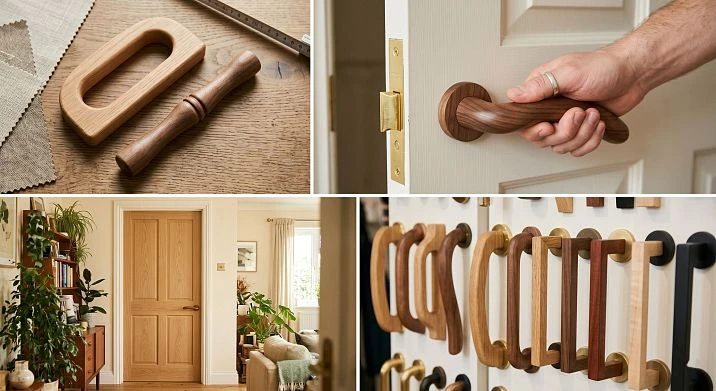
The handle is a point of contact. The only element of the door that is touched by hand every day, several times. It creates the tactile sensation of the door — and through it, of the room, of the home. Warm wood under the fingers is not a metaphor for coziness; it is a literal physical experience. And that is why the right choice of a solid wood handle for an interior door is a decision that works every day.
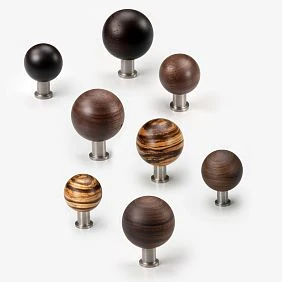
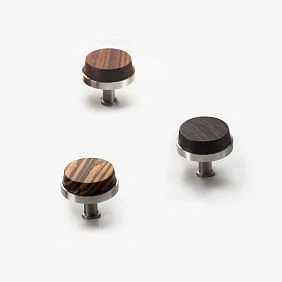
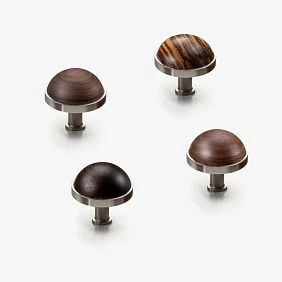
When to choose a wooden door handle: an honest answer
A wooden door handle is not a choice for all interiors indiscriminately. It works where there are natural materials, where wood is present in finishing details, where tactility and the living character of the interior are important.
A wooden handle for an interior door is especially appropriate:
-
if the interior already has Wooden casings and a wooden baseboard — the handle becomes part of a unified wooden system;
-
if the room has furniture made of solid wood or veneer — the handle visually "connects" the door with the furniture;
-
if the interior style is classic, neoclassical, Japandi, Scandinavian style, country house, Russian style;
-
if the door leaf is made of natural wood or has a wood texture;
-
if it is important to you that every detail of the interior is meaningful, not random.
Main idea: a handle is a small element, but it often reveals the level of the interior. An expensive door with a cheap chrome bracket is a mismatch that is immediately noticeable. A simple door with a high-quality wooden handle, coordinated with the trim and furniture, is completeness.




How a wooden handle differs from a metal and plastic one
Comparing three materials helps to understand the real value of a wooden handle — without marketing exaggerations.
| Parameter | Wooden handle | Metal handle | Plastic handle |
|---|---|---|---|
| Tactile | Warm, lively | Cold | Neutral, faceless |
| Visual effect | Soft, natural | Strict, technical | budget |
| Combination with wooden interior | Organic | Requires reflection | Conflicting |
| Durability with care | High | High | Medium |
| Suitable for classic and neoclassical | Yes | Limited | No |
| Uniqueness | High | Medium | Low |
A metal handle is not a bad choice — it is ideal for minimalist interiors with cold materials, for high-tech, for office spaces. But next to natural wood trim, next to oak parquet, next to solid wood furniture — metal creates a dissonance that is difficult to explain in words but easy to feel.
Wooden handles made of solid oak or beech — this is not an "alternative to metal." It is a different language of interior, where natural materials speak to each other on the same wavelength.
Our factory also produces:
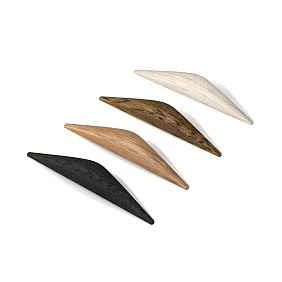
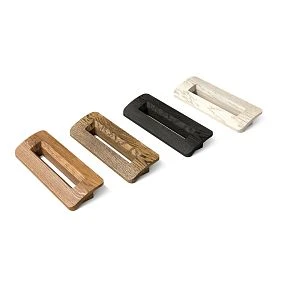
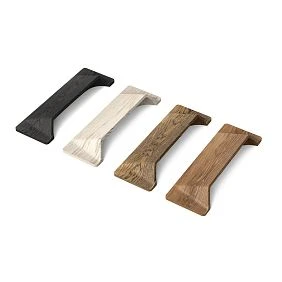
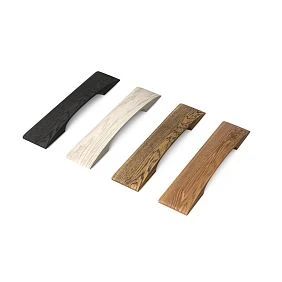
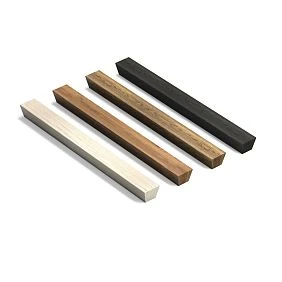
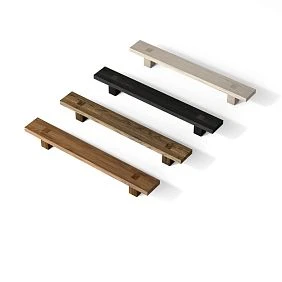
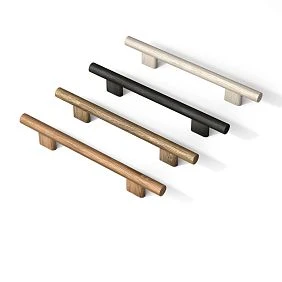
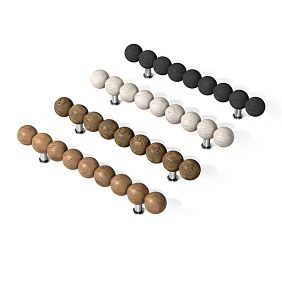
Which doors are wooden handles suitable for
Get Consultation
Interior doors: main scenario
This is the main and most common context of use. Interior doors in the bedroom, living room, study, children's room, dressing room — everywhere where the door is part of a lived-in, residential space.
For an interior door, a wooden handle is chosen considering several factors. The first is the style of the door leaf. A smooth leaf for painting or matching the wall — the handle can be a laconic bracket. A leaf with carved overlays or moldings — the handle should have a proportionate character, not too simplistic. A leaf made of solid wood or veneer — a handle from the same species or a close wood tone.
The second factor is the size of the door leaf. A tall door (2100 mm and above) requires a handle with sufficient prominence — a small knob handle on a tall leaf looks lost. A standard leaf allows a wide choice of shapes.
Doors in a country house
In a country house, a wooden door handle is almost a mandatory choice. Here everything is subordinated to natural materials: wooden ceiling beams, massive furniture, wooden floors, Pogonazh iz massiva, carved decor. In this context, metal fittings look like an imported element from another world.
For a country house, more massive handles work well — long brackets, voluminous turned shapes, handles with a pronounced wood texture under clear varnish.
Cabinet and built-in furniture doors
This is a separate scenario that is often underestimated. If there is a built-in wardrobe in the bedroom or living room, its doors with handles are in the same space as the interior doors. Inconsistency of fittings here is especially noticeable.
Solution: wooden furniture handles and a door handle from the same series or style. The same wood tone, similar silhouette — and the cabinet door 'agrees' with the interior door, creating a unified rhythm of fittings in the room.
Sliding and decorative doors
A sliding door — whether pocket or barn — does not require a handle with a mechanism. Here, pull handles and flush pulls are used. For a barn door in a modern interior — a long wooden pull handle without extra details. For a pocket door — a flush wooden handle, recessed into the door leaf.
What types of wooden handles exist: shapes and types
The market for wooden handles is much more diverse than most buyers assume upon first encountering the topic. Let's break down the main types.
Bracket handle
The most versatile type. A wooden pull handle is an arched or straight bar on two bases, mounted perpendicular to the door plane. The hand grips the handle from above or the side.
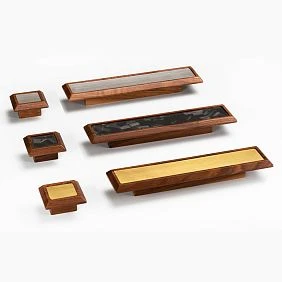
Pull handles come in D-shapes (semicircular form — a classic), rectangular (strict modern geometry), angled (an ergonomic option), and contoured (with profiling along the length).
A wooden pull handle works well on interior doors of any style — from minimalist to classic. The length of the handle can vary from 120 to 300 mm or more — depending on the door height and desired prominence.
Round turned handle
A classic form, tracing back to historical door handles. A rounded base, a turned stem — a warm, traditional look. Works well in classic interiors, Russian style, and country houses. Requires a fixing mechanism — it's not just a decorative element, but a functional detail.
Long wooden handle
An elongated handle, 200–400 mm long — for tall doors and sliding systems. It emphasizes the vertical line of the door, visually 'stretching' it upward. In modern interiors — a minimalist long wooden bar handle as a meaningful design element.
Knob Handle
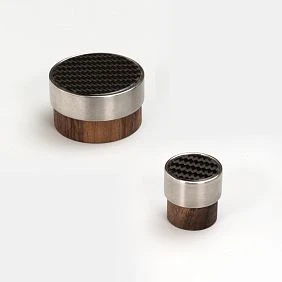
A compact form — for small doors, cabinet doors, and decorative partitions. A knob handle can be cylindrical, conical, spherical, or square. For cabinet doors, this is the most common choice in the wooden category.
Recessed handle
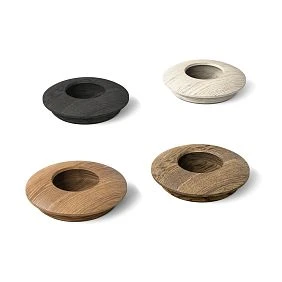
A handle recessed into the edge or surface of the door panel — for sliding doors and minimalist solutions. It does not protrude above the surface. Mortise wooden handles — a solution for those who want to 'hide' the hardware as much as possible while preserving the natural material.
Carved handle
For classic or Russian style — a handle with carved ornament or a profiled base. This is not a mass-produced item, but a bespoke detail with character. Pairs well with carved wooden decor — overlays, ornamented architraves, wooden moldings.
How to choose the shape of a wooden handle: practical criteria
Choosing a shape is not just about aesthetics. It's about functionality, scale, and appropriateness.
Interior style as a starting point
The handle shape should "speak" the same architectural language as the entire interior.
-
Minimalism and modern interior. Rectangular wooden bracket, D-shape without decoration, long flat bar. Here, wood works as a textured warm contrast to cold surfaces.
-
Neoclassicism. A bracket with a slightly more expressive profile, a turned handle with a neat base. Geometry is strict but not rough.
-
Classic. A turned handle with a figured base or a bracket with ornament. Connection with carved decoration и wooden moldings in the interior.
-
Japandi. A laconic wooden handle without unnecessary elements. Shape is simple, round or elongated. Material is natural light oak or ash under clear oil.
-
Russian style. A handle with expressive character — turned, with relief, or a small bracket made of dark oak. Here, the connection with the architraves, which may have ornament, is important.
Door size and handle scale
High door (2100 mm and above) — handle length at least 150–200 mm. A small element on a large panel gets lost. Standard door (2000 mm) — handle 120–160 mm. Cabinet door — knob handle or bracket 60–100 mm.
Ergonomics
The handle is used by hands every day. The shape should fit comfortably in the palm. A too thin bracket is uncomfortable with a tight grip. A too wide one is awkward to grasp. The optimal diameter of a wooden bracket for a comfortable grip is 25–35 mm.
Wooden handle coating: what to choose
The coating affects not only the appearance but also the durability — after all, the handle is the most used part of the door.
Natural oil or wax
Oil and wax coating preserves the natural matte surface of the wood. The handle remains warm, tactile, and "breathable." Disadvantage: requires periodic maintenance — once every year or two, the coating needs to be refreshed. However, scratches and wear are easily repaired locally.
Clear varnish
Lacquer coating is more protective. The surface is glossy or matte, resistant to moisture and dirt. In case of scratches, it requires complete re-lacquering, but this is not frequent. Handles with Finish STAVROS are products with applied lacquer, ready for installation without additional treatment.
Without coating
handles without coating — for those who plan to paint the handle in the desired shade or coat it with oil themselves. This is an option for painting or tinting — to get the exact color matching the door or furniture.
This is especially valuable when the handle needs to be the same tone as the architraves or baseboards from the same series.
How to choose the handle color to match the door and interior
Choosing the color of a wooden handle is a task with multiple correct answers. Each creates a different visual effect.
Matching the door
The most harmonious and "quiet" solution. The handle blends with the door leaf — the door is perceived as a single object, the handle does not attract separate attention. Good for interiors where minimal detailing is desired.
Matching the trim
If Wooden casings are made of tinted oak — a handle of the same tone creates a connection between the frame and the hardware. This is a professional technique that works "quietly" but is noticeable upon close inspection.
Matching the furniture
Wooden handles on doors matching furniture handles — a technique that creates thematic unity of the space. One wood species, one tint tone — both the door and the furniture "speak" the same language.
Contrast to the door leaf
A dark handle made of stained oak on a light door is an accent. It draws the eye to the handle, making it an independent decorative element. This technique works well in interiors with deliberate color contrasts — where the dark color is supported by other elements.
Important rule: do not mix randomly
If a room has warm oak on the floor, light ash on the furniture, and dark walnut on the trim — adding a fourth shade for the handle is not advisable. In such a case, it is better to choose a tone closest to the most prominent wooden element in the room.
Wooden handle in different interior styles
Classic interior
In classic style, the handle is not just a functional detail, but a decorative element. A more expressive shape is appropriate here: a turned handle with a figured base, a bracket with profiling along the length, a handle with a carved decorative detail at the base.
The wood tone is warm: honey oak, dark walnut, golden ash. The finish is clear varnish, which allows the grain pattern to be visible. Connection with carved decoration in the interior — with overlays on doors, trim with ornament — makes the handle part of the architectural system.
Neoclassicism
Neoclassicism requires restraint — but not poverty. A bracket handle with a soft D-shaped profile in light oak. Or a turned handle with a neat flat base — without ornament, but with an expressive shape of the neck and finial.
The tone is light or neutral: natural oak, milky ash, bleached wood. Matching with wooden moldings on walls and doors in tone — is mandatory.
Japandi
Japanese-Scandinavian style is asceticism in a good sense: every detail is in plain sight and must be perfect in its simplicity. A wooden door handle in the Japandi style is as laconic as possible. No decoration, no profiles. A simple square-section bar. Or a thin D-bracket of minimal profile. The wood is light, the surface is matte, oiled.
Russian Style
This is a direction where the wooden handle gets the right to character. You can use a more distinctive shape — a handle with turned details, with a small ornament at the base, with a pronounced wood texture. It works well in combination with Carved casings and wooden overlays with traditional ornament.
The wood tone is warm and rich: honey, nut, cherry. The finish is clear lacquer or oil with a warm toner.
Modern interior
In a modern space with white walls, metal, concrete, and minimalist furniture, a wooden handle works as a "warm accent." It softens the coldness of a contemporary interior, adding a natural element without disrupting the overall style.
The shape is strict and geometric: a rectangular bracket or a long flat bar. The tone is natural or light. It is in such interiors that a solid wood handle looks like a deliberate design choice, not a random selection.
How to combine a handle with architraves, baseboards, and furniture
This is the section that separates a random handle choice from a thoughtful interior solution.
Handle and architraves
wooden casing creates a frame around the door — this is what is seen first when looking at the doorway. The handle is inside this frame. If the architrave is made of dark tinted oak and the handle is made of light beech, this is a visual conflict.
Rule: the handle should be in the same tonal group as the architrave. Warm to warm, dark to dark, light to light. The ideal option is a handle and architraves made of the same wood species and the same tone of finish.
Handle and baseboard
Wooden baseboard sets the lower wooden line of the room. It is a continuation of the same wooden theme as the architraves. A handle that is coordinated with the architrave in tone automatically coordinates with the baseboard as well — if they are from the same system.
Handle and furniture handles
This is a technique that turns a set of elements into a system. When wooden furniture handles and the door handle are made in a similar style and tone — the room acquires an internal rhythm that is perceived as design coherence.
It is not necessary to use the same model — similarity of shape (bracket to bracket, knob to knob) and wood tone is sufficient.
Handle and slatted panels
If the interior has slatted wall panels made of solid wood — a wooden handle on the door in the same tone connects the door to the panels, creating the feeling that the door is part of the wooden theme of the wall. This is especially relevant for zoned spaces where the slatted partition and the door are in the same visual field.
Size and mounting parameters: technical section
Choosing a handle is not just about aesthetics. Before purchasing, you need to check several technical parameters.
Center distance. The distance between the centers of the mounting holes. Standards — 32, 64, 96, 128, 160 mm. For wooden handles on doors, this distance is determined by the design of the handle base. Check the description of the specific model.
Handle length. For brackets — the total length of the product. For turned handles — the length of the handle without the bases. The length is selected according to the size of the door leaf and the height of the door.
Handle diameter. For brackets — diameter or cross-section of the wooden beam. Optimal for daily use — 25–35 mm.
Fasteners. Most wooden handles are attached with through bolts or self-tapping screws covered with decorative plugs. Ensure the door thickness matches the fastener length.
Mistakes when choosing a wooden handle
-
Choosing a handle only by photo. Photos don't convey tactility or show real scale. Always look at actual samples or carefully study the dimensions in the description.
-
Not considering door thickness. Standard door is 35–40 mm, but 50–55 mm is also common. Fastener length must match.
-
Mixing different wood shades without logic. A random mosaic of four different wood tones in one room is not "variety," it's chaos.
-
Handle too small for a tall door. A knob handle with a diameter of 30 mm on a door 2200 mm high looks lost.
-
Rough shape in a light interior. A massive heavy handle made of dark wood on a light door in a modern interior — a conflict of scales.
-
Not coordinated with the architraves. This is the most common and most noticeable mistake.
-
Forgotten furniture hardware. Handles on cabinets and nightstands in the same room must be considered when choosing a door handle.
-
Uncomfortable shape for daily use. Beautiful, but the handle is hard to grip — annoying from the first week of use.
-
Coating not considered. The handle without coating in the active use area quickly darkens from hand contact. Oil or varnish coating is a must.
What to buy together with a wooden handle
The handle is the final detail. But if you are updating the door design as a whole, it is worth considering matching elements from the same wooden system.
-
Wooden casings — for a coordinated design of the doorway.
-
Wooden baseboard — to complete the lower wooden line of the room.
-
Wooden moldings — for moldings on the door leaf and on the walls.
-
Pogonazh iz massiva — slats for decorative inserts on the door.
-
wooden furniture handles — for coordinated hardware in the same room.
-
Carved wooden decoration — decorative overlays, corner elements, rosettes for door decor.
-
Solid Wood Items — full catalog of wooden elements for interior.
How to buy a wooden door handle without mistakes: algorithm
Step 1. Determine the door type: interior, cabinet, sliding, decorative.
Step 2. Measure the door leaf: height, width, thickness.
Step 3. Determine the interior style and choose the appropriate handle shape.
Step 4. Decide on the tone: matching the door color, matching the trim color, contrast, or natural wood.
Step 5. Check coordination with the trims and baseboards in the room.
Step 6. Evaluate furniture handles in the same room — can a similar shape be chosen.
Step 7. Choose the finish: unfinished (for self-treatment), oil, varnish.
Step 8. Check technical parameters: center-to-center distance, fastener length, handle diameter.
Step 9. Go to the directory STAVROS wooden handles — a wide range of shapes, sizes, and finishes for any interior.
About the company STAVROS
A solid wood handle is a small item, but its quality is felt every day. STAVROS has been producing Solid Wood Items oak and beech since 2002. Own production in Saint Petersburg, turning and milling, hand finishing, two quality classes — Standard and Prestige.
Catalog STAVROS wooden handles — a wide range of shapes for doors and furniture: staples, turned handles, mortise options, Handles with Finish и without a finish — for self-toning or painting. Shipment from 1 piece. Contact us to confirm shipping to your destination. via CDEK and DPD. Showrooms in Saint Petersburg and Moscow — for those who want to evaluate the material and quality in person.
FAQ: Answers to popular questions
Is a wooden handle suitable for an interior door?
Yes, it is one of the most organic options. A wooden handle for an interior door works well where the interior already includes wooden architraves, baseboards, solid wood or veneer furniture, slatted panels, and other natural details.
Which is better: a wooden or a metal handle?
Depends on the interior style. Wooden is warmer, more organic for classic, neoclassical, japandi, and country homes. Metal is stricter, suitable for high-tech, minimalism with cold materials. Where there is natural wood in the interior, a wooden handle almost always looks more organic.
How to choose a wooden handle by color?
Focus on the tonal group of other wooden elements in the room — trim, baseboards, furniture. The handle does not have to match exactly, but should be in the same "temperature zone": warm wood to warm, cool light tone to cool.
Can you put the same handles on doors and furniture?
Yes. This is a good design technique — uniformity of hardware creates a sense of meaningful space. You can choose not the same model, but ones close in style and tone.
Which wooden handles look modern now?
Laconic wooden brackets with a rectangular or D-shaped profile, long flat pull handles for tall doors, and knob handles made of natural oak or ash with an oil finish are relevant. Minimalist form + natural wood texture — this is the modern classic in the world of wooden hardware.
Does a wooden handle need to be coated with varnish?
It is advisable. The handle is the most used element of the door. Without coating, it quickly darkens from touch. Oil or varnish protect the surface and simplify maintenance. Uncoated handles are chosen for self-toning or painting to a specific shade.