Article Contents:
- How a wooden frame fundamentally differs from any other
- Natural texture as part of the interior image
- Strength and repairability
- Possibility of tinting, painting and repainting
- Wooden frame in the context of an expensive interior
- How to choose the frame size: rules that never go out of style
- Proportion of baguette width and canvas size
- Small paintings and graphics
- Large canvases
- Vertical and horizontal paintings
- How to choose a wooden baguette profile: from thin to carved
- Narrow smooth profile
- Medium profile with chamfer
- Wide figured profile: classic baguette
- Carved frame: decor as a statement
- Baguette for painting: freedom of color
- Wooden frame in different styles and rooms
- Classic interior and neoclassicism
- Modern classic and neoclassic
- Study: frames as intellectual decor
- Living room: frames as architectural rhythm
- Country house: natural character
- How to choose the color of a wooden frame to match the interior
- Frame to match furniture and floor color
- Frame to match wooden baseboards and moldings
- Frame to match door and trim color
- Contrasting frame: when it works
- Light and dark frames: physics of perception
- Wooden picture frame molding: what it is and when it's needed
- How a baguette frame differs from a simple frame
- Wide baguette: for which situations
- Narrow frame: for which situations
- How a wooden frame affects the perception of a painting
- Picture frame and mirror frame: a unified wooden system
- Mirror frame in the hallway
- Picture frame in the living room: unity with the mirror
- When you can use a similar profile for a mirror and a picture
- What to pair a wooden picture frame with in the interior
- Wooden moldings on walls
- Wooden skirting boards
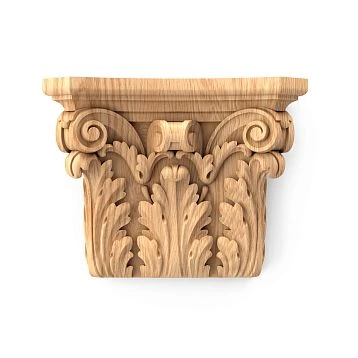
- Wooden trim and decorative overlays
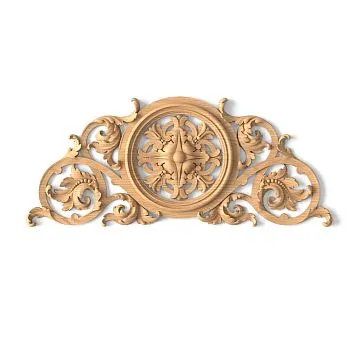
- Carved decoration
- All wooden products in the system
- Mistakes when choosing a frame for a painting: a list without compromises
- Where to buy a wooden frame for a painting and a wooden baguette
- FAQ: answers to important questions

Wooden picture frame — a category that covers a huge range: from a thin, laconic 15 mm profile for modern graphics to a wide carved baguette with gilding for classical oil painting. Between these extremes are hundreds of options, each with its own logic.
In this article, we will break down everything to the point: how the width of the frame relates to the size of the canvas, why a wooden baguette works equally convincingly in classical and modern interiors, how to match the frame with furniture, baseboards, and moldings, and — most importantly — how not to make a mistake when choosing. No general words. Only what really affects the result.



How a wooden frame fundamentally differs from any other
Ask yourself: why are there almost no plastic frames in museums, galleries, and well-furnished private homes? Not because they don't know about alternatives. It's simply that wood does what no synthetic material can reproduce — it lives alongside the painting, not just holds it.




Natural texture as part of the interior image
A solid wood frame — this is a surface with a visible natural structure. Fibers, pores, soft tonal transitions. Under side lighting, wood shows depth that a flat plastic profile fundamentally cannot reproduce. This is not a question of price — it is a question of the physical nature of the material.
When a painting in a wooden frame stands next to wooden furniture — or when there are Wooden moldingswooden baseboard, wooden architraves — the interior gains material unity. One nature, one character, one feel under the hand. Wood in the frame organically integrates into this system. Plastic does not, no matter how it is painted.
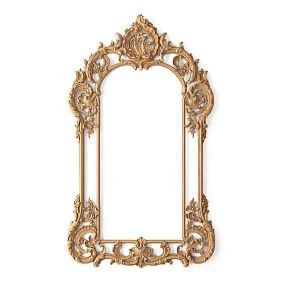
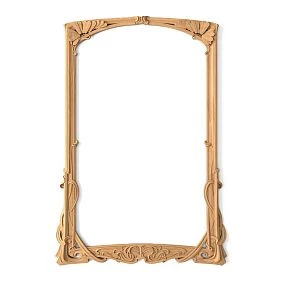
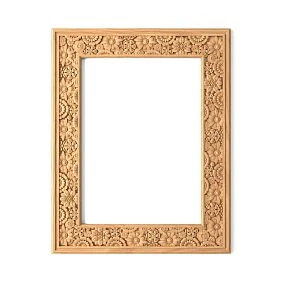
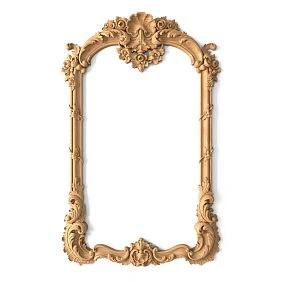
Our factory also produces:


Strength and repairability
A wooden frame survives moves, accidental impacts, and changes of owners. A scratch on a wooden surface with a matte finish can be restored without a trace: sanded, tinted, and coated with the same varnish or oil. A damaged corner profile can be locally repaired without replacing the entire frame. Synthetic materials do not have such repairability: plastic chips are visible and cannot be accurately restored.
Get Consultation
Possibility of tinting, painting, and repainting
A wooden frame is not a final color choice. If the interior changes, the frame is repainted, retinted, or relacquered. A natural wood frame with an oil finish: sanded, a new tone applied, varnish renewed — the frame is different. This is important for those who live in an interior and periodically update it.
A wooden frame in the context of an expensive interior
wooden frames — the standard of an expensive, representative interior. This is not a matter of snobbery — it is a matter of visual weight. A wooden frame reads as solid, as made for centuries. A plastic frame in the same space feels like a temporary item. An interior where paintings in plastic frames coexist with carved wooden decor and wooden furniture creates a sense of mismatch that is hard to put into words but is felt by everyone who enters the room.
How to choose the frame size: rules that never go out of style
The frame size is primarily about proportion. The width of the molding relative to the size of the painting determines whether the frame will act as a neutral border or as a decorative element that takes its place in the composition.
Proportion of molding width to canvas size
Basic rule: the frame width should be proportional to the size of the painting. For a small work 20×30 cm, a frame 80–100 mm wide will overwhelm the image. For a large canvas 80×100 cm, a thin molding 15 mm wide will look random — as if the painting was not framed, but simply fixed.
| Picture size | Recommended molding width | Profile type |
|---|---|---|
| Up to 30×40 cm | 15–30 mm | Narrow, smooth |
| 40×50 — 60×80 cm | 30–60 mm | Medium, possibly shaped |
| 60×80 — 100×120 cm | 50–80 mm | Medium or wide |
| Over 100×120 cm | 60–100 mm | Wide, possibly carved |
Small paintings and graphics
Small works — watercolor, engraving, book illustration, intimate landscape — require delicate framing. A narrow wooden molding 15–25 mm with a smooth profile and matte or lacquered finish. The frame should say "look at the painting," not "look at me." Thin wooden frame for a small work — this is a professional, museum-grade solution that elevates the status of any work on paper or canvas.
For a series of small works — for example, botanical illustrations or graphic studies — the frames should be of the same profile and the same color. Then different paintings read as a deliberate collection, not a random assortment of items.
Large canvases
A large painting is an architectural element of the wall. And the frame for it should understand that. Wide Wooden Picture Frame for a large canvas — this is a substantial profile 60–100 mm that creates a transition between the painting and the wall. For classical painting — a figured profile with relief is possible. For a large abstract canvas in a modern interior — a wide but smooth profile of natural wood without decoration.
Vertical and horizontal paintings
Vertical paintings — portraits, figurative compositions, "vertical" format landscapes — are traditionally framed with moderate-width frames that do not interrupt the vertical rhythm. Horizontal works — panoramic landscapes, horizontal abstractions — allow a wider top and bottom segment of the frame: this enhances the horizontal weight of the painting.
How to choose a wooden molding profile: from thin to carved
The molding profile is the cross-section of the frame, how it looks from the side. It is the profile that determines the character of the frame: whether it is strict or lush, laconic or decorative, museum-like or homey.
Narrow smooth profile
Thin wooden profile 12–25 mm is the language of modern minimalism and Scandinavian aesthetics. The frame practically disappears, leaving the painting one-on-one with the viewer. This profile works for:
-
photos in frames on modern white walls
-
watercolor and graphic works in light interiors
-
posters and reproductions in neutral frames
-
series of small works in gallery hanging
Wooden trim with a narrow rectangular profile — the basis for making such frames to order. Material — oak, birch, beech with matte oil or tinted varnish.
Medium profile with bevel
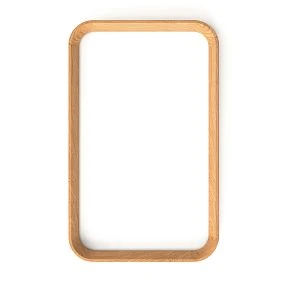
Frame width 30–50 mm with one or two bevels is a universal option that works in both classic and modern interiors. The bevel creates a slight relief that is visible under side lighting. No decor, no carving — but also no empty straightforwardness. This is a "neutral expensive" option that suits most residential interiors.
Wide shaped profile: classic baguette
Wooden Picture Frame A shaped profile is a classic form of frame for paintings. The S-shaped profile, reverse taper, and "tray" are all variations of the classic molding profile. Such a frame visually "deepens" the painting, creating an optical distance between the canvas surface and the wall. A painting in a wide wooden frame with a shaped profile is perceived as more significant—even if the image itself is small.
A wide classic molding is appropriate in:
-
living rooms with classic furniture
-
studies with bookshelves and wood paneling
-
interiors with wooden moldings on the walls
-
country houses with a natural character of materials
Carved frame: decoration as a statement
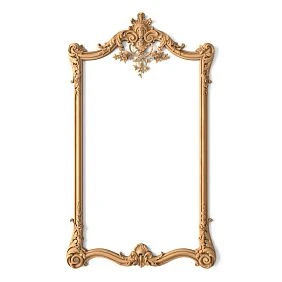
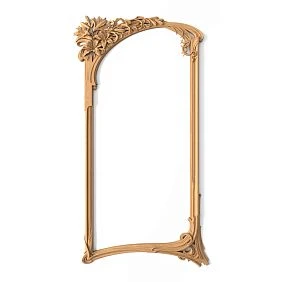
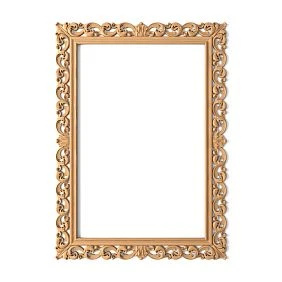
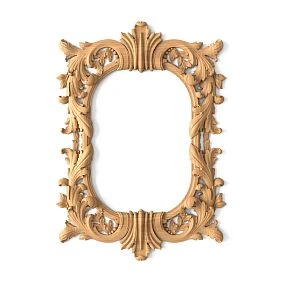
Carved wooden decoration The carving on the frame is a level of decorative expression that says everything about the interior. A carved wooden frame for a painting is not just a way to frame the canvas; it is an independent work of art. Floral ornament, geometric relief, classic acanthus leaves along the perimeter—such a frame works in classic interiors, Empire style, and country houses with natural wooden decor.
A carved frame requires a corresponding canvas: a small modern watercolor in a carved gilded frame is a conflict of scale and style. Carved molding needs painting with a pronounced decorative or classic character.
Bagette for painting: freedom of color
Wooden Picture Frame "for painting" is a profile made of MDF or wood, ready for final painting. It is intended for those who want an exact color: a frame in RAL 9003 for a white wall, a frame in RAL 7016 for gray furniture, a frame matching the color of doors or baseboards. It is a tool for creating systems — when the frame is integrated into the color scheme of the interior, rather than being chosen from a ready-made assortment.
Wooden frame in different styles and rooms
There is no universal frame. There is a frame that exactly matches a specific interior — and then it works flawlessly.
Classic interior and neoclassicism
In a classic interior, a wooden frame is a mandatory element. Wide profiles, figured baguettes, frames with gilding, antique gold tinting, or patina are appropriate here. Solid Wood Frame with a relief figured profile in a classic interior with stucco, with wooden moldings on the walls and wooden skirting board — this is a harmonious system in which the frame is part of the architectural decor, not a random object on the wall.
Modern Classicism and Neoclassicism
Modern classic is interiors with a clear pattern, without excessive decor, but with distinct architectural details: moldings, cornices, correct proportions. Here, a wooden frame of medium width 40–60 mm with a bevel and matte finish works perfectly. The frame is recognized as a classic element but does not overwhelm with ornamentation.
For such interiors — a frame matching the color of baseboards and doors or the tone of wooden furniture. wooden frames of this type create a horizontal rhythm on the wall paired with moldings and cornices.
Study: frames as intellectual decor
A study is a space where paintings and frames carry semantic weight. This is not just decoration — it is a statement about the owner's education, taste, and values. A wooden picture frame in the study — dark oak, walnut, wenge, or classic gold. The profile is moderate, with character. On walls with bookshelves and wooden panels, frames create a unified wooden environment.
In a study with wooden casings and wooden frames for paintings — the interior reads as collected, mature, professional.
Living room: frames as architectural rhythm
In the living room, paintings in frames are often hung in groups — gallery-style arrangement, a symmetrical pair above the sofa, a vertical row along the stairs. In all these scenarios, the unity of frames is more important than the unity of paintings. The paintings can be different — in subject, technique, color. But frames of the same profile and similar tone will create the feeling of a deliberate collection.
For a modern-style living room — wooden frames in a natural or light tone. For a classic or eclectic living room — frames with a shaped profile matching the wooden furniture or with gilding.
Country house: natural character
In a country house with wooden beams, plank floors, wooden trim — a wooden picture frame is organic by definition. Unfinished oiled oak, distressed wood with soft patina, a solid wood frame with natural texture — all of this fits into the wooden interior of the house without the slightest effort.
For a country interior, landscapes, still lifes with natural motifs, and watercolors with rural or forest themes look good in frames. A wooden frame emphasizes the natural character of both the content and the context.
How to choose the color of a wooden frame to match the interior
The color of the frame is a balance with three elements simultaneously: with the painting, with the furniture, and with the architectural details of the room. Finding equilibrium among these three is the art of frame selection.
Frame matching the color of furniture and floor
A wooden frame in the same tone as the room's main furniture is the most reliable path to harmony. Light oak in furniture — a light oak frame. Dark walnut in furniture — a frame in the tone of walnut. This is not 'everything the same' — it is the principle of material unity, where different wooden objects are perceived as one system.
A wooden floor in a warm honey tone — a frame in the same range of tones. A cold gray floor — a frame in a neutral gray or dark tone, contrasting with the floor.
Frame matching wooden baseboards and moldings
This is one of the most effective techniques for creating an interior system. Wooden baseboard on the floor, Wooden moldings on the walls, picture frames made of the same wood or the same tone — this is a horizontal and vertical wooden rhythm that permeates the entire interior. In this system, frames are not perceived as separate objects — they are part of the architectural decor.
For a room with white moldings and white baseboards — frames in white enamel or white wood. For a room with dark moldings and baseboards — frames in dark wood. For a room with oak trim — frames from the same oak.
Frame matching the color of doors and architraves
Wooden casings around doors and picture frames in the same color — these are vertical frame elements in a unified system. A door with architraves + a picture in a frame of the same tone on the adjacent wall: the eye moves from one to the other naturally, without switching.
Contrasting frame: when it works
A contrasting frame — dark on a light wall or light on a dark background — works only if the contrast is intentional and controlled. A dark wenge frame on a white wall — a sharp, graphic accent. A white frame on a dark green wall — fresh and expressive. Accidental contrast — when the frame simply 'didn't fit' in tone — looks like a mistake.
Light and dark frames: the physics of perception
A light frame optically enlarges the picture — the eye smoothly transitions from the light wall to the light frame and to the image. A dark frame creates a clear boundary, visually isolates the picture from the wall, making it an independent, enclosed object. For interiors with light walls and plenty of natural light — light frames provide lightness. For interiors with a darker atmosphere, with deep wall tones — dark frames work organically.
Wooden picture frame molding: what it is and when it's needed
The word 'molding' in an interior context is often used loosely — it refers to both the profile itself and the finished frame. Let's clarify.
Wooden Picture Frame — this is a profiled strip from which the frame is made. It is a linear element with a cross-section of a specific shape — it is purchased in linear meters or as a finished frame. When people say 'molding frame for a picture,' they mean a frame with a pronounced decorative profile — typically wider and more embossed than minimalist thin frames.
How is a baguette frame different from a simple frame
A simple frame is a rectangular profile with minimal decor, its function is to secure and hang. A baguette frame is already an interior element with its own visual weight. A profile with an S-shaped curve, chamfers, and relief ornamentation — such a frame creates a transition between the plane of the painting and the plane of the wall, optically "deepening" the canvas.
A painting in a wide wooden baguette frame with a shaped profile is a painting that "presences" in the room with greater weight. The same painting in a thin frame is more of a poster than a work of art.
Wide baguette: for which situations
Wide Wooden Picture Frame 60–100 mm wide and more works:
-
for large canvases from 60×80 cm and above
-
for classical oil painting
-
for interiors with a pronounced classical character
-
for walls with moldings and stucco — the frame "supports" the decorative level of the interior
-
for works with a dark background that need a strong border
Narrow frame: for which situations
A narrow wooden frame 15–30 mm works:
-
for graphics, watercolors, photographs
-
for small works
-
for modern and minimalist interiors
-
for gallery hanging — when there are many works and each frame should not steal attention
How a wooden frame affects the perception of a painting
A good frame works like a museum mat: it creates a visual distance between the image and the wall. This distance is not physical, but optical. A painting with the right frame is perceived as more significant, more complete, more 'real'. That is why the same reproduction in a cheap thin frame and in the right wide wooden frame are two different objects with a different presence effect in the interior.
Frame for a painting and frame for a mirror: a unified wooden system
Here's a topic that's rarely discussed, but it shouldn't be. In the hallway, there's a mirror in a frame. In the living room, there's a painting in a frame. In the bedroom, there might be both. If the frames are made of different materials, with different profiles, and different tones, each item exists on its own. If the frames are coordinated, the interior takes on a systematic character.
Frame for a mirror in the hallway
wooden frames for a mirror in the hallway is both a decorative and functional element. A mirror in a wide wooden frame in the hallway with wooden architraves, wooden baseboards, and a slatted panel creates a cohesive wooden interior for the entry area. It's a space you want to enter because it looks thoughtfully designed.
Profile of the frame for a mirror in the hallway: as a rule, slightly more decorative than frames for paintings in living rooms — the hallway is a 'representative' area that welcomes guests. A wide frame with a bevel or slight relief, matching the doors and architraves.
Frame for a painting in the living room: unity with the mirror
If the living room has both a mirror above the fireplace and paintings on the walls, they should be coordinated. Not necessarily identical, but close in material, tone, and profile scale. Wooden picture frame and a frame for the mirror made from the same type of wood or the same tone is a systematic solution that turns the living room wall from a collection of random items into a deliberate composition.
When you can use a similar profile for a mirror and a painting
The same wooden molding profile for a painting and a mirror in one room is a strict, classic solution. This suits symmetrical classic interiors where the mirror and paintings are placed at symmetrical points in the space.
In more relaxed interiors, the mirror and paintings can have a similar but not identical profile — united by a common material and tone. This creates rhythm without rigid symmetry.
What to pair a wooden picture frame with in an interior
A wooden frame doesn't work alone — it's part of a system. Here's what surrounds it and what needs to be coordinated.
Wooden wall moldings
Wooden moldings — horizontal and vertical frame elements on walls — set the architectural rhythm of the room. When a picture in a wooden frame is placed inside a molding panel, it's a classic technique where the frame is "inscribed" into the wall's architectural context. The frame profile should be coordinated with the molding profile: similar scale, similar character — either complete unity or deliberate contrast.
Wooden baseboards
Wooden baseboard sets the lower horizontal line of the room. A picture frame coordinated in tone with the baseboard creates a vertical wooden accent against a horizontal wooden base. This is an architectural rhythm — the horizontal baseboard, the vertical frame — that organizes the wall space.
Wooden trim and decorative overlays
Wooden trim и Decorative Inserts create an architectural backdrop against which picture frames get the right context. An interior with wooden details — trim, overlays, frames — creates a sense of natural richness that is unattainable when using synthetic materials.
Carved decor
Carved wooden decoration — ornamental inserts, rosettes, corner elements — works in tandem with decorative frames. If the interior features carved decor on furniture or walls, a picture frame with carved elements organically continues this theme. This is a unity of decorative language: carving in one part of the room is echoed by carving in another.
All wooden products in the system
Wooden items — frames, moldings, baseboards, architraves, trim, overlays — create a unified wooden system of the interior. A picture frame in this system is not a separate object, but an element of architectural decor. It is this approach that distinguishes a designed interior from a collection of beautiful things.
Mistakes when choosing a frame for a painting: a list without compromises
-
Choosing a frame only by color — color is important, but profile, width, and material are no less significant. A frame of the right color but wrong scale doesn't work
-
Not considering the size of the painting — a wide heavy baguette on a small work will 'eat up' the image; a thin frame on a large canvas looks random
-
Mixing different wood shades — cool gray oak, warm honey oak, and dark walnut on one wall create visual chaos
-
Not coordinating the frame with baseboards, doors, and moldings — a frame in a separate tone, 'detached' from other wooden details, looks like a temporary item
-
Putting too wide a baguette on a small work — especially if the interior is minimalist: a powerful frame overpowers both the work and the space
-
Choosing a plastic frame for a classic interior — plastic next to wooden moldings, baseboards, and carved decor is a material dissonance that is immediately visible
-
Using frames of different profiles for a gallery wall — a group of paintings should be unified by frames, otherwise it's not a gallery but a storage room
-
Not thinking about the wall context — a painting in a frame above a sofa with moldings and baseboards is a system. Choosing a frame without considering this context means decorating the painting, not the interior
Where to buy a wooden frame for a painting and wooden baguette
wooden frames и solid wood frames for paintings in STAVROS — it's a choice in favor of natural material, precise geometry, and the ability to match the frame with other wooden interior details. The catalog includes frames for paintings, frames for mirrors, Wooden Picture Frame for DIY frame making, Wooden trim for additional elements, Moldings, Baseboards, Carved Decor и Decorative Inserts.
This is a complete set for creating an interior wooden system: picture frame, mirror frame, wall moldings, floor baseboards, door casings — all from one source, in coordinated tones, with precise tolerances.
Buying a wooden frame means buying not just a border for the canvas. It means buying a system element that turns good furniture and interesting paintings into a real interior.
FAQ: answers to important questions
How to choose a wooden frame for a painting?
Determine the size of the canvas — it dictates the width of the molding. Determine the interior style — it dictates the profile. Match the frame color with furniture, baseboards, doors, or moldings. For classic style — a shaped profile, for modern interiors — smooth or with a slight bevel.
Which is better: a narrow or wide frame?
For small works and calm interiors — a narrow profile of 15–30 mm. For large canvases and classic interiors — a wide molding of 50–100 mm. Rule: the frame width should be proportional to the size of the painting and the scale of decor in the room.
How is a wooden molding different from a simple frame?
A baguette is a profile with a decorative cross-section shape: chamfers, S-shaped curves, embossed ornament. A simple frame is a rectangular profile without decoration. A baguette frame creates an optical distance between the painting and the wall, making the canvas more significant in the interior.
Can I choose a frame for a painting and a mirror in the same style?
Yes, and this is one of the best techniques for creating a systematic interior. Frames made from the same wood species or the same tone for a painting and a mirror in one room or in adjacent rooms create a material rhythm that unifies the space.
How to coordinate a frame with wooden moldings and baseboards?
Choose a frame in the tone of the moldings or baseboard — either an exact match in tone or a close range of the same wood species. The frame profile does not have to repeat the molding profile, but should be "in conversation" with it — not conflicting in scale and character.
Where to buy wooden baguettes for frames?
The STAVROS catalog features wooden moldings from which frames for paintings are made, as well as ready-made solid wood frames for paintings and mirrors. All wooden decor — frames, moldings, baseboards, architraves, carved decor — from one source for systematic interior design.