











































































Article Contents:
- Why the color of slat panels matters more than it seems
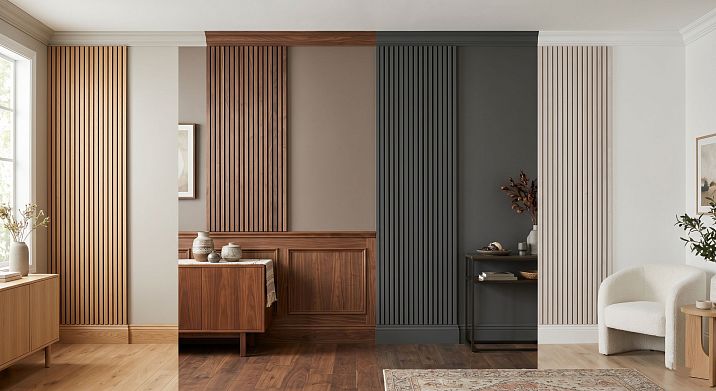
- What colors of slat panels exist: overview of main groups
- Panels with natural wood finish
- Light wood shades
- Dark wood shades
- White slatted panels
- Black slat panels
- Gray and neutral shades
- Paint-ready panels
- Wood-look slat panels: the top commercial choice
- Why wood texture never gets old
- How to match wood-look panels with flooring
- How to choose a wooden baseboard for wooden panels
- When you need a molding in tone
- When you need a contrasting baseboard
- How not to mix unnecessary wood shades
- White slatted panels: light, air, space
- Where white panels work best
- Which baseboard to pair with white panels
- Care for white panels
- Black and dark slatted panels: strength and depth
- Where dark panels work flawlessly
- Backlighting for dark panels is mandatory
- Which baseboard to choose for a dark slatted zone
- Black panels are not for small rooms without windows
- Slatted panels for painting: absolute freedom of color
- Possibilities of panels for painting
- How to combine with MDF baseboard for painting
- Important: finish paint
- How to match a baseboard to the color of slatted panels
- Baseboard in floor color
- Baseboard matching the wall or panel color
- White baseboard + wood-look panels
- Dark baseboard + dark TV zone panels
- Wooden baseboard + wooden panels
- How to match molding and wooden slat to panel color
- Molding in panel color
- Molding in smooth wall color
- Contrast molding: decorative accent
- Wooden slat in matching tone for extension
- Corner in panel color: invisible finish
- Five ready-made color schemes
- Scheme 1. Light oak + white baseboard — for living room, bedroom, kitchen
- Scheme 2. Dark wood + black profile — for TV zone, study
- Scheme 3. White panels + MDF baseboard for painting — minimalism
- Scheme 4. Wood-look panels + wooden baseboard — natural interior
- Scheme 5. Panels for painting + molding in wall color — textured neutral
- Table of color combinations
- Mistakes when choosing the color of slatted panels
- What to buy for a cohesive color system
- FAQ: answers to main questions about color
- About the Company STAVROS
Color is not the final touch in an interior. It is the first decision that determines everything else. When it comes to slatted panels, choosing a shade is choosing the atmosphere of an entire room. Panels cover a large wall surface, create a vertical rhythm, and draw the eye. Making a mistake with the color here means redoing everything.
The good news: the color of slatted panels follows logic. There are clear principles, proven combinations, and understandable schemes that work in any space — from a small hallway to a spacious living room. slatted panels for walls exist in several versions, and each one opens up its own possibilities for creating a cohesive color system together with the baseboard, molding, batten, and furniture.
This article is a practical guide. Not abstract color theory, but specific schemes: what goes with what, why, and how not to lose the integrity of the interior.
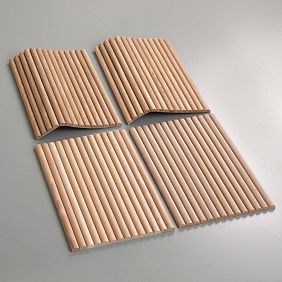
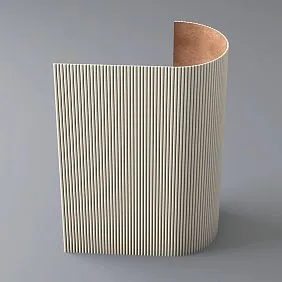
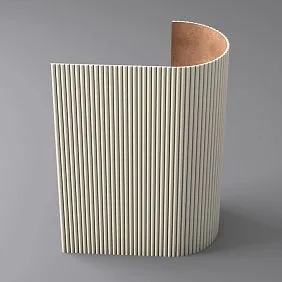
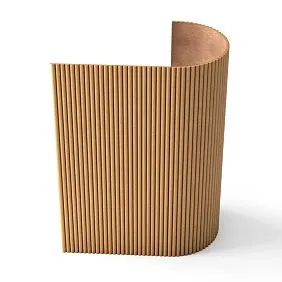
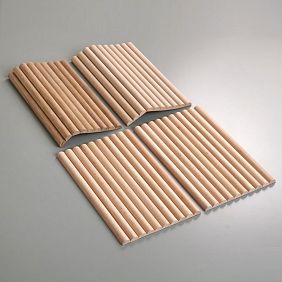
Why the color of slatted panels matters more than it seems
A wall with slatted panels is not a background. It is an architectural element. Vertical slats create shadows, depth, rhythm. And all of this is greatly amplified or weakened depending on the shade.
Dark Lath MDF Panels make the room smaller and warmer, create a feeling of coziness — appropriate in a study or home theater. Light ones visually expand the space, add air. White panels for painting in a small room literally "push apart" the walls. Warm oak makes the room cozy and lively. Cold gray makes it strict and modern.
But it's not just about the wall. Rafter panels exist in the same space as the floor, ceiling, furniture, baseboard, and molding. If their color is not coordinated with this environment — even the most beautiful panels will look like a foreign element.
That is why the color of the panels is chosen not from a catalog on its own, but as a system: panel + baseboard + molding + batten + wall color + floor tone.




What colors of slatted panels exist: an overview of the main groups
Before moving on to patterns and combinations, let's break down what generally exists in the world of slat panel colors. This will help you get oriented right away and not waste time searching for something that doesn't exist.
Our factory also produces:


Panels imitating natural wood
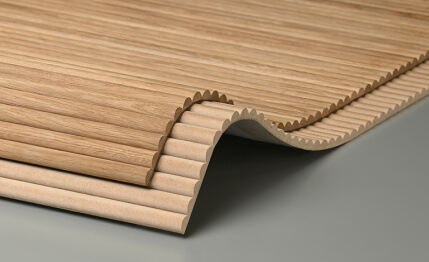
The most popular and broadest group. It includes shades from light Scandinavian oak to deep walnut dark wood. The pattern mimics natural fibers: cracks, veins, tone variations along the plank.
Slat panel oak PAN-003 — a classic warm oak with a natural texture. This is the choice for those who want wood without extra questions: organic, warm, and well-suited to most interior styles.
Get Consultation
Light wood shades
These are ash, birch, light oak, alder. Warm but delicate — they don't overload the space. They work well in bedrooms, children's rooms, kitchen-living rooms.
Dark wood shades
Wenge, dark walnut, mocha, graphite veneer. Strong character, powerful accent. For TV zones, studies, bars, studios.
White slatted panels
White slat wall panel — for minimalist, Scandinavian, children's interiors. Visually it doesn't take up space, accepts light well. Can be obtained from slat panel for painting PAN-002 by painting white or any shade from the RAL chart.
Black slat panels
One of the main trends of recent years. Black slat panels are for bold solutions. A TV area behind a dark screen, an accent wall in a study, an area behind a bar counter. The deep, almost absorbing color creates maximum contrast with a white ceiling and light floor.
Gray and neutral shades
Gray slat panels — cool and warm — work as a neutral background that doesn't clash with furniture. Ash gray, pearl, linen — all of this can be obtained from primed panel PAN-002 or PAN-004.
Panels for painting
A special category — not a color, but an opportunity. Paintable lath panels allow you to get any shade: from strict anthracite to dusty pink, from dark blue to khaki. This is a tool for precise color tuning of the interior.
Wooden slat panels: the top commercial choice
This is not just the most popular group — it's the category where the most purchases are made. Why? Because wood-look slatted panels they are versatile: they work in classic and modern styles, in Scandinavian and neoclassical, in the living room and bedroom.
Why wood texture never gets boring
Natural wood texture is a living pattern. It is not uniform: each slat differs slightly from its neighbor in tone, grain direction, and light-dark variation. This "liveliness" makes a slatted wall visually interesting even over a large area. Monochrome paint does not provide this effect: it is flat and static.
How to combine wood panels with flooring
The main principle: the shade of the slat panels and the shade of the floor should not conflict. Three working schemes:
Tone-on-tone. Light oak panels + light oak floor = a unified wooden space. This works with a clear match of shades. A slight tonal difference is not a problem: they don't have to be identical, just belong to the same "wood family."
Contrast in lightness. Dark floor (walnut, wenge, dark board) + light slat panels. The wall "rises" above the dark floor — the space feels taller. This is a classic design scheme.
Neutral floor. Gray, concrete, light gray floor — neutral in tone. Any wood panels will look expressive against it: warm wood on a cool neutral background.
How to choose a wooden baseboard for wooden panels
If the wall is wood and the floor is wood — Wooden baseboard along the lower perimeter creates a smooth transition between these two wooden zones.
The tone of a solid wood baseboard can:
-
Match the tone of the panels — the baseboard "disappears," the wall and floor smoothly flow into each other.
-
Match the tone of the floor — the baseboard belongs to the "floor," not the "wall."
-
Be slightly darker than the panels — creates a visual "base," "grounds" the slatted area.
What is unacceptable: a baseboard made of one type of wood with panels made of another type of wood with a clearly incompatible tone. Birch (light yellow) next to wenge (dark brown almost black) — not contrast, but conflict.
When a molding in tone is needed
wooden molding in tone to the slatted panels is installed when an "invisible" frame of the slatted area is needed. The molding is there, the transitions are marked, but the eye does not highlight it — it merges with the panel into a single surface.
This is a good solution for an accent wall in a bedroom where no additional decorative accent is needed — just a neat finish.
When a contrasting baseboard is needed
Contrasting MDF Skirting Board or white wooden — under warm wooden panels — creates a clear lower contour of the slatted area. This is a modern, fresh option, popular in Scandinavian and neo-country style.
How to avoid mixing unnecessary wood shades
The main mistake of those who work with wood: using too many different shades. Acceptable: two wood shades with a conscious ratio of "lighter / darker". Undesirable: three or more shades without a single logic. Each added wood tone "breaks" the unity of the space.
If you choose a slatted panel in wood — decide on one basic wood tone for the entire system. All other elements — wooden plank, baseboard, molding, furniture fronts — either in the same tone or in a neutral one (white, gray, black).
White slat panels: light, air, space
Is white the 'safest' choice? No. White is the most demanding. White slat panels see every speck of dust, every stain. But in a space, they work flawlessly: they make the wall reflective, visually expand the room, and accept any lighting — from warm evening to cool daylight.
Where white panels work best
A small hallway. Here, every centimeter of visible space counts. A white slat wall panel together with a white MDF baseboard and white ceiling creates the feeling of a spacious vestibule — even if the hallway is 4 sq. m.
Children's room. White slats on the wall behind the bed or play area are a neutral background that doesn't interfere with bright decor, doesn't compete with toys and crafts.
Kitchen-living room. In an open-plan layout, a white slat wall between the kitchen and living area visually doesn't divide the space — it remains a background.
Bedroom. White panels behind the bed are a calm, airy background that doesn't disturb rest.
Which baseboard to pair with white panels
The most obvious choice is White MDF Skirting Board in the same paint as the panels. Monochrome system: all white, the bottom edge 'disappears' into the wall.
The second option is a contrasting dark baseboard. Dark gray or black Wooden baseboard under the white panels creates a clear bottom line. It's modern and expressive.
The third option is a wooden baseboard in a warm tone. White panels + wooden baseboard is a typical Scandinavian combination: cool top, warm base.
Caring for white panels
Honestly: white slatted panels require regular cleaning. Dust between the slats is visible, stains are noticeable. A matte finish hides marks better than a glossy one. If you choose white, take a paintable panel PAN-002 and paint it with washable enamel: it can be wiped with a damp cloth without consequences.
Black and dark slatted panels: strength and depth
Black slatted panels in an interior are not for everyone. But those who take this step get a space of a completely different scale. A dark wall absorbs excess light, removes the feeling of 'apartment-ness', and creates an environment close to a club or cinema.
Where dark panels work flawlessly
TV zone. Dark slatted panels for the TV zone are a classic. A dark wall behind a dark screen reduces the contrast between the screen and the background: eyes get less tired, the image is perceived as richer. Black or dark gray decorative slatted panels PAN-001 in the TV zone — it's both beautiful and functional.
Home office. A dark slatted wall behind the desk creates a sense of focus. The workspace is psychologically "separated" from the rest of the room.
Accent wall in the bedroom. A dark slatted wall behind the bed is a strong design technique. It works especially well with lighting: light between the slats and the dark background create a theatrical effect.
Lighting for dark panels is a must
Dark panels without lighting are just a dark wall. With lighting, it's volume, relief, architecture. LED strip behind the cornice above the slatted area, bottom lighting, light lines between the slats — any of these techniques literally "brings to life" a dark slatted wall.
Which baseboard to choose for a dark slatted area
For dark panels — two options:
Baseboard matching the panels. Dark. MDF Skirting Board or Wooden baseboard In a dark tone. The bottom line "dissolves," making the slatted wall appear monolithic.
Laconic white or gray baseboard. Creates a clear bottom contour. Especially good when the floor is light — the baseboard becomes a "transition" between the light floor and the dark wall.
Black panels are not for small rooms without windows
This is an honest warning. Dark slatted panels on all walls of a small room without good natural lighting will create a claustrophobic effect. Dark panels work well on one accent wall — the rest should remain light.
Slatted panels for painting: absolute freedom of color
Paintable lath panels — this is not a compromise or a "budget" alternative to coated panels. It is a tool for precise color work. The primed surface accepts any finish paint — oil enamel, acrylic, alkyd — and provides an even coating without pores or unevenness.
Possibilities of panels for painting
Paint the slatted wall to match the exact color of the furniture. Paint it in a color that continues the shade of the adjacent wall — then the relief of the slats will only be visible under side lighting, creating a hidden "textured" wall. Paint it in a neutral gray that doesn't compete with anything. Paint it in a bold color — terracotta, khaki, dark green, indigo — and make an accent wall without wood texture.
How to combine with MDF baseboard for painting
The most logical system: panels for painting PAN-002 + MDF Skirting Board + Wooden decorative moldings MLD-019 — everything under a single paint job. You choose one shade according to RAL or NCS — and paint everything in one color. The wall, panels, baseboard, and moldings become a single monochrome surface with relief.
Result: the relief is visible, but the color does not overwhelm. This is the quietest and most refined solution of all.
Important: finish paint
Before ordering panels for painting, decide on the finish coating. Matte paint is soft, calm, and hides small imperfections. Semi-matte is more practical and easier to clean. Glossy is intense, emphasizes the relief, but collects glare and dust. For slatted panels, semi-matte or matte water-based enamel is optimal.
How to choose a baseboard to match the color of slatted panels
The baseboard is the lower horizon of the interior. It is small in height but present along the entire perimeter of the room. A poorly chosen baseboard next to slatted panels is a constant visual discomfort that is hard to explain but always felt.
Skirting Board in Floor Color
The classic scheme: the baseboard belongs to the floor, not the wall. If the floor is oak, the baseboard is oak. If the floor is gray laminate, the baseboard is gray. In this scheme, Wooden baseboard it acts as a transitional element from the floor to the wall — and the color conflict between the floor and panels is neutralized.
Baseboard in the color of the wall or panels
The baseboard «disappears» — it is not visible separately, it is part of the wall. Monochrome interior: everything in one color. — is a horizontal element that frames the room at the bottom of the walls where the wall meets the floor. Skirting boards perform several functions: they hide the technological gap between the wall and floor covering (necessary for thermal expansion), protect the lower part of the wall from mechanical damage, create visual completion, and may conceal wiring. painted in the same shade as the panels. The lower boundary of the slatted zone dissolves.
White baseboard + wood-look panels
Scandinavian classic. White White MDF Skirting Board creates a clear light line under warm wooden panels. It is fresh, clean, universal. It looks especially good with a light floor — then the baseboard «continues» the floor upward.
Dark baseboard + dark TV zone panels
Dark Wooden baseboard or black MDF baseboard under a dark slatted accent wall — a monolithic dark zone that visually «protrudes» from the rest of the space.
Wooden baseboard + wooden panels
Natural system: solid wood baseboard paired with oak slat panel PAN-003. The same material, the same tone. The lower horizon of the wall is an organic part of the wooden system. Warm, natural, expensive.
How to match molding and wooden slat to panel color
Molding and slat are elements that many choose as an afterthought. This is a mistake: correctly chosen wooden molding enhances the color scheme, the wrong one destroys it.
Molding in panel color
A quiet, unobtrusive option. molding MLD-019 in the tone of the slat panel creates a frame that functionally covers the ends and transitions, but does not stand out visually. The eye does not linger on the molding — it lingers on the panel. A good choice for an accent wall where a clean look is needed.
Molding in the color of a smooth wall
When the slatted zone is an insert in a smooth wall — the molding around its perimeter in the color of the smooth part creates a "frame" that belongs to the wall, not the panel. The slatted zone reads as a painting in a wall frame.
Contrast molding: decorative accent
White molding on dark panels — strong contrast, pronounced frame. Dark molding on light panels — precise graphic border. Contrast molding is appropriate in classic and neoclassical interiors, where framing and borders are part of the architectural language.
Wooden slat in tone for extension
Buy wooden skirting board For extension elements, it needs to be in the same tone as the panel slats. If the extension is noticeable, it disrupts the rhythm. If it's in tone, it continues the rhythm without breaks.
Corner in panel color: invisible finish
Wooden corner UG-001 On the end of the slatted zone in the panel tone — technically covers the cut, visually invisible. Corner in a contrasting color — a decorative element that highlights the corner as an intentional detail.
Five ready-made color schemes
These are working schemes, tested in real interiors. Each can be implemented right now by selecting the desired items.
Scheme 1. Light oak + white baseboard — for living room, bedroom, kitchen
Slat panel oak PAN-003 + White MDF Skirting Board + white ceiling + gray or white floor. Molding — white or matching the panel.
Result: warm wooden wall with a clear white bottom line. Light, organic, never boring. Works in Scandinavian, natural, and modern styles.
Scheme 2. Dark wood + black profile — for TV zone, study
decorative slatted panels PAN-001 in a dark tone + Wooden baseboard dark or MDF Skirting Board paintable in black + black moldings around the zone perimeter.
Result: monolithic dark accent zone. Maximum depth and character. Requires good lighting.
Scheme 3. White panels + MDF baseboard paintable — minimalism
Slatted panel paintable PAN-002 painted white + MDF Skirting Board the same white + molding to be painted white.
Result: a clean white textured wall without any additional colors. The slat texture is visible with side lighting. Ideal for minimalist and Scandinavian spaces.
Scheme 4. Wood-look panels + wooden baseboard — natural interior
Slat panel oak PAN-003 + solid wood baseboard in the same tone + wooden molding matching + Decorative wooden slat for filling.
Result: a fully wooden system — from baseboard to top molding. Warm, natural, rich. For classic, eco-friendly, and "Japanese" interiors.
Scheme 5. Paint-ready panels + molding in wall color — textured neutral
Slat panel PAN-004 painted in the color of a smooth wall + moldings MLD-019 in the same color + MDF Skirting Board to match the same paint.
Result: a wall that looks solid under direct lighting but reveals the relief of the slats under side or evening light. This technique is used in expensive interiors as a replacement for stucco molding and plaster reliefs.
Color combination table
| Panel color | Skirting board | Molding | Where to use |
|---|---|---|---|
| Light oak | white MDF | Matching the panels | Living room, bedroom, kitchen |
| Dark wood | Dark wooden | Black contrast | TV zone, office |
| White for painting | white MDF | White | Minimalism, small rooms |
| Gray for painting | MDF matching tone | White or matching | Modern style |
| Natural oak | Wooden tone | Wood matching tone | Eco, classic, neoclassic |
| For painting in wall color | MDF with same paint | Wall color | Loft, minimalism, art deco |
Mistakes when choosing the color of slatted panels
Choosing panels separately from the floor. This is the main mistake. The floor is the largest plane in the room, and its tone sets the basic tone for the entire space. A slatted panel chosen without considering the floor can conflict with it.
Not considering the color of the baseboard. The baseboard runs along the entire perimeter. If its color is random, it creates chaos in the lower part of the room. The baseboard is part of the system; its color is chosen together with the panels.
Mixing three or more wood shades. Light oak + wenge + alder + pine is not 'variety', it's a mess. Maximum two wood tones with a clear ratio.
Dark panels in a small room without windows. In dark rooms without good lighting, dark panels create a feeling of confinement. Light or neutral tones are needed there.
Choosing white panels without considering maintenance. White slatted panels in a hallway where shoes are taken off and jackets are hung every day means constant cleaning. If the hallway is busy, light gray or wood panels are better: they are less prone to getting dirty.
Forgetting about doors and architraves. Doors and their architraves are another wood element in the room. If the door is dark walnut, the slatted panels are light oak, and the floor is wenge — three wood tones with no connection. Add doors to the system when choosing a color.
Not planning the molding and corner piece in advance. The molding and Trimming Items are chosen together with the panels, not after installation. Otherwise — extra cost for delivery, delays, tone mismatch.
What to buy for a complete color system
slatted panels for walls — in three versions: PAN-001 with decorative coating, PAN-002 и PAN-004 primed for painting, PAN-003 oak wood effect.
Wooden slat RK-001 и Decorative rail — for extensions and non-standard places.
MDF Skirting Board — for painting in any color.
White MDF Skirting Board — for white and light systems.
solid wood baseboard — for natural wood systems.
wooden molding и MLD-019 — for frames, transitions and decorative borders.
Wooden corner UG-001 — for ends matching the panel color.
wood trim items — for non-standard places and niche joints.
FAQ: answers to the main color questions
What colors are slat panels available in?
Main groups: natural wood look (oak, walnut, wenge), white, black, gray, and panels for painting in any RAL color. Each group has its own application scenarios and rules for combining with baseboards and moldings.
What color slat panels should I choose for a small room?
Light colors — white, light gray, light oak. They visually expand the space and do not overload the wall. Dark panels in a small room — only one accent wall, the rest light.
What is better: white panels or wood-look panels?
These are different solutions with different scenarios. White — for minimalism, small rooms, children's rooms. Wood-look — for warm, organic, classic, and modern interiors. The best choice is the one that matches the floor, furniture, and overall concept.
Are black slat panels suitable for a TV zone?
Yes, this is one of the best solutions. A dark wall behind a dark screen reduces contrast, and backlighting behind the cornice makes the area voluminous. decorative slatted panels in a dark tone — a classic for the TV zone.
How to choose a baseboard for slat panels?
Three schemes: baseboard matching floor color (classic), baseboard matching panel color (monolithic), contrasting baseboard (accent). Wooden baseboard — for wooden systems, MDF Skirting Board — for systems to be painted.
Can slatted panels be painted?
Yes. Slatted panels for painting PAN-002 have a primed MDF surface, ready for applying any color topcoat. Washable semi-matte or matte enamel is recommended.
How to combine slatted panels with wooden molding?
Molding matching the panels — for unity. Molding matching the smooth wall color — for a 'frame' belonging to the wall. Contrasting molding — for a decorative accent. More details in the section on choosing molding.
Do I need to choose a corner profile matching the panel color?
Preferably. Wooden angle flush with the panel, it covers the end unnoticeably. A corner piece in a contrasting color is a decorative element that highlights the corner. The choice depends on whether you want the corner piece to be noticeable.
About the company STAVROS
Color is the choice that determines everything else. A correctly selected shade of the slatted panel with a coordinated baseboard, molding, and batten turns a room into a finished space where every element speaks the same language.
STAVROS produces a full range for such a system: Rafter panels in several finishes — with coating, wood-look, paintable — as well as Wooden planks, Moldings, corners, MDF Skirting Board, Wooden baseboard и Trimming Items.
STAVROS — when color, material, and system align in one solution.


