

































Article Contents:
- Short answer: light or dark classic furniture — what to choose
- Why the color of classic furniture is so important
- Light classic furniture: when it is better
- Dark classic furniture: when it is appropriate
- Classic furniture in natural wood
- Classic furniture with enamel
- How to choose furniture color for a room
- living room
- for the bedroom
- For Office
- For the hallway
- For Kitchen
- How to match furniture color with walls
- How to choose handles, legs, and decor to match furniture color
- Light and dark furniture in modern classic style
- Mistakes when choosing the color of classic furniture
- What to buy to complete classic furniture
- FAQ: Answers to the Most Important Questions
- About the Company STAVROS

The question of choosing the color of classic furniture in an interior is not just a matter of taste. It is an architectural decision that determines the feel of the space, the mood of the room, and how organically the entire setting comes together as a single image. Light furniture breathes. Dark furniture presses down — or creates a sense of an expensive, solid environment. The difference between these two poles is enormous, and it determines whether you will feel free in the room or experience a slight discomfort whose source you cannot quite pinpoint.



Short answer: light or dark classic furniture — what to choose
If you need specifics without preamble — here it is.
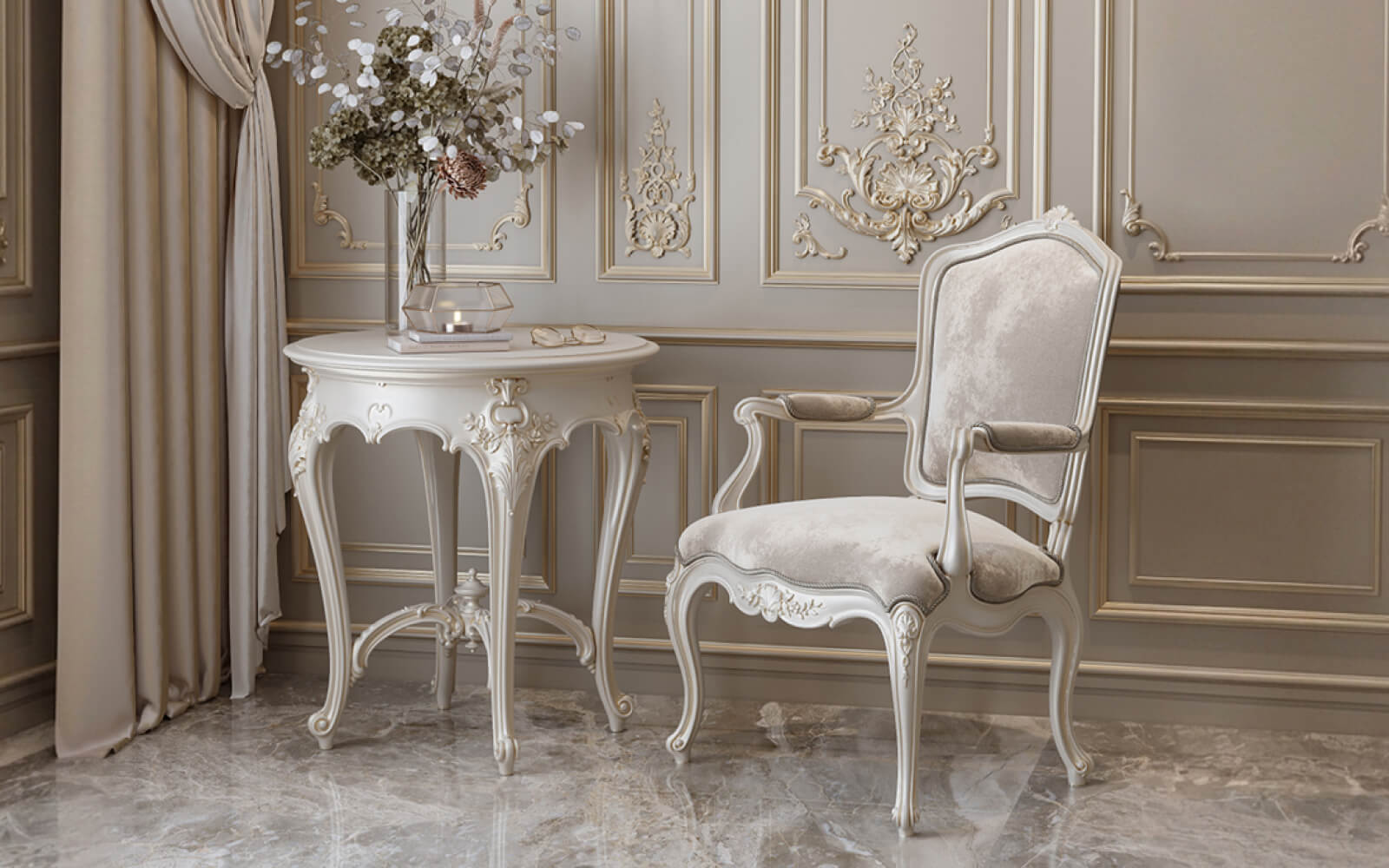
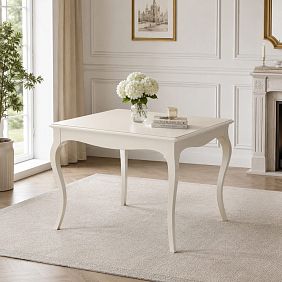
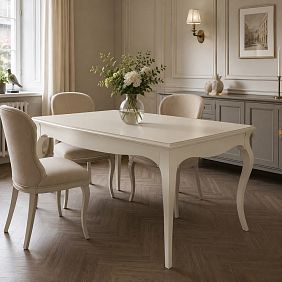
Light classic furniture wins in small apartments, bedrooms, children's rooms, and interiors in neoclassical and modern classic styles. Milky, white, ivory, beige, soft gray — all these shades visually expand the room, making it brighter and airier. Light Classic Furniture does not overwhelm the eye and beautifully accepts decorative details.
Dark classic furniture is appropriate in a study, library, dining room, or spacious living room. Walnut, wenge, dark oak, mahogany — these are colors of status, solidity, and masculine strictness. In the right space, dark Classical furniture made of wood looks flawless.
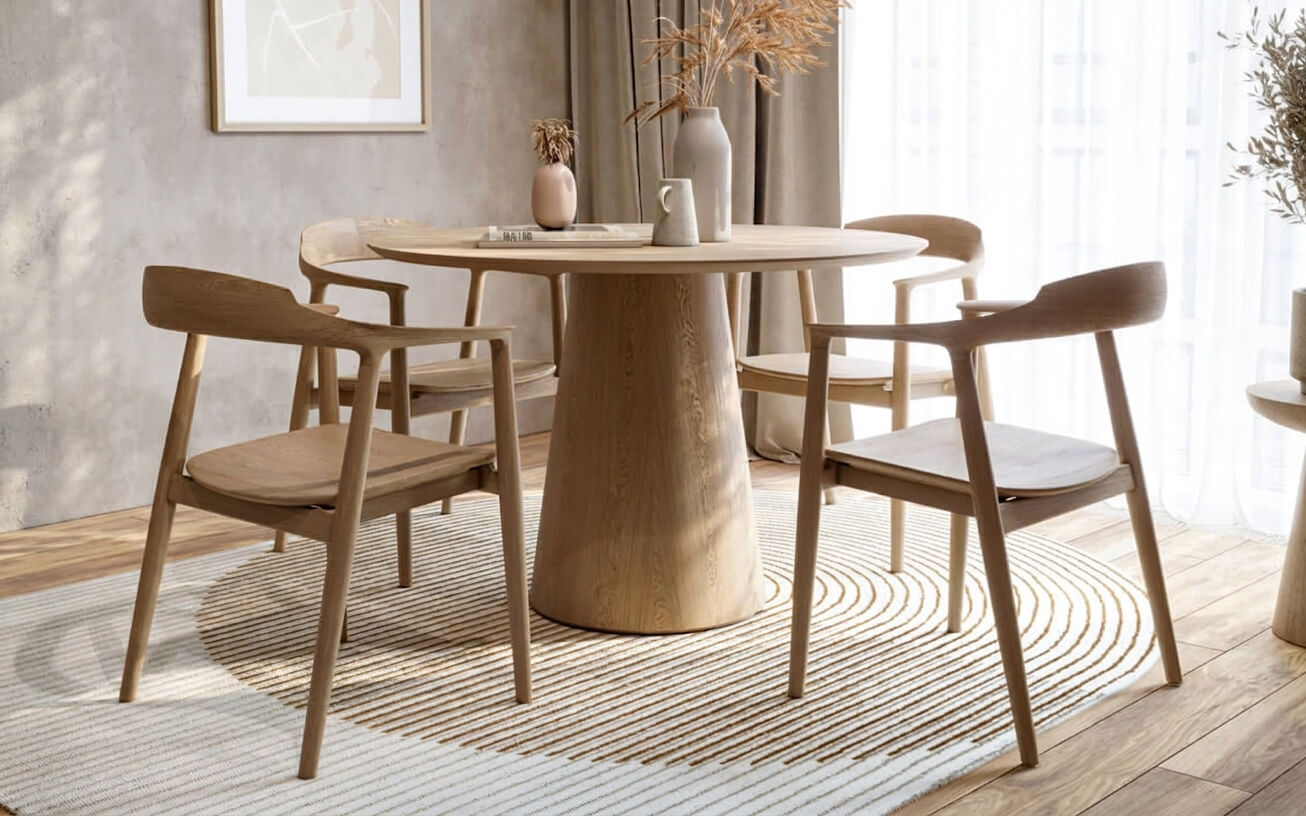
Furniture with a natural wood finish — for those who appreciate living texture, warmth, and authenticity of the material. Ideal for country houses, classic living rooms, spacious kitchen-dining rooms.
Enamel-finished furniture — for modern classics and neoclassicism. Facades in a single color create a calm, cohesive look without distracting textures.
Contrasting handles and legs — if you want to emphasize the furniture and make it a focal point. Dark handles on a light facade or light legs on a dark body give the feel of an expensive, deliberately designed piece.
Decor in the same tone as the facade — if you need a unified, calm look without unnecessary visual movement. Overlays, moldings, handles in the furniture's color work as 'quiet' decor.


Why the color of classic furniture is so important
This is not an abstract question about beauty. The color of furniture is one of the main tools a designer uses to control the perception of space. And when the choice is made intuitively, without analysis, the result can disappoint even the most beautiful furniture.
Imagine: a small living room, 18 square meters, low ceiling. And in it — a massive dark classic sofa made of walnut with dark overlays and dark legs. What will happen? The room will visually shrink. Every detail will start to 'weigh'. Even good lighting won't fully save the situation.
Now let's take the same size, but a milky facade, light wooden handles, calm Wooden legs in natural beech. The room opens up.
The visual weight of furniture is not a metaphor. It's a real characteristic that affects how the brain perceives space. Dark surfaces absorb light and seem more massive than they actually are. Light ones reflect and "give way."
The second key point: combination with the surroundings. The color of the furniture should be in dialogue with the walls, floor, doors, wooden skirting board and other decor elements. Furniture that "lives on its own" destroys the integrity of the interior, like a false note in music.
The third point is the details. wooden furniture handles, Decorative Inserts, Furniture legs — all of this either supports the color scheme or creates a well-thought-out contrast. If the details are chosen hastily, even expensive furniture looks random.
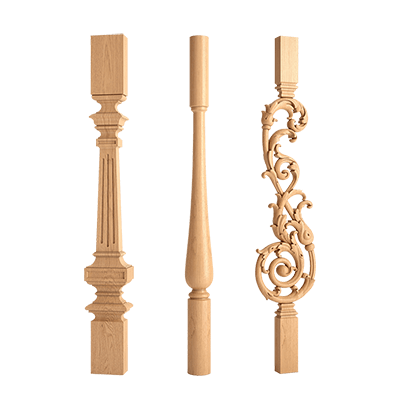
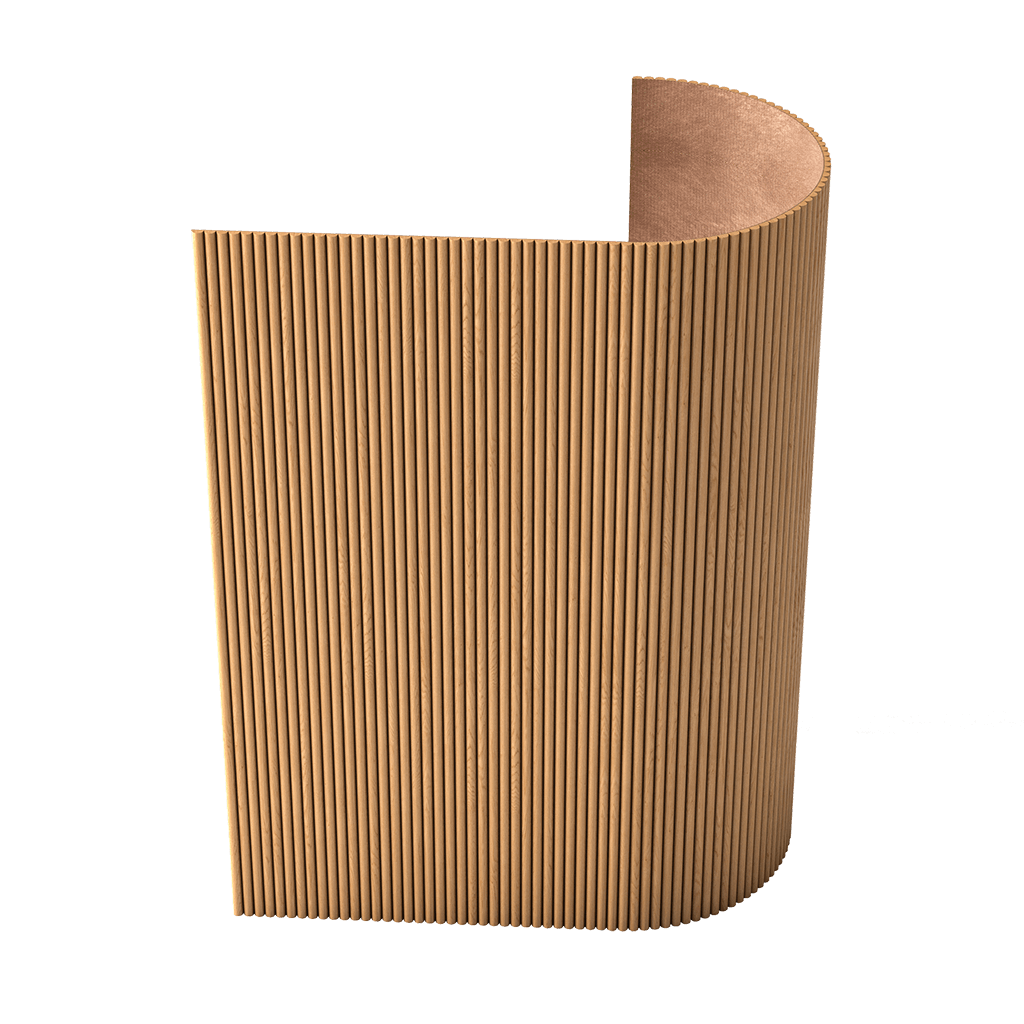
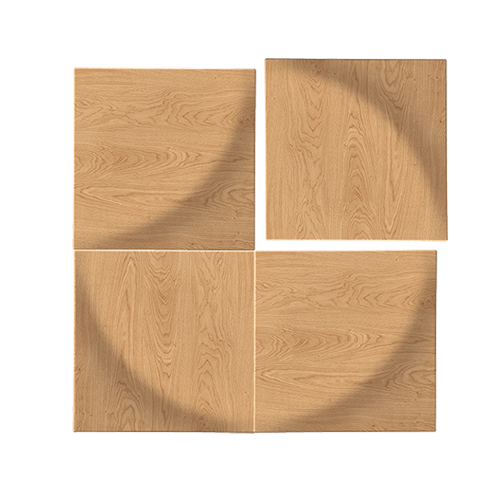
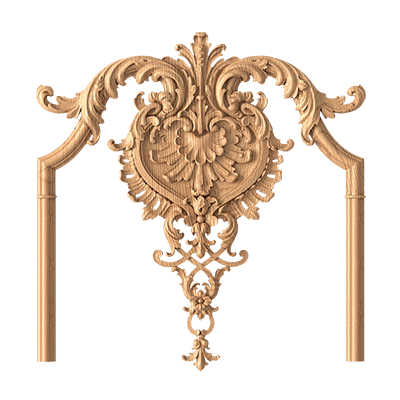
Our factory also produces:


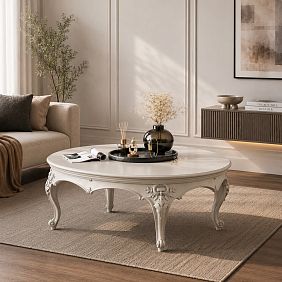
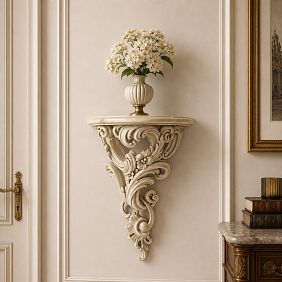
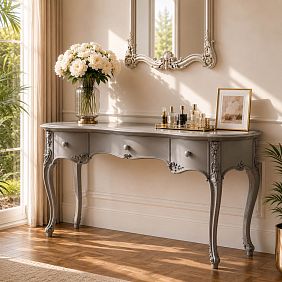
Light classic furniture: when it is better
Light classics are experiencing a true renaissance today. This is not a compromise, not a "lightened" version of a serious style — it is a full-fledged and self-sufficient solution that is increasingly chosen for modern apartments and updated classic interiors.
Why light Classic interior style furniture works better in small apartments? Because light surfaces do not create visual "walls" inside the room. Furniture seems to "dissolve" in the space without enclosing it.
In the bedroom, light shades — milky, beige, soft gray, cream — create an atmosphere of peace. This is exactly the environment where a person should relax. A dark bedroom with massive brown wardrobes is psychologically heavy, even if it looks "rich."
In a children's room, light Classical Furniture for the Apartment — is practically the only reasonable choice. Children perceive light surfaces better, the room seems more spacious, and the child does not feel pressured by the surroundings.
Light classic furniture pairs beautifully with white, milky, beige, and gray walls. It does not compete with them — it creates a joint calm background, where accents can be textiles, paintings, mirrors.
Important: light furniture requires very precise selection of details. Wooden decoration on a light facade should be either matching or a deliberate accent. Mismatched shades on light furniture are much more noticeable than on dark furniture.
Also, keep in mind: light classic furniture perfectly accepts Moldings from solid wood in the same tone. A facade with moldings in the color of the facade is refined, aristocratic, and not overloaded.
Get Consultation
Dark classic furniture: when it is appropriate
Dark Classic wooden furniture — it's always a statement. It's a character that cannot be ignored. Walnut, wenge, dark oak, mahogany create a sense of a space where something important has happened or is about to happen.
An office with dark bookcase cabinets, a leather armchair, and a massive desk — this is where dark classic works at full strength. It creates an atmosphere of focus, status, and a serious approach to work. It's no coincidence that this interior is chosen for executive offices and home libraries.
A spacious living room of 30 square meters or more — another ideal place for dark modern classic furniture. Large spaces "accept" dark tones without losing air. High ceilings enhance the effect.
Dark furniture pairs well with deep, rich wall colors: dark green, dark blue, mustard, terracotta, anthracite. Such combinations are complex, but with proper lighting, they yield impressive results.
However, dark furniture needs air. If the room has few windows, low ceilings, or the furniture itself is placed too densely — dark tones will start to feel oppressive. The solution is proper lighting: accent lights, floor lamps, built-in shelf lighting.
With dark furniture, it's especially important to work with wooden skirting boards, wooden moldings, and cornice profiles. All these elements should either continue the dark tone or create a deliberate, calm contrast. If the baseboard is white and the furniture is dark brown — that's a conflict that prevents the interior from working as a cohesive whole.
Classic furniture in natural wood finish
There's something absolutely honest about furniture in natural wood. No pretense, no imitation. Living texture, unique grain pattern, warmth that no other finish can replicate.
Classical Furniture for the Apartment Natural walnut, oak or cherry finishes are the choice of those who don't chase trends but build a lasting environment. Such furniture ages gracefully: over time it develops a patina that only adds to its value.
For a country house, natural wood is almost a mandatory choice. The texture of the wood echoes the natural surroundings, creating continuity between the exterior and interior space. Glass doors to the garden, wooden floors, solid wood furniture — an interior that breathes.
In a city apartment, furniture with a natural wood finish requires the right surroundings. It works well with neutral walls: linen, sand, warm gray. Bright or cool walls create a conflict with warm wood.
One of the main risks when working with natural wood is mixing too many different shades. Oak, walnut, and cherry in one room without a unifying element look chaotic. The rule is simple: choose one dominant wood tone and build from it. Wooden handles, furniture legs и Decorative Inserts made from the same material will create a system, not a collection of items.
The natural texture of wood requires attention to the floor and doors. If the floor is dark parquet and the doors are light veneer, the furniture should act as a bridge between them, taking one of these tones as its base.
Classic enamel furniture
Enamel in a classic interior is not a simplification, but a transformation. It is enamel facades that made neoclassicism what it became: a light, modern, accessible answer to heavy Baroque traditions.
modern classic furniture enamel allows working with a wide palette. White, milky, ivory — the classic "base". Gray, pearl, light beige — modern neutrals that hold their shape well in any lighting. Olive, powder, soft green — bolder but very beautiful solutions for those who are not afraid of color.
Graphite and anthracite are dark enamels that behave completely differently than dark wood. They are cooler, more laconic, more "urban". In the right context — a very strong solution.
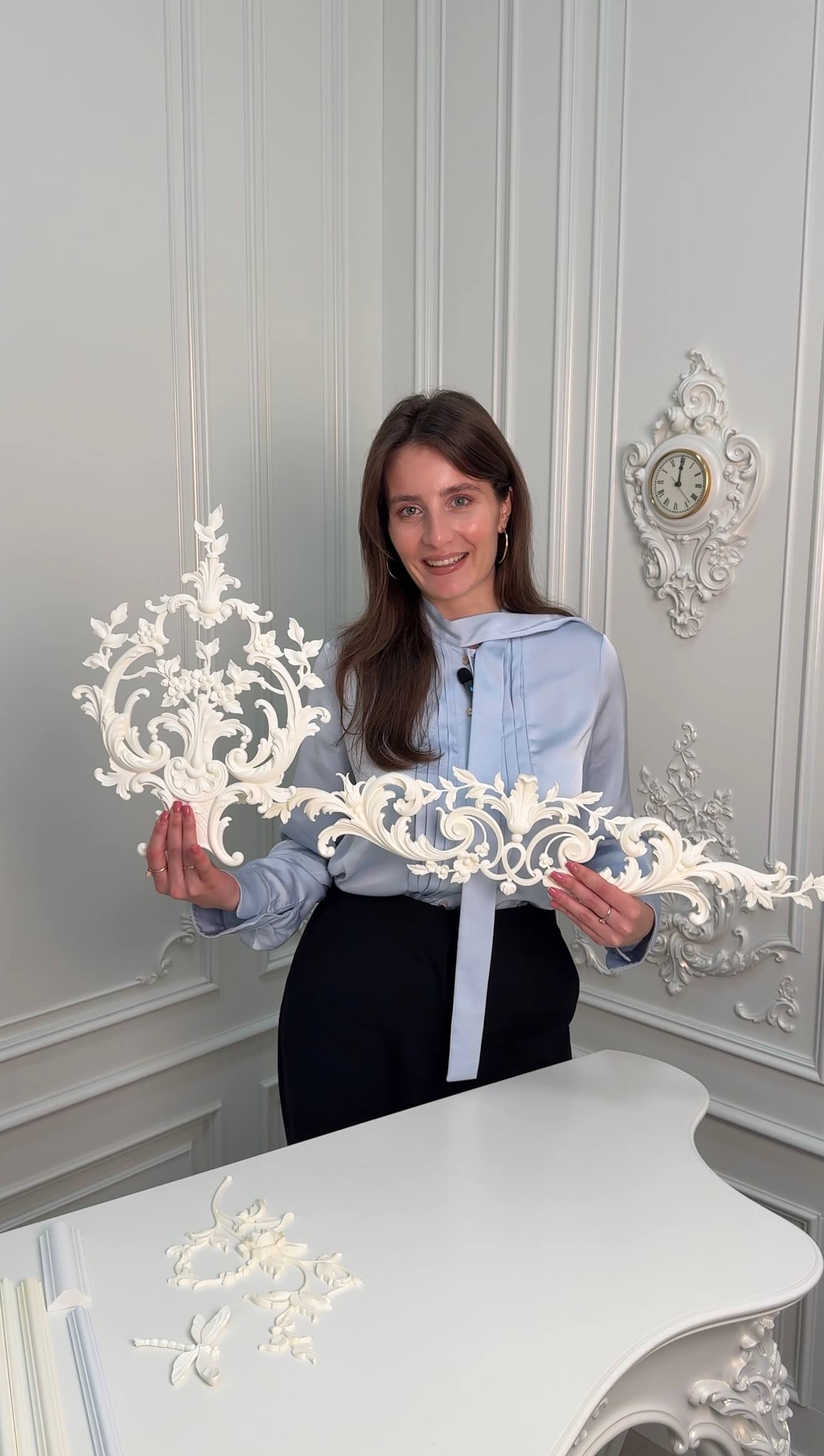
The key advantage of enamel is the uniformity of the facade. It hides the base structure and creates a clean plane on which the decor reads as clearly as possible. decorative elements for furniture On an enamel facade — moldings, overlays, rosettes — stand out as an independent sculptural element.
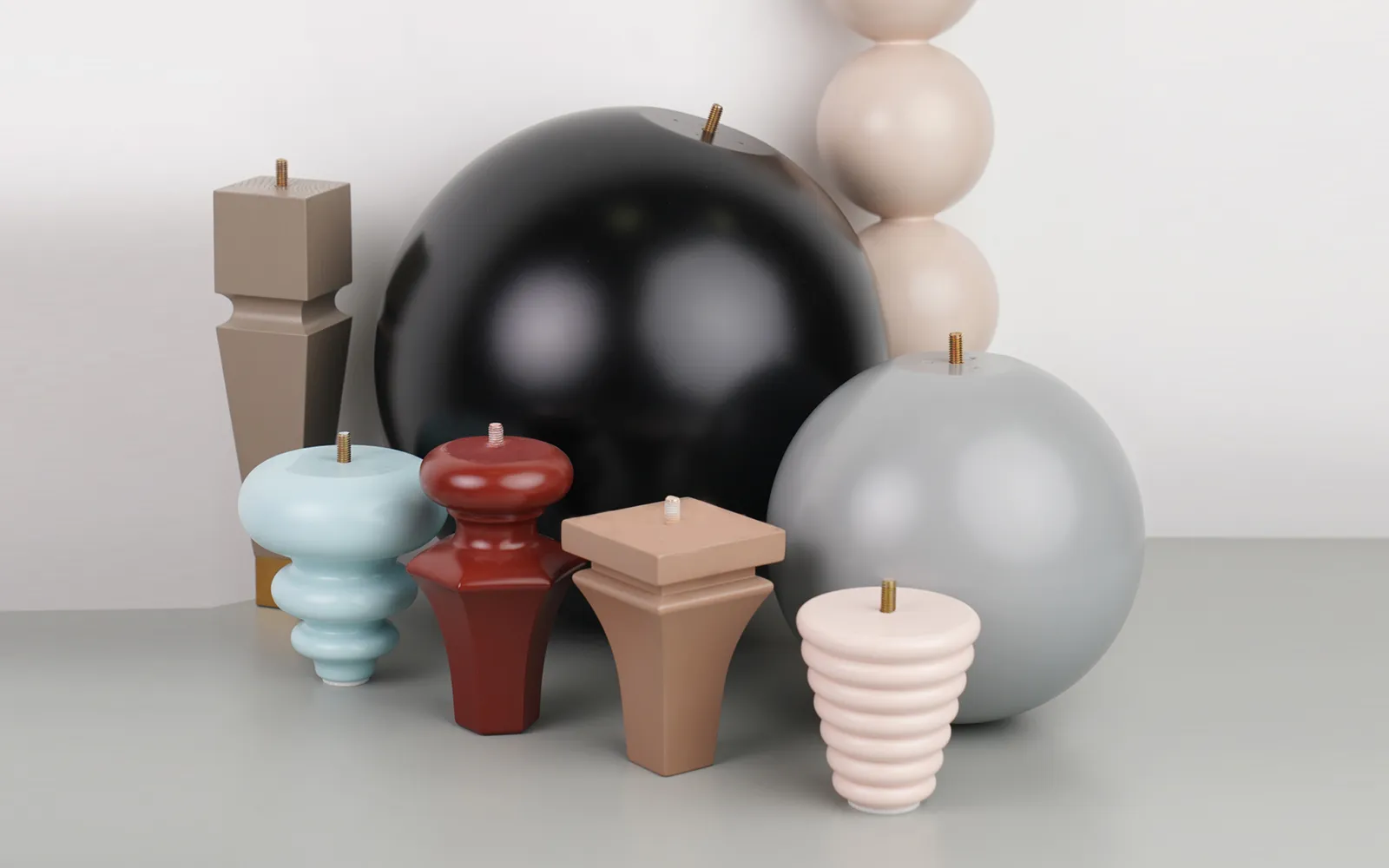
Wooden handles and legs on enamel furniture can be painted to match the facade — then the furniture looks monolithic and calm. Or they can be left with a natural wood finish or tinted in a contrasting shade — then a play of color arises that enlivens the interior.
Important: enamel furniture requires clean execution. Any unevenness in the putty, any flaw in the coating application immediately catches the eye. Therefore, buy classic furniture enamel should only be ordered from a proven manufacturer, where quality control is not a declaration but a real practice.
How to choose furniture color for a room
For the living room
The living room is the most public room in the house. This is where guests are received, this is what people look at first. A mistake in choosing colors for classic furniture for the living room is costly — both materially and aesthetically.
For a bright and spacious living room, both options work. Light furniture creates a light, open look. Dark furniture — solid, restrained. In a large living room, you can combine: light sofas and a dark coffee table or a dark bookcase as an accent.
For a small living room up to 20 square meters, light furniture is an obvious choice. Classic style furniture in milky or beige tones does not overload such a space.
In terms of details: in the living room, it is important to coordinate the furniture with the TV area, with decorative brackets on shelves, with sofa table legs. A unified material language is the key to integrity.
For the bedroom
The bedroom is a place of rest. Status is not needed here; rest is needed. Light, calm tones work best: milky, linen, warm white, gentle beige, light vanilla.
Dark furniture in the bedroom is acceptable in a country house with large windows or in an apartment with good daylight and high ceilings. But in a standard city bedroom, a dark wardrobe and wenge nightstands will create a heavy atmosphere in which it is difficult to relax.
wooden furniture handles in the bedroom, it is better to choose calm shapes — without sharp corners and complex relief. Wooden knob handle — an excellent option: neat, soft to the touch, versatile.
For an office
The study is a place of concentration. Here, dark Classic Furniture unfolds in full force. Walnut, dark oak, wenge — these shades create an atmosphere of focus.
In the study, it is important to build the right system of details: dark Wooden handles to match the furniture, wooden legs in the same tones, shelf brackets made of solid wood — all of this turns the study into a cohesive, well-thought-out interior.
For the hallway
The hallway is a transit zone. There is no constant presence here, but it is what creates the first impression of the home. For a hallway with good lighting and sufficient space, any classic furniture is acceptable. But in a narrow, dark hallway — only light tones: they visually expand the walls.
Another important point: the hallway is where furniture is used most intensively. Cabinets and consoles get bumped, items are placed on them, and they are touched with wet hands. Light-colored furniture here requires more frequent maintenance. This must be considered when choosing.
For Kitchen
In the kitchen, classic style is experiencing a particular surge in popularity. Kitchens in the neoclassical style, with milky facades, wooden handles under enamel, with moldings on cabinet facades — this is one of the most sought-after requests.
For the kitchen, light classic definitely wins over dark. It makes the room visually more spacious and cleaner. A dark kitchen is beautiful, but requires a large area and good lighting. In a standard apartment, dark kitchen classic looks heavy.
How to combine furniture color with walls
This is the most practical question that arises when choosing colors for classic furniture. And this is where mistakes are most often made.
Light furniture + light walls. A calm, soft, neutral interior. The room does not feel oppressive, furniture does not compete with walls. The main risk is monotony. The solution is textiles, rugs, paintings, decor.
Light furniture + colored walls. Furniture becomes a 'quiet' background, and walls become the main statement. A good technique for those who love rich color in the interior but do not want to overload the space with dark furniture.
Dark furniture + light walls. The most expressive and safe contrast. Dark Classic Furniture for the Living Room against a background of light walls looks strong, noble, and dignified. This combination is impossible to ruin with properly selected details.
Dark furniture + dark walls. An intimate, almost theatrical interior. Requires well-thought-out multi-level lighting. Without it, the room turns into a dark box. With proper lighting, it is one of the most impressive interiors.
Wood-look furniture + neutral walls. The best combination for classic solid wood furniture. Linen, sand, warm gray walls are an ideal background for the living texture of wood. They do not compete with it but support it.
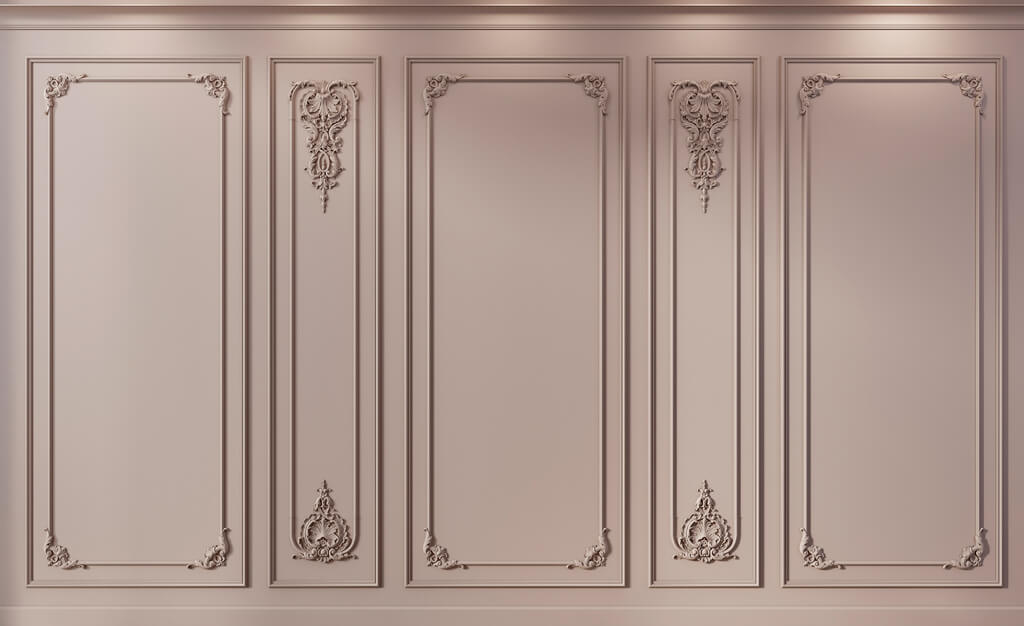
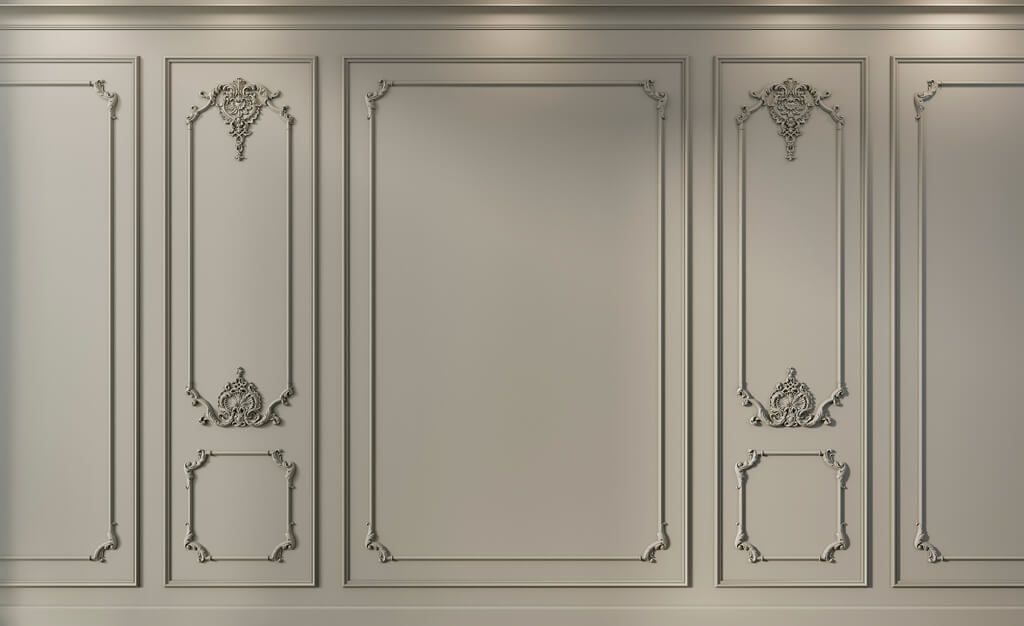
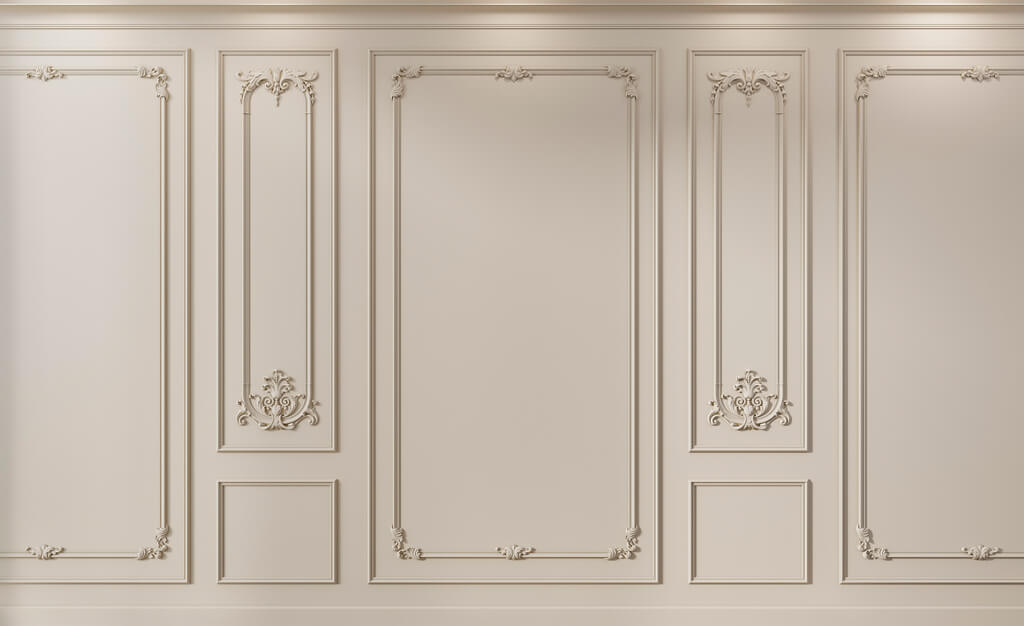
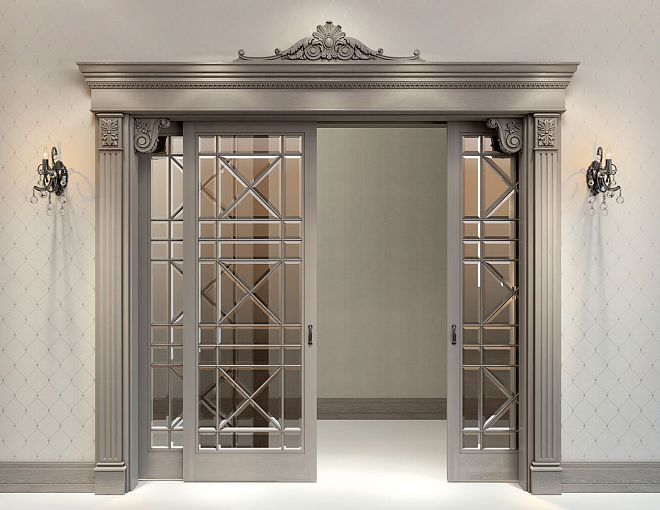
Stucco and moldings. An important nuance: Moldings from solid wood It is better to paint walls in the tone of the walls, not the furniture. Then they create a tactile relief without overloading the space with color conflicts. If moldings and walls are in the same tone, the furniture is perceived as an independent element, not getting lost against the background of wall decor.
How to choose handles, legs, and decor to match the color of the furniture
This is a meticulous job—and it is what distinguishes a well-thought-out interior from a random set of objects. Details do not just complement the furniture; they explain it, complete it, and give it context.
For light-colored furniture Wooden handles in the natural color of wood create a warm, natural accent on a calm facade. This is a contrast, but soft and organic. wooden hook handle under enamel in the tone of the facade gives a monolithic, refined solution.
For dark furniture, more expressive, relief handles with details look good. Wooden Wooden handle under lacquer in the tone of the furniture is integrity. A handle with a slight lightening or in a contrasting tone is an accent that is "read" from a distance.
Legs should support the color of the body. For light-colored furniture — Wooden legs made of beech under enamel or under natural light wood. For dark furniture — legs made of solid wood in a dark tone, turned or straight depending on the style.
decorative inlays for furniture — это орнамент на теле фасада. На светлой мебели накладки могут быть в тон или чуть темнее — это добавит глубину. На тёмной — в тон или с золочением, если речь идёт о традиционной классике.
Плинтус и карниз связывают мебель с остальным пространством. Wooden baseboard должен совпадать по цвету с ножками мебели или создавать с ними аккуратный переход. Это одна из тех деталей, которую замечают не сразу — но её отсутствие или несоответствие разрушает целостность моментально.
Wooden Picture Frame для зеркал и картин также должен вписываться в общую цветовую систему. В классическом интерьере всё деревянное должно говорить на одном языке — или намеренно отступать от него, создавая осознанный акцент.
Светлая и тёмная мебель в современной классике
Современная классика — пожалуй, самый востребованный стиль в российских интерьерах сегодня. Он объединяет узнаваемые классические формы с современным ощущением простоты. Никакого барочного перегруза, никаких километров резьбы и золочёных карнизов. Чистота, структура, достоинство.
В современной классике светлая мебель доминирует — и это закономерно. Молочные фасады с молдингами, лаконичные Wooden handles без избыточного рельефа, точёные legs from solid wood — это типичный набор современного классического интерьера.
Тёмная мебель в современной классике используется избирательно. Один тёмный акцентный шкаф в светлой гостиной — это решение. Весь гарнитур в тёмных тонах — это уже выход за рамки «современности» в сторону более традиционной классики.
Important: in modern classics, avoid overload. Gilding should be minimal or absent altogether. Carving — only where it is structurally justified. Moldings — yes, but in moderation. Decorative wooden decor on facades — good, but not on every one.
The rule "less is more" works perfectly in modern classics. One high-quality decorative element is worth more than ten cheap ones. This is especially true for handles, legs, and overlays.
Mistakes when choosing the color of classic furniture
Let's analyze the most common mistakes — not to scare, but to arm you with knowledge that will save money and nerves.
Choosing color only from a photo. A photo in the catalog is taken under specific lighting and processed. The real color may differ significantly. If possible, look at material samples in real conditions or request samples.
Not considering the room size. This is mistake number one. Dark furniture in a small space is always a risk. Always match the color to the specific square footage.
Placing dark furniture in a poorly lit room. Without light, dark classic furniture is just a dark spot. Lighting is a mandatory part of the concept, not a bonus.
Mixing different wood shades without a unified system. Three different "walnuts" in one room is not variety, it's chaos. One dominant wood tone and no more than one accent tone.
Do not coordinate furniture with doors and baseboards. Doors and baseboards occupy a large area in the interior. Conflict between them and furniture is one of the most common sources of discomfort that people cannot pinpoint.
Choose handles and legs separately from facades. Handles and legs are an extension of the furniture, not accessories to it. They should be chosen together, with facade samples in hand.
Do not overload light furniture with active decor. On a light facade, every element is visible. Several types of overlays in different styles — and the furniture loses its integrity. One style, one decorative language.
Do not forget about the floor color. The floor is the background on which the furniture stands. Warm furniture on a cold gray floor will conflict. Cold furniture on warm parquet — the same.
Do not think about the coating of overlays. Wooden decoration They need to be coated with the same varnish or enamel as the facade — or deliberately contrast. Unplanned variety of coatings is cheap and unprofessional.
What to buy to complete classic furniture
A classic interior is made up of details. Here is what you should purchase along with the furniture to get a finished look, not a set of items.
wooden furniture handles — the first and main accessory. They change the perception of furniture just as buttons change a coat. Good solid wood handles make even a simple facade look expensive. Bad ones ruin the highest quality furniture.
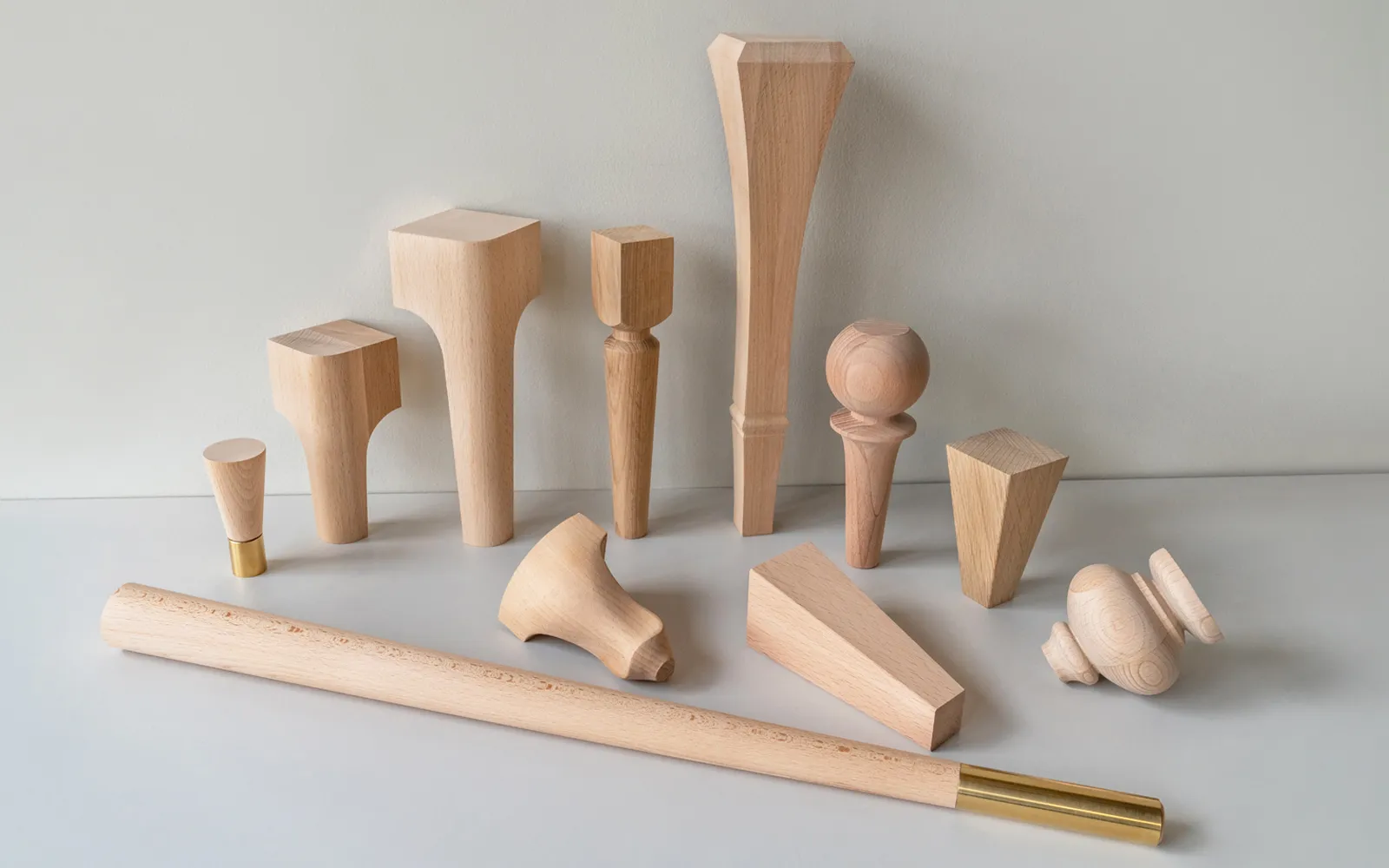
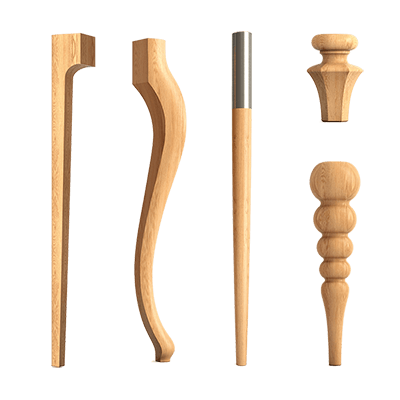
wooden furniture legs — for sofas, armchairs, ottomans, poufs, cabinets. Turned or straight depending on the style. Legs made of solid beech or oak are a guarantee of durability.
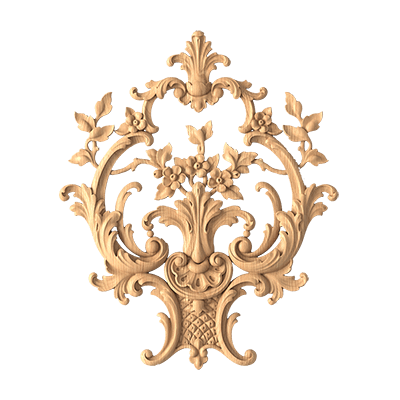
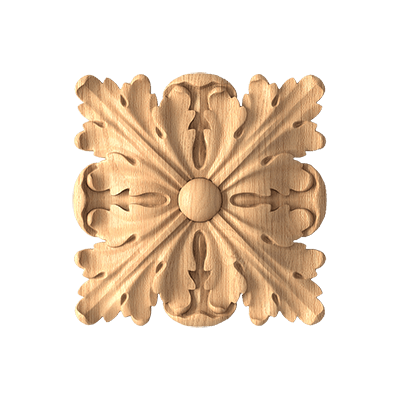
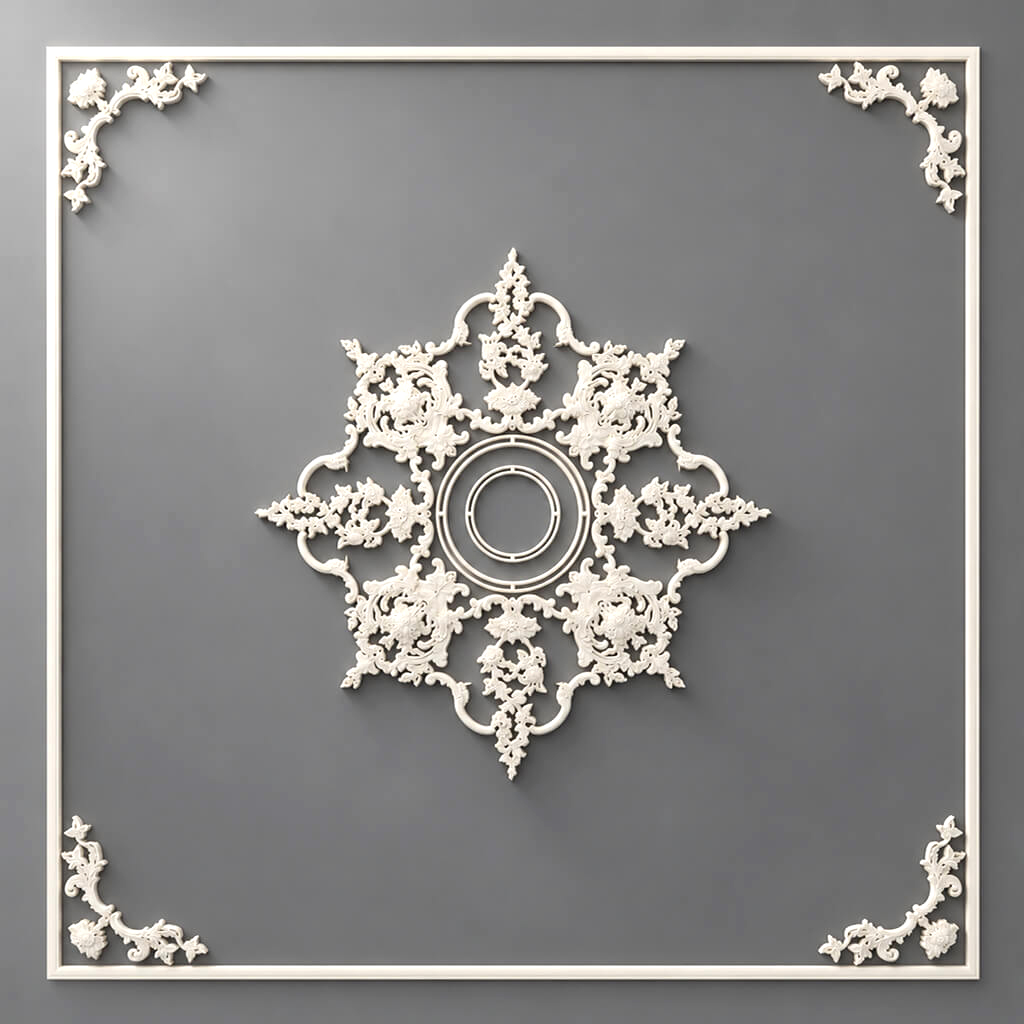
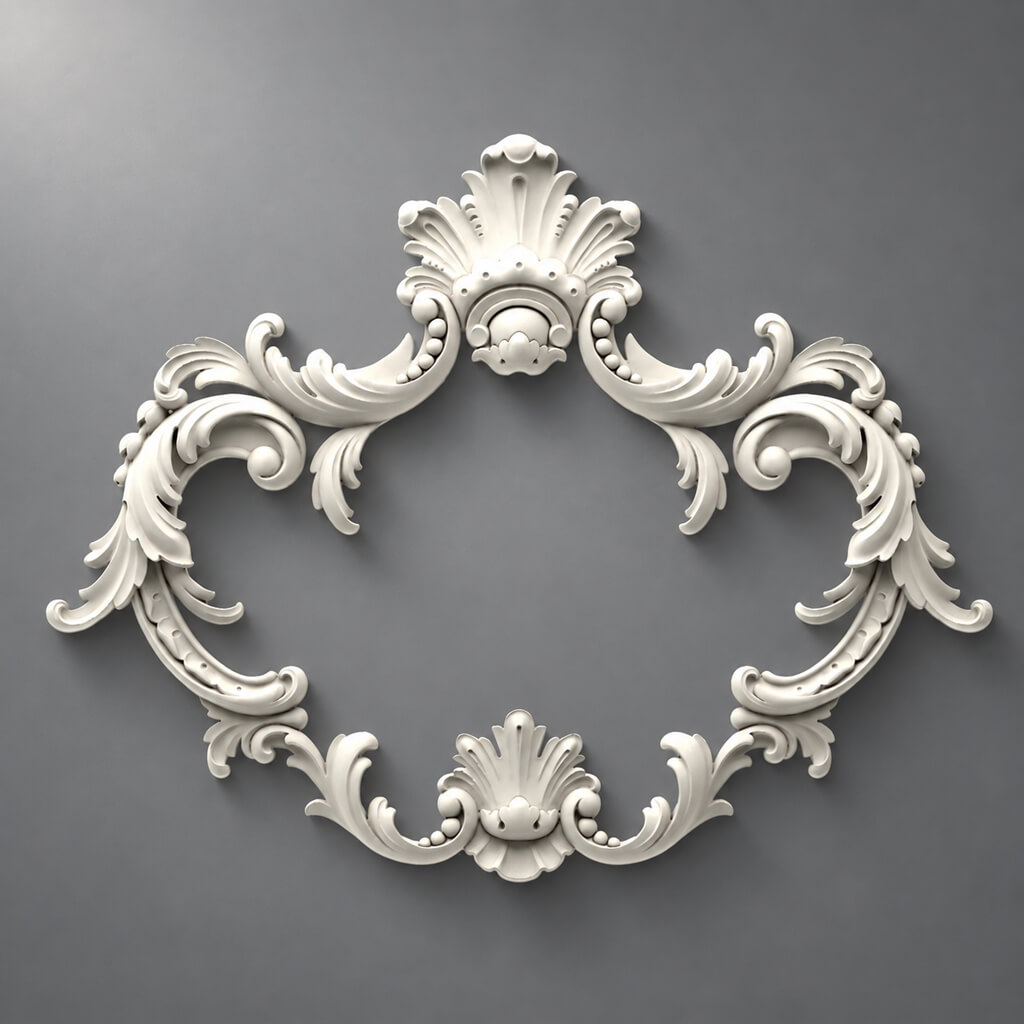
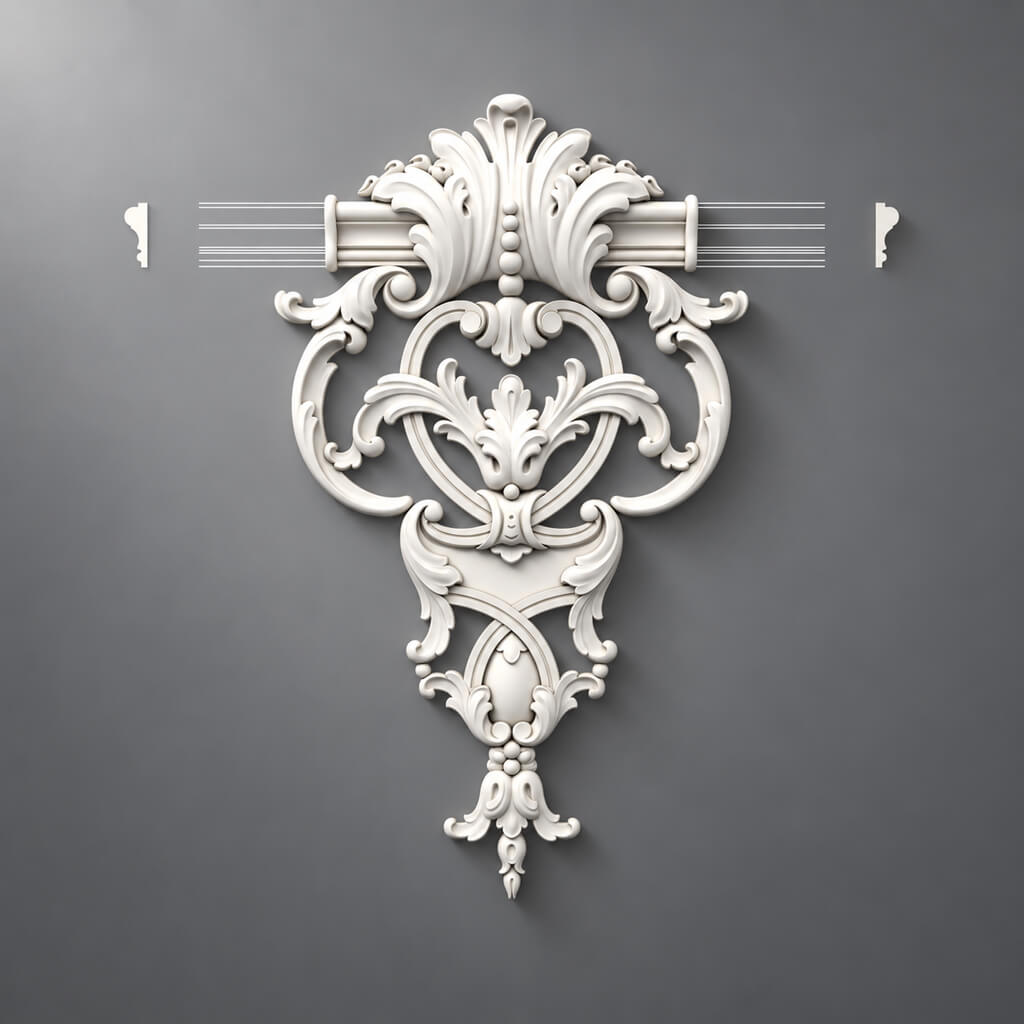
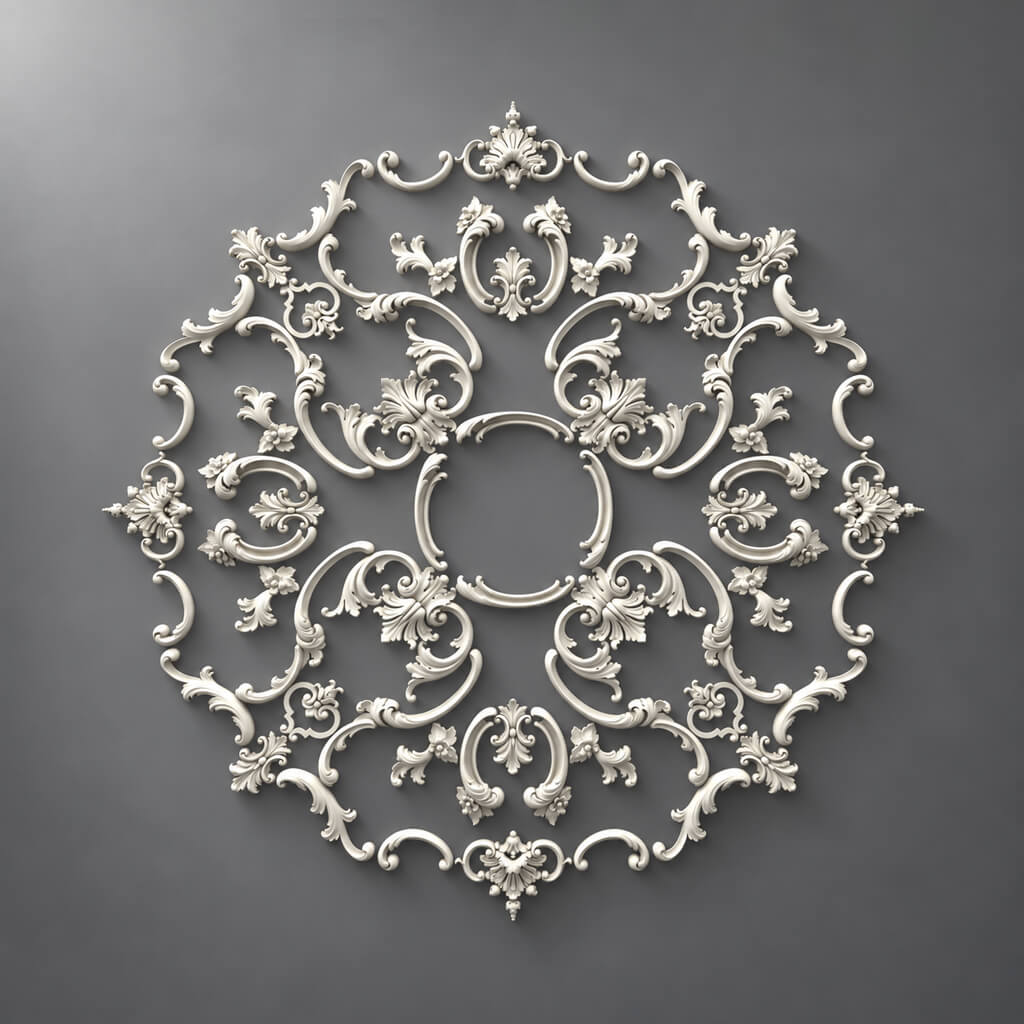
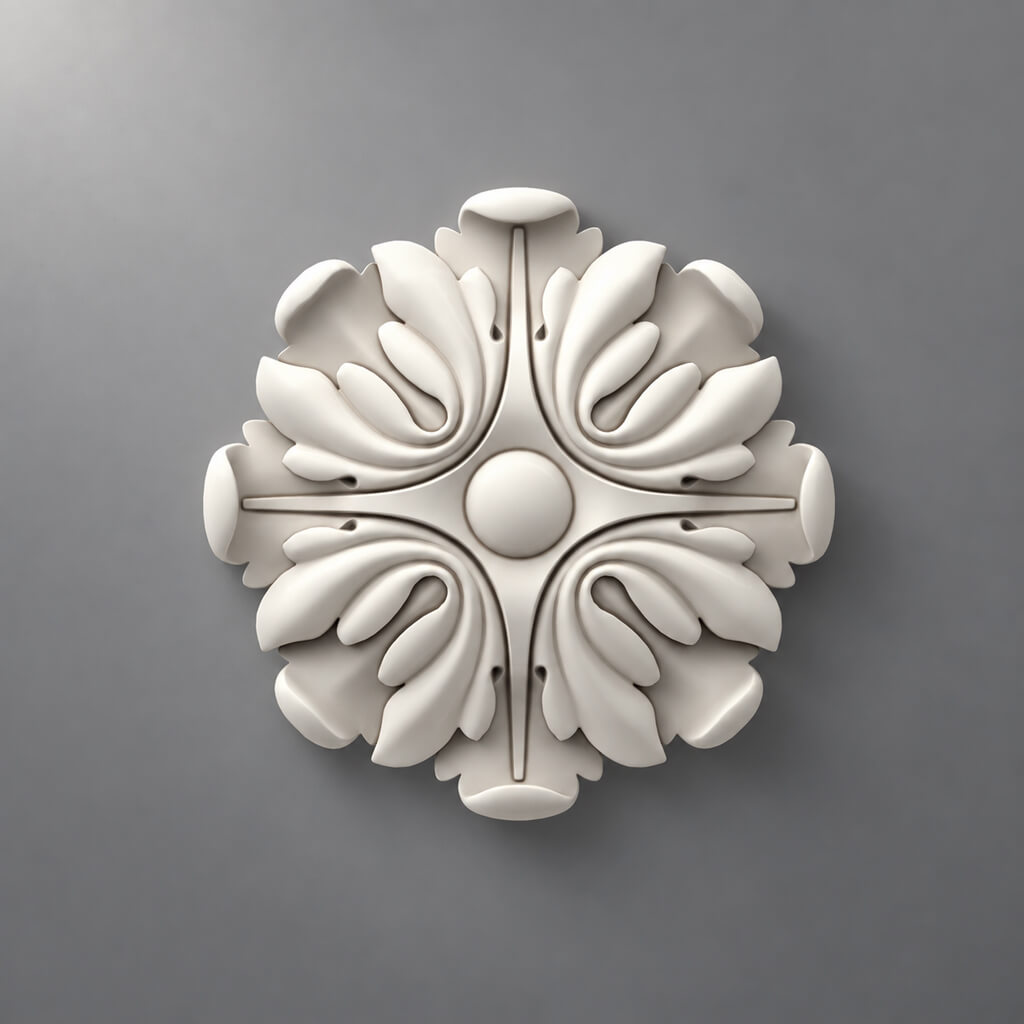
Decorative Inserts on facades — to create a classic silhouette. Rosettes, corner elements, central overlays — all of this turns a simple facade into a classic one.
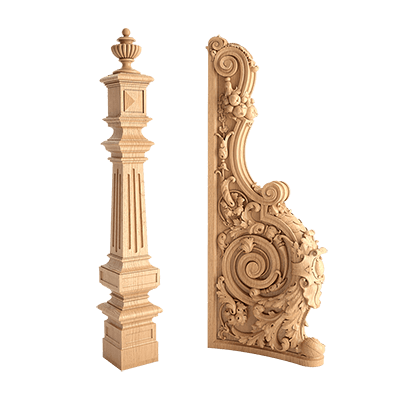
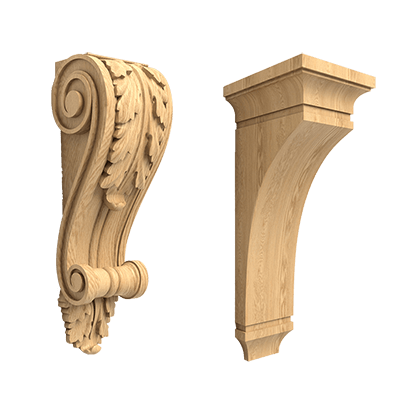
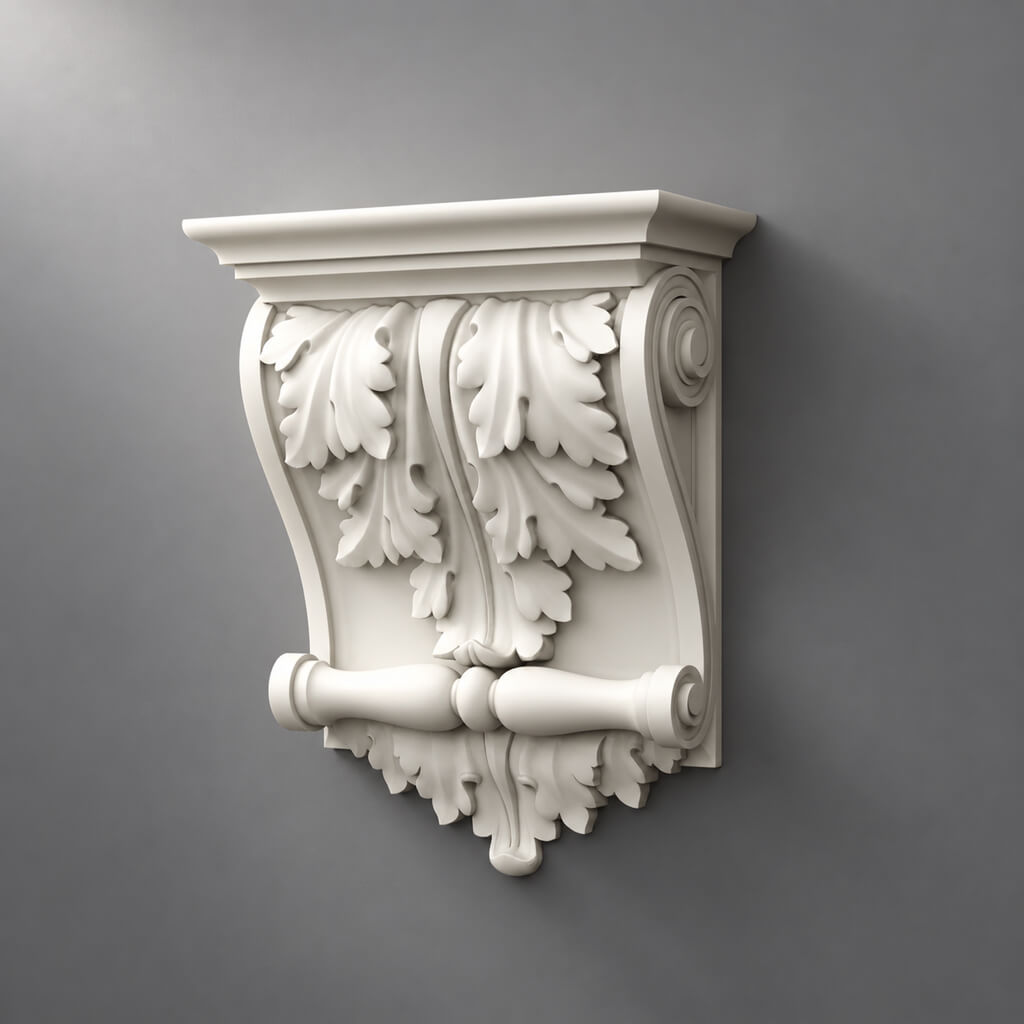
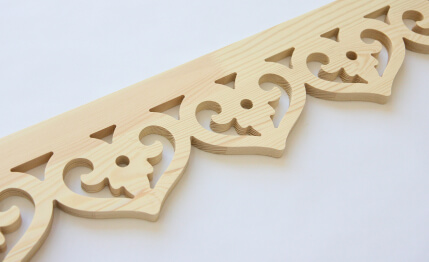
Decorative brackets — for shelves, consoles, cornices. A wooden bracket made of solid wood in a unified style with the furniture is a detail that is not immediately noticed but works constantly.
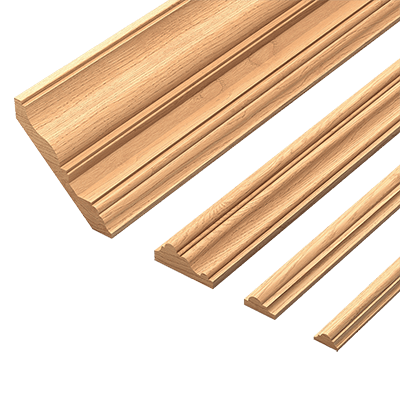
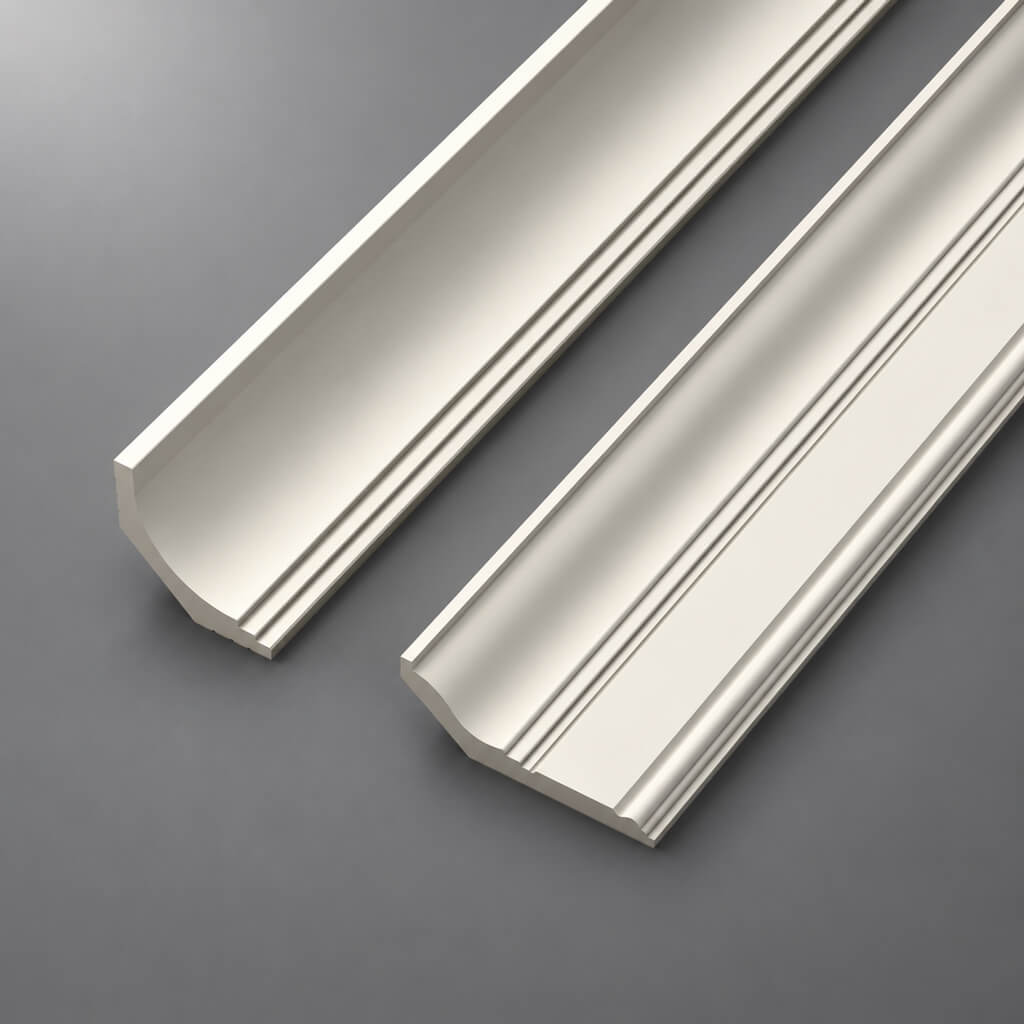
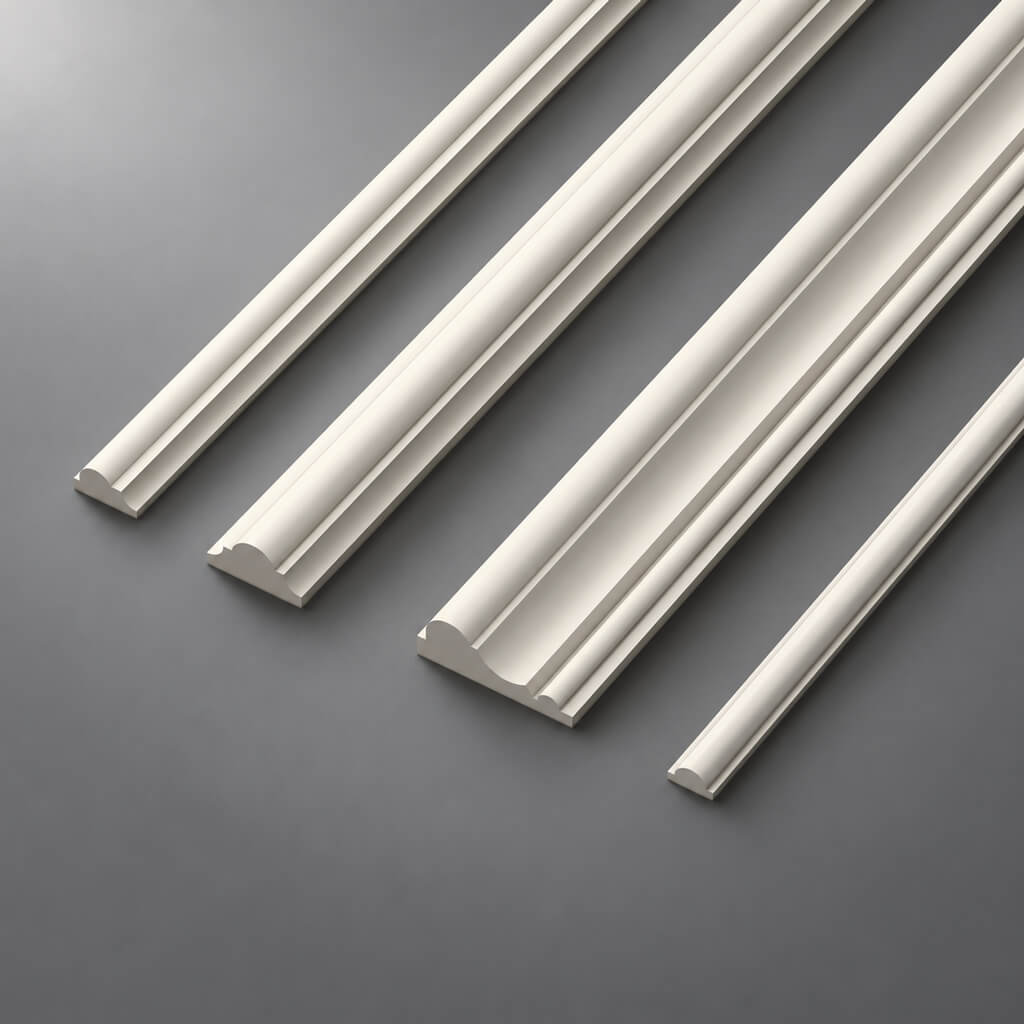
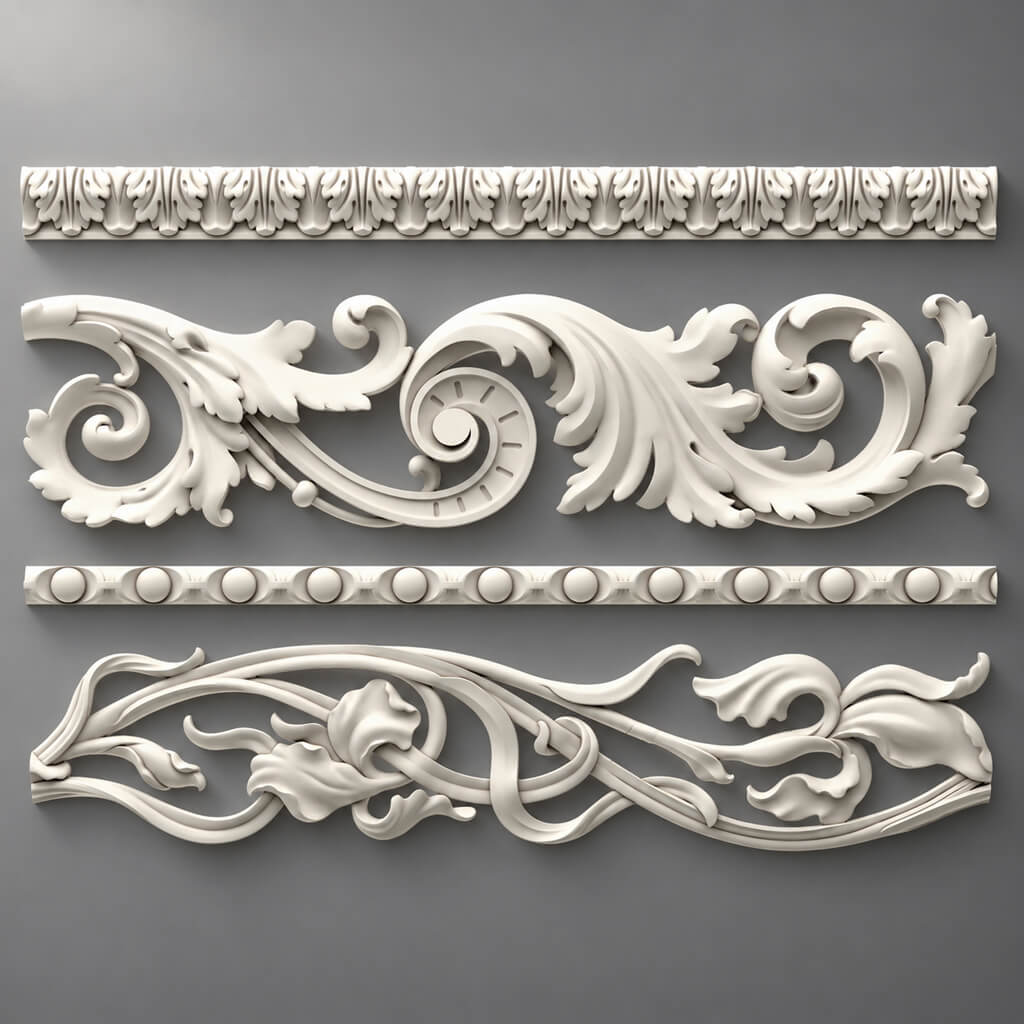
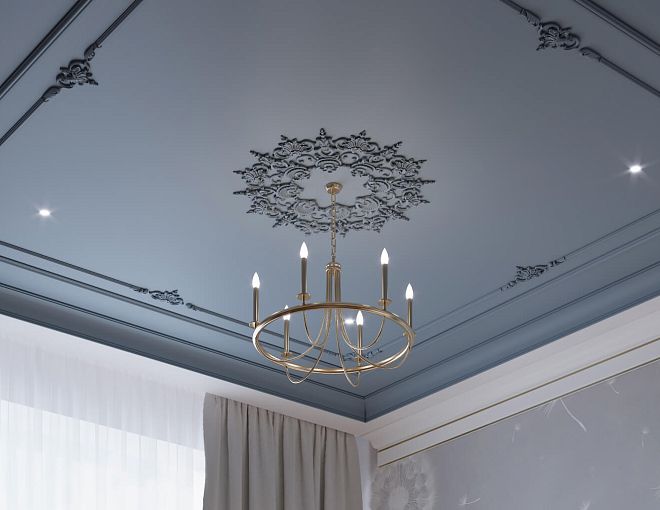
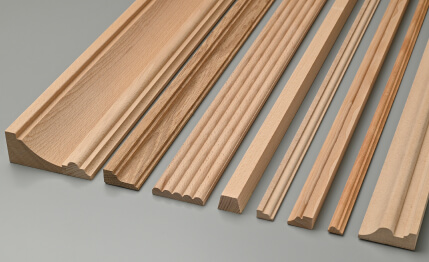
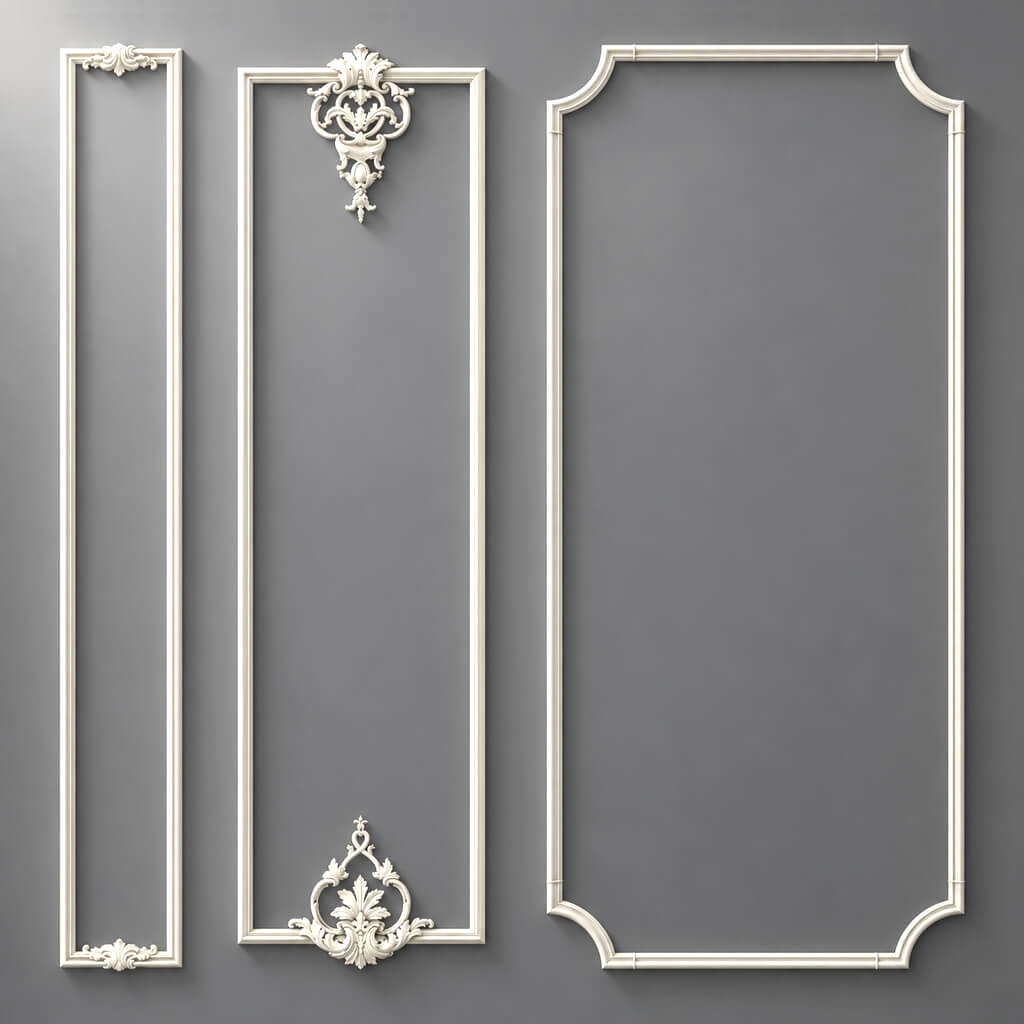
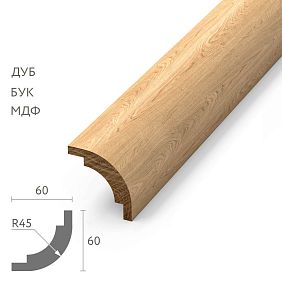
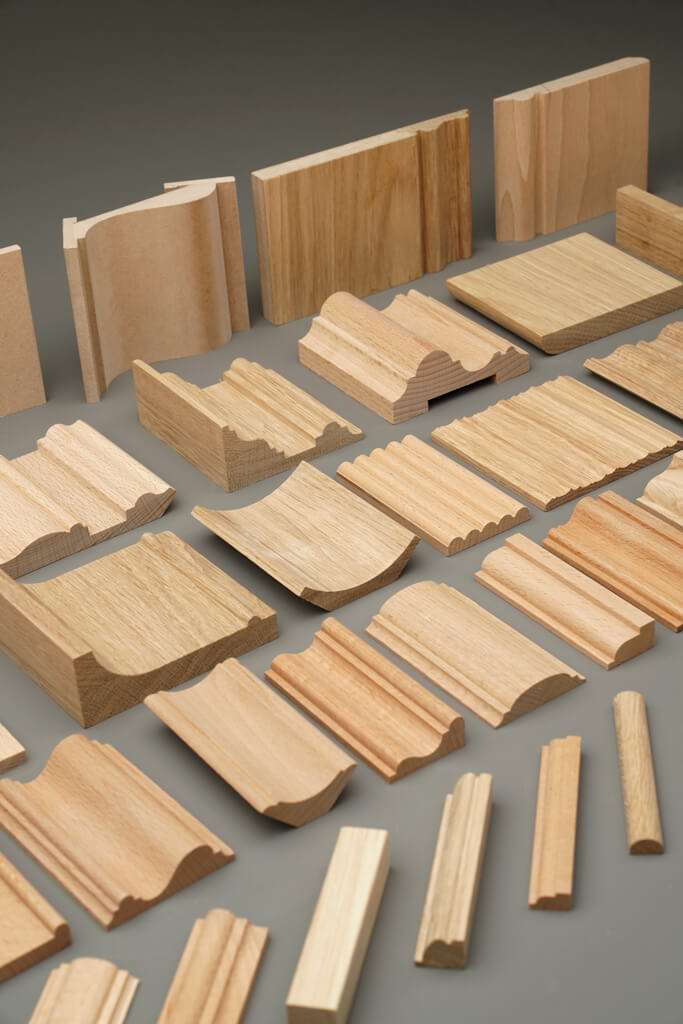
Moldings from solid wood — for walls, ceilings, transitions. They create a classic tectonics of space in which furniture feels organic.
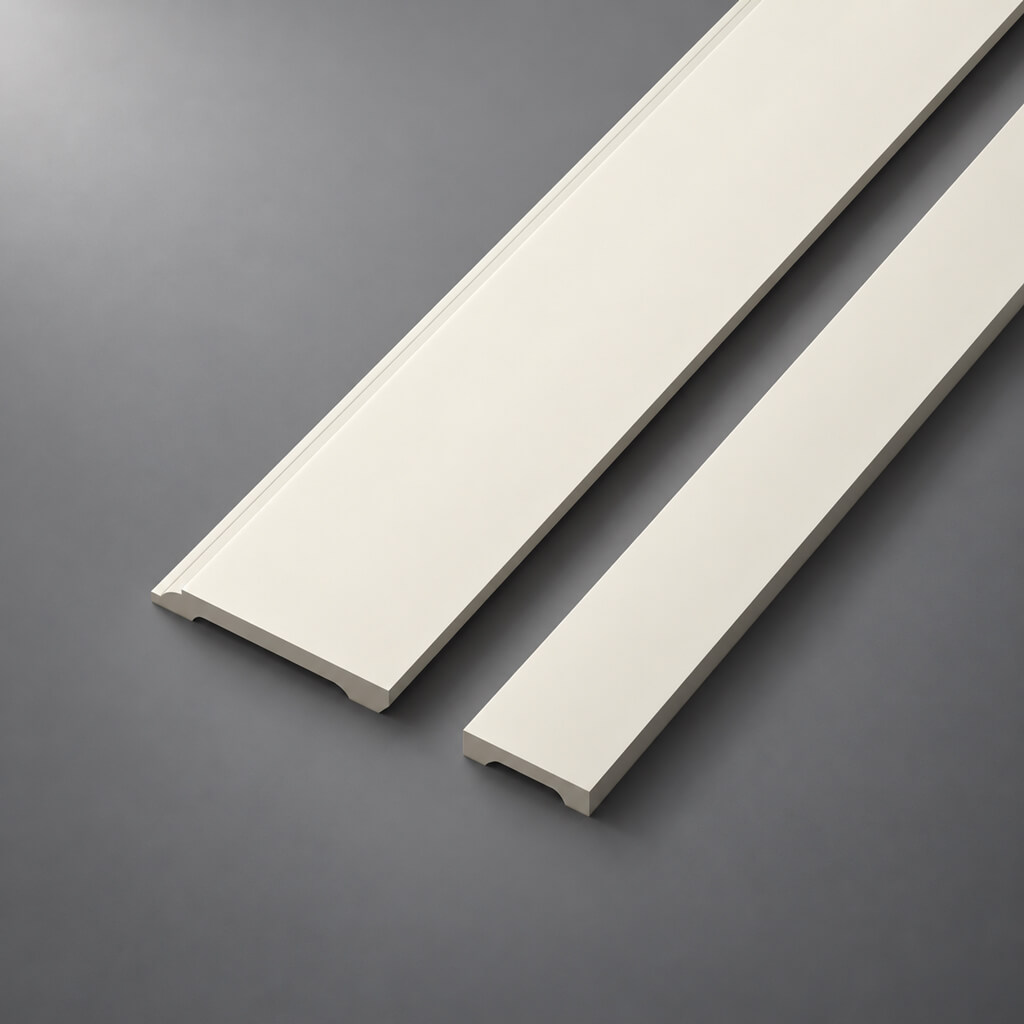
with a classic profile creates a sense of solidity, reliability. made of solid wood — to complete the lower tier of the room. A solid wood baseboard matching the furniture or flooring finishes the space and connects all elements.
Wooden Picture Frame for mirrors, paintings, decorative elements — a continuation of the wooden theme in the vertical planes of the interior.
FAQ: answers to the most important questions
What color of classic furniture should you choose for a small apartment?
For a small apartment, it is better to choose light classic furniture: milky, white, beige, light gray, or light wood. Light tones do not create visual barriers, do not weigh down the space, and allow the room to "breathe." Dark furniture in a small apartment requires exceptionally good lighting and great caution.
When is dark classic furniture appropriate?
Dark furniture reveals itself in spaces where there is air and light. A spacious living room, a study with high ceilings, a country house, a library — it is here that dark wood tones or dark enamel work flawlessly. In cramped rooms without good lighting, dark furniture creates a oppressive effect.
What is better for neoclassicism: light or dark furniture?
Neoclassicism is a light style by nature. It often features milky, white, gray, and soft pastel enameled facades. Dark accents are possible but sparingly: for example, a dark TV cabinet against a light set or dark Wooden legs on light furniture.
How to choose handles for classic furniture?
Handles are chosen in coordination with the facade, legs, and decor. For light enameled furniture — wooden handles matching the facade or in natural wood as an accent. For dark furniture — more expressive, textured options. Wooden handle made of solid wood — a universal choice that fits any color scheme.
Can old classic furniture be updated with color and decor?
Yes, and this is one of the most sensible approaches. Repainting facades, replacing handles, installing new wooden legs, adding decorative inserts — all of this completely changes the look of the furniture without replacing the frame. Add Moldings и Skirting in a unified system with the updated furniture — and the interior will change beyond recognition.
How to combine classic furniture with wooden baseboards and doors?
The main rule is either matching or deliberate contrast. It's best when furniture legs, baseboards, and doors are in the same or similar tones. This creates a horizontal and vertical "rhythm" of wood in the interior, which is perceived as a planned solution.
About the company STAVROS
A conversation about quality in a classic interior cannot be concluded without naming those behind the details that make this interior truly complete. STAVROS is a Russian manufacturer of solid wood products, whose Decorative Inserts, Furniture Handles, Wooden legs, Moldings, Baseboards и Brackets have become the choice of designers and homeowners across Russia.
STAVROS works with select beech and oak, producing a wide range of products for any classic interior style — from strict neoclassicism to traditional classic with rich decor. All products are manufactured with attention to surface quality, geometric precision, and extensive painting options. If you are choosing classic furniture for an apartment or updating an existing one — STAVROS provides the tools to create an interior where every detail speaks the same language.