Article Contents:
- What is a shell-shaped handle: form, construction, and logic
- Shape and Ergonomics
- Why the shell shape is not just decoration
- Shell-shaped handle made of solid wood: tactile dimension
- Where shell-shaped handles are used: detailed breakdown by furniture
- Shell handle for a chest of drawers
- Shell-shaped handle for a cabinet and nightstand
- Shell-shaped handles for kitchen drawers and fronts
- Shell-shaped handles on a sideboard and console
- Shell handles for solid wood and veneered furniture
- Shell on enameled facades
- Shell handle, bracket or knob: how not to make a mistake in choosing
- Recessed or surface-mounted shell handle: what is the fundamental difference
- Recessed shell handle
- Surface-mounted shell handle
- Colors and finishes of shell handles: what works with what
- Bronze shell handle: warmth with history
- Brass shell handle: jewelry precision
- Chrome shell: shell for modern interior
- Black shell: accent without compromise
- Gold shell: boldness and luxury
- Interior styles where the shell is indispensable
- Classic and neoclassic
- Provence: France in detail
- Vintage style: atmosphere of found objects
- Country and rustic
- What to pair with a shell handle: a system of details
- Hinges and other hardware
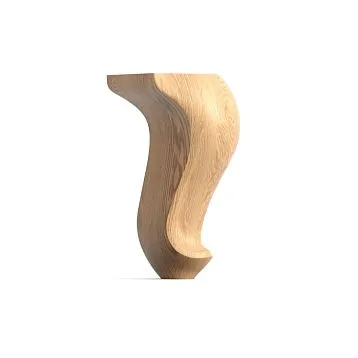
- Furniture legs
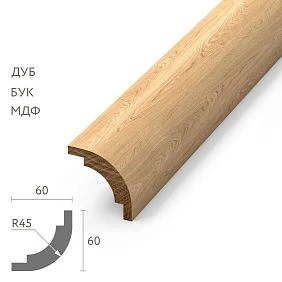
- Decorative overlays and corner guards
- Metal elements in the interior
- Shell handle sizes: how to get the proportion right
- Mistakes when choosing a shell handle: an honest analysis
- Placing a shell handle on a minimalist facade without stylistic logic
- Choosing a shell handle that is too small for a heavy drawer
- Not considering the depth and shape of the grip
- Not matching the color with hinges and legs
- Choosing the shape only from a photo
- Confusing a shell handle with a regular inset handle
- Buying shell handles on stavros.ru
- FAQ: answers to popular questions about the shell handle
- What is a shell handle for furniture?
- How is a shell handle different from a staple handle?
- Where is it best to use a shell handle?
- Which shell handle is best for a dresser?
- Is a shell handle suitable for a modern kitchen?
- How to install a shell handle yourself?
- Can I buy shell handles for the entire set in one batch?
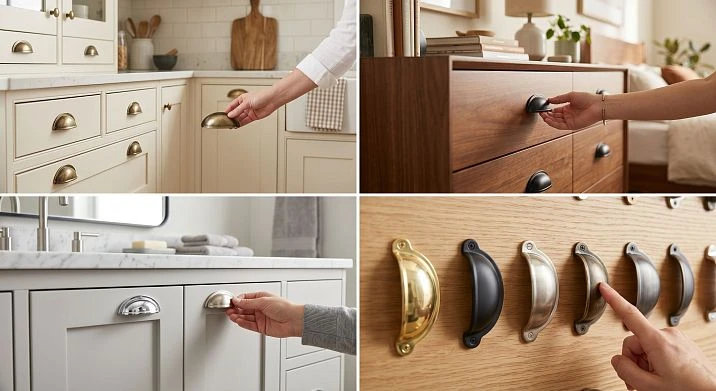
There are details that don't just perform a function — they tell a story. A shell handle is exactly that. When you see it on an old French dresser, in a Provence-style kitchen, or on a cabinet with curved legs — you understand without words: a person with taste worked here. This is not just hardware. This is the character of furniture, expressed in one detail.
Shell handle for furniture — a type of furniture handle with a cup-shaped recess for fingers, the shape of which resembles a shell or seashell. It integrates organically into the facade, does not protrude sharply outward, and at the same time provides a comfortable, natural grip. This is a shape with history, loved by designers, restorers, and everyone who appreciates furniture with character.
Let's figure out — where, how, and why exactly this handle is chosen.
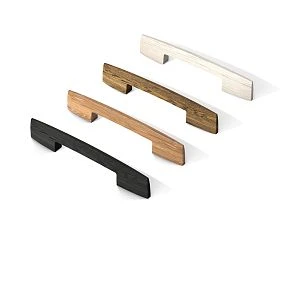
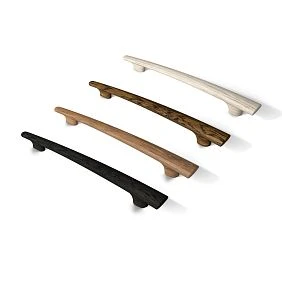
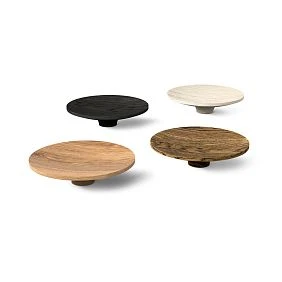
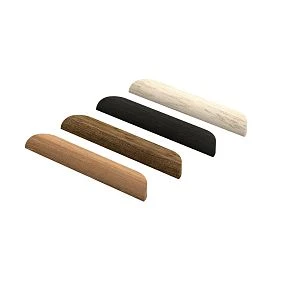
What is a shell handle: shape, design, and logic




Shape and Ergonomics
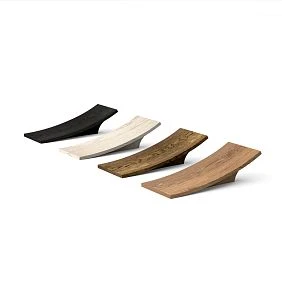
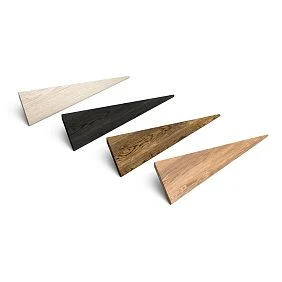
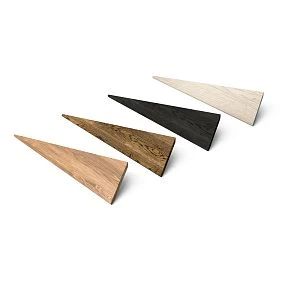
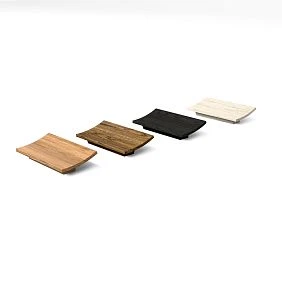
Furniture shell handle Shell HL-024 is a product with a distinctive relief profile: a rounded or elongated "bowl" with a recess that naturally accommodates one or two fingers. The hand does not grip a bracket, as with a classic bracket handle — it sinks into the shape, feels the depth, and pulls toward itself. This is a different type of contact — more intimate, more tactile.
Structurally handle sink it can be surface-mounted — attached over the facade — or inset, when it is recessed into a selected groove. Both options have their advantages, and we will discuss them separately.
The width of a standard shell handle ranges from 60 to 120 mm. The protrusion above the facade for the surface-mounted version is 15–30 mm. For the inset version, the recess depth is 8–15 mm. For a comfortable grip, a recess of 12–15 mm is sufficient — this is enough for one or two fingers when opening a drawer.
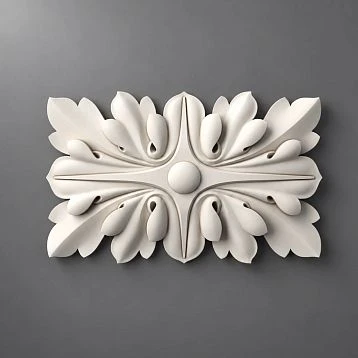
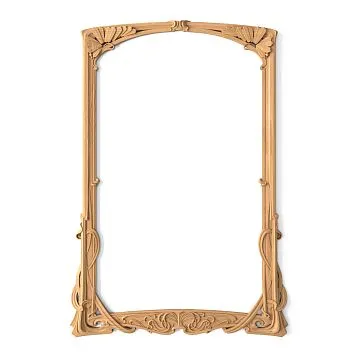
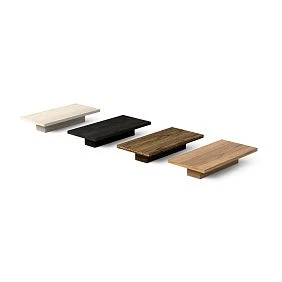
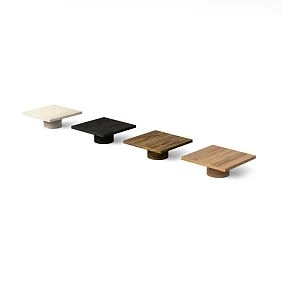
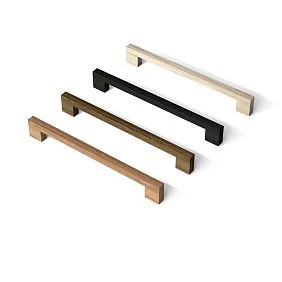
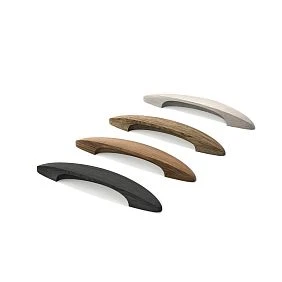
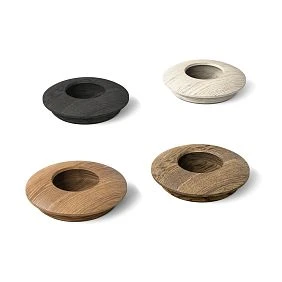
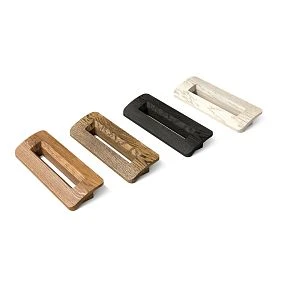
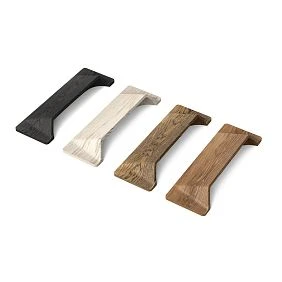
Our factory also produces:
Why the shell shape is not just decor
The shell shape is one of the oldest decorative forms in the history of applied arts. It was used in Baroque, Rococo, Empire, Neoclassicism, Provencal style — everywhere where furniture was created not just for storing things, but as an element of space deserving attention.
In modern interiors furniture shell handle restores semantic volume to furniture. It says: this item is made with attention to detail, here every element is chosen deliberately. This is not random hardware from the nearest hardware store — it is a decision that was made.
Get Consultation
Shell handle made of solid wood: the tactile dimension
Wooden shell handle from the array adds another dimension — tactile. The hand touches not metal, but living wood: warm, slightly rough, natural. This feeling is fundamentally different from what a metal handle or plastic counterpart provides.
On an oak chest, on a birch nightstand, in a kitchen with wooden inserts — the shell-shaped wooden handle becomes an organic extension of the material. It can be coated with the same oil or wax as the main body, and then the handle literally merges with the furniture — both visually and tactilely.
handles without coating made from solid wood — this is exactly the option that gives maximum freedom: to paint, tint, oil, varnish — exactly as needed for a specific project.
Where shell handles are used: a detailed breakdown by furniture
Shell handle for a chest of drawers
Shell handle for a chest of drawers — this is perhaps the most natural place for such a handle. A chest of drawers is furniture with horizontal drawers, where the visual rhythm is created precisely by repeating details: the lines of the drawers, the gaps between them, the handles. And the shell handle works flawlessly in this rhythm.
Imagine a chest of drawers with five or six drawers of different heights. On each — the same furniture shell handle in the center of the horizontal line. This creates a clear vertical axis — the gaze moves from top to bottom along the row of handles, and the furniture is perceived as a single architectural object, not just a set of drawers.
For a chest of drawers, it is important to consider proportions. A small drawer 100–120 mm high — a shell 60–80 mm wide. A wide lower drawer 200–300 mm high — a shell 90–120 mm wide or two symmetrically placed shells. The proportionality of the handle to the facade is a visual balance that is read intuitively.
Ручка для ящика мебельная the shell shape is especially good because it does not protrude sharply forward. In a bedroom where the dresser is next to the bed or against a wall with wallpaper, a protruding bracket can catch on clothing or obstruct passage. The shell is more delicate, more pressed against the surface.
Shell handle for cabinet and nightstand
Handle for a cabinet — this is another ideal scenario. A bedside table with a drawer, a TV cabinet with hinged doors, a shoe cabinet in the hallway — everywhere where the furniture is small and you want neatness without losing functionality.
On a bedside table, the shell is especially appropriate: you open the drawer in the evening or at night, the movement is automatic, your hand finds the handle by memory. The shell shape — with its clear geometry of the recess — is felt exactly that way: intuitively and confidently.
handle for a nightstand in a wooden version with a bronze or brass finish on a walnut or cherry wood nightstand — this is a combination that has existed in high-end furniture for centuries. And it still works.
Shell handles for kitchen drawers and fronts
In the kitchen shell handle for kitchen is appropriate in several specific scenarios.
The first is a kitchen in a classic or neoclassical style. Here the shell is organic and stylistically justified. Paneled fronts, cornices, columns, decorative overlays — and shell handles as the completion of this language of details. Everything speaks the same historical dialect.
The second is a kitchen in Provence style. Here the shell adds the feel of an old French kitchen: worn bronze, wooden fronts, a ceramic sink, open shelves with faience. A shell-shaped handle here is not just a function, it is an atmosphere.
The third is a kitchen in country or rustic style. Rough wood, forged details, heavy fabrics — and a bronze shell as a detail that has an "age." This is furniture that seems to have a story.
The fourth is buffet sections and islands. On a kitchen island with lower drawers and a cabinet under the sink, the shell adds a detail that is pleasant to notice. Especially if the entire set is made in neutral minimalism, and the buffet or island is a separate accent with different hardware.
handles for kitchen in the shape of a shell — this is not for every kitchen. But where they are appropriate, they are irreplaceable.
Shell handles on the buffet and console
A buffet is special furniture. It is larger, more imposing, it occupies space as an architectural element. And it is here that the shell handle gets all the conditions for full expression.
The lower drawers of the buffet, display doors, open sections with doors — everywhere there is a facade with character, the shell adds dignity. A bronze or brass shell on a dark oak buffet is that level of detailing that distinguishes a furniture object from just a "cabinet for dishes."
On a console — a narrow table by the wall or in the hallway — the shell on a single drawer turns a functional item into an interior item. The detail is small but noticeable. It is such details that create a sense of spatial integrity.
Shell handles for solid wood and veneered furniture
For furniture made of natural solid wood solid wood shell Without a cover — this is a logical continuation of the material program. Wood to wood. If the body is made of oak, the handle is made of oak. Then the handle has the same texture, the same annual rings, the same surface temperature. This unity of material is the highest level of design consistency.
For veneered furniture — the same logic. Oak veneer on the outside, and a wooden shell made of oak to match — or in contrast, if a different species is chosen. Light ash on the body and a dark walnut shell — this is a contrast that works as a deliberate accent.
Shell on facades under enamel
handle sink made of wood on a facade under enamel — this is an interesting design move. A smooth enameled facade and a relief shell with wood texture — a contrast of surfaces that enlivens the monotony of uniform enamel.
If the shell is coated with the same enamel as the facade — it visually "grows" out of the surface. The cup-shaped recess remains visible, but the color of the handle matches the facade — the effect of an almost hidden handle with a decorative relief.
This is one of the most refined ways to use a shell: the function is hidden, the form is present, the color is unified.
Shell handle, bracket, or button: how to avoid mistakes in choosing
| Handle type | Furniture style | When to choose |
|---|---|---|
| Shell Handle | Classic, Provence, vintage, neoclassical, country | Chest of drawers, nightstand, drawer, sideboard, classic facade |
| Bracket Handle | Modern, Scandinavian, loft | Universal grip, kitchen, cabinet, active opening |
| Button Handle | Any style | Small front, decorative accent, cabinet, chest of drawers |
| Inset handle | Minimalism, high-tech | Concealed mounting, clean front plane |
| Overlay handle | Modern, Scandinavian | Simple installation, flat profile |
The key question to ask yourself before choosing: what style of furniture is dominant? If the furniture carries historical references — classic, Provence, neoclassical, art deco — the shell handle will be a perfect fit. If the furniture is modern and minimalist — a bracket or profile will work better.
But there are also bold combinations: a shell handle on a modern front can be a deliberate artistic gesture. Here, confidence in the concept is important.
Recessed or surface-mounted shell handle: what is the fundamental difference
Recessed shell handle
Recessed shell handle — this is a version where the shell handle body is recessed into the facade: a mounting seat is milled, and the shell sits flush with the surface or with a slight protrusion.
The advantage of a flush-mounted shell handle is visual cleanliness. The facade remains almost flat, the shell does not protrude far forward, creating a sense of integration and organicity. This is especially valuable on lower kitchen drawers, where it's important that nothing catches when opening.
The downside is that installation is more complex: it requires precise milling, a template, and experience. Doing this manually without special equipment is difficult. The flush-mounted version is for production installation or for an experienced craftsman.
Inset handle in the shape of a shell — this is a level of execution that reveals a professional approach to a furniture project.
Surface-mounted shell handle
Surface-mounted shell handle is mounted on the surface of the facade using bolts that pass through the facade. This is simple installation: mark, drill a hole, tighten the bolt from the inside — and it's done.
The surface-mounted shell protrudes 15–30 mm above the surface — this provides the depth for finger grip. For drawers with light loads — drawers in a cabinet, bedside table, buffet — this type of fastening is completely reliable.
The advantage of the surface-mounted version is flexibility. If you need to change the handle, repaint, or replace it, this can be done without disassembling the facade or using a milling tool. Remove it, install a new one, tighten the bolt.
Colors and finishes of shell handles: what works with what
Bronze shell handle: warmth with history
Bronze is historically the most "correct" coating for a shell. It was in bronze that this type of handle existed in European furniture of the 18th–19th centuries. And today Bronze shell handle it remains the first choice for classic, Provencal, and vintage furniture.
Bronze is warm, brown-gold, with soft tonal transitions. On dark wooden facades — oak, cherry, walnut, teak — it creates a natural unity: two warm materials of different textures. On light painted facades — white, ivory, cream — the bronze shell becomes an accent element with character.
Handles with Finish under bronze from solid wood — this is a wooden base with a bronze finish coating. Tactilely — warmer than pure metal. Visually — just as rich.
Brass shell handle: jewelry precision
Brass shell handle — this is a lighter, yellowish-golden option. Brass is cleaner and brighter than bronze, closer to gold. For furniture in the Art Deco style, for neoclassical interiors with white or beige facades — the brass shell looks like a precise jewelry detail.
Brass is good in Scandinavian interiors with light wood — birch, ash, pine. Here, the warm yellowness of brass creates a connection between wood and metal that feels natural and logical.
On white enameled facades, the brass shell is an exquisite accent. One small golden element on a clean white plane. Simple. Precise. Effective.
Chrome shell: a shell for modern interiors
Chrome shell handle — is a less common but interesting option. The chrome shell combines a traditional shape with a cold modern coating. This creates an unexpected effect: the shape speaks of history, the coating speaks of the present.
The chrome shell can work on gray, graphite, and white modern facades, where the classic shape is introduced as a deliberate quotation detail without literal historicism. This is a postmodern technique — taking a historical shape and dressing it in modern metal.
The chrome shell is also suitable for bathroom furniture and dressers in light modern interiors — where chrome is already present in faucets, mirror frames, and lighting fixtures.
Black shell: accent without compromise
Black shell handle — is an unexpected but very interesting option. A black shell on a white or light facade is a shape without disguise. All the decorativeness of the shell is emphasized by contrast: dark relief on a light plane.
On dark facades, the black shell creates a monolithic effect — the shell is visible only by its relief, not by its color. This is a subtle play.
For modern interiors where a decorative shape is desired without warm metallic tones — the black shell occupies its niche. It mediates between historical decorativism and modern minimalism.
Golden shell: courage and luxury
Gold shell handle — the most expressive option. Gold enhances the decorative quality of the shell to the maximum. Matte gold on a dark blue or emerald buffet facade is a level of decor that speaks for itself.
The golden shell is appropriate on formal furniture: buffets, consoles, dressing tables, cabinets with display glass. Everywhere where furniture is the object of attention, the center of the interior — gold emphasizes this role.
On calm beige and cream facades, the matte gold shell works more quietly: a warm accent without theatricality.
Interior styles where the shell is indispensable
Classicism and neoclassicism
Classic interior is symmetry, proportions, historical references. Paneled facades, carved cornices, profiled legs, furniture on a pedestal. handle sink here — part of the style language. It needs no explanation, it is simply in its place.
Bronze or brass are the right finishes for classics. Neither chrome nor black will work as convincingly here — they carry a different style code.
For neoclassicism — matte gold or brass. Neoclassicism is stricter, with clearer lines, less decoration. The shell in brass here is a delicate historical reference without overload.
Provence: France in Detail
Provence is an interior that pretends to be old. Worn surfaces, ivory or gray-blue facades, linen fabrics, floral prints, open shelves with dishes. And a bronze shell as a detail that seems to already have a past.
In Provence, the shell handle is especially convincing in the "aged" bronze version — with slightly dark areas in the depths of the relief. This is patina, which is valued.
handles for kitchen In Provence, it's always warm metal or wood. Cold chrome would be out of place here.
Vintage style: the atmosphere of found objects
A vintage interior is built on the idea of "as if collected at flea markets." Mismatched furniture, warm tones, patina, objects with history. Furniture shell handle In brass or bronze here — literally a detail from "that era."
For a retro-style chest of drawers, a tapered-leg nightstand, a sideboard with forged hinges — a wooden shell with bronze coating will look as if it has always been there.
Countryside and rustic
Country style is a rustic aesthetic: natural materials, solid wood, rough surfaces, simplicity of forms. The shell here is not elegant, but sturdy and solid. A wooden shell without coating or with an aged bronze coating is an organic detail for a kitchen with wooden facades, forged hardware, and a stone countertop.
What to pair the shell handle with: a system of details
Hinges and other hardware
Cabinet handles And the hinges should be in a unified metallic field. If the shell is bronze, the hinges should be bronze or at least a warm metallic tone. Chrome hinges next to a bronze shell create a conflict that everyone will notice.
Furniture legs
The legs of a chest of drawers, nightstand, or sideboard are another metallic accent. Thin metal legs in brass or bronze next to a shell in the same finish create a unified hardware program. This gives a sense of completeness when all details speak in one voice.
Decorative plates and corner plates
Classic furniture often features metal corner plates, keyhole plates, and decorative rosettes. All of this is metal, and all of this metal should be coordinated with the shell in color and tone temperature.
Metal elements in the interior
A mirror with a metal frame, a sconce with a metal shade, a curtain rod with metal rings, cutlery in a decorative vase — any metal in sight near the furniture is part of the overall metallic image of the interior. When choosing the shell finish, consider these elements as well.
Sizes of shell handles: how to avoid mistakes with proportions
The size of the shell is not just about ergonomics. It is a proportion that affects the perception of the entire furniture piece.
-
For a narrow drawer 60–100 mm high — a shell handle 50–70 mm wide
-
For a standard drawer 120–180 mm — a shell handle 70–100 mm
-
For a wide bottom drawer 200–300 mm — a shell handle 90–120 mm or two shell handles
-
For a cabinet or sideboard door 400–600 mm — one shell handle 100–120 mm in the center or two smaller ones
The shell handle should not be too small: if it gets lost on the facade, it doesn't work decoratively or functionally. It should not be too large: if it overloads the facade, the facade ceases to be a background and becomes a competitor.
Mistakes when choosing a shell handle: an honest analysis
Placing a shell handle on a minimalist facade without stylistic logic
The shell handle is a decorative form. If the entire interior is built on the principle of 'less is more,' the shell handle will look like a mistake, not an accent. Either change your approach to choosing the shell handle (black, chrome, in a modern context), or choose a different type of handle.
Choosing a shell handle that is too small for a heavy drawer
If the bottom drawer of a kitchen cabinet weighs 8–10 kg, a small decorative shell handle 60 mm wide is an inconvenient option. The opening force is concentrated on a small area, which is uncomfortable. For heavy drawers, choose a wider shell handle or a double arrangement.
Do not consider the depth and shape of the grip
There are shells with a shallow recess — beautiful but uncomfortable. Fingers don't fit fully, you have to pull with your fingertips. The bowl depth should be at least 10–12 mm for a comfortable grip. This should be checked before purchase — by technical parameters or by sample.
Do not match the color with hinges and legs
A bronze shell next to chrome hinges is a classic mistake. Metals of different temperatures conflict and create a feeling of disarray. Coordinate all hardware before installation.
Choose the shape only by photo
A shell may look great in a photo but turn out to be uncomfortable in actual use — too flat, with sharp edges, or an awkward recess angle. If possible, evaluate the handle in person or request detailed technical parameters.
Confuse a shell with a regular inset handle
Recessed shell handle — this is a specific type of installation that requires routing. If the furniture is already ready — this option is unavailable without reworking the facade. In that case, a surface-mounted shell is needed. Make sure of the installation type before ordering.
Purchase shell handles on stavros.ru
On stavros.ru is presented Furniture shell handle Shell HL-024 made from natural solid wood. This product is from Russia, crafted from high-quality wood with the option to order as without a finish — for self-finishing — as well as with a finish in several colors.
In the furniture handles all main types are available: handle-eyes, handle-buttons, Surface-mounted handles и Inset handles. Each type comes in several finishes and sizes. The shell can be purchased as a single piece or as a batch for a complete set.
FAQ: answers to popular questions about the shell handle
What is a shell handle for furniture?
Shell Handle — this is a furniture handle with a cup-shaped recess for fingers, the shape of which resembles a seashell or shell. It is installed on drawers, cabinets, chests of drawers, kitchen fronts. It can be surface-mounted or recessed.
How is a shell handle different from a pull handle?
Bracket Handle protrudes outward with two posts and a crossbar — the hand can be grasped from below or from the side. The shell works as a recess: fingers enter the cup and pull. These are different ergonomic models and different aesthetics: the pull is functional and modern, the shell is decorative and historical.
Where is it best to use a shell handle?
On chests of drawers with multiple drawers, bedside tables, TV stands, kitchen sideboards, and lower drawers of a classic kitchen, on consoles and furniture in Provence, country, classic, neoclassical, and vintage styles.
Which shell handle is best for a chest of drawers?
For a chest of drawers, the optimal one is Shell handle for a chest of drawers 70–100 mm wide with a recess of at least 12 mm. The finish should be bronze, brass, or matching the facade. The handle size should be proportional to the drawer width: not too small, not too large.
Is a shell handle suitable for a modern kitchen?
In the traditional sense, a shell is a detail for a classic or decorative interior. But in a modern context, interesting solutions are possible: a black shell as a quote-form on a modern facade, a chrome shell on a gray kitchen as a postmodern detail. It all depends on the concept and confidence in the decision.
How to install a shell handle yourself?
Surface-mounted handle sink is installed as follows: mark the position in the center of the facade, drill a hole for the bolt through the facade, attach the shell from the front side, tighten the bolt from the inside. Tools: drill, screwdriver or wrench for the bolt. Installation time: 5–10 minutes per handle.
Can I buy shell handles for the entire set in one batch?
Yes, on stavros.ru you can order the required number of handles. All products from one batch are made from the same material with the same coating, ensuring uniformity. This is important for a kitchen set or wardrobe where consistency of all handles matters.