










































Article Contents:
- What slat panels can be bought in Moscow
- Why slat panels are in demand in interior design
- Visual volume and rhythm
- Verticality that raises the ceiling
- Zoning without partitions
- For modern and combined interiors
- Which slat panels to choose: material, size, style
- Wooden Slat Panels
- Panels for modern interior
- Panels for classic and neoclassical styles
- Solutions for apartment and house
- Where to use slatted panels in interior design
- Slat panels for living room
- Slat panels for bedroom
- Slat panels for hallway and corridor
- Slat panels for TV zone
- Slat panels for space zoning
- What to consider before buying slat panels in Moscow
- Wall dimensions
- Spacing and slat width
- Wood shade
- Compatibility with skirting boards, moldings, furniture
- Wall readiness
- Slatted panels or decorative slats: which is better to choose
- When to choose ready-made slatted panels
- When to choose individual slats for the wall
- When to combine slats with moldings
- What to combine slatted panels with in interior design
- With Mouldings
- With baseboards
- with decorative elements
- With furniture and door solutions
- Where to buy slatted panels in Moscow
- Why it's important to look at the material
- Why it's convenient to choose from the manufacturer
- How to select panels for a specific interior
- Where to go for selection
- Common mistakes when choosing slatted panels
- Too frequent slat spacing in a small room
- Incorrect size for a small wall
- Incorrect wood shade
- Lack of connection with the rest of the decor
- Attempting to choose only by photo without considering the room
- Ignoring the system: slats without baseboards and cornices
- Mixing materials without a concept
- Frequently asked questions about buying slat panels in Moscow
- Conclusion: slat panels – a purchase that transforms the interior
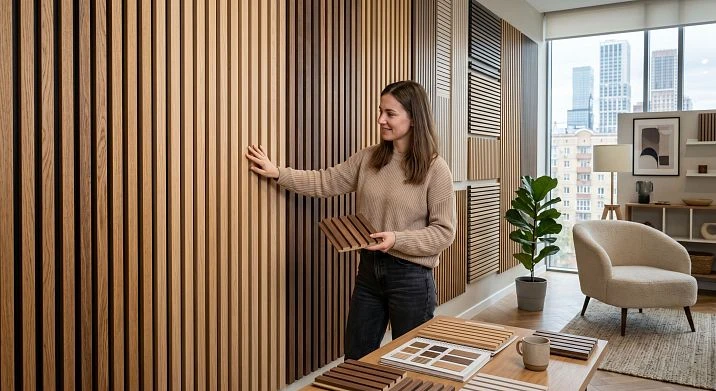
More and more often, Moscow apartments and houses are acquiring that very look commonly referred to as 'straight out of a magazine': an accent wall with wooden slats, rhythmic texture behind the sofa, living texture behind the headboard. This is not an expensive renovation involving an architect. These are slat wall panels – a solution that works quickly, lasts for years, and looks as if an entire design department worked on it.
If you want to buy slat panels in Moscow and not just 'get something wooden,' but select an exact solution for a specific room, specific style, and specific task – this article will give you all the guidance. Without unnecessary words, but with respect for details.
What slat panels can be bought in Moscow
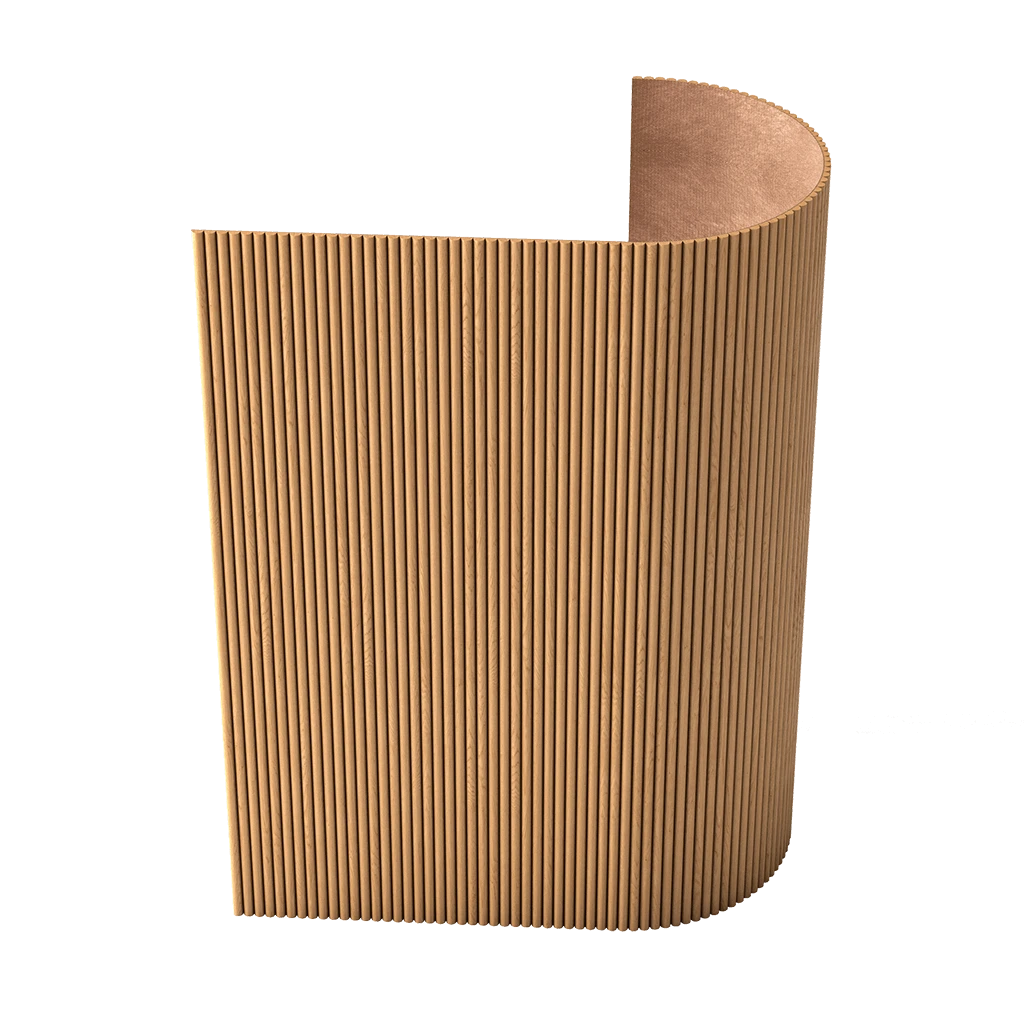
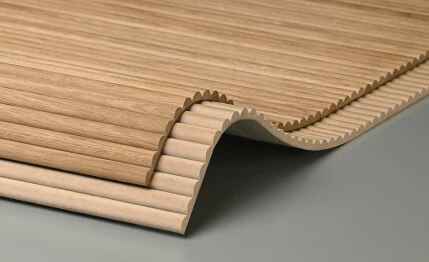
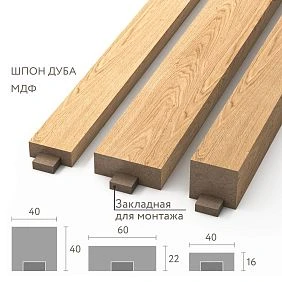
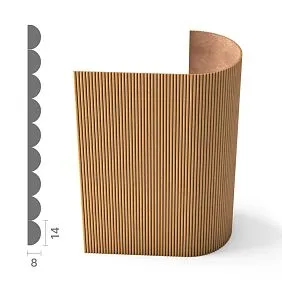
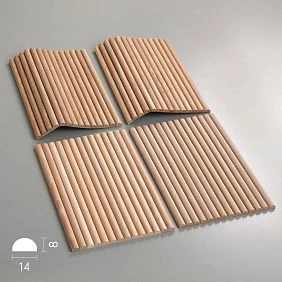
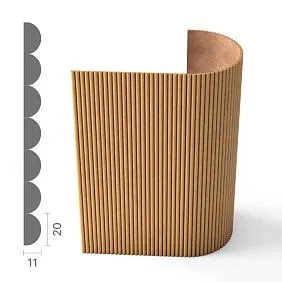
First of all – about the product itself.Slatted wall panels– are decorative structures made of parallel wooden planks (slats) mounted on a wall vertically, horizontally, or at an angle. The effect is a living canvas with rhythm, volume, and play of light.
In Moscow, slat panels can be purchased in different formats: ready-made panel modules with fixed slat spacing, sets of individual slats for installation with any spacing, and systems with integrated lighting. The choice depends on the task – and it is precisely this distinction we will examine in detail.
What unites all options: natural wood as the foundation. Wooden slatted panels are not a substitute, not an imitation. This is genuine solid wood: oak, pine, ash, birch, thermowood — with a living texture, tactile honesty, and a lifespan measured in decades.
Buying wall panels in Moscow today is not difficult — there are many offers. But finding the right balance of material quality, slat proportions, and compatibility with the rest of the interior — that is the real challenge. This is precisely what we address next.


Why slatted panels are in demand in interior design
Why slats specifically? How do they fundamentally differ from just a 'beautiful wall'?
The answer lies in the physics of perception. A smooth painted wall is perceived as a background. A wall with wallpaper — as wrapping. A wall with wooden slats — as an object. And this is not a metaphor, but a literal effect: the slats protrude from the wall plane, creating clear vertical or horizontal shadows that change depending on the direction and intensity of lighting.
Our factory also produces:



Visual volume and rhythm
Decorative slatted panels add a third dimension to the wall. In daylight, the slats create soft penumbras. In the evening, especially with directional lighting — an expressive play of light and shadow that no other finishing material can provide.
Rhythm is another value. The repeating pitch of the slats sets a tempo for the space: calm and even with a wide pitch, rich and dense with a narrow one. This rhythm is felt subconsciously — like music in the interior.
Get Consultation
Verticality that raises the ceiling
Vertically arranged decorative wall panels are one of the most effective techniques for visual space correction. In an apartment with a ceiling height of 2.5–2.7 m, vertical slats from floor to ceiling literally 'stretch' the space upward. This works better than vertical wallpaper because the slats create real relief, not a painted illusion.
Zoning without partitions
Slat panels are a zoning tool. In an open floor plan where the kitchen flows into the living room and the living room into the work area, slats allow you to define boundaries without physical partitions. A vertical slat section behind the sofa - and the relaxation zone is visually separated without losing a single centimeter of space or a gram of air.
For modern and combined interiors
Wall slat panels are versatile in application. Scandinavian minimalism, Japanese wabi-sabi, modern classic, loft with natural wood, neoclassicism - slats fit organically into all these styles. The difference lies only in the wood species, degree of processing, tint color, and spacing of the slats.
Which slat panels to choose: material, size, style
Wooden slat panels
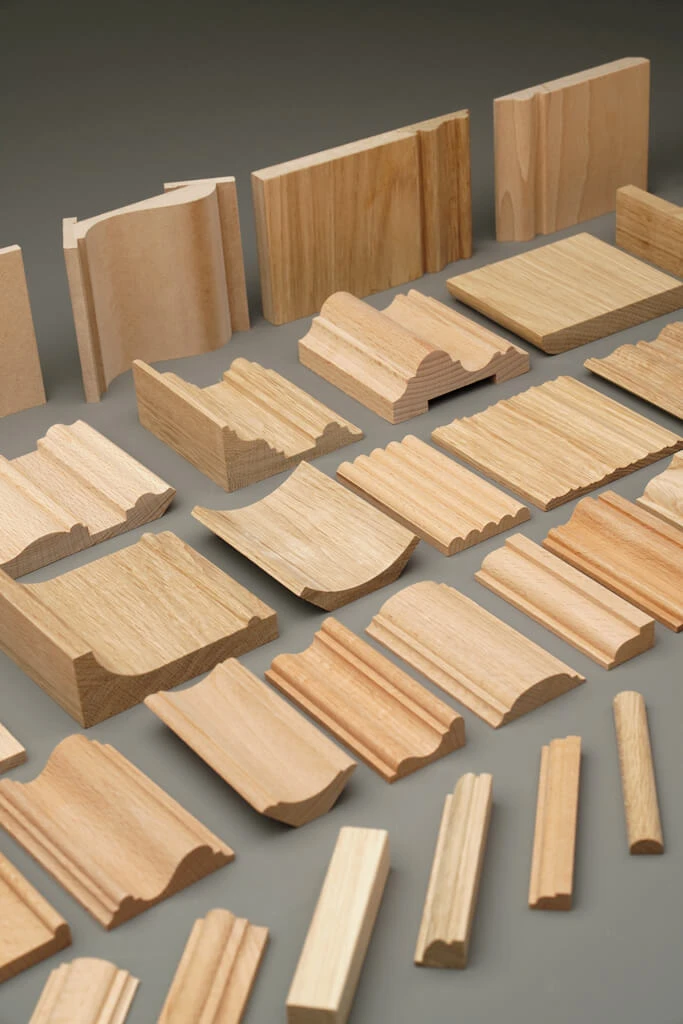
wooden lath panelsSolid wood slats are a premium category product. Each slat carries a unique grain pattern that cannot be reproduced by any synthetic analogue. This is why wooden wall slats are chosen by those who value not only decorativeness but also the material honesty of the interior.
Main wood species used for solid wood slat panels:
-
Oak - dense, heavy, with an expressive texture. Withstands mechanical loads, takes tinting well. Suitable for studies, living rooms, projects with a long-term horizon.
-
Pine - lightweight, resinous, with a lively grain pattern. More affordable than oak, visually warmer. Good for bedrooms, country houses, Scandinavian interiors.
-
Ash - a light-colored material with a wavy grain pattern, something between oak and birch. Versatile.
-
Birch - uniform, light-colored, neutral. Ideal for painting or light tinting.
-
Thermowood is wood treated with high temperatures, which gains increased resistance to moisture and insects. Dark saturated color, noble matte finish.
Wooden slat panels are not only beautiful. They are durable. With proper care, wooden slats last 20–30 years without losing their appearance.
Panels for modern interiors
If the interior is modern minimalism, Scandinavian style, Japanese design, or loft with warm accents — slat panels here work as the main and, sometimes, the only decor.
The right slat for a modern interior: light wood species (ash, birch, pine), minimal or zero tinting — to preserve the natural color, wide spacing — so the wall breathes, matte oil or wax as a finish — no gloss. The result — a wall that looks expensive precisely due to its natural simplicity.
Buy decorative wall slats for a modern interior — means making one wall the semantic center of the entire room, without adding anything else.
Panels for classic and neoclassical styles
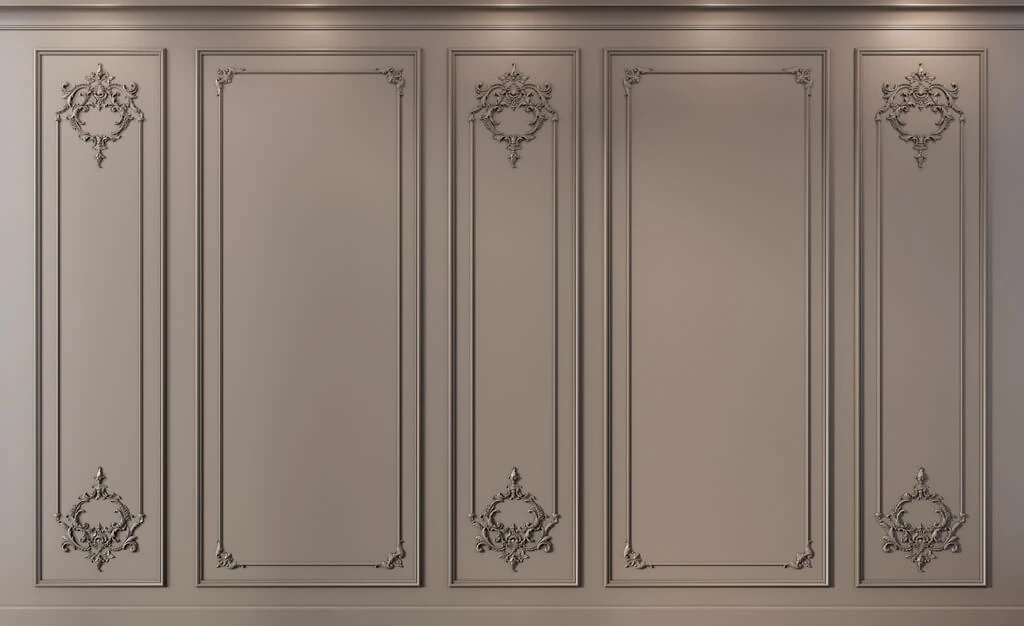
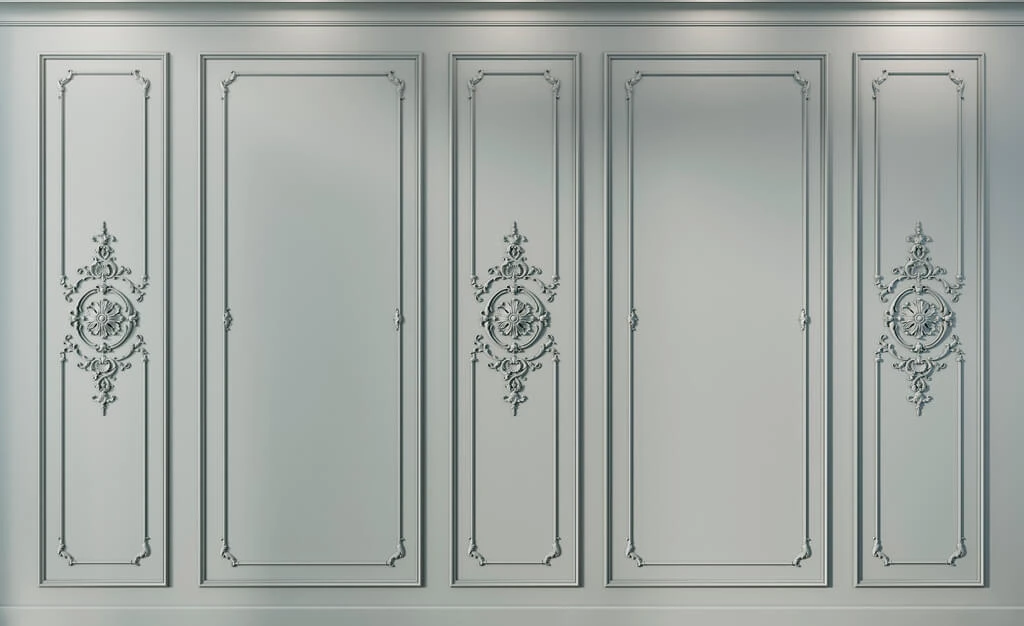
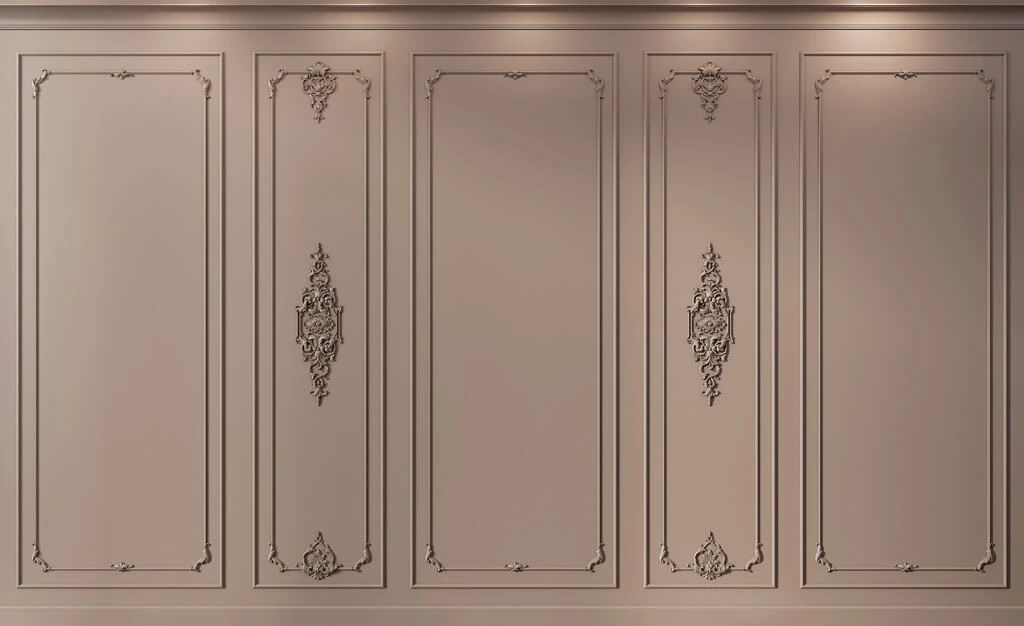
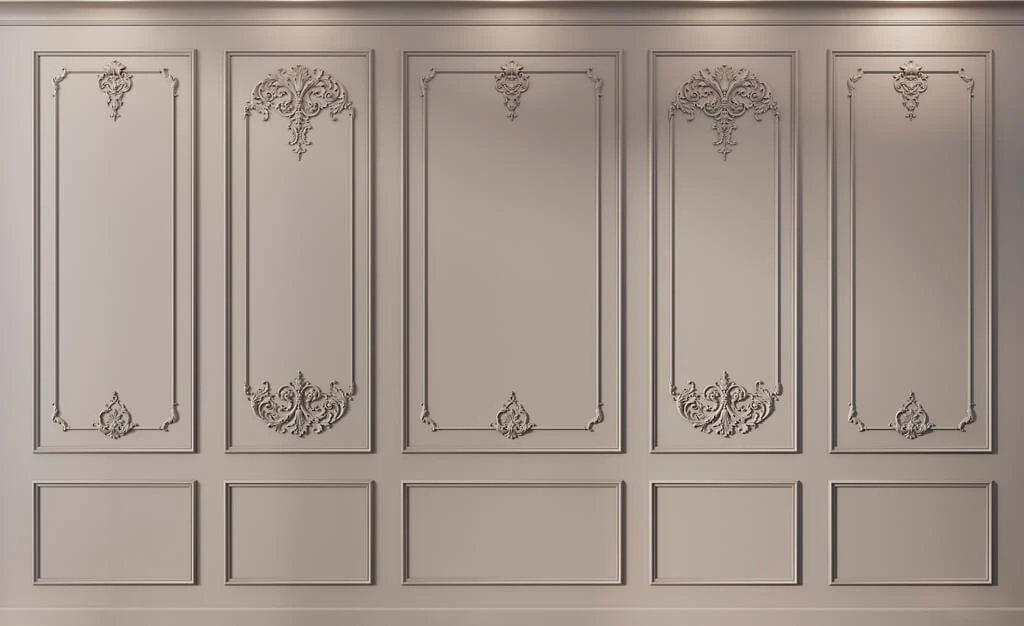
Classic and neoclassical styles also accept slats — but in a different interpretation. Here, slats are not an independent accent, but an element of a system. They can fill molding frames (a very effective technique), be placed in the lower part of the wall as boiserie, or create a rhythmic background behind furniture groups.
For classic interiors — oak with dark tinting, wide slats with wide spacing, horizontal installation in the lower part of the wall.Solid wood products for interiors— here it is appropriate to combine slatted panels with moldings, cornices, and other wooden elements from the same line.
Solutions for apartment and house
Slatted panels for an apartment and for a country house — different stories.
In an apartment, the key parameters are: vertical installation (for visual height), wide spacing (to avoid overwhelming a small space), light tones (for a sense of space). Buying panels for an apartment means quickly and effectively solving the issue of the main accent in the room.
In a country house — freedom. High ceilings allow the use of wide slats, dense spacing, dark tones. Wooden panels for the house organically blend with the natural surroundings outside the window, with wooden ceiling beams, with a stone fireplace.
Where to use slatted panels in interior design
Slatted panels for the living room
The living room is the showcase of the apartment. It is here that guests are traditionally received, it is here that the eye is first directed. And it is here that slatted panels reveal their full power.
Buying slatted panels for the living room is first and foremost about solving the issue of the main wall. The wall behind the sofa is the most visible point in the living room. Wooden slats behind the sofa group create a finished, substantial background that works as an architectural accent. No paintings, no shelves, no additional investments in decor — the slats are enough.
Another scenario for the living room — the TV zone. Slatted panels for the TV zone behind the television create a frame around the screen, eliminate the 'lonely screen on the wall' and turn the entire zone into a well-thought-out designer object.
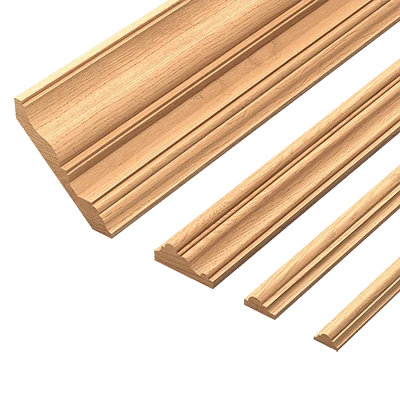
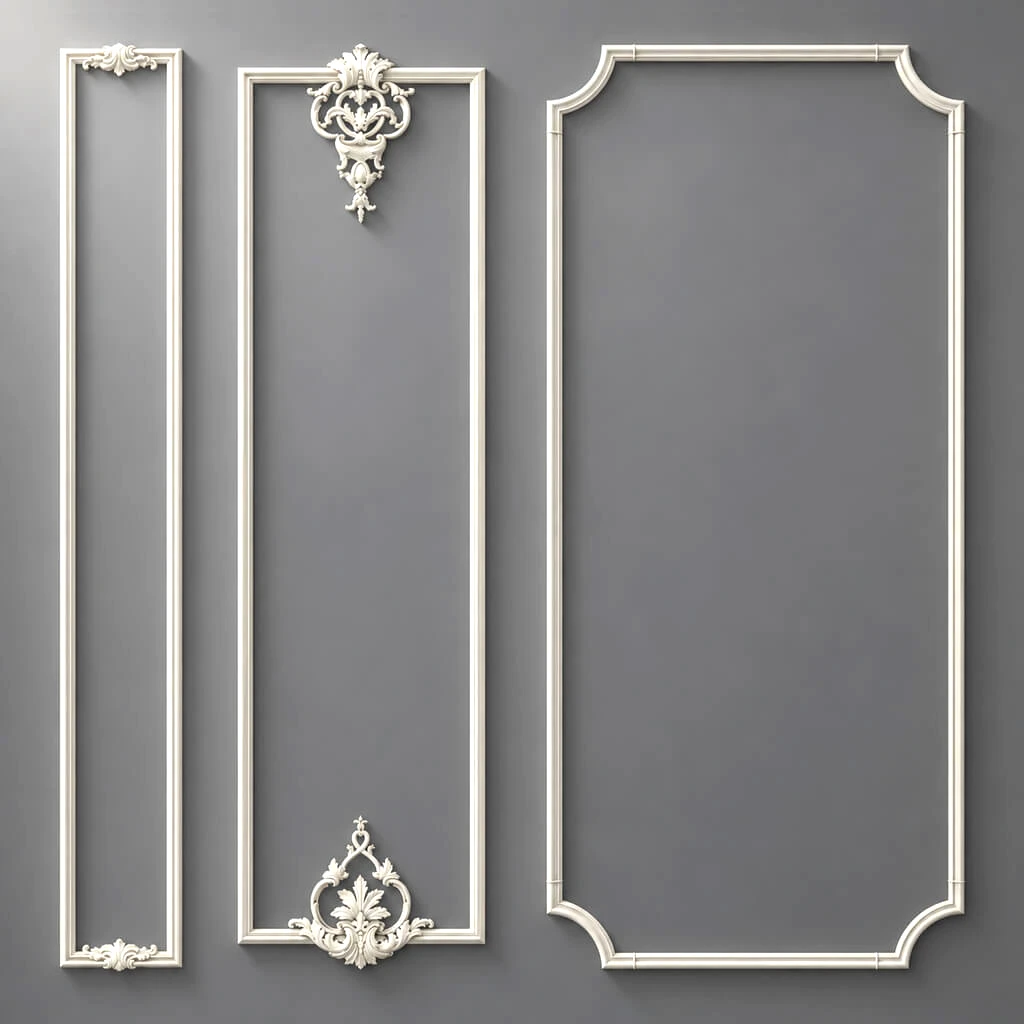
You can combine: a molding frame around the perimeter + a slatted insert inside.Moldings and cornicesNatural wood slats work perfectly in combination with slatted panels — they provide geometry, while the slats add volume and texture.
Slatted panels for the bedroom
A bedroom requires warmth. Not thermal warmth — visual warmth. Wooden slats behind the headboard are a solution that addresses both the question of decor and the question of coziness in one move.
Buying slatted panels for the bedroom means creating a focal wall without a niche, without complex renovations, without a soft headboard that is expensive to maintain. Natural wood slats create a warm, living backdrop: they don't 'reflect' light, but absorb it, creating a matte, calm surface.
An important nuance for the bedroom: don't overload. One accent wall behind the bed is enough. If slats are on all four walls, that's a different genre — a sauna, not a bedroom.
Slatted panels for the hallway and corridor
The hallway is the place of first impression. And the place where the wall receives the most mechanical impact: bumps from bag handles, touches from items, marks from clothing. Wooden slats for walls in the hallway are both decor and protection.
Buying wall slats for the hallway means solving two tasks at once: the lower part of the wall is protected by solid wood, the upper part is framed into a unified textural system. The result is a hallway where you want to linger, not just run past.
For the corridor, slatted panels solve another task — rhythm on a long wall. A long narrow corridor with bare walls is oppressive. The same slatted slats, mounted vertically, create a rhythm that turns a monotonous plane into an interesting route.
Slatted panels for the TV zone
The TV zone is one of the most common requests for slatted panels. The logic is simple: a TV on a white wall looks like a 'screen in a void.' Wooden slats behind the TV—and the space around the screen gains meaning.
Buying wooden slats for the wall for the TV zone means making the TV look like part of the interior, not just a technical device hung on the wall. Slats can be combined with shelves, niches for media systems, and built-in lighting.
A good solution for the TV zone: dark slats (wenge, oak with dark tint, thermowood)—they absorb screen glare and create a cinematic backdrop. Or, conversely, very light slats—for contrast with a dark screen.
Slatted panels for space zoning
Open floor plans—a challenge. How to define zones without losing space and light? Buying slats for zoning is one of the most elegant answers to this question.
A vertical section of slats mounted from floor to ceiling between two zones—it's not a wall, not a curtain, not a glass partition. It's a light filter: it allows air and diffused light to pass through but clearly marks the boundary. Kitchen and dining room, living room and home office, hallway and wardrobe—slats work everywhere.
The same technique is used for wall zoning: not the entire wall in slats, but a separate section—and the area behind this section is 'assigned' a function.
What to consider before buying slatted panels in Moscow
Buying slatted panels is not 'came, saw, took.' It's a decision that requires preliminary preparation. Let's break down the key parameters.
Wall dimensions
Start with measurements. The width and height of the wall determine:
-
how many panels are needed in linear or square meters
-
which batten format is suitable (batten length)
-
whether to divide the wall into sections or cover it entirely
If the wall is non-standard — with niches, protrusions, outlets — this affects the calculation. It's better to take measurements in advance to avoid unpleasant surprises when ordering.
Spacing and width of battens
Spacing is the distance between battens (or between the centers of battens). This is one of the main parameters that affects the visual result:
-
Close spacing (2–4 cm) — dense fabric, rich texture, a 'wooden carpet' feel
-
Medium spacing (5–7 cm) — balance between volume and lightness, the most universal option
-
Wide spacing (8–12 cm and more) — airiness, lightness, modernity. Good for small rooms
Width of the slat itself: narrow slats (2–3 cm) — dynamics and rhythm, wide slats (5–8 cm) — massiveness and 'heaviness', suitable in large rooms.
Wood shade
Light tones (natural pine, light ash, birch without tinting) — visually expand the space, create lightness. Dark tones (dark oak, walnut, thermowood, wenge) — add weight, status, depth. Good for large living rooms, studies, TV zones.
Important: the shade of the slats should either match the shade of the furniture (monochrome approach) or intentionally contrast with it. A random 'almost similar' shade is the worst option; it creates a feeling of inconsistency.
Compatibility with baseboards, moldings, furniture
Slatted panels do not exist in a vacuum. They are adjacent to the baseboard at the bottom, to the cornice or ceiling at the top, and to the furniture in front.Moldings and decorative millworkfrom the same line — the best way to create a unified system without selecting materials from different manufacturers.
Tip: if the interior has a wooden floor, choose a shade for the slats that is close to the floor or slightly darker. This will create a feeling of a single natural material spread throughout the space.
Wall readiness
Slatted panels are mounted on a flat, dry wall or on battens. Battens allow you to hide minor wall irregularities and run utilities behind the panels. If the wall is uneven by more than 1–2 cm, battens are mandatory.
Before installation, the wall must be clean and free of peeling paint or wallpaper.
Slatted panels or decorative slats: which is better to choose
This is a question that arises for every second buyer. Let's honestly break down the difference.
Slatted panels are ready-made modular systems: the slats are already fixed to the base at a set spacing. You take a ready-made module and mount it on the wall. Fast, precise, with no need to manually align the spacing of each slat.
Decorative wall slats are individual planks that are mounted one by one with any spacing. More freedom, more labor. You can create a non-standard rhythm, mix slats of different widths, make sections of different densities.
When to choose ready-made slatted panels
-
Fast installation is needed
-
The slat spacing is standard
-
The wall is large — a modular system speeds up the work
-
Geometric precision is important without manual marking
When to choose individual slats for the wall
-
Non-standard rhythm or spacing is needed
-
Wall of complex shape with niches, corners
-
Want to alternate slats of different widths
-
Project involves integration of lighting or cable channels
Buying slats for the wall for a non-standard project is correct. For a standard accent wall — it's more convenient to take a ready-made panel.
buy slatted wall panels— browse the catalog and decide on the format before placing an order.
When it's worth combining slats with moldings
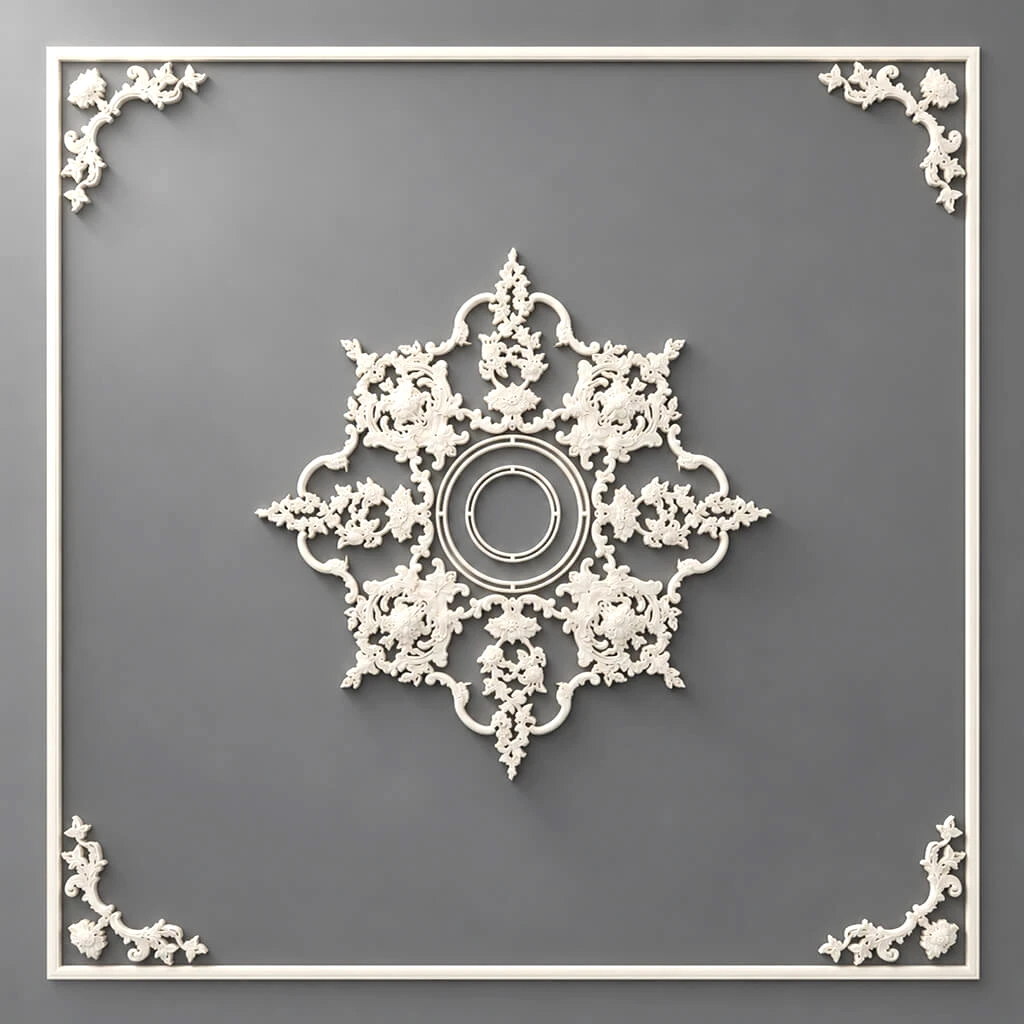
This is a separate and very effective scenario. Molding frame + slat insert inside = a finished decorative panel with clear framing.Decor for Molding— corner blocks and rosettes enhance this technique and add a detail that elevates the entire decor to the next level.
What to pair slatted panels with in interior design
Slatted panels in an interior never exist on their own—they are part of a finishing system. Let's see what they work best with.
With moldings
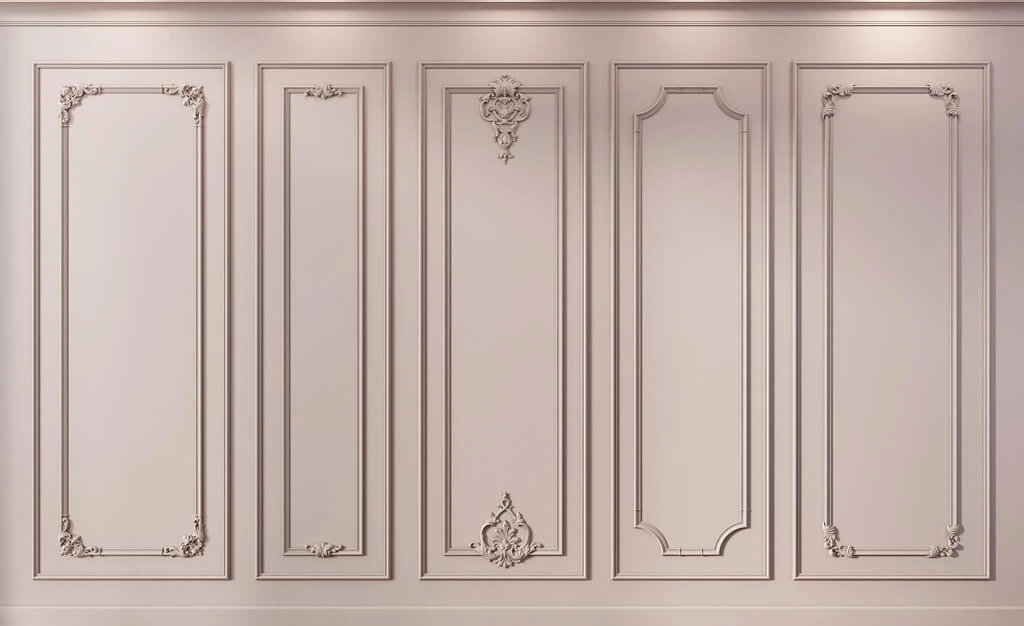
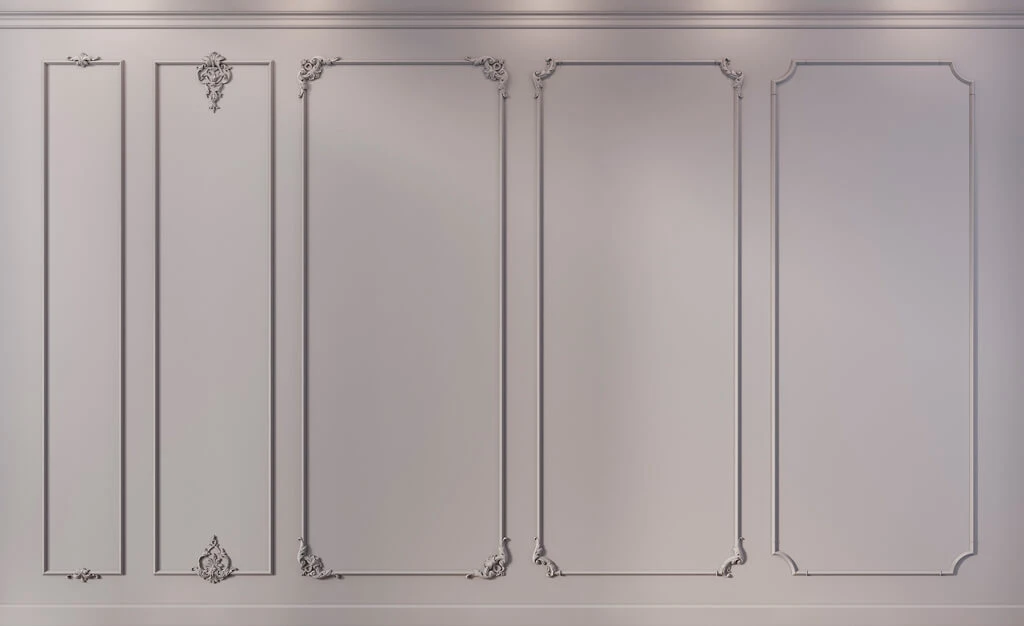
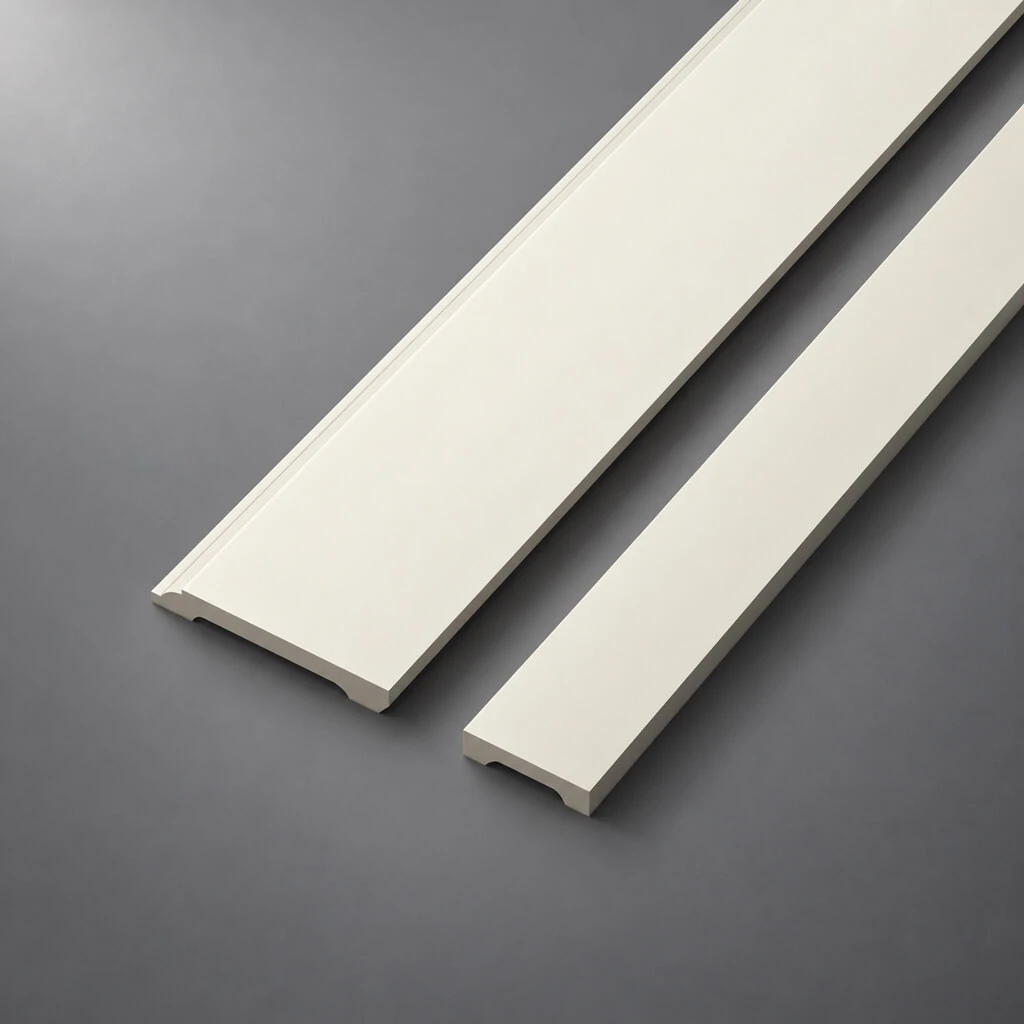
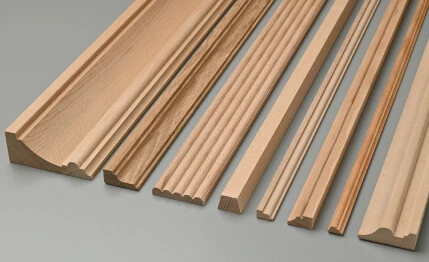
Combining slatted panels with moldings is one of the most sought-after design techniques today. The scheme is simple:Moldings for wallscreate a frame around the perimeter of a wall or a separate zone—the slats fill this frame. The result is an architectural panel with framing that looks like an expensive designer solution.
Here, the molding serves as a finishing line: it 'closes' the ends of the slats and gives the entire composition a neat appearance. Without molding, the end joints of the slats with the ceiling and baseboard require separate finishing.
With baseboards
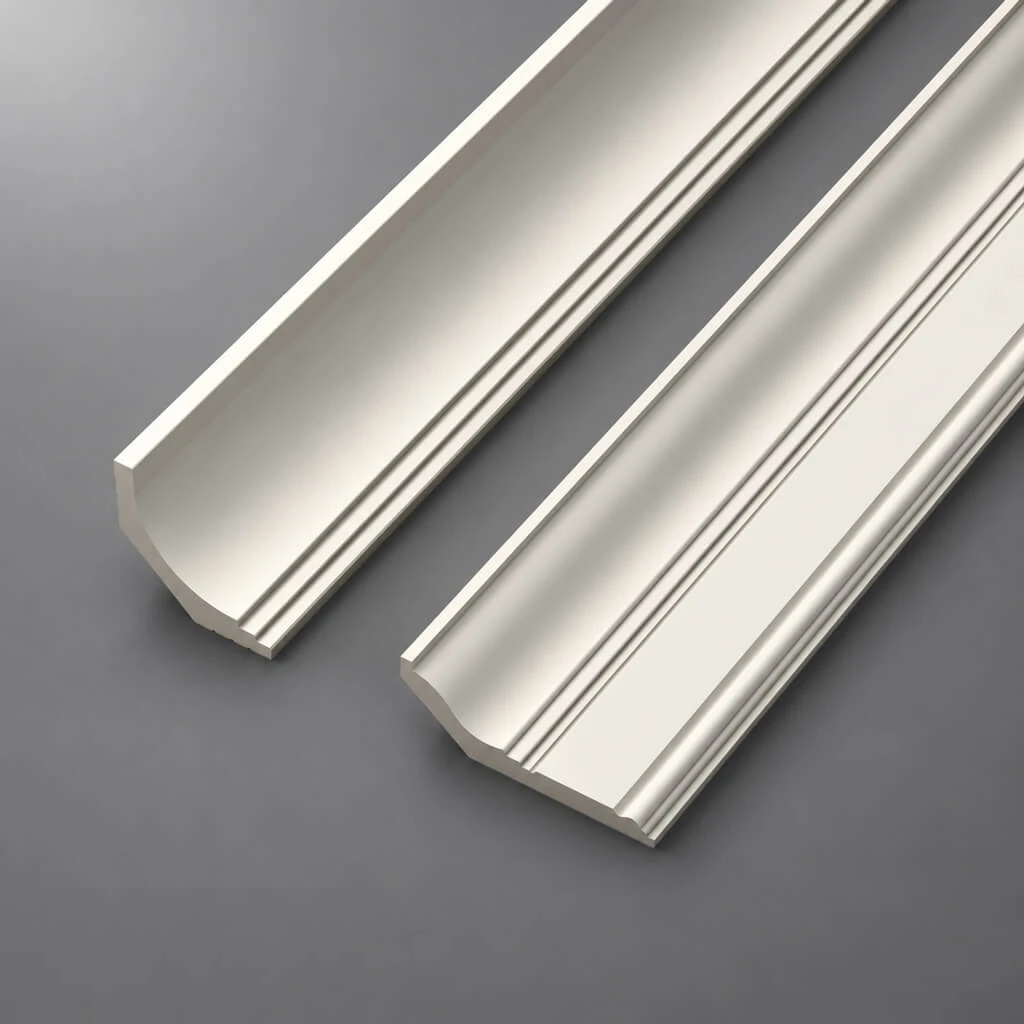
The baseboard is the bottom point of the entire system. If slats are installed from floor to ceiling, the baseboard should be part of the design: its profile should match the style of the slats. A wide wooden baseboard made from the same wood species is the best option. This creates a unified line from floor to ceiling. In the catalogof solid woodbaseboards and slats can be selected from the same product line.
With decorative elements
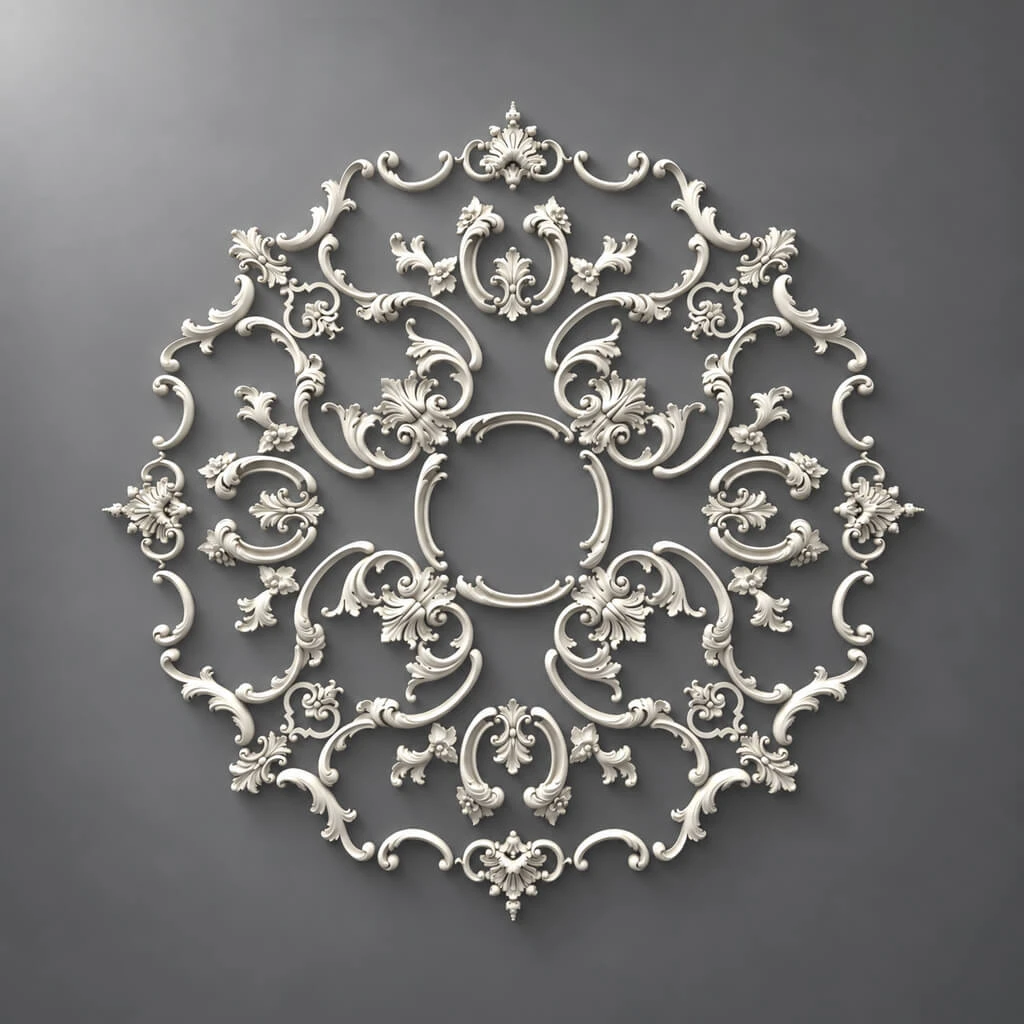
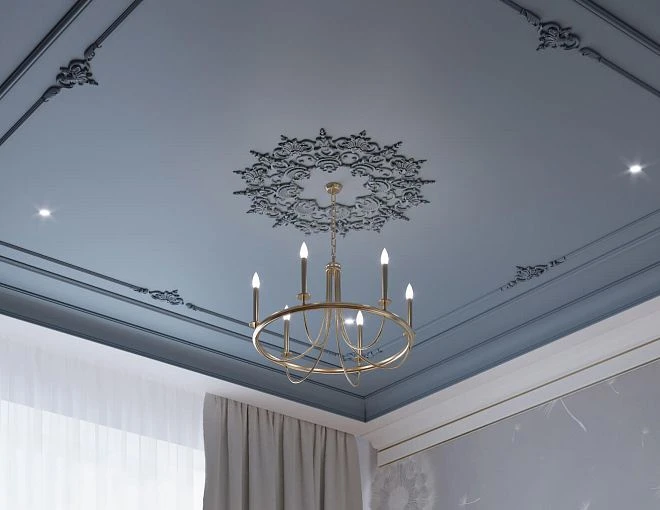
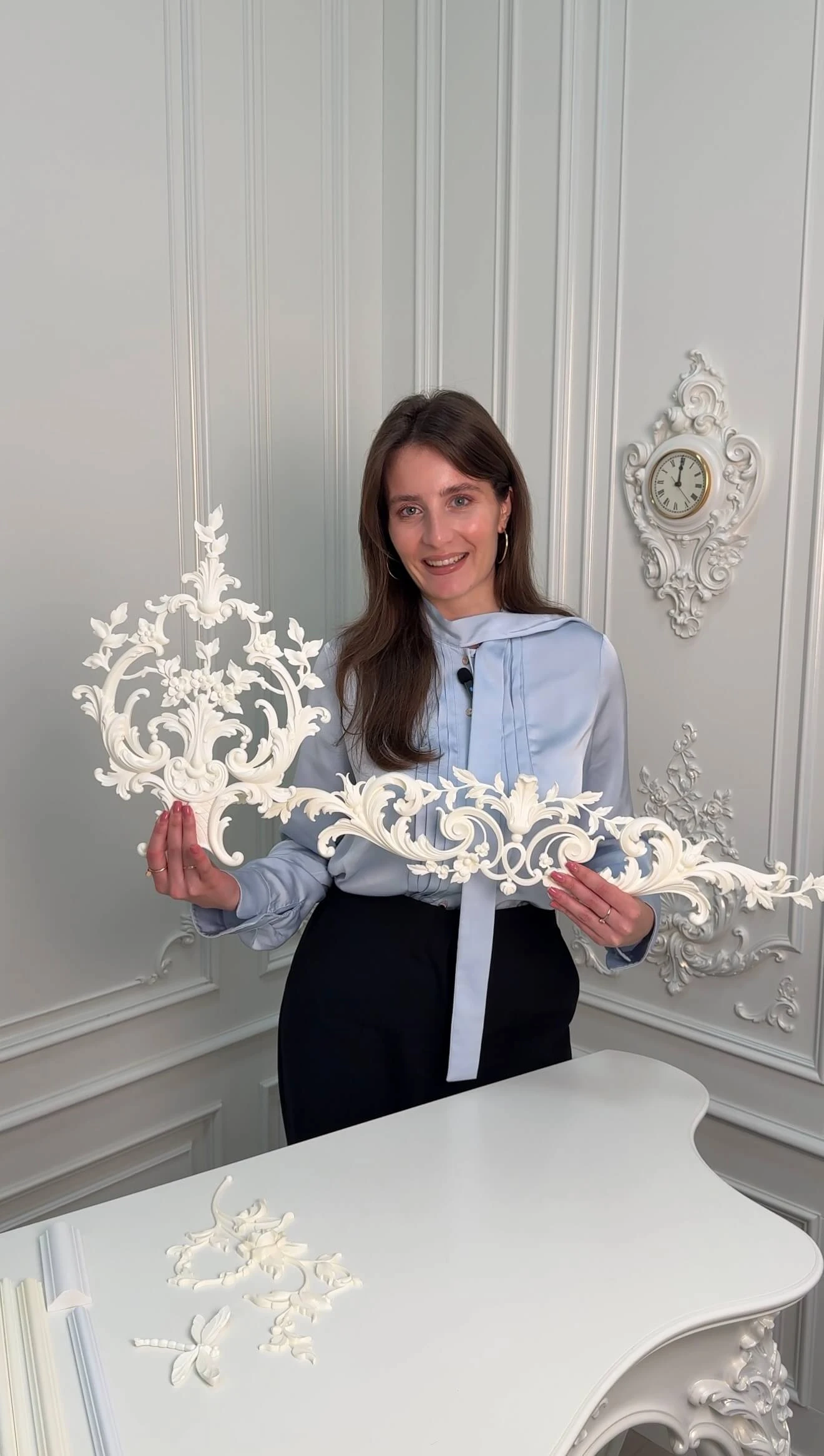
polyurethane decor for interiors— an unexpected but interesting partner for wooden slats. Plaster cornices at the ceiling, polyurethane rosettes in the center of a slatted panel—this combination of two materials works in neoclassical and mixed interiors. Wood provides warmth and texture, polyurethane adds decorative detailing.
With furniture and door solutions
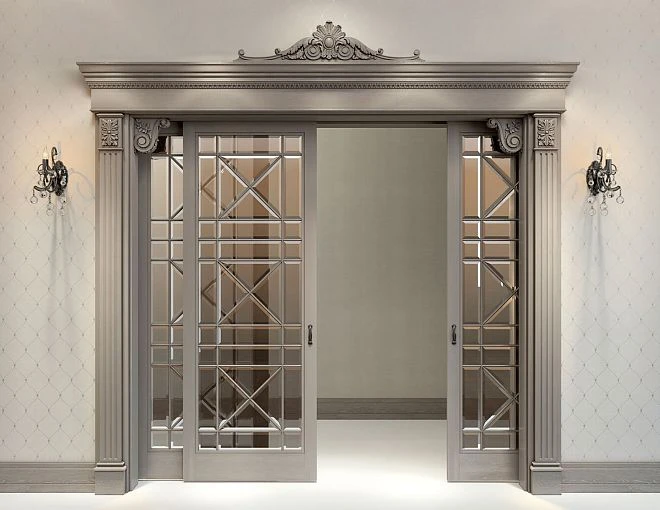
Wooden slats and wooden doors are a system. If the doors in the room are made of natural wood, slats made from the same species will create a sense of a unified environment. If the doors are white or lacquered, slats made of light wood with minimal tinting create a light contrast without conflict.
With furniture — similarly. Wooden furniture and wooden slats on the wall behind it: it's important not to copy the shade exactly (this creates a 'monolithic' heavy look), but to make a slight nuance — slats slightly lighter or darker.
Where to buy slatted panels in Moscow
This is the question many people are reading this page for. I'll answer directly.
Why it's important to look at the material
The Moscow market for wooden slatted panels is filled with offers of different levels. There are MDF slats with wood-grain film. There are DPC (wood-polymer composite) slats. There are slats made of natural solid wood. Visually, in a catalog photo, they may look similar. Tactilely, in terms of durability, and in terms of impact on the feeling of the interior — these are fundamentally different products.
To buy wooden wall panels means to get natural solid wood with a living texture, not an imitation. If the natural honesty of the material is important to you — check before buying: request samples, clarify the wood species.
Why it's convenient to choose from a manufacturer
Buying slatted panels directly from the manufacturer offers several fundamental advantages:
-
no intermediary markup
-
custom sizes or tinting available upon request
-
direct responsibility for quality
-
ability to select panels, moldings, and baseboards from a unified collection
-
specialist consultation for your specific project
How to choose panels for a specific interior
Before ordering, prepare:
-
Photos of the space (or a visualization)
-
Wall dimensions (width, height, presence of openings)
-
Interior style (modern, Scandinavian, classic, etc.)
-
Wood shade preferences
-
Information about existing wooden elements (floor, doors, furniture)
With this data, the specialist will select panels precisely for the project — without guesswork or rework.
Where to go for selection
decorative slatted panelsin the STAVROS catalog — wooden slats made of solid natural wood for walls, partitions, and zoning. Browse the catalog, choose the wood species and format — and proceed to order with delivery in Moscow.
Common mistakes when choosing slatted panels
Let's be honest — quite a few mistakes are made here. But almost all of them are predictable and easily avoidable.
Too frequent slat spacing in a small room
The most common mistake. A room of 12–14 sq. m, a wall behind the sofa, and the buyer chooses slats with 3 cm spacing. The result — the wall looks like a grid, overwhelms the space, makes the room smaller. In small rooms, wide spacing works: 7–10 cm or more.
Incorrect size for a small wall
A 3-meter-high panel is perfect for a spacious living room. On a 2.5-meter-high wall, it requires trimming, which creates an additional joint. Solution: check with the seller about plank lengths and the possibility of custom cutting.
Incorrect wood shade
Buying 'based on a picture on the screen' is a risk. The monitor lies. The color of wood on screen and in real space with real lighting are different things. Always request a physical sample before finalizing your order. Especially if the shade needs to match furniture or flooring.
Lack of connection with the rest of the decor
Battens are not standalone decor. They exist in context: floor, ceiling, furniture, textiles, lighting. Dark walnut battens in a room with light furniture and white walls create conflict. Light birch battens in a dark interior with leather furniture create a different kind of conflict. Choose battens after you have decided on the entire color scheme of the room.
Attempting to choose based only on photos without considering the room
The photo in the catalog was taken in a specific room with specific proportions and lighting. Your room is different, and the battens will look different. Therefore, the choice should be based on data about your room, not on the impression from someone else's photo.
Ignoring the system: battens without baseboard and cornice
Battens without finishing at the top and bottom are an incomplete solution. An open end near the ceiling without a cornice or molding, battens without a baseboard at the floor—these are details that 'ruin' the impression. Plan the system as a whole: battens + baseboard + cornice or molding. Then the result is professional.
Mixing materials without a concept
Wooden slats on one wall and DPC panels on another is a mishmash. Pine wooden slats together with laminate 'under dark oak' is a visual conflict. Always determine one primary material and stick to it. If you want to mix — do it consciously, with clear design logic.
Frequently asked questions about purchasing slatted panels in Moscow
Is it possible to buy wooden slatted panels in Moscow with fast delivery?
Yes — if the item is in stock, delivery is possible within 1–3 business days in Moscow. Check the availability of a specific article before placing an order.
What slat spacing to choose for a living room of 20 sq. m?
For a living room of standard area, medium or wide spacing works well: 6–10 cm. This will give a sense of volume without overloading the space.
Is a lathing needed for installing slatted panels?
Depends on the condition of the wall. If the wall is even (deviation no more than 3–5 mm) — panels can be mounted directly on the wall with adhesive and fasteners. If the wall is uneven or you need to hide utilities — lathing is mandatory.
How to care for wooden slats on a wall?
Wipe with a dry or slightly damp cloth. Every few years — renew the oil coating or wax. For mechanical damage — sanding and re-treatment. No aggressive chemical cleaning.
Can slatted panels be used in an entryway where there is moisture from outdoor clothing?
Yes — provided the wood is treated with moisture-resistant oil or varnish. Thermowood in the hallway is an especially good option: it is naturally moisture-resistant.
What type of wood is best for a bedroom?
For a bedroom, pine (warm, light, natural) or ash (neutral light texture) is ideal. Oak in the bedroom is also good, but in a light tint — dark oak in the bedroom can create pressure.
Are wooden slatted wall panels expensive?
Natural wood is more expensive than MDF and synthetics — that's fair. But it's a long-term investment: wooden slats will last 20–30 years without losing their appearance. Buying wooden wall panels means not having to revisit the issue of finishing that wall for a very long time.
Can slatted panels and moldings be purchased from the same line?
Yes. This is the optimal scenario: uniform material, uniform manufacturer, coordinated proportions.Solid Wood Items— the catalog includes both slatted panels and moldings, as well as baseboards and cornices made of natural wood.
How many slatted panels are needed for a 3×3 m wall?
A 3×3 m wall = 9 sq. m. With vertical installation at a 6 cm spacing and a slat width of 3 cm — approximately 33 slats of 3 m each. But it's better to order with a 10–15% surplus for trimming. The exact calculation takes into account window and door openings.
Can slat panels be installed independently?
Yes. Installing slat panels is a task for someone with basic tools: a hammer drill, level, saw, and fasteners. The most important thing is precise marking of vertical lines. The first slat must be leveled: it sets the entire grid.
Are slat panels for zoning a partition or something else?
It's an intermediate solution. A slat section for zoning is a visual divider that is not a full-fledged wall. It lets light and air through but clearly marks the boundary between zones. Buying slats for zoning means dividing space without losing its openness.
Conclusion: slat panels are a purchase that changes the interior
If summarized in one thesis: wooden slat panels are the most powerful wall change per unit of effort invested. No wallpaper, paint, or tile provides as much volume, warmth, and visual effect for comparable costs.
Who slat panels are suitable for:
-
those who want to create an accent wall without complex renovation
-
those who value natural materials in interior design
-
those who want to visually adjust the space (raise the ceiling, widen the room)
-
those furnishing a living room, bedroom, hallway, or office and want a result that will remain relevant for years
-
For those building a country house and wanting a unified wooden decor system: from floor to ceiling
Wooden slatted panels are not a seasonal trend. They are a classic reinterpretation that existed in interiors long before Pinterest and will continue to exist long after.
Go to the catalog — and start choosing:
STAVROS is a Russian manufacturer of decorative products made from natural wood and polyurethane. The STAVROS catalog features solid wood slatted panels, moldings, cornices, baseboards, and decorative elements — a complete wall finishing system from a single product line.
STAVROS works with private clients, designers, and construction companies. Delivery across Moscow, St. Petersburg, and all of Russia. Free consultation on selecting panels for a specific project. Material samples available upon request.
If you want to buy slatted panels in Moscow with a quality guarantee, proper calculation, and uniform materials for the entire finishing system — STAVROS is the right choice.