



























Article Contents:
- What is baseboard for frames: honestly analyzing the query
- How baseboard for frames differs from baguette, molding and ready-made frames
- Baseboard for frames and baguette
- Baseboard for frames and molding
- Baseboard for frames and ready-made frames
- Baseboard for frames and linear molding
- Baseboard for frames and applied decor
- Where decorative profile for frames is used
- For pictures
- For mirrors
- For panels
- For photos and posters
- For decorative wall inserts
- For furniture fronts
- For classic wall decor
- Which material is best for a frame profile
- Solid wood
- MDF
- Smooth profile
- Carved Profile
- Profile for painting
- How to choose a frame profile based on interior style
- Classic
- Neoclassicism
- Baroque and palace style
- Modern classicism
- Minimalist frames for modern interiors
- How to select the size and proportions of a frame profile
- Narrow profile for a small frame
- Wide profile for large composition
- Mirror profile
- Vertical frame profile
- Wall panel profile
- When a carved massive profile is needed
- When a straight and calm profile is better
- Ready-made frame, baguette strip, or molding: what to choose
- When a ready-made frame is more advantageous
- When a custom-sized profile is needed
- When baguette is better
- When is the best time for molding
- When to add applied decor
- Table: comparison of frame profile options
- What to combine frame profile with in interior
- With wall moldings
- with decorative elements
- With frames
- With slatted panels
- With classic furniture
- With interior wood decor
- Baseboard for frame in specific rooms
- Living Room
- Bedroom
- Office
- Entry Hall
- Classic Interior
- Modern classicism
- How to buy baseboard for frame and not make a mistake
- Step 1. Choose material
- Step 2. Determine required profile width
- Step 3. Determine style
- Step 4. Choose a smooth or carved pattern
- Step 5. Decide if painting is needed
- Step 6. Immediately select matching decor
- Common mistakes when choosing a profile for a frame
- Frequently asked questions about picture frame molding (FAQ)

A frame is not just a limiting border around an image. In the hands of someone with taste, a frame becomes a statement: it sets the scale, creates emphasis, and acts as a transition between the object and the wall. What it's made of, how it's profiled, and how well it coordinates with the interior — all of this matters. The right profile for a frame turns an ordinary reproduction into an interior object. The wrong one makes even an expensive painting look bland.
Read carefully — there's no filler here, only working solutions.
Select elements for the frame and framing:
-
frame for a painting— ready-made wooden frames in various sizes
-
wooden frame— solid oak and beech frames
-
Wooden molding— trim profile for self-assembly
-
Wooden moldings— decorative wall profile for framing
-
decorative elements— overlay decor, ornaments, corner accents
-
Pogonazh iz massiva— wooden profile strips for frames and decor
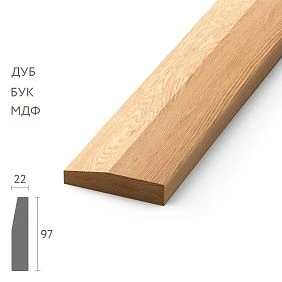
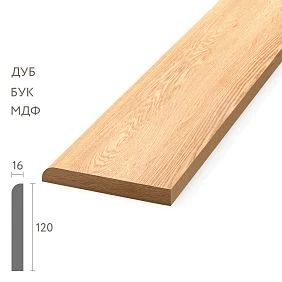
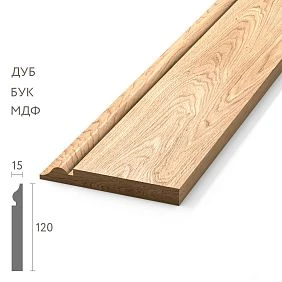
What is a frame skirting: honestly breaking down the query
Let's start with terminology, because this is where most customers lose time and money.
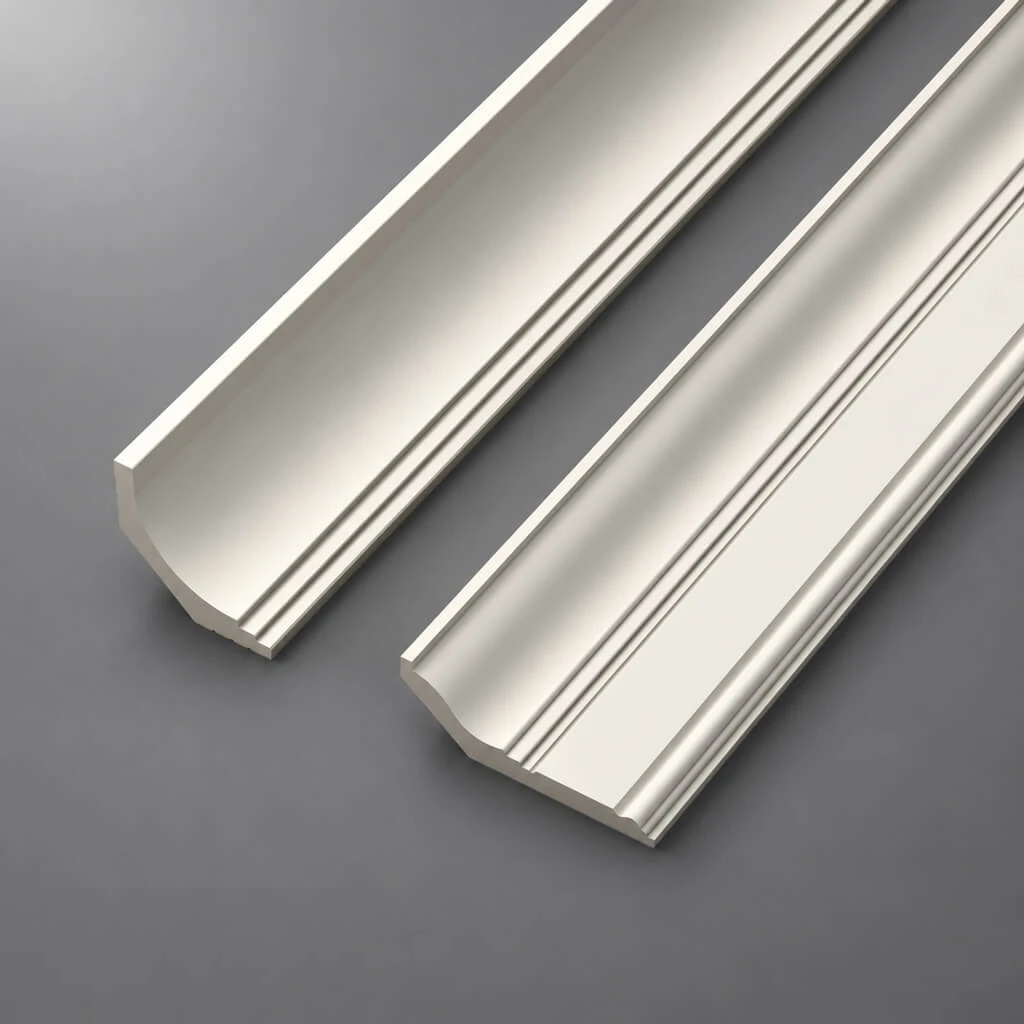
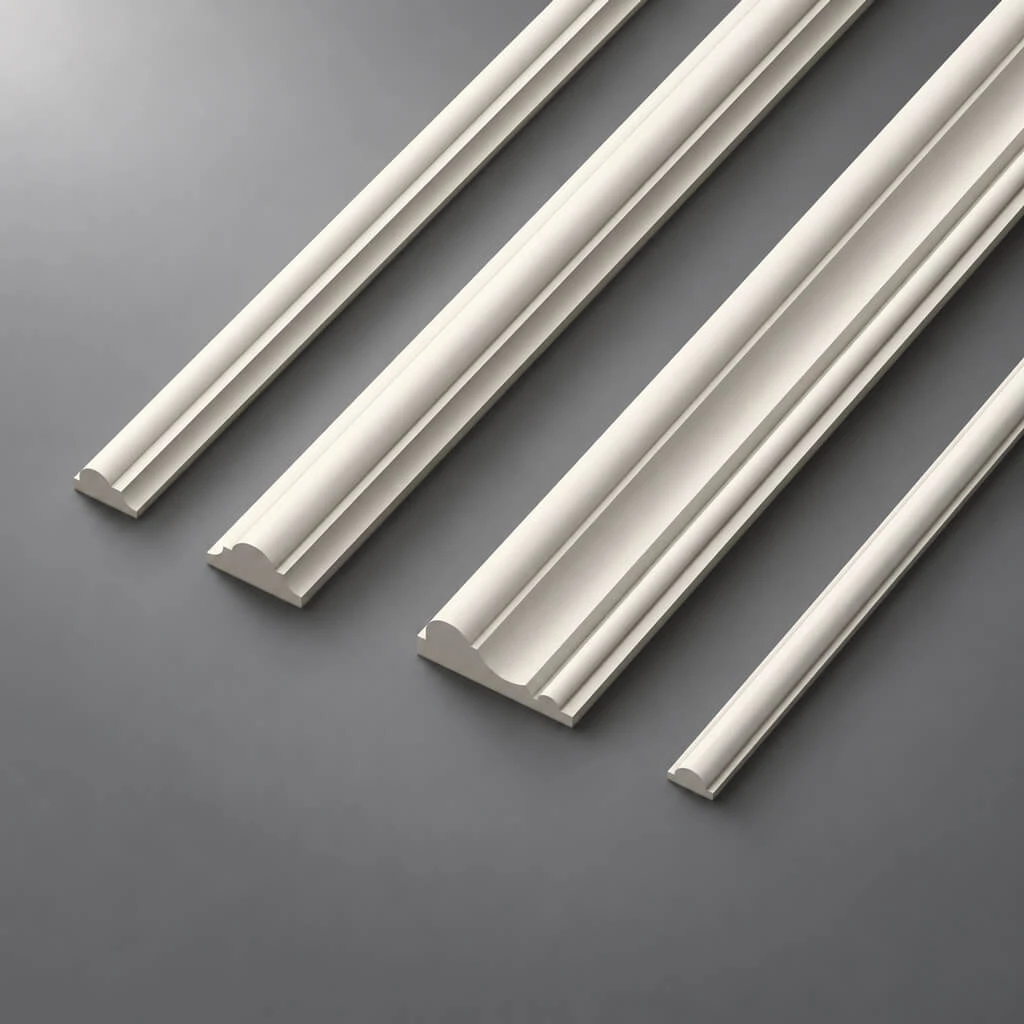
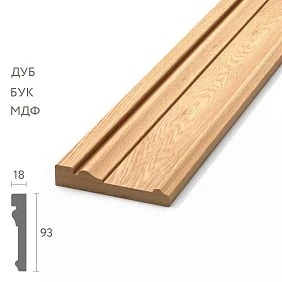
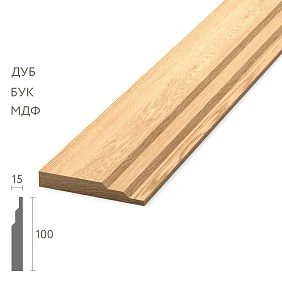
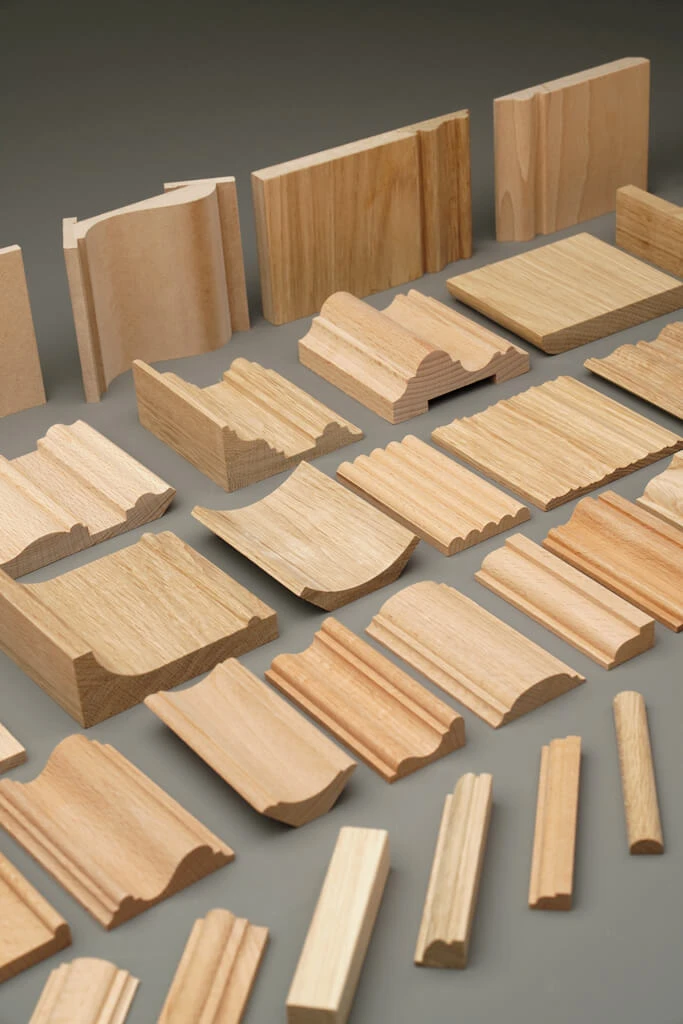
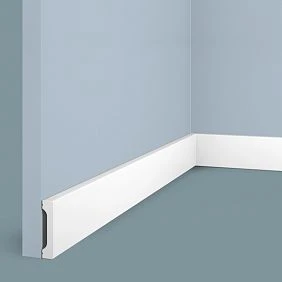
"Frame skirting" is a colloquial compound query that in reality refers to a decorative profile used for assembling or decorating a frame. In professional circles, such a profile is called a picture frame moulding or moulding. In everyday language, it may be called a strip, batten, frame profile, or simply "skirting" — by analogy with the shape of the product.
What exactly is being sought under this query:
-
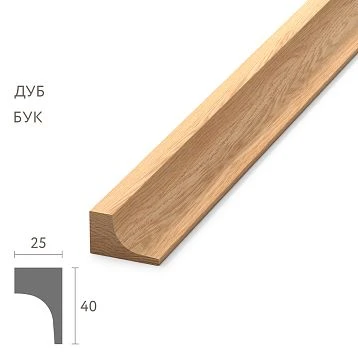
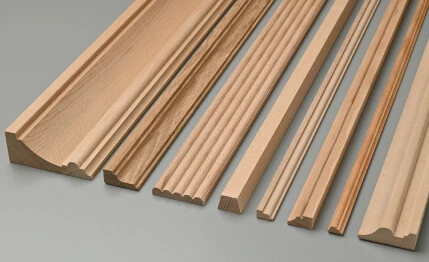
Frame profile — a wooden or MDF strip with a shaped cross-section, from which a frame of the desired size is cut and assembled
-
Picture frame molding is a highly specialized type of profile with a characteristic L-shaped or L-shaped rabbet for inserting glass and a backing.
-
Frame molding is a wide decorative profile used both for assembling frames and for creating wall frame compositions (molding panels on walls).
-
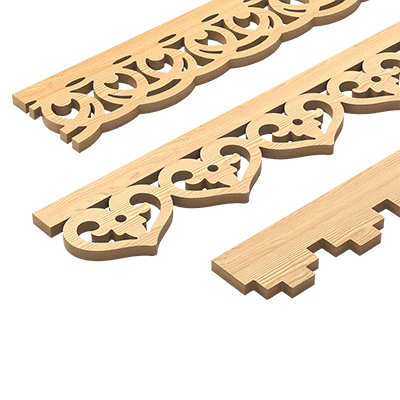
Decorative strip for framing is a flat or semi-flat batten for framing on furniture fronts or wall surfaces.
-
Wooden profile for framing is a universal term denoting any millwork product intended for creating frame structures.
All these are different facets of one request. And all of them are solvable throughWooden items— millwork, moldings, frames, decorative overlays.
How baseboard for framing differs from picture frame molding, molding, and a ready-made frame
This is a fundamental question that needs to be clarified before purchase. Four different concepts — four different products with different application scenarios.
Our factory also produces:

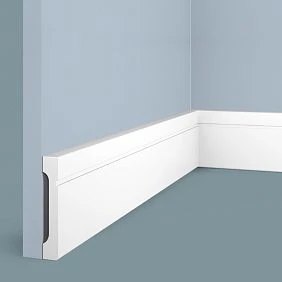
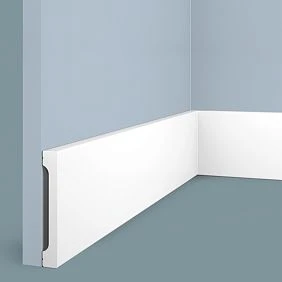
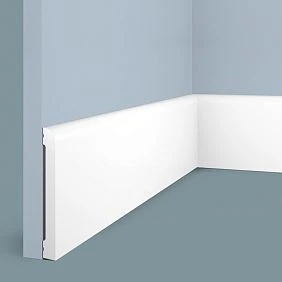
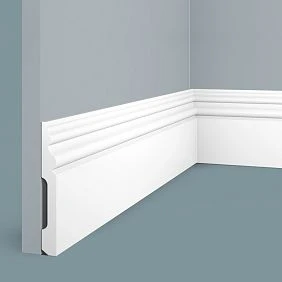
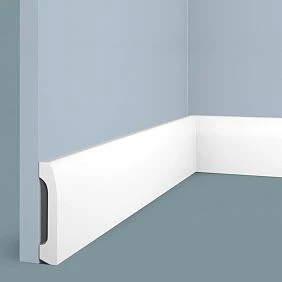

Baseboard for framing and picture frame molding
Wooden molding— is a profile with a groove for glass and a backing. It is specifically designed for assembling frames for paintings, photographs, posters — where a full-fledged framing structure with glazing is needed. The rabbet allows for securing the glass, mat, and the framed object itself.
In a broad sense, picture rail is a broader concept: any profile with a decorative cross-section that can be used to create a framed border. It does not necessarily have a groove for glass—its purpose is decorative, not functional.
The difference is simple:Picture frame stripis needed when the frame will function as a functional container with contents. Decorative picture rail is needed when the goal is to create a visual border: on a wall, on a facade, as an element of a decorative panel.
Get Consultation
Picture rail and molding
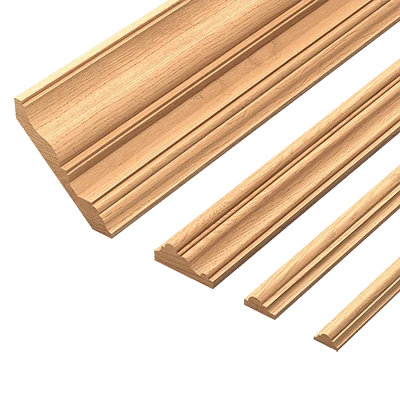
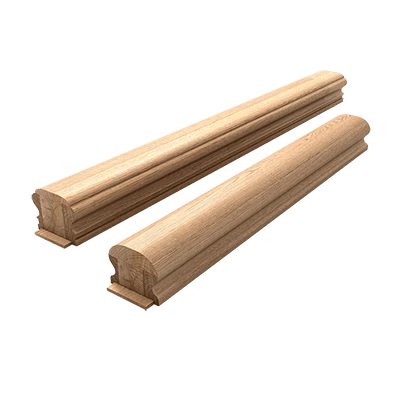
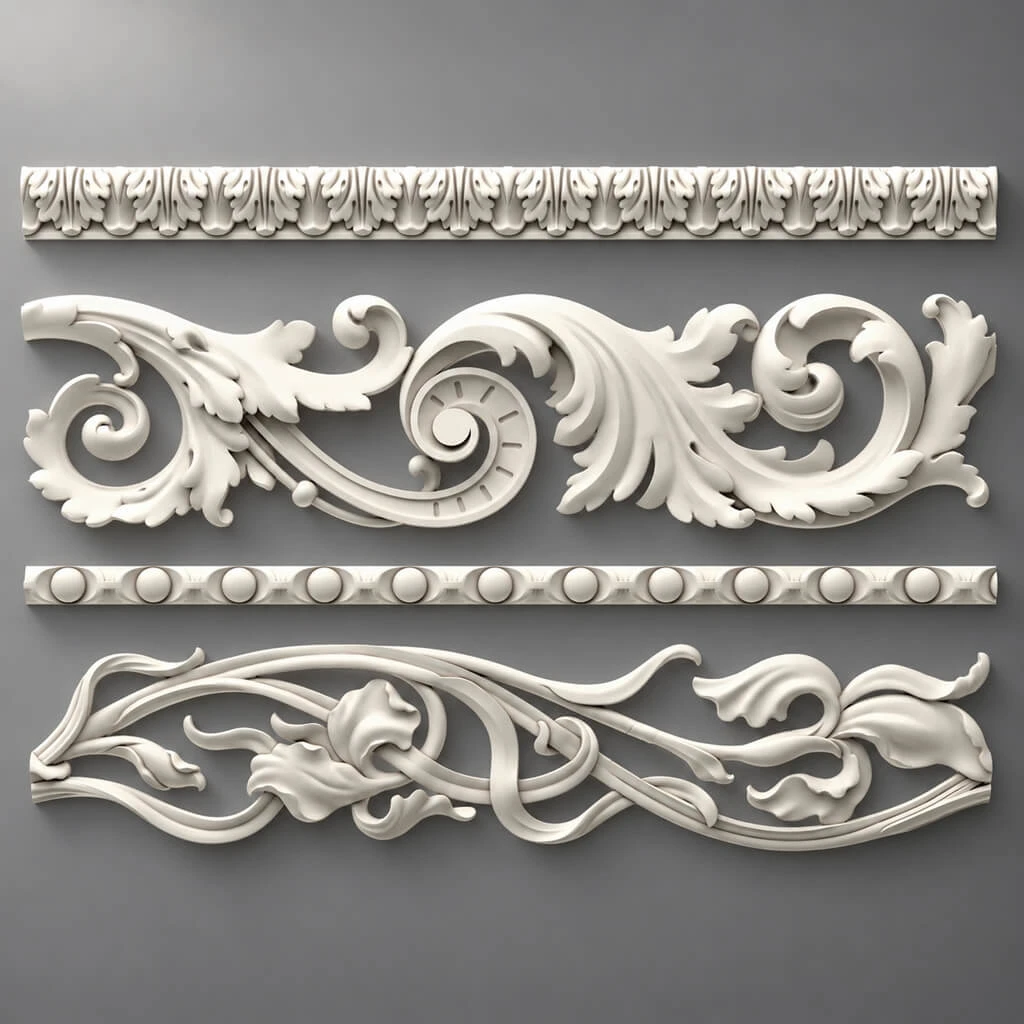
Wooden molding—the product closest to 'picture rail.' Molding is a decorative profiled strip with a pronounced relief: a bead, a cove, a chamfer, or a complex multi-banded cross-section. Moldings are used to assemble wall frame panels—a classic designer technique.
If the goal is to create a decorative frame directly on a wall without inserting a picture, molding is the optimal choice. If a frame with contents is needed—Wooden Picture Frameor a ready-made frame works better.
Picture rail and ready-made frame
frame for a painting—is an already assembled product of a specific size. It does not need to be cut, joined, or glued. Buy—insert—hang. A ready-madewooden framemade of solid wood is the choice when the size is known in advance and matches the available format.
When a non-standard size or special profile is needed, they choose millwork profile and cut it on-site.Buy picture framesReady-made — quick and convenient. Frame profile — flexible and for any format.
Frame baseboard and millwork
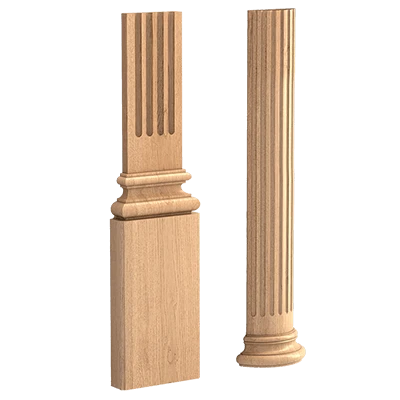
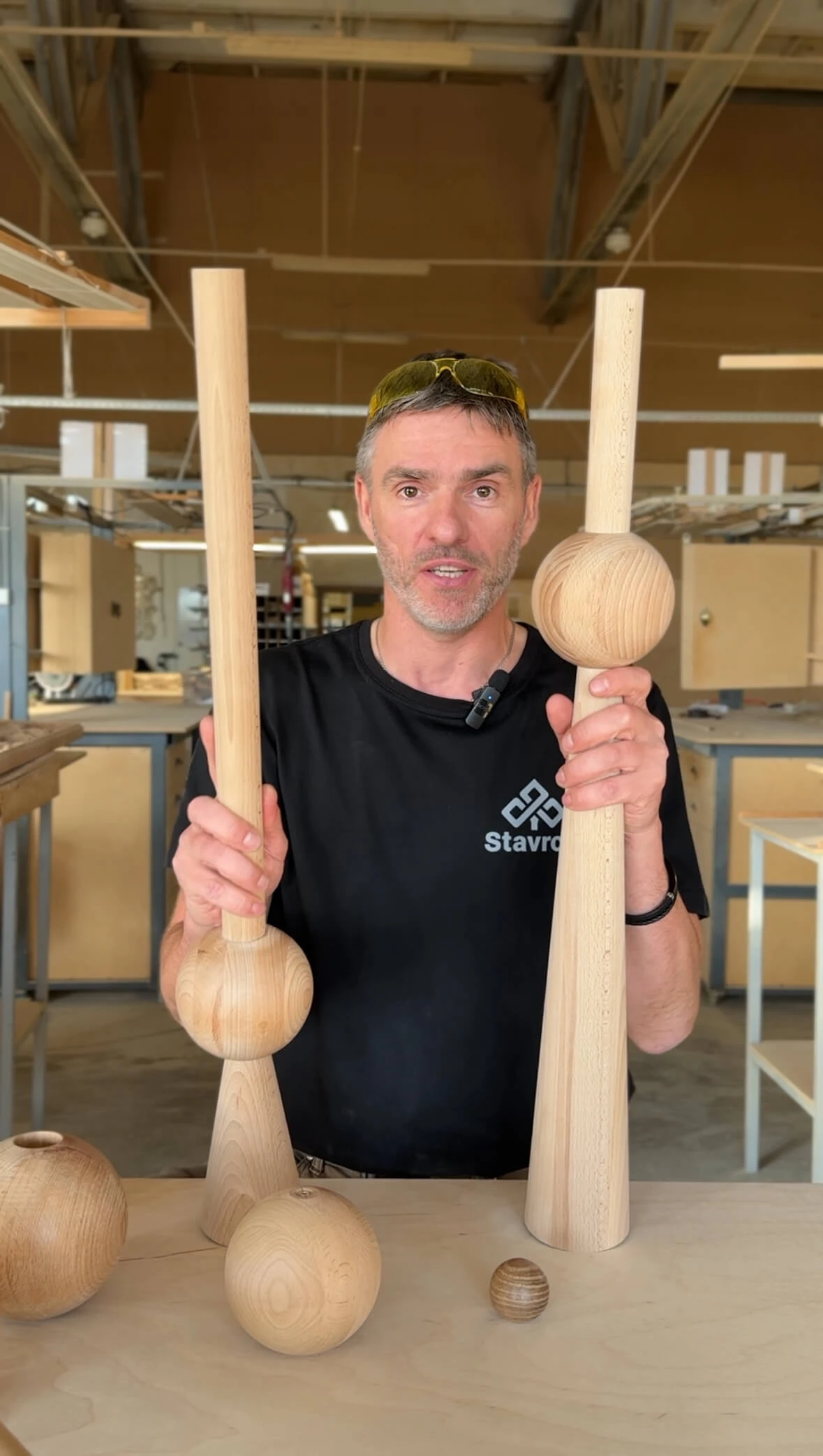
Pogonazh iz massiva— is a broad product category: all profiled wooden strips sold by the meter. Includes baseboards, cornices, moldings, and actual frame profiles. This is the raw material from which everything else is made. When you need a frame profile of non-standard size, atypical shape, or special tint — look in the millwork section.
Frame baseboard and applied decor
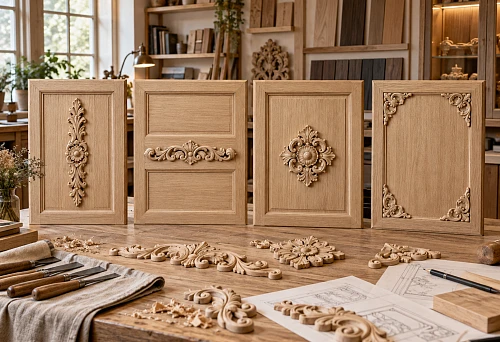
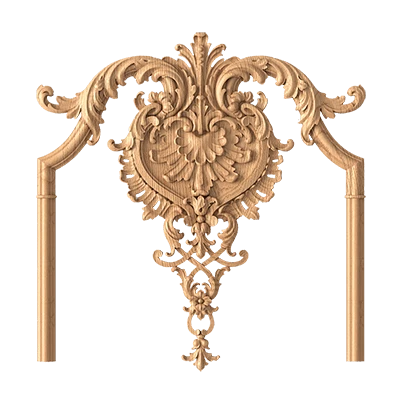
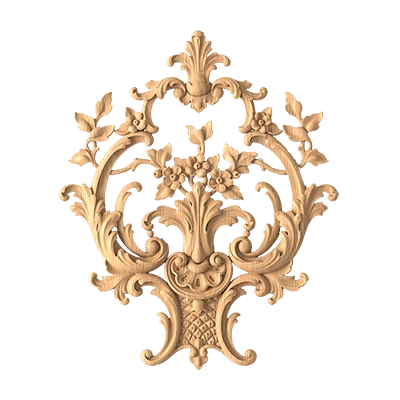
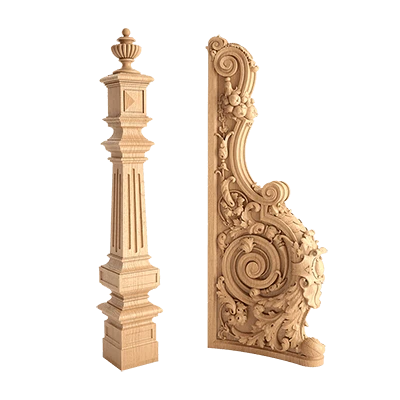
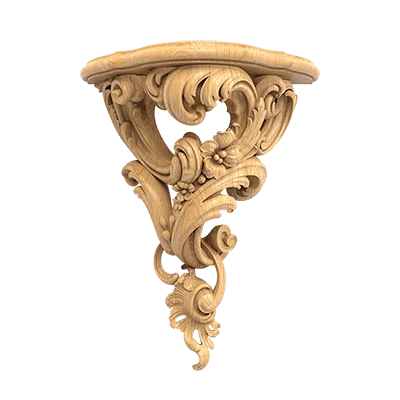
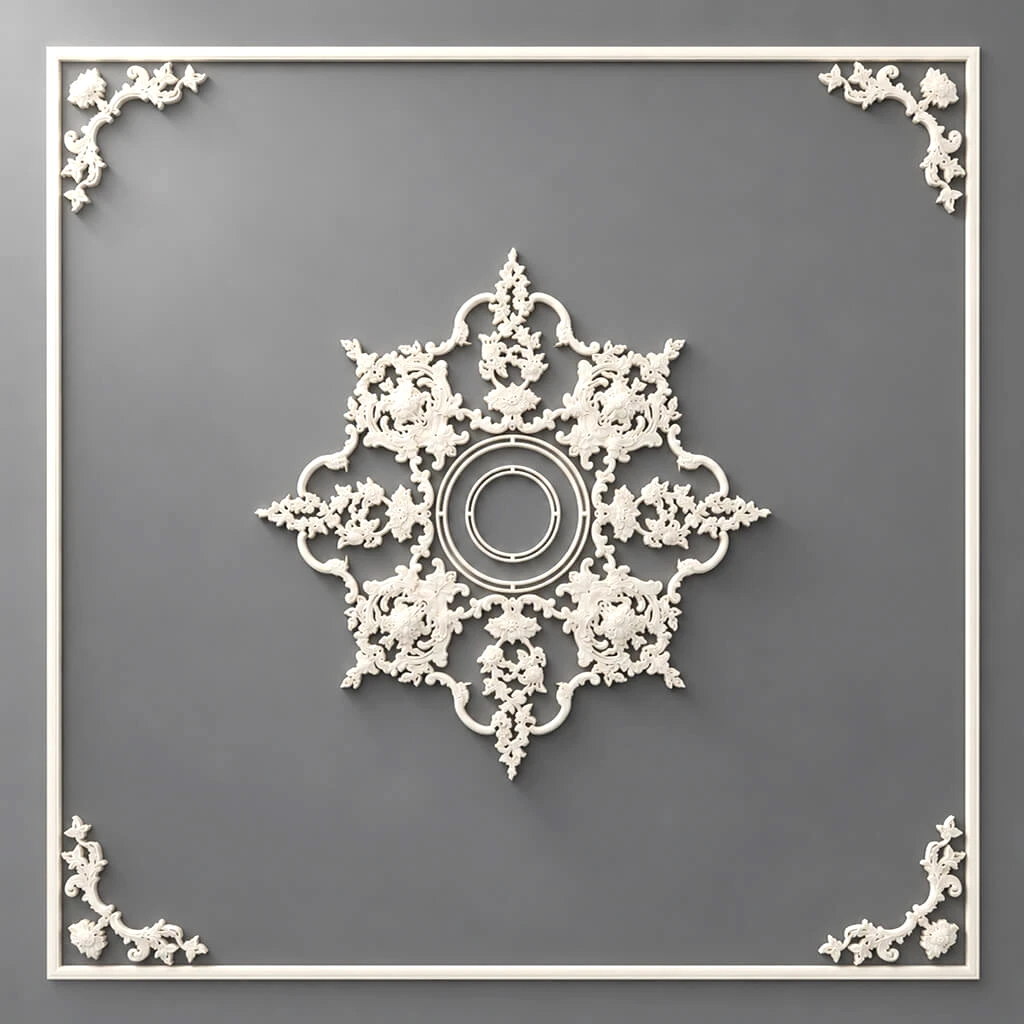
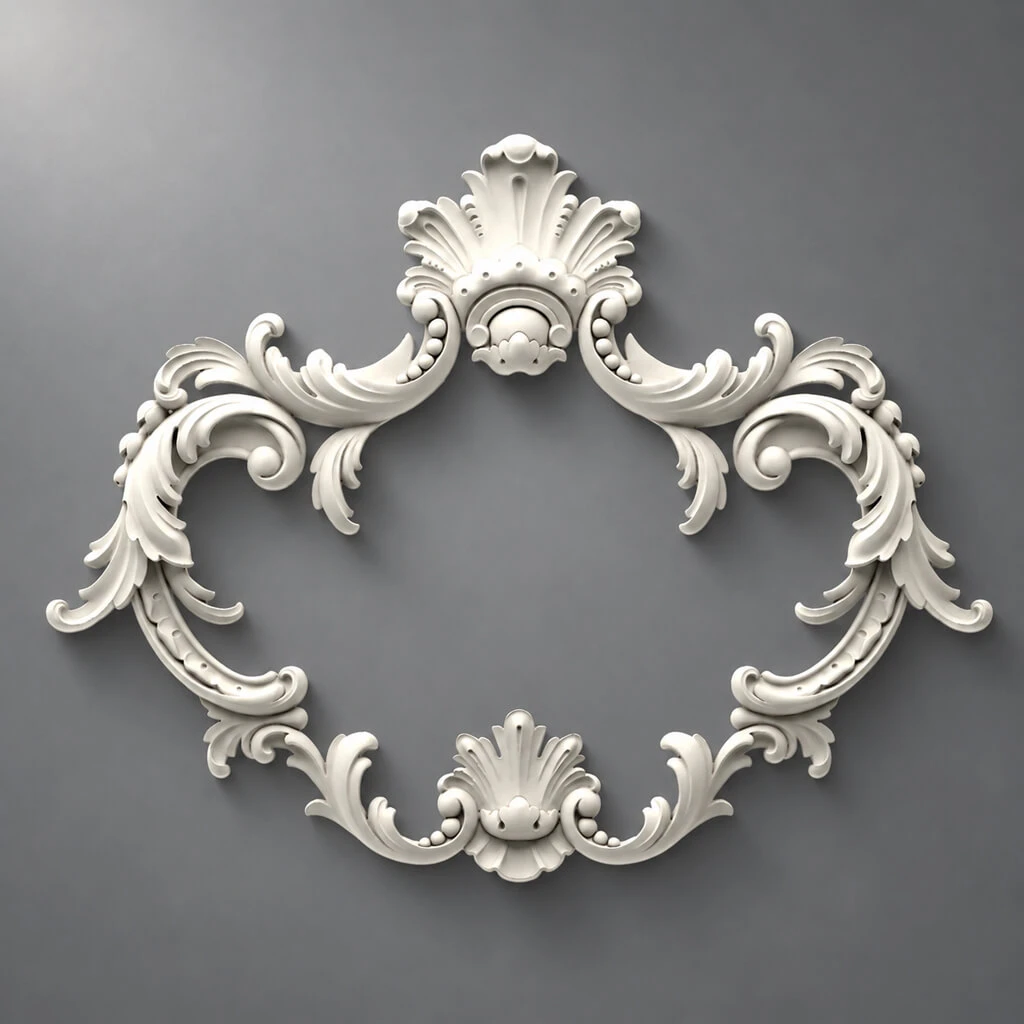
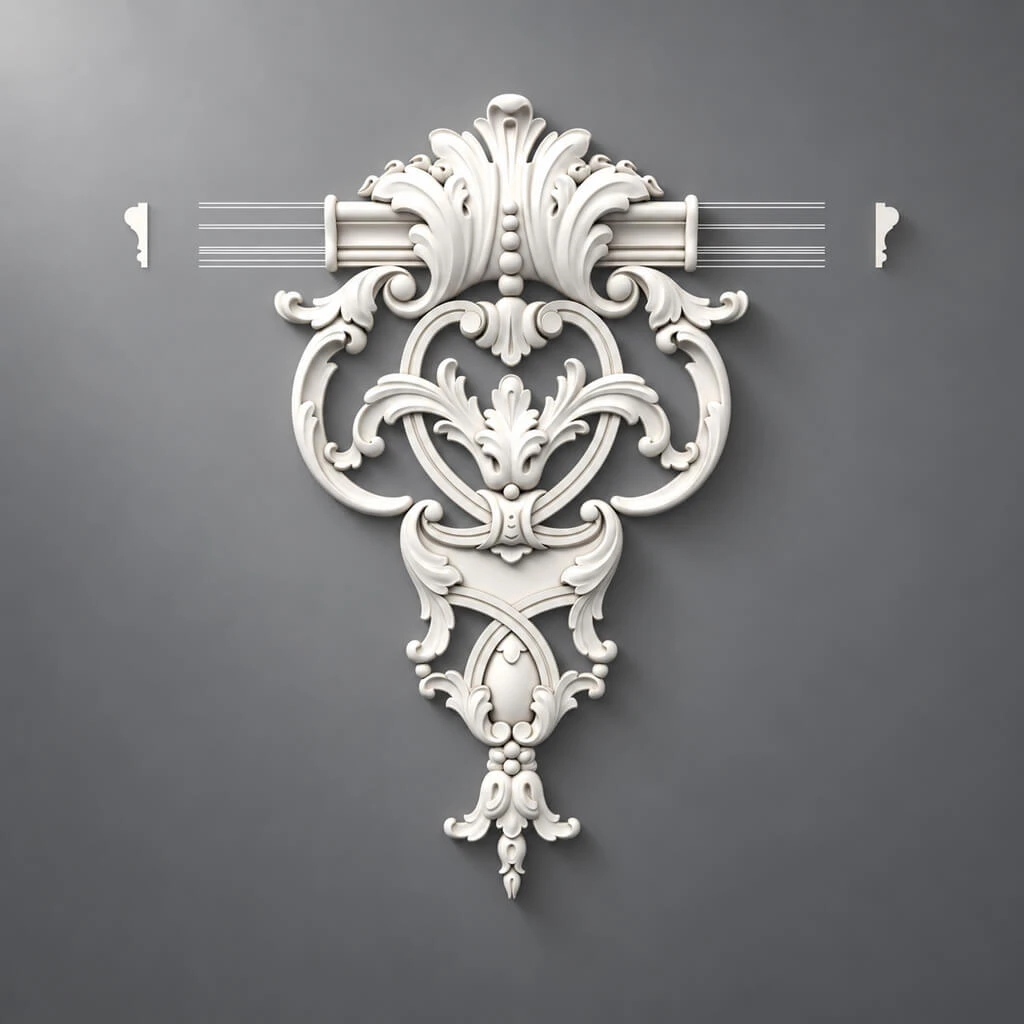
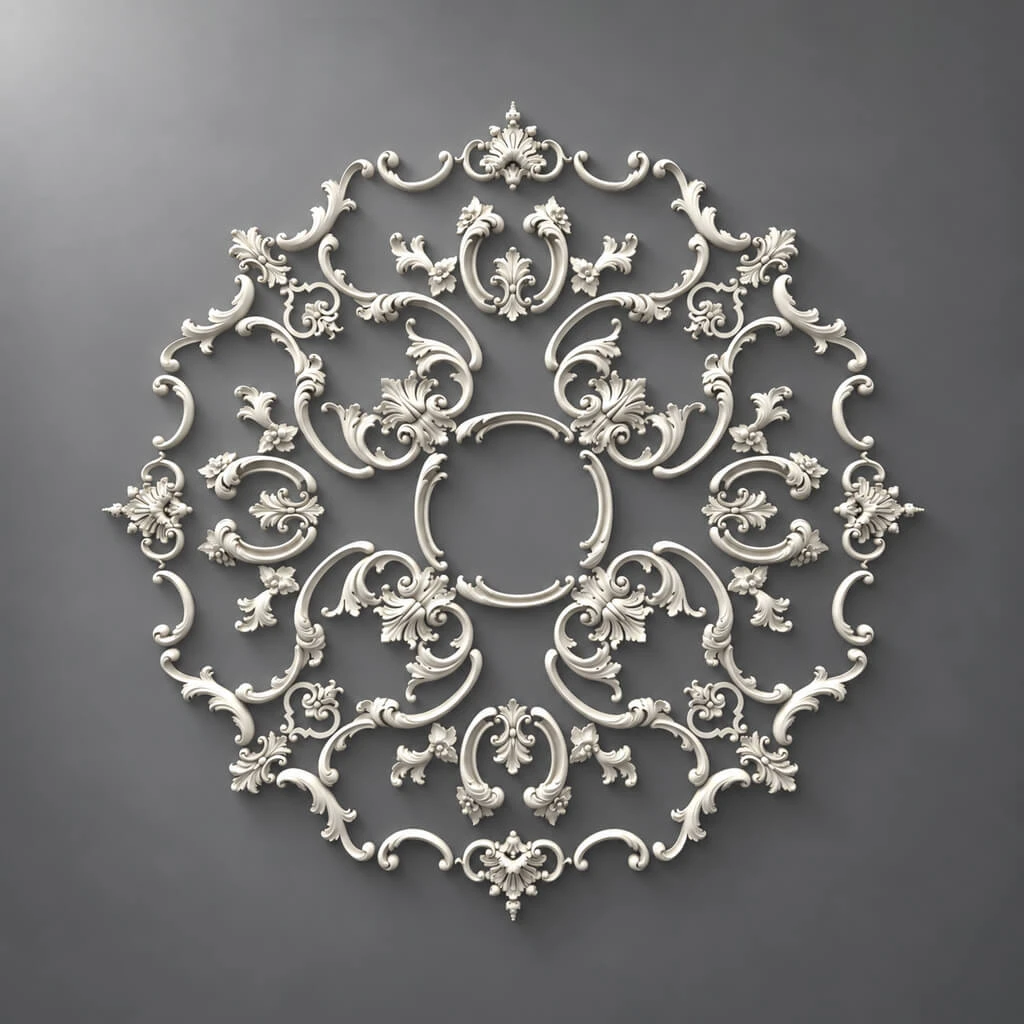
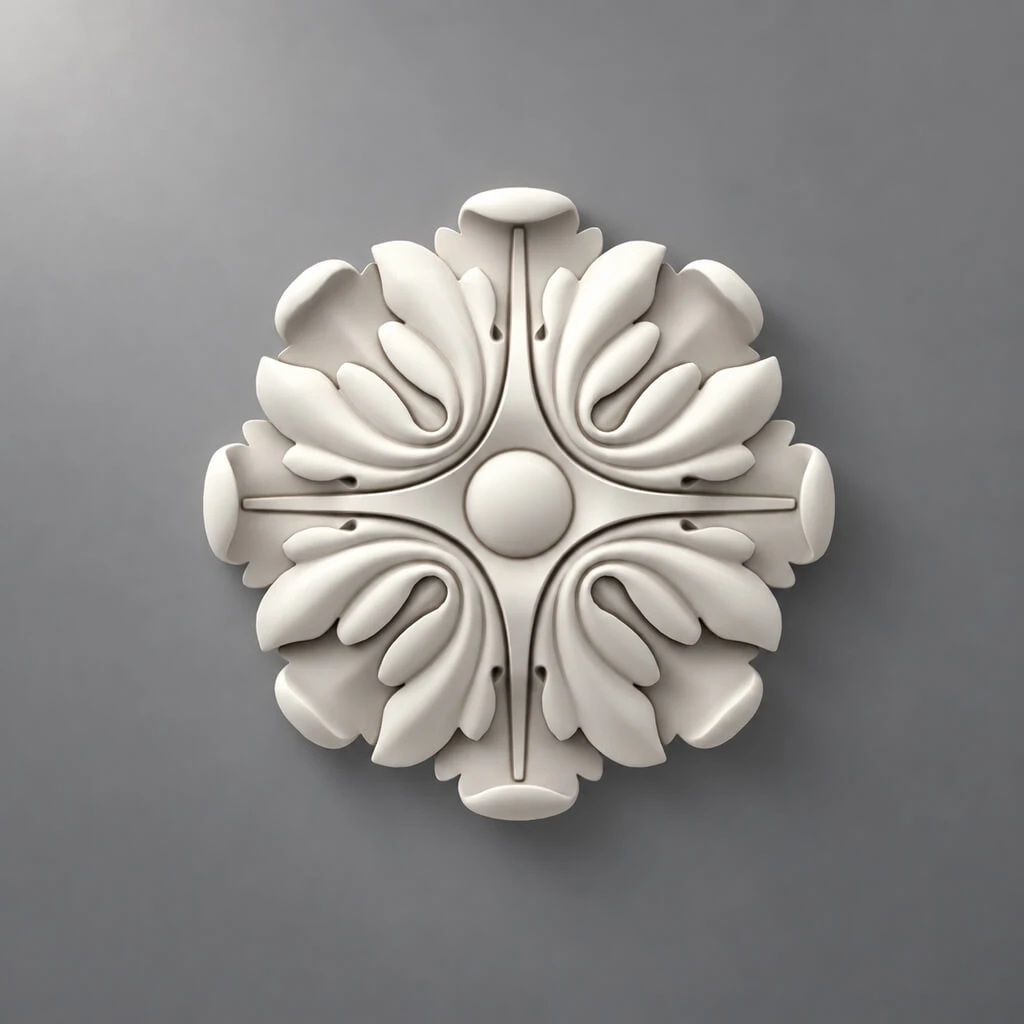
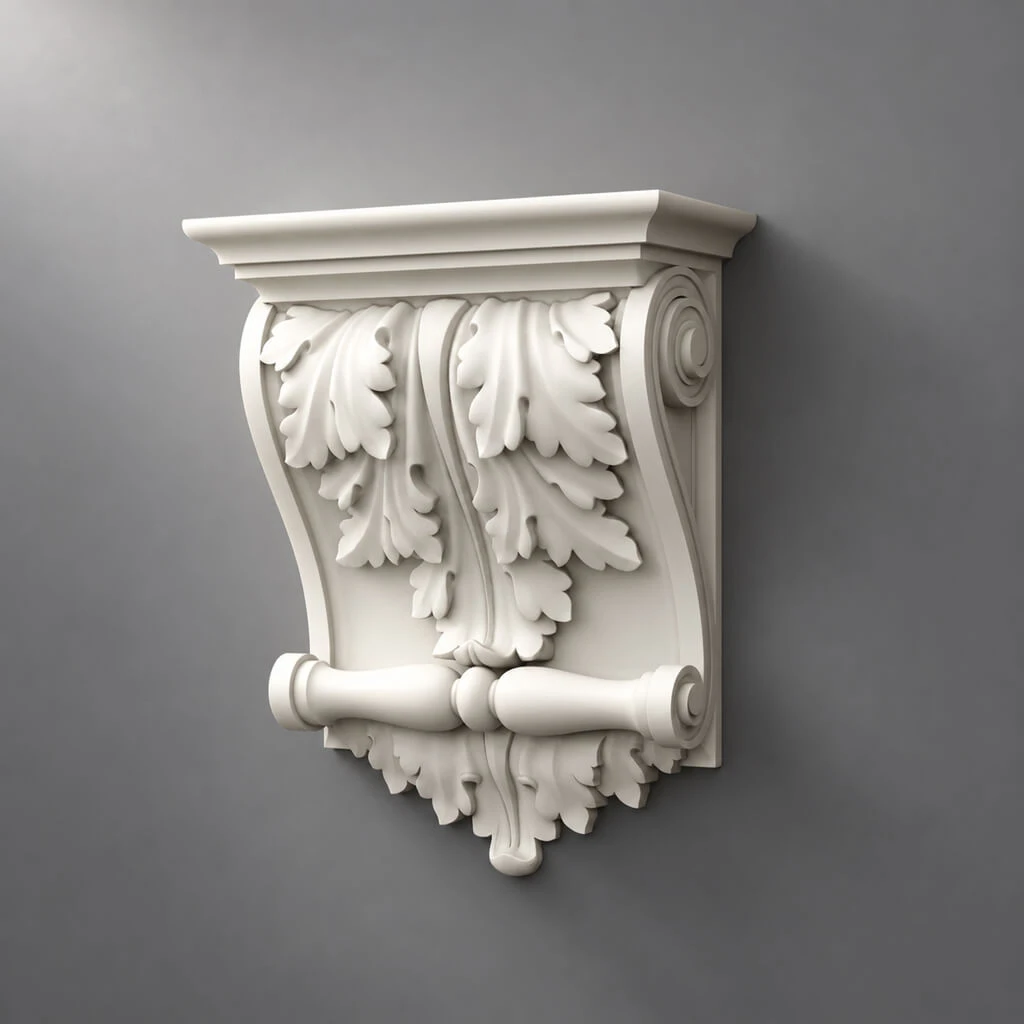
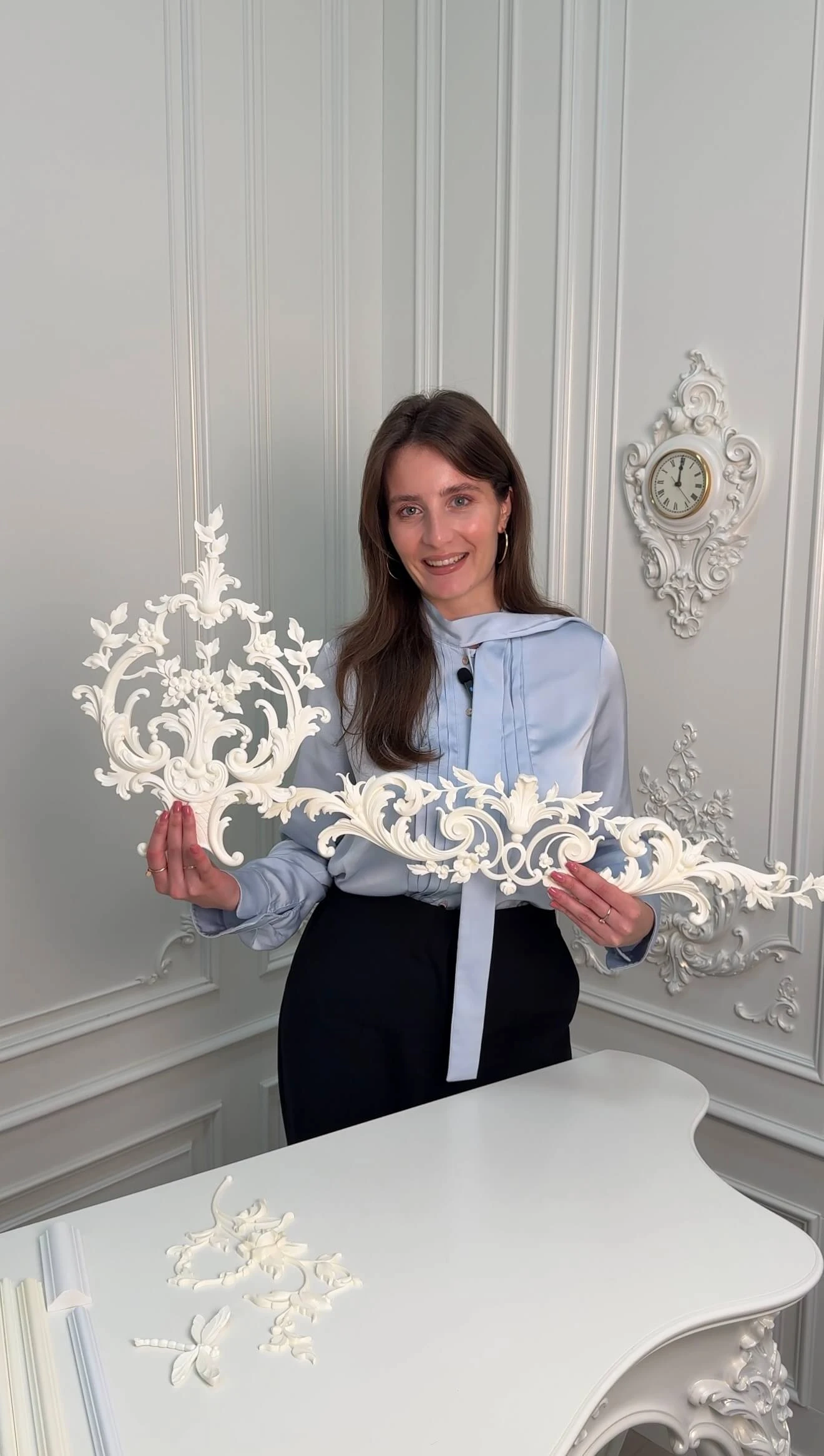
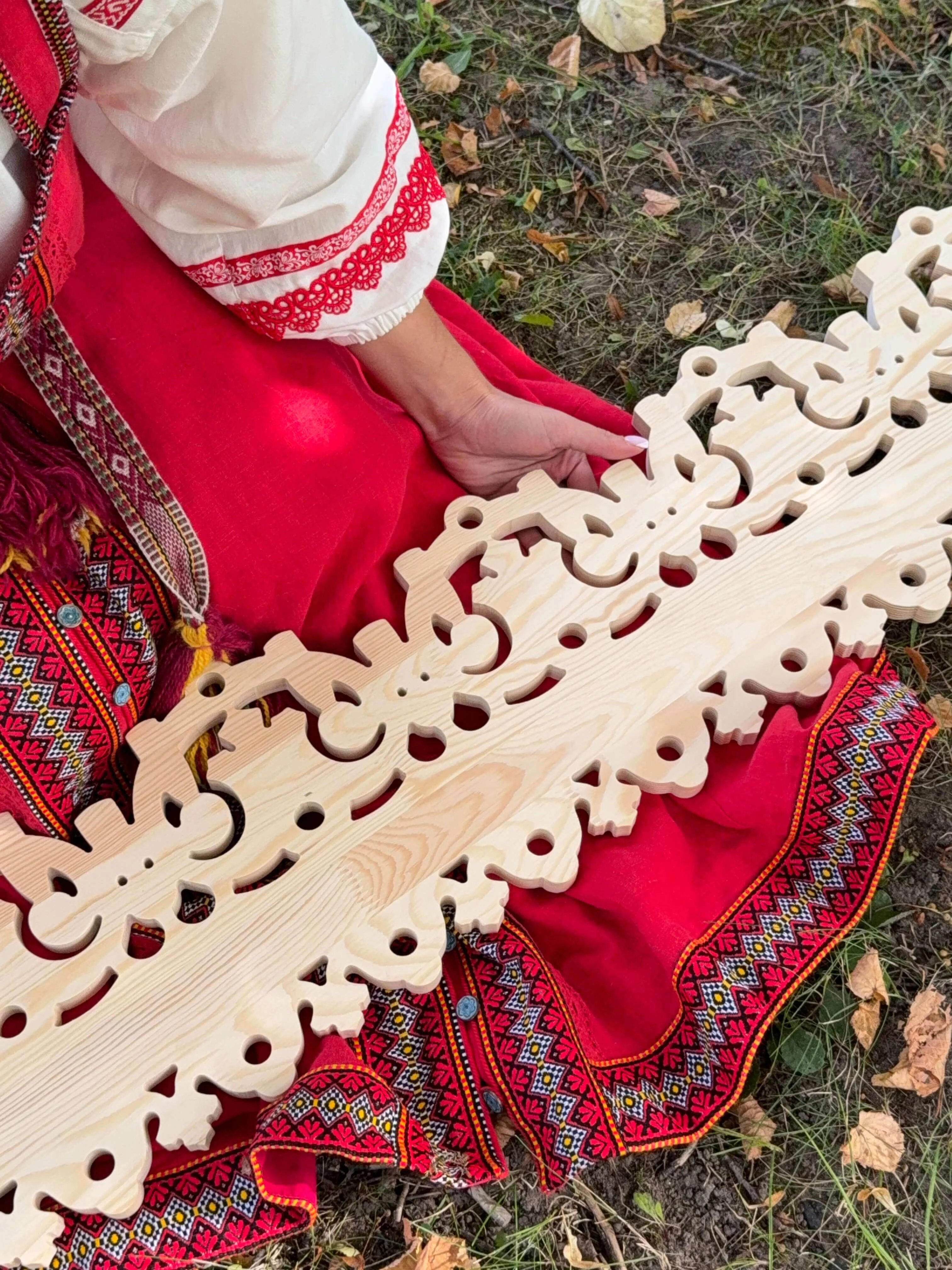
decorative elements— is a separate class of products: carved ornaments, corner appliqués, decorative medallions, three-dimensional wooden patterns. They do not form the frame themselves but complement it: corner rosettes at molding joints, a central ornament above a mirror, a carved motif on the top rail of a frame. It is this layer that transforms a frame from functional into a work of decorative art.
Where decorative frame profile is used
The scope of application is significantly wider than it seems at first glance.
For paintings
This is the first and most obvious application.frame for a paintingmade from natural wood or a profile for self-assembly — both options work. The difference is that the ready-madeWooden picture frameis convenient for standard formats: A4, A3, 30×40, 40×60. For custom work of non-standard size — a profile for cutting.
Important nuance: the picture frame profile should not compete with the work itself, but support it. A delicate profile for watercolor or graphics. A massive carved one — for oil painting in dark tones. A straight modern one — for photography and digital art.
For mirrors
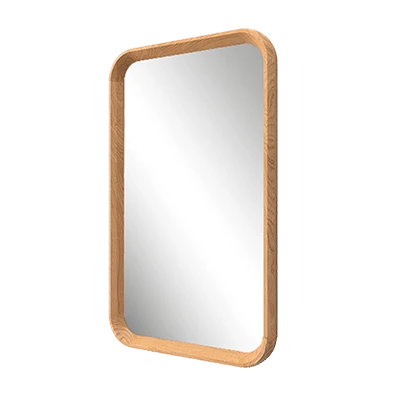
mirror frame— one of the most decoratively rich scenarios. A mirror in a room is always an accent, and its frame carries a strong stylistic load. A carvedbuy mirror frame— this is already a full-fledged piece of interior decor, not just a functional object. A wide profile with rich relief made of solid oak — for a classic or neoclassical bedroom. A thin, laconic profile in a dark tint — for a modern space.
For panels
Decorative panels — fabric, wood, metal, mirror — require framing proportionate to their scale and weight. A wide panel in the living room — a large profile with several bands. A small accent panel — a delicate profile with a fine bead.
For photos and posters
Modern interiors have embraced gallery walls: dozens of posters, photographs, prints in a unified grid. Here, a unified frame system is important — the same profile width, one color, one material.Wooden moldingsin one tint — this is a quick way to assemble a gallery wall in a unified style.
For decorative wall inserts
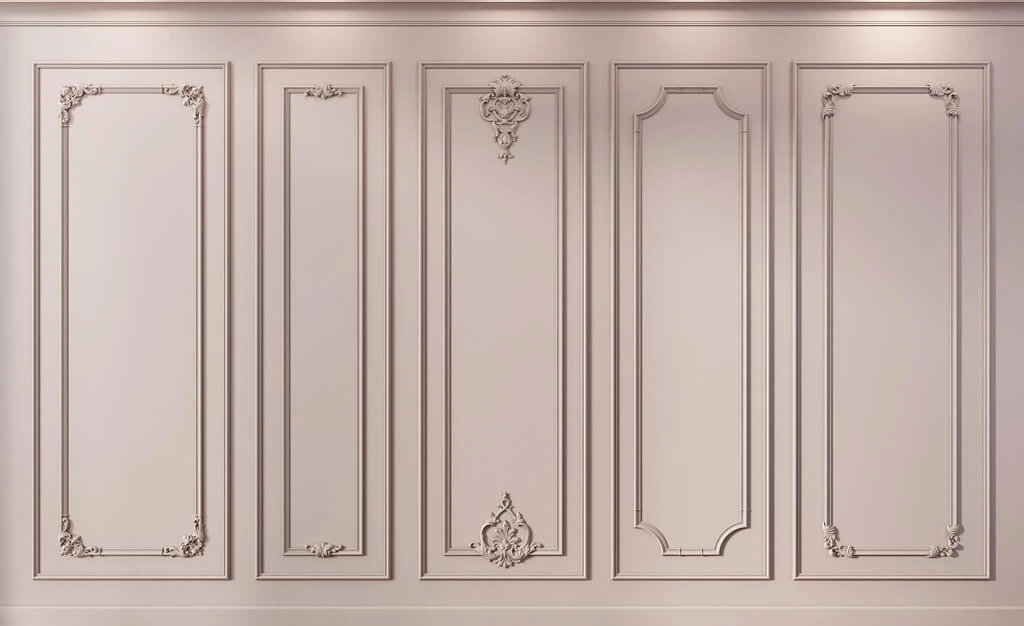
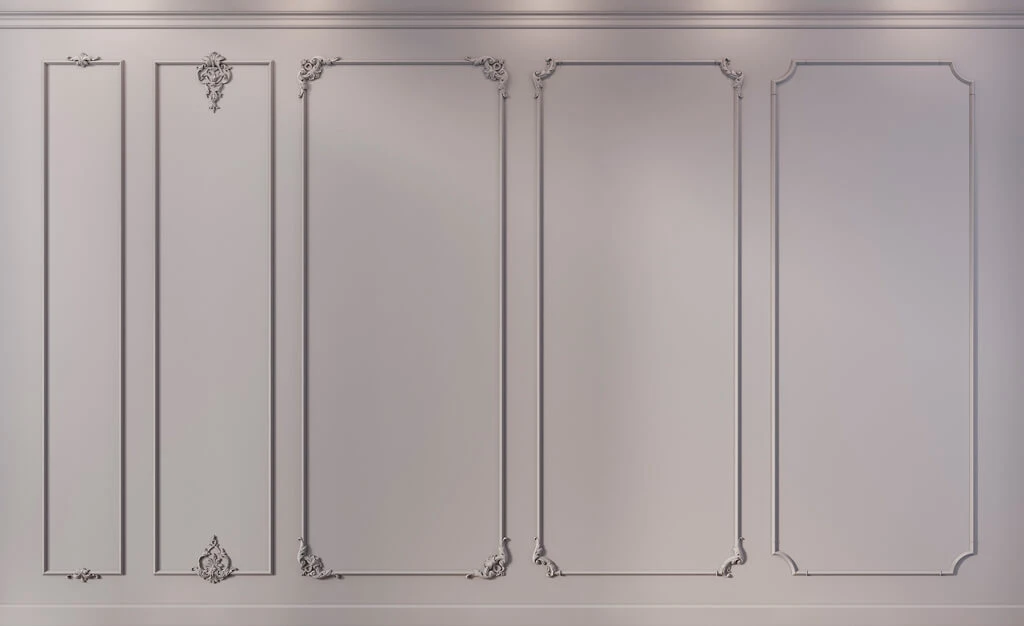
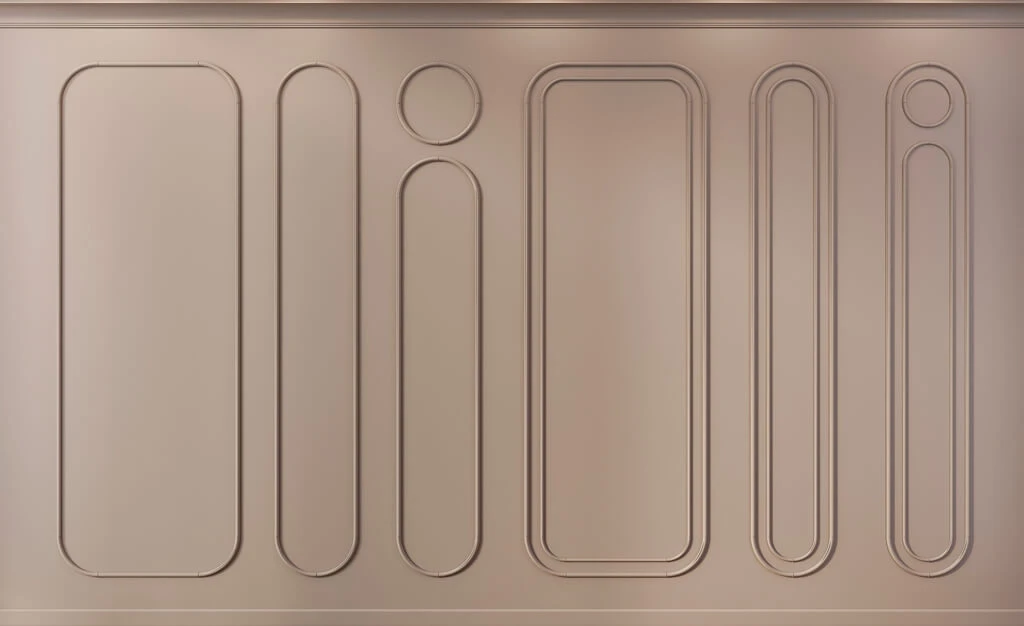
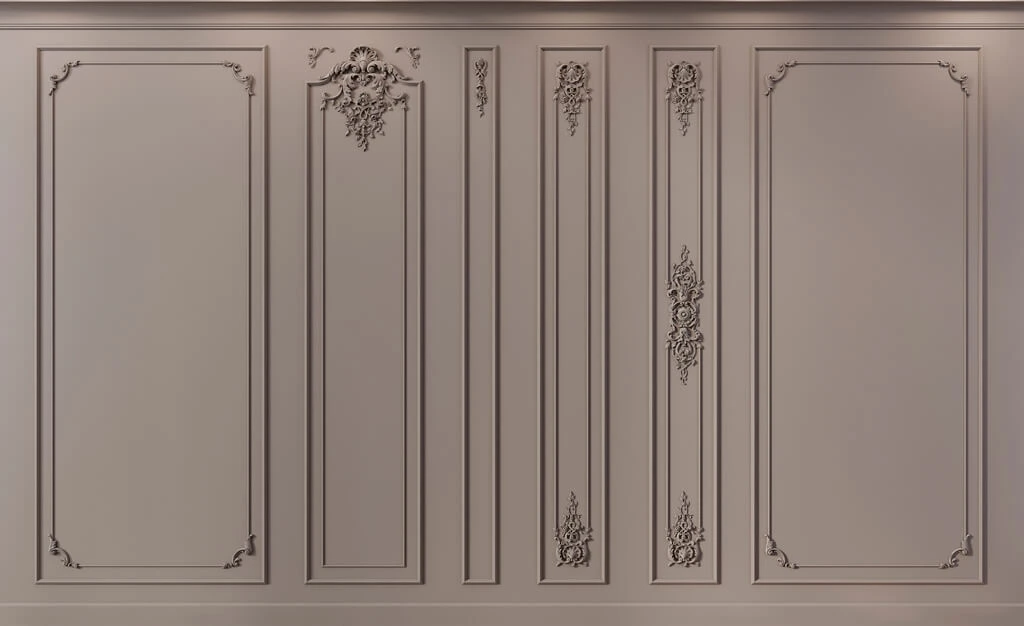
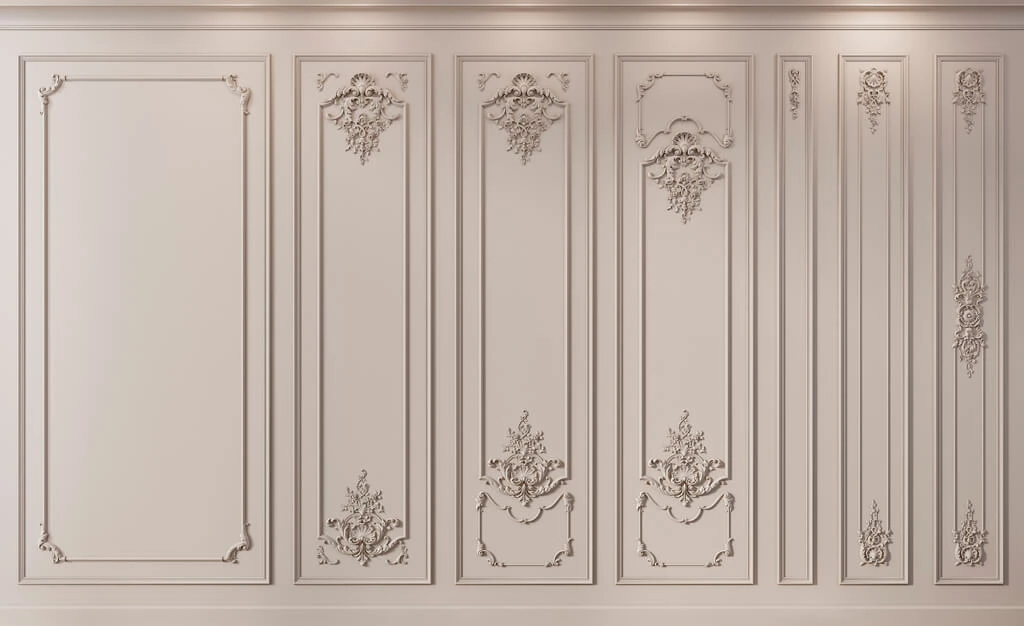
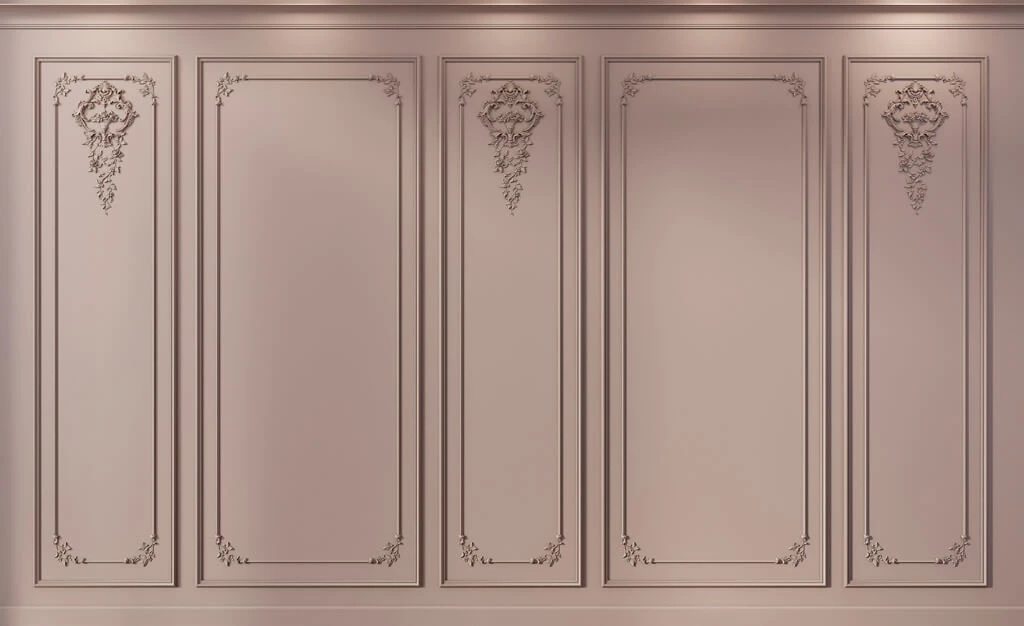
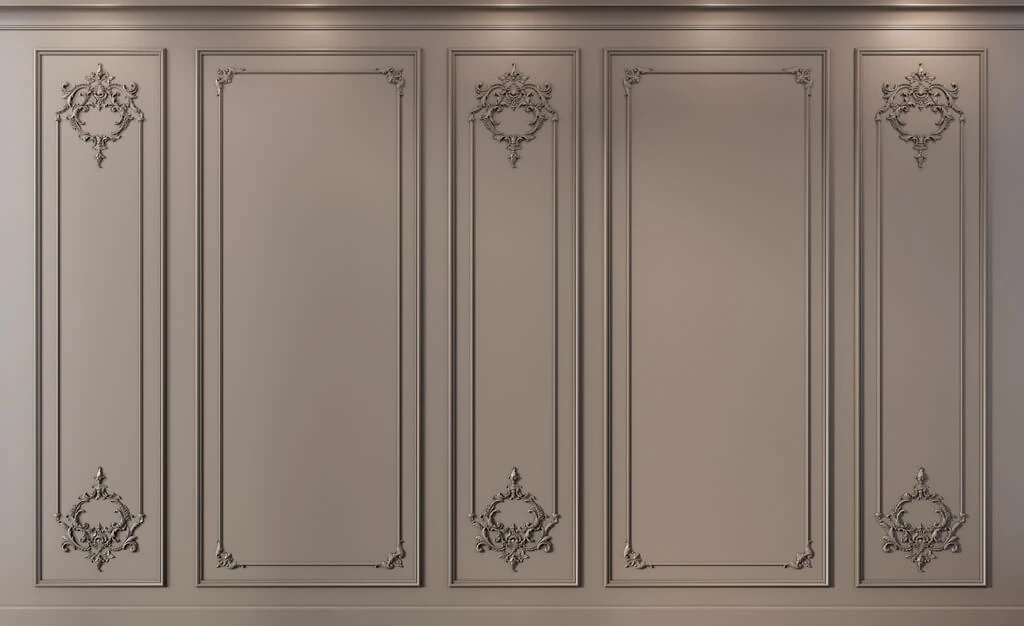
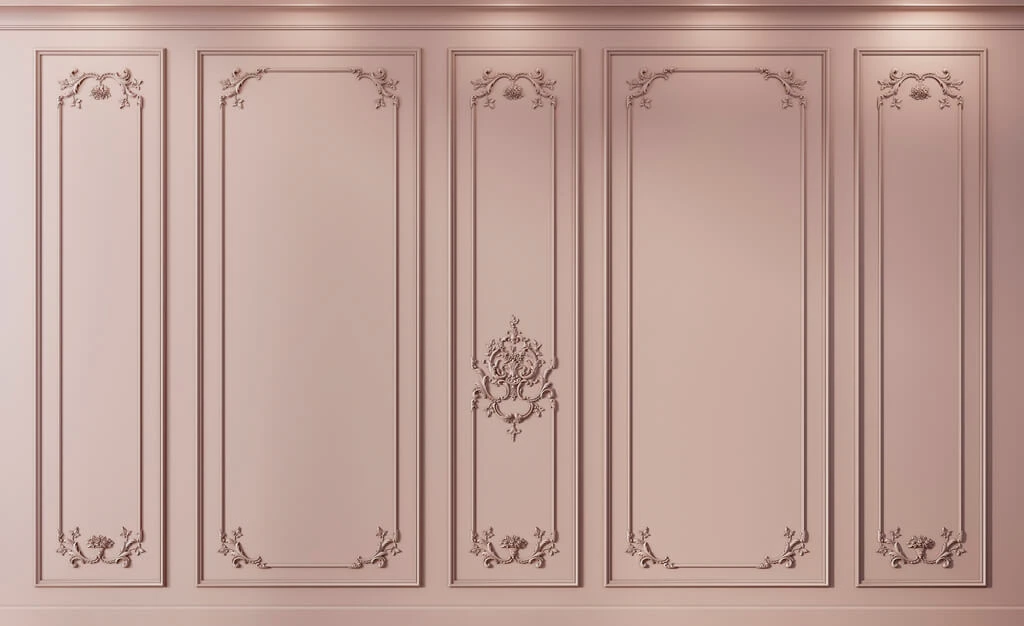
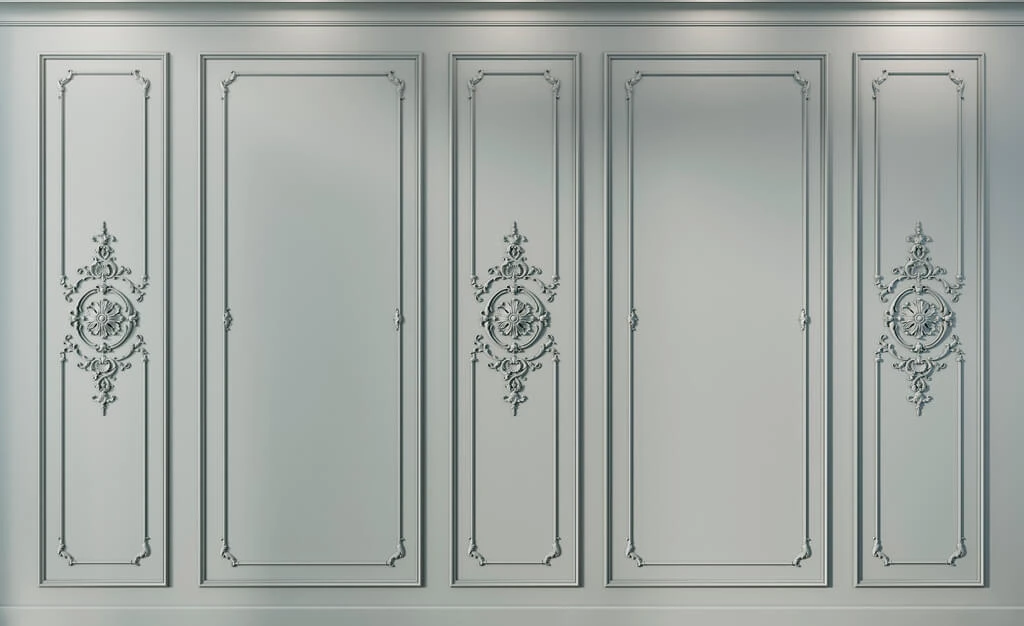
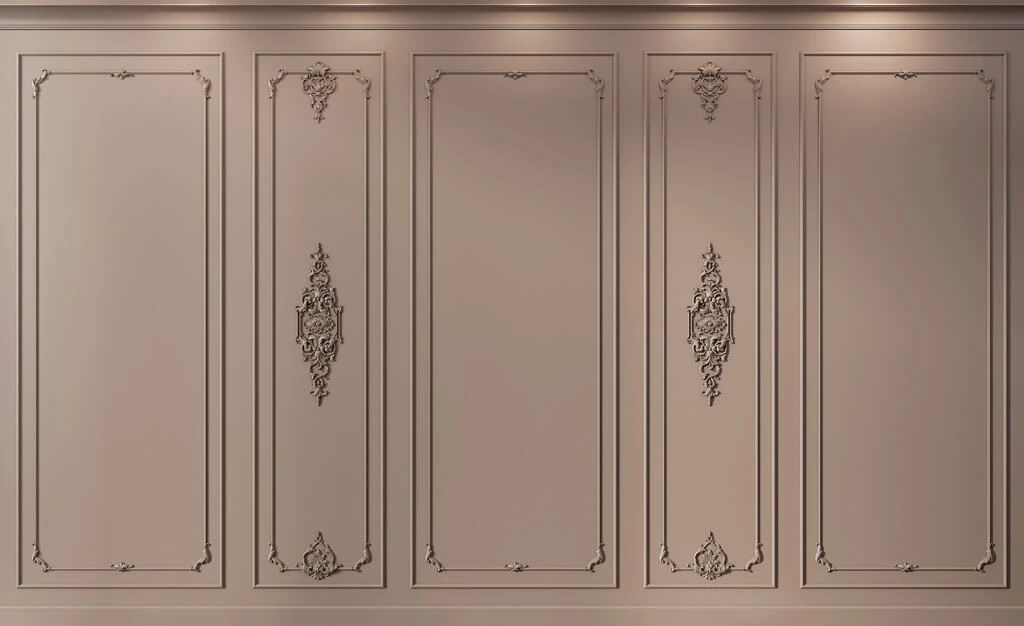
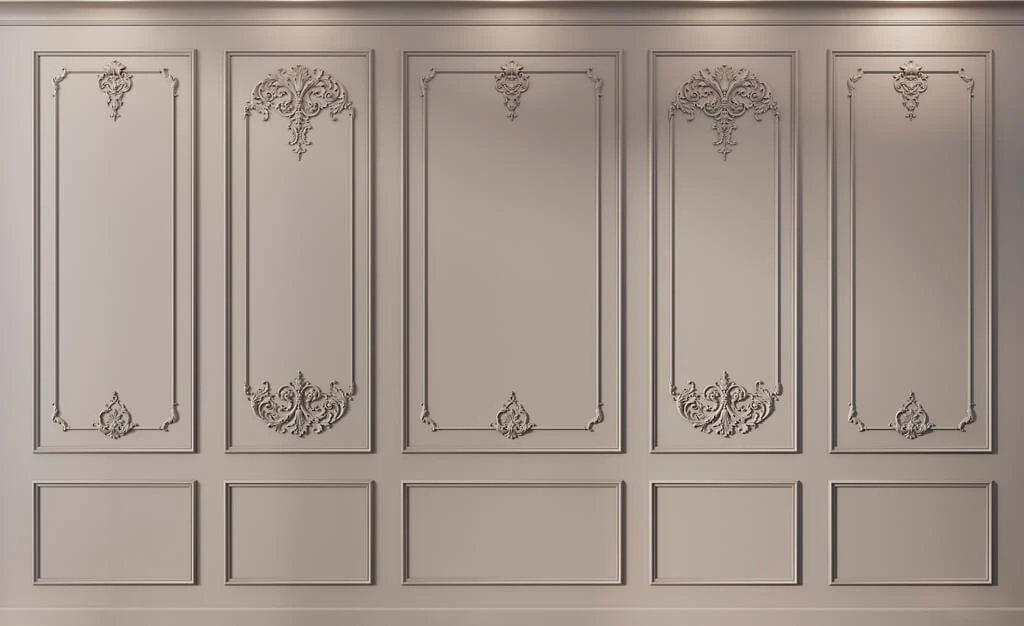
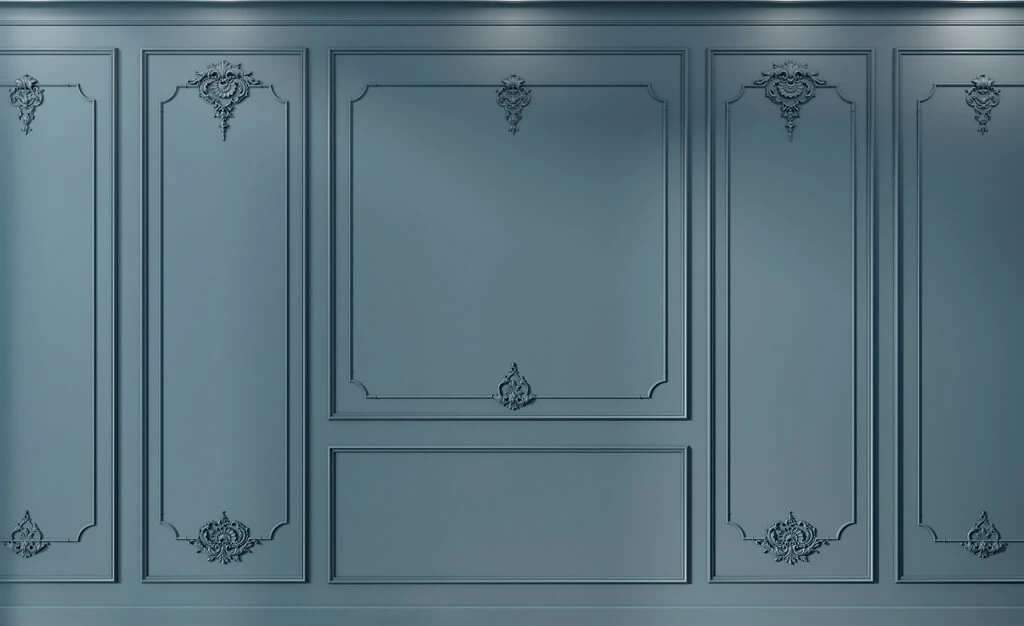
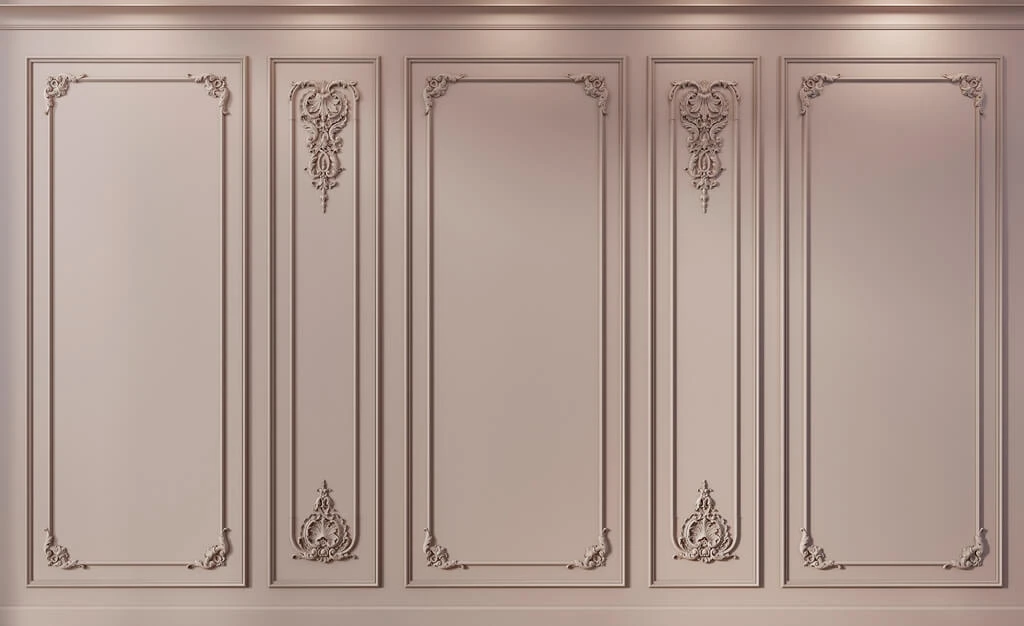
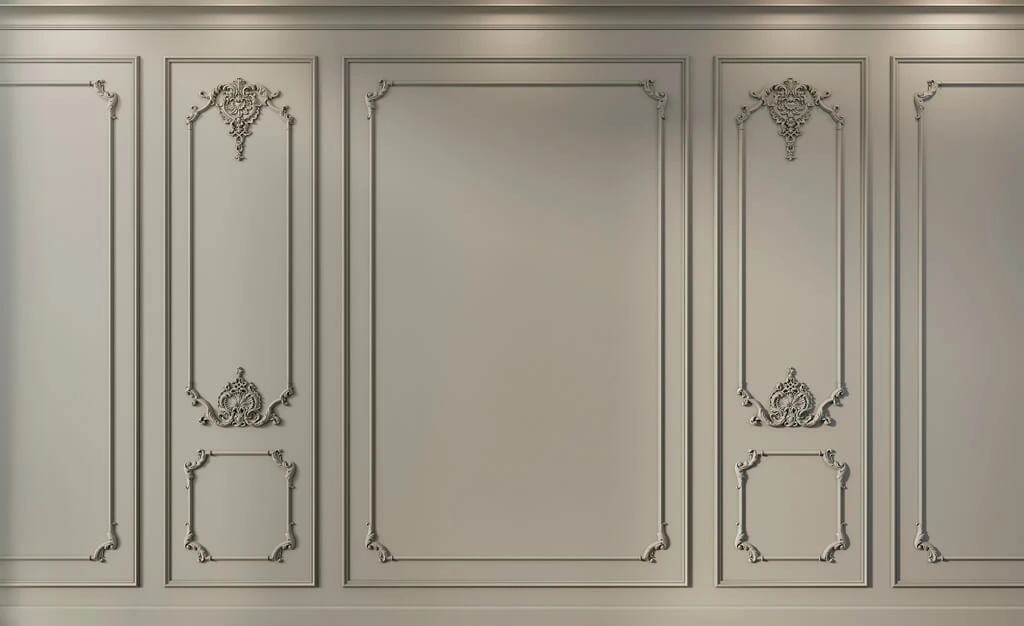
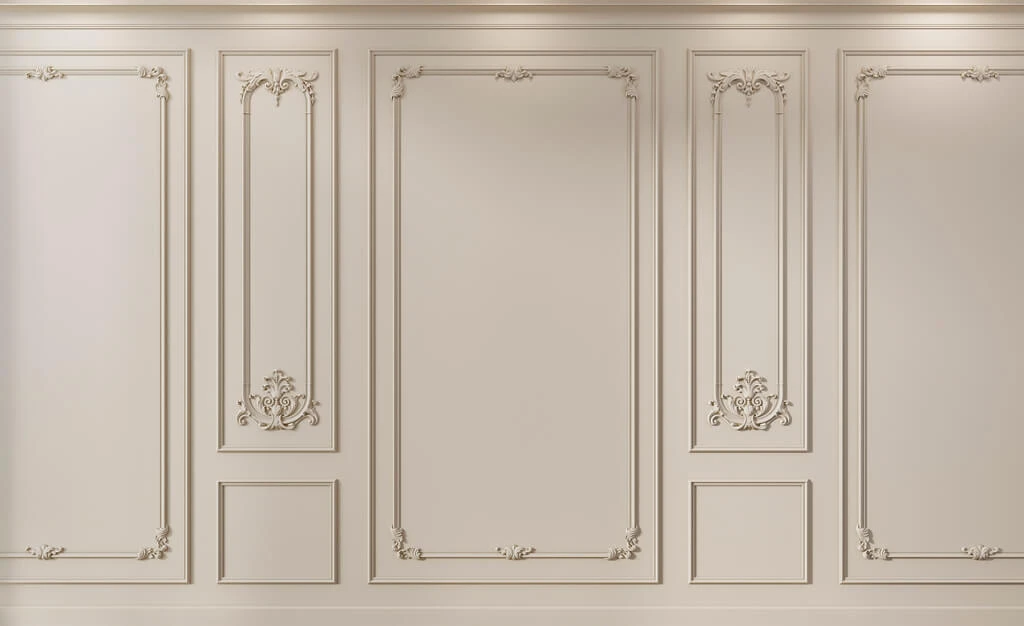
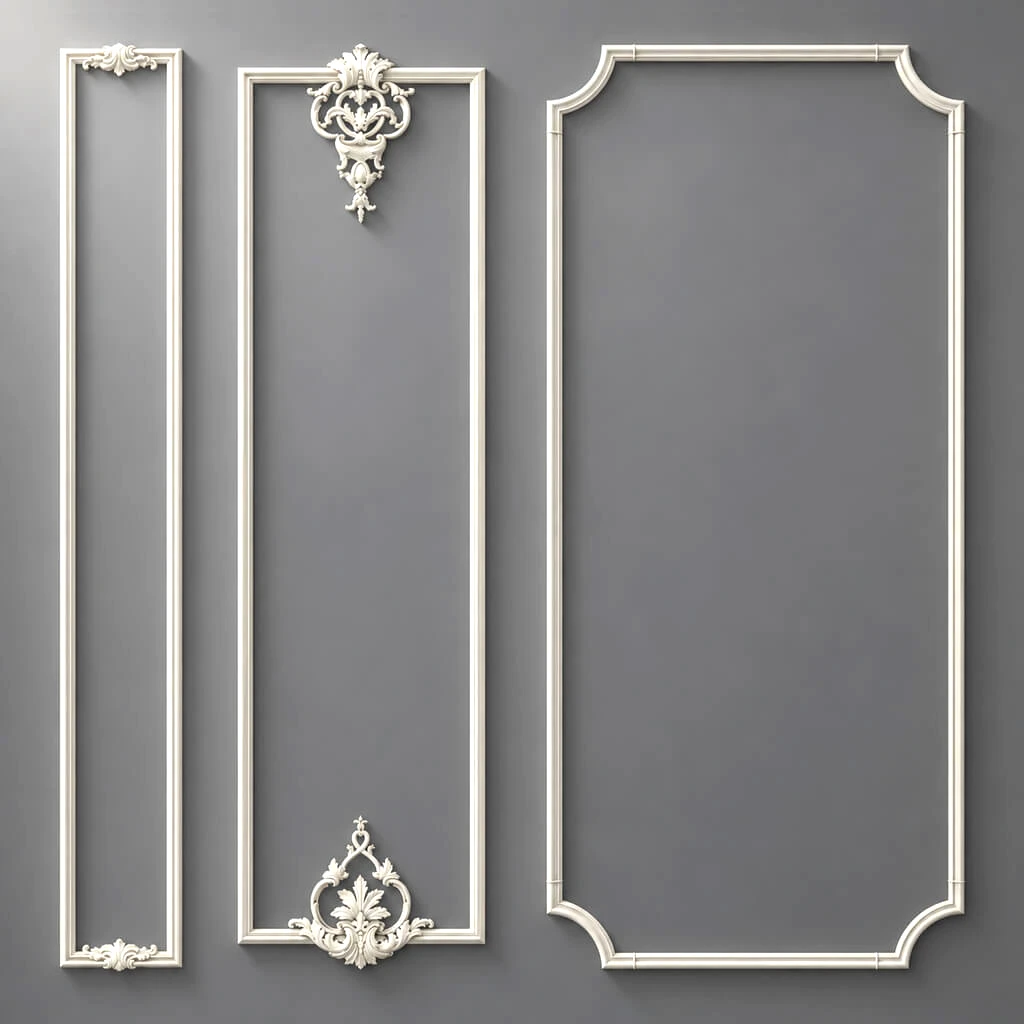
Molding frame panels on walls are a classic designer technique, whereBuy wooden moldingand cutting to shape means creating decorative wall architecture without plaster or molding. Rectangles, squares, vertical elongated forms—all these are options for wall frame decor.
For furniture fronts
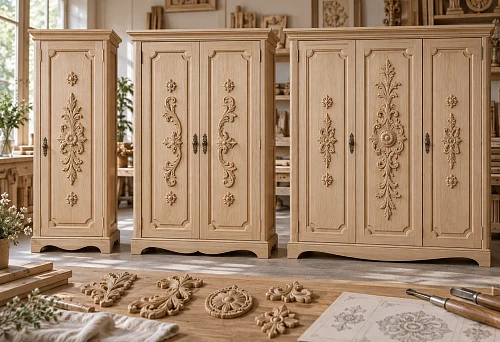
Overlay molding on the facade of a cabinet, bed, or chest of drawers is what turns a furniture carcass into an object worthy of attention.Buy Wooden Patternsfor sticking onto the facade orWooden moldingfor painting—both approaches are popular in furniture restoration and custom furniture creation.
For classic wall decor
A full decorative wall program in a classic interior is built according to the scheme: baseboard–molding panels–cornice. Frame moldings here are the key element. They create rhythm, scale, and depth of the plane. In such a system, the profile for the frame is not an auxiliary but a central decorative tool.
Which material is best for a frame profile
Wood, MDF, carved solid wood—each has its own niche. Let's break it down without unnecessary generalizations.
Solid wood
wooden frameand solid wood profile is a living material with character. Oak gives expressive fibers, large texture, dark accents in chip areas. Beech is uniform, fine-pored, and takes tinting excellently. Pine is soft, light, with pronounced resinousness.
A transparent lacquer finish reveals the wood grain and showcases its natural character—something that cannot be imitated by MDF or polyurethane. That is whyWooden picture frameit is perceived as a higher-tier item even with the same dimensions and profile.
Solid wood also accepts carving—both machine-milled and hand-carved. A carved oak profile with ornamentation is a product that, in wooden form, possesses a visual depth and tactility unattainable by other materials.
MDF
Pogonazh iz massivaand MDF profiles are different solutions for different tasks. MDF is perfectly smooth, stable, and takes paint well. Under white or colored enamel—it is indistinguishable from painted wood. That is why MDF moldings are so popular for wall frame panels: they can be painted to match the exact wall color, creating a displaced relief effect.
The weak point of MDF: it does not have a transparent finish. If you want to show texture—MDF is not suitable. If the goal is a white or colored frame for painting—MDF is optimal in terms of price and result.
Smooth profile
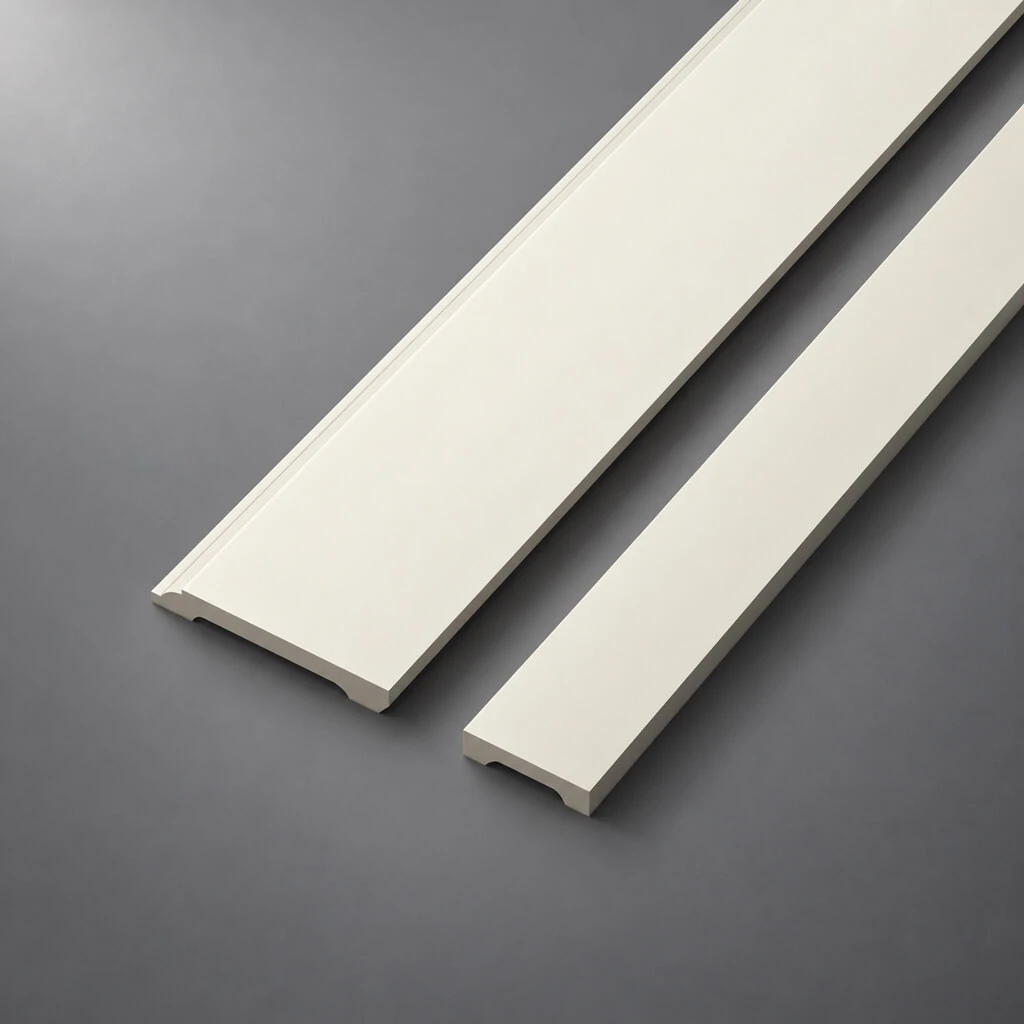
A smooth profile—a rectangular or near-rectangular cross-section without complex relief. This is the language of modern, minimalist, and Scandinavian interiors. A thin frame without ornamentation, possibly with a bevel or rounding—it does not distract, it frames. For gallery walls, for concise posters, for interiors with clean geometry.
Carved profile
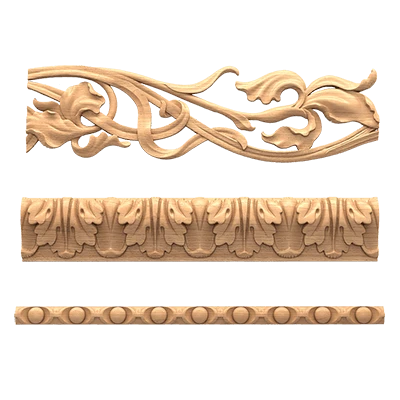
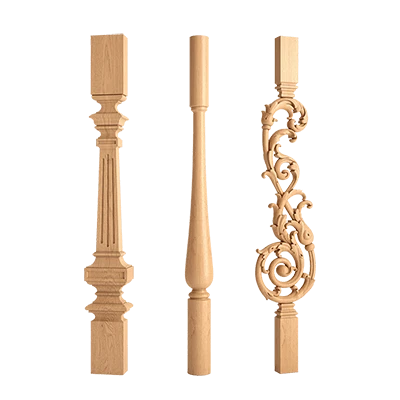
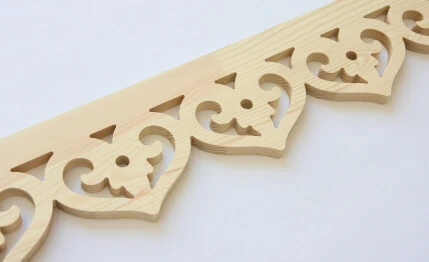
A carved solid wood profile is a product with visual and tactile richness. Ornamentation, meanders, acanthus leaves, floral garlands—the classic repertoire.buy wooden ornamentfor corner inserts in a frame—this is a way to get a carved frame even from a smooth base profile.
A carved profile requires scale: it is appropriate in large frames (from 60 cm on the smaller side), in interiors with rich decor, alongside furniture with carved elements.
Profile for painting
Both wood and MDF accept opaque painting. A white profile for a frame is a universal solution: it works in a white interior (unobtrusively, as a background), in a dark interior (as a graphic accent), in a colorful one (as a neutral separator).Wooden moldingunder white enamel — the basic choice for modern classic
Compare solutions for frame profile:
-
wooden frame— natural texture, transparent coating
-
Wooden moldings— smooth or shaped profile for painting
-
decorative elements— carved ornaments as an accent layer
-
Pogonazh iz massiva— basic profile for self-assembly
How to choose a frame profile according to interior style
Style is not a whim, but a system of rules. A frame that 'doesn't read' in the interior is either too active or too passive. Both are mistakes.
Classic
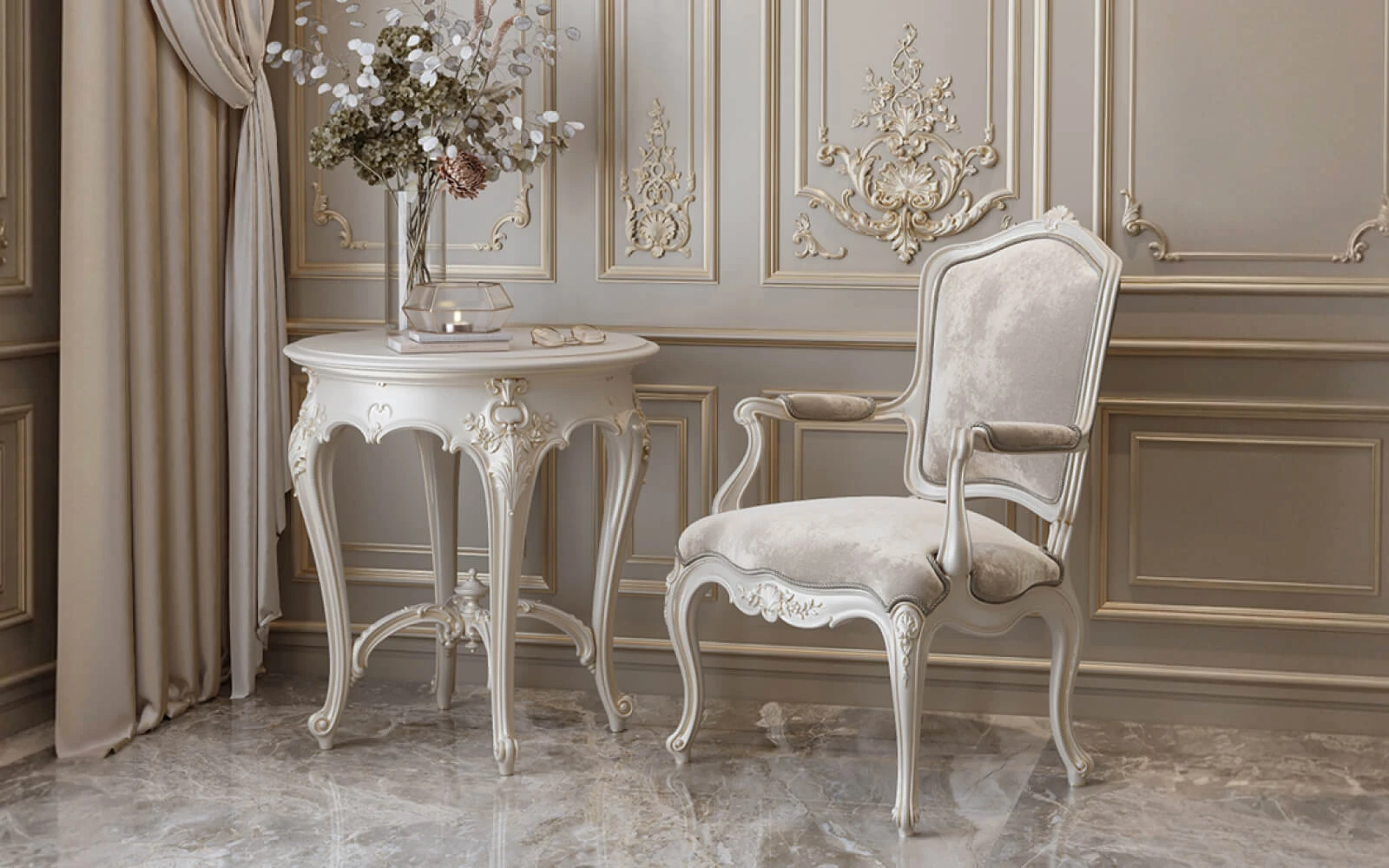
In a classic interior, the frame is a full-fledged architectural element. Here, wooden frame with a wide shaped profile is appropriate: ogee, cornice, shelf — everything that creates volume and shadow. Toning is dark: walnut, mocha oak, wenge, or classic gilding. Corner rosettes from decorative elementsenhance the effect.
Molding frame panels on walls in a classic interior are an essential part of the architectural program.Wooden moldingswith a pronounced profile create the lower register of the wall, establish rhythm, and set the scale.
Neoclassicism
Neoclassicism works with classical forms but without heaviness. The frame profile is moderate: one or two curves, a delicate bead, without massiveness. White enamel or light tint. Corner overlays are acceptable but without Baroque overload. It is for neoclassicism thatWooden moldingswith soft relief in white finish are perfectly suited.
Baroque and palace style
Here everything is subordinated to the principle of maximum. Wide carved profile, gilding, cartouches in the corners, ornamental strips along the perimeter.buy mirror framein a carved execution is already a palatial image. A mirror in such a frame becomes the main object of the space.
AppliedBuy Wooden Patternsand placing them in the corners of the frame is a more affordable alternative to a fully carved product. The result, with proper painting, is indistinguishable.
Modern classic
The most in-demand style today. The frame here is moderate but not bland: width 30–50 mm, delicate relief, white or light gray color.Wooden moldingwith one curve is the ideal profile for modern classicism. Frame panels on walls made from such molding create an interior that is simultaneously light and architecturally precise.
Concise frames for modern interiors
Minimalism, Scandinavian style, loft — here the frame should be almost invisible. Thin profile 10–20 mm, straight section, dark or natural tint. No relief, no ornaments.Wooden Picture Framein dark enamel or matching furniture tone — a precise solution for modern spaces.
How to choose the size and proportions of a frame profile
Proportion is what distinguishes a correct frame from an incorrect one even with a perfect profile.
Narrow profile for a small frame
A5 format frame or smaller — profile width 10–20 mm. A wide profile on a small frame creates visual overload: the frame 'eats up' the content. A thin profile keeps the frame light and doesn't shift attention from the artwork to the framing.
Wide profile for a large composition
Large poster, big canvas, oversized mirror — here you need a profile width of 40–80 mm or more. Only a wide profile maintains the scale of a large object. A thin frame around a large mirror looks accidental.
General rule: profile width — approximately 5–10% of the smaller side of the framed object. A 30×40 painting — 15–30 mm profile. An 80×120 mirror — 40–80 mm profile.
Mirror profile
mirror frame— a special case. A mirror in an interior is a visual accent, and its frame works more actively than a picture frame. A wider profile, a richer relief is permissible here. Carvedwooden framefor a mirror is already an interior object, not just a frame.
Profile for a vertical frame
A vertical frame — a portrait, a vertical mirror, an elongated panel — requires a profile with vertical logic. A wide profile on a vertical frame makes it look square. A moderate or thin profile emphasizes the verticality.
Profile for a wall panel
A large wall panel — fabric, wooden, mirrored — requires a substantial frame.Wooden moldingwith several bands creates depth and volume proportionate to the scale of the panel.
When a carved massive profile is needed
Oil painting in dark tones, mirrors in classic interiors, decorative panels with rich content — all require a massive carved frame. A thin frame next to a dark canvas gets lost. Carved mass creates the correct visual pause between the wall and the artwork.
When a straight and calm profile is better
Watercolors, graphics, photographs, posters in light tones — here a carved profile competes with the content. StraightWooden Picture Frameor smooth molding creates a neutral frame that does not interfere with perceiving the image.
Ready-made frame, baguette strip, or molding: what to choose
Commercially the most important choice. Each option has its own logic.
When a ready-made frame is more advantageous
Buy picture framesin ready-made form — optimal when the size is standard: A4 (21×30), A3 (30×42), 30×40, 40×60, 50×70. A ready-made frame does not require tools, cutting, or assembly. Bought — inserted — ready. For home use and for standard formats, this is the fastest way.
Wooden picture framemade of solid wood in ready-made form — this is also a guarantee of cutting precision and assembly quality: 45-degree angle, perfect joining, even coating.
When a profile for an individual size is needed
An original work of non-standard format, a custom mirror, a decorative panel — here only profile by the meter and independent cutting (or cutting in a workshop).Pogonazh iz massivaallows you to get a frame of any size from any selected profile.
When to choose baguette
Wooden Picture Frame— when you need a functional frame with a groove for glass and a backing. Paintings under glass, photographs, posters in mats — anywhere the frame needs to hold the contents, not just frame it.
About choosing a wooden baguette — in the article Picture frame strip.
When to choose molding
Wooden moldings— when the task is not assembling a functional frame, but creating a decorative surround: on a wall, on a furniture front, as a framed panel. Molding does not have a groove — it is attached to the surface and creates a visual outline.
PreciselyBuy wooden molding— the right choice for creating classic framed panels on walls.
When to add applied decor
decorative elementsare added to a project when you want to strengthen the corner joints of a frame or create a central accent. A carved corner rosette at the intersection of moldings in a corner is a classic and very effective technique. buy wooden ornamentfor such a task is a one-time purchase that radically changes the impression of the entire framed panel.
Table: profile options comparison for frame
| Parameter | Ready-made frame | Molding / trim | Molding | Overlay decor |
|---|---|---|---|---|
| Task | Standard size functional frame | Frame for glass of any size | Decorative framing on wall/facade | Accent element in corners and center |
| Installation | Does not require cutting | 45° cut | Cutting, glue, fastening | Glue on surface |
| Material | Solid wood | Solid wood or MDF | Solid wood or MDF | Solid wood, threading |
| Size flexibility | Standard only | Any | Any | Accent, not dimensional |
| Best for | Paintings, photos, posters | Non-standard formats | Walls, furniture, decor | Corner joints, ornament |
| Price | Medium — high | Medium | Medium | Medium |
What to combine picture frame molding with in interior design
A frame doesn't exist separately from the interior. It's part of a system.
With wall moldings
Frame panel made of wooden moldings on walls and a picture frame made from the same profile — this is perfect stylistic consistency. The frame becomes an extension of the wall architecture, not something just placed against it.
With decorative elements
Buy Wooden Patterns and placing them in the corners of frame panels — this is one of the most effective and accessible ways to add classical richness to decor. A carved rosette in the corner + molding frame — an image that can be reproduced at home no worse than in designer projects.
With frames
Severalpicture frames in gallery hanging + molding frame panels on the same wall = a multi-layered decorative image. Picture frames work as content, molding panels — as architectural background.
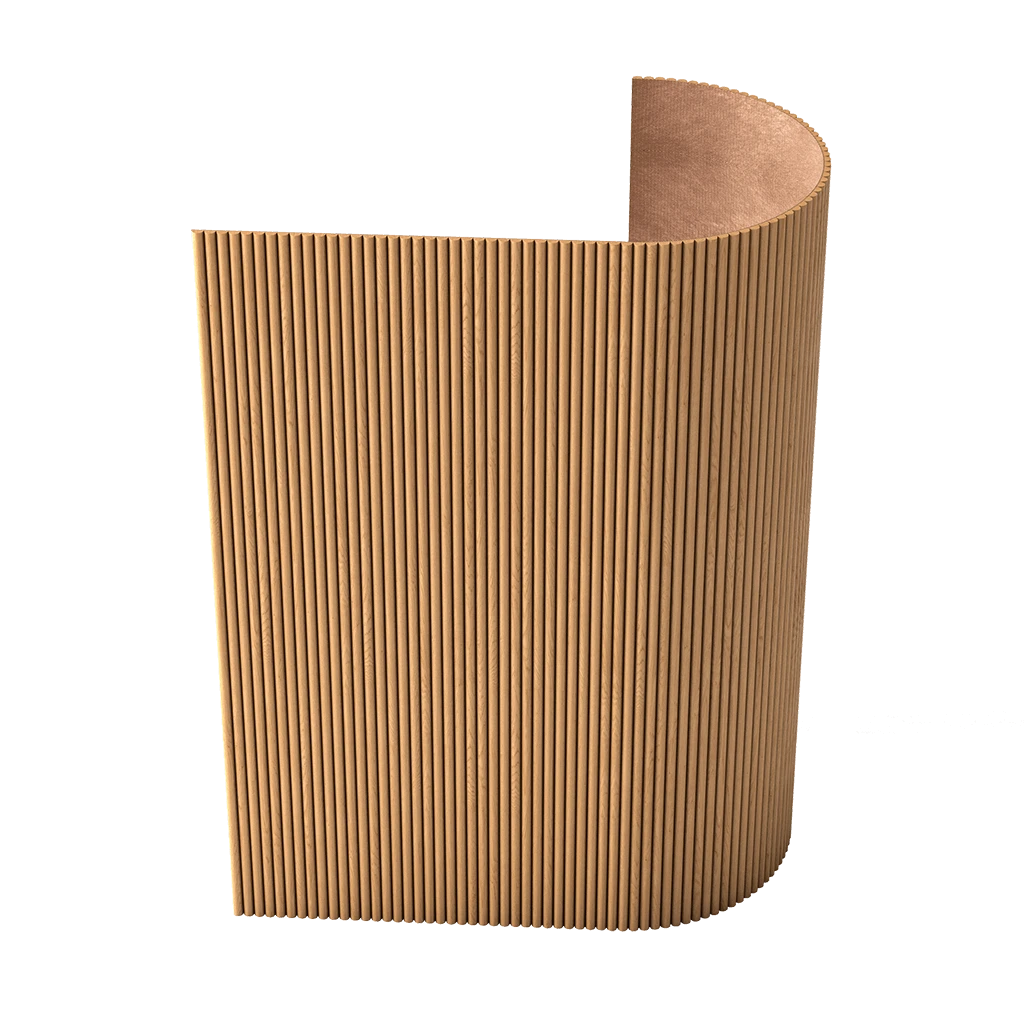
With slatted panels
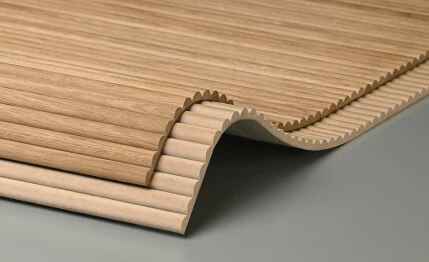
Vertical slat panels on the lower part of the wall + molding frames on the upper part + cornice at the top — this is a complete wall program from floor to ceiling. The frame here is a transitional zone between two areas: slatted and smooth.
With classic furniture
Classic chest of drawers with carved fronts, mirror in carvedwooden frameabove it — this image creates a sense of a cohesive, deliberately matched interior. Wooden items of the same origin, same tint, same style create a unified environment.
With interior wood decor
Wooden items— frames, moldings, decorative overlays, carvings — this is a unified world of natural materials. The more wooden elements are coordinated with each other in terms of wood species, tint, and style — the richer and warmer the space.
Assemble a composition in a unified style:
-
frame for a painting— ready-made wooden framing
-
Wooden moldings— frame panels on walls
-
decorative elements— corner rosettes and ornaments
-
Wooden Picture Frame— profile for non-standard formats
-
Pogonazh iz massiva— any frame profiles by the meter
Baseboard for frames in specific rooms
Living Room
The main space — the main frames. In the living room, frames or molding panels carry the maximum decorative load. Scale is appropriate here: large frames, wide molding panels, rich profiles.frame for a paintingmade of solid wood with a wide profile — this is a living room with character. A gallery wall of several frames in a unified style — a modern living room with air and movement.
Bedroom
In the bedroom, frames create an atmosphere, not an architectural statement. Warm wooden profiles with natural toning, soft molding without sharp reliefs,mirror framemade of oak with a soft profile — all of this works to create coziness. The bedroom is not a place to display decorative wealth; it is a place for silence and warmth.
Office
The study is a space of concentration and status. Dark wood toning, large frames with serious profiles, molding panels on the walls.Wooden picture framemade of dark oak above the desk — this is an image that speaks of the owner's taste and solidity.
Entryway
In the hallway, frames work compactly: small mirrors in wooden frames, posters in laconic profiles, decorative panels made of moldings.buy mirror framein a carved design for the hallway — this is the calling card of the entire interior. The first thing a guest sees.
Classic interior
The strictest requirements for consistency apply here. The frame profile must be from the same stylistic system as all other wooden elements: baseboards, cornices, casings, moldings. Unified material, unified tinting, unified stylistic language.Wooden moldingsFor wall panels and frames made from the same solid wood — this is a set that creates a true classic interior.
Modern classic
Modern classic is the most flexible style in terms of frames. Combinations are permissible here: a wooden frame with a laconic profile, molding panels in white enamel, several accent frames with delicate ornamentation.Wooden moldingIn white, ready for painting — a universal tool for modern classic.
How to buy a baseboard for a frame and not make a mistake
A step-by-step algorithm without unnecessary words.
Step 1. Choose the material
If you need a natural texture — solid wood. If a perfectly flat surface for painting is important — MDF. If you need rich carved relief on a moderate budget — carved solid wood with applied ornaments.
Step 2. Determine the required profile width
Base it on the size of the object being framed: 5–10% of the shorter side is the rule of proportion. A small frame — a thin profile. A large one — a wide profile.
Step 3. Determine the style
Classic, neoclassical, baroque, modern classic, minimalism — each style dictates its own profile. Before purchasing, decide what visual image you are creating.
Step 4. Choose a smooth or carved pattern
Smooth profile — neutral, modern, concise. Carved — rich, classic, accent. Intermediate option: smooth profile +wooden patternsin corners.
Step 5. Decide if painting is needed
Clear coating — wood only. Painting — wood or MDF. Decide on the final appearance before purchase: this affects the choice of material.
Step 6. Immediately select matching decor
A frame alone is half a solution.buy wooden ornamentfor corner accents,Wooden moldingsfor wall panels — all of this should be chosen in one session, from one source.
Common mistakes when choosing a frame profile
Honestly and to the point — what goes wrong.
They look for baseboard instead of frame profile. This is the most common request mistake. Baseboard doesn't have a groove for glass and isn't designed for frame assembly. For frames you need Wooden Picture Frame or decorative molding.
They choose too massive a molding. A wide profile around a small frame 'eats up' the content. Proportion rule: profile width should not exceed 10% of the frame's shorter side.
They don't consider interior style. An ornate frame in a minimalist interior — conflict. A thin straight profile in a baroque room — a loss. The profile should be part of the overall style system.
They choose profile separately from frame and decor. Bought a profile — then look for ornaments, then wall moldings. Result: three different sources, three different materials, three different finishes. Buy a set from one place.
They don't connect the frame with wall moldings. A frame on a wall without the context of molding panels often looks randomly glued. Molding frame panels on walls create an architectural background for picture frames.
They don't consider composition size. Three small frames in large profiles — visual overload. One large frame in a thin profile — insufficient emphasis. Choose profile according to the scale of the entire wall composition.
Frequently asked questions about baseboard for frames (FAQ)
What is a picture frame skirting board?
It is a colloquial name for a decorative profile, picture frame molding, or molding used to create or decorate a frame. In professional terminology, it is a picture frame molding or molding for a frame.
What is the difference between picture frame molding and molding for a frame?
Picture frame molding has a groove for glass and a rebate—it is intended for assembling functional frames for paintings and photographs. Molding is a decorative profile without a groove, used for wall frame panels and facings on facades.
Which profile should I choose for a painting frame?
It depends on the size and style. For a small painting—a thin wooden picture frame molding. For a large canvas in a classic style—a wide shaped profile made of solid wood. For a modern interior—a concise straight profile.
Can I make a frame from molding?
Yes. Molding is cut at a 45-degree angle and assembled into a frame. This is a particularly popular technique for creating wall decorative panels and facings on walls.
How do I choose the width of the profile for a frame?
General rule: the width of the profile is 5–10% of the smaller side of the object being framed. A painting 30×40 cm—profile 15–30 mm. A mirror 80×100 cm—profile 40–70 mm.
Where to buy wood frame molding?
Buy picture frames, Wooden Picture FrameandWooden moldings— all this in the STAVROS catalog. One source, one material, one system.
Are corner ornaments needed on the frame?
Not necessary — but they significantly enhance the decorative effect.buy wooden ornamentfor corner inserts is not difficult. The result is a frame with a handmade feel and individuality.
How to combine frames with wall moldings?
Choose frames and molding panels from the same material, with the same tint, in the same style. Picture frames are placed inside molding frame panels or between them — this creates decorative depth.
What's better: a ready-made frame or molding by the linear foot?
Ready-made frame — for standard formats and quick results. Molding by the linear foot — for non-standard sizes and maximum flexibility in choosing the profile and tint.
Can wood frame molding be painted?
Yes, by any method: clear varnish to show the texture, tinting, oil, enamel in any color. The wooden profile accepts all types of finish coatings.