





































Article Contents:
- Floor Skirting: Three Tasks It Solves Simultaneously
- What Types of Floor Skirting Exist: A Complete Typology
- Solid Wood Skirting Board
- MDF Skirting: Geometry Without Compromises
- Polyurethane Skirting for Painting
- White Floor Skirting: Beyond Trends
- Wide and Tall Skirting
- How to Choose Floor Skirting by Material
- Wood: When Naturalness is a Principle
- MDF: The Workhorse of Modern Interiors
- Polyurethane: Decorative Appeal and Profile Richness
- Material Comparison Table
- What's Better for an Apartment
- What's Better for a Country House
- How to Choose a Floor Skirting Board by Floor Type
- Skirting board for laminate
- Skirting Board for Parquet and Engineered Wood Flooring
- Skirting board for quartz vinyl
- Baseboard for Tile and Porcelain Tile
- Skirting Board for Wooden Floors
- How to Choose a Skirting Board by Interior Style
- Floor Skirting Board for Classic Interiors
- Skirting Board for Neoclassical Style
- Baseboard for a modern interior
- Baseboard for a light interior
- Baseboard for a dark floor
- How to choose a baseboard by height and shape
- Low baseboard (4–6 cm)
- Medium baseboard (7–10 cm)
- High baseboard (11–20 cm and above)
- Smooth straight profile
- Decorative profile
- Which floor baseboards are most often chosen in St. Petersburg: practice and demand
- What to combine floor baseboard with in the interior
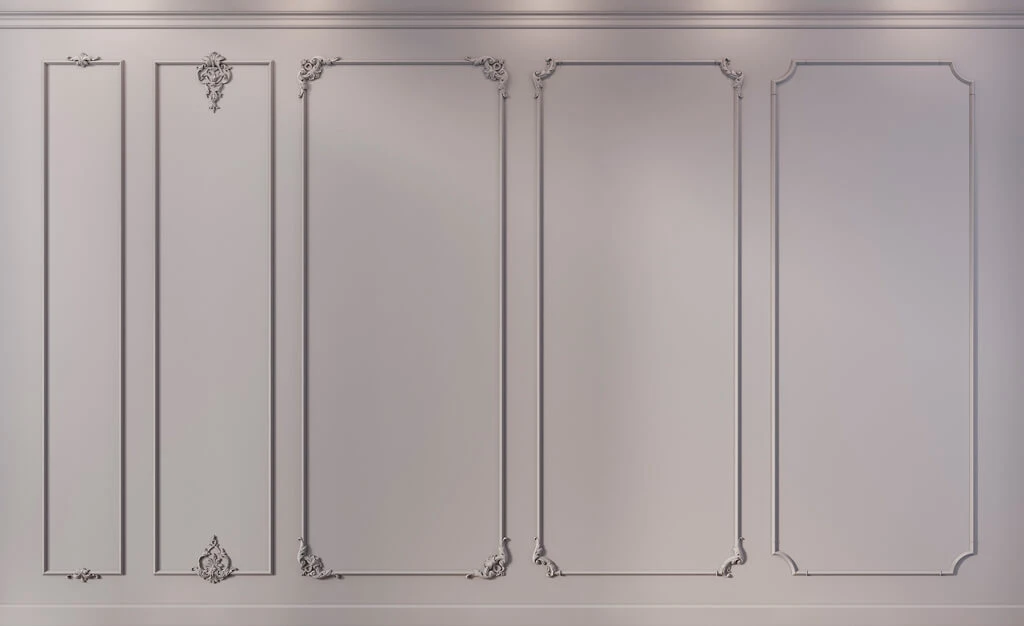
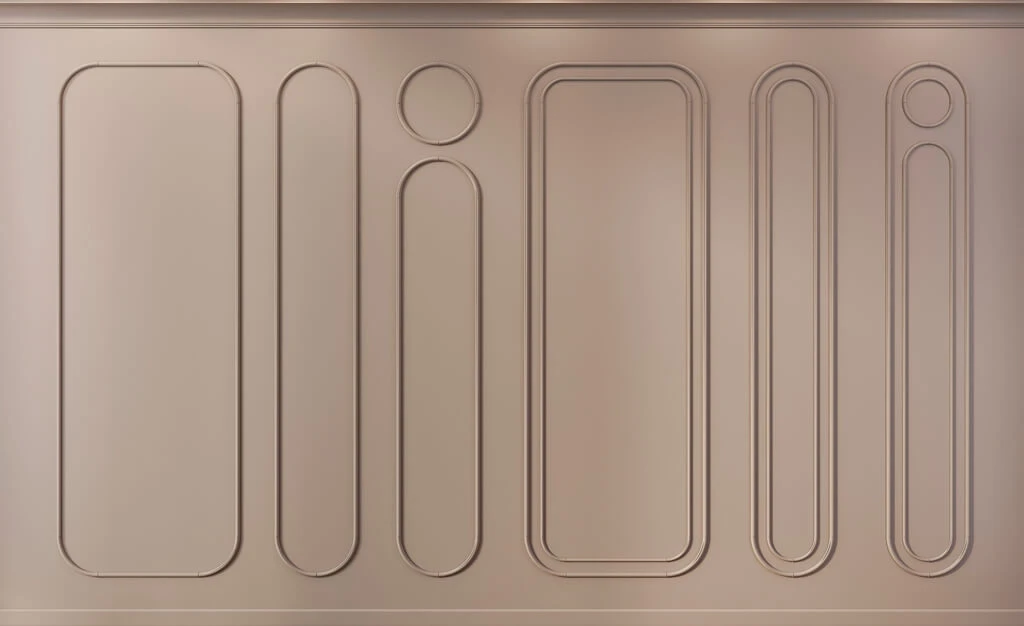
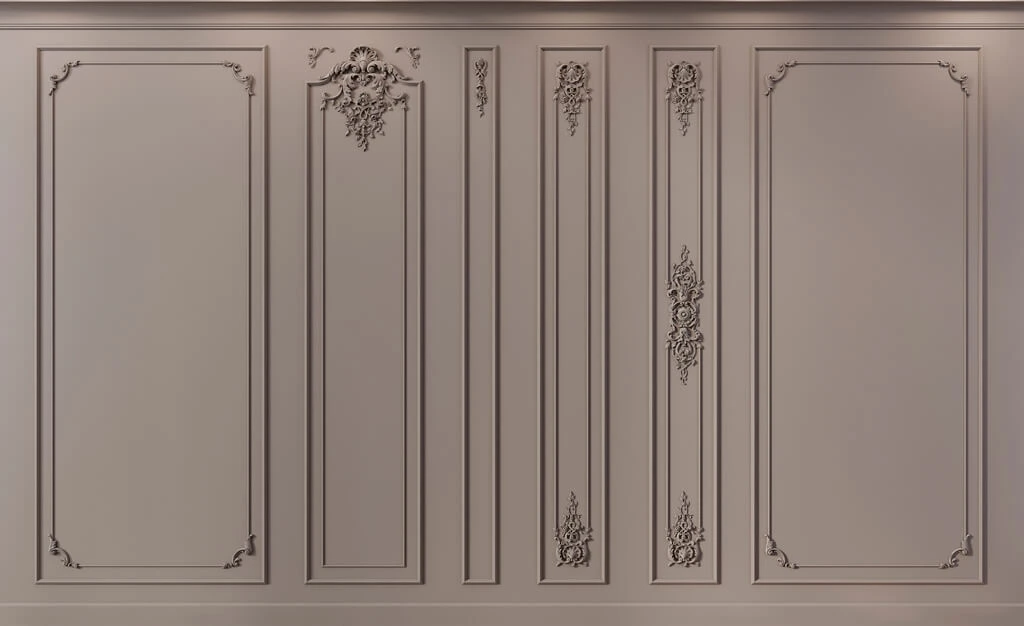
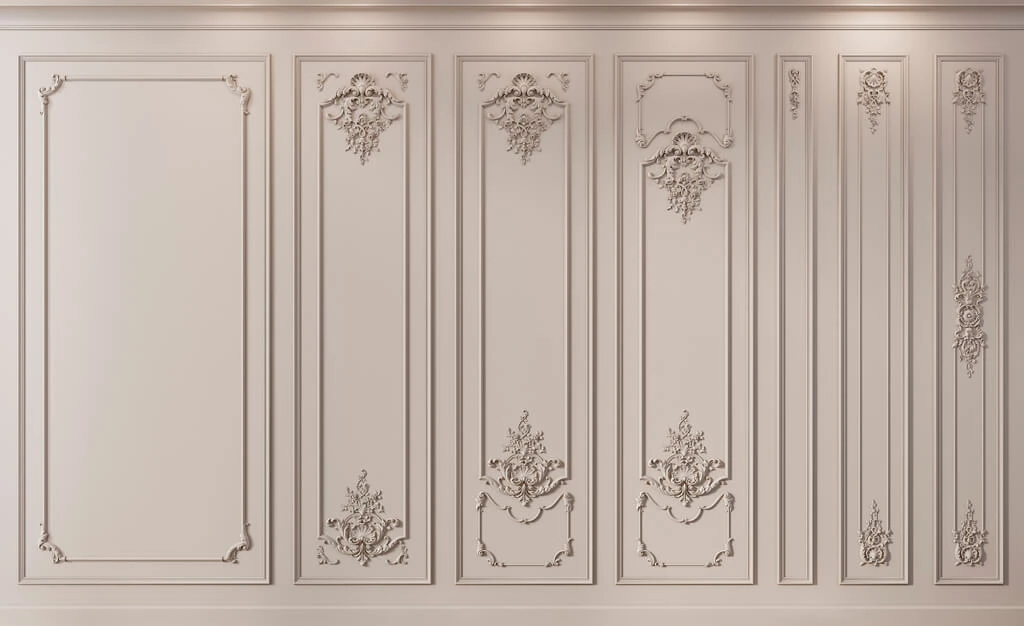
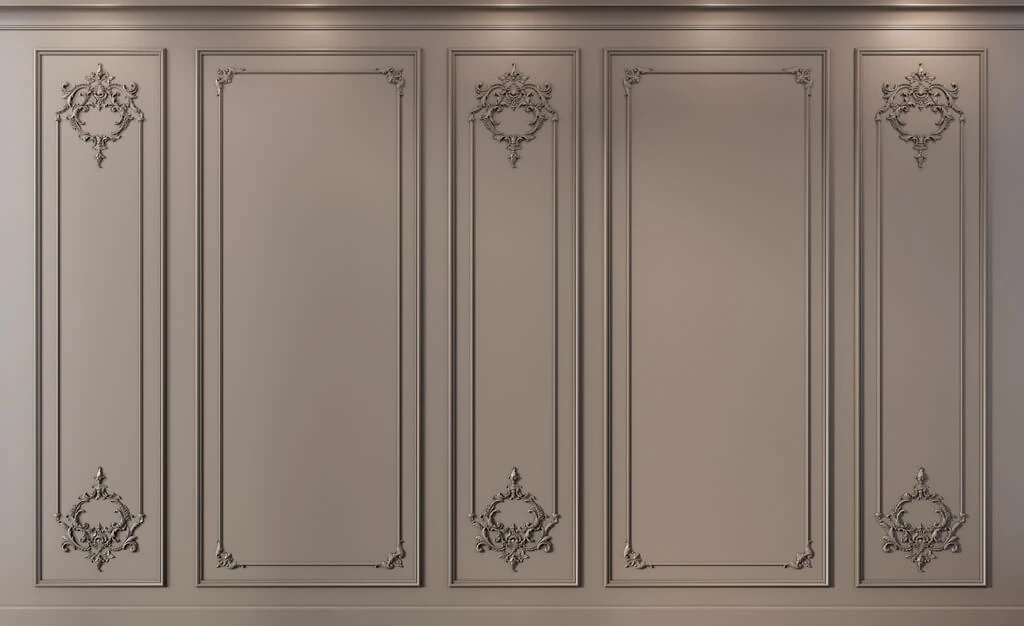
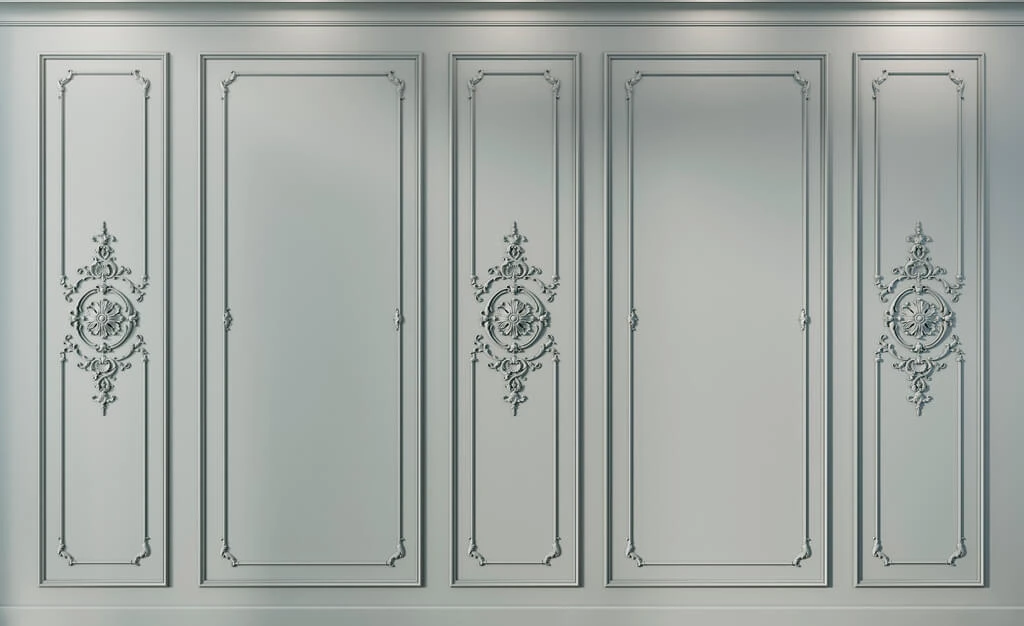
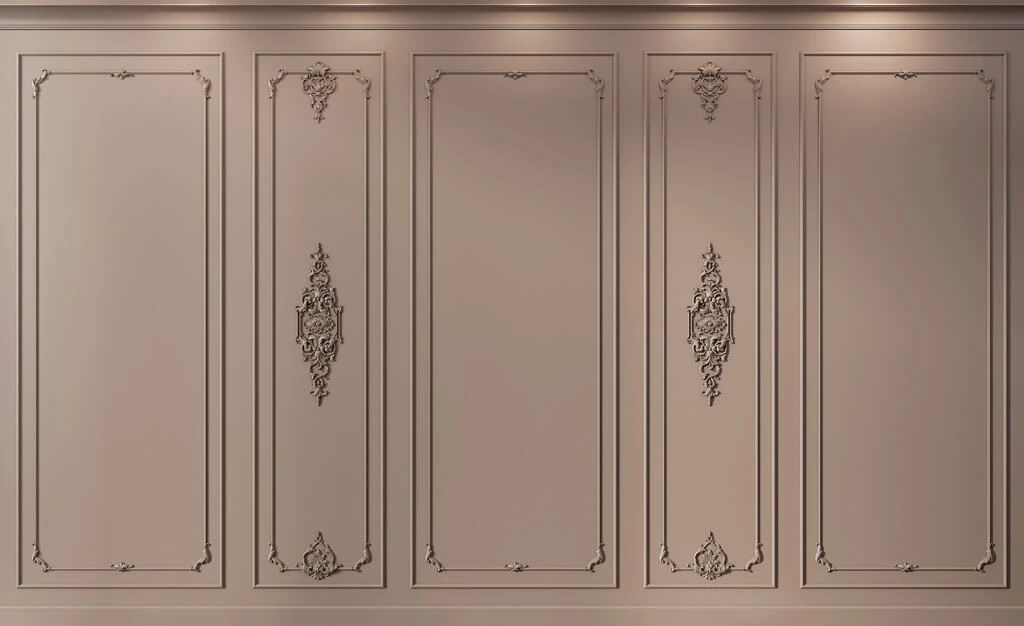
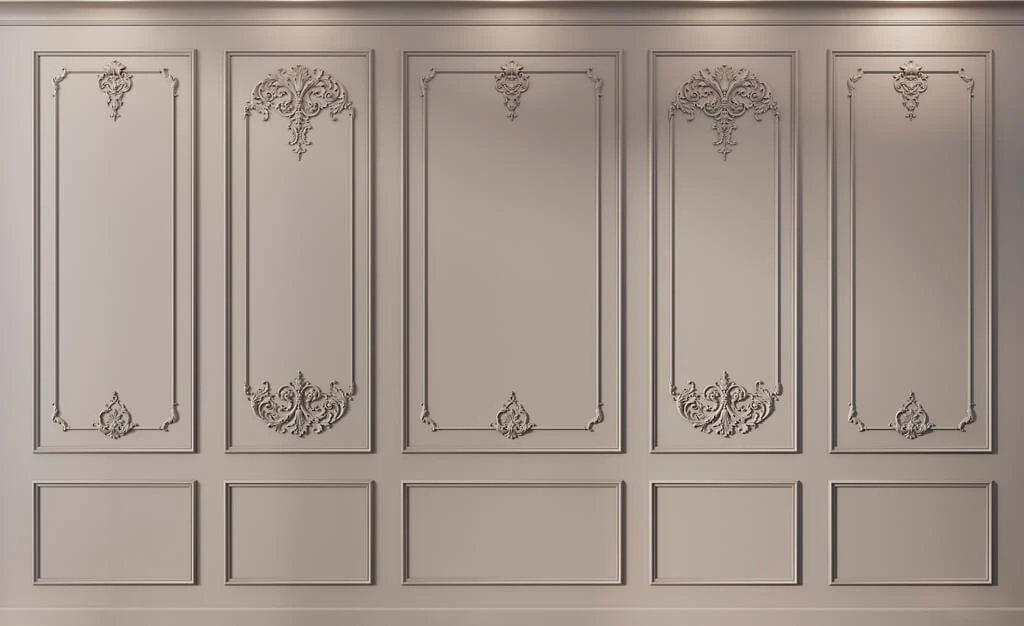
- Baseboard and wall moldings
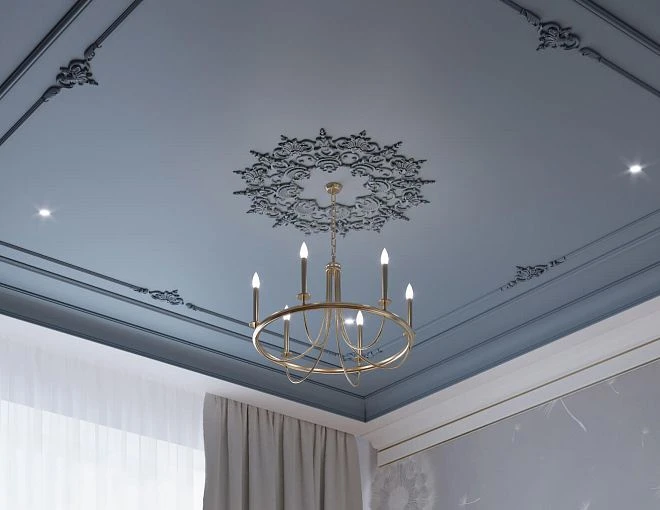
- Baseboard and ceiling cornices
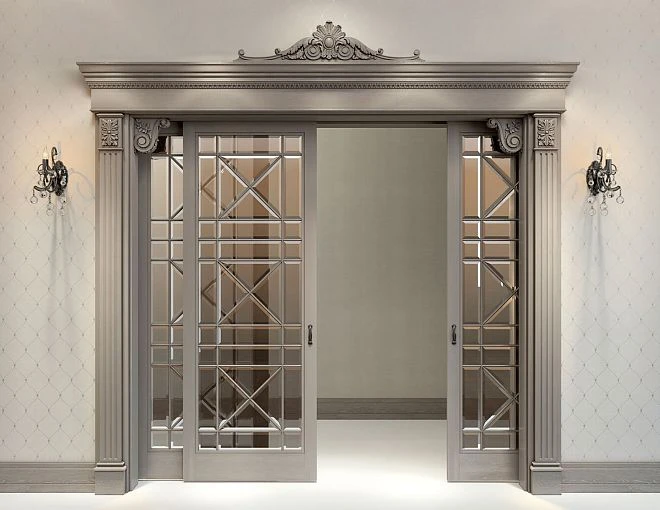
- Baseboard and door casings
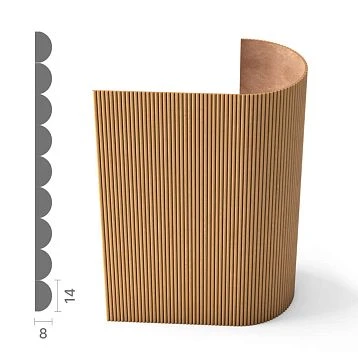
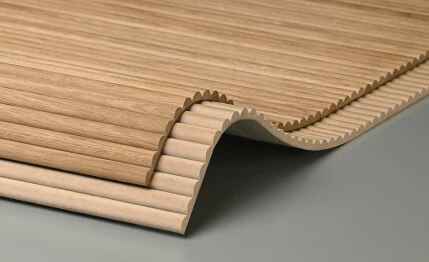
- Skirting boards and slatted panels
- Baseboard and decorative elements
- What to consider before buying floor baseboard in St. Petersburg
- Material
- Height
- Color
- Type of finish
- Matching with doors and flooring
- Installation conditions
- Where to buy floor baseboard in St. Petersburg: a practical guide
- How to choose for a specific interior
- Why it's convenient to buy baseboards, moldings, cornices, and decor in one place
- How to assemble a unified interior solution
- FAQ: Answers to popular questions about floor baseboards in St. Petersburg
- Which baseboard is better for flooring: wood or MDF?
- Which baseboard is best for laminate flooring?
- Which baseboard to choose for an apartment with high ceilings?
- Can a wooden baseboard be painted along with the walls?
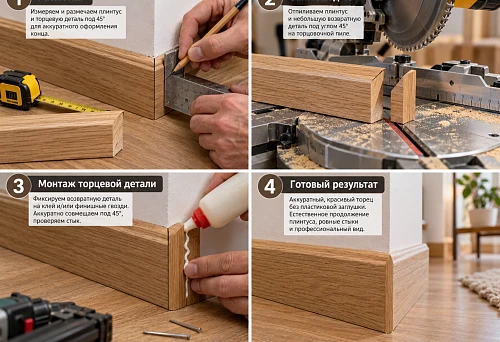
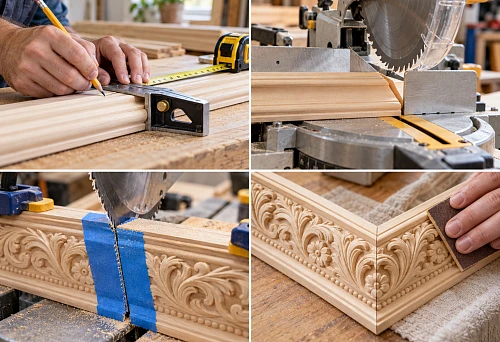
- How to properly cut a baseboard for a corner?
- Where to buy floor baseboard in St. Petersburg with delivery?
- How much baseboard do I need to buy for a room?
- How to attach a baseboard to a wall?
- Conclusion: baseboard — a small detail with big significance
There are details in interior design that are only noticed when they are wrong. When a baseboard is poorly cut for a corner — it immediately catches the eye. When it's too narrow for a high ceiling — the space feels unfinished. When the baseboard material clashes with the floor in color or texture — a vague sense of discomfort arises, the cause of which is hard to articulate but impossible to ignore. A floor baseboard is an element that works at the level of peripheral vision, and that's precisely why a mistake in its choice undermines the impression of the interior subtly but surely.
Buying a floor baseboard in St. Petersburg is a task with several variables: material, height, profile, color, floor type. The STAVROS catalog features solid wood floor skirting boards, Solid wood moldings, cornices, and baseboards, Polyurethane skirting boards for painting and the full range of of solid wood— for creating a unified interior decorative program with delivery in St. Petersburg.
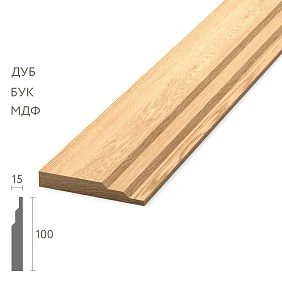
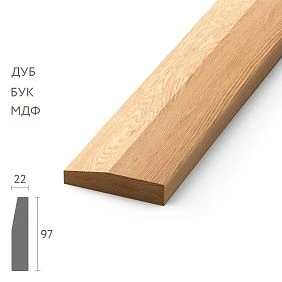
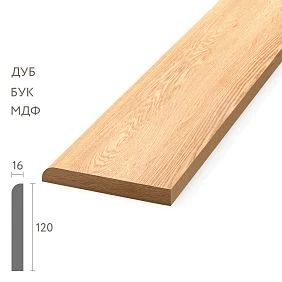
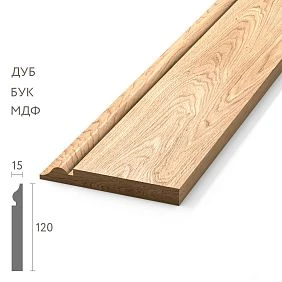
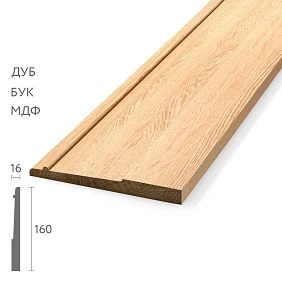
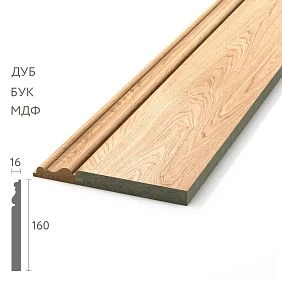
Floor skirting: three tasks it solves simultaneously
Before talking about choice, it's worth clearly understanding — why. This is not a formal question. The correct format choice depends precisely on the functional task.
First task: gap closure. There is always a technological gap between the wall and the floor covering — it is necessary to compensate for the material's thermal expansion. This is especially critical for wooden floors, parquet, and engineered boards, which 'breathe' along with humidity changes. The skirting board closes this gap while keeping it functionally operational.
Second task: protecting the wall base. The lower part of the wall is the most vulnerable spot: dirt accumulates here, furniture legs hit here, water rises here during cleaning. The floor skirting is a protective strip that takes on all this mechanical and moisture impact.
Third task: completing the interior. This is about beauty. The horizontal profile line around the perimeter of the room creates a visual foundation for the entire interior. A wall without skirting looks 'unsecured' — as if hanging in the air above the floor. The skirting gives it a foundation.
To buy floor skirting correctly means understanding which of these three tasks is a priority in a specific case. For a classic apartment with high ceilings and wooden parquet — the third task is leading. For a kitchen or hallway with tiles — the first and second.

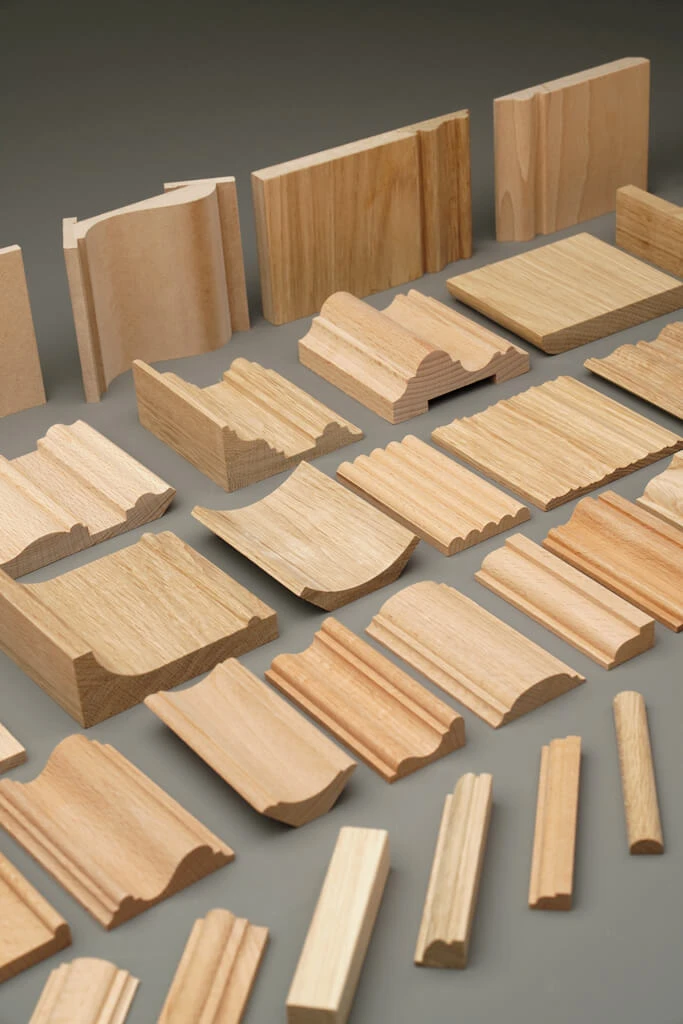
What types of floor skirting exist: complete typology
The market offers several fundamentally different formats — by material, by height, by profile, and by purpose.
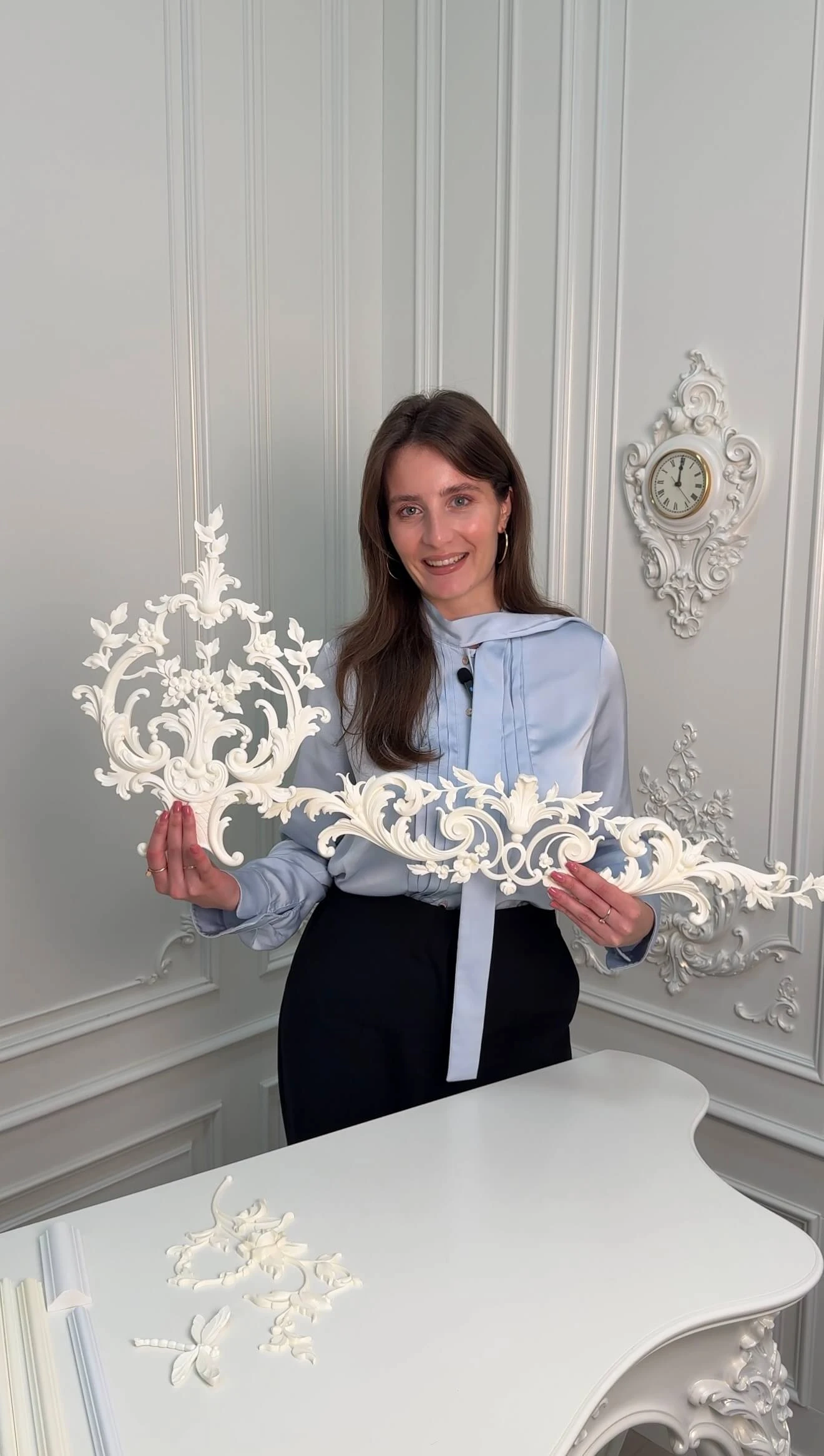
Our factory also produces:
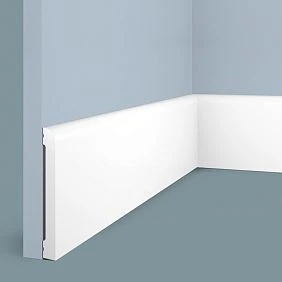
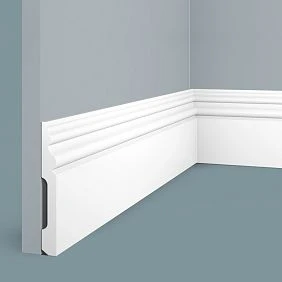
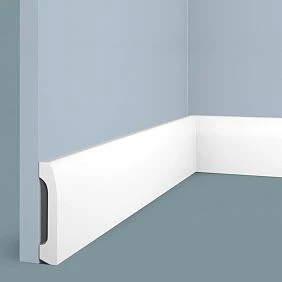


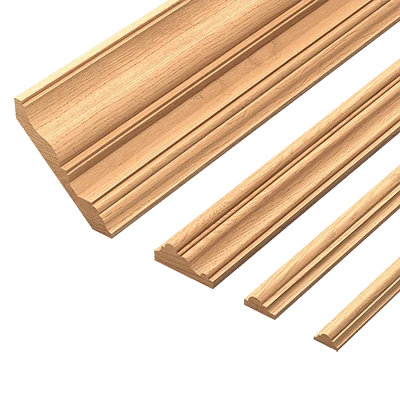
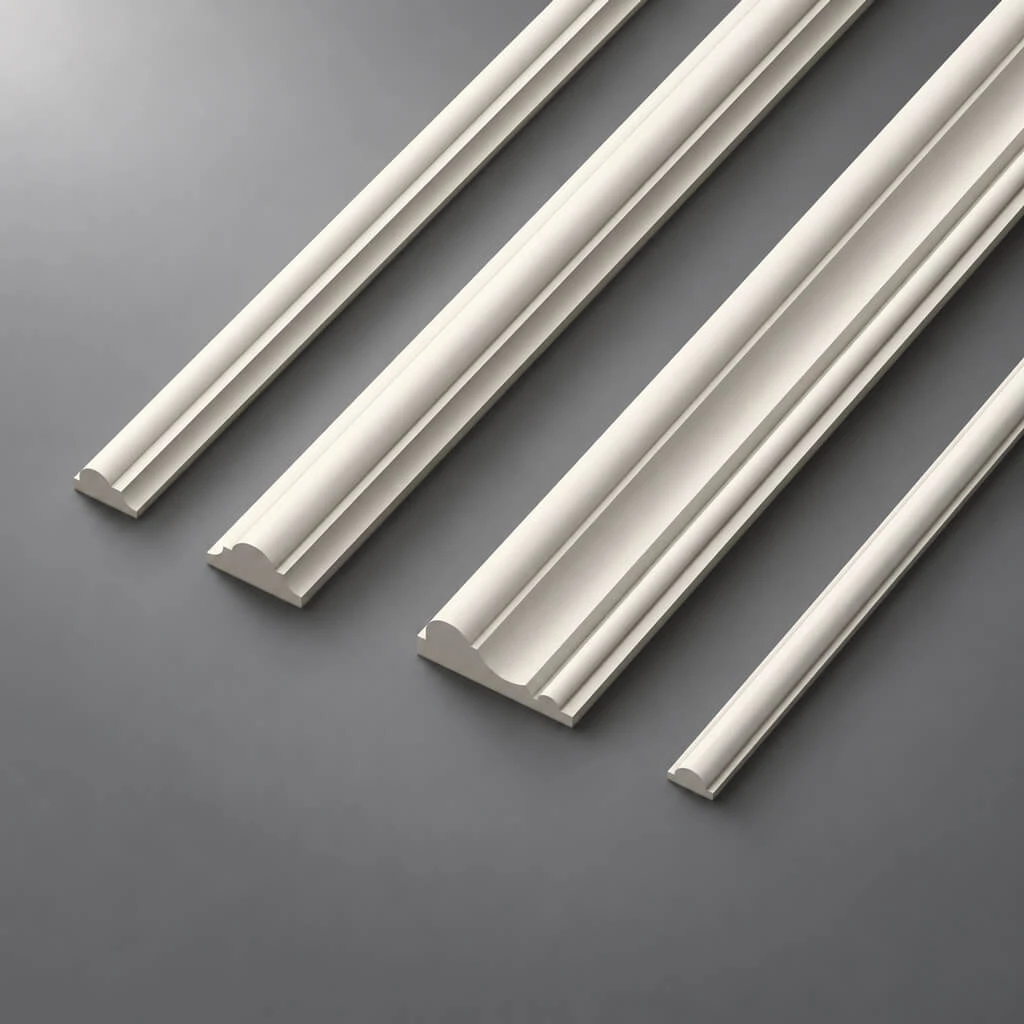
Solid wood skirting board
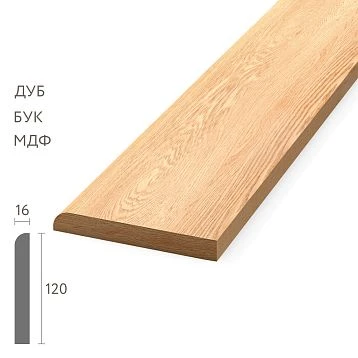
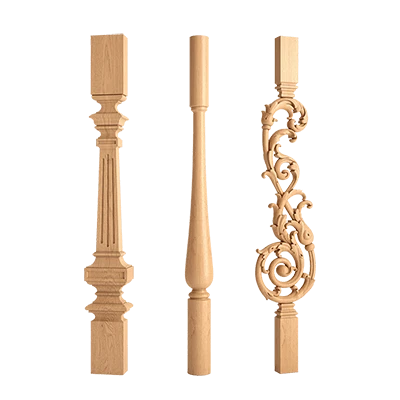
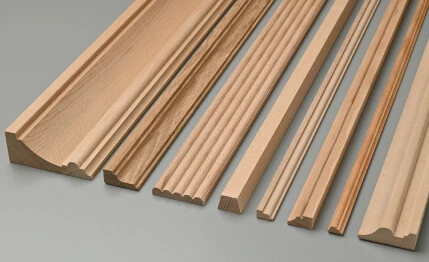
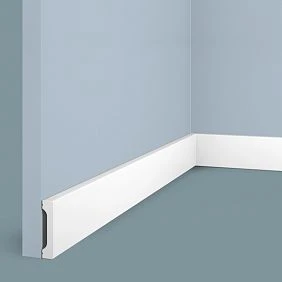
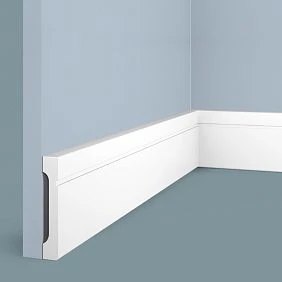
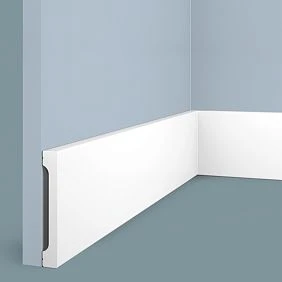
with a classic profile creates a sense of solidity, reliability.Solid wood — a category where quality needs no proof. Oak, beech, ash, pine — each species carries its own character: oak with a density of 650–750 kg/m³ provides rigidity and expressive texture, beech — even tone and elasticity, pine — lightness and affordable price. A properly installed and treated wooden skirting board lasts 50–70 years without losing its appearance.
Advantages of solid wood:
-
natural texture that no synthetic material can imitate;
-
high mechanical strength — withstands furniture impact without chipping;
-
easily sanded, stained, varnished, and repainted multiple times;
-
organically complements parquet, wooden doors, and solid wood in the interior.
Wooden skirting board — not the cheapest option, but an investment in quality that stays with the interior forever.
Get Consultation
MDF Skirting: Geometry Without Compromise
MDF Skirting Board— is a milled profile made from fine wood chip particles pressed under high pressure. MDF provides a perfectly smooth surface without pores, knots, or uneven texture. That's why MDF skirting for painting gives a crystal-smooth finish — without putty and visible defects.
MDF floor skirting is chosen for:
-
rooms where all finishes are painted in a single tone;
-
classic and neoclassical interiors with a white color scheme;
-
projects where maximum geometric precision of the profile is important.
Buying MDF skirting boards is the right choice for most modern apartments. It is lighter than solid wood, easier to install, holds paint well, and is cheaper than wooden skirting while delivering a comparable visual result.
Polyurethane skirting board for painting
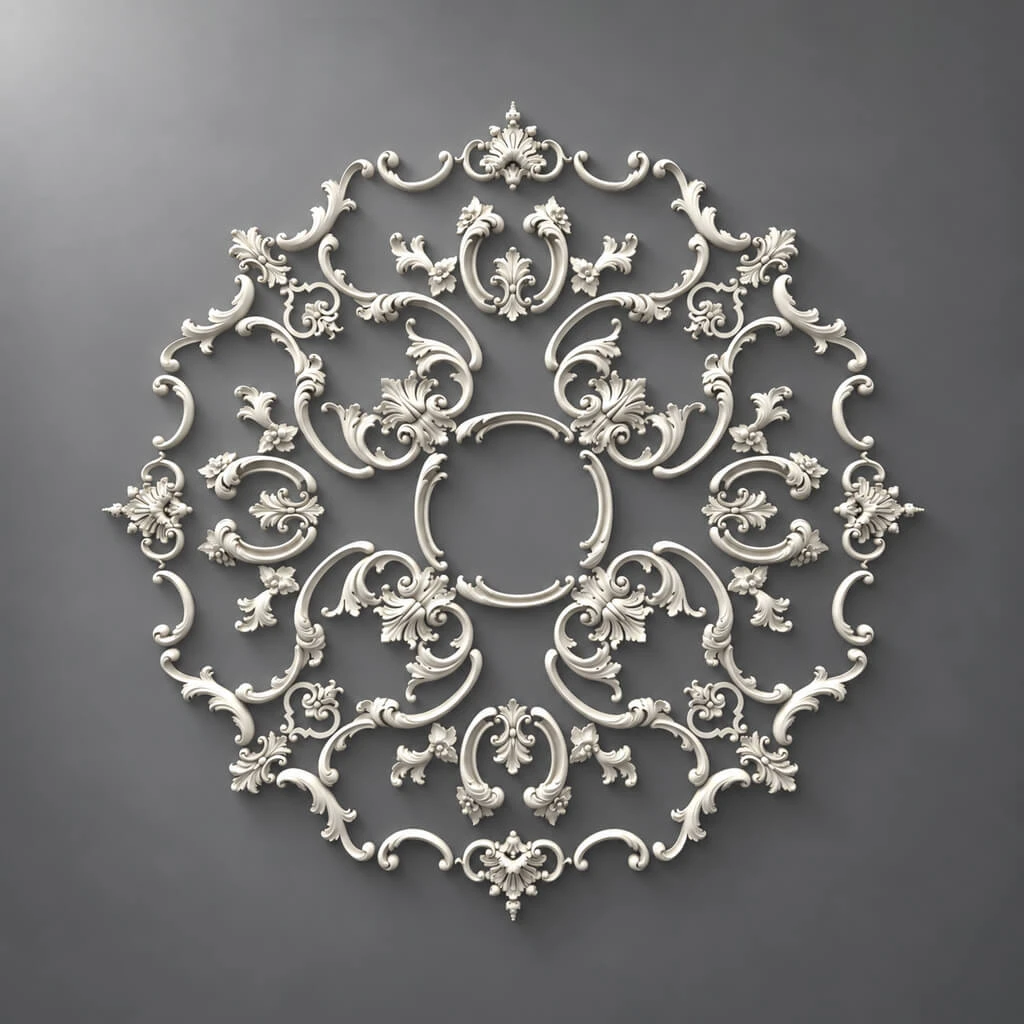
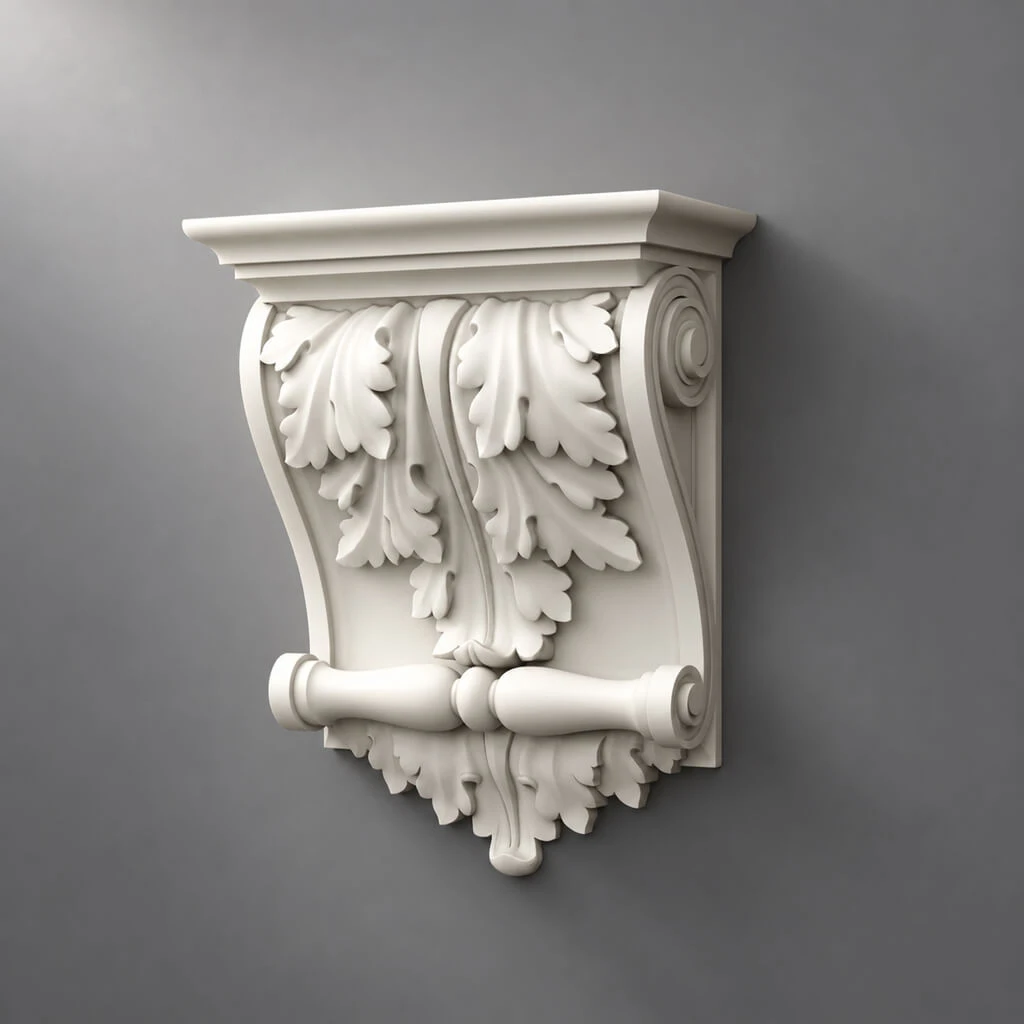
Polyurethane skirting board— a specialized format for interiors with decorative programs. Its advantage is the ability to reproduce complex relief profiles that would require hand carving in wood. Mold casting allows for any geometry: a simple rectangular profile, stepped, classic with a bead, or baroque with ornamentation.
Decorative floor skirting boardmade of polyurethane is optimal for classic and baroque interiors, where the skirting profile must match the richness of the cornice and wall moldings. It is lightweight, moisture-resistant, and accepts any paint without special preparation.
White floor skirting board: beyond trends
White floor skirting board is an absolute classic. It works in any interior: with light floors, dark floors, wooden parquet, tiles, or quartz vinyl. White floor skirting is not a 'default' choice; it is a conscious decision in favor of neutrality. Walls and skirting in the same white tone create a visually taller room: the wall–floor transition line fades into the background, drawing the eye upward.
Wide and tall skirting board
A high floor skirting board—from 10 cm and above—is an architectural element, not just a transition strip. In a room with a ceiling of 3 m or higher, a wide skirting creates a visual foundation for the space, holds the gaze, and sets the proportion of the entire wall's verticality. In rooms with low ceilings, a wide skirting is undesirable: it 'lowers' the ceiling further.
Which floor skirting to choose by material
Wood: when naturalness is the principle
Solid wood skirting is chosen in three stable scenarios.
First scenario: parquet and wooden flooring. Unity of materials is an unshakable principle of interior logic. Oak parquet + oak skirting is not just beautiful, it's honest. When the floor and skirting materials are the same, the transition line is perceived as an architectural solution, not a forced technical joint.
Second scenario: natural interior. Wood, stone, linen, wool—interiors oriented towards natural materials. Here, MDF or polyurethane skirting looks like a foreign body.Skirting made of solid wood—an organic part of the natural space.
Third scenario: restoration and premium. A historical apartment, a house with authentic wooden elements—only solid wood will yield a compatible result.
Technical advantages of wood: oak density of 650–750 kg/m³ ensures high impact strength. A properly installed oak skirting is an investment for 50–70 years.
MDF: the workhorse of the modern interior
MDF excels where geometric precision, affordable price, and ease of painting are important. For a standard St. Petersburg apartment with laminate or quartz vinyl flooring, MDF floor skirting for painting is the optimal choice in terms of price/result ratio.
MDF is less prone to deformation due to humidity changes than natural wood. This is especially relevant for St. Petersburg with its high atmospheric humidity and sharp seasonal fluctuations. MDF skirting won't come apart at the seams or warp during the first winter when central heating is turned on.
Polyurethane: decorative appeal and profile richness
Polyurethane Items— this is the choice for interiors with classical or baroque decorative programs. The density of decorative polyurethane is 400–500 kg/m³ — lighter than MDF and solid wood, but its bending strength is comparable to hardwoods. At the same time, polyurethane can create relief of any complexity and accepts any paint without special preparation.
Material comparison table
| Parameter | Solid wood | MDF | Polyurethane |
|---|---|---|---|
| Naturalness | High | No | No |
| Moisture resistance | Requires coating | Medium | High |
| Geometry stability | Medium | High | Very High |
| Profile relief | Milled | Milled | Any (cast) |
| Preparation for painting | Sanding + primer | Primer | Primer only |
| Repairability | High | Medium | Medium |
| Service life | 50–70 years | 15–25 years | 20–30 years |
| Cost | High | Medium | Medium |
What is best for an apartment
For a typical St. Petersburg apartment with laminate or engineered wood flooring —MDF Skirting Board— painted or with a wood-like finish. For an apartment with solid wood parquet — a wooden baseboard of the same wood species. For a classic apartment with decorative wall moldings — a polyurethane baseboard with a relief profile.
What is best for a country house
A country house requires special attention to material stability: seasonal fluctuations in humidity and temperature are significantly more pronounced here than in a city apartment. Solid wood baseboard — provided it has a high-quality varnish or enamel finish. MDF — provided it is a moisture-resistant variant.
How to choose a floor baseboard by floor type
Baseboard for laminate
Laminate is the most popular floor covering in St. Petersburg apartments. Laminate 'floats' — it expands and contracts with changes in humidity, so a technical gap at the wall is mandatory. The baseboard for laminate must reliably cover this gap without being fixed to the flooring. The classic scheme: the baseboard is attached only to the wall, the gap between the baseboard and the laminate remains free.
For laminate flooring, choose an MDF or wooden baseboard — matching the flooring or in white for a contrasting solution. Height: 6–8 cm — the optimal standard for rooms with ceilings 2.7–3 m high.
Baseboard for parquet and engineered wood
Wooden parquet requires a wooden baseboard — this is almost a rule.Wooden baseboardBeing of the same wood species as the parquet creates material unity. The finish should also match: matte lacquer on the parquet requires matte lacquer on the skirting board; oil+wax requires similar treatment on the skirting board.
For parquet floors, avoid polyurethane or PVC skirting boards: next to natural wood, they look incompatible.
Skirting board for quartz vinyl
Quartz vinyl is a neutral material in terms of compatibility with skirting boards. Everything suits it: MDF, wood, polyurethane. The choice is determined by interior style, not technical compatibility. For wood-look quartz vinyl, use an MDF skirting board with a finish matching the same wood species. For stone-look quartz vinyl, use a white or grey paintable skirting board.
Baseboard for tile and porcelain stoneware
Tiles are used in kitchens, bathrooms, hallways — rooms with high humidity and intensive cleaning. Wooden skirting is undesirable here without special coating: moisture and cleaning agents will damage the protective layer. The optimal choice is a polyurethane skirting board for painting with moisture-resistant paint. Or a special skirting board made of moisture-resistant MDF with a coating.
Skirting board for wooden floors
Plank wooden flooring is a historical format for St. Petersburg apartments in 19th–20th century buildings. Here, a solid wood skirting board is mandatory. An important nuance: wooden floors in old houses often have unevenness near the wall. A solid wood skirting board allows for trimming along the bottom edge to fit the unevenness — this is impossible with MDF without losing the profile geometry.
How to choose a skirting board based on interior style
Floor skirting board for a classic interior
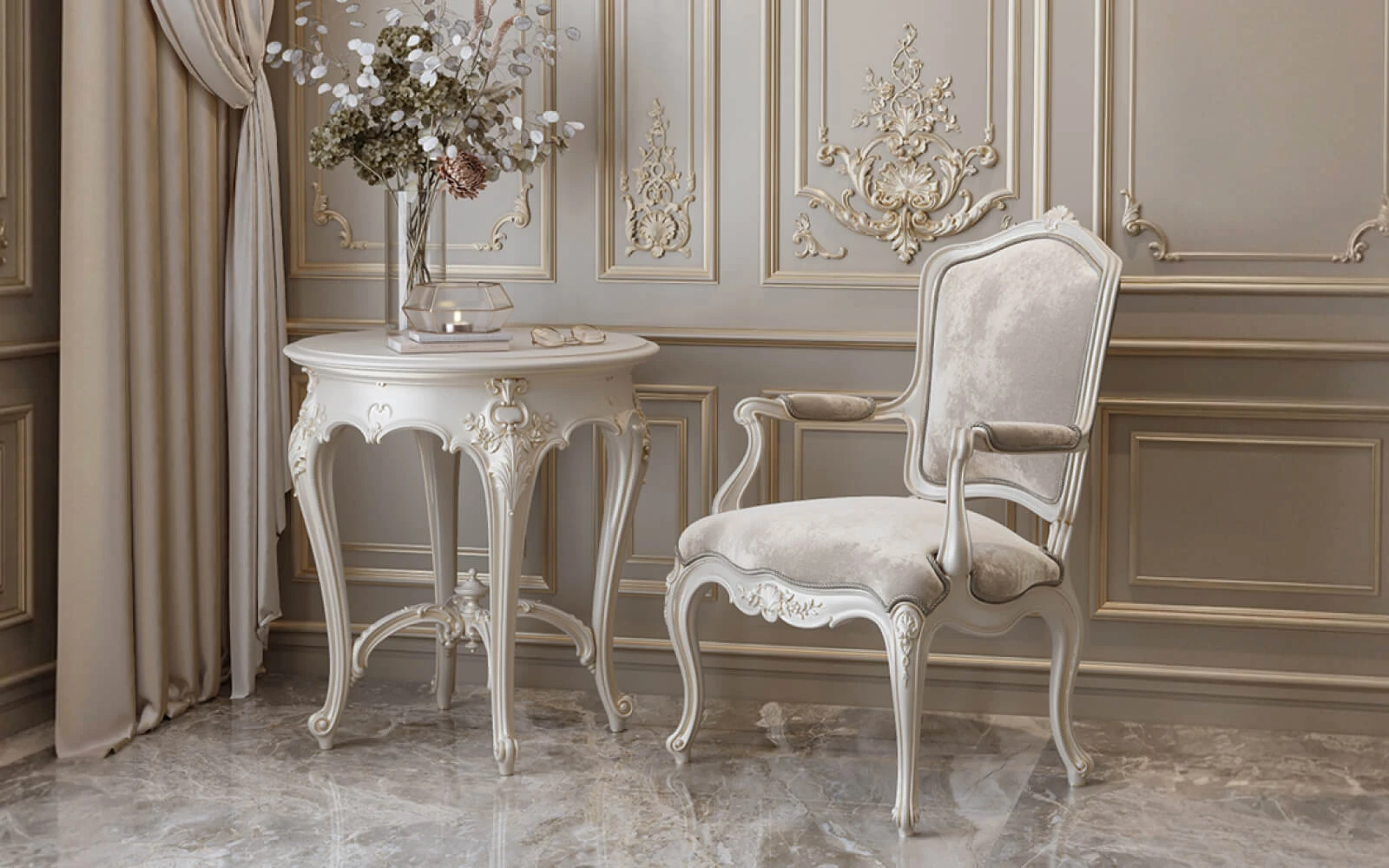
Classicism follows architectural logic from floor to ceiling: skirting → wall → moldings → cornice. A skirting board in a classic interior should have a developed profile with several levels of cross-section. Height — at least 10–12 cm for rooms with ceilings from 3 m. Material — wood or polyurethane with a relief profile.
White classic skirting board paired withwall moldingscreates a unified vertical decorative system, which is a true hallmark of a classic interior.
Skirting board for neoclassicism
Neoclassicism – restraint without asceticism. A medium-height skirting board (8–12 cm), smooth or with moderate relief, white or ivory. Clear edges of the cross-section, no baroque ornament. Solid wood or MDF skirting board for painting – both options work.
Skirting board for a modern interior
Modern minimalism allows for two skirting board formats. The first – a straight, low skirting board (4–6 cm) matching the wall color, almost unnoticeable. The second – on the contrary, a tall white skirting board (15–20 cm) as an architectural gesture, which itself becomes a decorative element. Both work – provided the choice is consistent.
Skirting board for a light interior
A light interior – white walls, light floor – requires either a white skirting board matching the walls (a monochrome line) or a contrasting dark one (a clear boundary). There are almost no middle-ground solutions here: mid-tones on light surfaces look random.
Skirting board for a dark floor
Dark parquet or laminate with a white skirting board – a classic contrasting technique. Or a skirting board matching the floor color – to 'dissolve' the transition line. A mid-tone skirting board next to a dark floor is the worst option: it doesn't blend with either the floor or the wall and looks like a random object.
How to choose a skirting board by height and shape
The height of a baseboard is not just a measurement; it's an architectural decision. Each value works in its own way.
Low baseboard (4–6 cm)
For low-ceilinged rooms up to 2.7 m. For modern minimalist interiors. For spaces where visual height needs to be maximally preserved. A low baseboard is inconspicuous—it serves a technical function without claiming a decorative role.
Medium baseboard (7–10 cm)
Universal working range. Standard St. Petersburg apartment with ceilings of 2.7–3 m. Optimal combination: covers the technological gap, creates a visual foundation, and doesn't overload the space.
High baseboard (11–20 cm and above)
For rooms with ceilings from 3.5 m: houses, spacious apartments in historical buildings, commercial spaces. A high baseboard is an architectural element that forms the 'plinth' of the space. Paired with decorativewall moldingsand a cornice, it creates a full-fledged order system.
Smooth straight profile
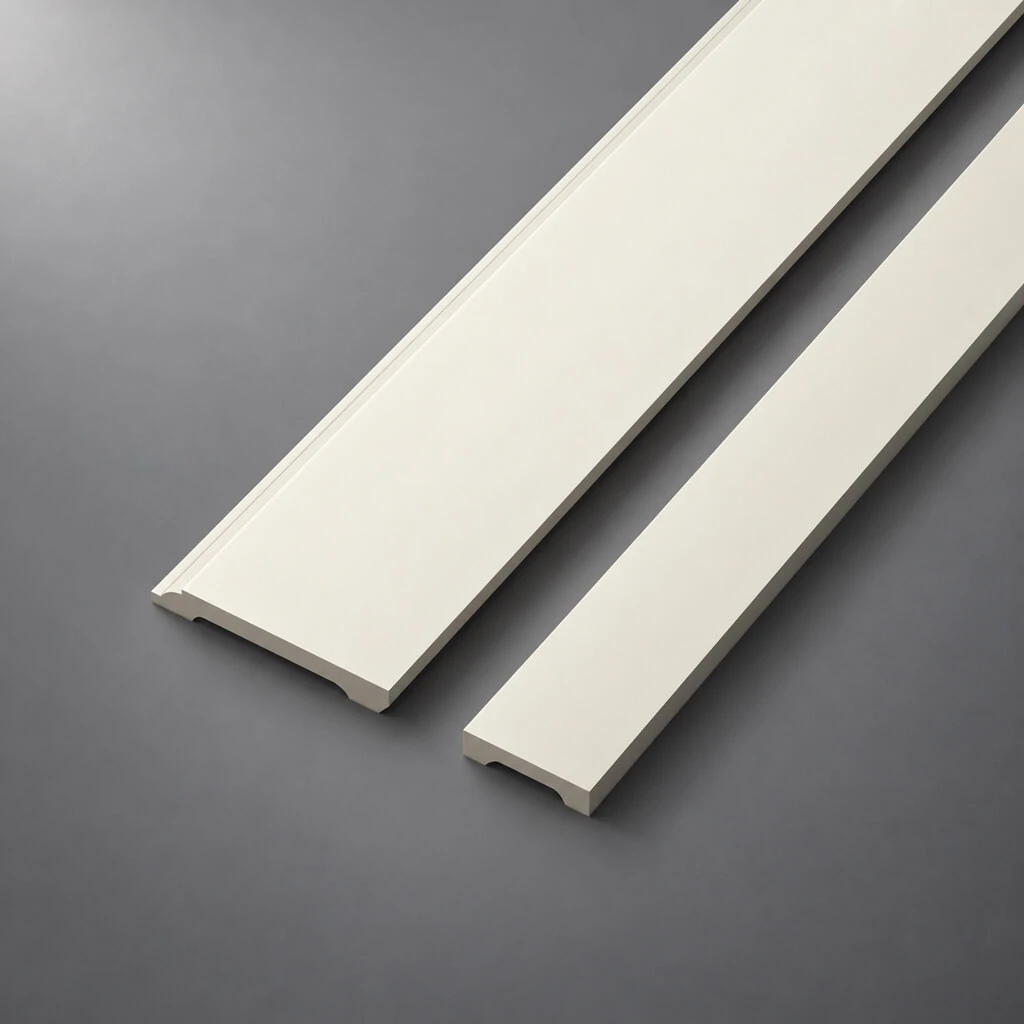
Rectangular or trapezoidal cross-section without ornamentation. Works through geometry. For modern, Scandinavian, minimalist interiors. After painting to match the wall color, it creates a monochrome volume—the edges of the profile are visible only through shadow.
Decorative Profile
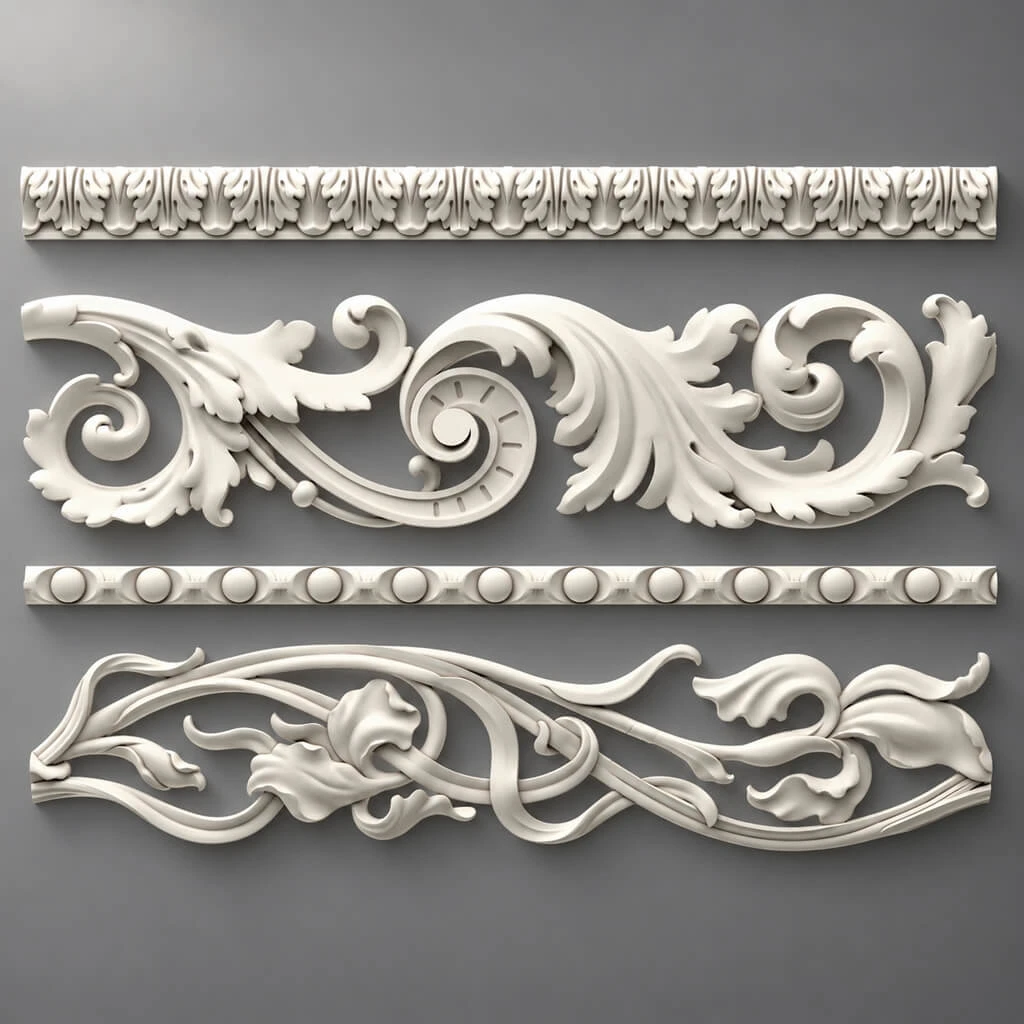
Multiple levels of cross-section with a cornice finish at the base. Classical, Baroque, or Renaissance cross-section. It is the decorative profile that requires polyurethane or quality solid wood—MDF does not provide such fine relief detail.
Which floor skirting boards are most often chosen in St. Petersburg: practice and demand
St. Petersburg is a city with historical context and very specific architectural preferences. What is most often chosen here?
Apartments in historical buildings (19th - early 20th century) - solid wood skirting board, height from 10 cm, white or ivory enamel. Sometimes - restoration of the historical profile. Nearby - herringbone parquet or plank flooring. Herebuy wooden baseboard for floor - it's a matter of architectural consistency.
Typical apartments in Soviet-era buildings with renovation - MDF skirting board for painting, height 8-10 cm, white. This is the most common request: clean result, reasonable price, quick installation.
Country houses - solid wood skirting board or polyurethane for painting. The profile depends on the style of the house: classic country estate - decorative relief profile, modern country house - straight smooth profile.
Studios and small apartments - low white skirting board 6-8 cm. The task: to close the gap without overloading the space.
Offices and commercial premises - MDF skirting board or straight wooden skirting board for painting. The main criterion: durability and ease of replacing damaged sections.
How to combine floor skirting boards in interior design
Skirting boards and wall moldings
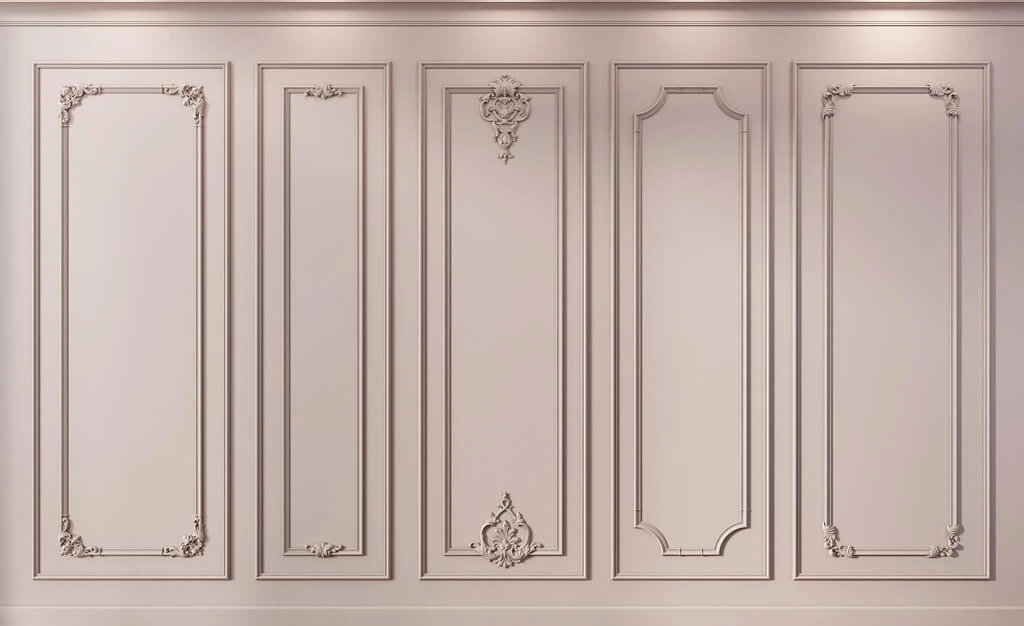
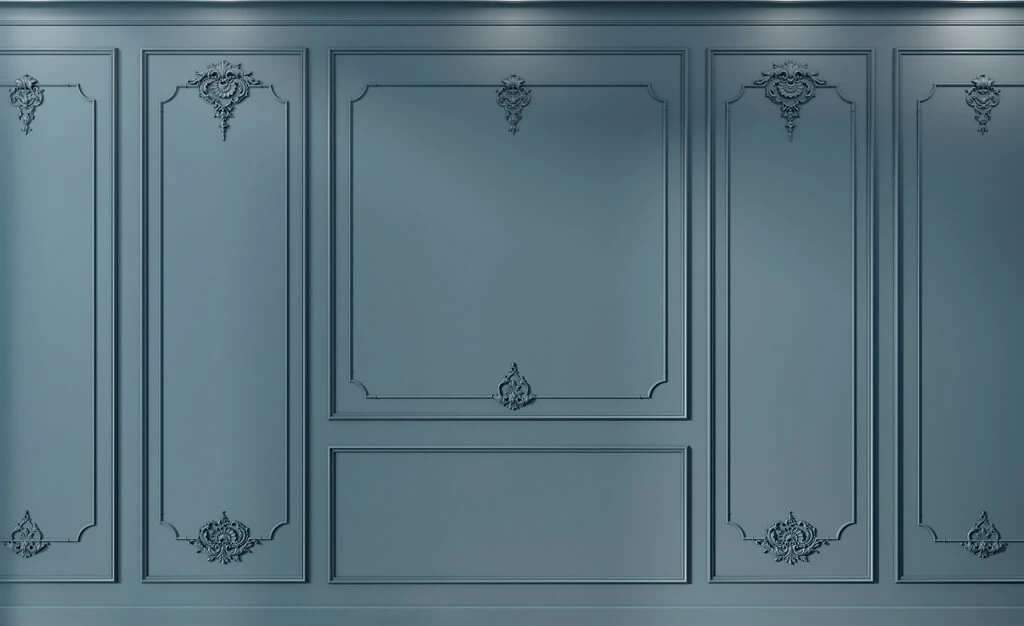
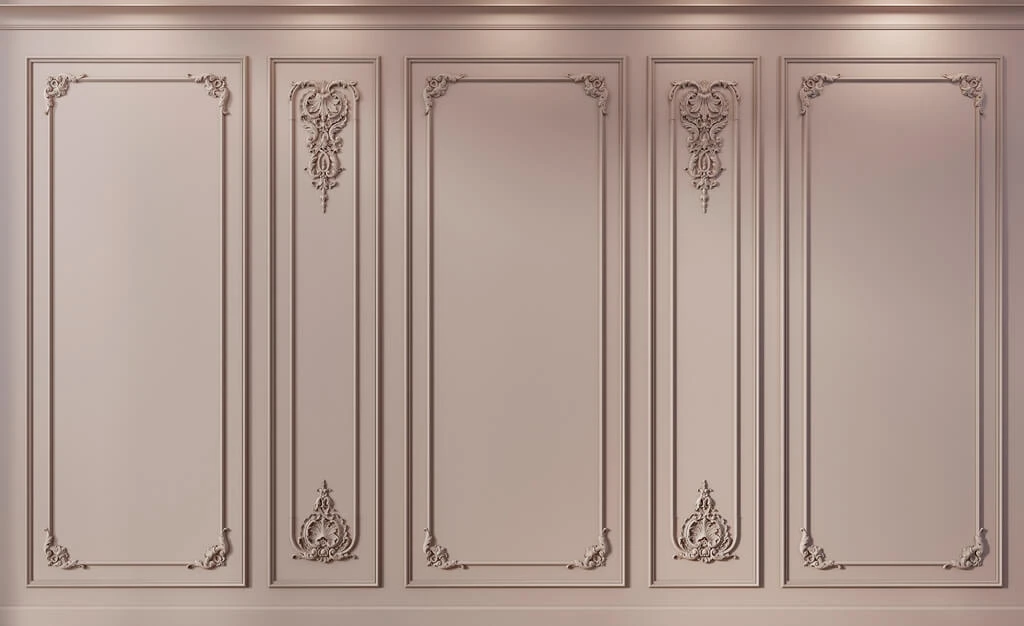
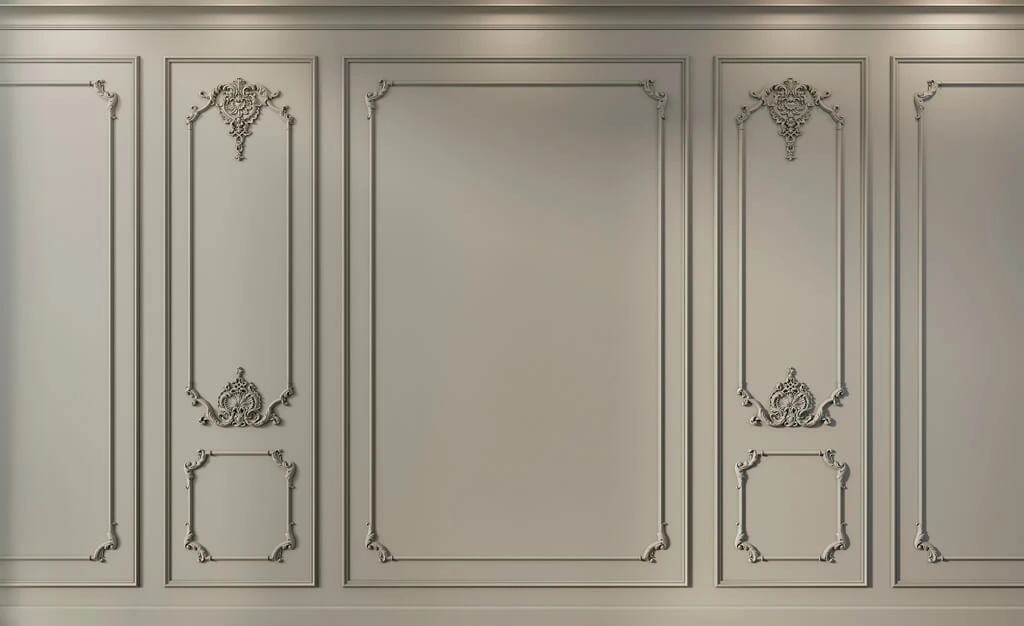
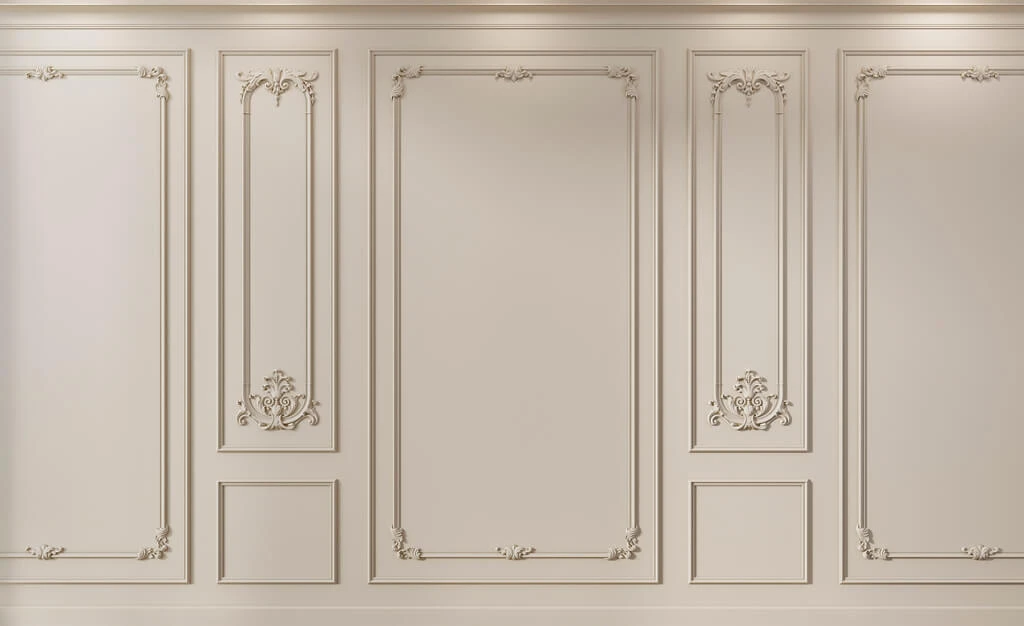
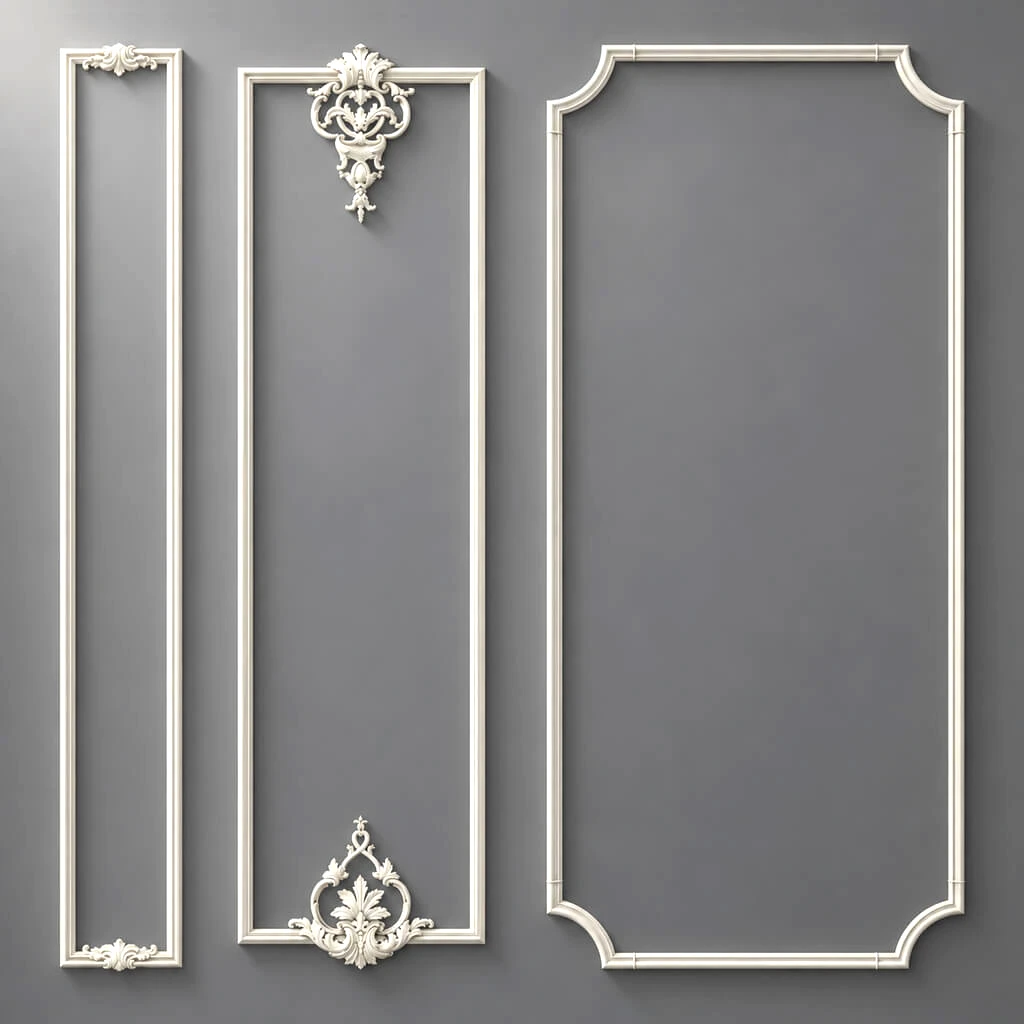
Baseboards at the floor and moldings on the walls are parts of a single decorative system. If the walls feature classic molding frames, the baseboard should be proportionate to them in height and profile complexity. If the moldings are smooth with modern geometry, the baseboard is also smooth, without ornamentation.moldings, cornices, and baseboardsFrom one catalog — a guarantee of this consistency.
Baseboards and ceiling cornices
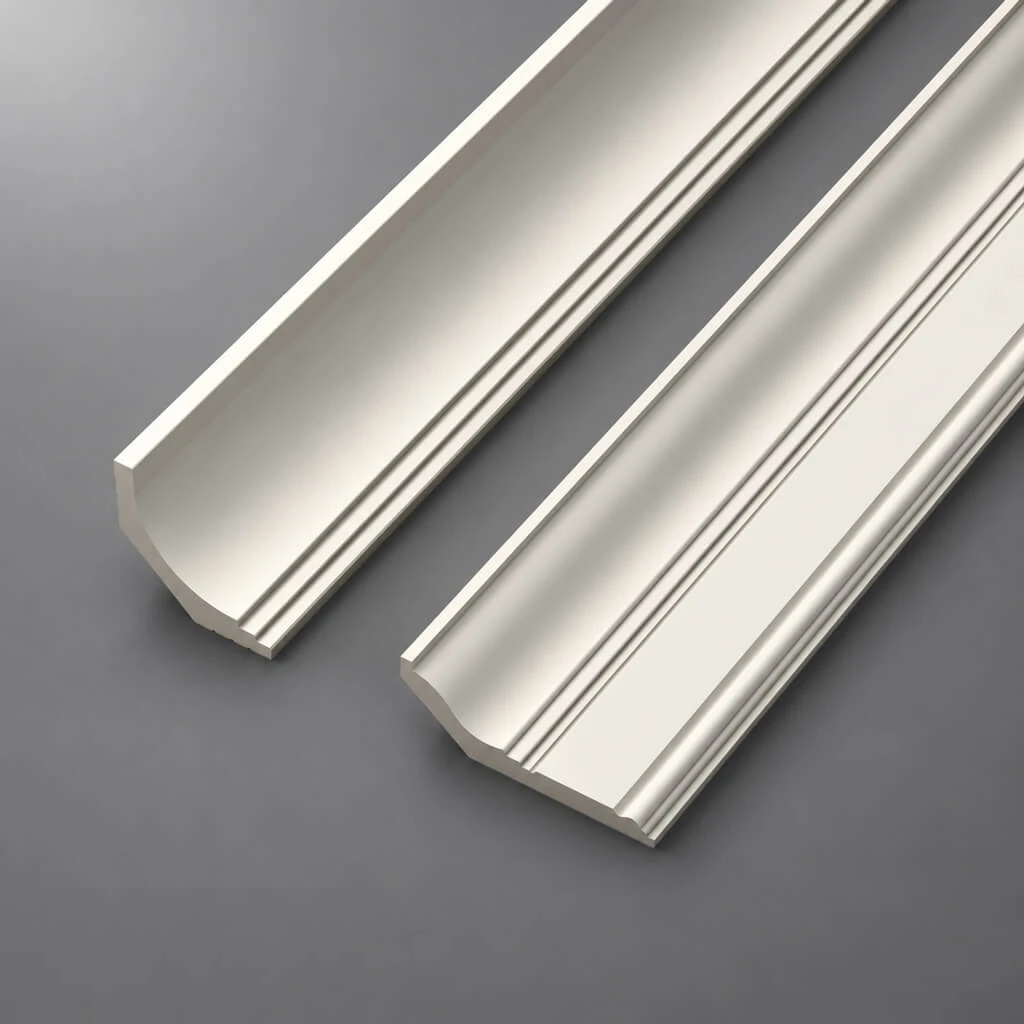
Ceiling cornice and floor baseboard are mirror elements. A wide, relief cornice requires a proportionately wide baseboard. A thin, minimalist cornice requires a narrow baseboard. When these elements are proportionally coordinated, the wall's verticality is perceived as a unified whole.
Skirting and door casings
Door casings — the horizontal and vertical frame of a doorway. At the point where the casing meets the floor, the baseboard and casing must be coordinated in height and profile. A classic solution: the baseboard 'meets' the casing at the bottom point via a decorative heel element. A modern one: the baseboard goes under the casing without a decorative joint.
Baseboard and slatted panels
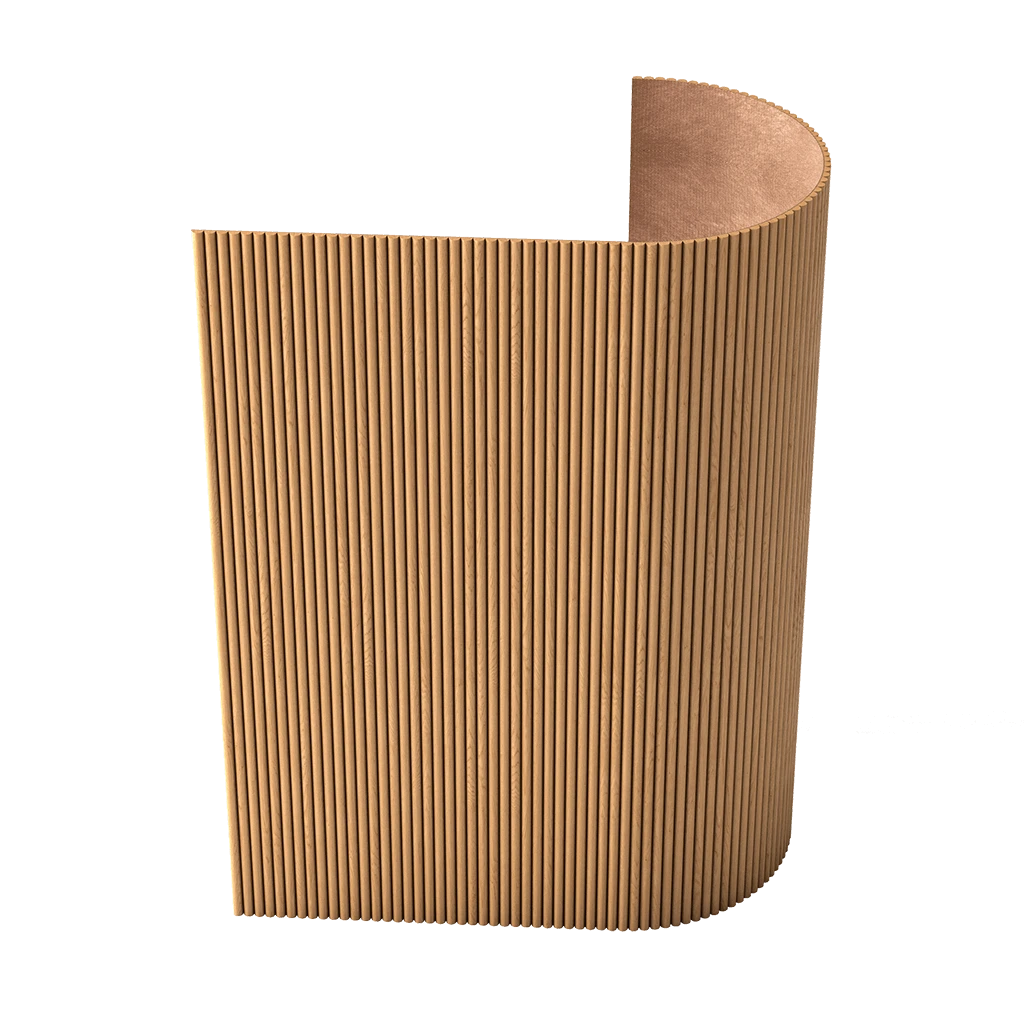
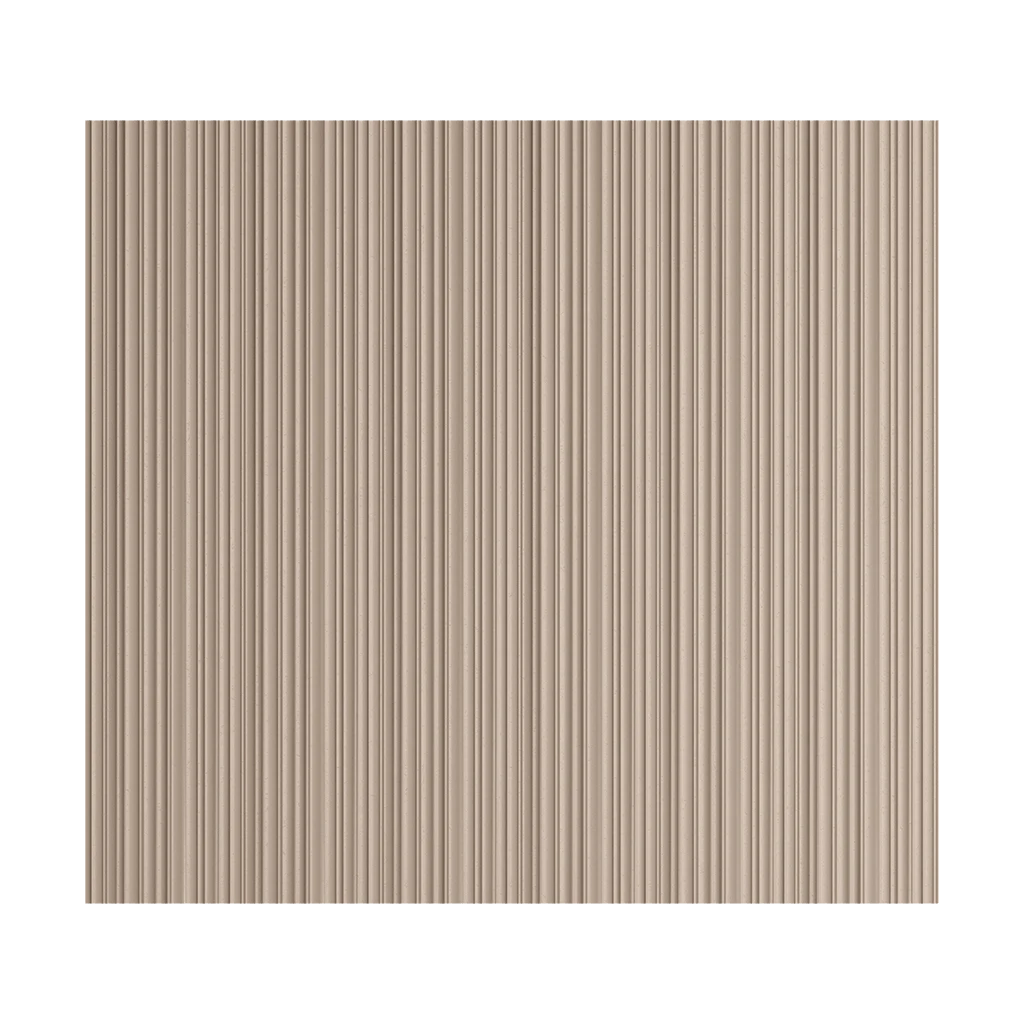
Rafter panelsOn the lower part of the wall + a horizontal molding as a boundary + a baseboard at the floor — this is a modern wall system that creates a sense of an expensive, well-thought-out interior. Here, the baseboard is the lower completion of the entire vertical decorative program.
Baseboard and decorative elements
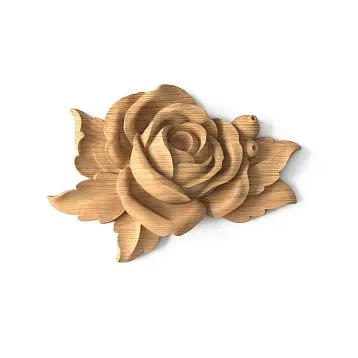
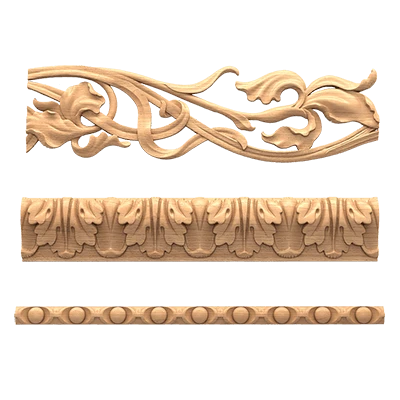
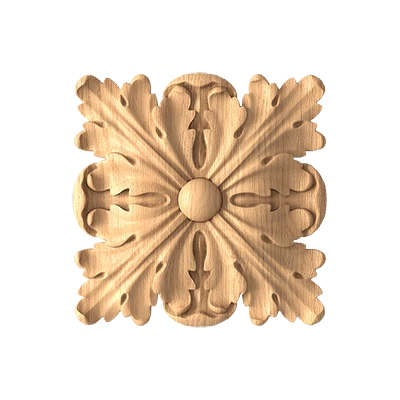
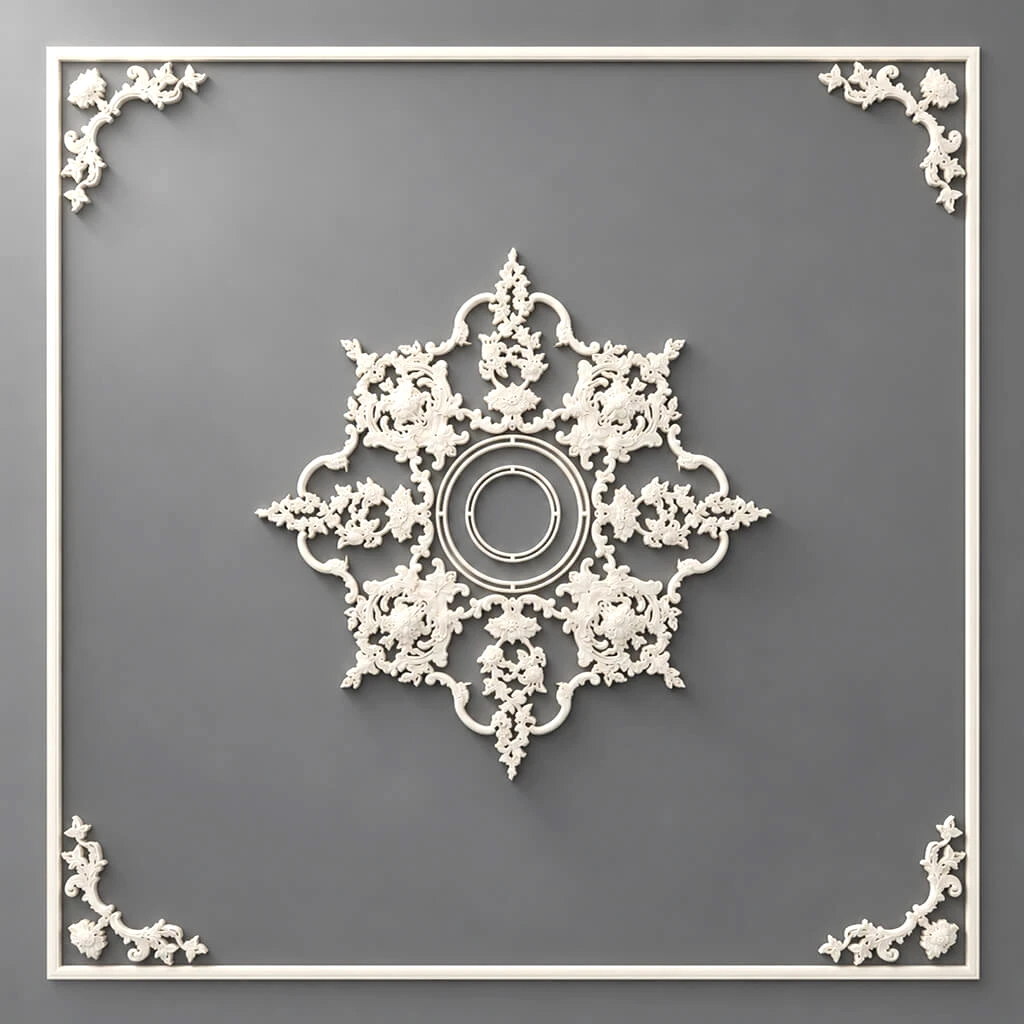
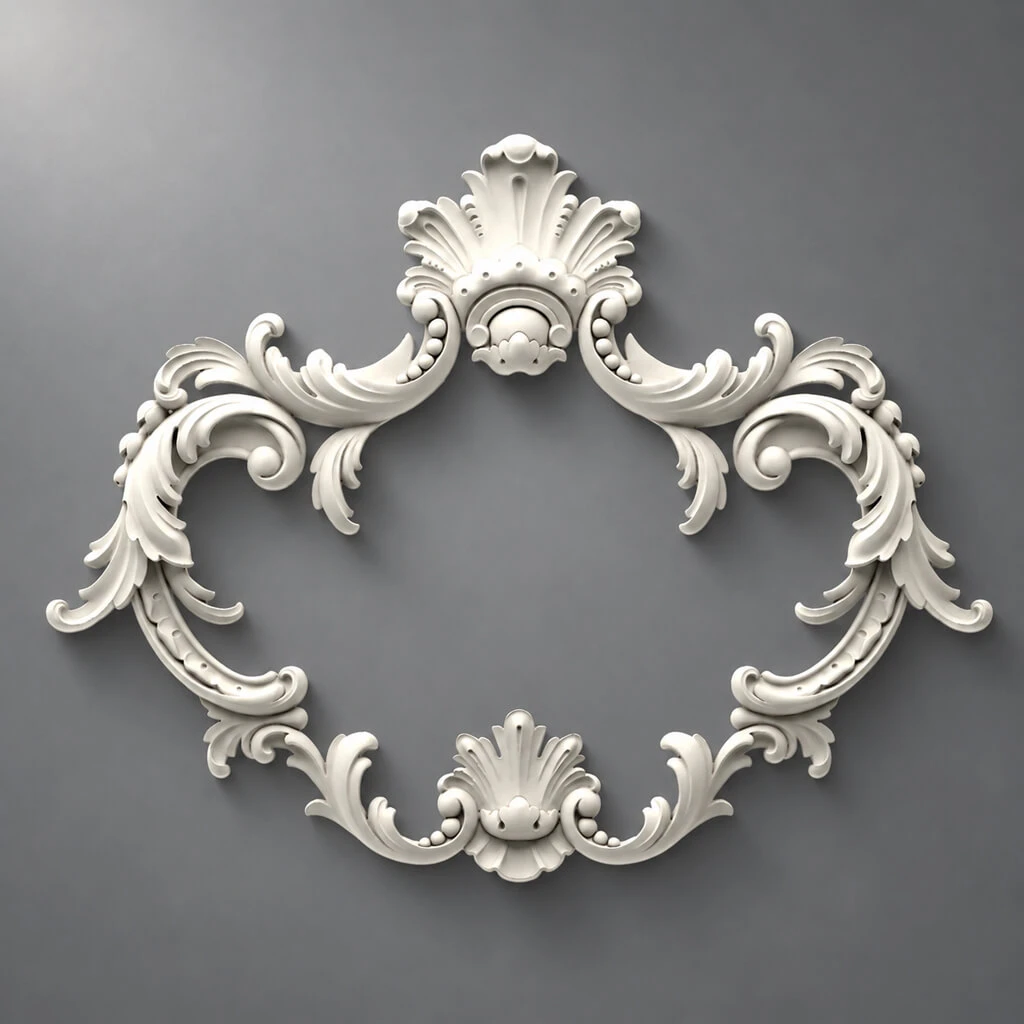
Decor for Molding— corner and transition elements that finish profile joints in corners. Paired with a baseboard, they create a complete decorative solution for the lower wall zone: clear corners, neat junctions, a professional result.
What to consider before buying a floor baseboard in St. Petersburg
Material
Wooden baseboard: for parquet, natural interiors, historical apartments, country houses. MDF: for most modern apartments, laminate, quartz vinyl, for painting. Polyurethane: for decorative interiors with a classic or baroque program, for painting.
Height
Ceiling 2.5 m — 4–6 cm. Ceiling 2.7–3 m — 7–10 cm. Ceiling 3.5 m and above — 12–20 cm.
Color
White — universal. Matching the floor — to dissolve the transition line. Matching the wall — for a monochrome vertical effect. Contrasting — for a deliberate architectural accent.
Type of finish
For painting: MDF or polyurethane — smooth surface, good paint adhesion. With a finished coating: wood with varnish/enamel or MDF with wood-grain film.
Combination with doors and floor
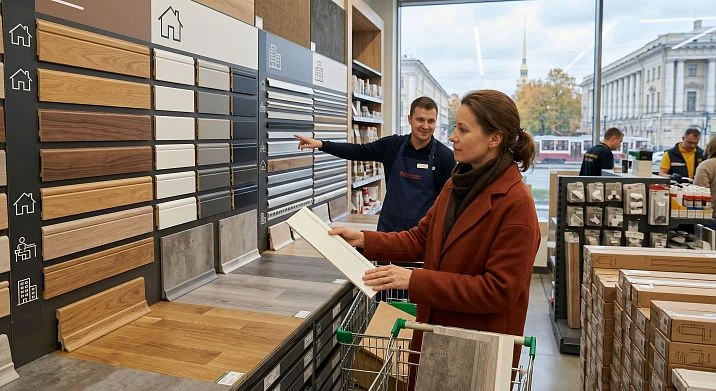
Before purchasing, place a sample of the baseboard next to a sample of the floor and door casing. Assess compatibility in tone, texture, and profile scale.
Installation Conditions
Wooden baseboard: installation on dowels and screws, joints at 45°. MDF: the same, lighter. Polyurethane: glue + additional fixation in corners. With uneven walls, a wooden baseboard is trimmed along the bottom edge — MDF and polyurethane cannot be trimmed without risking loss of profile geometry.
Where to buy floor baseboard in St. Petersburg: a practical guide
How to choose for a specific interior
Start with the floor type. Parquet, solid wood — wooden baseboard. Laminate, quartz vinyl — MDF. Classic decorative interior — polyurethane. Then determine the height based on the ceiling. Choose a color. Check compatibility with door casings. Ensure the availability of corner elements and end caps.
Why it's convenient to buy baseboards, moldings, cornices, and decor in one place
Three arguments that are hard to refute.
Stylistic unity. When the baseboard, wall moldings, and cornice are from the same catalog, they belong to the same proportional series and create a system. Assembling such a system from different sources is a task that requires time and expertise.
Logistics. One delivery across St. Petersburg, one invoice, one point of contact. Instead of coordinating multiple suppliers.
Consultation. A specialist who knows the entire range will give the right advice: what is compatible, what height is optimal, how to solve a corner joint of a non-standard shape.
How to assemble a unified interior solution
A complete set for a St. Petersburg apartment with classical elements:
-
Skirting made of solid wood— floor finishing.
-
Molding and cornices made of solid wood— wall frames and cornice finishing at the ceiling.
-
Polyurethane baseboards and cornices— for when rich decorative relief is needed.
-
Decor for Molding— corner and transition elements.
-
Rafter panels— for the lower wall zone.
-
Solid Wood Items— full range of decorative elements made from natural wood.
FAQ: Answers to popular questions about floor skirting boards in St. Petersburg
Which skirting board is better for the floor: wooden or MDF?
Depends on the floor covering and interior style. For parquet and wooden floors — only wood: material unity. For laminate, quartz vinyl, tile —MDF Skirting Board— is optimal: even geometry, resistance to deformation, good paintability. For classic decorative interiors — polyurethane with a relief profile.
Which skirting board is better for laminate?
MDF or wooden skirting board — depending on the budget. Height: 7–9 cm for a standard apartment. Color: matching the laminate for a calm solution, white for contrast. The main requirement: the skirting board must be attached to the wall, not to the laminate — the flooring must freely 'float' underneath it.
Which skirting board to choose for an apartment with high ceilings?
The height of the baseboard is 1/30 of the wall height. With a ceiling of 3.5 m — about 12 cm. With a ceiling of 4 m — 13–15 cm.buy wooden baseboard for floorA height from 12 cm for an apartment with high ceilings — this is not a luxury, it's the correct proportion.
Can a wooden baseboard be painted together with the walls?
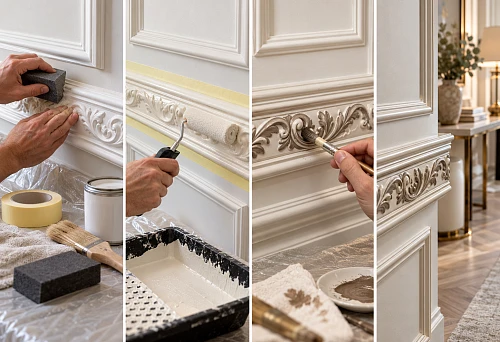
Yes, if it does not have a finish coating (supplied 'for painting'). Procedure: sanding with 120 grit, wood primer, two coats of enamel. If the baseboard already has varnish — the varnish needs to be removed and the baseboard primed again.
How to correctly cut a baseboard for a corner?
Internal corner: each plank is cut at 45°, joined at the corner point. External corner: similarly, but in the opposite direction. For precise cutting, a miter saw with an angle stop is used. If the walls are not exactly 90° — the corners are adjusted on-site, gaps are sealed with acrylic sealant.
Where to buy floor baseboard in St. Petersburg with delivery?
In the STAVROS catalog:solid wood skirting, moldings, cornices, and baseboards, polyurethane baseboard for painting— all with delivery in St. Petersburg. Full selection by material, height, and profile.
How much baseboard needs to be bought for a room?
Measure the perimeter of the room (sum of all sides). Subtract the width of door openings. Add 10–15% for corner joints and cutting waste. For a standard 20 sq.m. room with sides approximately 4×5 m and two door openings — about 14–15 linear meters of baseboard will be required.
How to attach baseboard to the wall?
Mark the line. Drill holes for wall plugs — through the body of the baseboard or through special clips. For wooden and MDF baseboard: plugs + screws, screw heads are covered with decorative caps or filled with putty. For polyurethane: liquid nails + temporary fixation until set. Corner joints are sealed with acrylic sealant.
Conclusion: baseboard — a small detail with big significance
Floor baseboard is that very detail noticed at the level of feeling, not consciousness. The right baseboard makes the interior complete — unnoticeably and flawlessly. The wrong one creates vague discomfort, the cause of which is hard to articulate but impossible to ignore.
Choosing baseboard isn't about finding 'which is cheaper', it's about finding 'which is right'. Right by material — in harmony with the floor. Right by height — in harmony with the ceiling. Right by profile — in harmony with the style. Right by color — in harmony with the entire interior.
In Saint Petersburg with its architectural tradition and high level of demands for interiors, this question is especially relevant. Here it's not customary to save on details — here it's customary to do well from the first time.
STAVROS — a catalog where choosing baseboard transforms from a complex task into a clear process.Solid wood floor baseboard, moldings, cornices, and baseboards, decorative baseboard for paintingmade of polyurethane,Decor for Molding, Rafter panels and the full range of of solid wood— in stock, with delivery in St. Petersburg. Here you can not just buy floor skirting in St. Petersburg — here you can assemble a complete interior solution from floor to ceiling, where every element is in its place.