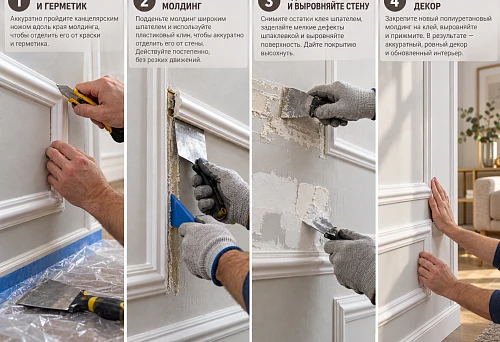


























Article Contents:
- What are wall trims and why are they needed
- They create interior architecture
- They form visual scale
- They 'add value' to the interior
- They work as navigation and accent
- What types of wall trims exist
- Smooth decorative trims
- Profiled architraves
- Carved wall trims
- Solid wood architraves
- Architraves as part of wall decorative composition
- Why wooden wall architraves are one of the best solutions
- How to choose wall architraves
- By interior style
- By Thickness and Profile
- By wall type and composition
- By material
- By combination with moldings, cornices and baseboards
- Where wall architraves are most commonly used
- In the living room
- In the bedroom
- In hall and corridor
- In classic study
- On an accent wall
- Wall architraves in classic and decorative interior
- What to add to wall trims
- Mistakes when choosing wall trims
- Where to buy wall trims
- System assortment is a key condition
- What to look for when buying
- Ready-made or custom order
- Why STAVROS is suitable for wall decoration
- Conclusion
- FAQ: frequently asked questions about wall trims
A wall is a canvas. And in this canvas, nothing is more powerful than a properly placed framing system. It is precisely when wall trims appear in the space—decorative wooden planks, moldings, framing elements, profile strips—that a room ceases to be just a finished box and becomes an interior with character, depth, and history.
You want to buy wall trims—and you're doing the right thing. But it's important to understand from the start: this request is broader than it might seem. In the interior context, 'wall trims' refer to an entire system of decorative framing elements: wooden plank moldings, milled lumber, relief overlays, frame constructions on the wall surface, decorative belts at panel level. All of this is decorative wall trims in the broad sense of the word.
Wooden wall trims are a specific but highly sought-after case. Wood as a material creates a texture on the wall that cannot be reproduced in plastic or MDF: living, warm, with character. It always looks expensive, even with a relatively modest profile. That is why such solutions are chosen for classic, neoclassical, decorative interiors—from country houses to city apartments.
So, let's break it down: what are wall trims, how to choose them, how much they cost, and how to build a complete decorative system from them.
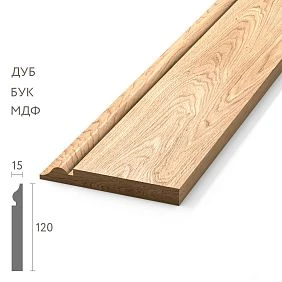
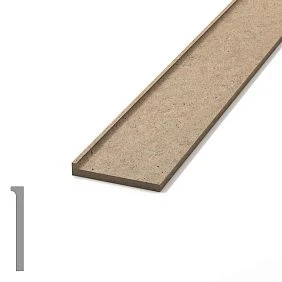
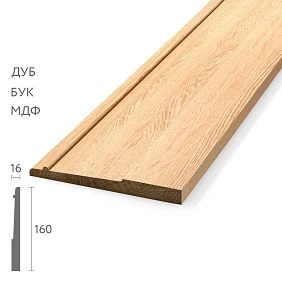
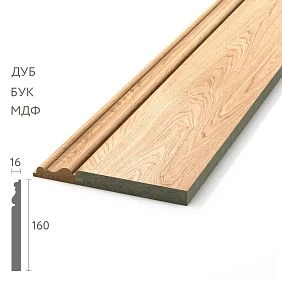
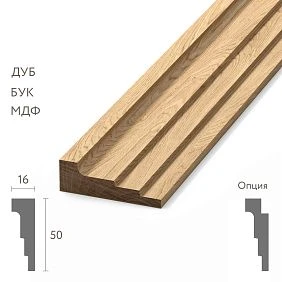
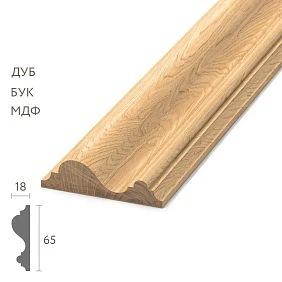
What are wall trims and why are they needed
Straight answer: wall trims for wall decoration are any profile or flat strips made of wood (or other material) that are mounted on the wall surface and serve a decorative function.
These are not the same as door trims. Wall framing elements operate on a different logic.
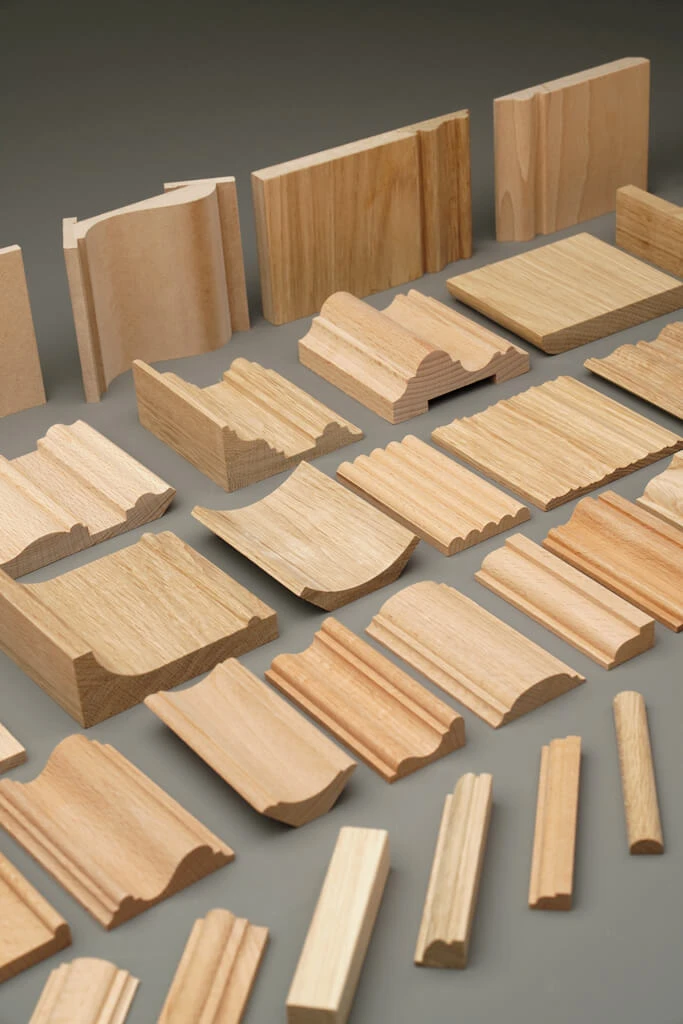
They create interior architecture
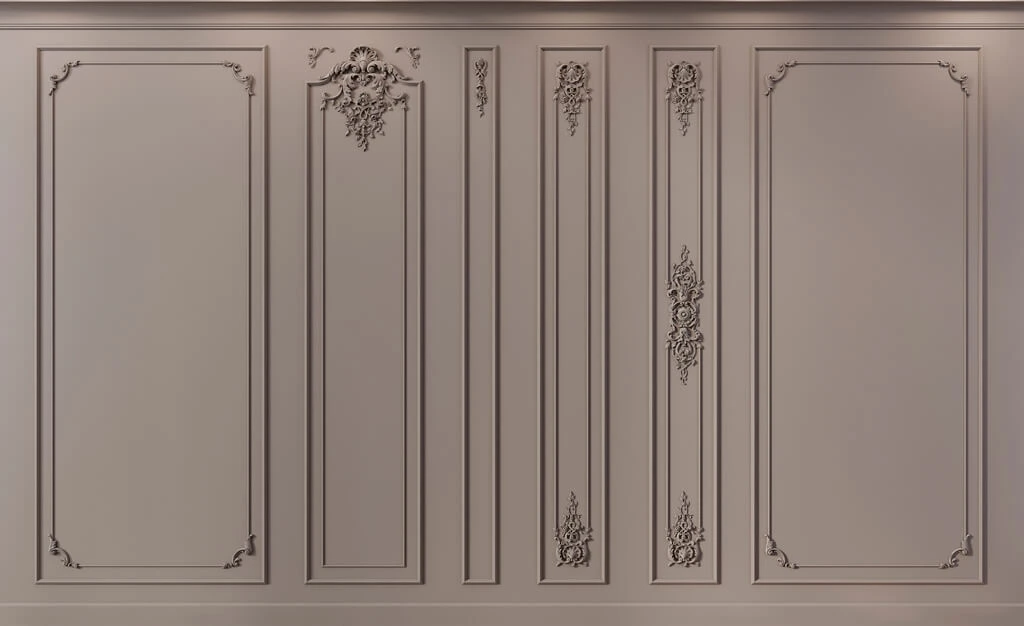
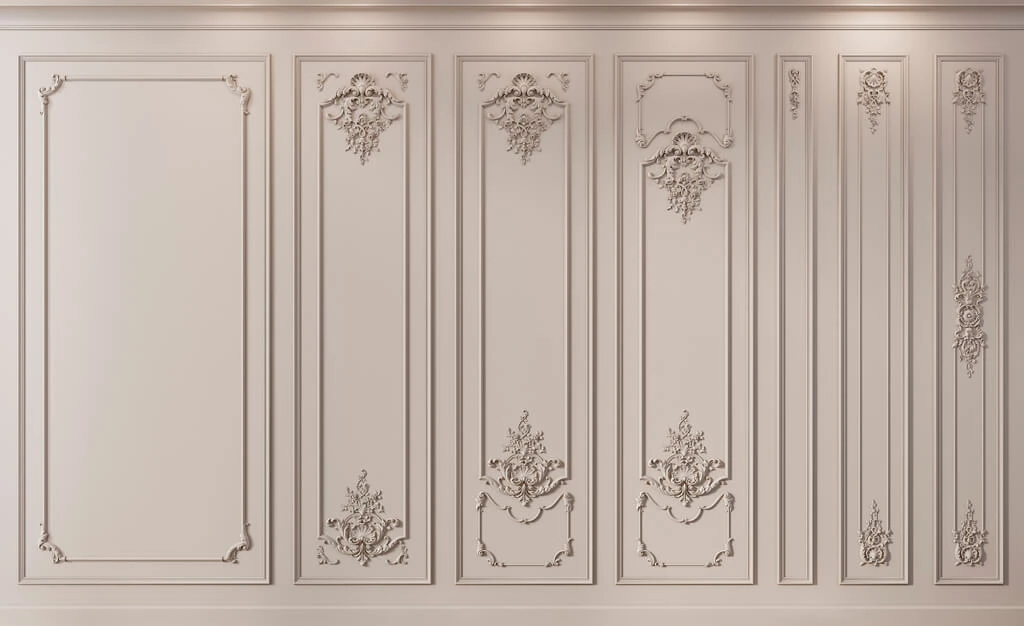
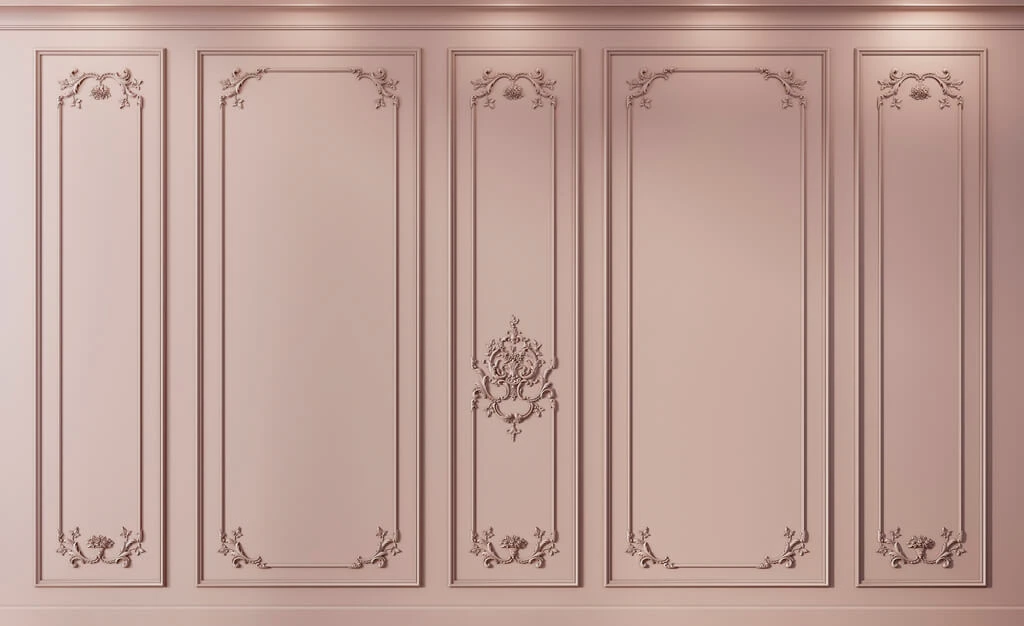
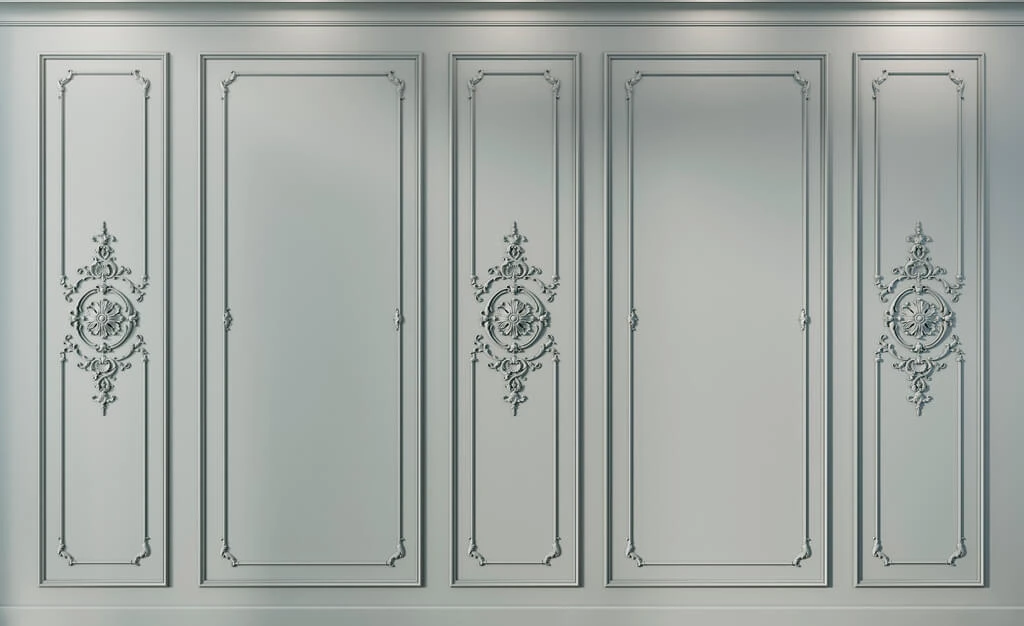
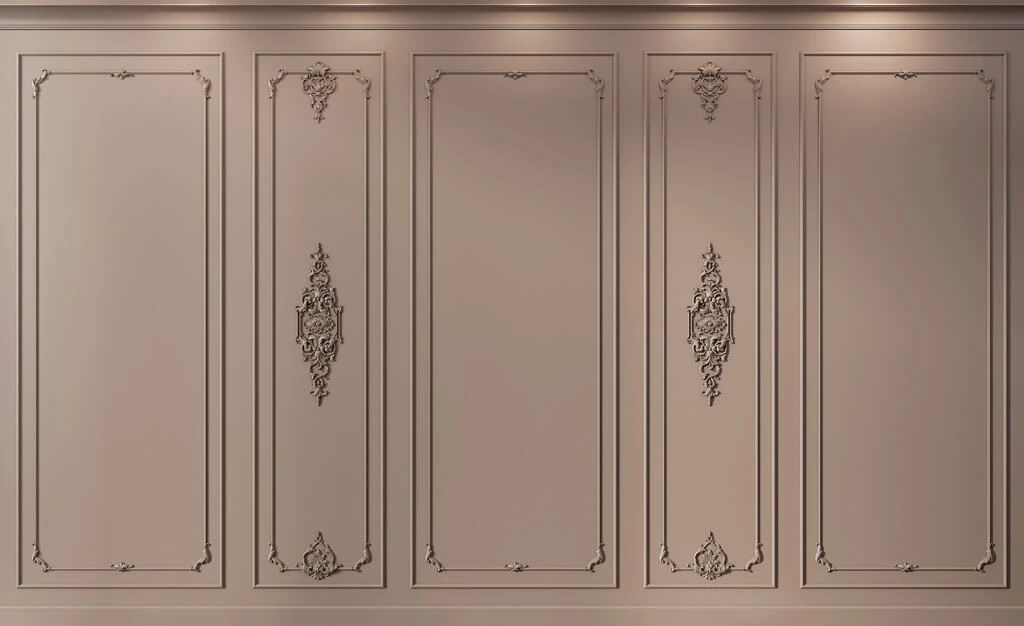
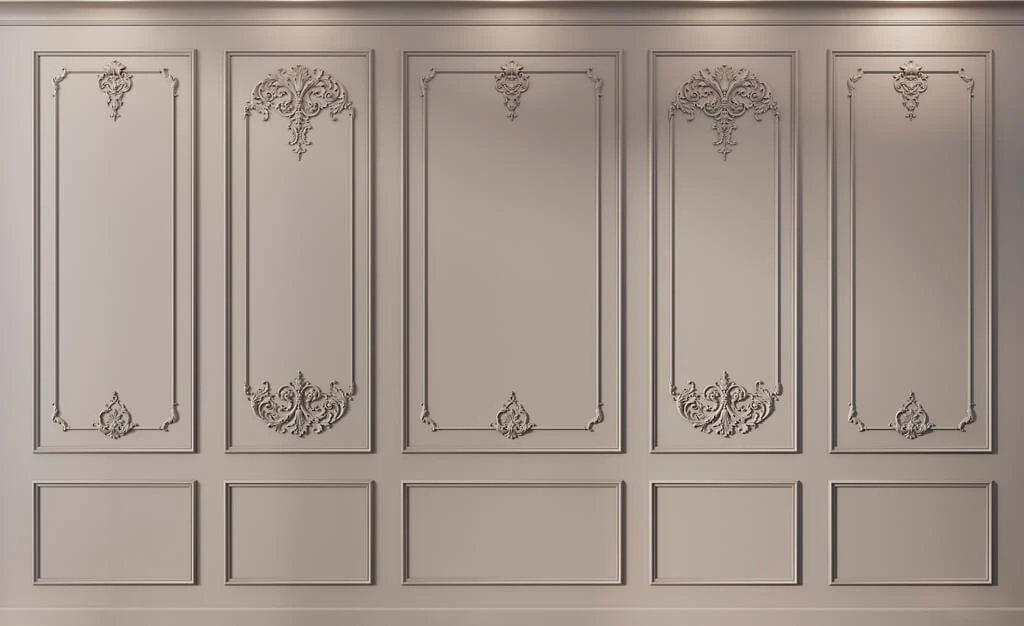
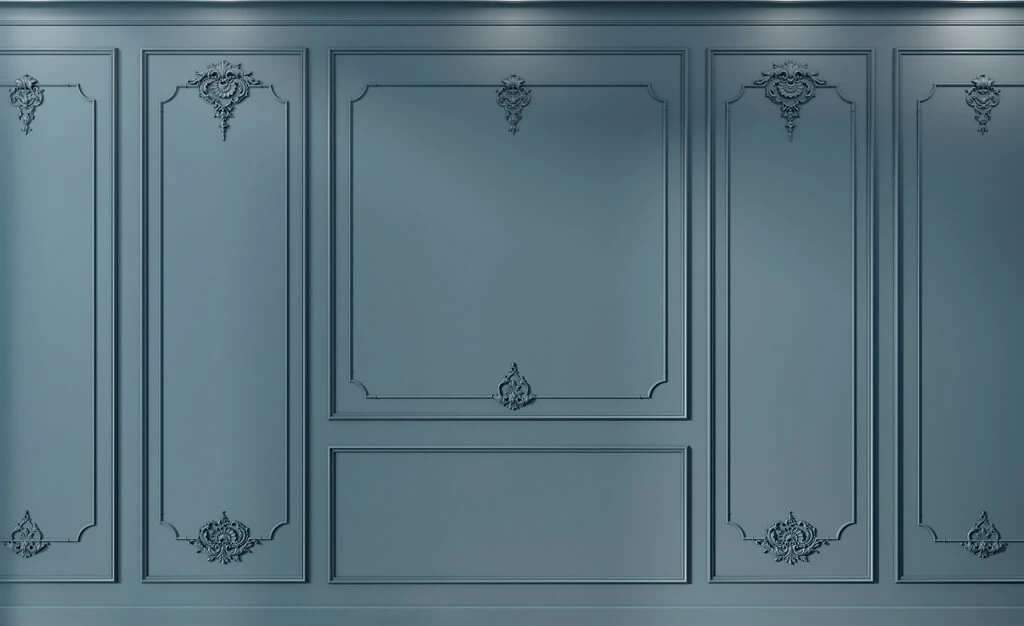
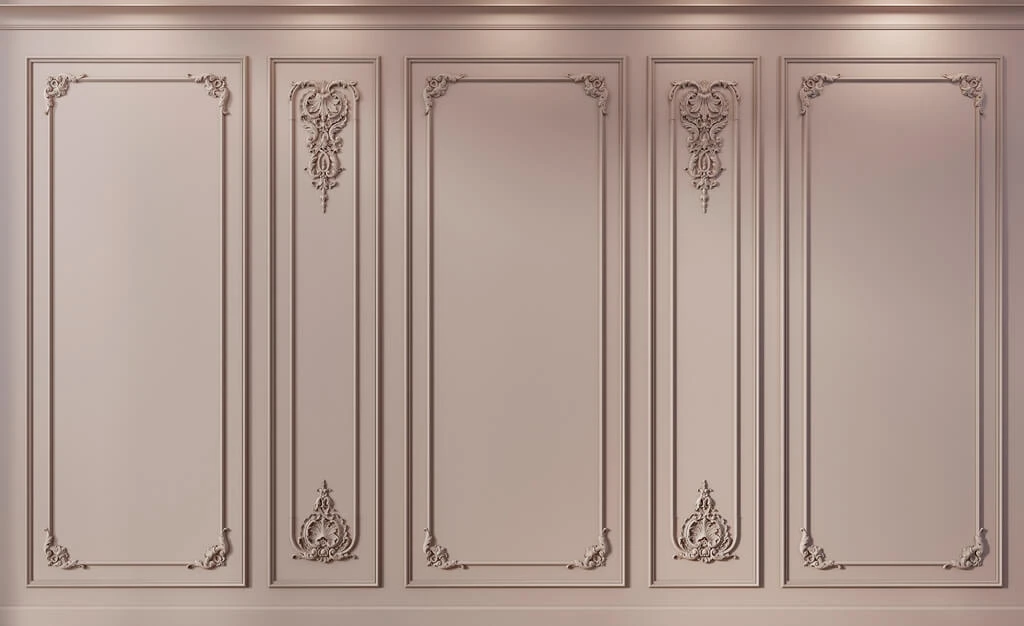
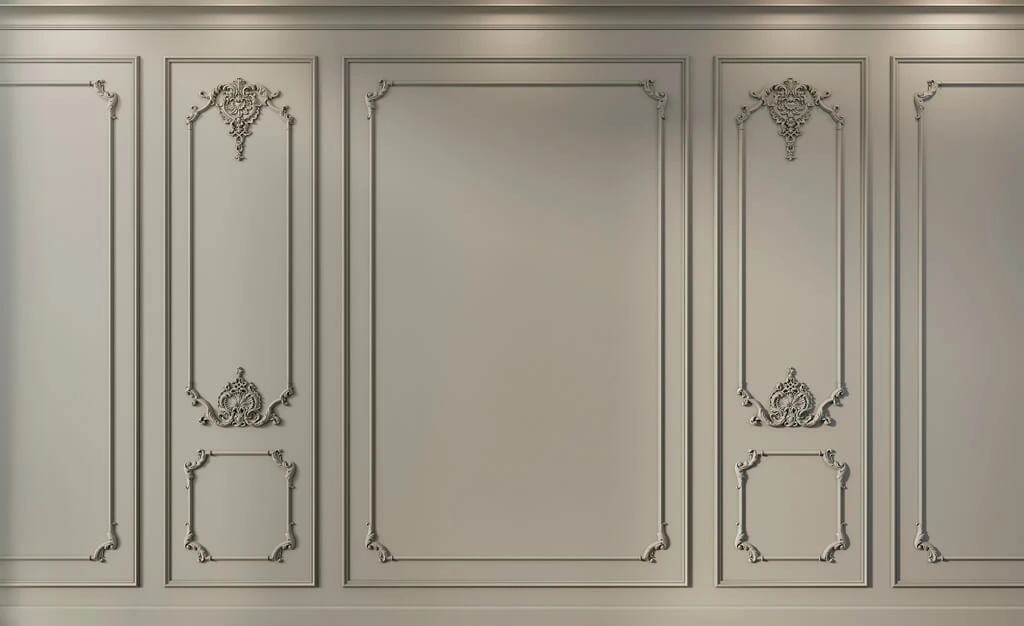
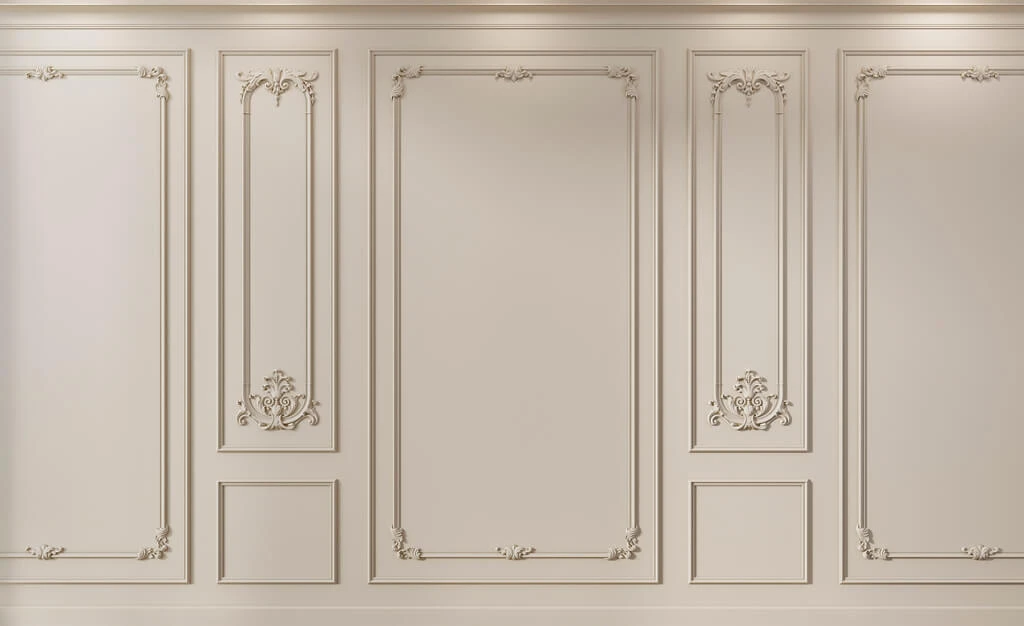
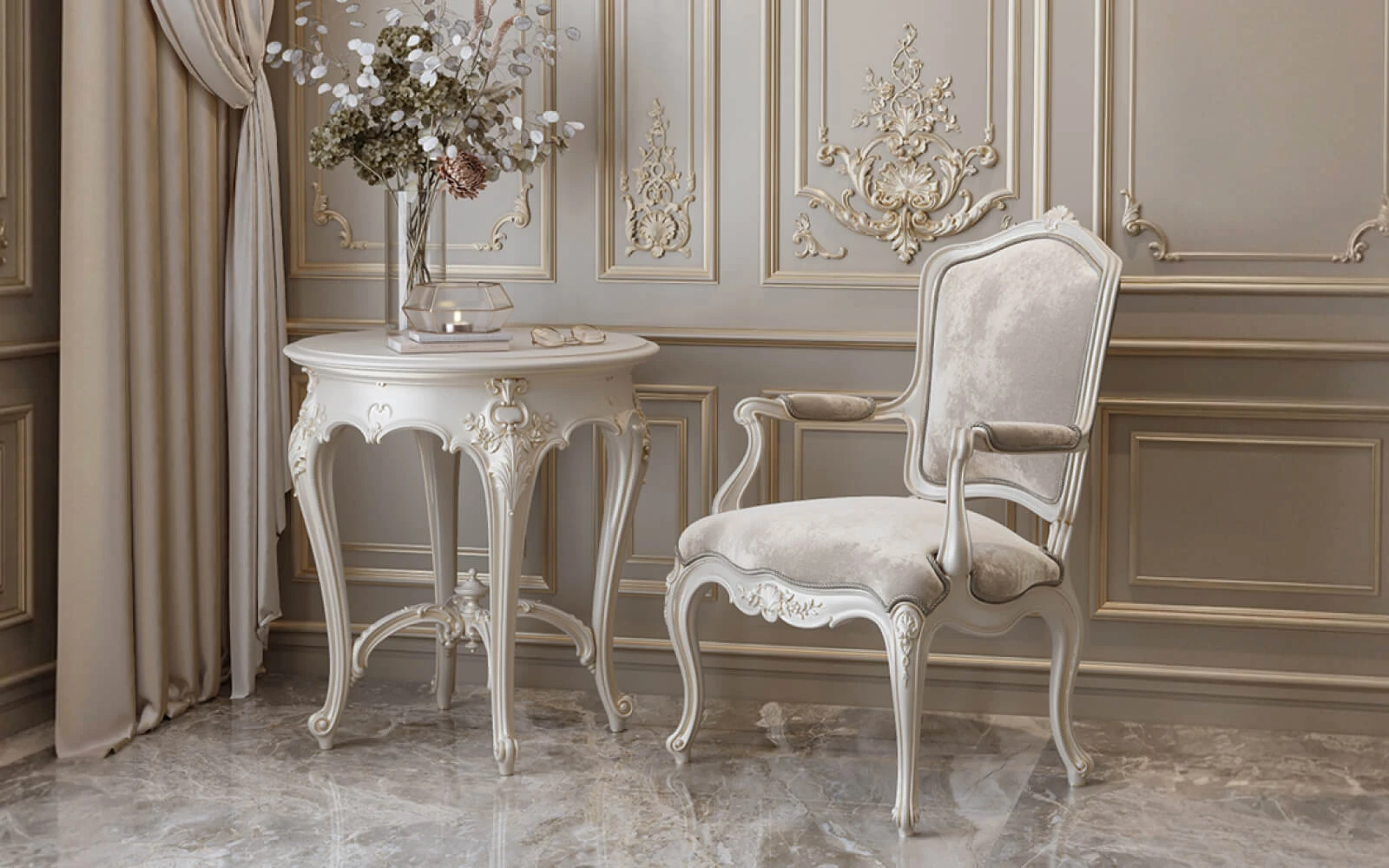
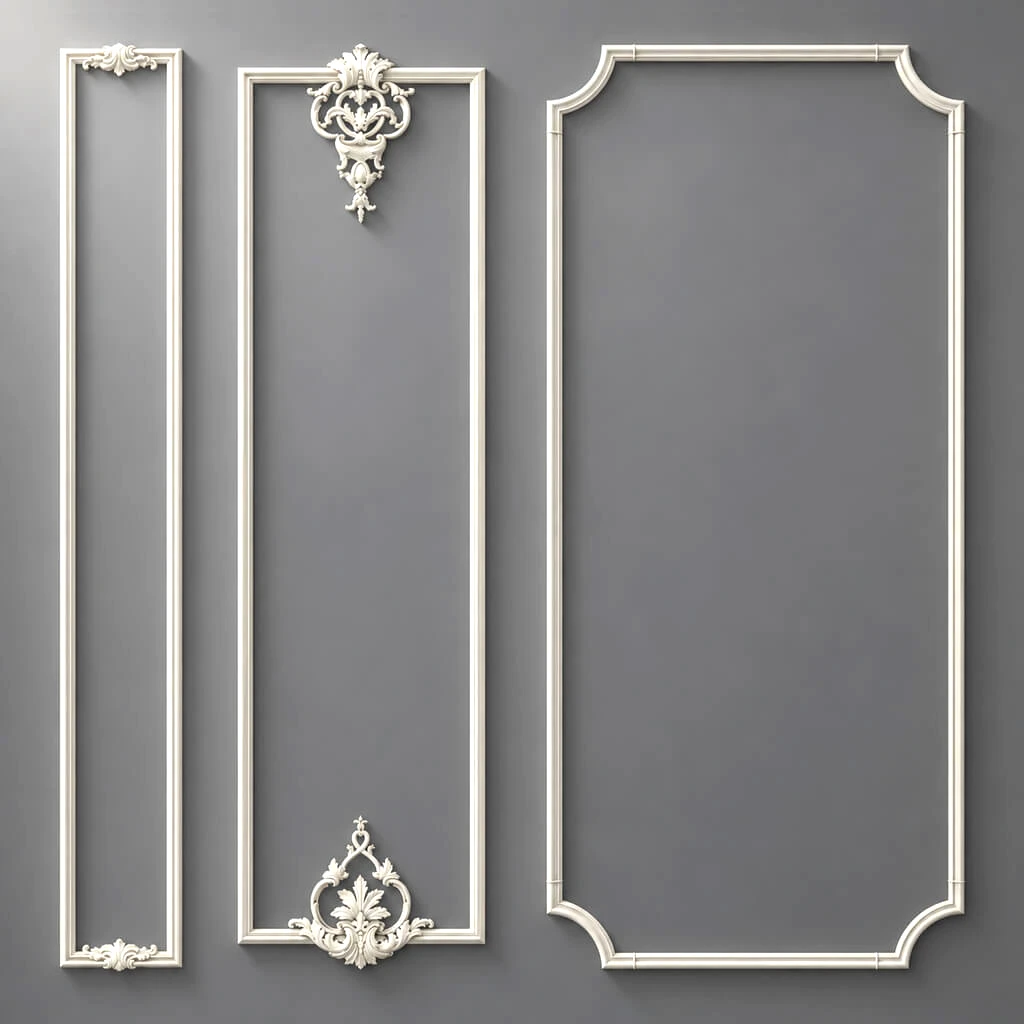
A bare wall is a flat surface. A wall with decorative framing is already a relief, visual depth, an architectural statement. This is exactly what wall trims for wall decoration do: they break up a large surface into zones, rectangles, panels—and bring a sense of structure to the space.
Look at any classic interior from the 18th–19th centuries: there isn't a single 'empty' wall. Every surface is structured with cornices, moldings, panels, frames. This isn't decorative excess—it's architectural logic that makes the space proportionate and lively.
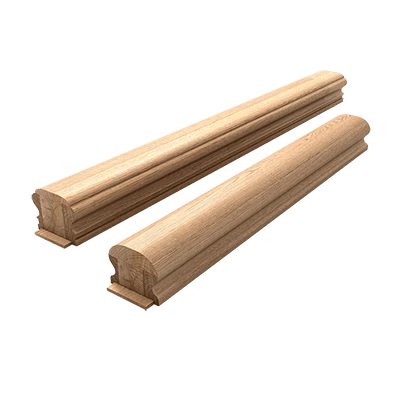
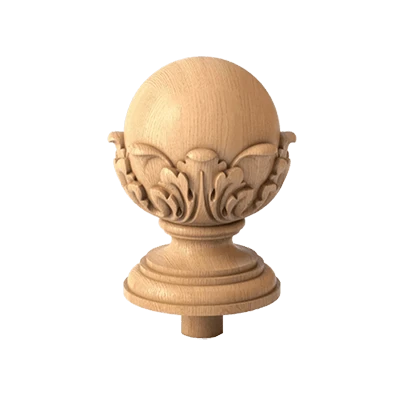
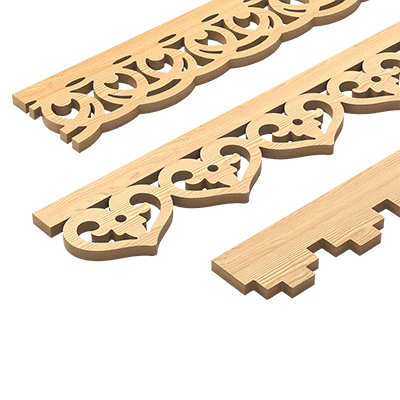
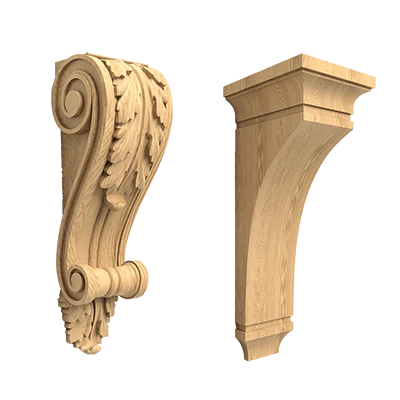
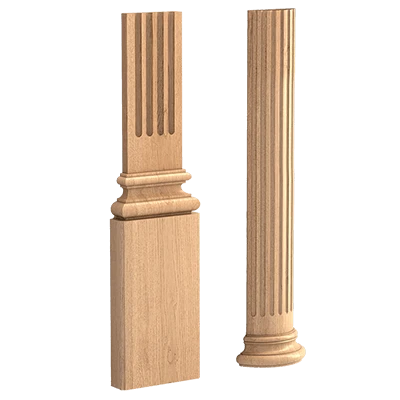
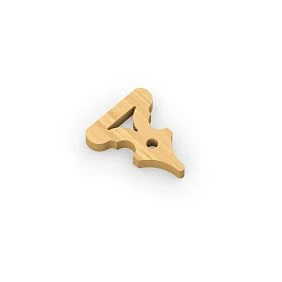
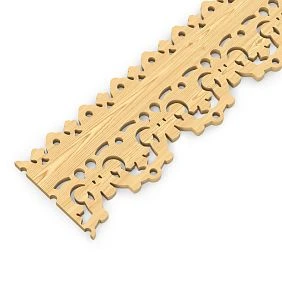
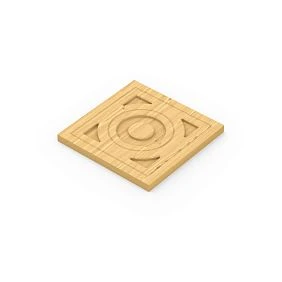
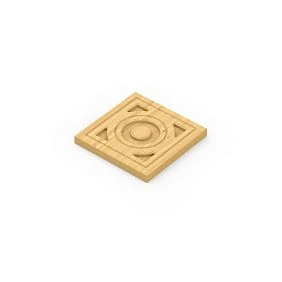
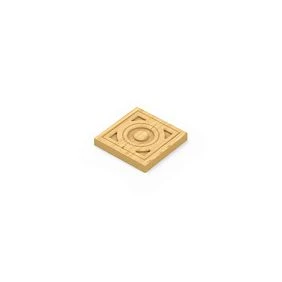
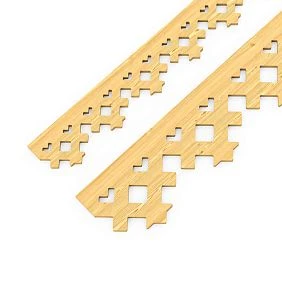
Our factory also produces:
They shape visual scale
Decorative wall trims work as a visual regulator: horizontal bands make a room appear longer, vertical ones make it taller, rectangular frames make it more strict and monumental. A well-designed wall layout can change the perception of a room's proportions without any structural changes.
Get Consultation
They 'elevate' the interior
This is a pragmatic yet honest argument. Wooden framing elements on a wall visually elevate the status of an interior. A room with a properly designed wall decorative system looks more expensive—with the same flooring, the same furniture, the same windows.
They function as both navigation and accent.
Wall trims are a way to highlight accent zones: a fireplace, a bed headboard, a niche, a sofa wall. They set a focal point and help the eye 'read' the space in the intended order.
What types of wall trims exist
Let's get specific. The world of wall decorative framing is diverse—and that is its strength.
Smooth decorative trims
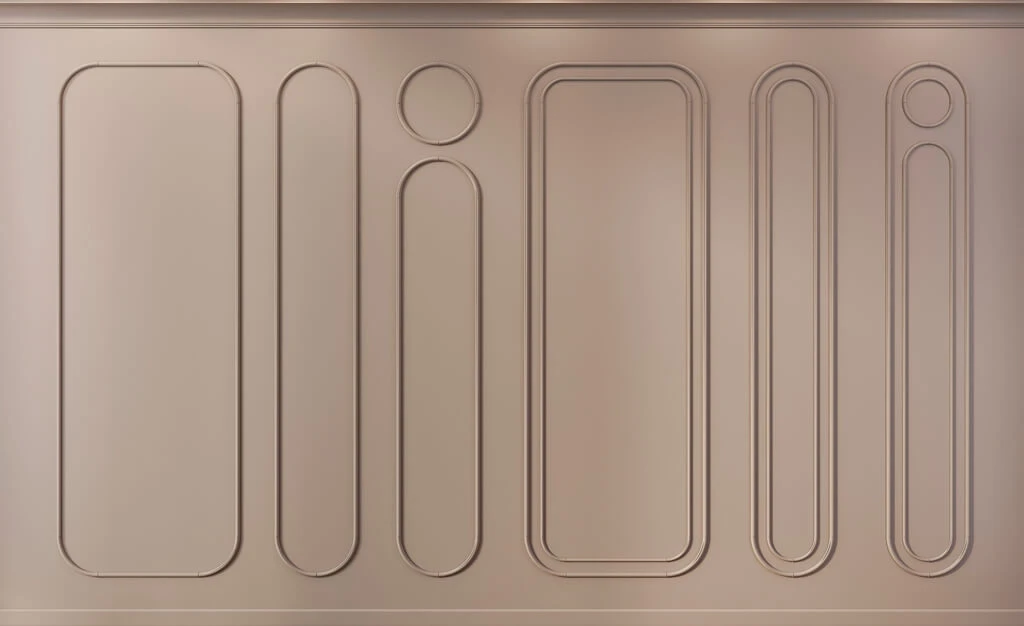
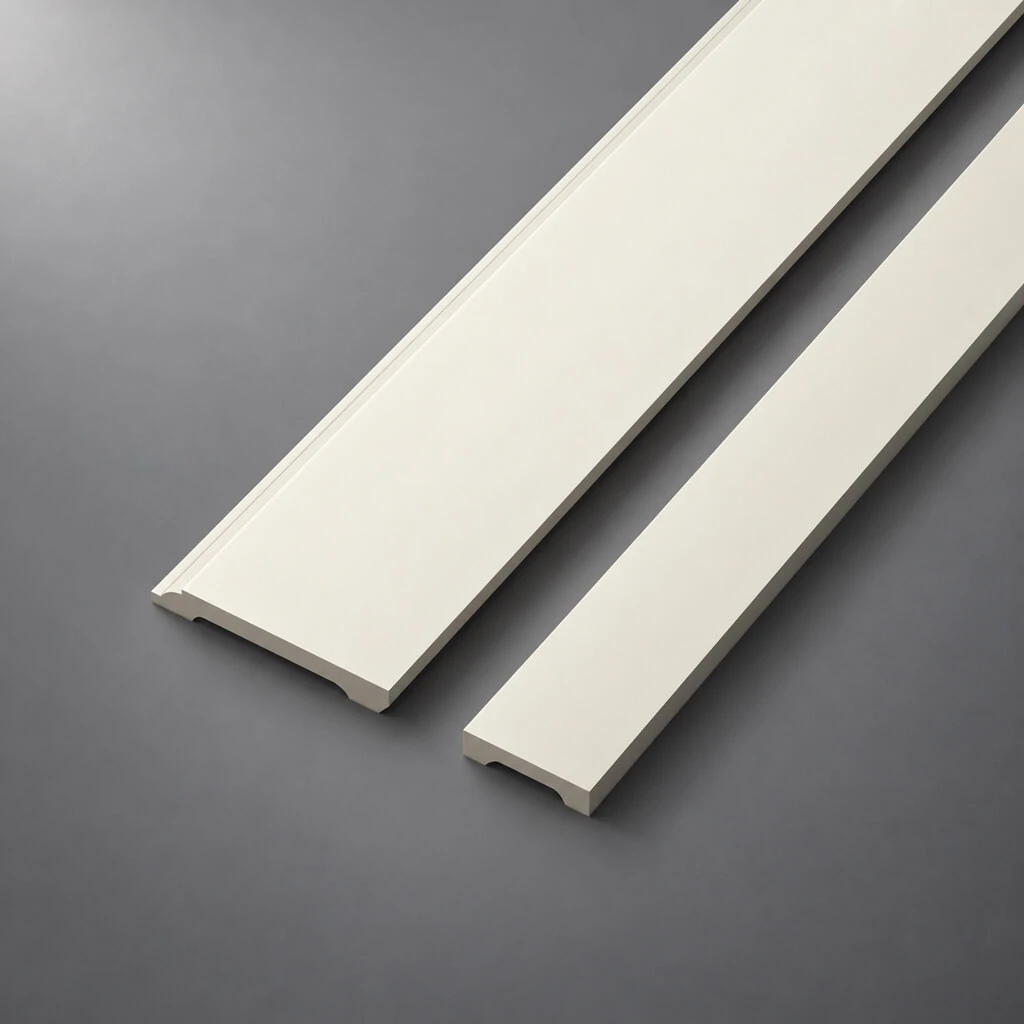
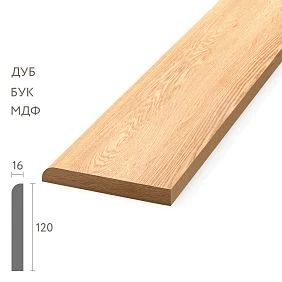
The simplest type: a flat or minimally beveled strip, mounted on the wall in rectangular contours or horizontal bands. Smooth wall trims are ideal for minimalist classicism, modern neoclassicism, Scandinavian interiors.
Width: 30–80 mm. They don't shout, they don't overload—they set a rhythm. A white surface on a white wall creates a subtle relief, visible only with side lighting. The effect is delicate but very convincing.
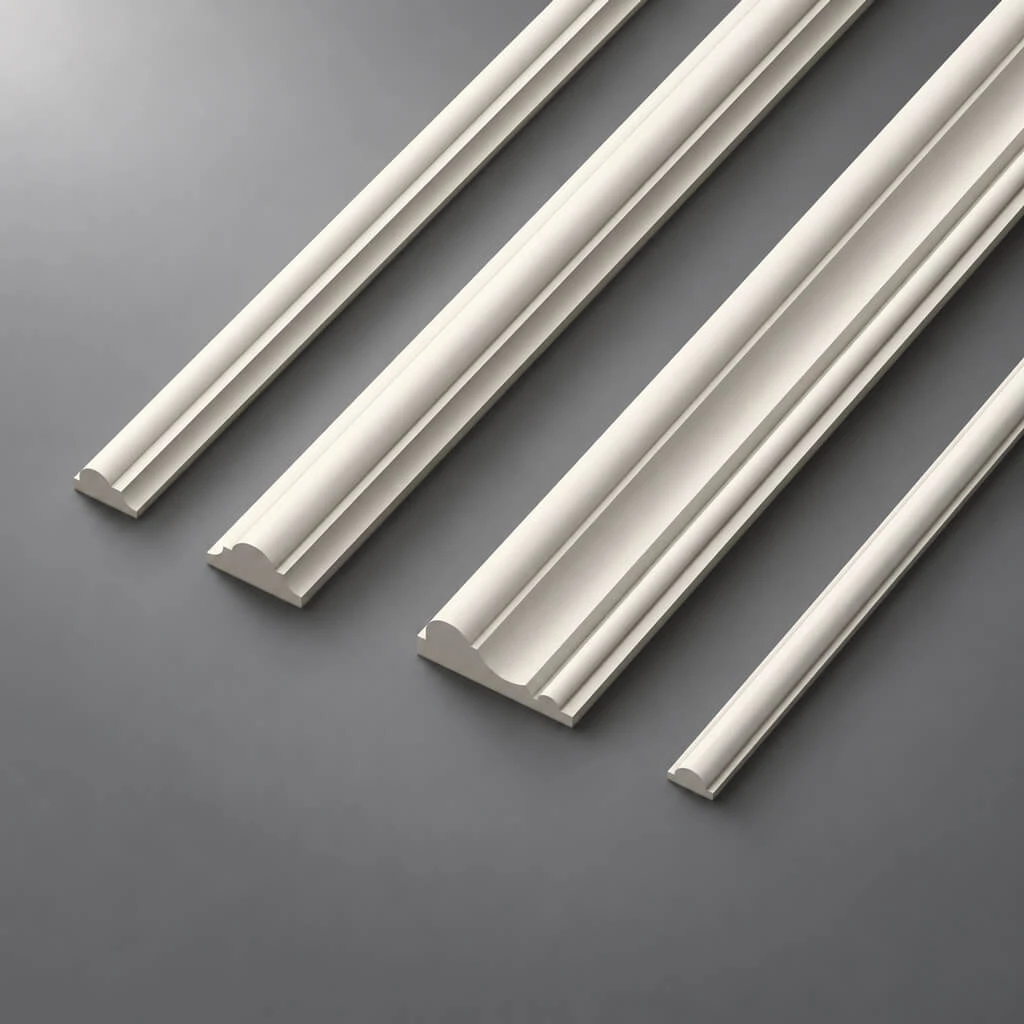
Profiled casings
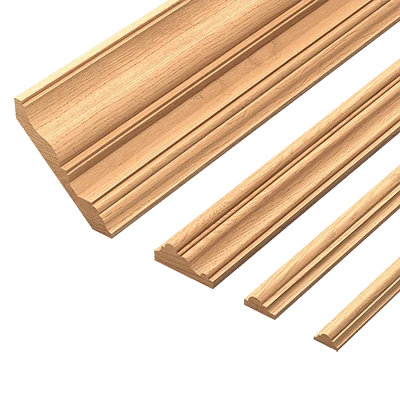
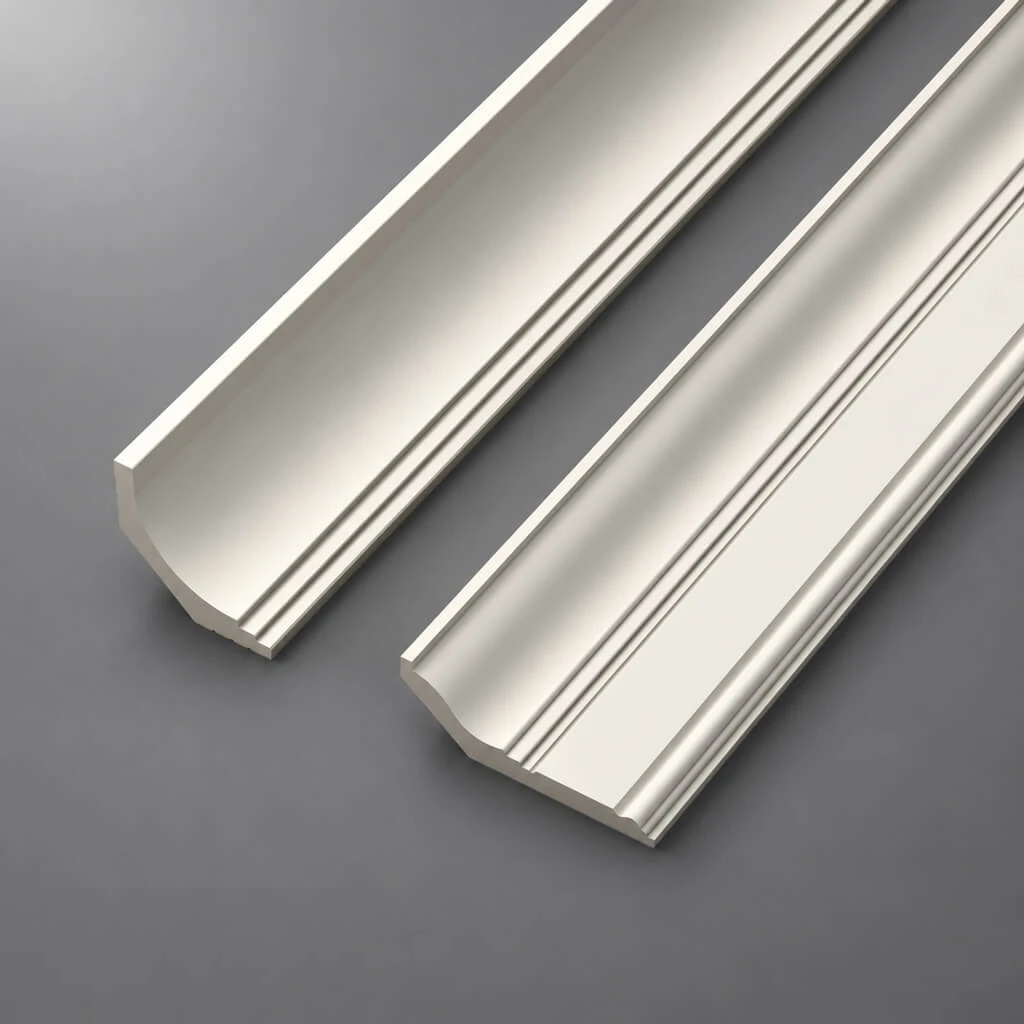
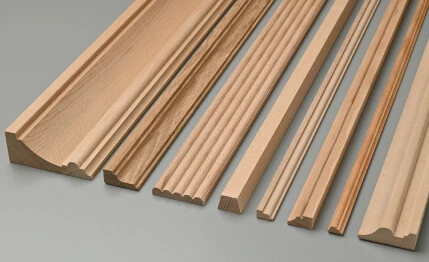
A trim with a profile is sculptural work. Stepped cross-section, fillets, beads, shelves—a profiled element creates clear shadow and visual mass. Profiled wooden wall trims are the choice for classic, neoclassical, Empire styles.
Wooden molding—this is precisely a profiled element. The difference between a 'trim' and a 'molding' in an interior context is terminological, not functional. Both perform the same task: to structure the wall and create visual depth.
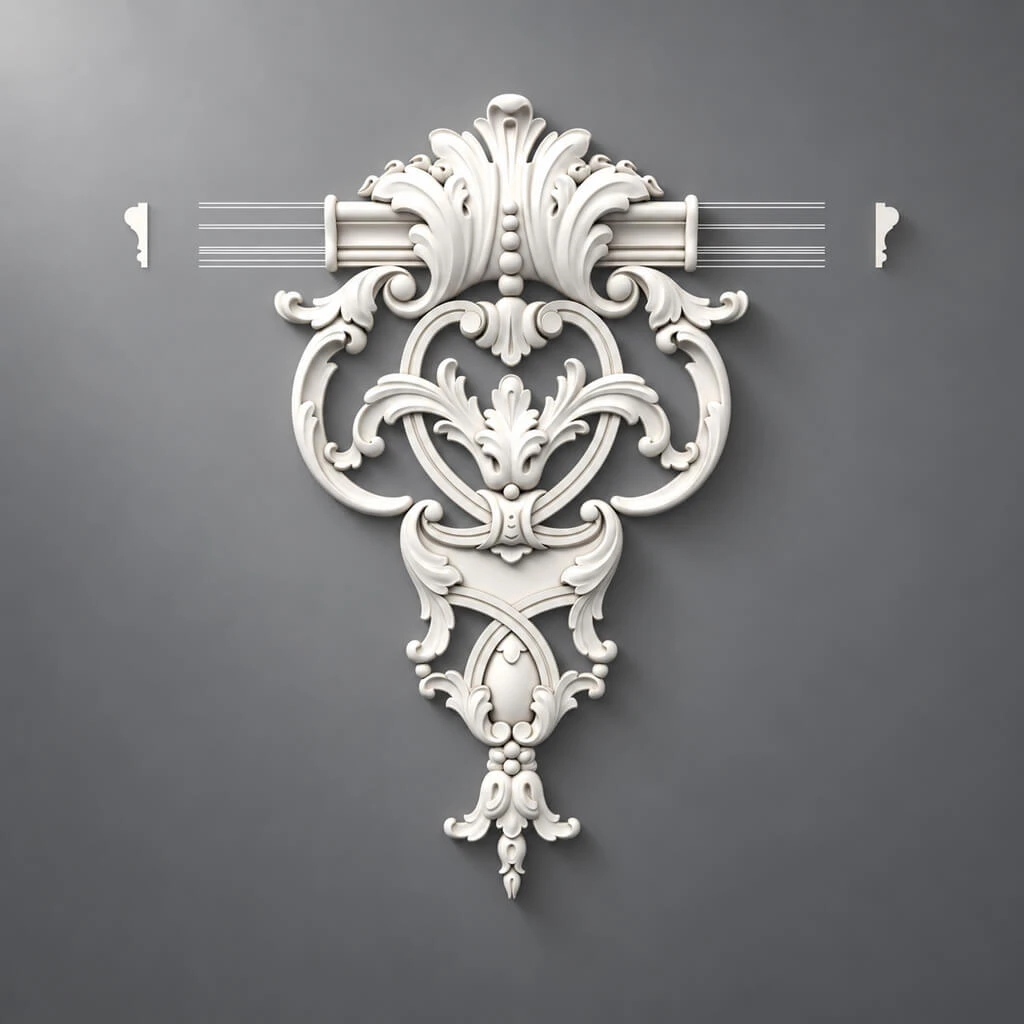
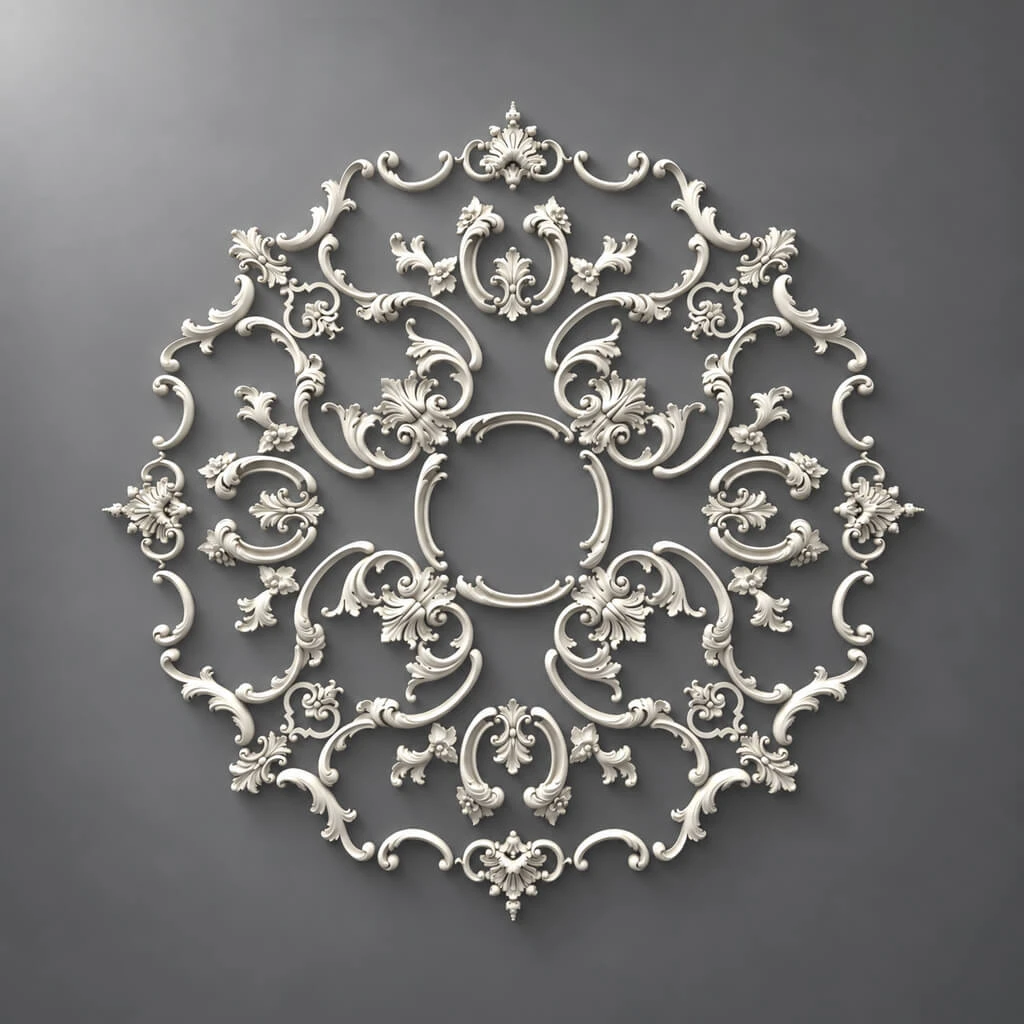
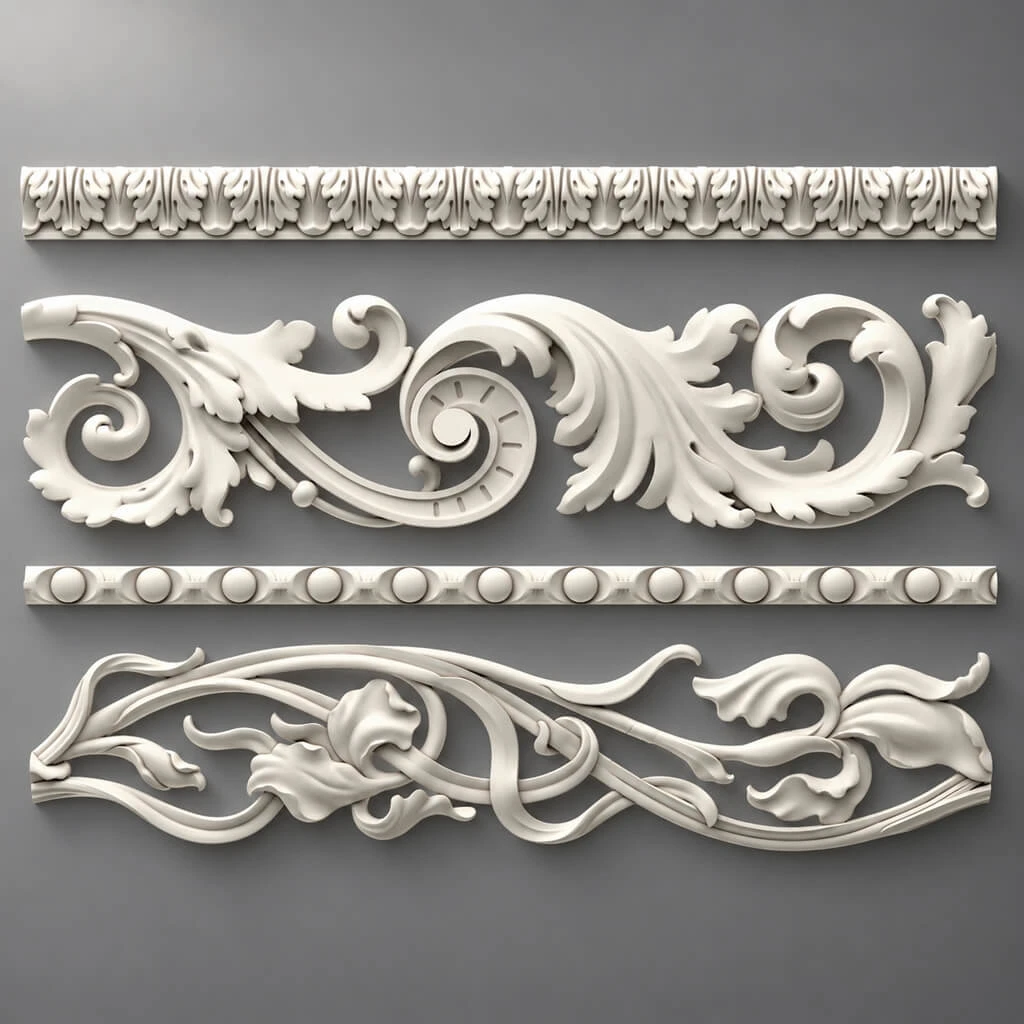
Carved wall trims
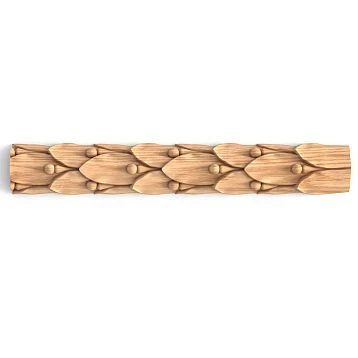
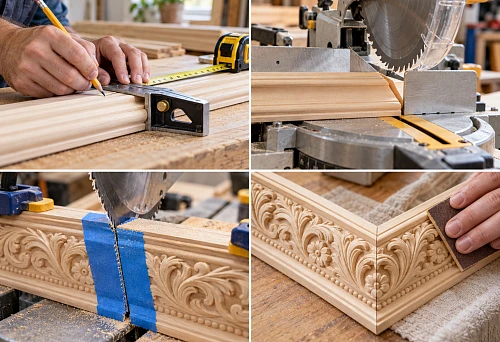
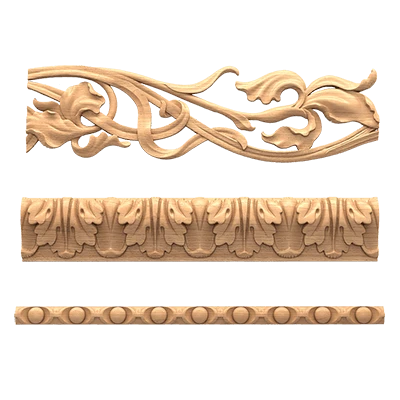
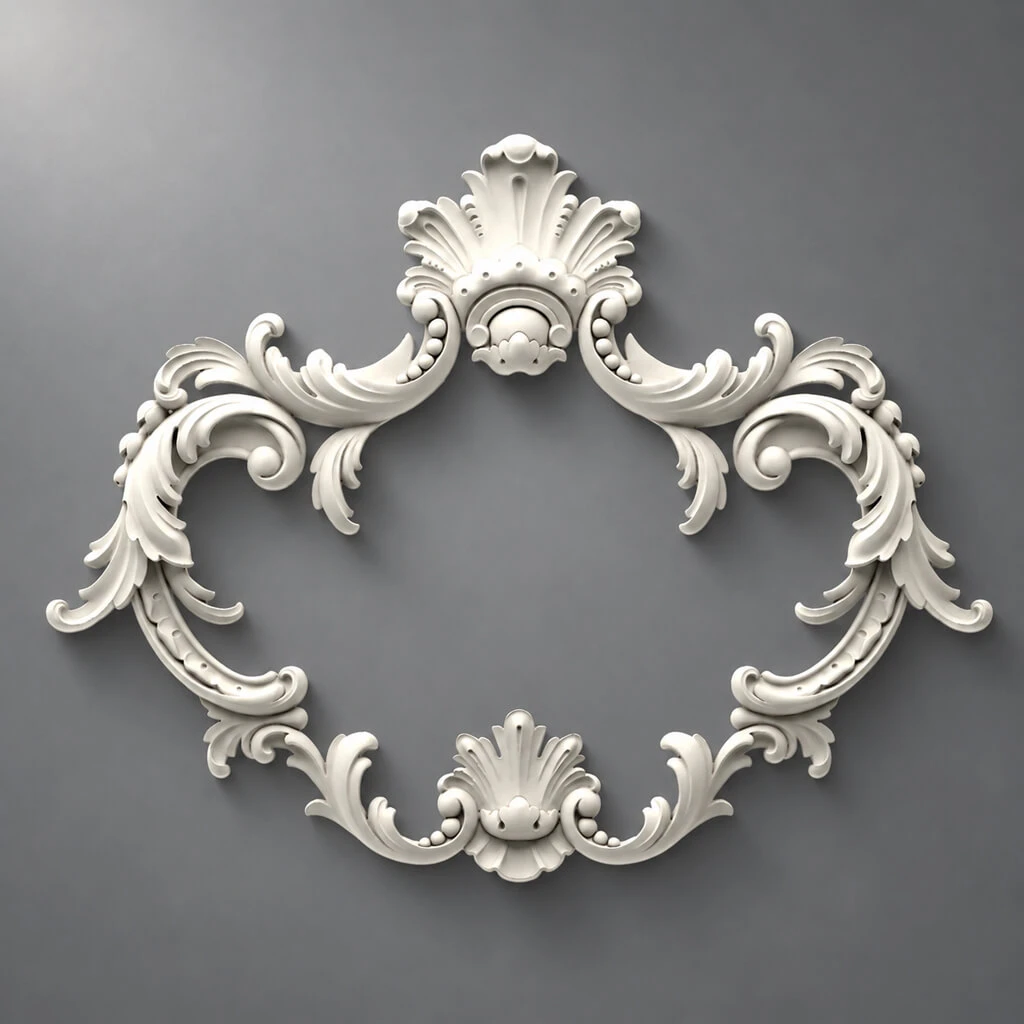
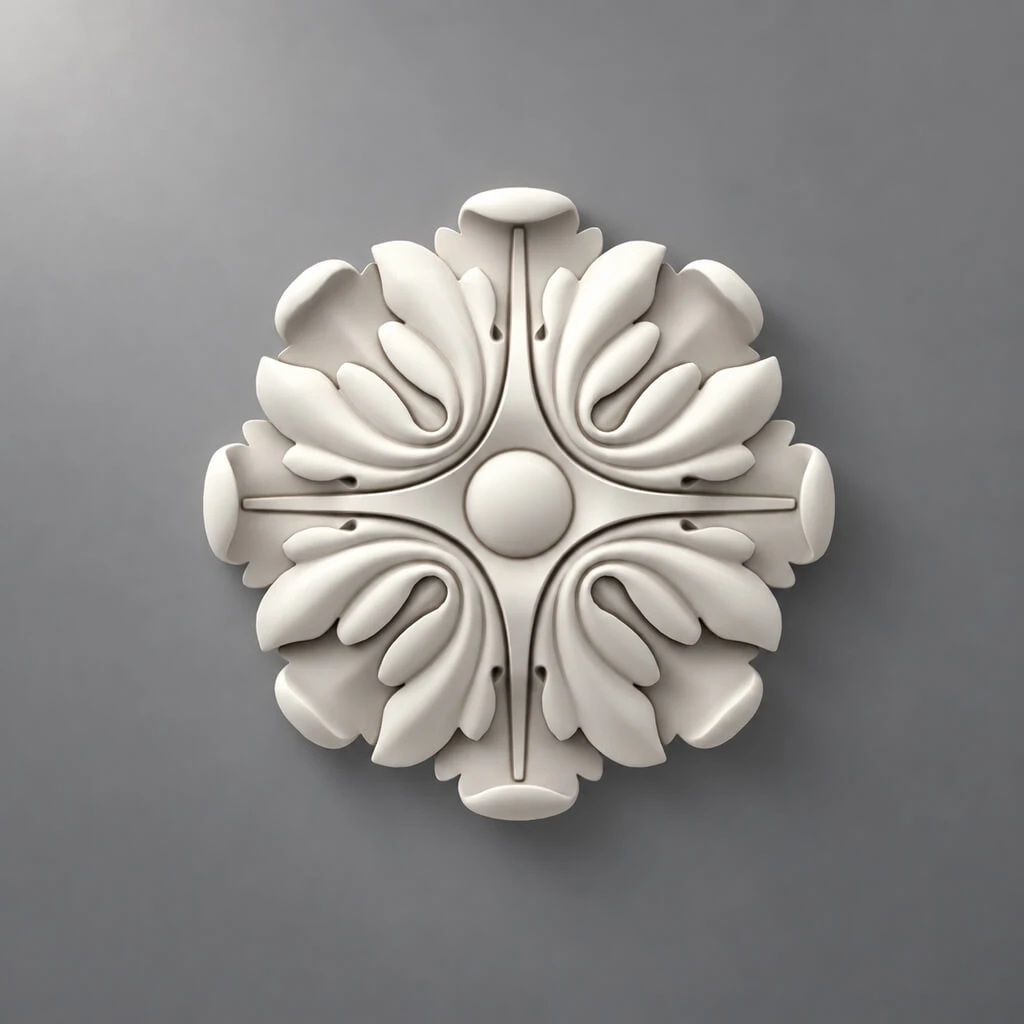
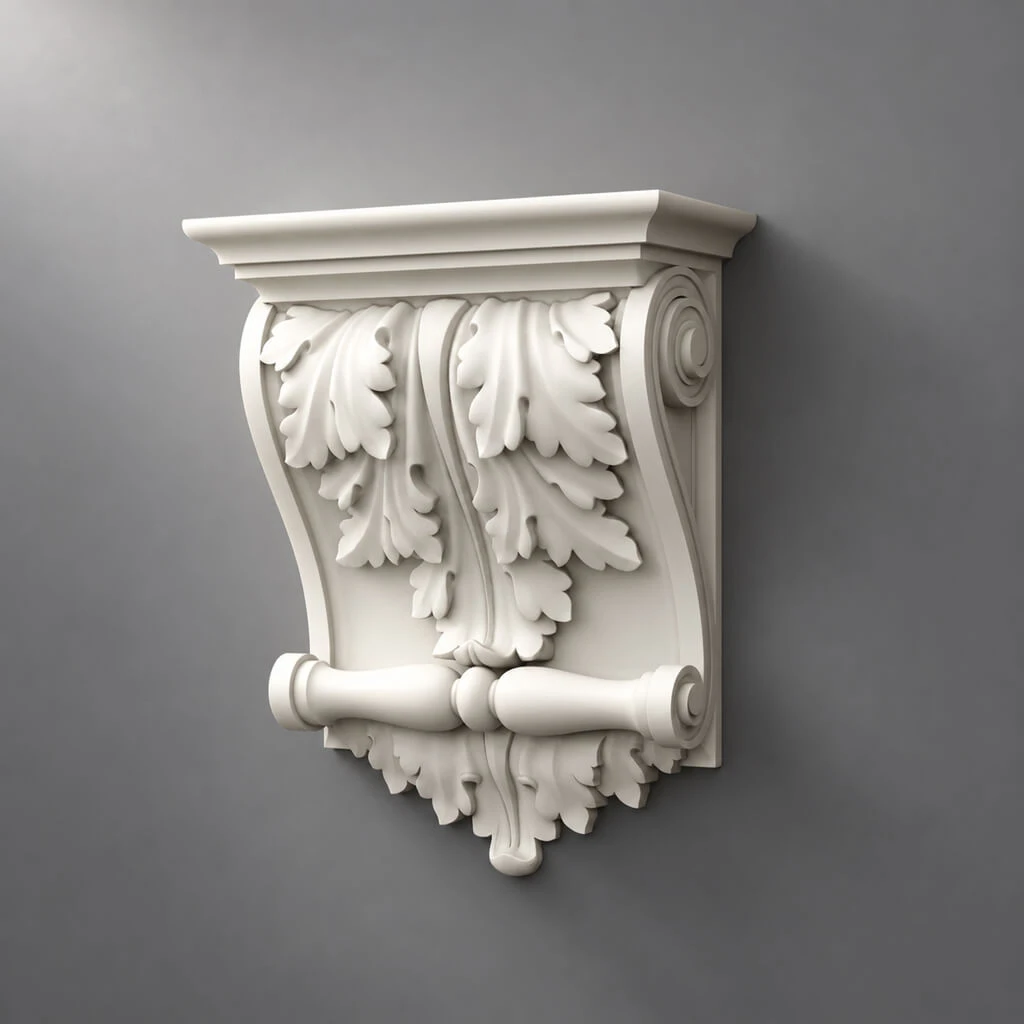
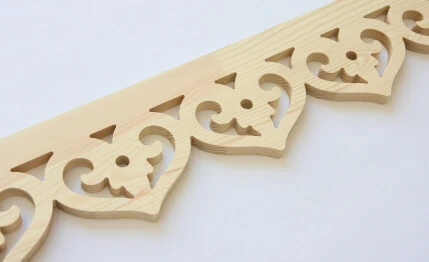
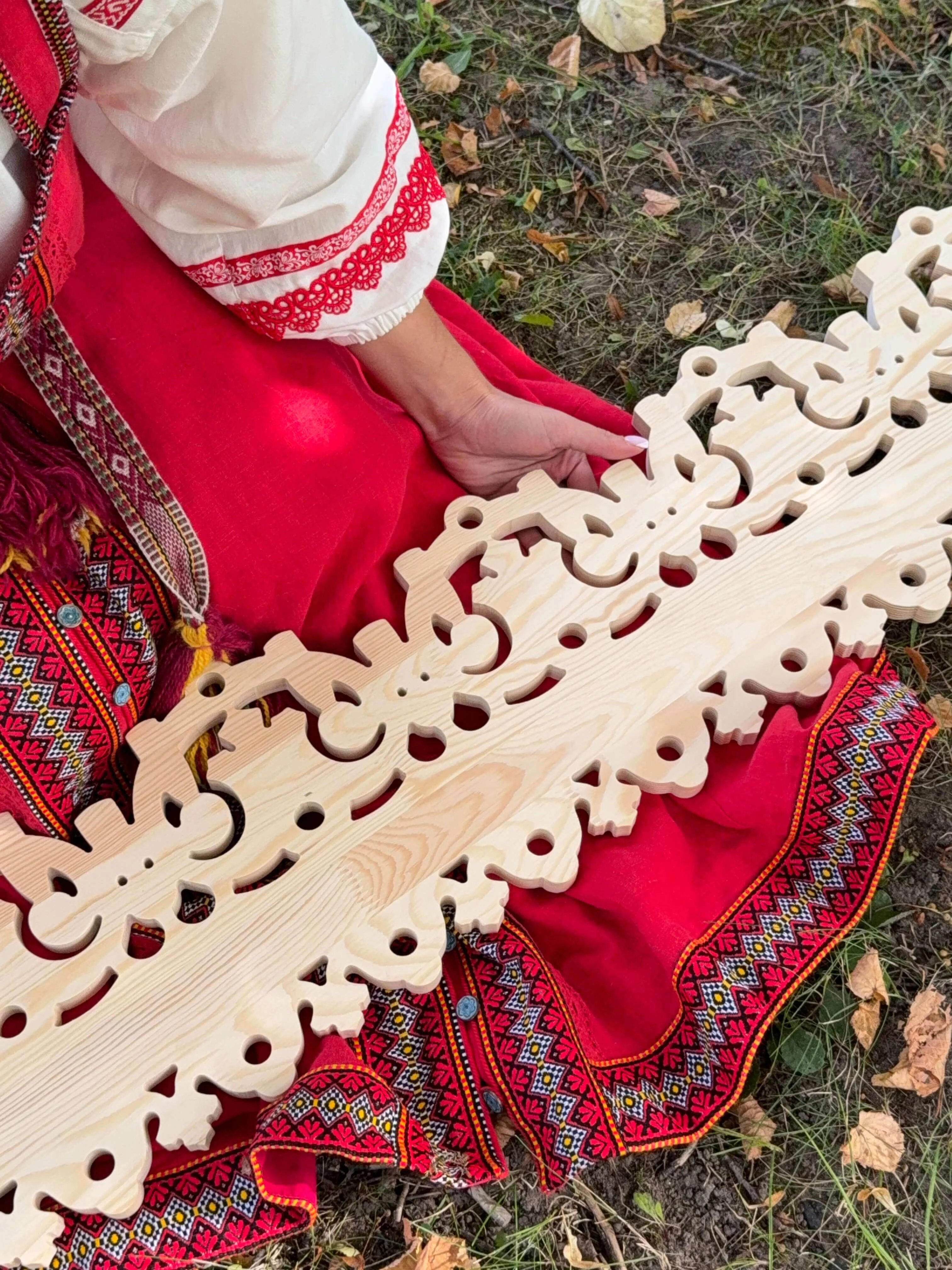
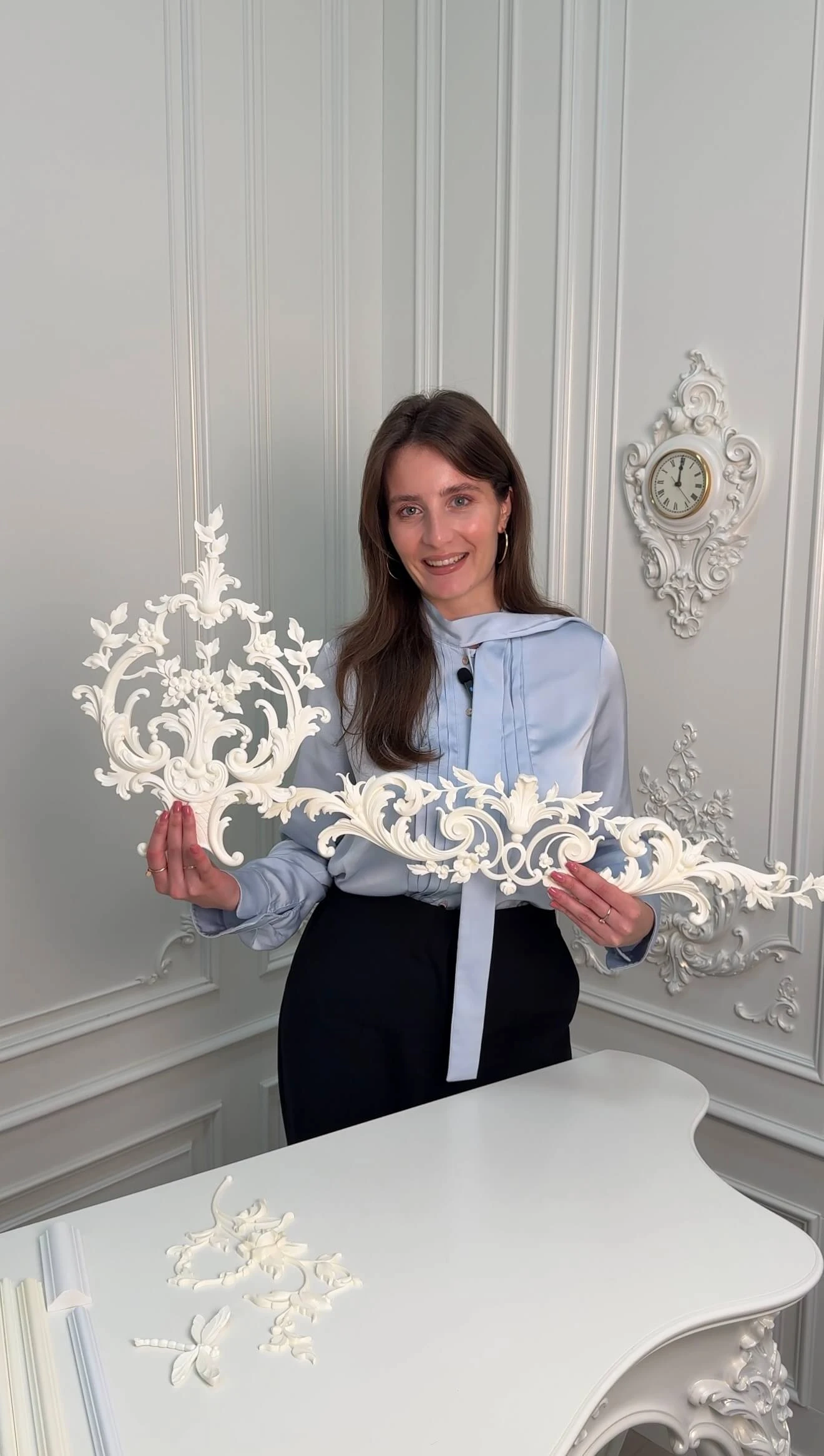
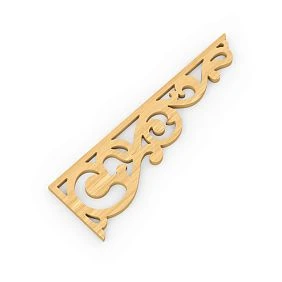
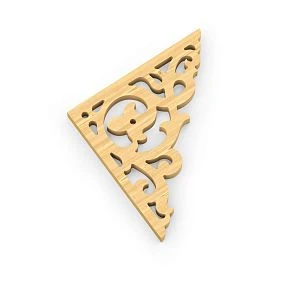
Carved wall trims are the pinnacle of decorative sophistication. Milled patterns on a flat surface or three-dimensional hand carving. Floral motifs, geometry, classic architectural ornaments — acanthus leaves, egg-and-dart, running wave.
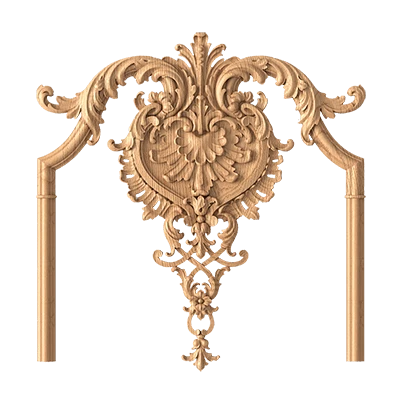
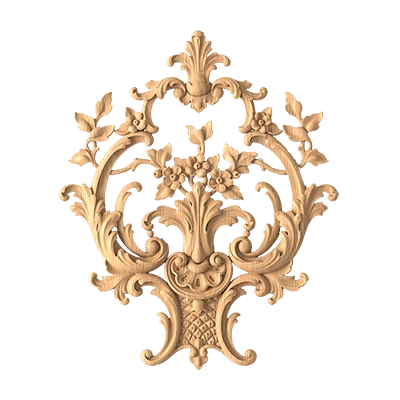
Such elements are fitting in interiors with a pronounced stylistic statement: Baroque, Classicism, Empire, Eclecticism.Carved wooden ornament – this is an art that preserves traditions of the past and finds its place in modern interiors. It can decorate any space, adding style, elegance, and individuality. Use wooden ornaments to create expressive accents, decorate facades, furniture, and walls, and you will transform your space, making it unique and irreplaceable!on the wall is not a detail, but a central decorative element around which the image of the entire space is built.
Wooden solid wood trims
Solid wood wall trims are products made from solid or glued blanks without a synthetic base. This is the category that provides the maximum visual and tactile result: wood on the wall lives, reflects light, changes with age.
Solid Wood Itemsis durable, restorable, and truly beautiful. A surface of solid oak or ash with proper finishing looks richer than any alternative.
Trims as part of a wall decorative composition
The most interesting scenario is a systematic one. Here, wall trims are not standalone lines but are integrated into a full decorative layout:
-
rectangular or square frames made of moldings on the middle part of the wall;
-
horizontal belt at panel level (1/3 of wall height from the floor);
-
wooden corniceat the ceiling;
-
Wooden baseboardat the floor.
All this is a single system in whichWooden moldingsact as trims, and the entire ensemble works as an architectural frame around the space.
Why wooden wall trims are one of the best solutions
Why wood, not plaster, not MDF, not polystyrene? The answer lies in several arguments, each of which is specific.
Unique texture. Wood never looks the same twice. Even two planks from the same board have different grain patterns. It is this 'liveliness' of the surface that creates a sense of naturalness and value that no synthetic material can imitate.
Flexibility in finishing. Buying wooden wall trims means getting a material that works with any final coating. White matte enamel: purity and volume. Toning to walnut or oak: warmth and character. Open lacquer with texture: natural expressiveness. Neither MDF nor plaster offer such a range.
Durability and repairability.Wooden itemsThey last for decades. Minor damage is repaired by sanding and local painting — without dismantling the entire element. A plaster counterpart shatters upon impact, while plastic yellows and deforms.
Systematicity. Buying wooden wall trims means having the ability to complement them with matching moldings, cornices, trim, and decorative overlays made from the same wood species.Wall Decorative Elementsmade from solid wood create a cohesive interior ensemble, not a collection of disparate parts.
Eco-friendliness. Wood is a natural material without toxic emissions. In living spaces, especially bedrooms and children's rooms, this is a significant argument in favor of solid wood.
Visual value. Solid wood wall trims are an investment in the interior's image. Even a simple smooth oak profile looks more expensive on the wall than any painted plaster.
How to choose wall trims
A good question is already half the right solution. Let's break down the selection by each parameter.
By interior style
The first thing that determines everything else is the style of the space. Here are the main stylistic scenarios:
| Interior style | Recommended casing type |
|---|---|
| Classic, neoclassic | Profiled molding 50–100 mm, oak or beech, white enamel |
| Empire, Baroque | Carved element with floral ornament, wide profile, gold tinting or white |
| Minimalism, Scandinavian style | Smooth plank 30–50 mm, pine for white painting |
| Provence, country | Smooth or slightly profiled, light wood, white paint |
| Eclecticism, author's interior | Wide carved profile, open texture, contrasting color solution |
How to choose architraves for the interior — it's always a conversation about scale and style at the same time. The profile should match the 'weight' of the interior: a light space — a thin profile, one rich in decor — a wide one.
By thickness and profile
Relief thickness — this is the depth of shadow created by the element. For wall architraves:
-
5–10 mm: delicate relief, works in diffused light. For minimalist solutions.
-
12–20 mm: confident profile, readable in any lighting. Standard for classic interiors.
-
20–35 mm: rich relief with deep shadow. For representative spaces.
The width of wall trim is chosen differently than for doors: there is no mounting joint to cover here. Width is a matter of proportion. The rule: the width of the horizontal belt should not exceed 1/10 of the wall height. For a height of 280 cm — a maximum of 28 cm for the horizontal element. For the vertical side frames — proportionally smaller.
Based on wall type and composition
Before buying wall trim for decoration, determine what exactly you want to create:
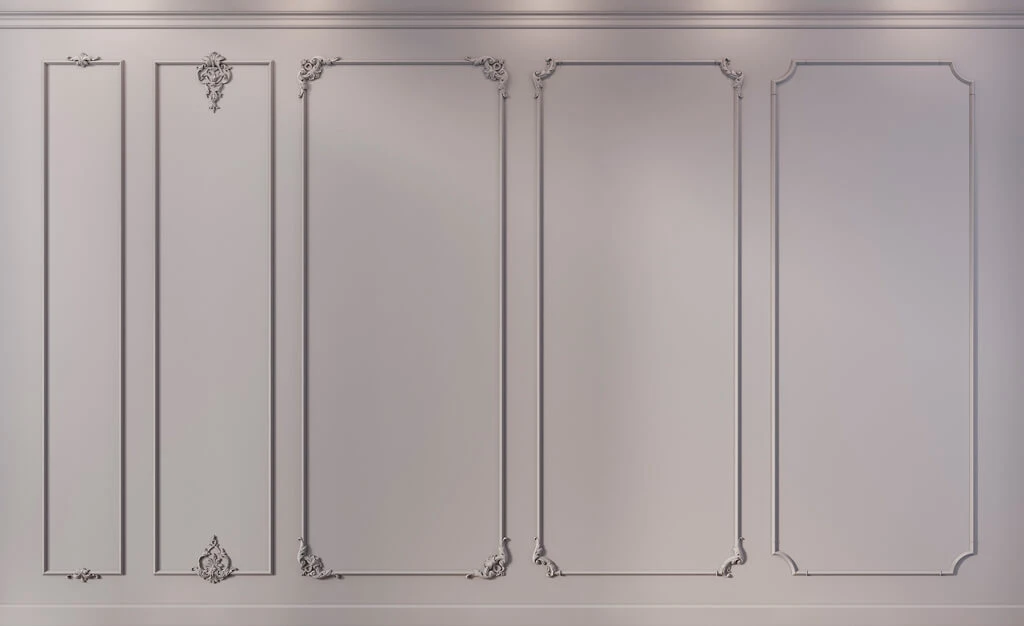
Frame layout. Rectangular or square frames made of moldings, mounted on a flat wall surface. This is the most popular scenario in classic interiors.Decorative wooden moldings— is the perfect material.
Horizontal belt. One or two horizontal elements divide the wall by height. Create a panel-like effect.
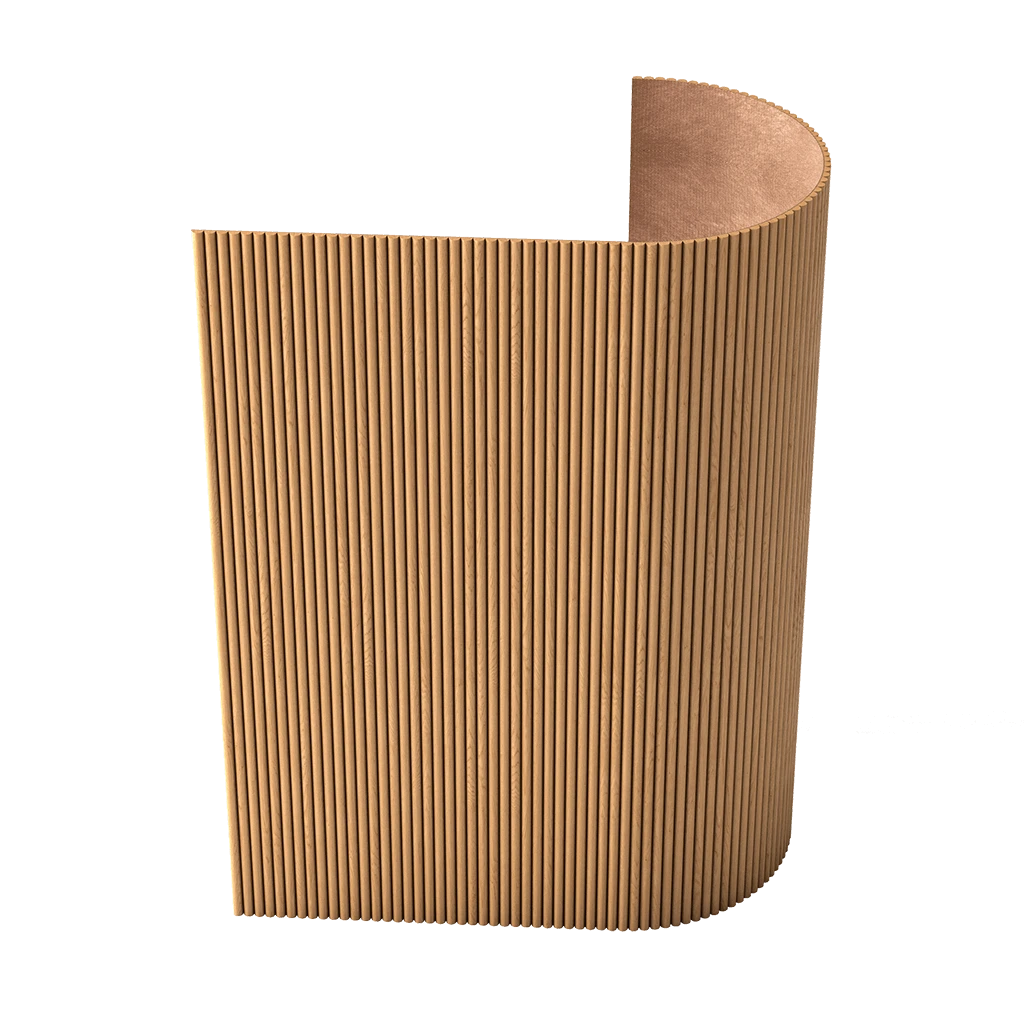
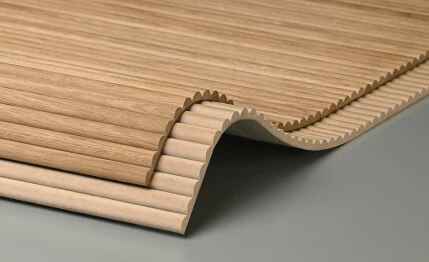
Vertical system.Wooden batten wall panelsor vertical trim strips, mounted at equal intervals. Create a sense of height.
Full system. Cornice at the ceiling + horizontal belt + frames on the middle part of the wall + baseboard at the floor. This is an architectural solution that turns the wall into a full-fledged interior object.
By material
The choice of wood species depends on the finish and load:
-
Pine: soft, easy to install, takes paint well. The best choice for enamel painting.
-
Beech: dense, even texture. Excellent under white enamel — does not 'show through' the coating.
-
Oak: maximum hardness, expressive grain. Ideal for natural varnish or tinting.
-
Ash: aristocratic grain, slightly lighter than oak. Good in modern classic interiors.
In combination with moldings, cornices, and baseboards
How to combine architraves with moldings — the principle is simple: one wood species, one type of finish, a coordinated profile.Wall wood molding — horizontal arrangement that can run at the level of a chair back, window sill, or mid-wall. Molding divides walls into horizontal zones, creates rhythm, and structures space.should be in the same system asWooden corniceandWooden baseboard. Different profiles, different wood species, different finishes — that's chaos. A unified system — that's an ensemble.
Where wall architraves are most commonly used
Each room has its own decorative logic. Let's examine the main scenarios.
In the living room
The living room is the main space for working with decorative wall elements. Wall trim for living room decor can form a complete architectural system: frames above the sofa, symmetrical panels on either side of the fireplace, a horizontal belt at the level of the sofa back,wooden corniceat the ceiling.
The accent wall behind the sofa is the best place for complex frame layouts. HereWooden moldingsthey create a visual 'field' behind the furniture, which works like a picture frame for the entire sofa ensemble.
You can choose wooden trim for a decorative wall in the living room in the full catalogof solid wood.
In the bedroom
Wall trim for bedroom decor is primarily about the headboard. A rectangular frame or a more complex symmetrical layout behind the bed's headboard creates a sense of an 'architectural headboard'—even if the headboard itself is modest. This is a technique actively used by designers in working with classic and neoclassical bedrooms.
Wooden moldingwith a width of 40–60 mm in the 'bead + shelf' profile is the optimal choice for a bedroom wall. White enamel on a white wall creates a subtle, almost imperceptible relief—exactly what is needed for a calm, restrained space.
In the hall and corridor
The hall is the first thing a guest sees. It is here that decorative wall trim works as a 'statement of style.' A horizontal belt at a height of 90–110 cm (windowsill level) divides the wall into a lower panel zone and an upper one, creating the visual logic of a classic hall.
Wooden border for wallsis the horizontal element that plays exactly this role. It separates the lower zone from the upper one, setting the horizontal rhythm of the space.
In a classic study
Trims for wall decoration in a classic style are primarily bookcase and panel layouts. Vertical wall sections framed by profile trims can mimic built-in cabinets, library sections, picture frames.Decorative Wooden Patternsin the corners of the frames complete the look.
In a study, the unity of the entire decorative series is especially important: the same profile on the walls, on the door, on thewooden moldingat the ceiling — this is architectural integrity.
On an accent wall
Trims for an accent wall — this is a separate and very popular scenario. One of the four walls in the room receives a more saturated decorative layout than the others. This could be:
-
a wall with a fireplace;
-
the sofa wall in the living room;
-
the wall with the headboard in the bedroom;
-
wall opposite the entrance to the hall
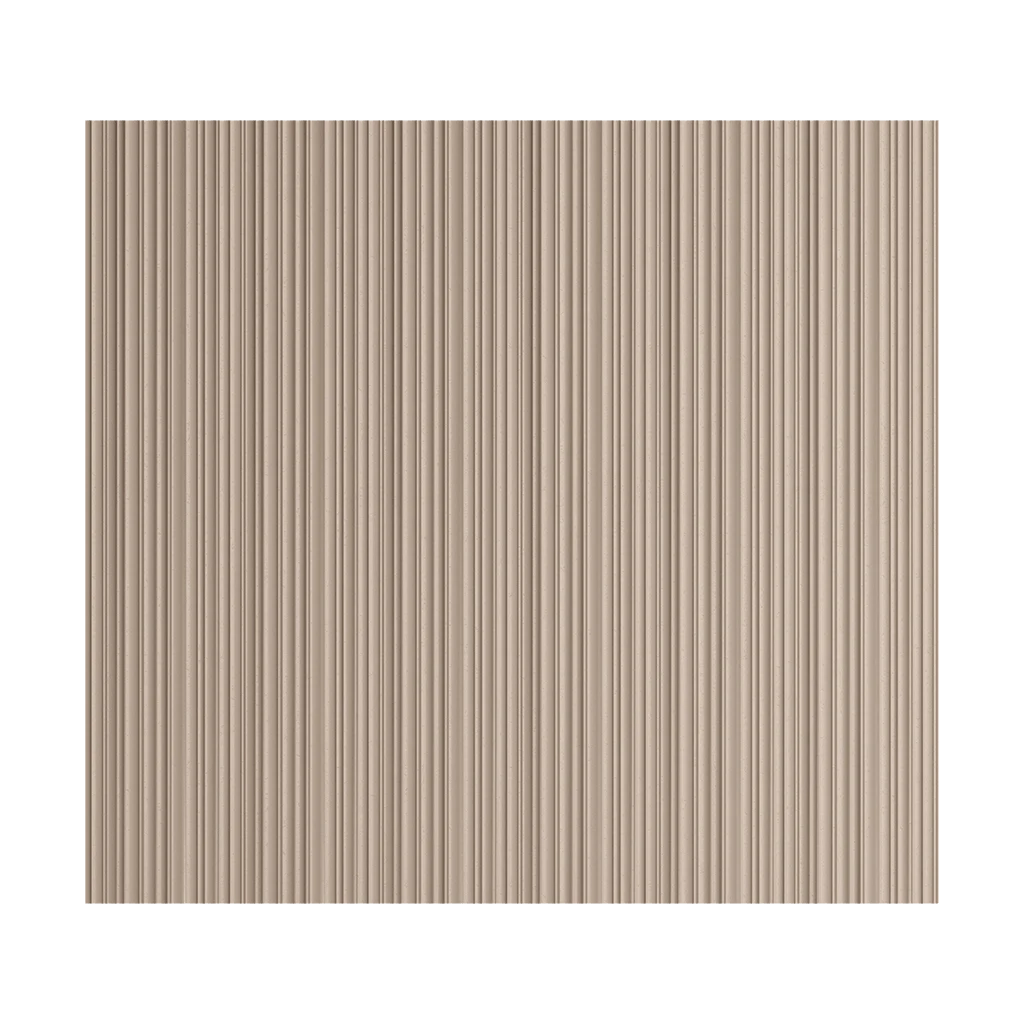
Decorative wooden strip— a popular modern solution for an accent wall: vertical slats with equal spacing create rhythm and depth.Wooden panel with slats— another option that works particularly well in modern classic and Scandinavian interiors.
Wall trims for classic and decorative interiors
Classic is not a style of the past. It is the language in which the best interiors of centuries have been written. And in this language, wall trims are one of the key words.
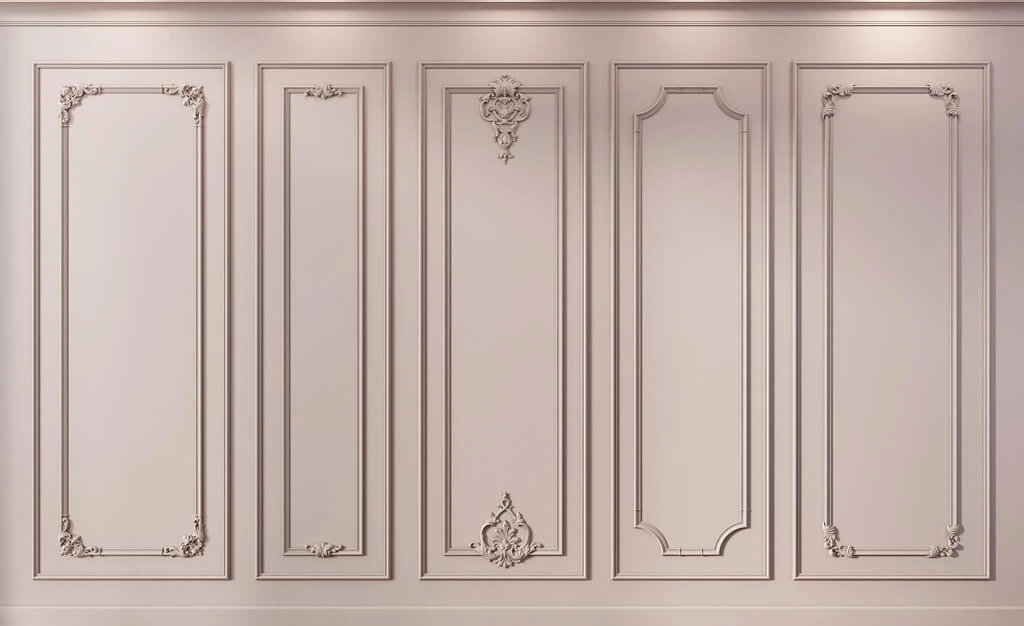
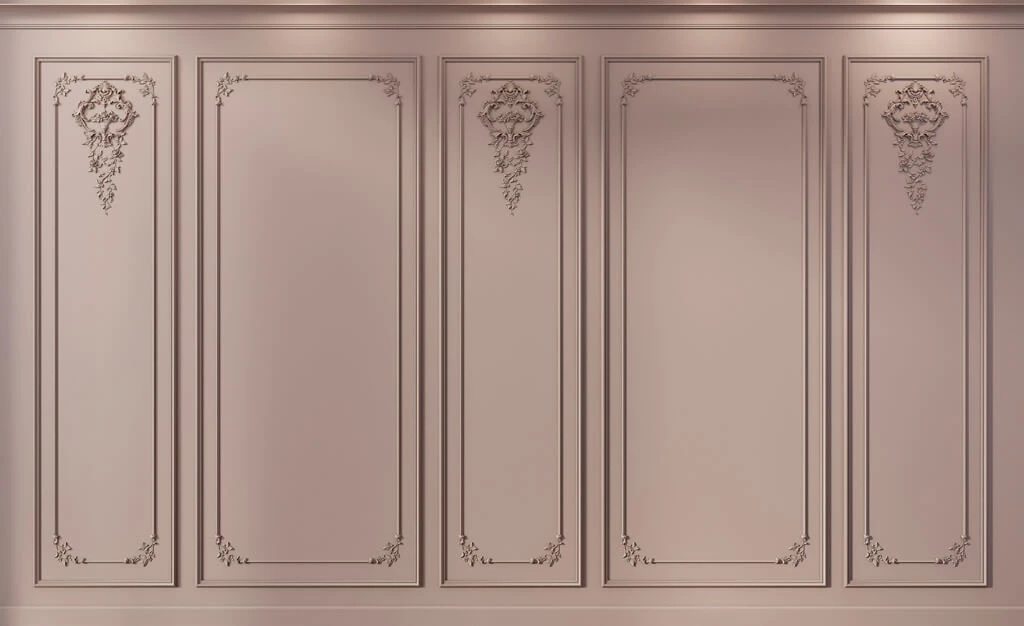
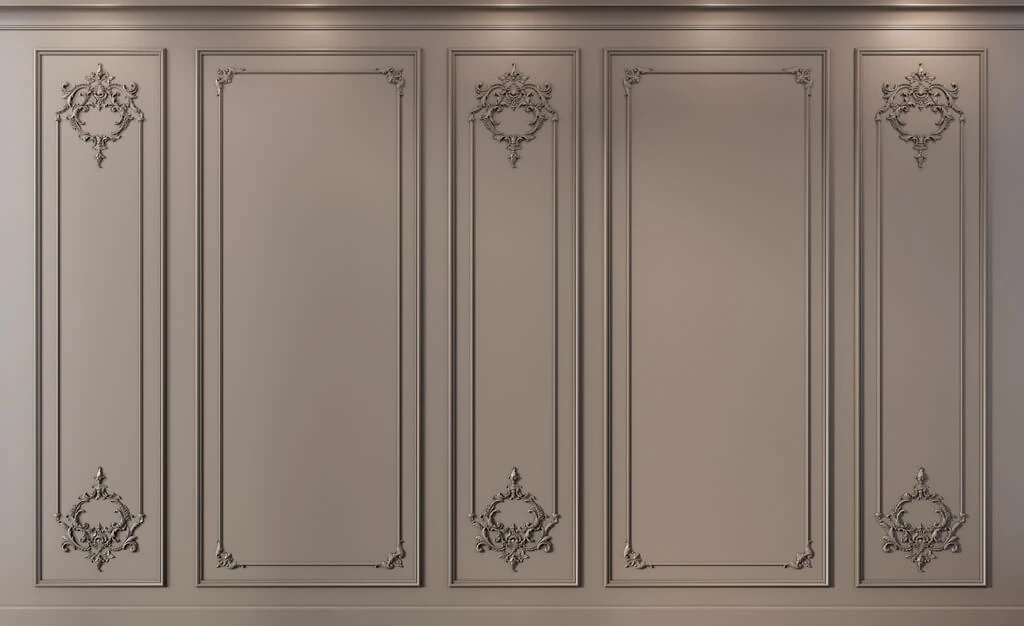
Classic rectangular frames. A system of two or three rectangular frames on one wall, arrangedwooden moldingsin 2–3 levels of profile — this is a basic technique seen in all palace interiors. The principle: the outer molding is wide, the inner one is narrower. The space between them is the 'field' of the frame.
Symmetry as law. Beautiful wall trims in classic style are always built on an axis of symmetry. The fireplace — centered on the wall. Frames — symmetrical relative to the fireplace. Windows — symmetrical relative to the central axis. Breaking symmetry means destroying the style.
Wooden wall decor in neoclassicism works more subtly: profiles are narrower, frames are smaller, ornamentation is minimal. This is 'classic with a modern edit' — without opulence, but with impeccable proportions.
How to decorate a wall in a classic style — a practical scheme:
-
Apply markings to the wall considering symmetry and proportions.
-
ChooseDecorative wooden moldingswith the required profile.
-
Install the outer contour of the frame.
-
If necessary, add a thinner inner contour.
-
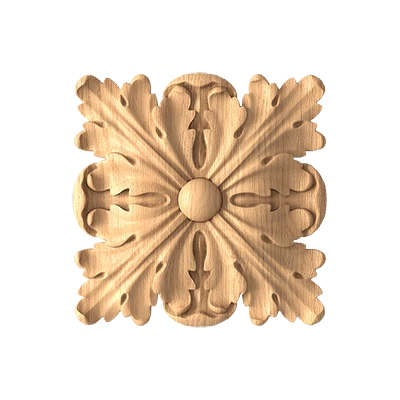
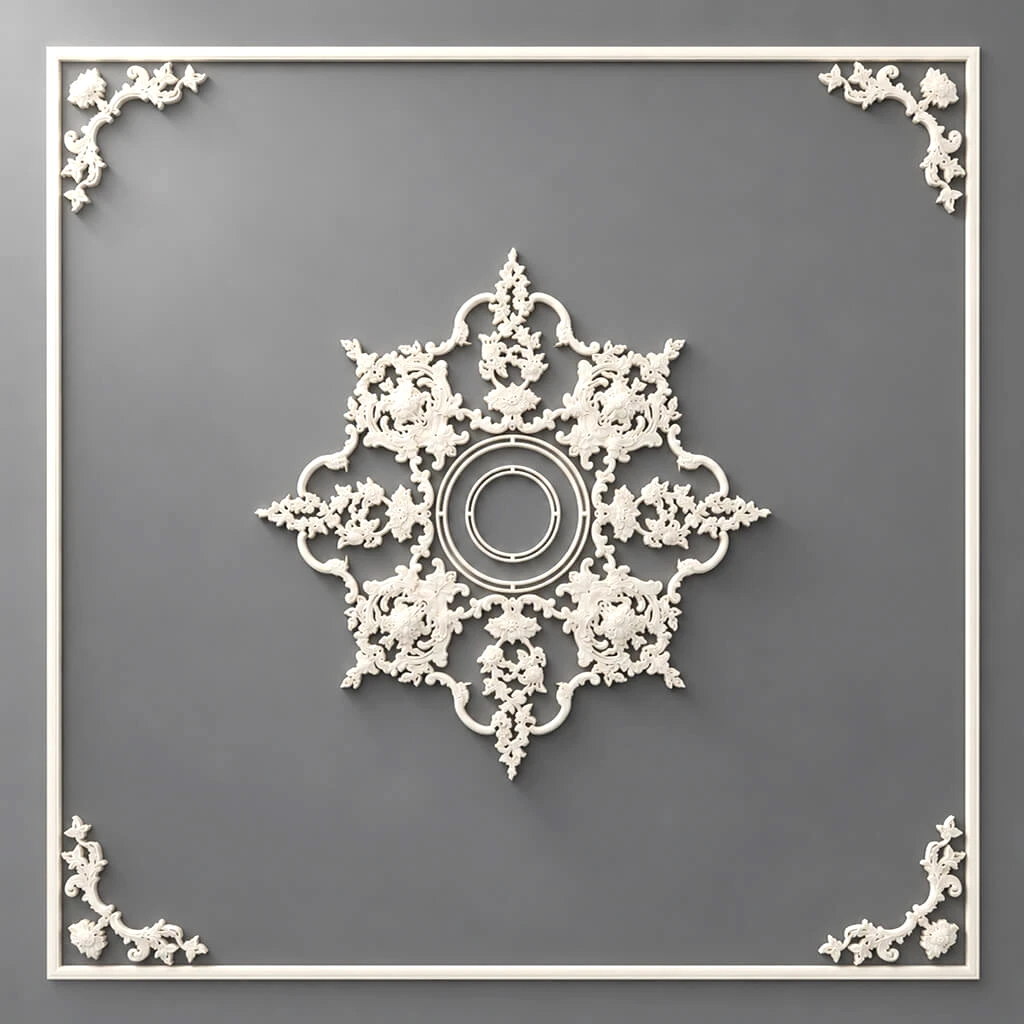
In the corners, installdecorative elements— corner rosettes or overlays.
-
Finishwooden corniceat the ceiling andwooden baseboardat the floor.
Result — a wall that needs no additional decoration. It is already an ornament.
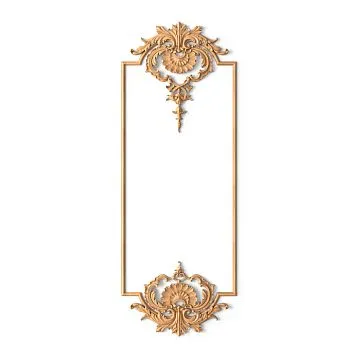
Wooden wall decor for interiors withwooden ornamentation— a separate world.Carved wooden decorationin the form of rosettes and overlays combined with profiled architraves — this is no longer just an interior, it's a little story.
What to complement architraves for walls with
An architrave installed alone on a white wall — that's the beginning. An architrave in a system — that's the result.
Molding.Wooden molding— the main partner of the architrave. It forms the frame, sets the profile, creates the relief. Buying moldings and architraves for walls in one catalog, from the same wood species — that's the right strategy.Decorative wooden moldingswith different profiles allow building complex multi-level frames.
Cornice.Wooden corniceat the ceiling — a horizontal dominant. It 'covers' the system of wall architraves from above, creating completeness.wooden cornicewith a rich profile in a classic interior — this is not just decor, it's an architectural element.
Baseboard.Wooden baseboardcloses the system from below. The height of the baseboard should correspond to the scale of the decorative layout: in a classic interior with high ceilings — from 12 cm. For more modest interiors, it is acceptableMDF Skirting Boardin the same profile.
Molding.Trimming Items— these are all elements that work in a linear format: glazing beads, coving, battens, corner trims.Wooden trim— conceals joints, designs transitions between zones, complements main decorative elements. Buying trim for wall decoration from the same wood species as the architraves is the right solution.
Battens.Wooden plank— a universal element for creating rhythmic vertical or horizontal surfaces. A wall panel made of battens is a modern and very expressive tool.Wooden panel with slats— a ready-made solution for an accent wall.
Decorative appliqués.Wall Decorative Elements— corner rosettes, decorative inserts, overlay ornaments. They are installed in the corners of frame layouts, at the intersection points of moldings, on planes between frames.Wooden wall decor— that very accent that distinguishes professional work from amateur work.
Wooden picture rail.Wooden Picture Frame— this is a type of trim element with a profile designed for framing pictures, mirrors, planes. On the wall, it creates the effect of 'built-in' frames.
Mistakes when choosing architraves for walls
Five mistakes that make wall decor unconvincing. You won't repeat them.
Too small a profile on a large wall. A 20 mm wide casing on a 5 × 3 meter wall creates thin lines that get lost and don't provide the necessary weight. Which casings are better for walls with high ceilings: a wide profile from 60 mm with a relief depth of at least 12 mm.
Too heavy decor in a small room. The opposite mistake. A wide, carved molding in a 12 m² room with a 2.5 m ceiling is overload. The space 'collapses'. Rule: the smaller the room, the thinner and more concise the profile should be.
Lack of connection with the cornice and baseboard. Casings on a wall without a corresponding cornice and baseboard look like an unfinished system. How to choose casings for a decorative wall: start by defining the cornice and baseboard, then select wall elements in harmony with them.
Mixing styles. A carved element in the Baroque style next to a smooth Scandinavian profile is a style conflict. A wall should have one interior 'accent', not several competing ones.
Violation of frame proportions. Too tall or too wide frames disrupt classical harmony. The golden ratio—a 3:5 or 5:8 aspect ratio—is not a coincidence; it is a proportion tested over centuries. How to combine architraves with moldings in a frame layout: first draw a diagram on paper, then on the wall.
Where to buy wall casings
When understanding is there - it's time to buy. Here's what to look for when choosing a supplier.
Systematic assortment is the key condition
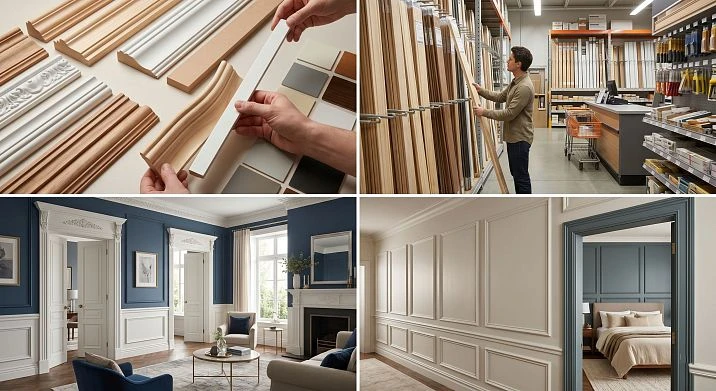
Wall casings from the manufacturer ideally mean: the same catalog that contains moldings, cornices, baseboards, decorative overlays, and linear products. Only then can you assemble a system, rather than searching for 'similar' items in different places.
Buying casings in one store, moldings in another, and baseboards in a third is a risk of mismatched profiles, wood species, and finishes. A systematic approach saves time and guarantees visual unity.
What to look for when purchasing
When ordering wooden wall casings, pay attention to:
-
wood species (must be explicitly stated);
-
moisture content of the blank (for interior products — 8–12%);
-
surface type (sanded for painting or already coated);
-
profile (real photos, not just renders);
-
availability of system partners (moldings, cornices, trim from the same brand).
Ready-made or custom order
Ready-made wall casings — for standard tasks: straight frames, horizontal belts, vertical slats. Order custom wall casings for non-standard sizes, non-standard profiles, or with carving — when the project requires an author's solution.
Wall casings price — ranges by material:
| Material | Type | Price per linear meter |
|---|---|---|
| Pine, smooth | For painting | 200–400 rub. |
| Pine, profiled | For painting | 350–700 rub. |
| Beech, profiled | for painting or tinting | 700–1,500 RUB |
| Oak, profiled | open texture or enamel | 1,000–3,000 RUB |
| Oak, carved/decorative | ornament, overlay | from 1,500 rubles/item |
How much do wall trims cost per wall set (e.g., three 60×90 cm frames made from 60 mm molding): pine — 3,000–7,000 rubles, oak — 10,000–25,000 rubles. The wide range is due to wall size, profile complexity, and the number of additional elements.
Wall trims catalog with prices — look for manufacturers whose catalog is structured by collections, not just by sizes.
Why STAVROS is suitable for wall decor
When the task is not just to 'cover the wall,' but to create a space — the choice of supplier becomes fundamental.
STAVROS is a manufacturerinterior decor made from solid wood with a full catalog for wall, door, and ceiling decor. Here you can assemble the entire system: from wooden moldingtodecorative cornice—of wooden moldingstodecorative wall elementsandwall panels made from slats.
This means: one wood species, one profile style, uniform finish — without compromises and without searching for 'similar' items from different suppliers.decorative elements from STAVROS is not a set of disparate products, but a well-thought-out system for those who understand: interior design is not a mosaic, but architecture.
wooden ornament, wooden ornament, Carved wooden ornament – this is an art that preserves traditions of the past and finds its place in modern interiors. It can decorate any space, adding style, elegance, and individuality. Use wooden ornaments to create expressive accents, decorate facades, furniture, and walls, and you will transform your space, making it unique and irreplaceable!— all these elements complement the wall layout and create a sense of an authorial interior.Buy Wooden Patternscan be found in the same catalog as moldings and cornices.
Go toCatalog of solid wood itemsto select architraves, moldings, trim, and decorative elements for wall design in a unified style — with a guaranteed systematic result.
Conclusion
Wall architraves are not just a decorative strip on the surface. They are a tool with which an architect converses with space. A correctly selected system of framing elements transforms an ordinary room into an interior with history, scale, and character.
Buying wooden wall architraves means investing in a durable, natural, and visually valuable material. Wood lives on the wall differently than any synthetic material: it ages beautifully, is easily restored, and only gains nobility over time.
The maximum effect is achieved not from a single architrave, but from a system:Wooden moldings + Cornice + Skirting + Trimming Items + Decorative Inserts— all from one catalog, one wood species, in a unified style.
This is precisely the approach offered by STAVROS — and this is its main value for those who build an interior, not just 'decorate' it.
FAQ: frequently asked questions about wall architraves
How do wall architraves differ from moldings?
Essentially, nothing fundamental. In interior context, 'wall trim' and 'molding' are synonyms for decorative framing elements. The difference lies only in the historical origin of the term: 'trim' came from door and window context, 'molding' from European architectural tradition. On a wall, they serve the same function.
What width should I choose for wall trims?
Depends on ceiling height and room scale. For ceilings 2.5–2.7 m — 30–60 mm. For ceilings 3 m and above — from 60 to 100+ mm. Width of horizontal banding — no more than 1/10 of wall height.
Do I need to prime wooden trims before installation?
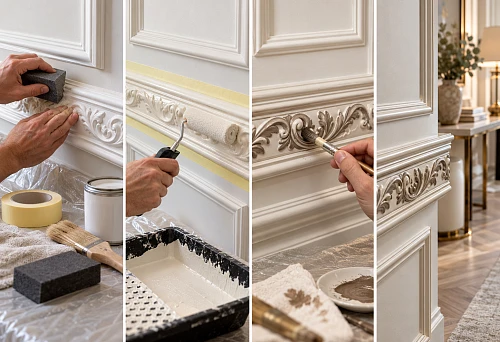
If painting is planned — yes, definitely. Primer seals pores and ensures enamel adhesion. For pine, it's important to use primer compatible with water-based enamels and blocking resin. For beech and oak — standard acrylic primer.
How to attach trims to a wall?
Main method: liquid nails (construction adhesive) + finishing nails 30–40 mm for fixation until adhesive sets. Nail heads are countersunk with a nail set and filled. Screws are used less often — in points with increased load.
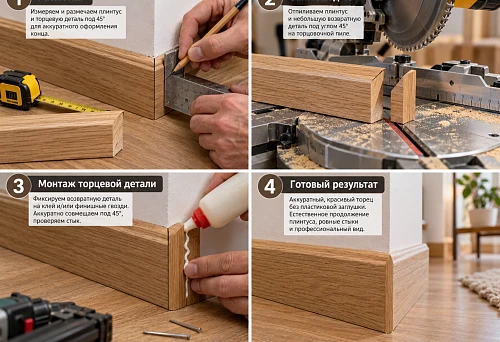
How to make a corner in frame trim?
Two options: miter cut at 45° (requires miter saw and precision execution) or joint via corner rosette overlay. For decorative interiors, the second option is preferable: it hides imperfections and itself serves as a decorative accent.
Can I install wooden wall trims in the kitchen or bathroom?
In the kitchen — yes, provided the wall above the work area is not subject to direct exposure to water and grease, and the wood is coated with moisture-resistant varnish or enamel. In the bathroom — acceptable for dry zones (outside the shower and bathtub area), with good ventilation and the use of moisture-resistant species (alder, thermowood).
How much molding is needed for one wall with a frame layout?
For three rectangular frames on a wall 3.5 m wide with frames 70×110 cm, molding consumption: 3 × (0.7 × 2 + 1.1 × 2) = 3 × 3.6 = 10.8 linear meters. Add 15% for cutting and waste = about 12.5 linear meters. Calculate based on the specific scheme.
Is it necessary to coordinate the layout with a designer?
For complex multi-level systems — advisable. For simple horizontal layouts or a single accent frame — it's quite possible to do it yourself using measurements, a level, and a paper diagram. The main rule: first full marking on paper, then on the wall, then installation.