Article Contents:
- Short answer: when you need solid wood moldings
- What is a solid wood molding
- Where are wooden moldings used
- On walls
- On furniture
- On doors and openings
- In an interior with wooden decor
- How a molding differs from a batten, trim, baguette, and cornice
- How to choose the size of a molding
- How to choose a molding profile
- Solid wood moldings for walls
- Solid wood moldings for furniture
- Moldings for classic interior
- Molding for painting, varnishing or staining
- How to combine moldings with baseboards, cornices and baguettes
- Moldings for furniture restoration
- Mistakes when choosing wooden moldings
- What to buy together with wooden moldings
- FAQ: questions about wooden moldings
- About the Company STAVROS
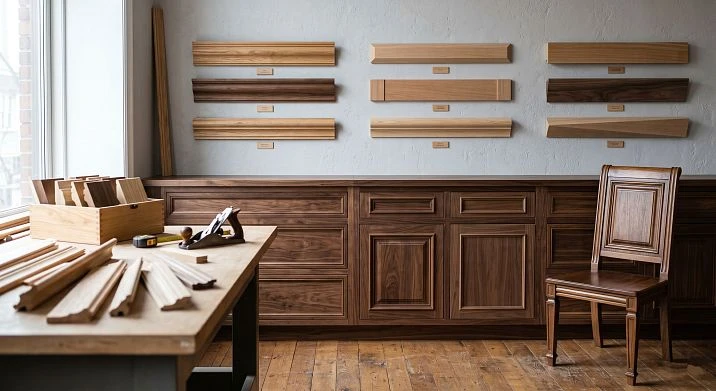
A wall without moldings is just a plastered plane. Furniture without profiles is a cabinet that performs a function but does not create an image. It is Moldings from solid wood that transform a space from the category of "made" to the category of "thought out" — adding that dimension which architects call tectonics, and ordinary people simply feel as comfort and dignity.
The topic of wooden moldings is broader than it seems. Behind the word "molding" lies a whole world of profiles, purposes, styles and materials. This article provides a complete breakdown: from definition to installation, from profile selection to combination with baseboard, crown molding и wooden decor for furniture.
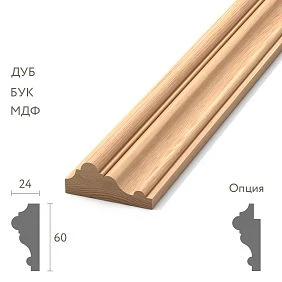
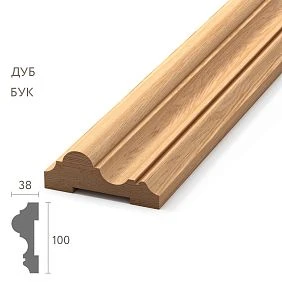
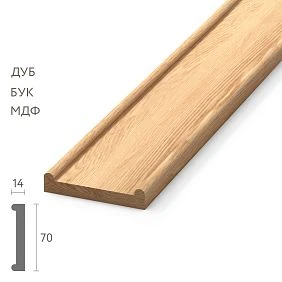
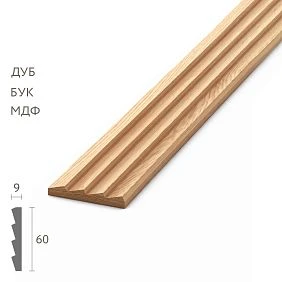
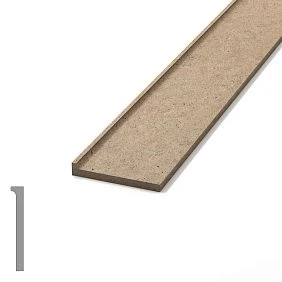
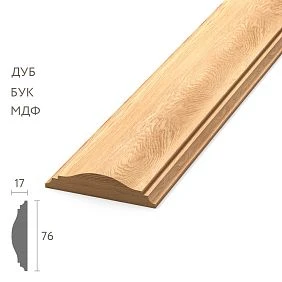
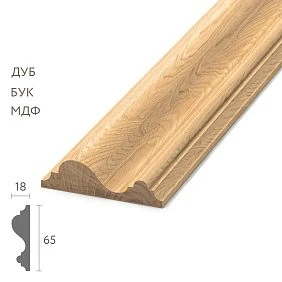
Short answer: when solid wood moldings are needed
Without further ado — here are the specific situations where Wooden moldings — the right choice:
-
You need to decorate a wall with wooden frames. Molding is the main tool for classic wall compositions. Squares, rectangles, horizontal bands — all of these are built with wooden profiles.
-
You need a profile for a furniture facade. Molding creates an expressive contour on the facade of a cabinet, dresser, or kitchen door — with relief and shadow, not just a line.
-
The interior is built on natural wood. When a room has parquet, wooden doors, and solid wood furniture — molding becomes part of this living wooden language.
-
You need to connect baseboard, cornice, doors, and furniture. Molding is the connecting element of the entire wooden system solid wood trim.
-
Ordinary Wooden plank looks too simple. When you need not just a stroke, but an expressive profile — molding.
-
Wooden molding is needed not for a joint, but as a decorative profile. Molding provides more decorativeness with the same installation method.




What is solid wood molding
The word "molding" comes from the English — moulding, which in an architectural context specifically means a profiled decorative element with a distinct cross-section. It is not just a batten or a simple board — it is an element with character, having shape, relief, and a decorative function.
Solid wood molding — is a linear profile made from natural wood (birch, alder, pine), crafted with a pronounced cross-section for decorating walls, furniture fronts, doors, panels, and interior compositions. It is installed on a flat surface and creates an interplay of volume, light, and shadow.
What is the difference wooden molding from a regular batten? A batten is a straight element with a simple rectangular or square cross-section. A molding has a shaped profile: bevels, curves, steps, fillets. It is this profile that creates what the molding is installed for — a decorative relief with a play of shadows.
Solid wood moldings can be:
-
smooth — with a minimal profile, for painting to match the wall or furniture color;
-
shaped — with several decorative edges in the cross-section;
-
wide — for accent wall frames and large facades;
-
narrow — for delicate framing and small elements;
-
with beadwork or ornamentation — for expressive classic interiors.
All of them are suitable for enamel, varnish, stain, and tinting — meaning they are ready for any finish coating without restrictions on tone.
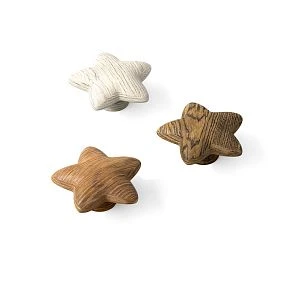
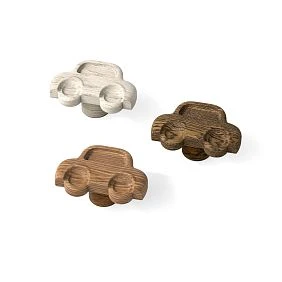
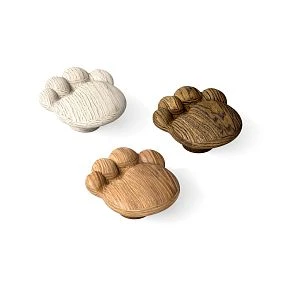
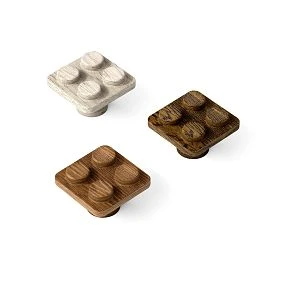
Our factory also produces:
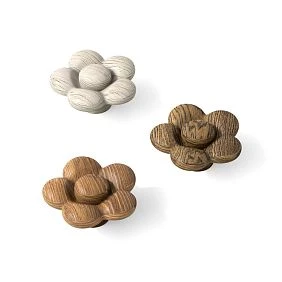

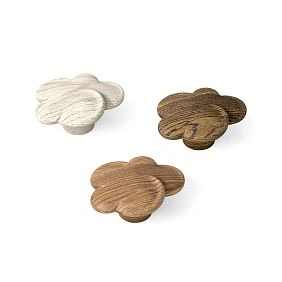
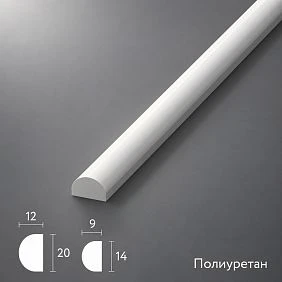
Where wooden moldings are used
Get Consultation
On walls
Wall moldings are a classic of European interior design that has existed for nearly five centuries. Wooden frames made of moldings on walls create rhythm, divide the plane into zones, and add depth where it is structurally absent.
Wooden wall moldings used for:
-
for classic rectangular and square frames around the entire perimeter of the wall;
-
for decorating an accent wall behind a sofa, bed, or fireplace;
-
for creating a horizontal belt dividing the wall into lower and upper zones;
-
for decorating the spaces between windows;
-
for framing niches, arches, and decorative panels;
-
for creating vertical rhythm in tall rooms.
Wall frames made of moldings are especially effective in living rooms and halls with ceilings from 270 cm: the molding creates a horizontal belt at a height of about 2/3 from the floor, dividing the wall into two visual zones. The lower one is more saturated with color or texture, the upper one is lighter. This is a classic decorative technique that works just as convincingly in modern interiors as it did a hundred years ago.
On furniture
Wood moldings for furniture — a separate and very commercially active topic. Here, the molding acts as a profile for frame inserts on the facades of cabinets, dressers, kitchen doors, sideboards, and display cases.
The principle is simple: a smooth flat facade is a faceless facade. A molding installed around the perimeter of a door leaf or drawer creates a frame that adds volume, shadow, and a "classic" character. This is the most economical way to make a simple furniture body expressive.
For furniture, the molding works in conjunction with other details: decorative inlays as a central accent inside the frame, wooden handles as a functional element and wooden legs as a lower decorative level.
On doors and openings
A door leaf with molding frames is a classic "paneled" door. The molding forms rectangular or shaped frames on the leaf, giving the door a classic look without complex manufacturing.
For decorating doorways, wooden molding is used as a decorative arch trim, as an additional profile over a standard casing, and as an element of an architrave composition in classic interiors.
Moldings on doors and moldings on walls form a unified system when they are made from the same material, in the same tone, with a similar profile. The door becomes part of the wall decorative program, rather than a separate object.
In an interior with wooden decor
When the room has with a classic profile creates a sense of solidity, reliability., wooden cornice on furniture and Wooden Picture Frame on paintings — moldings on walls become the connecting link of the entire system. They hold the middle level of the wall, connecting the lower horizon (baseboard) and the upper one (cornice).
In interiors with staircases, wooden molding is used to decorate the wall along the flight — this is a special technique that creates a diagonal rhythm and makes the stair space cohesive.
How molding differs from batten, trim, baguette, and cornice
This question is one of the most common. Let's break it down with a table: clearly, without unnecessary words.
| Element | Where to use | Features |
|---|---|---|
| Solid wood molding | Decorative frames, facades, walls, furniture | Expressive profile, play of shadows, versatility |
| Wooden plank | Vertical lines, panels, partitions | Simple cross-section, linear decor |
| Wooden molding | Joints, frames, facades, covering connections | Narrow flat profile, functional-decorative |
| Wooden Picture Frame | Paintings, mirrors, panels, interior frames | Profile with groove for insertion |
| wooden cornice | Top of furniture, kitchen, cabinet, decorative finish | Protruding "crowning" profile |
| Wooden baseboard | Bottom joint of wall and floor | Covers the gap, protects the wall |
The difference between a molding and a layout is very subtle; they are often confused. layout — is a narrower and flatter element, used to cover joints and form frames on facades. A molding is wider, with a more pronounced profile. It doesn't just cover the border — it creates a decorative accent with volume and shadow.
The difference between a molding and a cornice lies in placement and function. wooden cornice — is a finishing top element with a protrusion. A molding is an applied profile without a mandatory protrusion, which can go in any direction and at any height.
Wooden Picture Frame has a groove for inserting canvas or glass — this is its fundamental structural difference. Bagette is not used for walls and furniture.
How to choose the size of a molding
Size is the first practical decision made before choosing a profile and style. A mistake in size makes even a beautiful molding inappropriate.
Wall scale. For a wall 260 cm high with frames, a molding width of 20–30 mm creates a delicate framing. For a wall 320 cm high in a formal living room, a molding of 40–60 mm. Principle: the molding width is approximately 1% of the room height.
Furniture facade size. For a cabinet door 400×700 mm, a molding width of 20–35 mm is a working range. For a kitchen facade 600×900 mm, 25–45 mm. The molding should not occupy more than 15–20% of the facade width on each side.
Wall frames: calculating offsets. Before installation, you need to calculate the frame offsets from the wall edge, the distance between frames, and the height-to-width ratio of each frame. The classic proportion is the "golden ratio": frame height ≈ width × 1.618. Frames of the same size around the entire perimeter look calmer; frames with "long" proportions are more dynamic.
Molding thickness. Thin molding (8–12 mm thick) lies closer to the wall, creating a delicate shadow. Thicker molding (15–20 mm) protrudes more noticeably, creating a more pronounced volume. For small rooms, a thin profile is preferable.
Ceiling height and scale. Low ceiling 240 cm — the molding should not be wide and heavy. High ceiling 320 cm — a larger profile is acceptable. The molding should be proportionate to the space.
Coordination with other wooden profiles. The width of the molding should be coordinated with the width wooden baseboard and height cornice. Too thin a molding with a massive baseboard creates a visual imbalance.
How to choose a molding profile
The profile determines everything. The same molding width with different profiles creates a fundamentally different look. Let's break it down by type.
Smooth rectangular molding. Minimal profile — a chamfer or slight rounding. For modern classic, neoclassical, Scandinavian style. Under white enamel — it becomes part of the wall, not claiming decorative primacy. Under natural varnish — it shows the wood texture without ornamental distractions.
Quarter round molding. A traditional profile with a convex or concave bottom edge. Moderately decorative, legible, "carpentry" in character. Looks good in neoclassical interiors, when designing furniture facades and door panels.
Stepped molding with multiple tiers. A complex profile with 2–3 levels of relief. Classic character — for living rooms, studies, libraries, sideboards. With proper lighting, it creates an expressive play of shadows. This is a high decorative register — it is important to coordinate the molding with other interior details.
Bead molding. An ornamental element in the profile — a row of "pearls" (hemispheres). Maximum decorativeness. For classic and neo-baroque interiors with carved inlays and turned furniture legs.
Narrow molding (15–25 mm). For small facades, delicate frames, nightstands, consoles. A light accent that does not overwhelm. For bedrooms and children's rooms — an optimal choice.
Wide molding (40–70 mm). For large wall frames, big cabinets, sideboards, libraries. Creates a large-scale decorative accent. Looks heavy in a small room.
Paintable Molding. Any of the listed profiles made of birch or alder without coating — an ideal blank for enamel. The smooth surface after sanding accepts any color.
Solid wood moldings for walls
A wall with molding frames is one of the most powerful decorative techniques in interior design. It costs less than patterned wallpaper, outlasts any trend, and looks ten times more expensive than it costs.
Living room. Classic scheme: moldings form rectangular frames along the lower half of the wall (up to a height of about 120–130 cm from the floor), the upper part remains "clean" or with lighter frames. The lower zone is in a richer color, the upper zone is in a light color. Combined with wooden skirting board from below and molding belt at the transition of zones — this is a full-fledged classic wall finish.
Accent wall behind the sofa. One wall with molding frames — a more restrained option. A focus of attention that does not overload the entire space. For this technique, moldings with a width of 25–40 mm with a neat profile are used.
Study. The walls of the study with wooden molding panels "from floor to ceiling" — one of the most prestigious interior solutions. Dark wood under varnish, Wooden Picture Frame on paintings in the same tone, Wooden handles and bookshelves — this is an interior with a statement.
Hallway. In the hallway, moldings protect the walls from mechanical damage in the active use zone, while creating a decorative program for the entrance area. A molding panel 100–120 cm high from the floor — with wooden skirting board from below and a molding belt at the top — this is a classic hallway with protection and style.
Accent zone with a mirror or painting. Moldings form a "frame" on the wall — and a mirror or painting is hung in the center of this frame. Sometimes the molding contour itself is a decorative piece — without an insert. In a tone matching the wall, this creates a delicate relief; in a contrasting color, it creates a bright accent.
Combination with wooden skirting board и crown moldingWhen moldings on the walls are coordinated with the baseboard below and the cornice on the furniture above — the space acquires architectural completeness. This is a system of three horizontal levels, and the molding is its middle, most active level.
Solid wood moldings for furniture
This is where the most commercially active area of application begins. Moldings for furniture — this is a way to turn an ordinary cabinet into a classic piece without replacing it.
Design of cabinet fronts. Molding is installed along the perimeter of each door, creating a frame surround. In combination with decorative inlays in the center of the frame — this is a complete classic facade. Color: everything in a single enamel.
Frames on a chest of drawers. On each drawer of the chest, the molding forms a rectangular frame. For drawers of different heights, the proportions of the frames are selected separately. wooden button handle in the center of each drawer + molding frame = a ready-made classic composition.
Decor of kitchen fronts. Moldings for furniture facades In the kitchen, they create frame inserts that give ordinary facades a classic character. In the kitchen, moldings must be coated with durable varnish or enamel: horizontal shelves in frames collect dust, and the kitchen environment requires a moisture-resistant coating.
Sideboards and display cabinets. This is furniture that is originally designed for a classic program. Moldings on a sideboard create frames on the lower opaque facades — paired with decorative brackets on the sides and with wooden cornices on top, this is the complete decorative program of the item.
Restoration of old furniture. A simple Soviet cabinet + moldings on the facades + new Wooden handles + Wooden legs + repainting in white enamel = an item that cannot be recognized as a Soviet legacy.
Combination with handles, legs, overlays, and brackets. Molding works in a system, not in isolation. Molding frame + Applique inside + wooden hook handle + decorative bracket along the sides — this is the architecture of furniture, not a set of parts.
Moldings for classic interior
Classics do not tolerate carelessness in details. And Wooden moldings for a classic interior — this is not a decoration 'for beauty', but a constructive element of style.
In classic interiors, molding is part of a system of wooden profiles. This system is built on a vertical principle: Skirting — the lower horizon, moldings — the middle decorative level of the walls, Cornice — the upper one. All three levels must be coordinated.
Scale of the system. High ceiling — larger moldings. Spacious living room — wide frames. Delicate bedroom — narrow molding with a neat profile. The system must match the scale of the space.
Unified tone. In classic and neoclassical interiors, all wooden profiles — moldings, baseboards, cornices, Wooden Picture Frame — are executed in one tone. Most often it is white enamel: it unites all elements and creates a monolithic system.
Profile consistency. A molding with a figured section should echo the profile. wooden baseboard и corniceIf all three are executed in a similar style — a classic figured profile — they form a complete ensemble. If the molding has a complex ornament and the baseboard is smooth and rectangular, it's a disharmony that is perceived even when a person cannot explain it.
Wooden profile and Classic FurnitureMoldings on walls and moldings on the facades of classic furniture should be close in style. When the wall and furniture "speak" the same decorative language, the interior becomes a cohesive statement.
Neoclassicism: calmer. For neoclassical interiors, a more restrained profile, without ornament. Straight lines, clean geometry, white enamel. Here, the molding works as a structural accent, not as a decorative ornament.
Molding for painting, varnish, or stain
The right coating is what distinguishes a good result from a mediocre one. And this choice must be made before installation.
Under white enamel. The most common option for neoclassicism and modern classic. Molding made of birch or alder without coating is sanded (P150 → P220), primed, then coated with two layers of acrylic or alkyd enamel. A matte surface is less prone to soiling than a glossy one.
The technological rule is unchanged: paint before installation. Molding painted on the wall or furniture gives a worse result — uneven tone, drips on adjacent surfaces, poorly painted corners.
Under clear varnish. Natural birch or alder under matte polyurethane varnish — for interiors where the wood should "sound" openly. Molding with natural wood texture + parquet of the same tone + wooden doors = an organic wooden interior.
Important: if you have multiple instances of molding, they must be from the same batch or the same wood species — different batches may vary slightly in shade, and this is noticeable under clear varnish.
For staining. When you need to match the molding color to a specific tone of furniture, floor, or doors — stain before varnish. Stain is applied to a sanded surface, left for the required time (the longer, the darker), then covered with two coats of matte varnish.
Tip: test the stain on the end or a small piece of the same batch of wood before applying it to the entire length. Different batches of birch or alder absorb stain slightly differently.
Molding in wall color. Molding painted exactly to match the wall color is a delicate technique of "invisible" decor. The frames are present, adding volume and relief, but they do not dominate. This is a subtle designer touch — for those who understand.
Contrast molding. Dark molding on a light wall or white molding on a dark wall is an expressive artistic technique. It requires a well-thought-out system: the contrasting tone must also appear in other interior elements (furniture, doors, decor), otherwise the molding will look like a random accent.
How to combine moldings with baseboards, cornices, and picture frames
This is interior architecture in miniature. Three or four wooden profiles in the right combination create a space with character — without expensive renovations or furniture replacement.
Vertical logic of the system:
-
with a classic profile creates a sense of solidity, reliability. — the "base" of the wall, the lower horizon.
-
Moldings — the middle level, decorative frames and lines.
-
wooden cornice on furniture or under the ceiling — the upper horizon.
-
Wooden Picture Frame — "frames" for paintings and mirrors, a separate level of decor.
When all four levels are coordinated, the interior is perceived as a cohesive architectural space, not as a set of objects.
Scale consistency. Baseboard 100 mm + molding 35 mm + cornice 70 mm — a working proportion. The baseboard is the most massive (lower "base"), the molding is delicate (middle rhythm), the cornice is moderate (upper finish). Principle: large at the bottom, lighter upward.
Unified tone. All four elements in white enamel — a classic for modern interiors. In dark walnut — for studies and libraries. In natural varnish — for interiors with exposed wood.
Wooden angle in the system. At the junctions of the molding with the baseboard or cornice, in corner connections — a wooden corner piece covers the joints. In a unified tone with the system, it becomes an inconspicuous but important detail.
What doesn't work. Baroque figured molding on the wall + rectangular baseboard without profile + minimalist cornice = three different styles in one room. Intuition says "something is wrong" — and this is precisely the stylistic mismatch of wooden profiles.
Moldings for furniture restoration
Restoration is not always a complete disassembly and reassembly. Sometimes a properly added profile is enough.
Updating a simple cabinet. Smooth cabinet doors without relief become classic facades after installing molding frames. The molding is glued with PVA wood glue, reinforced with finishing nails or a staple gun. After painting with white enamel, the cabinet is unrecognizable.
Adding frames to facades. Step-by-step scheme: measure the door → subtract the indents on each side (usually 15–25 mm) → cut the molding into four pieces with a 45-degree miter → glue into a frame → glue onto the facade → paint.
Decorating an old chest of drawers. Molding frames on each drawer + decorative insert in the center + new Wooden handles + repainting = a full update without replacing the body.
Classic kitchen facades. Simple MDF facades for painting + solid wood molding frames on each door + wooden cornice along the top of the cabinets + Wooden handles in the same tone. This is one of the most common requests for updating a kitchen in a classic style.
Replacing damaged profile. Solid wood molding, unlike veneered MDF, can be sanded and repainted if damaged. If a section is damaged, only that section is replaced, with fitting of end joints at 45 degrees.
Connection with new parts. During restoration, all new elements — moldings, handles, Legs, applique — are painted in a unified coating system. Mismatched tones on one item ruin the image even if each is of high quality.
Mistakes when choosing wooden moldings
An honest list — without embellishment. Each of these mistakes leads to rework.
Choosing molding only from a photo. Photos involve lighting and editing. In reality, the profile may be less or more pronounced. Always look at the actual cross-section of the profile.
Not considering the scale of the wall or facade. A 50 mm molding in a room with 240 cm ceilings feels heavy. A 15 mm molding on a 320 cm high wall gets lost. Scale is the first criterion.
Too thin a profile on a large cabinet. A 15 mm molding on a 500×1800 mm cabinet door is like a thread on a painting. The frame must be proportionate to the facade.
Too wide a molding on a small nightstand. A 40 mm molding on a 300×120 mm drawer takes up almost all visible space. The accent turns into an overpowering element.
Confusing molding with trim or picture frame. Buying Wooden Picture Frame a profile with a groove instead of wall molding means buying the wrong material. Their functions, profiles, and installation are different.
Not coordinating moldings with baseboards and cornices. Different profile styles at the same visual level create visual noise that disrupts the interior's harmony.
Forgetting about painting. Molding installed on a wall or furniture without prior preparation requires on-site painting — which is more difficult, messier, and yields worse results. Rule: paint before installation.
Mixing different wood shades without a system. Birch molding + alder baseboard + pine cornice — three slightly different tones with no connection. Either a uniform coating (enamel), the same wood species, or a coordinated stain.
What to buy together with wooden moldings
For those building a complete wooden decor system:
Moldings from solid wood — decorative profiles for walls and furniture.
with a classic profile creates a sense of solidity, reliability. — lower horizon in the wooden trim system.
Buying a wooden baseboard — assortment of baseboards from solid wood.
wooden cornice — top finish for cabinets, kitchens, sideboards.
Wooden cornice MLD-044 — profile for cornice finish.
Wooden Picture Frame — for picture and mirror frames in the system tone.
Wooden molding — for frame inserts on facades.
Pogonazh iz massiva — full range of wooden profiles.
Wooden profile — slats, trims, corners and profiles for finishing.
Wooden plank — for vertical decor and panel solutions.
Wooden angle — for corner joints in the molding system.
wooden trim — for covering small joints and transitions.
decorative inlays for furniture — central accents inside molding frames.
decor for furniture — wooden decorative elements for facades.
wooden furniture handles — functional detail in the tone of the moldings.
Wooden legs — lower level of furniture in the decor system.
Decorative Bracket — side accent for cabinets, sideboards, kitchen portals.
Classic Furniture — ready-made items with wooden moldings and profiles.
FAQ: questions about wooden moldings
How is a solid wood molding different from a batten?
Wooden plank — a profile with a simple rectangular or square cross-section, used as linear decor. A molding has a distinct shaped profile: bevels, curves, steps — and creates volume, play of light and shadow. These are different decorative tools.
Where are wooden moldings used?
Moldings from solid wood used on walls — for frames and decorative lines; on furniture fronts — for panel inserts; on doors — to imitate panels; in classical and neoclassical interiors — as part of a system of wooden profiles.
Can solid wood moldings be painted?
Yes. Uncoated birch and alder moldings can be painted in any color — with enamel, tinted with stain, coated with clear varnish. Before painting — sanding and priming are mandatory.
What to choose for a furniture front: molding or trim?
For a decorative frame with an expressive profile — molding. For covering joints and simpler framing — Wooden moldingSharing on one facade is possible, but requires consistency.
What to pair wooden moldings with?
С wooden skirting board, crown molding, wooden cornice, decorative inlays, handles, legs and the overall style of furniture and interior — in a unified tone and consistent scale.
About the company STAVROS
A molding is a profile several centimeters in cross-section. But when used correctly, it is a tool that transforms the entire space. A wall with frames looks different. Furniture with a profile looks different. A room where the baseboard, moldings, and cornice form a unified system looks different. This always works everywhere if done wisely.
STAVROS manufactures Moldings from solid wood made of birch and alder — with precise profile, even geometry, and an uncoated surface ready for any finishing treatment. The STAVROS range includes a complete system of wooden solid wood trim: Crown Molding,