Article Contents:
- What is a furniture plinth and how it differs from a floor plinth
- Where wooden furniture plinths are used
- Kitchen: from a technical base to a decorative solution
- Built-in wardrobe: visual connection with architecture
- Walk-in closet
- Chest of drawers and cabinet
- TV stand
- Buffet and display case
- Entry Hall
- Office and Library
- 5 scenarios where a furniture plinth saves the project
- What tasks does a furniture plinth solve
- Which profiles to choose: from smooth to carved
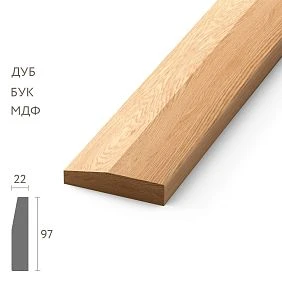
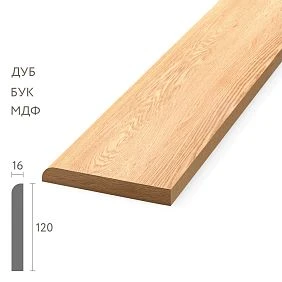
- Smooth straight profile
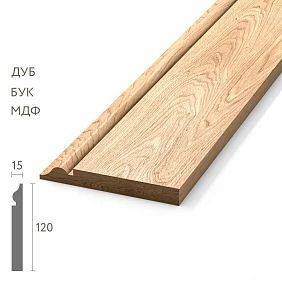
- Figurative classic profile
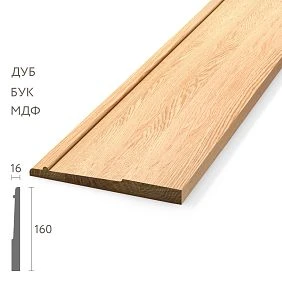
- High wooden baseboard
- Narrow decorative molding
- Carved Profile
- Profile for painting, varnish or stain
- Dimensions: what height to make furniture baseboard
- Selection scheme
- Material and coating: what to choose
- Solid wood
- Veneer
- MDF
- Coatings: enamel, varnish, stain, oil, patina
- How to combine furniture baseboard with other decor
- Mistakes when choosing: how not to ruin good furniture
- Too thin profile for massive furniture
- Floor baseboard instead of furniture baseboard without adaptation
- Ignoring the door opening gap
- Selecting a profile without considering the facade color
- Too high a plinth on small furniture
- Ignoring wet cleaning
- Absence of Technological Gaps
- Furniture plinth for different interior styles
- Classic and neoclassic
- Art Deco
- Provence and Country Style
- Modern and minimalist style
- Country style and rustic
- Installing furniture plinth: principles and nuances
- Where to buy furniture plinth and wooden moldings
- Additional key situations: subtle issues from practice
- What to replace plastic furniture plinth with
- Furniture plinth for built-in furniture in a niche
- Wooden baseboard for kitchen plinth: moisture resistance
- Baseboard between furniture and floor: when it is absolutely necessary
- Wood products: complete decorative program for furniture
- FAQ: Answers to Popular Questions
- About the Company STAVROS
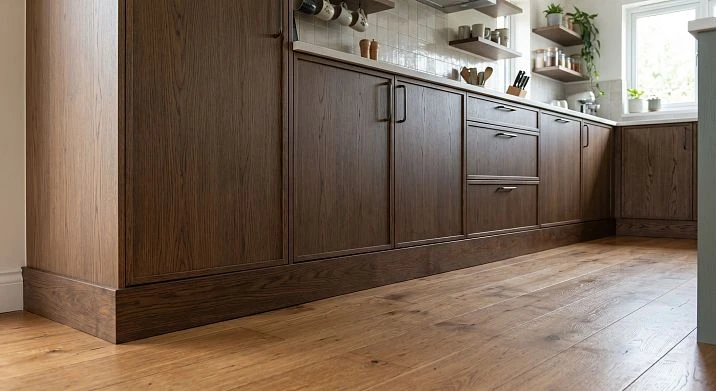
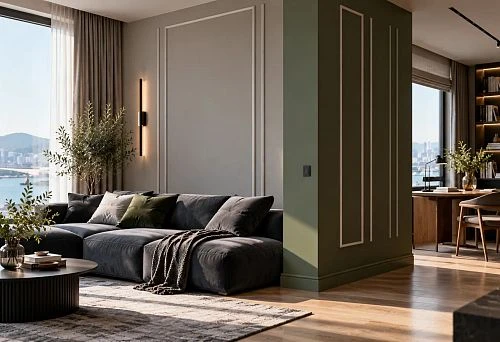
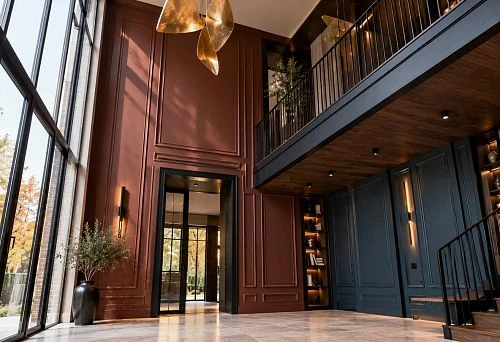
When furniture is well made, but its bottom is "unfinished" — it is immediately noticeable. It is Furniture plinth turns an ordinary cabinet, kitchen, or nightstand into an architecturally complete interior item. A wooden profile at the base of furniture is not a trifle. It is the final touch that either exists or is sorely missed.
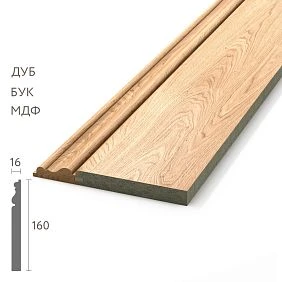
What is a furniture baseboard and how is it different from a floor baseboard
The question seems simple, but confusion often arises here. A floor baseboard is an element of room finishing: it covers the joint between the wall and the floor, masks the technological gap of the flooring, and protects the lower part of the wall from wet cleaning. It is installed around the perimeter of the room — it belongs to the architecture, not the furniture.
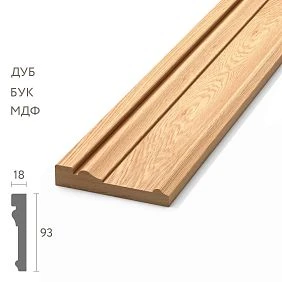
A furniture baseboard works differently. It is a part of the furniture item itself or a decorative element that is attached to its base — externally, flush with the facade or with a slight overhang. It covers the lower technical zone: invisible legs, gaps, technical plinths made of laminated chipboard or aluminum profiles, the space under the body when installed on a podium. Its task is not to structurally connect the furniture to the floor, but to make this connection beautiful.
Wooden trim — is a broader concept. This is the entire line of profile products made of wood: baseboards, moldings, cornices, architraves, slats. When it comes to a wooden furniture baseboard, we select from this category a profile suitable in height, shape, thickness, and style for a specific piece of furniture.
A plinth is already a structural solution: the lower frame or box on which the body of a kitchen, cabinet, or sideboard stands. It can be plastic, aluminum, or made of laminated chipboard. A wooden baseboard in this context is a decorative cladding of the plinth, its "facade" side, which makes a technical detail aesthetically valuable.
Wooden molding It can also act as an independent lower profile — especially if the furniture does not have a pronounced plinth, and the profile simply covers the lower edge of the facade and the gap near the floor. In a classic interior, a molding at the base of a cabinet looks organic: it rhymes with moldings on doors, cornices in the kitchen, and architraves on openings. This is the same artistic language, just applied at different points in the space.




Where to use wooden baseboard for furniture
Our factory also produces:
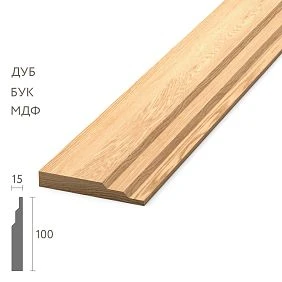


Kitchen: from technical plinth to decorative solution
A standard kitchen set stands on adjustable legs, covered with a plastic or aluminum plinth profile. This is practical but not beautiful — especially in classic, neoclassical, Provencal, and country interiors. A wooden baseboard for the kitchen plinth radically solves this problem: it is attached over or instead of the technical profile and completely changes the character of the lower zone of the set.
For the kitchen, it is important to choose a baseboard considering humidity. Solid oak with proper varnish or oil finish withstands kitchen conditions without deformation. A wooden profile for the kitchen base for painting with enamel is an even more durable option: multi-layer enamel practically does not allow moisture to pass through and is easy to clean.
Get Consultation
Built-in wardrobe: visual connection with architecture
A built-in wardrobe occupies a niche from wall to wall and from floor to ceiling. This is almost an architectural element — it is integrated into the room space. If it does not have a lower profile, the wardrobe visually "hangs" or looks unfinished: the gap near the floor, technical legs, and the lower edge of the chipboard are visible. A decorative baseboard for a built-in wardrobe eliminates this in one move — it connects the body to the floor and makes the wardrobe part of the architecture, not just furniture standing against the wall.
Walk-in closet
A dressing room is a closed space, but that does not mean neatness is not needed inside. A wooden profile along the lower perimeter of the storage system creates a sense of order and completeness. In dressing rooms in the dressing room style, in classic or Italian projects, a furniture baseboard made of solid wood is a mandatory element.
Chest of drawers and cabinet
A chest of drawers without a lower profile looks flat, "cut off" from below. This is especially noticeable in classic and neoclassical interiors, where each piece of furniture should have a "leg" — at least visually. A wooden profile 80–100 mm high, fixed around the perimeter of the chest of drawers base, creates the effect of a support plinth: the chest of drawers acquires stateliness and weight. For a TV stand, this technique works just as well — especially if the stand is low and wide.
TV stand
A long and low TV stand often suffers from a "floating" effect: it looks too light, almost hovering above the floor. A wooden baseboard visually anchors it, sets a horizontal line, and adds tectonic weight. A profile 50–70 mm high is optimal here — it does not overload the light structure but provides the necessary foundation.
Sideboard and display cabinet
This is furniture with a claim to grandeur. A sideboard or display cabinet in a classic style is almost an architectural object: with cornices on top, moldings on doors and glass, and paneled facades. For such a piece Wooden plinth for furniture at the base is not an option, but a necessity. Its height and profile must be proportionate to the entire decorative program of the piece.
Entryway
In the hallway, furniture is used harshly: the lower part of shoe cabinets and nightstands regularly receives impacts from shoes and vacuum cleaners. A wooden baseboard at the bottom protects the lower edge of the facade from mechanical damage and simultaneously decorates the lower zone. For classic hallways with panels, mirrors, and trims, this is also a matter of stylistic integrity.
Office and library
Shelving units, library cabinets, bookcases from floor to ceiling — in a study, furniture occupies the entire space. A wooden profile at the base creates an architectural foundation, rhymes with the floor baseboard and trims, making the furniture filling an organic part of the interior, not just a set of shelves.
5 scenarios where a furniture baseboard saves the project
The cabinet does not look built-in. It stands against the wall, but the gap at the floor and visible legs reveal its furniture origin. A wooden baseboard closes the gap and visually "nails" the cabinet to the floor — it no longer looks like an object that can be moved.
The kitchen has a cheap plastic base. The set is of good quality, the facades are decent, the countertop is expensive — but below is black plastic for 200 rubles per linear meter. A wooden profile for painting or varnish changes the entire impression in one evening's work.
The dresser looks "flat." The lower edge of the drawers is almost at floor level, the piece appears squat and inexpressive. A solid wood profile creates a lower accent, adding the necessary weight to the dresser's proportions.
Built-in furniture is not connected to the room's architecture. On the walls — wooden panels, at the floor — a classic floor baseboard, but the cabinet itself stands without a lower profile. A furniture baseboard, matched in tone or in unison with the floor baseboard, closes the decorative logic of the space.
You need to repeat the style of doors, architraves, and wall panels. Classic and neoclassic styles work by repeating the same profile in different points of the room. furniture moldings At the base of the cabinet, it is a continuation of the same decorative conversation that the cornices in the kitchen and the architraves on the doors are having.
What problems does a furniture plinth solve?
Let's list them specifically, without fluff.
-
Covers the gap at the floor. Even a visible gap of 10–15 mm spoils the perception of any furniture — especially in classic interiors with parquet or tiles.
-
Conceals the technical base. Plastic, aluminum, chipboard cut — all of this is hidden behind a wooden profile.
-
Protects the lower edge of the facade. Vacuum cleaner impacts, accidental stepping, mechanical scratches during wet cleaning — the wood takes all of this and can be restored if necessary.
-
Makes the cabinet visually 'built-in'. The plinth creates a sense of unity between the furniture and the space: the cabinet stops 'hovering' in the room.
-
Adds architectural quality to the furniture. The lower profile is a visual base, a support, a 'plinth' in the architectural sense. Without it, the furniture looks unfinished; with it, it looks like an object that has a foundation and logic.
-
Connects the furniture with door architraves, wall panels, and floor plinths. This is a key principle of classic and neoclassic interiors: repeating the same profile in different zones of the space creates architectural coherence.
Which profiles to choose: from smooth to carved
Smooth straight profile
The most modern and versatile solution. A straight profile without decoration is pure horizontality, geometry without distraction. It works well in modern interiors, minimalism, Scandinavian style, loft. Height — from 40 to 100 mm depending on the scale of the furniture.
Figurative classic profile
Soft transitions, rounded or stepped transitions — this is a profile for classic, neoclassical, Provence styles. It adds relief and shadow to the lower part of a cabinet or kitchen, creating a play of light and shadow along the base of the furniture. This is exactly the one that Skirting made of solid wood best rhymes with cornice profiles, moldings on facades, and architraves.
High wooden baseboard
Profiles 120–150 mm and higher — for large-format furniture. Massive bookcases, sideboards, wardrobe systems, built-in shelving — they need a solid decorative base. A high baseboard adds monumentality and architectural significance to the furniture.
Narrow decorative molding
If the plinth is already clad — with wood, veneer, enamel — a narrow molding along its top edge creates a decorative transition between the plinth and the facade. This is a subtle technique valued in Italian and French furniture design.
Carved profile
For furniture in Baroque, Rococo, Empire, Renaissance styles — a carved profile at the base is part of a unified decorative program. Carved furniture decor at the base of a cabinet or sideboard — this is not decoration for decoration's sake, but an architectural principle: the lower order element must be proportionate to the upper cornice.
Profile for painting, varnish, or stain
Wooden profile for the base of a cabinet for painting is one of the most sought-after solutions on the market. Solid wood allows for any coating: white enamel, painted color according to RAL, oak stain, lacquer with patina. This is the difference between wood and any other material: it can be adapted to any color scheme, any finish texture.
Dimensions: what height to make furniture plinth
There is no universal answer — there are guidelines proven by practice.
40–60 mm — a neat modern option. Suitable for cabinets, low furniture, Scandinavian and minimalist solutions. Does not overload lightweight structures.
70–100 mm — a universal size for most cabinets, chests of drawers, and dressers. This range is most often used in projects where a balance between neatness and expressiveness is needed.
100–150 mm — for classic furniture, built-in cabinets in niches, wardrobes, sideboards. Adds monumentality to furniture and corresponds to the logic of the classical order.
Above 150 mm — for truly large-scale furniture: library shelving, massive sideboards, built-in wall panels with furniture filling. In premium interiors, a high wooden plinth at the base is a sign of architectural thinking, not just "decoration."
Selection scheme
| Furniture type | Profile height | Profile type |
|---|---|---|
| Cabinet, coffee table | 40–70 mm | Straight, smooth |
| Dresser, TV stand | 70–100 mm | Straight or shaped |
| Kitchen set | 70–120 mm | Shaped, for painting |
| Built-in wardrobe | 80–130 mm | Shaped or straight |
| Classic furniture | 100–150 mm | Shaped, carved |
| Sideboard, bookcase | 120–180+ mm | Architectural, carved |
Material and finish: what to choose
Solid wood
This is the best choice for a furniture plinth for painting, staining, varnishing, or enameling. Solid wood maintains its geometry, accepts any coating well, can be restored, and has character. Oak is dense, with a pronounced texture, and durable. Beech is more uniform, accepts tinting and enamel perfectly, and is stable when properly dried. to buy, which will allow you to transform your furniture using carved wooden elements. You can use the C-003-3 decor set to decorate furniture, walls, doors, or any other surface. The C-003-3 decor set is made of oak or beech, known for their strength, durability, and beauty. You can buy the C-003-3 decor set at the Stavros decor store, which specializes in producing and selling decorative elements and hardware for furniture and interiors. At the Stavros decor store, you will find a wide selection of decor sets of various shapes, sizes, and styles. You can choose Solid wood is an investment for decades.
Veneer
Veneer on an MDF or plywood base is visually indistinguishable from solid wood when properly processed. It is less capricious in conditions of humidity fluctuations, but is limited in the depth of milling — complex profiles are not made on a veneered base.
MDF
MDF is the standard for budget and mid-range projects. It is geometrically stable, mills well, and accepts any coating. However, it crumbles more than solid wood under mechanical impact and swells in difficult humidity conditions. For a furniture plinth in living spaces, it is a working option. For a kitchen, solid wood is better.
Coatings: enamel, varnish, stain, oil, patina
Enamel is the most popular finish for classic and neoclassical furniture. White, cream, gray, colored — enamel creates a smooth, opaque surface that is easy to clean and maintains its appearance for a long time. A solid wood furniture plinth under enamel is the ideal combination of durability and aesthetics.
Varnish is a transparent coating that preserves the texture and color of the wood. High-gloss varnish adds a touch of Italian classicism. Matte varnish is a more restrained, modern option.
Stain is for tinting solid wood to look like oak, walnut, wenge, or rosewood. Stain does not hide but emphasizes the wood texture, working together with varnish or oil.
Oil is a natural coating that penetrates the wood structure. It does not create a film, allows the wood to breathe, and requires periodic renewal. For a kitchen plinth, it is a good solution with regular maintenance.
Patina is artificial aging. Gold, silver, or dark patina combined with enamel is a classic technique for furniture in the Baroque, Empire, or Provence style.
How to combine furniture plinth with other decor
This is the most interesting section — because here the wooden plinth ceases to be just a "bottom cover" and becomes part of the decorative system.
With moldings on facades. The lower profile should be proportionate to the moldings that divide or frame the cabinet or kitchen facades. They don't have to be identical, but they should belong to the same stylistic family — the same degree of relief, the same shadow thickness.
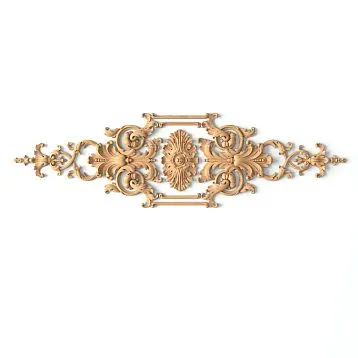
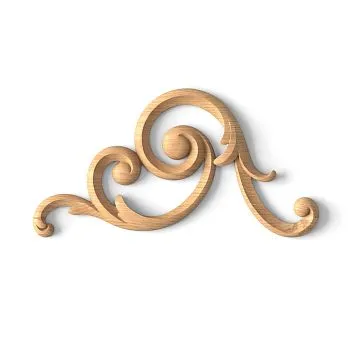
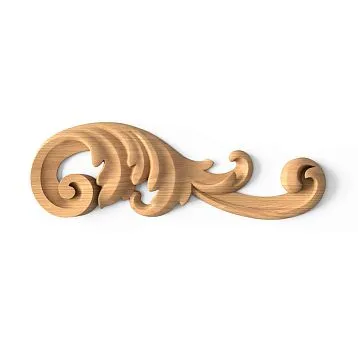
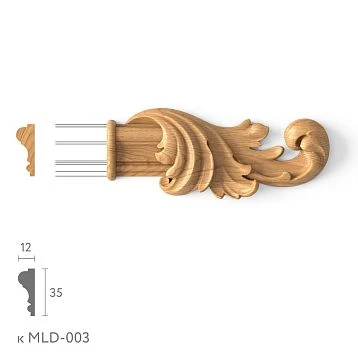
With applied decor. decorative inlays for furniture on facades — rosettes, cartouches, acanthus leaves — set the level of decorative saturation. The lower plinth should match it: if the overlays are rich, the plinth should be shaped, not straight.
With furniture legs and supports. There are two cases. First: furniture stands on open furniture legs — then the plinth is not needed or is installed only on the base part that is above the legs. Second: the legs are hidden, and the lower area is closed with a solid piece — here the plinth is its decorative finish.
With cornices and upper profiles. Classic furniture works on the principle of an order: lower element (plinth) — body (facades) — upper element (cornice). These three levels should be proportionate. If the upper cornice is massive — the lower plinth should also have weight. If the cornice is light — the plinth is thin.
With floor plinth. Matching the profile and height of the furniture plinth with the floor plinth is an ideal option for built-in furniture. The cabinet literally "dissolves" into the wall: its base continues the horizontal line of the floor plinth, and the body itself becomes part of the architecture.
With wooden architraves and wall panels. In classic interiors, all wooden profiles in the room — from architraves to wall panels — follow a single style register. Wooden molding for furniture base, matched to the tone of the trim, creates a sense of designer thoughtfulness that is immediately apparent, although the reader does not always understand where it comes from.
Selection mistakes: how not to ruin good furniture
Too thin profile for massive furniture
A cabinet 3 meters wide and 2.5 meters high with a baseboard 30 mm high looks ridiculous: the small profile gets lost under the heavy body. The height of the furniture baseboard should be proportional to the scale of the item.
Floor baseboard instead of furniture baseboard without adaptation
The temptation to use leftover floor baseboard is great — especially if the profiles look similar. But the thickness and profile of the floor baseboard are designed for attachment to the wall, not to the furniture facade. Without adaptation, it will either not fit correctly or will look out of place.
Ignoring the gap for door opening
If the furniture baseboard protrudes beyond the facade — the lower door may hit it when opening. This should be checked at the size selection stage.
Choosing a profile without considering the facade color
A dark solid wood baseboard on white facades is a bold solution, but not always appropriate. In most cases, the baseboard is painted to match the facade or made slightly contrasting — just to outline the lower zone.
Too high a base on small furniture
A cabinet 400 mm high with a 150 mm baseboard — the baseboard takes up almost a third of the item's height. This disrupts proportions. For small furniture, the baseboard should be restrained: 40–60 mm maximum.
Ignoring wet cleaning
If the furniture is in a kitchen or hallway, the wooden baseboard must have a moisture-resistant coating. Unprotected solid wood near the floor quickly darkens from water and swells.
Lack of technological gaps
When installing a wooden profile near the floor, a gap of 1–2 mm should be left between the lower edge of the baseboard and the floor. This compensates for possible swelling of the wood when humidity changes.
Skirting for furniture in different interior styles
Classicism and neoclassicism
This is the main territory of the furniture baseboard. In a classic interior, the lower profile is as essential an element as the cornice at the top. Shaped profiles with smooth transitions, architectural curves, and straight sections are the language of the classical order. Baseboard for classic furniture should be expressive but not flashy: it creates shadow and relief, rather than jumping out from the facade.
Art Deco
The Art Deco style loves geometry and contrast. Straight stepped profiles with clear horizontal lines, possibly with inserts of a different wood species or a contrasting color. Furniture baseboard in Art Deco works as a graphic element, not as a rounded decor.
Provence and country
Light figuration, painted surfaces in milky, gray-blue, lavender shades. Baseboard for painting with enamel is an ideal solution. A wooden profile made of solid beech under white or gray enamel with a slight aged effect creates the desired atmosphere.
Modern and minimalist style
Straight profile without decor, possibly flush or with a thin chamfer. Minimum height is 40–60 mm. Clean geometry, no shadows or reliefs. Wood in its natural color or under a monochrome coating.
Country style and rustic
Here, a brushed surface, open texture, and deliberate roughness of finish are welcome. A profile with visible pores and wood fibers, coated with oil or wax. Natural shades without artificial tinting.
Installation of furniture baseboard: principles and nuances
Installing a wooden baseboard on furniture is easier than a floor one — there is no need to drill walls and adjust to an uneven floor. But there are its own nuances.
Attachment to the facade or body. Most often, the baseboard is attached to the plinth part of the body with finishing nails (if there are no impact loads), liquid nails, or elastic glue. For collapsible structures, special clips or decorative screws are used.
Corner joints. Internal and external corners are a critical place. Cutting at 45 degrees requires a precise miter cut. Internal corners are better made using the "butt" method: one profile goes with a straight end into the corner, the second is cut along the profile of the first — this ensures a perfect fit even with walls that have slight deviations from a right angle.
Joints along the length. If the length of the furniture exceeds the length of the profile (standard is 2–3 meters), joints are made at a 45-degree angle or in inconspicuous places — behind decorative elements, in the shadow.
Painting before or after installation. It is better to apply the primer and main coating layer before installation — this will result in a higher quality coating. The finishing layer, correction of imperfections, and touch-up of joints should be done after installation.
Where to buy furniture baseboard and wooden molding
A question that naturally arises after all of the above: where to find a profile of the required cross-section, required material, and suitable coating?
The answer lies in the right place to purchase. There are three categories of sellers on the market: building material hypermarkets (wide range of budget MDF profiles), wholesale furniture fittings (plastic, aluminum, functional but not decorative), and specialized manufacturers of wooden moldings and furniture decor. It is the latter that provide what is needed for a quality project.
Ready-made profiles and moldings for painting. Solid beech and oak in several dozen profiles — with delivery to a specific project. You can choose the height, cross-sectional shape, and workpiece length.
Wooden moldings for the cabinet base. furniture moldings in a wide range — for the lower area and for all other decorative design.
Decorative furniture overlays. to buy, which will allow you to transform your furniture using carved wooden elements. You can use the C-003-3 decor set to decorate furniture, walls, doors, or any other surface. The C-003-3 decor set is made of oak or beech, known for their strength, durability, and beauty. You can buy the C-003-3 decor set at the Stavros decor store, which specializes in producing and selling decorative elements and hardware for furniture and interiors. At the Stavros decor store, you will find a wide selection of decor sets of various shapes, sizes, and styles. You can choose — overlays, rosettes, ornamental elements that turn a simple baseboard into part of a rich decorative program.
Selection according to furniture style. It is important to understand: the furniture baseboard is not an isolated detail. It should be chosen in the context of the entire furniture: its style, color, scale, and coating. A good supplier helps with this selection.
Ability to assemble a set. Baseboard + molding + overlays + Furniture Legs and Supports + cornice is a complete decorative program for one piece of furniture. When all these elements are from the same manufacturer and in the same style, the result is an order of magnitude better than buying everything from different places.
Additional key situations: subtle issues from practice
What to replace plastic furniture baseboard with
Plastic baseboard is fast, cheap, and easy. But it is categorically unsuitable for furniture above the middle class. A wooden profile made of solid wood or good MDF is the right replacement. It is attached over the existing baseboard (if it is level) or instead of it. Sometimes it is enough to simply face the plastic frame with a wooden profile using liquid nails — half an hour of work, results for years.
Furniture plinth for built-in furniture in a niche
Built-in furniture in a niche has one feature: three walls around it. The lower profile here needs to be brought into the corners — and done carefully. The joint between the furniture plinth and the floor plinth is a key point: they must either match in height, or the furniture plinth must be lower to avoid creating an illogical difference.
Wooden plinth for kitchen baseboard: moisture resistance
The kitchen is a wet area. Solid oak with proper coating (polyurethane varnish or enamel in several layers) holds moisture normally. But installation must be done so that the lower edge of the profile does not lie on the floor: a gap of 2–3 mm — and water during cleaning will not seep under the wood.
Plinth between furniture and floor: when it is mandatory
Always, when there is a visible gap of more than 5 mm between the lower edge of the facade and the floor — a plinth is needed. This is a simple rule: if the gap is visible, it must be closed. The exception is designer solutions with intentionally raised furniture on open legs, where the space under the body is part of the concept.
Wood products: a complete decorative program for furniture
Furniture baseboard is just one item in a long list of wooden profiles and decorative elements that turn ordinary furniture into a piece of joinery art. Wooden items for furniture is a full-fledged ecosystem: baseboard at the bottom, moldings on the facades, overlays on the central panels, cornices and profiles in the upper zone, legs and supports, architraves, wall panels. When all these elements are selected in a single style and from the same material, the interior acquires that architectural integrity for which it all is started.
FAQ: Answers to popular questions
Can a floor wooden baseboard be used as a furniture baseboard?
Yes, but only if the profile matches in height, thickness, and style. A floor baseboard is usually designed for wall mounting, with a different back geometry. For furniture, it needs to be adapted: trim the back plane or use special glue. If the profile shape matches the desired furniture style, it is a perfectly workable solution.
What to close the bottom of a built-in wardrobe at the floor?
The best solution is a wooden furniture baseboard or a decorative wooden profile selected to match the style and color of the facades. It closes the gap between the body and the floor, masks the technical legs, and makes the wardrobe visually complete. The profile height is 70–130 mm depending on the scale of the wardrobe.
Which baseboard to choose for classic furniture?
A shaped wooden profile with smooth transitions, architectural curves, possibly with carved elements. Height: 100–150 mm. Solid oak or beech for enamel, varnish, or patina. The profile should rhyme with other decorative elements — moldings on the facades, cornices in the upper zone.
Can a wooden furniture baseboard be painted?
Yes, this is one of the main advantages of wood. A solid wood baseboard can be coated with white or colored enamel, clear varnish, stain, oil, wax, or patina. The finish is chosen depending on the furniture style and operating conditions.
What is better for the kitchen — a plastic baseboard or a wooden baseboard?
A plastic baseboard is practical and cheap, but in interiors above the middle class, it looks out of place. A wooden baseboard with a moisture-resistant coating looks more expensive, works better in classic and neoclassical interiors, and adds authenticity to the kitchen. With proper installation and care, it is not inferior to plastic in durability in residential conditions.
How to make furniture visually more expensive without replacing the facades?
Add a wooden furniture baseboard at the base, install wooden legs instead of plastic ones, add applied moldings on the facades and decorative overlays on the central panels. These are three operations that can be done in one day and radically change the perception of furniture — without replacing the body and facades.
How to choose the height of the baseboard for small furniture?
The rule is simple: the height of the furniture baseboard should not exceed 15–20% of the total height of the furniture item. For a cabinet of 600 mm — a baseboard no higher than 90–120 mm. For a cabinet of 400 mm — 60–80 mm maximum.
Where to buy a wooden furniture baseboard with delivery?
In specialized online stores of manufacturers of wooden moldings and furniture decor. It is important to choose a supplier who works with solid wood, offers several profile options, and is ready to help with selection for a specific project.
About the company STAVROS
If you are reading this article and looking not just for information, but for a specific product — it's time to get acquainted with the company that does what is described above.
STAVROS is a Russian manufacturer of wooden decor and millwork products from solid oak and beech. The company produces a full line of products for furniture and interior design: Wooden baseboard, Moldings, Crown Molding, Decorative Inserts, Furniture legs, Carved Decor, Pogonazh iz massiva и classic wooden furniture.
STAVROS works with both private clients and professional designers, furniture manufacturers, and construction companies. A wide range of profiles, consistent solid wood quality, and the ability to select a set for a specific project are what sets STAVROS apart from suppliers of small construction items.
If you need a wooden furniture baseboard — straight, shaped, for painting, for varnishing, in a classic or modern profile, from 40 to 200 mm high — all of this is available in the STAVROS catalog. One manufacturer, one style, one level of quality — and your furniture will get the foundation it was missing.