






























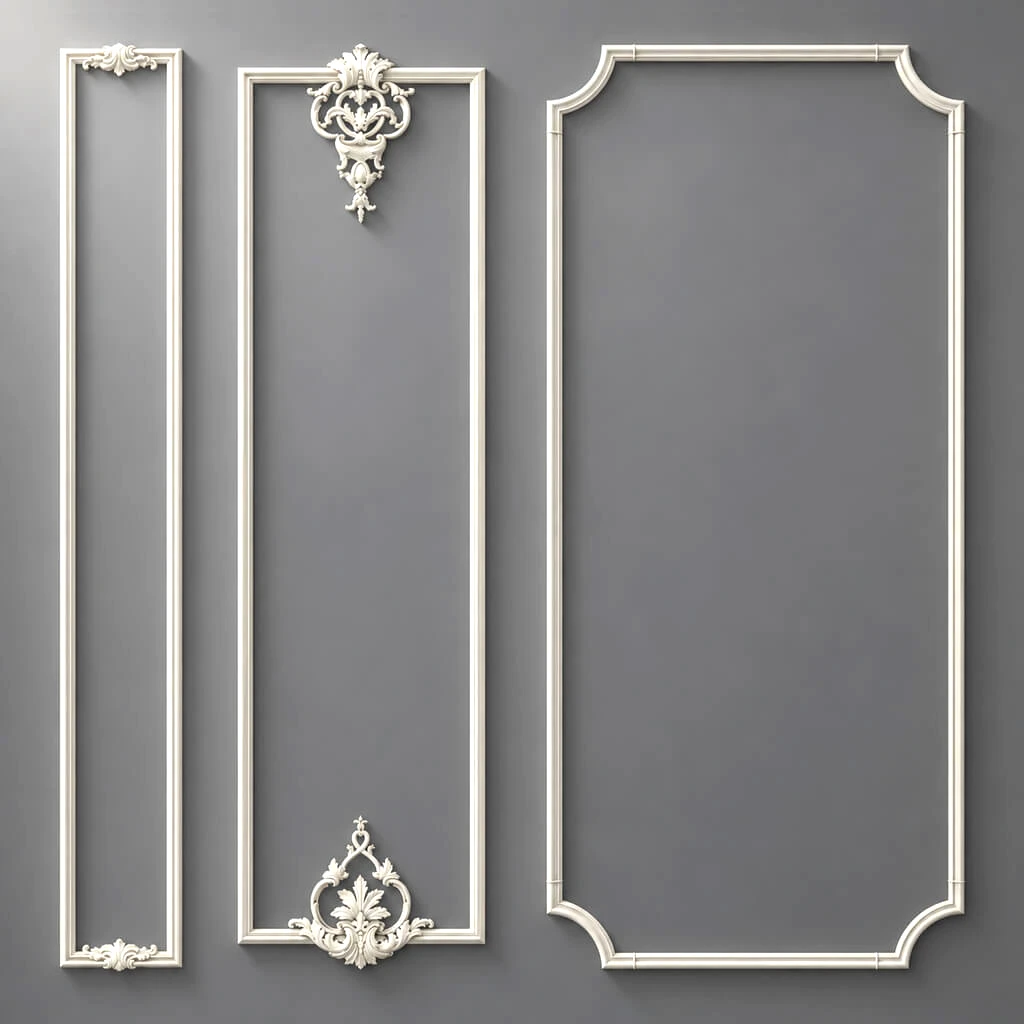
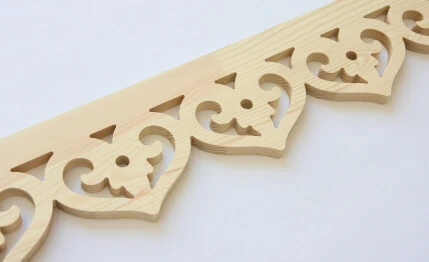
Article Contents:
- What is furniture molding
- Where furniture moldings are used
- Cabinets and case furniture
- Kitchen cabinets
- Commodes and cabinets
- Buffets and sideboards
- Display cases and glass doors
- Libraries and studies
- Built-in furniture and walk-in closets
- Furniture Restoration
- How furniture molding differs from wall molding
- Scale of perception
- Conditions of use
- Fastening
- Comparison table
- Molding for furniture facades
- Frame facade: classic construction
- Overlay molding: effect without big costs
- Decorative belts
- Molding for cabinet and built-in furniture
- How molding turns a cabinet into architecture
- Vertical moldings on wide facades
- Built-in furniture and wooden trim
- Molding for kitchen
- Styles and profiles for kitchen
- Kitchen buffet area
- Showcase doors in the kitchen
- Molding for a chest of drawers, sideboard, and showcase
- Proportion of molding and facade
- Chest of drawers: horizontal rhythm
- Sideboard: dual system
- Showcase: maximum decorativeness
- How to choose the size and shape of the profile
- Dependence of profile width on facade size
- Smooth profile: geometry without ornament
- Figurative profile: classic plasticity
- Profile for painting
- Profile for varnish or tinting
- Material and Coating
- Solid beech
- Solid oak
- MDF profile
- Types of Coatings
- Mistakes when choosing furniture molding
- Where to buy wooden furniture molding
- About the company
- FAQ - answers to popular questions
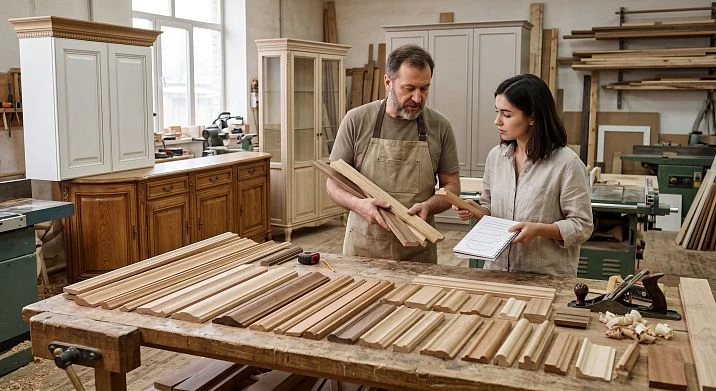
Imagine two cabinets standing side by side. Both are made of MDF, both white, both with the same dimensions. But one looks like furniture from an economy-class store, while the other seems to have come from the hands of a skilled carpenter, and its place is in a classic study or a spacious living room. The difference between them is a few rows of wooden profile on the doors. Furniture molding. A simple detail that changes everything.
Wooden furniture molding is not a decorative detail for the sake of detail. It is a tool that works on several levels simultaneously: it creates depth of the facade, shapes the style of the furniture, sets the architectural rhythm, and connects an individual item with the interior space. And precisely because Moldings for furniture they perform such a multifaceted role, their selection requires understanding — not just "which is prettier," but "which is right for this task."
This article is a comprehensive guide to choosing furniture molding: for new furniture and restoration, for cabinets and kitchens, for sideboards and display cases, for classic interiors and modern neoclassicism.
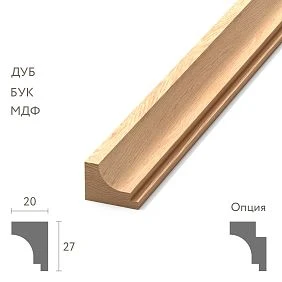
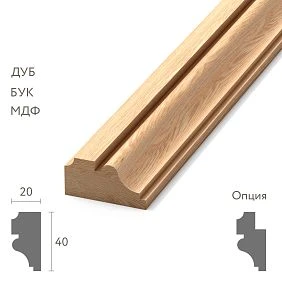
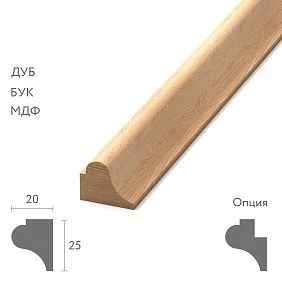
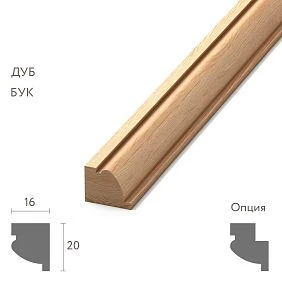
What is furniture molding
Molding as an architectural term has existed for millennia. Even in ancient structures, profiled strips divided columns, framed portals, decorated cornices, and created decorative belts on walls. Since then, nothing has fundamentally changed — only the scale of application has changed.
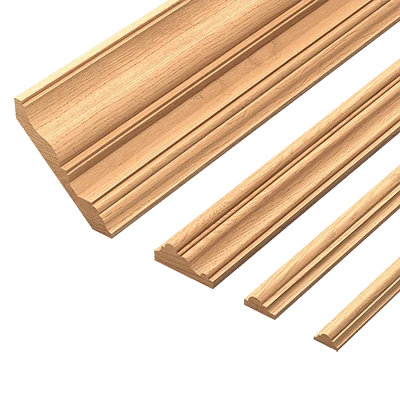
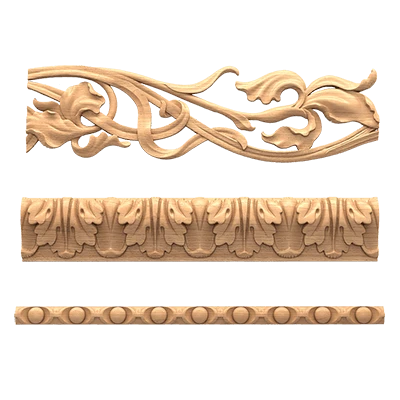
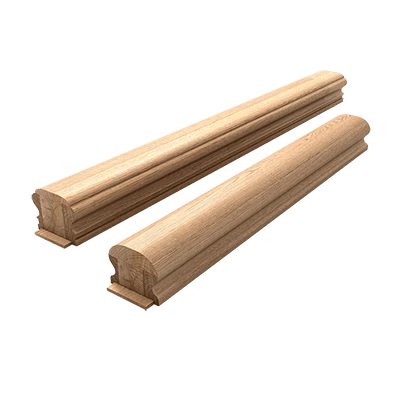
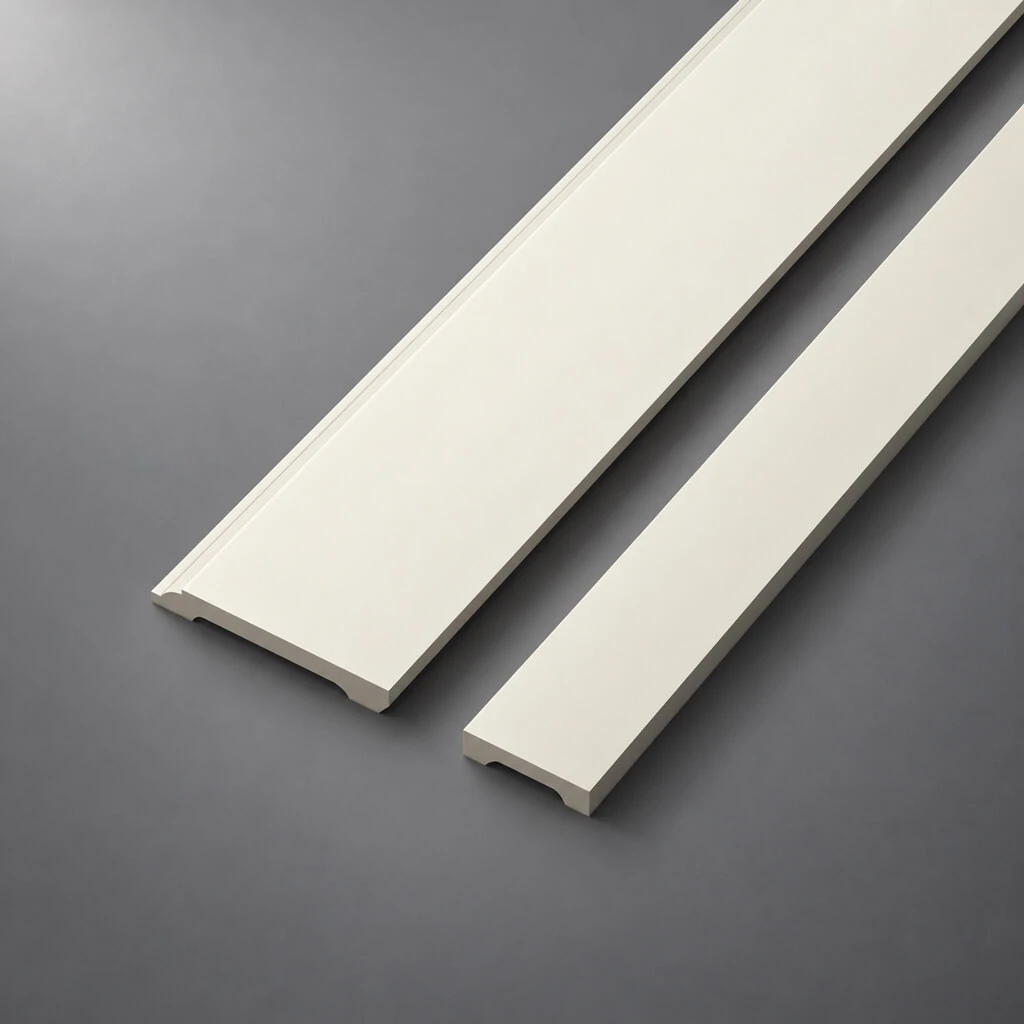
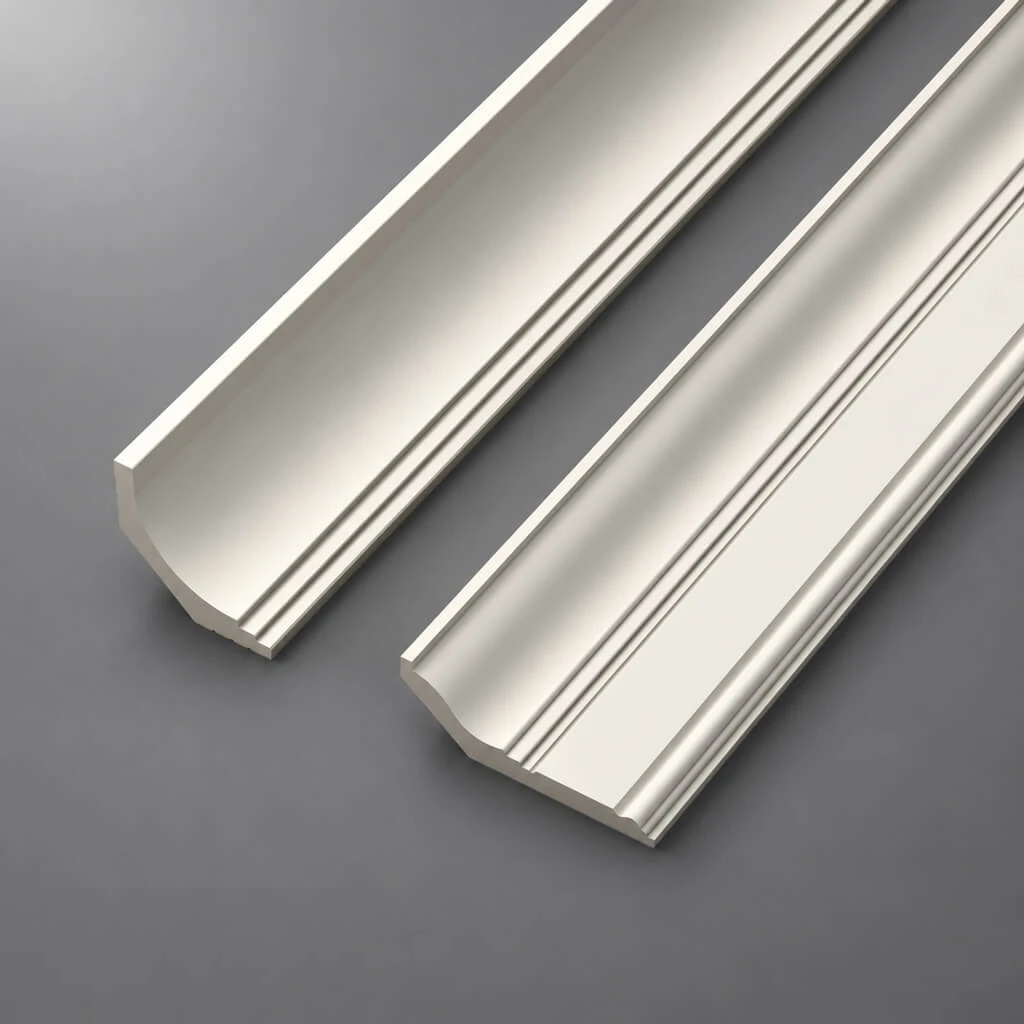
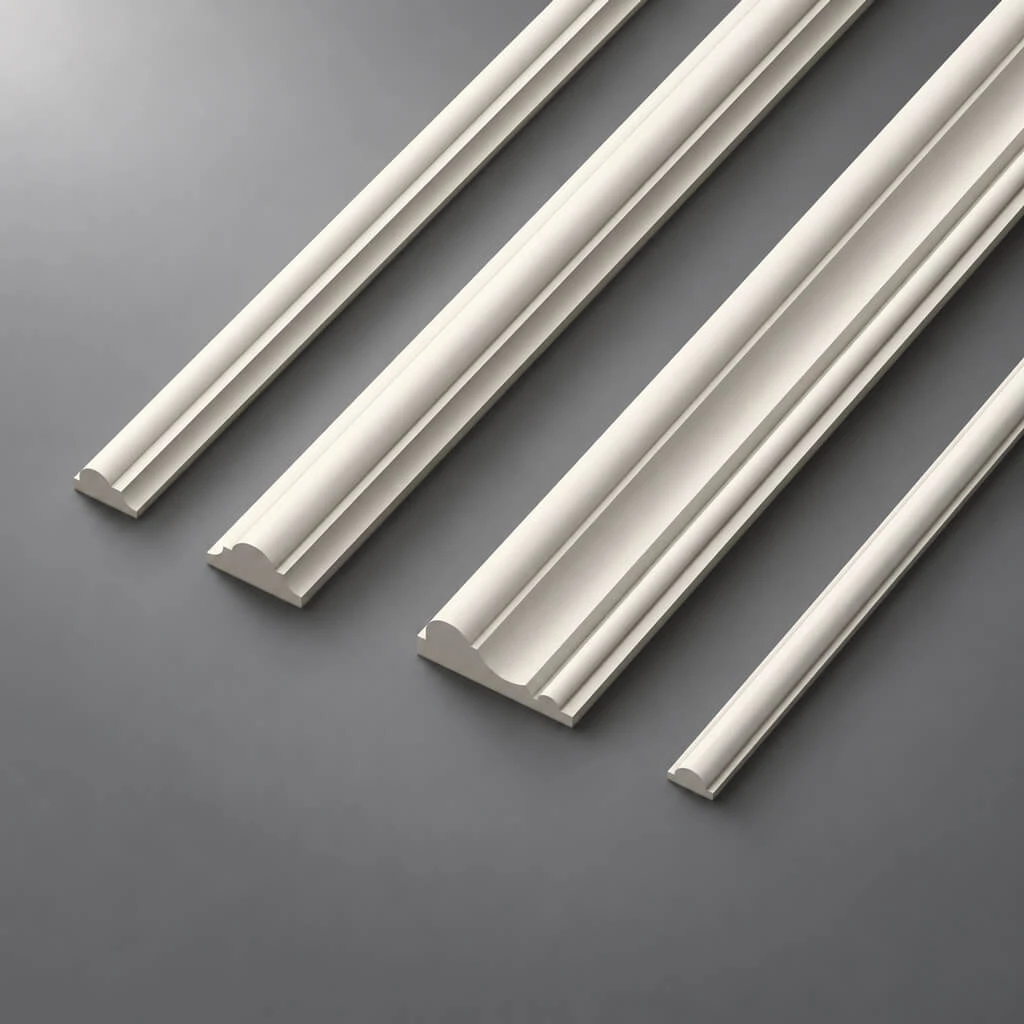
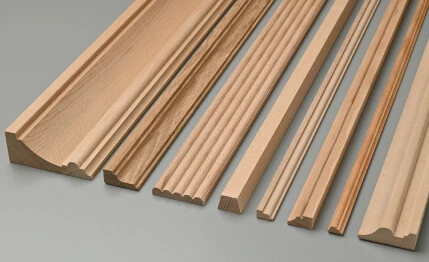
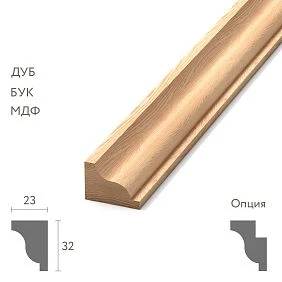
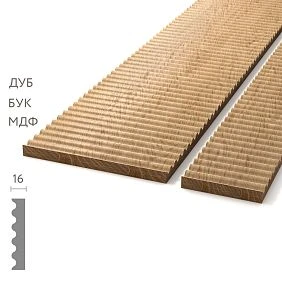
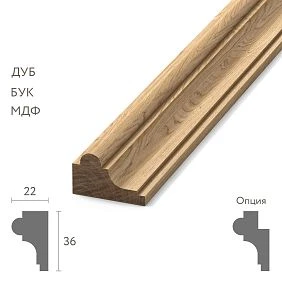
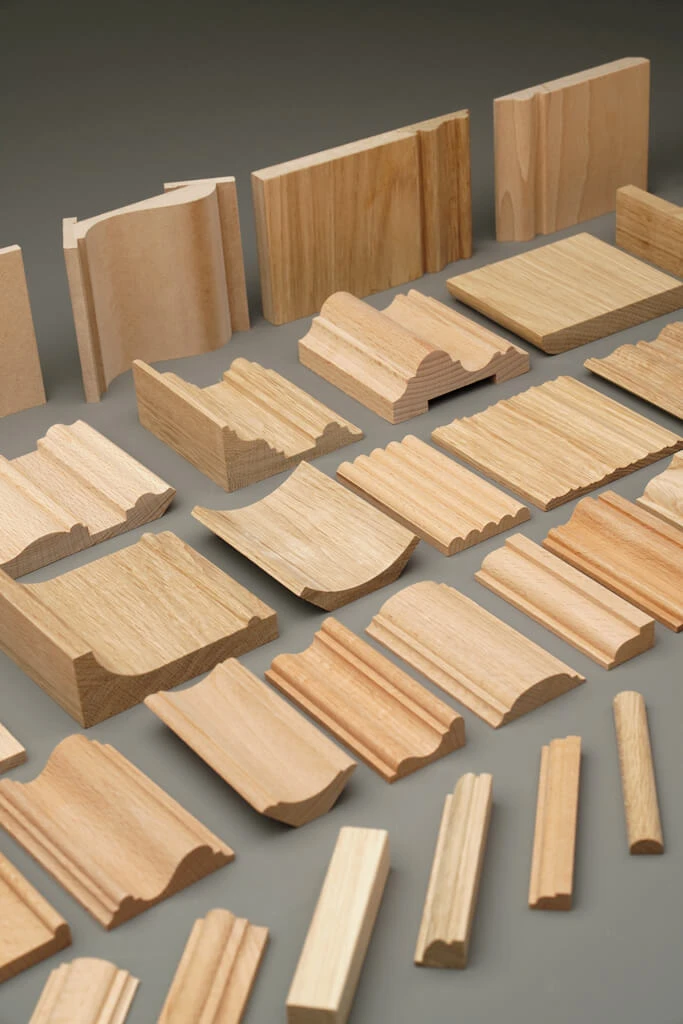
Furniture molding is a linear decorative profile made of solid wood, beech, oak, or MDF, which is mounted directly onto the surface of furniture facades, doors, bodies, and panels. Its cross-section can be simple — a rectangle with chamfers — or complex: with an ogee, quarter-round, cyma, fillet, reverse ogee. It is the shape of the cross-section that determines the character of the product and its belonging to one or another stylistic direction.
The key word here is "furniture." This is not a wall profile or a ceiling cornice. Furniture molding exists in its own coordinate system: its scale is commensurate not with the room, but with the facade. Its proportions are designed for perception at arm's length. Its coating must withstand mechanical loads and humidity — everything that furniture encounters daily.
Why is furniture molding needed? The answer is simple: to make a flat facade three-dimensional. To turn a set of drawers into a chest of drawers. So that cabinet doors read as a frame structure, not as plywood sheets. So that a kitchen set looks like handmade furniture, not like an assembly from a catalog. It is a transformation tool — simple, precise, and when used correctly, fail-safe.
Where furniture moldings are used
The scope of application of wooden furniture molding is much wider than is commonly believed. It is not only a classic cabinet and kitchen facade.
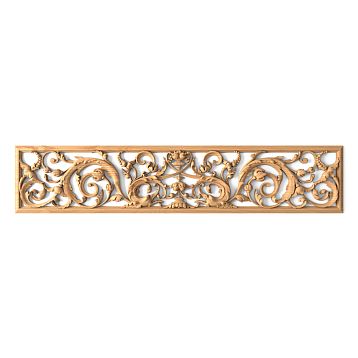
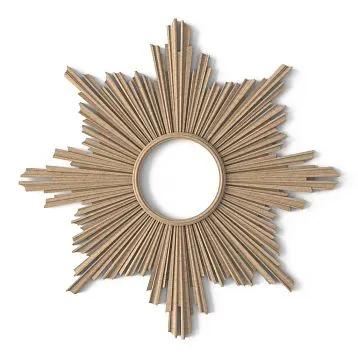
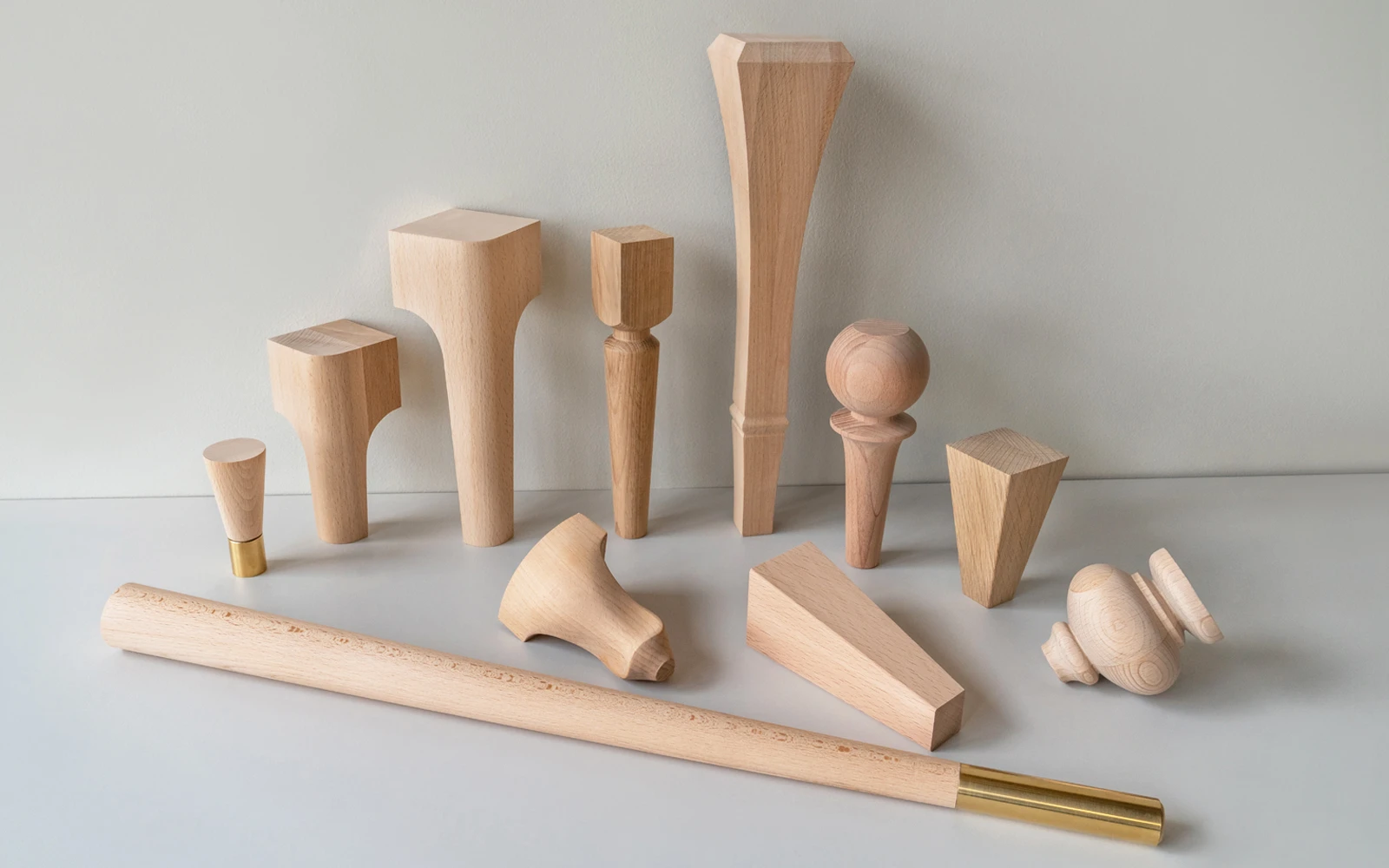
Our factory also produces:
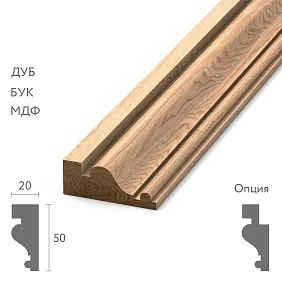
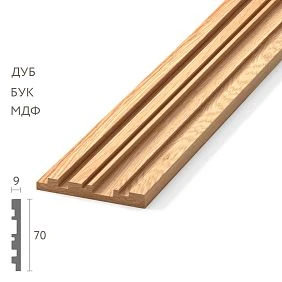
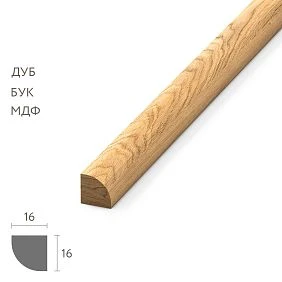
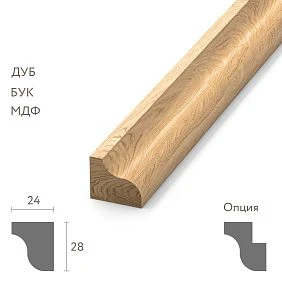
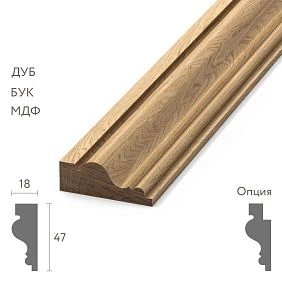
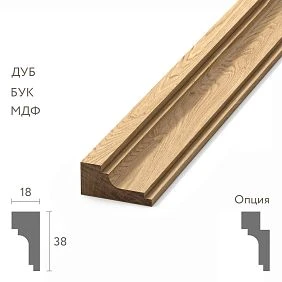
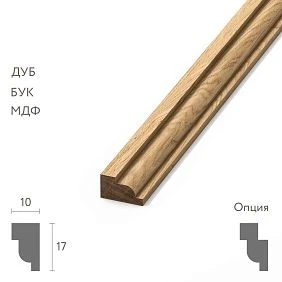
Cabinets and case furniture
A cabinet with moldings is not a more complex item to produce than a cabinet without them. It is a more thoughtful item. The profile along the perimeter of each door creates a frame effect: the facade ceases to be a monolithic plane and acquires an architectural structure. A division into frame and insert appears, a shadow arises at the transition point, depth is born.
Molding for a cabinet is mounted along the outer perimeter of the door or as a lining along the inner perimeter of the frame. In the first case, it is overlay — creating a decorative frame on a smooth facade. In the second, it is structural, being part of a frame-and-panel construction. Both options work and create fundamentally different feelings: the first — quickly and economically, the second — fundamentally and expensively.
Get Consultation
Kitchen cabinets
The kitchen is the space where decorative profile works at the intersection of beauty and practicality. Kitchen facades with wooden moldings cover the entire range of modern styles: from white Provence with figured profiles to strict neoclassicism with a laconic smooth molding for tinting.
kitchen molding is used on doors of wall cabinets, on facades of base modules, on doors of buffet zones and display doors. A special scenario is a kitchen with open shelves and several types of facades: here furniture molding becomes an element that connects different parts of the set into a single system.
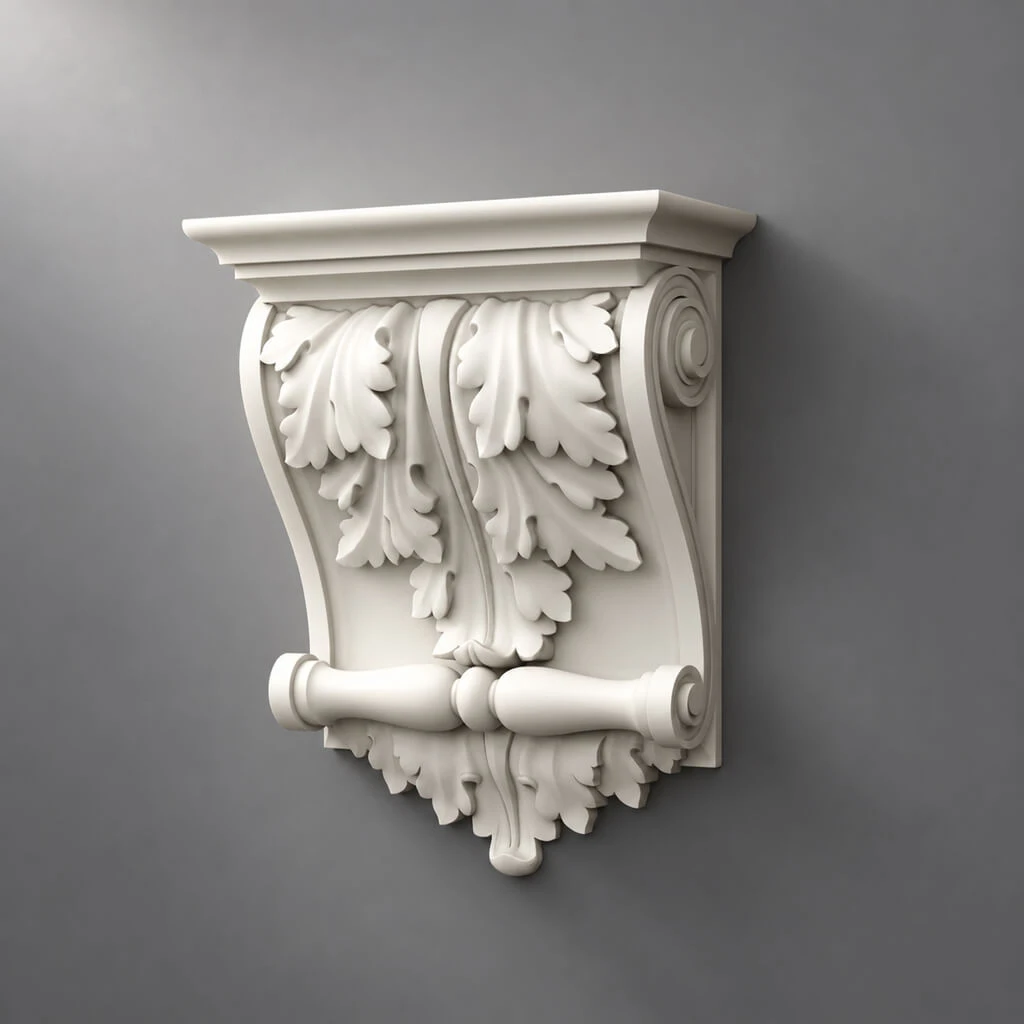
Properly selected Furniture Decoration from Wood — overlay elements, corner blocks — complement the molding system, creating finished frame corners and accent zones.
Chests of drawers and cabinets
A chest of drawers is furniture with a horizontal rhythm. Each drawer is a separate tier, and the molding around the perimeter of each drawer turns this rhythm into music. A thin profile of 12–16 mm works delicately here, without overloading the facade, but giving it that necessary depth.
in combination with wooden furniture handles made of beech or oak, furniture molding creates a system of wooden details that makes the chest of drawers a living and warm object — as opposed to metal and plastic solutions.
Buffets and sideboards
A sideboard is probably the most molding-saturated piece of furniture. Its two-tier construction, combination of solid and glass doors, cornice belt at the top and base part at the bottom — all of this is a system in which molding is an architectural language.
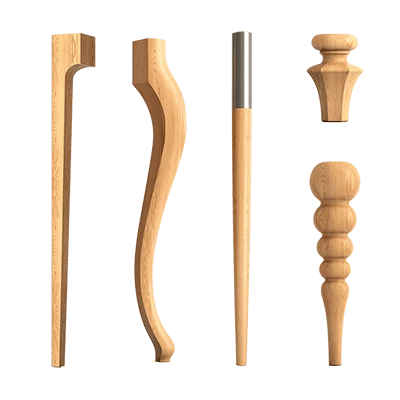
The profile on the lower part of the sideboard can be wider and more voluminous (20–30 mm), on the upper display part — thinner and more elegant (12–18 mm). This entire system is completed with wooden cornices at the top and with matching legs at the base — and the sideboard becomes an architectural object, not just a cabinet for dishes.
Display cabinets and glass doors
When behind the glass there is porcelain, books, or collection items — the frame around the glass insert becomes part of the decorative concept. The wooden molding secures the glass, organizes the frame, and creates that very framing effect that turns the display cabinet from a utilitarian object into an interior art piece.
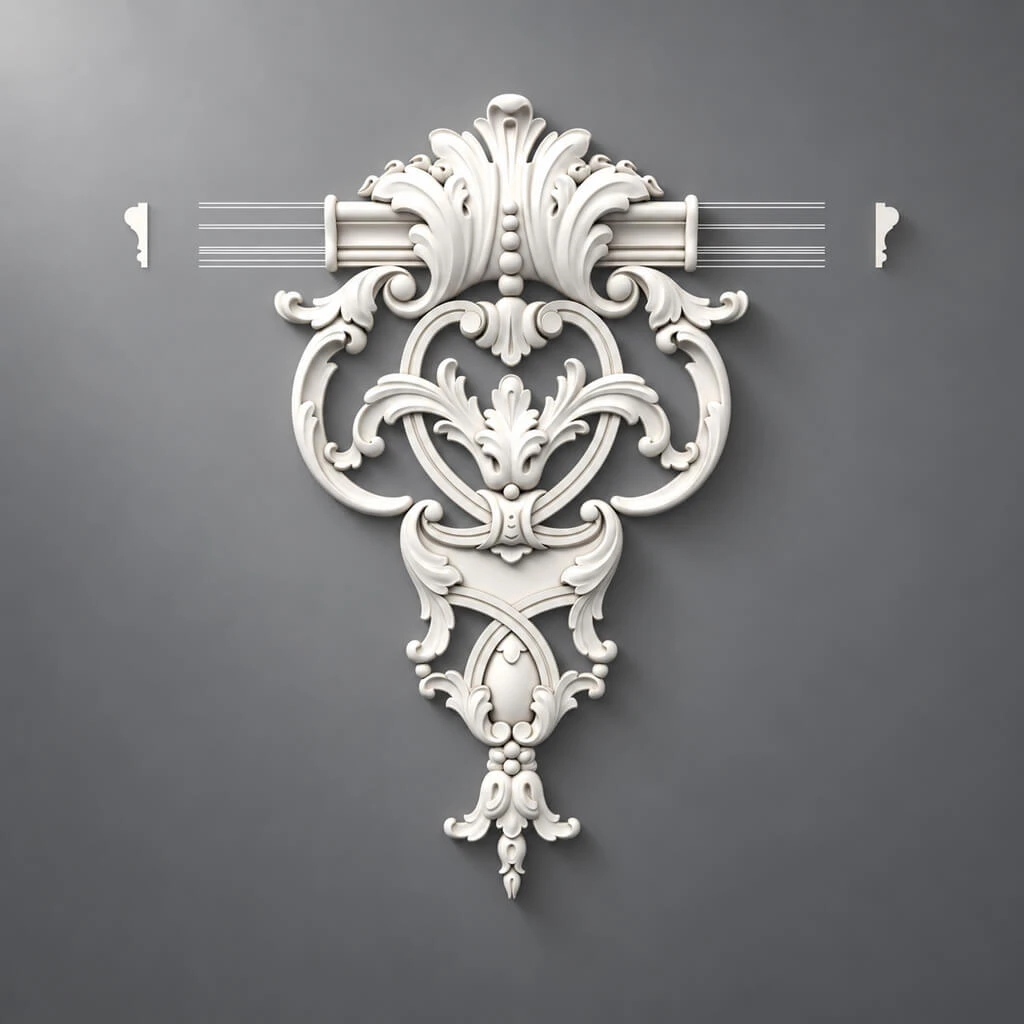
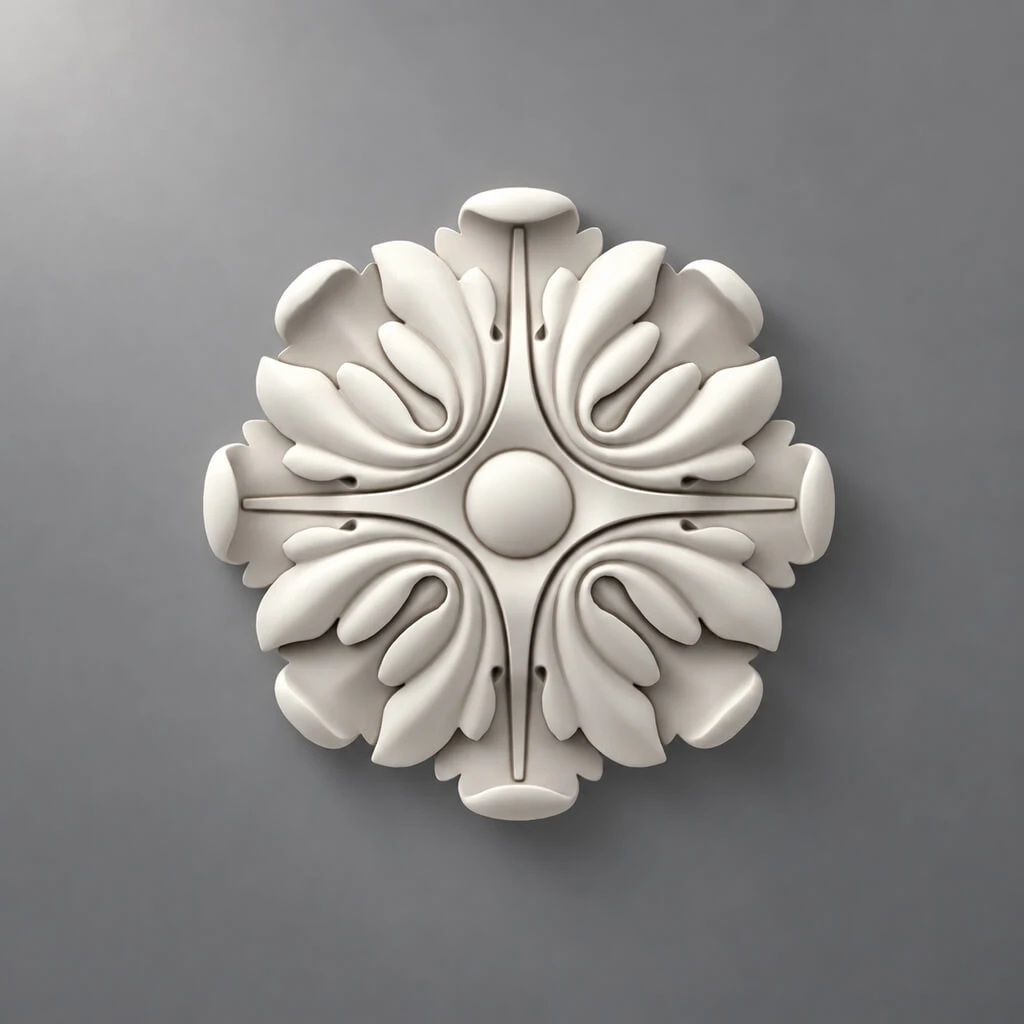
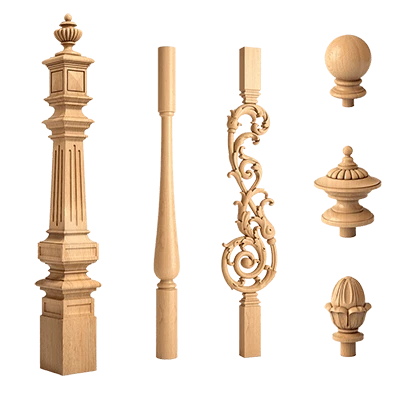
On display cabinets, profiles with shaped cross-sections are especially appropriate: a quarter-round or ogee create a smooth transition between the frame and the glass, adding elegance. Carved furniture decor In the corners of the frames — rosettes, ornamental overlays — complete the look.
Libraries and studies
A built-in library is a special architectural object. Shelving with doors at the bottom and open shelves at the top, wooden pilasters between sections, molding frames on solid doors, Wooden trim along the perimeter — that is the language of a classic study.
Moldings on furniture in the study should echo the moldings on the walls and the cornice profiles in the upper zone. All elements must come from the same system of proportions and the same finish.
Built-in furniture and wardrobes
Built-in furniture with molding facades is furniture that pretends to be a wall. The profile on the doors, linked to the door trims and wooden trim in the room, creates the feeling that the furniture is part of the architecture, not an object brought into the room.
Furniture Restoration
Restoration is a separate and very extensive segment. If a molding on the facade of an antique sideboard or Soviet credenza is cracked or missing, a correctly selected solid wood profile restores the item's original appearance. STAVROS produces custom profiles to order: it is important to provide a sample or measurements to reproduce the exact shape.
How furniture molding differs from wall molding
This is a fundamental question that sets the right direction when choosing a profile.
Scale of perception
Wall molding is perceived from a distance of 3–5 meters, so it can be wider and richer in relief. Furniture molding works in the range of 0.5–1.5 meters — here the precision of the detail, proportionality with the facade, and delicacy of the profile are important. What looks like an elegant strip on the wall can be too massive on a cabinet facade.
Conditions of use
Wall profile — in interior conditions: stable temperature, no mechanical loads. Furniture molding, especially kitchen molding, works in conditions of variable humidity, grease, detergents, and daily mechanical contact. Therefore, the coating of furniture molding must be durable and sealed: polyurethane enamel, hard varnish, moisture-resistant impregnation.
Fastening
Wall molding is attached to the wall with mounting adhesive or dowels. Furniture molding — with furniture PVA or specialized adhesive with fixation using micro-pins through a press. Since the furniture door opens and closes, the attachment must be reliable and not react to vibration.
Table of differences
| Parameter | Furniture molding | Wall molding |
|---|---|---|
| Installation location | Furniture facades | Walls, ceilings, panels |
| Scale of perception | 0.5–1.5 m | 2–5 m |
| Typical width | 8–40 mm | 15–80 mm |
| Operating conditions | Furniture | Interior |
| Mounting | Furniture PVA, press | Assembly adhesive, dowels |
| Finish | Durable enamel, hard varnish | Any decorative |
Molding for furniture facades
The facade is the first and last thing a person sees in a furniture piece. This is where furniture molding realizes its main potential.
Frame facade: classic construction
A frame facade is a carpentry classic. A frame of horizontal and vertical bars, with an insert (panel) inside: a smooth board, glass, a textured wooden insert. Molding in a frame facade is mounted along the inner perimeter of the frame, creating a decorative transition between the frame and the insert and adding depth to the facade.
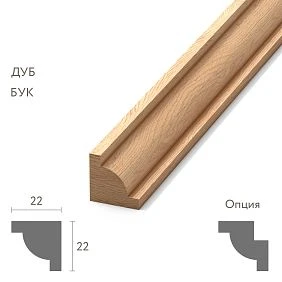
For frame facades, profiles with a quarter-round or reverse ogee are optimal: they provide a smooth transition from vertical to horizontal, creating a shadow line that gives the feeling of depth. STAVROS furniture moldings MLD series in the catalog — from the laconic MLD-002 (22×11 mm) to rich shaped profiles.
Overlay molding: effect without big costs
The second scenario is overlay molding on a smooth MDF facade. The profile is glued along the perimeter of the door, imitating a frame construction. The cost is minimal, the result is a convincing classic facade. This is the technique used by most furniture manufacturers working in the "affordable classic" price segment.
For overlay moldings, the precision of cutting angles is important: joints at 45 degrees must be flawless. Wooden overlays for furniture in the corners of frames — a ready-made solution for those who don't want to risk angular cutting.
Decorative belts
A horizontal molding across a wide facade visually divides it into zones — creating the feeling of two tiers. This is a working technique for cabinets over 180 cm high: without horizontal division, such a facade is monotonous and heavy, with a molding belt it is structured and interesting.
Molding for cabinets and built-in furniture
How molding turns a cabinet into architecture
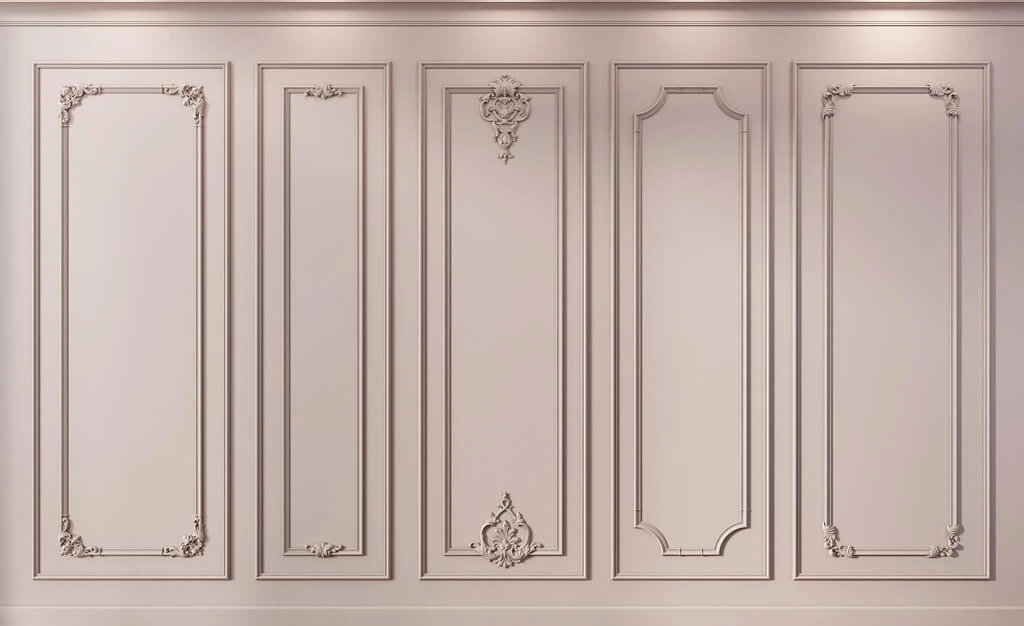
A cabinet with moldings, a wooden cornice at the top and wooden skirting board at the bottom ceases to be just furniture — it becomes an architectural element of the room. This transition does not require redesigning the structure: it is enough to have the right set of wooden profiles, coordinated in style and finish.
Vertical moldings on wide facades
A wide cabinet front — over 1200 mm — requires a vertical rhythm. Vertical moldings spaced at intervals of 400–600 mm divide the plane into equal sections, creating a sense of an ordered architectural system. This is especially important for library shelving with doors — here, the vertical molding imitates pilasters, forming an architectural image.
Built-in furniture and wooden trim
Built-in furniture with molding fronts, connected to the wooden wall trim — this is an interior where furniture and architecture speak the same language. Wooden trim — trims, cornices, baseboards, decorative slats — forms a system in which furniture molding is one of the links.
Molding for the kitchen
The kitchen segment is the most dynamically developing in the application of furniture moldings. It is here that the demand for natural wooden profiles is growing fastest: people have grown tired of glossy synthetic fronts and have discovered the warmth and durability of wood.
Styles and profiles for the kitchen
In the Provence style, beech with white enamel and a figured ogee profile is organic: soft lines, warm tone, a sense of handcraftedness. In neoclassicism — oak under varnish or tint with a laconic smooth profile: strictness, dignity, natural texture. In modern classic — white molding with a geometric cross-section, clean lines without ornament.
Kitchen buffet zone
The buffet zone is the most decoratively rich element of the kitchen. Here, the use of wider and more elaborate profiles is possible, carved furniture decor In the corners of frames, glass inserts with wooden frames. The buffet area with wooden moldings sets the tone for the entire kitchen — it is its decorative center of gravity.
Display cabinet doors in the kitchen
A glass display cabinet door with a wooden molding around the perimeter of the glass is an elegant solution for upper wall cabinets. The thin profile (10–14 mm) secures the glass and creates a framed effect. It is important that the molding finish is the same for all facades — unity of finish creates the integrity of the kitchen.
Molding for a chest of drawers, sideboard, and display cabinet
Proportion of molding and facade
The main rule for all three items is the same: the molding must leave at least 40–50% of the clear facade area inside the frame. If this ratio is violated, the frame looks either too aggressive (molding too wide) or almost invisible (too narrow).
Chest of drawers: horizontal rhythm
Each drawer of the chest of drawers is a separate facade. The molding creates a frame around each drawer, forming a clear horizontal rhythm. A profile of 12–18 mm is optimal: expressive enough, does not overload the small drawer facade. In combination with wooden handles the chest of drawers acquires a cohesive wooden appearance.
Sideboard: dual system
The sideboard requires two molding systems: for the lower part (solid doors, molding 20–28 mm) and for the upper part (glass-front doors, molding 12–18 mm). Both systems are from the same profile but at different scales. The sideboard is finished with wooden cornices at the top and wooden legs at the bottom.
Showcase: maximum decorativeness
The showcase allows the greatest decorative richness of the profile. A curved ogee or multi-step composite molding combined with carved applied elements create the image of antique formal furniture — noble, expensive, tangibly valuable.
How to choose the size and shape of the profile
Dependence of profile width on facade size
| Door size (width) | Recommended molding width |
|---|---|
| Up to 250 mm | 8–12 mm |
| 250–400 mm | 12–18 mm |
| 400–600 mm | 18–26 mm |
| 600–800 mm | 24–32 mm |
| more than 800 mm | 30–40 mm |
Smooth profile: geometry without ornament
Smooth rectangular molding with chamfers — for strict modern interiors: neoclassicism, art deco, modern classic. Its strength lies in the clarity of the line and the absence of ornament. This profile reads equally well under white enamel and natural varnish.
Figurative profile: classic plasticity
Profiles with quarter-round, ogee, and reverse ogee are classic architectural sections proven over centuries. They carry an ornamental charge and assign the interior to the classical tradition. For furniture in Empire, Classicism, Neoclassicism, Provence styles — the only correct choice.
Profile for painting
Beech in "under enamel" finish or MDF profile — the optimal choice for painted furniture. A smooth closed surface without large pores accepts enamel without orange peel, resulting in a monolithic facade with pure color.
Profile for varnish or tinting
Oak in "under tinting" finish — for those who want to preserve the living texture of wood. Under transparent varnish or oil, oak reveals all its natural pattern, making the facade warm and individual.
Material and Finish
Solid beech
Beech is a dense, fine-pored wood with a uniform light texture. Ideal for painting: accepts any RAL enamel. STAVROS beech moldings in "Standard" and "Prestige" finishes feature straight profile geometry along the entire length and a clean surface without snags or chips.
Solid oak
Oak is a hardwood with a pronounced pattern of annual rings and medullary rays. Under clear varnish or oil, it creates a lively surface with depth. STAVROS oak furniture moldings are for facades where the texture should be visible and tangible.
MDF profile
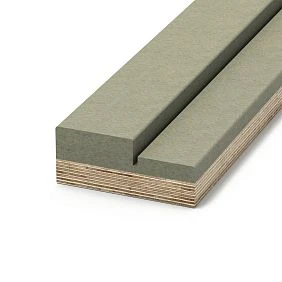
MDF is a geometrically precise and stable material for moldings intended for painting. It does not warp, crack, or accept any coating. Optimal for kitchen facades, children's furniture, and built-in wardrobes.
Types of coatings
-
Polyurethane enamel is durable, moisture-resistant, and available in any RAL color. Ideal for kitchens and actively used furniture.
-
Clear varnish provides protection and preserves the natural color. It is periodically renewed.
-
Tinting changes the shade while preserving the texture. Oak with dark tinting looks rich and representative.
-
Oil provides a maximally natural feel and a matte surface. It is easily renewed without disassembly.
Mistakes when choosing furniture molding
Mistakes when choosing a molding are always annoying miscalculations that are noticeable even to an untrained eye.
Buying a wall profile instead of a furniture one. The scale, operating conditions, and coating are different. A wall molding 50 mm wide on a kitchen cabinet door looks like a mistake.
Do not ignore the thickness of the facade. A molding with a deep profile on a thin door will prevent it from closing properly — or create a risk of chipping with every opening.
Do not take a molding that is too wide for a small door. The proportion is broken — the frame "chokes" the door, leaving no space inside.
Do not mismatch molding with handles, legs, and applied decor. A wooden beech molding under white enamel with a metal chrome handle — is this a conscious choice or an accident? Consistency of details creates a cohesive look.
Do not mix different wood shades. Beech under white enamel and oak under dark lacquer on adjacent facades — this is a conflict, not a contrast.
Do not forget about corners and joints. Molding in frame corners is cut at 45 degrees. Without precise cutting, joints will be visible, and the entire decorative effect will fall apart.
Do not paint the molding after installation. The correct way is to paint before installation, paint the ends, and after installation, carefully touch up the joints with a brush. Otherwise, it is almost impossible to paint the joint without drips.
Do not choose a profile without connection to the furniture style. A figured profile with a rich ogee on a minimalist matte facade — this is not a bold decision, it is a mistake. The profile should speak the language of the furniture style.
Where to buy wooden furniture molding
Full professional range moldings for furniture made from solid beech and oak, as well as MDF — in the STAVROS catalog. The MLD series includes dozens of profiles of different cross-sections and widths — from laconic smooth to rich classic. All products are manufactured using 3D milling with precise profile reproduction along the entire length.
For a complete furniture finishing system, the STAVROS catalog offers:
-
Furniture moldings of the MLD series — including profile MLD-002 (22×11 mm)
-
Furniture decor — overlays — corner blocks, decorative inserts
-
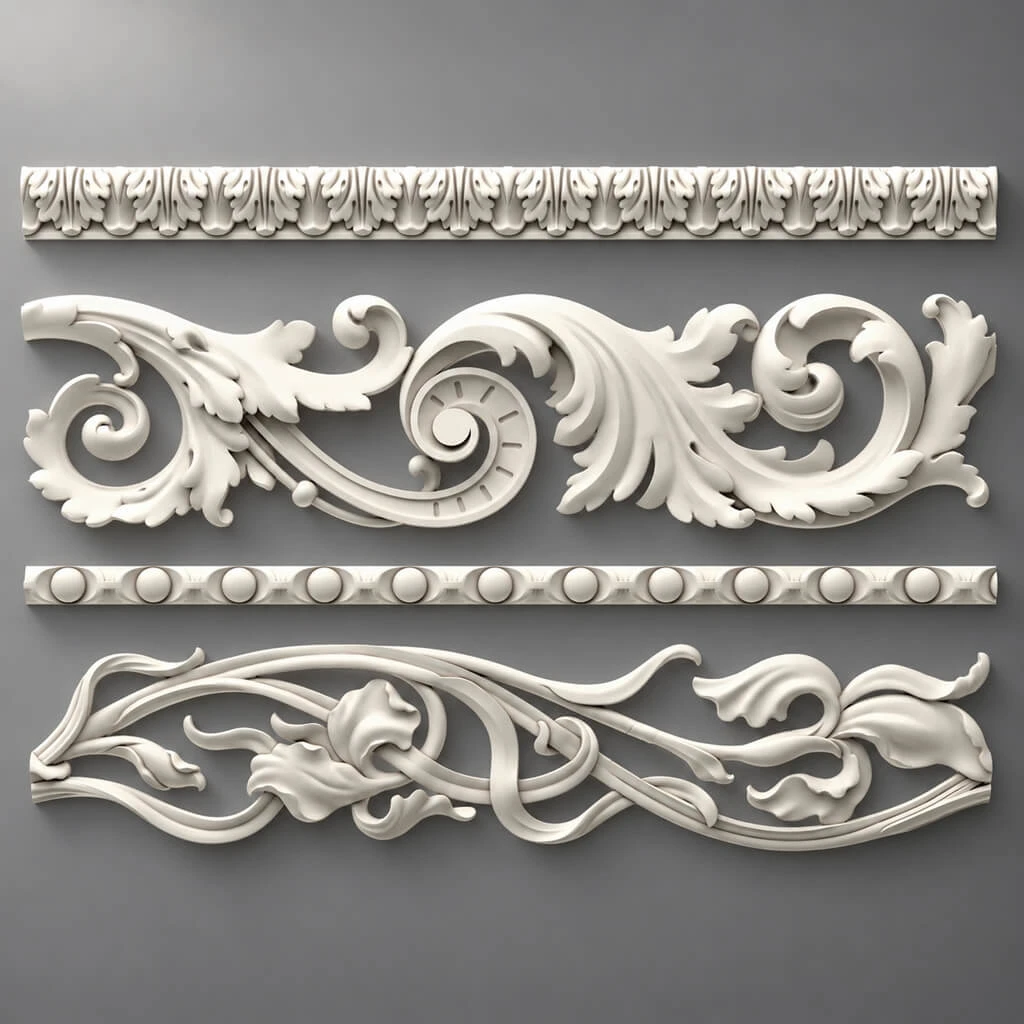
Carved furniture decor — ornamental overlays, rosettes, acanthus leaves
-
wooden furniture handles — coordinated wooden accent
-
wooden furniture legs — to complete the lower part of the body
-
Wooden trim — to connect the furniture system with the interior architecture
About the Company
STAVROS is a Russian manufacturer of solid wood products for interiors and furniture, founded in 2002 by two artist-restorers in Saint Petersburg. The company has proven experience working with state-significant objects: the Constantine Palace in Strelna, the Hermitage, the Alexander Palace, and the Trinity Cathedral. Today, STAVROS offers a full range of wooden decor for furniture and interiors: moldings, cornices, baseboards, overlays, linear profiles, carved decor, furniture handles, and legs. Production is from European-sourced beech and oak solid wood, using 3D milling with manual finishing. Shipment from 1 piece, Contact us to confirm shipping to your destination. and CIS countries.
FAQ — answers to popular questions
What is a furniture molding?
Furniture molding is a decorative profile made of solid wood or MDF, which is mounted on facades, doors and furniture bodies. It creates a frame effect, visual depth and gives furniture a classic architectural character.
How is furniture molding different from wall molding?
Furniture molding is smaller in scale, designed for close-up viewing, and has higher requirements for coating durability. Wall profile works on the architectural scale of the room and is mounted on the wall surface.
Where are moldings for furniture used?
On facades of cabinets, kitchen sets, chests of drawers, sideboards, display cases, library shelves, built-in furniture and when restoring old furniture.
Can a wooden molding be installed on a cabinet?
Yes. The molding is glued with furniture PVA and secured with micro-pins until dry. If necessary, it is painted after installation to match the facade color.
Is molding suitable for kitchen fronts?
Yes, provided a moisture-resistant coating is used: polyurethane enamel or hard varnish. MDF or beech in an "enamel finish" is the optimal choice for the kitchen.
How to choose the size of furniture molding?
The molding should leave at least 40–50% of the clean facade area inside the frame. For a door width of 400 mm — profile 14–20 mm. For a door 600–700 mm — up to 26–30 mm.
Can wooden molding be painted?
Yes. Beech in the "enamel" finish accepts any RAL color. It is recommended to paint before installation for even coverage of all surfaces.
Which moldings are suitable for classic furniture?
Profiles with ogee, quarter-round, cyma recta, and reverse ogee — sections of classical architectural tradition. Made of oak under lacquer or beech under enamel.
How to calculate the amount of molding for facades?
Measure the perimeter of each door, multiply by the number of doors. Add 15% to the total for trimming and joints. The result is the required linear footage for the order.
Where to buy wooden furniture molding?
In the STAVROS catalog — a full range of wooden furniture moldings made of beech and oak with Contact us to confirm shipping to your destination.: stavros.ru.