

































Article Contents:
- Why a small batch needs to be standardized before production starts
- Which wooden components should be included in the model standard
- The SKU matters more than the photo: how to create a part passport
- Three real parts and three different sets of dimensions
- Which furniture parts should be standardized first?
- Do I need a sample if there is a drawing on the website?
- Can the same model be produced in beech and oak?
- How do I calculate the number of legs, handles, and overlays per batch?
- Can a part be replaced with another model of the same dimensions?
- What should I do if a component is discontinued?
- When is it more cost-effective to make a part yourself rather than buy a ready-made one?
- What should I keep for reordering a year later?
- Where can a small furniture manufacturer find ready-made wooden components?
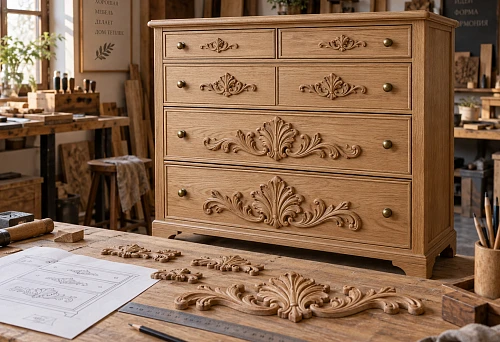
The first dresser was assembled, the client approved the finish, and the workshop received an order for twelve more of the same. But on the second piece, it turns out the legs were taken at a slightly different height, and for the fifth, the original handles could not be found. The fronts have already been drilled, so replacing the hardware without rework is impossible. Visually, the furniture remains similar, but it can no longer be called an identical series.
Such discrepancies arise even before the carcasses are assembled — at the moment when the craftsman selects components by photograph, approximate name, or old correspondence. To produce furniture parts in small series and assemble repeatable items from them, specific wooden components must be approved in advance: their article numbers, dimensions, material, finish, and installation method. The approval must apply to the entire furniture model, not to a single leg or overlay that happens to be liked.
For a small joinery workshop, a clear system is sufficient: one proven furniture sample, one parts list for each of its versions, and a clear rule for replacing components. A complex production program is not necessary. Even a table with correctly filled-in columns will help avoid the situation where ten finished cabinets differ in details that are invisible on the drawing but significant during assembly.

Why a small series needs to be standardized before production starts
When making a single item, the craftsman often makes decisions as work progresses. The leg turned out taller than expected — the height of the apron was changed. The handle did not fit — the holes were moved. The overlay covered the molded frame — a narrower one was selected. For a single item, such changes can still be coordinated without serious losses.
In a series, they become a problem. If the carcasses have already been cut for fifteen dressers, changing the height of the support affects the overall height of the item. If ten fronts have received holes for the old handle, the new model may require different mounting points. Replacing a decorative overlay changes the distances to the frame, and sometimes the painting sequence as well.
A series begins with an approved construction that includes all finished components. A single drawing of the carcass is not enough: repeatability requires information about what exactly is attached to the carcass, by what method, and in what version.
Repeatability should not be confused with complete uniformity of the wood grain pattern. Beech and oak are natural materials; their fibers and shades may differ. What can be standardized is the species, geometry, surface requirements, finish, and permissible visual difference between parts. Promising absolute matching of natural solid wood texture would be incorrect.
There is another extreme: trying to standardize every decorative element of the workshop at once. To produce ten identical cabinets, the parts for that specific model need to be approved. A new table may have its own parts list. Shared components are useful only when their use has actually been verified for both items.
Which wooden components should be included in the model standard
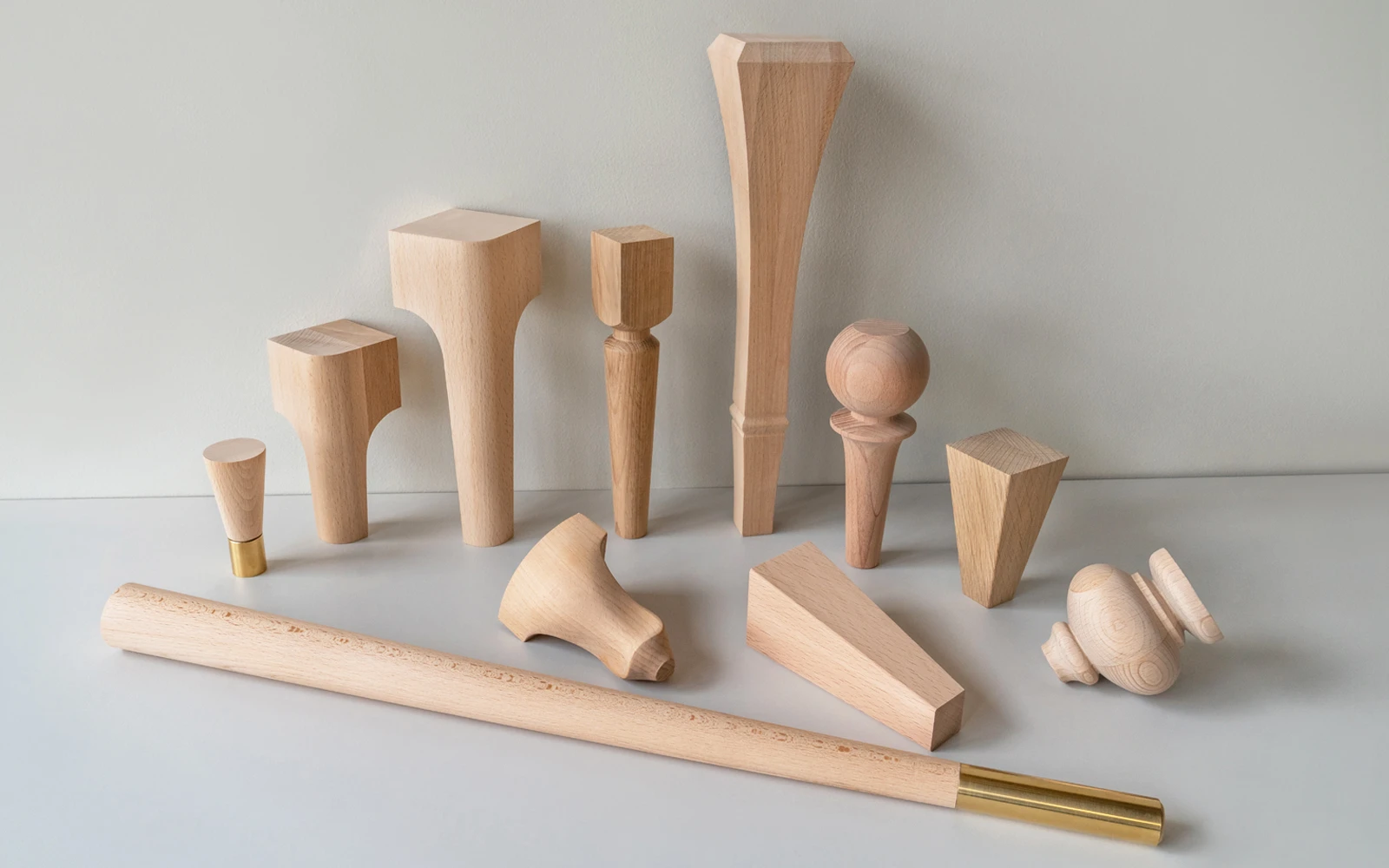
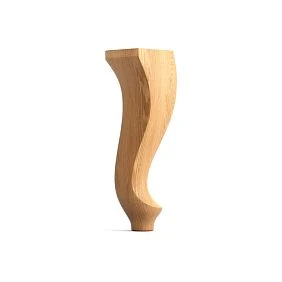
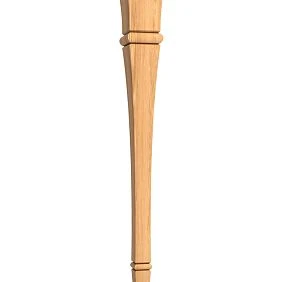
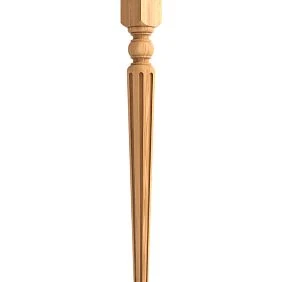
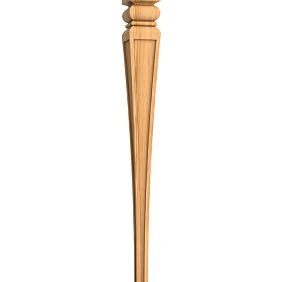
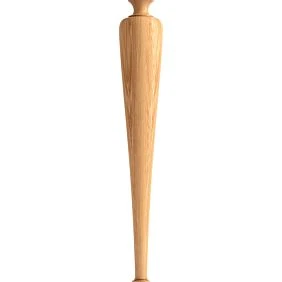
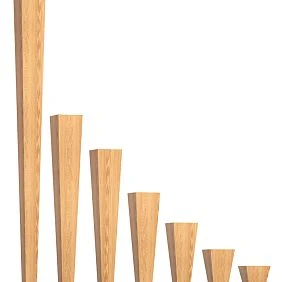
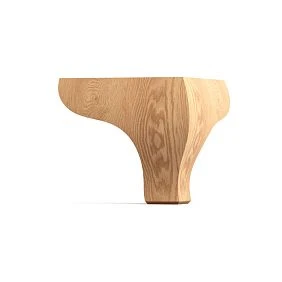
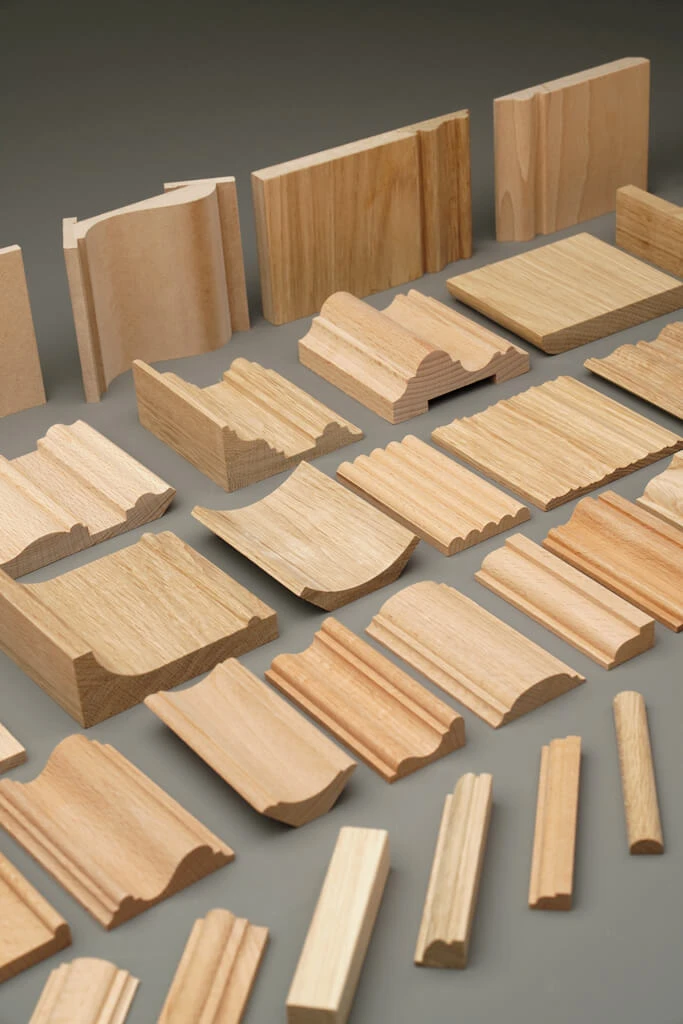
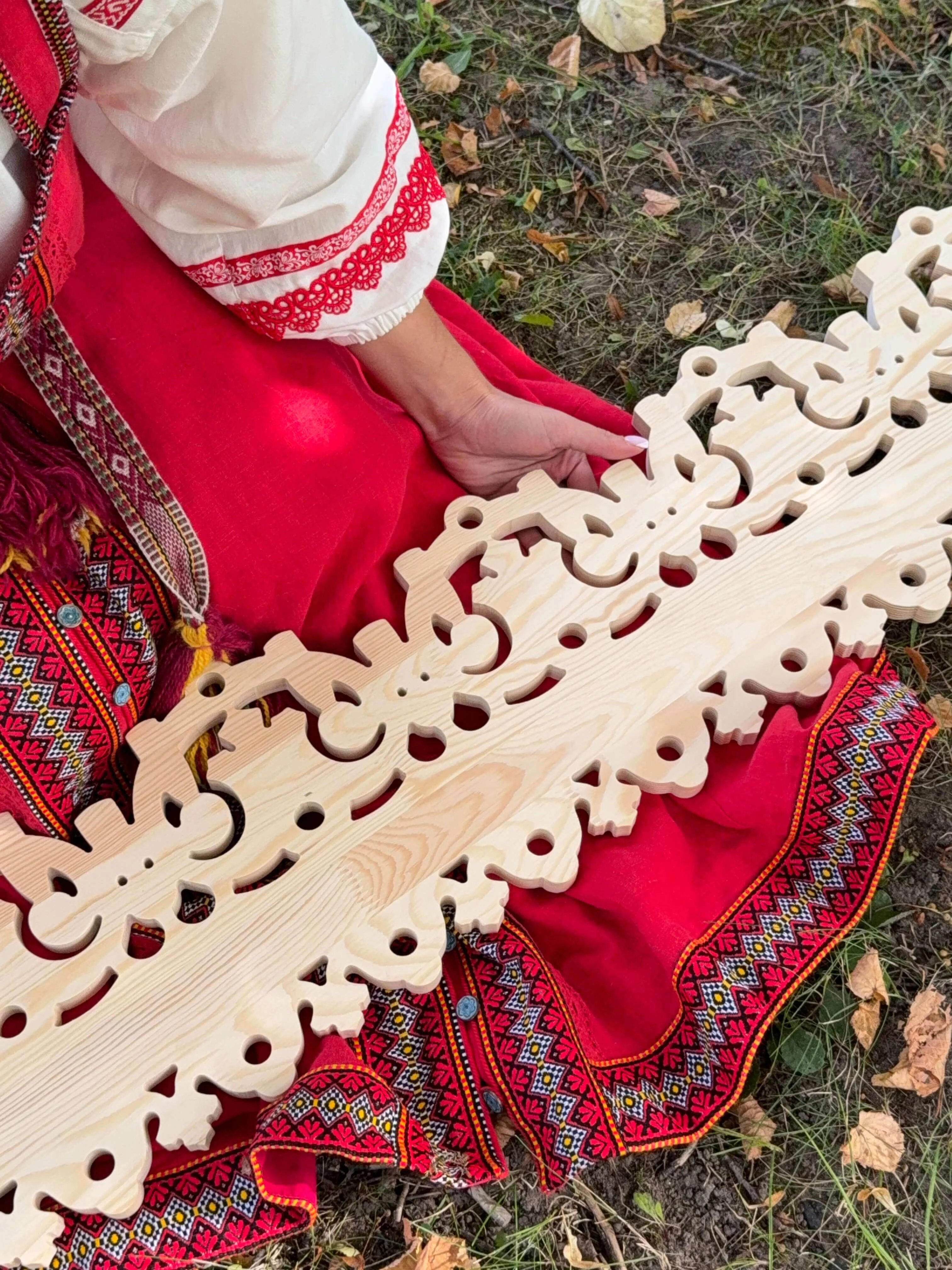
Ready wooden furniture parts differ not only in purpose, but also in which parameters affect assembly. The leg defines the mounting geometry and part of the overall height; the handle determines where to drill or cut into the facade material; the decorative overlay requires free space and finish coordination.
| Parts group | What to lock in before starting the series | What happens with an unnoticed substitution |
|---|---|---|
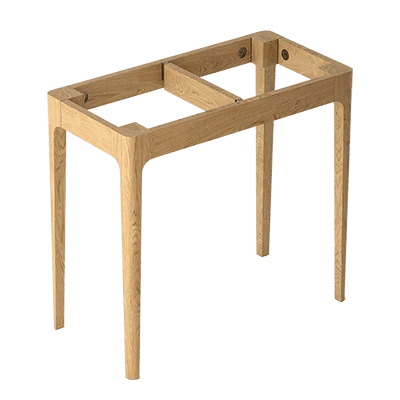
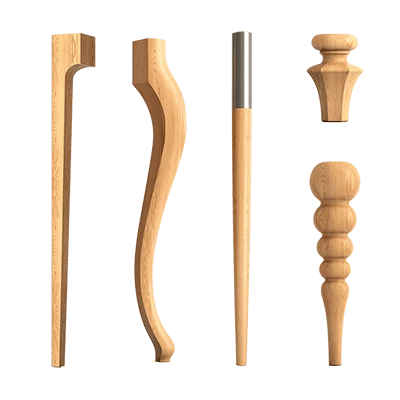
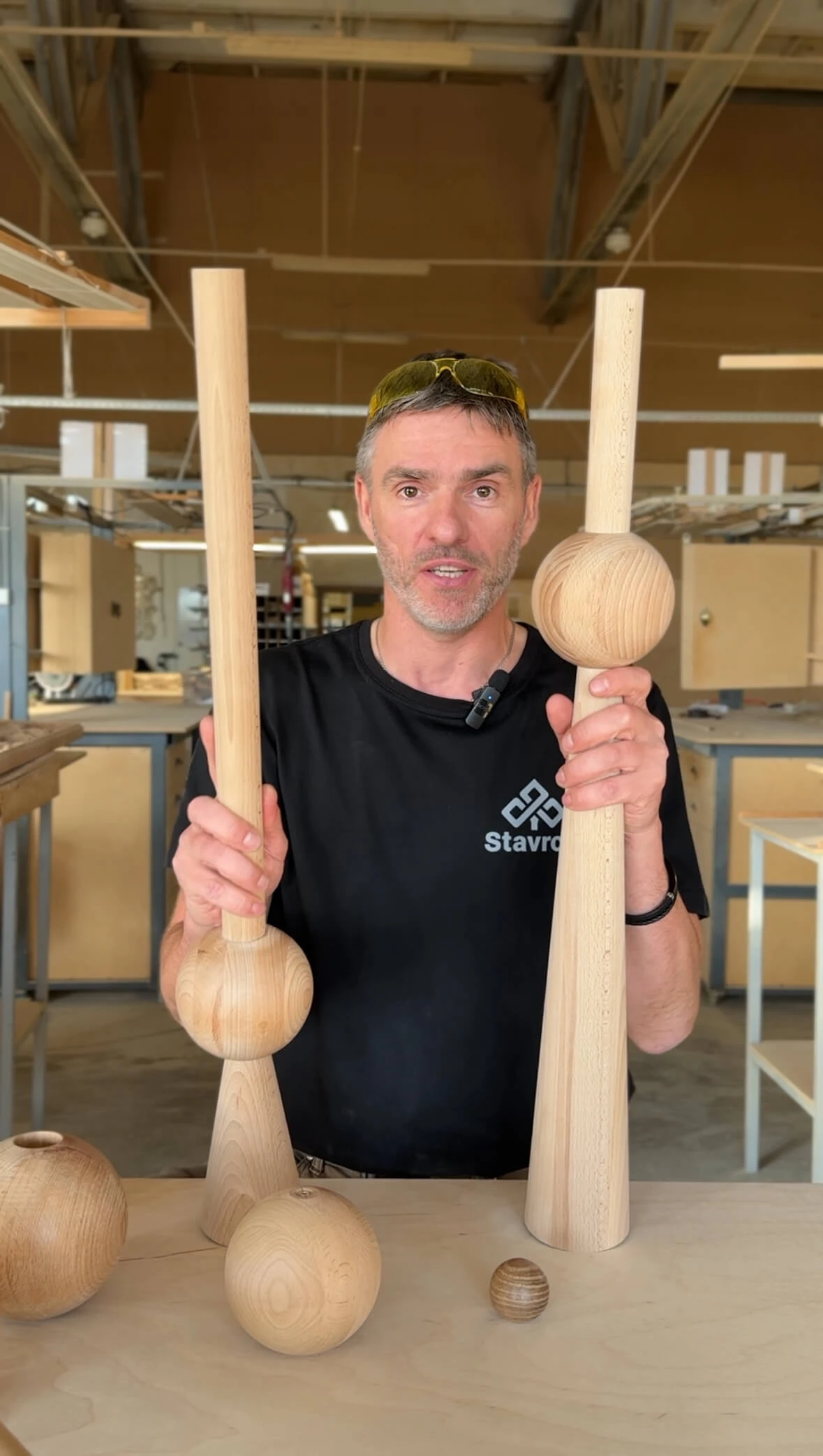
| Legs and supports | SKU, size variant, wood species, top geometry, mounting method | The height, position of mounting points, or the visual rhythm of the supports will change |
| Furniture handles | SKU, dimensions, mounting seat, mounting method, surface finish | Pre-drilled holes or recesses may not fit |
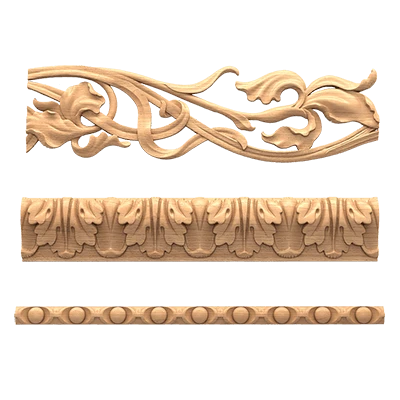
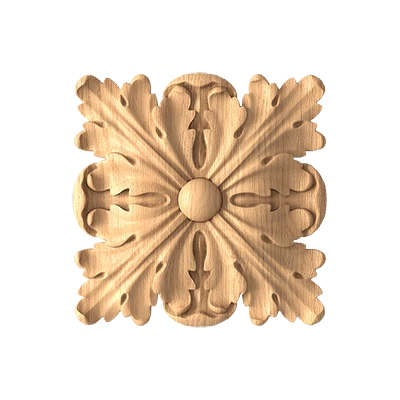
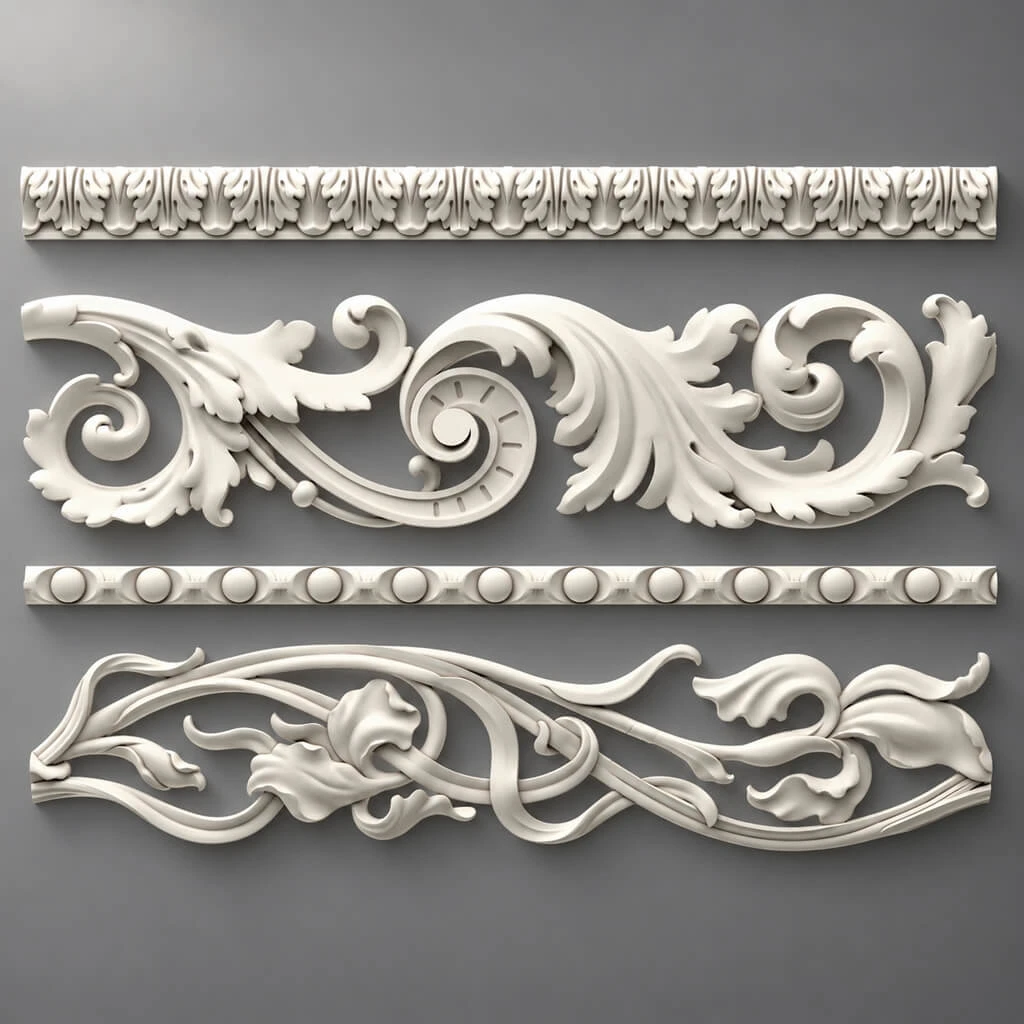
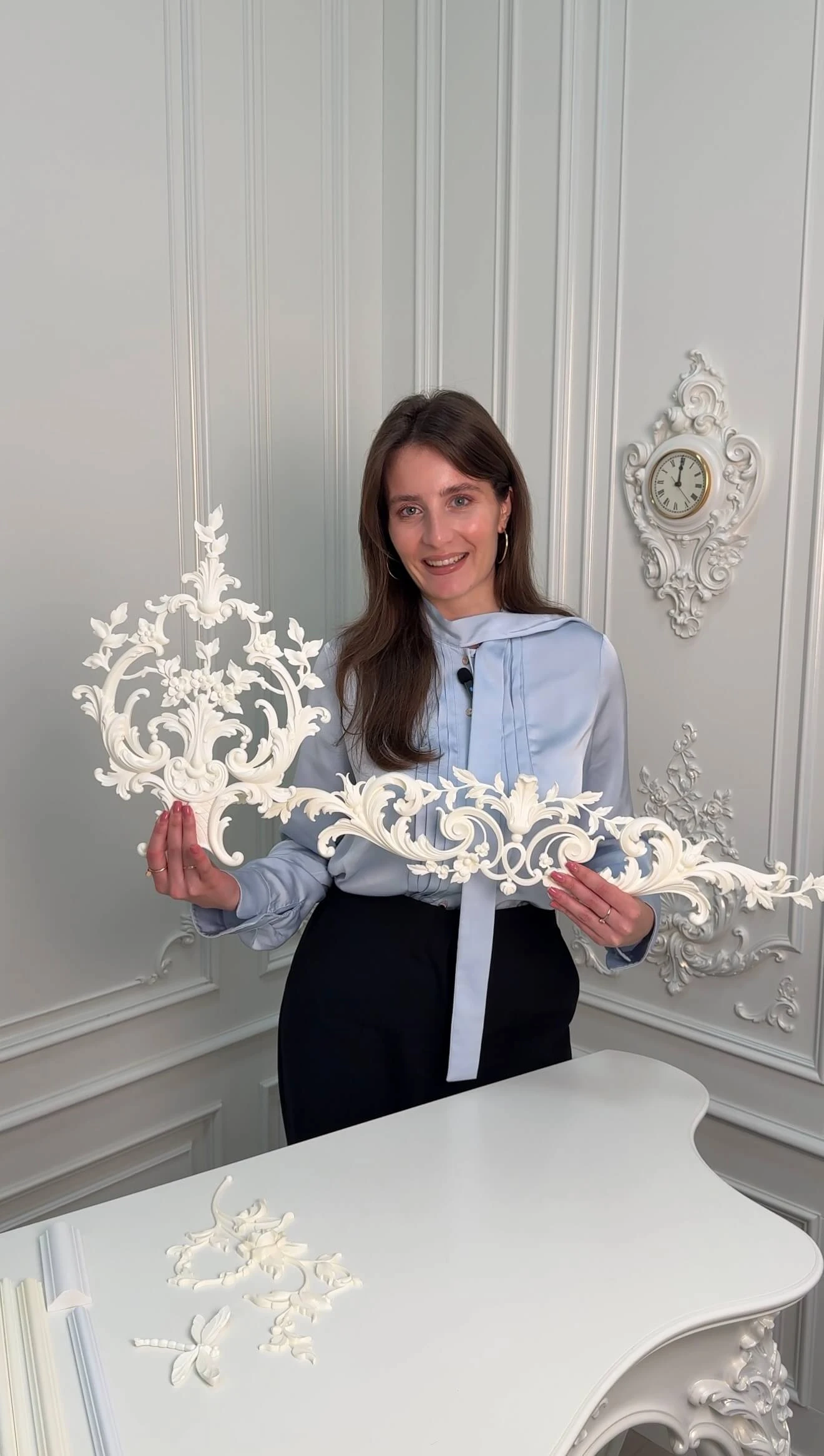
| Carved overlays | Dimensions per drawing, thickness, orientation, placement axes, material | The decor will overlap the frame or hardware, or it will be asymmetrical |
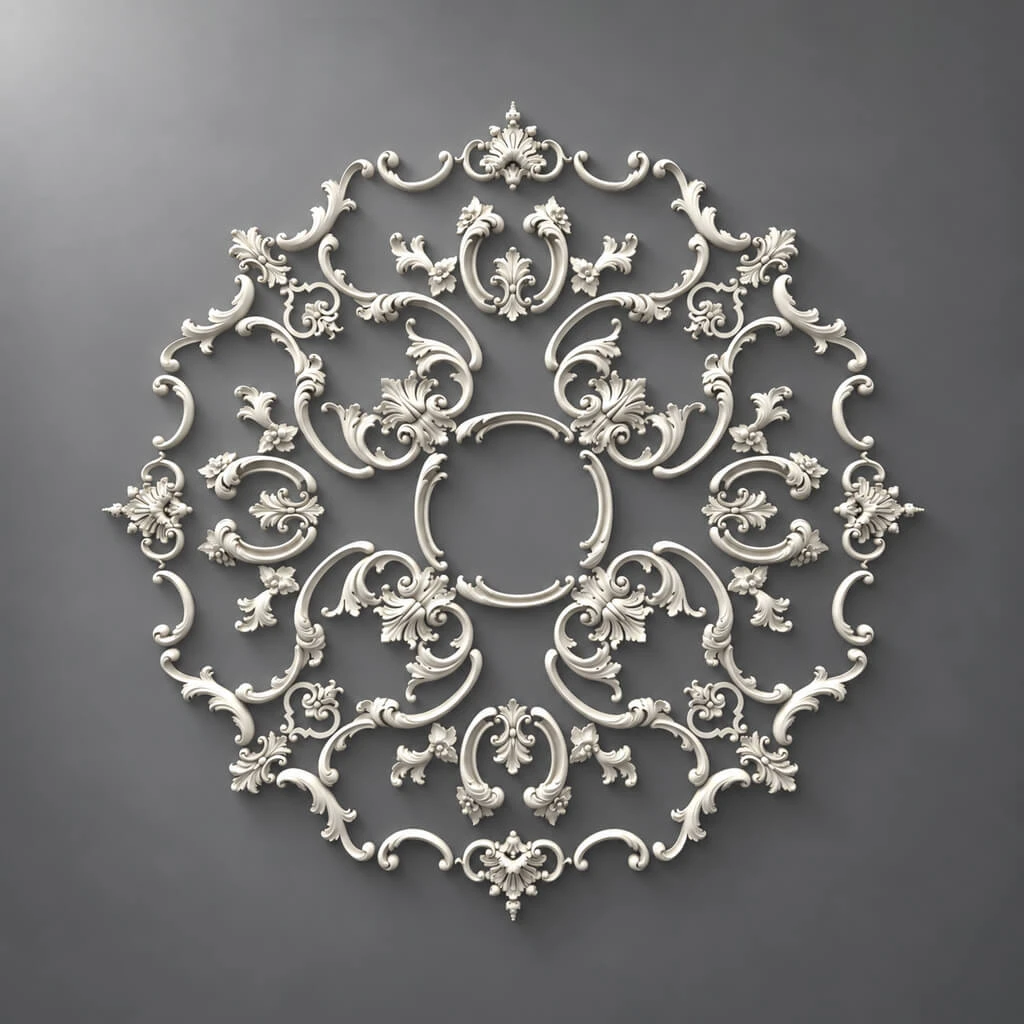
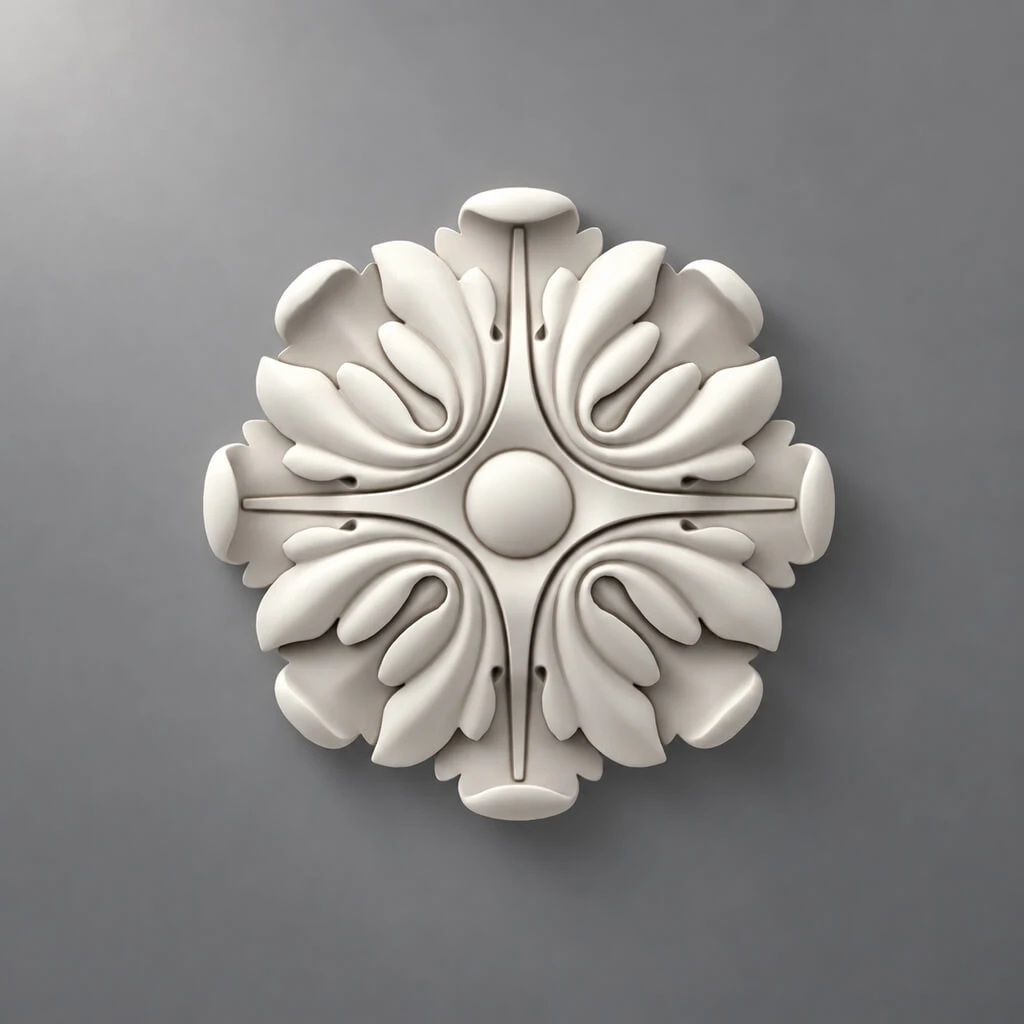
| Wooden rosettes | Diameter or contour, relief depth, installation location, finish | The relief height or the fit with adjacent parts will change |
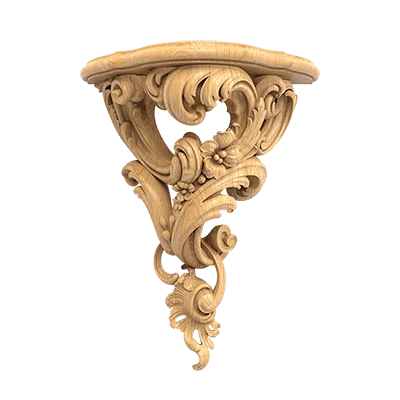
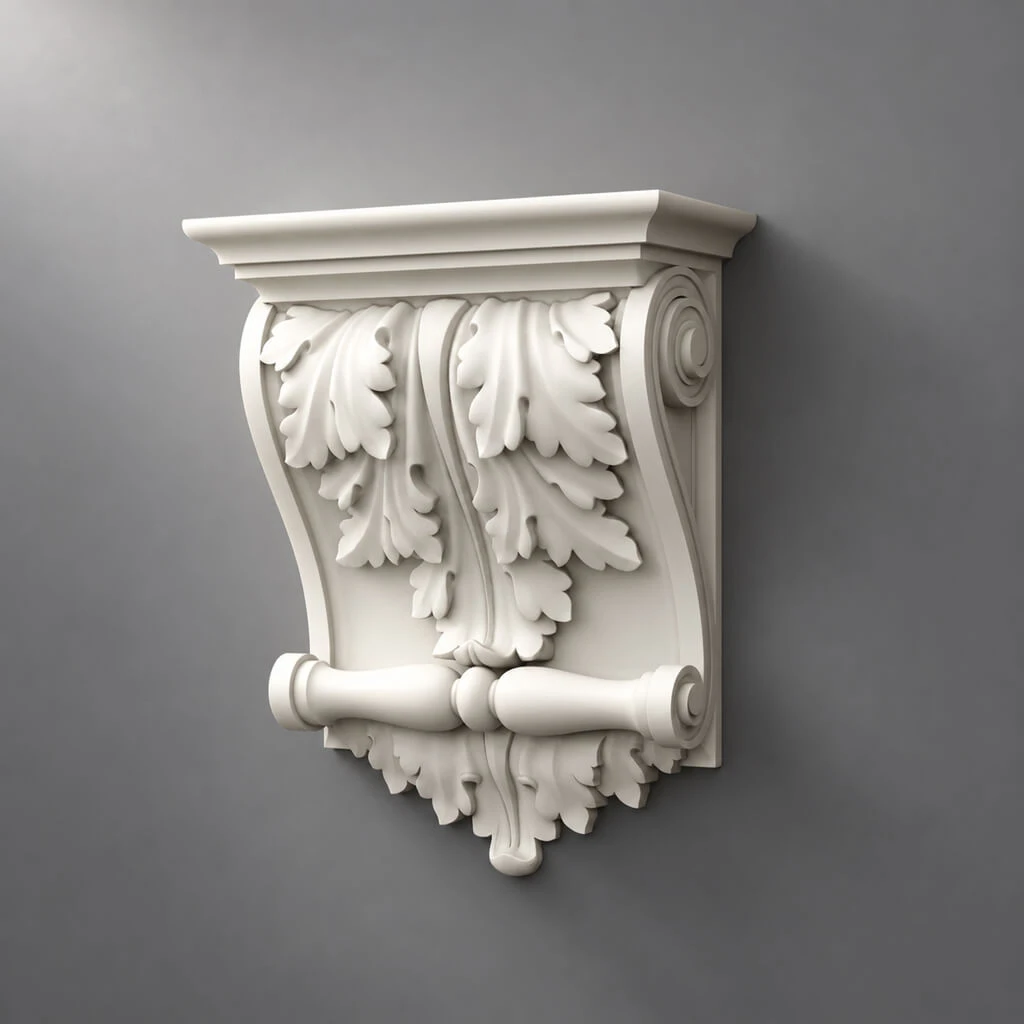
| Brackets | Geometry, left or right version, purpose, connection method | The installation points will not match, or the assembly's operation will change |
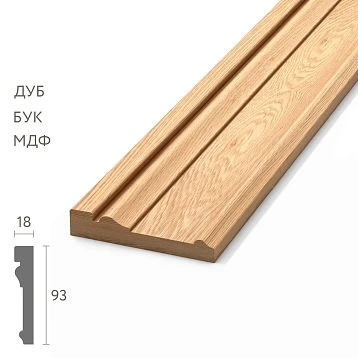
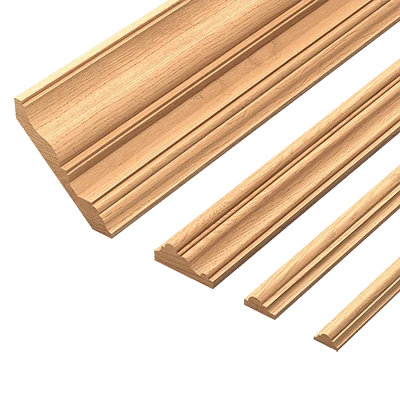
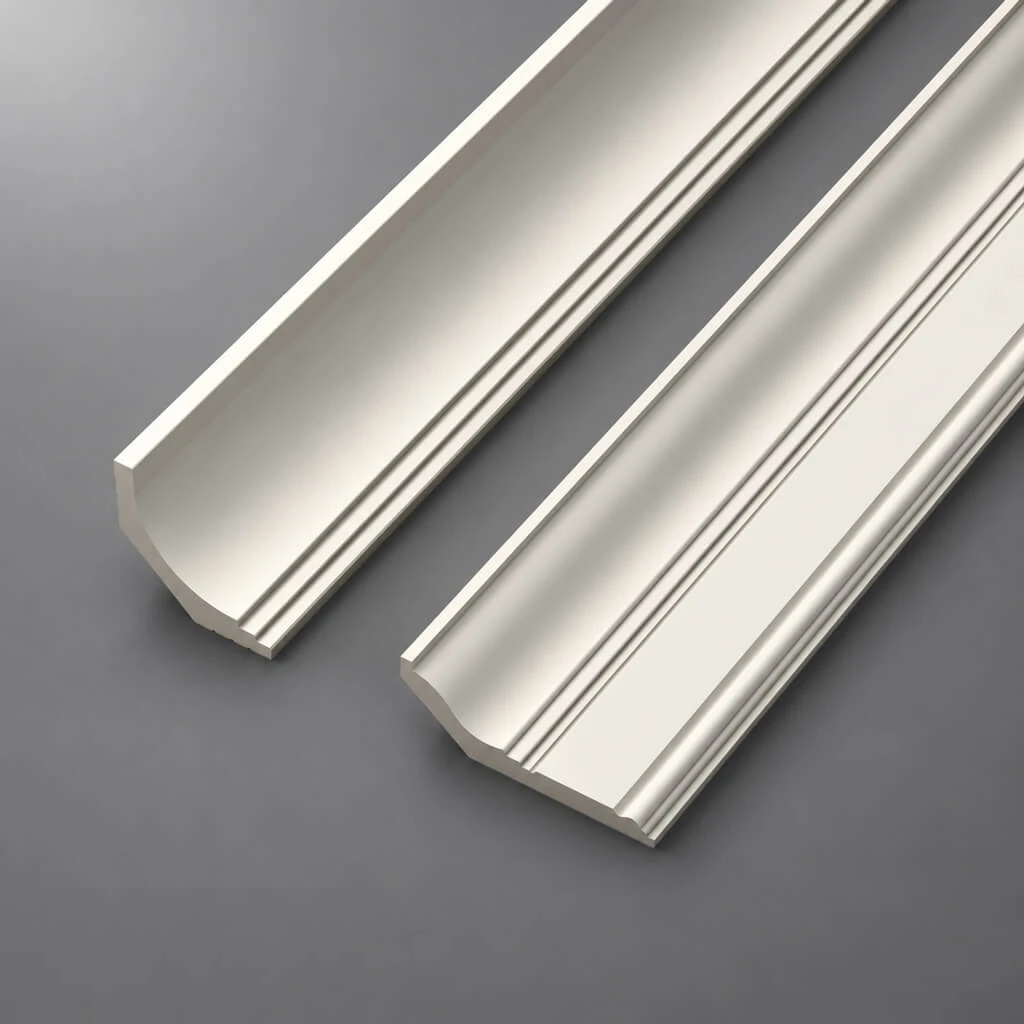
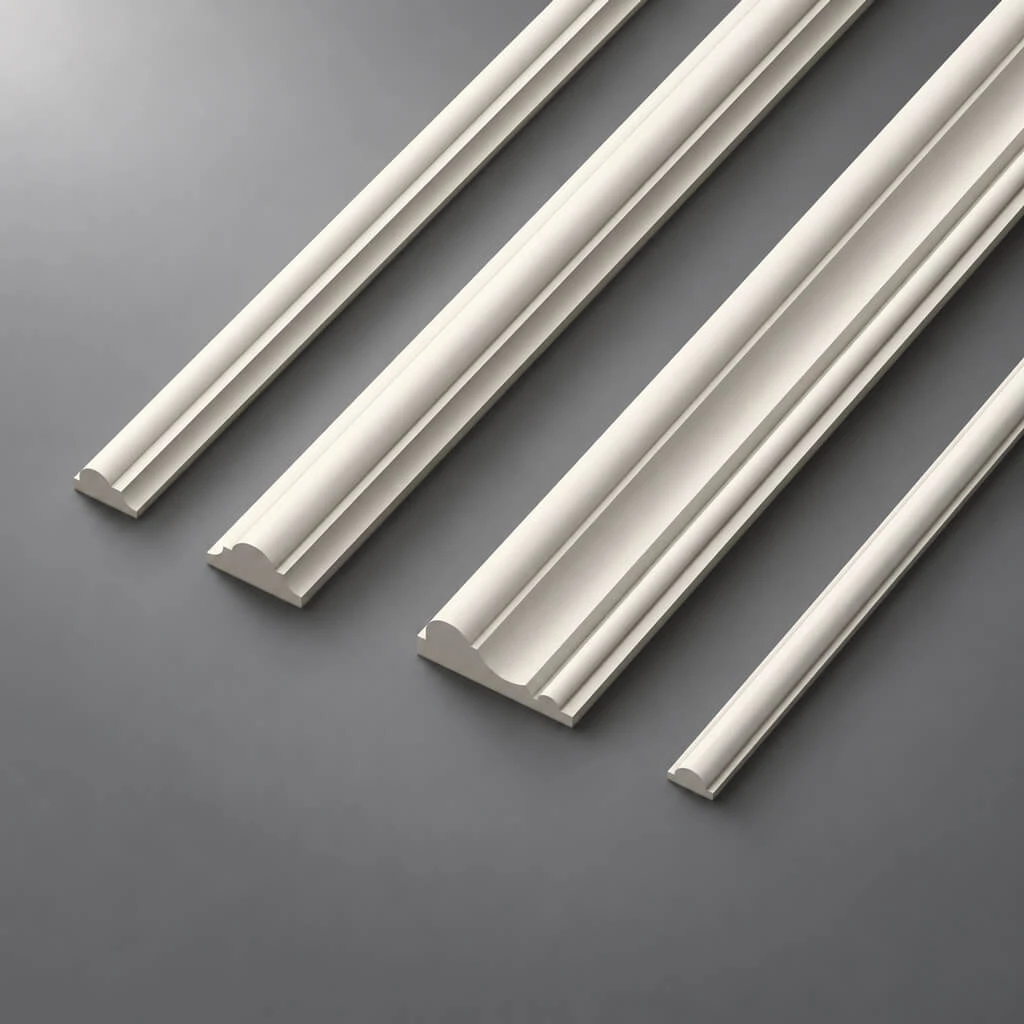
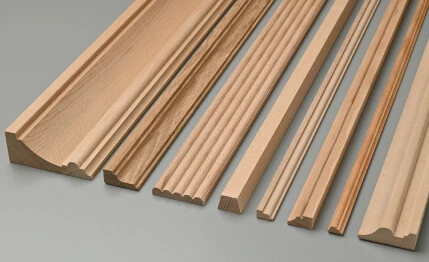
| Moldings and trim | Exact cross-section, blank length, joint layout, cutting plan | The corners and decorative frames will not align; consumption will change |
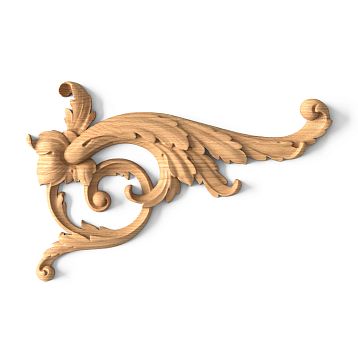
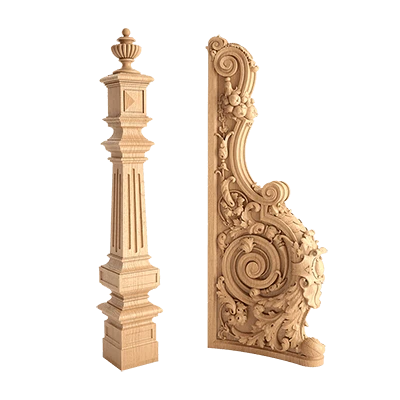
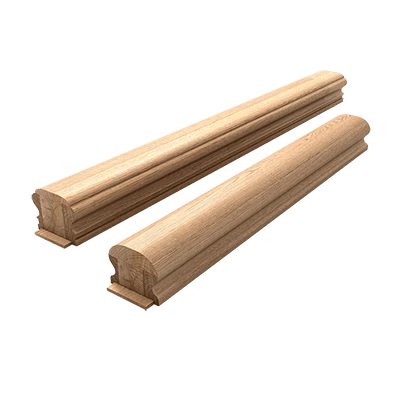
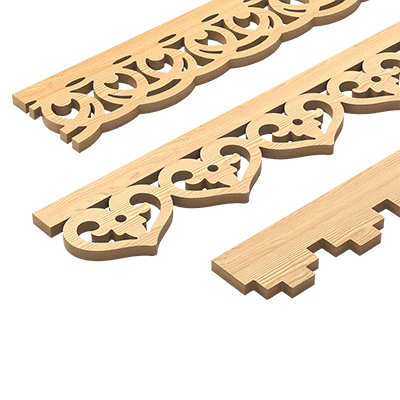
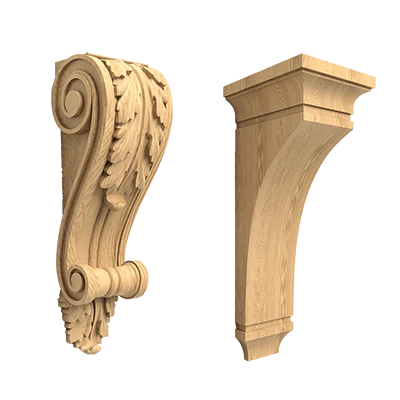
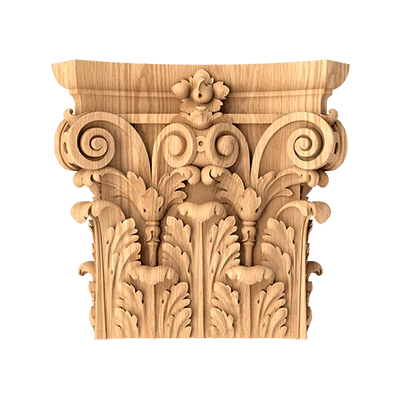
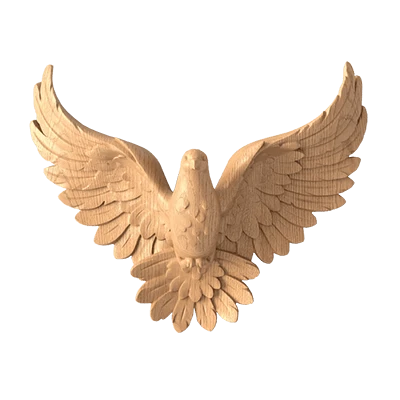
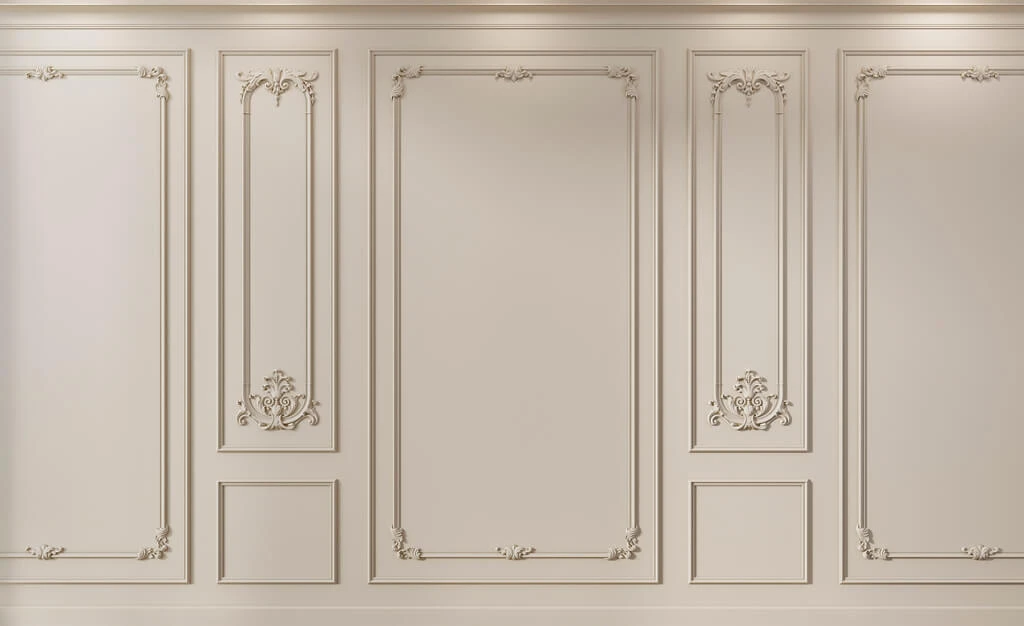
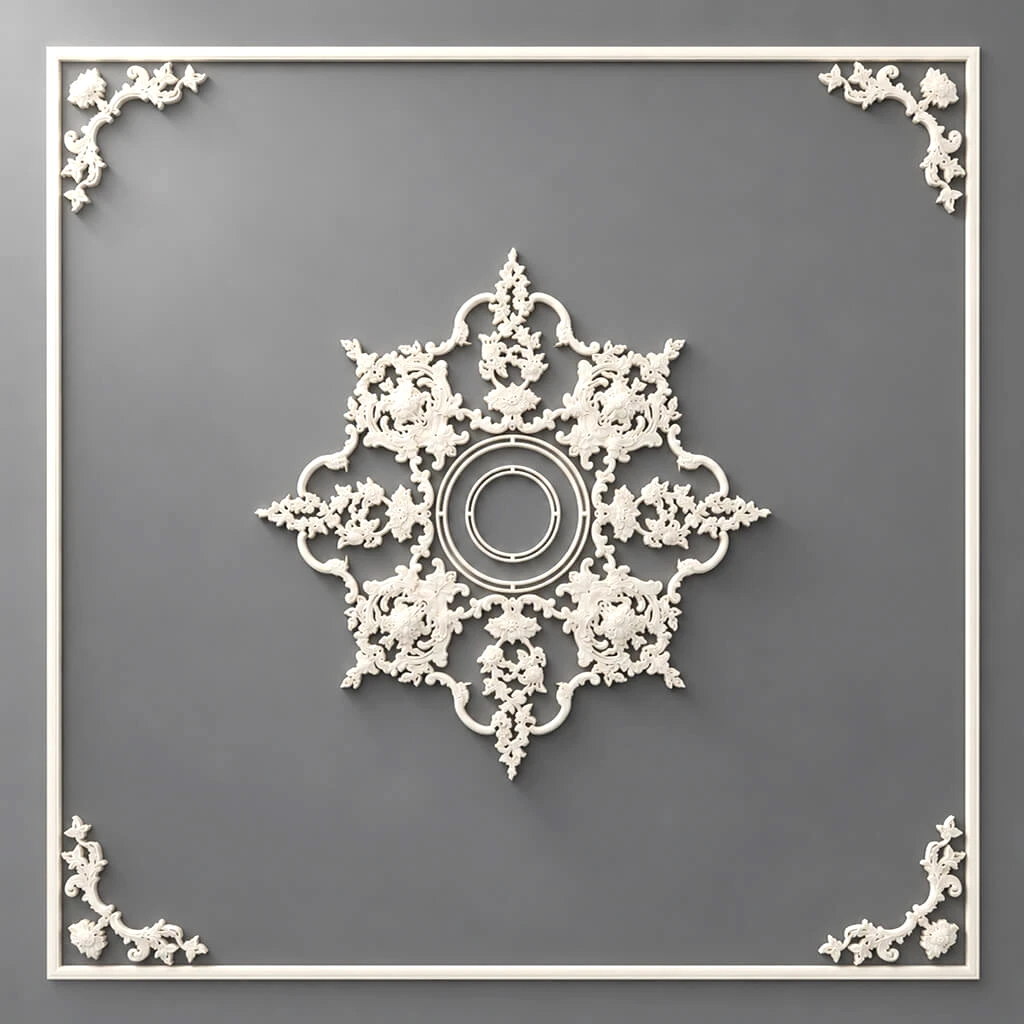
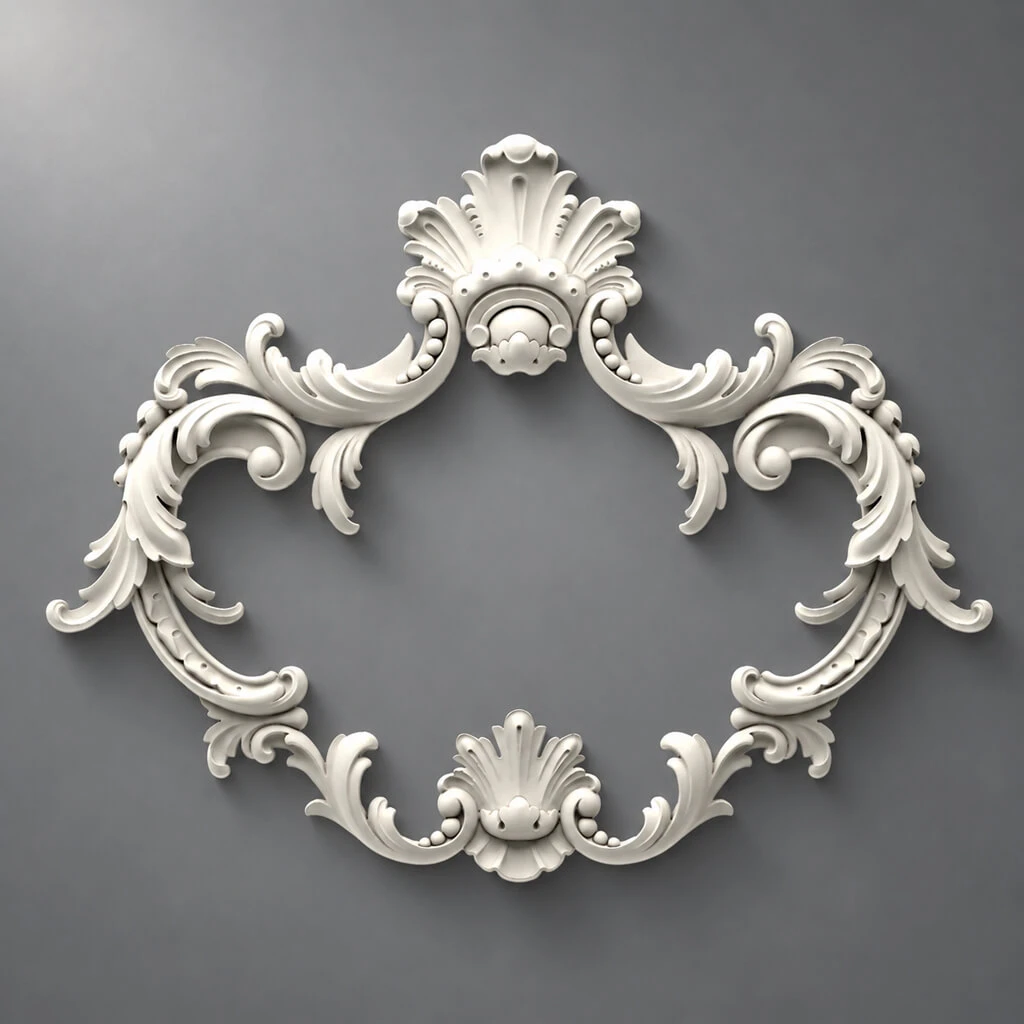
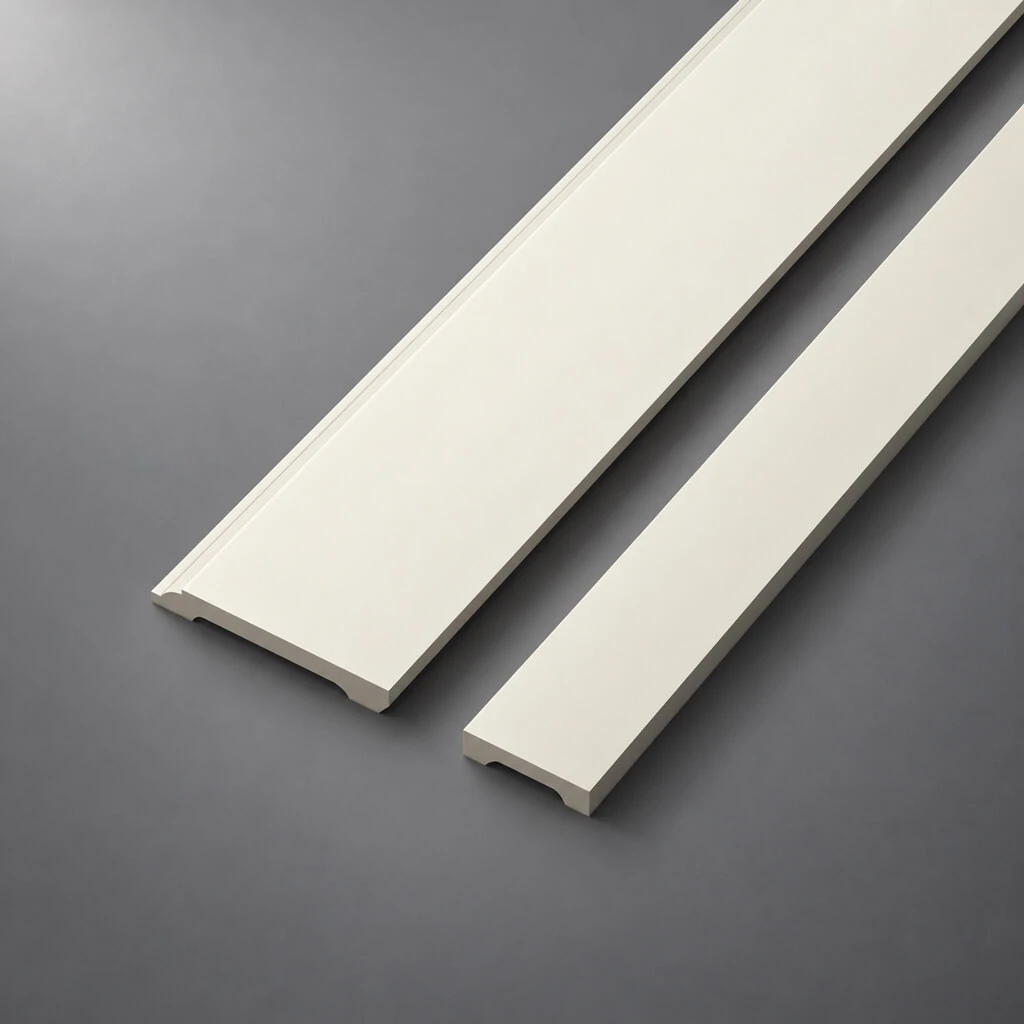
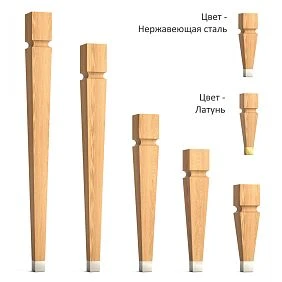
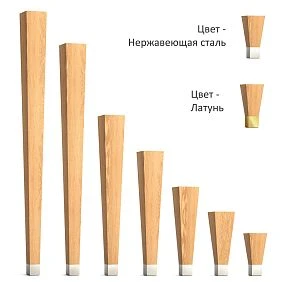
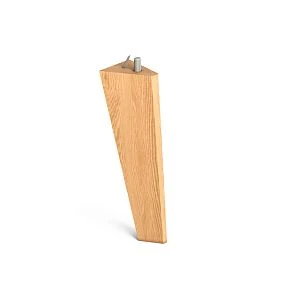
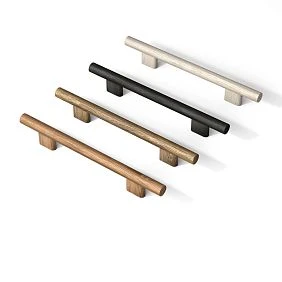
Individual categories are available for selection wooden carved decoration, furniture legs, wooden handles, decorative inserts, rosettes и wooden brackets. If the model includes a front frame, select it separately Wooden trim.
The table does not mean that all these groups are needed in a single product. A minimalist cabinet may have only supports and handles. A classic chest of drawers will add overlays, rosettes, and moldings. A missing decorative element should not appear in the series simply because it is convenient to order it together with other components.
Our factory also produces:
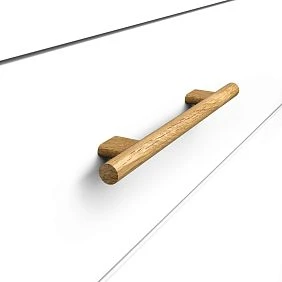
The article number is more important than the photo: how to create a part passport
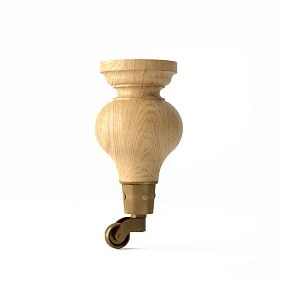
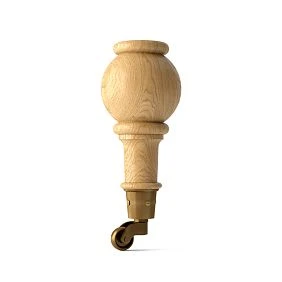
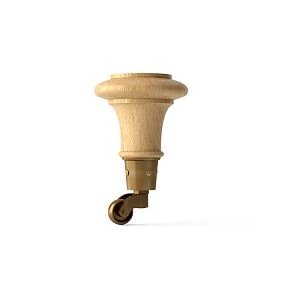
The entry "carved leg, beech, about 200 mm" will not allow the product to be reproduced without error six months later. The catalog may contain different heights of the same model, several wood species, and sanding options. A similar designation does not guarantee identical mounting dimensions.
For each selected item, create a brief passport. It should include:
- exact name and manufacturer's article number;
- link to the product page without additional parameters;
- all dimensions with letter designations from the drawing, not just one overall dimension;
- material and selected surface preparation quality;
- mounting features and required accompanying elements;
- layout diagram on the furniture, including the orientation of the part;
- quantity per item;
- sample inspection date and approval record;
- version number of the furniture model for which the part is approved.
The last point is often overlooked. The same handle may fit a chest of drawers model with a flat front and not fit the next version with a deep decorative frame. The item code does not change, but the decision about installation is already different.
Get Consultation
Three real parts and three different sets of dimensions
In the STAVROS catalog, there are items for which you cannot thoughtlessly copy the numeric values into a single “width — height — thickness” column.
| Example from the catalog | Dimension in a specific variant | What needs to be checked |
|---|---|---|
| Carved furniture leg MN-144 | A = 200 mm, E = 70 mm | How dimensions A and E relate to the cabinet construction and the mounting plate |
| Wooden decor N-421 | A × B × C = 250 × 250 × 13 mm | Whether the overlay fits on the selected plane and does not conflict with the handle |
| Furniture handle Cenote HL-029 | A × C × D × E = 80 × 20 × 66 × 11 mm | Recess size for inset installation and facade thickness |
These are examples of real product codes, not a ready-approved set for a single chest of drawers: their stylistic and structural compatibility must be checked separately. The HL-029 handle example is especially telling. Its description specifies a mounting recess with a diameter of 67 mm and a depth of 11.5 mm, as well as use on facades with a thickness of 16 mm and above. An inset handle cannot be replaced with an overlay handle just because both look round and have a similar outer size.
Another example is N-421. Even within a single product code, several sizes are provided for the overlay. When choosing the 250 × 250 × 13 mm option, the workshop does not automatically approve the 350 × 350 × 18 mm and 405 × 405 × 21 mm sizes. Each of them will require a separate check of the facade composition.
It is better to copy the dimensions and versions from the data sheet of the specific selected product card variant, checking them against the drawing. If the drawing specifies A, B, C, you should not guess on your own which letter corresponds to the installation depth or the contact surface.
Geometry check: why an element that matches the catalog sometimes does not fit the furniture
Let's imagine a chest of drawers facade with a height of 280 mm. The designer chose the N-421 overlay in the size 250 × 250 mm and planned a 20 mm margin at the top and bottom. The free height is 280 − 20 − 20 = 240 mm. A part 250 mm high does not fit, even if it looks like a small central decoration in the image.
You can reduce the margins, change the facade, or choose a different decor, but the decision must be made before cutting the batch. If you leave 15 mm at the top and bottom for the overlay, it mathematically fits exactly: 280 − 30 = 250 mm. In terms of installation, such a scheme may turn out to be inconvenient because of the edges, the curved contour, painting, and neighboring elements. The exact position is checked using a real template of the part.
For the legs, the task is different. The support affects the overall height of the furniture, the joint with the carcass, and access to the fastening. It is necessary to check not only its vertical dimension, but also the actual geometry of the connection point. If the model has a wide top part or a protruding carved element, the fastening may conflict with the rail. The calculation of stability and permissible load also cannot be replaced by the external similarity of the supports: these parameters require a structural check for the specific product.
With handles, it is especially dangerous to drill the entire batch of fronts based on the model name without checking the product in hand. For a recessed handle, the diameter of the cutout and the remaining thickness of the base matter. For a pull handle, it is the distance between the fastening points. For a knob handle, it is the position of the hole and access to the fastening element from the inside.
If mirror overlays are installed on the furniture, additionally check the direction of the ornament. The right and left versions are usually counted as different positions. The same number of decorative parts does not yet mean completeness: ten right overlays do not replace five pairs.
Approved furniture sample: how to move from selecting parts to production
A photo from the catalog is convenient for initial selection. To launch a small series, a different level of verification is needed — a real component on a real structure with the intended finish.
The working procedure can be as follows:
- Select the parts according to the drawings. Immediately write down the item codes, modifications, and required parameters, rather than saving only images.
- Check the mounting points on the furniture model. Make sure that the selected supports, overlays, handles, and profiles fit without changing the approved carcass dimensions.
- Obtain a sample of the required part. For elements that determine geometry or finish, this is especially desirable. The catalog includes Product samples, and the specific position, if necessary, is checked with a separate trial order.
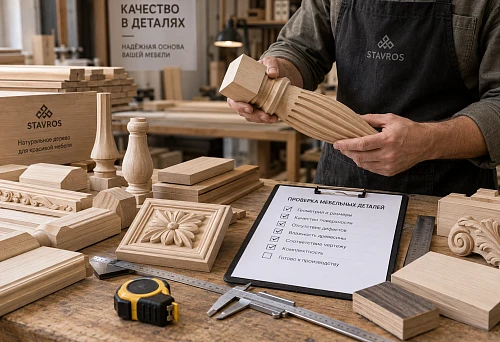
- Do a dry assembly. Install the parts without final finishing where the technology allows, check the gaps, handle grip, symmetry, and joints.
- Perform a trial finish. Evaluate how enamel, stain, lacquer, or oil look on the chosen wood species, and how the coating combines with adjacent surfaces.
- Approve the reference sample. Photograph the item from the front, side, and close-up of the joints, and record all deviations that were eliminated before approval.
- Prohibit unauthorized substitutions. After approval, any new part undergoes separate approval, even if the supplier offers it as an equivalent.
It is the last step that turns a successful sample into a production standard. Without it, the workshop will easily replicate the external shape of the furniture but lose the identity of the details.
For several identical cabinets or chests of drawers, it is enough to designate one reference item. But the reference must be assembled using the same technology as the series. If the trial facade is painted by hand, while the entire batch will be painted differently, the results may differ. Therefore, not only the part is checked, but also its passage through the real production process.
Bill of components: how to calculate parts for 12 identical items
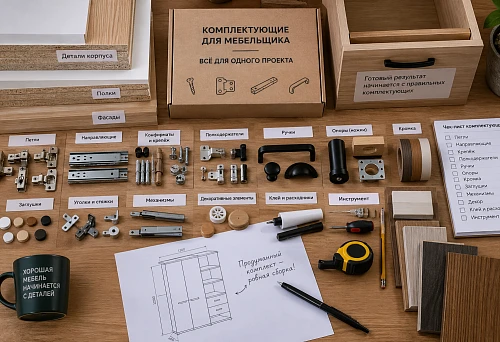
After the sample is approved, a bill of materials is created — a table used to assemble each piece of furniture. It differs from a shopping list: it specifies the constant requirement per item, while the quantity to order is calculated based on the size of the series.
Suppose the project includes four wooden supports, two decorative overlays, and three handles per item. For twelve items, the calculation looks like this:
| Component | Example of a product code | Per one item | For 12 items | Base requirement |
|---|---|---|---|---|
| Legs | MN-144 | 4 pcs. | 12 | 48 pcs. |
| Decorative overlays | N-421 | 2 pcs. | 12 | 24 pcs. |
| Wooden handles | HL-029 | 3 pcs. | 12 | 36 pcs. |
The product codes shown are real, but the table demonstrates the arithmetic of accounting rather than confirming their compatibility in a specific dresser. Before creating the actual bill of materials, all three items must pass project and sample verification. For a real production document, the table is expanded with columns for dimensions, material, finish, and a link to the product.
The base requirement is obtained by multiplying the number of furniture pieces by the number of parts in each. If a model has two overlays, but one is left and one is right, the bill of materials needs two separate lines, each for 12 pieces. Otherwise, the warehouse cannot verify the correctness of the set using a single combined figure of "24".
Accounting for linear stock is handled differently. If one facade requires 1.8 linear meters of molding according to the cutting map, and there will be 24 facades, the net length will be 43.2 m. Ordering exactly 43.2 m is premature: actual stock lengths are fixed, and corner joints require trimming and sometimes pattern matching. First, a cutting map is created by the lengths of individual sections, then the number of whole blanks is determined.
The reserve also cannot be automatically assigned the same for all items. Legs are usually purchased individually, while moldings are consumed during cutting. A decorative pair may require a separate reserve for the left and right part. A part with a complex finish may require an additional control blank for test coating.
Therefore, in the final bill of materials it is better to separate the base requirement, samples, technological reserve, and order quantity. This separation will make it clear why 50 legs were actually ordered when the calculated requirement is 48, and will prevent the extra two from being mistaken for a purchasing error.
How not to mix different versions of the same product code
A product code identifies the model, but not always its full version. A manufacturer may produce the same element in several sizes and wood species. Product cards may include variants of sanding quality and surface preparation. That is why recording a single product code does not yet make the order unambiguous.
For a small series, it is convenient to introduce an internal execution code. For example, leg MN-144 made of beech, 200 mm high, with the selected processing option, may be designated in the bill of materials as "Support-01". This internal entry does not replace the factory article number but links it to all approved parameters. For an oak support or a different height, a separate execution is created.
When reordering, the buyer's task is to verify every component of the description, not just the first characters of the model. If the supplier offers the same shape in a different wood species, this is not a technically identical replacement. For a clear finish, the differences will be especially noticeable. Under enamel, they may manifest differently — in the surface preparation and the behavior of the coating.
A good production document records not only what is permitted, but also what is prohibited from being replaced without a new sample. For one collection, the decisive factor may be the exact relief of a carved overlay; for another, the mounting height of the support; for a third, the identical depth of the handle recess.
Beech or oak: why the material is part of the series standard
The shape of a wooden element may remain the same, while the visual result changes noticeably due to the wood species. Oak is often chosen, among other reasons, for its pronounced wood grain under a clear finish. Beech is often used for parts that will be painted with opaque enamel. But these are working scenarios, not a prohibition on other combinations.
For furniture with a clear coating, the wood species, the tinting method, and the color sample must be approved together. If half of the series received oak overlays and the other half beech ones, the same stain will not make them visually identical products. Even within a single species, natural differences in shade and grain will need to be taken into account.
For opaque enamel, the quality of surface preparation, the chosen material system, and a test spray-out are especially important. The coating can highlight sanding defects, run into fine relief, or change the impression of carving depth. Therefore, comparing processing categories without a real test finish is insufficient.
In the part passport, write not an abstract "for painting", but the selected material, the specified processing option, the approved finishing system, and a reference to the approved painted sample. If the product must be painted separately before installation, this is also recorded in the process sheet. It is useful to verify information about the materials used and quality options with the STAVROS section "Materials and Product Quality".
Changes during a series: when a similar part ceases to be an acceptable replacement
Let's imagine that seven of twelve cabinets are ready. There are not enough remaining legs in the required execution by the deadline, but another model of the same height is available. The decision to replace them only on the last five cabinets may seem harmless. But the new support has a different width, shape of the transition to the cabinet, and surface pattern. If the furniture will stand next to each other, the difference will be noticeable.
Two different solutions are needed here. If a single series must be preserved, the change is rejected or a new delivery date is agreed upon. If the customer accepts the new design, it is assigned a different model version. The documentation specifies which items were assembled according to the first version and which according to the second.
The same principle applies to externally invisible changes. A different handle may have a different mounting recess. Replacing the molding profile will change the corner joint pattern. A different leg attachment will require checking the strength of the joint. The word "analog" in a seller's statement does not by itself prove interchangeability.
To prevent changes from accidentally entering production, it is useful to keep a brief log:
| What changed | Reason | What to check before approval |
|---|---|---|
| Support size | Design change or finish substitution | Overall height, mounting position, stability, attachment |
| Handle model | Absence of the previous position | Holes, cutout, ease of grip, appearance |
| Overlay | Does not fit on the front panel | Free field, orientation, compatibility with the finish |
| Wood Species | Client requirement or availability | Color sample, wood grain, matching the other parts |
| Molding | Section change | Angles, joints, cutting plan, mating with overlays |
The date of the change and the person who approved it are needed not just for formality. A few months later, they will help establish why two outwardly similar products require different spare parts.
Ready-made furniture parts or manufacturing to your own drawings
A small series has an advantage: a standard part can be found in a catalog without creating separate tooling for each model. But a ready-made item is only useful when it fits structurally. Adapting the entire furniture piece to a randomly chosen decorative overlay is sometimes more expensive than ordering the required part individually.
| Production situation | What is more rational to consider |
|---|---|
| A suitable shape and dimensions are already available in the catalog | A finished part with sample verification |
| The series has 10–20 items; repeatability of standard decor is required | Locking in the finished article and the selected finish |
| A strictly specified profile is required for a custom design | Custom manufacturing according to an approved drawing |
| The body construction may be slightly modified | Comparison of the finished component and the cost of reworking the body |
| The product geometry has already been approved and cannot be changed | Manufacturing to the required size or finding a fully compatible part |
The decision depends on the total cost. Making it yourself requires preparing drawings, setting up equipment, producing test pieces, sanding, possible defects, and labor time. A ready-made part has a purchase price, delivery cost, sometimes a waiting period, and the labor involved in inspection. You should compare both sets of expenses, not just the price of a single blank.
If a workshop is looking for custom furniture parts to the customer's dimensions, it is necessary to separately confirm with the chosen supplier whether such production is possible, the minimum batch size, and the drawing requirements. A broad catalog of ready-made elements does not automatically mean readiness to produce any non-standard profile.
It is especially useful to make the comparison before releasing the first reference product. Once the ready-made legs, handles, and overlays are approved, independently changing one component often leads to the cost of rechecking the entire model.
First delivery inspection: we check compliance with the approved standard
When the parts arrive, the workshop is no longer deciding whether this is a good product in general, but a narrower question: does the delivery match what was approved for the specific version of the furniture. This saves time because the check is tied to documented specifications.
Before handing the parts over to assembly, compare the marking and packing slips with the bill of materials. Check the item codes, quantity, dimensional versions, material, surface treatment, and completeness of mirrored elements. After that, place several parts against the control templates or the reference product. For the first delivery of a new model, the inspection should be especially careful.
You cannot assign one universal dimensional tolerance to all decorative wooden products in advance. Permissible deviations depend on the design, the part category, and the manufacturer's requirements. If the fit dimension is critical, the permissible deviation must be agreed upon before launch, recorded in the drawing, and checked with the appropriate tool.
The leg is checked at the point where it joins the carcass, the handle in the pre-prepared mounting seat, and the overlay on the facade template. For molding, a short test joint with trimming is useful. The value of such inspection is that the error is detected before one incompatible batch ruins several dozen finished facades.
If a part differs from the reference, you should not immediately sand, saw, or repaint the entire batch. First determine the cause: a different modification was sent, the drawing changed, an acceptable natural difference in the material occurred, or there is a delivery nonconformity. The decision depends on this: accept, agree on rework, or arrange a replacement.
Repeat order after a few months: what information to keep
The most unpleasant loss for a small workshop is not a vanished photograph, but the lost connection between finished furniture and the exact parts it was assembled from. When a new order comes in, the owner again searches for "that very leg with the curve" and compares dozens of similar products.
Create one folder or a shared production document for each model. It should contain the bill of components, drawings, photographs of the reference item, cards of approved parts, finishing details, and a history of approved changes. An electronic link is useful, but it should not be the only source of data: the assortment and contents of the cards may change over time.
In the model card, keep the approval date and the current version. If the handle changed in a new order, the old version of the document must remain available: owners of previously produced furniture may refer to it when they need to replace a damaged part.
When producing several models, you can compile a general list of already verified components. For example, the same leg is used in two different cabinets, but with different finishes. In the general list, this is not one unconditionally universal item, but two approved applications with their own requirements.
The STAVROS section with catalogs and product drawings will be useful when clarifying graphic materials. However, the workshop must store a working copy of the approved documentation for its model independently.
How to organize a small batch without a complex production system
For ten or twenty identical items, discipline at four stages is enough. First, the craftsman or designer approves the furniture composition. Then the purchaser receives not a verbal list, but a bill with exact item codes and options. The receiver checks the delivery against the approved parameters. The assembler uses a single layout and installation scheme.
It is useful to label kits before assembly begins: "Model K-01, version 1, item 1 of 12." The legs of one piece of furniture are stored separately from the decorative elements of the next order. If two versions of a chest of drawers are in progress in the workshop at the same time, their components must not be mixed just because they are on the same shelf.
Small furniture components in small batches are especially convenient to store in labeled cells. Next to the internal name, leave the factory article number and modification. Check delivery times and stock levels before starting the next series: a once-approved part does not have to be permanently available from the supplier in the required quantity.
A short summary after the first two assembled items is no less useful. If installing the chosen handle takes longer than planned, this affects the process chart and cost. If, when painting a deep thread, a hard-to-reach area is discovered, the finishing sequence needs to be clarified. Such process adjustments can be made without replacing the approved component itself.
Where to buy ready-made wooden parts for small-batch furniture
For a furniture workshop, a purchase begins with choosing specific article numbers and versions, not with a general request for “wooden components.” In the STAVROS catalog, you can select ready-made wooden elements for furniture: legs, handles, decorative overlays, rosettes, brackets, and moldings. It is best to make your choice after checking dimensions, installation method, and finishing requirements.
If you need buy furniture parts made of solid wood, start with the main categories and write down the items you like. For carved elements, use Catalog of carved decor. Where standard decorative elements for furniture are needed, buying by article number is more convenient than searching for analogues from a single photo. Cooperation terms, an application form for workshops, and special offers are available on the page “Manufacturers”.
The company states that shipment from one piece is possible, but this does not mean a universal small-wholesale threshold or a fixed discount for any item. The terms of a specific order, availability of the required version, and delivery time must be clarified before starting the series. This is especially important if there is no time buffer in the production schedule for replacing a component.
Before placing an order, send the supplier a clear list: article number, size variant, wood species, treatment, required quantity, and desired deadline. The procedure for placing and receiving an order can be checked in the section "Payment and Delivery". If the appearance or geometry of a new part has not yet been approved, it is wiser to first order a trial sample than an entire set for the whole series.
The production result depends not on how many different items were found in the catalog, but on how accurately the approved product is reproduced. One agreed-upon leg option, one verified handle installation scheme, and a fixed set of decorative parts give the workshop the ability to produce a new batch without redesigning each dresser.
Frequently asked questions about wooden parts for a small series
Which furniture parts should be standardized first?
Start with components whose modification requires reworking the carcass or fronts: legs, supports, handles, and connecting parts. Then approve decorative overlays, rosettes, brackets, and moldings. The priority depends on the design: for a dresser, handles and slides may be more critical than carved decor, while for a console, the geometry of the supports is.
Is a sample needed if there is a drawing on the website?
A drawing is necessary for dimensions, but it does not fully show the perception of the relief, the result of the finish, or the comfort of gripping the handle. If a part affects the fitting dimensions or the visible composition, checking a physical sample reduces the risk of rework. A sample is especially useful before the first production run of a new model.
Can one model be produced in both beech and oak?
Yes, but it is better to create two furniture versions with separately approved materials and finishes. The oak and beech versions may have the same dimensions, but they do not have to look the same under a clear finish. Specifying one species in an order without agreeing on a substitution should not be considered permission for the second.
How to calculate the number of legs, handles, and overlays per series?
Multiply the number of components per item by the number of products. Twelve dressers with four legs will require 48 legs. Then separately add a documented reserve, trial parts, and a stock for possible repairs. Create separate lines for left and right overlays.
Can a part be replaced with another model that has the same dimensions?
Only after verification. Matching one dimension does not guarantee the same contour, mounting point positions, relief depth, and behavior under finishing. A replacement becomes part of the standard only after new approval and, if necessary, assembly of a control sample.
What should be done if a component is discontinued?
First, find out whether the previous version is available as a custom order or in remaining stock. If not, select a replacement and test it on a separate item. For furniture already produced, keep a description of the previous version. Do not mix different components in one delivery without agreement with the customer.
When is it more cost-effective to manufacture a part yourself rather than buy a ready-made one?
When ready-made products do not fit in size or design, and reworking the furniture is too expensive. When comparing, take into account drawing development, equipment setup, a trial workpiece, sanding, material losses, and inspection. For a small repeatable series, a suitable ready-made component often allows reducing preparatory operations, but this is determined by calculation, not by a general rule.
What should be kept for reordering a year later?
The factory article number, a link to the product page, the full specification with dimensions and material, photos of the approved sample, the finish option, the quantity per item, and the furniture version. It is also advisable to keep the drawing used to check the mounting location. This will make it possible to repeat the order even after a staff change or catalog update.
Where can a small furniture manufacturer find ready-made wooden components?
It is more convenient to search for suitable parts by manufacturer category: legs, handles, overlays, sockets, and mouldings. STAVROS provides product sections and dedicated information about cooperation with furniture manufacturers for this purpose. Before payment, confirm the availability of the exact modification, the possibility of receiving a sample, production times, and the order contents.