Article Contents:
- Philosophy of Choice: What Lies Behind the Decision
- Wood: The Living Soul of Interior Design
- Solid Wood and Veneer: The Nobility of Natural Material
- Plank and Plancken: The Geometry of Modernity
- Wooden Planks: Lightness and Zoning
- Decorative Panels: Rapid Space Transformation
- MDF Panels: Practicality and Variety
- Boiserie: Classic French Style
- Soft Panels: Coziness and Acoustics
- Polyurethane: technological sophistication and versatility
- Polyurethane Decorative Elements
- Moldings and Patterns: Structuring the Plane
- 3D Panels: Architecture of the Future
- Stucco Decorations: Refinement of Details
- Stone and Its Imitations: Monumentality and Texture
- Natural stone: eternal beauty
- Artificial Stone: Affordable Alternative
- Ceramica and Tiles: Practicality and Beauty
- Painting: Infinite Color Solutions
- Paints: From Matte to Glossy
- Decorative Plasters: Living Texture
- Wallpapers: Classic Reinterpreted
- Paper and Non-Woven: Accessibility and Eco-friendliness
- Vinyl and Textile: Durability and Luxury
- Photo Wallpapers and Murals: Art on Walls
- Specialized Solutions for Different Rooms
- Finishing in Living Rooms
- Finishing in Private Homes
- Accent Zones and Decorative Elements
- Modern technologies and innovations
- Smart Materials: Functionality of the New Era
- Ecological sustainability and development
- Digital Personalization
- Practical Aspects: What to Consider
- Foundation Preparation
- Installation and Complexity of Work
- Cost and Budget
- Maintenance and Durability
- Combining Materials: The Art of Harmony
- Play of Contrasts
- Space zoning
- Accent Walls
- Stylistic Directions and Material Selection
- Classic and neoclassic
- Scandinavian Style
- Loft and Industrial Style
- Minimalism
- Ecological Style and Boho
- Color Solutions and Their Impact on Perception
- Color Combinations
- Trendy Palettes
- Regional characteristics and climate
- Wet Areas
- Cold and Warm Rooms
- DIY Implementation: Possibilities and Limitations
- What you can do yourself
- When professionals are needed
- Frequently Asked Questions
- Conclusion: The Choice That Creates Your Home

Walls — this is the canvas on which the story of your home unfolds. It is they who create the atmosphere, set the mood, and define the character of each room. Choosingfor wall cladding— this is not just a technical task, but a creative process requiring an understanding of the properties of various finishes, knowledge of their capabilities and limitations. Each material possesses a unique energy, texture, ability to interact with light and space.
In the modern world of design, boundaries between styles are blurring, and possibilities become practically limitless. Yet it is precisely this diversity that gives rise to the main question: how to choose from hundreds of options the one that perfectly suits your space? The answer lies in a deep understanding of the nature of each material, its technical characteristics, and aesthetic qualities.


Philosophy of Choice: What Lies Behind the Decision
When we talk aboutwall finishing, we are talking about creating a living environment. This is not merely decorating surfaces — it is shaping the microclimate, acoustic environment, and visual comfort. The material affects how we feel in space, how we perceive the proportions of a room, and how we interact with the interior on a tactile level.
Think: the cool smoothness of ceramic tiles evokes a sense of sterile cleanliness, the warm texture of wood invites touch, the softness of fabric panels creates coziness and intimacy. Each material carries its own message, its emotional weight. Your task is to hear this message and understand whether it resonates with your vision of home.




Wood: The Living Soul of Interior Design
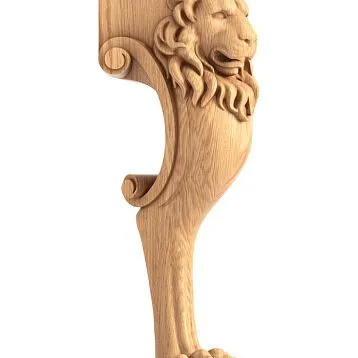
Our factory also produces:


Solid and Veneer: The Nobility of Natural Material
Wood is a material with a thousand-year history that never goes out of style.Wooden wall claddingIt brings natural beauty into the room, fills it with the scent of the forest, creates a unique play of textures and shades. Each board is unique — with its own pattern of wood grain, its own knots and color variations.
Solid wood has excellent thermal insulation properties, regulates air humidity, and creates a healthy microclimate. Oak offers strength and durability, ash delights with light tones and expressive texture, walnut impresses with dark elegance. Pine and cedar fill the space with healing phytoncides, while larch resists moisture better than many modern materials.
Veneered panels allow you to achieve the aesthetics of solid wood at a more affordable price and with stable geometry. A thin layer of valuable wood is glued onto an MDF or plywood base, creating a strong and beautiful surface. This solution is ideal forinternal wall finishingin rooms with normal humidity.
Get Consultation
Plank and Boarding: The Geometry of Modernity
Wooden boarding — this is classic reinterpreted in a modern context. Thin parallel lines visually elongate space, create rhythm, and add architectural expressiveness. Boarding can be installed horizontally, vertically, or even diagonally — each method provides its own visual effect.
Boarding — a more substantial and modern variant, boards with beveled or rounded edges installed with a small gap. This gap allows the wood to breathe, compensates for thermal expansion, and creates an interesting play of light and shadow. Boarding is especially effective in minimalist and Scandinavian interiors.
Wooden Slats: Lightness and Zoning
Plank wall cladding— this is one of the most current trends of recent years. Vertical or horizontal slats create a semi-transparent partition that zones space without fully dividing it. Light passes through the gaps, creating a remarkable play of highlights and shadows that changes throughout the day.
Slats can be of uniform thickness or vary, mounted at equal intervals or with a chaotic spacing. Suchwall finishing with lathsWorks excellently for highlighting accent zones: behind the bed headboard, in the living room behind the TV, in the hallway. LED lighting can be integrated between the slats, creating an additional visual effect.
Wooden slats are available in the catalogRacks for internal wall cladding, featuring various wood species and profiles.
Decorative panels: quick space transformation
MDF panels: practicality and variety
MDF is a material made from finely dispersed wood particles, pressed under high pressure. MDF panels can imitate almost any surface: wood, stone, leather, fabric. They are lightweight, easy to install, and affordable, making them a popular choice for quickly updating interiors.
decorative wall finishingMDF panels allow hiding uneven surfaces, concealing utilities, and improving sound insulation. Panels can be laminated, painted, or veneered. Especially effective are paintable panels, which can be adapted to any interior color scheme.
Boiserie: classic French style
Boiserie — this is a systeminterior decorative wall finishes, originating from French Baroque and Rococo palaces. These are wooden panels with moldings, carved elements, creating a luxurious framed composition. Modern boiserie can be made from solid precious wood or MDF with a finish.
Boiserie solves several tasks at once: protects walls from mechanical damage, improves acoustics, creates classic elegance in interiors. Traditionally, the lower part of the wall is finished in a darker color or wood, while the upper part remains light — such contrast visually structures the room. Detailed solutions are presented in the sectionDecorative wall panels wall finishing.
Soft panels: comfort and acoustics
Fabric panels with soft filling are not only a stylish decorative element but also an excellent acoustic material. They absorb sound, making the room quieter and more comfortable, which is especially important in bedrooms, home theaters, and meeting rooms. The fabric can be any type: from practical, durable jacquard to luxurious velvet.
Soft panels create a sense of coziness, protection, and intimacy. They are pleasant to touch, can become a bright color accent or, conversely, a neutral background. These panels are mounted on a framework or directly on the wall using special adhesive.
Polyurethane: technological and universal
Decorative elements made of polyurethane
Polyurethane is a synthetic material of the new generation that has revolutionized architectural decoration. It is lightweight, strong, resistant to moisture, does not crack or dry out, is easy to install and paint.Polyurethane wall claddingallows creating complex classical interiors without huge costs and labor-intensive work with plaster.
Made from polyurethane are moldings, cornices, pilasters, rosettes, coffered panels — the entire arsenal of classical architectural moldings. Unlike plaster, polyurethane does not crumble during transport, is resistant to impacts, and can be used even in rooms with high humidity. Catalogsculptural ornamentsdemonstrates the widest range of shapes and styles.
Moldings and paneling: structuring the plane
Wall finishing with moldings— this is a proven designer technique for creating elegant classical or neoclassical interiors. Thin applied strips form geometric frames that visually structure the wall, making it architecturally expressive.
Moldings can be used to create symmetrical compositions, frame mirrors and paintings, and zone spaces. Painted to match the wall color, they create subtle play of light and shadow, adding relief. Contrasting moldings work as graphic accents, drawing attention.
Paneling and profiles allow creatingthree-dimensional relief on wallswithout complex sculptural work. By combining elements of different thicknesses and widths, you can achieve a multi-level composition effect.
3D panels: architecture of the future
3D Wall Finishing— this is a modern direction using volumetric panels with geometric or organic patterns. Waves, cubes, honeycombs, abstract forms — panels create a dynamic surface that changes depending on lighting and viewing angle.
Polyurethane 3D panels are easy to install, can be painted in any color, and can be combined with backlighting to enhance the volumetric effect. They are ideal for creating accent walls in living rooms, offices, restaurants, and hotels. SuchRelief wall finishingtransforms a flat surface into an architectural object.
Sculptural ornaments: elegance of details
Sculptural wall decorationThese are decorative elements: outlets, inserts, corner ornaments, decorative inlays. They function as jewelry details in the overall interior composition, adding elegance and completeness.
Wall and ceiling decorative moldingThey often harmonize with wall elements, creating a cohesive composition. A ceiling rose in the center frames the chandelier, a dome adds height, and coffered ceilings structure the plane.moldings for walls and ceilingsMade of polyurethane, they allow recreating palace luxury in a modern apartment.
Stone and its imitations: monumentality and texture
Natural stone: eternal beauty
Stone is a material created by nature over millions of years. Marble, granite, travertine, slate, onyx — each has a unique pattern and character. Stone cladding creates a sense of monumentality, reliability, and connection to natural elements.
Marble impresses with noble veins and cool sheen, granite with strength and granular texture, travertine with warm beige tones and porous structure. Natural stone is ideal for fireplace surrounds, accent walls, bathrooms, and hallways.
However, working with natural stone requires professionalism: the material is heavy, requires a strong base, is difficult to process and install. The cost of natural stone is high, but its durability and prestige justify the investment.
Artificial stone: an affordable alternative
Artificial stone is made from cement mixtures with added pigments and fillers. It imitates the texture and color of natural stone, but is significantly lighter, easier to install, and more affordable. Modern technologies allow creating remarkably realistic imitations of brick, cobblestone, slate, and sandstone.
Artificial stone is often used to create accent walls, fireplace cladding, and arch and opening finishes. It is resistant to moisture, easy to clean, and requires no special care. The combination of smooth painted surfaces with stone texture creates an interesting contrast in interior design.
Ceramic tile and porcelain: practicality and beauty
Ceramic tile and porcelain are classic materials for wet areas, but modern collections have long surpassed bathrooms and kitchens. Large-format porcelain with marble, wood, or concrete imitation is used in living rooms, bedrooms, and hallways.
Tile is not afraid of water, easy to clean, hygienic, and long-lasting. It can be glossy or matte, smooth or textured, solid color or patterned. Modern digital printing technologies allow applying any images onto tile: from photorealistic panoramas to abstract compositions.
Painting: infinite color solutions
Paints: from matte to glossy
Painting is the most universal and economical methodfor wall finishing under paintModern paints have excellent characteristics: they are eco-friendly, dry quickly, have no odor, are easy to apply, and create a durable, washable coating.
Matte paints hide minor imperfections, create a noble velvety surface, and do not reflect light. They are ideal for bedrooms and living rooms. Semi-gloss paints are more practical, easier to clean, and suitable for high-traffic areas. Glossy paints reflect light, visually expand space, and make colors more vibrant.
Decorative paints are particularly interesting: with metallic effect, pearlescent finish, texture, or Venetian plaster effect. They allow creating unique surfaces that change hue depending on lighting.
Decorative plaster: living texture
Decorative plaster is a material that allows creating endless variety of textures and effects. Venetian plaster imitates polished marble with deep color shifts. Travertine creates an effect of unpolished stone with pores and cracks. Koroed gives a distinctive eroded surface.
Plaster wall finishingWorking with decorative plaster is a craft requiring skill. Relief is created manually using special tools: trowels, brushes, sponges, rollers. Each wall becomes unique, with an unmistakable pattern.
Plaster can be colored in bulk or tinted after application. A wax finish gives the surface a silky sheen and protects against dirt. Such finishing lasts for decades, does not fade, and retains its expressiveness.
Wallpapers: classic reinterpreted
Paper and non-woven: accessibility and eco-friendliness
Wallpapers remain one of the most popular materials due to their vast design selection and affordable price. Paper wallpapers are eco-friendly, allow air permeability, and let walls breathe. However, they are not durable, fear moisture, fade in sunlight, and are easily damaged.
Non-woven wallpapers are significantly stronger and more practical. They do not tear during application, do not shrink, hide minor cracks, and can be repainted several times. Non-woven material is made from cellulose fibers, eco-friendly and safe.
Vinyl and textile: durability and luxury
Vinyl wallpapers have a dense, washable coating, resistant to abrasion and moisture. They are suitable for kitchens, hallways, and children's rooms. Modern vinyl wallpapers on non-woven backing combine vinyl's durability with non-woven's ease of installation.
Textile wallpapers are a luxurious solution for bedrooms and living rooms. Natural fabrics — linen, silk, velvet — are applied to paper or non-woven backing. They create a tactile comfort, improve acoustics, and emphasize the interior's status. However, such wallpapers require careful handling, accumulate dust, and fear moisture.
Photo wallpapers and frescoes: art on walls
Photo wallpapers have evolved from 1980s kitsch into a serious design tool. Modern printing technologies allow transferring reproductions of paintings, architectural panoramas, abstract compositions, and natural landscapes onto walls. Photo wallpapers create an illusion of space, become a compositional focal point, and set the mood of the interior.
Frescoes are a more refined option, imitating antique painting. The image is applied to a special plaster base, creating an effect of aged surface with cracks and patina. Such frescoes look excellent in classical and neoclassical interiors.
Specialized solutions for different rooms
Decoration in living rooms
Wall cladding in an apartmentRequires consideration of the functional purpose of each room. The living room is a reception space where luxurious materials are appropriate: wooden panels, decorative plaster, high-quality wallpapers, moldings. Here, you can create an accent wall behind the sofa or TV, using contrasting textures.
The bedroom requires a calm, relaxing atmosphere. Soft fabric panels, matte pastel-colored paint, wooden slats behind the headboard create coziness and comfort. Materials must be eco-friendly, non-toxic, and breathable.
The children's room requires safe, washable, and durable finishes. Vinyl wallpapers suitable for painting, cork panels, MDF with laminated finish — practical options. It is important to use materials free of harmful additives, with safety certifications.
Decoration in private homes
Wall finishing in a houseandWall finishing in a private houseHas its own specifics. Wooden houses often leave walls exposed, highlighting the natural beauty of beams or logs. Wood is treated with oils, waxes, or lacquers that preserve the texture and provide water-repellent properties.
In stone and brick housesWall cladding optionsAre more diverse. Any materials can be used, provided the base is properly prepared and leveled. It is important to consider that private homes may experience temperature and humidity fluctuations, so materials must be resistant to such conditions.
Accent zones and decorative elements
Decorative wall finishingAllow creating compositional centers in the interior. An accent wall stands out by color, texture, or material. This can be a wall with a fireplace, a wall behind the bed, or a wall with a TV.
Decorative wall paneling— a popular technique for creating dynamic vertical or horizontal accents. Slats can be wooden, metal, or MDF. The distance between them varies depending on the desired effect.
Decorative wall finishing with woodIs especially effective in eco-style, Scandinavian, and modern minimalism. Wood can be combined with concrete, metal, or glass, creating contrasts between warm and cool, natural and industrial materials.
Modern technologies and innovations
Smart materials: functionality of the new era
Modern finishing materials are becoming increasingly technologically advanced. Surfaces with antibacterial properties, self-cleaning surfaces, materials regulating humidity and absorbing odors appear. Photocatalytic paints break down harmful substances under light, purifying the air in the room.
Thermochromic paints change color depending on temperature, creating dynamic interiors. Magnetic paints allow attaching decorative elements without drilling walls. Chalkboard and marker coatings turn walls into creative and note-taking spaces.
Ecological Sustainability
Ecological awareness is becoming an important factor when choosing materials. Natural materials — wood, stone, clay, cork — are renewable and biodegradable. Water-based paints do not contain volatile organic compounds and are safe for health.
Material recycling is gaining popularity. Panels from recycled wood, wallpaper from paper pulp, tiles from glass waste — eco-friendly alternatives to traditional materials. Such choices not only reduce environmental impact but often create a unique aesthetic.
Digital personalization
Digital printing technologies allow applying any images onto walls: from family photos to original artworks. Personalized photo wallpapers, ceramic tiles with custom designs, wallpapers with your own pattern — possibilities are practically limitless.
3D modeling helps visualize the result before starting work. You can see how different materials will look in your space, how they combine with each other, and how perception changes under different lighting conditions.
Practical aspects: what to consider
Foundation Preparation
The quality of finishing directly depends on wall preparation. The surface must be flat, clean, dry, and strong. Leveling is done using plaster mixes or drywall. Serious defects are concealed by suspended panel systems.
Priming improves adhesion, reduces the absorbency of the base, and prevents mold. Different types of primers are required for different materials: deep-penetration primer for paint, concrete contact primer for tiles, and antiseptic compounds for wood.
Installation and work complexity
Some materials can be installed independently: painting, wallpapering, installing panels on a frame. Others require professional skills: stone cladding, applying decorative plaster, installing boiserie.
It is important to consider the time required to complete the work. Painting can be finished in a few days, tiling will take a week or two, installing wooden panels with prior preparation — several weeks. Plan your renovation with a time buffer.
Cost and budget
The price range for finishing materials is enormous. Paper wallpaper and simple painting are the most economical options. Decorative plaster, wooden panels, natural stone belong to the mid- to high-price segment. Exclusive materials — rare marble, valuable wood species, original hand-painted designs — are available only in limited quantities.
However, the cost of the material is only part of the budget. Consider expenses for wall preparation, installation, delivery, and consumables. Sometimes, a cheap material with expensive installation ends up costing more than a premium solution with simple installation.
Care and longevity
Different materials require different care. Painted walls can be wiped with a damp cloth, ceramic tiles can be cleaned with any cleaning agents, wooden panels require periodic treatment with oils and waxes. Wallpaper dislikes moisture, textile panels collect dust, stone may stain from spilled liquids.
The durability of the material determines how often renewal will be needed. Wallpaper lasts 5–10 years, paint — 7–15 years, wooden panels — 20–50 years, stone and tiles — practically forever. When choosing a material, think not only about today but also about the future.
Combining materials: the art of harmony
Play of contrasts
Combining different materials creates richness and multi-layered interior design. Smooth painted surfaces contrast with textured stone, the cool sheen of tiles is balanced by the warmth of wood, the matte finish of plaster is complemented by the gloss of glass.
Wall finishing and decorationUsing multiple materials requires a sense of proportion. Too many different textures create chaos, overly uniform finishes are dull. It is optimal to use 2–3 main materials, complemented by accent details.
Space Zoning
Different materials help visually divide space into functional zones. In a studio, you can designate a kitchen zone with tiles, a living room zone with wooden panels, and a bedroom zone with textile wallpaper. Such division works more effectively than physical partitions, preserving the feeling of spaciousness.
Wall Finishing ElementsMoldings, rails, and layouts create boundaries between zones without fully separating them. Vertical rails from floor to ceiling visually separate the dining area from the living room, maintaining visual continuity.
Accent walls
An accent wall is the compositional center of the room, drawing attention. It differs from other walls in color, material, or texture.Wall finishing photos in apartmentsSuch solutions are often demonstrated: one wall made of stone or wood, the rest painted.
An accent wall should not be overloaded. If the material is inherently expressive (e.g., marble with bright veins), additional decoration is unnecessary. If the wall is made of a single-tone material, it can be decorated with paintings, mirrors, or lamps.
Stylistic directions and material selection
Classicism and neoclassicism
Classic interiors lean toward symmetry, grandeur, and refined details.Interior Wall Finishes PhotoIn the classic style, it demonstrates boiserie, moldings, cornices, pilasters. Materials — valuable wood, marble, Venetian plaster, silk wallpaper.
Neoclassicism softens the formality of classicism, making it more concise and modern. Moldings become thinner, carving less abundant, the palette lighter. Polyurethane replaces plaster, preserving aesthetics at lower cost.
Scandinavian style
Scandinavian interiors are built on principles of simplicity, functionality, and light. Walls are often white or light gray, painted with matte paint.Internal wooden wall finishesAccents add warmth: siding, rails, panels from light wood species — pine, birch, beech.
Textures in Scandinavian style are natural and tactile: wood remains untreated or coated with transparent oil, plaster is slightly rough, textiles are natural. Minimal decoration, maximum light and air.
Loft and industrial style
Loft loves rough, uncovered surfaces: brickwork, concrete, metal. Walls are often left undecorated, merely coated with transparent varnish or wax. If brickwork is absent, it is imitated with tiles, decorative plaster, or wallpaper.
Industrial style combines rough materials with modern technologies. Concrete walls coexist with chrome fixtures, exposed utilities become decorative elements, metal beams — architectural accents.
Minimalism
Minimalist interiors require perfectly flat, smooth surfaces. Painting in neutral colors, white stone, light wood without pronounced texture — characteristic solutions. No decoration, no moldings, only clean planes and sharp lines.
Materials must be of high quality: flawless painting without streaks, perfect tile laying without visible joints, precise panel fitting. In minimalism, there is no room for errors — any defect is immediately noticeable.
Eco style and boho
Eco style is based on natural materials: wood, stone, cork, bamboo, straw.Wall finishing samplesIn eco style, it shows abundance of natural textures, warm tones, live plants.
Boho is more eclectic and decorative. Walls can be painted in saturated colors, adorned with textile murals, macrame, woven elements. Mixing different patterns and blending cultures and eras is allowed.
Color solutions and their impact on perception
Psychology of color in interior design
Wall color dramatically affects the perception of space and emotional state. Cool tones — blue, gray, green — calm and create a sense of coolness and spaciousness. Warm tones — beige, terracotta, yellow — warm and create coziness and intimacy.
Light-colored walls visually expand the room, reflect light, making the space airy. Dark walls compress space but create drama, depth, and intimacy. In small rooms, lighter shades are preferable; in large rooms, dark accents can be allowed.
Saturated bright colors invigorate and energize, but quickly tire. They are better used sparingly — on one accent wall or in rooms where you spend little time. Neutral shades are universal, serve as a backdrop for furniture and decor, and never get boring.
Trendy palettes
Modern interiors lean toward muted, complex tones. Instead of pure white — milk, cream, or toned milk. Instead of gray — taupe, gray-green, stone. Earthy tones are popular: terracotta, ochre, umber, clay.
Natural green shades — olive, khaki, moss, sage — create a connection with nature and soothe the nervous system. Deep blues and indigo add nobility and elegance. Dusty-pink and peach tones bring softness and warmth.
Monochromatic interiors, built on shades of one color, create an elegant harmony. The play of light and dark tones of one color adds depth without color chaos.
Regional characteristics and climate
Wet rooms
Bathrooms, toilets, and kitchens require moisture-resistant materials. Ceramic tiles and ceramic granite are a classic choice. They don’t fear water, are easy to clean, and are hygienic. Modern collections offer incredible variety in formats, textures, and colors.
Moisture-resistant paints with anti-fungal additives are suitable for ceilings and walls not directly exposed to water. Glass panels, metal with anti-corrosion coating, plastic panels — additional options.
Wooden elements in humid areas require special treatment: oil-based impregnations, lacquer or wax coatings. It’s better to choose moisture-resistant species — larch, teak, thermowood.
Cold and warm rooms
In unheated or cold rooms, materials must withstand temperature and humidity fluctuations. Natural wood may crack or swell, some paints crack. It’s better to use stable materials: stone, ceramic, composite panels.
In warm southern regions, resistance to fading is important. Bright paints and wallpapers quickly lose color under direct sunlight. It’s worth choosing lightfast materials or using protective coatings.
DIY Implementation: Possibilities and Limitations
What You Can Do Yourself
DIY decorative wall finishingIt’s entirely feasible for materials requiring no special skills. Painting is the most accessible option. You only need rollers, brushes, painter’s tape, and care.
Wallpapering is also within reach for most. Modern vinyl wallpapers are easy to install: adhesive is applied to the wall, the paper is laid and smoothed. It’s important to measure accurately, align the pattern, and avoid bubbles.
Installing panels on a grid requires basic tool-handling skills but is also accessible to non-professionals. The key is accurate marking, a level grid, and careful trimming of elements.
When Professionals Are Needed
Tiling requires experience: you must properly prepare the base, mix the correct consistency adhesive, maintain level, and carefully fill joints. Mistakes lead to tile detachment, uneven joints, and an uneven surface.
Applying decorative plaster is an art requiring years of practice. Relief is created using special techniques impossible to master over weekends. A professional creates a lively, expressive surface, while a novice gets messy patches.
Installing complex wooden structures — coffered ceilings, molded panels — requires carpentry skills, precision, and understanding of wood properties. Here, it’s better to rely on professionals.
Frequently asked questions
What material is most practical for walls in an apartment with children and pets?
For families with children and pets, optimal materials are washable: vinyl wallpaper suitable for painting, washable paint with high abrasion resistance, ceramic granite in high-traffic zones. MDF panels with laminate coating also withstand impacts and scratches well. Avoid delicate textile wallpapers, light-colored soft panels, and untreated wood.
Can you combine wallpaper and paint on one wall?
Yes, combining wallpaper and paint is a popular design technique. For example, you can paint the lower part of the wall in a dark color or cover it with solid wallpaper, and the upper part in a light shade. The boundary is finished with molding or decorative trim. This solution visually structures the space and protects the lower wall from dirt.
How to choose materials for finishing in a new build?
New builds undergo settlement in the first years, and walls may crack. It’s not advisable to immediately use rigid materials — tiles, stone. Start with flexible solutions: paint, vinyl wallpaper. After 2–3 years, when settlement is complete, you can proceed to permanent finishing.
What materials are suitable forwall finishing in a housewith high humidity?
In homes with high humidity (near water bodies, humid climate), material resistance to moisture and mold is critical. Ceramic tiles, ceramic granite, moisture-resistant paint with anti-fungal additives, plastic panels — reliable options. Wood must be treated with antiseptics and hydrophobic compounds. Choose vinyl wallpaper on a non-woven backing.
How much does it cost?decorative wall finishing?
The cost varies from 500 rubles per square meter (simple painting, paper wallpaper) to 50,000+ rubles (marble, exotic wood species, hand-painted finishes). The average price segment — 2,000–10,000 rubles per m² — includes quality paints, decorative plaster, wooden panels, ceramic tiles. The exact price depends on the material, installation complexity, and room size.
How often should wall finishes be renewed?
How often should wall finishes be renewed?
What materials are the most eco-friendly?
The most eco-friendly materials are natural ones: solid wood, natural stone, clay plaster, cork, cellulose-based wallpapers. Water-based paints without volatile organic compounds are safe for health. Avoid materials containing formaldehyde, heavy metals, and strongly scented synthetic coatings. Request safety certificates, especially for children's rooms.
Can you use3D wall finishin a small room?
Yes, but with caution. Volumetric panels create light and shadow play, which may visually complicate the space. In a small room, use 3D panels on one accent wall, choose a shallow relief and light shades. Vertical relief patterns elongate the space upward, horizontal ones widen it.
Which is better:Decorative wall finishing optionswallpaper or painting?
Both options have advantages. Painting provides a perfectly smooth surface, is easy to refresh, and allows for any color scheme. Wallpaper offers ready-made patterns and textures, hides minor wall imperfections, and creates coziness. The choice depends on interior style, budget, and skills. For modern minimalism, painting is preferable; for classic or Provence styles — wallpaper.
WhatWall finishing photois currently in trend?
Natural textures are in vogue: wood, stone, concrete.Plank wall cladding3D panels with geometric patterns remain popular. They add a modern touch.Decorative wall and ceiling finishingMoldings and cornices are making a comeback in neoclassical interiors. The color palette is shifting toward natural earthy tones.
Conclusion: the choice that creates your home
Choosing materials for wall finishes is not just a technical decision — it’s an expression of your individuality, creating an environment where you will live. Each material has its character, energy, and history. Wood holds memories of the forest, stone — of millions of years of geological history, plaster — of the hands of the craftsman who created the relief.
Don’t rush your decision. Study samples, touch the materials, imagine how they will look in your space under different lighting and at different times of day. Consider not only beauty, but also practicality, durability, and eco-friendliness.
The modern market offers solutions for any taste and budget. From affordable wallpaper and paint to luxurious marble and exotic wood — possibilities are limitless. The key is understanding what you need, what atmosphere you want to create, and what lifestyle you wish to support.
Decorative Wall Finishing in a RoomandDecorative wall finishing for interiorsThis is an art requiring knowledge, taste, and understanding of materials. Don’t be afraid to experiment, combine different textures, and create unique solutions. But remember to respect proportion, harmony, and the space itself.
classicmoldingandsculptural ornamentsmodernwooden stripsandpanelswhether you chooseto buy decorative wall finishesfor a classic interior or modern solutions for a minimalist space — STAVROS will provide premium-grade materials that will last for decades, preserving beauty and functionality.
Your home is a reflection of your soul. Let its walls tell your story, create an atmosphere where you truly feel at home.