




























Article Contents:
- Why doors ruin the interior: anatomy of the problem
- The door as an 'alien object'
- The architrave as a 'patch'
- Scale and proportion of the opening
- How slatted panels help integrate the opening into the overall logic
- Slats running 'through' the opening
- Slatted frame as an opening surround
- Interrupting the rhythm with a 'pause'
- Decorative elements for doors: what works in a slat system
- Wooden architrave: the main tool
- Patterned architrave: when ornament is appropriate
- Pilasters: vertical architectural accent
- Moldings above the opening: horizontal finishing element
- Scale: table for coordinating slats and door decor
- Hidden doors: when the slat 'absorbs' the opening
- How to technically implement a hidden door in a slat system
- Installation accuracy: the main requirement
- Hidden door: advantages and limitations
- Classical door in a slatted interior: how to connect two elements
- Connection through material
- Connection through finish tone
- Connection through rhythm
- Hallway: slatted panels and door decor in a concentrated space
- Unified door casing system
- Horizontal molding uniting doors
- Living room: door as part of an accent wall
- Scenario A: hidden door in a slatted accent wall
- Scenario B: door with framing as an architectural accent
- Bedroom: door in the slatted headboard wall
- Errors at joints and in scale
- Error 1: different wood species in the slat and casing
- Error 2: MDF casing with a 'standard' profile used with wooden slats
- Error 3: inconsistent rhythm of slats on the wall and the concealed door panel
- Error 4: casing wider than the slat in a thin slat system
- Error 5: pilasters with standard ceiling height
- Error 6: different casing profiles on different doors in the same room
- Error 7: unfinished slat panel edge at the opening
- Error 8: door panel visually heavier than the wall
- Practical scenario: step-by-step decision-making logic
- STAVROS: from slatted panel to architrave — a unified wooden system
- FAQ: Answers to Popular Questions
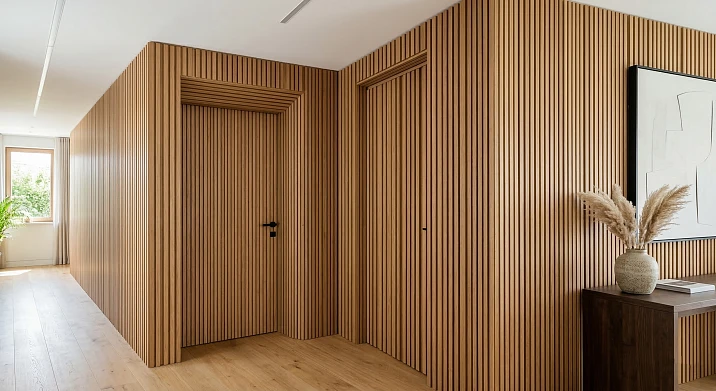
A door in an interior is not just a functional element. It is an architectural break: a place where a wall is interrupted, where one material meets another, where the rhythm of one surface collides with the logic of another. And it is precisely here that most renovations lose their integrity.
Rafter panelson the walls set the rhythm, character, and material code of the room. But as soon as a door appears nearby with bland white architraves, cheap laminated panels, or, conversely, with ornate decor unrelated to the wall — the entire system falls apart. The wall lives its own life, the door — its own.
How to avoid this? How to make the wall with slatted panels, the door opening, and the door leaf become a unified architectural composition? We break it down in detail, with specific solutions, without generalities.
Why doors ruin the interior: anatomy of the problem
Before talking about solutions, we need to honestly understand why the problem arises. It is not accidental — it is systemic.
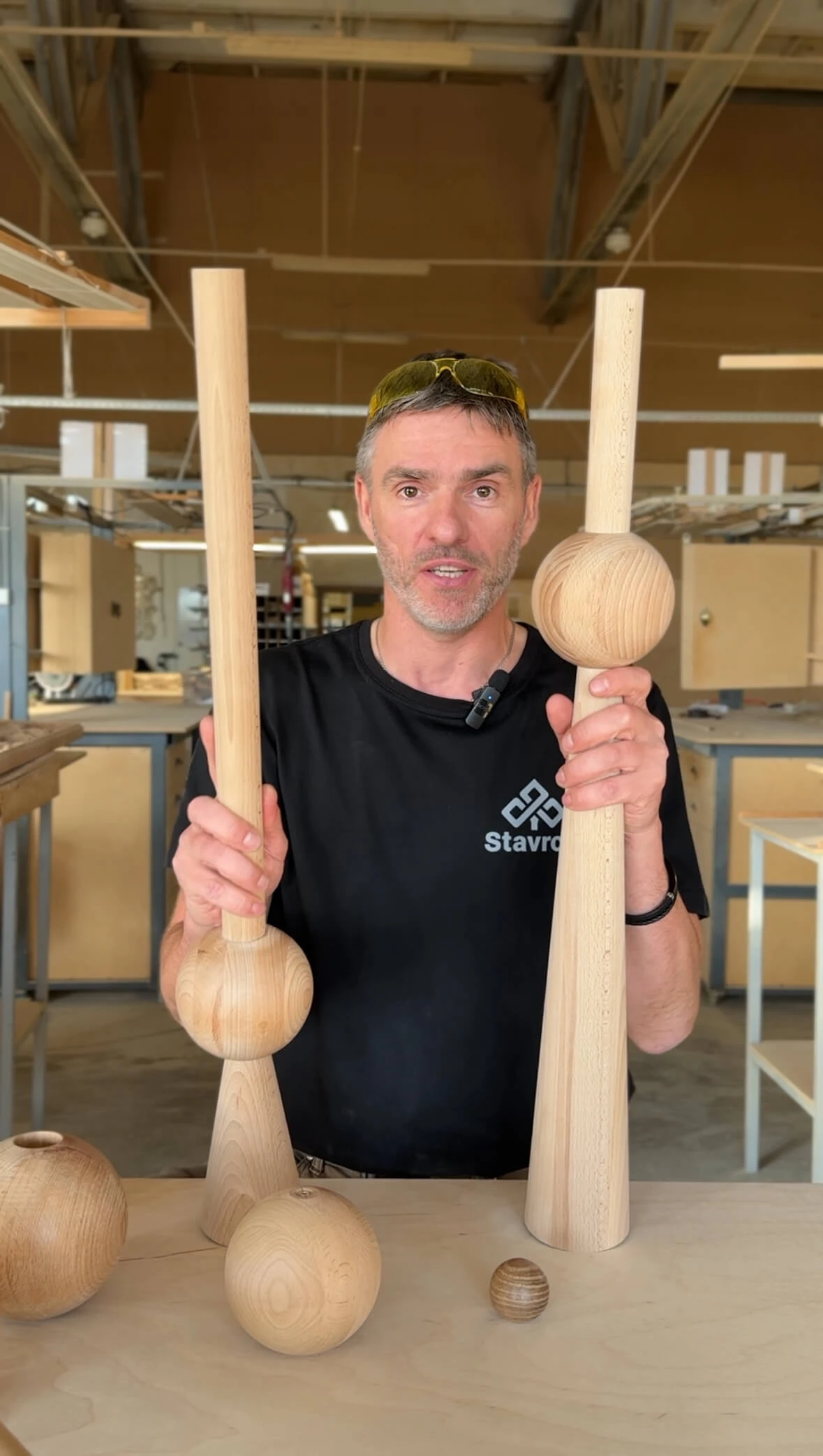

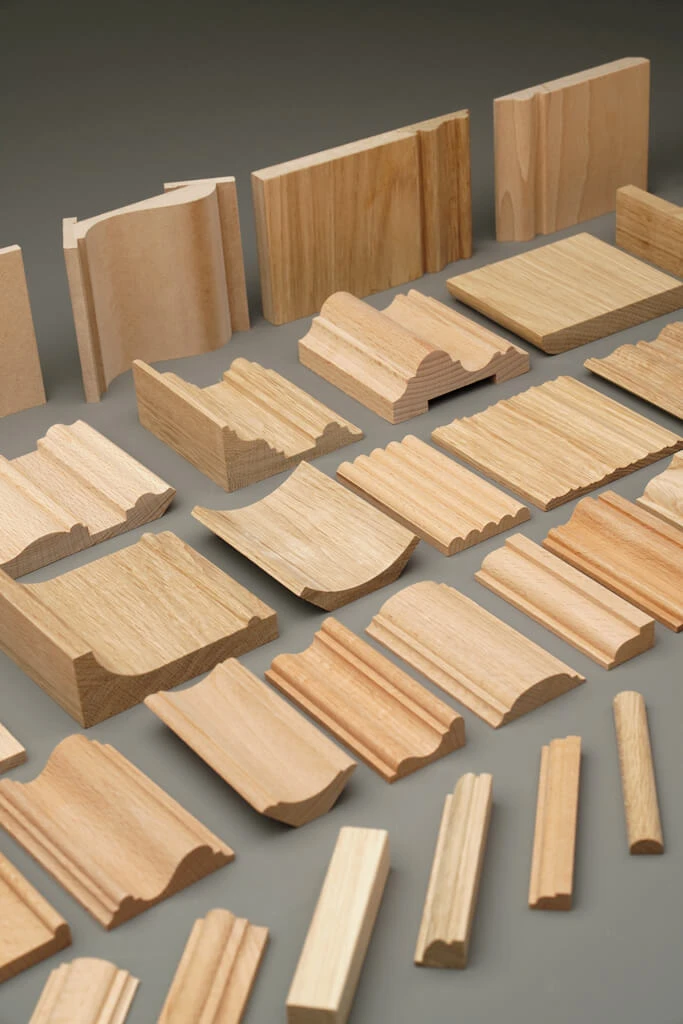
The door as a 'different object'
In a standard apartment, the door is purchased separately from the wall finish. The door manufacturer thinks about the door. The slatted panel manufacturer thinks about the panels. No one thinks about how they work together. As a result: the door leaf is made of one material, the architraves of another, the wall — of a third. Three different 'voices' in one point in space.
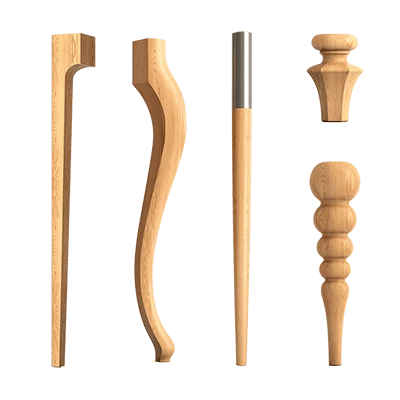
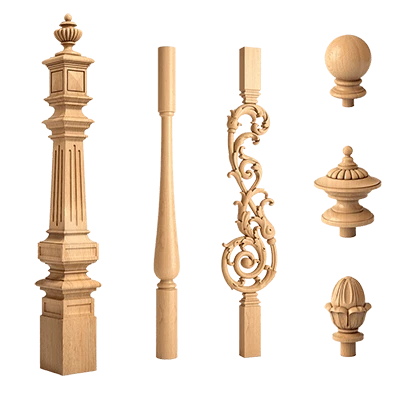
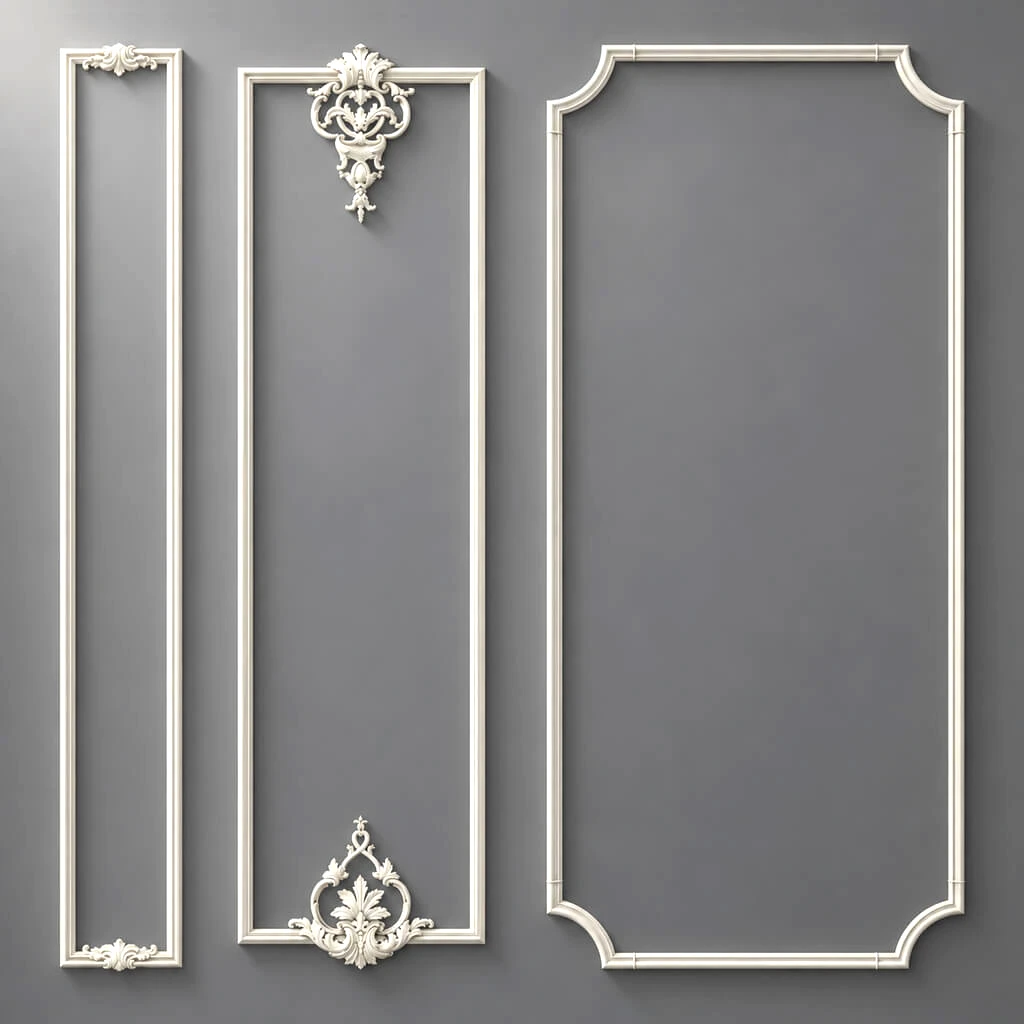
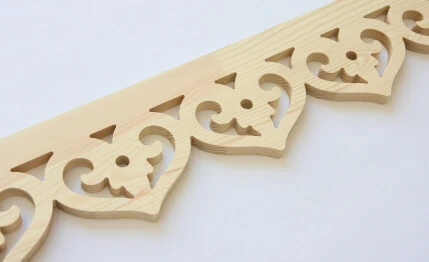
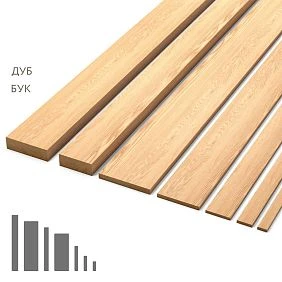
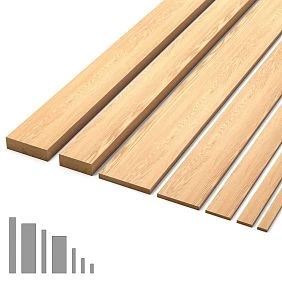
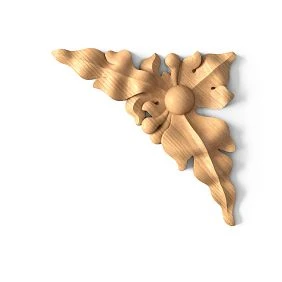
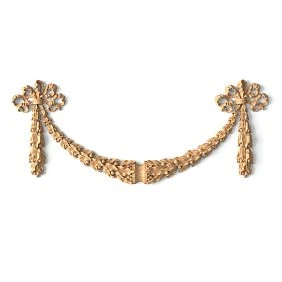
Our factory also produces:

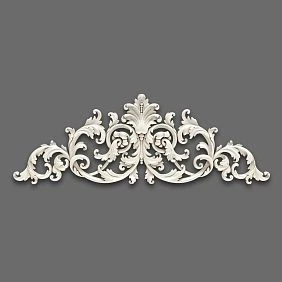
The architrave as a 'patch'
A traditional door casing solves a technical problem: concealing the joint between the frame and the wall. It's functional, not an architectural element. A white MDF casing on a wall with oak slat panels is a patch, not architecture.
Or another option: no casing at all—a concealed, flush door. Technically clean, but then the joint between the wall and frame requires perfect precision, which is almost never found in standard construction.
Get Consultation
The scale and proportion of the opening
A door opening is a pause in the rhythm of the slat paneling. If the opening is not framed, it's just a 'hole' in the system. If it's framed disproportionately, it draws more attention to itself than it should.
The architectural solution for an opening is not a separate task. It is part of the overall rhythmic system of the room.
How slat panels help integrate the opening into the overall logic
Rafter panels— is a rhythmic system. Their task is to structure the wall. The task of framing a door opening is to integrate the break into this system so that it is not an accident, but a logical part of the rhythm.
Slats running 'through' the opening
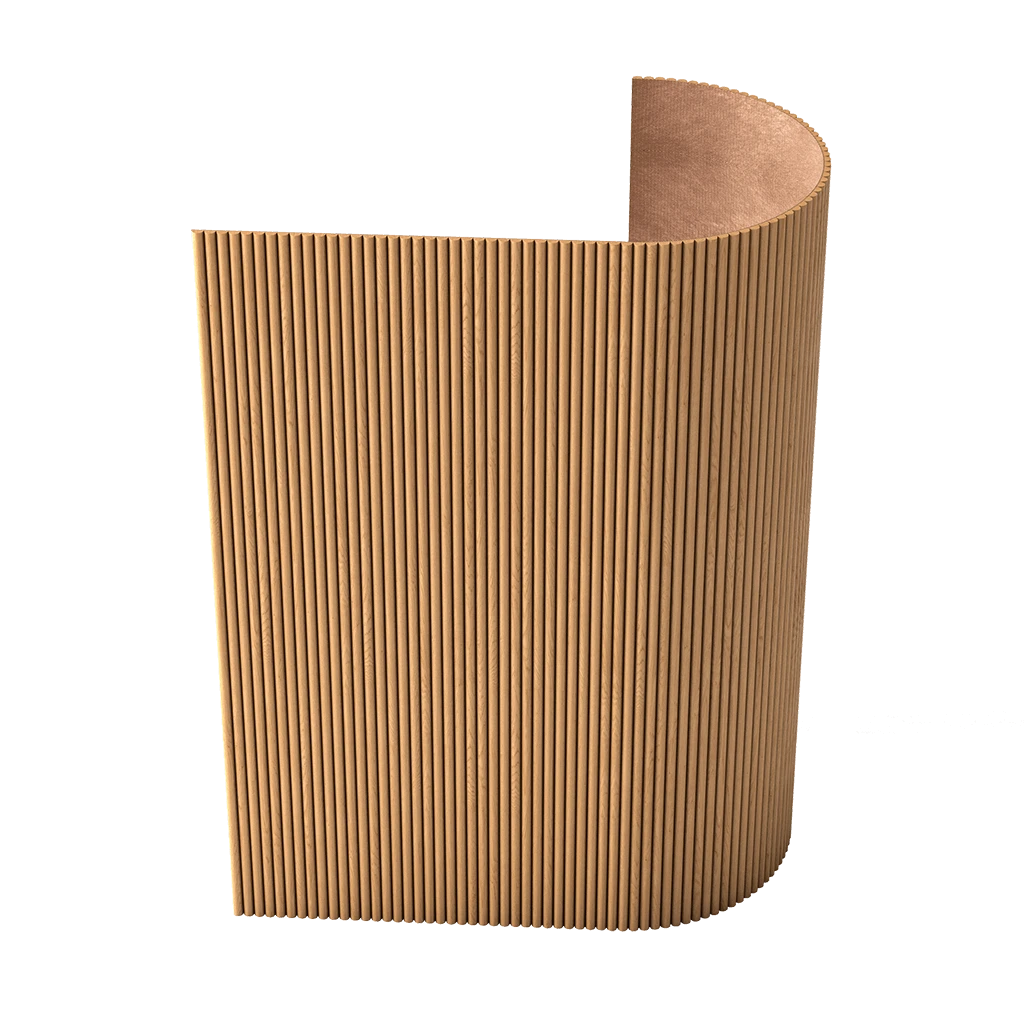
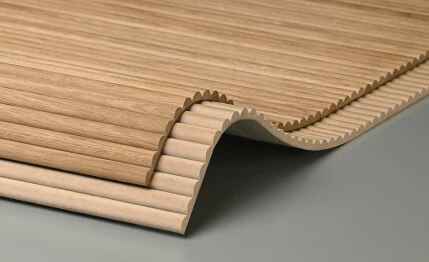
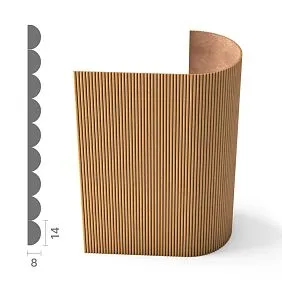
One of the most contemporary techniques: slat panels are mounted on the wall and 'extend' onto the reveals of the door opening. The slats run vertically on the main wall plane and transition onto the side reveals of the opening with the same spacing and width. The opening becomes part of the slat system—literally 'wrapped' in slats.
This technique works when:
-
Sufficient depth of the reveal (at least 80–100 mm)
-
Concealed door or door without architrave
-
Uniform wood species and finish of the slats on the wall and the reveal
Result: the opening does not disrupt the rhythm — it continues it.
Slatted frame as an opening surround
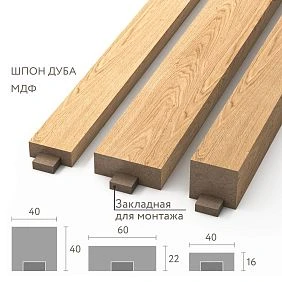
A less radical but equally effective technique: a frame made of wooden slats is installed around the door opening — essentially, a wooden architrave executed in the logic of the slatted rhythm. The thickness and wood species of the frame slats = the width and wood species of the main slat. The frame is wider than a standard architrave (80–120 mm) and has the same texture.
The opening receives a 'frame' from the same system as the wall. There is no junction of two worlds — there is an architectural frame that organically grew out of the wall system.
Interrupting the rhythm with a 'pause'
Sometimes the correct solution is to honestly mark a pause. The slatted panels run up to the door opening and end with a clean edge. The edge is covered with a corner wooden profile of the same wood species. The opening — without an architrave, with perfectly even reveals. The wall and the opening exist as two distinct separate elements.
This technique works in minimalist interiors, where concealed doors have become the norm. It requires high installation precision but creates an extremely clean solution.
Decorative elements for doors: what works in a slat system
Wooden architrave: the essential tool
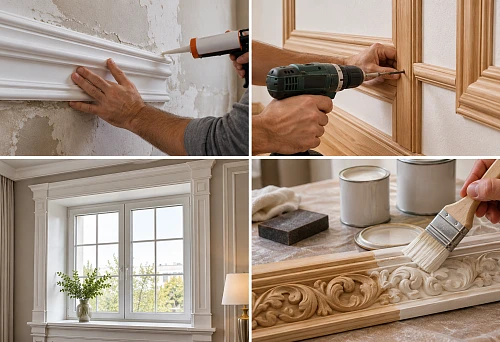
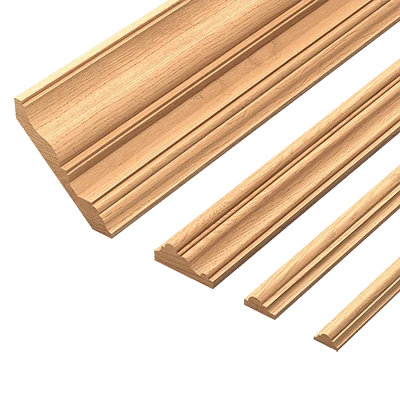
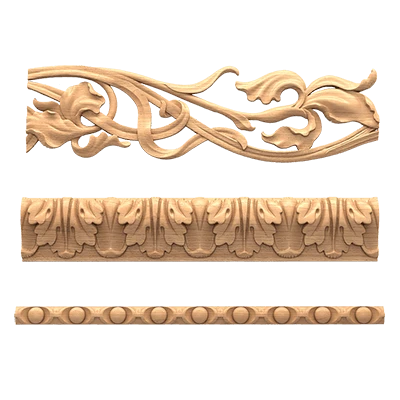
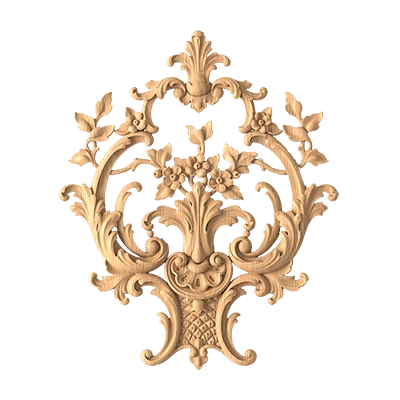
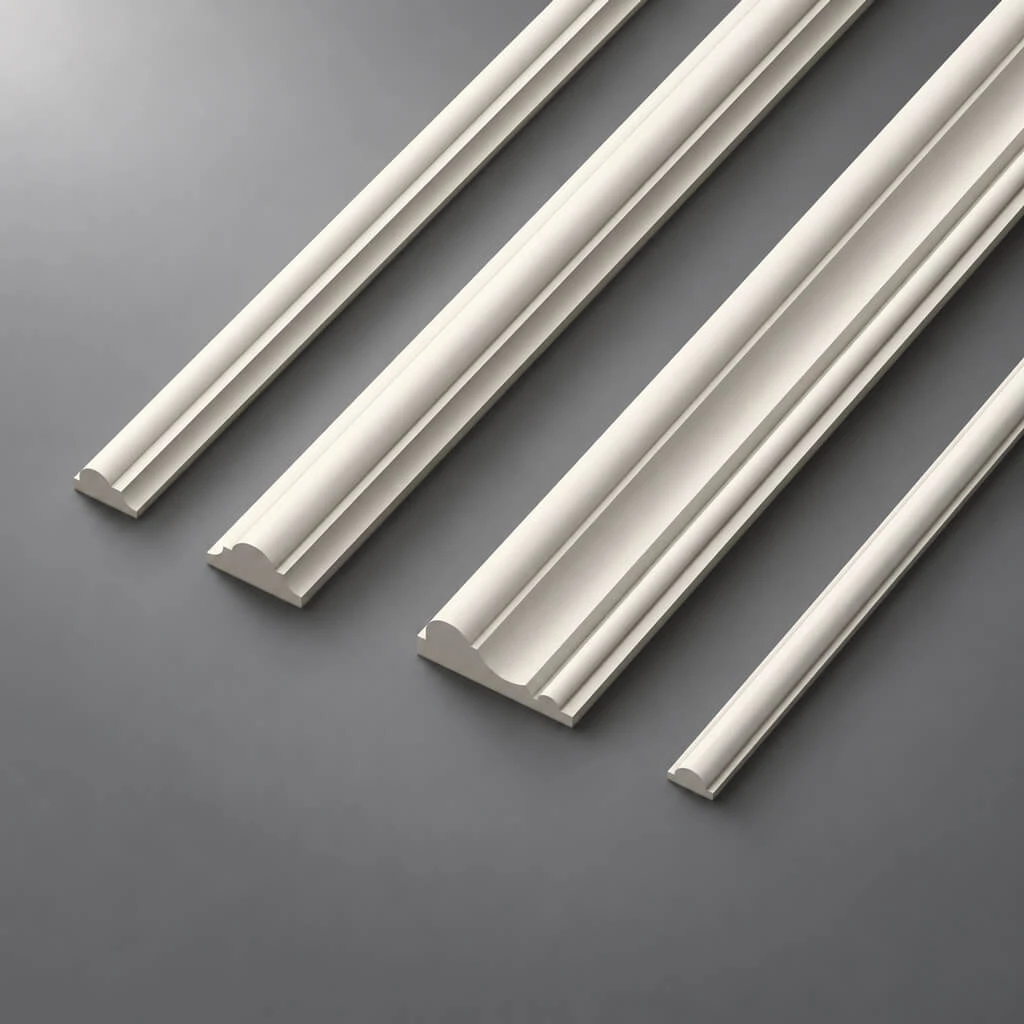
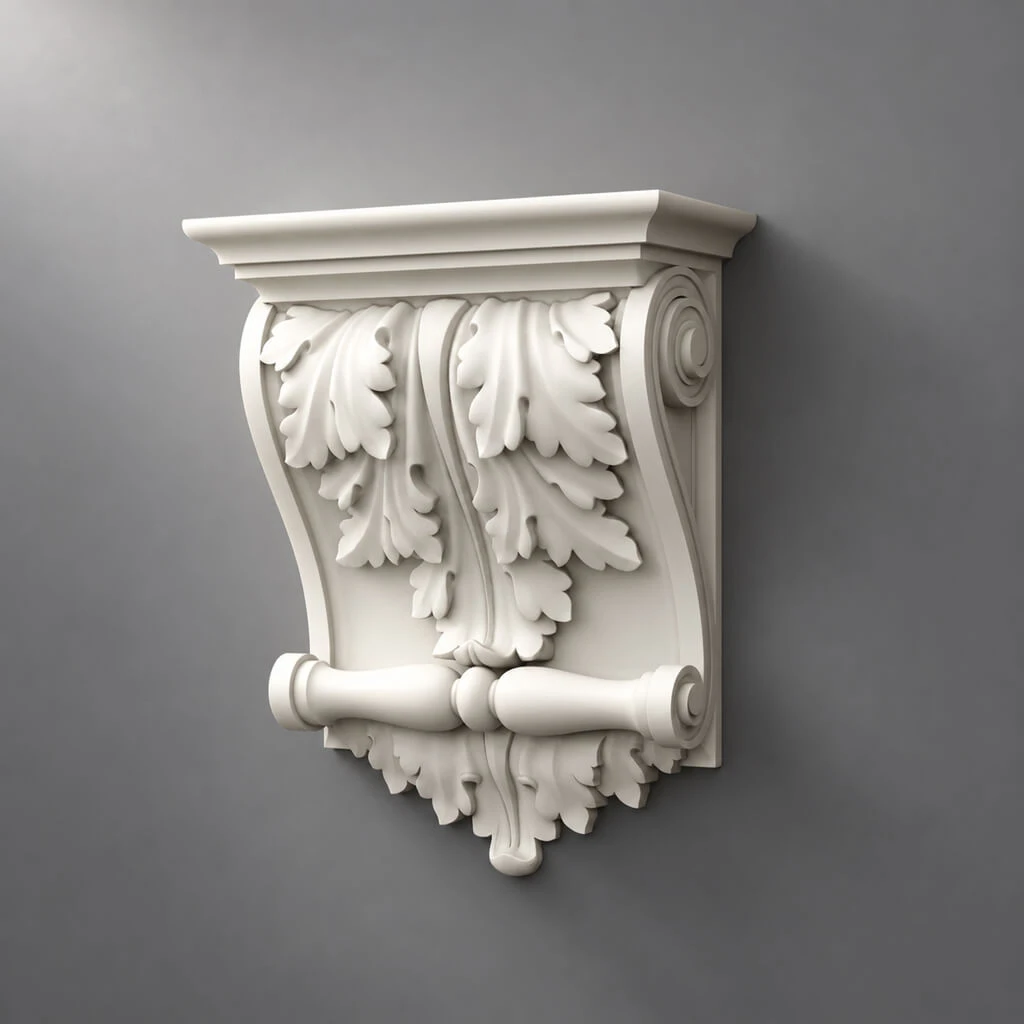
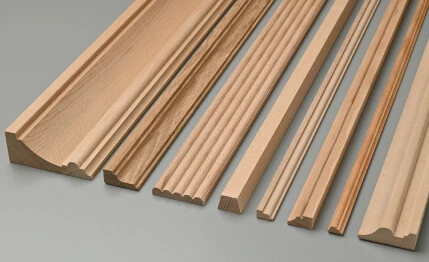
Carved MouldingsSolid wood is not archaic. It is an architectural element that, with the right scale and species, becomes an organic part of a slat panel system.
Architrave in the logic of a slatted interior:
-
Species — the same as the slat (oak for oak slats, ash for ash slats)
-
Finish — the same oil or varnish, the same tone
-
Width — coordinated with the slat width (see table below)
-
Profile — matches the interior style: geometric for minimalism, classic for neoclassicism
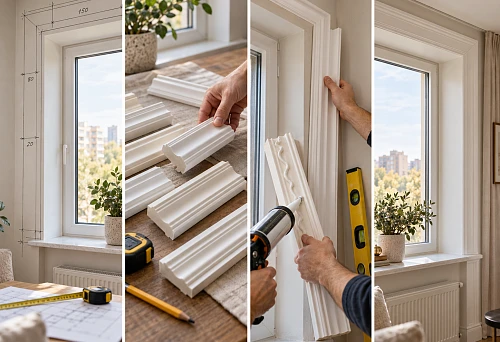
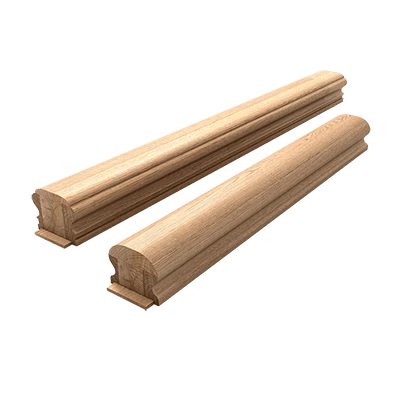
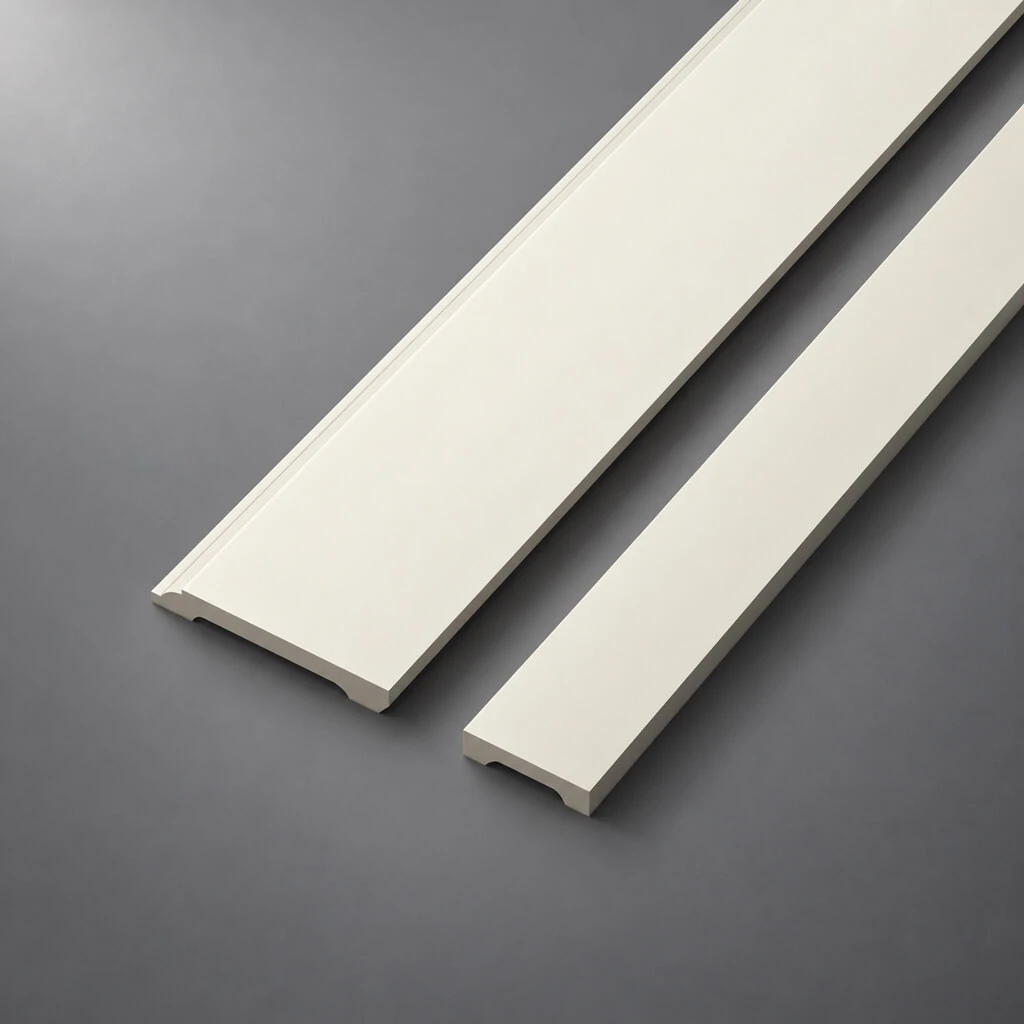
Wooden door architraveWith this approach, it is not a 'covering patch' but an architectural framing of the opening, speaking the same language as the slatted wall.
Door casing with a pattern: when ornamentation is appropriate
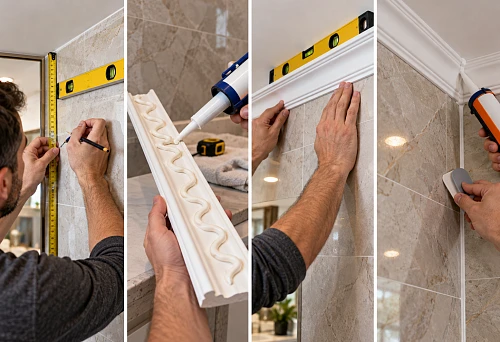
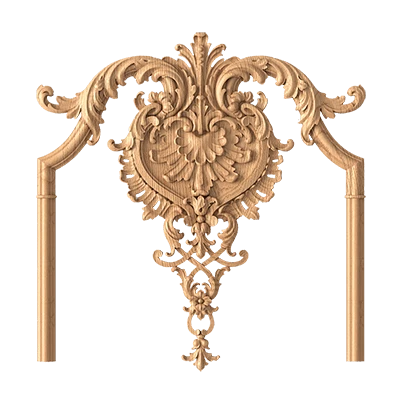
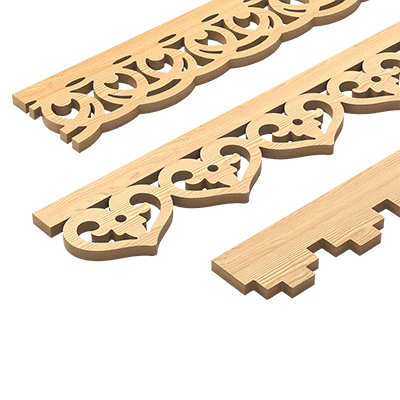
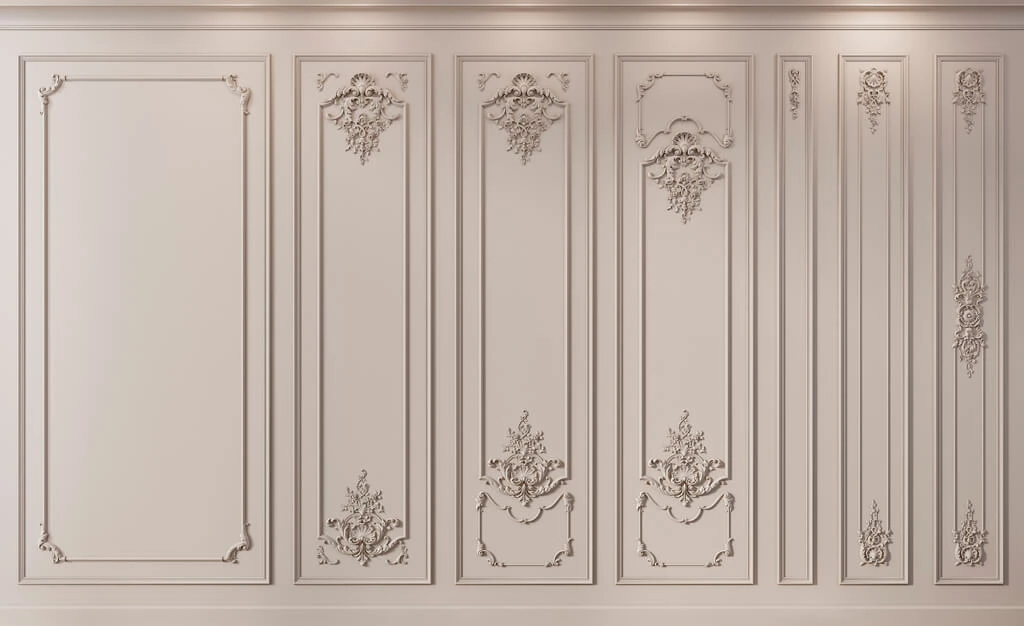
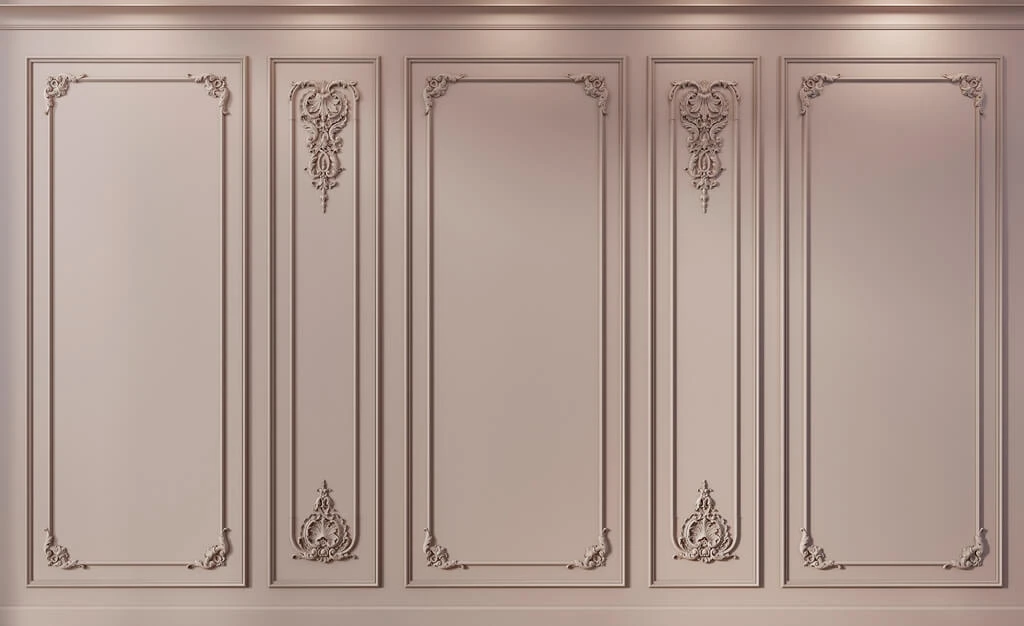
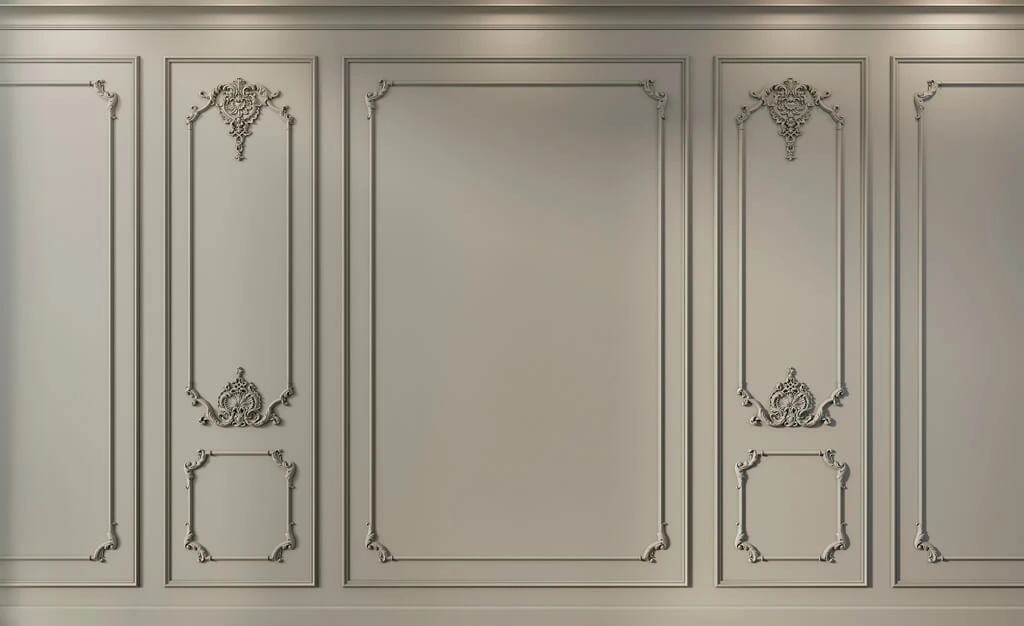
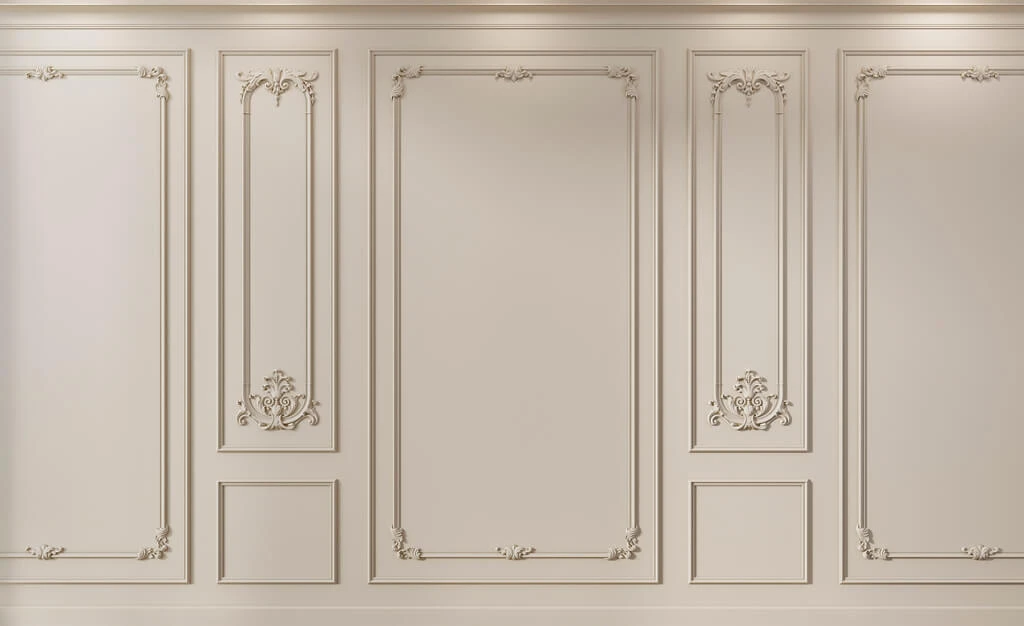
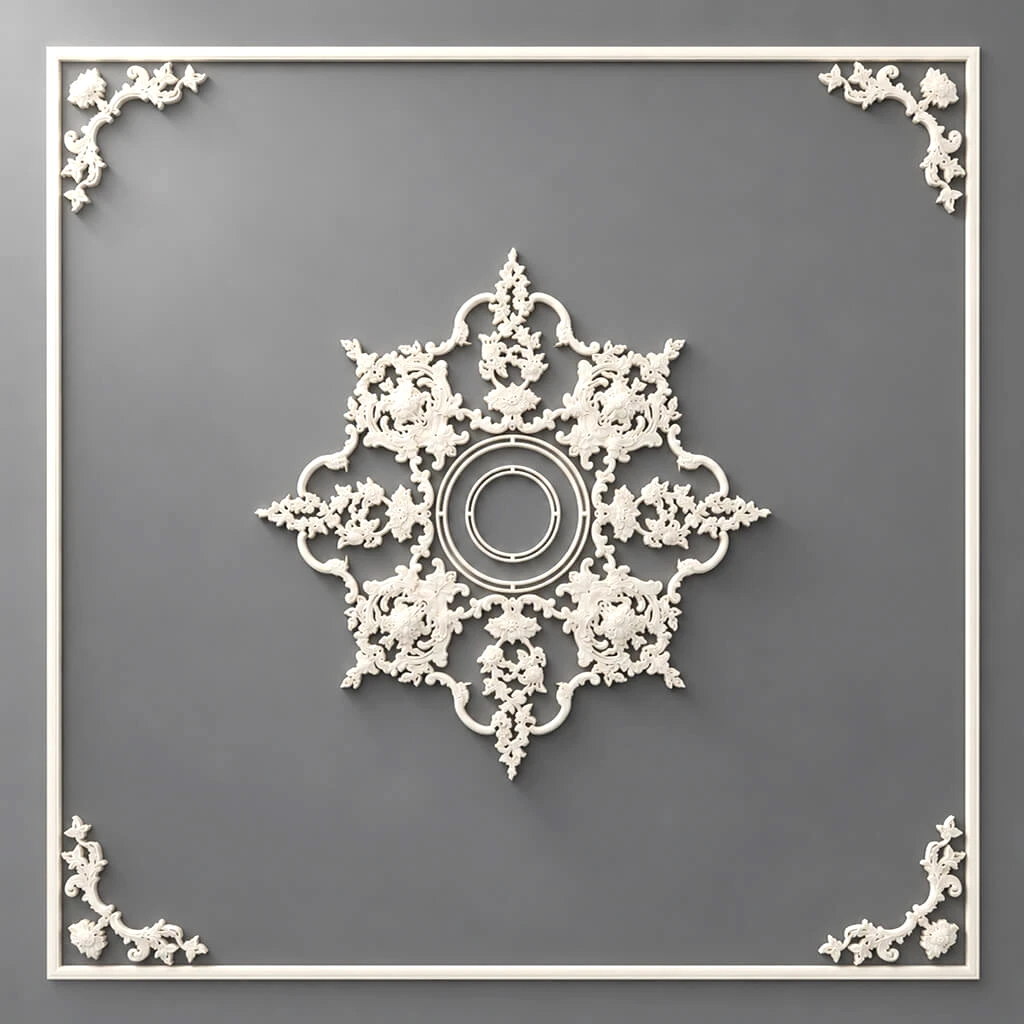
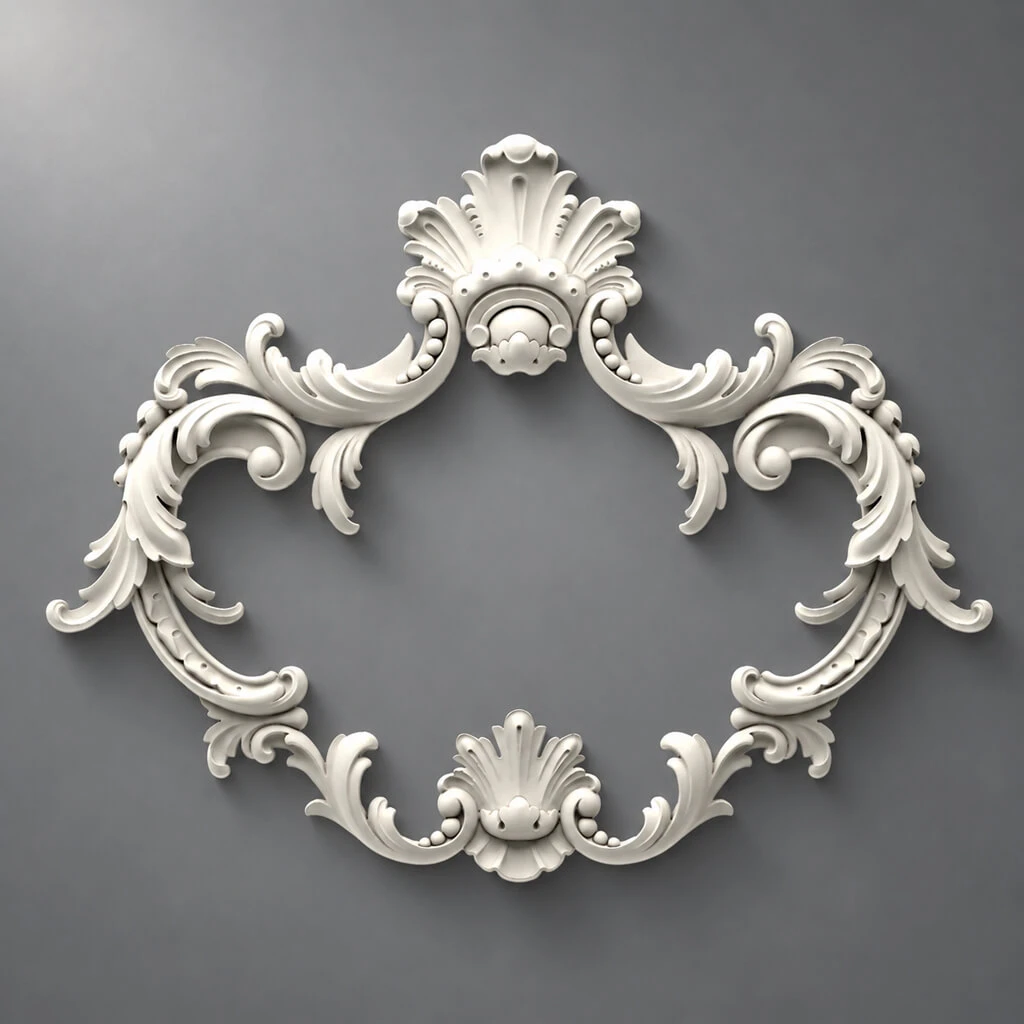
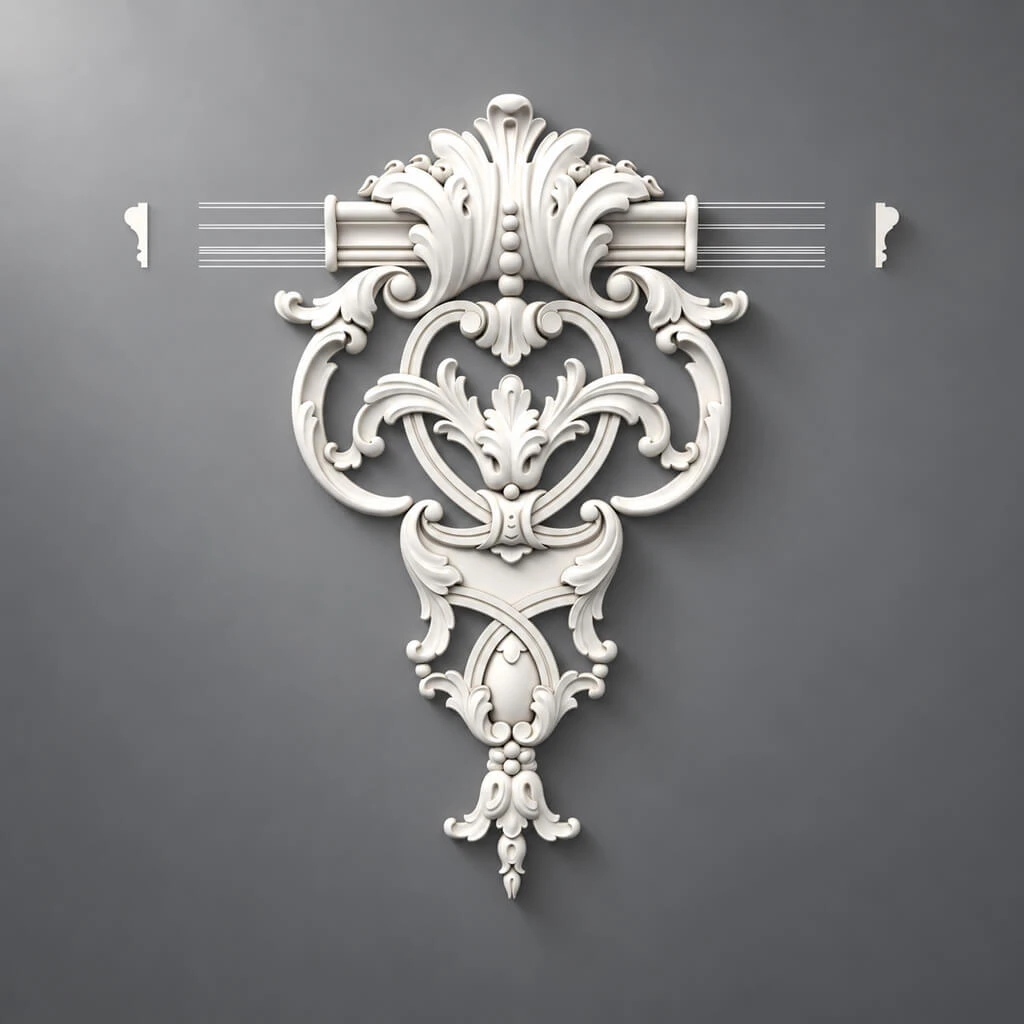
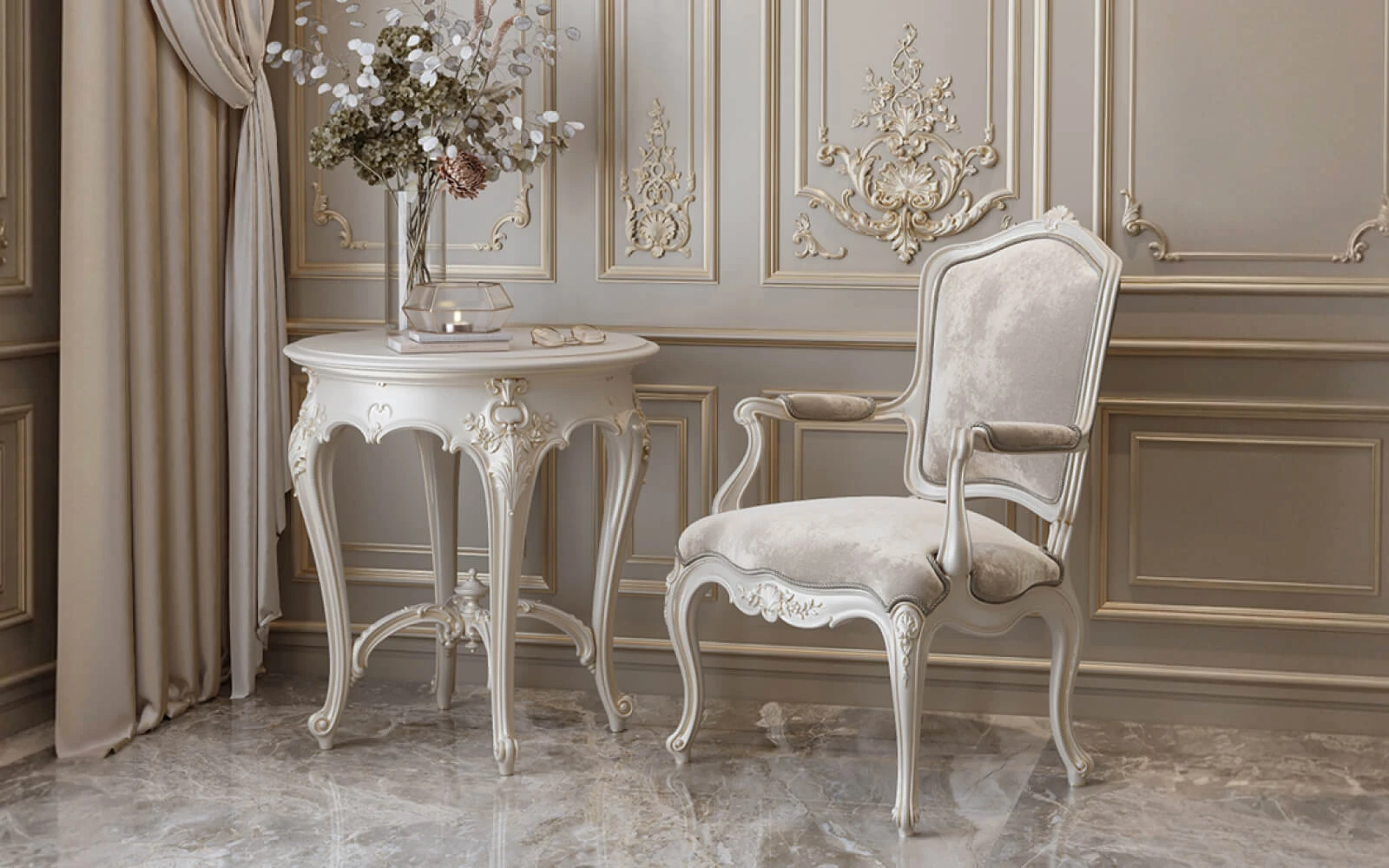
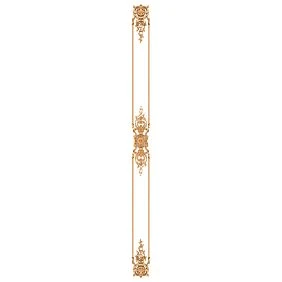
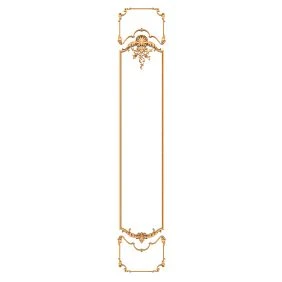
Wooden door casing with a pattern— an accent element. Carved or milled relief on the casing turns the doorway into an architectural accent of the room.
When it is appropriate:
-
In a classic or neoclassical interior with wide slat panels (65–90 mm)
-
When the opening is the main 'entry point' into the room and should be accentuated
-
When the same ornamental motif is present in other elements of the space (moldings, cornices)
When it is inappropriate:
-
In minimalist interiors with thin slats (35–50 mm)
-
When a carved casing is the only ornamental element and is not connected to the rest of the system
-
With hidden doors, an ornamental casing contradicts the very idea of an 'invisible' door
Pilasters: a vertical architectural accent
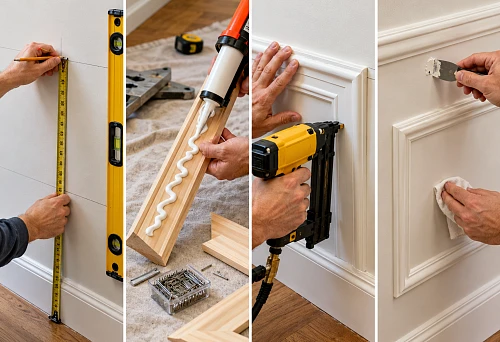
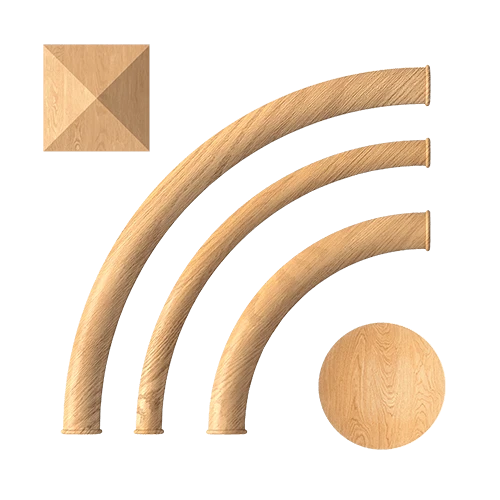
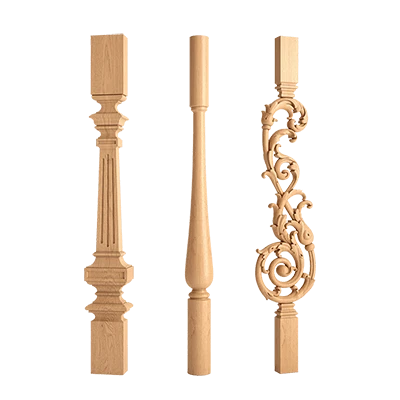
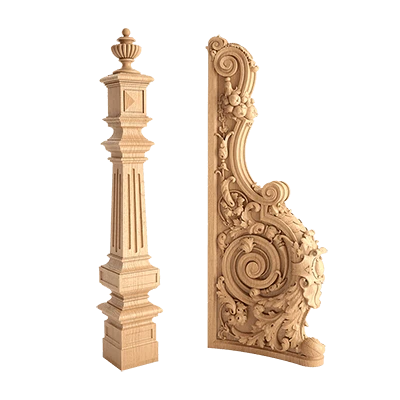
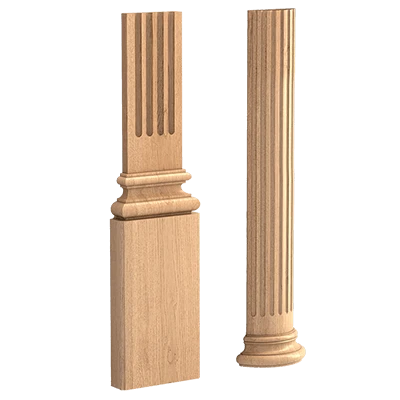
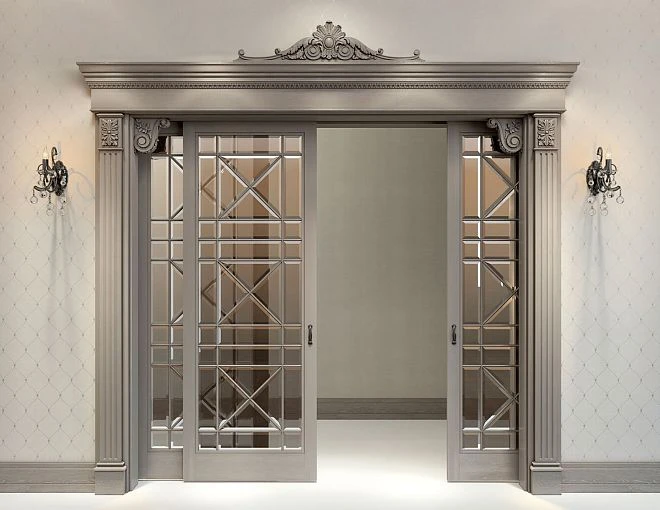
Pilasters made of woodOn the sides of the doorway — a technique borrowed from classical architecture. Vertical wooden projections, imitating columns, frame the opening and create the feeling of an architectural portal.
In a modern interior, pilasters work under several conditions:
-
Ceiling height from 2.8 m (with lower ceilings, pilasters feel 'oppressive')
-
Room area from 20 m²
-
Style — modern classic, neoclassical, art deco
-
Wall battens — wide, monumental (70–90 mm), supporting the scale of the pilaster
Pilasters made from the same wood species as theRafter panelswalls — a unified material code. Pilasters made from a different material create a stylistic break.
Molding above the opening: horizontal finishing element
Horizontal molding or cornice above a door opening — an architectural 'eyebrow'. It defines the upper boundary of the opening and creates a visual sense of completion.
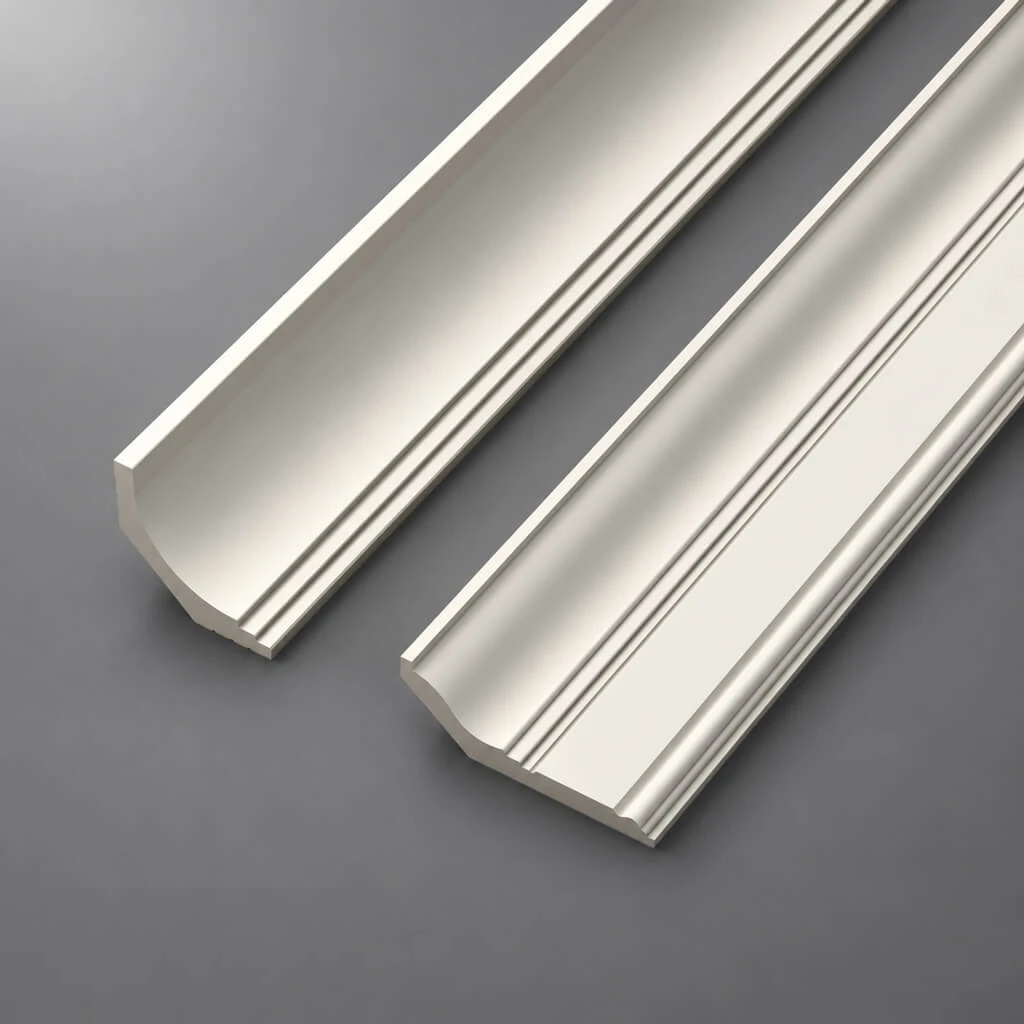
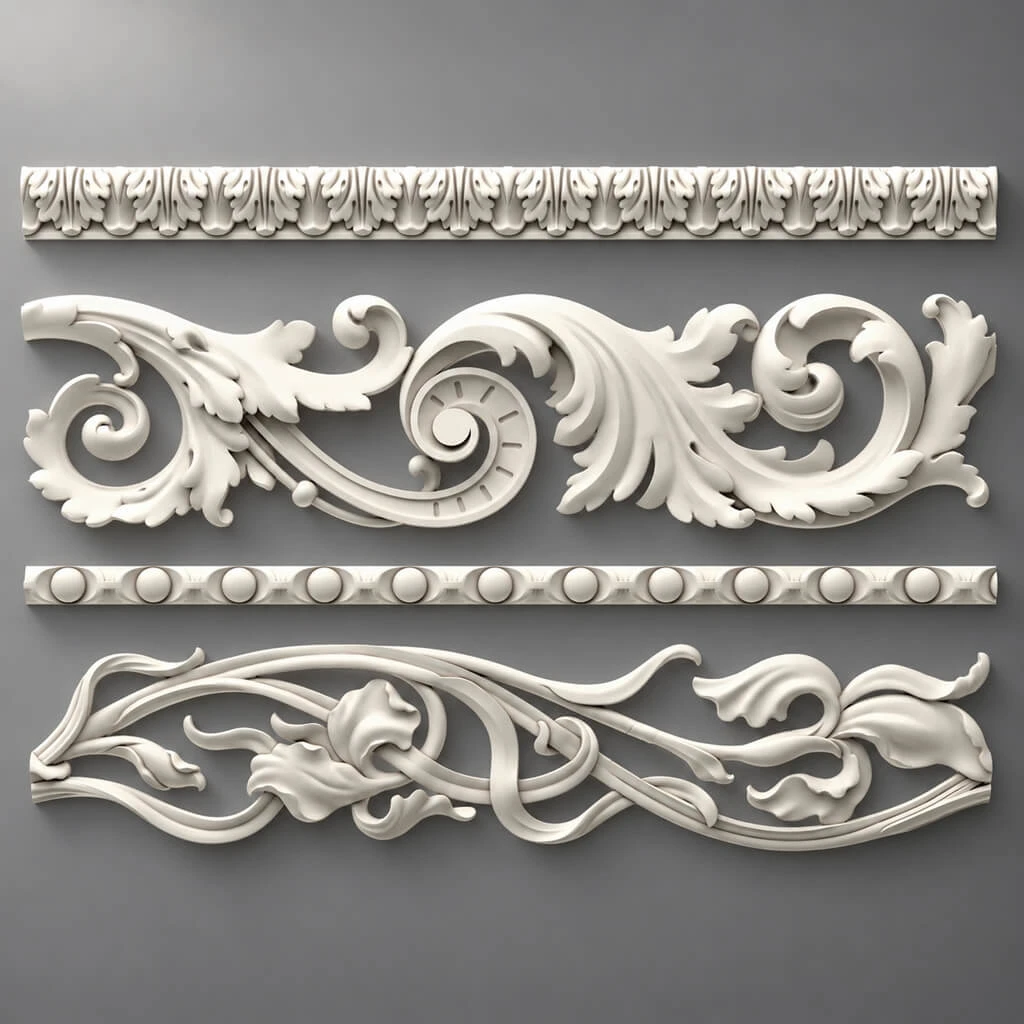
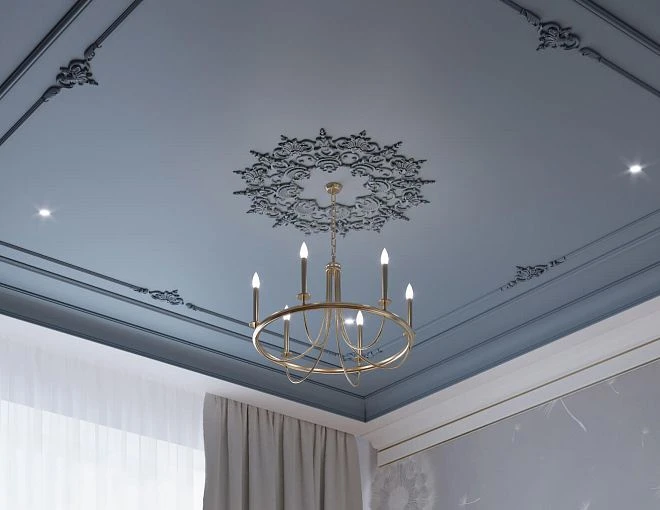
In a batten system: a horizontal wooden molding above the opening of the same width as the side casings. A unified frame system around the opening. Or — a polyurethane molding with wooden side casings: material combinations are acceptable if the tones are coordinated.
Scale: batten and door decor coordination table
| Batten width | Sticker Width | Casing Type | Pilasters | Molding above the opening |
|---|---|---|---|---|
| 30–45 mm | 55–75 mm | Smooth or with a slight bevel | No | Thin, 45–65 mm |
| 45–65 mm | 70–95 mm | Geometric profile | For ceiling height 2.8+ m | Medium, 65–90 mm |
| 65–80 mm | 90–120 mm | Classic profile or pattern | Appropriate | Developed, 90–120 mm |
| 80–100 mm | 110–145 mm | Classic with ornament | Recommended | Monumental, 110–150 mm |
Hidden doors: when the slat 'absorbs' the opening
A hidden door is a door leaf finished with the same material as the wall, without a visible frame and trim. With slatted panels, this means: the door leaf is also clad with slats in the same spacing and wood species.
How to technically implement a hidden door in a slat system
Construction: The door leaf is a frame (most often an aluminum profile or wooden frame) with cladding made of slat panels on both sides. The slats on the leaf have the same pitch, same width, same wood species, and same finish as the wall slats.
Attaching slats to the leaf: horizontal lathing strips, hidden self-tapping screws or adhesive. The slats are attached to the leaf lathing in exactly the same way as to the wall lathing.
Hinges: concealed hinges (European hinges or invisible hinges) mounted within the thickness of the frame. No visible metal. The handle is a push system or a flush-mounted shell handle, level with the plane of the leaf.
Installation accuracy: the main requirement
A hidden door in a slat system requires installation accuracy that is unattainable 'by eye'. Three critical parameters:
-
Alignment of the slat rhythm — the slats on the wall and on the leaf must be in the same rhythm. If the rhythm is off by 2–3 mm, it is visible when the door is closed. The layout of the wall and leaf slats is done from a single zero point.
-
Flatness of the plane — the leaf in the closed position must be in the same plane as the slatted wall. Tolerance no more than 0.5–1 mm.
-
Gap — a uniform gap between the leaf and the wall (2–3 mm around the perimeter). An uneven gap immediately 'gives away' the hidden door.
Hidden door: advantages and limitations
Advantages:
-
Maximum integrity of the slatted wall
-
No stylistic break
-
Modern, architectural character
-
Works in all styles — from minimalism to neoclassicism
Limitations:
-
High installation precision — more expensive
-
If the wood deforms (due to humidity changes), the panel may 'stand up' — stabilized wood or a combination with MDF is required
-
Replacing or repairing the panel is more difficult
-
Does not work with poor opening geometry
Classic door in a slatted interior: how to link two elements
Not everyone chooses a hidden door. A classic door — with a visible frame, trim, and a panel of its own design — can also exist organically alongside slatted panels. The task: find connecting elements.
Material Connection
The simplest and most reliable technique: a door leaf made from the same wood species as the slatted panels. Oak slats + oak door leaf = a unified material code. Different textures (the vertical rhythm of the slats and, for example, horizontal door panels) — a normal contrast within a single material language.
wooden casingFrom the same species completes the system: wall — slat, frame — casing, leaf — from the same species. Everything from one 'family'.
Connection by Finish Tone
If a complete match of wood species is impossible — tonal coordination of finishes. Ash slats with gray oil + a door leaf with a gray tinted finish = different species, but a unified tone. A tonal rhyme works no worse than a material match.
Connection by Rhythm
A door leaf with vertical panels, the rhythm of which is coordinated with the rhythm of the slatted panel. If the slats are 60 mm wide with a 50 mm gap — a leaf with vertical stiles 60–70 mm wide. One rhythm, two carriers.
This is an architectural technique: the rhythm of the wall 'passes through' the door leaf. When the door is closed — the rhythm is continuous. When open — the opening reveals itself but does not disrupt the system.
Entryway: Slatted Panels and Door Decor in a Concentrated Space
The entryway is a zone where door decor is of particular importance. Here there are several doors, a small space, a high concentration of architectural elements. Everything must work systematically.
Unified casing system
All doors in the hallway — with identicalwooden casingsone profile. Different casings on different doors — designer inconsistency. One casing, one wood species, one profile — for all openings.
Slatted panels in the hallway interioron a long wall + wooden casings of the same species = ready-made system. Long wall — slatted background, doors — framed openings. Neither 'steals' attention from the other.
Horizontal molding uniting the doors
If there are several doors on one wall in the hallway — a horizontal wooden molding at the level of the top edge of the door frames unites all openings into one horizontal system. The molding runs from wall to wall, 'threading' all doors onto one horizontal axis. Above the molding — a neutral zone. Below — doors with slatted panels between them.
This technique makes the hallway architecturally cohesive even with multiple door openings.
Living room: door as part of an accent wall
In the living room, the door opening is often located on the accent wall — the very one whereWooden slat panelsare planned. This is the most challenging scenario: accent and function in one place.
Scenario A: hidden door in a slatted accent wall
Optimal solution for a living room: a slatted panel from wall to wall with a hidden door. The door leaf uses slats of the same spacing and wood species. When closed, it forms a unified slatted surface—no breaks, no stylistic inserts.
Achieved through precise installation. A door in a slatted wall isn't a door and a wall; it's a wall with a door.
Scenario B: door with framing as an architectural accent
If a hidden door isn't planned, the doorway in the accent wall receives monumental architectural framing.Wooden pilastersPilasters on both sides of the opening + a wooden molding above it. The pilasters are made of the same wood species as the slats. The slatted panel runs up to the pilasters and continues from them.
Result: the doorway becomes an architectural portal, not a break. Slatted wall + portal framing = a unified classical system.
Bedroom: door in a slatted headboard wall
A special and rare, but existing scenario: a doorway in a wall with slatted panels at the head of the bed. This is a non-standard layout, but it exists.
Solution: a sliding door (carousel or 'barn-style' in wooden execution) on the slatted wall. The door leaf uses the same slats as the wall. When closed, the leaf 'blends' into the wall; when open, it slides along it. The top guide rail is made of the same wood species.
This is a custom, non-standard solution requiring individual design. But it creates exceptional integrity for the bedroom.
Mistakes at junctions and in scale
Mistake 1: different wood species in the batten and the casing
The most common and most noticeable mistake. Oak battens + pine casing = two incompatible materials at one point. Different tone, different texture, different 'dignity' of the material. It seems like a trifle — in reality, it destroys the entire system.
Mistake 2: MDF casing with a 'standard' profile used with wooden battens
White MDF casing with a typical profile is an alien element in a natural wood system. Even if painted to match the batten's tone — the material discontinuity remains.
Mistake 3: uncoordinated rhythm of the batten on the wall and on the concealed door leaf
With a concealed door: the rhythm of the batten on the wall 'does not align' with the rhythm of the batten on the door leaf. A distinct door line is visible. A concealed door that is visible is a mounting failure, not a solution.
Mistake 4: casing wider than the batten in a thin batten system
A 120 mm casing with a 40 mm batten — a disproportion. The casing 'consumes' all the space between the batten and the opening, emphasizes its presence where the batten should have been working. Coordinating scales is mandatory (see the table above).
Error 5: pilasters with standard ceiling height
Wooden pilasters with a ceiling of 2.5–2.6 m—they feel oppressive. Their scale assumes space. In a small room or with standard ceilings, pilasters create claustrophobia. Either increased ceiling height or a different technique.
Error 6: different casing profiles on different doors in the same room
Door to the hallway—one casing. Door to the bathroom—a different profile. Entrance door—a third. Three different 'dialects' in one hallway. A unified casing type for all openings is a basic rule of systematicity.
Error 7: unfinished end of a slatted panel at an opening
A slatted panel approaches a door opening and ends with an untreated edge. The end of the slat is unclosed, raw. Solution: a wooden corner profile or a wooden casing that covers the end. An open end is the first sign of poorly thought-out installation.
Error 8: door leaf visually heavier than the wall
With slatted panels made of thin, light slats, a door leaf made of dark solid wood—an accent that swallows the wall. The leaf should not be brighter or heavier than the main accent surface. Hierarchy: the wall is the main element, the door is part of the system.
Practical scenario: step-by-step decision-making logic
If you are designing an interior with plank panelsand want to properly design door decor — follow this sequence:
Step 1. Determine the door type: concealed or classic. Concealed — the slat system 'absorbs' the opening. Classic — requires decorative framing elements.
Step 2. Choose the wood species for the entire system. One species — for the slat, casing, moldings. No exceptions.
Step 3. Determine the slat width. Based on it — the scale of the casing and all decorative elements (table above).
Step 4. Choose the casing profile. Geometric or with ornament — according to the interior style.
Step 5. Decide on the horizontal completion of the opening: molding above the door or not.
Step 6. Consider the ends of the slat panel at the opening: corner profile, casing, concealed connection.
Step 7. Check the tonal coordination of all elements. One temperature group of tones: warm (gold, amber, coffee) or cold (gray, ash, bleached).
STAVROS: from slat panel to casing — a unified wooden system
Interior integrity is not accidental nor the result of an expensive designer. It is the consequence of working with a unified material system. When the slat, casing, molding, and decorative inserts are made from the same species, with identical processing technology — they speak the same language. Wall and door — one architectural phrase.
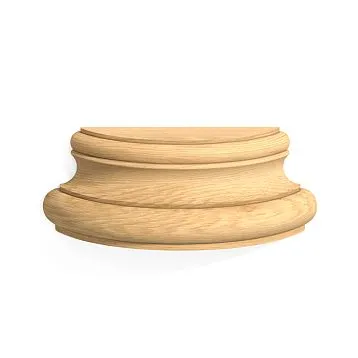
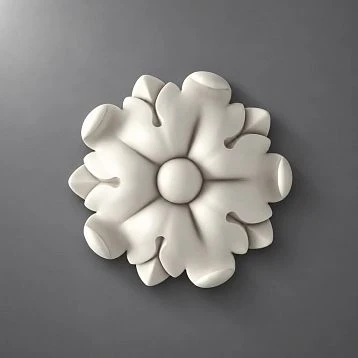
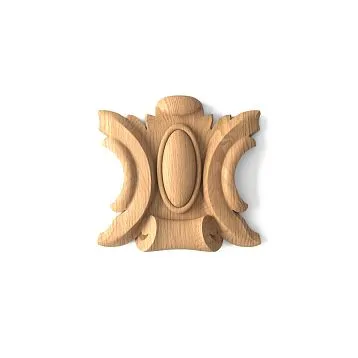
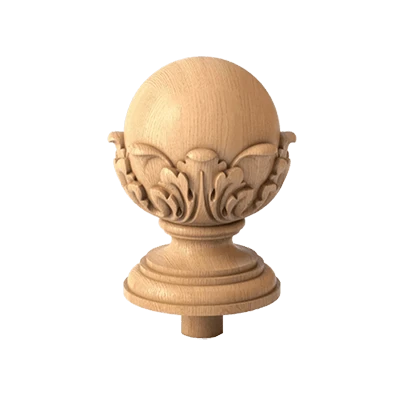
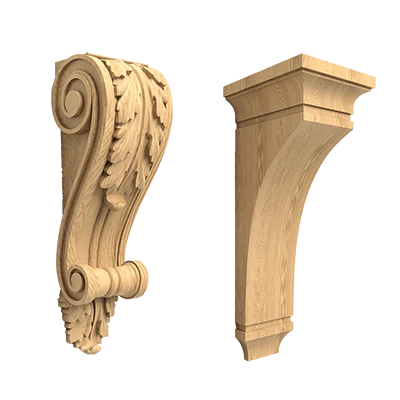
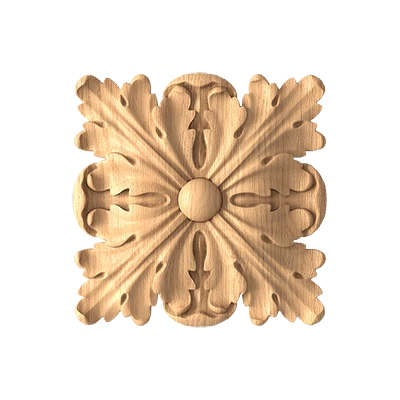
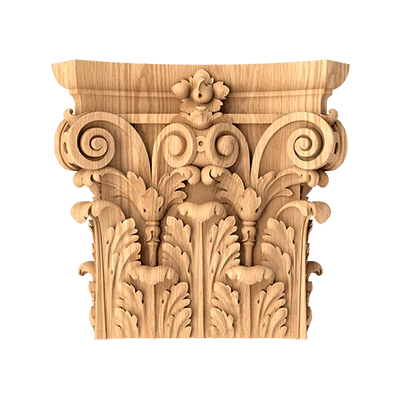
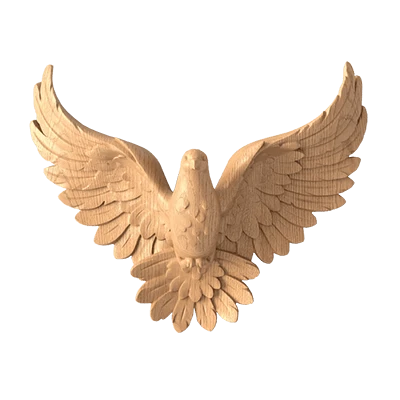
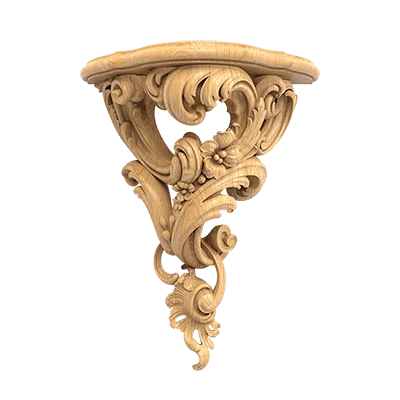
STAVROS producesSlatted wall panelsfrom oak and ash arrays — available in a range of widths, gaps, and finishes for any style. And at the same time — a full spectrumsolid wood productsfor door and opening decoration:Carved Mouldings, wooden moldings and cornices,pilasters and capitals, millwork — all from the same wood species, in the same finishes.
You are not ordering a set of separate elements — you are getting a coordinated architectural system. Wall, opening, door — one material code.
Consultation on selection, project-based calculations, finish samples. Delivery across all of Russia.
A door is not a break. In a properly designed interior, it is part of the system. And STAVROS helps make it exactly that.
FAQ: Answers to popular questions
How to make a hidden door in a slatted wall yourself?
A hidden door in a slatted wall requires precise installation: concealed hinges, an even gap, matching the slat rhythm. For DIY execution, experience in carpentry work and a miter saw for accurate cutting are necessary. For an inexperienced craftsman — professional installation is recommended.
Can polyurethane trims be used instead of wooden ones with wooden slats?
Yes, with tonal coordination. A white polyurethane casing with light ash battens creates a contrast of materials that works in Scandinavian style. With dark oak battens, it creates a visual break. Key: tonal rhyme.
Which casing to choose for doors in minimalist style with thin battens?
Thin, smooth wooden casing 55–70 mm without a profile or with a light bevel. Same wood species and finish as the batten. No ornamentation, no classic curves.
Is molding needed above every door or only above the main one?
With several doors in a room — either molding above all doors (a unified system) or above none. Molding above only one door without architectural logic is a random element.
Where to buy wooden casings for oak batten panels?
STAVROS producescarved wooden casingsMade from solid oak with various profiles — geometric and classic. Same wood species and finish as in the batten panels. Contact us to confirm shipping to your destination.
How to calculate the width of the casing for a specific batten width?
Guideline: casing width = batten width × 1.3–1.6. For a 60 mm batten — casing 78–96 mm. Exact selection — according to the scale table in the article or when consulting with a STAVROS specialist.