








































































Article Contents:
- What you can buy at a stucco shop: full assortment
- Linear elements
- Individual decorative elements
- Facade elements
- Furniture and door decor
- Polyurethane stucco: why it is chosen most often
- Weight — the main advantage
- Geometric precision
- Ease of Processing
- Painting
- Moisture resistance
- How to choose stucco for walls: zoning, frames, accents
- Moldings for frame compositions
- Belts for horizontal zoning
- Decorative overlays as accents
- Pilasters and decorative columns
- How to choose stucco for the ceiling: cornices, rosettes, belts
- Ceiling cornice: the transition that changes everything
- Ceiling rosette: the central element
- Ceiling belts and cornice steps
- Decorative beams on the ceiling
- How to choose stucco decor for furniture and doors: scale of details
- Overlays for furniture facades
- Moldings for door panels
- Decor for portals
- Decor for classic kitchen
- Facade stucco: what to look for in the catalog
- Brackets for facade
- Facade cornices and bands
- Window and Door Frames
- Rusticated elements
- How to choose stucco in one style: eight interior solutions
- Classic and high classic
- Neoclassicism
- Modern classicism
- Art Deco
- Country house and French Provence
- Restaurant and hotel
- Office
- Showroom and commercial interior
- What to check before buying molding: a practical checklist
- By material
- By size
- By Profile
- By quantity
- By delivery conditions
- Mistakes when choosing molding in a store: seven typical blunders
- Mistake 1. Choosing elements separately, without an overall scheme
- Mistake 2. Mixing styles
- Mistake 3. Taking too small decor for a large room
- Mistake 4. Not counting linear meters
- Mistake 5. Forgetting about corners and joints
- Mistake 6. Not considering ceiling height
- Error 7. Confusing interior and facade series
- How to calculate the amount of stucco: an error-free algorithm
- Calculation of linear elements (cornices, moldings, bands)
- Calculation of piece elements
- STAVROS stucco catalog: navigation by sections
- FAQ: answers to key questions about buying stucco
- STAVROS: a stucco store with a full range and a systematic approach
Imagine: you open a stucco catalog. Hundreds of items. Moldings, cornices, rosettes, brackets, overlays, bands, rusticated elements, sandriks, pilasters. Everything is beautiful. Everything 'suitable for a classic interior'. And here is the question that stumps most buyers: where to start?
The correct answer is not with choosing a specific element. It's with understanding the system.
Polyurethane moldings — this is not a chaotic set of decorations. It is a system of architectural details, each of which has its own place, its own function, and its own logic of application. When you understand this system, buying stucco in a store turns from confusion into a confident choice.
This article is your personal guide to the catalog of stucco decor. We'll break down all the main categories, explain what goes where, how to avoid mistakes with size and style, and why polyurethane is now chosen for city apartments, country estates, and restaurants.
What you can buy in a stucco store: the full range
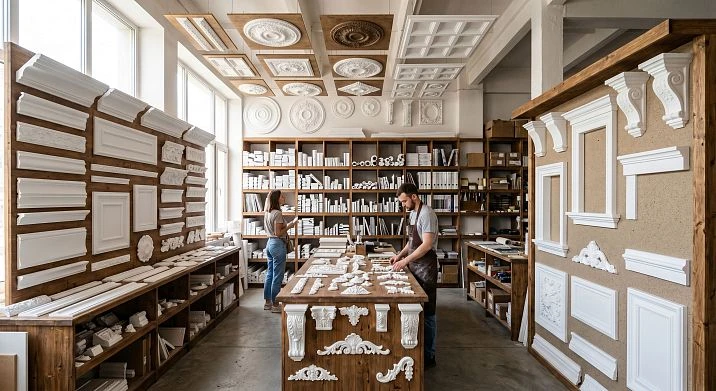
A good stucco decor store is not just "cornices and rosettes." It's a complete set of architectural elements for working with any surface: walls, ceilings, furniture, doors, facades.
Linear elements
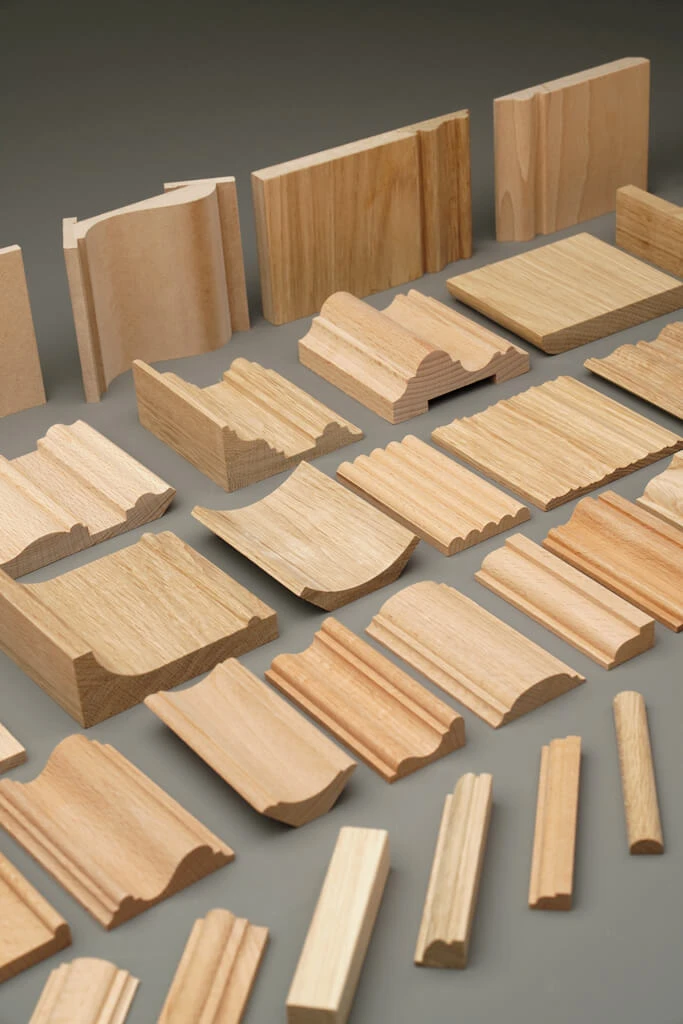
Polyurethane trim — long-length profile elements sold by linear meters or fixed lengths (usually 1,000, 2,000, 2,500 mm). This is the basis of any stucco composition:
-
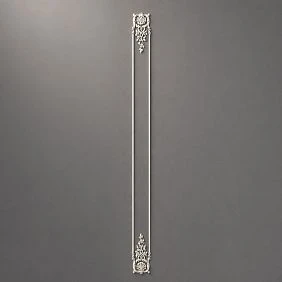
Moldings — profile strips for walls, doors, furniture, frame compositions
-
Cornices — transition elements between wall and ceiling
-
Bands — narrow horizontal profiles for zoning walls by height
-
Baseboards — the lower boundary of the wall
-
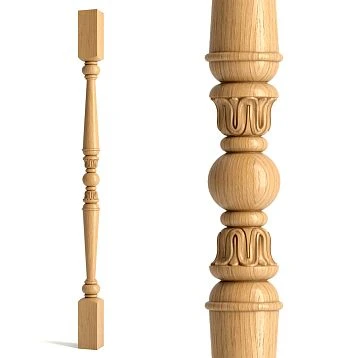
Pilasters and decorative columns — vertical accent elements
Our factory also produces:
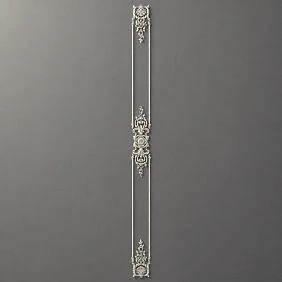
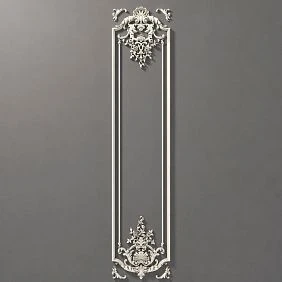
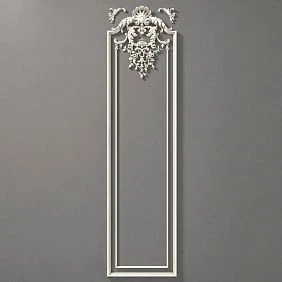
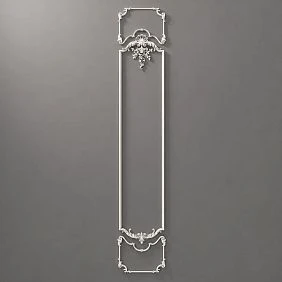
Individual decorative elements
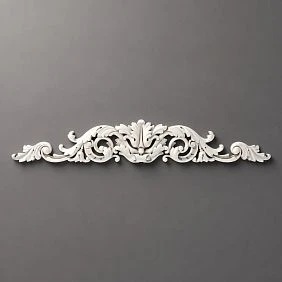
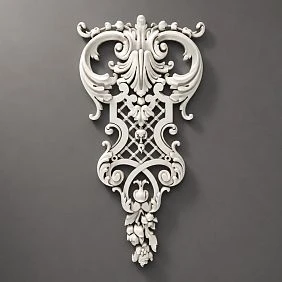
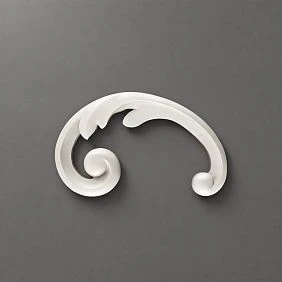
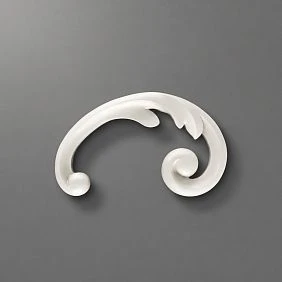
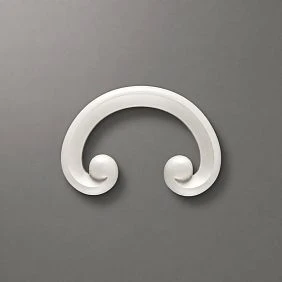
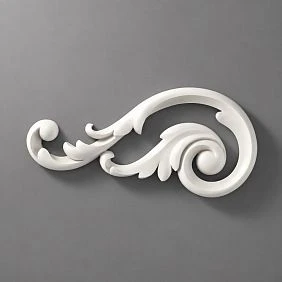
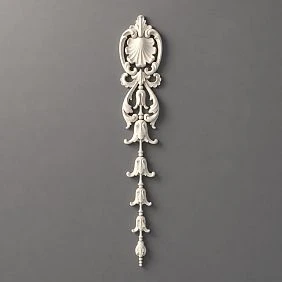
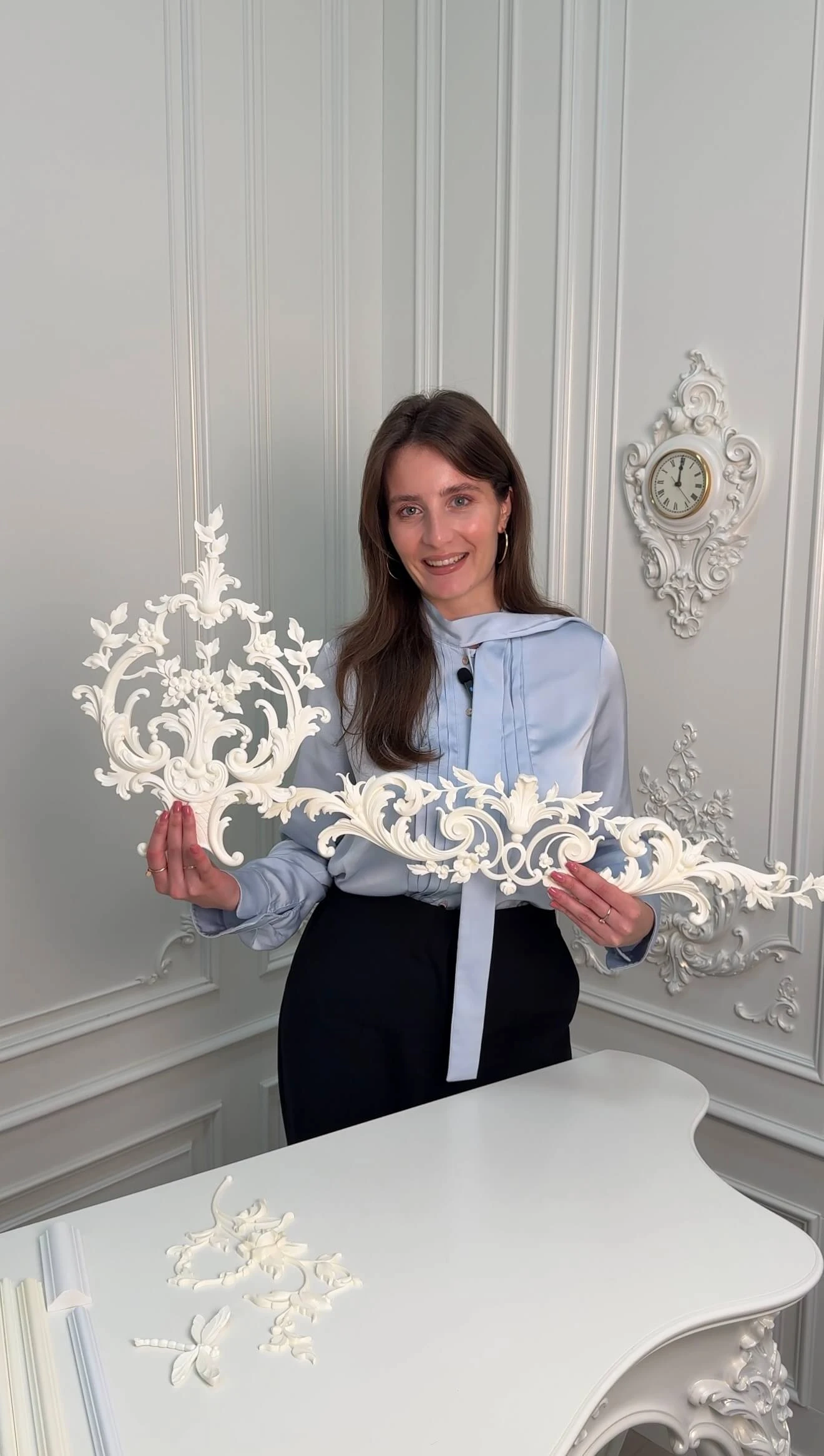
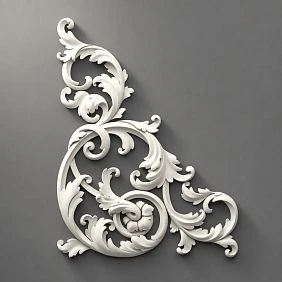
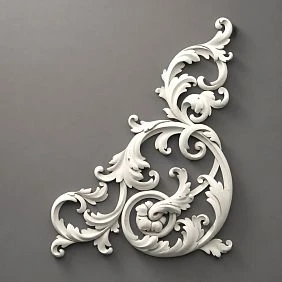
Decorative overlays and stucco elements are fixed products of a specific shape and size:
-
Ceiling rosettes — the central ceiling element where the chandelier is attached
-
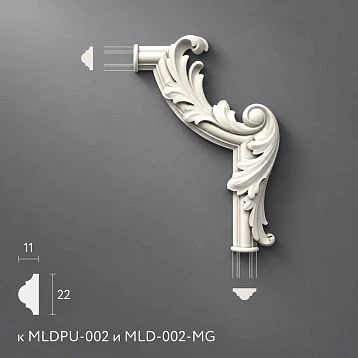
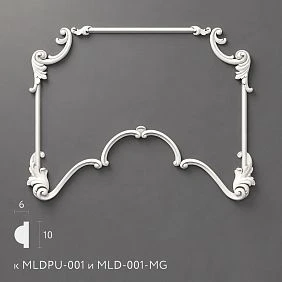
Corner elements — for decorating corners of frame compositions
-
Medallions and cartouches — decorative accents on walls and ceilings
-
Brackets and consoles — volumetric supporting decorative elements
-
Keystones — imitation of an architectural keystone above an arch or window
-
Mascarons — decorative faces
-
Capitals — tops of pilasters and columns
Get Consultation
Facade elements
A separate group — Polyurethane bracketssandriks, rusticated elements, decor around windows and doors, friezes and cornices for the facade. These elements are specially adapted for outdoor use: resistant to temperature changes and humidity.
Furniture and door decor
Polyurethane stucco decor for furniture — overlays, rosettes, decorative inserts for cabinet fronts, dressers, doors, and portals. These elements are smaller in scale, with a finer relief.
Polyurethane stucco: why it is chosen most often
Half a century ago, there was no alternative to gypsum and plaster. Today, there is, and it is convincing.
Weight is the main advantage
Gypsum stucco is heavy. A gypsum cornice weighs 3–8 kg per linear meter. A gypsum ceiling rosette with a diameter of 500 mm weighs 4–7 kg. This requires reliable fastening, an experienced installer, and reinforcement of attachment points.
polyurethane moldings weighs 5–10 times less than similar gypsum elements. A polyurethane cornice weighs 0.4–1.5 kg/linear meter. A rosette weighs 0.3–1 kg. Glue plus a few finishing nails — and the element holds securely. This is accessible for DIY installation without special skills.
Geometric accuracy
Polyurethane Items are produced in molds — this means perfect reproducibility. Each element from a batch is identical to the previous one: the same width, the same relief, the same angles. This is important for large volumes: 50 meters of cornice — all in one profile.
Ease of processing
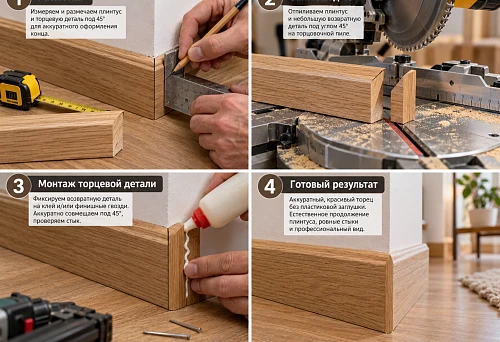
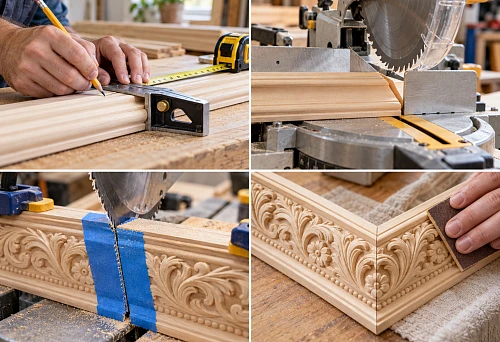
Polyurethane is cut with a regular hacksaw, jigsaw, or sharp utility knife. Cutting at a 45° angle — miter box and hacksaw. For complex geometries — jigsaw. No special equipment needed.
Painting
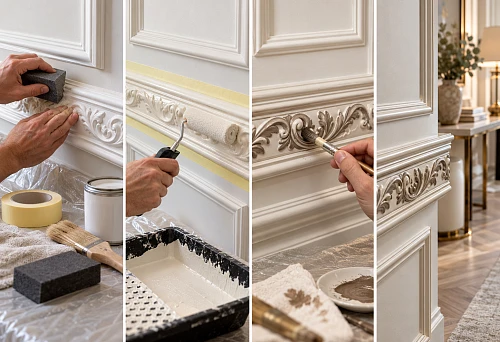
Decorative polyurethane molding Supplied in white. This is the base state for painting. After applying primer, it can be painted with any interior or exterior paint in the desired color. White classic, tinted to match the wall color, contrasting — any option is available.
Moisture resistance
Unlike plaster, polyurethane does not absorb moisture and does not deteriorate when wet. This makes it suitable for bathrooms, kitchens (with normal ventilation), and also for facades — when using the facade series.
| Parameter | Gypsum | Polyurethane |
|---|---|---|
| Weight (cornice 1 linear meter) | 3–8 kg | 0.4–1.5 kg |
| Installation | Professional | Independent |
| Processing | Saw, angle grinder | Knife, hacksaw |
| For painting | Yes | Yes |
| Moisture resistance | No | Yes |
| Price | High | Medium |
How to choose wall moldings: zoning, frames, accents
The wall is the largest working surface in the interior. And it is here that decorative molding works most diversely.
Moldings for frame compositions
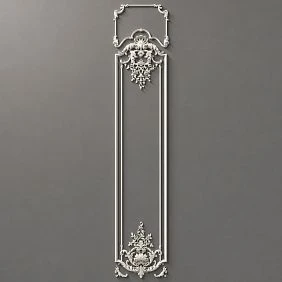
A frame composition is square or rectangular "frames" made of molding, creating a structural rhythm on the wall. This is the main tool of wall decor in a classic interior.
Frames are divided by height:
-
Lower zone (from the baseboard to 1/2 of the wall height) — rectangular frames, slightly elongated vertically
-
Upper zone (from the middle to the cornice) — wider horizontal frames
-
Full wall height — vertical rectangles spanning the entire height
Molding width for wall frames: 20–50 mm. The profile is coordinated with the cornice and trim.
Horizontal bands for zoning
A horizontal band on the wall at a height of 90–110 cm divides the wall into a lower "panel" zone and an upper "pictorial" zone. This is a classic architectural technique that:
-
Visually makes the ceiling higher (when placed at 1/3 of the wall height)
-
Creates zoning, allowing the lower part to be painted in a darker shade
-
Adds a horizontal rhythm that unites different walls into one space
Belt width for walls: 30–80 mm depending on ceiling height.
Decorative overlays as accents
Polyurethane appliqués — rosettes, medallions, cartouches — are used as point accents. A medallion above the fireplace, a rosette in the center of a panel, a cartouche at the top of an arch — these are elements that create a "focal point" without overloading the wall.
Pilasters and decorative columns
Vertical decorative elements — pilasters — divide the wall into rhythmic vertical sections. This is especially effective in a hall, living room, or dining room with high ceilings. A pilaster consists of a capital (top decor), shaft, and base — three separate elements that assemble into a single vertical line.
How to choose stucco for the ceiling: cornices, rosettes, belts
The ceiling is the second most important plane after the walls. Its decor sets the "tone" of the entire interior from top to bottom.
Ceiling cornice: a transition that changes everything
A cornice at the junction of wall and ceiling is not a "decoration." It is an architectural element that solves three tasks at once:
-
Hides the installation joint between the wall and ceiling
-
Creates a visual "frame" for the ceiling, making it a separate plane
-
Adds shadow and volume — the ceiling is perceived as higher
The choice of cornice width depends on the ceiling height:
-
Ceiling 2.5–2.7 m → cornice 60–80 mm
-
Ceiling 2.8–3.2 m → cornice 80–120 mm
-
Ceiling 3.2–4.0 m → cornice 120–200 mm
-
Ceiling above 4 m → composite cornice from several profiles, total width 200–350 mm
Cornice profile made of polyurethane molding must match the profile of wall moldings: smooth ceiling cornice + smooth moldings, figured cornice + figured moldings.
Ceiling rosette: central element
A ceiling rosette is a decorative medallion in the center of the ceiling, around the chandelier mounting point. It is the most prominent decorative element of the ceiling.
Choosing the rosette diameter:
-
Room up to 15 m² → rosette diameter 200–350 mm
-
Room 15–25 m² → rosette 350–500 mm
-
Room 25–40 m² → rosette 500–700 mm
-
Hall or living room → 700–1,000 mm
Rule: the rosette diameter should not exceed 1/5 of the room's width.
Ceiling belts and cornice steps
On a ceiling with niches or a multi-level ceiling decorative belts they decorate transitions between levels, edges of niches, the perimeter of a suspended ceiling. A narrow belt 20–40 mm along the perimeter of the second level of the ceiling is a finishing detail that removes the "construction" look of the drop.
Decorative beams on the ceiling
Decorative polyurethane beams are a lightweight imitation of wooden beams. For a country house, a Provence-style kitchen, a restaurant, or an office. They are mounted on the ceiling without complex structures — their light weight allows them to be attached with glue and self-tapping screws.
How to choose stucco decor for furniture and doors: scale of details
Furniture and door decor is a different scale compared to wall decor. Delicacy is important here: the element should "enrich" the surface, not weigh it down.
Overlays on furniture facades
molded decoration made of polyurethane on the facade of a cabinet, chest of drawers, or sideboard turns a simple painted piece into classic furniture with details. Rosettes in the corners, molding around the perimeter, a central medallion — three elements that radically change the appearance of the facade.
Important: the overlay size matches the panel size. On a door leaf 600 mm high and 400 mm wide — a rosette no more than 80–100 mm in diameter. On a facade 2,000 mm high — elements up to 150–200 mm are acceptable.
Moldings for door leaves
Moldings create a frame composition on a flat door leaf — turning a simple door into a classic one with milled chamfers and frames. Door molding width: 20–40 mm. The profile is coordinated with the casing.
Decor for portals
A door portal is a wide framing of a doorway with a horizontal element (sandric) above the opening. Polyurethane brackets under the sandric, a keystone above the arch, molding along the perimeter of the opening — these elements create a portal from a simple door opening.
Decor for a classic kitchen
Kitchen facades in a classic style — with moldings, rosettes, decorative inserts — are created precisely through applied decor. Polyurethane is preferable here: it is not afraid of kitchen humidity and is easily painted to match the facade color.
Facade stucco molding: what to look for in the catalog
The facade of a house is the first thing a guest sees. And here, stucco decoration works differently than in the interior: larger, simpler in profile, more weather-resistant.
Brackets for the facade
Polyurethane brackets on the facade perform the decorative role of a "supporting element" of the cornice or balcony. They are installed under the cornice overhang, under the protruding belt of the facade, under the balcony slab. Polyurethane brackets are lightweight, resistant to outdoor conditions, and easily painted in the color of the facade.
Dimensions of facade brackets: height 200–600 mm, width 100–250 mm. The choice of size depends on the scale of the cornice and the overall height of the facade.
Facade cornices and belts
Horizontal belts divide the facade into floor zones, emphasize floors, and create a horizontal rhythm. Polyurethane moldings — facade series — specially designed for outdoor conditions: the material withstands temperature fluctuations from −40 to +80 °C, does not deteriorate from moisture.
Window and Door Framing
Decorative trims, window headers, keystones, profiles under the windowsill — elements that turn an ordinary facade with rectangular openings into a facade with architectural character.
To properly frame a window, you need:
-
Casing around the perimeter (horizontal + vertical strips)
-
Pediment above the window (horizontal protruding element)
-
Optional: keystone in the center of the pediment
-
Optional: brackets on the sides under the pediment
Rusticated elements
Rustication — imitation of masonry made of large stones. Polyurethane facade decoration for the house includes rusticated overlays for decorating building corners ("diamond rustication", "smooth rustication"), decorating the plinth and first floor.
How to choose stucco in one style: eight interior solutions
The main rule of a stucco store is to buy a system, not individual elements.
Classic and High Classic
Complex cornice profile with several elements (ogee + torus + fillet). Wide wall moldings 40–60 mm. Large ceiling rosette with ornamental relief. Brackets and pilasters. Dark tinting or white with patina. All — everything must correspond to the chosen era. — from one catalog family.
Neoclassicism
Moderate cornice profile (70–100 mm). Moldings 25–40 mm. Rosette with a clear ornamental pattern, without excessive detail. White color. Balanced proportions — nothing extra.
Modern classic
Cornice with a minimalist profile: one or two elements instead of five. Moldings smooth or with a single bead. Rosette — modest, without an overloaded ornament. White matte color.
Art Deco
Geometric profiles: stepped shelves, straight edges, no ogee curves. Moldings with a graphic pattern. Rosette — geometric, symmetrical. Possible two-color solution: white decor on a dark wall.
Country house and French Provence
Decorative beams on the ceiling, simple moldings, minimal cornice. Possible use of an aged finish. Decorative elements — with a plant relief.
Restaurant and hotel
Formal classical decor. Large scale: wide cornices, large rosettes, pilasters, portals. Brackets as architectural accents. Possible gilding of individual elements.
Office
Strict, moderate decor: a horizontal band at a height of 90 cm, simple frame moldings in the lower zone, restrained cornice. Dark tinting or an old bone color.
Showroom and commercial interior
Stucco decor as a branding tool: portals above entrances, decorative niches, cornice steps as a way to highlight a display window. Modern classic or neoclassical — a style that works for any product.
What to check before buying stucco: a practical checklist
Before placing an order at a stucco store, go through this list.
By material
-
Polyurethane or plaster? For most cases, polyurethane is preferable due to weight and ease of installation
-
Interior or exterior series? Exterior elements have a special composition for outdoor conditions — do not confuse with interior ones
-
For painting: ensure the surface has no oil coating that poorly accepts primer
By size
-
Cornice width → proportional to ceiling height
-
Rosette diameter → no more than 1/5 of the room width
-
Molding width → coordinated with the cornice and casing
-
Bracket height → proportional to the cornice overhang
By profile
-
Cornice, molding, and casing profile — from the same style family
-
Corner pieces (internal and external) — from the same series as the main linear elements
-
Corner blocks for frame moldings — ordered in advance
By quantity
Linear elements:
-
Measure the length of all installation areas
-
Add up + add 10–15% for trimming and joints
-
Convert to number of pieces (if sold in 2,000 or 2,500 mm lengths)
Piece elements: one per installation location + 1–2 spare pieces in case of defects or damage.
By delivery conditions
-
Specify packaging: long linear elements require packaging in tubes or trays
-
Check storage conditions before installation: polyurethane does not require special conditions, but direct sunlight is undesirable
Mistakes when choosing moldings in the store: seven typical blunders
Mistake 1. Choosing elements separately, without an overall scheme
You chose a cornice from one series, moldings from another, and a rosette that is completely off-topic. The result: a 'set of beautiful things' rather than an interior. Before purchasing, draw a scheme: which elements go where, in what proportions, and in what style.
Mistake 2. Mixing styles
A classic cornice with ornament + geometric moldings in the Art Deco style + a rosette with a modern minimalist pattern. This mix does not create 'eclecticism' — it creates chaos. One style for all elements of one room.
Mistake 3. Choosing too small decor for a large room
A molding 15 mm wide in a hall with a 4 m ceiling disappears. A cornice 50 mm in the same hall looks like a 'thread'. The scale of elements should always match the scale of the space.
Mistake 4. Not calculating linear meters
"I'll eyeball it" — and then they reorder from a different batch, in a slightly different shade of white. Calculate precisely. Add 15% reserve.
Mistake 5. Forgetting about corners and joints
Every room has corners: internal (90°) and external (270° — protruding corner). Each requires either a properly cut 45° joint or a ready-made corner piece. Order corner blocks simultaneously with the main linear elements.
Mistake 6. Not accounting for ceiling height
A 150 mm cornice in a room with a 2.4 m ceiling will "eat up" the height and create a feeling of pressure. A 50 mm cornice in a hall with a 5 m ceiling will get lost. Proportion is a key parameter.
Mistake 7. Confusing interior and exterior series
Interior Polyurethane moldings is not designed for outdoor conditions: temperature changes, moisture, UV radiation. The exterior series is specially adapted. Confusing them means getting cracked exterior decor after one or two seasons.
How to calculate the amount of stucco molding: an error-free algorithm
Calculation of linear elements (cornices, moldings, bands)
Step 1. Measure the perimeter of each room (or each installation area).
Step 2. Account for deductions: door openings (width of opening × number of doors). Cornice above the door — not installed (if the door goes to the ceiling) or installed — decided at the design stage.
Step 3. Add 15% for trimming (corners, joints, fitting).
Step 4. Divide by the length of one piece (usually 2,000 or 2,500 mm) — get the number of pieces.
Example: room 5 × 4 m, perimeter 18 m. Two doors of 900 mm each → deduction 1.8 m. Working length: 18 − 1.8 = 16.2 m. With 15% margin: 16.2 × 1.15 = 18.6 m. Cornice length 2,000 mm: 18.6 / 2 = 9.3 → 10 pieces.
Calculation of piece elements
Rosettes: 1 piece per center of the ceiling of each room.
Corner blocks: 4 pieces for each rectangular contour of the frame composition.
Brackets: according to the number of installation points + 10% margin.
STAVROS molding catalog: navigation by sections
The right stucco store is not only about the assortment, but also about the catalog logic that helps the buyer find what they need without wasting time.
The full catalog of stucco decor is organized by categories:
-
Polyurethane Items — the main section of all polyurethane stucco
-
Overlays and decorative stucco elements — rosettes, medallions, cartouches, overlays for furniture and walls
-
Polyurethane trim — cornices, moldings, bands, baseboards
-
Polyurethane brackets — facade and interior brackets
-
Full catalog of decor — all products: wood, polyurethane, carved decor
FAQ: answers to the main questions about buying stucco
Where to buy polyurethane stucco molding?
In the STAVROS — polyurethane products: cornices, moldings, overlays, brackets, linear products. Contact us to confirm shipping to your destination.
What is included in the stucco catalog?
Full range: Trim (cornices, moldings, belts), individual overlays (rosettes, medallions, cartouches), Brackets, facade elements, furniture decor.
How to choose wall molding?
Define the task: frame composition (molding 20–50 mm), zoning (belt at height 90–110 cm), accent (medallion overlay). Match the profile to the interior style. Look — everything must correspond to the chosen era. in the catalog.
Which stucco to choose for the ceiling?
Cornice — width proportional to ceiling height (60–80 mm for 2.5–2.7 m, 120–200 mm for 3.5 m). Rosette — diameter no more than 1/5 of room width. Trim and overlays — from the same style family.
Is polyurethane stucco suitable for painting?
Yes. polyurethane moldings comes in white and is easily painted after priming with any interior or exterior paint. White classic, wall color, patina — any option.
How does interior stucco differ from exterior stucco?
The exterior series has a special composition resistant to outdoor conditions. Interior — for indoors. They cannot be confused: interior stucco on the facade will deteriorate in 1–2 seasons.
Can all stucco elements be matched in one style?
Yes. In the catalog STAVROS elements are grouped by style families. Choose a cornice, molding, and overlays from the same series — the style will be coordinated automatically.
How to calculate the number of moldings and cornices?
Room perimeter − door deductions + 15% reserve. Divide by the length of one product. Corner blocks: 4 pieces for each rectangular contour. Detailed algorithm — in the "How to calculate the quantity" section of this article.
What mistakes are most often made when buying stucco molding?
Mixing styles, not counting linear meters, choosing too small decor for a large room, confusing interior and exterior series, forgetting about corner elements.
Where can I view the catalog of stucco decor?
The full catalog of polyurethane stucco and decor is on the STAVROS website: Polyurethane Items и general decor catalog.
STAVROS: a stucco store with a full assortment and a systematic approach
A good stucco store is not just a warehouse of beautiful elements. It is a catalog where you can find everything for a specific project: a cornice for the ceiling, a molding for the wall, an overlay for furniture, and a bracket for the facade. And all in one style, from one material, with one tint.
This is exactly how the STAVROS catalog is organized. Polyurethane Items cover all scenarios for using stucco decor: interior and facade, linear and piece elements, classic and modern. applique, Trim, Brackets — everything in one place, with Contact us to confirm shipping to your destination.
STAVROS — because stucco decor should be a system, not a random set.