






























































Article Contents:
- Why a wooden frame changes the perception of a mirror
- Where mirrors in wooden frames are used
- How to choose the shape of the frame
- Rectangular frame
- Oval and round frame
- Tall vertical frame
- Wide decorative frame
- How to choose the profile width
- Narrow profile: 2–4 cm
- Medium profile: 5–8 cm
- Wide profile: from 8 cm
- Material: solid wood vs. alternatives
- Solid wood
- MDF with veneer or film
- Polyurethane
- Carved mirror frame
- When a carved frame is justified
- How to choose carved decor for a frame
- When carving is inappropriate
- How to choose the frame color
- Color Strategies
- Specific shades
- Connection with wooden trim
- Mirror frame for hallway
- Size and Proportions
- Connection with console
- Connection with doors
- Fastening
- Mirror frame for bathroom
- Choosing wood species for wet rooms
- Coating is a key parameter
- Ventilation — don't forget
- Bathroom furniture style
- Mistakes when choosing a mirror frame
- Taking too narrow a frame for a large mirror
- Not considering room humidity
- Choosing frame color separately from furniture
- Overloading a small room with carving
- Not considering mirror weight
- Forgetting about the mounting
- Mixing different wood shades
- Choosing a profile without connection to doors and wooden trim
- Decorative elements for frames: how to enhance the effect
- Wall-mounted decorative elements
- Mirror backlighting
- Mirror as part of a wall composition
- Step-by-step algorithm for choosing a wooden mirror frame
- FAQ: Answers to Popular Questions
- How to choose a wooden mirror frame?
- Which frame is best for a large mirror?
- Can a wooden frame be used in a bathroom?
- What is better: a narrow or wide mirror frame?
- Is a carved frame suitable for a modern interior?
- How to choose a frame color to match your furniture?
- How is a mirror frame different from a picture frame?
- Can I order a custom solid wood mirror frame?
- How to choose a mirror frame for the hallway?
- Where to buy a wooden mirror frame?
- About the Company STAVROS

There are objects that change the perception of space not by their size, but by their precision. A wooden mirror frame is exactly such an object. It seems like an auxiliary element. But try removing it from the interior — and the mirror turns into a technical object, a glass rectangle without a name or character. Add a natural wood frame — and the same object becomes an accent, a focal point, an organic part of the interior story.
That is why choosing a mirror frame is not a secondary decision. It is a question of how an entire wall, hallway, bathroom, or bedroom will look. And understanding the material, proportions, style, and installation location helps answer it correctly. Let's break it down in detail — thoroughly, practically, and without unnecessary words.


Why a wooden frame changes the perception of a mirror
A mirror without a frame works as a mirror — and nothing more. It reflects but does not decorate. It performs a function but does not create an atmosphere. It is a neutral object that can fit into any interior precisely because it belongs to none.
A wooden mirror frame completely changes the equation. The frame gives the mirror an identity: style, scale, belonging to a specific interior solution. A wide dark walnut profile next to dark doors creates a sense of thoughtfulness. A carved oak frame in a classic hallway signals taste and status. A narrow light molding in a bathroom with a Scandinavian interior adds the warmth that is always lacking in rooms with white tiles and chrome fittings.
There is another effect that is rarely spoken about directly: the frame controls the reflection. A mirror in a wide decorative frame is perceived as a painting — the gaze first reads the framing, then goes into the reflection. This creates a pause, a slowing down, a sense of depth. That is why in expensive hotels, restaurants, and country house interiors, mirrors are always in frames — this is not a coincidence, but a professional technique.
Why is wood the best choice? Because it is alive. The natural texture, the warmth of the surface, the play of annual rings, the smell of varnish — all of this works on a subconscious level. Plastic imitates wood. MDF with film pretends to be wood. But only a solid wood frame for a mirror remains itself under any lighting, at any angle, after ten and twenty years.




Where mirrors in wooden frames are used
A mirror in a wooden frame is a versatile interior object. It is used in a variety of spaces, and in each one it solves a specific task.
The hallway is the most classic place for a mirror with a frame. Here it works functionally (to check your appearance before going out) and decoratively (sets the tone for the entire interior right at the entrance). The frame for a mirror in the hallway should be large and representative enough: it forms the first impression of the home.
The bedroom is an area where the mirror plays not only a practical but also an aesthetic role. A large mirror in a wooden frame against the wall or above a dresser becomes one of the main visual accents of the room. Here, it is especially important that the frame matches the color and style of the furniture.
The living room — a mirror with a frame above the fireplace mantel or on an accent wall is a classic interior technique that simultaneously expands the space and creates a decorative focal point.
The bathroom — here, a mirror above the vanity is a mandatory element, and it is the frame that transforms it from a plumbing accessory into an interior object. An important nuance: for the bathroom, special coatings are chosen that protect the wood from moisture.
A walk-in closet — a full-length mirror in a wooden frame serves as both a functional and decorative solution for this space.
Study — a mirror in a classic carved wooden frame above a console or between shelving creates an architectural accent and adds depth to the room.
Commercial spaces — hotels, restaurants, beauty salons, boutiques. In professional interiors, a mirror in a wooden frame is a quality standard that guests automatically recognize.
Understanding where the mirror will be installed is the starting point for choosing the frame. The location determines the size, shape, profile width, color, and type of finish.
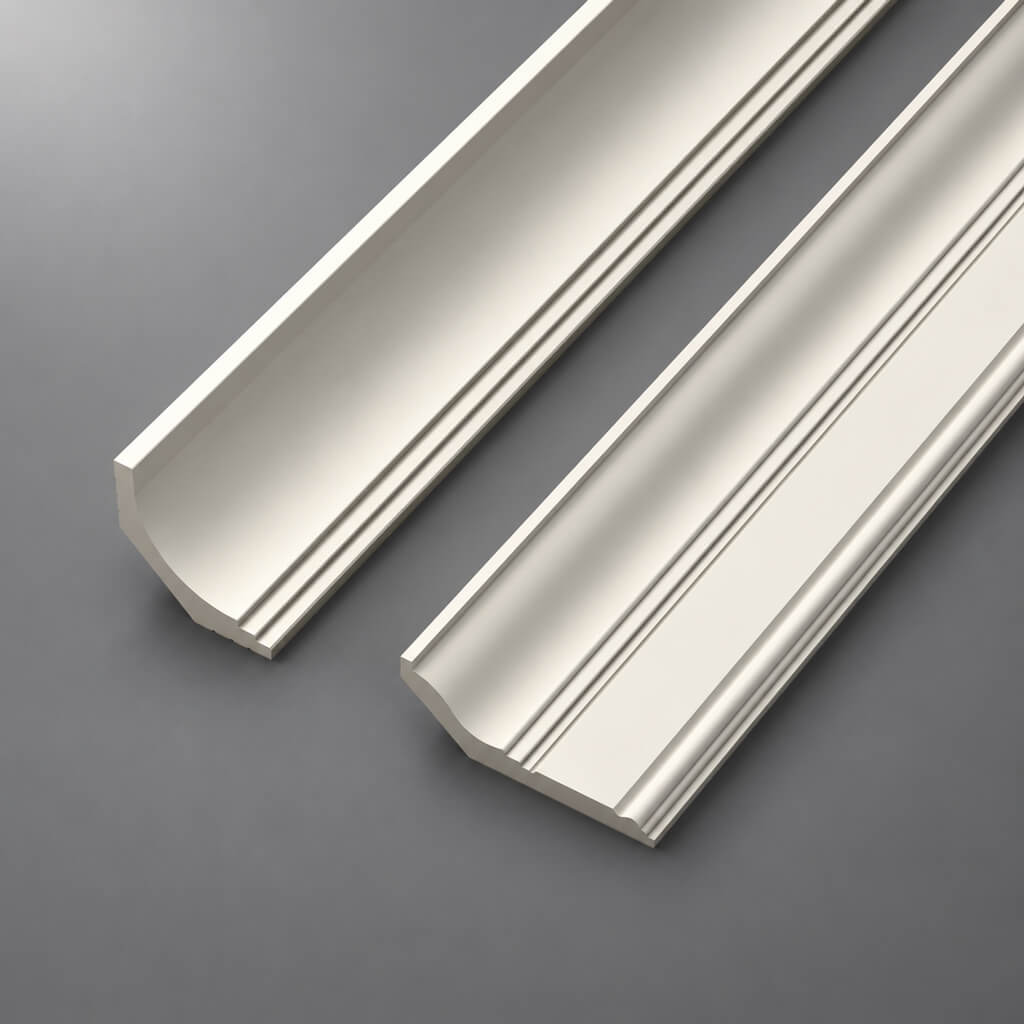
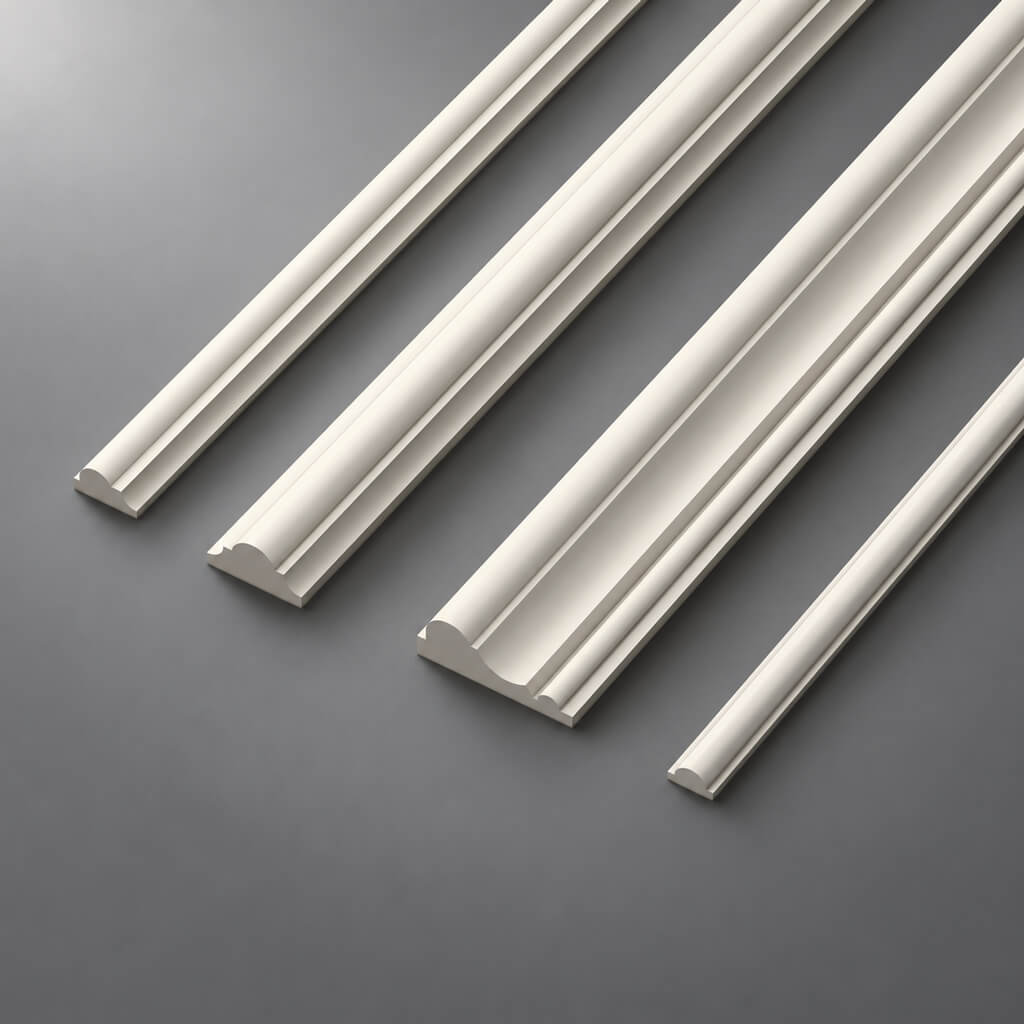
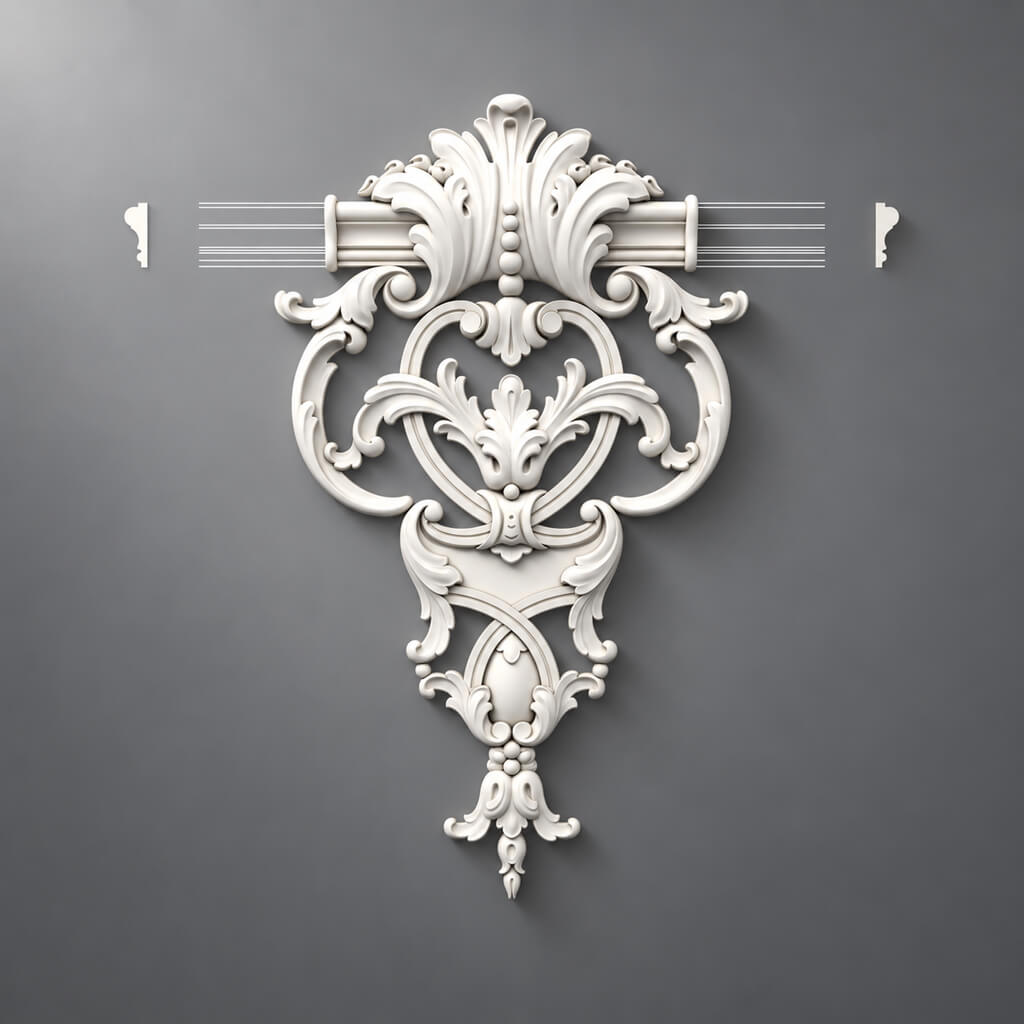
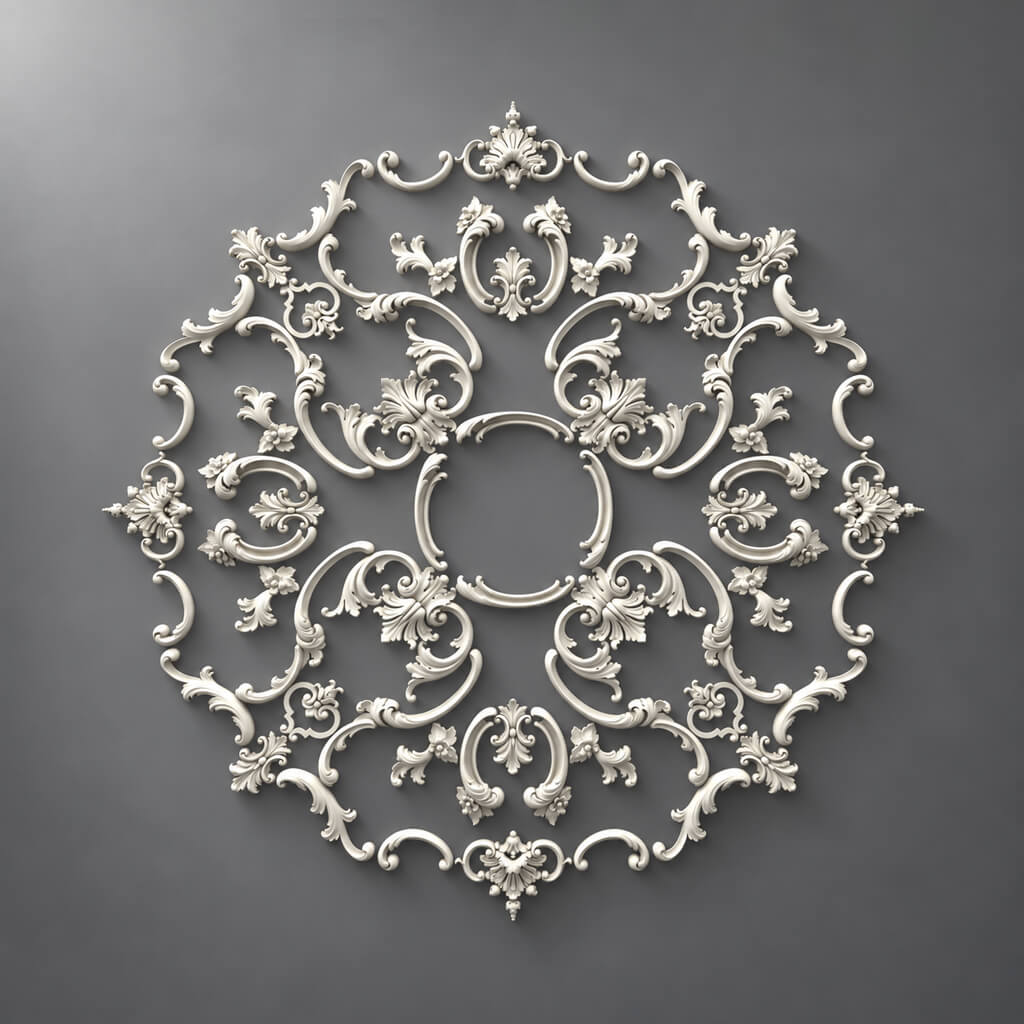
Our factory also produces:


How to choose the shape of the frame
The shape of the frame is the first thing that catches the eye. And it is what sets the mood of the entire mirror as an interior object.
Get Consultation
Rectangular frame
Rectangle is the most versatile and common shape. A vertical rectangle stretches the space upward, visually increases ceiling height, and works well in hallways and bedrooms. A horizontal rectangle widens the wall, creates a sense of spaciousness, and is relevant for bathrooms and above dressers.
Rectangular mirror frame suitable for any style — from strict neoclassicism to modern loft. It is a safe and always appropriate choice.
Oval and round frame
Soft shapes — oval and round — bring dynamics and lightness to the interior. A round mirror in a wooden frame is currently at the peak of popularity in Scandinavian, minimalist, and eclectic interiors. It breaks the monotony of straight lines and adds visual rhythm.
An oval frame is a classic. Mirrors in the Empire, Baroque, and Neoclassical styles are often made in this shape. The oval softens the room and adds elegance.
Tall vertical frame
A full-length mirror in a tall vertical frame is a serious interior object. It requires space but radically changes the perception of the room in return. Such mirrors are especially good in bedrooms, dressing rooms, halls, and entryways with high ceilings.
Wide decorative frame
A wide profile with developed ornamentation is a mirror as an object of art. It dominates the wall and is an independent decorative statement. Relevant for classic, Baroque, and Neoclassical interiors.
How to choose the profile width
The width of the frame profile is a parameter that directly determines the character and scale of the mirror. A mistake in choosing the width can ruin even the highest quality material.
Narrow profile: 2–4 cm
A narrow wooden frame for a mirror is a solution for modern interiors. Minimalism, Scandinavian style, Japanese minimalism, loft — here a narrow profile is organic and appropriate. It does not distract from the reflection and does not overload the space.
A narrow profile works well in small spaces where it's important not to create visual clutter. For small bathrooms, a narrow frame is often the best choice.
Medium profile: 5–8 cm
Medium width is the most versatile option. This frame is noticeable enough to set the style, yet restrained enough not to dominate. Suitable for transitional styles — modern classic, neoclassical, Scandinavian classic.
Wide profile: from 8 cm
Wide Wooden frame for a mirror — is status and accent. It implies a large mirror size, high ceilings, and sufficient space in the room. A wide profile is justified in classic interiors, expensive country houses, halls and living rooms with high ceilings.
For a classic-style hallway, a wide frame is almost a mandatory element: it creates scale and representativeness.
An important rule of proportion: the width of the frame should be proportional to the size of the mirror. For a small mirror 40×60 cm, a wide frame of 10 cm will look like a postcard in a heavy frame. For a large mirror 80×120 cm, a narrow frame of 2 cm will be unnoticeable and insubstantial.
Material: solid wood vs. alternatives
The market offers frames made from a wide variety of materials, each with its own position.
Solid wood
a solid wood frame for a mirror — this is the pinnacle of quality. An array of oak, beech, walnut, cherry, and ash possesses what imitations lack: real density, real texture, real wood scent. Such a frame will not delaminate in three years, will not warp from temperature changes, and will not peel at joints.
Advantages of solid wood:
-
Durability — serves for decades without losing appearance
-
Possibility of tinting in any shade — to match furniture, doors, baseboards
-
Possibility of applying carved decor — hand or router
-
Repairability — a scratch can be sanded and re-lacquered
-
Status appearance that is understood without explanation
What types of wood are most often used for frames? Oak — dense, hard, with pronounced texture, takes tinting well. Walnut — warm, noble, one of the most beautiful options for classics. Beech — dense, uniform, well suited for painting. Ash — light, with beautiful structure, popular in modern interiors.
MDF with veneer or film
MDF is a compromise between price and appearance. High-quality MDF with natural veneer looks decent, but lacks the main advantages of solid wood: over time, joints begin to separate, veneer peels off with mechanical damage, and moisture is a serious enemy.
MDF with decorative film is a blatant imitation. It can be used as a temporary solution, but should not be considered a long-term investment.
Polyurethane
Polyurethane frames are often positioned as an alternative to wood for wet rooms. They are indeed not afraid of moisture and cost less than solid wood. But they lack the living texture, the warmth of wood, and high-quality polyurethane carving still loses to wood in precision and depth of detail.
The conclusion is clear: for those investing in an interior for the long term, the choice is natural wood. For short-term and budget solutions, MDF with veneer is the minimal compromise.
Carved mirror frame
Carving on a frame is a separate topic. It is either appropriate and creates luxury, or inappropriate and creates pretentiousness. The boundary between these two states is understanding the interior style and the scale of the room.
When a carved frame is justified
A carved wooden mirror frame is organic in the following contexts:
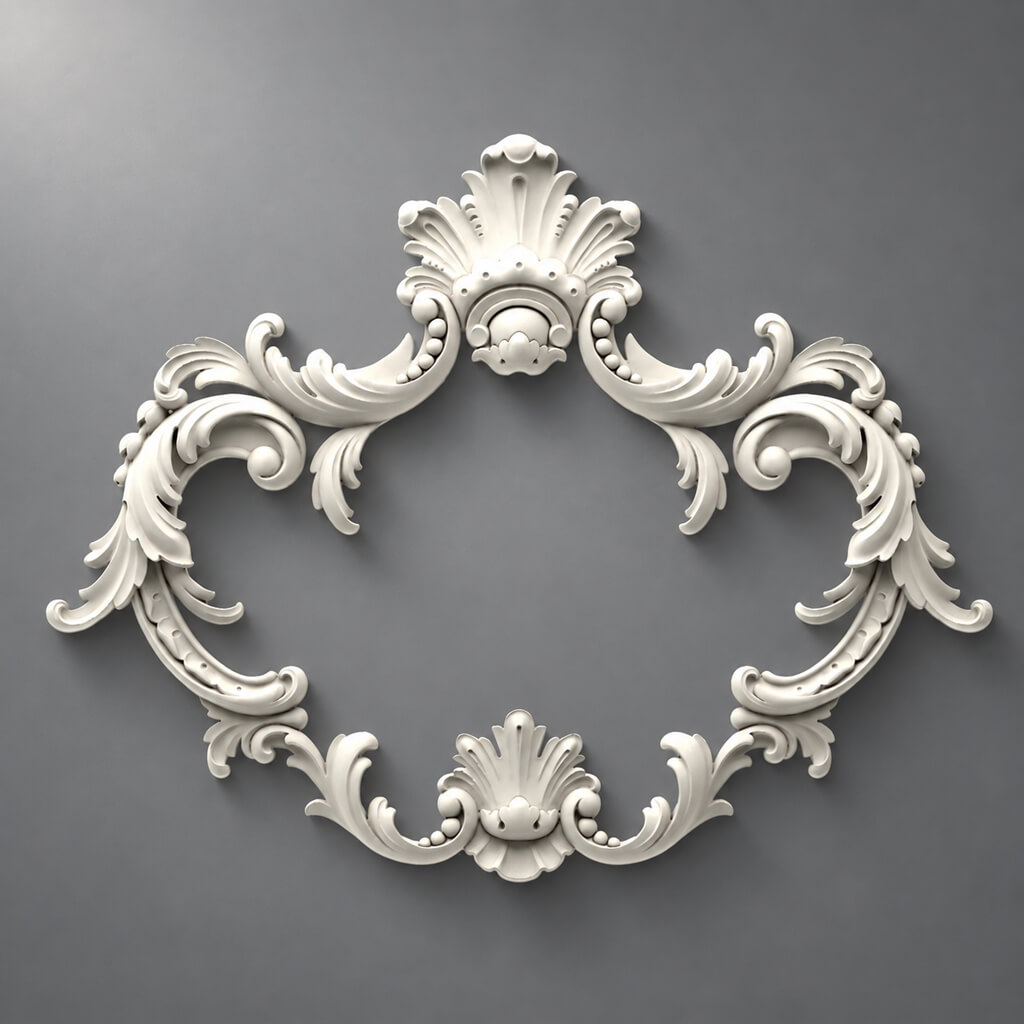
Classic and neoclassical — here carving is the language of style. Acanthus leaves, meander, rocaille, cartouches, laurel branches — the ornamentation of classical styles requires decor on all elements, including mirror frames.
Baroque and Empire — the most decoratively saturated styles, where a wide carved frame with gilding or patina is a mandatory attribute.
Country house, estate, dacha in country style — here carving takes on a different character: not formal, but homely, folk, warm. Plant motifs, floral ornaments, rounded shapes.
Fireplace area — a mirror above the fireplace is an architectural accent, and a carved frame here is not just appropriate but mandatory. It rhymes with the details of the fireplace portal.
The hall and the grand entrance — first impressions are made of details, and a carved frame above the console in the hall says more about the homeowner than any other detail.
How to choose carved decor for a frame
If you are ordering a frame with carved wooden decor or adding decorative overlays to a ready-made frame, follow a few principles:
-
The ornamentation of the frame should match the style of the room's decor. If the hallway has doors with classic moldings, the carving on the frame should be in the same ornamental system.
-
The depth of the carving should correspond to the scale of the frame: fine deep carving on a small frame looks overloaded, while shallow light carving on a wide profile looks inexpressive.
-
Do not mix ornamental systems from different eras: baroque scrolls and antique meanders exist in different registers.
When carving is inappropriate
Minimalism, loft, hi-tech, Scandinavian style, Japanese interior — in these directions, a carved frame will be an alien element. Here, clean forms, natural wood texture without ornament, and at most a milled profile with a soft rounding work.
How to choose the color of the frame
The color of the frame is perhaps the most important practical question. This is where most people make a mistake by choosing a frame separately from the interior. But a frame is not an independent object. It always exists in context.
Color strategies
Tone-on-tone with furniture — the frame matches or is close in color to the main furniture in the room. This approach creates a sense of wholeness and thoughtfulness. A dark walnut frame next to dark doors and a dark chest of drawers is an example of such harmony.
Contrasting frame — the frame is deliberately chosen lighter or darker than the furniture. This creates an accent. For example, a light ash frame against a dark wall or a dark wenge frame next to light furniture.
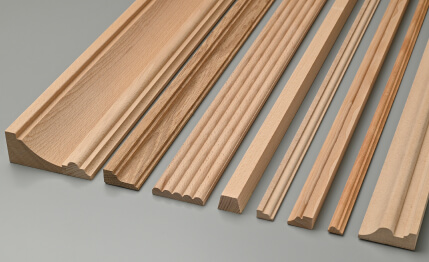
Frame matching the doors and of wooden moldings — if the room has wooden decor — baseboards, cornices, door trims — a frame in the same shade creates a system. This is a professional technique that immediately elevates the interior level.
Specific shades
Natural oak — warm, light golden, neutral. Pairs well with almost any interior. Versatile for Scandinavian style, modern classic, country.
Dark walnut — rich, deep, noble. Ideal for classic, neoclassic, colonial style. Pairs well with white walls, creating expressive contrast.
Wenge — almost black with a brown undertone. Strictness, modernity, minimalist luxury. Works well in a study, dark-toned bathroom, modern bedroom.
White enamel — a frame with white paint coating on wood. Popular in Provencal style, Mediterranean interior, Scandinavian classic. Creates lightness and freshness.
Patina is a special technique for aging surfaces. It gives the feel of an antique item. It is appropriate in Baroque, Empire, and Neoclassical styles with a historical accent.
Connection with wooden molding
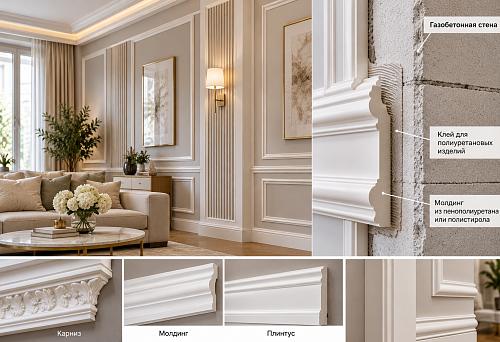
If wooden baseboards, architraves, or cornices are installed in the room, the mirror frame should fit into this system. Complete matching is not necessary — a difference of 1–2 tones is acceptable, but the style and type of finish must match. A matte lacquer frame next to glossy baseboards will create an uncomfortable dissonance.
Mirror frame for the hallway
The hallway is the starting point of any home. It creates the first and last impression. That is why a mirror in the hallway is not just a functional item, but an interior anchor.
Size and proportions
For the hallway, a vertical mirror with a height of 100 to 160 cm is optimal. Such a mirror allows you to fully assess your appearance, from head to waist, and in spacious hallways — at full height. The frame for such a mirror should be wide enough — from 5–6 cm — to create the necessary visual weight.
Connection with the console
In a classic hallway, the mirror is hung above a console or cabinet. The frame should be approximately 10–15 cm wider than the console on each side — this creates the correct vertical axis. If mirror frame and the console are made in the same wood shade, they form a connected pair perceived as a single whole.
Connection with doors
Doors in the hallway are the dominant wooden element. The mirror frame should either match the color of the doors or be 1–2 shades lighter. A frame that is noticeably darker or lighter than the doors creates a conflict.
If the doors have decorative inserts or milled profiles, a frame with similar milling or a carved element will look like part of a unified design.
Fastening
In the hallway, the mirror experiences vibrations from doors opening. This is a technical detail often forgotten. The frame mounting must be reliable: use at least two mounting points, and for a heavy mirror in a wide frame, use special mirror clips or a system of metal mounting strips.
Frame for a bathroom mirror
The bathroom is the most demanding room for a frame. There is constant humidity, temperature changes, and condensation. And it is here that frames most often fail if the material and coating are chosen incorrectly.
Choosing wood species for wet rooms
Not all wood species tolerate moisture equally. For the bathroom, the following are recommended:
-
Teak — the absolute leader in moisture resistance, used even on open yacht decks
-
Bamboo (technically a grass, but similar in properties) — tolerates humidity well
-
Oak — with proper coating, holds up well in the bathroom
-
Thermally modified wood is wood that has undergone heat treatment, making it significantly less hygroscopic.
Softwoods (pine, spruce, birch) are not suitable for bathrooms — they quickly absorb moisture and deform.
The coating is a key parameter
For a bathroom, the frame must have a special moisture-resistant coating. Options:
-
Oil-wax — penetrates deep into the wood structure, creates reliable protection, and preserves the natural texture
-
Yacht varnish — water-resistant, but requires proper application; several coats with sanding in between
-
Water-resistant enamel — for bathrooms in modern and Scandinavian styles, where the frame is painted white or another pastel color
Ventilation — don't forget
A mirror in the bathroom should not be hung flush against the wall. There must be a gap of at least 5–10 mm between the back of the frame and the wall surface for air circulation. Without this gap, condensation accumulates behind the mirror, and even the highest quality coating will eventually fail.
Bathroom furniture style
The frame for a bathroom mirror should match the style of the vanity cabinet. If the vanity is made of light wood with a matte finish, the frame should be in the same tone. If the vanity is dark, the frame should be dark. A mismatch between the frame and the vanity in the bathroom looks like an accident, not a design choice.
Mistakes when choosing a mirror frame
Practice shows: even people with good taste make typical mistakes when choosing a frame. Here are eight of the most common ones, with an explanation for each.
Choosing a frame that is too narrow for a large mirror
A large mirror 80×120 cm in a narrow frame of 2–3 cm looks unfinished, as if the framing was forgotten to be done properly. A large mirror needs a frame with visual weight — at least 5–7 cm in width. The larger the mirror, the wider the frame should be.
Not considering the humidity of the room
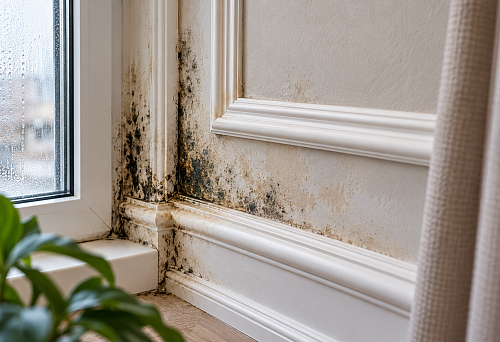
For bathrooms and rooms with high humidity, a standard frame made of untreated wood is a direct path to deformation and damage. The coating and wood species must match the operating conditions. Saving here results in replacing the frame after 1–2 years.
Choosing the frame color separately from the furniture
"I like this color" is not a sufficient criterion for selection. The frame exists in the context of the interior and should be chosen after determining the color of the furniture, doors, baseboards, and of wooden moldings. Only then is the sense of wholeness achieved, for which everything is undertaken.
Overload a small room with carving
A carved frame in a small hallway of 4 sq. m creates pressure and heaviness. The smaller the room, the more restrained the frame decor should be. In a small space, an elegant profile with minimal milling works — nothing more.
Do not account for the weight of the mirror
A heavy mirror in a wide, massive frame can weigh 15–25 kg. Standard wall plugs are not designed for this. Before installation, ensure the load-bearing capacity of the wall and use the correct fasteners. A fallen mirror is not just a damaged item; it is a real danger.
Forgetting about the mounting
Choosing a beautiful frame is half the work. The other half is hanging it correctly. The mounting system must match the weight of the mirror and the type of wall (drywall, brick, concrete). Do not neglect this point.
Mixing different shades of wood
A frame in light oak color next to doors in mocha color and baseboards in walnut color is visual chaos. In one room, there should be no more than two wood shades, and they must harmoniously combine.
Choosing a profile without connection to doors and wooden molding
If the room has doors with milled inserts and cornices with profile molding, a frame with a smooth rectangular profile will look like a foreign element. The style of the frame profile should rhyme with the details of the rest of the decor.
Decorative elements for frames: how to enhance the effect
In addition to the frame itself, there are decorative techniques that make a mirror an even more expressive interior object.
Wall-mounted decorative elements
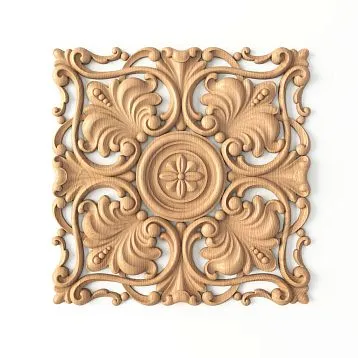
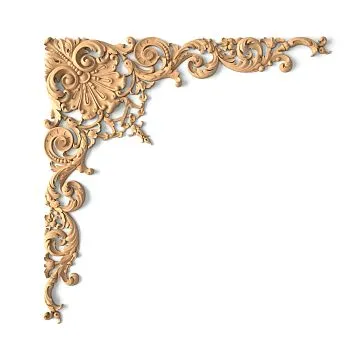
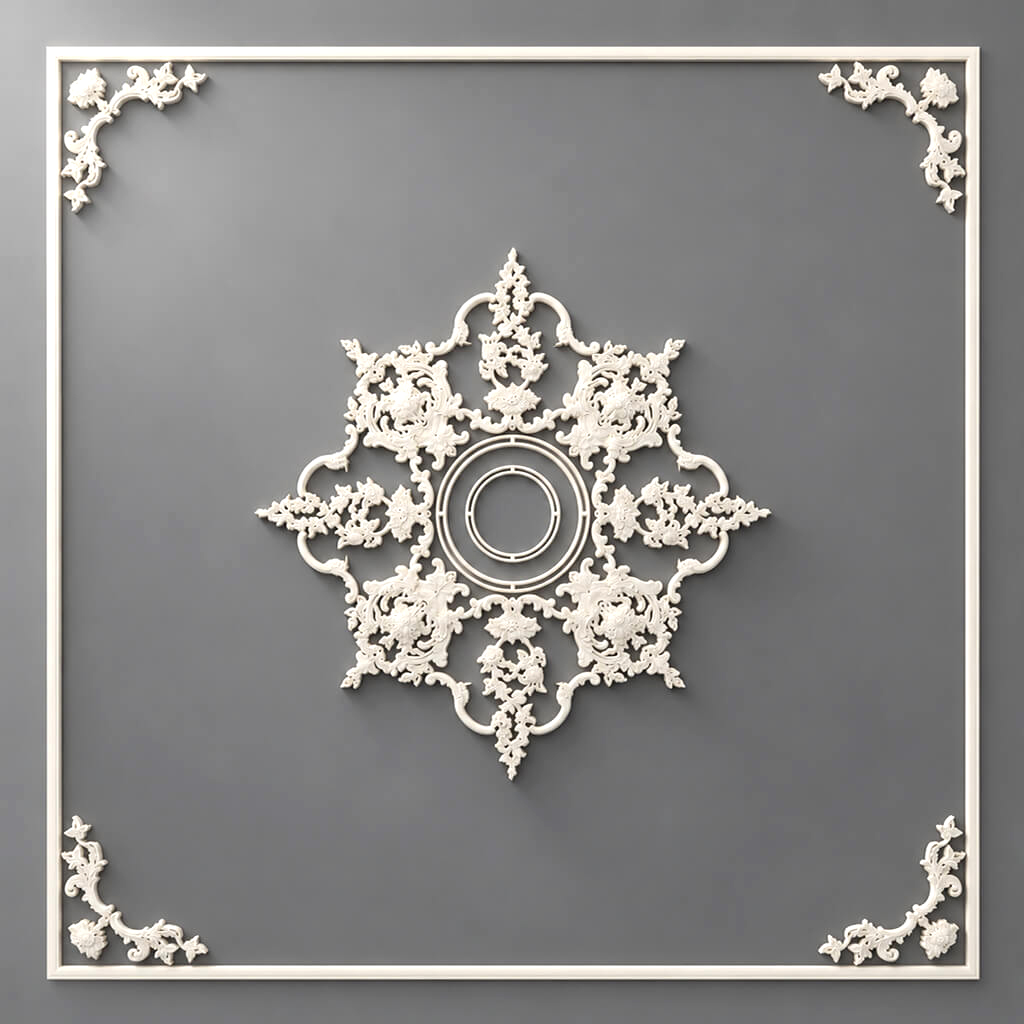
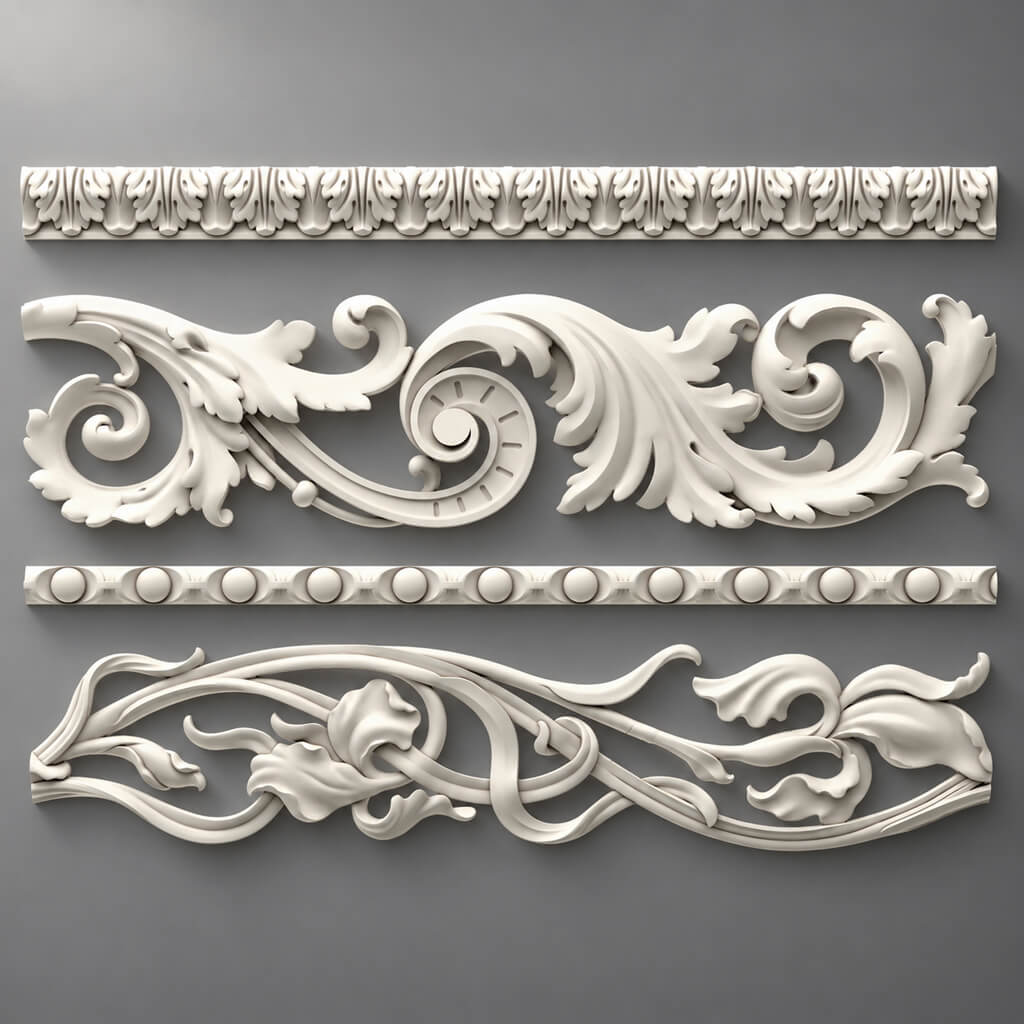
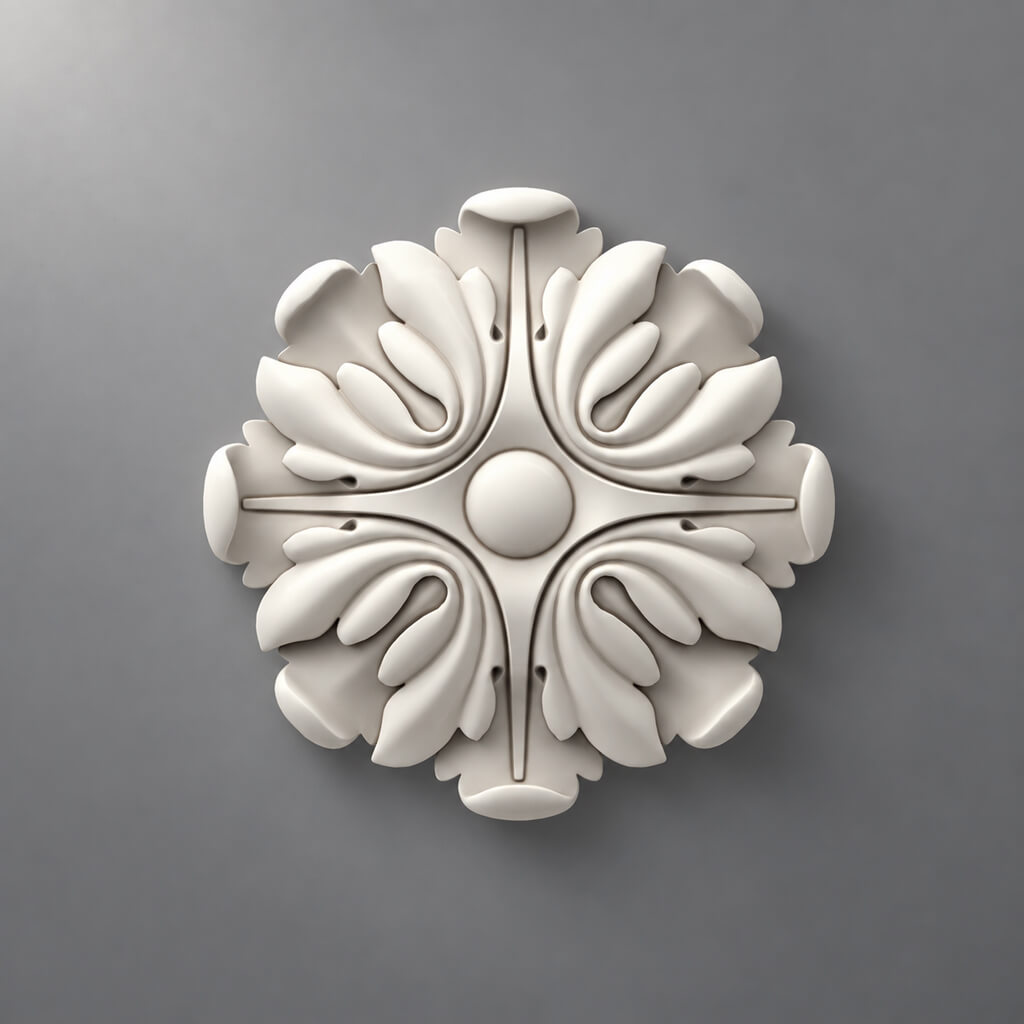
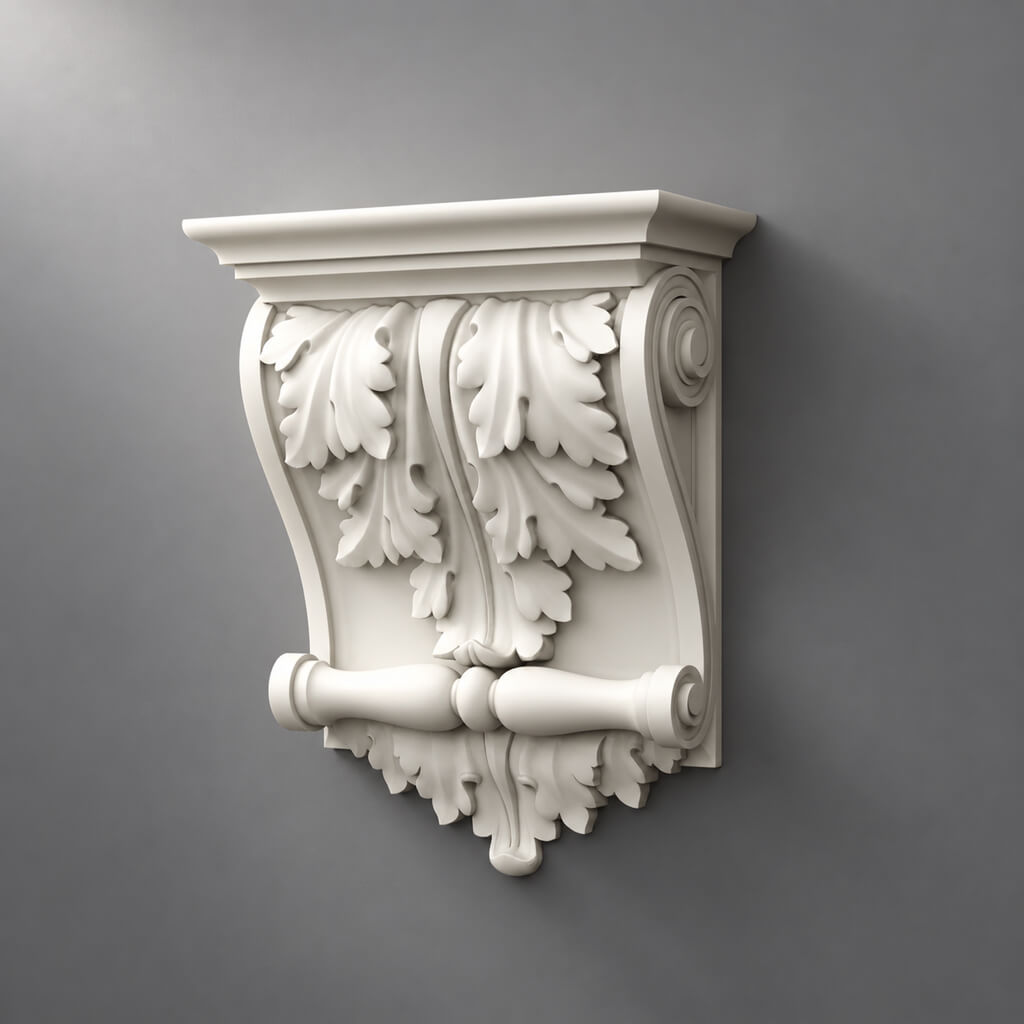
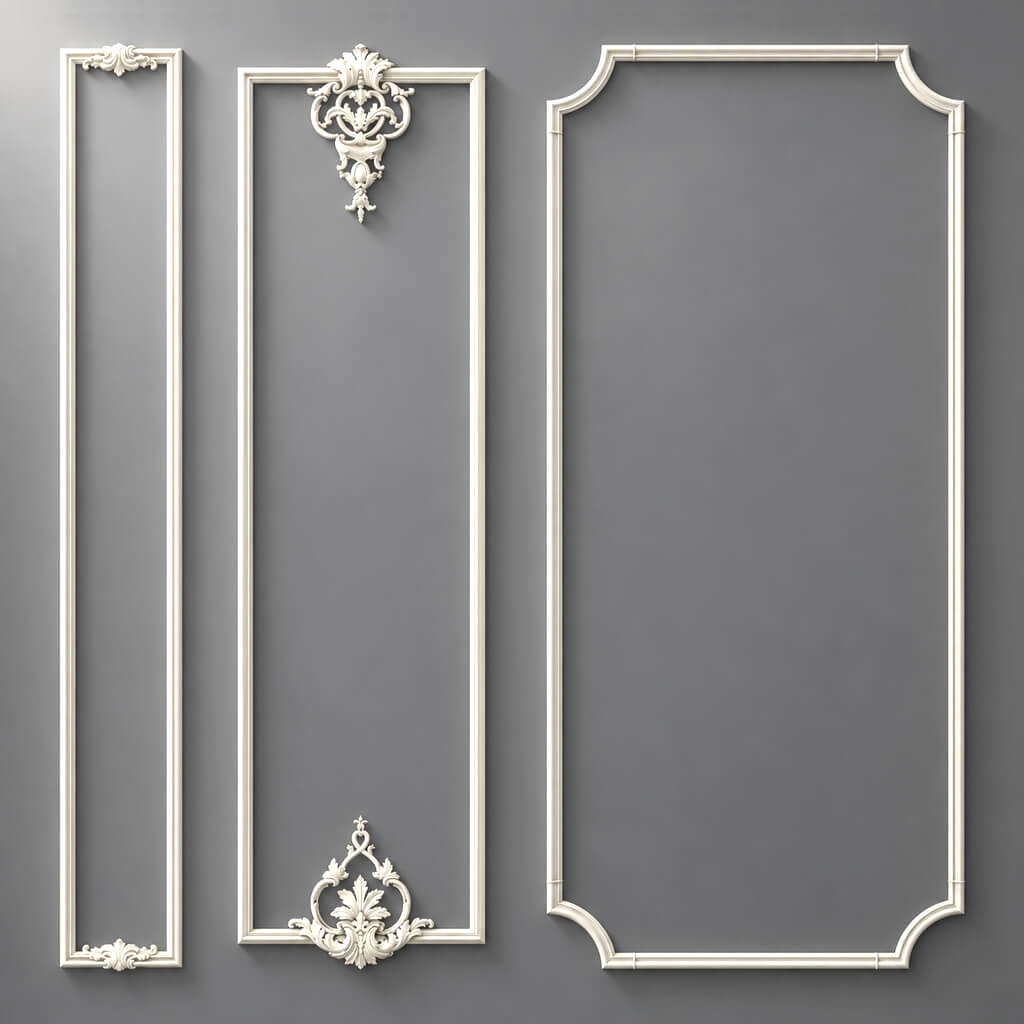
Additional decorative overlays can be applied to the finished frame — rosettes in the corners, a central medallion at the top, relief inserts along the perimeter. This is especially relevant when working with custom furniture: when you want the mirror frame to visually belong to the same decorative system as the cabinets, console, and doors.
Carved wooden decoration allows you to create a completely individual look for the frame, emphasizing the style of the interior.
Mirror backlighting
Lighting is not part of the frame, but it radically changes the perception of the mirror. A warm LED strip around the perimeter of the frame creates a 'glowing picture' effect. Wall sconces on both sides of the mirror are a classic technique for the bathroom and bedroom, providing even facial lighting.
Mirror as part of a wall composition
In the living room and hallway, a mirror in a wooden frame often becomes part of a gallery wall. Several mirrors of different sizes or a mirror combined with paintings, shelves, and decorative elements is a modern interior practice that gives the wall depth and dynamics.
Step-by-step algorithm for choosing a wooden frame for a mirror
Let's summarize the practical part with a structured algorithm that is convenient to use when purchasing.
Step 1. Determine the room and its features. Bathroom (consider humidity), hallway (consider connection with doors), bedroom (consider furniture), living room (consider scale).
Step 2. Measure the wall and determine the optimal mirror size. The mirror should occupy no more than 60–70% of the width of the wall or furniture above which it is hung.
Step 3. Determine the shape: rectangle, oval, circle, vertical.
Step 4. Choose the profile width based on the mirror size and interior style.
Step 5. Determine the wood shade by matching it with the furniture, doors, and wooden interior details.
Step 6. Decide on the carving. Is ornamentation needed, or is a profiled profile sufficient?
Step 7. Ensure the coating is correct for the room conditions (especially for the bathroom).
Step 8. Plan the mounting considering the mirror's weight and wall type.
FAQ: Answers to popular questions
How to choose a wooden frame for a mirror?
Start by determining the room and its style. Choose a profile width proportional to the mirror size. Select a wood species and shade that matches the main furniture. For damp rooms, ensure there is a moisture-resistant coating.
Which frame is best for a large mirror?
For a large mirror, a frame with sufficient visual weight is needed — a profile width from 6 cm. A narrow frame on a large mirror looks unfinished. In a classic interior, a wide profile with milling or carved decor creates the right scale.
Can a wooden frame be used in a bathroom?
Yes, with the right choice of wood species (oak, teak, thermally treated wood) and coating (yacht varnish, oil-wax). Be sure to leave a gap between the frame and the wall for ventilation. Frames made of soft wood without special coating are not suitable for the bathroom.
Which is better: a narrow or wide frame for a mirror?
It depends on the mirror size and interior style. A narrow frame is for small mirrors, modern and minimalist interiors. A wide frame is for large mirrors, classic, country house, and representative spaces.
Is a carved frame suitable for a modern interior?
In strict minimalism and loft — no. In modern classic, neoclassical, eclectic — yes, provided the carving is restrained and organic. In classic styles, carved mirror frame is not a decoration, but a stylistic necessity.
How to choose the frame color to match the furniture?
The frame should match or be close in tone to the main furniture of the room. A difference of 1–2 tones lighter is acceptable. The frame should also harmonize with the color of doors, baseboards, and moldings. Never choose a frame in isolation from the interior context.
How is a mirror frame different from a picture frame?
Technically, a mirror frame has a special rabbet (groove) for mounting the mirror glass, designed to support its weight. Decoratively, a mirror frame is often wider and more massive because the mirror is a large-format object. Functionally, a mirror frame exists in the context of an interior item, not a painting.
Can I get a custom-made solid wood mirror frame?
Yes, and this is often the best solution for non-standard sizes or for those who want the frame to match other wooden interior elements exactly. Custom-made a solid wood frame for a mirror allows you to choose the wood species, tint shade, profile width, and decorative elements for a specific interior.
How to choose a mirror frame for the hallway?
For the hallway, a vertical format is recommended, with a medium or wide frame (5–8 cm), and a color matching the doors. If there is a console table in the hallway, the frame should be 10–15 cm wider on each side. In a classic hallway, a frame with carved or milled decor is appropriate.
Where to buy a wooden mirror frame?
Look for a manufacturer with its own production facility that works with natural wood. Ensure they offer custom manufacturing and a wide selection of wood species and finishes. Additionally, check for a range of products for complete interior design — molding, trim и carved decor elements.
About the company STAVROS
If you are looking not just for a frame, but a solution, STAVROS is a full-cycle manufacturer working with natural wood and producing a wide range wooden products for interiors. The STAVROS range includes — solid wood frames for mirrors and paintings, Wooden baguette and moldings, Moldings, Carved Decor — everything you need to create a cohesive wooden interior from frame to cornice.
STAVROS works with both private clients and designers, architects, and construction companies. Custom manufacturing, the ability to select a shade for a specific interior, Contact us to confirm shipping to your destination. — these are what make STAVROS a reliable partner in creating an interior where every detail speaks the same language as the rest of the space.