Article Contents:
- The center of the ceiling is the most noticeable place in the room
- What is a ceiling rosette: not electrical, but architectural
- When a ceiling rosette for a chandelier is especially necessary
- Living room with a chandelier in the center
- Dining room and dining area
- Bedroom
- Entrance Hall and Foyer
- Office
- Rooms with cornices, moldings, and ceiling decor
- Ceiling rosette for a chandelier: how to choose the right size
- Chandelier diameter and rosette diameter
- Ceiling Height
- Room area
- Style and complexity of chandelier design
- Socket sizes: practical table
- Socket for a large chandelier: scale that holds the ceiling
- Where large scale is especially important
- Small chandelier and delicate suspension: when a calm socket is needed
- Where a delicate socket works
- Round, ornate, smooth: how shape changes the character of a socket
- Round socket: a universal choice
- Socket with ornament: when complexity is appropriate
- Smooth and semi-smooth: modern neoclassicism
- Oval rosette
- Polyurethane ceiling rosette: why this material wins
- Advantages of polyurethane rosettes
- Combination with other polyurethane elements
- Rosette, cornice and moldings: how to assemble the ceiling into a single system
- What is a ceiling decor system
- Cornice and rosette: connection by style
- Moldings on the ceiling and rosette
- Stucco under the chandelier: how not to overload
- Ceiling rosette in a modern interior: without palace pathos
- Rosette in modern and Scandinavian interior
- Rosette in neoclassicism and transitional styles
- Socket in a minimalist interior
- How to install a ceiling socket: technical nuances
- Choosing adhesive and fasteners
- Central Hole
- Painting the socket
- Fitting to the ceiling
- Choosing a socket for different interior styles: practical recommendations
- Classic and neoclassic
- Modern style and minimalism
- Scandinavian and natural interior
- Loft and Industrial Style
- Oriental and ethnic interior
- Mistakes when choosing a socket for a chandelier: what to avoid
- Choosing only by photo, without dimensions
- Not considering the chandelier diameter
- Installing a small socket under a large light fixture
- Choosing an overloaded ornament for a low ceiling
- Forget about the cornice style
- Not checking the central hole and mounting
- Not planning the painting
- Using a rosette without connection to the rest of the decor
- Choosing too thin an element for a formal room
- Rosette sizes: how to avoid mistakes when ordering
- Ceiling stucco under the chandelier: when it is justified
- Where to buy a ceiling rosette: a choice that determines the result
- STAVROS: details that complete the interior
- FAQ: Answers to Popular Questions
- How to choose the size of a ceiling rosette for a chandelier?
- Is a ceiling rosette necessary in a modern interior?
- Can you paint a ceiling rosette?
- Which socket type is the most universal?
- How does a ceiling rosette differ from regular molding?
- How to attach a ceiling rosette to the ceiling?
- Is the rosette suitable for a stretch ceiling?
- Can I buy a ceiling rosette with delivery?
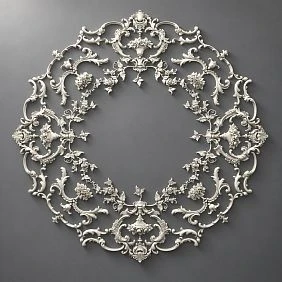
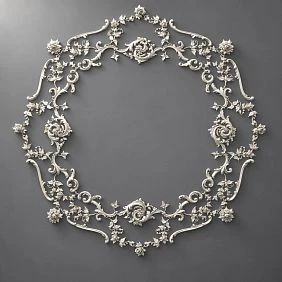
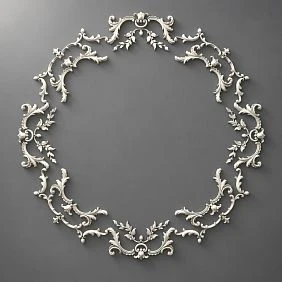
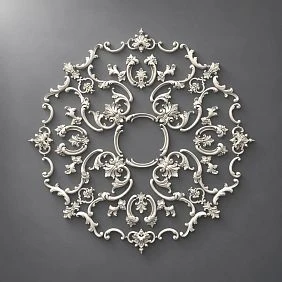
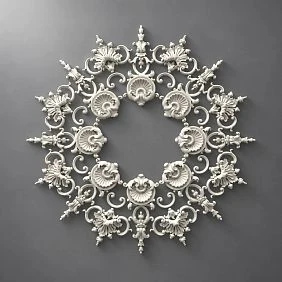
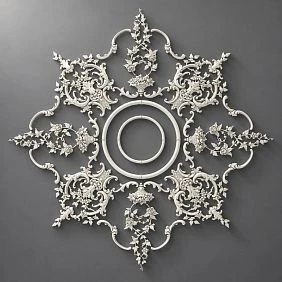
The center of the ceiling is the most noticeable spot in the room
There are things in an interior that you don't notice as long as they are done right. And they immediately catch your eye when done wrong. The center of the ceiling is exactly that kind of place. The chandelier is chosen, hung, the light is on — but your gaze still stops at what surrounds it: the technical cutout, the installation mark, the bare wire coming out of the plastered surface. Or just an empty spot around the fixture, which speaks not of coziness, but of incompleteness.
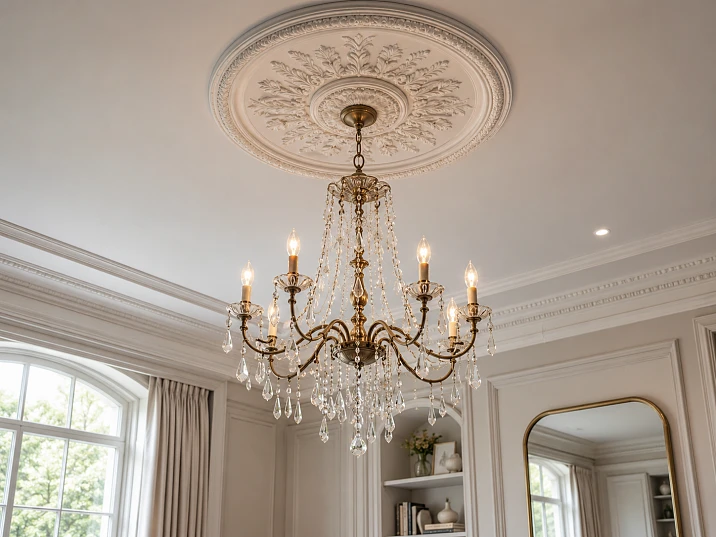
A ceiling rosette for a chandelier is precisely the element that closes this issue. Not only technically, but also aesthetically. It is an architectural frame around the light fixture that turns the chandelier from a suspended device into part of the ceiling, part of the interior, part of the design.
It would seem like a small circle made of polyurethane or plaster. But it is this that determines whether the ceiling will look finished or not.




What is a ceiling rosette: not electrical, but architecture
Let's clarify right away, as confusion occurs regularly. Ceiling rosette — is a decorative element mounted on the ceiling around the base of a chandelier or pendant light. It has nothing to do with an electrical outlet. It is a stucco or polyurethane round ornament with a hole in the center through which the wire or lamp rod passes.
The function of a ceiling rosette is decorative. It:
-
covers the mounting hole and technical fastening area;
-
emphasizes the center of the ceiling as an architectural accent;
-
connects the chandelier with the rest of the ceiling decor;
-
creates a sense of completeness and thoughtfulness.
That is why it is more correct to think of a ceiling rosette not as a "plug," but as an architectural element — as important as a cornice, molding, or baseboard. It is not an auxiliary detail. It is the finale of the ceiling composition.
Our factory also produces:
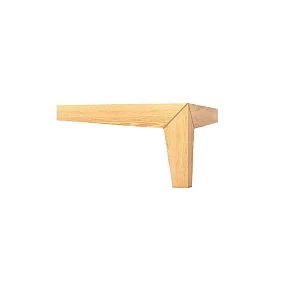
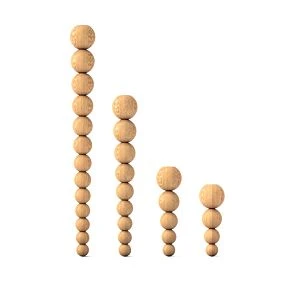

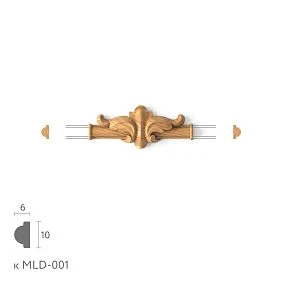
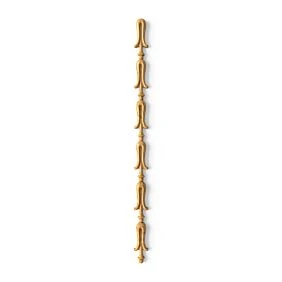
When a ceiling rosette for a chandelier is especially necessary
There are rooms and situations where a light fixture rosette is not an option, but a mandatory element. And there are cases where it is especially noticeable — in a good sense.
Get Consultation
Living room with a chandelier in the center
The living room is a formal space in any apartment or house. Here the ceiling is fully visible, and here the chandelier is the main lighting element and often the main decorative one. ceiling rosette for chandelier In the living room, it works as a focal point for the eye: it frames the center of the ceiling, creates symmetry, and gives the chandelier a "pedestal."
Dining room and dining area
Here, the chandelier usually hangs above the table — strictly in the center, in full view of everyone sitting at the table. The ceiling above the dining area is perceived with particular attention. A decorative ceiling rosette here is a detail noticed by both guests and hosts.
Bedroom
In the bedroom, the ceiling is what you see while lying in bed. And if in the center of this ceiling there is a bare wire from a hole, the feeling of coziness and thoughtfulness is lost. A neat socket for chandelier on the bedroom ceiling makes it calm and complete.
Hallway and hall
The hallway is the first room a guest sees. A high hall in a country house or city apartment with good ceilings is a place where the chandelier becomes a formal accent. The rosette here supports the grandeur and neatness.
Office
In the study, a rosette under the chandelier adds solidity to the interior — especially if it matches the style of other wooden or stucco elements.
Rooms with cornices, moldings, and ceiling decor
If there is already a cornice, molding frames, or other decor on the ceiling, the rosette organically completes the system. A ceiling with a cornice around the perimeter and a rosette in the center is perceived as a unified, well-thought-out architectural composition.
Ceiling rosette for a chandelier: how to choose the right size
This is the main question that everyone asks without exception. And there is no correct universal answer — because the size of the rosette depends on several parameters at once.
Chandelier diameter and rosette diameter
The most obvious rule: the rosette should be proportionate to the light fixture. A small rosette under a large crystal chandelier looks ridiculous — like a tiny button on a fluffy dress. A large rosette under a small pendant visually overwhelms and creates an awkward mismatch.
Guidelines:
-
Chandelier up to 40 centimeters in diameter — rosette 15–25 centimeters.
-
Chandelier 40–70 centimeters in diameter — rosette 25–40 centimeters.
-
Large chandelier from 70 centimeters — rosette 40–60 centimeters and above.
These are rough guidelines. The actual choice depends on other factors as well.
Ceiling height
A high ceiling allows for a larger and more embossed rosette. On a ceiling of 3.5–4 meters, a large Ceiling rosette for chandelier With a rich ornament, it looks organic — it doesn't weigh down because there is space around. On a 2.5-meter ceiling, the same rosette turns into a heavy load that visually lowers the ceiling.
Room area
A large room requires a more confident rosette. A small room requires a delicate, restrained profile. The principle of proportion works everywhere: the element should match the scale of the space.
Style and complexity of the chandelier's design
If the chandelier is richly decorated — crystal, molded lampshades, complex shape — the rosette can be calmer to avoid competing with it. If the chandelier is minimalist and modern — the rosette can take on more decorative load.
Rosette sizes: practical table
| Socket diameter | Suitable room type | Suitable chandelier type |
|---|---|---|
| 15–20 cm | Bedroom, hallway, small room | Small pendant, spot light |
| 25–35 cm | Medium-sized living room, dining room | Medium classic chandelier |
| 40–50 cm | Spacious living room, hall, dining room | Large chandelier, cascade light fixture |
| 55–70 cm | Grand hall, high-ceilinged hall | Large crystal or designer chandelier |
Ceiling rose for a large chandelier: a scale that holds the ceiling
Imagine: a high ceiling, a spacious living room, a large chandelier with crystal pendants. The chandelier occupies the center of the room, drawing all attention. And at the spot where it hangs — a small 15-centimeter circle. That's not scale, that's a mistake.
Ceiling rose for a large chandelier should be proportionate to it — and proportionate to the space. Large decorative ceiling rose for chandelier with a developed ornament performs several tasks at once. First, it frames the chandelier mounting area so that it looks like a thoughtful architectural solution rather than a technical node. Second, it creates a visual "anchor" in the center of the ceiling — a point from which the eye measures the entire ceiling composition.
Where large scale is especially important
Formal living room. Here, the chandelier is the main lighting and decorative element. The rosette should support its scale and style.
Dining room with a high ceiling. A chandelier above a long dining table in a tall room requires architectural support from above — a large rosette creates this support.
Staircase. In homes with a two-story hall or open staircase, the ceiling is visible from afar and from below. The rosette here should be confident and readable from a distance.
Interior with an expressive cornice. If the ceiling is decorated polyurethane cornices and moldings, a large rosette in the center completes the entire system and gathers the ceiling into a single architectural picture.
Small chandelier and delicate pendant: when a calm rosette is needed
The reverse scenario — and it occurs just as often. A small Scandinavian pendant on a cord in the bedroom. A minimalist light fixture above the kitchen island. A spot light in the hallway. For such cases, a large ornamental rosette would be a gross mistake.
Rosette for a small chandelier should be neat — small in diameter, with a light profile, without heavy relief. Its task is not to declare itself, but to delicately cover the attachment area and slightly mark the center of the ceiling.
Where a delicate socket works
-
Bedroom with a small pendant or flush mount.
-
Children's room — a light and unobtrusive element.
-
Kitchen with a functional light fixture.
-
Corridor and hallway in a small apartment.
-
Modern interior with minimalist lighting.
-
Room with a low ceiling — here any large detail is undesirable.
In a calm interior, a smooth Round ceiling rosette small in diameter, painted in the ceiling color, looks professional and elegant. It is almost invisible — and that is the correct result.
Round, ornamental, smooth: how shape changes the character of a ceiling rosette
The shape of a ceiling rosette is not just a matter of aesthetics. It's about the character of the entire ceiling and the entire interior.
Round rosette: a universal choice
Round ceiling rosette for a chandelier — the most popular and most versatile option. The round shape is symmetrical in any direction, works well in square and rectangular rooms, and doesn't create unnecessary accents. Round sockets suit chandeliers of any style — from modern minimalism to classic crystal.
Inside round rosettes, there is rich diversity: simple smooth profiles without relief, light ornamentation along the rim, developed multi-tiered patterns with stucco elements. One shape — many characters.
Rosette with ornament: when complexity is appropriate
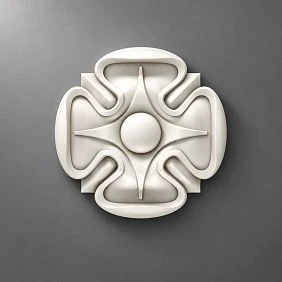
An ornamental rosette with acanthus leaves, flowers, scrolls, geometric weaves — this is a classic. It works well where the entire interior is built on expressive details: cornices with stucco, wall moldings, frames of decorative profiles, expensive carved furniture.
The main rule: the complexity of the rosette's pattern should match the level of detail in the rest of the decor. A rich ornamental cornice under the chandelier in a completely smooth minimalist interior, it will look like a foreign element.
Smooth and semi-smooth: modern neoclassicism
Modern neoclassicism is a style where details exist but are laconic. A rosette with a simple profile works well here: a thin relief rim, a light ornament along the edge, a clean surface in the center. Nothing superfluous, but nothing primitive either.
Painted in the color of the ceiling, such a rosette creates a subtle architectural accent — it is noticeable up close but does not overload the space.
Oval rosette
The oval shape is less common but is used where it is necessary to support an elongated room layout or create an unusual accent. In a long narrow living room or dining room, an oval rosette can become an interesting design solution — especially if it is supported by oval moldings or frames on the ceiling.
Polyurethane ceiling rosette: why this material wins
Historically, ceiling rosettes were made of plaster. Plaster is a beautiful but heavy and fragile material. Installing a plaster rosette requires experience, a level ceiling, and reliable fastening. A modern alternative is polyurethane.
Advantages of polyurethane roses
Light weight. Polyurethane Ceiling rosette weighs several times less than plaster. This means simple installation without additional load-bearing elements: liquid-based glue and a few finishing nails are enough.
Precision of details. Polyurethane is cast in high-precision molds and retains all the nuances of the pattern — from thin petals to clear geometric edges.
Ready for painting. ceiling rosettes Polyurethane ones can be painted in any color. They are painted white along with the ceiling — and they become part of the ceiling surface. Or they are highlighted with color — then they become an accent.
Moisture resistance. Unlike plaster, polyurethane is not afraid of slight humidity. This is important for kitchens, bathrooms, and rooms with fluctuating temperatures.
Repairability. If a polyurethane rosette is damaged, it can be replaced. A plaster rosette, when damaged, often has to be replaced along with the adjacent ceiling covering.
Rich assortment. The catalog polyurethane products from STAVROS — offers a wide selection of rosettes: from laconic smooth ones to richly ornamental ones, from compact to large formal ones.
Combination with other polyurethane elements
Polyurethane rosettes blend seamlessly with polyurethane cornices and moldings from the same collection. A single material, single precision of details, single surface texture — the ceiling is perceived as a cohesive architectural system, not as a set of randomly selected elements.
Rosette, cornice, and moldings: how to assemble the ceiling into a unified system
A ceiling rosette works best not alone, but as part of a system. This is important to understand when designing an interior.
What is a ceiling decor system
Imagine the ceiling as an architectural object. Along the perimeter — Ceiling cornice, which creates a horizontal line and separates the ceiling from the walls. In the center — a rosette around the chandelier, which marks the center and creates a focal point. Between them — Moldings for the ceiling in the form of frames or ornamental strips that fill the space and give the ceiling depth.
This is a classic system used in architecture for centuries. And it works in any interior — you just need to choose the right scale and complexity of elements.
Cornice and rosette: style connection
If the cornice around the ceiling perimeter has a rich relief, leaves, curls — the rosette should support this language. A laconic smooth rosette under a lush cornice will look out of place.
If the cornice is moderate — a thin profile, clear edges, minimal ornament — the rosette should also be restrained. A single level of detail creates a sense of system.
Ceiling moldings and rosette
Moldings for the ceiling often form frames — rectangular or square fields on the ceiling surface. When a chandelier rosette is placed in the center of such a ceiling composition, it becomes the semantic center of the entire system. The frames guide the eye to the rosette. The rosette holds the chandelier. The chandelier illuminates the entire space. Architecture and light work together.
Stucco molding under the chandelier: how not to overload
cornice under the chandelier — a topic that requires caution. Rich ceiling decor is good when it matches the scale of the room, ceiling height, and overall interior level. When there is too much stucco, the ceiling feels oppressive, and the room feels cramped and heavy.
Rule: if the room already has a cornice and moldings, the rosette should be a harmonious addition, not a fourth competing element. The rosette completes the system, not complicates it.
Ceiling rosette in a modern interior: without palatial pomp
Many people think that a ceiling rosette is exclusively about classics, stucco, Baroque, and Empire style. This is a misconception that deprives modern interiors of one of the most elegant decorative tools.
Rosette in modern and Scandinavian interior
In modern interiors ceiling rose under the chandelier can be extremely laconic: a thin smooth rim, minimal relief, or none at all. Painted in the color of the ceiling, it practically disappears — only a light architectural framing of the light fixture attachment area remains.
In a Scandinavian interior, this approach is the norm. White ceiling, white rosette, laconic pendant. Without excess, without ostentatious decor, but with proper geometric precision.
Rosette in neoclassicism and transitional styles
Neoclassicism is the most popular style in residential interiors in recent years. Here, the rosette can afford a little more: a light ornament along the rim, moderate relief, possibly two tiers of profile. All of this works if combined with other details — moldings, ceiling cornices, trims.
Rosette in a minimalist interior
In strict minimalism, the rosette is often removed from view entirely: the ceiling light is mounted without a decorative element. But this only works if the installation is perfectly clean and the ceiling is absolutely level. The slightest defect in the mounting area — and the absence of a rosette becomes a mistake, not a deliberate design decision.
Simple round ceiling rosette in the color of the ceiling — a safe, universal solution even for the most minimalist interior.
How to install a ceiling rosette: technical nuances
Installing a ceiling rosette is one of the simplest tasks in ceiling decoration. But there are nuances that affect the result.
Choosing adhesive and fasteners
Polyurethane rosettes are mounted using liquid nails or special polyurethane adhesive. The adhesive is applied along the perimeter of the rosette and around the central opening. After fixing, hold it by hand or with small nails for a few minutes until it sets.
Central hole
The central opening of the rosette must match the diameter of the cable, rod, or hook of the light fixture. This is important to check before installation. In most rosettes, the opening is standard — but it can be enlarged if necessary.
Painting the socket
Buy a ceiling rosette — this is the first step. The second is to paint it correctly. Polyurethane rosettes come in white or without coating. Before painting, it is recommended to prime the surface — then the paint lays more evenly and lasts longer. For the ceiling, water-based paint is used — the same as for the ceiling itself.
Fitting to the ceiling
If the ceiling is not perfectly level (which is normal in most apartments), small gaps between the rosette and the surface are filled with acrylic sealant. After painting, the joints are invisible.
Choosing a rosette for different interior styles: practical recommendations
Sometimes it's easier to understand the task through a specific style rather than through abstract rules.
Classicism and neoclassicism
A rich ornamental rosette with flowers, leaves, and curls. Diameter — from medium to large. Must be combined with cornices and moldings from the same collection. Color — white or gold.
Modern style and minimalism
A smooth or semi-smooth round rosette. Diameter — to match the size of the light fixture, without extra margin. Color — matching the ceiling, as inconspicuous as possible.
Scandinavian and natural interior
Light ornament or completely smooth shape. White color. Small or medium diameter. No baroque.
Loft and industrial style
Here, the rosette is an atypical guest. If used, it should be extremely minimalist, without ornament. Or forgo the rosette in favor of an open mounting element, if the chandelier's attachment itself is beautiful (e.g., a decorative ceiling bracket).
Oriental and ethnic interior
A socket with a geometric pattern — stars, diamonds, weaving — instead of Western classic stucco. Can be painted in a contrasting color for emphasis.
Mistakes when choosing a socket for a chandelier: what to avoid
Knowing how to do it right is half the battle. Knowing how to do it wrong is no less important.
Choosing only by photo, without dimensions
The most common mistake. The socket in the photo looks different than in the actual space. Be sure to look at the actual diameter in centimeters and compare it with the diameter of the chandelier and the size of the room.
Not considering the diameter of the chandelier
A small socket under a large chandelier is always a mistake. The eye instantly sees the mismatch in scale, even if a person cannot explain why they feel uncomfortable looking at the ceiling.
Putting a small socket under a large light fixture
A consequence of the previous mistake. A large chandelier requires a confident ceiling socket for a chandelier — this is the law of proportion.
Using an overloaded ornament for a low ceiling
On a low ceiling (up to 2.6 meters), a complex multi-tiered rosette with a heavy ornament visually lowers the ceiling even further. For low ceilings — only delicate, light forms.
Forgetting about the style of the cornices
If a cornice of a certain style is already installed around the perimeter of the ceiling, the rosette must match it. A baroque cornice and a minimalist smooth rosette — that's a visual conflict.
Not checking the central hole and mounting
The rosette must allow the wire, rod, or chandelier hook to pass through. If the hole is too small, the rosette will have to be modified after installation, which is inconvenient.
Not thinking through the painting
A rosette in factory gray or cream color on a white ceiling is a bad result. Painting should be planned immediately, together with painting the ceiling.
Using a rosette without connection to the rest of the decor
A rosette as the only decorative element on a bare ceiling without a cornice and moldings is almost always awkward. Either complement the system, or choose the most neutral form that does not pretend to be an architectural accent.
Choosing too thin an element for the formal room
In formal rooms — living room, dining room, hall — a neutral small rosette gets lost and fails to fulfill its architectural role. A formal space requires proportionate decor.
Rosette sizes: how to avoid mistakes when ordering
A few practical rules for the final decision.
Rule 1. The diameter of the rosette should be at least 1/3 of the chandelier's diameter. Optimal is 1/2 or slightly larger.
Rule 2. For ceilings up to 2.7 m, the maximum rosette diameter is 35–40 cm. Larger only for very high ceilings.
Rule 3. The central hole should be 1–2 centimeters larger than the diameter of the chandelier's mounting element.
Rule 4. If you are undecided between two sizes, choose the larger one. A rosette always looks better slightly larger than slightly smaller.
Rule 5. The complexity of the ornament should match the complexity of the rest of the ceiling decor. No cornice or moldings — choose a simple shape.
Ceiling stucco under a chandelier: when it is justified
Ceiling molding under a chandelier — it's not just a socket, it's a whole concept. When additional stucco elements appear around the socket — garlands, cartouches, ornamental branches — the ceiling turns into a picturesque work of decorative art.
This is justified in several cases: high-end classic interior, country house with high ceilings, grand halls, restaurants and representative spaces. In a standard city apartment with a 2.7-meter ceiling, a complex stucco composition around the chandelier most often looks excessive.
If you want beauty without heaviness — choose a rich ornamental socket of medium diameter. It will provide the necessary architectural accent without the feeling of palace overload.
Where to buy a ceiling socket: a choice that determines the result
The right choice starts with the right catalog. Buy ceiling sockets with the right diameter, ornament and style — a task that STAVROS solves with a wide assortment.
The catalog features — ceiling sockets for chandeliers of different diameters: from compact delicate elements for the bedroom and hallway to large grand sockets for living rooms and halls. Separately — Round sockets as a universal standard for most interiors.
All rosettes are made of polyurethane: lightweight, precise, ready for painting. They are installed without special tools. They combine with cornices, moldings, and other elements from the same collection. Buy a ceiling rosette for a chandelier with delivery can be done directly in the catalog.
STAVROS: details that complete the interior
STAVROS is a company that specializes in decorative elements made of polyurethane and solid wood for residential and commercial interiors. Ceiling rosettes, cornices, moldings, baseboards, slatted panels, furniture handles and legs — all these are parts of a unified decor system that turns an apartment into a well-thought-out, architecturally precise space.
Buy a decorative ceiling rosette from STAVROS means getting a product that perfectly matches other elements of the collection and will last a long time without deformations, chips, or loss of shape.
The center of the ceiling deserves attention. The chandelier deserves a frame. The interior deserves completeness.
FAQ: Answers to popular questions
How to choose the size of a ceiling rosette for a chandelier?
Focus on three parameters: chandelier diameter, ceiling height, and room area. The rosette should be at least 1/3 of the chandelier diameter. For high ceilings and large fixtures — a confident size. For low ceilings and small spaces — a delicate one.
Is a ceiling rosette necessary in a modern interior?
Yes, if you want to neatly design the chandelier mounting area. In a modern interior, a smooth or semi-smooth round rosette painted in the ceiling color is sufficient.
Can I paint the ceiling rosette?
Yes. Polyurethane rosettes take paint well. Priming is recommended. Paint with water-based paint along with the ceiling or separately — in an accent color.
What is the most versatile rosette shape?
Round ceiling rosette — an absolute all-rounder. Suitable for any type of light fixture, any interior style, and any type of ceiling.
How does a ceiling rosette differ from regular molding?
A ceiling rosette is a specific element for designing the chandelier area. Molding is a broader concept, including cornices, moldings, ornaments, and frames. The rosette is part of the molding system but performs a specific function.
How to attach a ceiling rosette to the ceiling?
Liquid nails or special polyurethane glue. Apply along the perimeter and around the central hole. Secure until dry. Seal joints with the ceiling using acrylic sealant, then paint.
Is the socket suitable for a stretch ceiling?
Yes, but installation requires care. Liquid nails are applied taking into account the material of the stretch fabric. For PVC ceilings, it is better to use double-sided tape or a special glue that does not damage the film.
Can I buy a ceiling socket with delivery?
Yes. Buy a ceiling socket for a chandelier with delivery available in the STAVROS catalog — a selection of diameters, ornaments, and shapes for any interior.