






























































Article Contents:
- Why stucco and wooden decor are often combined in one interior
- What is better to make from polyurethane and what from wood
- Polyurethane: architecture of space
- Wood: texture, warmth, furniture depth
- Stucco and wooden slats on the wall
- Principle of combination
- Practical solutions
- Important rule of scale
- Stucco and wooden baseboard
- How to choose a baseboard to match stucco
- Color: matching the parquet or matching the walls?
- A mistake you must not make
- Stucco and wooden furniture
- How to connect wall stucco with furniture
- Furniture handles and legs as part of the system
- Chest of drawers, display cabinet, shelving unit
- How to choose color: matching the wall, matching the wood, or contrast
- Scenario one: monochrome
- Scenario two: unified color scheme
- Scenario three: contrast
- How to combine materials in a classic interior
- Symmetry and Rhythm
- Proportions
- Uniform rhythm of lines
- How not to overload an interior with decor
- The rule of 'no more than three profile types'
- The rule of scale and ceiling height
- Uniform shade of wood
- Small stucco next to massive furniture
- Purity and air
- Wooden moldings and stucco: the fine art of combining
- Which elements to buy for a unified interior solution
- Polyurethane Elements
- Wooden elements
- Selection logic
- Where to buy stucco and wooden decor
- Polyurethane decor STAVROS
- Wooden decor and moldings STAVROS
- One supplier — one style — one result
- Frequently Asked Questions
- Can you combine polyurethane stucco and a wooden baseboard?
- How to choose moldings for wooden furniture?
- Stucco and wooden slats on one wall — how not to overdo it?
- Stucco for painting and natural wood — are they compatible?
- How to match the color of stucco to furniture?
- Where to buy stucco and wooden decor in one place?
- Wooden decor and stucco — does it look appropriate in a living room?

When in one space meet stucco and wooden decor in the interior, something greater than just a beautiful room is born. Character is born. The interior gains depth that no single material can provide. Polyurethane moldings build the architecture of walls and ceiling, wooden slats set a lively rhythm and warmth, baseboards connect the floor and wall into a single line, and furniture becomes not just a function — it becomes a statement. It is this combination that leads today in the requests of designers, clients, builders, and simply people in love with their home.
But how exactly to combine two different materials — polyurethane and natural wood — so that the interior does not look like an eclectic jumble, but appears cohesive, logical, and with artistic intent? This is covered in detail, honestly, and to the point.


Why stucco and wooden decor are often combined in one interior
At first glance, it may seem that polyurethane and wood are materials from different universes. One is synthetic, lightweight, white, architectural. The other is natural, warm, textured, alive. But it is precisely in this contradiction that the secret of their ideal union lies.
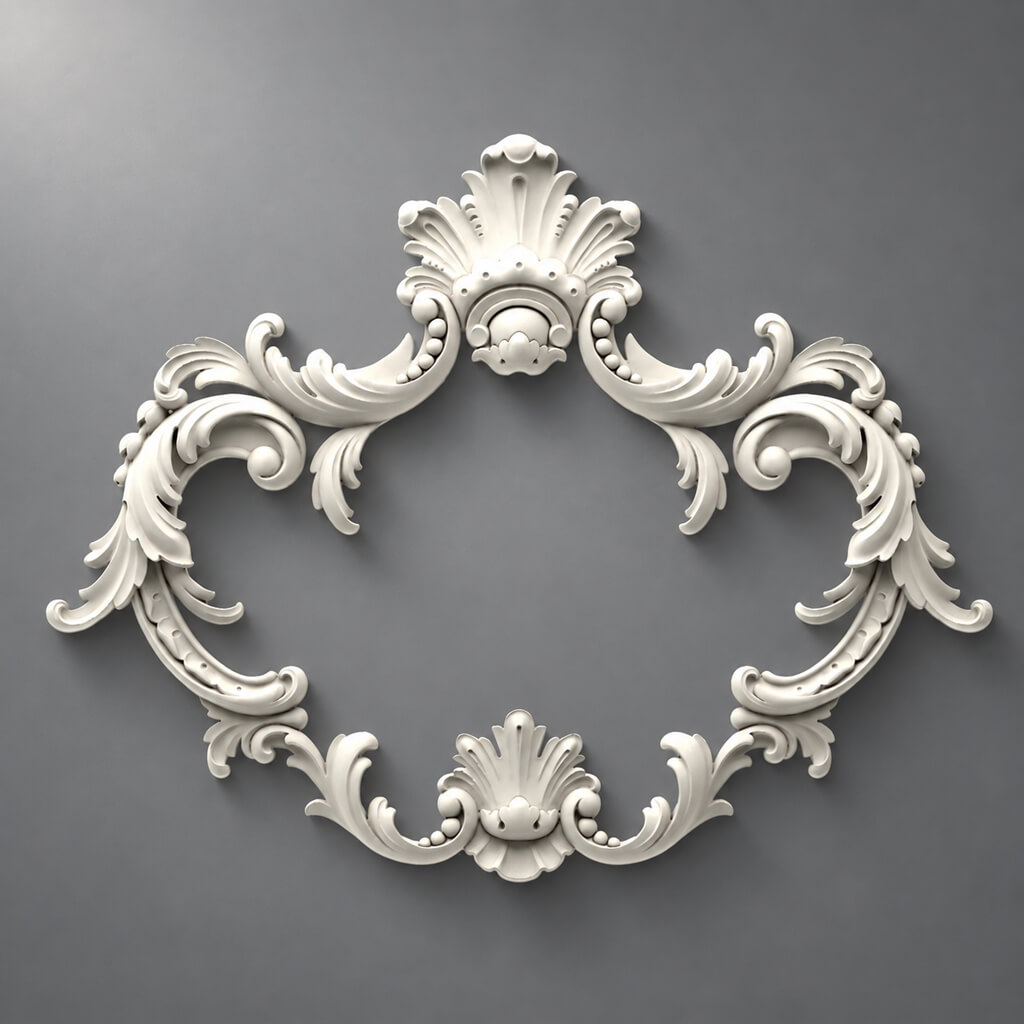
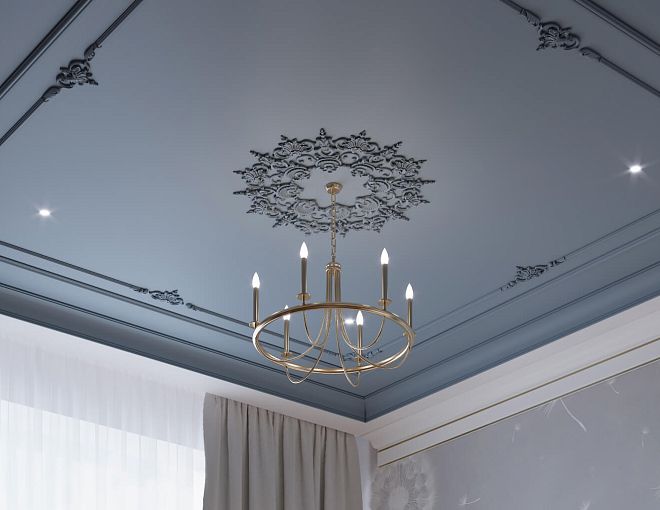
Decorative stucco made of polyurethane historically performed the function of the architectural framework of the space. Cornices marked the boundary between ceiling and wall. Moldings divided walls into fields and zones. Rosettes fixed the center of the ceiling and accentuated lighting. Overlays and pilasters gave rhythm to the verticals. All of this is geometry, proportions, order. Stucco is the language of architecture brought indoors.
Wood works differently. Wooden decoration speaks the language of nature. The texture of the fiber, different shades of wood, the texture of the cut — all of this brings organic warmth and uniqueness to the interior. Wooden slats add vertical or horizontal rhythm, baguettes frame transitions, baseboards connect the space along the perimeter, and solid wood furniture becomes the center of attraction.
When these two languages sound together, the interior loses neither architecturality nor life. Stucco holds the form. Wood fills it with content. That is why classic living rooms, studies, dining rooms, bedrooms in the styles of neoclassicism, art deco, or modern classic are so often built on this duet.
There is also a practical side to the issue. Polyurethane moldings is absolutely moisture resistant, does not deform, does not crack, is easy to paint, and holds its shape for decades. Wood, when properly treated, is also exceptionally durable. Two materials — two different types of durability that perfectly complement each other in one project.




What is better to make from polyurethane and what from wood
A competent designer never confuses these materials. Each has its own area of responsibility — and in this division of labor lies the logic of a beautiful interior.
Our factory also produces:


Polyurethane: the architecture of space
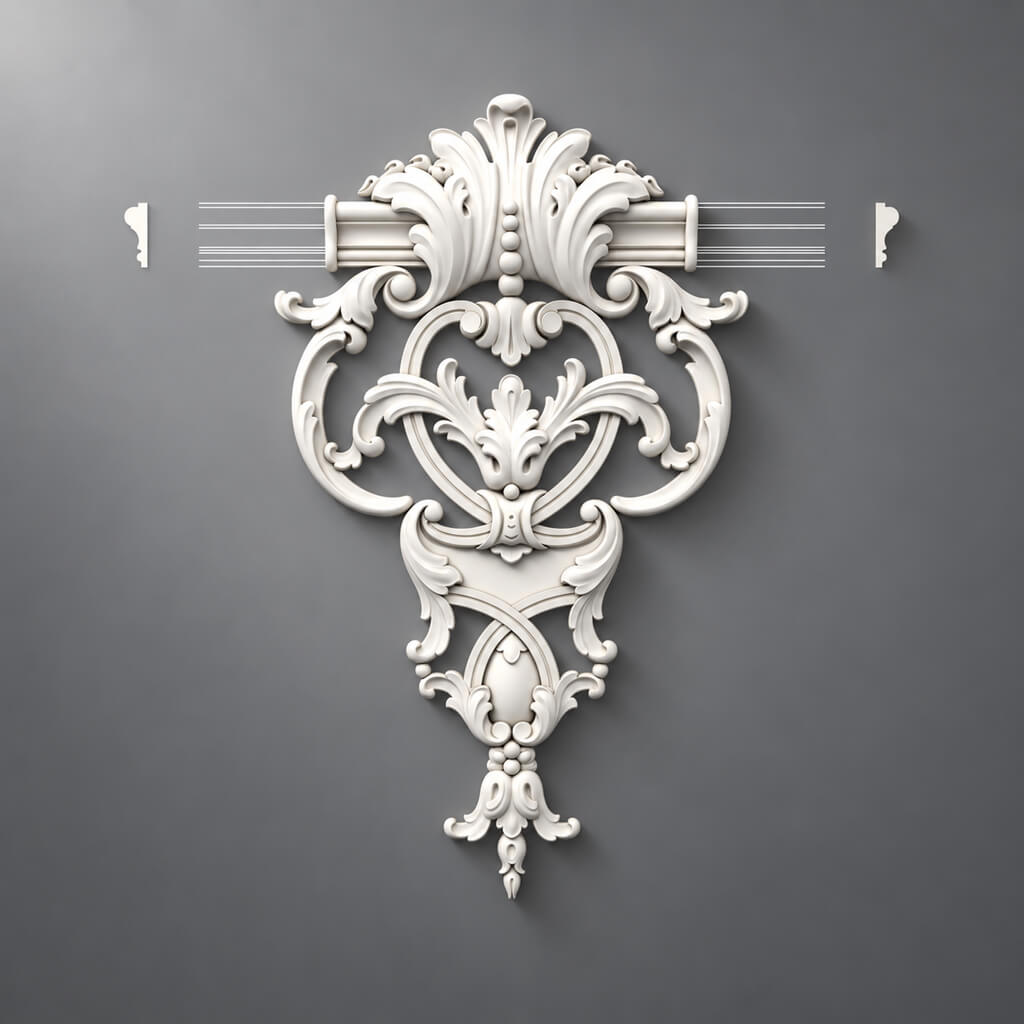
polyurethane decor are primarily elements that create volume and structure. Their main task is to shape geometry, establish proportions, and mark transitions.
Made from polyurethane:
-
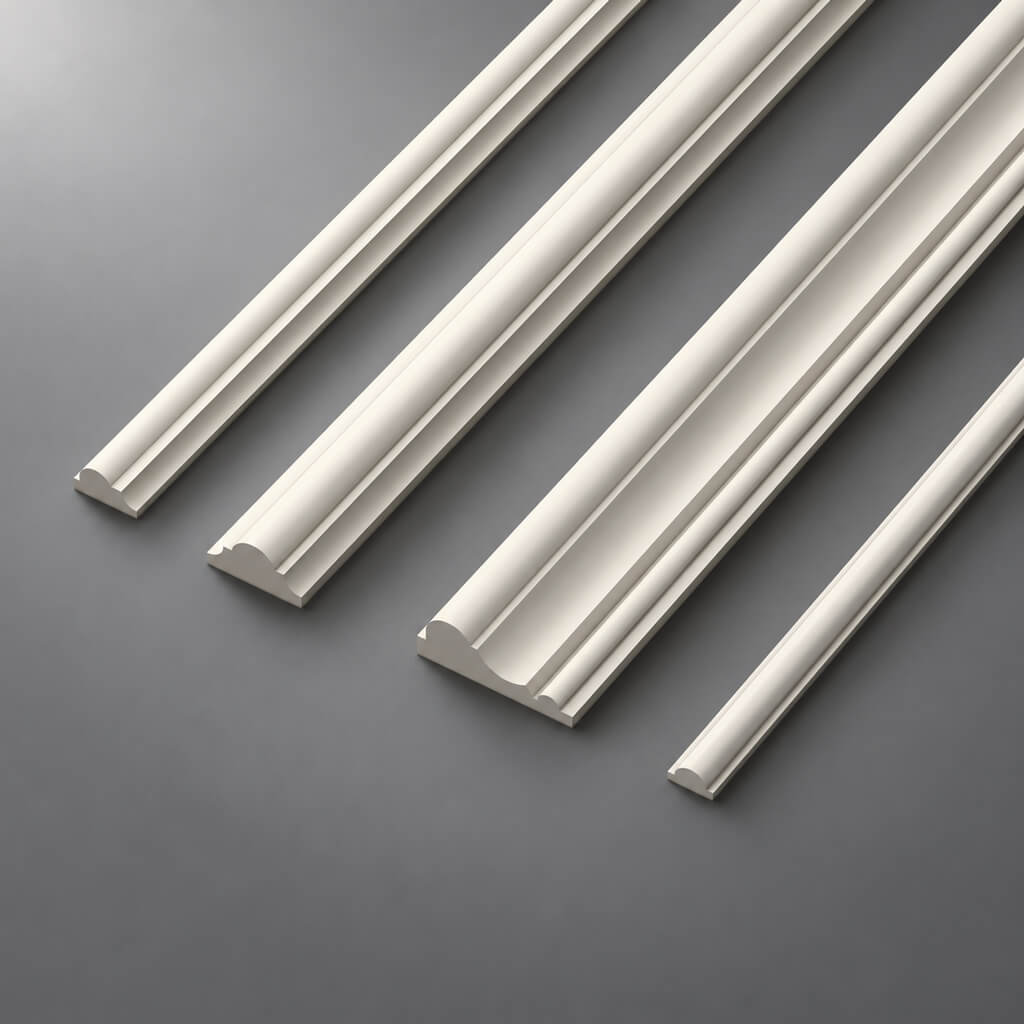
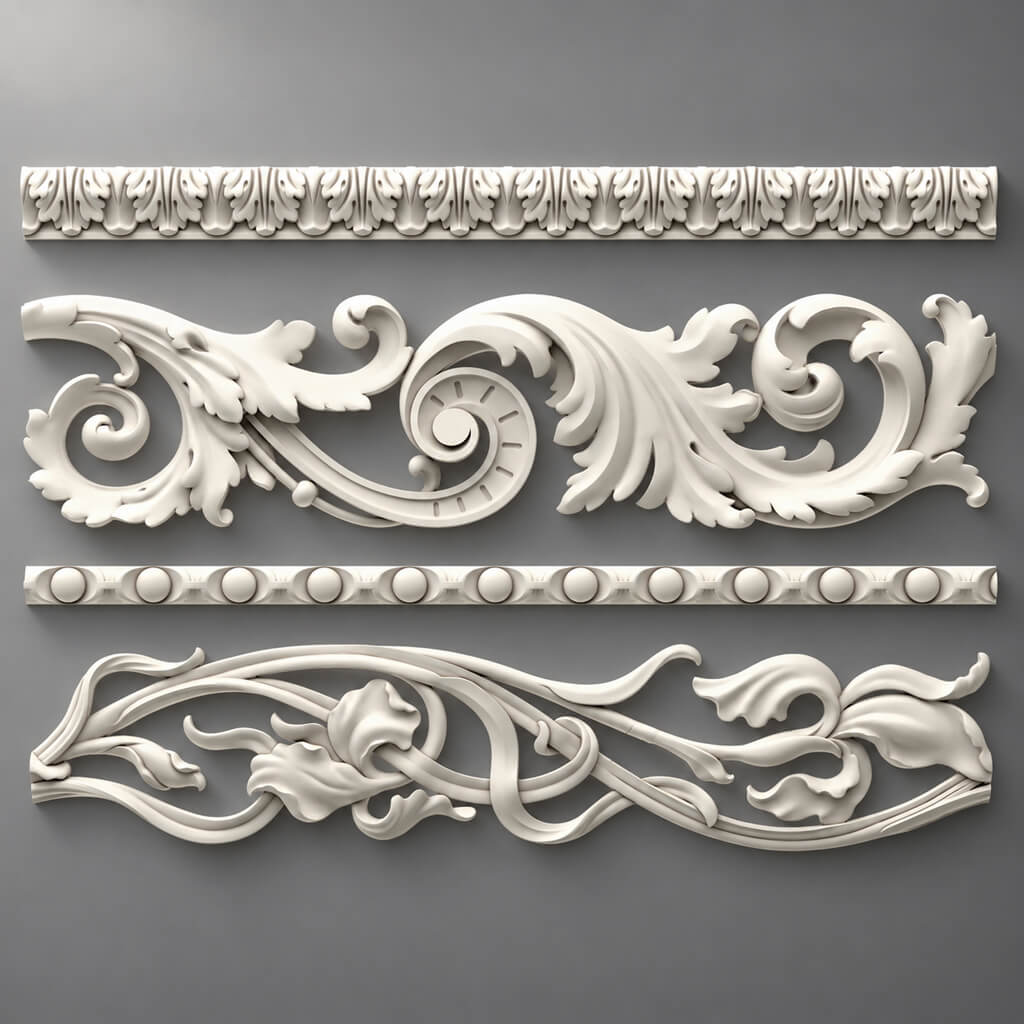
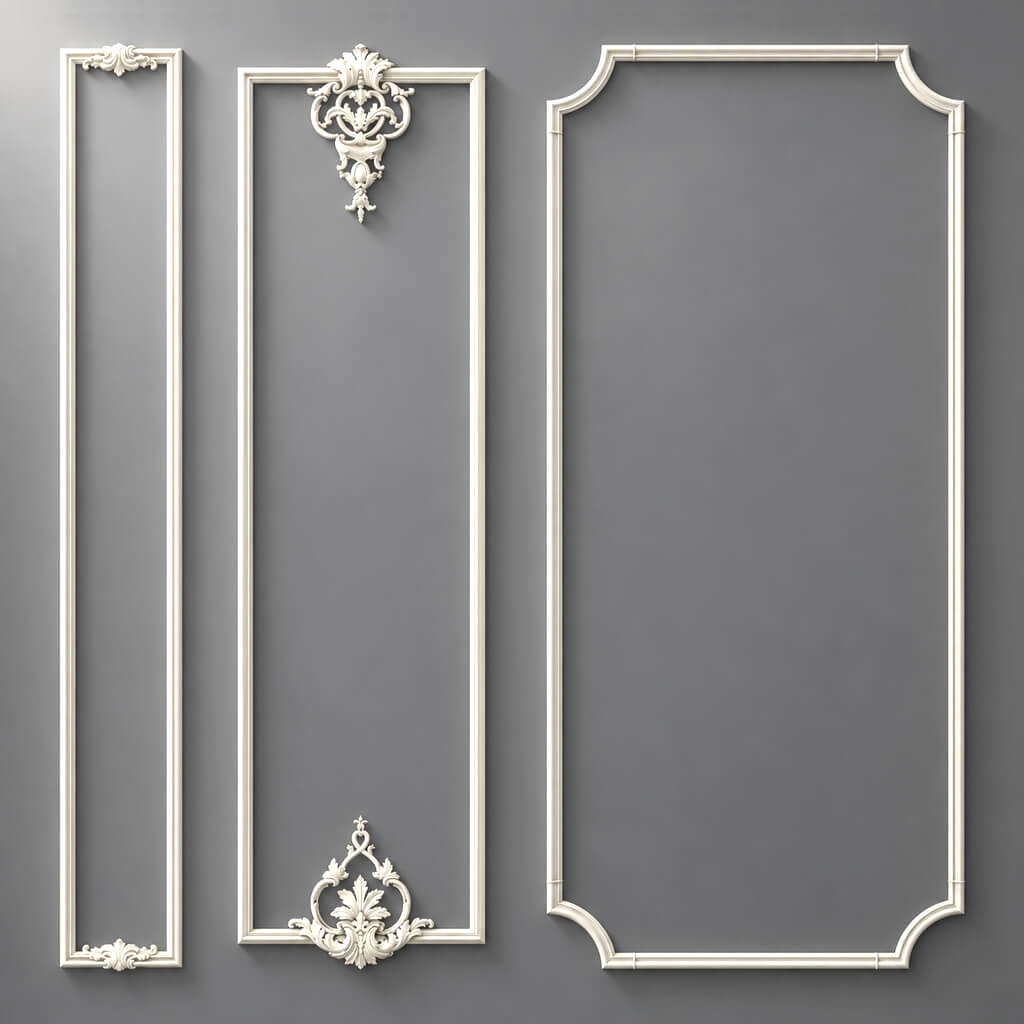
Moldings — decorative strips for walls and ceilings that create frame compositions, divide the plane into panels and fields
-
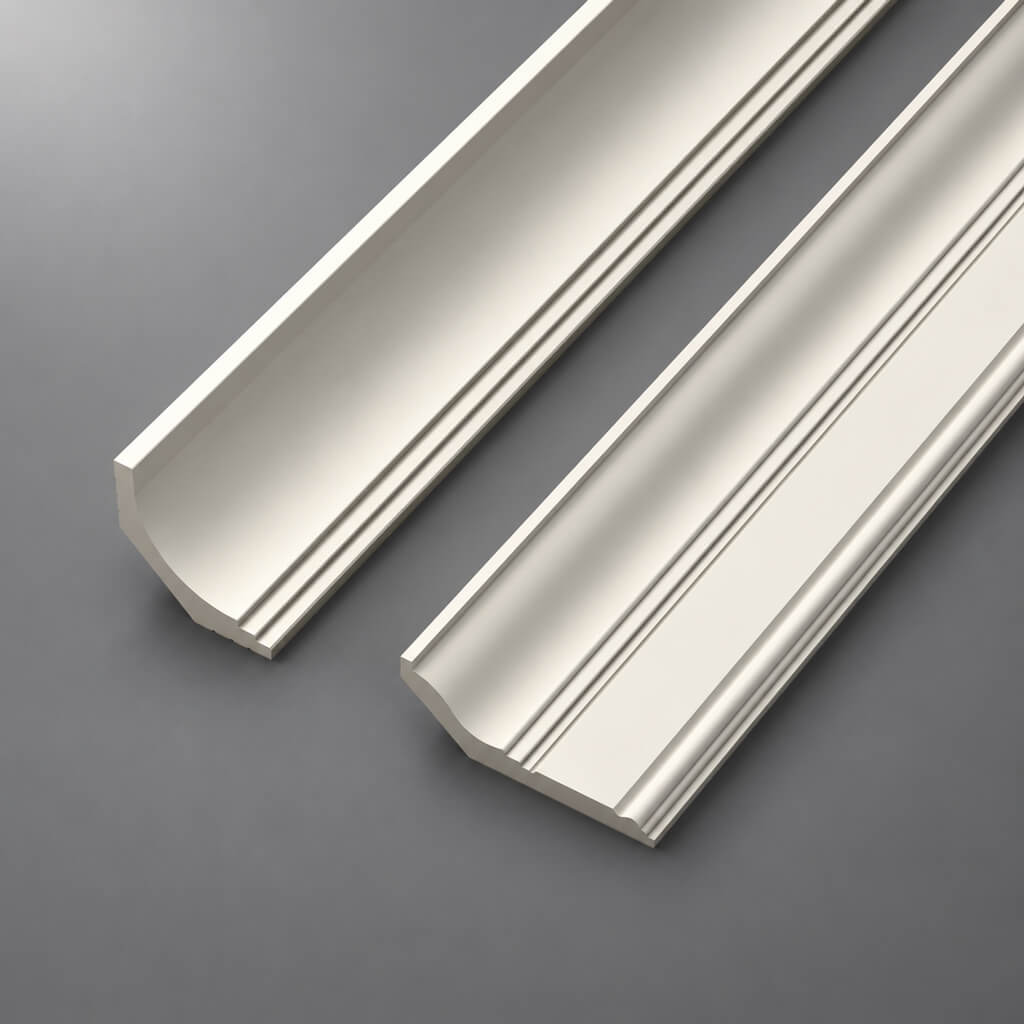
Cornices are profiles that decorate the junction line between the ceiling and wall, hide unevenness, and add volume.
-
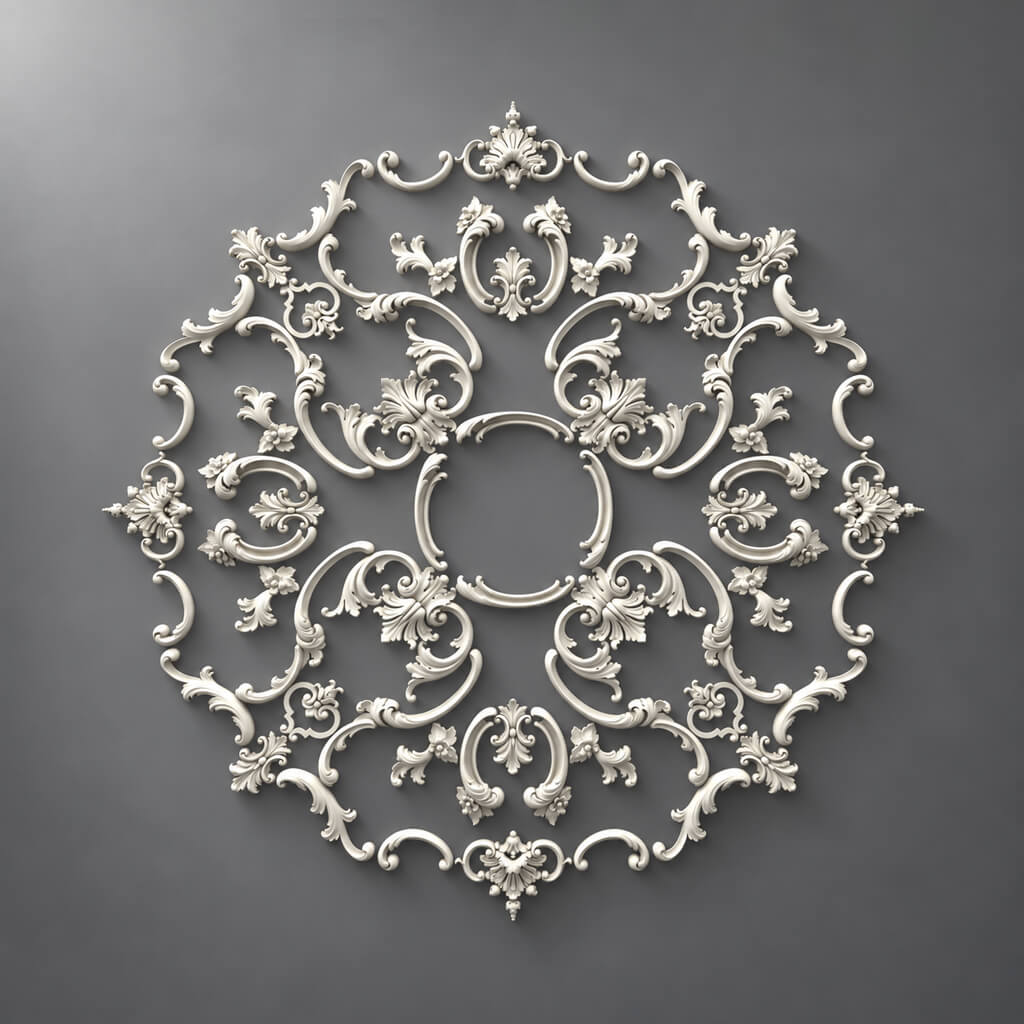
Ceiling rosettes are medallions for chandeliers and lamps, creating an accent in the center of the ceiling.
-
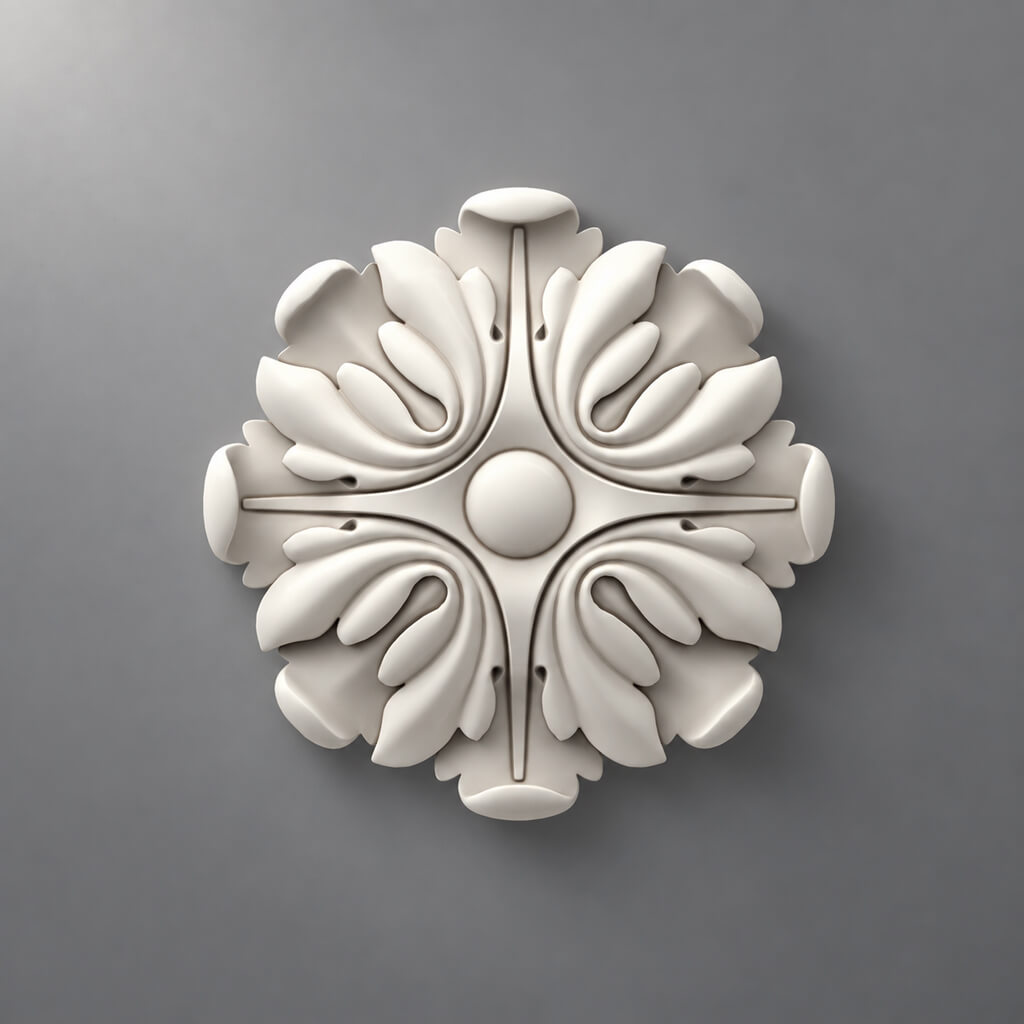
PU overlays are flat and three-dimensional stucco elements on the wall that form ornaments, relief panels, and accent zones.
-
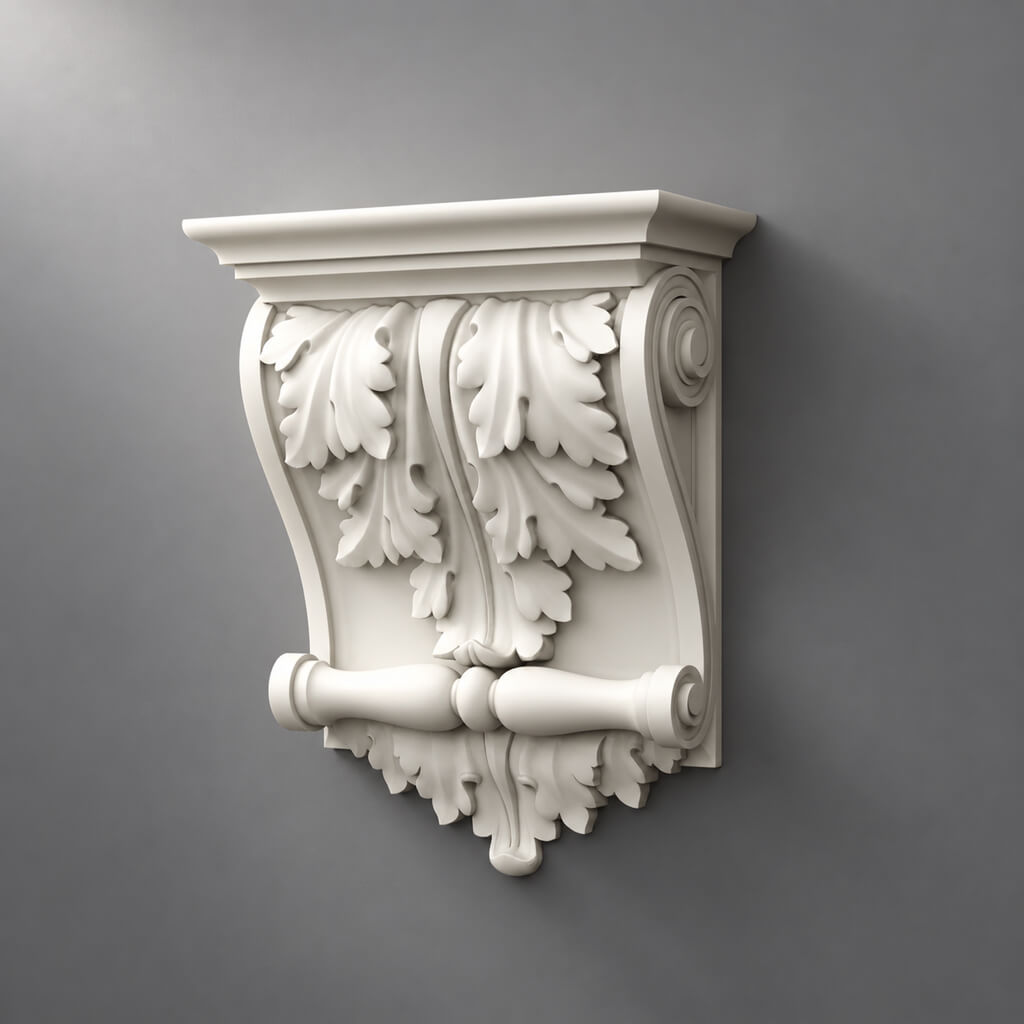
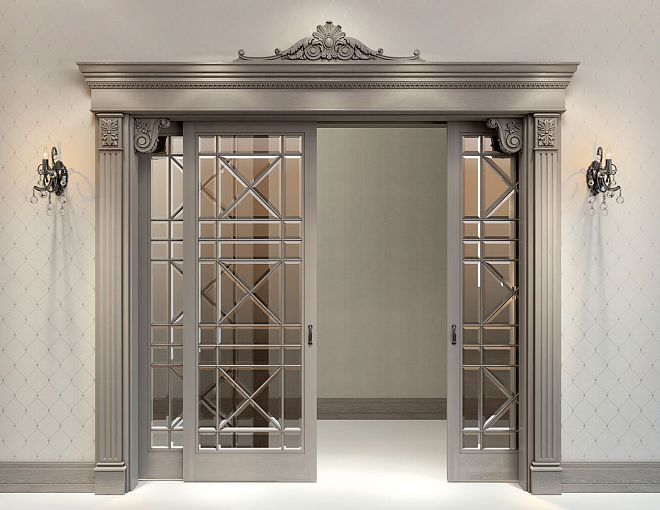
Pilasters and capitals are architectural verticals that give walls a classical order.
-
Decorative frames and coffers are for creating structured ceilings and wall panels.
Polyurethane wins where geometric precision, whiteness, ease of installation, and moisture resistance are important. This material is not afraid of kitchen steam, bathroom humidity, or facade temperature fluctuations.
Get Consultation
Wood: texture, warmth, furniture depth.
decor for furniture Solid wood is a completely different story. Here, the main thing is not geometry, but living texture, natural color, and the tactile feeling of warmth and nature.
Made from wood:
-
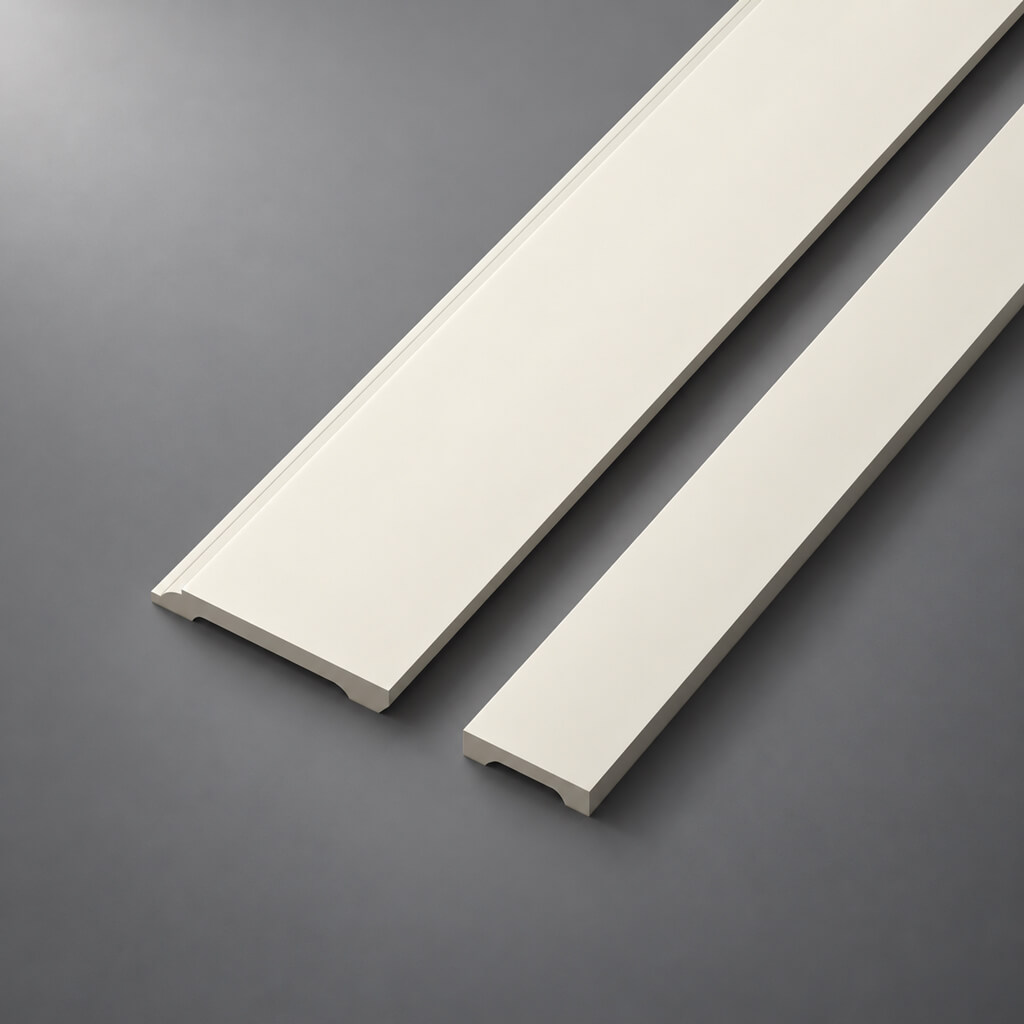
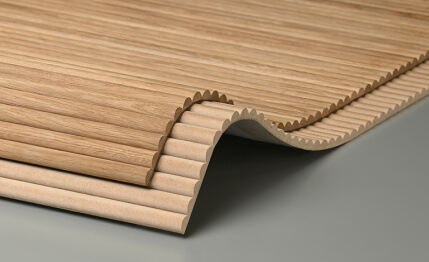
Wooden boards in interior — for vertical and horizontal rhythm of walls, accent surfaces, zoning.
-
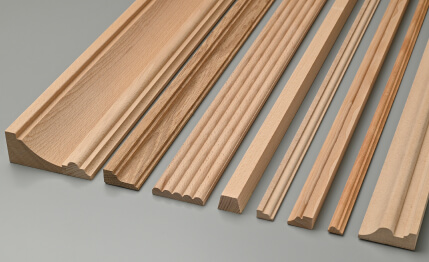
with a classic profile creates a sense of solidity, reliability. — for a beautiful finish between flooring and walls
-
Wooden Picture Frame — for framing transitions, borders, belts
-
Moldings from solid wood — for furniture fronts, doors, window slopes
-
Furniture Handles — wooden handles for cabinets, drawers, display cases
-
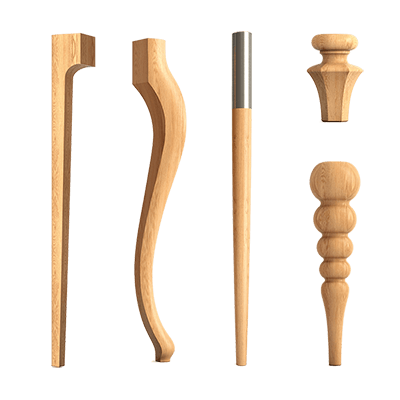
Wooden furniture legs — turned legs for armchairs, sofas, cabinets, tables
-
Decorative solid wood overlays — for decorating furniture fronts, bodies, display cases, doors
Wood works where texture, naturalness, and tactility are needed. It is a material that 'speaks' to a person differently — through natural grain, shade, smell, and feel.
By dividing areas of responsibility, you will never get confused: polyurethane — ceiling, cornice, wall frames, rosettes; wood — floor, baseboard, slats, furniture accents, handles, legs.
Stucco molding and wooden slats on the wall
One of the most relevant requests in interior design in recent years is Wooden plank for wall in combination with stucco. This solution seems complex, but in practice it yields one of the most expressive results.
Principle of combination
Wooden planks create a vertical rhythm. Evenly spaced along the wall, they turn the plane into a structure — almost like a living lattice that breathes, plays with light and shadow. Polyurethane moldings work on a different level: they form horizontal belts, frames, coffers.
When slats and moldings meet on the same wall, a play of vertical and horizontal arises — a classic technique known to architects since the Renaissance. The verticals of the slats set dynamics and height. The horizontals of the moldings provide stability and order.
Practical solutions
Option 1: Lower zone with slats, upper zone with stucco. The lower third of the wall (approximately up to a height of 90–120 cm) is finished with wooden slats — vertical or horizontal. Above is a transition belt of polyurethane molding. The upper part of the wall remains clean or is decorated moldings in the form of frame panels.
Option 2: Accent wall. One wall in the room — for example, behind the sofa or behind the headboard — is fully decorated using the combination technique. Moldings along the perimeter. Slats inside the field. This creates a feeling of expensive finishing without unnecessary decor.
Option 3: Column rhythm. Wide vertical slats are installed with a step of 20–30 cm. Decorative PU overlays — small rosettes or flat ornaments — are mounted between them. This technique is characteristic of neoclassical and art deco interiors.
Important rule of scale
Battens and moldings should "speak" in the same scale. If the batten is thin (10–15 mm), the molding should also be delicate — no wider than 30–40 mm. If the batten is wide (40–60 mm), the molding can be more massive. Violating this rule is the main mistake that destroys harmony.
The color of the batten and molding does not have to match, but the tone and character must match. White stucco and light birch will create an airy Scandinavian effect. White stucco and dark oak will give a striking contrast in the spirit of an English club.
Stucco and wooden baseboard
It would seem that the baseboard is a secondary element. But it is what completes the interior and ties all vertical elements together. An incorrectly chosen one with a classic profile creates a sense of solidity, reliability. can ruin even the most well-thought-out concept.
How to choose a baseboard for stucco
The main principle is unity of line. If your interior has polyurethane ceiling cornices 80 mm high with a stepped caisson profile, the baseboard should be no lower than 70–90 mm and preferably have a similar profile — with matching steps or rollers.
The profile of the cornice and the profile of the baseboard should be a "rhyme" — not an exact copy, but a consonance. This is a professional rule that classicists applied: the cornice mirrors the baseboard.
If delicate thin moldings are used in the interior (modern classic style, minimalism), a tall massive baseboard will stand out. Here it is better to choose a medium-height baseboard — 50–60 mm — with a clean straight profile.
Color: matching the parquet or matching the walls?
There are two classic solutions:
A baseboard in the color of the floor is a traditional technique that visually expands the flooring. It works well for small spaces. An oak wooden baseboard paired with oak parquet creates a sense of a unified space.
A baseboard in the color of the walls is a modern approach that "removes" the baseboard from view. A white baseboard against white walls with white molding creates a single architectural band around the entire perimeter.
A contrasting baseboard — dark on a light background or vice versa — is a bold design solution that requires confidence and a clear concept. If the room already has strong accents (dark furniture, a bright rug, a saturated wall color), a contrasting baseboard will enhance the dynamics. If the interior is calm and monochrome, contrast may be inappropriate.
About how how to choose a wooden baseboard for the floor, is detailed in a separate article — which also provides examples of combinations with different types of flooring.
A mistake that must not be made
Never place a wooden baseboard and a polyurethane cornice of different heights with incompatible profiles next to each other. For example, a massive baroque cornice of 150 mm and a thin straight baseboard of 30 mm is an architectural disaster. The top and bottom of the room must be balanced.
Molding and wooden furniture
Furniture and Decor — it is a link that either makes the interior complete or turns it into a set of unrelated objects. Wall stucco and wooden furniture must work in the same coordinate system.
How to connect wall stucco with furniture
A classic technique is repeating the language of forms. If the walls have moldings with smooth rounded profiles, the furniture facades of cabinets and display cases should have the same rounded milled edges. Sharp straight moldings will require geometrically clean furniture.
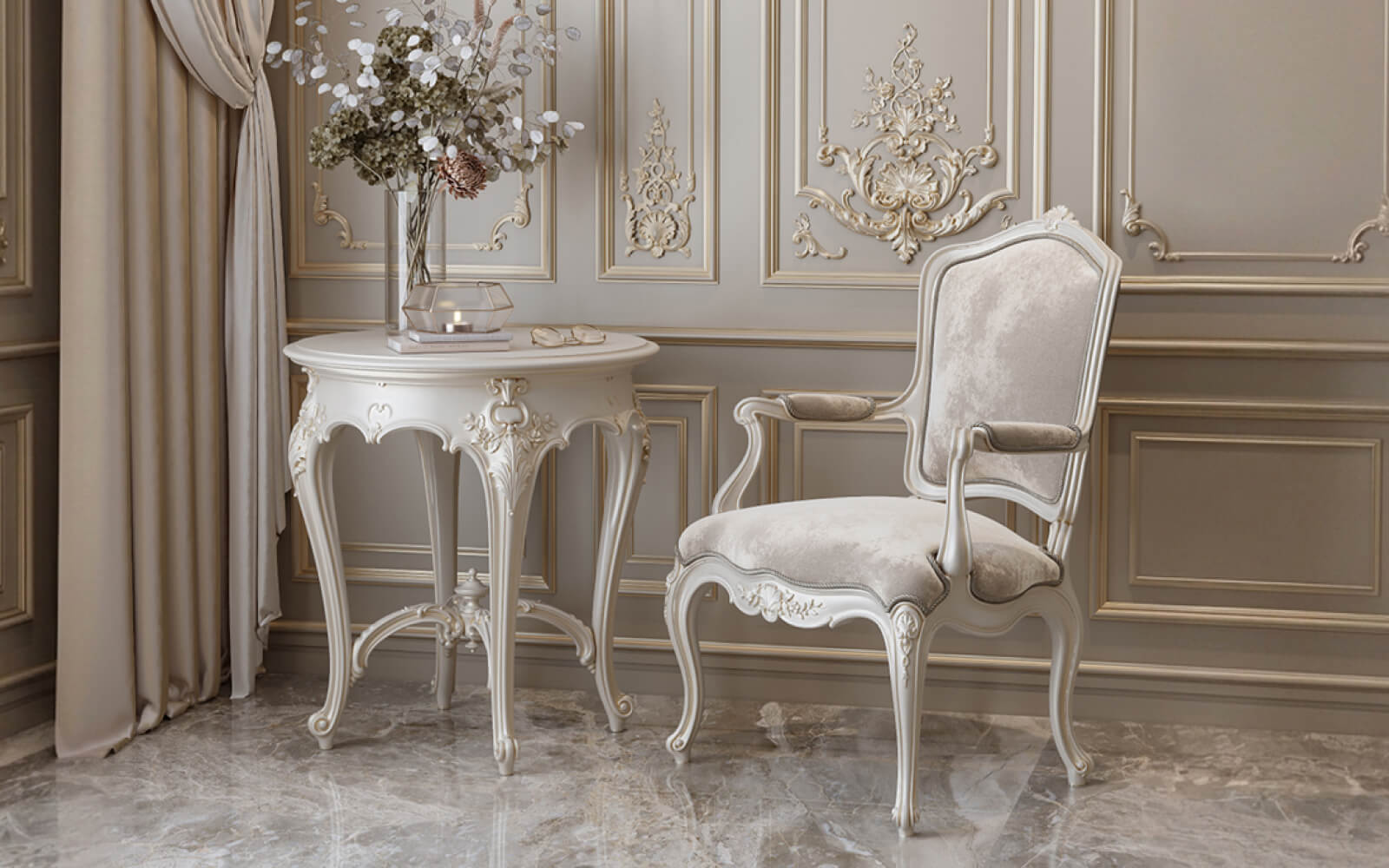
decorative elements for furniture made of solid wood — applied carved medallions, overlays on facades, milled belts — allow you to "transfer" the language of stucco to furniture. A cabinet with such overlays begins to look like a continuation of the wall decor. This is the pinnacle of interior unity.
Furniture handles and legs as part of the system
Furniture Handles made of wood — a detail that is often underestimated. Meanwhile, it is they that set the final tone. A turned wooden handle on a white enamel display cabinet creates a beautiful contrast of white and wood — the same one that repeats the link of white stucco and natural wooden slats on the wall.
Wooden furniture legs — turned, carved, conical — can also become an element of the overall decorative program. If the interior has classic columns or pilasters made of PU, furniture legs with similar proportions will create a sense of a well-thought-out system.
Chest of drawers, display case, shelving unit
For a classic living room, a typical scheme looks like this: a wall with frame panels made of polyurethane moldings — mirrors or paintings are hung in the niches of the frames. Below the frames stands a solid wood chest of drawers with decorative overlays. The chest handles are wooden, turned. The baseboard is oak, high, profiled. The ceiling cornice is polyurethane, with consoles.
All this is a single system where each element participates in a common conversation.
How to choose color: matching the wall, matching the wood, or contrast
The question of color is one of the most acute and at the same time most interesting in the combination of stucco and wooden decor. There is no single correct answer, but there are three clear scenarios.
Scenario one: monochrome
Stucco in the color of the wall. Wooden elements in natural color or in a shade close to the wall. This is the most delicate solution. White stucco on a white wall works like a bas-relief: decor exists but does not shout. Wooden slats in the same white color or in light beige create a unified field.
This scenario is good for small spaces, Scandinavian, Provencal, and minimalist interiors. Here, decor is primarily about texture, not color.
Scenario two: unified color palette
Stucco and wooden elements are chosen in the same palette — warm creams, cool grays, dusty greens, deep blues. The wall can be painted in a color, furniture in a close tone, slats in a similar shade, stucco slightly lighter.
This scenario is characteristic of Art Deco, modern classic, and French style interiors. Here, color becomes the main tool of unity.
Scenario three: contrast
White stucco on a dark blue or dark green wall. Dark oak wooden slats against light walls. This is the most expressive and risky option. It requires precise calculation of proportions and confident taste.
Contrast only works when the interior has a single axis: one light element, one dark, one natural. If the wall is dark, the ceiling is light. If the slats are dark, the moldings are light. If the furniture is dark, the baseboard is light.
Proper use of contrast creates interiors that are memorable. Improper use turns the space into chaos.
How to combine materials in a classic interior
Classic and neoclassical — a territory where Moldings decoration and wooden elements feel in their element. Strict but inspiring rules apply here.
Symmetry and Rhythm
A classic interior is built on symmetry. If there are pilasters on one wall, they should be on the opposite one. If there is a molding panel to the left of the window, there should be one on the right as well. Wooden slats in classic design are placed with a clear and even spacing. No randomness — only order.
This rule also applies to the combination of materials. Polyurethane cornices run along the entire perimeter of the room without breaks. wooden cornice can be used as an accent element in separate zones — for example, as a shelf cornice above bookcases.
Proportions
In classic design, the golden ratio rule applies. The lower part of the wall (the panel zone with slats or wooden panels) should be about one-third of the total wall height. The middle zone — the main field — takes up most of the space. The cornice and upper molding crown it all.
This rule sets the correct proportions for stucco, battens, baseboards, and furniture. If the wall is 3 meters — the lower zone is about 90–100 cm, the upper cornice is 10–15 cm, the middle is everything else.
Uniform rhythm of lines
Horizontal lines of moldings, cornices, and belts should be connected with the horizontals of furniture. A molding belt at the level of the cabinet top creates a horizontal "frame" for the entire space. The baseboard line continues into the furniture plinth line. Wooden Moldings on furniture facades rhyme with moldings on the walls.
An interior where lines "speak" to each other is perceived as a work of architecture — even if it's an ordinary apartment.
How not to overload the interior with decor
This is perhaps the most important question on the topic of stucco and wooden decor. Decor is like spices in cooking: a little too much — and everything is ruined.
The "no more than three profile types" rule
There should be no more than three different profiles on one wall. For example: baseboard — molding — cornice. Or batten — belt — rosette. If you add a pilaster, a flat overlay, a corner element, and another molding — the wall will turn into a collection of samples, not an interior solution.
Rule of scale and ceiling height
In a room with a 2.5-meter ceiling, there is no place for 200 mm baroque cornices. Delicate profiles of 50–70 mm are needed here. Massive stucco in a low room "presses down" and visually reduces the space. Wooden slats in a low room should be vertical — they will stretch the room upward.
Single wood shade
Do not mix more than two wood shades in one space. Light oak and dark walnut in one room are different worlds. Choose one main wood tone (e.g., natural oak) and one accent tone (e.g., oak stained in tobacco color). That is enough.
Small stucco next to massive furniture
Small decorative stucco elements get lost next to large case furniture. If the room has a large bookcase or a massive sideboard, the wall moldings should be proportionate — not small beads, but full-fledged profiles.
Cleanliness and air
The most beautiful thing in a good interior is the pauses. Empty fields between moldings. The smooth part of the wall between slats. The unfilled ceiling between the rosette and the cornice. Decor is only visible when there is space for the eye. Without pauses — only noise.
Wooden moldings and stucco: the subtle art of combining
Wooden moldings for walls and furniture — a separate topic that deserves attention in the context of combining with polyurethane. A wooden molding has a different character: it is denser, heavier in feel, richer in texture.
On furniture facades, wooden moldings create the effect of expensive carving. On doors, they form a paneled pattern. On walls, they add warmth where polyurethane molding would be too "cold" and architectural.
A good strategy: polyurethane for the ceiling and upper wall belts, wooden molding for the lower belts and furniture surfaces. This allows you to achieve both architectural clarity (above) and natural warmth (below) in the interior.
Which elements to buy for a unified interior solution
If you are considering creating a comprehensive interior based on stucco and wooden decor, here is a practical list of elements that make up a cohesive space.
Polyurethane elements
-
Molding on the Wall — PU overlays for wall panels and accent zones
-
PU cornices and moldings for the ceiling perimeter and wall belts
-
PU ceiling rosettes for an accent in the center of the ceiling
-
PU pilasters and decorative consoles for architectural verticals
Wooden elements
-
Wooden plank — for wall finishing and creating rhythmic surfaces
-
Wooden baseboard — high profile baseboard made of solid wood
-
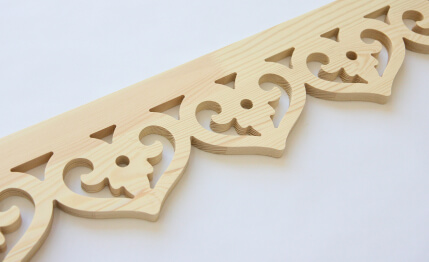
Wooden baguette and moldings — for frames, belts, transition elements
-
Wooden moldings — for furniture facades, doors, wall panels
-
Wooden Inlays — carved and milled elements for furniture decoration
-
Furniture handles wooden — for cabinets, dressers, drawers
-
wooden furniture legs — turned furniture legs
-
wooden cornice — for accent zones and shelf belts
Selection logic
Start with the cornice and baseboard — they set the vertical scale of the entire room. Then choose the type of wall moldings — they define the character of the space. After that, select slats to match the wood tone. Finally, add furniture details — handles, legs, overlays — in the same material and shade.
Where to buy stucco and wooden decor
When the time comes to bring your envisioned interior to life, it's important to find a supplier who offers not just a product, but a system — a complete set of elements compatible in style, proportions, and quality.
STAVROS is exactly such a supplier — a Russian manufacturer and distributor of decorative polyurethane and solid wood products with a long history in the interior decor market.
STAVROS polyurethane decor
The STAVROS catalog features a full range decorative molding of polyurethane products: from classic cornices and ceiling rosettes to complex wall panels and facade elements. Each element is made from high-quality European material, moisture-resistant, easy to install, and excellent for painting.
If you are looking for buy polyurethane decor for living room, bedroom, study, hallway, or house facade — the STAVROS catalog has a solution for any style and budget.
STAVROS wooden decor and moldings
The solid wood product line in the STAVROS catalog includes over 4,000 models and 20,000 modifications. Oak, beech — each item undergoes professional drying and additional hand sanding. Two quality levels — Standard and Prestige — allow you to choose a product for any budget.
Here you can buy wooden interior rails, buy wooden skirting board, Buy wooden trim, buy decorative elements for furniture — everything in one place, everything in one quality system.
One supplier — one style — one result
The main advantage of working with STAVROS is the ability to order the entire range of decorative elements from one supplier. This guarantees stylistic and proportional unity of all details — from ceiling molding to a dresser handle.
Shipment from 1 piece, large warehouse program, Contact us to confirm shipping to your destination. For professional designers and construction companies — individual terms and technical support for the project.
Frequently asked questions
Can polyurethane molding and wooden baseboard be combined?
Yes, and this is one of the most popular and logical combinations. A polyurethane cornice completes the ceiling, a wooden baseboard completes the floor. Between them is a wall with moldings and slats. The main thing is to coordinate the profiles and heights of the elements so that the top and bottom of the room are proportional.
How to choose moldings for wooden furniture?
Look at the milling profile of furniture facades. If the facade has rounded edges, the moldings on the walls should have a similar rounding. If the facade is geometrically sharp, the moldings should have straight edges. Repeating the language of shapes creates a sense of a unified design project.
Molding and wooden slats on one wall — how not to overdo it?
Use the principle of height zoning. Battens — in the lower third of the wall, moldings — in the middle or upper third. Do not combine them in the same field: each element should have its own territory. Maintain a consistent spacing and scale.
Are stucco for painting and natural wood compatible?
Absolutely. White painted stucco and natural wood are a classic contrast. White polyurethane molding and natural oak battens are one of the most common techniques in modern classic and neoclassical styles. White emphasizes the warmth of wood, while wood adds depth to white.
How to choose the color of stucco to match furniture?
Three approaches: first — stucco in the color of the furniture (if the furniture is white or painted). Second — stucco in the color of the walls (the decor blends into the surface, working as a bas-relief). Third — stucco contrasts with both the furniture and the walls — a bold accent for a confident interior. The optimal solution depends on the style, ceiling height, and lighting scenario of the room.
Where to buy stucco and wooden decor in one place?
STAVROS is a manufacturer and distributor of a full range of decorative products: PU stucco, wooden moldings, baseboards, battens, trims, furniture overlays, handles, and legs. All products are manufactured to a single quality standard and are compatible in proportions and style.
Does wooden decor and stucco look appropriate in a living room?
The living room is the main room for applying this combination. It is here that it is customary to create a complete interior statement: cornice, moldings, battens behind the sofa, wooden baseboard, furniture with decorative overlays. All together creates an atmosphere that no bare-bones renovation can replace.
STAVROS is not just a catalog of products. It is a professional decor system that allows a designer, architect, or client to build an interior from baseboard to ceiling rosette in a unified style. Polyurethane Polyurethane moldings и Solid wood products From STAVROS — it's a guarantee of quality, proportion consistency, and stylistic unity in every project. Choose STAVROS when the interior needs to be not just beautiful, but flawless.