
























Article Contents:
- When wooden legs for a sofa and armchair are needed
- Restoration: a second life for old furniture
- Changing the seat height
- Changing the style
- Styling a new sofa to match the interior
- How legs for upholstered furniture differ from regular furniture supports
- Load and weight distribution
- Number of support points
- Method of mounting
- How to choose the height of sofa legs
- Low legs: 5–10 cm
- Medium height legs: 10–18 cm
- High legs: 18–25 cm and above
- Practical rule
- Wooden chair legs
- Proportions are the main criterion
- Seating and comfort
- Form and style
- Legs for a bench and pouf
- Bench in the hallway
- Pouf in the bedroom or living room
- Bedside bench
- Leg shape: straight, round, turned, shaped
- Straight legs: purity and peace
- Turned legs: classic and neoclassical
- Shaped legs: decorative program
- Geometric modern legs
- Material and finish: from raw wood to patina
- Oak
- Oak
- Finishing options
- Connection with the interior
- How to choose legs for the sofa style
- Classic and neoclassic
- Provence and Country Style
- Modern classicism
- Scandinavian style and mid-century
- Dark upholstered furniture
- Light upholstered furniture
- Common mistakes when choosing legs for upholstered furniture
- Mistake 1: Too thin legs for a heavy sofa
- Mistake 2: incorrect height
- Mistake 3: Random wood shade
- Mistake 4: Style mismatch
- Mistake 5: Weak attachment
- Mistake 6: Too many different supports in one room
- Decorative furniture elements as a system extension
- Where to buy wooden legs for sofa and armchair
- STAVROS: full range of solid wood furniture legs
- What else can be ordered from STAVROS for upholstered furniture
- Frequently Asked Questions
- How to choose legs for an old sofa?
- What legs to put on a classic-style sofa?
- Can you put high legs on a soft armchair?
- How do sofa legs differ from table legs?
- Are wooden or metal legs better for a sofa?
- How to match legs to sofa upholstery?
- Where to buy wooden sofa legs in Russia?
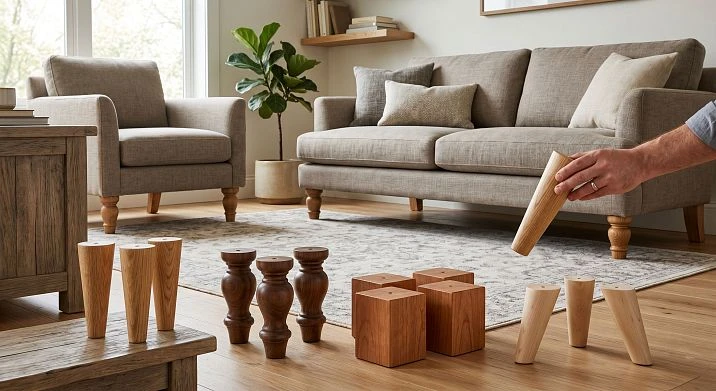
There are things you only notice when they are wrong. Sofa legs are exactly that category. When they are chosen correctly, the upholstered furniture seems to 'float' in space, looks cohesive, stylish, and expensive. When wrong, the sofa appears heavy, alien, an item that accidentally ended up in the room. And yet it's just about four wooden supports.
Wooden legs for sofas — this is not a secondary detail or a matter of taste 'for later'. It is the architecture of your upholstered furniture. And if you are restoring an old armchair, want to update a sofa in the living room, are selecting supports for a bench in the hallway or a pouf in the bedroom — this article is written for you. We will cover everything: height, shape, material, style, load, fastening, and typical mistakes that ruin even a good interior.
When wooden legs for a sofa and armchair are needed
There are far more reasons to replace or choose new supports than it seems. Let's be honest — most people only think about this when one leg is already broken. But a thoughtful approach to interior design opens up a much broader list of scenarios.
Restoration: a second life for old furniture
An old sofa with worn but still sturdy upholstery can be transformed in a single day — if you replace the worn-out or mismatched supports. This is especially relevant for Soviet and post-Soviet sofas: structurally, they are often solid, but their legs are either broken or so unremarkable that they devalue the entire piece of furniture.
Replacing supports as part of restoration is one of the most cost-effective ways to update upholstered furniture without reupholstering or buying a new item. New wooden legs and furniture supports made of solid oak or beech turn a 'grandmother's' armchair into a stylish art object.
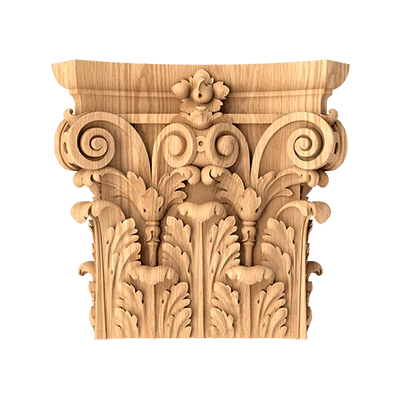
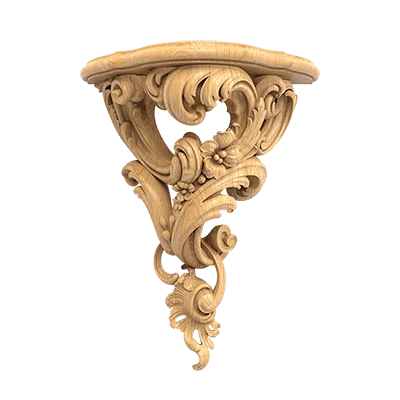
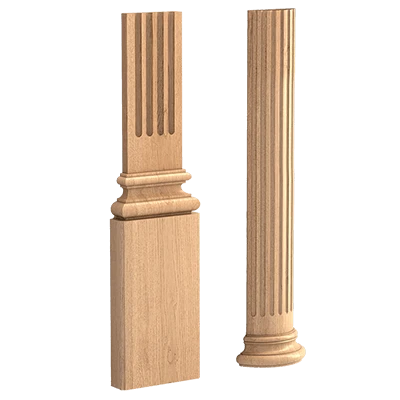
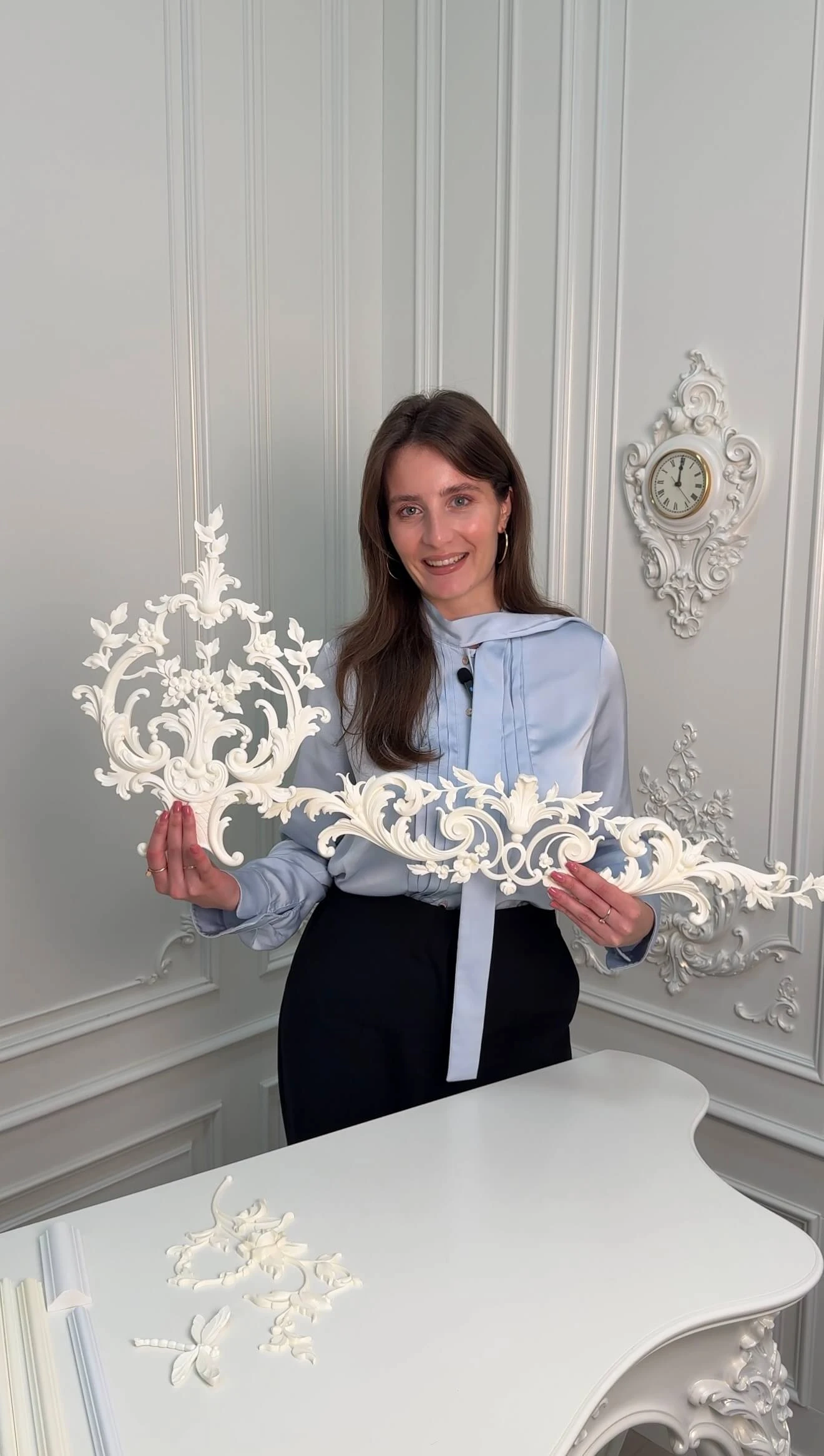
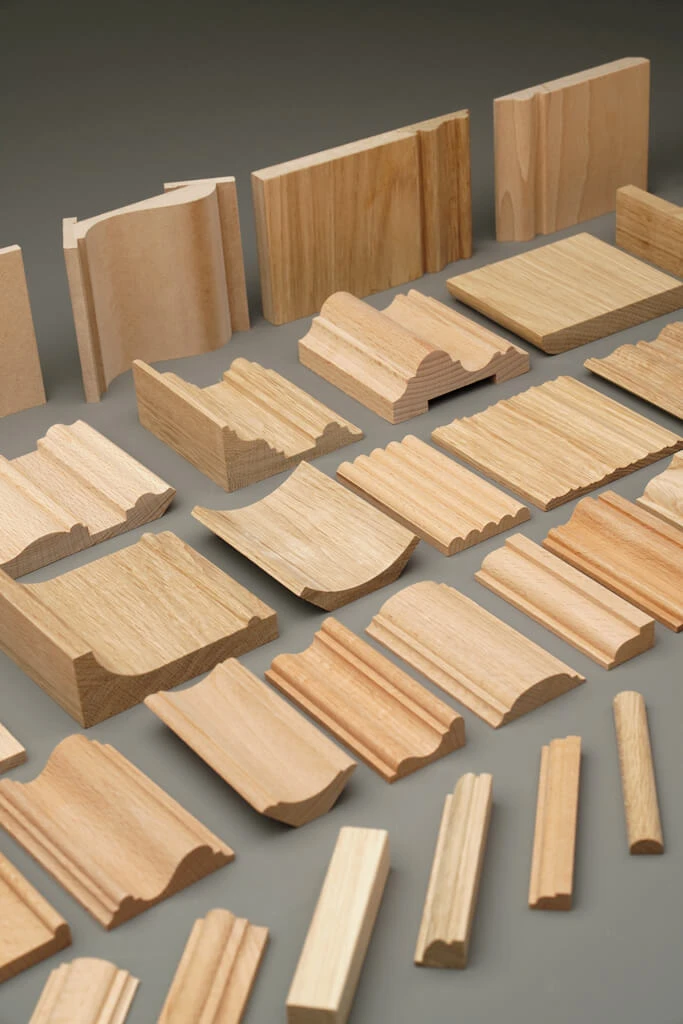
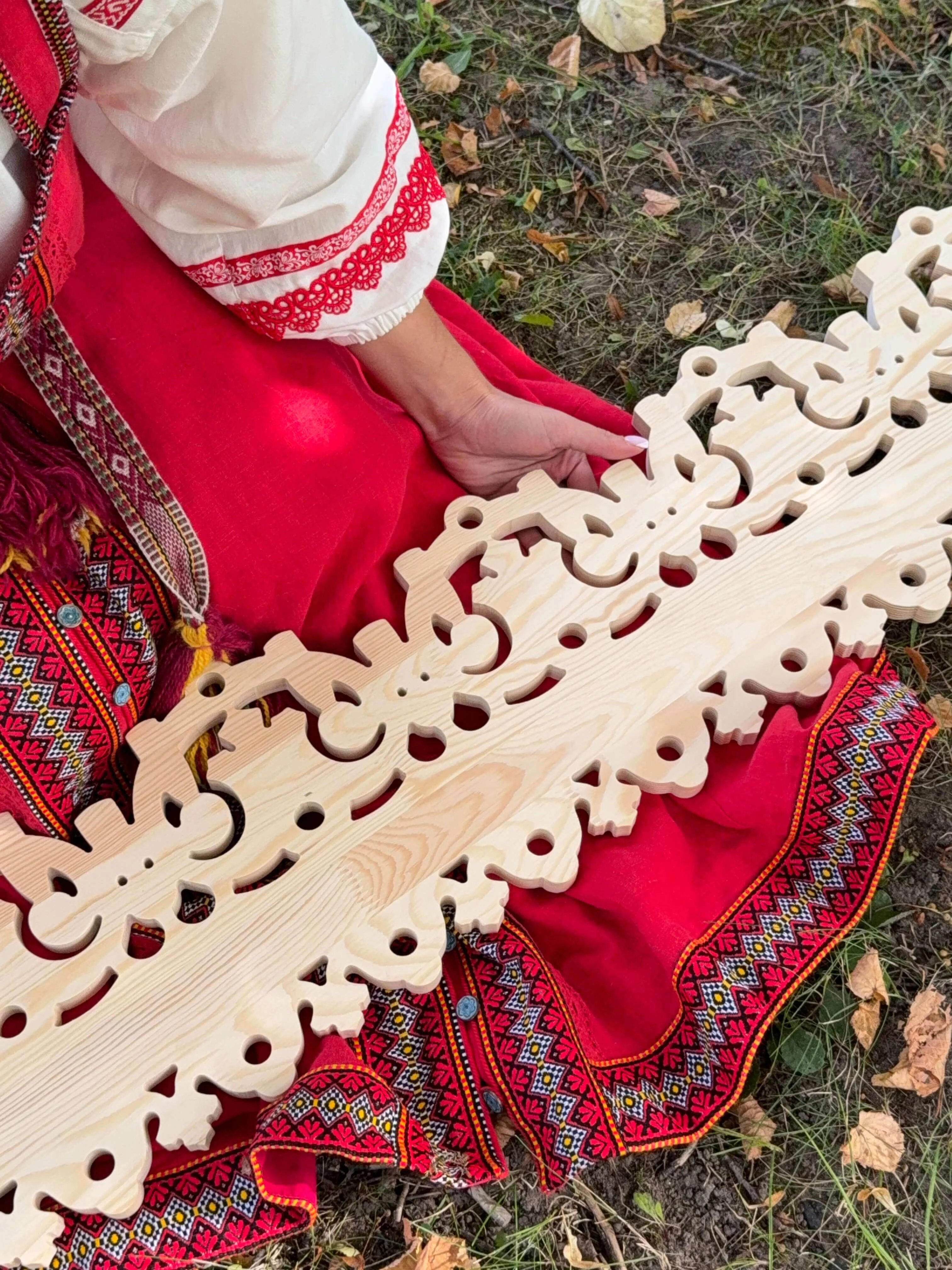
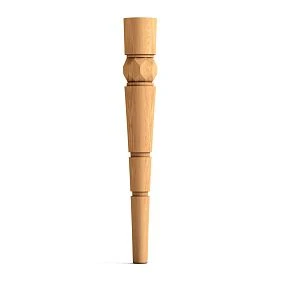
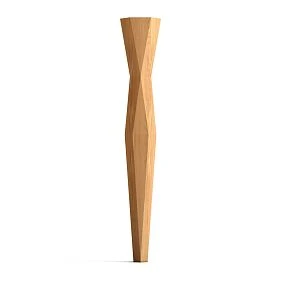
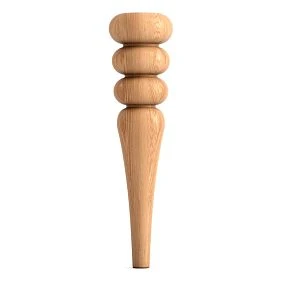
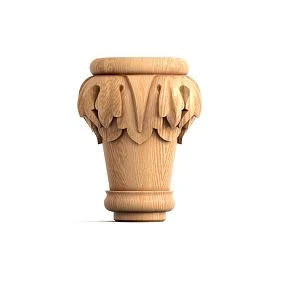
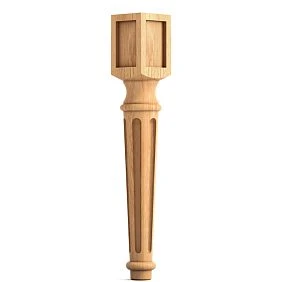
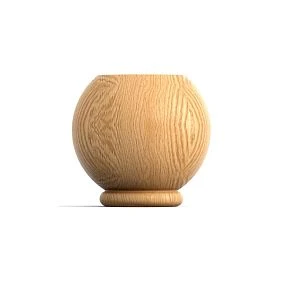
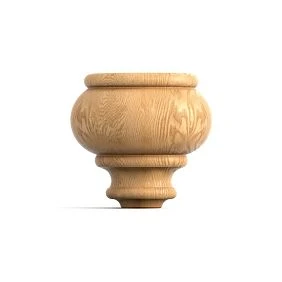
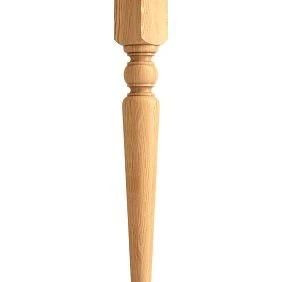
Our factory also produces:
Changing the seat height
For some, it's fundamentally important that the sofa is lower — then it looks more monumental and creates a feeling of coziness, a 'nest.' Others need a higher seat: easier to get up from, more comfortable for long periods of working on a laptop or talking. The height of the legs directly affects ergonomics — and this is a real functional reason for replacing or selecting them.
Get Consultation
Changing the style
You've renovated, changed the interior concept — and the old supports no longer fit into the new picture. It was in the spirit of '2000s euro-renovation,' now it's neoclassical. Or vice versa: there was a heavy classic sofa, and you want a light Scandinavian silhouette. The shape and color of the legs are the fastest and cheapest way to 'reboot' the look of upholstered furniture.
Styling a new sofa to match the interior
Many people buy a sofa in a store — and it comes with plain plastic or standard wooden legs. Replacing them with wooden furniture legs solid wood ones, matched to the color of the parquet or baseboard, immediately integrates the sofa into the interior as an organic, well-thought-out part of the space.
How legs for upholstered furniture differ from regular furniture supports
This is an important technical question that is often overlooked. A sofa support is not the same as a leg for a dresser or coffee table. It involves different loading mechanics, different stability requirements, and a different method of attachment.
Load and weight distribution
A sofa is one of the heaviest pieces of upholstered furniture. Just the frame and transformation mechanism weigh 40–80 kg. Add the weight of people — and each leg can bear a load of 50 to 150 kg at peak moments. A sofa support must be designed for such a load: no thin turned legs with a diameter of 20 mm for a corner sofa with a "eurobook" mechanism.
For a sofa, legs with a diameter or cross-section of 45 to 80 mm, made of dense hardwood — oak or beech — are optimal. These are exactly what are offered by buy furniture legs and supports from the STAVROS range: turned and geometric models in a wide range of cross-sections.
Number of support points
A three-seater sofa requires at least four legs, and six if it is over 220 cm long. An armchair is stable on four legs. An ottoman, depending on its design, requires four to six legs. The rule is simple: the longer and heavier the furniture, the more support points it needs, and the stronger each leg must be.
Fastening method
Legs for upholstered furniture are most often attached using one of three methods:
-
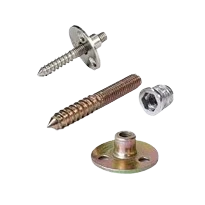
Bolt fastening through a mounting plate is the most common option for sofas. It is reliable, detachable, and allows replacing a leg without disassembling the furniture.
-
Screw fastening is for lightweight armchairs and ottomans where the load on the support is small.
-
Threaded insert + bolt is a classic for upholstered furniture. The insert is driven into the frame, and the bolt is screwed into the leg. It is a very strong and precisely adjustable connection.
When ordering wooden legs for sofa and armchair specify the type of fastening in advance — this is critical for installation.
How to choose the height of legs for a sofa
Height is the first and main parameter to start with when choosing. It determines the seating position, the feel of the furniture in the space, and the visual 'weight' of the sofa.
Low legs: 5–10 cm
Low supports create a feeling of groundedness and monumentality. A sofa on such legs looks solid, dense, and stable. This is good for large living rooms with high ceilings, where a "anchor" of space is needed. It is also an optimal option for families with small children: less risk of hitting, easier to climb on and off.
The only downside is that cleaning under such a sofa turns into a quest. And if you have pets that like to hide under furniture, low legs will close off that possibility.
Medium height legs: 10–18 cm
This is the most versatile range. The sofa is "raised" above the floor enough to vacuum under it. The seating is comfortable for most adults. The silhouette looks light, but without frivolity.
It is these legs that manufacturers most often install on sofas and armchairs in classic, modern, and neoclassical styles.
High legs: 18–25 cm and above
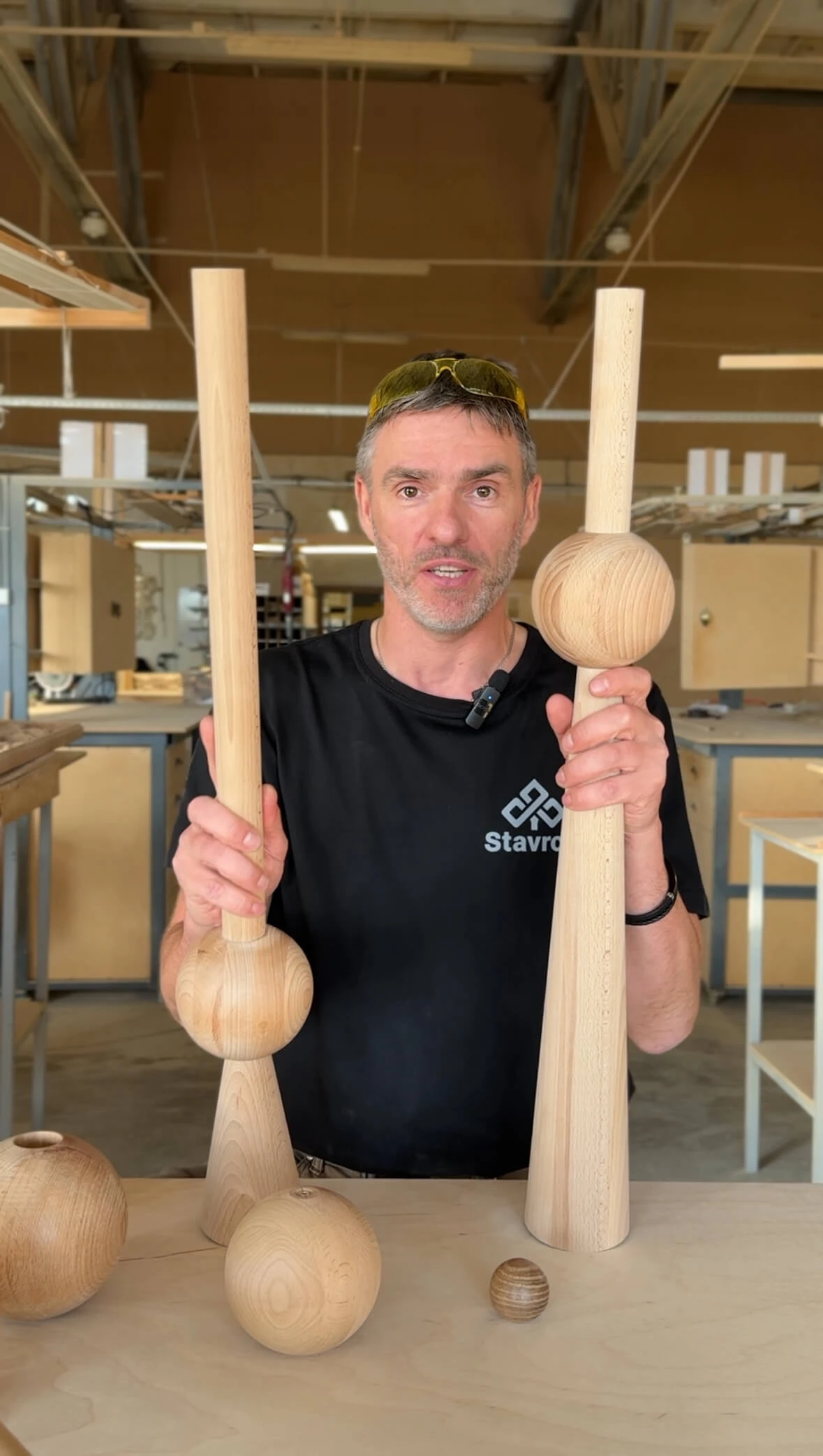
tall wooden legs for furniture radically change the perception of upholstered furniture. A sofa or armchair on such supports looks airy, light, almost floating. This is characteristic of interiors in Scandinavian, mid-century, and loft styles.
High supports are perfect for small rooms — they visually free up the floor and create a feeling of more space. It is easy to clean under such furniture, and the lower part of the room remains "breathing."
Practical rule
The optimal seat height of a sofa for an adult is 42–48 cm from the floor. If you know the height of the frame (without legs) and subtract it from the desired seat height, you will get the required leg height. This is a precise engineering calculation that will save you from disappointments.
Wooden legs for an armchair
An armchair is smaller than a sofa, but its legs have the greatest impact on the silhouette. The area of the armchair is small, and the supports occupy a significant part of the visible surface. An incorrectly chosen leg instantly "kills" the shape of the armchair.
Proportions are the main criterion
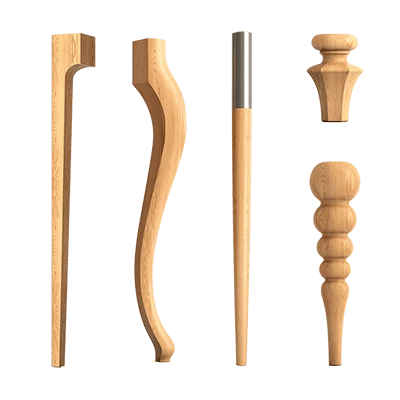
A small armchair with elegant upholstery requires thin, delicate legs. A wide club-style armchair with deep seating requires sturdy supports with a diameter of at least 50–60 mm. Geometric legs with a square cross-section are good for rectangular modern armchairs. Turned classic supports are suitable for soft rounded shapes in neoclassical and Provencal styles.
Seating and comfort
The height of the armchair legs affects the backrest angle and seat depth. If you put too high legs on an armchair with a shallow seat, the seating will become uncomfortable — legs will "dangle" without reaching the floor. If too low — it will be difficult to stand up and sit down. The optimal seat height for an armchair is 42–46 cm.
Shape and style
For armchairs, the following are most often used:
-
Turned legs with classic rollers and balusters — for classic and neoclassical styles
-
Tapered straight legs — for Scandinavian style, mid-century
-
Cabriole legs with an S-shaped curve — for French classic, Louis style
-
Geometric square supports — for modern, minimalist armchairs
All these options are available in the assortment solid wood furniture supports STAVROS — from compact turned models to large geometric supports.
Legs for a bench and pouf
A bench and pouf are a special category of upholstered furniture where legs play three roles at once: functional (stability), ergonomic (height), and decorative (style). And often the decorative role takes center stage.
Bench in the hallway
The hallway is the place of first visual contact with the interior. A bench here should be not only comfortable but also beautiful. Wooden legs for a bench are a chance to create an accent, linking the furniture with the floor color, baseboard, or wooden panels on the walls.
The optimal height of a bench is 42–48 cm. Legs for a bench in the hallway should be stable: here people sit down and stand up regularly, often with shoes in hand, with bags, with children. Minimum cross-section is 40 mm, wood species — oak or beech.
Pouf in the bedroom or living room
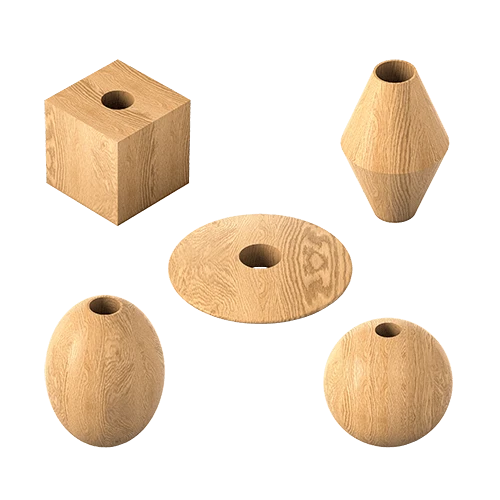
A pouf is multifunctional furniture: it is an extra seat, a footrest, and a decorative element. Legs for a pouf are usually low — 8–15 cm, but they can be very expressive. Spherical supports, curved turned legs, geometric stands — all of this works for the pouf's image.
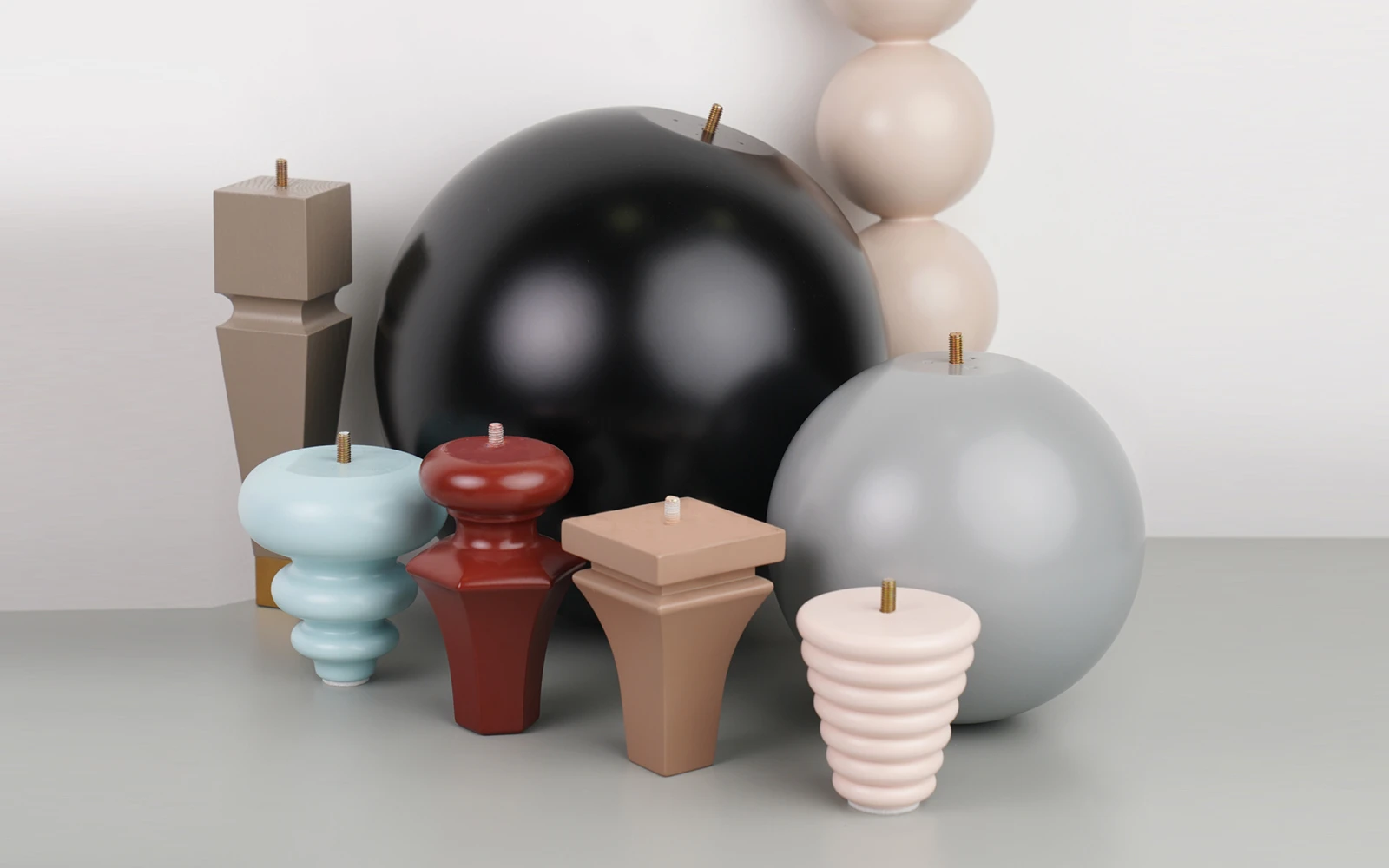
Round ottomans are especially good with round wooden furniture legs: they rhyme with the shape of the ottoman itself and create visual harmony. Spherical legs are a separate story: they add playfulness and lightness to the furniture.
Bedside bench
This is one of the most elegant forms of a bench — narrow, elongated, at the foot of the bed. Here, the legs work especially expressively: they set the tone for the entire bedroom. The rule is simple: the legs of the bedside bench should echo the legs of the bed — either identical or from the same stylistic family.
Leg shape: straight, round, turned, figured
Shape is the DNA of a furniture leg. It defines the style, character, and historical affiliation. Let's break down the main types.
Straight legs: purity and peace
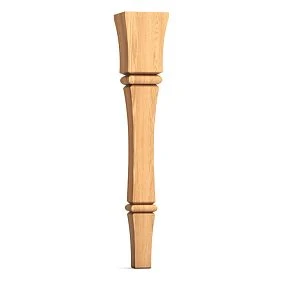
Straight supports with a square or rectangular cross-section are the choice of those who value geometry and order. They work well in modern interiors, lofts, and minimalism. Such legs don't argue with the upholstery, don't steal attention — they just do their job clearly and without unnecessary words.
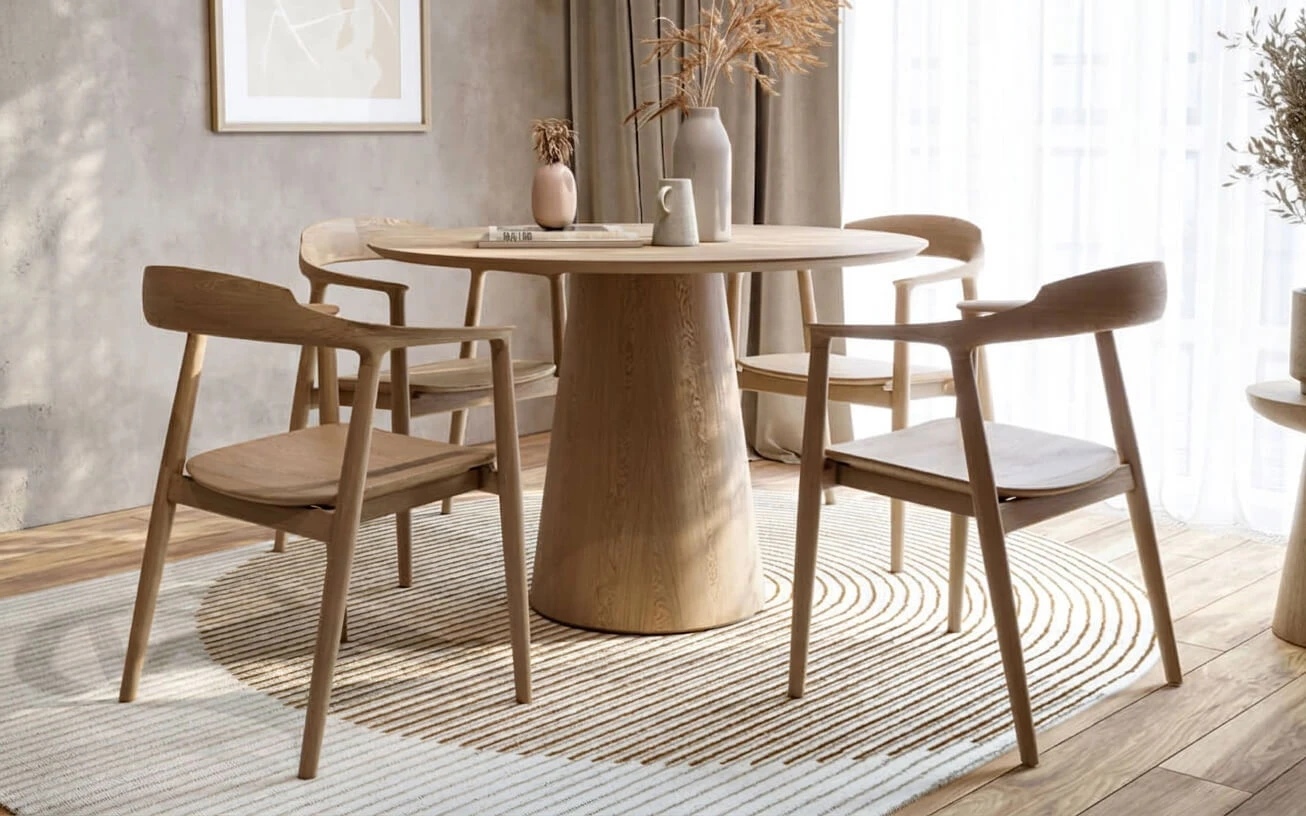
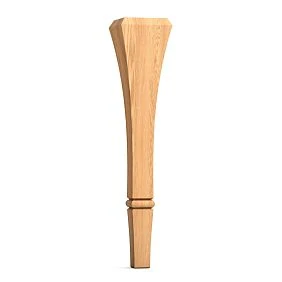
Straight tapered legs (with a slight narrowing towards the bottom) are a separate variety. This is a classic of mid-century and Scandinavian design from the 1950s–60s. They make furniture light, dynamic, and modern even decades later.
Turned legs: classic and neoclassical
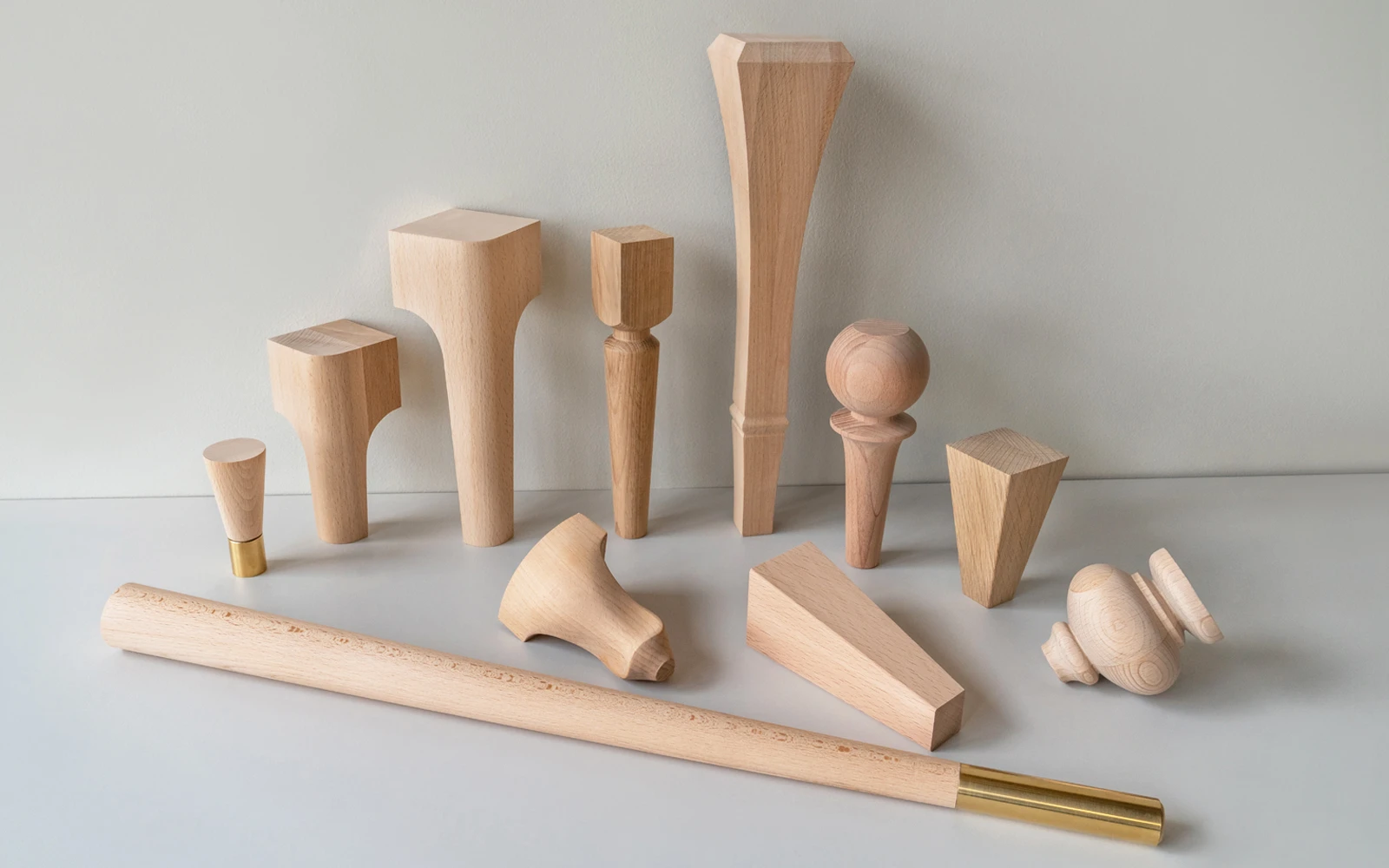
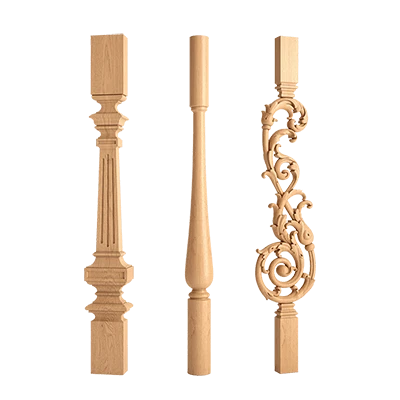
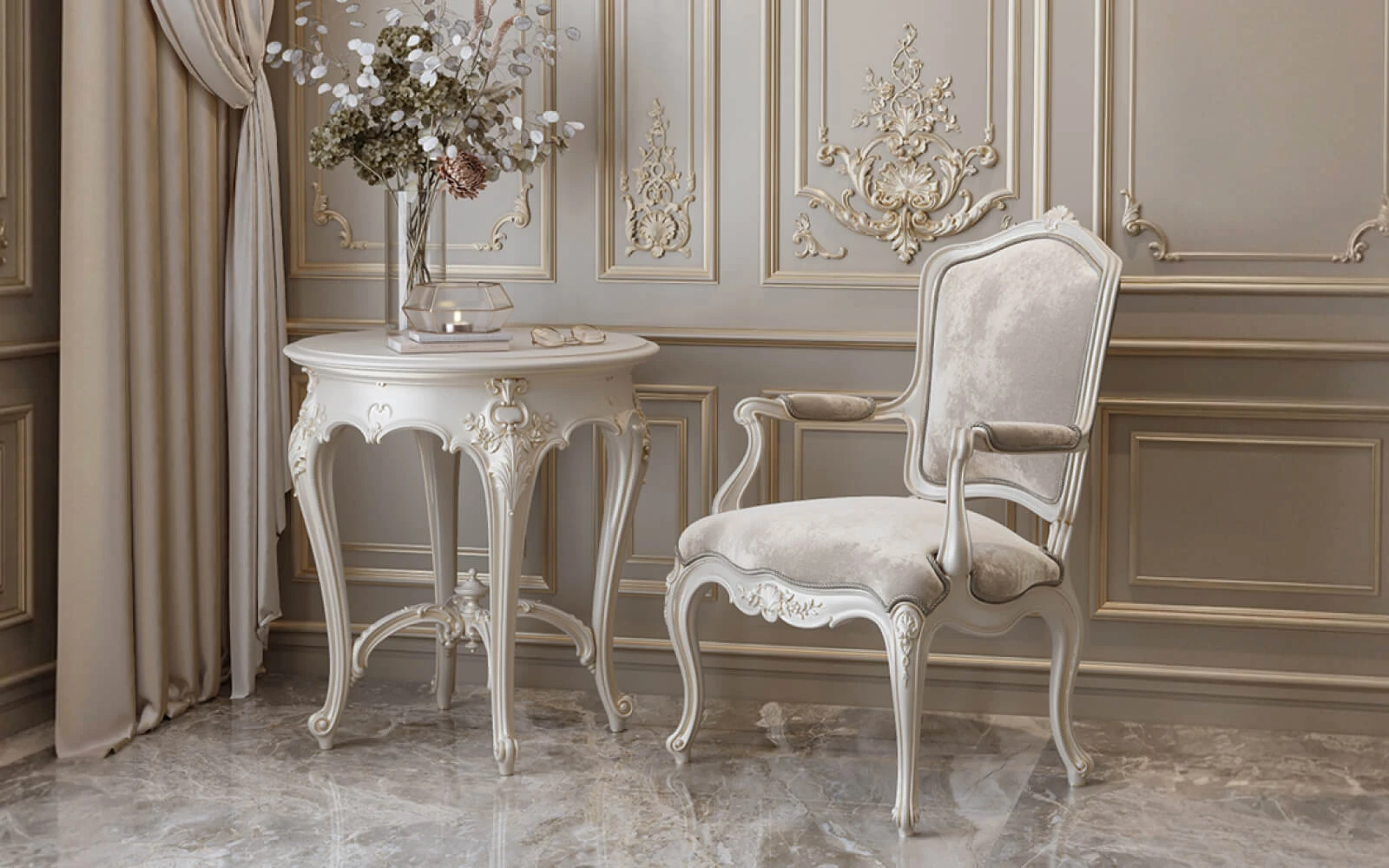
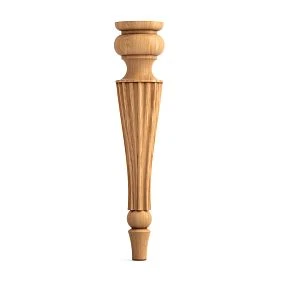
Turned supports are the art of turning in furniture. Rollers, necks, spools, vases — each profile carries architectural memory. Such wooden legs for chairs and tables and for upholstered furniture are appropriate in classic, neoclassical, Empire, Baroque, and Provencal interiors.
A turned leg is not a detail, it's an accent. If you want a sofa or armchair to look like an expensive piece with history — turned wooden supports made of natural oak will provide exactly that effect.
Figurative legs: decorative program
Figurative supports — cabriole legs, carved supports with leaf decor, supports with a "paw" at the base — are the highest class of decorativeness. They require appropriate furniture: rich upholstery, fringe, tassels, patterned fabrics. Placing a cabriole under a simple rectangular sofa with plain upholstery is like wearing a tailcoat with jeans.
But under an armchair in the style of Louis XV, under a bench with gold decor, under a chaise lounge in the spirit of French Baroque — figurative legs are absolutely organic.
Geometric modern legs
These are rectangular or cylindrical supports with pronounced geometry, sometimes with beveled edges or milled elements. They stand on the border between classic and modern. Such legs are good for "modern classic" interiors, Art Deco, neoclassical in a restrained style.
Material and finish: from raw wood to patina
Wooden fittings and decor for furniture The array offers a wide selection of wood species and finishing options. Let's take a closer look.
Oak
Oak is the standard of strength and aesthetics. The hardness of oak allows it to bear serious loads without deformation. The texture of oak is large, expressive, and noble. After tinting, oak acquires a depth of color unattainable for soft woods. Oak legs are the optimal choice for heavy sofas and classic armchairs.
Beech
Beech is a more uniform wood in structure, with a fine texture. This makes it an ideal material for turned and shaped supports: the details come out clear, without snags or unevenness. Beech legs are good for painting in white, cream, gray — they provide an even coating without the texture showing through.
Finishing options
-
Unpainted (for painting) — maximum freedom. You can paint in any color, tint, cover with wax or oil. Buy legs for furniture without coating — means getting a blank canvas
-
Natural varnish — preserves the color and texture of the wood, protects against moisture and scratches. Good for furniture with natural wood finish
-
Tinting — gives the wood a darker, "aged" or, conversely, bleached shade. Popular options: natural oak, walnut, wenge, tobacco, bleached oak
-
Patina — imitation of age. Gold or silver patina on a dark base creates the effect of antique furniture
-
Painting in white or color — a popular solution for Provence, country, neoclassical. White legs under dark upholstery are always striking
Connection with the interior
The legs of a sofa or armchair should be connected to other wooden elements in the interior: baseboards, parquet, furniture handles, wooden slats, or moldings. This can be a match in shade — or a deliberate contrast. But it should never be accidental.
How to choose legs for the style of a sofa
The style of upholstered furniture and the style of legs are a union that either makes the interior or ruins it. Let's consider the main scenarios.
Classicism and neoclassicism
A classic sofa is typically soft shapes, quilted upholstery, patterned fabric (stripes, paisley, floral motifs) or solid velvet in a rich shade. Turned legs made of oak or beech — with rollers, necks, widening towards the base — work perfectly here. The color of the legs is walnut, chestnut, dark oak, or lacquered natural oak.
For neoclassicism, both turned and geometric supports are suitable — depending on the degree of "strictness" of the interior.
Provence and country
A Provencal sofa is light, with linen or floral upholstery, white or cream frame color. The legs here are turned, whitewashed or painted white with slight wear. A white cabriole leg also works well in a Provencal interior.
Modern classic
Sofas in the modern classic style have clear rectangular shapes, solid fabrics, neutral shades. The legs are moderately geometric, conical, or with delicate turning. The material is natural oak or tinted walnut. No cabriole legs or carved decorations.
Scandinavian style and mid-century
Laconic shape, light or neutral upholstery, sofa legs are conical, widely spaced at an angle. The wood is natural, without tinting or with light matte treatment. Here, beech or oak legs with minimal processing are the most correct solution.
Dark upholstered furniture
Dark sofa (anthracite, ink blue, deep green, chocolate) pairs well with:
-
Legs made of natural oak (contrast of dark upholstery and light wood)
-
Legs made of tinted walnut (unified dark palette)
-
Whitewashed or golden-patinated legs (bright accent)
Light upholstered furniture
Light sofa (white, milky, cream, pastel) pairs well with:
-
White painted legs (monochrome unity)
-
Legs made of natural wood (warm natural contrast)
-
Legs with tobacco or walnut tint (moderate contrast)
Common mistakes when choosing legs for upholstered furniture
Here is a list of the most common mistakes — and each one has cost someone lost money or a ruined interior.
Mistake 1: Legs too thin for a heavy sofa
Elegant turned legs with a diameter of 25–30 mm under a 120 kg corner sofa-bed are a disaster. The supports will start to "drift", sag, creak — and eventually break. For a heavy sofa, the minimum diameter is 50 mm, and for corner models — 60–70 mm.
Mistake 2: incorrect height
You bought beautiful 20 cm legs, placed them on a sofa with a 30 cm frame — and it turned out the seat is at a height of 50 cm from the floor. You can stand up, but sitting is uncomfortable — your legs "dangle in the air." Always calculate the final seat height before purchasing.
Mistake 3: Random wood shade
"Well, it's roughly similar to the parquet" — that's what many think. But in the end, the legs are yellowish, the parquet is gray-brown, and the baseboard is white. Three unrelated wood tones in one space. Always take a sample of the floor or baseboard color for comparison.
Mistake 4: Style mismatch
Baroque-style turned legs on a loft-style sofa. Or conical Scandinavian supports under a heavy sofa with "capitonné" and fringe. This isn't eclecticism — it's bad taste. The leg shape should match the character of the upholstery and the furniture's form.
Mistake 5: Weak attachment
You bought beautiful legs but screwed them on with three screws into the soft particleboard of the frame — without threaded inserts, without mounting plates. After six months, the legs became loose. For reliable installation, use threaded inserts or mounting plates with bolted connections.
Error 6: Too many different supports in one room
Sofa — on turned legs in walnut color. Armchair — on conical supports in oak color. Bench — on black metal ones. Pouf — on white painted ones. This is a collection of samples, not an interior. Wooden supports in one space should be a unified system — or at least two types, thoughtfully contrasting.
Decorative elements for furniture as an extension of the system
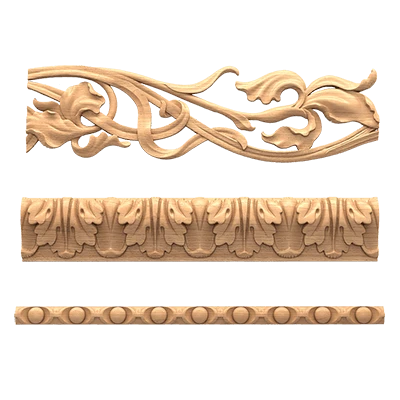
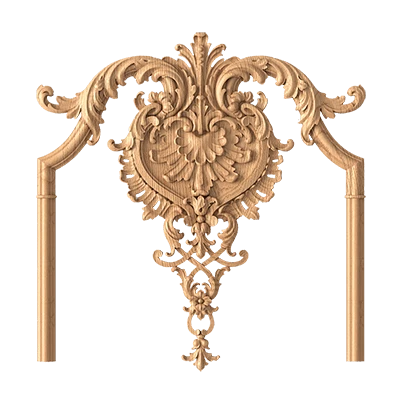
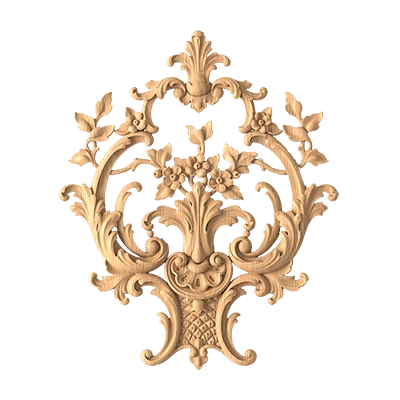
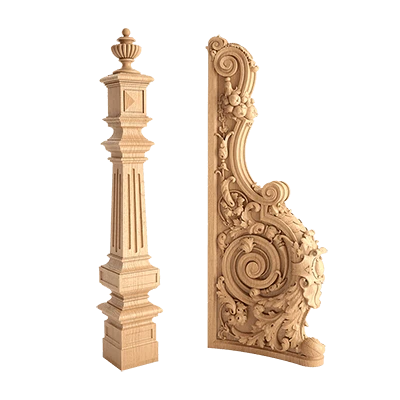
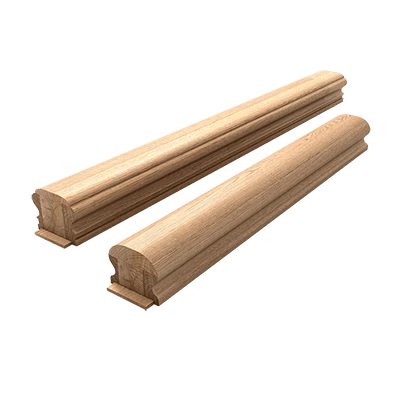
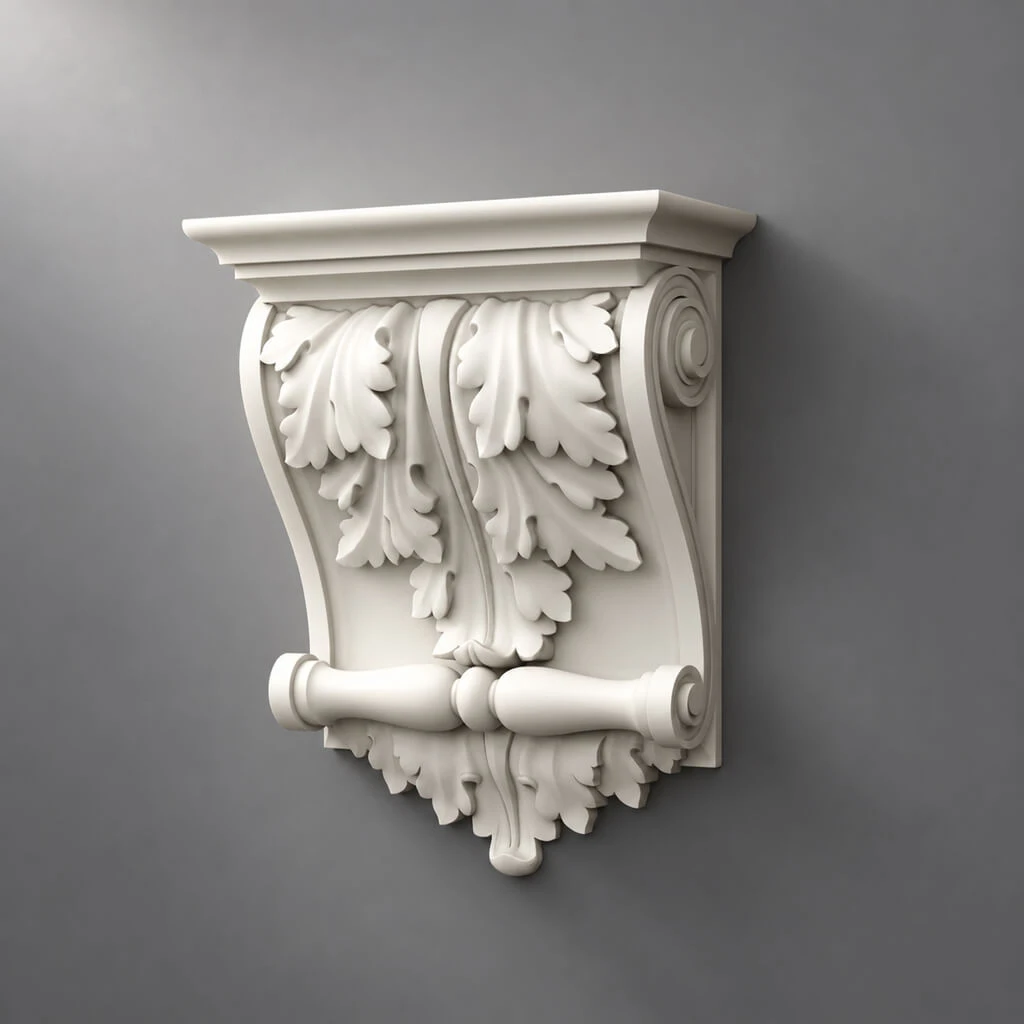
Legs are the beginning. But a finished interior is built on a system. Next to the wooden legs of a sofa or armchair, other wooden elements should work decorative elements for furniture: overlays on cabinet fronts, carved medallions on bodies, wooden handles, furniture decor.
When the sofa leg, dresser handle, and showcase overlay are made of the same wood species and the same finish shade — that's what's called an 'interior with character.' Everything in it follows a single logic, everything is in its place, everything speaks the same language.
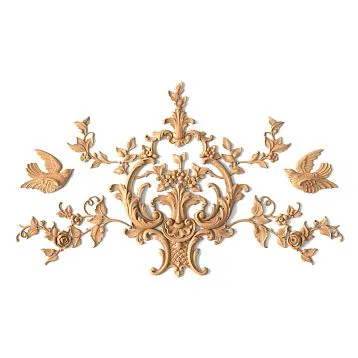
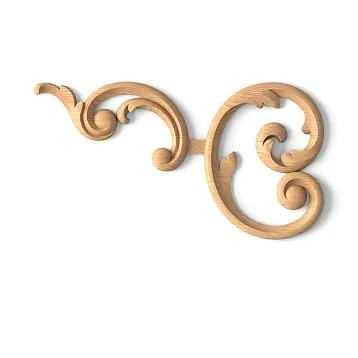
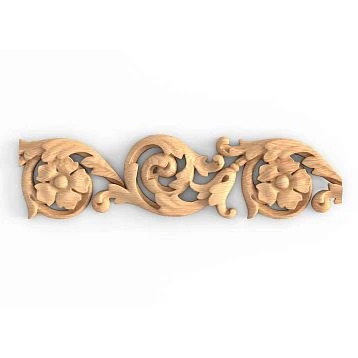
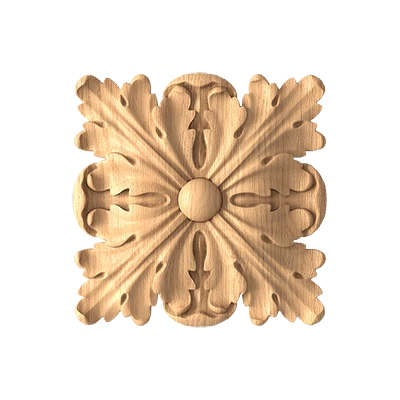
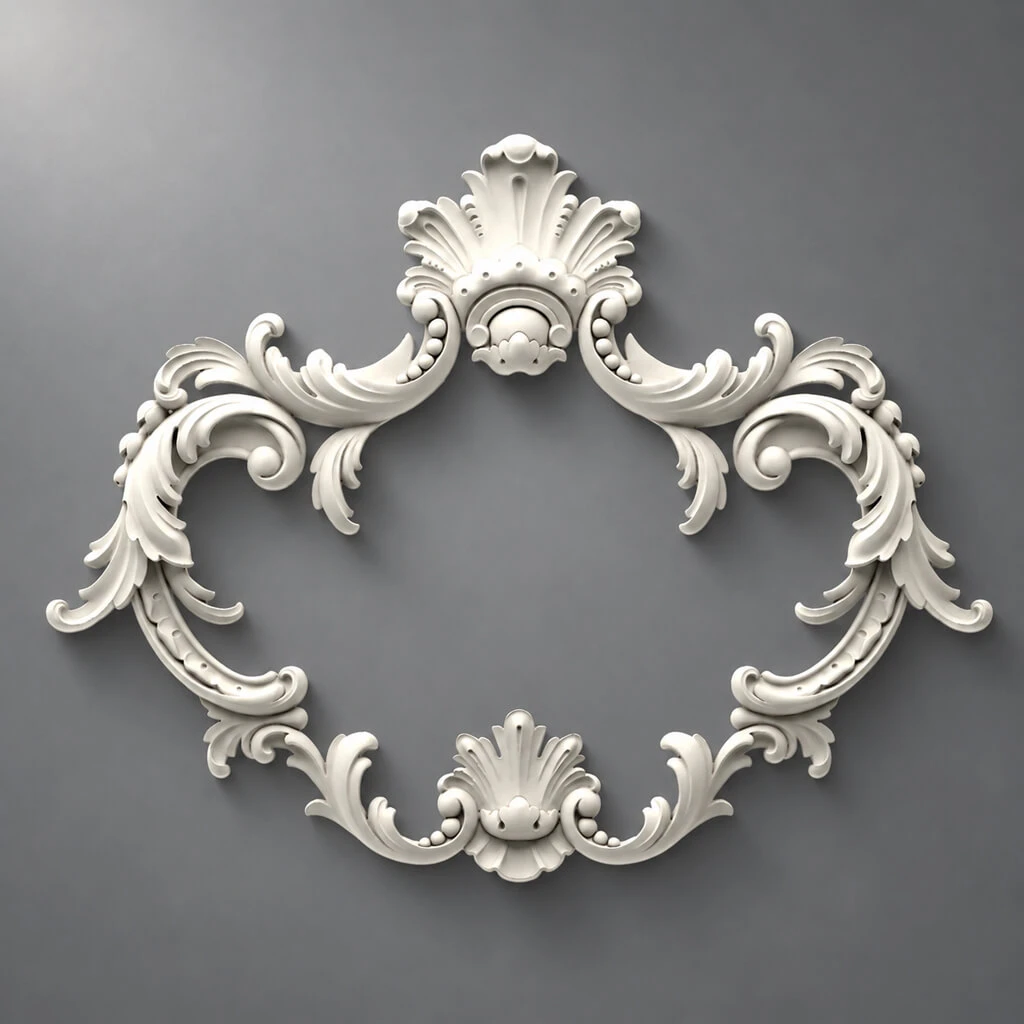
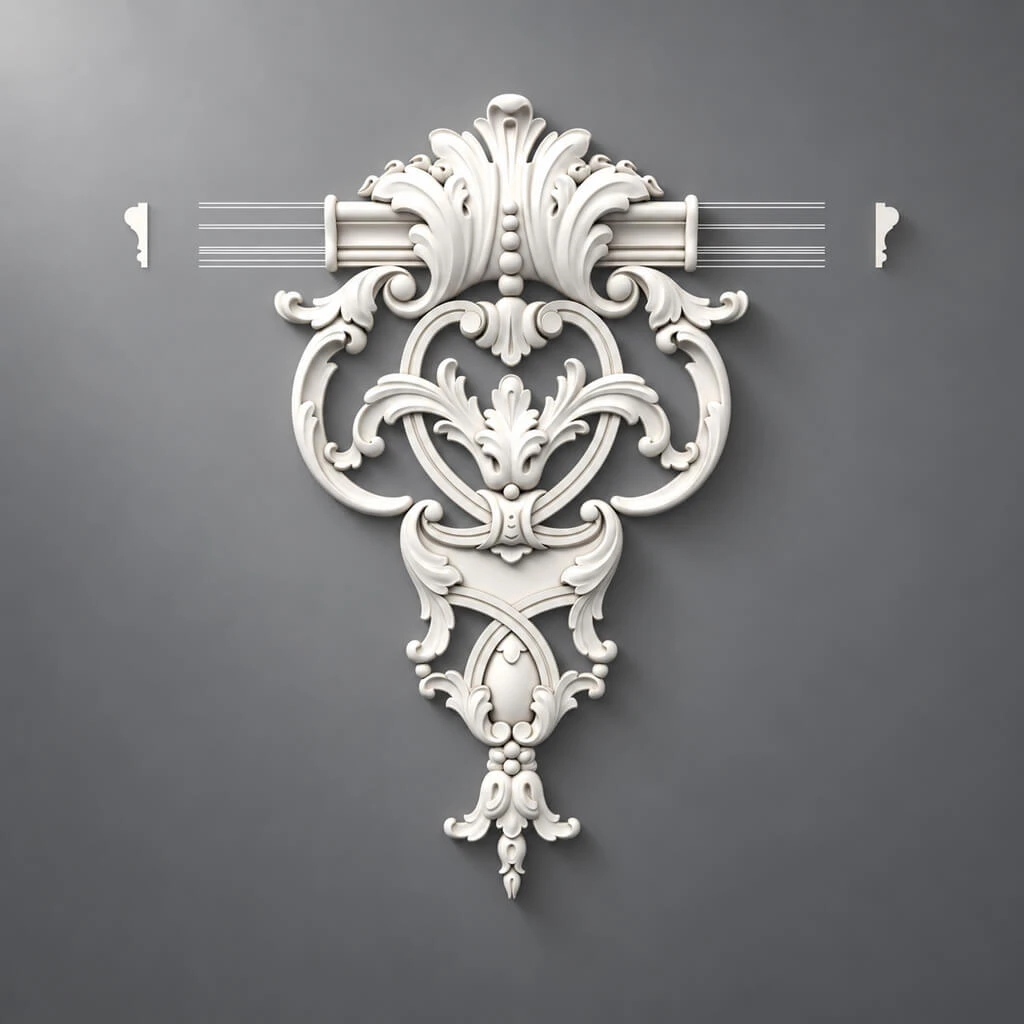
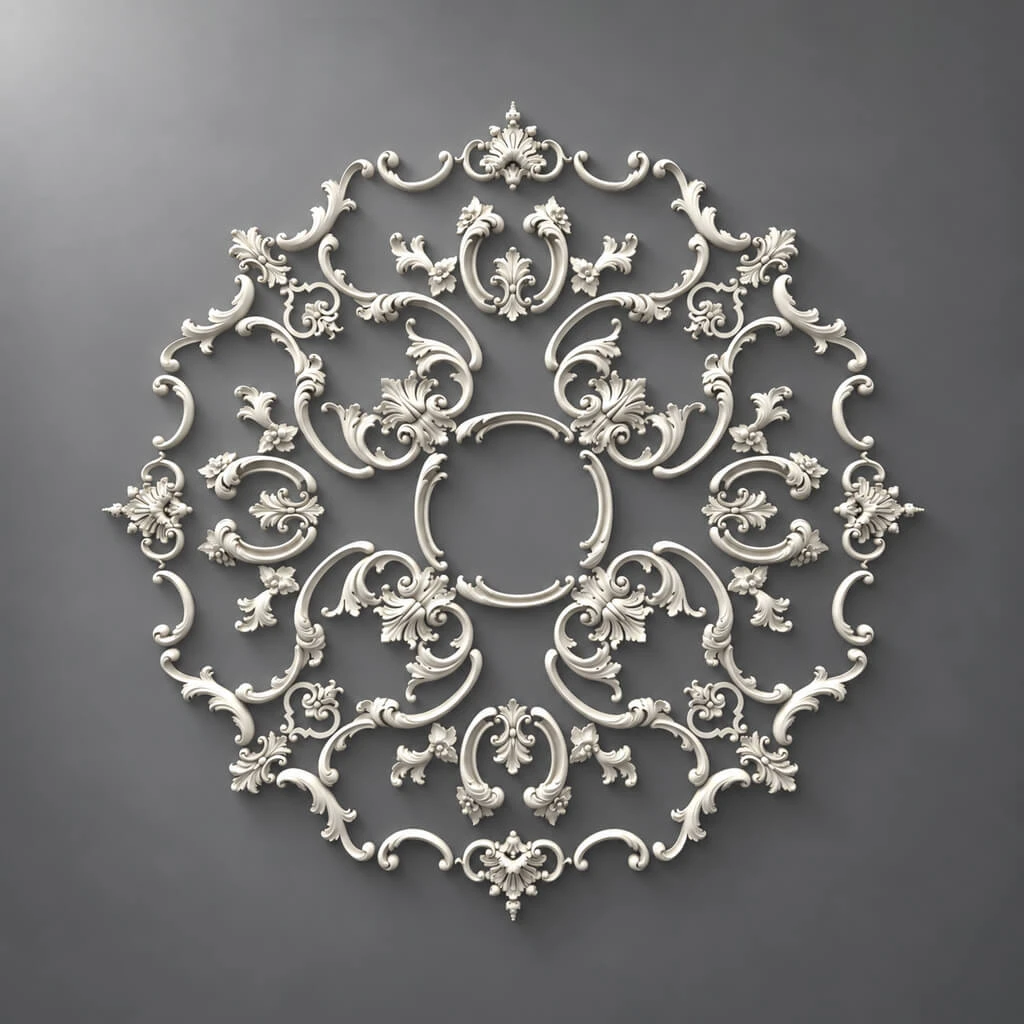
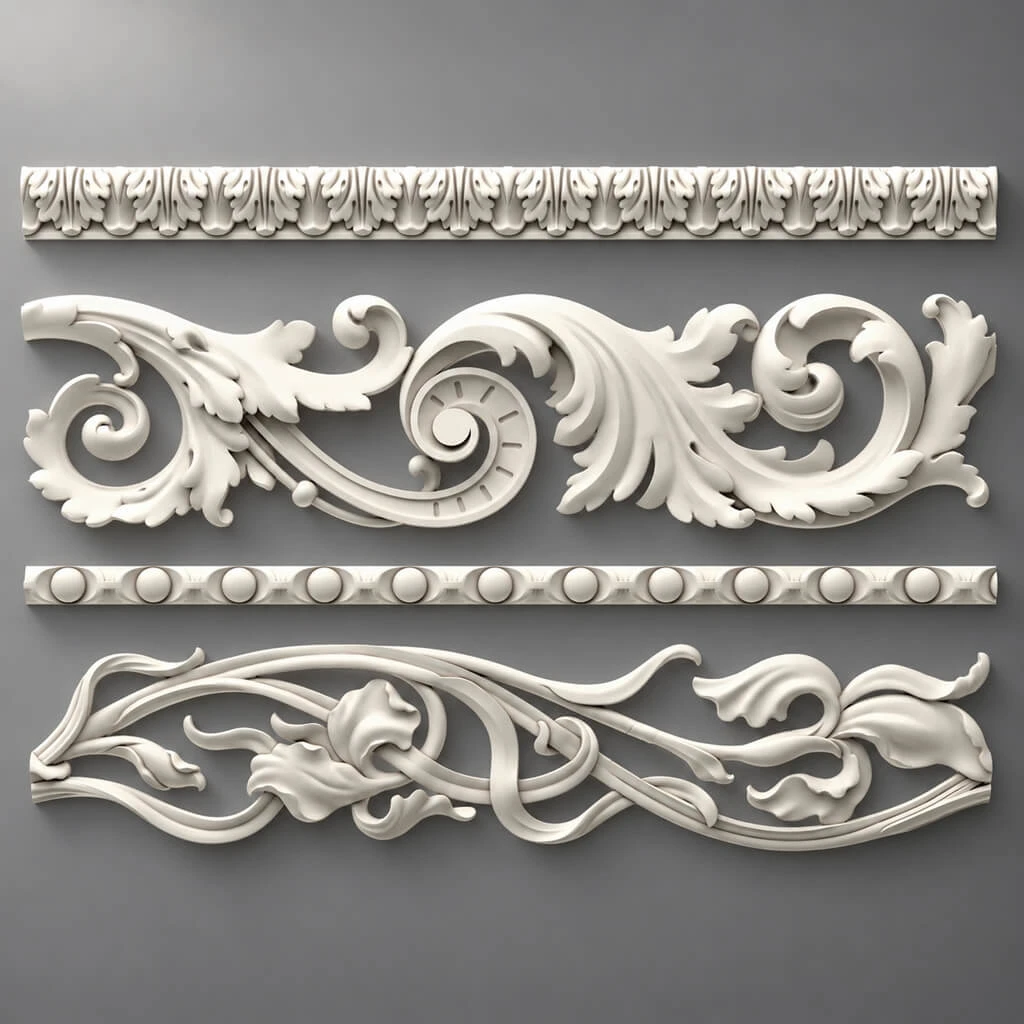
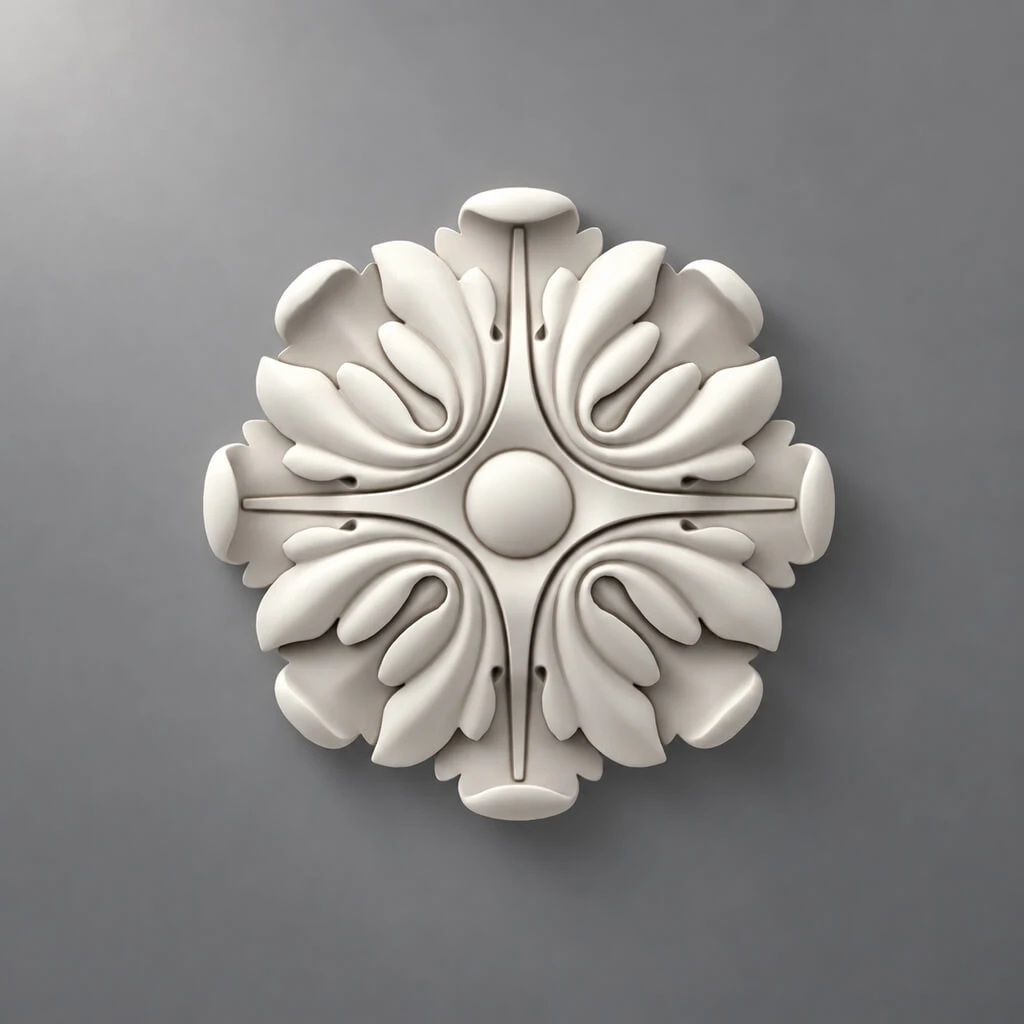
decor for furniture made of solid wood — these are applied carved rosettes, belts, medallions, corner elements. They allow turning an ordinary cabinet or dresser into furniture with history, and together with properly selected legs, create the feel of an expensive interior project.
More about the connection of decor and furniture elements — in the article about Furniture and Decor solid wood.
Where to buy wooden legs for sofa and armchair
When the task is clearly formulated — you need high-quality wooden supports for upholstered furniture in a specific style, for a specific weight, with a specific mounting method — it's important to find a supplier who has all this in one place, with a decent assortment and no quality lottery.
STAVROS: full range of solid wood furniture legs
STAVROS is a manufacturer and distributor of wooden products for furniture and interiors. The company's catalog features over 130 models of furniture legs and supports: turned, geometric, spherical, conical, shaped — made of oak and beech, in unpainted form and with finishing.
buy furniture leg In the STAVROS catalog, you can order from 1 piece — this is important for those involved in restoration or looking to replace a single broken leg. Each product is made from professionally dried solid wood with multi-stage sanding.
For professional furniture makers, designers, and construction companies — the ability to order large batches with consistent quality and agreed-upon timelines. Buy furniture legs for a 200-room hotel project — this is not an ordinary deal, but a partnership requiring a special approach. Wholesale from STAVROS means a permanent warehouse program and the ability to manufacture custom models according to drawings.
What else can be ordered from STAVROS for upholstered furniture
In addition to legs, STAVROS offers a full range of wooden decor for upholstered and case furniture:
-
decorative elements for furniture — carved overlays, medallions, corner rosettes
-
Wooden Furniture Handles — turned and shaped solid wood handles
-
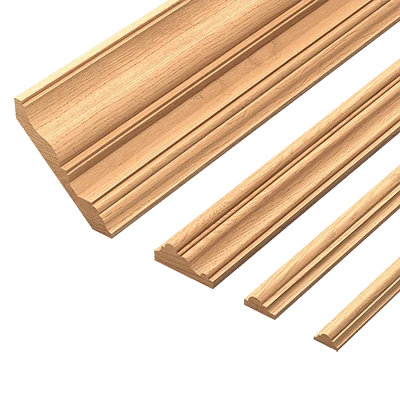
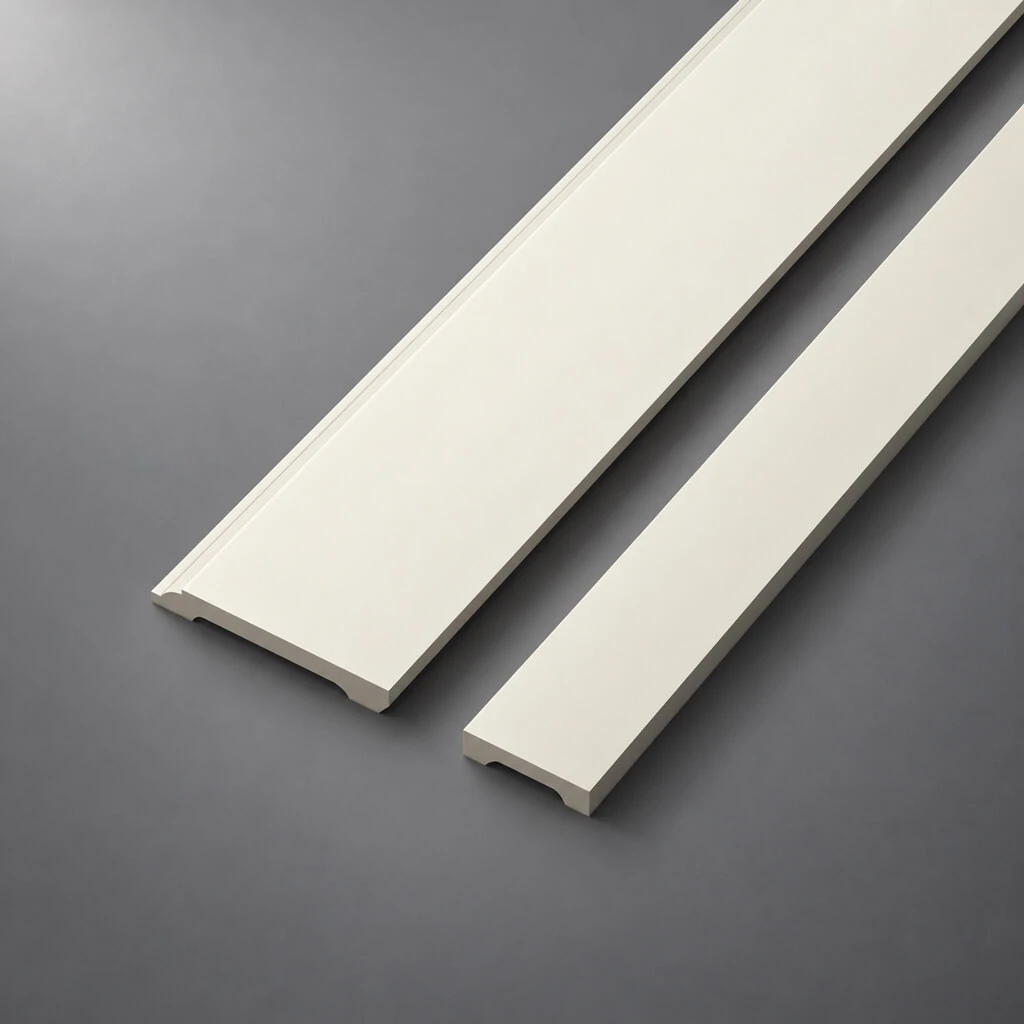
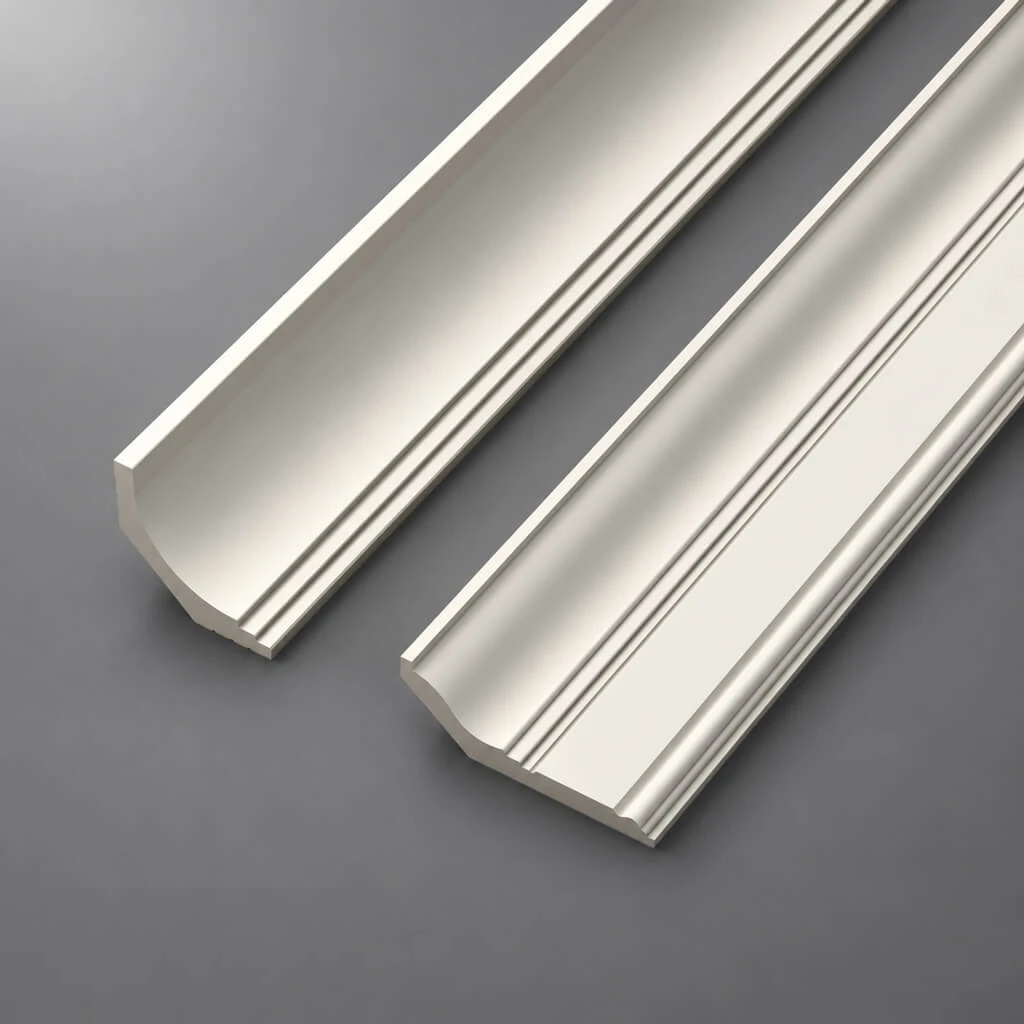
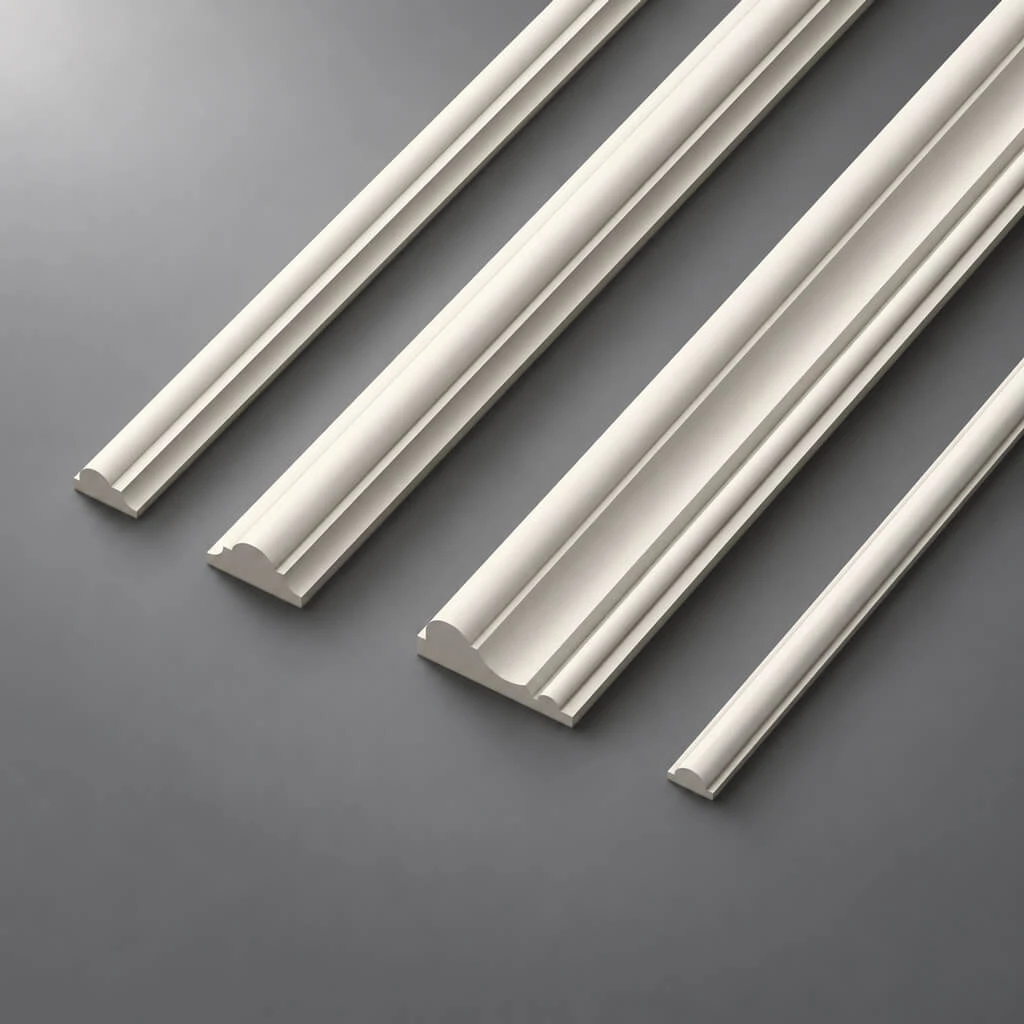
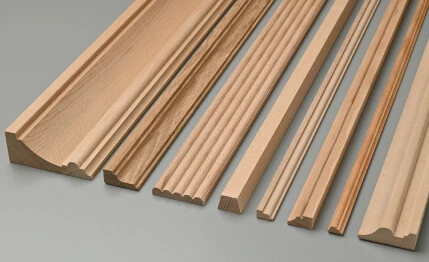
Wooden moldings — for furniture facades and doors
All of this is manufactured within a unified quality system, using the same wood species and compatible proportions — ensuring stylistic unity of all interior details.
Delivery across all of Russia. Work from 1 piece to large batches. Warehouse program — always in stock.
Frequently asked questions
How to choose legs for an old sofa?
Measure the distance between the support attachment points on the frame, determine the type of attachment (bolt, screw, threaded insert). Choose legs with the required hole diameter or tenon. Determine the desired seat height: subtract the frame height from 44–46 cm — you get the required leg height. For wood species, choose oak or beech.
Which legs to put on a classic-style sofa?
Turned wooden supports made of oak with a walnut or chestnut tint. Profile — with beads, necks, slight widening towards the base. Height — 10–15 cm. Diameter — at least 50 mm for stability.
Can I put high legs on an upholstered armchair?
Yes, if the armchair frame allows it. The main condition is that the final seat height should not exceed 48–50 cm for an adult. Ensure the reliability of the attachment: for high supports, use bolt attachment with a mounting plate.
How are sofa legs different from table legs?
Sofa legs are designed for a different type of load — primarily vertical, but with lateral impacts during landing. The attachment method is usually via a threaded insert or mounting plate. Table legs are attached to the end or with a tenon. Sofa legs also often have a protective foot pad at the base.
Are wooden or metal legs better for a sofa?
Wooden legs create warmth, naturalness, and fit organically into most residential interiors. Metal legs are for loft, industrial, and high-tech styles. In classic, neoclassical, Provencal, and Scandinavian styles, wooden supports are always preferable.
How to choose legs for a sofa's upholstery?
The first guideline is the fabric texture. Dense woven upholstery with a pattern calls for turned classic legs. Smooth velvet or linen-look fabric calls for geometric or conical legs. Leather calls for heavy, massive supports made of dark oak or walnut tone. The second guideline is color: the legs should match either the upholstery, the floor, or the furniture handles in the room.
Where to buy wooden legs for a sofa in Russia?
STAVROS is one of the key manufacturers and suppliers of wooden furniture legs and supports in Russia. Over 130 models, oak and beech, unfinished and finished, from 1 piece, delivery across the country.
STAVROS is not just a catalog of wooden products. It is a production platform on which a real furniture system is built: from wooden legs for a sofa and armchairs to overlays, handles, moldings, and decorative elements — all in the same quality standard, in the same wood species, in the same logic of proportions. Choose STAVROS when upholstered furniture should be not just comfortable, but impeccably beautiful.