
























Article Contents:
- What is furniture molding
- Which STAVROS elements are suitable for furniture decor
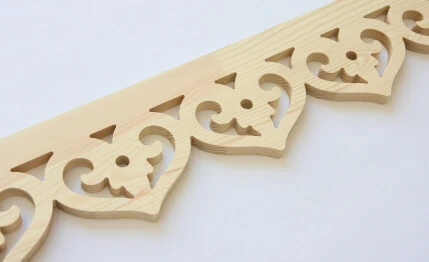
- Carved solid wood overlays
- Carved decoration
- Decorative Wooden Elements
- Decor for moldings
- Moldings, cornices, and baseboards made of solid wood
- PU overlays
- Polyurethane moldings for furniture
- What furniture uses molded decor
- Cabinets and built-in furniture
- Kitchen fronts
- Commodes and cabinets
- Doors, facades and panels
- Classic Furniture
- How to choose furniture molding: a foolproof algorithm
- Layout schemes for decor on furniture facades
- Central overlay on the facade
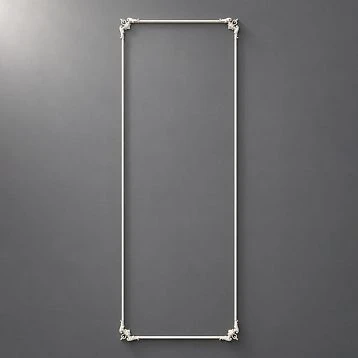
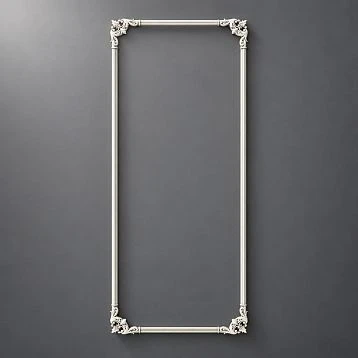
- Frame made of moldings
- Corner Elements
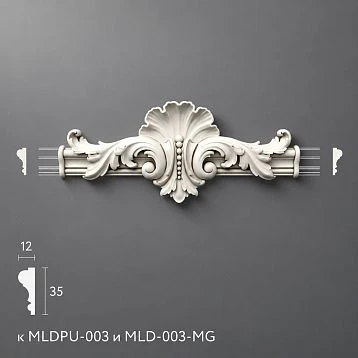
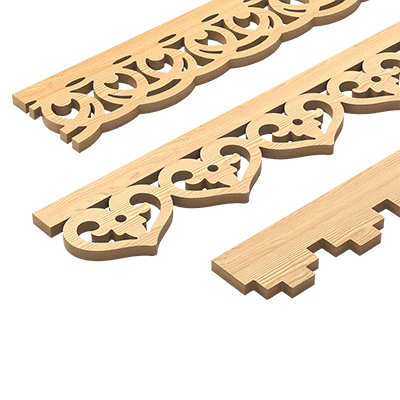
- Horizontal frieze
- Set: molding + overlay + carved element
- How to choose the size of decor for furniture facades
- Materials for furniture stucco: what and when to choose
- Solid wood
- MDF
- Polyurethane
- Furniture stucco in different interior styles
- Classicism and Baroque
- Empire and Neoclassical
- Art Deco
- Modern classicism
- Russian style and folk motifs
- Mistakes when choosing stucco for furniture
- Too large overlay for a small facade
- Mixing different styles on one piece of furniture
- Did not account for element repeatability
- One element without a scheme
- Did not account for facade material
- Forgot about finishing treatment
- Did not check product thickness
- Purchased from a general catalog without precise navigation
- How to update furniture with stucco decor: three scenarios
- Scenario 1. Updating an old cabinet
- Scenario 2. Creating a classic kitchen from standard modules
- Scenario 3. Custom finishing of a new dresser
- Where to buy furniture stucco in STAVROS
- FAQ: answers to popular questions about furniture stucco
Furniture is not just a function. It is a statement. And when a cabinet stands as a smooth white slab, and a chest of drawers looks like a box with drawers, no expensive parquet or exquisite wallpaper can fix that. But add decorative overlays, frame the facade with molding, place a carved element in the center of the door — and the furniture begins to speak to the space on equal terms.
This is exactly what is called furniture stucco: decorative elements that turn a cabinet facade into an architectural object. Not in a home workshop, not with a complete replacement of the set, but pointwise — with an overlay, molding, carved accent. The STAVROS catalog has all of this: carved solid wood overlays for furniture, Carved Decor, wooden decorative elements, moldings and polyurethane overlays for facades of any format. Let's figure out how it works and what exactly to choose.
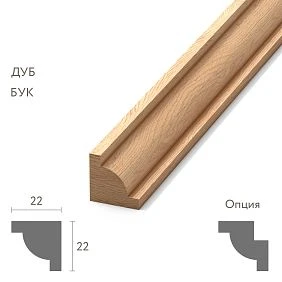
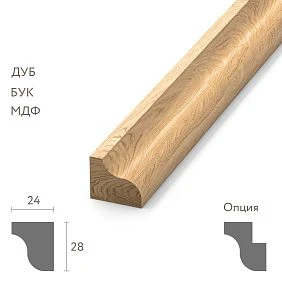
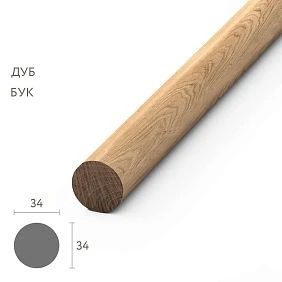
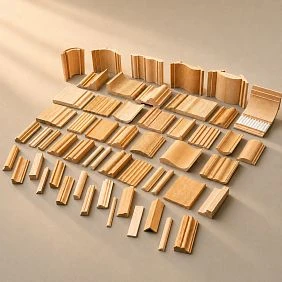
What is furniture stucco
When a user enters "furniture stucco" into the search, they usually do not mean classic plaster stucco from the ceiling. They are looking for decorative elements that can be attached to the surface of a cabinet, chest of drawers, kitchen facade, nightstand, or door — and get the effect of classic or designer furniture without completely replacing it.
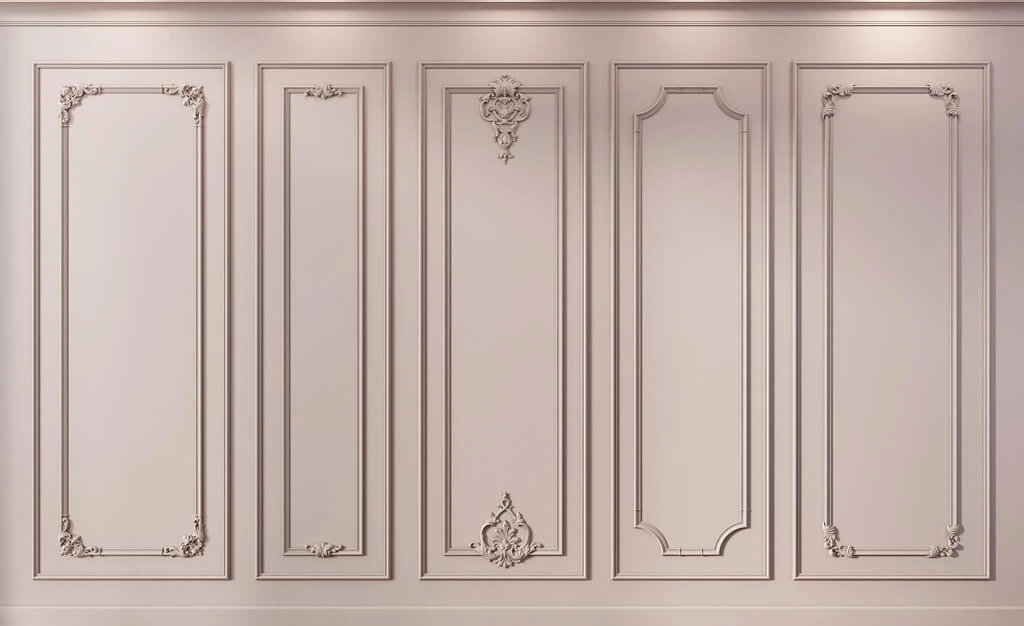
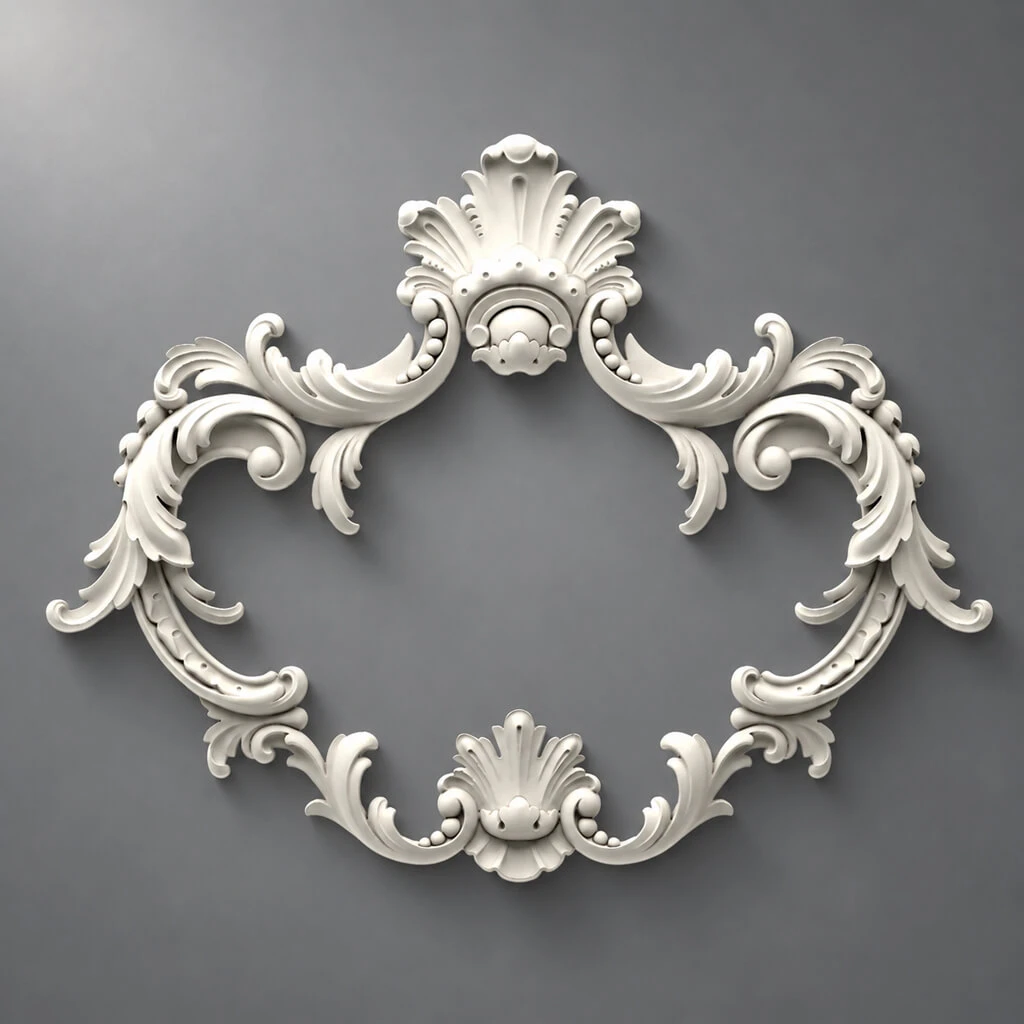
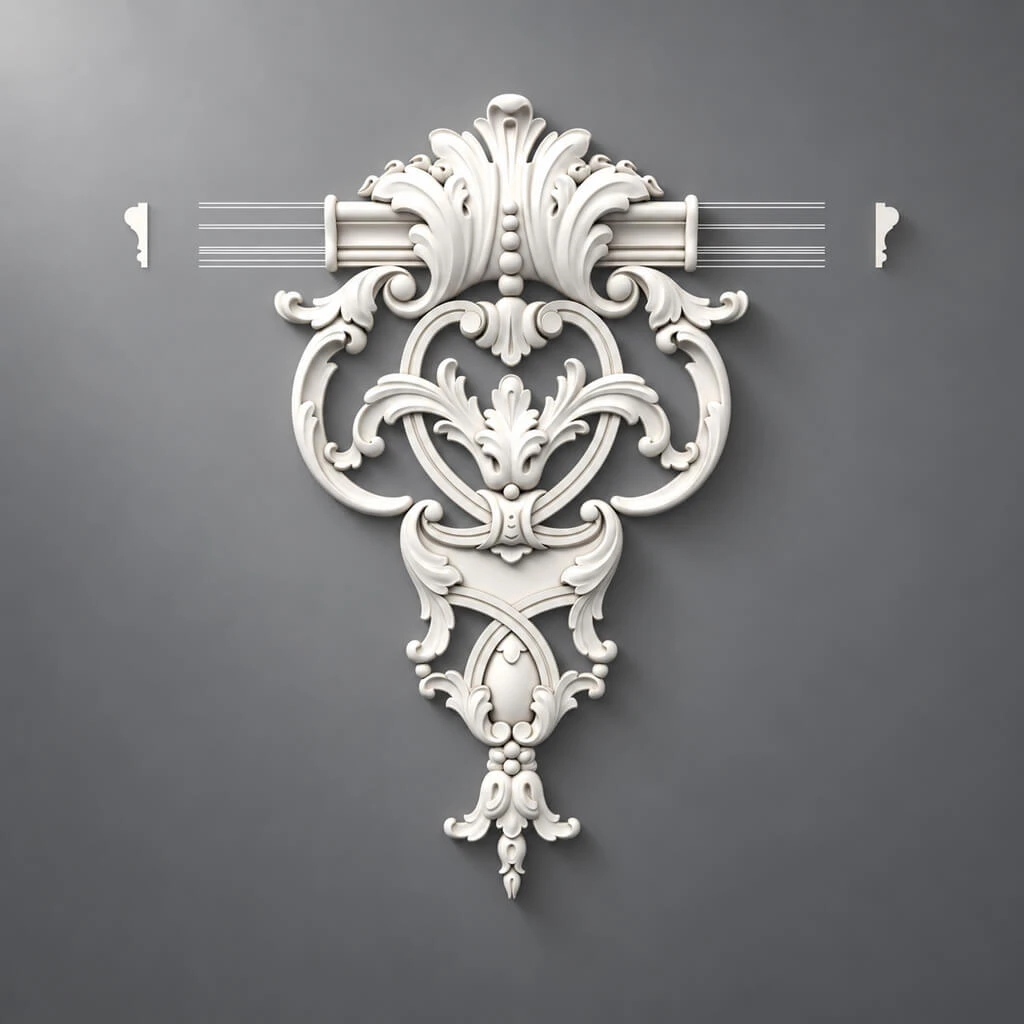
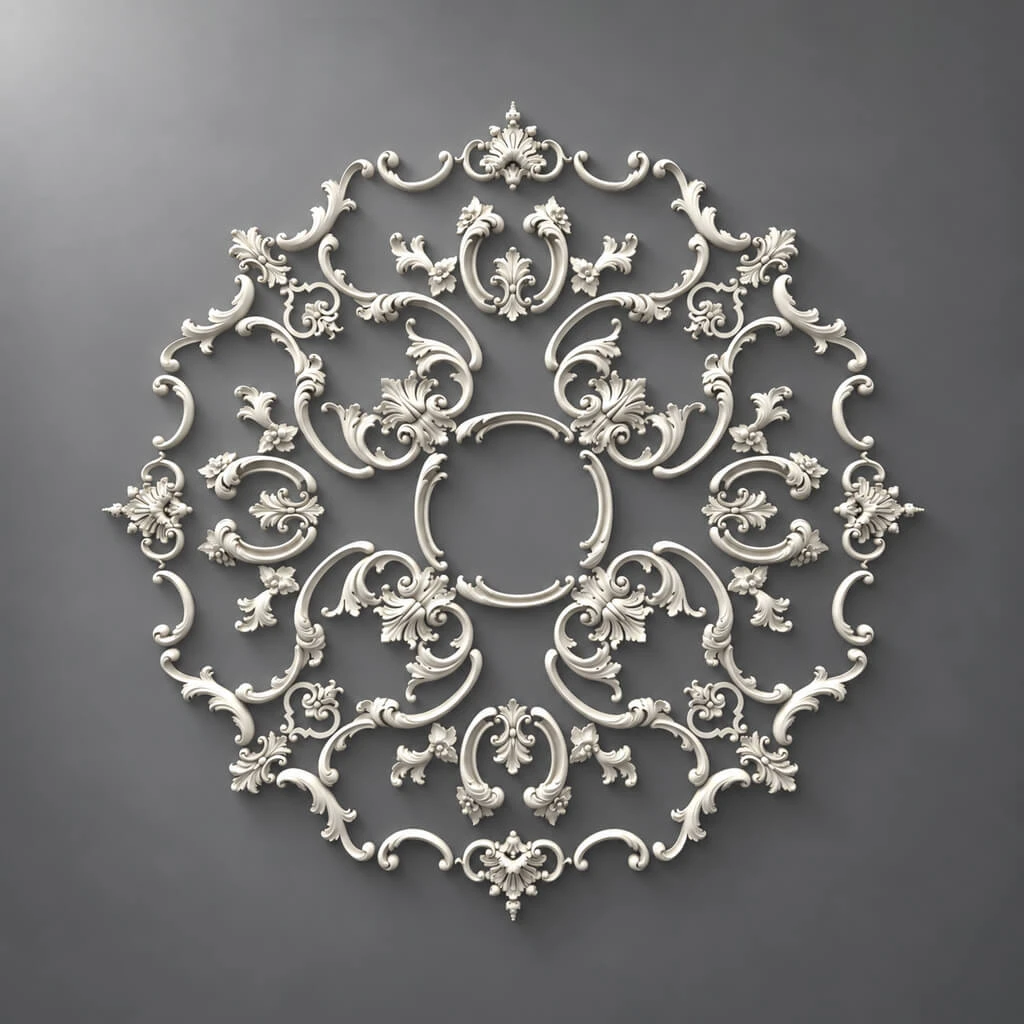
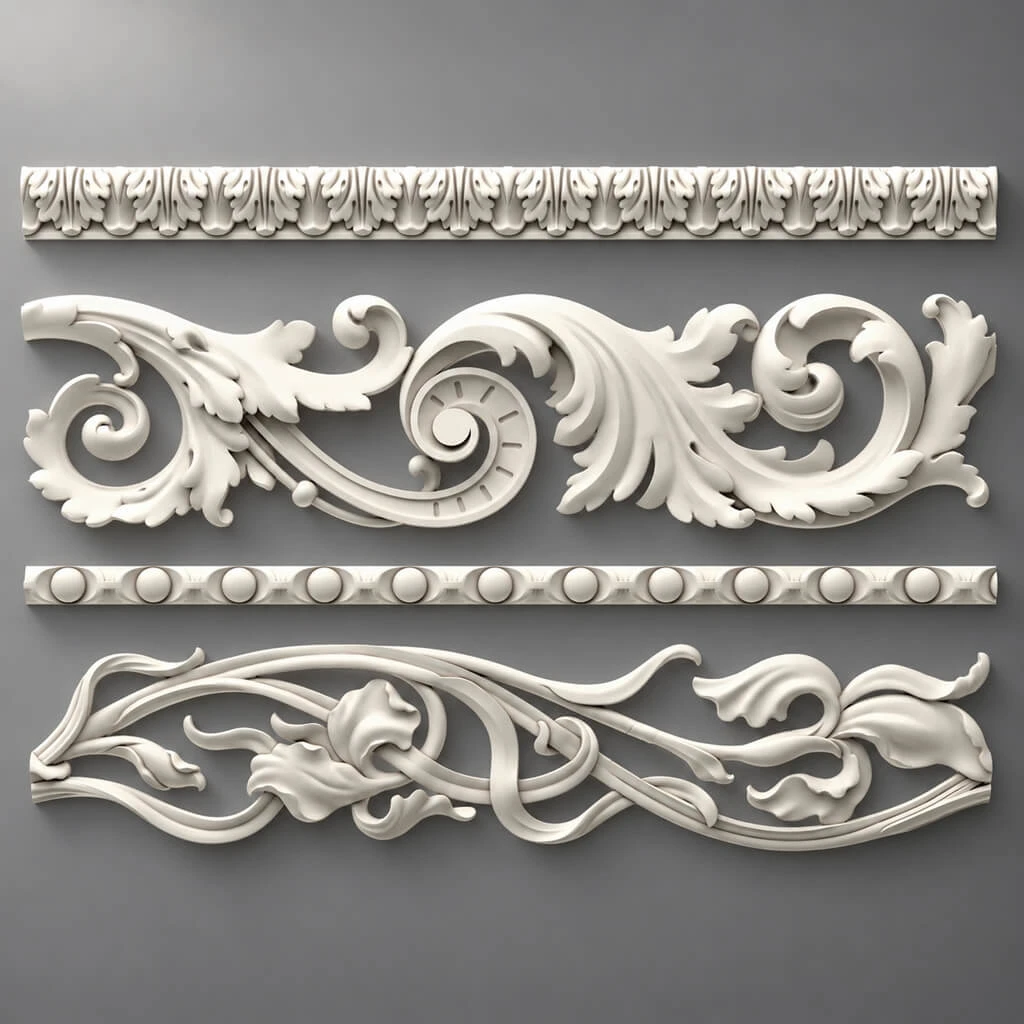
Furniture stucco is a collective term that unites several categories of products: overlays (individual relief elements for the center of the facade or corners), moldings (linear profiles for creating frames and borders), carved decorative details (elements of hand or machine wood carving), as well as corner blocks, friezes, inserts, and ready-made decorative schemes for furniture surfaces.
Stucco decor for furniture is made from different materials: wood (solid wood, MDF), polyurethane, sometimes resin. The choice of material depends on the task: for premium classic furniture — solid wood and carved decor, for a light decorative update with subsequent painting — polyurethane overlays. The STAVROS catalog presents both directions, and each covers its own application scenario.
Decorative stucco for furniture is not a replacement for professional joinery production. It is a tool that allows you to update existing furniture or enhance new furniture: add a classic look, hide the simplicity of the facade, create rhythm and symmetry where there was an empty plane.
Which STAVROS elements are suitable for furniture decor
The purpose of this section is clear navigation. Not theory, but specific catalog sections with an explanation of what each one is for in relation to furniture.
Our factory also produces:
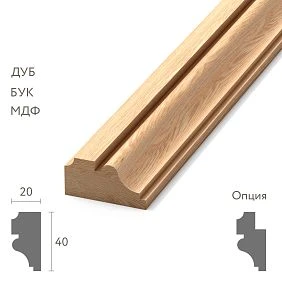
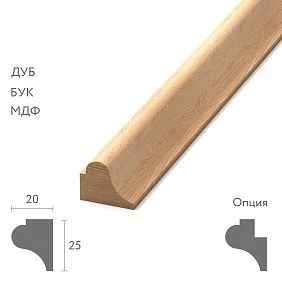
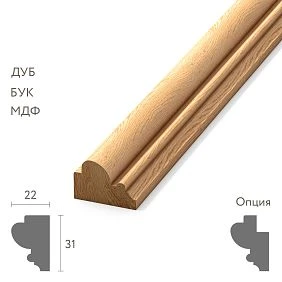
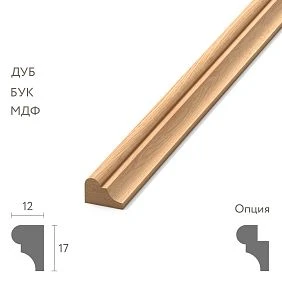
Carved overlays from solid wood
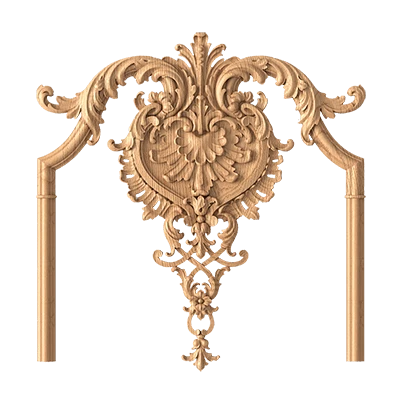
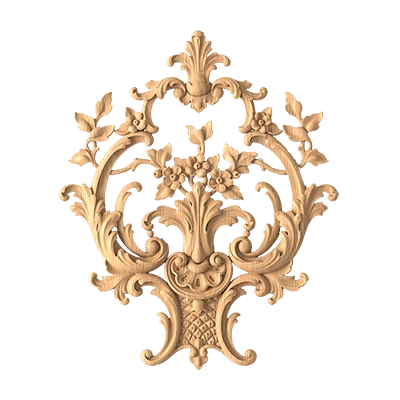
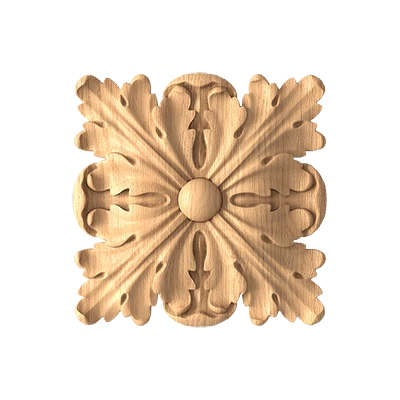
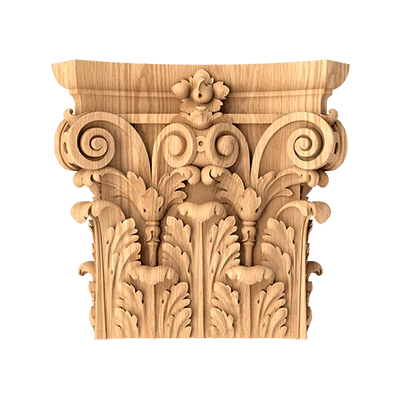
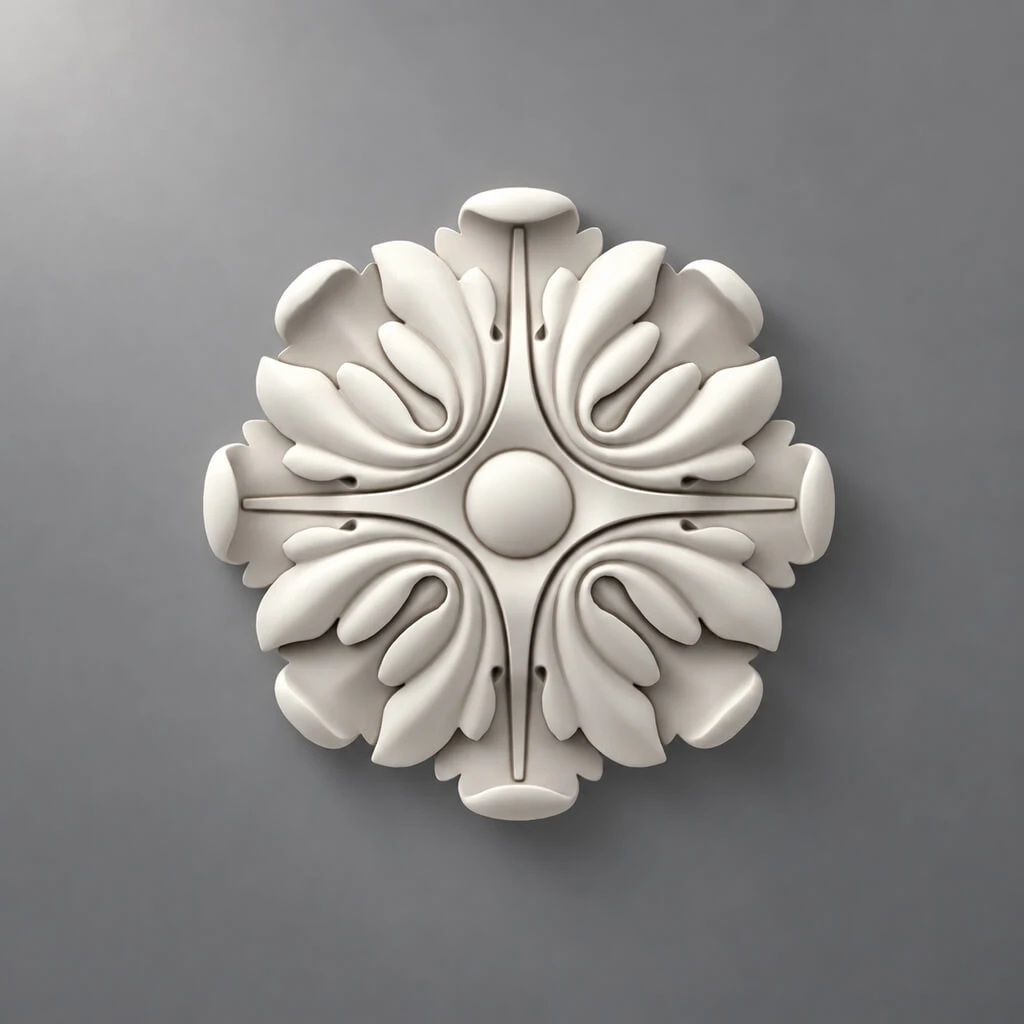
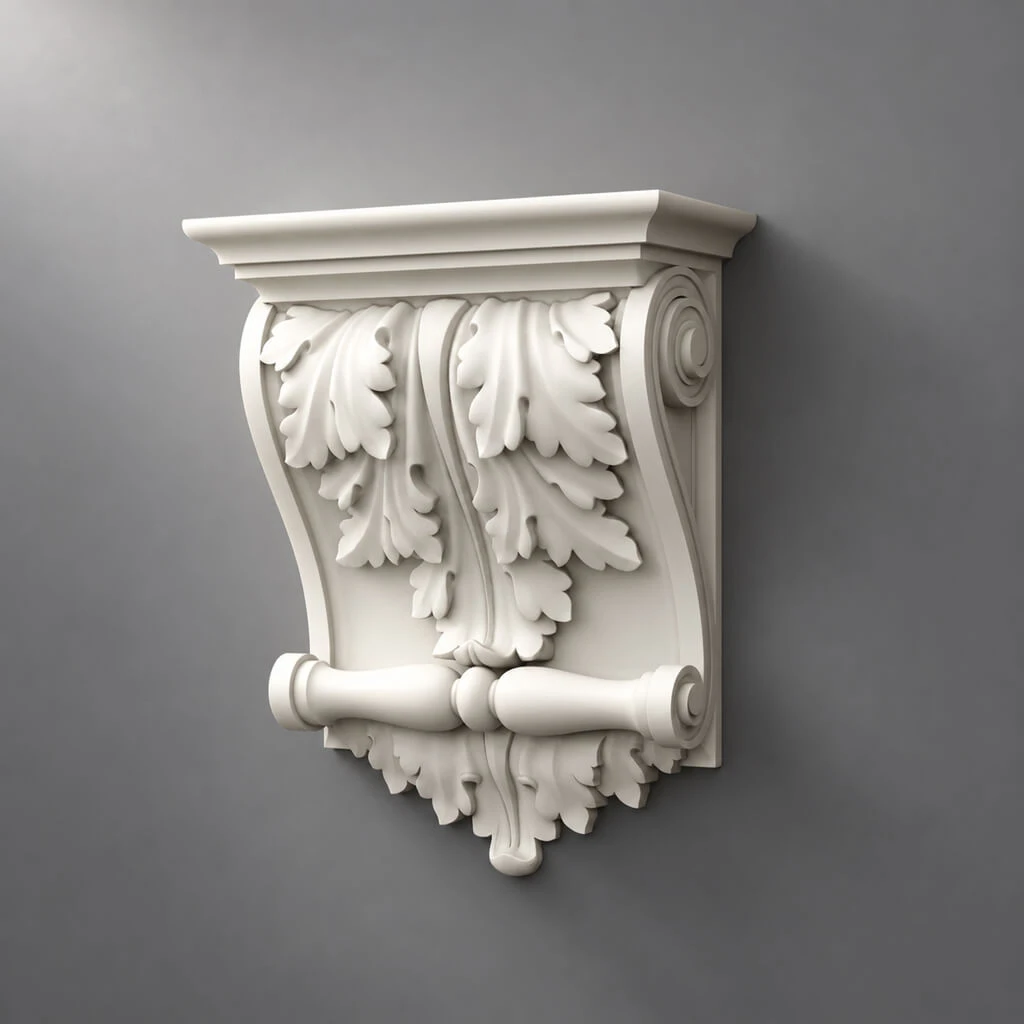
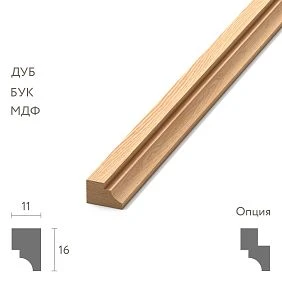
carved solid wood overlays for furniture — this is the main tool for creating a classic furniture facade. Overlays made of natural wood are glued or attached to the surface of the facade, cabinet, door, drawer. They can be central (large medallion, rosette, cartouche) or perimeter (corner inserts, frame elements).
Wooden overlays provide real depth of relief: hand, tool, wood fiber — this is the level of detail that cannot be reproduced with stamped polyurethane. For furniture in the style of classic, Empire, Baroque, Renaissance — this is the first choice. After installation, the overlays are tinted, painted, or varnished together with the facade.
Get Consultation
Carved decor
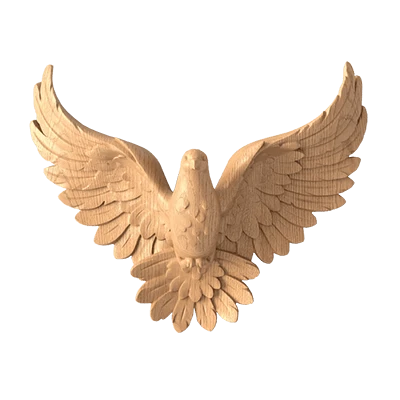
STAVROS carved decor — this is a broader category that includes various carved products for furniture and interiors: from small corner inserts to large decorative panels. This section is relevant for those who are looking not for a standard overlay from the catalog, but for an element with character — with a specific motif, ornament, style.
Carved decor for furniture is used as an independent accent (overlay on the center of a cabinet door, decorative insert in a sideboard opening) and as part of a more complex decorative scheme (molding frame + central carved overlay + corner elements).
Decorative wooden elements
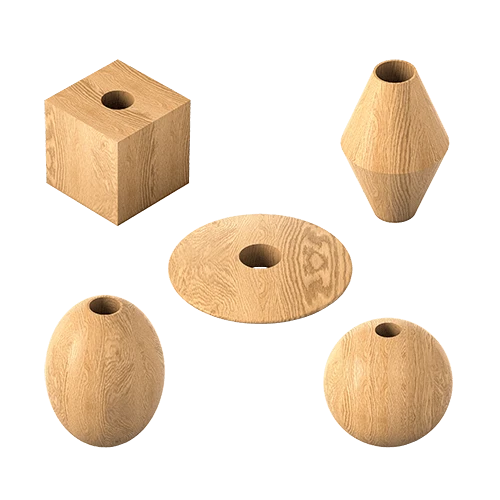
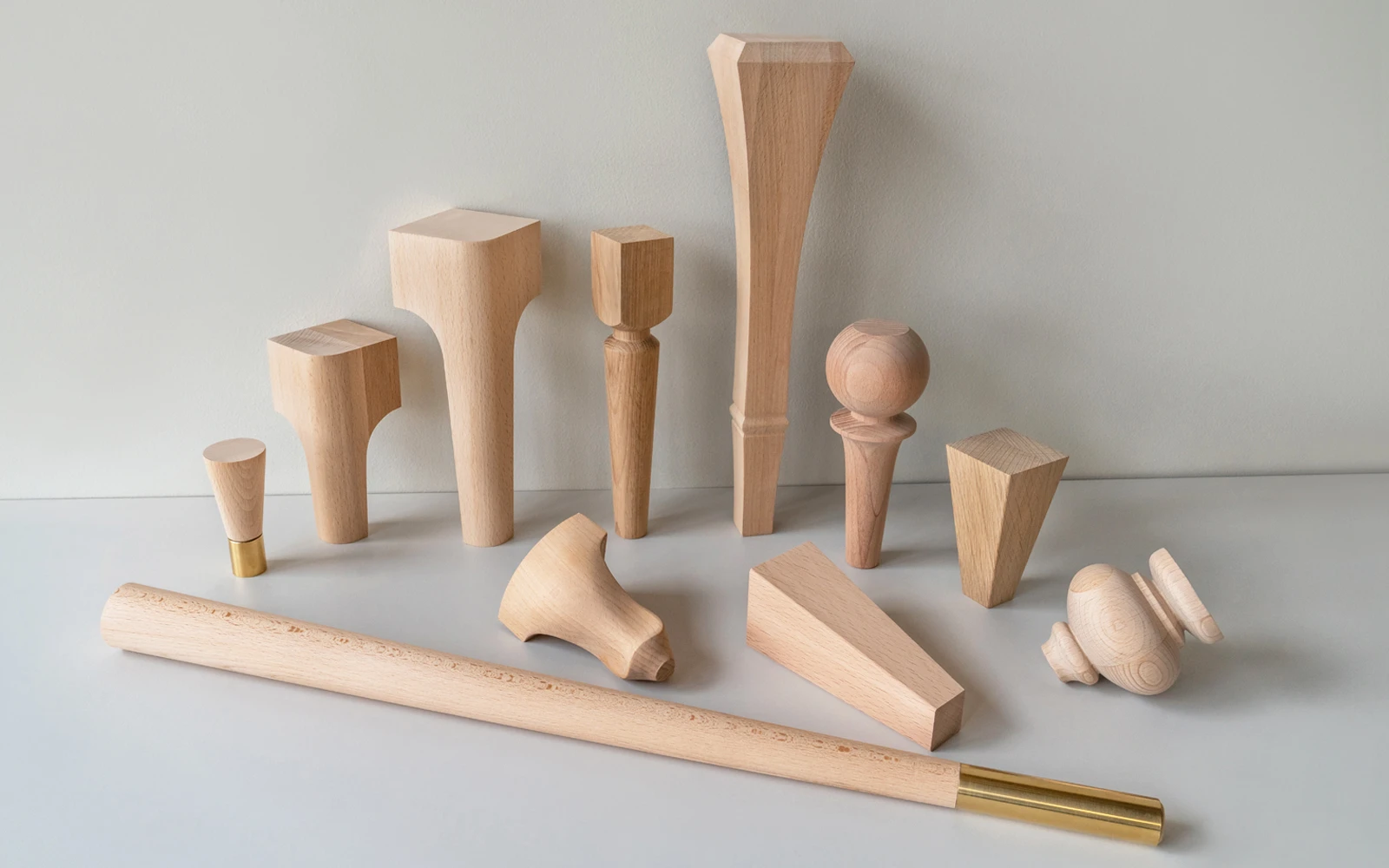
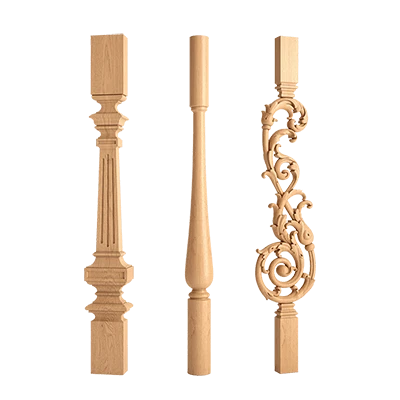
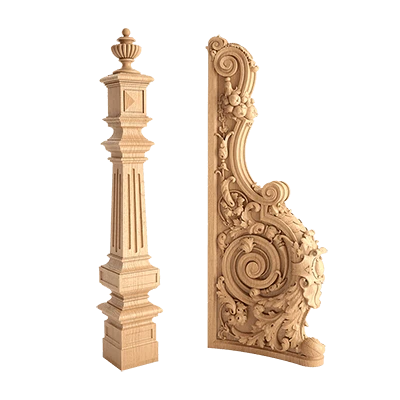
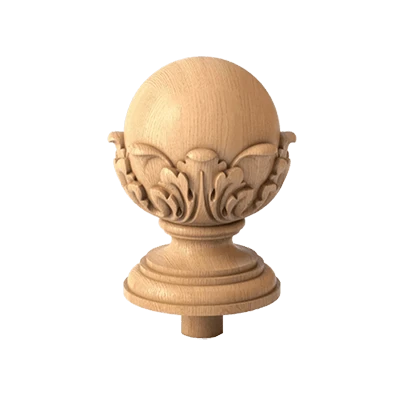
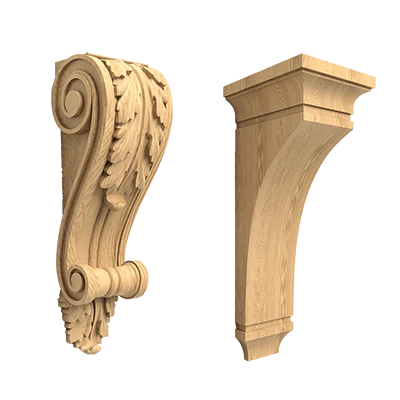
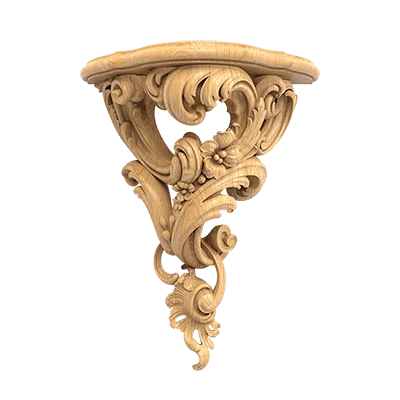
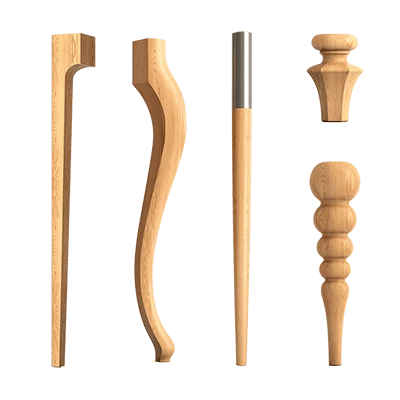
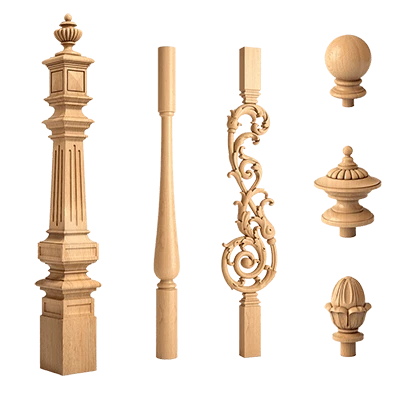
Decorative wooden elements for furniture and interiors — these are auxiliary and accent details: rosettes, brackets, decorative legs, applied relief motifs. There is no clear boundary between furniture decor and interior decor — many items work in both contexts.
Decorative wooden elements are especially valuable because they can be combined with any wooden furniture without the risk of stylistic conflict: wood to wood is always organic.
Decor for moldings
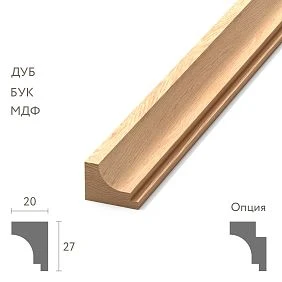
Decor for Molding — corner blocks, decorative inserts at the joints of molding frames. For furniture, this is a critically important category: without a corner block, the frame on the facade looks unfinished. The corner element covers the joint and turns the molding frame into a full-fledged classic cartouche.
Moldings, cornices, and baseboards made from solid wood
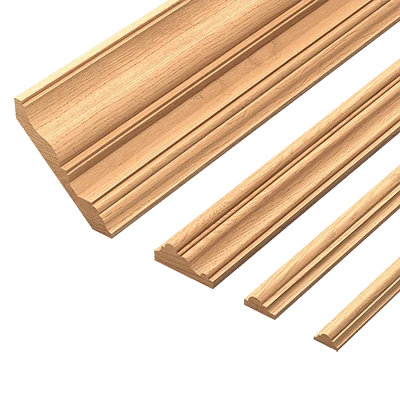
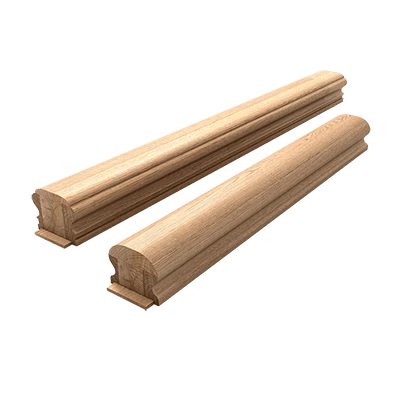
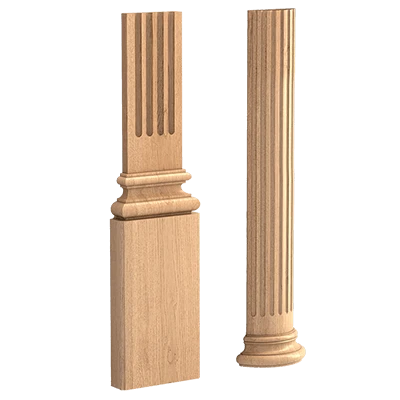
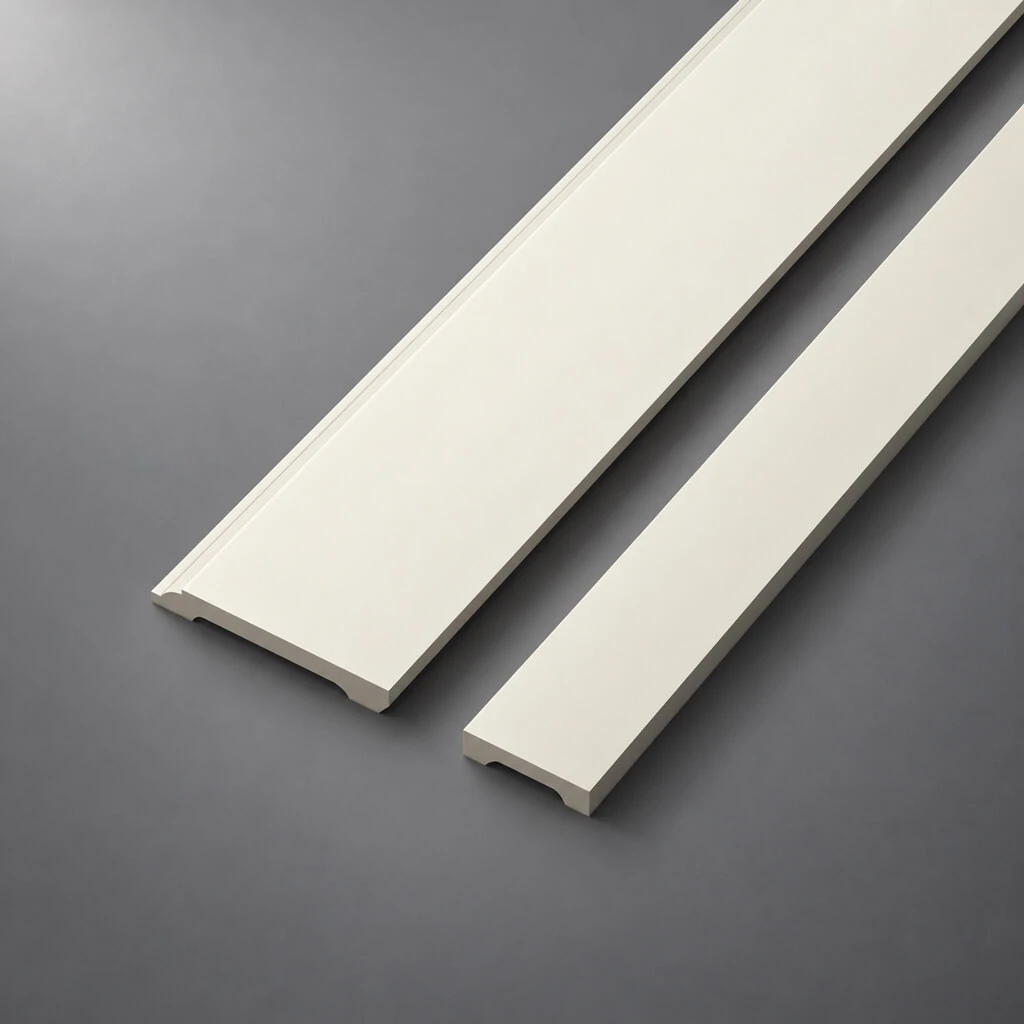
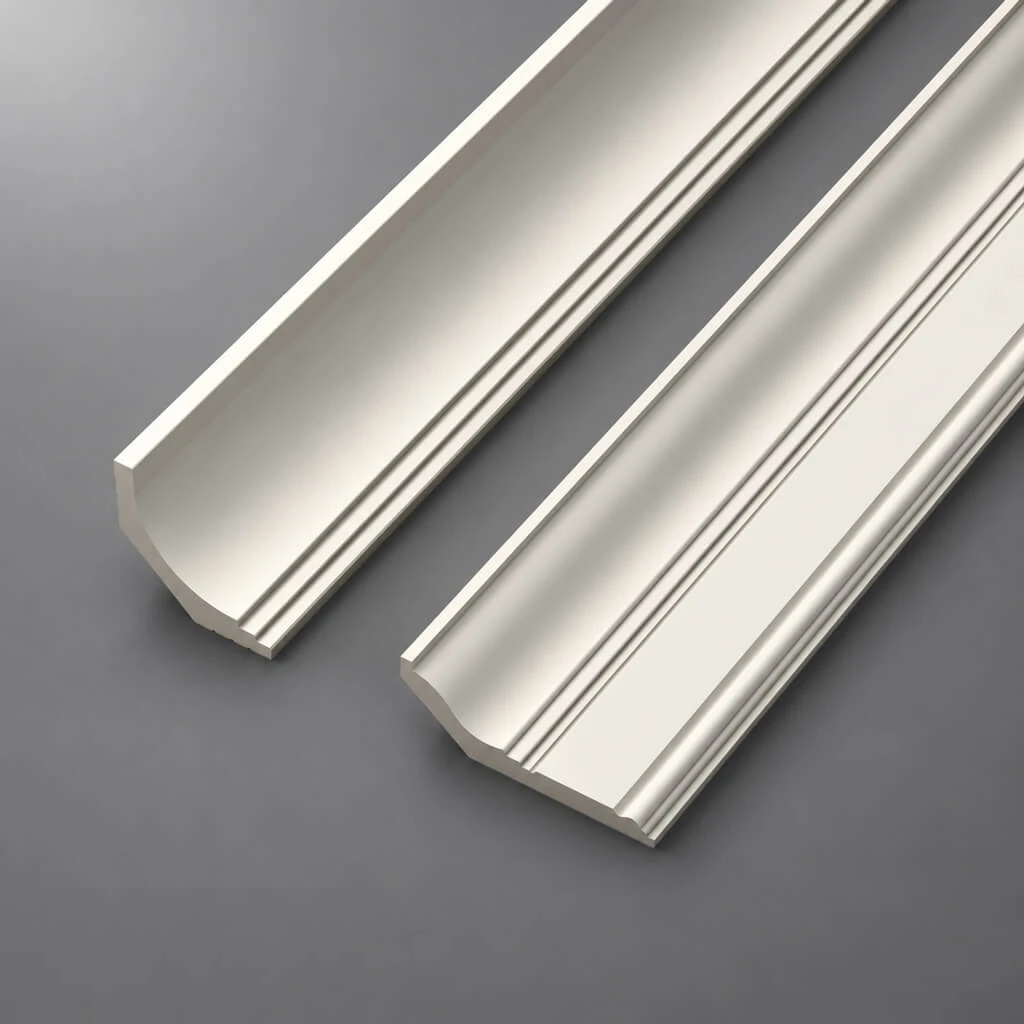
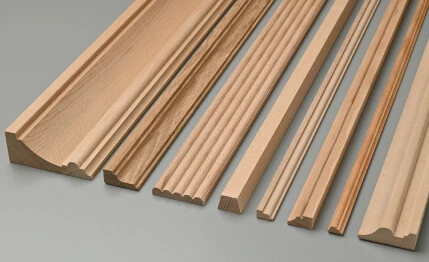
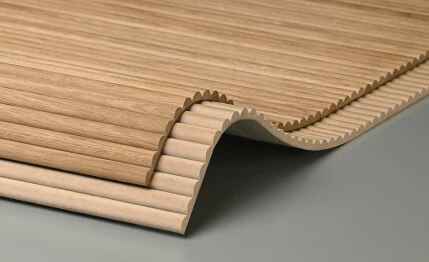
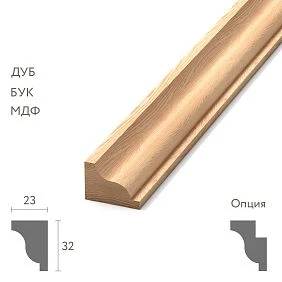
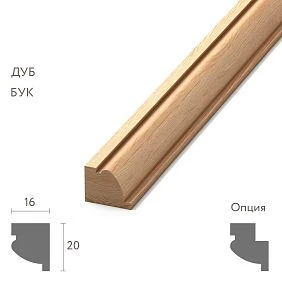
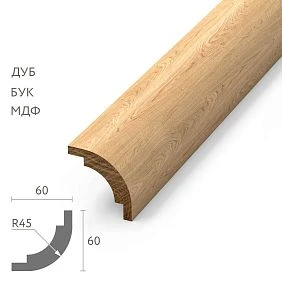
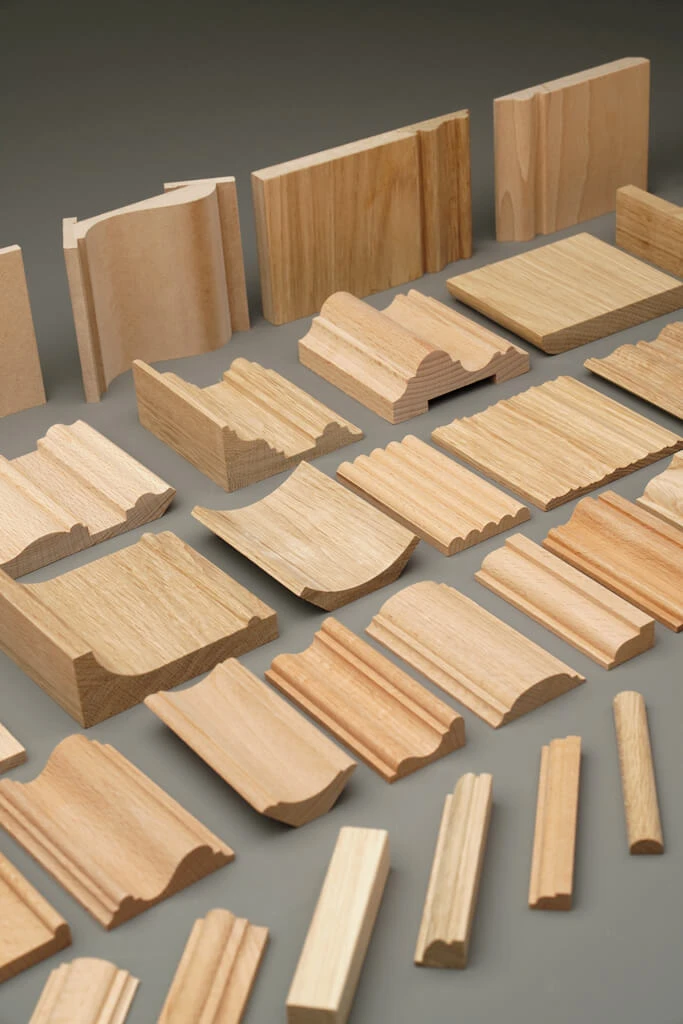
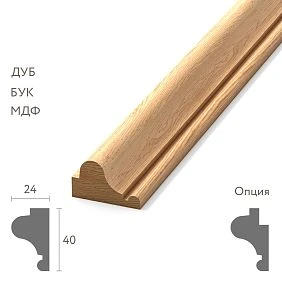
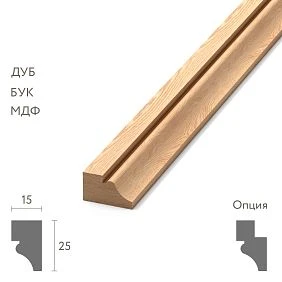
Solid wood moldings, cornices, and baseboards — wooden linear profiles for creating frame decor on furniture facades. Solid wood molding on a cabinet door or kitchen facade is an element that visually transforms a flat surface into a classic panel. The profile is glued along the perimeter of the facade, forming a frame; combined with corner blocks and a central overlay, this becomes a full-fledged classic facade.
For furniture, narrow and medium profiles (12–40 mm) with moderate relief are chosen. Wide cornices are not needed here — they are suitable for interior use, but on a facade 600–800 mm high, they will overload the composition.
PU overlays
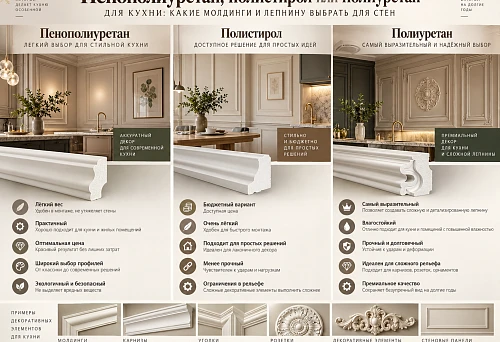
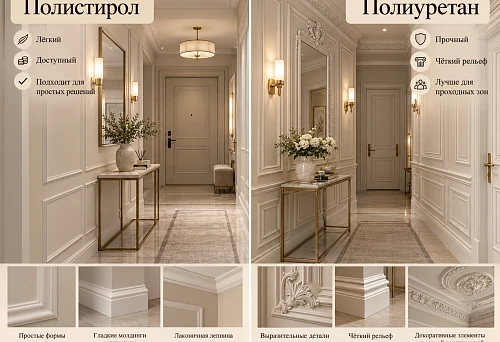
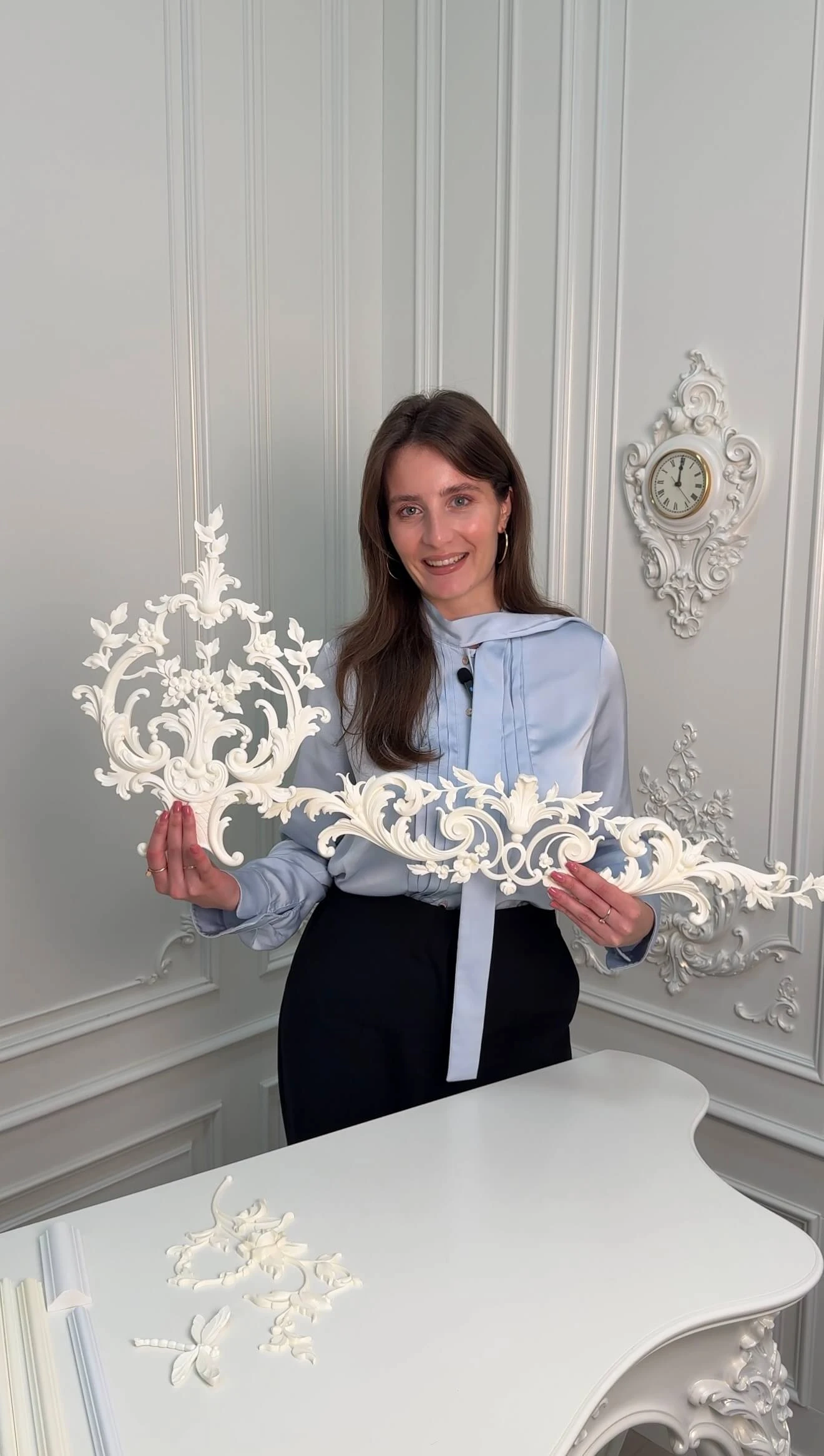
PU overlays — polyurethane overlays for furniture decor for subsequent painting. Polyurethane is lighter than wood, easier to install, adheres well with acrylic glue, and is resistant to humidity — this makes it a convenient choice for kitchen facades (where humidity is higher) and for furniture that will be completely repainted.
PU overlays for painting are a good solution when a decorative effect is needed on a limited budget or when the furniture will be painted in a single color (white, gray, green, blue — anything). After painting, the relief looks no worse than its wooden counterpart.
Polyurethane moldings for furniture
Moldings made of polyurethane are used for furniture where moisture resistance and ease of installation are important. On kitchen facades, in hallways, in wet areas — polyurethane molding holds its shape and does not swell from humidity fluctuations, unlike MDF profiles.
For which furniture is stucco decor used
This is a practical section — broken down by real application scenarios. For each type of furniture — its own elements and its own logic.
Cabinets and built-in furniture
A cabinet is the largest flat surface in a room. If it stands as a smooth rectangular mass without decor, it either serves as a background (which is normal in a minimalist interior) or destroys any classic solution. Stucco for a cabinet is a way to turn a neutral storage item into an interior element.
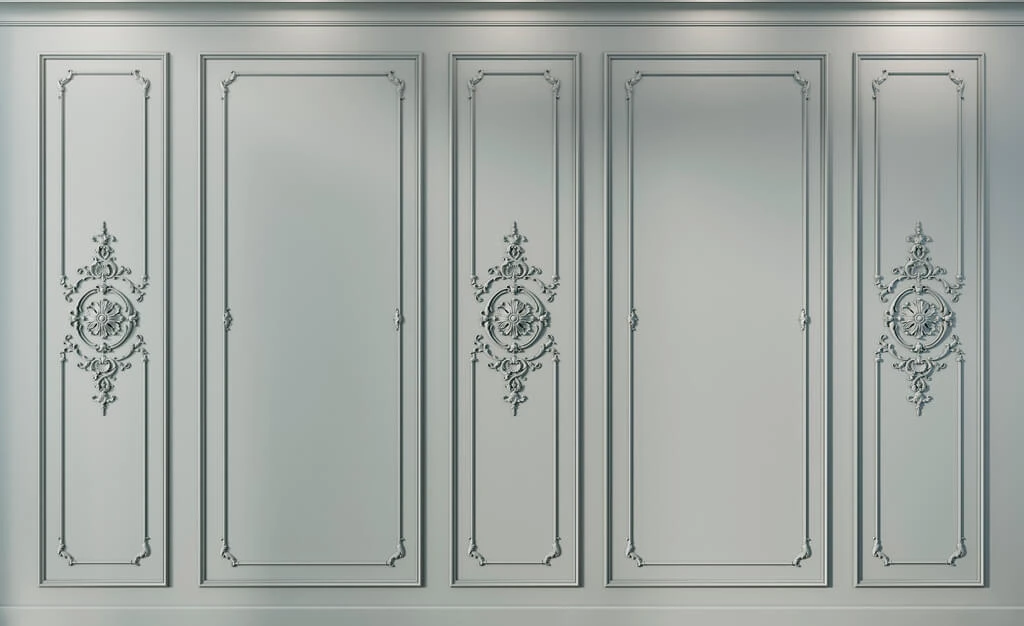
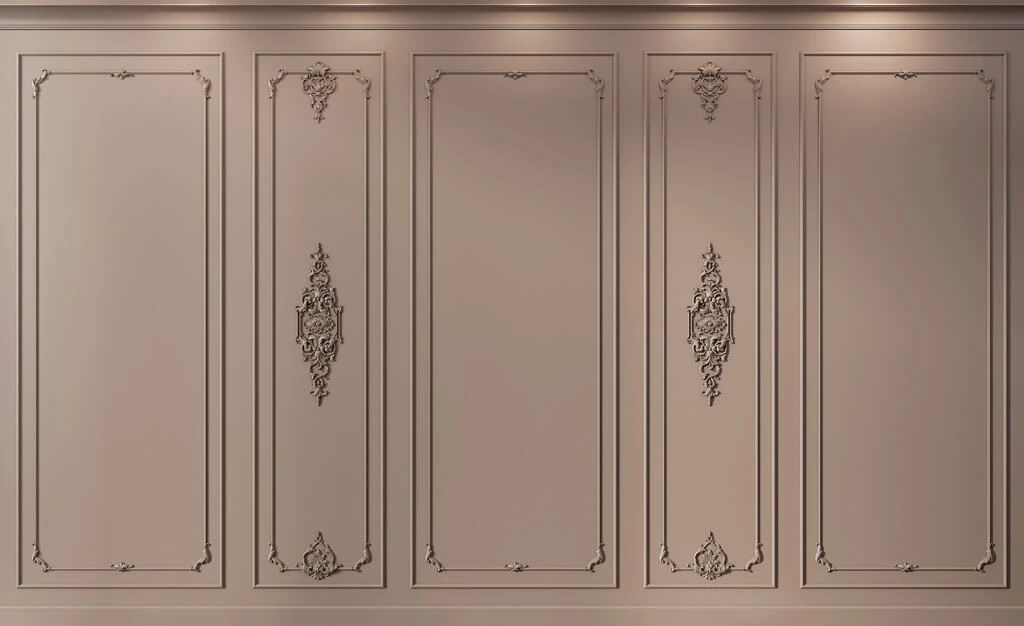
Cabinet facade decor is built using several schemes. Moldings around the perimeter of each door create a frame pattern — the effect of a classic panel. The central overlay on the upper part of the facade is an accent that adds visual weight and "lifts" the door. Corner elements in the corners of the frame are the finishing touch that distinguishes professional work from amateur work.
For built-in cabinets with multiple facades, repeatability is important: the same element on each door creates rhythm. Decorative overlays for furniture of this format are selected taking into account the height and width of each facade — not one size for all doors, but a proportional selection for specific dimensions.
Cabinet Decor Solutions at STAVROS provide a clear idea of what the finished result looks like: from a modest molding pattern to a lush classic facade with carved overlays.
Kitchen fronts
The kitchen is an area where furniture decor experiences maximum stress: temperature changes, humidity, grease deposits, mechanical impacts. That is why the choice of material for kitchen facade decor is especially important.
Decor for classic-style kitchen facades includes molding frames (usually made of MDF or polyurethane), central overlays, and corner blocks. For upper cabinets, a horizontal frieze at the top is often used — a decorative cornice that unites the kitchen set into a single visual block.
Stucco for kitchen facades for painting is a popular solution for enamel facades. Moldings and overlays are mounted on MDF facades, then the entire surface is primed and painted in the chosen color. The result is a kitchen with a handcrafted effect at a quite affordable cost.
Polyurethane stucco decor for kitchen facades has one fundamental advantage over wooden counterparts: moisture resistance. In kitchen conditions, this is significant.
STAVROS Kitchen Solutions include examples of kitchen facade design using decorative elements, moldings, and overlays — convenient to review before placing an order.
Chests of drawers and cabinets
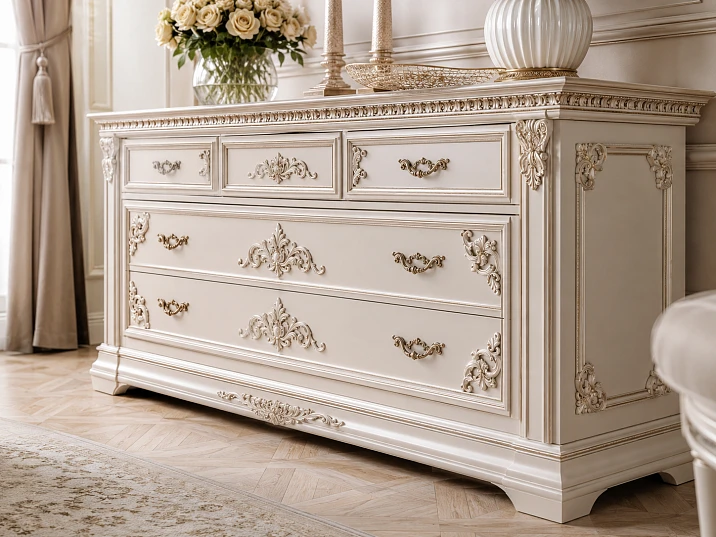
A chest of drawers is a piece of furniture practically made for decorative stucco molding. The wide drawer fronts are an ideal surface for applied relief. Stucco on a chest of drawers transforms IKEA quality into Italian Empire style.
The decor for a chest of drawers is built differently than for a cabinet: horizontal logic is important here. Each drawer is a separate front, and the decor on it should be independent, yet create an overall vertical rhythm. Typically, identical appliqués are used on each drawer, or a descending rhythm (a larger appliqué on the top large drawer, smaller ones on the lower ones).
Decorative appliqués for a chest of drawers made from carved wood are a premium choice. carved inlays from solid wood provide real volume and depth of relief, which against the background of the lacquered drawer surface looks like the work of a hand craftsman.
For cabinets — bedside, under TV, in the hallway — compact appliqués and narrow moldings are used. A small front cannot tolerate overload: here one neat accent works better than a complex multi-element scheme.
Solutions for chests of drawers and cabinets at STAVROS are ready-made examples that help quickly understand which decor is appropriate for a specific type of furniture.
Doors, fronts, and panels
A separate scenario is the decor of furniture doors. A cabinet door, a sideboard front, a display case door — everywhere the task is the same: to turn a flat surface into a relief surface.
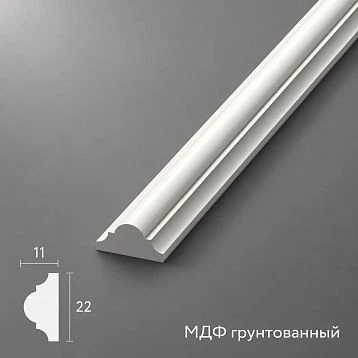
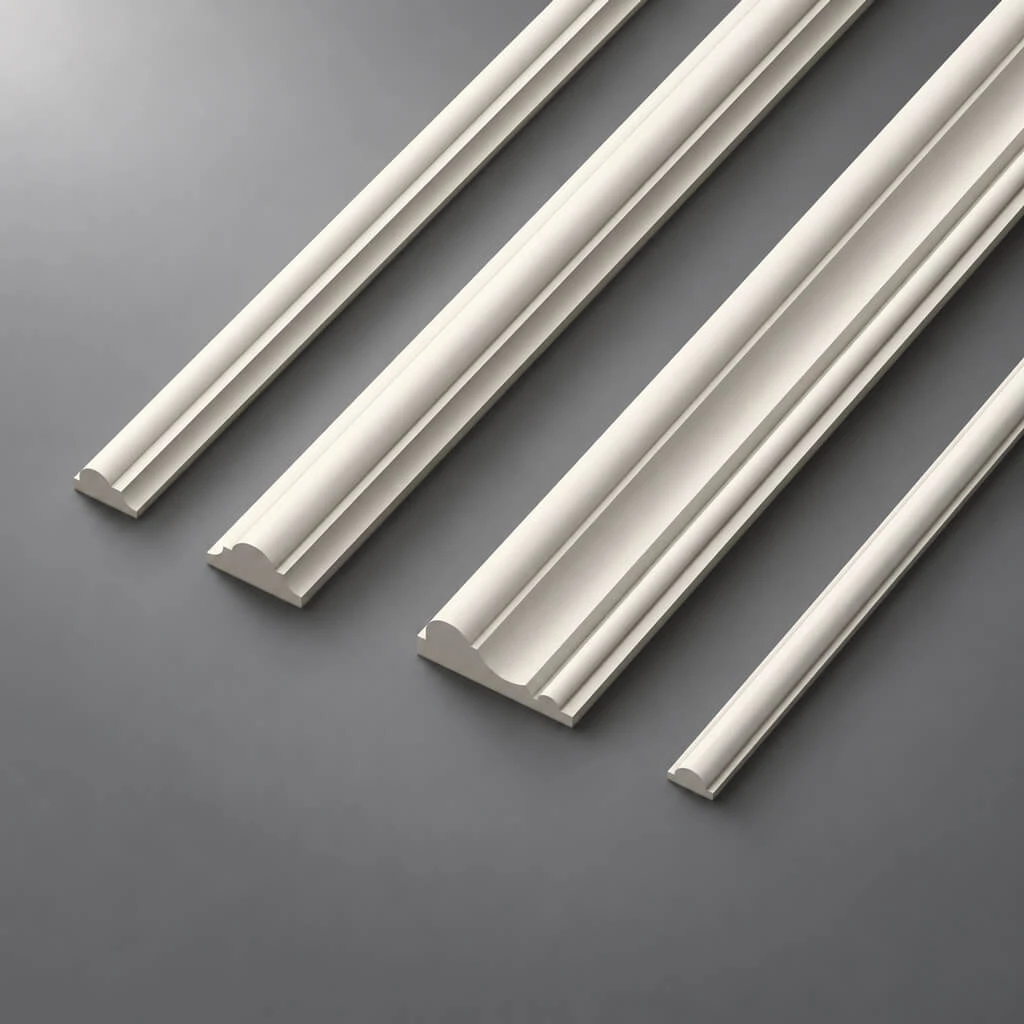
Moldings for furniture work here as a base: they create a frame pattern (imitation of a panel) that visually structures the front. Moldings for furniture fronts are chosen from narrow and medium profiles with moderate relief — they provide the desired effect without overloading the small surface.
Inside the molding frame there can be: mirror glass (then the molding serves as a frame), a decorative fabric insert, a surface painted in a different color, or — our topic — a central carved overlay.
Decor for furniture facades in the "molding + overlay" format is a classic two-level scheme that works in any style. In classic — with rich ornamentation. In neoclassical — with restrained relief. In modern classic — with a smooth molding and a minimalist overlay.
Classical furniture
If you are engaged in the manufacture or restoration of classic furniture — classic furniture and interior items STAVROS — this section is for you. Here are collected finished products and elements for classic interiors: from armchairs to consoles.
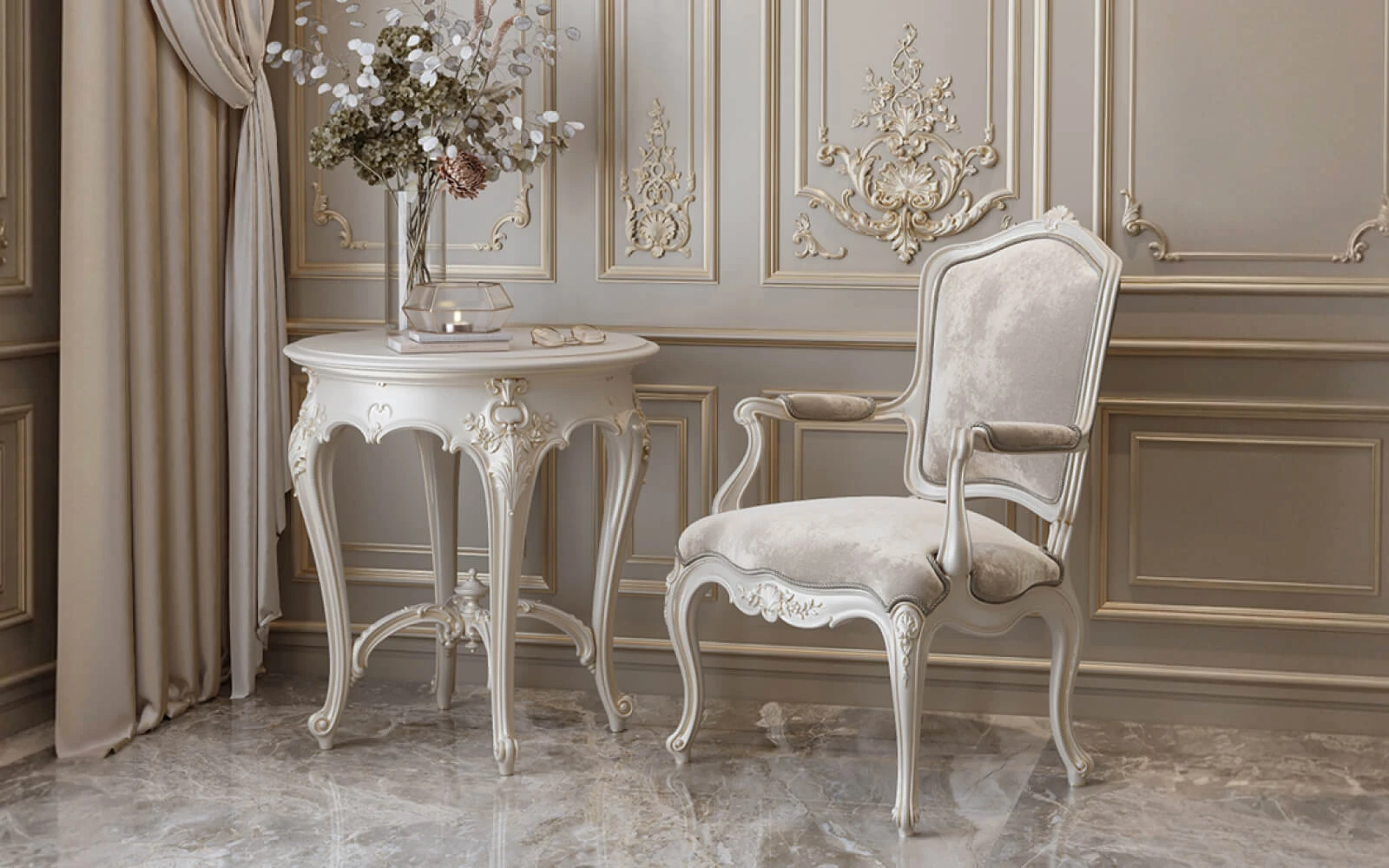
Carved decor for classic furniture is always an individual story. Here, the stylistic affiliation of the ornament is important: Renaissance (garlands, acanthus, masks), Baroque (heavy curls, cupids, rocaille), Empire (military trophies, laurel wreaths, sphinxes), Art Deco (geometry, zigzags, fans). Carved Decor STAVROS covers a wide stylistic range — the catalog contains elements for most classic directions.
How to choose molding for furniture: a mistake-free algorithm
Buying decor for furniture without preparation is almost always an overpayment or disappointment. Here is a working algorithm for selecting furniture molding that saves time and money.
Step one: determine the type of furniture
Cabinet, kitchen, chest of drawers, bedside table, facade, door — each object has its own logic of decoration. A cabinet allows a complex scheme with moldings and overlays. A bedside table — only one or two delicate elements. Kitchen — moldings on facades considering humidity. Chest of drawers — overlays with a horizontal rhythm.
Step two: choose the material
If the furniture is wooden and will be varnished or tinted — choose Wooden Inlays и Carved Decor. If the furniture will be painted with enamel or paint — both wooden elements and PU overlays. For kitchen facades in high humidity conditions — polyurethane is preferable.
Step three: determine the style
Classic (17th–19th centuries) — rich ornamentation, deep relief, motifs of acanthus, beads, leaves. Empire — monumentality, clear lines, military and antique motifs. Art Deco — geometry, zigzags, fans, metallic shine. Russian style — carving with floral and folk motifs. Modern classic — simple frames, minimal relief, strict proportions.
The style of stucco for furniture decor should match the style of the furniture itself and the interior. A Baroque overlay on a Scandinavian cabinet is a conflict. A laconic geometric molding on a classic chest of drawers — also.
Step four: choose the size
The size of the overlay or molding should be proportional to the size of the facade. Overlay on a cabinet door with a height of 700 mm: optimal overlay height — 20–35% of the facade height, i.e., 140–245 mm. The molding frame should be indented from the edge of the facade by at least 30–50 mm on each side.
For kitchen facades with a standard height of 500–700 mm, choose moldings with a width of 15–25 mm. For large cabinet facades with a height of 2000 mm, choose wider ones, up to 30–40 mm.
Step five: check symmetry and repeatability
If the furniture consists of several facades (a cabinet with three doors, a kitchen with eight modules) — all elements must be symmetrical and repeat according to the same pattern. Asymmetry here is a mistake, not a design. For furniture with facades of different sizes, choose proportionally scaled elements, but from the same style.
Step six: decide on the finishing treatment
Will the decor be painted? Tinted? Left as bare wood? This affects the choice of material. A wooden overlay for tinting — you need to ensure the wood species is compatible with the tinting compound. A polyurethane overlay for painting — just choose the color. Decor for patina — requires deep relief and the correct application technology.
Step seven: go to the catalog and place an order
Once the list of items is formed, go to the relevant sections of STAVROS, check the dimensions in the product cards, and confirm availability. Current prices for furniture facade decor are only in the product cards; they are updated in real time.
Layout schemes for decor on furniture facades
This is not theory, but practice. Five specific schemes that work on real furniture.
Central overlay on the facade
The simplest and most striking scheme. One overlay — in the center of the door, drawer, or facade. No moldings, no corner elements. One accent — and the surface comes alive.
It works best on wide horizontal facades: dresser drawers, buffet doors, bedside table fronts. The overlay should be centered on both axes: horizontally and vertically.
This scheme is ideal for carved inlays from solid wood with a clear central motif: rosette, medallion, cartouche, heraldic shield. Size — proportional to the facade (typically 20–40% of height and width).
Molding frame
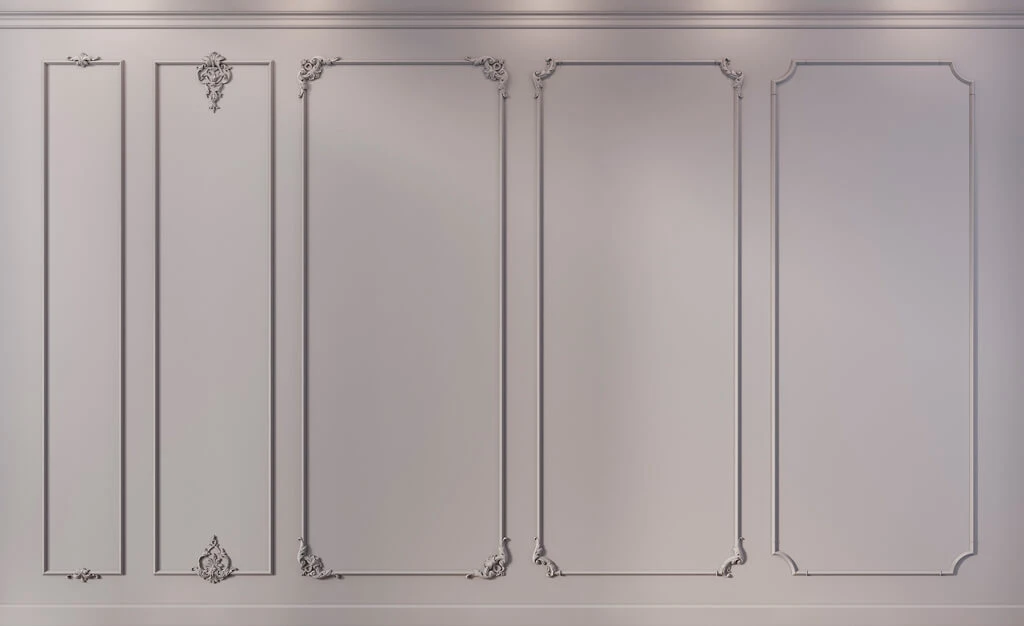
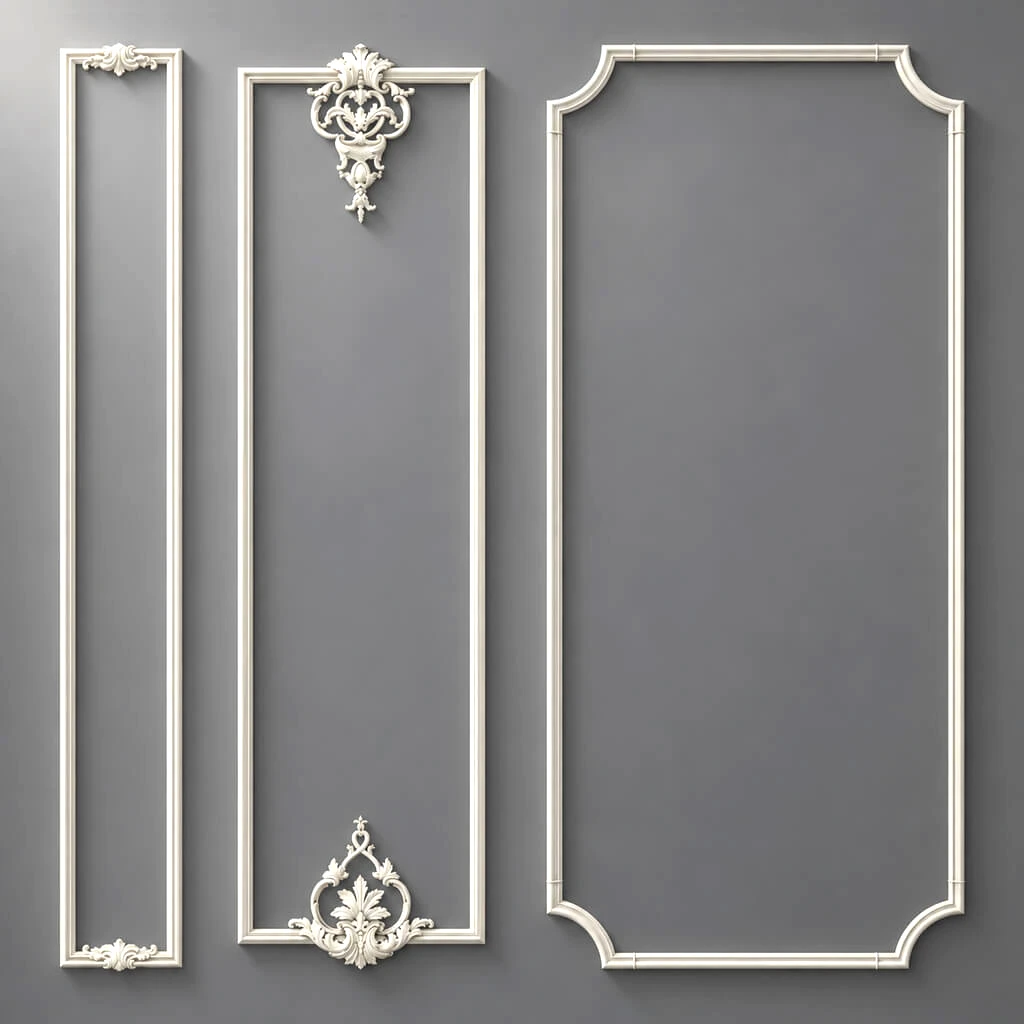
A molding frame around the facade perimeter — imitation of a classic panel. One profile runs along all four sides with corner blocks or 45° miters. The result — the facade gains depth and structure.
Moldings for furniture facades are selected from narrow profiles (15–30 mm). Solid wood moldings or Moldings made of polyurethane — depending on the furniture material and finish. Corner blocks from the section decoration for moldings — a mandatory element for clean corner joints.
Corner elements
Instead of a full frame — only corners. Four identical corner elements at the facade corners create the effect of a frame without linear molding. This is a lighter, more openwork scheme that works well on small facades — kitchen doors, bedside table fronts, small drawers.
Corner overlays — from sections carved decor elements и decoration for moldings.
Horizontal frieze
For the top part of a cabinet, kitchen set, sideboard, display case — a horizontal frieze (cornice) unites several facades into a single whole. This is a decorative cornice that is attached above the top row of furniture and sets the silhouette for the entire piece.
A horizontal frieze in the kitchen is what turns a set of modules into a single kitchen set. Without it, the kitchen looks like a set of separate boxes. With it, it looks like furniture from a single collection.
For the frieze, use Molding and cornices made of solid wood or Moldings made of polyurethane — depending on the material of the set.
Set: molding + overlay + carved element
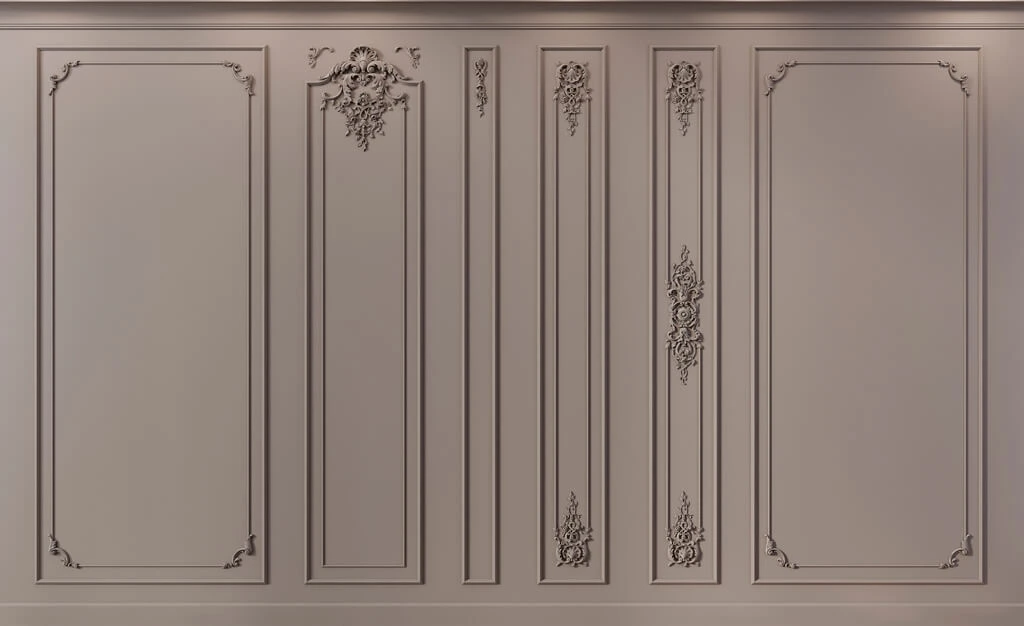
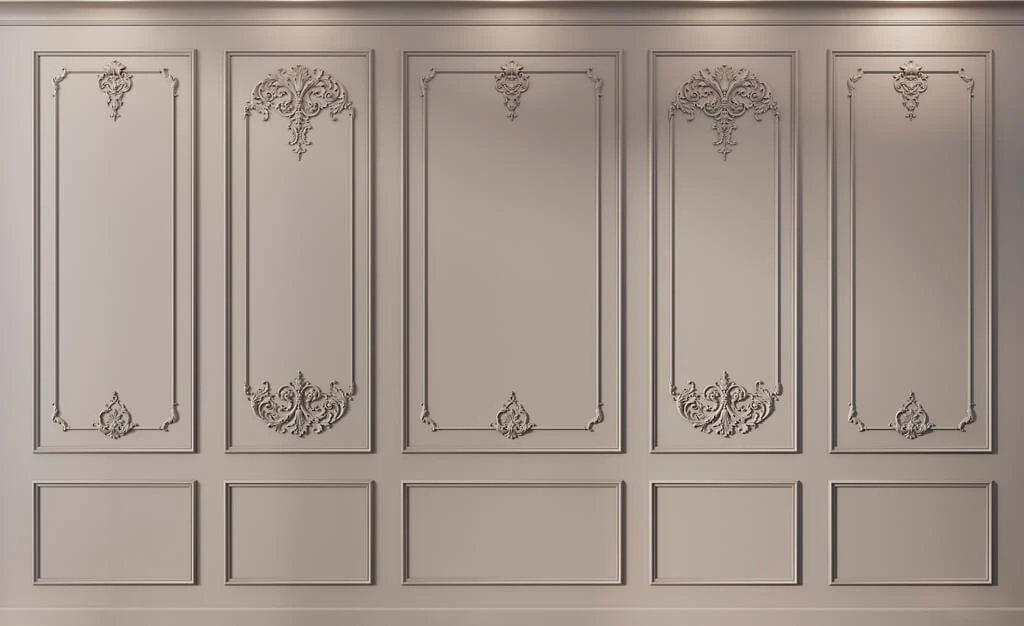
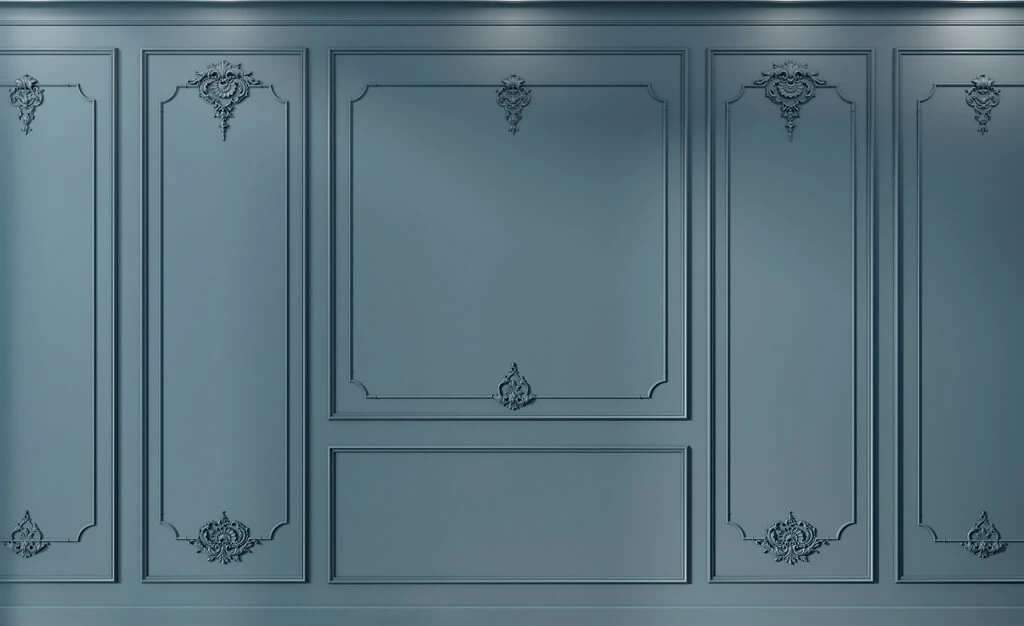
This is a complete decorative scheme for a classic facade. Molding around the perimeter — a frame. Central overlay — an accent. Corner elements — finishing. Three components working as a system.
This is exactly the scheme used when creating facades in the classic, Empire, neoclassical styles. This is not a budget solution — but it is also a result that requires no explanation: the furniture looks custom-made.
For maximum effect, all three elements should be from the same style register and from the same material (or compatible ones). See the section wooden decorative elements, carved appliqués и carved decor elements.
How to choose the size of decor for furniture facades
Quick reference table:
| Task | What to use | What to Check |
|---|---|---|
| Decorate the cabinet front | overlays, moldings | facade height, frame width, symmetry |
| Update the dresser | center overlays, corner elements | drawer size, decor repeatability |
| Design the kitchen | moldings, overlays, frieze | kitchen style, humidity, proportions |
| Create a classic facade | carved decor, moldings | relief depth, material, painting |
| Decorate the door | narrow moldings, small overlays | facade thickness, mounting location |
A few practical guidelines:
Overlay on a 200 mm high dresser drawer: optimal decor height is 60–90 mm, width is 100–200 mm depending on the drawer width.
Overlay on a 2000 mm high cabinet door: one large overlay 300–500 mm in height in the upper third of the facade, or two symmetrical overlays (upper and lower zones).
Molding frame on a 400 × 600 mm facade: molding width 15–20 mm, offset from edge 30–40 mm, corner blocks 20 × 20 mm.
Horizontal frieze in the kitchen: cornice height is 50–120 mm depending on the height of the upper cabinets and ceiling height.
Exact dimensions of all elements are in the product cards of the corresponding STAVROS sections.
Materials for furniture stucco: what and when to choose
The question of material is fundamental. Let's look at each option without prejudice.
Solid wood
The best choice for premium furniture, restoration, and items that will be tinted or varnished. A wooden overlay is alive, warm, with true depth of relief. Wood is easy to sand, tint, and accepts wax and oil. The downside is sensitivity to humidity: for kitchens and bathrooms, special treatment or material replacement is needed.
carved inlays from solid wood и wooden decorative elements — this is a section for those who choose quality without compromise.
MDF
MDF moldings and overlays are a mid-price segment with good shape stability. MDF is well milled, holds a clear relief, and is resistant to deformation under humidity changes (better than solid wood). For painting, it's an excellent choice. For tinting, it's worse than wood: there is no texture. For kitchen facades in enamel, it's one of the most practical options.
Polyurethane
Lightweight, cheaper than wood, absolutely moisture-resistant, glues well, and cuts easily. For painting, it's ideal. For tinting, no (no wood texture). For kitchen facades in high humidity conditions, it's preferable to wood. PU overlays — a convenient choice for those who want a decorative effect with minimal investment and maximum practicality.
Stucco for furniture in different interior styles
Style is not just a visual preference. It is a system of rules, and stucco for furniture decor must comply with these rules.
Classical and Baroque
Rich ornament, deep relief, complex motifs: acanthus, beads, shell, mascaron. Overlays are large, with detailed elements. Moldings with a developed profile. Wooden material for gilding, patina, or varnish. For such a style — STAVROS carved decor и planks from solid wood.
Empire and Neoclassicism
Strictness of form, monumentality, restrained ornament. Overlays with geometric motifs, laurel wreaths, military attributes. Moldings with a clear chamfer and minimal relief. Material — wood for enamel or open varnish.
Art Deco
Geometry, zigzags, fans, stylized flowers. The relief is not deep, but clear. Metal inserts — gold, chrome. Moldings — strict, straight. Overlays — with clear contours and minimal naturalism in the ornament.
Modern classic
One molding, one overlay, strict symmetry. No extra elements. Relief — minimal, form — as clear as possible. White color or neutral tones. For this style, it is enough polyurethane moldings and small PU overlays.
Russian style and folk motifs
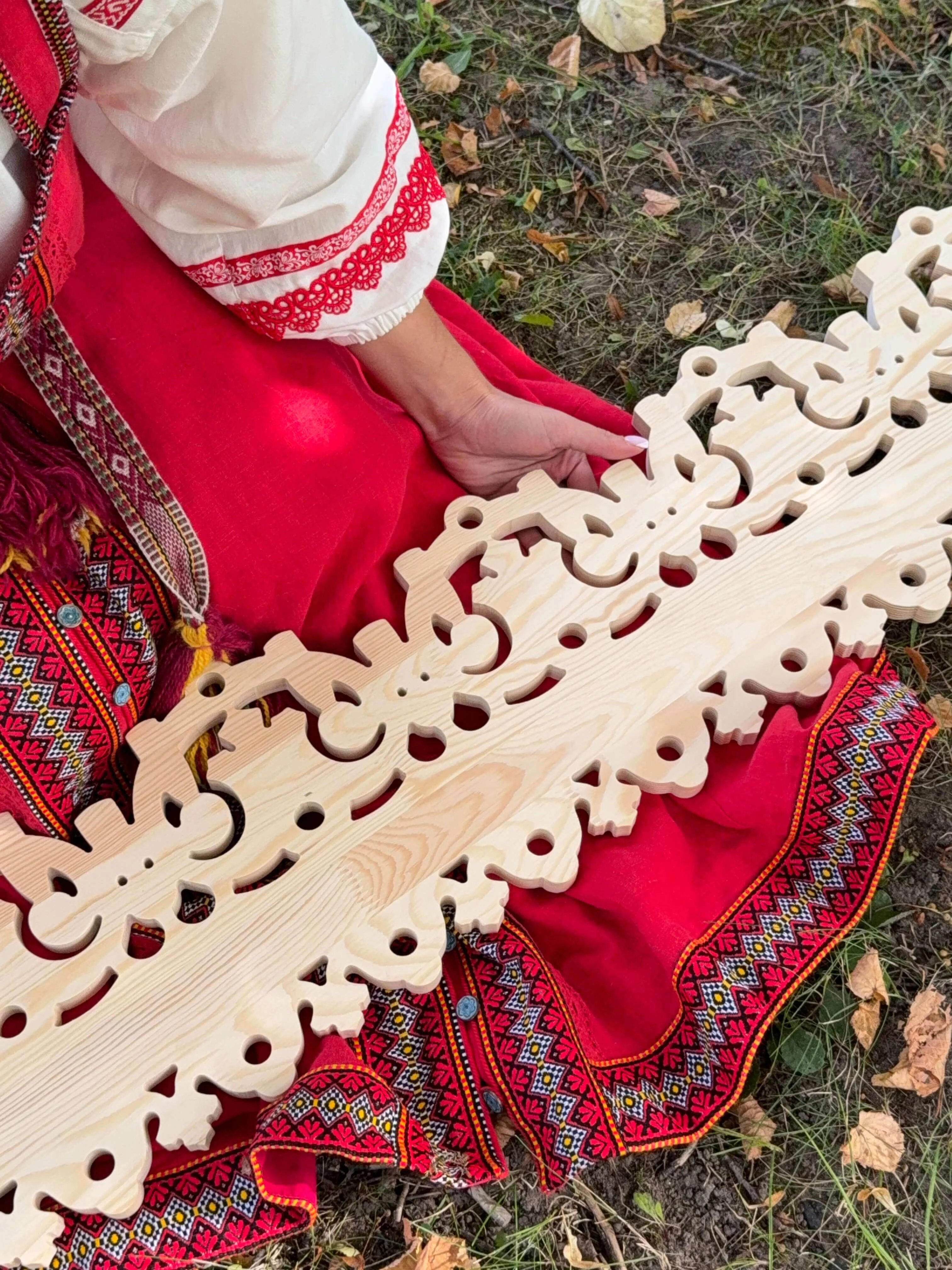
Plant ornaments, carving with characteristic curls, motifs of birds and flowers. Wooden overlays with three-dimensional carving. Toning in dark walnut or mahogany. For this direction — Carved Decor with corresponding motifs.
Mistakes when choosing stucco for furniture
Eight mistakes that are made most often — and which are easy to prevent.
Too large overlay for a small facade
An overlay of 300 × 400 mm on a facade of 450 × 600 mm is not decor, it's a disaster. The overlay takes up all visible space, making the facade look overloaded. Rule: the overlay should not exceed 40% of the facade area.
Mixing different styles on the same piece of furniture
Baroque overlay + Art Deco molding + Renaissance-style corner blocks — this is not eclecticism, it's visual noise. All elements on a single piece of furniture must be within the same stylistic context.
Did not account for element repeatability
If a cabinet has three doors, each must have identical decor. Buying one overlay 'to see' is a classic mistake. Decor for furniture facades should be ordered as a complete set from the start.
One element without a scheme
'I'll buy an overlay and glue it on' — without molding, without corner elements, without an overall scheme. A lone overlay on a bare facade looks like a randomly attached detail, not a design solution. Any element needs context.
Did not account for facade material
A wooden overlay on an MDF facade that will be repainted is fine. A wooden overlay on a film facade risks poor glue adhesion. A polyurethane overlay on a tinted wooden surface looks artificial. The decor material must match the furniture material and finishing technology.
Forgot about finishing treatment
If the decor is not treated the same way as the facade itself, it will stand out in color and texture. Always plan painting, tinting, or varnishing of the decor simultaneously with the facade treatment.
Did not check the thickness of the product
Overlays and moldings have a certain thickness. If the molding is 8 mm, it will not look like a flat line on a 19 mm MDF facade — that's normal. But if you plan to cover the decor with a cabinet door (swivel mechanism), make sure the thickness of the overlay does not interfere with the operation of the hinges and closing.
Purchased from a general catalog without precise navigation
This is not a buyer's mistake, but the site's task — to guide the user to the correct section. Furniture requires specific categories: planks from solid wood, Carved Decor, decorative elements, Moldings from solid wood — not just a general product catalog. Precise navigation saves time and reduces the risk of incorrect selection.
How to update furniture with stucco decor: three scenarios
Scenario 1. Updating an old cabinet
A Soviet or post-Soviet cabinet with smooth facades made of chipboard or MDF. The task is to give it a classic look without a complete replacement. Solution: clean the surface of the facades, glue molding frames, add central overlays, prime and repaint in the chosen color. Result — the furniture looks custom-made, the cost of work is incomparably lower than replacement.
For this scenario, the following are optimal PU overlays и Moldings made of polyurethane — for painting, moisture-resistant, adhere well to most surfaces.
Scenario 2. Creating a classic kitchen from standard modules
Standard kitchen modules with smooth MDF enameled facades. The task is to add a classic look without replacing the cabinets. Solution: glue moldings along the perimeter of each facade, add a horizontal frieze on top, repaint if necessary. Result: a kitchen with the look of Italian classics on an "economy+" budget.
See STAVROS Kitchen Solutions and choose moldings from the polyurethane products or solid wood.
Scenario 3. Custom finishing of a new dresser
A new MDF dresser, currently unfinished. The task is to make it unique. Solution: carved inlays from solid wood on each drawer, tinting in the chosen wood color. Result: a handmade piece of furniture that will always look expensive.
Where to buy furniture moldings at STAVROS
The entire range for furniture facade decor is in the STAVROS catalog. Go to the desired section, study product cards with photos and dimensions, check availability.
Navigation for selecting furniture moldings:
-
Furniture moldings — carved overlays from solid wood — for classic wooden facades
-
carved appliqués — decorative carved elements for furniture
-
Carved furniture decor — wide range of carved products
-
wooden decorative elements — piece decor for furniture and interiors
-
Decor for Molding — corner blocks and inserts for frames
-
Solid wood moldings, cornices, and baseboards — wooden moldings for facades
-
PU overlays — polyurethane overlays for painting
-
Moldings made of polyurethane — polyurethane moldings for furniture fronts
-
Cabinet decoration — ready-made solutions for built-in furniture
-
Kitchen decor — kitchen cabinet design
-
Decor for dressers and cabinets — overlays and decor for case furniture
-
Classic STAVROS furniture — ready-made items for classic interiors
FAQ: answers to popular questions about furniture moldings
What is furniture molding?
Decorative overlays, moldings, carved elements, and stucco decor used to adorn furniture fronts — cabinets, dressers, kitchens, doors, nightstands. This is not ceiling stucco, but a set of decorative items made of wood or polyurethane.
Can I buy furniture moldings at STAVROS?
Yes. The catalog features carved overlays, decorative elements, carved decor, and moldings for furniture. Go to the sections for overlays, carved decor, decorative elements, and moldings.
What is better for furniture: wooden decor or polyurethane?
For furniture to be tinted or varnished — wood (solid wood or MDF). For furniture to be painted — wood or polyurethane depending on conditions (in high humidity, polyurethane is preferable). Wooden carved decor provides a higher level of detail and tactile quality.
How to correctly calculate the overlay size for the facade?
The overlay should be 20–40% of the facade height and up to 60% of the width. The indentation of the molding frame from the facade edge should be at least 30–50 mm. Check all sizes in the product cards.
Is it necessary to prime the surface before installing decor?
On clean, smooth MDF or chipboard facades — generally, no. On porous surfaces — it is recommended. Adhesive — acrylic mounting glue or specialized decor adhesive.
Can you install molded decor on furniture yourself?
Yes, this is one of the most accessible types of decor for DIY installation. Overlays are glued with mounting adhesive, moldings are cut with a hand saw or jigsaw. The main thing is precise marking and clean surface preparation.
Where to see prices for furniture facade decor?
Current prices are only available in product cards on the STAVROS website. Check the sections for overlays, carved decor, and moldings — there you will always find up-to-date information on availability and cost.