






























































Article Contents:
- Wide polyurethane moldings: how to choose for walls and interiors
- What are wide polyurethane moldings
- How this article differs from other STAVROS materials
- When wide moldings are needed
- Large wall without decor
- Classical and Neoclassical Interior
- Accent Wall
- Frames and panels: boiserie and decorative planes
- Connection with cornice and baseboard
- How to choose wide polyurethane moldings: step-by-step logic
- Step 1. Determine the room and zone
- Step 2. Measure the wall height
- Step 3. Decide — single frame or series
- Step 4. Select the cornice and baseboard
- Step 5. Choose corner elements
- Step 6. Decide if central accents are needed
- Step 7. Check stylistic unity
- Step 8. Go to the STAVROS catalog
- Selection table: task → solution → catalog section
- Wide moldings for different rooms
- Living room: scale, rhythm, architecture
- Bedroom: restraint and depth
- Hall and entryway: transit with character
- Study: rigor and intellect
- Layout schemes for wide moldings on the wall
- Scheme 1. Single frame: monumental accent
- Scheme 2. Horizontal series: rhythm and movement
- Scheme 3. Two-level scheme: classic vertical rhythm
- Scheme 4. Belt scheme: horizontal division
- Scheme 5. Boiserie: full paneling
- How to calculate the number of wide moldings
- What to pair wide moldings with: a four-level system
- Style of wide moldings: five directions
- Minimalism and Contemporary
- Neoclassicism
- Classic
- Neoclassicism
- Baroque and Neo-Baroque
- Mistakes when choosing wide moldings
- Practical examples: three real interiors with wide moldings
- Example 1. Living room in modern classic, ceiling 2.8 m
- Example 2. Bedroom in neoclassical style, ceiling 3 m
- Example 3. Hall in Empire style, ceiling 3.5 m
- Where to buy wide polyurethane moldings STAVROS
- FAQ: wide polyurethane moldings
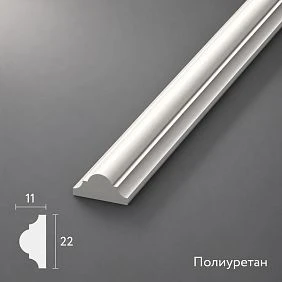
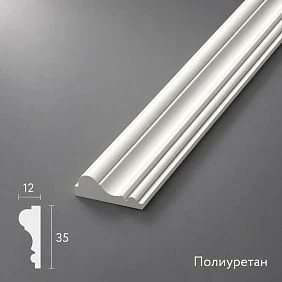
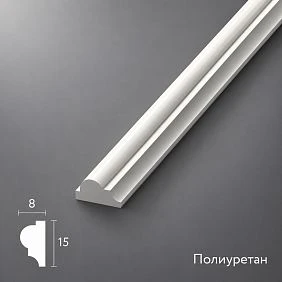
Wide polyurethane moldings: how to choose for walls and interior
There are walls that speak for themselves. Silent, flat, without a single detail — and it is this silence that becomes a problem when the renovation is finished, the furniture is arranged, but the interior still seems incomplete. What is missing? The answer, as a rule, is simple: architectural pattern. Lines. Relief. A decorative structure that gives the wall scale and character.
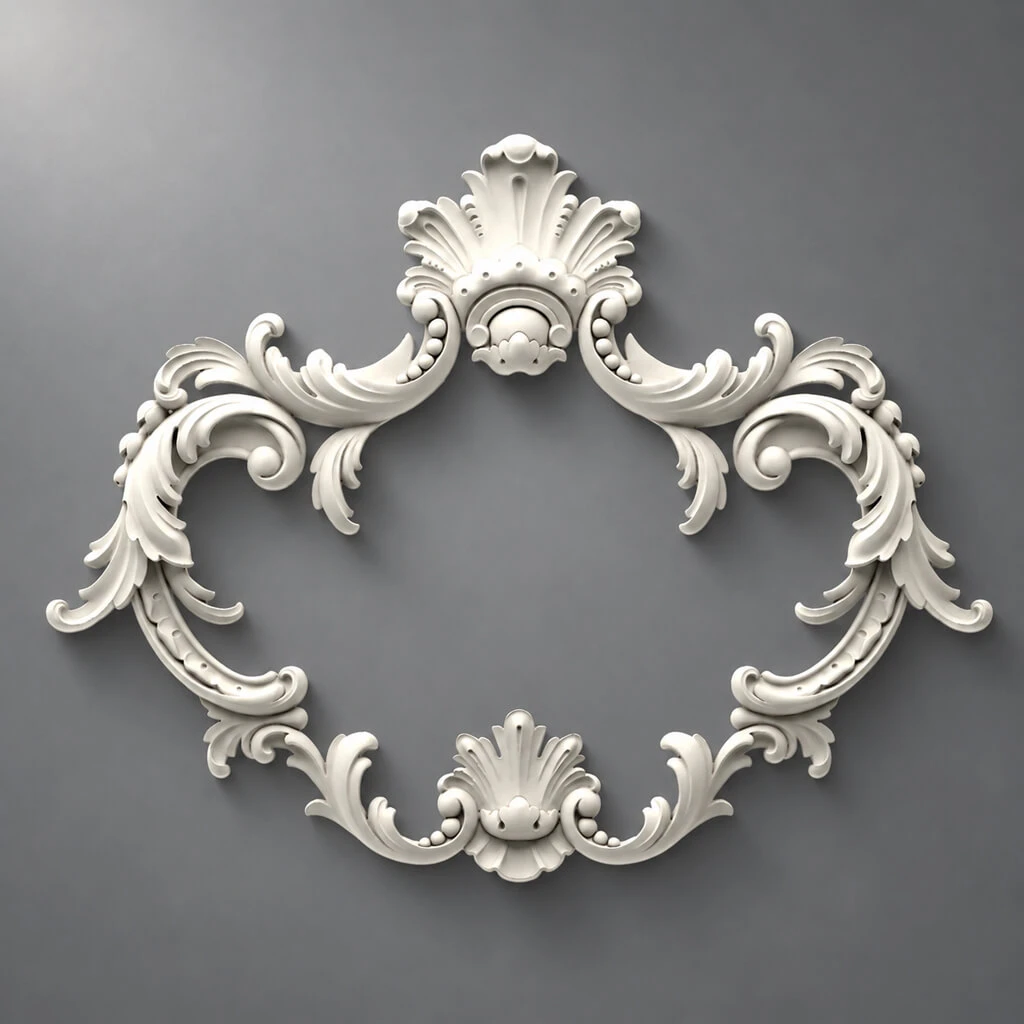
Wide polyurethane moldings — is a tool for exactly that task. Part of the STAVROS stucco decor for expressive wall design, frame schemes, interior panels, and accent zones. Such elements create a large decorative composition and organically connect with cornices, baseboards, PU overlays, and other products from polyurethane molding.
Buying wide polyurethane moldings for the wall is not just about "adding beauty." It is a decision involving geometry, proportions, layout logic, and stylistic consistency. And that is exactly the topic of our article: not ideas in the spirit of "inspiring design," but a specific selection scheme. Size, width, layout, combination, calculation — everything in order.

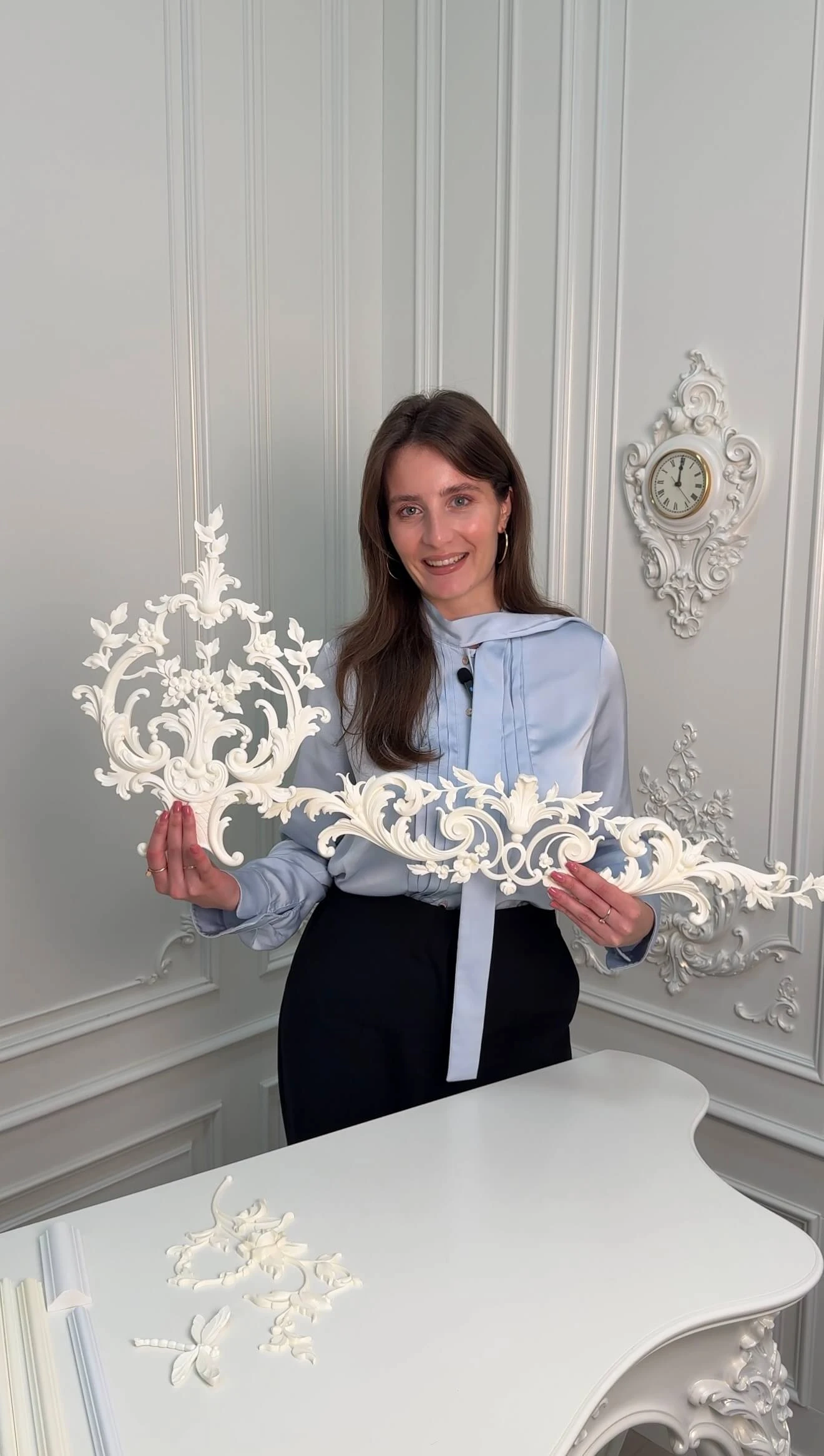
What are wide polyurethane moldings
Before choosing, you need to understand what exactly you are choosing.
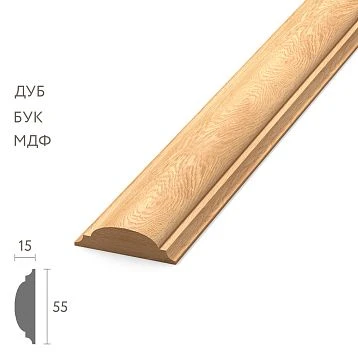
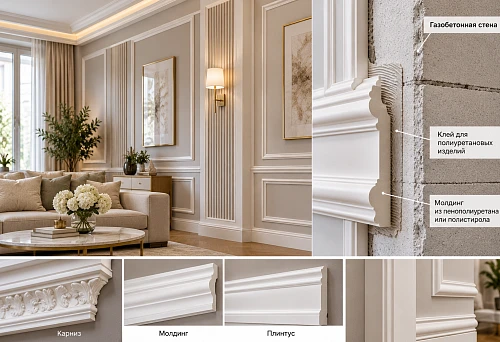
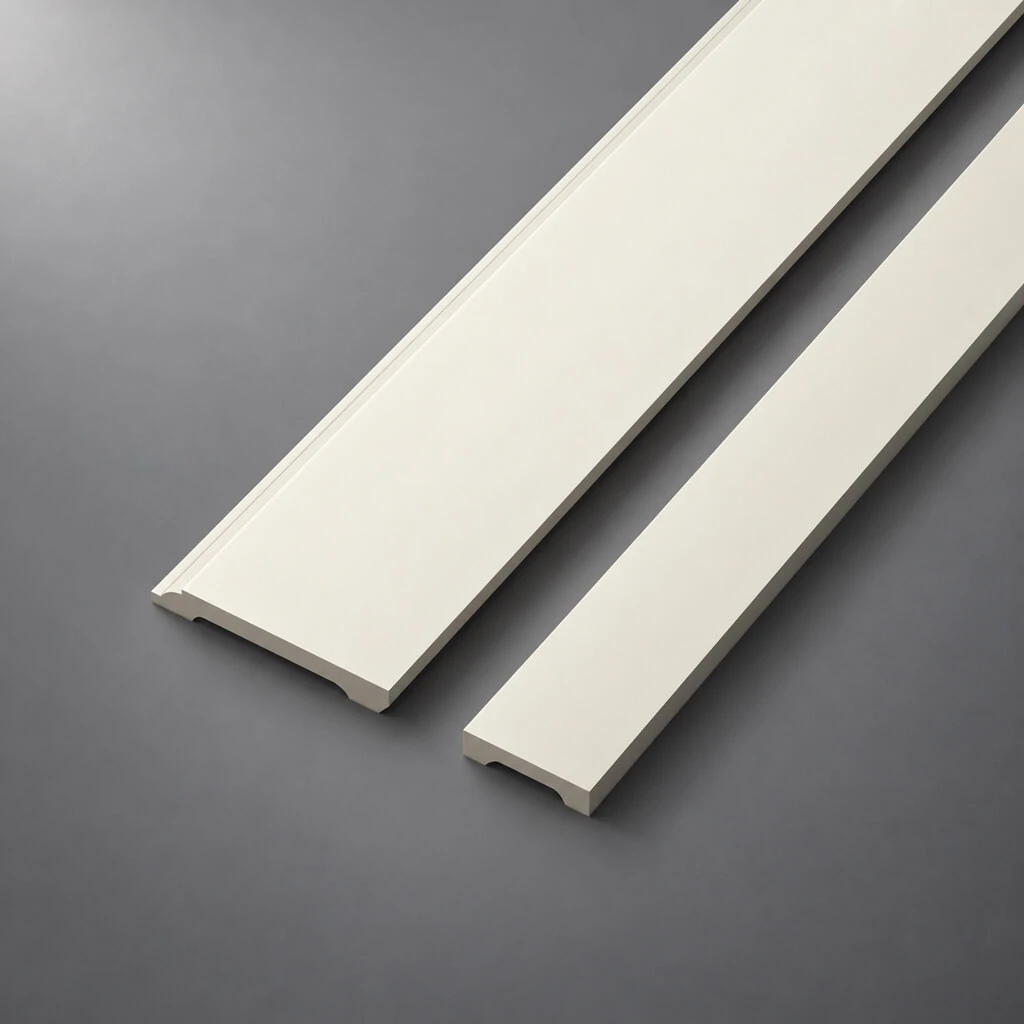
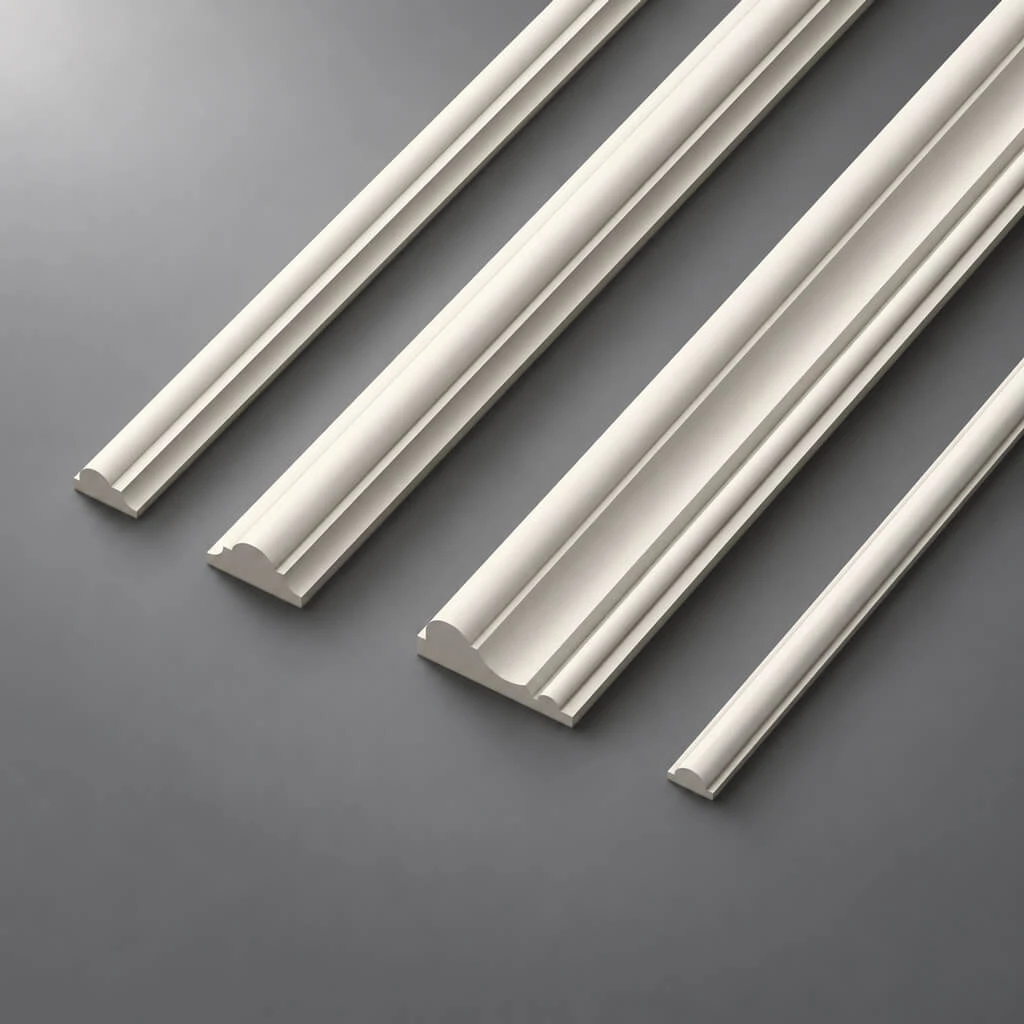
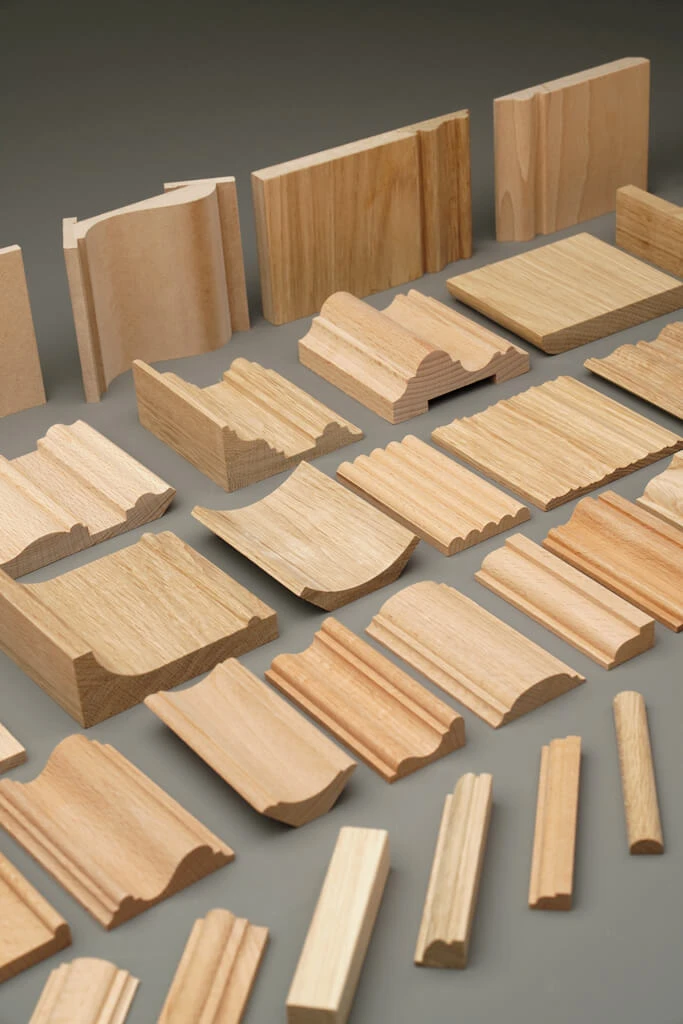
A molding is a linear decorative profile with a specific cross-section. It is mounted on the wall horizontally, vertically, or along the contour of a frame. The molding creates a relief line on a flat surface — and it is this line that changes the perception of the entire space.
Wide moldings are those that visually work as a noticeable architectural detail, not just as a thin dividing strip. Such a profile is immediately visible, holds the gaze, creates a clear boundary between zones, and becomes a full-fledged decorative element of the wall — not just a "frame."
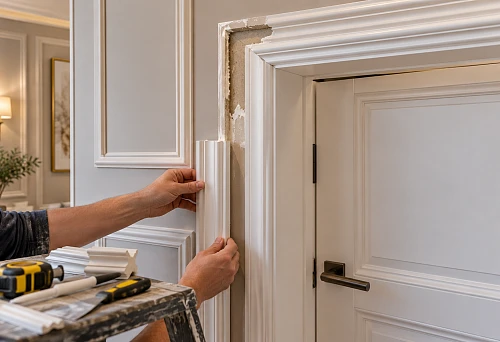
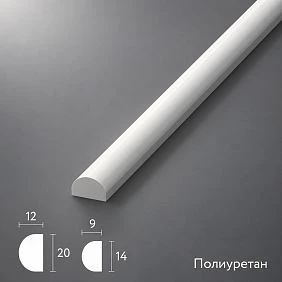
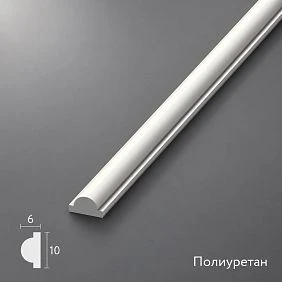
Polyurethane as a material for such moldings is the optimal choice. It is lightweight (a wide molding 2 m long weighs 400–900 g), durable, with clear relief detailing. It is cut with a regular construction knife or hacksaw. It is glued with mounting adhesive without special fasteners. It accepts any acrylic paint — from snow-white to complex antique-gold tones.
polyurethane wall moldings — this is part of a large stucco cluster. The cluster looks like this: stucco → polyurethane stucco decor → polyurethane moldings → wide moldings. Understanding this chain is important: a wide molding does not exist on its own. It is part of a system: it requires a cornice, baseboard, corner elements, and, if desired, central accent overlays.
Our factory also produces:
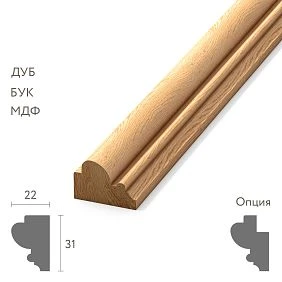
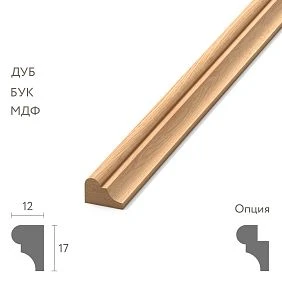
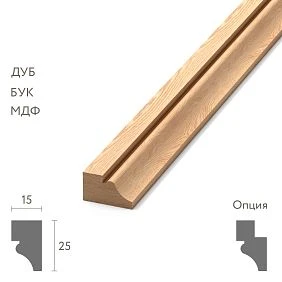
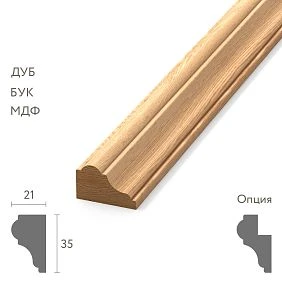
How this article differs from other STAVROS materials
This is not an article about "stucco on walls" — it analyzes the ideology of design. Not an article about "stucco in interiors" — that covers styles and inspiration. Not an installation guide — there is a separate material for that installing polyurethane molding. Not a general catalog overview — that is already covered.
This article is a commercial guide for choosing specifically wide moldings: profile width, layout scheme, footage calculation, style combinations, typical mistakes. The focus is on a specific solution to a specific problem: buying the right wide molding for your wall.
Each section below is a step toward this solution.
Get Consultation
When wide moldings are needed
Not every interior needs a wide profile. But in a number of situations, it is the only correct choice.
Large wall without decor
An empty wall 4–5 m wide and 2.8–3.5 m high is a huge plane that cannot be "livened up" with a thin 20 mm molding. Such a line will simply get lost. It will look like a random strip against a monolithic surface.
A wide molding is a visual anchor. It sets the scale, divides the wall into zones, and forms a frame contour that holds even in a large space. For large walls in living rooms, halls, conference rooms, and bedrooms with accent walls, a wide profile works fundamentally differently than a thin one.
A practical rule: if the wall height exceeds 2.7 m, the width of the molding for a frame scheme should be at least 40 mm. For walls higher than 3 m — from 50 mm.
Classic and neoclassical interior
In classic interiors, molding is not a "decoration" but an architectural element. A thin profile looks poor: it does not create the relief depth characteristic of a classic wall.
A wide molding with a well-developed relief is what makes an interior convincing. A profile of 50–80 mm with several breaks, a chamfer, or a floral relief is no longer just a "frame" — it is an architectural detail.
polyurethane decorative moldings The STAVROS catalog features profiles ranging from minimalist to rich classic series — for any task.
Accent Wall
One wall in the room is an accent wall. Often it is the wall behind the sofa in the living room, behind the headboard in the bedroom, or behind the desk in the study. This is the wall that draws the eye. This is the wall that shapes the room's image.
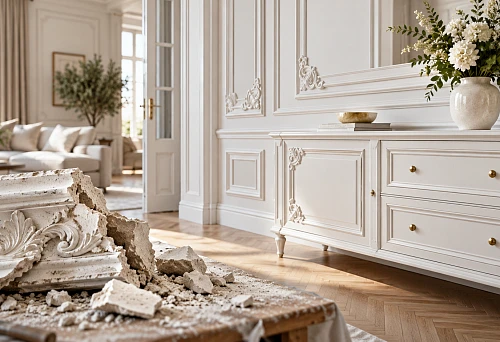
Wide moldings on such a wall are a tool for creating a "scene." A frame scheme made of a wide profile makes the accent wall the main character of the interior: a clear contour, correct proportions, expressive relief.
Polyurethane wall decor Complements the molding frame: belt elements, inserts, central overlays make the accent wall complete.
Frames and panels: boiserie and decorative planes
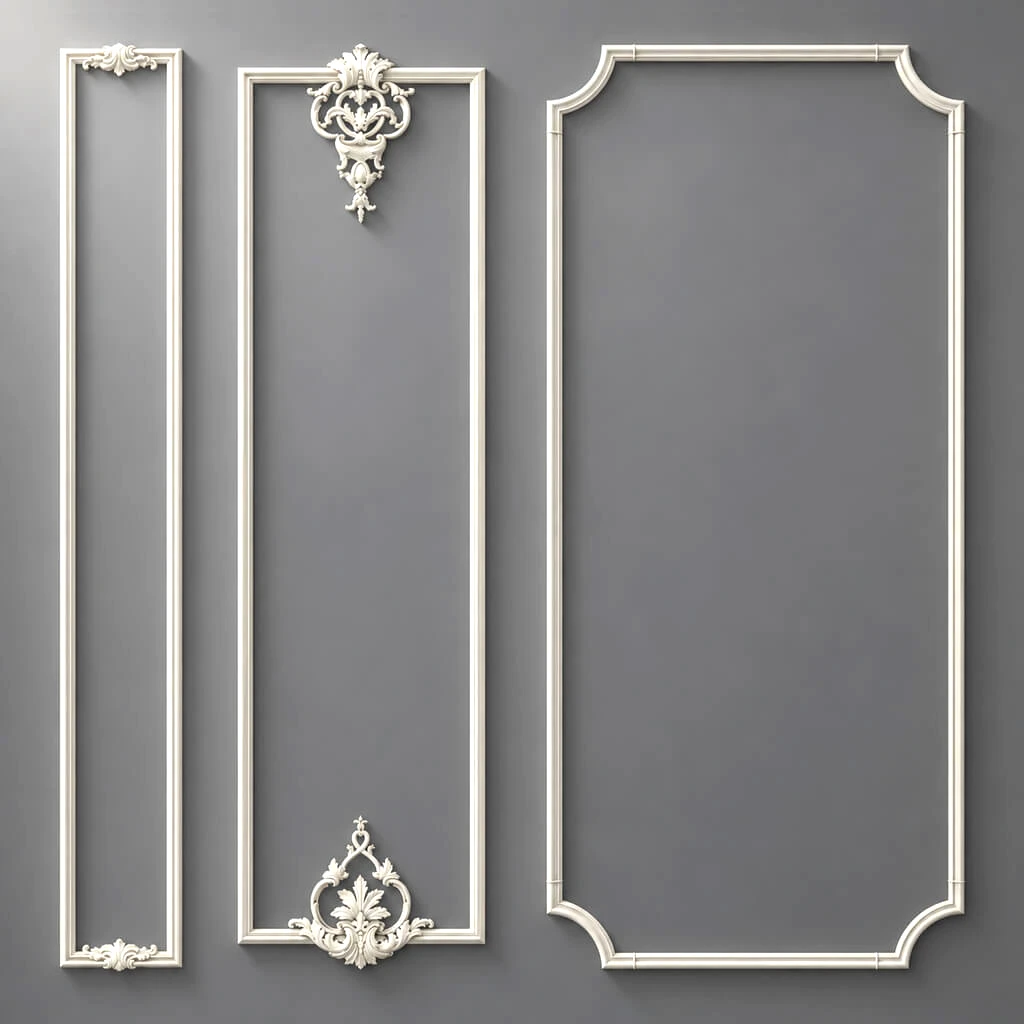
Boiserie is a decorative panel wall treatment that in modern interiors is realized precisely through molding frames. A wide molding for boiserie creates a monumental relief contour separating one panel field from another.
Wide profiles are also used for decorative panels in hallways and corridors: they create a sense of "wall enclosure" and turn a transit space into a full-fledged architectural one.
For corner connections of frames — Decor for Molding: corner blocks that cover the ends of the profile and add a decorative accent to the corner of the frame.
Connection with cornice and baseboard
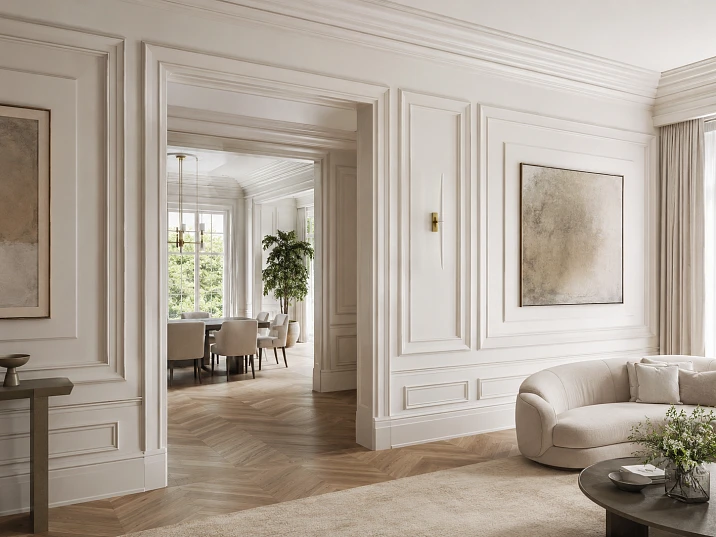
A wide molding does not work alone. It works in a system. And this system is a cornice at the top, a baseboard at the bottom, and moldings in the middle. Three horizontal levels that set the architectural rhythm from floor to ceiling.
Principle: the width of the molding for the frame should correlate with the height of the cornice and baseboard. A molding wider than the cornice looks heavy. A molding significantly narrower than the baseboard will get lost. Optimal ratio: cornice 1.5–2 × molding width, baseboard 1–1.5 × molding width.
Polyurethane Crown Molding и Polyurethane Baseboards in the STAVROS catalog are selected precisely with this ratio in mind.
How to choose wide polyurethane moldings: step-by-step logic
Choosing a wide molding is not about "picking a pretty picture." It is a sequential process of eight steps.
Step 1. Determine the room and area
Living room? Bedroom? Hall? Study? Each room dictates its own proportions. The living room allows for maximum scale of decor. The bedroom is more restrained. The study is strict, without overload. The hall often lacks natural light, so the stucco relief should be clearly readable under artificial lighting.
Zone: entire wall, accent wall, single frame, series of frames, panel scheme?
Step 2. Measure the wall height
Wall height is the base parameter.
-
2.5 m → molding 30–50 mm
-
2.7–2.8 m → molding 40–65 mm
-
3.0 m → molding 50–80 mm
-
3.5 m and above → molding 70–120 mm
The higher the wall, the larger the profile should be so that the frame reads as a full decorative element, not as a random strip.
Step 3. Decide — single frame or series
One frame in the center of an accent wall is a monumental gesture. A series of frames in a row creates a rhythmic architectural layout. Vertical frames in a row create a sense of height. Horizontal frames expand the wall.
For a series, it is important to have the same molding width in all frames and equal distances between frames. Breaking the rhythm in a series is immediately noticeable.
Step 4. Choose a cornice and baseboard
The molding is not chosen in isolation, but in conjunction with the upper and lower horizontal lines. Cornice defines the 'ceiling tone' of the interior. Skirting — the lower one. The molding should be stylistically close to both.
A practical style rule: if the cornice is complex, with several breaks and relief, the molding should carry a similar plastic richness. If the cornice is minimalist, the molding should also be laconic.
Step 5. Choose corner elements
For each frame made of wide molding, corner decor is needed at four points — where the horizontal and vertical profile segments meet. The corner block solves two tasks: hides the joint of the ends and adds a decorative accent.
Decor for Molding — section with corner elements for various profiles. The corner block should be chosen for a specific molding: matching in width is mandatory.
Step 6. Decide if central accents are needed
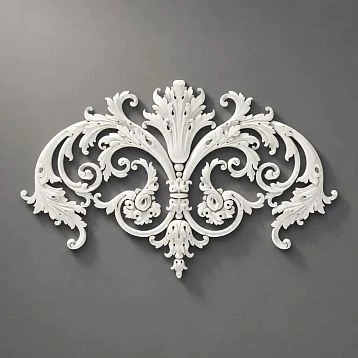
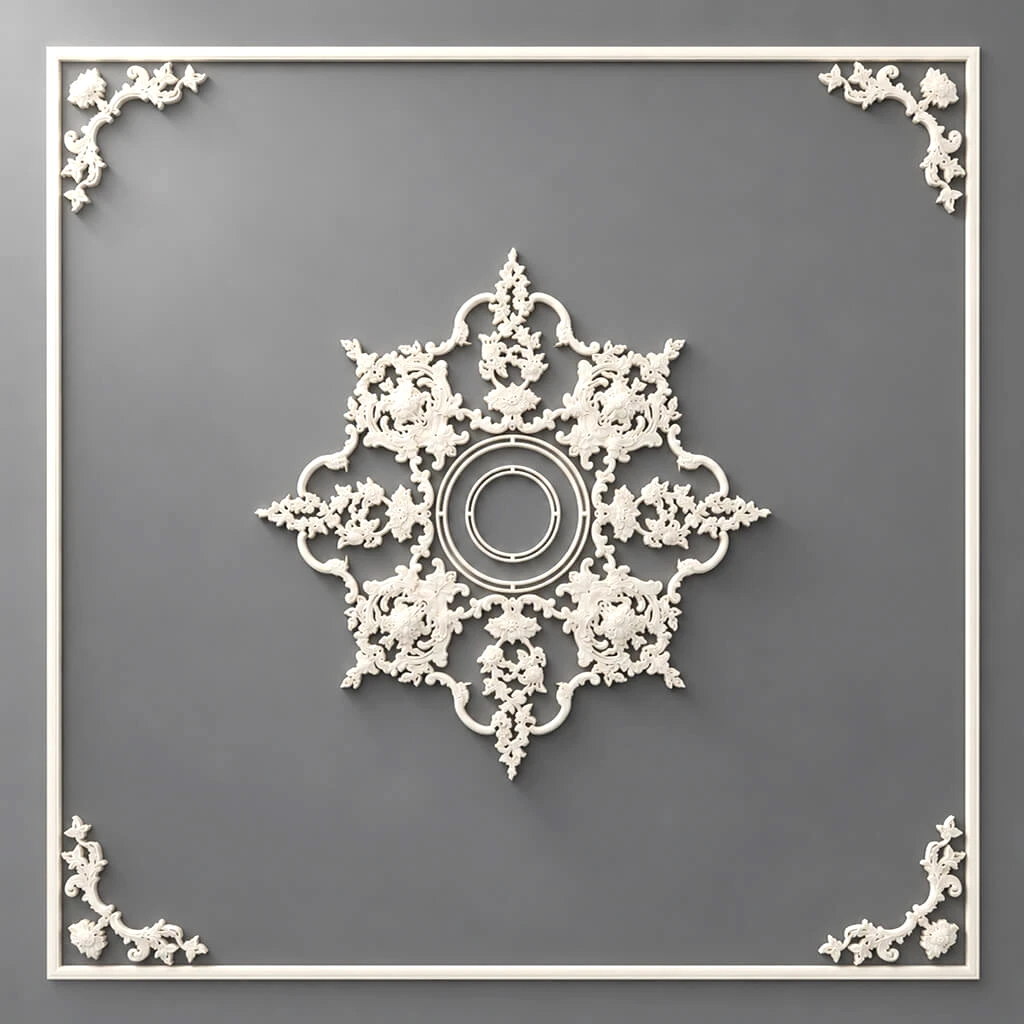
An empty field inside the frame is also a decorative choice. But if you want richness — PU overlays are installed in the center of the frame, above the door, or at the intersection of axes.
One overlay in the center of the frame is already a different level: the frame ceases to be just a contour and turns into an independent decorative object.
Step 7. Check stylistic unity
All elements — molding, corner block, cornice, baseboard, overlay — must be from the same stylistic direction. You cannot place a Baroque corner block with a minimalist molding. You cannot use a strict geometric cornice paired with floral corner elements on the molding. The style must be unified — this is the law of interior architecture.
Step 8. Go to the STAVROS catalog
After the scheme is built in your mind — open Polyurethane moldings, cornices, and baseboards and select specific items according to your parameters.
Selection table: task → solution → catalog section
| Task | What to use | Catalog section |
|---|---|---|
| Buy wide wall moldings | Moldings, cornices and baseboards | Moldings |
| Assemble decorative frames | moldings + corner elements | Decor for Molding |
| Design an entire accent wall | Wall decor + moldings | Wall Decor |
| Add a central frame accent | PU overlays | PU overlays |
| Ceiling line for moldings | Polyurethane cornices | Crown Molding |
| Bottom line for moldings | Polyurethane baseboards | Baseboards |
| Full range of stucco decor | Polyurethane products | Polyurethane moldings |
Wide moldings for different rooms
The same molding looks different in different rooms. Let's break down four main scenarios with specific recommendations.
Living room: scale, rhythm, architecture
The living room is the main room of an apartment or house. This is where stucco decoration works at its full potential. Here, the maximum profile width, the richest frame scheme, and the most elaborate corner elements are permissible.
A typical task for the living room: an accent wall behind the sofa. Wall width 3.5–4.5 m, height 2.7–3 m. Optimal solution: three frames in a row, each about 1.0–1.2 m wide, 1.0–1.4 m high. Molding — wide, 50–70 mm, with moderate relief. Corner elements — from a series with floral or geometric ornament. In the central frame — a PU overlay.
Above the frames — a horizontal belt of wall decor. Ceiling Cornice — 100–120 mm. Skirting — 80–100 mm. Total: a full architectural wall with rhythm, hierarchy, and stylistic unity.
Question about style for the living room: neoclassical or modern classic? For neoclassical — profiles with moderate relief, clear geometric corner blocks. For classic — richer profiles, floral corner elements, developed cornices.
molded decoration made of polyurethane For living rooms, the STAVROS catalog offers several collections — from minimalist to maximally ornate.
Bedroom: restraint and depth
The bedroom is an intimate space. It doesn't need pomp, but it does need expressiveness. A wide molding for the bedroom is a 40–55 mm profile with moderate relief or even a smooth surface: clear edges create the necessary architectural accent without overload.
The best scheme for a bedroom: one wide frame behind the headboard — vertically oriented, from floor to a height of 1.8–2.0 m. Or a horizontal frame at a height of 0.8–1.2 m — as a panel behind the headboard. In the center of this frame — a PU overlay with a soft ornament.
Molding and cornice in the bedroom — must be restrained. Cornice 70–90 mm. Molding 40–55 mm. Baseboard 60–80 mm. Overlay — one, small, in the center of the frame.
Another technique for the bedroom: two moldings as a horizontal belt at a height of 90–100 cm from the floor — along the perimeter of all walls. This divides the wall into a lower (darker paint or wallpaper) and an upper (lighter) zone. The wide profile here serves as an architectural "border" between the two planes.
Hall and entryway: transit with character
The hall is the first thing a guest sees. And it is here that decorative polyurethane moldings can make the maximum first impression at a relatively low cost.
In a corridor or hall with straight walls, a wide molding is installed as a horizontal belt: one or two horizontal lines at fixed heights make a long corridor structured and "dressed."
For a hall with high ceilings (3 m and above) — a vertical frame scheme: frames from floor to a height of 2.2–2.5 m, width 0.5–0.7 m. Molding 50–70 mm. Distance between frames — 20–30 cm. This creates the feeling of a "paneled" wall — solemn, without unnecessary details.
The choice of molding for the accent wall in the hall is important: the wall opposite the front door is the main one. You can place one large frame or a symmetrical pair on it. A wide profile with clear breaks is the ideal option.
Study: rigor and intellect
The study is a space of concentration. Moldings here serve the function of "seriousness" and architectural rigor. No floral patterns, no pomp. A wide profile with smooth or geometric breaks — and nothing more.
Suitable molding for the study: a profile of 45–65 mm with several clear horizontal surfaces, without relief ornament. Corner blocks are simple geometric shapes. Overlays are optional, if an accent is needed.
Layout scheme for the study: vertical format frames along the entire length of the main working wall. Frame height — from floor to a height of 1.8–2.0 m. Width — 0.6–0.8 m. The distance between frames is strictly equal. This creates a sense of order and intellectual rigor — exactly what is needed in a study.
Cornice for the study — 70–90 mm with a simple profile. Baseboard — 60–80 mm. polyurethane moldings in the study it should "work as a background", not attract attention to itself.
Layout schemes for wide moldings on the wall
A scheme is the language in which molding speaks to the wall. Choose the wrong scheme — and even a beautiful profile will be lost. The right scheme turns molding into architecture.
Scheme 1. Single frame: monumental accent
One large rectangular frame in the center of the accent wall. It occupies 60–70% of the wall's width and 50–60% of its height. The indentation from the ceiling and floor is proportional: a larger indentation at the bottom, a smaller one at the top (approximately in a 1.5:1 ratio).
When it works: bedroom (frame behind the headboard), living room (one accent wall), hall (wall opposite the entrance).
Scheme 2. Horizontal series: rhythm and movement
Three or more frames in a row horizontally. Same height, same width, equal distances between them. The total width of the frames is about 70–80% of the wall's width.
When it works: living room (entire accent wall), bedroom (wall behind the headboard with a wide bed), dining room.
Scheme 3. Two-level scheme: classic vertical rhythm
Frames in two levels in height. The bottom row has wider frames (horizontal format). The top row has narrower frames (square or vertical format). A dividing horizontal strip between the levels is a molding or a strip of wall decor.
When it works: high ceilings (3 m and above), classic interior, formal rooms.
Scheme 4. Strip scheme: horizontal division
Not frames, but horizontal strips. One or two moldings running along the entire perimeter of the walls at fixed heights. The lower strip is at a height of 80–100 cm from the floor. The upper one is at a height of 200–220 cm (under the "cornice strip").
Result: the wall is divided into three zones — lower (base), middle (main field), and upper (frieze). Classic three-part division of a wall in architecture.
When it works: corridors, halls, rooms with sloped ceilings or non-standard shapes.
Scheme 5. Boiserie: full paneling
Frames covering the entire height of the wall — from baseboard to cornice or to a certain height. Each section of the wall is enclosed in a frame. Creates the feel of "wood or marble paneling" at minimal cost.
When it works: classic, neo-baroque, formal interiors, dining rooms, libraries, living rooms with high ceilings.
How to calculate the number of wide moldings
Calculation is a specific matter. Let's show with an example.
Task: accent wall in a living room 4.5 m × 2.8 m. Scheme: three frames in a row, each size 1.0 × 1.2 m. Molding — 2 m pieces.
Molding calculation:
-
Perimeter of one frame = (1.0 + 1.2) × 2 = 4.4 linear meters
-
Three frames: 4.4 × 3 = 13.2 lm
-
10% reserve: 13.2 + 1.32 = 14.52 lm ≈ 15 lm
-
Number of 2 m segments: 15 ÷ 2 = 7.5 → 8 segments
Calculation of corner blocks:
-
4 corners per frame × 3 frames = 12 corner elements
-
If corner elements are paired (L/R): 6L + 6R
Calculation of cornice:
-
Perimeter of the entire wall: 4.5 lm (only one wall) → 4.5 + 0.5 (reserve) = 5.0 lm → 3 segments
Baseboard calculation:
-
Same wall, minus door opening width (if 0.9 m): 4.5 − 0.9 = 3.6 + 0.4 = 4.0 lm → 2 segments
Total items: molding (8 pcs.) + corner blocks (12 pcs.) + cornice (3 pcs.) + baseboard (2 pcs.) + 1 PU overlay (optional). Five items from four catalog sections.
Important: always allow 10–15% extra for trimming. Wide molding loses more material when cut at an angle than thin molding.
What to pair wide moldings with: the four-level system
Wide molding is not a solo player. It works best in a four-level system.
Level 1 — Ceiling cornice
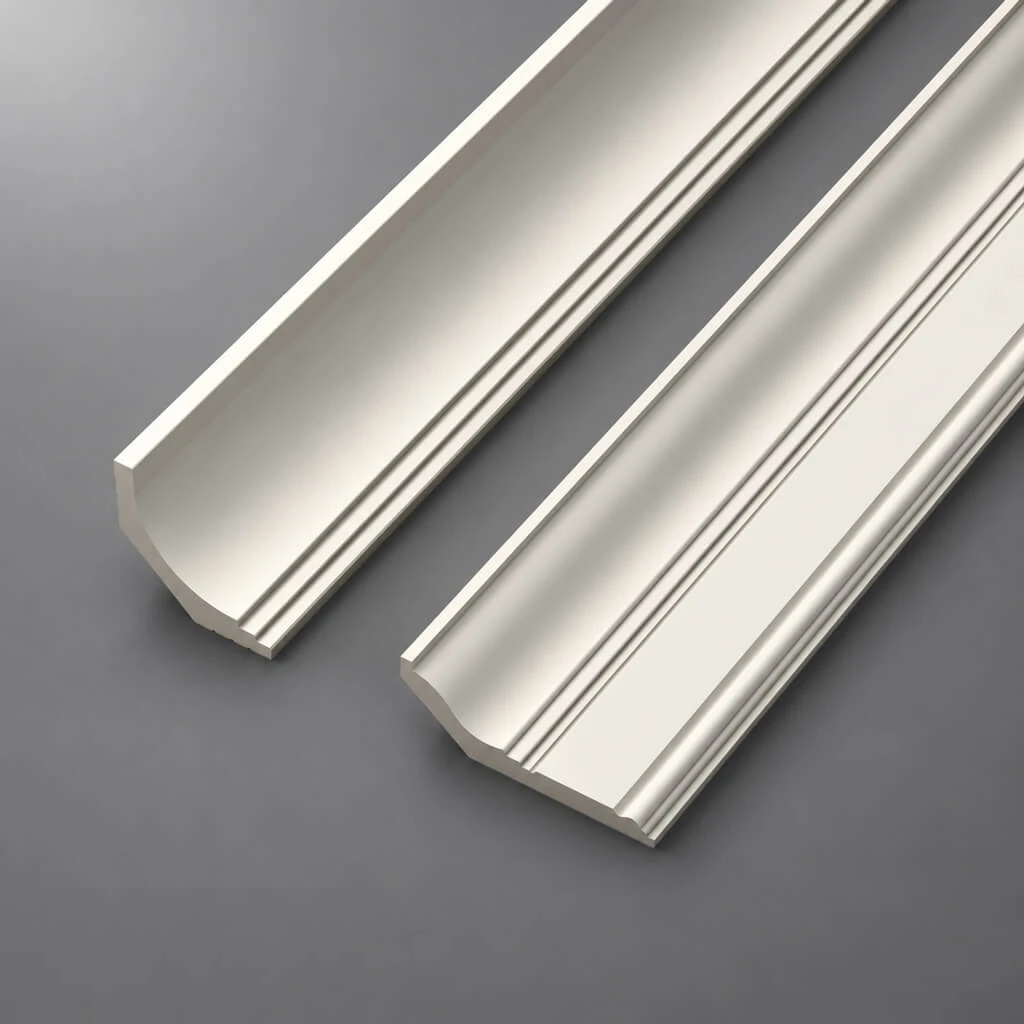
a polyurethane cornice completes the wall from above. Height: 80–160 mm depending on style and ceiling height. Stylistically, it should match the molding.
Level 2 — Molding frames
Wide wall moldings create the main decorative structure. With corner blocks made of decoration for moldings and, if necessary, with PU overlays in the center of the frames.
Level 3 — Belt Decoration
Horizontal belt of . Clear lines, created using modern technologies, emphasize the strict aesthetics of the room. Each decorative element harmoniously fits into the overall concept, creating a sense of order and thoughtfulness. between the cornice and the top edge of the frames — for classic and rich interiors. Optional level for minimalist schemes.
Level 4 — Baseboard
Polyurethane baseboard completes the wall at the bottom. It should be higher than the bottom edge of the frames or clearly align with it along the axis.
Four levels together form a complete architectural vertical: from floor to ceiling. This is what a "true" classic or neoclassical interior with stucco looks like.
Style of wide moldings: five directions
Minimalism and Contemporary
Smooth wide profile with one or two clear breaks. No ornament. Width 40–60 mm. Corner blocks — simple, geometric, without relief. Cornice — in a similar laconic style.
Color: strictly white or pure white with a slight tint in the "Empire" style. Not gold, not antique — only white.
Neoclassicism
Profile with several breaks, moderate relief, possibly a light floral motif on the flat part. Width 50–75 mm. Corner blocks with geometric or moderately ornamental pattern.
Color: white, cream, light gray. Tinting to "antique white" is possible.
Classic
Rich profile with several levels of relief. Width 60–100 mm. Floral corner blocks. Developed cornice. Large rosette.
Color: white, antique white, patina possible — light gilding on protruding details.
Empire
Monumentality of forms. Wide profile with powerful simple breaks. Width 70–120 mm. Geometric corner blocks with laconic ornament. High baseboard, powerful cornice.
Color: white with contrasting tinting of recesses — gray, dark gray, ochre.
Baroque and Neo-Baroque
Maximum richness. Wide profile with rich relief. Corner blocks with developed baroque ornament. Cornice with console elements. Medallions possible in the center of frames.
Color: white, gold, antique. Combination of white background with gold relief is possible.
Mistakes when choosing wide moldings
Each of these mistakes occurs in real practice — and each can be avoided by knowing about it in advance.
Choosing too wide a profile for a small wall. An 80 mm molding on a 2.5 m high wall is almost 3% of the height. In a small room, such a profile feels oppressive. For walls up to 2.7 m — no more than 50–60 mm.
Ignoring ceiling height. Ceiling height is the primary parameter. A wide molding for a high wall is chosen by proportion, not 'because I like it'.
Molding without a cornice and baseboard. Frames without top and bottom lines look 'suspended in the air'. The system only works as a whole.
Buying without a layout diagram. Moldings are bought — but there are no frames because dimensions weren't calculated, a diagram wasn't drawn, and it wasn't checked how many frames fit. First — the diagram, then — the order.
Forgotten allowance for trimming. 10–15% above the calculated footage is mandatory. Especially for wide profiles, where waste during trimming is greater.
Incompatibility of the corner block with the molding. Corner elements are selected for a specific molding. A different profile — a different block. Do not select corner decor of 'approximately similar size'.
Mixing incompatible styles. A baroque corner block with a minimalist molding. A floral cornice with a geometric molding. This is always noticeable — and always looks unprofessional.
Using the wrong URL. All polyurethane wall moldings in the STAVROS catalog — in a specific section. Not in the general search results, not in a random section.
Practical examples: three real interiors with wide moldings
Example 1. Living room in modern classic style, ceiling 2.8 m
Accent wall behind the sofa, width 4.2 m. Three frames in a row — symmetrical, size 1.1 × 1.2 m. Molding — 55 mm, smooth profile with two breaks. Corner elements — geometric blocks. In the central frame — PU overlay with a light ornament. Cornice — 95 mm, baseboard — 70 mm. All elements are white, ready for painting. Result: an expressive wall without excess — works at 100% of the viewing distance in the living room.
Example 2. Bedroom in neoclassical style, ceiling 3 m
Wall behind the headboard, width 3.5 m. One wide horizontal frame, size 2.4 × 1.0 m. Molding — 50 mm with moderate relief. Corner blocks — with a soft floral motif. Inside the frame — a central medallion made of PU overlays. Cornice — 90 mm, baseboard — 70 mm. The color of the entire wall and stucco is uniform, light gray with white relief protrusions. Result: an exquisite bedroom with a "framed" wall behind the headboard.
Example 3. Hall in Empire style, ceiling 3.5 m
Long corridor 8 m, width 2.2 m. Vertical frames along both walls: height 2.6 m, width 0.65 m, distance between frames 0.2 m. Molding — 65 mm, powerful with horizontal breaks. Corner blocks — strict geometric. Cornice — 130 mm, baseboard — 110 mm. Wall color — dark gray, stucco — white contrasting. Result: a monumental formal corridor that creates a sense of "architectural route".
Where to buy wide polyurethane moldings STAVROS
Select and buy wide polyurethane moldings in the section moldings, cornices, and baseboards — this is the main section for all linear profiles.
For a complete frame scheme:
-
Corner elements → Decor for Molding
-
Central accents → PU overlays
-
Wall belts and panels → Wall Decor
-
Full range of stucco → Polyurethane Items
STAVROS — Russian manufacturer and supplier of decorative polyurethane stucco for interiors. A wide catalog of profiles of various scales and styles — from minimalist to classically rich. Real items with dimensions, photos, and article numbers. All products are paintable, use mounting adhesive, no special tools required. For those who build interiors consciously — with proportions, scheme, and system.
FAQ: wide polyurethane moldings
Which moldings are considered wide?
Wide profiles are those that create a visually noticeable decorative line — large enough for frame schemes, wall panels, and large interior compositions. Guideline: from 40 mm width — already a noticeable profile for medium rooms; from 60 mm — wide for spacious ones.
Where to buy wide polyurethane moldings?
In the section moldings, cornices, and baseboards STAVROS.
Are corner pieces needed?
Yes, 4 pieces per frame. Select decor for moldings for the specific profile.
Can a wide molding be installed without a cornice and baseboard?
Technically, yes. Decoratively, no. Without the top and bottom horizontal lines, the frames "hang" in space.
How to choose the molding width based on ceiling height?
Ceiling 2.5 m → 30–50 mm. Ceiling 2.7–2.8 m → 40–65 mm. Ceiling 3 m → 50–80 mm. Ceiling 3.5 m+ → 70–120 mm.
How to calculate how much molding to buy?
Calculate the perimeter of each frame, add up the perimeters of all frames, add 10–15% reserve. Divide by the segment length (2 m) — you get the number of items to order.
How is wide molding different from a cornice?
Molding is a linear profile for walls and frames, without extension onto the ceiling plane. Cornice is a profile with extension, for transitioning from wall to ceiling.
How to care for polyurethane molding?
Standard care: damp cloth, neutral detergent. Do not use abrasives. If repainting is needed, use water-based acrylic paint.