




































Article Contents:
- Custom bench: a small item that sets the style for the interior
- Why a bench is interesting for designers
- Where to use a bench
- Why ready-made components speed up the project
- If a sturdy base is needed
- If the project is done by a workshop
- If the bench will be used in a commercial interior
- Example: frame of bench STL-026-11
- Low legs for a bedside bench
- High legs for the hallway
- Carved legs for an expressive piece
- Geometric legs for a modern interior
- Legs with and without coating
- Choose the shape and height
- Select seat fabric
- Match wood color and upholstery
- Add carved overlays
- Use wooden rosettes sparingly
- Make the bench part of the set
- Minimum set: bench legs
- Reliable set: frame and legs
- Decorative set: frame, legs, and overlays
- Author's set: frame, legs, overlays, rosettes, and finish
- Need to make a bench for the hallway
- Need to make a bedside bench
- Need to make a bench for the dressing room
- Need to make a bench for a salon or boutique
- Need to update an old bench
- Buy legs only by photo
- Not calculating the seat height
- Overloading a small bench with decor
- Not tying the bench to the interior
- Confusing a decorative part with a load-bearing one
- Not planning the upholstery
- Don't check the product card
- Can you make a custom bench from STAVROS components?
- What should you choose first: the frame or the legs?
- Which legs to choose for a bench?
- Can carved overlays be used on a bench?
- Are wooden rosettes suitable for a bench?
- How to make a bench for the hallway?
- How to make a bedside bench?
- What to buy together with legs for a banquette?
- How does a banquette frame differ from a finished banquette?
- Can stool legs be used on a banquette?
- How not to overload a banquette with decor?
- Is a designer banquette suitable for a salon or boutique?
- What should I check before ordering?
- Can the legs and decor be painted the same color?
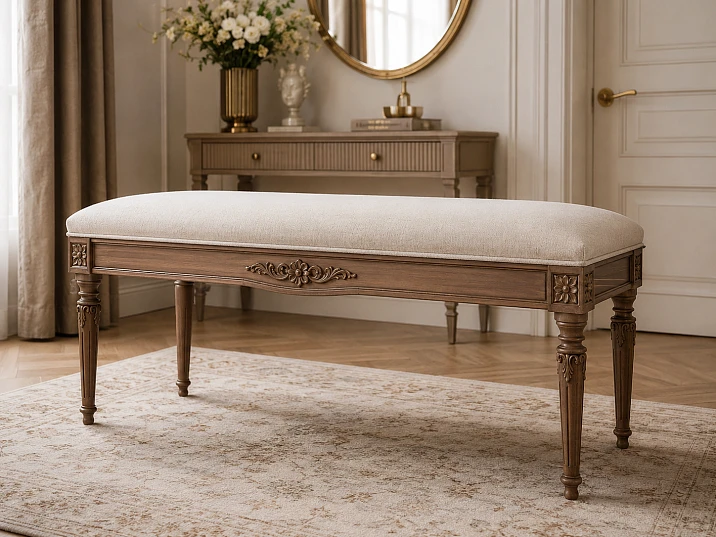
A banquette may seem like a small item, but in an interior it often works harder than large furniture. In the hallway, it greets a person at the entrance. In the bedroom, it completes the area by the bed. In the dressing room, it helps make the space more convenient. In a salon, boutique, or hotel, it becomes part of the atmosphere that a visitor remembers. Therefore, when the task arises to buy legs for a banquette, it is not always just about replacing the supports. Often behind this is the desire to assemble a beautiful, comfortable, and unique piece of furniture.
A designer banquette does not necessarily start with full fabrication from scratch. You don't need to turn the legs yourself, come up with a decorative shape, search for random blanks, and try to assemble everything from unsuitable parts. It is much more sensible to take ready-made STAVROS components: a frame, wooden legs, carved elements, rosettes, and then think through the upholstery, color, finish, and the banquette's place in the interior.
This approach is especially convenient for designers, furniture workshops, decorators, and private buyers. The designer gets an item that can be customized for a project. The craftsman gets a clear basis for work. The buyer gets a chance to have a banquette not "like everyone else's," but for their hallway, bedroom, dressing room, salon, or boutique.
The main thing is not to treat the banquette as a simple pouf on legs. It has height, seating, load, style, fabric, wooden part, decorative details, and connection with surrounding furniture. If everything is thought out in advance, the banquette becomes not a random addition, but a true designer piece.
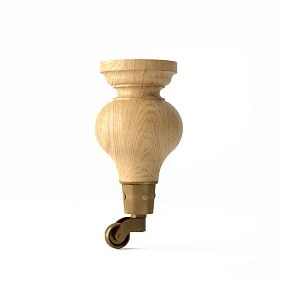
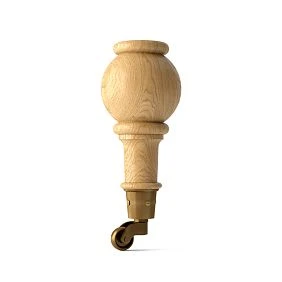
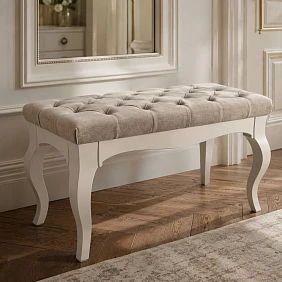
Designer bench: a small piece that sets the style for the interior
A bench doesn't take up much space but always catches the eye. In the hallway, people sit on it to put on shoes. In the bedroom, it holds a throw blanket, clothes, pillows, or serves as a soft spot by the bed. In a dressing room, it helps with comfortable shoe changes and getting ready. In a salon or boutique, the bench becomes part of the client experience: a person sits, waits, tries things on, and takes in the space.
That's why a bench shouldn't be chosen randomly. A model that's too simple can look out of place in a beautiful interior. One that's too decorative can overwhelm a small room. Unsuitable legs will ruin the height and seating. Poor finishing will quickly reveal a random selection. And a badly chosen fabric will make the piece inconvenient to maintain.
A designer bench is great because it can be assembled for a specific purpose. For the bedroom — softer, calmer, closer to the bed and nightstands. For the hallway — more stable, practical, with a comfortable height. For a salon — more expressive, with beautiful fabric and noticeable legs. For a boutique or hotel — with a stronger character, but without sacrificing comfort.

Why a bench is interesting for designers
A bench gives a designer a lot of freedom. It's not a huge sofa or a complex cabinet where any decision heavily impacts the budget and layout. The bench is compact but noticeable. Through it, you can add softness, color, texture, carved decor, a wooden detail, or a connection to the bed, console, armchair, mirror, or nightstand to the interior.
The bench works especially well as a "connecting link." For example, in a bedroom with a bed featuring wooden details and bedside tables, a bench at the foot can echo the wood tone, support the leg shape, or add a similar carved accent. In the hallway, it can connect the mirror, console, wall decor, and flooring. In a salon, it can support the brand identity through fabric and form.
A designer doesn't need to search for a ready-made bench that almost fits. You can take components and customize the piece for the project: choose the frame, select the legs, decide on the upholstery, and add or remove decorative elements.
Our factory also produces:
Where to use a bench
In the hallway, the bench should be comfortable and stable. The right seat height, practical fabric, sturdy legs, and a finish that withstands daily use are important here. A bench in the hallway is often located near shoes, bags, outerwear, a mirror, and a console. It should be beautiful but not too fragile in appearance.
In the bedroom, a bench often works softer. It is placed by the bed, by the window, next to the dressing table, or in the wardrobe area. Here, you can use more decorative fabric, calm carved details, a soft shape, and finishes that match the bed, nightstands, or dresser.
In the dressing room, the bench should be comfortable for sitting and changing shoes. Here, it's not so much about formality as it is about size, stability, and practical upholstery. But even a utilitarian bench can look beautiful if the legs and finish are chosen correctly.
In a salon, boutique, showroom, or hotel, the bench becomes part of the atmosphere. It can be placed in a waiting area, fitting room, lobby, guest room, lounge area, or by a display window. In a commercial interior, the piece must not only be beautiful but also durable for frequent use.
Get Consultation
Why ready-made components speed up the project
A bench can be made from scratch, but this is not always reasonable. You need to calculate the frame, select the material, make the legs, design the soft seat, finish, decor, fastening, and load. A mistake at one stage can ruin the result.
Ready-made components allow you to move from idea to piece faster. You can choose a frame, select legs, then decide if a carved overlay, rosette, or a more subdued finish is needed. This approach saves time and reduces the risk of a random outcome.
This is especially important for a private buyer. There's no need to understand all the joinery operations. You can choose the base and details, and entrust assembly, finishing, and upholstery to a craftsman.
What to assemble the STAVROS bench from
The bench consists of several main parts: the base, supports, seat, upholstery, and decor. The base is responsible for strength. The legs are for height, silhouette, and style. The upholstery is for comfort and mood. The overlays and rosettes are for the decorative character.
If you start with one detail and don't think about the others, the result can be disjointed. For example, beautiful carved legs won't save a bench if the fabric doesn't match the interior. A good frame won't look complete if the seat height is chosen randomly. And decorative rosettes will get lost if placed without connection to the form.
| Part of the banquette | What it is responsible for | When it is especially important | What to check before ordering |
|---|---|---|---|
| Frame | The basis of the future item | For a new banquette for the project | Dimensions, material, purpose, compatibility with upholstery |
| Legs | Height, stability, style | For hallway, bedroom, salon, boutique | Height, shape, finish, attachment, load |
| Carved legs | Decorative character | For classic, neoclassical, custom furniture | Scale, combination with fabric and decor |
| Geometric legs | Laconic silhouette | For a modern interior | Proportions, height, color, compatibility |
| Overlays | Relief on the apron or side part | For a decorative bench | Placement location, size, appropriateness |
| Rosettes | Point accent | For a soft decorative touch | Size, placement location, connection with other details |
| Upholstery | Comfort and style | For any bench | Fabric, texture, durability, color |
| Wood finishing | Connection with the interior | For a project for a specific room | Color, finish, compatibility with fabric |
This logic helps avoid buying parts separately. First, you need to understand what kind of bench is needed: bedside, for the hallway, salon, classic, modern, minimalist, or decorative. Then choose the base and legs. And only after that decide if decor is needed.
Bench frame: when it is needed
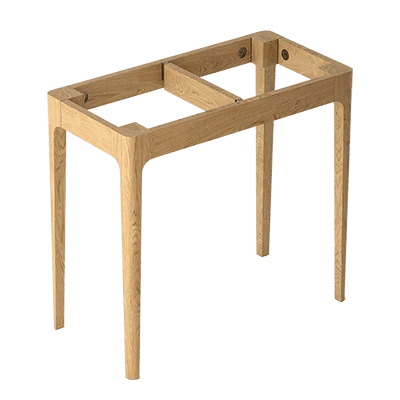
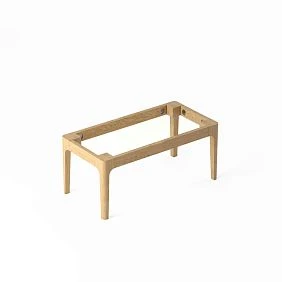
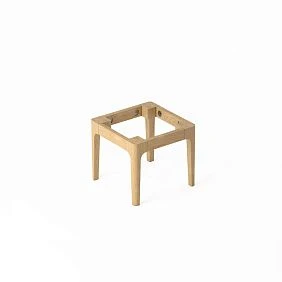
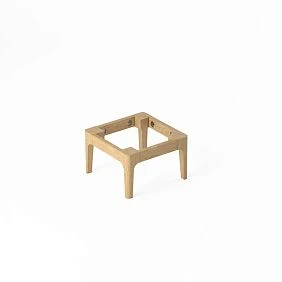
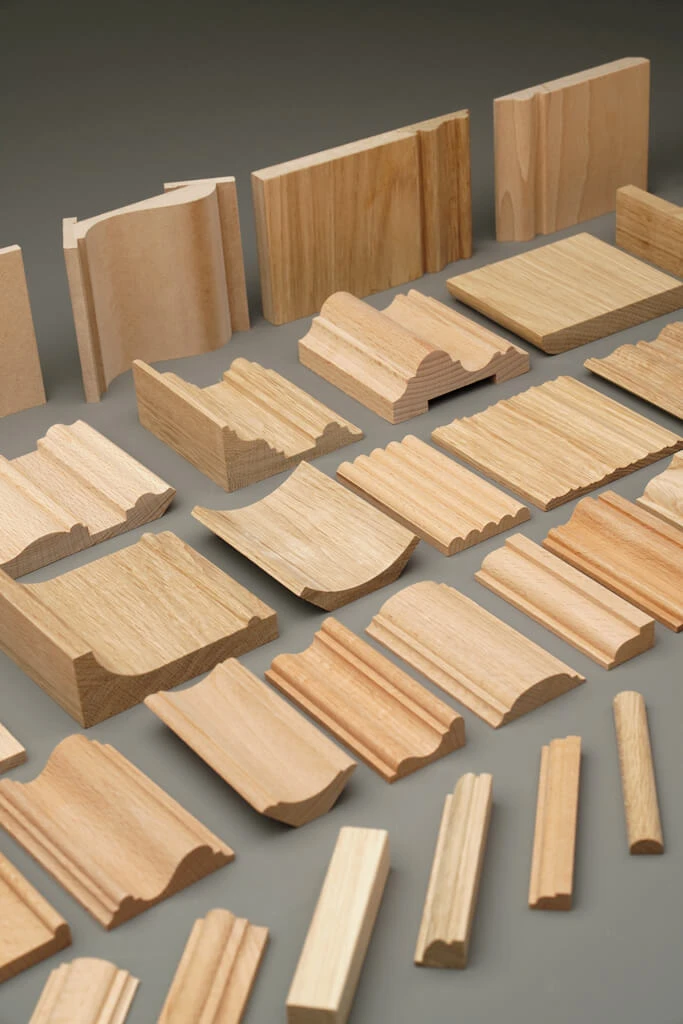
A frame is needed when the bench is created as a new item, not just when updating old furniture. It helps to assemble the base of the future structure, set the shape, and simplify the work for the craftsman. If there is a frame, the project becomes clearer: you can plan the height, seating, upholstery, legs, and decorative elements.
If the task is not just to replace the supports, but to create a bench for a specific interior, it is worth looking at a solid wood bench frameThis choice is especially useful for furniture workshops, designers, and buyers who want a more assembled base rather than starting from individual blanks.
The frame is also convenient when the bench will be used actively. In the hallway, people sit on it every day. In a salon or boutique, visitors use it constantly. In a hotel, the bench must withstand regular use. In such cases, a weak base will quickly show its flaws.
If a durable base is needed
For a bench, it's important not only to look good but also to withstand sitting. It's not a decorative shelf or an item "for show." People sit on the bench, place things on it, and may move it. Therefore, the construction must be well thought out.
The frame helps avoid assembling the bench from random parts. It provides a clearer base for the seat, legs, and upholstery. But before ordering, you need to check the dimensions and purpose in the product card. Especially if the bench is to be placed in a high-traffic area, hallway, or commercial interior.
If the project is done by a workshop
For a furniture workshop, the frame is convenient because it shortens the path from idea to finished item. The craftsman can focus on upholstery, finishing, selecting legs, decorative refinement, rather than starting the entire base from scratch.
This is especially useful if you need to make not just one bench but a series: for a salon, hotel, showroom, dressing room, hallway in a large project. A repeatable base helps maintain a consistent level of execution.
If the bench will be used in a commercial interior
For a salon, boutique, showroom, cafe, or hotel, the bench must not only be beautiful. It must withstand frequent use, not look out of place, not obstruct passage, and easily fit into the space's scenario.
In a commercial interior, the bench often becomes part of the impression. A visitor sits, waits, tries on shoes or clothes, talks to a consultant, takes photos. The item is in real use. Therefore, the base, legs, fabric, and finish must be chosen with particular care.
Example: frame of bench STL-026-11
If you need a specific reference, you can look at Ottoman frame STL-026-11. It can become a base for a project where legs, upholstery, finish, and decorative elements are then selected.
Before ordering, you need to check the current dimensions, material, purpose, and features in the product card. If the bench is made for a specific room, it is better to know in advance the future seat height, thickness of the soft part, and installation location.
Legs for a bench: how to choose a style
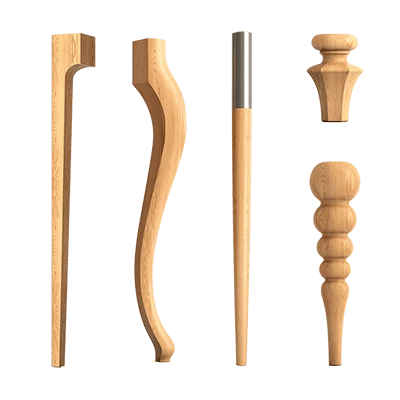
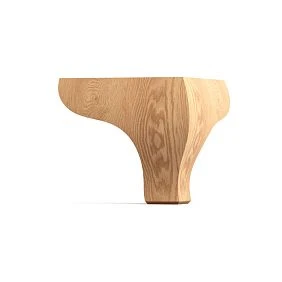
Legs for a bench are not just supports. They set the character of the item. The same soft seat on different legs will look different: classic, modern, vintage, minimalist, salon-style, massive, or light.
If the task starts with updating an old bench, pouf, or soft seat, you can immediately buy legs for a bench and match them to the existing height and style. If the item is being created from scratch, it is better to choose the legs together with the frame and future upholstery.
Low legs for a bedside bench
A bedside bench should not be too high. It stands at the foot of the bed, next to soft textiles, nightstands, a rug, and a bedspread. Its task is to complete the bedroom, add convenience, and make the area cozier.
Low or moderately high legs help maintain a soft silhouette. The bench does not compete with the bed and does not look like a separate hallway bench. If the bedroom is decorated calmly, it is better to choose a shape without excessive ornamentation. If the interior is classic, carved legs or a small accent can be added.
High legs for the hallway
In the hallway, comfortable seating is important. The bench should help with putting on shoes, not force a person to sit too low. Therefore, the height of the legs and the thickness of the seat should be calculated together.
Stability is also important for the hallway. The piece stands in an active area: people sit down, stand up, put on shoes, and place bags. Legs that are too thin or visually weak may look unsteady. It is better to choose supports that match the size of the bench and its actual use.
Carved legs for an expressive piece
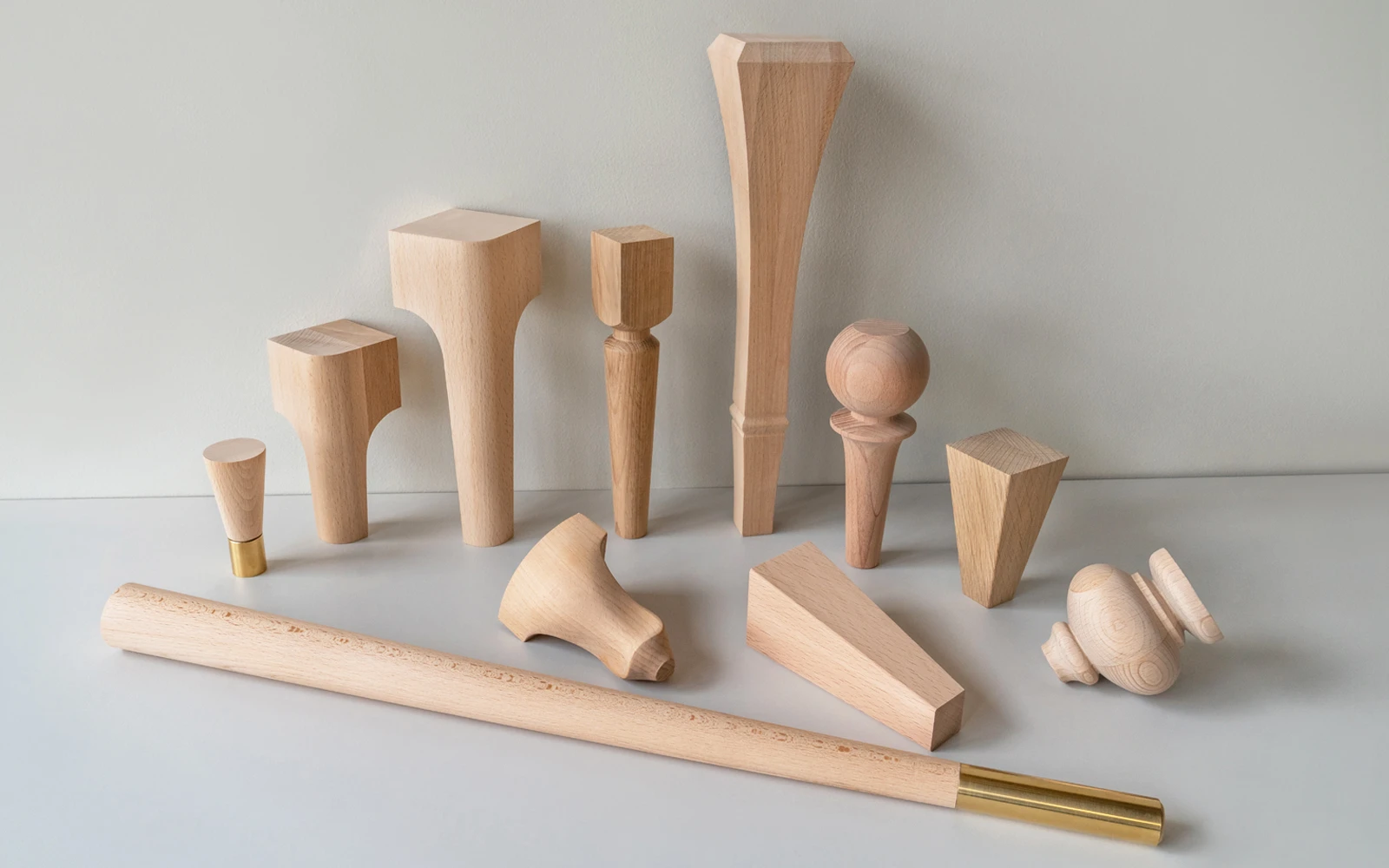
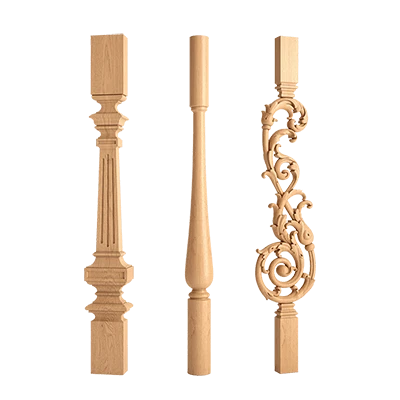
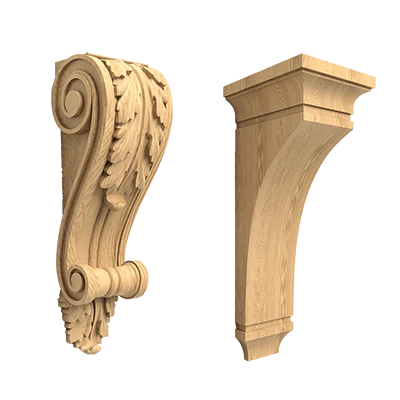
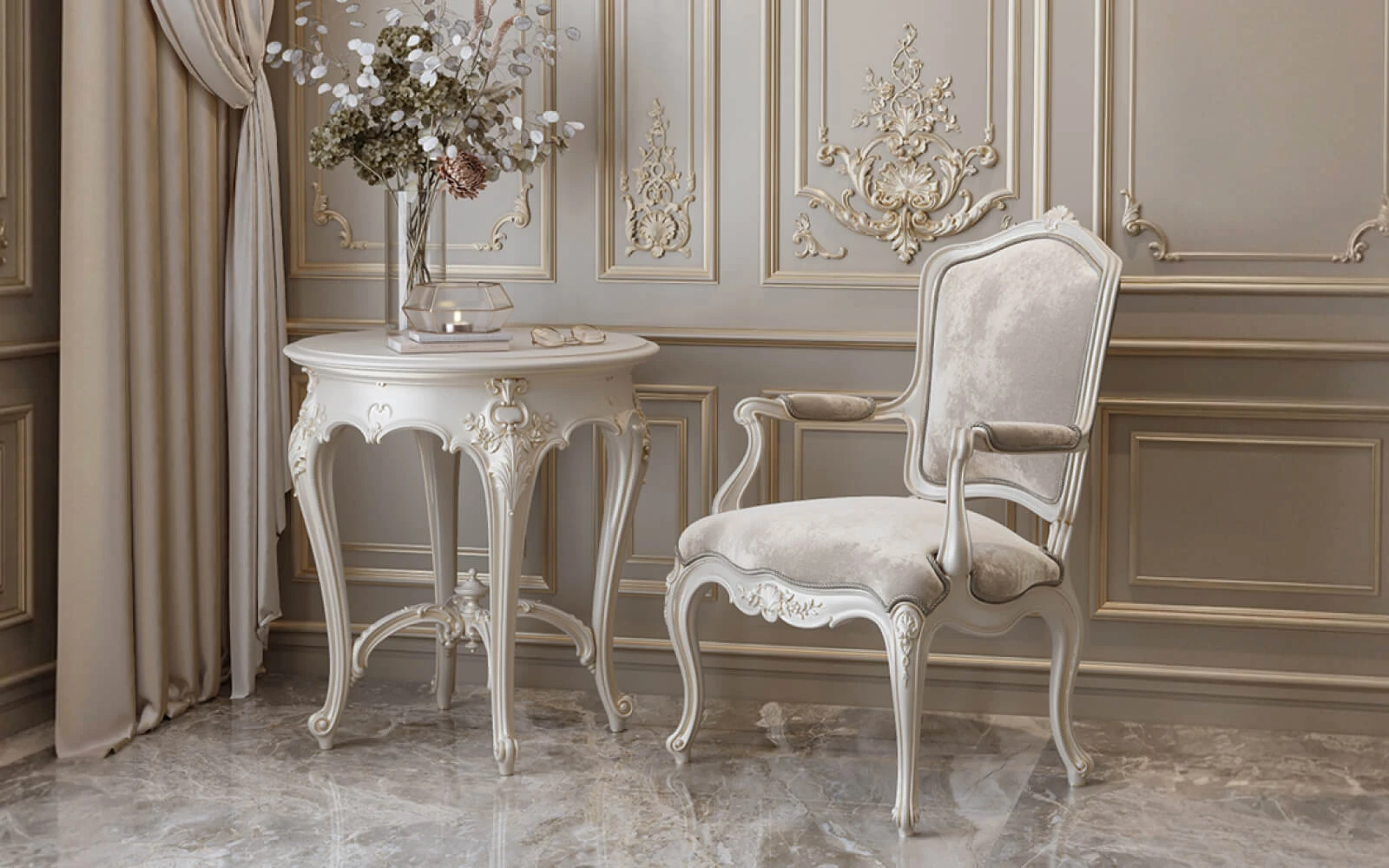
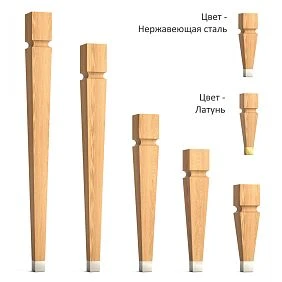
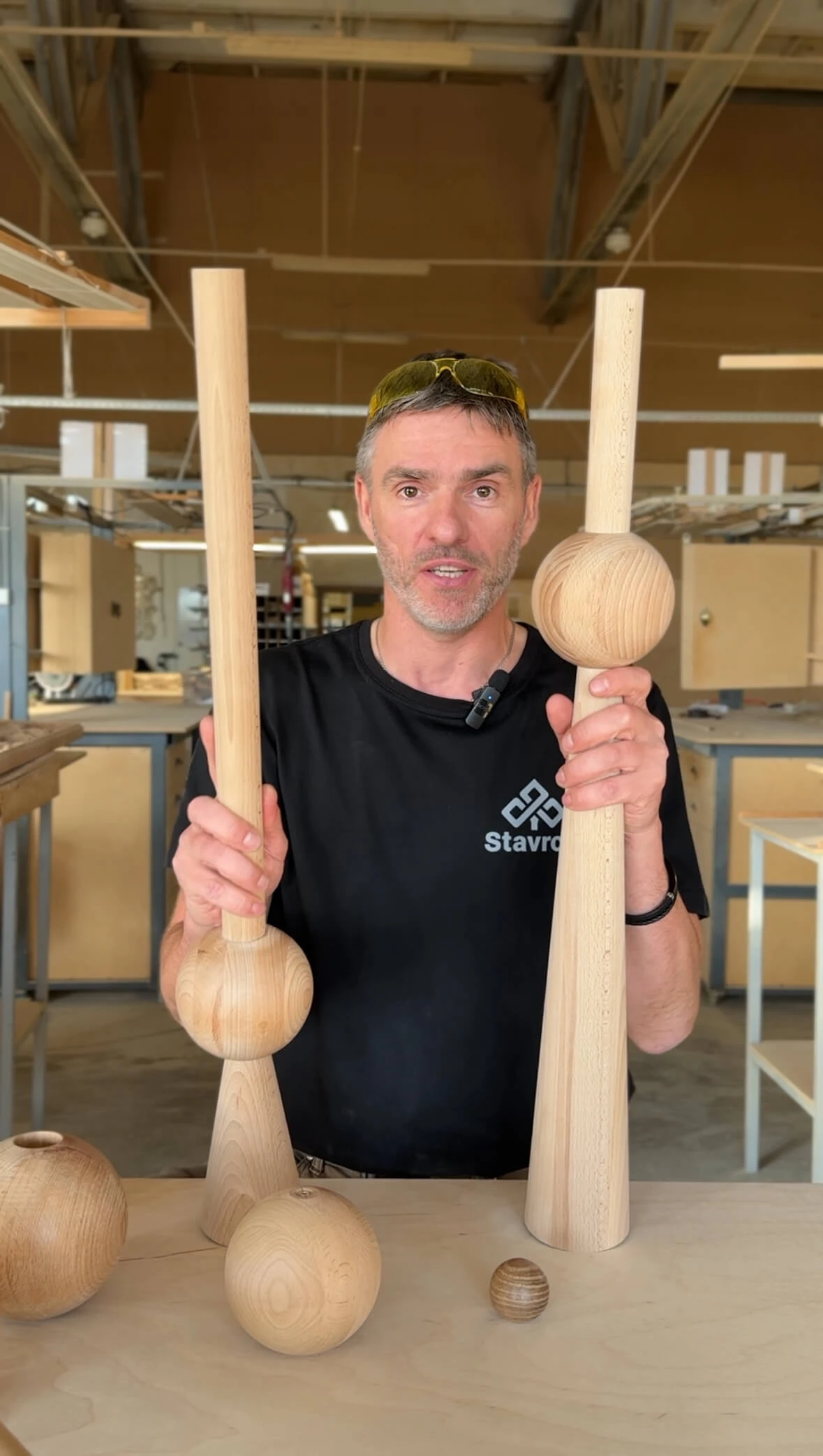
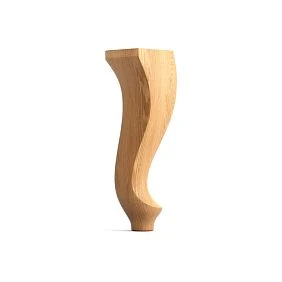
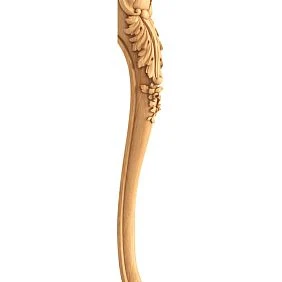
Carved legs make the bench more noticeable. They are suitable for classic, neoclassical, vintage projects, salons, boutiques, and bedrooms with decorative furniture. Such a support immediately adds character to the piece.
For an expressive project, you can look at the carved furniture leg MN-019 for a bench. Before purchasing, you need to check the dimensions, material, purpose, and how the leg will combine with the frame and future upholstery.
Carved legs require moderation. If the fabric is bright and the frame is complemented by overlays and rosettes, the bench can become too heavy. It's better to choose one main accent: legs, fabric, or a decorative insert.
Geometric legs for a modern interior
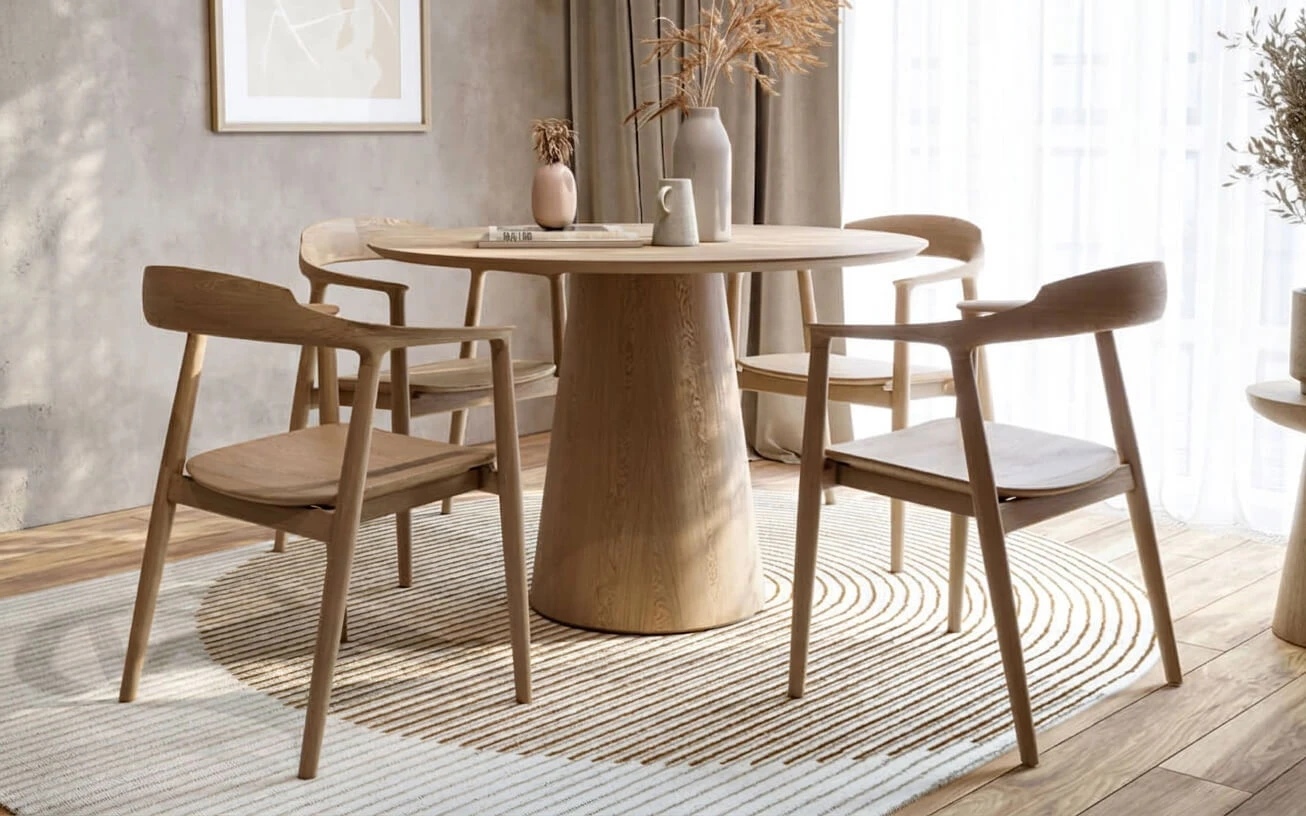
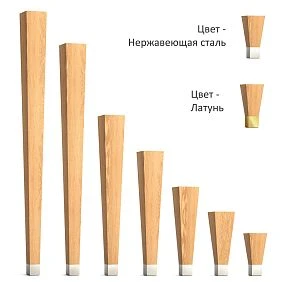
A modern bench doesn't always need carving. Sometimes a clean form, calm upholstery, neat height, and geometric supports work more effectively. Such an item fits well in modern apartments, dressing rooms, hallways, minimalist bedrooms, and salons with laconic finishes.
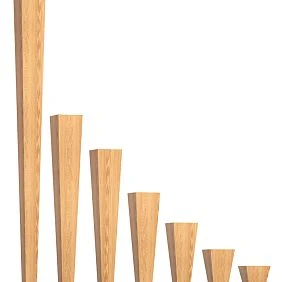
For such a project, you can consider the geometric furniture leg MN-192 for a bench. It can support a clean silhouette without excessive decorativeness.
Geometric legs pair especially well with solid-colored fabric, matte wood finish, a calm palette, and simple shapes of adjacent furniture.
Legs with and without coating
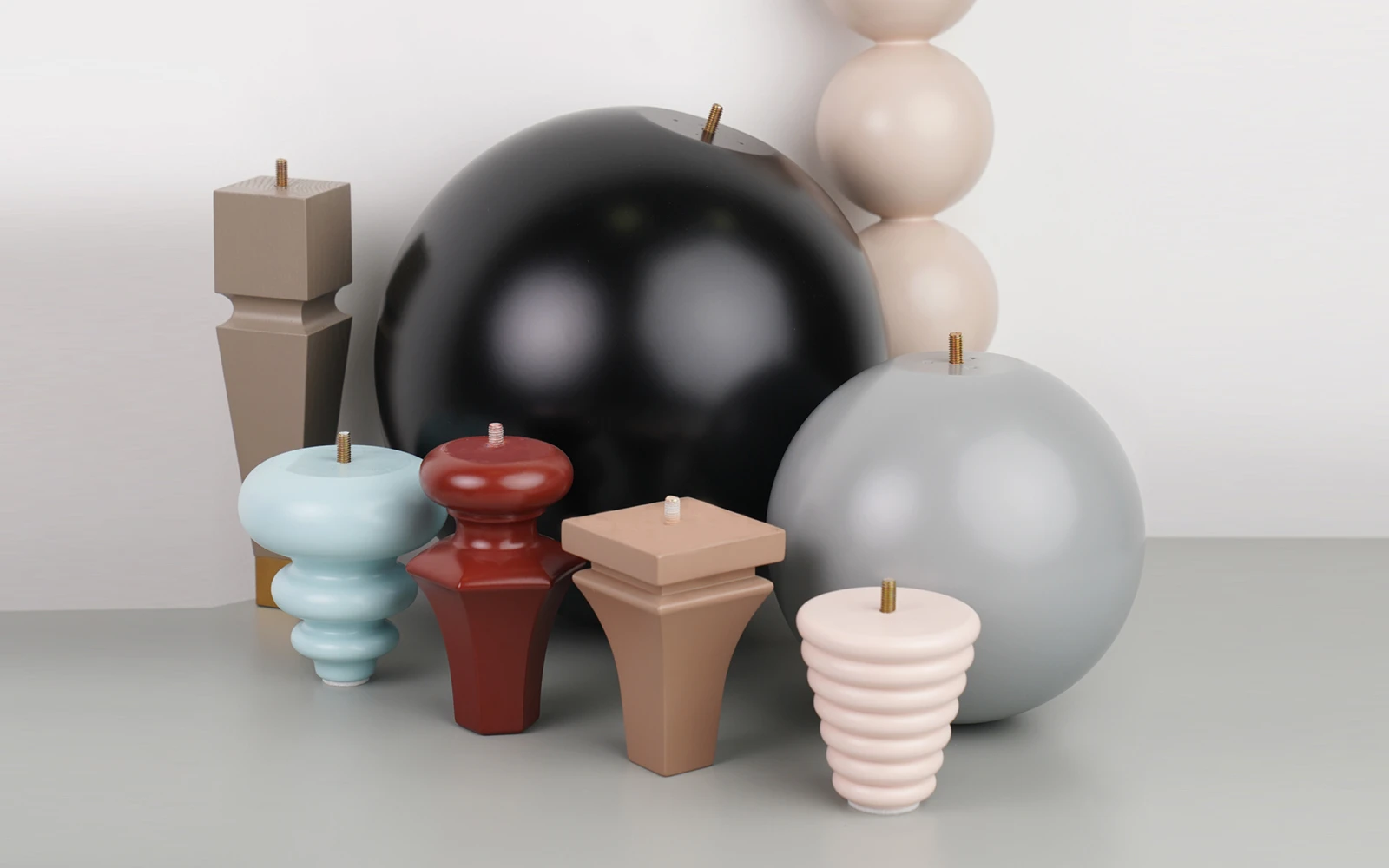
If the bench is being made for a project, it's often more convenient to take parts without coating and finish them together with the frame, overlays, or other furniture. This makes it easier to match the desired color.
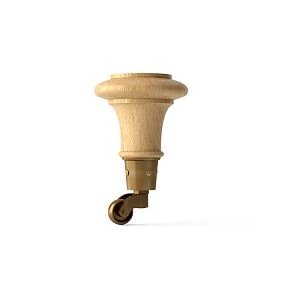
If you need to assemble the item faster, you can look at Coated legs for stool and bench. Ready-made coating is convenient, but it needs to be carefully matched with the fabric, frame, and interior.
You should not choose the coating separately from the overall palette. Wood, fabric, walls, floor, and neighboring furniture should look cohesive. Even a beautiful leg can seem out of place if the shade is not connected to the room.
How to make a bench unique
A unique bench is distinguished not by the number of decorations, but by the precision of choice. It can be very calm, almost minimalist, and still look individual. Or it can be decorative, with carved legs and accent fabric, yet not appear overloaded.
Choose the shape and height
The shape of the bench depends on the location. For a hallway, an elongated rectangular shape is often convenient. For a bedroom by the bed, it should be soft and proportional to the bed's width. For a dressing room, it should be compact and comfortable for sitting. For a living room, it should be more expressive, possibly with accent fabric.
The seat height is no less important than the appearance. If the bench is too low, it is uncomfortable to use. If too high, it loses softness and may look rough. The height of the legs, frame, and soft seat should be considered together.
Choose the seat fabric
The fabric sets the mood. A velvety texture makes the bench softer and more salon-like. A dense solid fabric suits a modern interior. A patterned fabric can become an accent but requires calm legs and moderate decoration.
For the hallway, the fabric should be practical. For the bedroom, you can choose softer and more decorative options. For a boutique or salon, choose something beautiful but resistant to frequent use. For a hotel, choose something that is easy to care for.
Match the wood color and upholstery
The color of the legs and frame should work with the fabric. Light upholstery and dark legs create contrast. Warm wood finish and natural fabric create a soft look. Painted wood helps fit the bench into a neoclassical or modern interior.
If the bench should match the bed, nightstands, armchair, console, or dresser, the wood color should be chosen not by itself, but alongside these items.
Add carved overlays
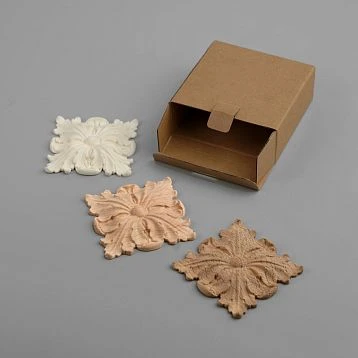
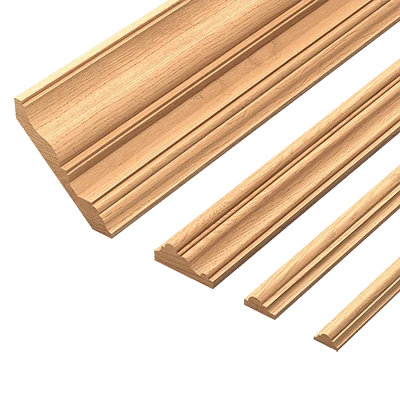
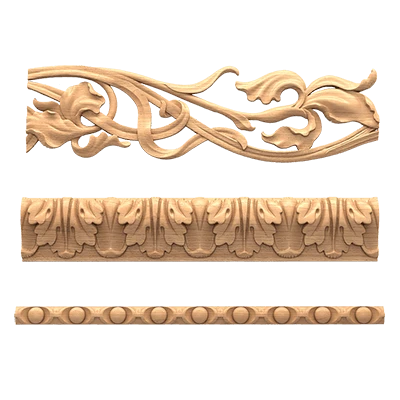
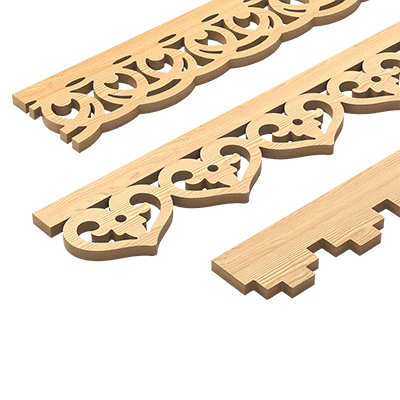
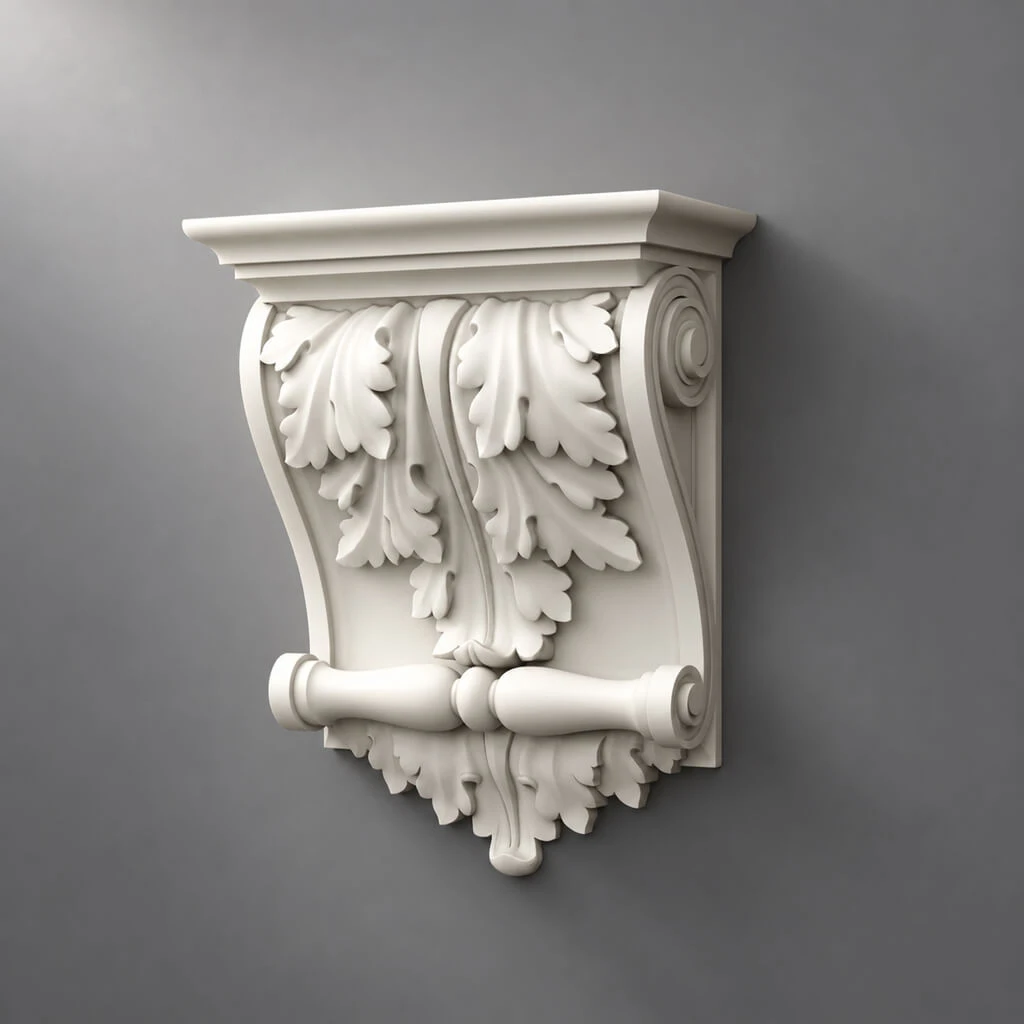
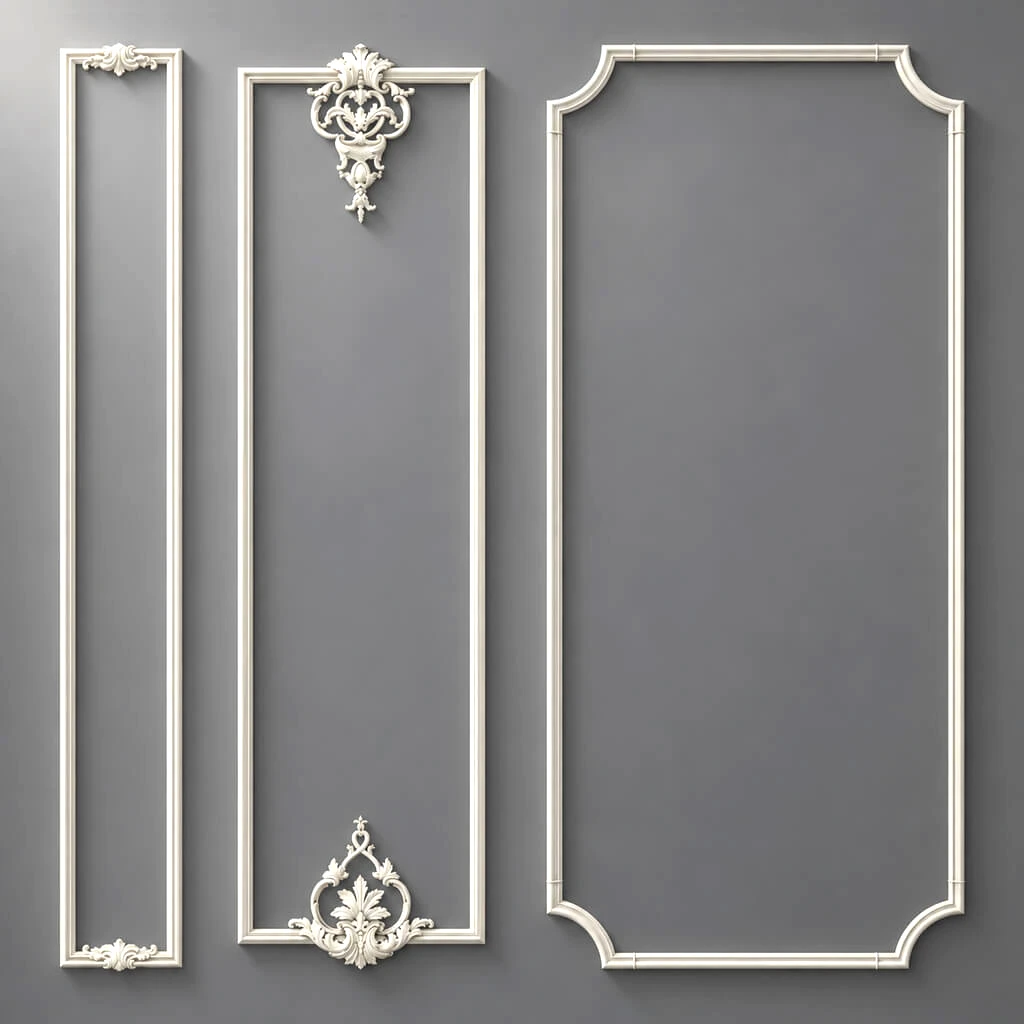
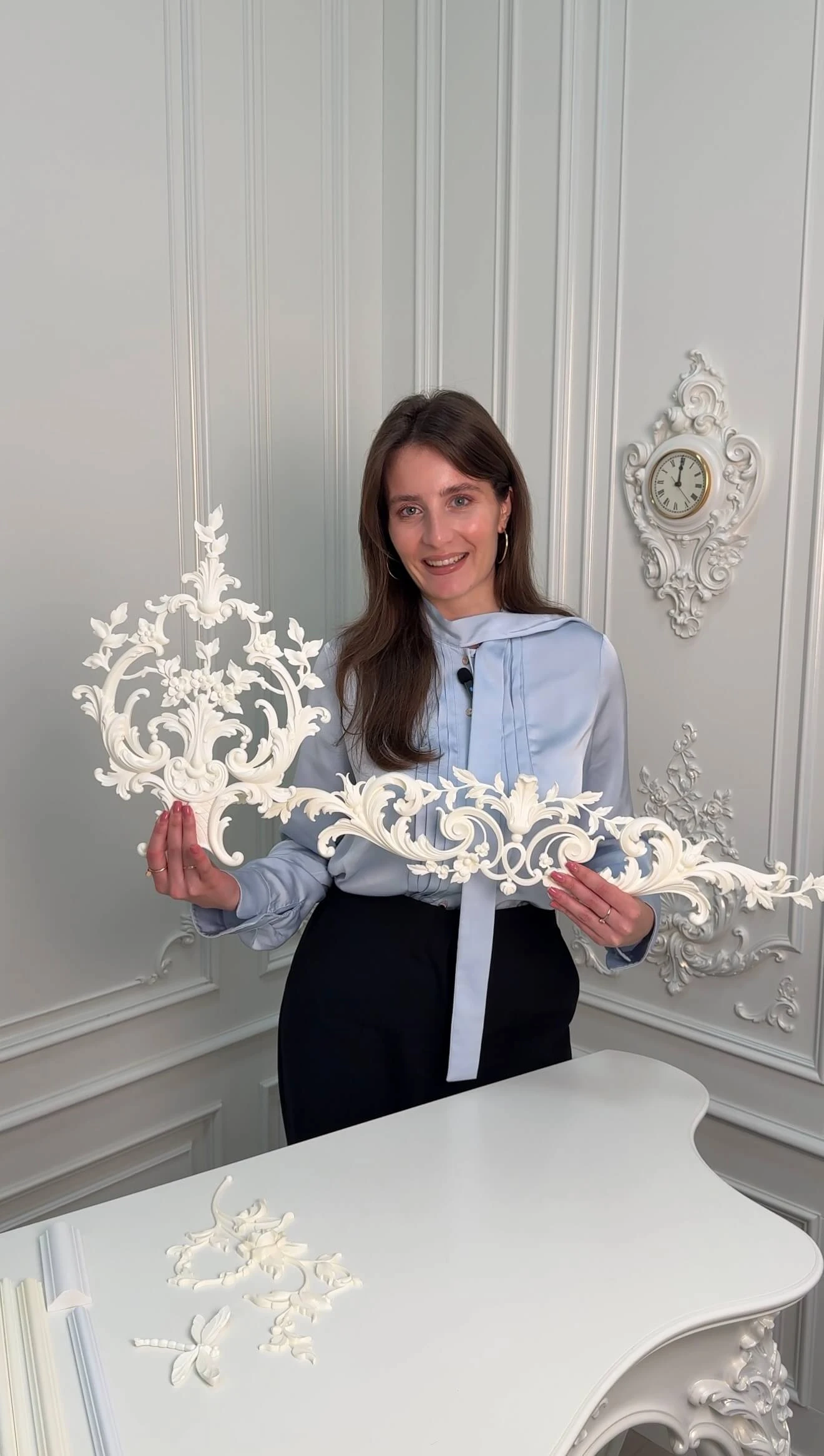
Carved overlays help decorate the apron, side part, or decorative panel. They should not bear weight but can make the bench more expressive. For such tasks, you can choose carved overlays for furniture.
The overlay must have a place. If it is placed where it interferes with the upholstery, seat, or visually breaks up a small bench, the result will be weak. It is better to use less decor, but more precisely.
Use wooden rosettes sparingly
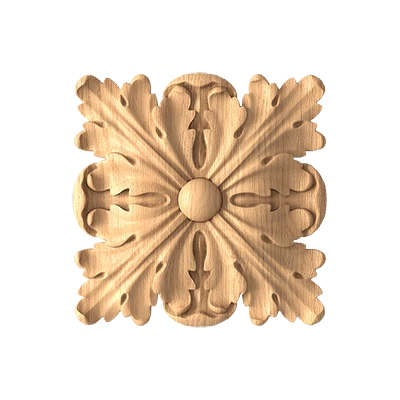
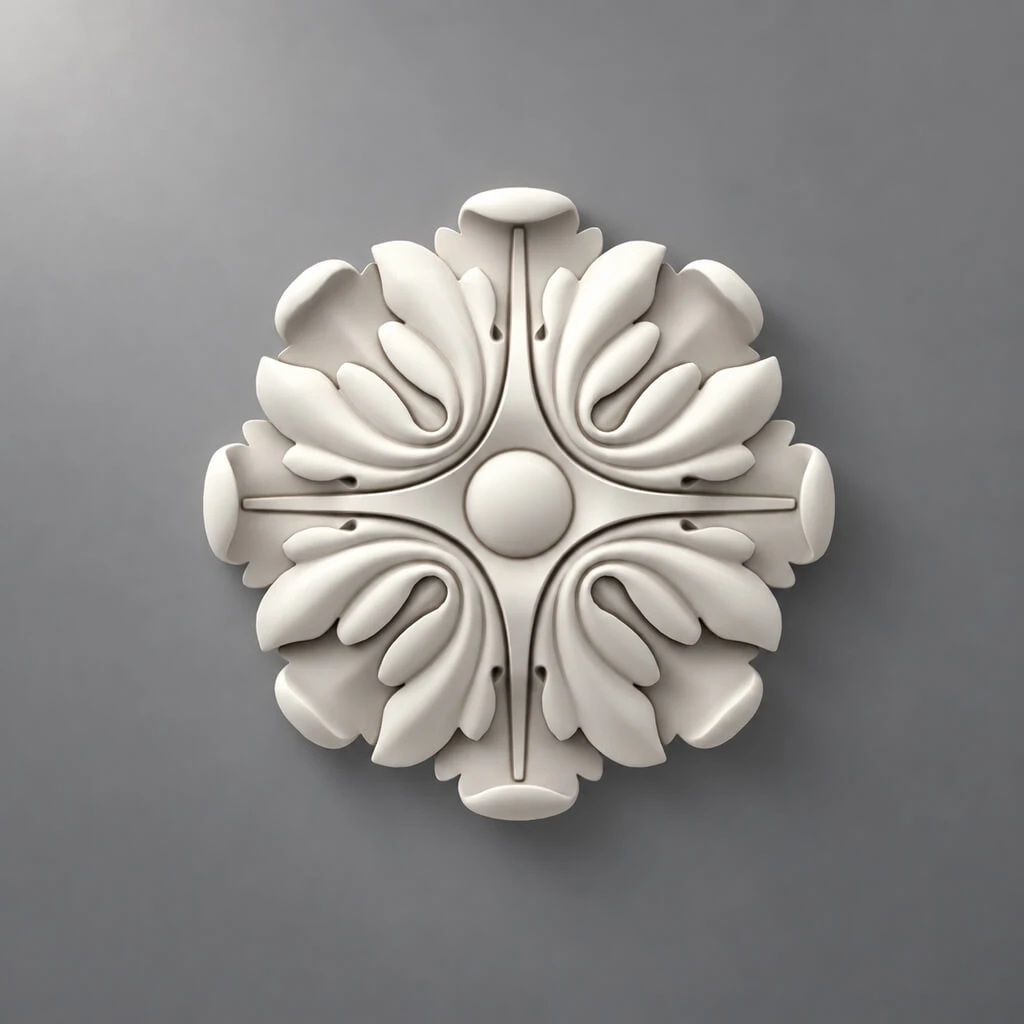
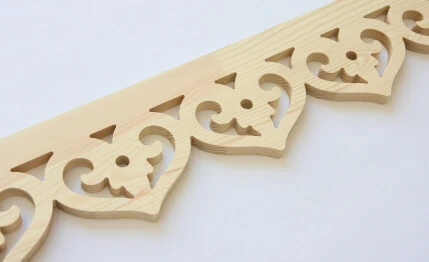
A rosette is a small accent. It can support a classic style, decorate the side part or decorative panel, add completeness without large carvings. For such projects, you can buy wooden rosettes for furniture decor.
Rosettes are especially good for the bedroom, salon, boutique, dressing room, where the item should be neat but not too simple. The main thing is not to use them mechanically. Each rosette should have a clear place in the composition.
Make the bench part of the set
The bench can be paired with an armchair, console, bed, nightstand, dresser, or mirror. This is especially important in designer projects where furniture should look like a well-thought-out group.
If the armchair has wooden elements, the bench can match the finish. If the bed has a carved headboard, the bench can support it with soft decor. If there is a console with wooden legs nearby, the bench can have a similar leg shape. This way, individual pieces start speaking the same language.
Commercial choice: which components to buy
Minimum set: legs for the bench
The minimum path works if you already have a bench, pouf, or soft seat but need to update the lower part. In this case, the buyer chooses legs: by height, shape, finish, style, and attachment.
This option is good for restoration or updating. For example, an old bench is still comfortable, but the legs look outdated. Replacing the supports can completely change the item's appearance.
Reliable set: frame and legs
If the bench is being created from scratch, it's better to think broader: frame plus legs. The frame sets the base, the legs set the height and style. This set is convenient for workshops, designers, and private projects.
Here it's important to decide in advance what the seat will be like. The thickness of the soft part affects the final height. You cannot choose legs separately, then add a thick soft layer and end up with an uncomfortable seating height.
Decorative set: frame, legs and overlays
A decorative set is needed if the ottoman should be not just comfortable, but expressive. For example, for a bedroom in neoclassical style, a salon, a boutique, a hotel, or a dressing room with decorative furniture.
In this scheme, the legs can be carved, and the overlays can support the style on the side part or the apron. But the decor must be proportionate. A small ottoman cannot handle too many details.
Custom set: frame, legs, overlays, rosettes and finish
This is the path for a full-fledged project piece. Here everything is thought out in advance: the base, legs, fabric, wood color, overlays, rosettes, final finish, and its place in the interior.
This approach suits designers, workshops, and commercial spaces. It requires more attention but gives the most expressive result. The ottoman becomes not just furniture, but part of an idea.
What to buy together
| Main purchase | What to add | Why this is needed |
|---|---|---|
| buy legs for a bench | Frame | To get a durable and clear base |
| a solid wood bench frame | Legs | To set the height and style |
| Frame for a classic project | the carved furniture leg MN-019 for a bench | To make the piece expressive |
| Frame for a modern project | the geometric furniture leg MN-192 for a bench | To maintain a sleek silhouette |
| Carved legs | Carved decorative inserts for furniture | To support the style on the apron or side panel |
| Bench for the bedroom | Wooden rosettes for furniture decor | To add a soft accent point |
| Bench in a ready-made color | Coated legs for stool and bench | To achieve a finished look faster |
This table helps you remember the main thing: a bench is rarely assembled from a single purchase. Legs require a base. The frame requires legs. Decor requires space. Fabric requires an understanding of style and usage conditions.
How not to confuse similar products
A bench is a simple item only at first glance. It's easy to get confused with components: frame, legs, supports, stool legs, overlays, rosettes. Each part has its own role.
The bench frame is the foundation of the future piece. It is needed when the bench is being created from scratch and a clearer structure is required.
A finished bench is already completed furniture. It can be placed and used, but there is less freedom for design. The frame and components are chosen when you need to create a piece to match the interior.
Bench legs are supports that determine the height, style, and perception of the piece. They must match the seat size and load.
Stool legs may be similar in height, but that doesn't mean they automatically fit a bench. You need to check the purpose, fit, attachment, and load.
Carved overlays are decorative elements. They do not replace legs or support the structure. Their purpose is to decorate the apron, side part, or decorative panel.
Wooden rosettes are a point accent. They can decorate a bench but do not replace a large overlay or load-bearing element.
Practical selection for different situations
Need to make a bench for the hallway
For the hallway, stability, height, and practical upholstery are important. First, you need to understand how much space there is by the wall, near the mirror, closet, or console. Then choose the seat height and legs.
If the bench will be used daily, it should not be made too decorative and fragile-looking. It is better to choose a sturdy base, stable legs, and easy-to-maintain fabric.
Need to make a bedside bench
A bedside bench should work with the bed. It should not be too high, too short, or visually too heavy. It's better to compare the bed width, mattress height, headboard color, and nightstand style in advance.
For a bedroom, soft fabrics, calm wood tones, and moderate carved details work well. If the bed is already decorative, the bench should be more subdued. If the bed is minimalist, the bench can become the main accent at the foot.
Need to make a bench for a dressing room
In a dressing room, comfort and size are important. The bench should help with changing shoes, getting ready, and trying on clothes. It's better to avoid protruding decor that could snag clothing or hinder movement.
The supports should be stable, the upholstery practical, and the height comfortable. If the dressing room is small, it's better to choose a minimalist shape and simple legs.
Need to make a bench for a salon or boutique
In a salon or boutique, the bench is often visible to the client immediately. It can be placed near the fitting room, in the waiting area, by the window, or in the master's office. Here, more expressive legs, beautiful fabric, and a decorative accent can be used.
But commercial spaces require durability. The bench will be used by different people. The fabric must withstand wear, the legs must be stable, and the finish should not look worn after a few weeks of use.
Need to update an old bench
If the old bench is comfortable but looks outdated, you can start with the legs. New supports change the silhouette and height. Then consider the upholstery. Sometimes just replacing the legs and fabric is enough to make the piece look completely different.
If the frame is weak or damaged, it's better not to limit yourself to cosmetic fixes. In that case, consider a new frame and rebuild the bench from scratch.
Size, height, and load: what to check in advance
The size of the bench should match the space. In the hallway, it should not obstruct the passage. In the bedroom, it should not block movement near the bed. In the dressing room, it should not take up too much space. In the salon, it should not interfere with clients and staff.
The seat height consists of the frame, legs, and soft part. If you choose legs without considering the seat thickness, the bench may end up too high. If you pick legs that are too low, sitting will be uncomfortable.
The load depends on the usage scenario. A bedside bench can be used more gently than a bench in the hallway or salon. In a commercial interior, a safety margin is especially important.
The wood finish should match the conditions. In the hallway, there is more dust, shoes, moisture, and active use. In the bedroom, conditions are milder. In the salon and boutique, appearance is important with frequent contact with people.
Mistakes when buying
Buy legs only by photo
The photo does not show the final height and scale. Legs may seem suitable but turn out to be too high, too low, too massive, or too light for a specific bench. Before ordering, you need to check the parameters and compare them with the frame and seat.
Not calculating the seat height
This is one of the main mistakes. A person chooses beautiful legs, adds a frame and a soft seat, and then the bench turns out to be uncomfortable. The height needs to be calculated in advance.
Overloading a small bench with decor
Carved legs, overlays, rosettes, bright fabric, and contrasting trim all at once can be excessive. The smaller the item, the more carefully you need to use decor.
Not matching the bench with the interior
The bench should echo something in the room: a bed, nightstand, armchair, console, mirror, floor, fabric, or wall finish. Without a connection, even a beautiful item can look out of place.
Confusing a decorative detail with a load-bearing one
Overlays and rosettes decorate but do not support the structure. Legs and the frame are responsible for the base. These roles cannot be mixed.
Not planning the upholstery
Fabric is not a final detail. It determines comfort, care, and appearance. This is especially important for hallways, salons, boutiques, and hotels.
Not checking the product card
Before ordering, you need to verify dimensions, material, finish, purpose, features, and compatibility. If the project is non-standard, it's better to clarify details with a STAVROS manager.
Who this project is suitable for
An author's bench made from components is suitable for interior designers. It's a convenient way to create an item for a specific project rather than searching for a ready-made model that only roughly matches the style.
This approach helps furniture workshops assemble custom pieces faster. You can take a frame, select legs, add upholstery, include decor, and get expressive furniture without making every detail from scratch.
For decorators and restorers, the bench is interesting as a field for working with fabric, wood, carving, color, and shape. A small item can be made very distinctive.
For owners of salons, showrooms, boutiques, and hotels, the bench helps create an atmosphere. It can be part of a waiting area, fitting room, lounge space, or hotel room.
For private buyers, this project is suitable if they want an item for their interior: a bedside bench, for the hallway, dressing room, or living room.
Who is better off choosing a ready-made bench
If you need fully finished furniture without choosing a frame, legs, fabric, and trim, the components may not be suitable. Such a project requires the involvement of a craftsman or at least an understanding of what the final result should be.
If you have no idea about the upholstery, it's better to first choose the fabric and style. The frame and legs without fabric won't give a complete picture.
If the seat height is not calculated, it's better to postpone the purchase. The legs, frame, and soft part must work together.
If the task is the simplest mass-produced item without individuality, an author's approach may be unnecessary. Its purpose is to create a bench for a specific interior, not just to fulfill a basic need.
How to buy components on STAVROS and not make a mistake
Start with the purpose. For the hallway, you need a practical and stable bench. For the bedroom, a soft one that matches the bed. For the dressing room, one that is convenient in size. For a salon or boutique, an expressive but durable one.
Then choose the base. If the bench is being created from scratch, look a solid wood bench frame or specific Ottoman frame STL-026-11. If an existing item is being updated, you can first buy legs for a bench.
After that, select the leg style. For classic and neoclassical styles, a carved furniture leg MN-019 for the bench. For a modern project, you can look the geometric furniture leg MN-192 for a bench. If a ready-made finish is needed, study Coated legs for stool and bench.
Once the base and supports are chosen, decide on the decor. For an expressive project, you can choose carved overlays for furniture. For a small accent — buy wooden rosettes for furniture decor.
Before ordering, check the dimensions, material, finish, purpose, future seat height, and compatibility of parts. If the bench is being made for a commercial space or a complex design project, it is better to clarify details in advance with the STAVROS manager and the craftsman who will handle assembly or upholstery.
FAQ
Can I make a custom bench from STAVROS components?
Yes. The base can be a bench frame or individual wooden legs. Individuality is created through shape, upholstery, trim, carved overlays, rosettes, and connection with the interior.
What is better to choose first: the frame or the legs?
If the bench is being created from scratch, it is better to choose the frame first. If you need to update an existing pouf or bench, you can start with the legs.
Which legs to choose for a bench?
For classic and neoclassical styles, carved legs are suitable. For a modern interior, geometric ones. For a project with custom finishing, you can choose unpainted options and adjust them to the desired color.
Can carved overlays be used on a bench?
Yes, but only as decorative elements. They can be used on the apron, side part, or decorative panel. They should not perform a load-bearing function.
Are wooden rosettes suitable for a bench?
Yes, if a small accent is needed. Rosettes can be used sparingly to support the style without overloading.
How to make a bench for a hallway?
You need to choose a stable base, a comfortable seat height, practical fabric, and legs that can withstand daily use. Use decor in moderation.
How to make a bedside bench?
First, compare the future height with the bed. Then choose a fabric that matches the bedroom textiles and legs that complement the style of the bed and nightstands.
What to buy together with legs for a bench?
Most often, you should consider the frame, upholstery materials, decorative overlays, or rosettes. It all depends on whether you are updating an old bench or creating a new piece.
How is a bench frame different from a finished bench?
A frame is the foundation of a future piece. It needs to be supplemented with legs, a seat, upholstery, and finishing. A finished bench is already complete but offers less design freedom.
Can stool legs be used on a bench?
Sometimes such legs may fit, but you need to check the purpose, height, attachment, and load. A bench and a stool differ in seat size and usage scenario.
How to avoid overloading a bench with decor?
Choose one main accent: carved legs, fabric, overlay, or rosette. Do not use everything at once without a unifying idea.
Would a designer bench be suitable for a salon or boutique?
Yes. Such an item can become part of the atmosphere. But you need to consider frequent use, practical upholstery, stable legs, and quality finish.
What should be checked before ordering?
Check dimensions, material, finish, leg height, future seat thickness, load, installation location, and compatibility of all parts.
Can the legs and decor be painted in one color?
Yes, if the selected elements are suitable for the finish. This technique helps to assemble the frame, legs, and decorative details into one cohesive item.
Conclusion
A designer bench from STAVROS components is not just a soft seat on supports. It is a clear furniture project where the frame provides the base, the legs provide height and style, the upholstery provides comfort, and the decorative details provide individual character.
This approach is convenient because it doesn't require starting from scratch. You can choose a ready-made frame, select legs for the bench, decide on fabric, add carved overlays or wooden rosettes, and get an item for a specific interior.
For a designer, this is a way to create a bench for a project. For a workshop, it's a clear base for work. For a salon or boutique owner, it's an opportunity to make the space more expressive. For a private buyer, it's a chance to get a beautiful item that doesn't look standard.
Before ordering from STAVROS, you should determine the purpose of the bench, calculate the seat height, choose a frame or legs, think about the upholstery, and only then add decor. This way, the bench will not be a random purchase, but a well-thought-out designer piece of furniture.